
How did Italy end up with so much magic? Sure, the modern country itself is pretty young, born in the mid-1800s through the unification of numerous nation-states. But its towns and cities boast grand histories—the rise and fall of mighty empires, unbelievable flowerings of art and science—and its people draw from centuries of deep-rooted tradition and plenty of regional pride. Taking in the monuments, the mountains, and "the sweet life" (la dolce vita) as it plays out in everyday society is high on nearly every traveler's list.
The history here, of course, doesn’t disappoint—not in a country endowed with more UNESCO World Heritage Sites than any other. Dig under an Italian city or town and discover the layers of Roman and Etruscan splendor. The Italy of the Roman Empire flexed its muscle from North Africa and South Asia all the way to southern Scotland. After achieving an imperial might of unprecedented scale, Ancient Rome fell apart as former subjects like the Visigoths and the Huns seized its Italian heartland. The peninsula’s city-states ushered in the Renaissance through fabulous expressions of the human spirit—the immortal works of Dante, Machiavelli, Petrarch, Galileo, da Vinci, Michelangelo, Botticelli, and so many others. And mighty medieval trading centers such as Genoa and Venice ensured that, long after the downfall of the Roman Empire, the Boot would continue to exert itself on the world stage.
Rome, Florence, Milan, Naples, Venice, Genoa—each of the great Italian cities has its own special look and feel, and each offers its own perspective into the nation's history. From Rome's Colosseum and Venice's Basilica San Marco to the masterworks of the Uffizi Gallery in Florence, these are near-mythic cityscapes you'll want to utterly immerse yourself in.
When your head is reeling from all the Renaissance masterpieces and Roman ruins, collect yourself through gastronomic indulgence. La dolce vita means taking time out to enjoy a long and drawn-out feast, and in Italy you have an absolute profusion of feast-worthy ingredients and dishes. The regional variety warrants wide-ranging and repeated culinary safaris: the polenta and risotto of the Austrian- and French-inflected north; the tangy game meat and mushrooms of the Piedmont, Tuscany, and Umbria; the pizza of Naples; and, of course, all that glorious pasta.
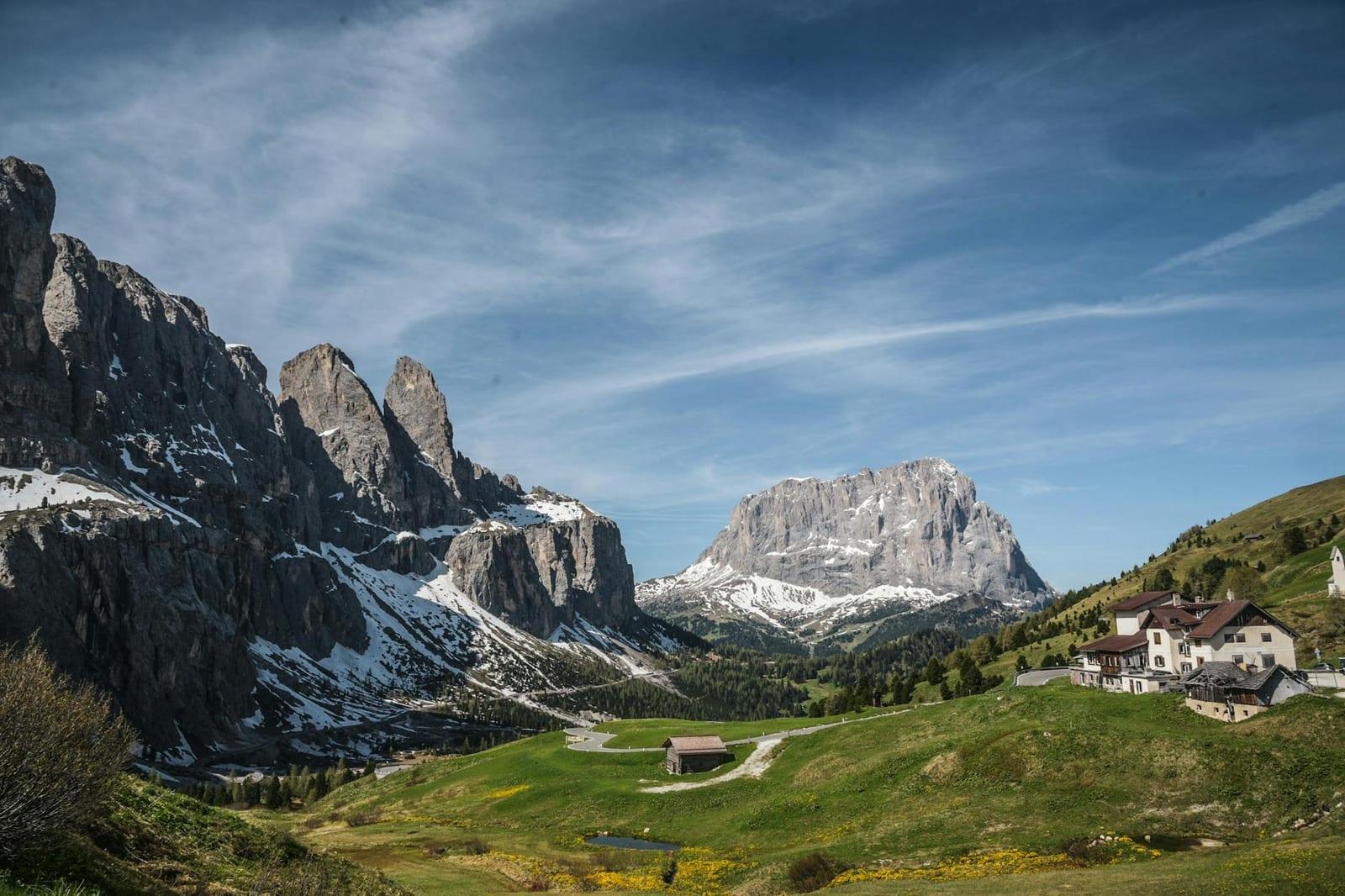
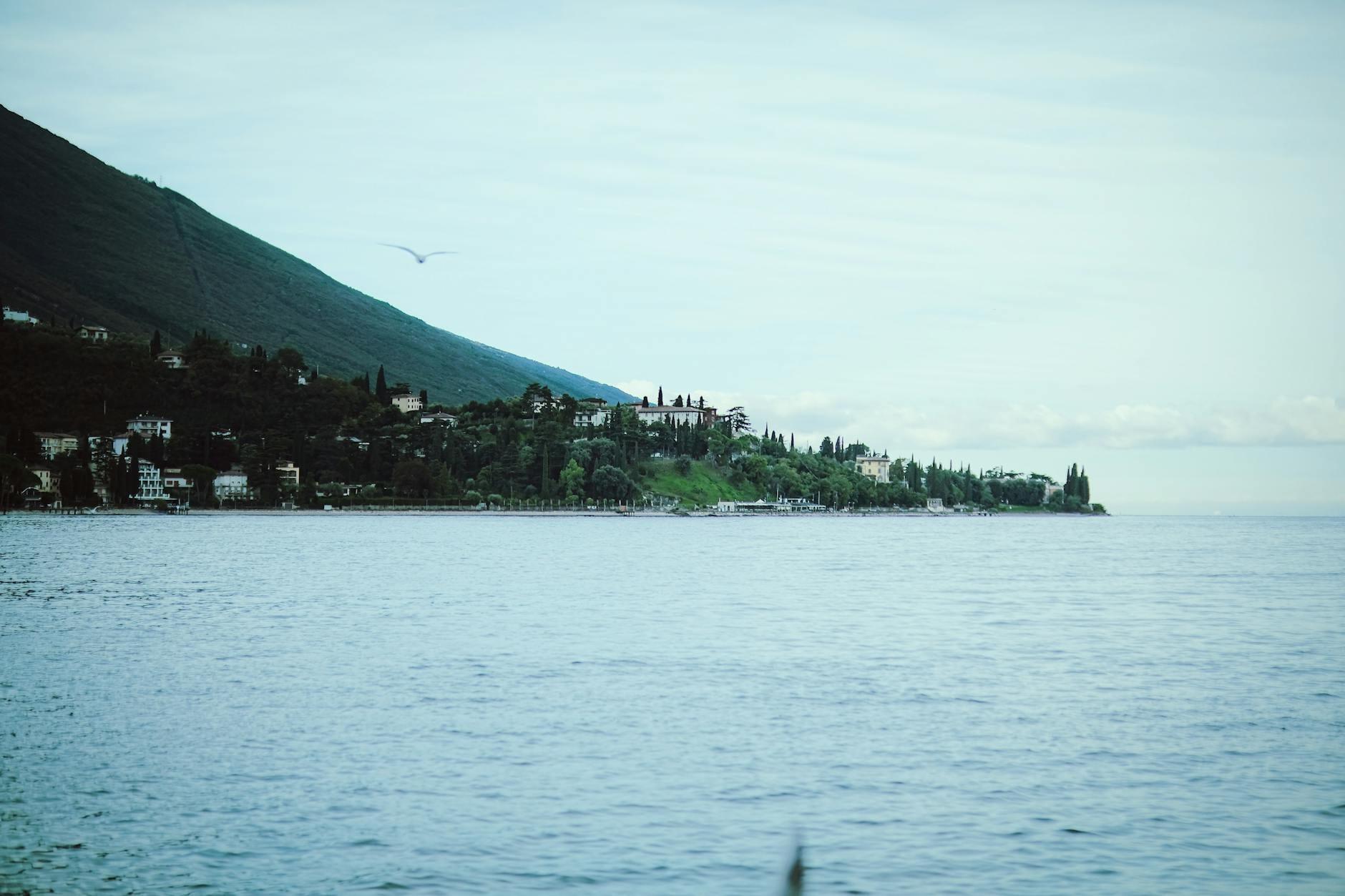
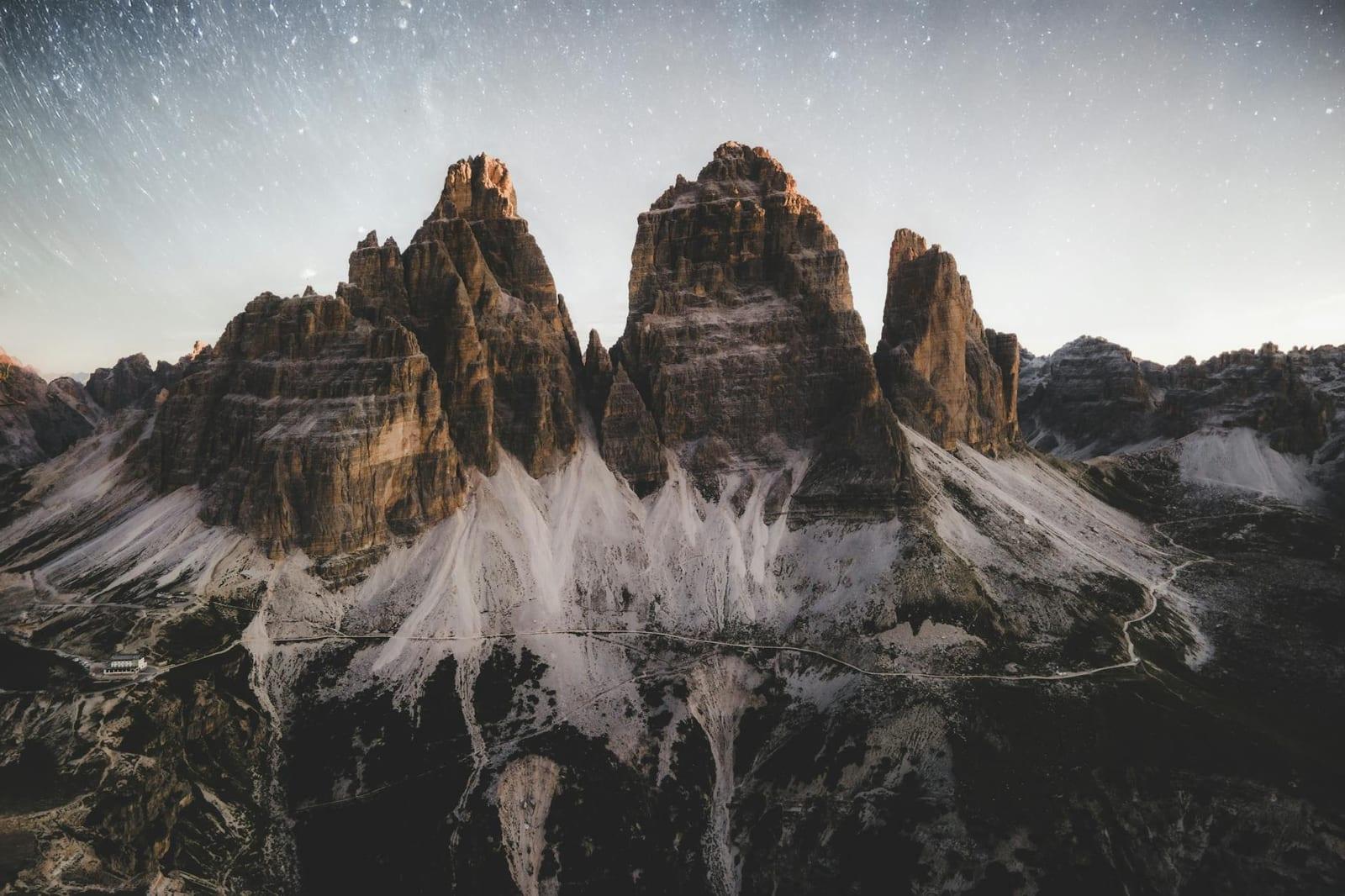
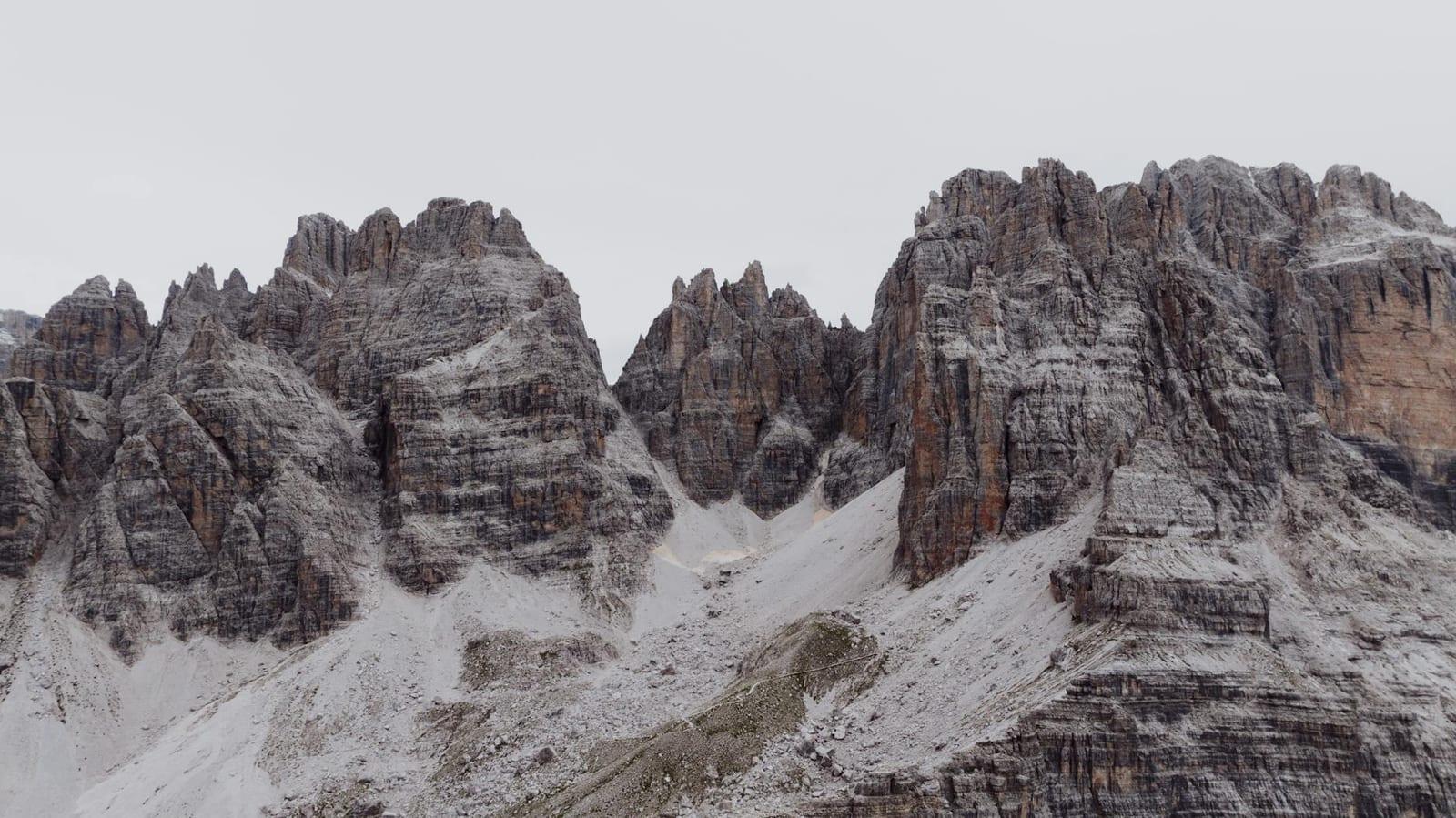
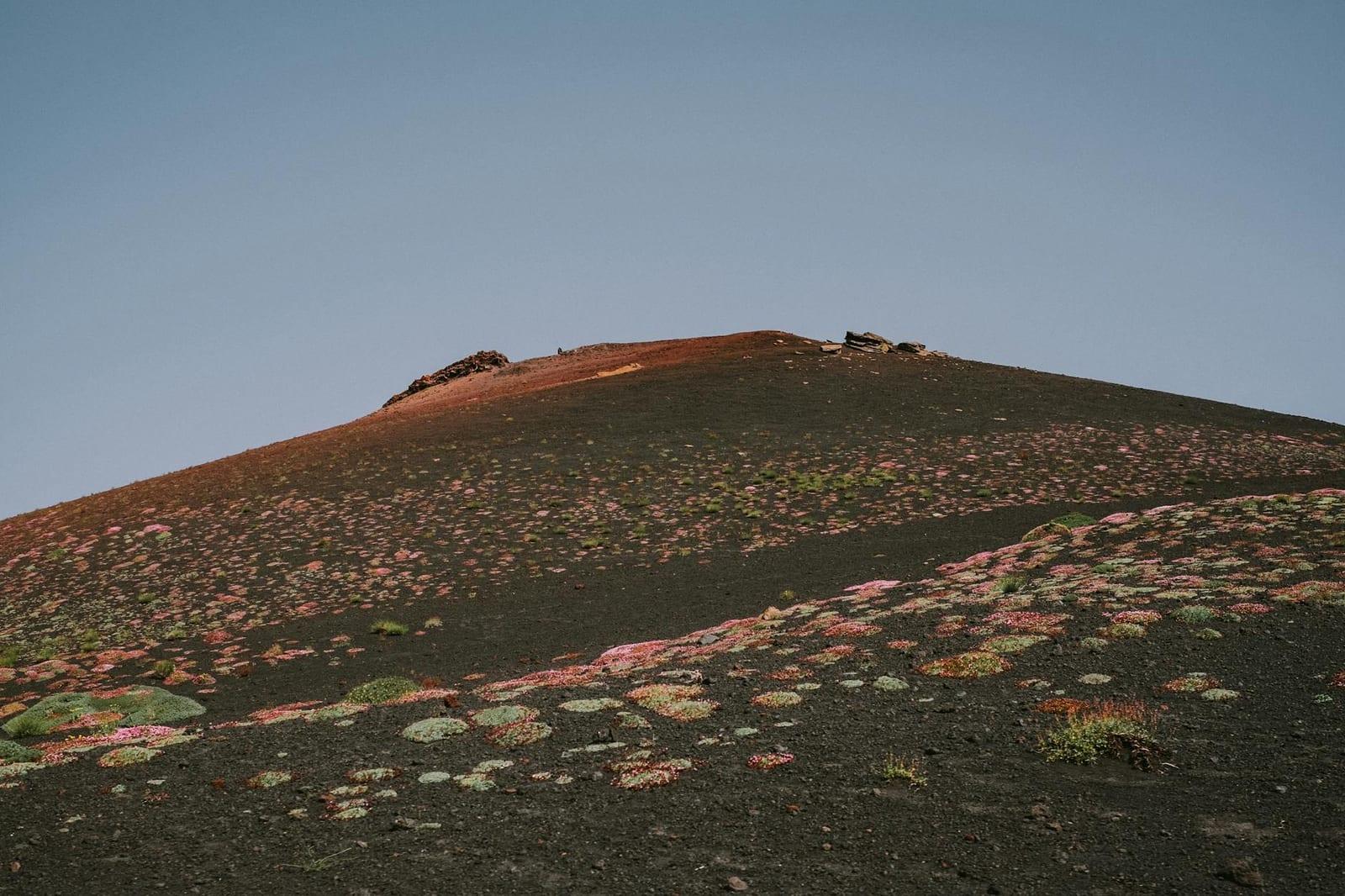
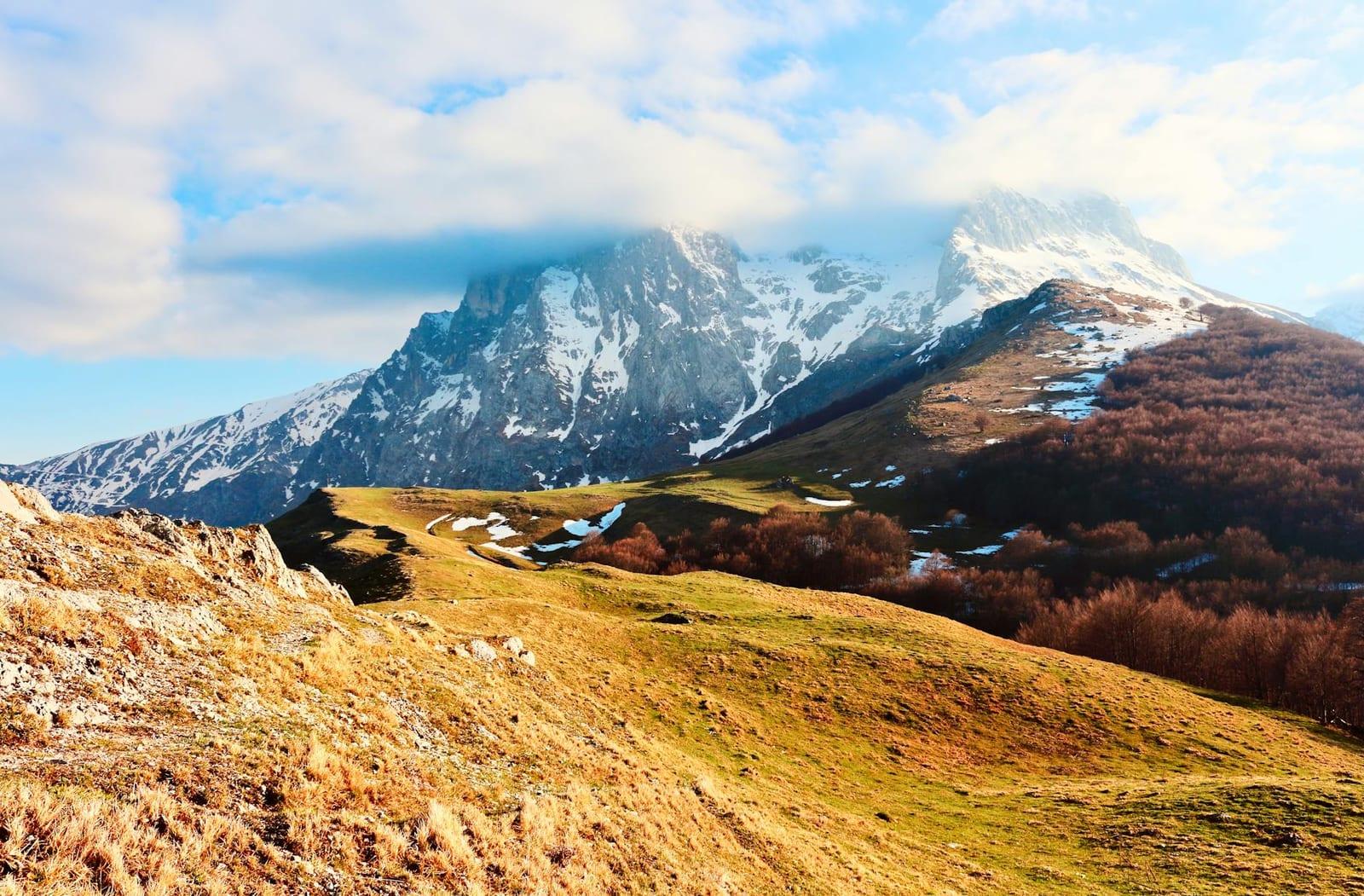
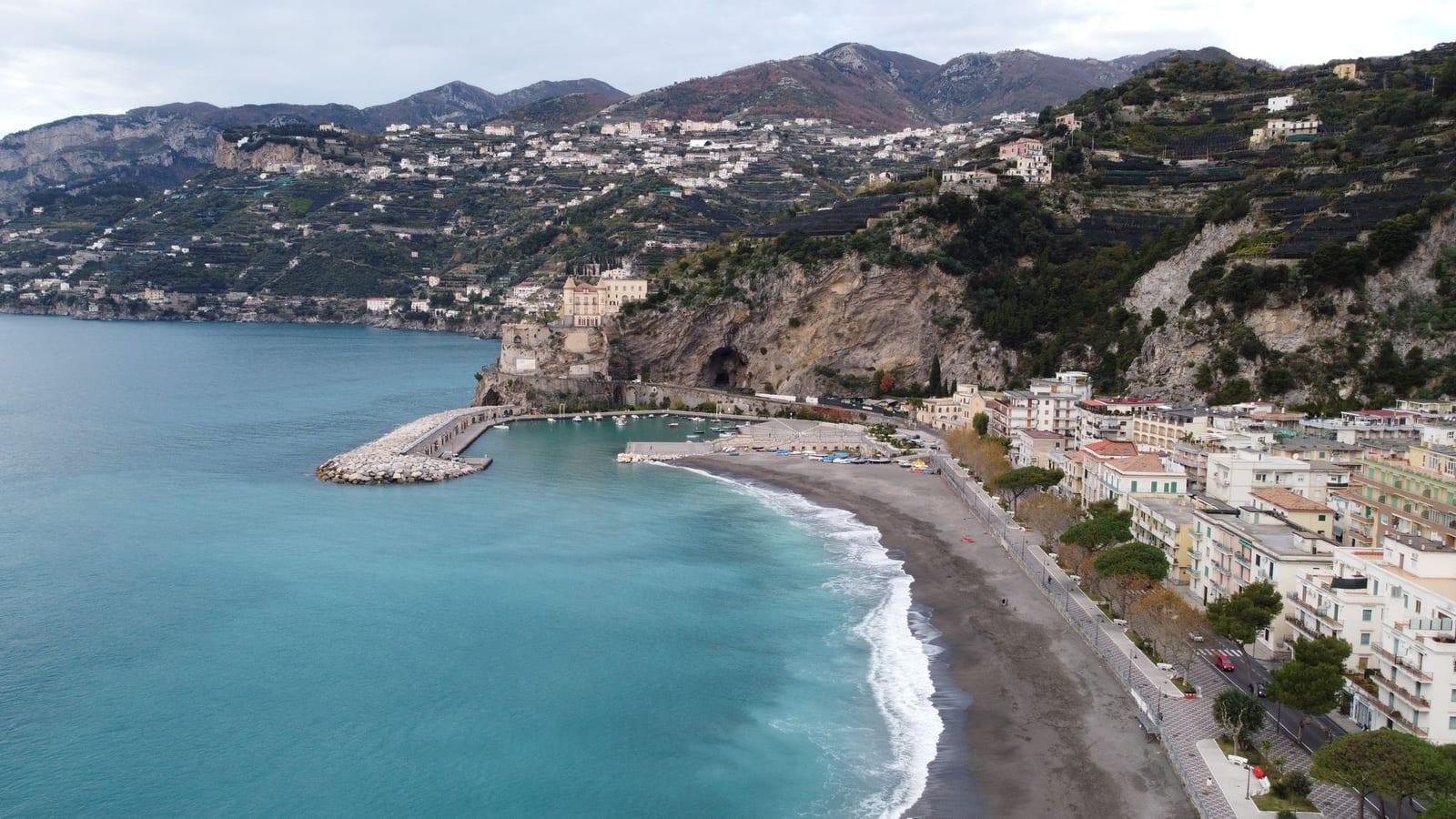
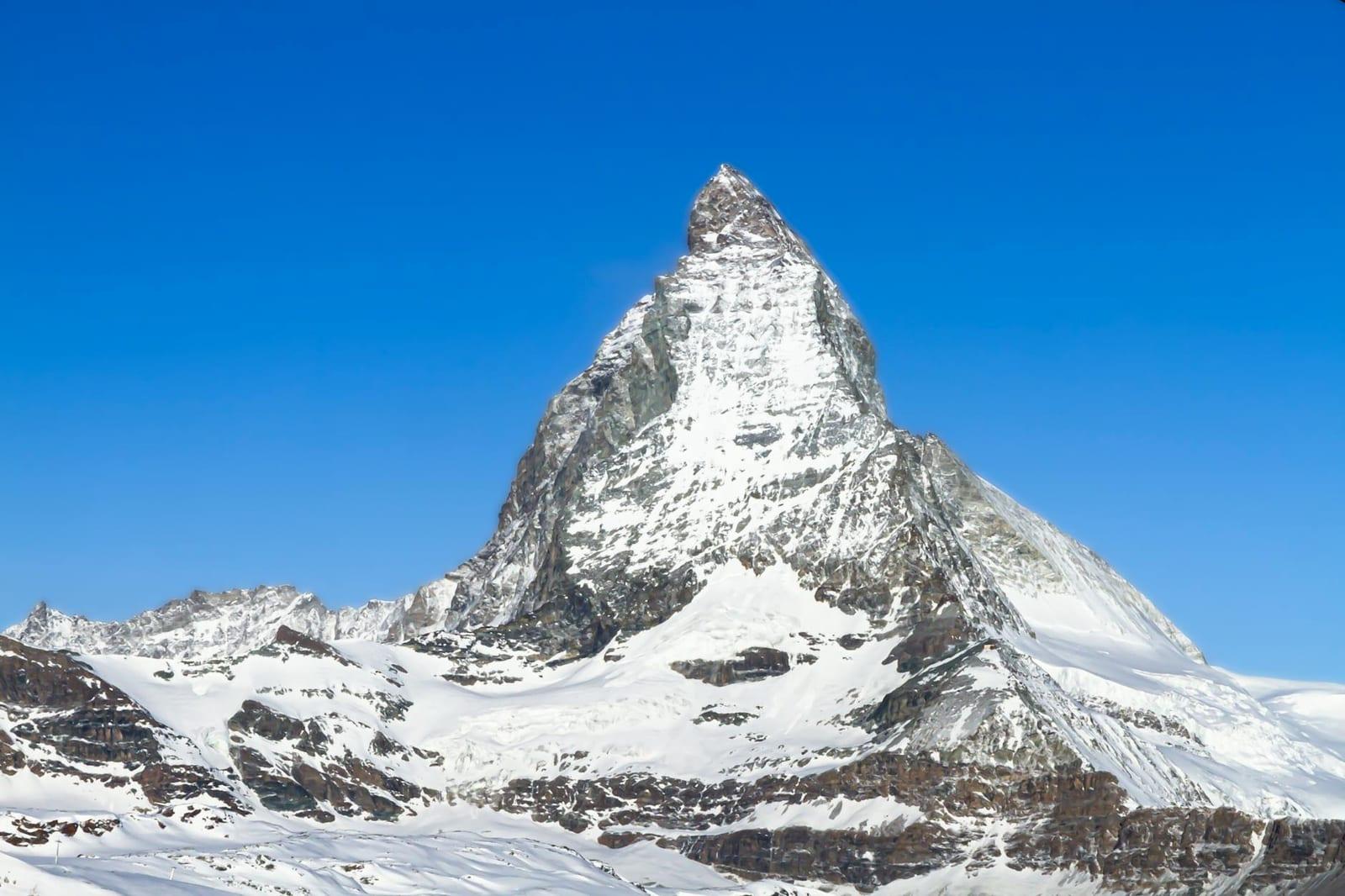
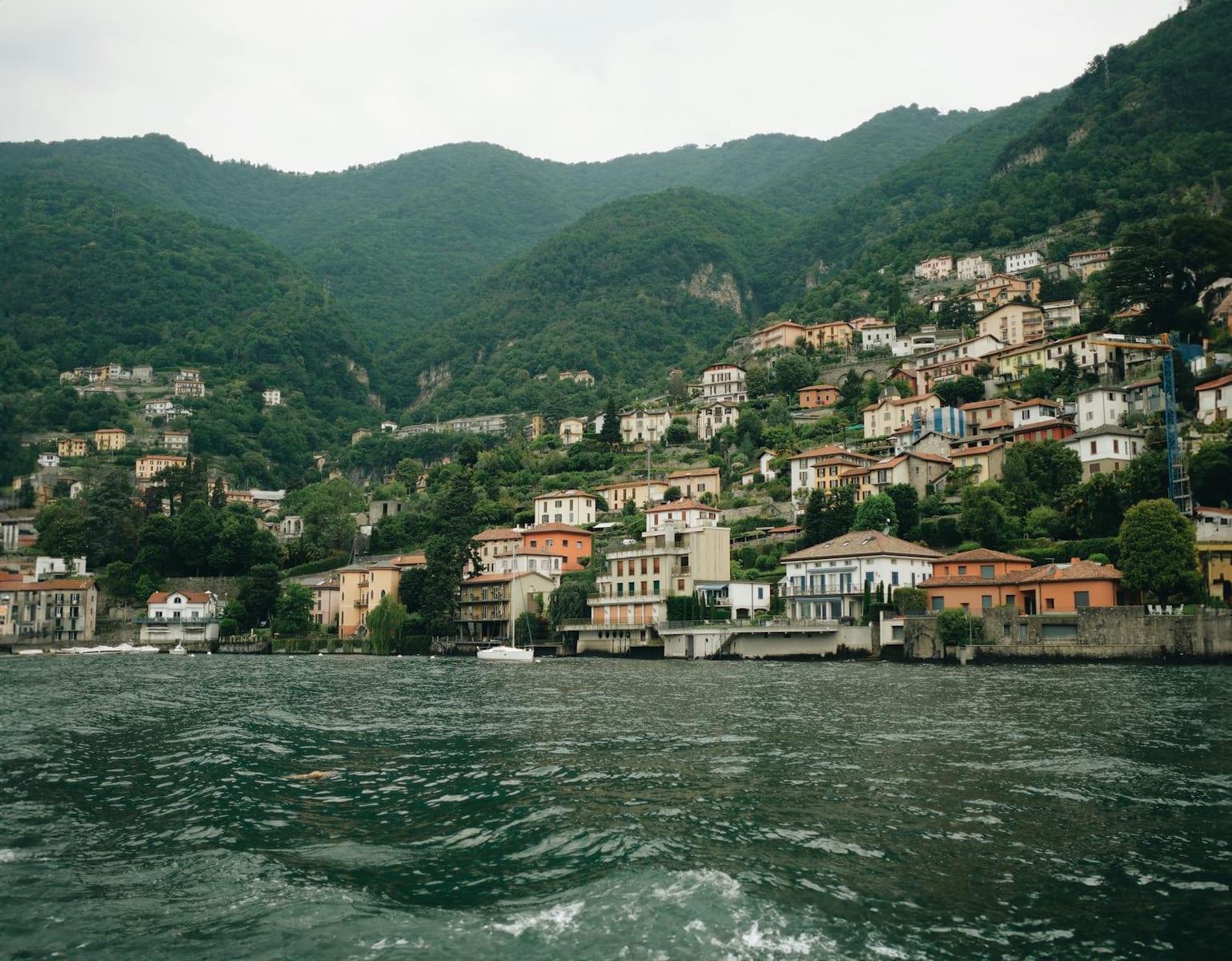
It may be no coincidence that the magnificent energy and craft on display in Italian art, cookery, and lifestyle emerge from an invariably gorgeous landscape. The northern border is a skyscraping one, cragged with mighty Alpine summits such as the Matterhorn (14,692 feet), Monte Rosa (15,203 feet), and Mont Blanc (15,780 feet). In the northeast, the Dolomites—with their pale limestone cliffs and pinnacles—compose one of the globe’s most sublime mountain ranges. And few lakes anywhere are so beautiful as Como, banked against the Alps and playground of the rich and famous. In central Italy, the standalone Apennines—crowned by the blocky massif of the Gran Sasso—conceal wolves and brown bears in their wild woods and lonesome meadows. Famous fire mountains include Vesuvius and Etna, the latter one of the most restless volcanoes on Earth. There’s sublime coastline, too—none more celebrated than the Amalfi. And the rolling vineyard country of Tuscany, Piedmont, and other pastoral dreamscapes looks especially dreamy after a glass or three of Italian wine.
Is it clichéd to proclaim that Italy has something for everyone? For the history buff, the artist, the architecture connoisseur, the nature lover, the epicurean (especially the epicurean)? Well, maybe, but it's true.
27 things not to miss.
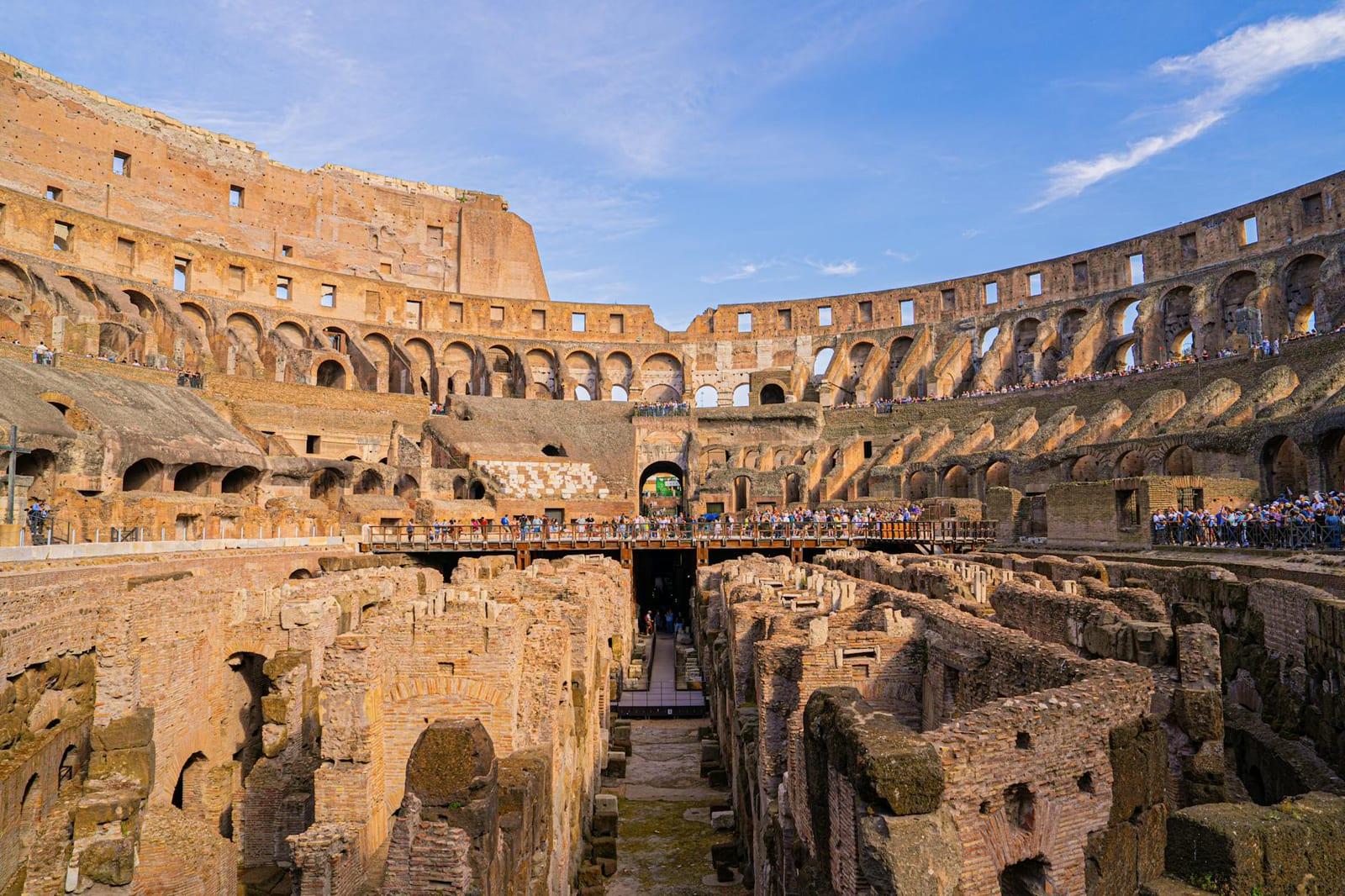
- into the Colosseum at openingWalk into the Colosseum at opening
- pasta-making class in BolognaTake a pasta-making class in Bologna

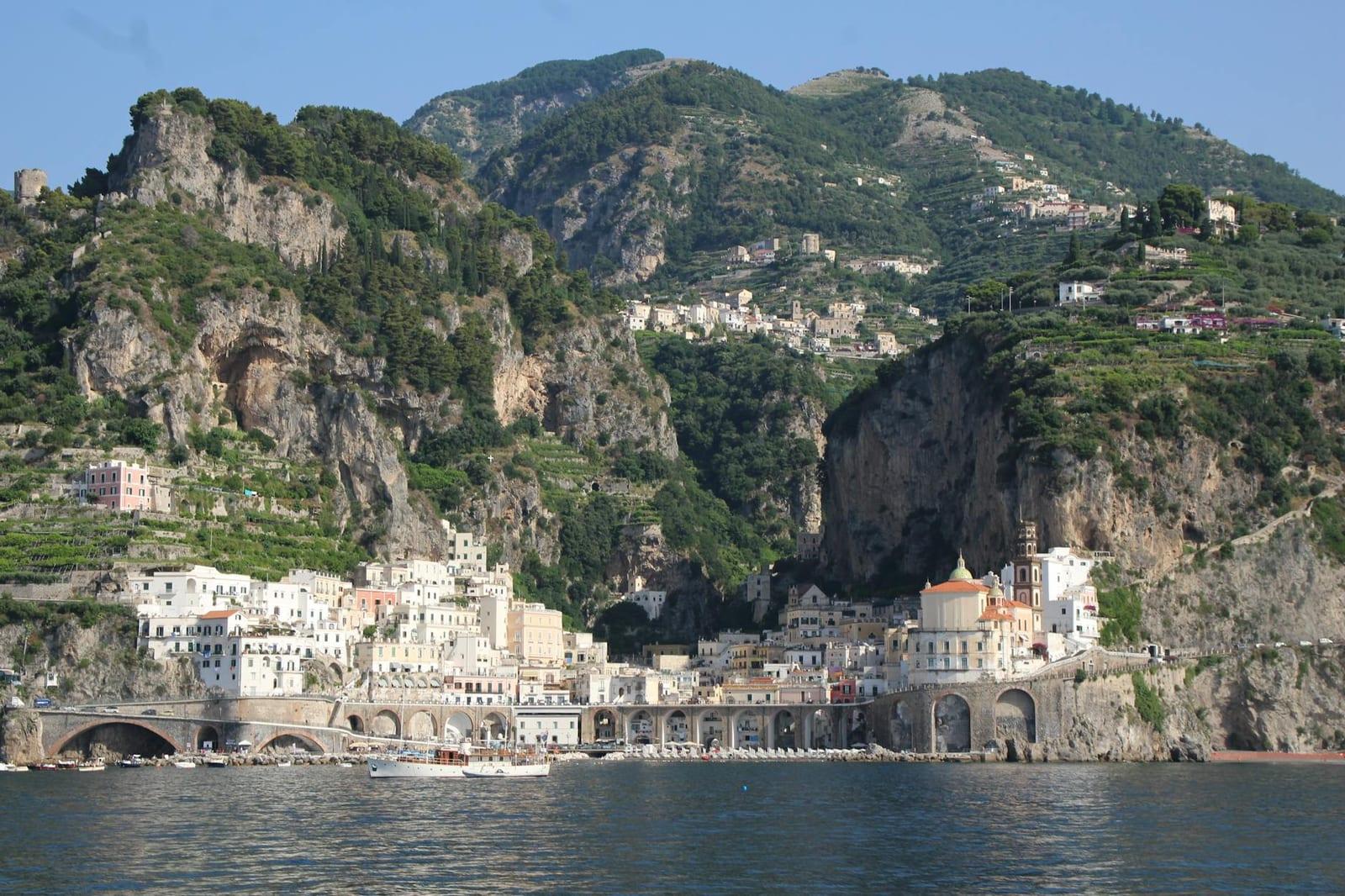
- the Amalfi coastSail the Amalfi coast
- Tre Cime di LavaredoClimb the Tre Cime di Lavaredo
- Ferrari Driving Experience

- Lamborghini Academy, Imola

- The Dolomites
- Mount Etna
- Abruzzo National Park
- Monza
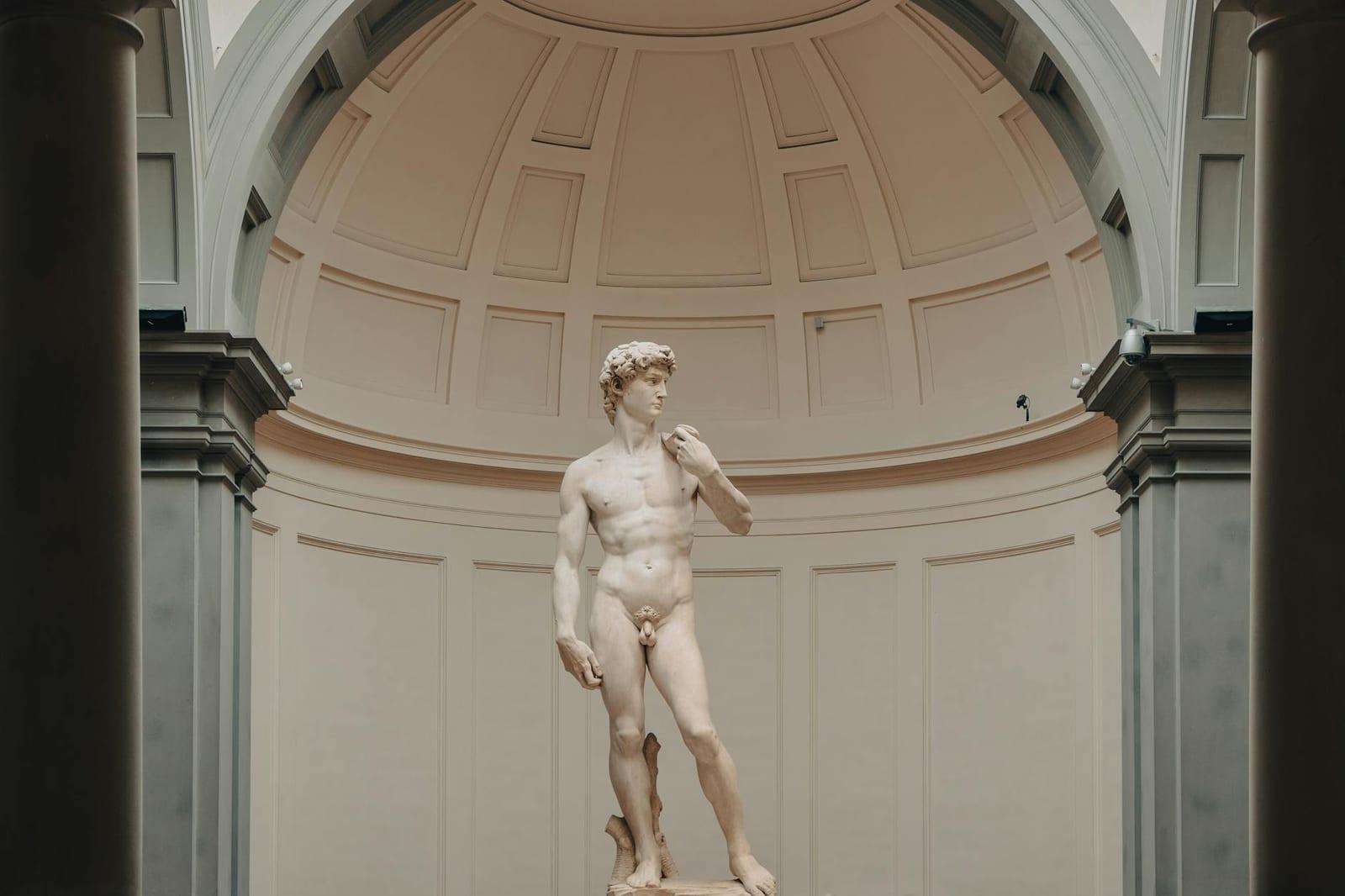
- Galleria dell'Accademia
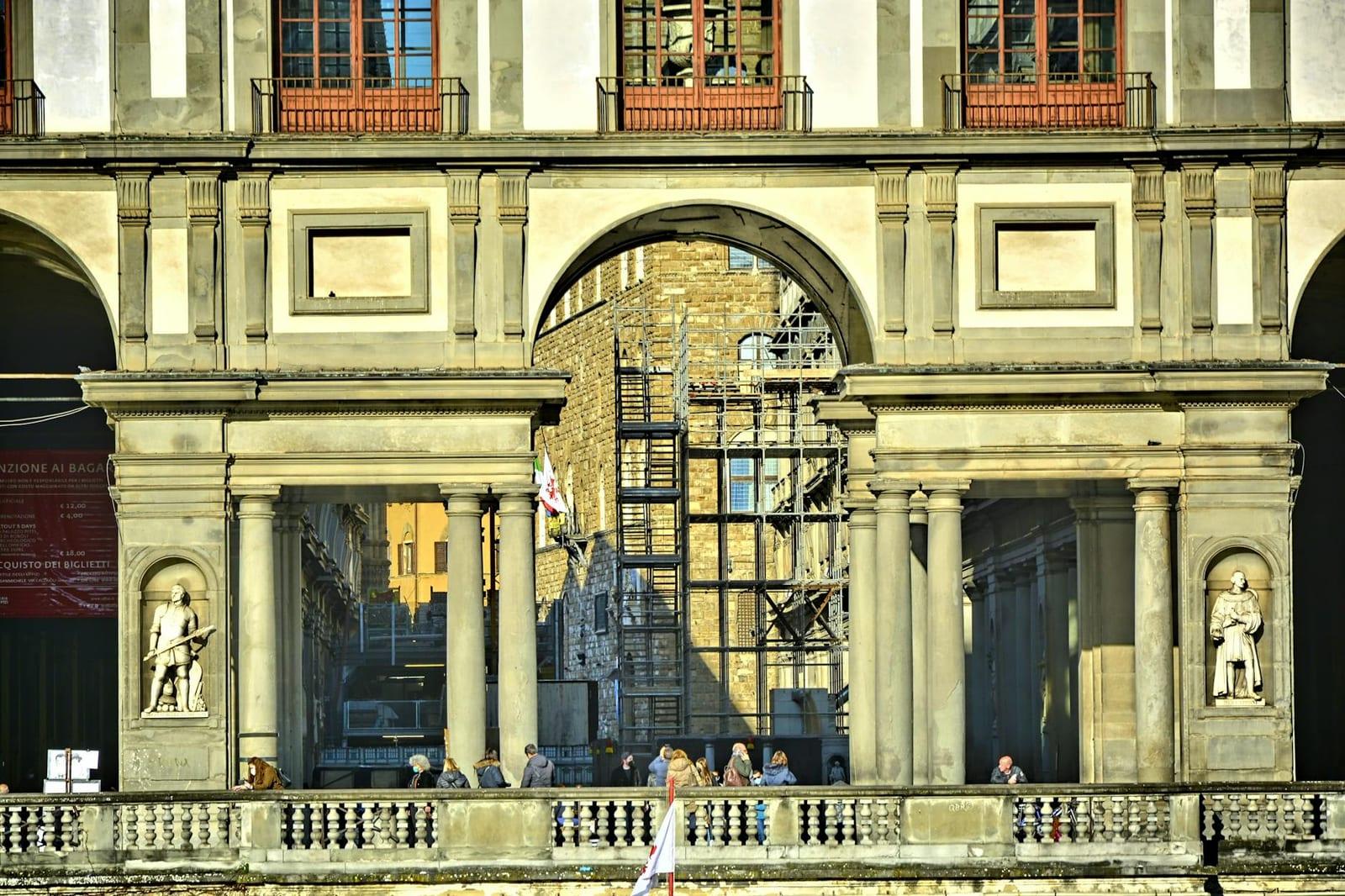
- Uffizi Gallery
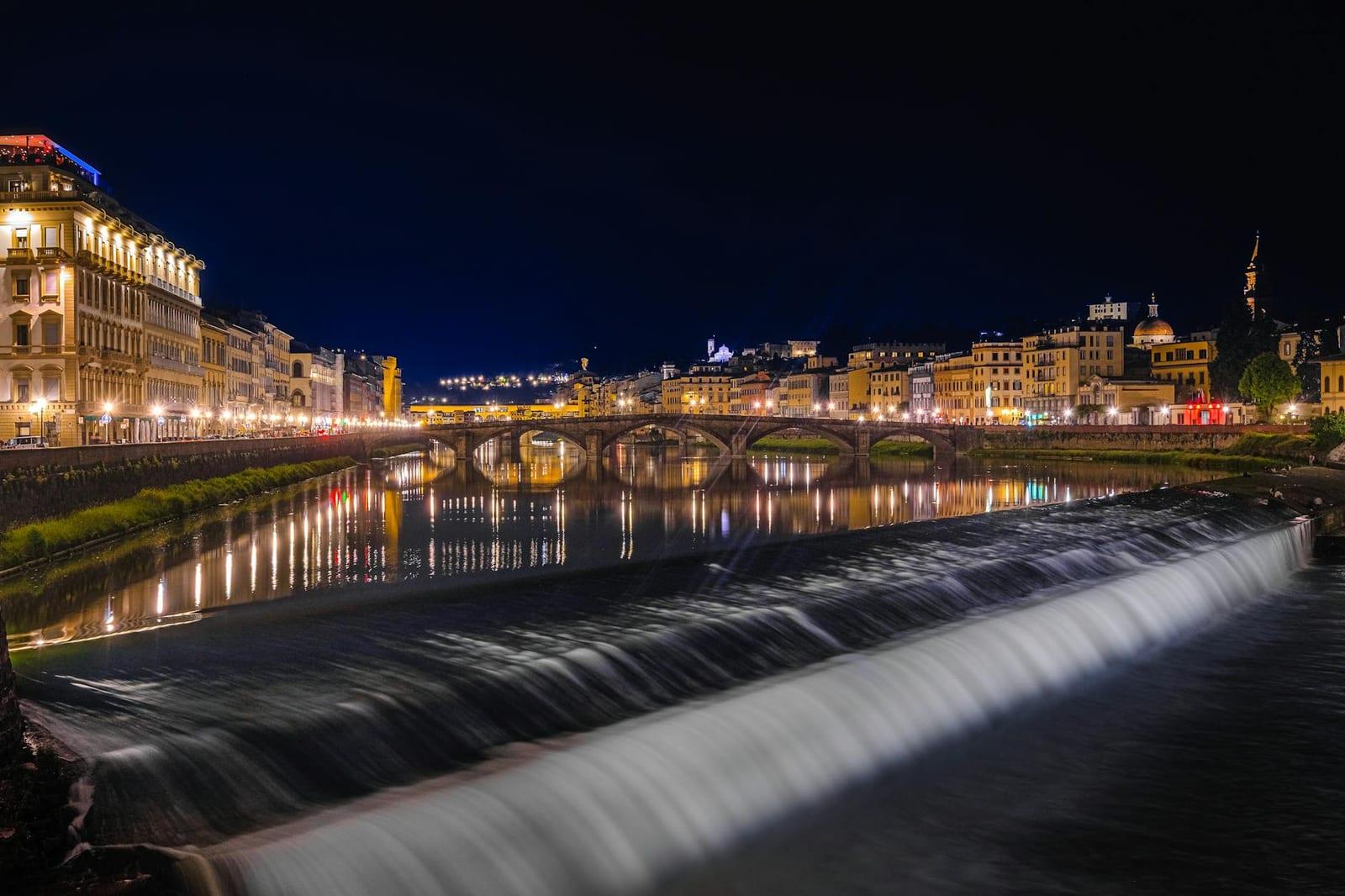
- Florence
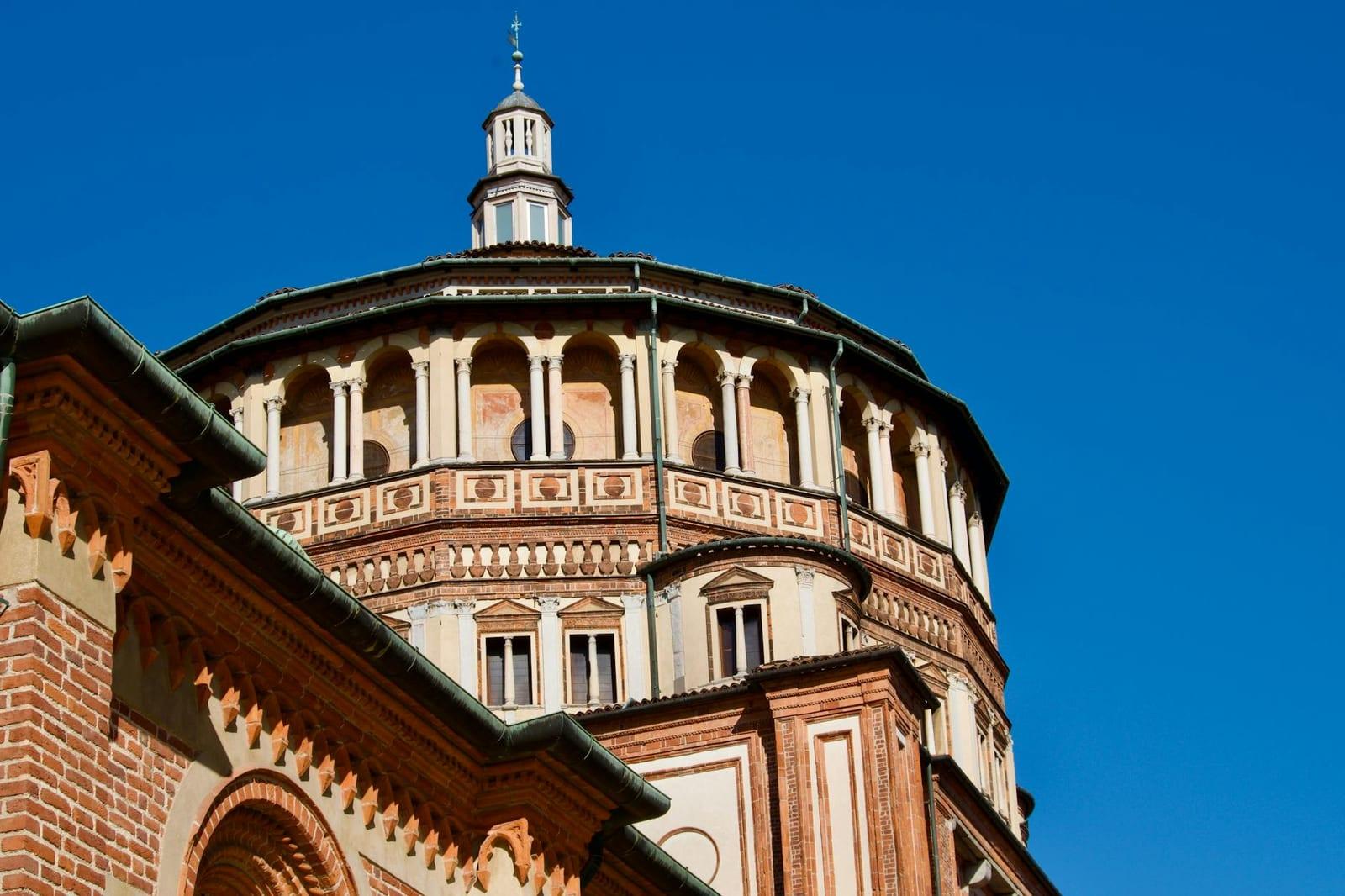
- Santa Maria della Grazie
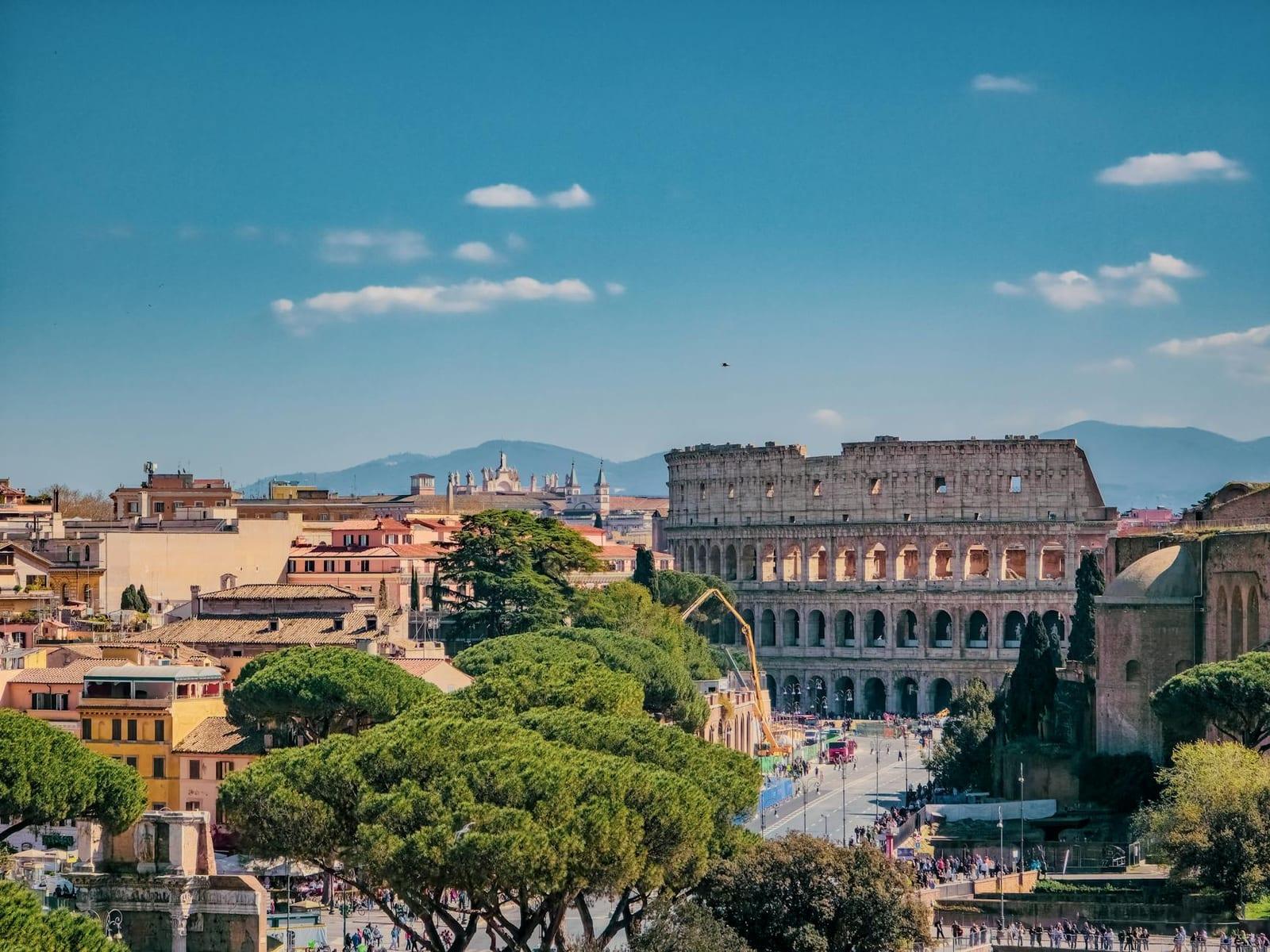
- Rome
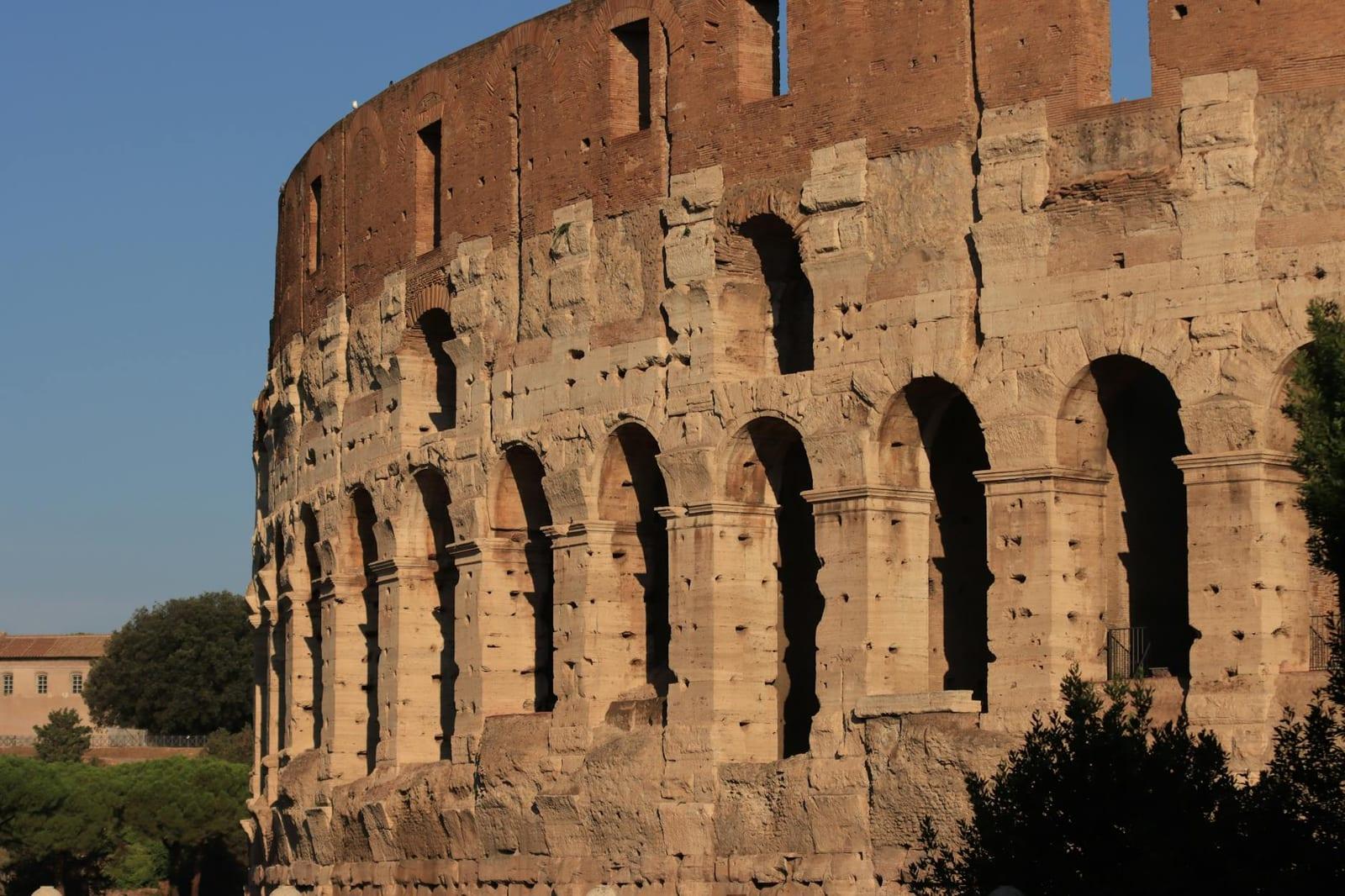
- Colosseum
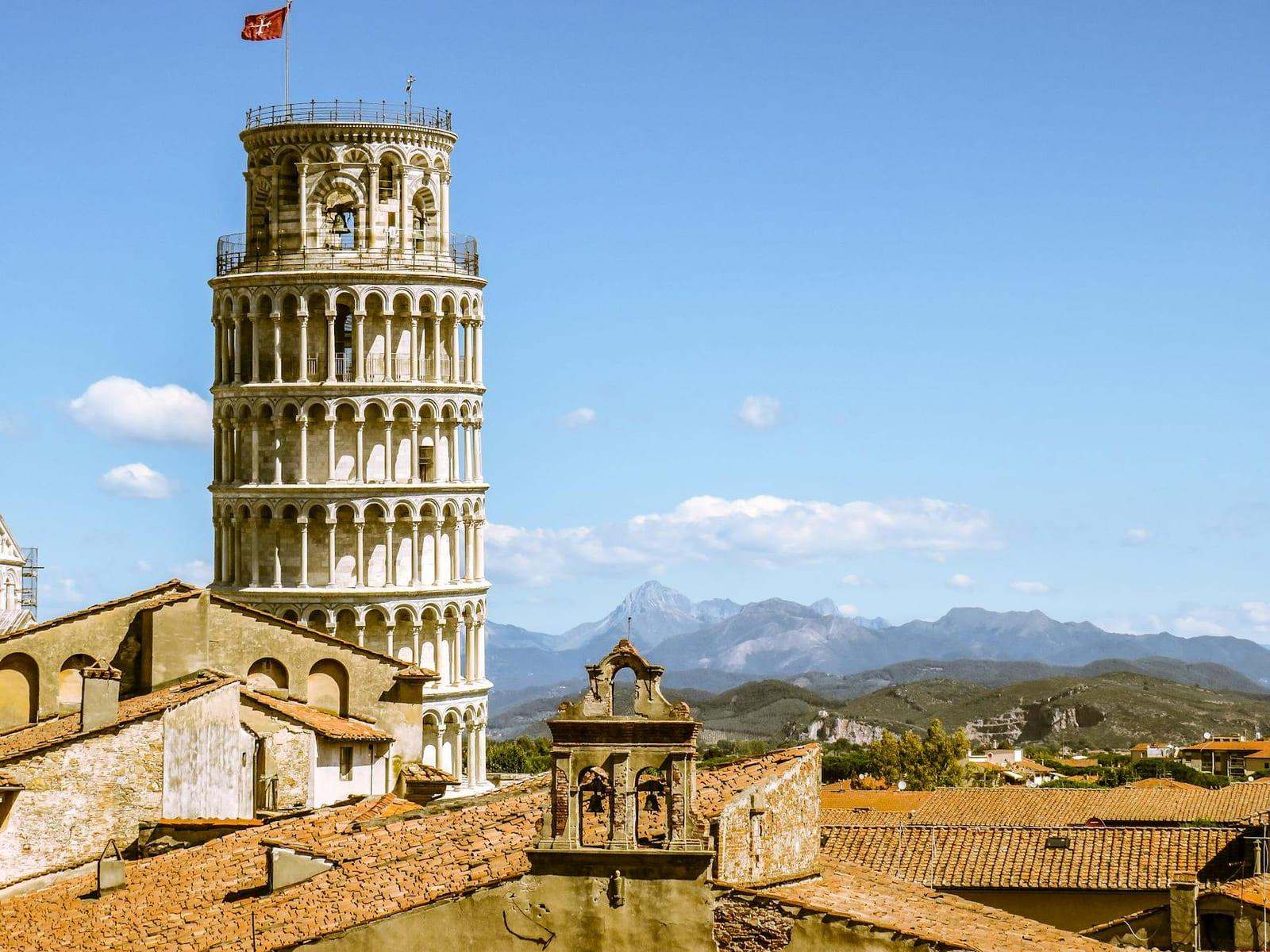
- Leaning Tower of Pisa
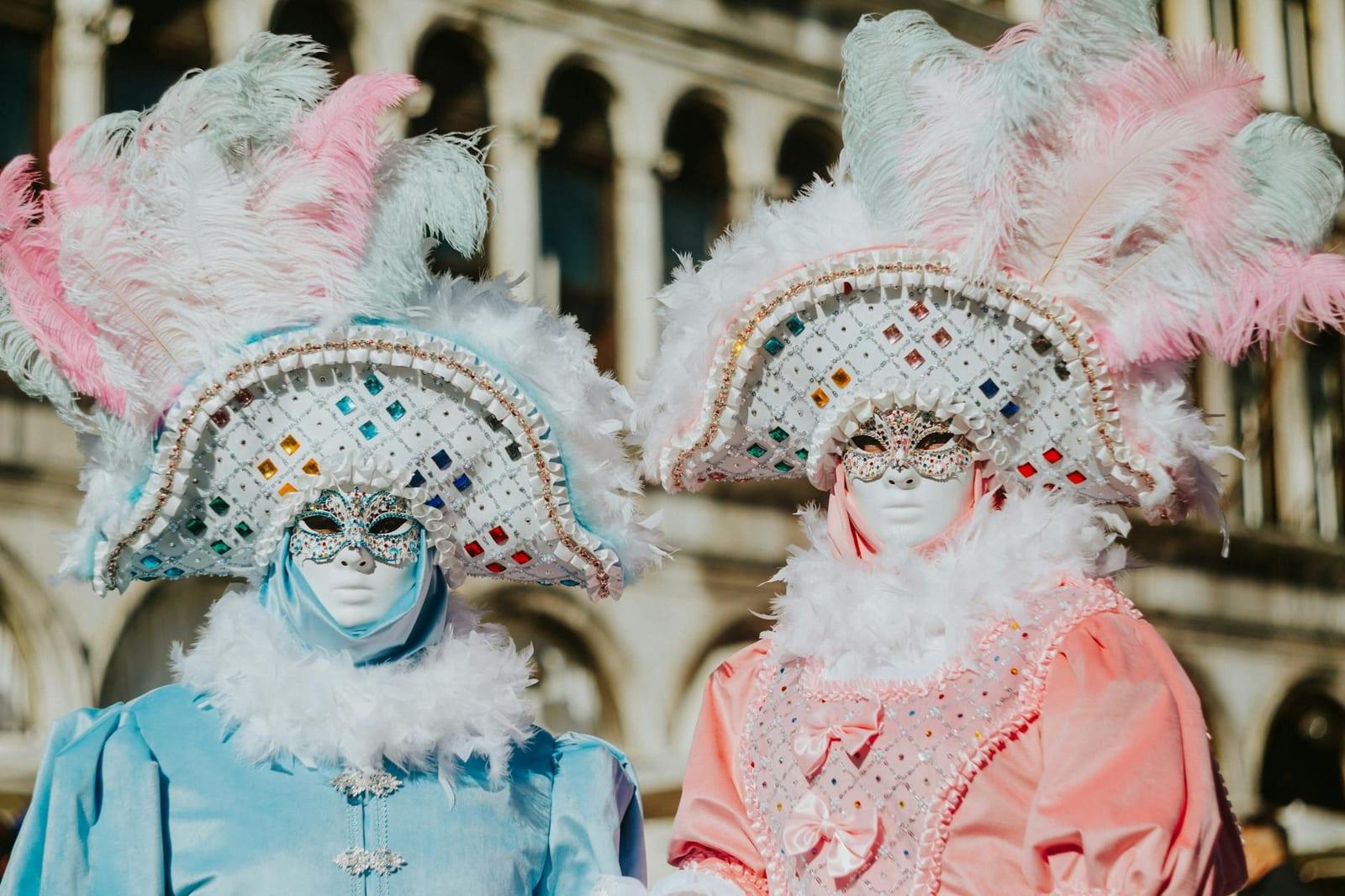
- Carnevale Venice
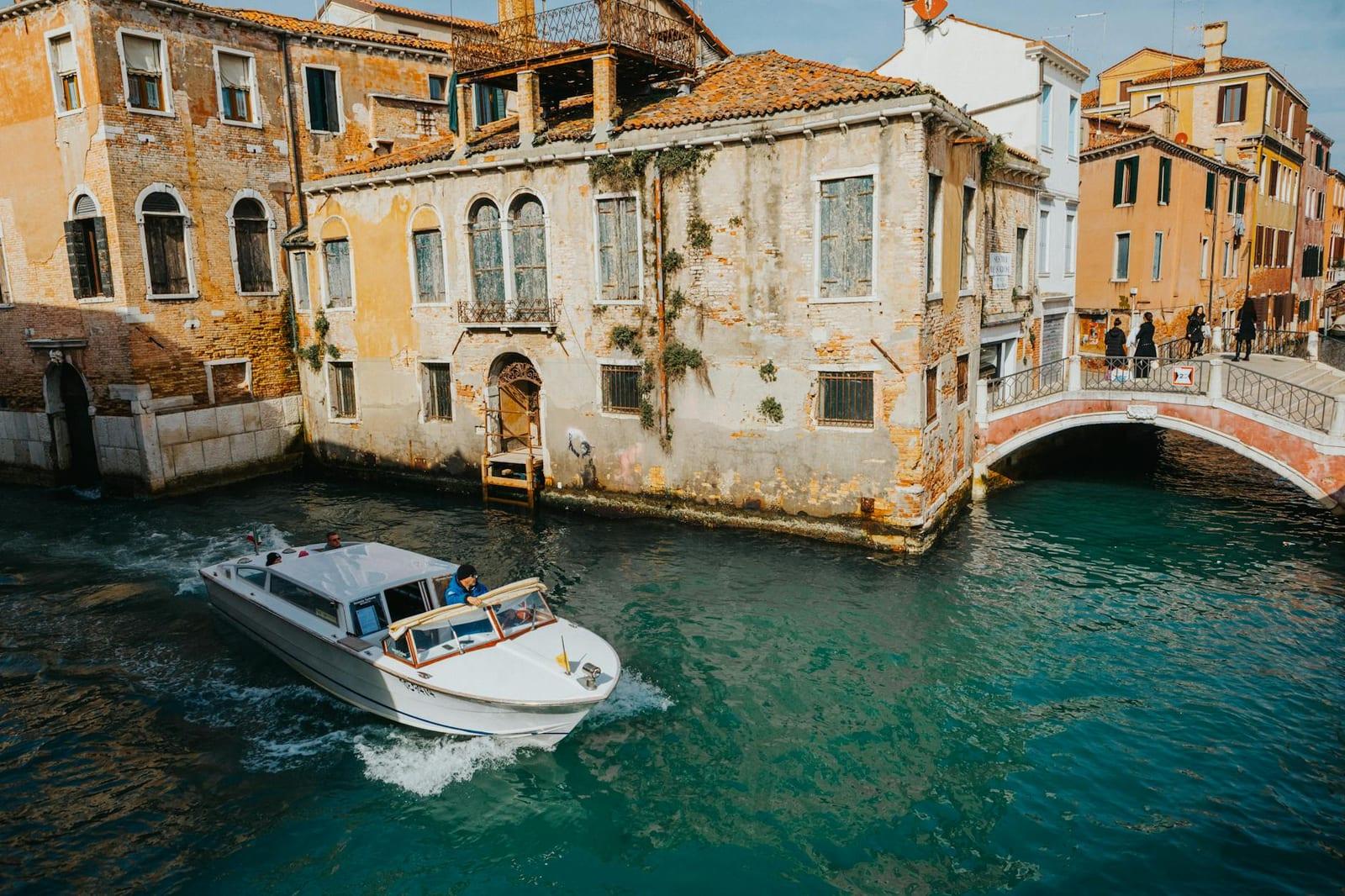
- Venice
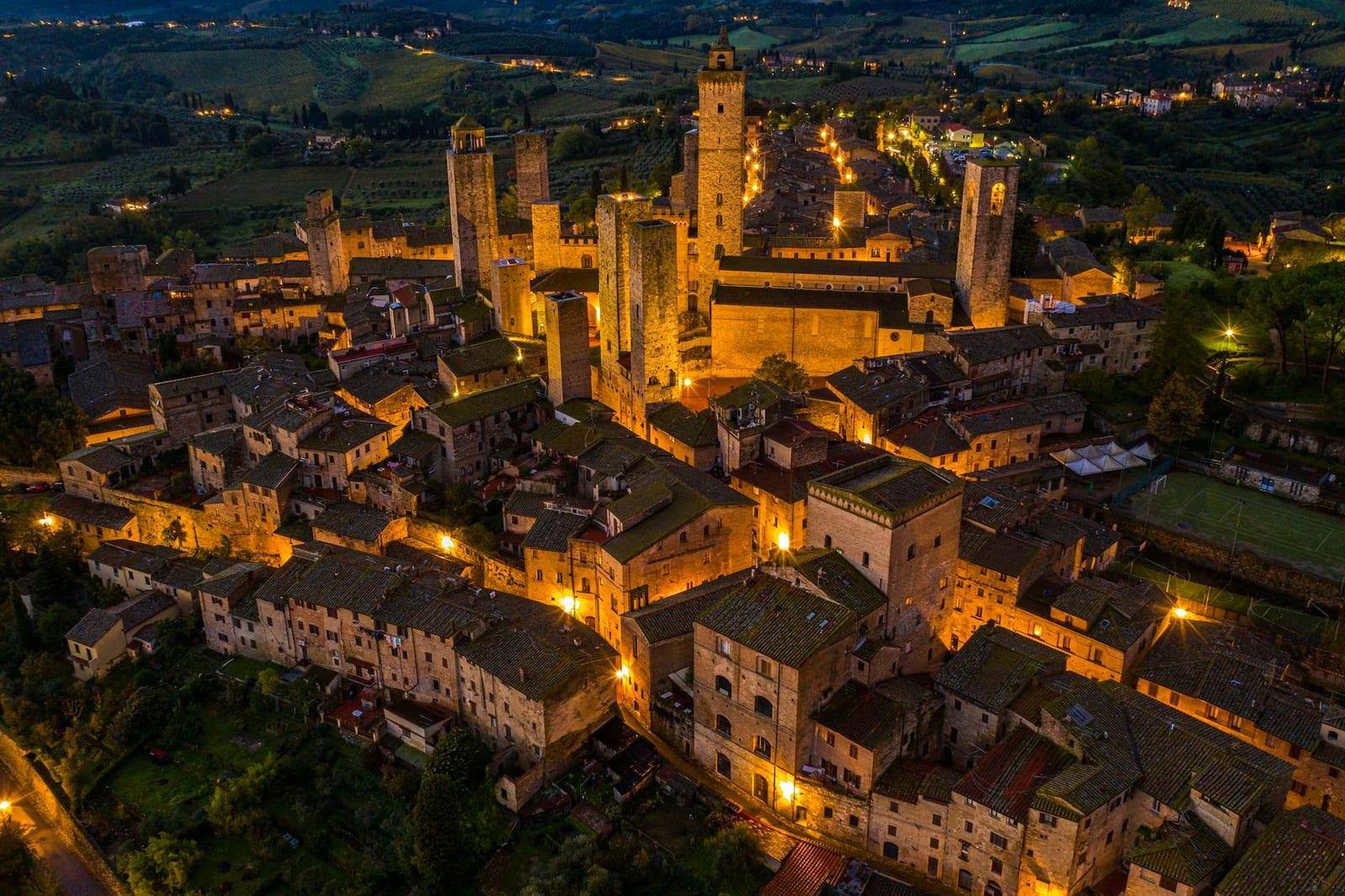
- San GimignanoThis world-famous Tuscan hill town’s medieval towers and parapets, postcard-perfect from afar, guard a stunning historical center.
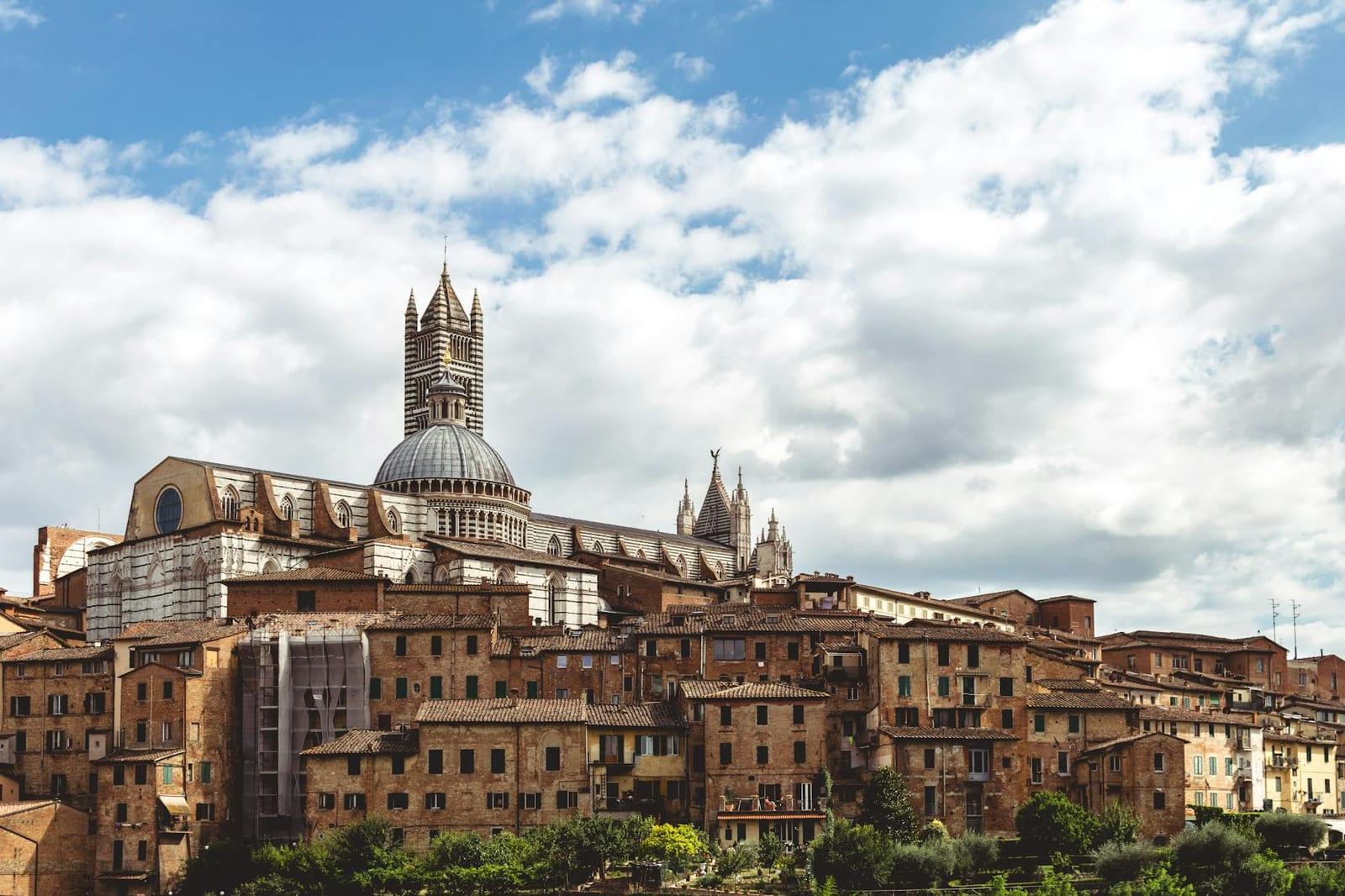
- SienaTruly transportive historical architecture composes Siena’s World Heritage Site-listed center, including the Piazza del Campo’s medieval monuments.
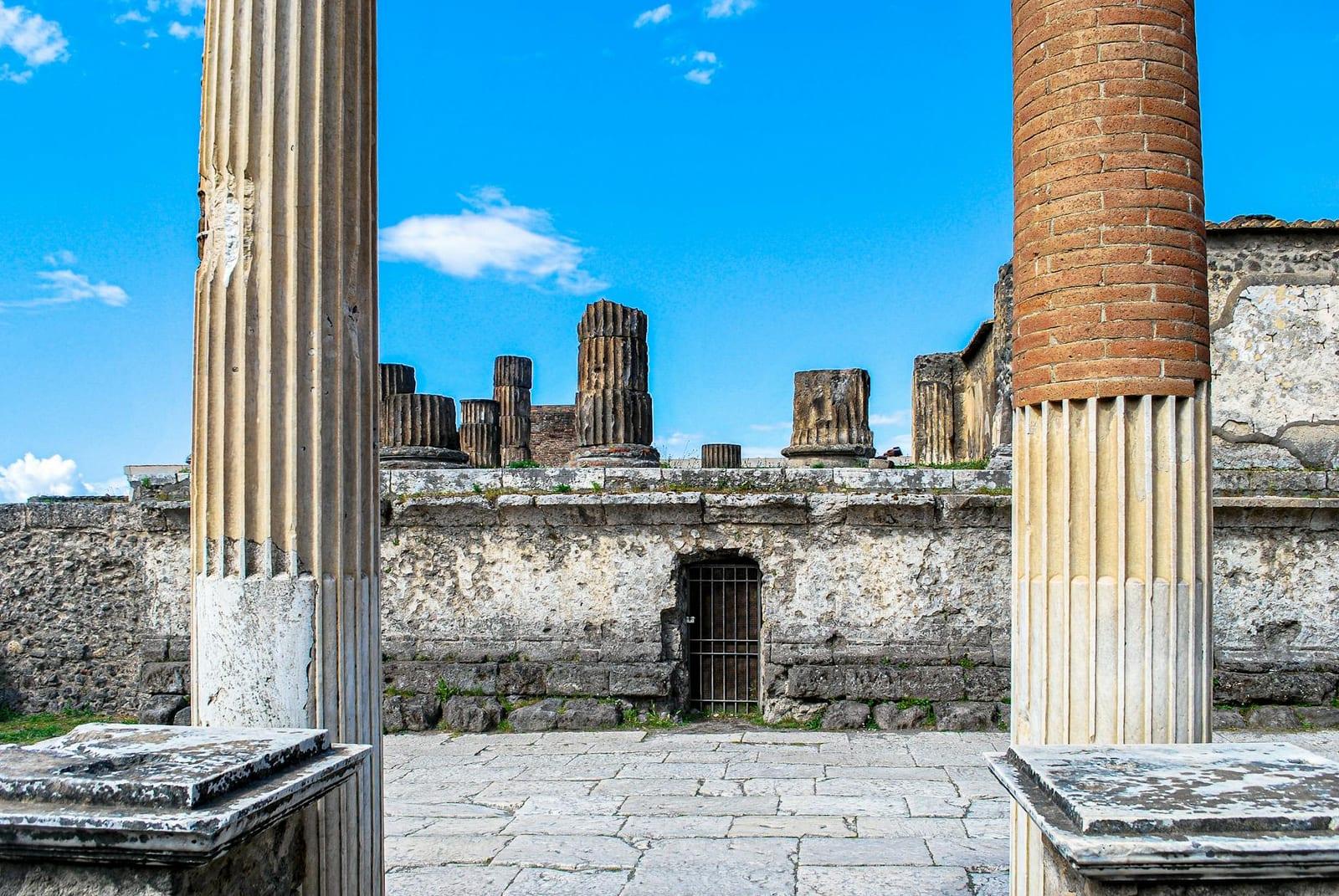
- PompeiiAlongside nearby Herculaneum, this Roman town, choked by Mount Vesuvius’s eruption, is one of Europe’s best-known archaeological sites.
- Amalfi CoastThe Sorrentine Peninsula’s Mediterranean seafront, studded with ravishing ports, ranks among the most iconic coastlines anywhere.
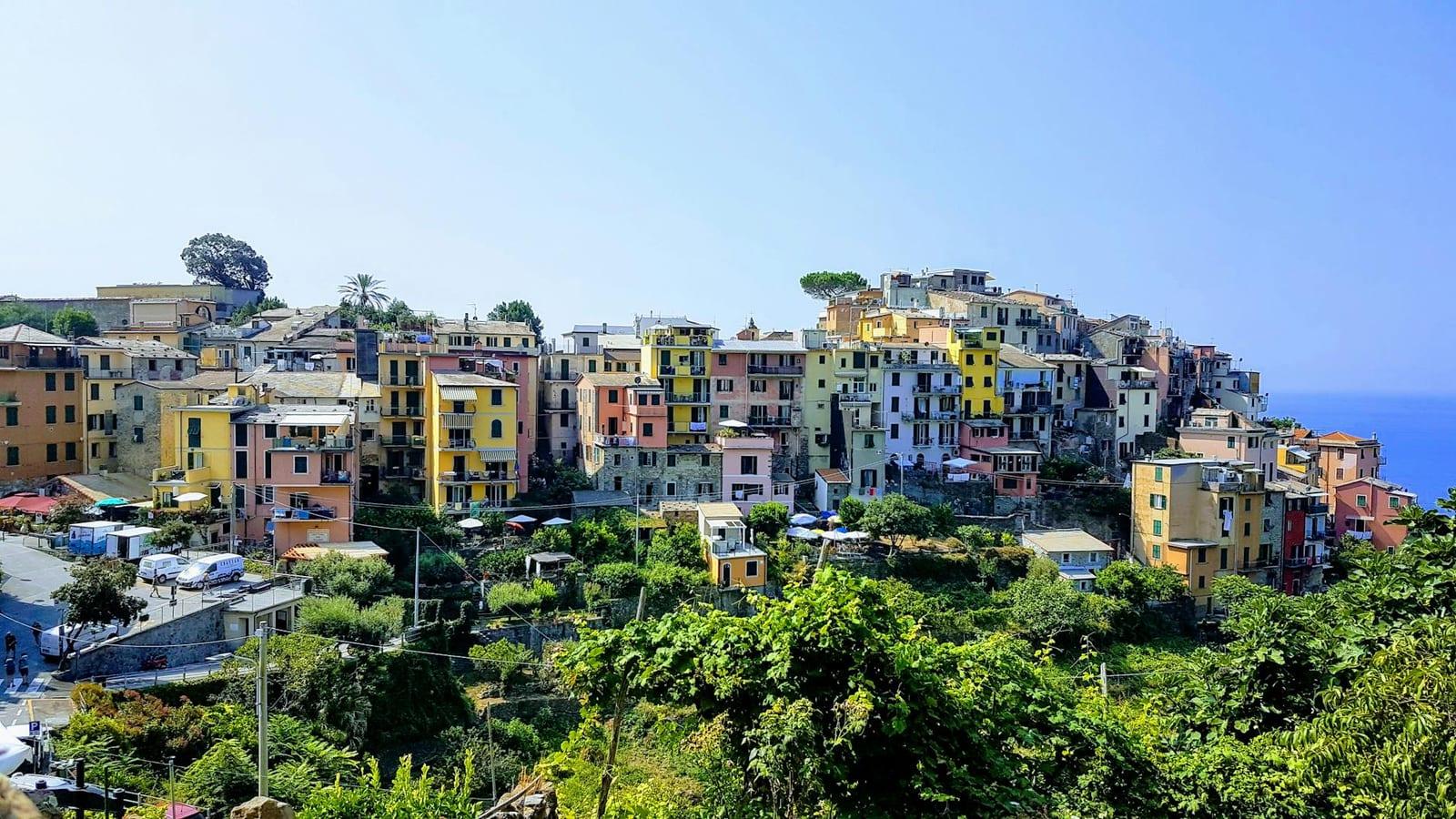
- Cinque Terre National ParkThe cliff-tucked villages, harrowing switchback roads, and gorgeous Mediterranean views of the Ligurian Coast distinguish this park.
- The MatterhornClose to 15,000 feet high, this fierce Alpine horn on the Swiss border is the quintessential mountain summit.
- Lake ComoLakes don’t come prettier—or more high-class, given all the lavish shoreline estates of the über-rich—than this mountain-flanked trough.
- Gardena PassThis pass, framed by the Sella ramparts and the Pizes de Cir pinnacles, provides front-row seats to the almost unreal splendor of the Dolomites.