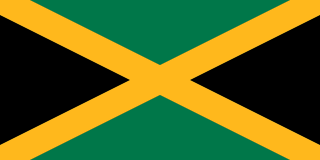
One of the Caribbean’s best-known and most popular destinations, Jamaica presents a seductive combination of life-loving people, proud cultural traditions, and gorgeous scenery. Parts of this big, well-settled island are far from whitewashed, but even the tension of its less idyllic locales—partly a reflection of the very real disparity between decked-out tourist playgrounds and the rest of the country—seems to underscore the inherent human vitality.
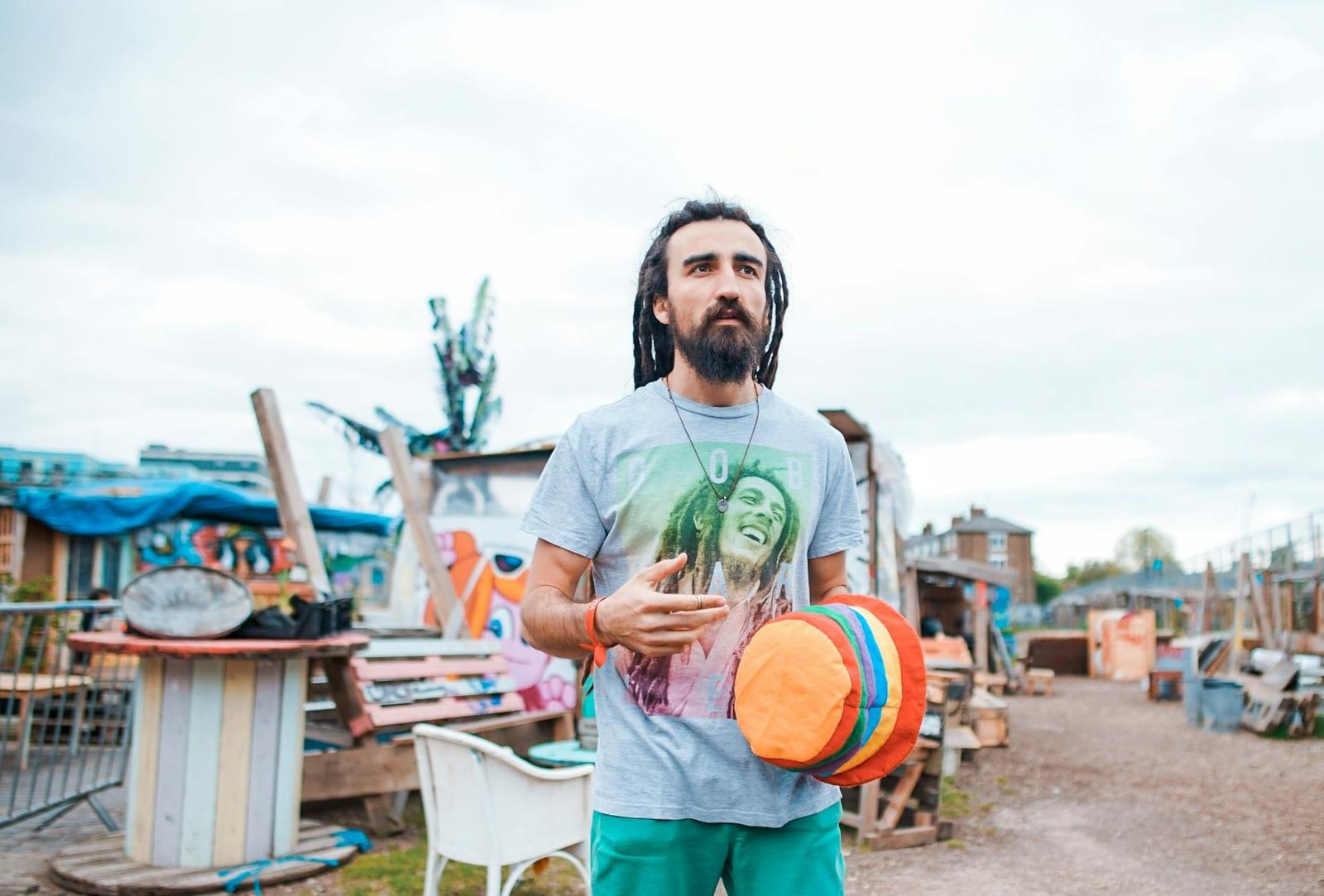
Jamaica’s vibrant culture is known around the world, not least on account of international music icon Bob Marley. Reggae—derived from similarly homegrown rocksteady and ska—may be the island’s most famous cultural export, but you’ll also hear plenty of Caribbean-style calypso wafting through the flower-scented sea breeze here. In the face of such soulful music (so heavily indebted to Jamaica’s West African roots), it's hard not to crave some native cuisine to go along with it. Jerk meats, curry goat, ackee and saltfish: There’s a delicious world to explore, and nearly any dish can be suitably washed down with a squat bottle of Red Stripe.
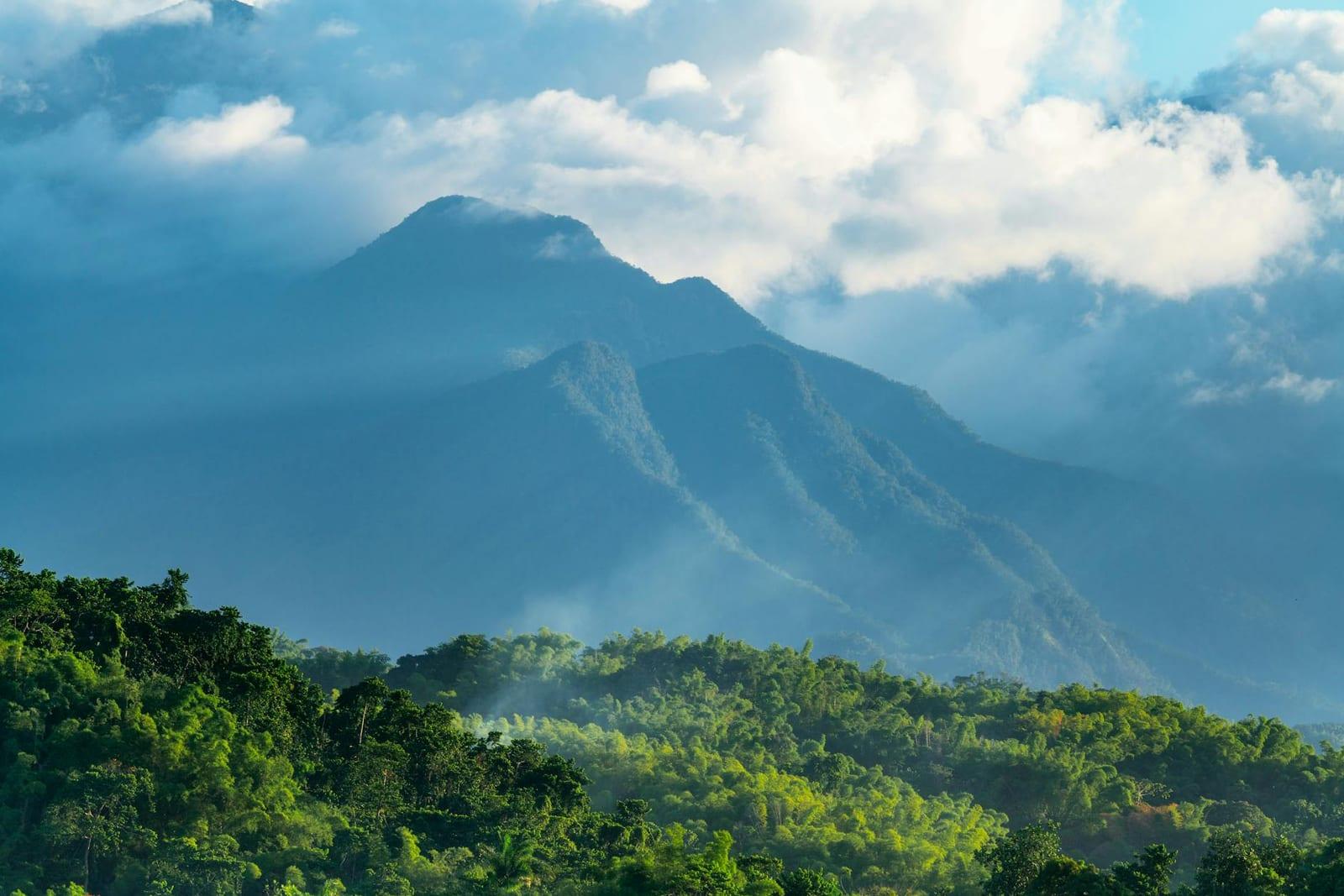
The island’s natural treasures, though, are just as captivating as the cultural ones. The Blue Mountains in the east are the crown jewel of the island’s highlands, reaching 7,402 feet on Blue Mountain Peak. Besides hiking, outdoor recreationists can explore the Blues and other Jamaican backcountry via horseback, zipline, inner tube, whitewater raft—you name it. Cockpit Country in the west marks another iconic national landscape—not least because these rugged, sinkhole-ridden karst hills famously sheltered the Jamaican Maroons in their defiance of British colonialism.
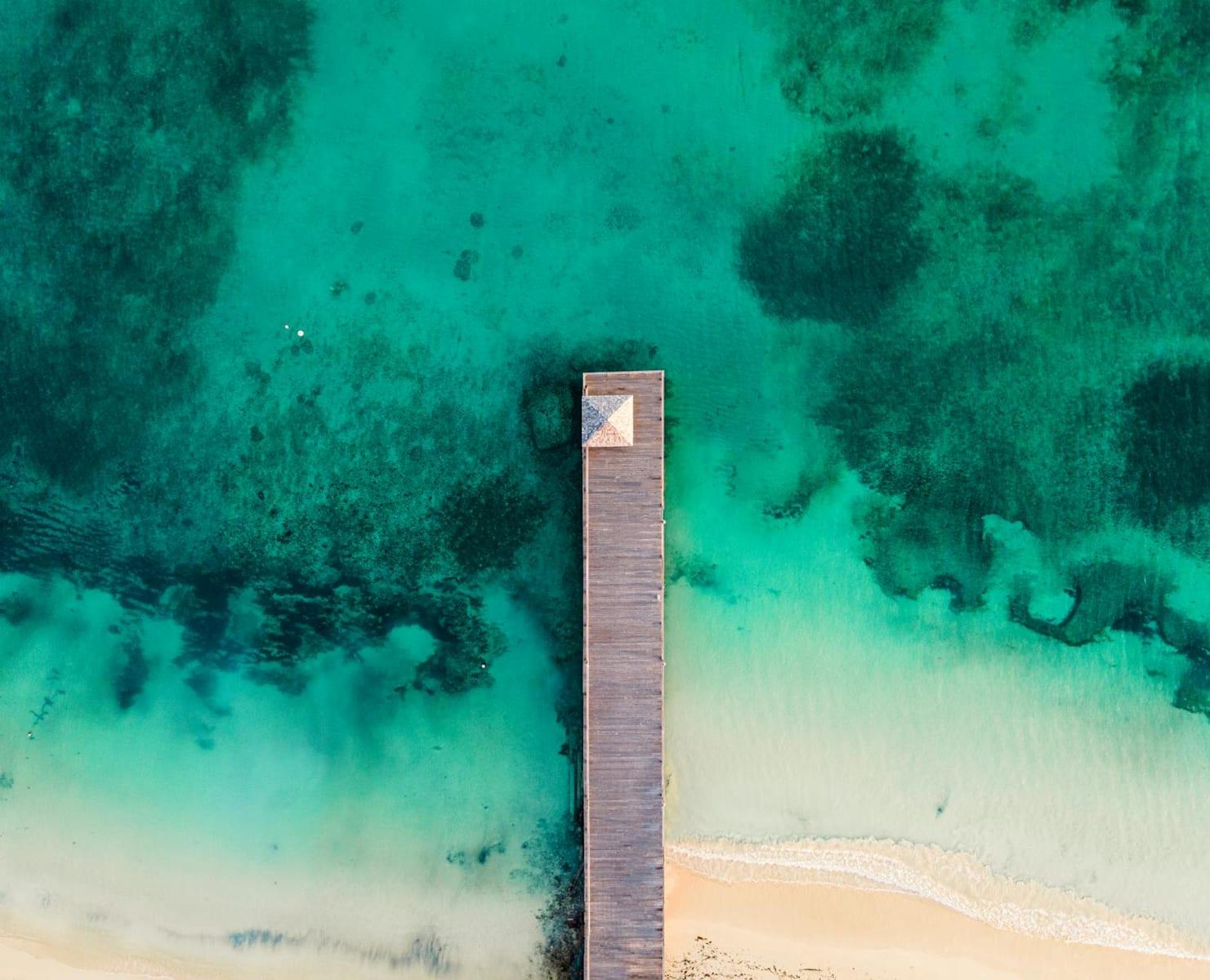
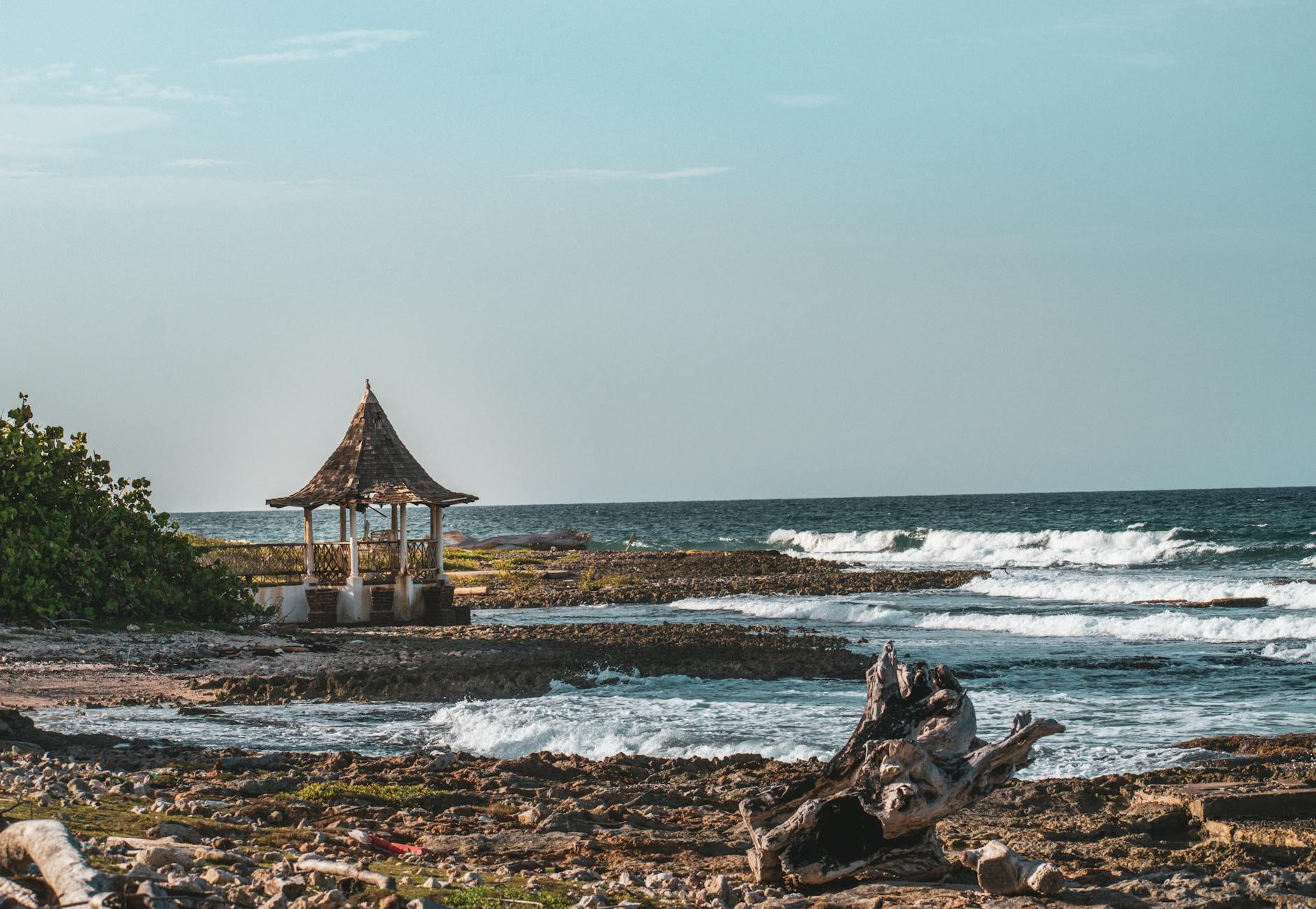
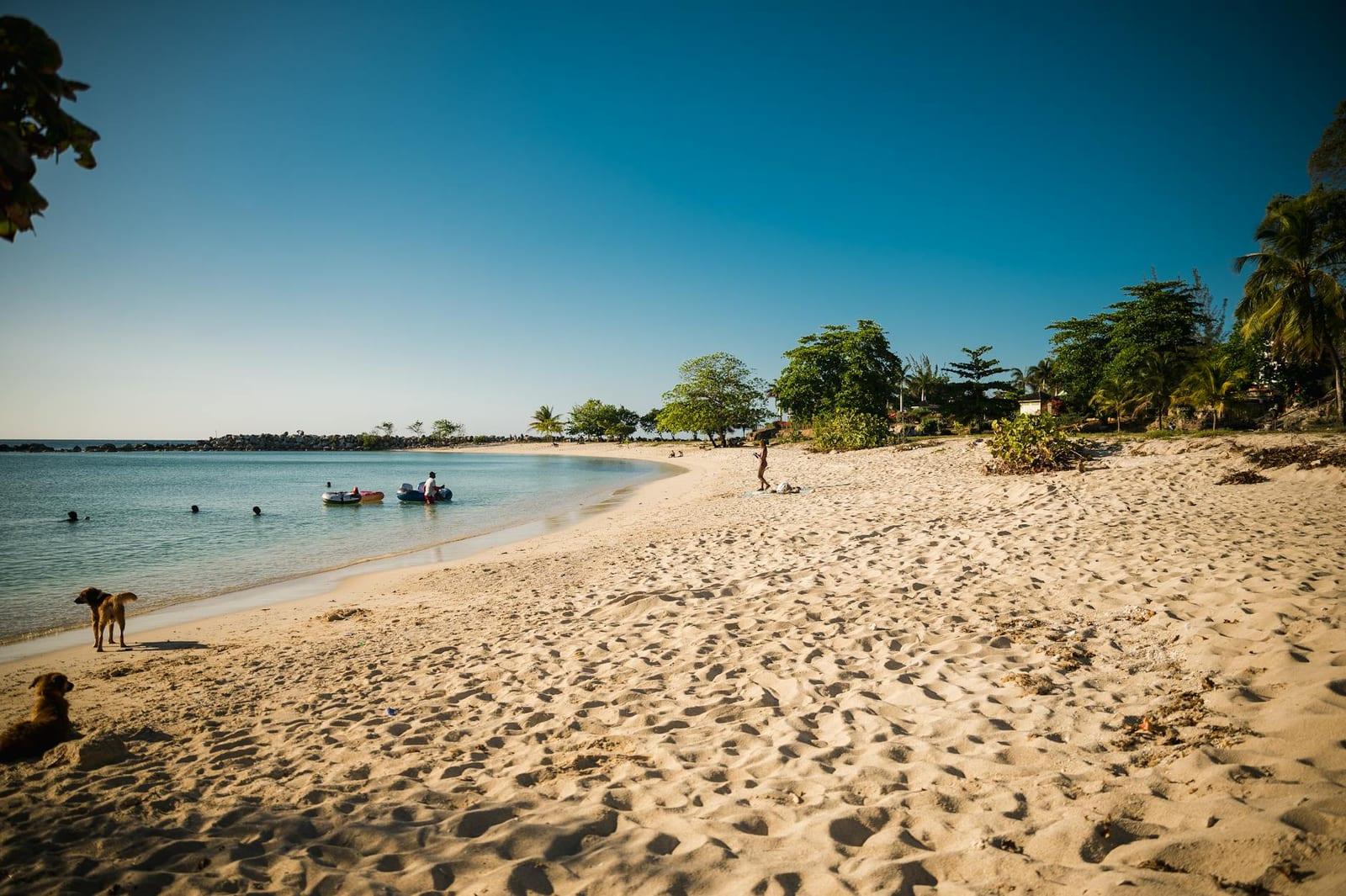
And then there’s the Jamaican seashore. The beaches, especially those on the northern coast, are legendary. Dunn’s River Falls, one of the island’s signal tourist attractions, tumbles in a broad flurry of whitewater to the Caribbean. And the nearshore diving accommodates underwater explorers of every skill level.
Poverty and crime are as much Jamaican realities as party beaches and jungle canopy tours; and the island suffers from a dismally high murder rate. Enveloped in an all-inclusive resort, you’re not likely to cue into any of this; but if you’re keen on getting out and about and interacting with everyday Jamaicans, just use common sense and do your homework ahead of time.
One thing’s for sure: You’ll rarely feel so alive as in Jamaica.
14 things not to miss.
- Blue Mountain PeakClimb Blue Mountain Peak
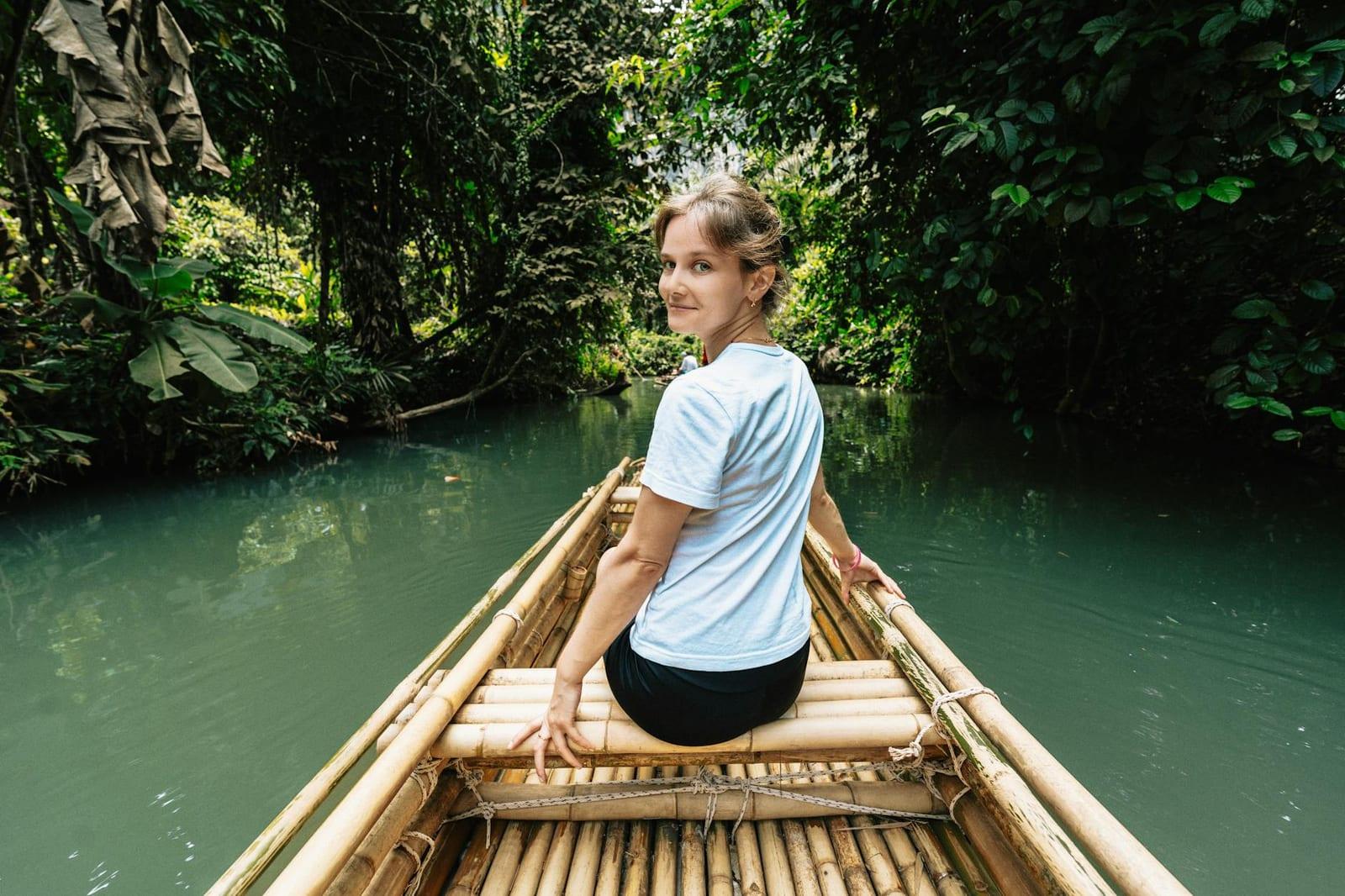
- Float the Martha Brae riverFloat the Martha Brae river
- Listen to a sound system in KingstonListen to a sound system in Kingston
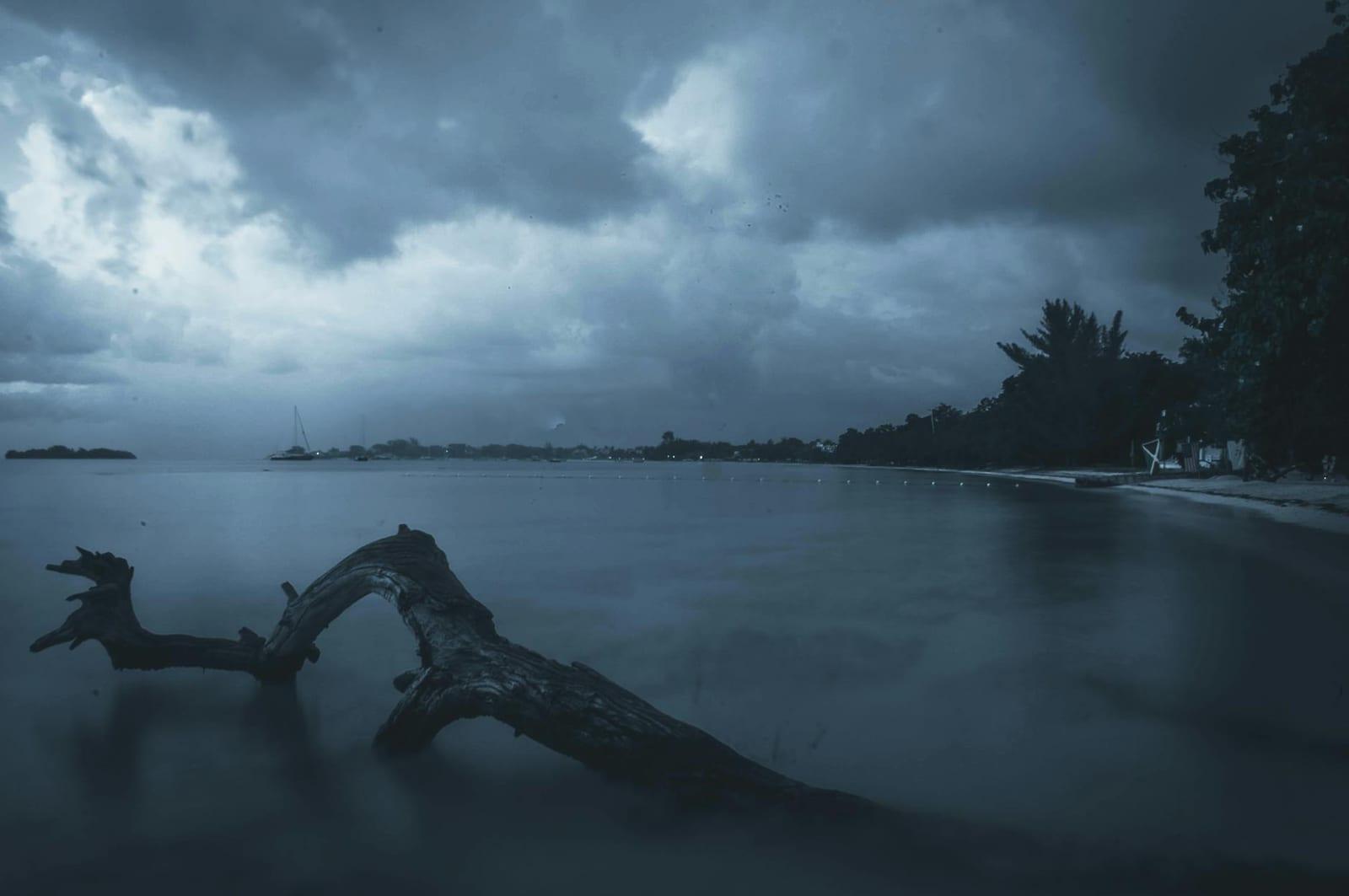
- Negril
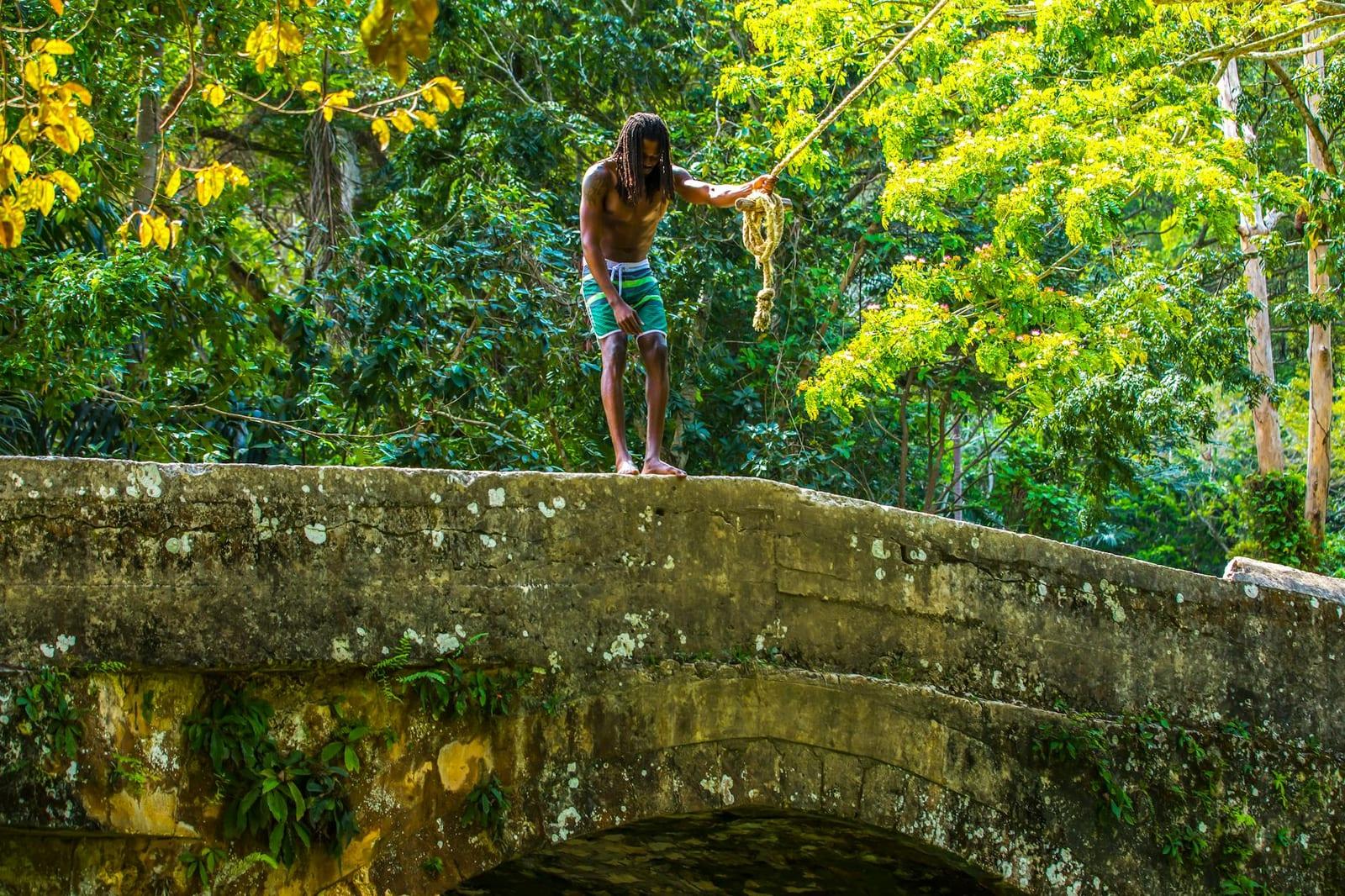
- Dunn’s River FallsOne of the most famous natural landmarks in the West Indies, this broad, terraced cataract tumbles to the Caribbean.
- Blue MountainsThe backbone of Jamaica culminates with 7,402-foot Blue Mountain Peak, from which you can spot Cuba on a clear day.
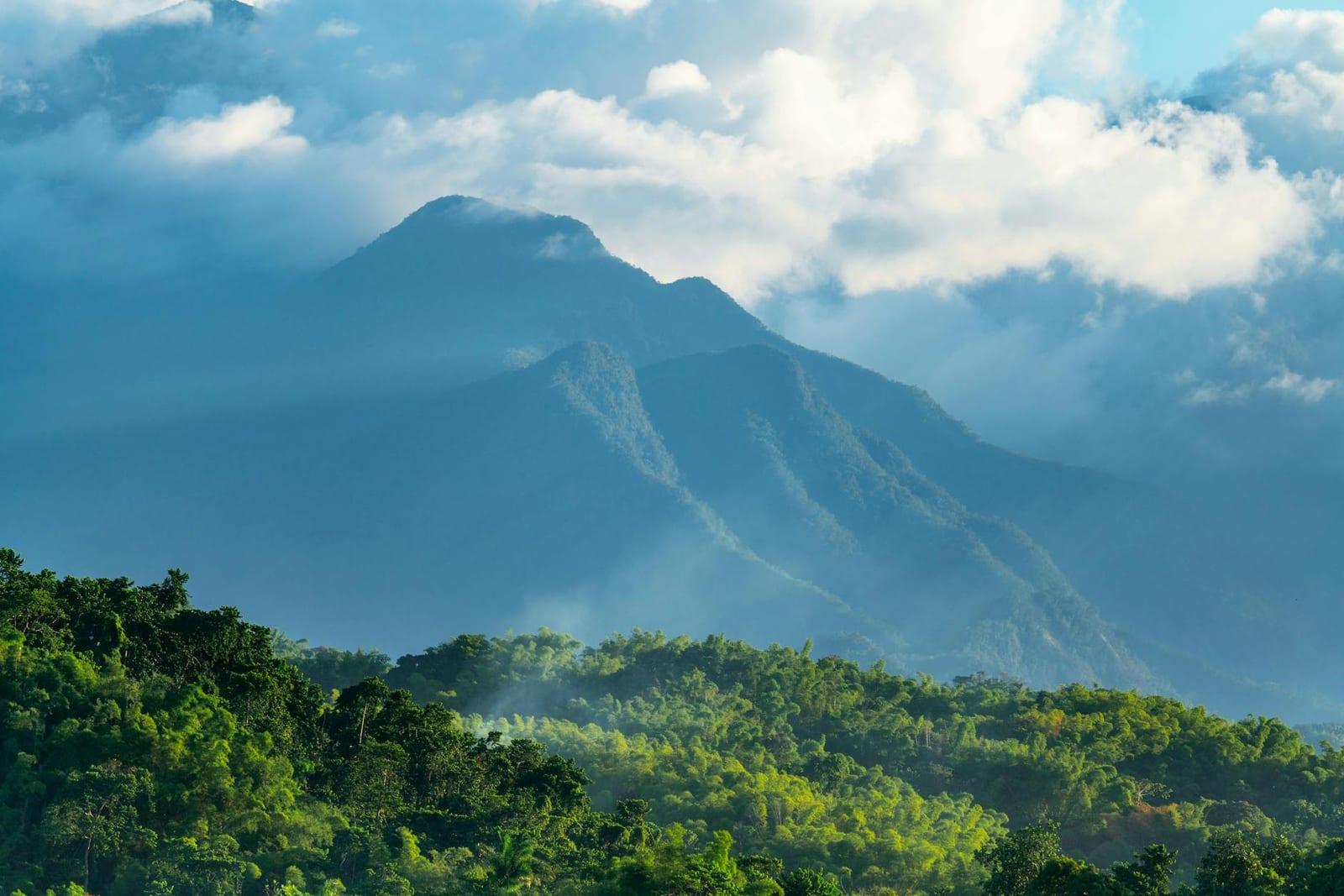
- Cockpit CountryThis up-and-down tract of karst hillocks and deep valleys, a historic Maroon redoubt, forms one of the Caribbean’s most arresting landscapes.
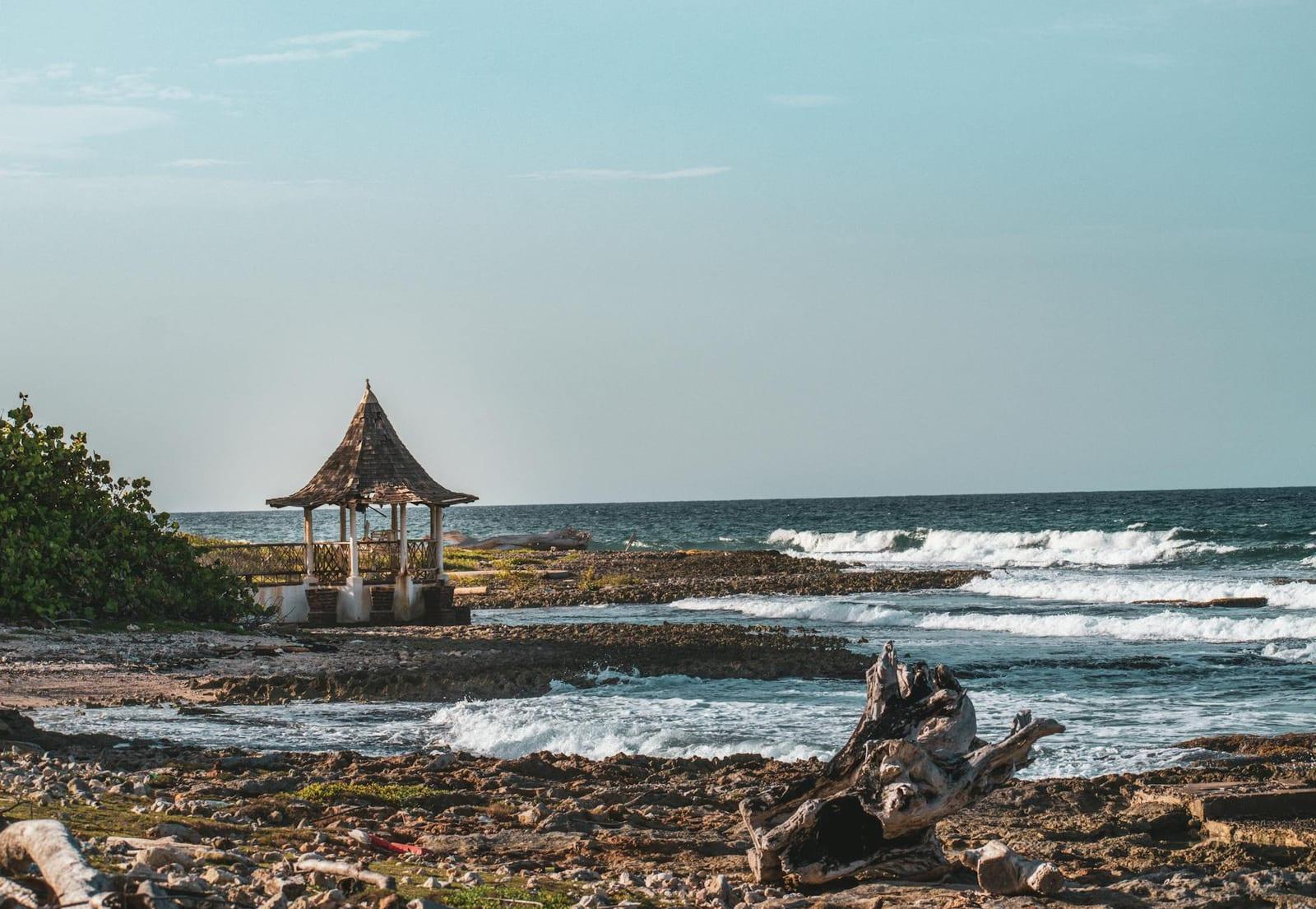
- Black RiverCruise one of the longest and most evocative waterways in Jamaica, thronged by waterbirds and prowled by crocs.
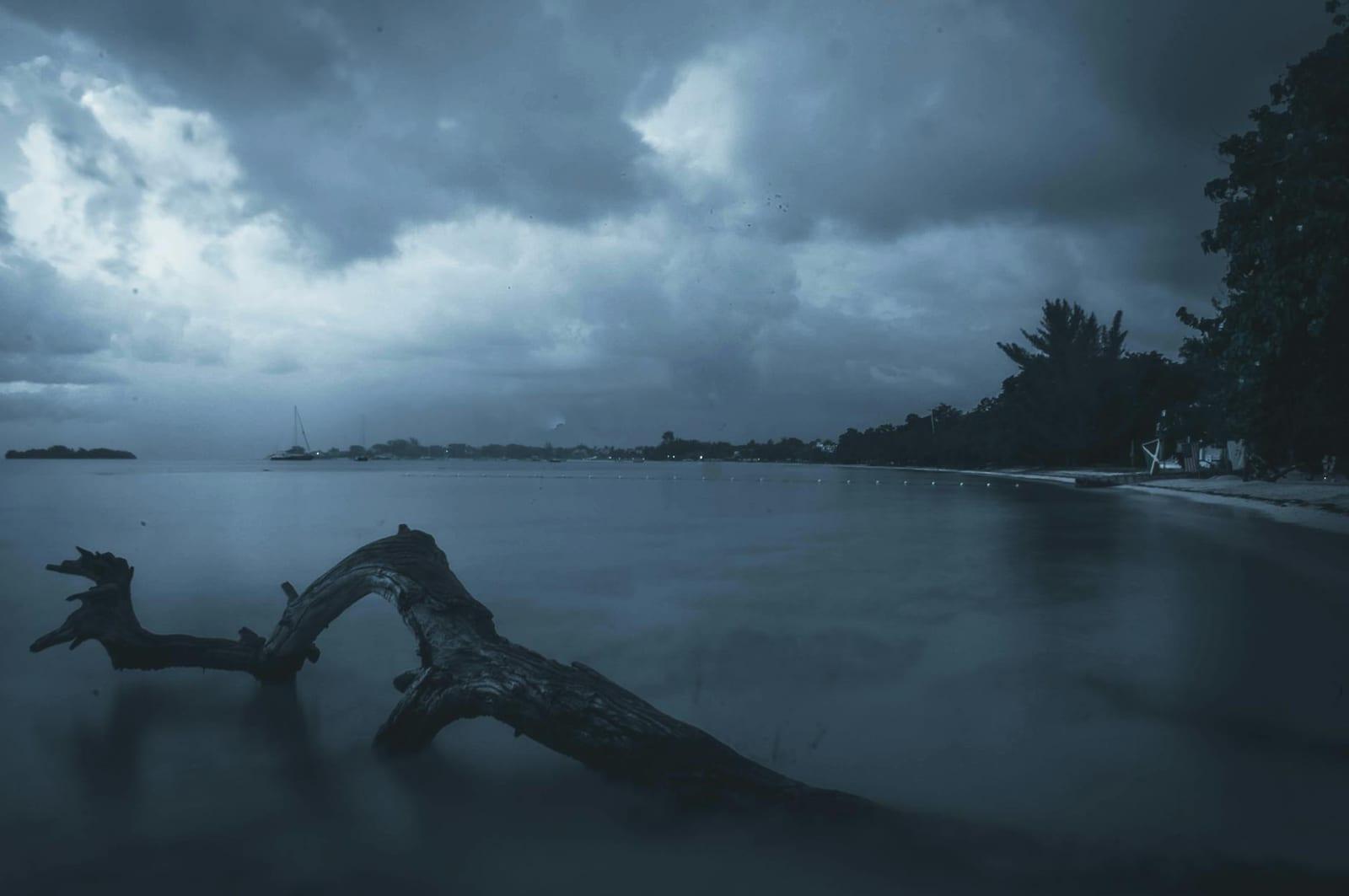
- Doctor’s Cave BeachFew beaches in Jamaica are so well-known as this fabled seashore in Montego Bay.
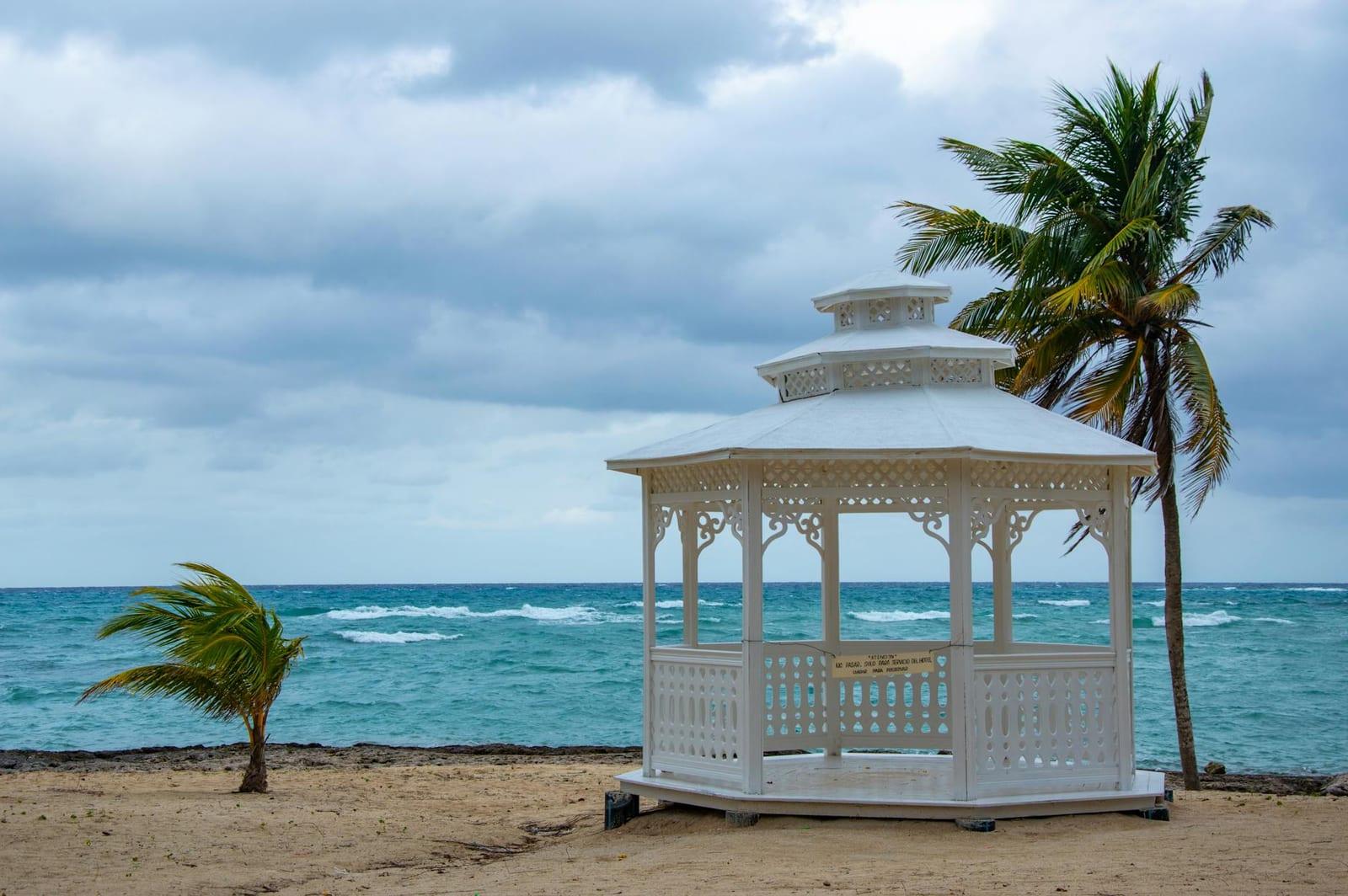
- Boston Bay BeachThis beach, a popular surfing spot, holds its own with any on the planet given the mouthwatering “jerk” cuisine widely available here.
- Bob Marley MuseumPay tribute to Jamaica’s most famous native son at this Kingston hotspot.
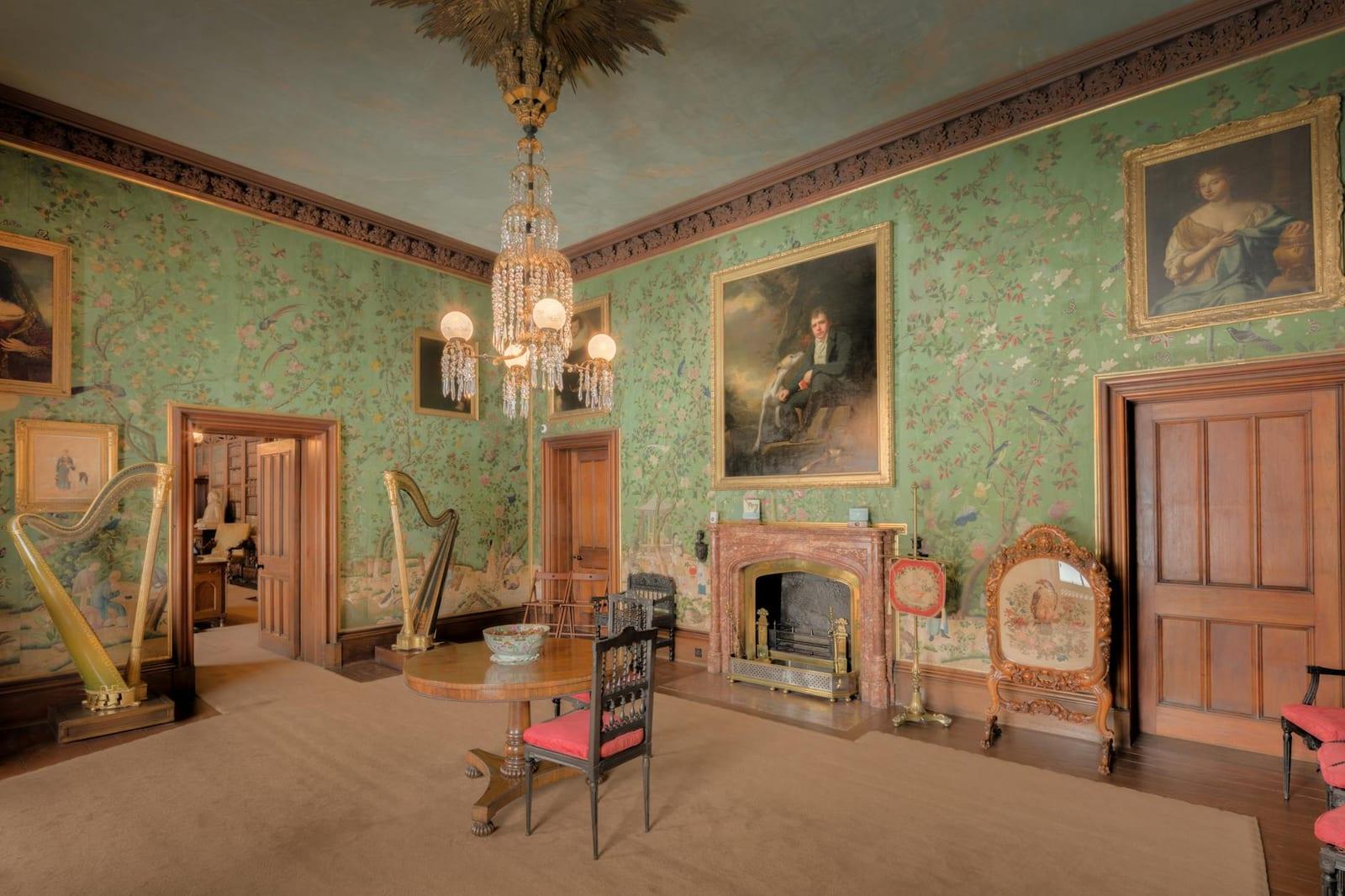
- Rose Hall Great HouseThe specter of Annie Palmer (the “White Witch”) allegedly haunts this iconic 18th-century plantation house in Montego Bay.
- FalmouthThis may be the single best place to soak up Jamaican Georgian architecture, a style predominant in the 18th and 19th centuries.
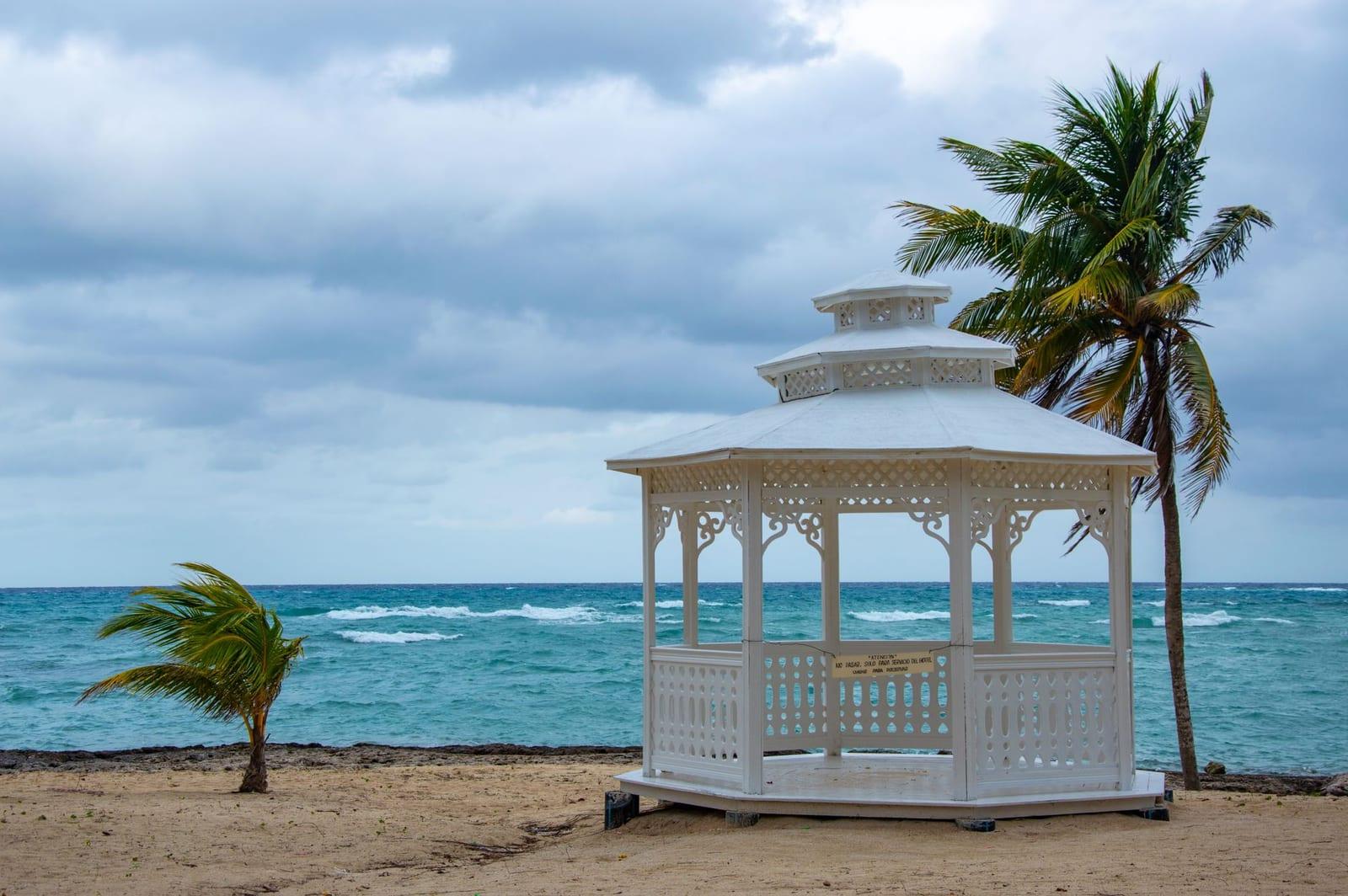
- Ocho RiosHere at one of Jamaica’s most popular resort hubs, you can lounge on top-grade beaches, swim with bottlenose dolphins, or mull history at Columbus Park.