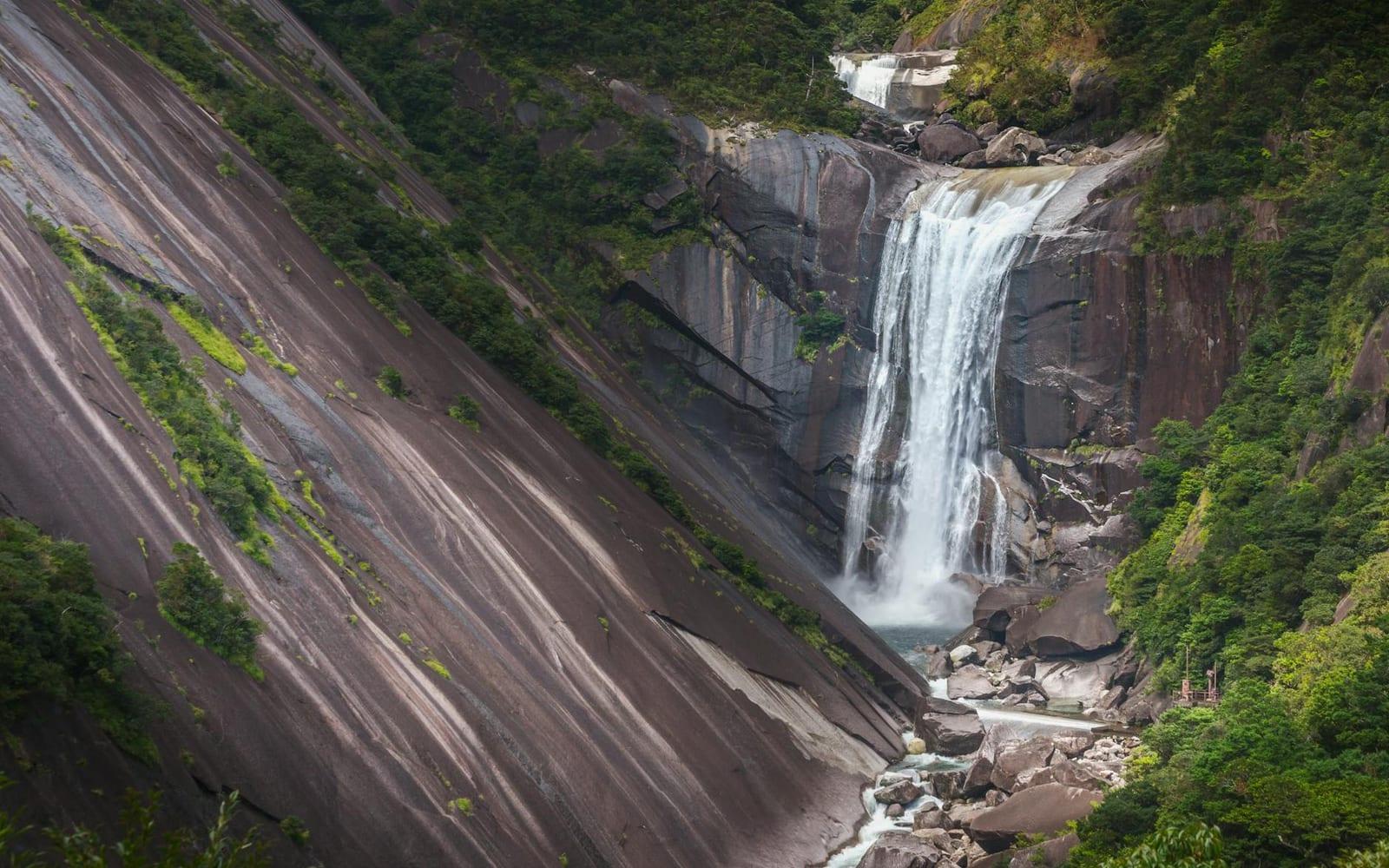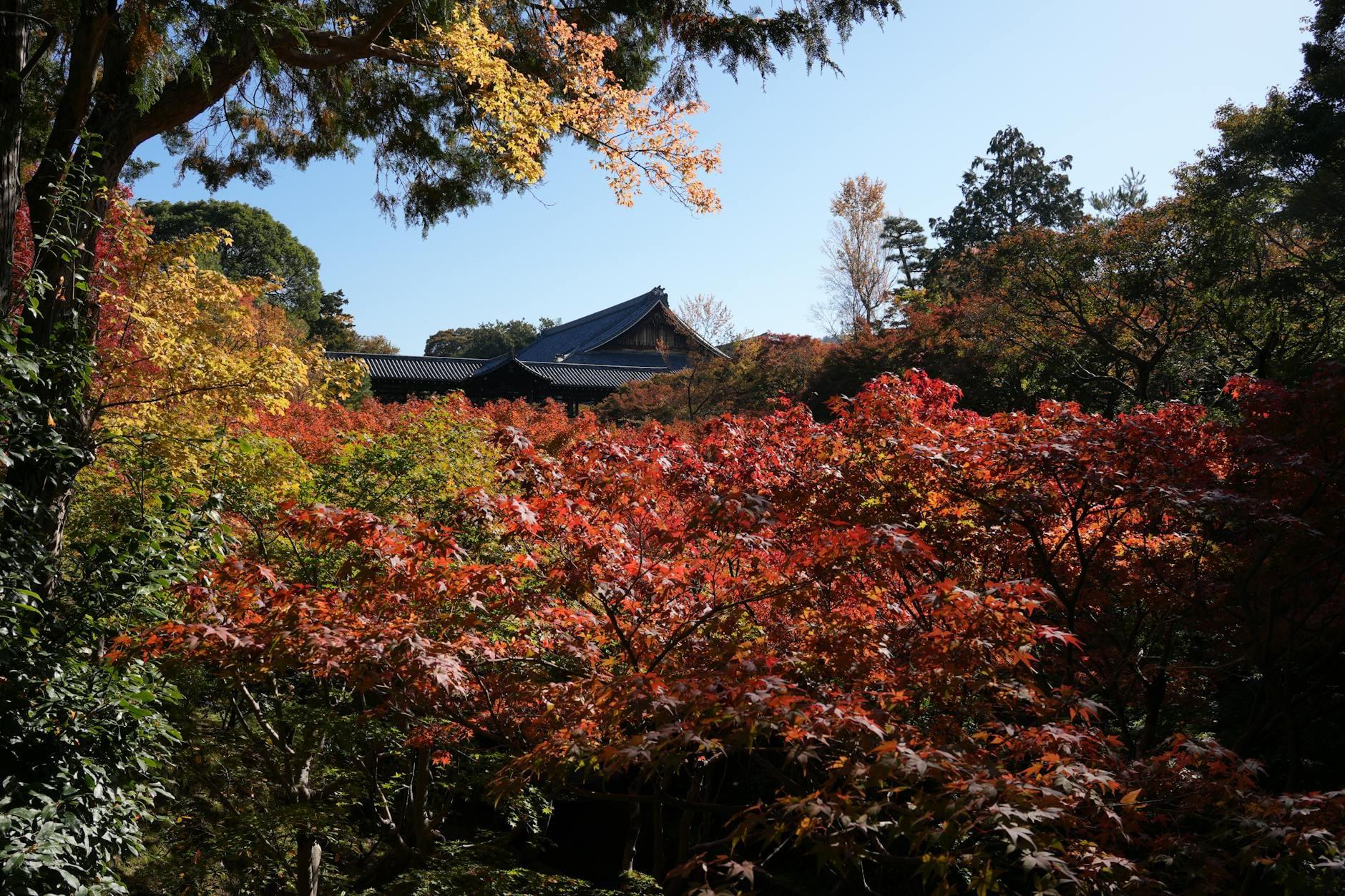
In so many of its venerable customs, Japan is an enthralling blend of the refined and the raw. Japanese cuisine is among the most sophisticated and exactingly presented on Earth, yet it’s one that puts the focus on the flavor of simple, whole ingredients that have been only lightly (if expertly) altered from their pure state. The marriage of dignified order and primal energy extends to the landscape itself: the echoes of wild Nature in the immaculately maintained Japanese garden, the serenity of a mountain valley charged with the ever-present threat of shattering quakes, volcanic eruptions, ferocious typhoons.
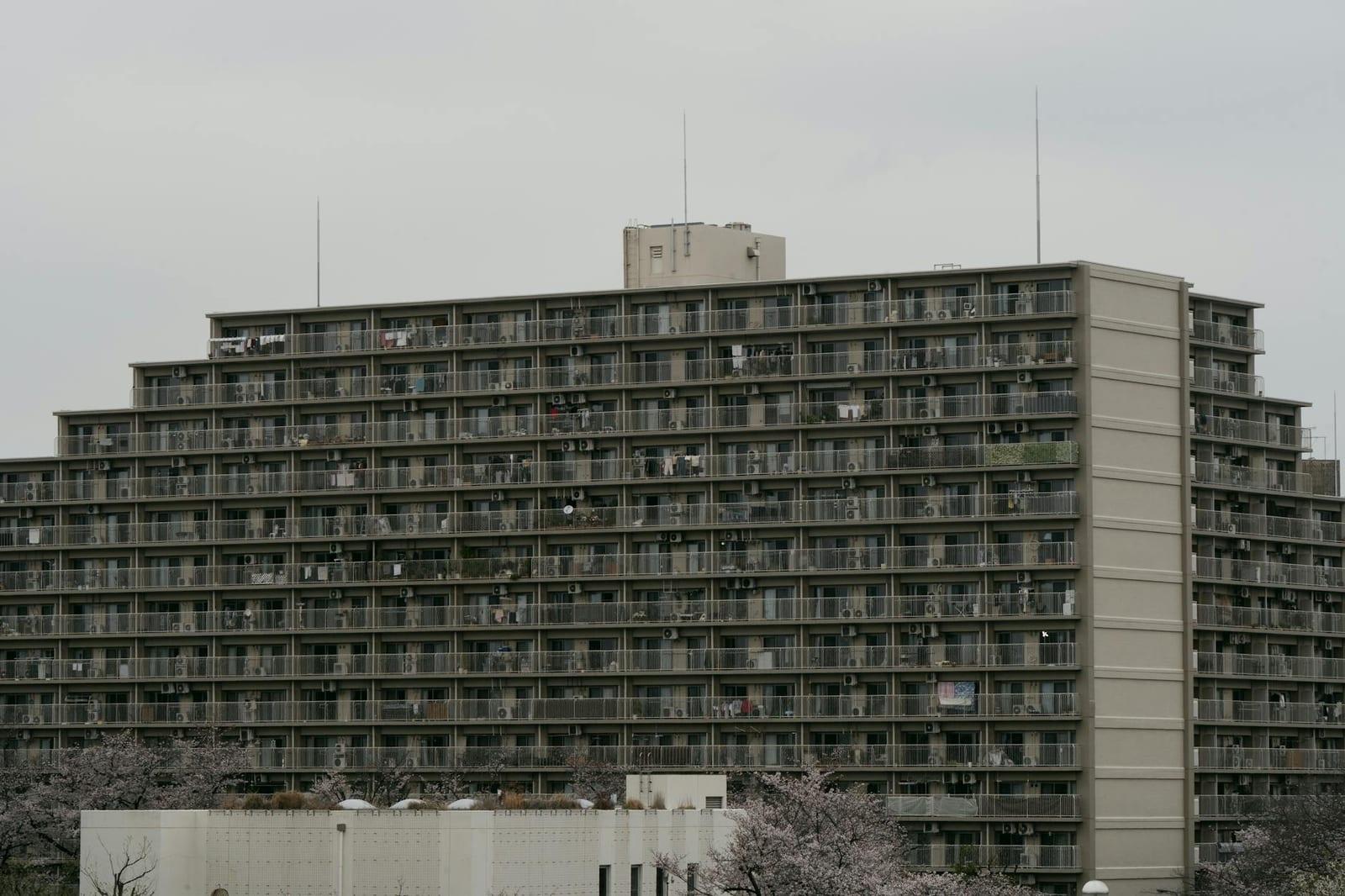
To outsiders across much of history, Japan was, in the truest meaning of the word, exotic: Society, culture, and religion on this Far East archipelago enjoyed many centuries of relative isolation, seeded here and there with outside interactions of both the commercial and warmongering variety. These days, of course, Japan is one of the most urbanized and thoroughly modern nations anywhere, but the deep-rooted traditions that have been preserved still express a delightfully distinct worldview.
The cultural treasures of Japan are countless, from ancient Buddhist temples such as Hōryū-ji to the mega-scale cityscape of Tokyo. But it’s the food that steals the show—again and again. (Speaking of Tokyo, the capital can boast more Michelin stars than any other city.) Sushi, sashimi, soba noodles, ramen, sukiyaki, gyoza—the flavors delight, whether you encounter them in a sit-down restaurant or a clamoring market stall. And the indigenous beverages, such as matcha (powdered green tea), sake, and shōchū, have their own impressive heritage.
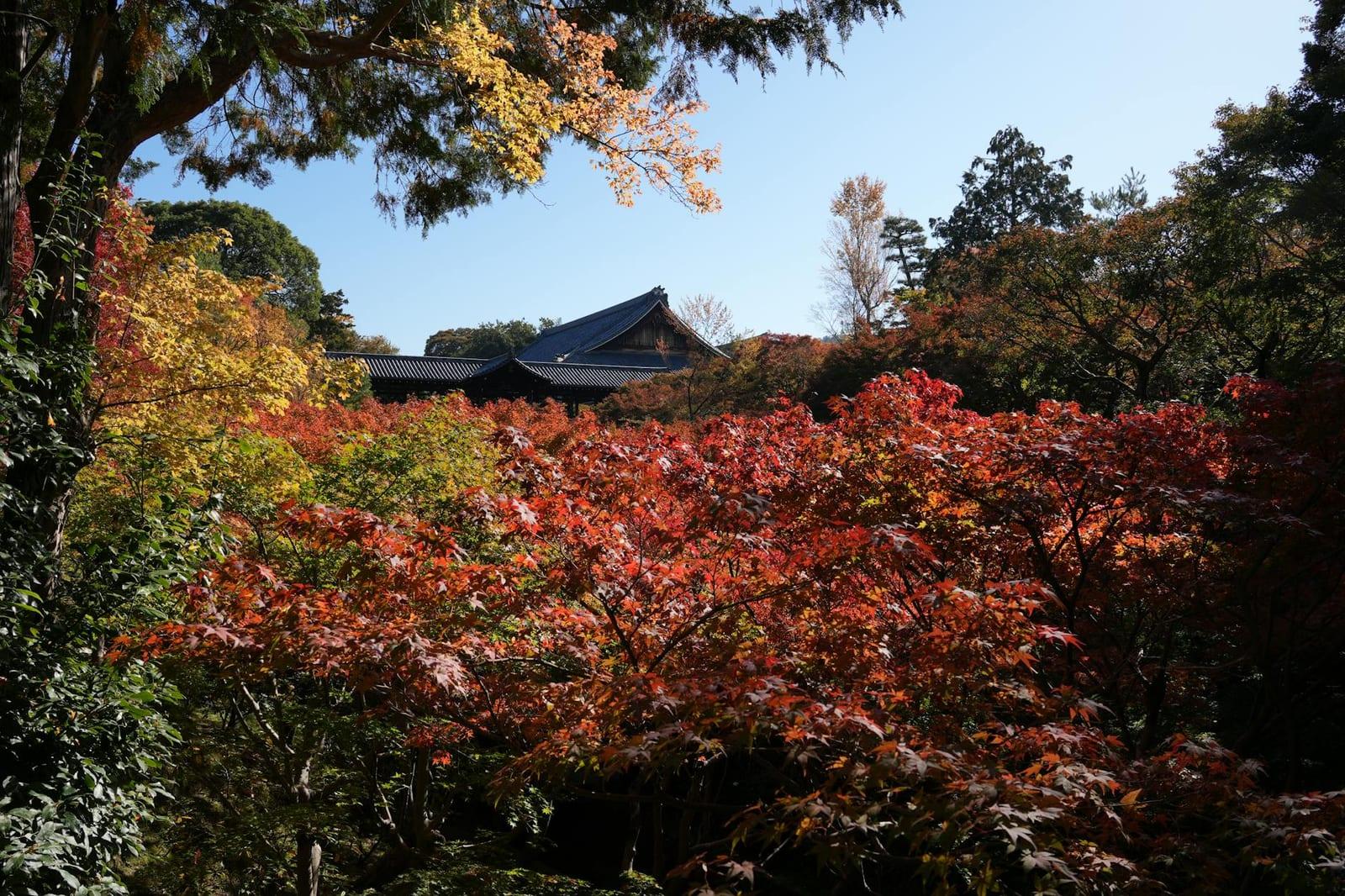
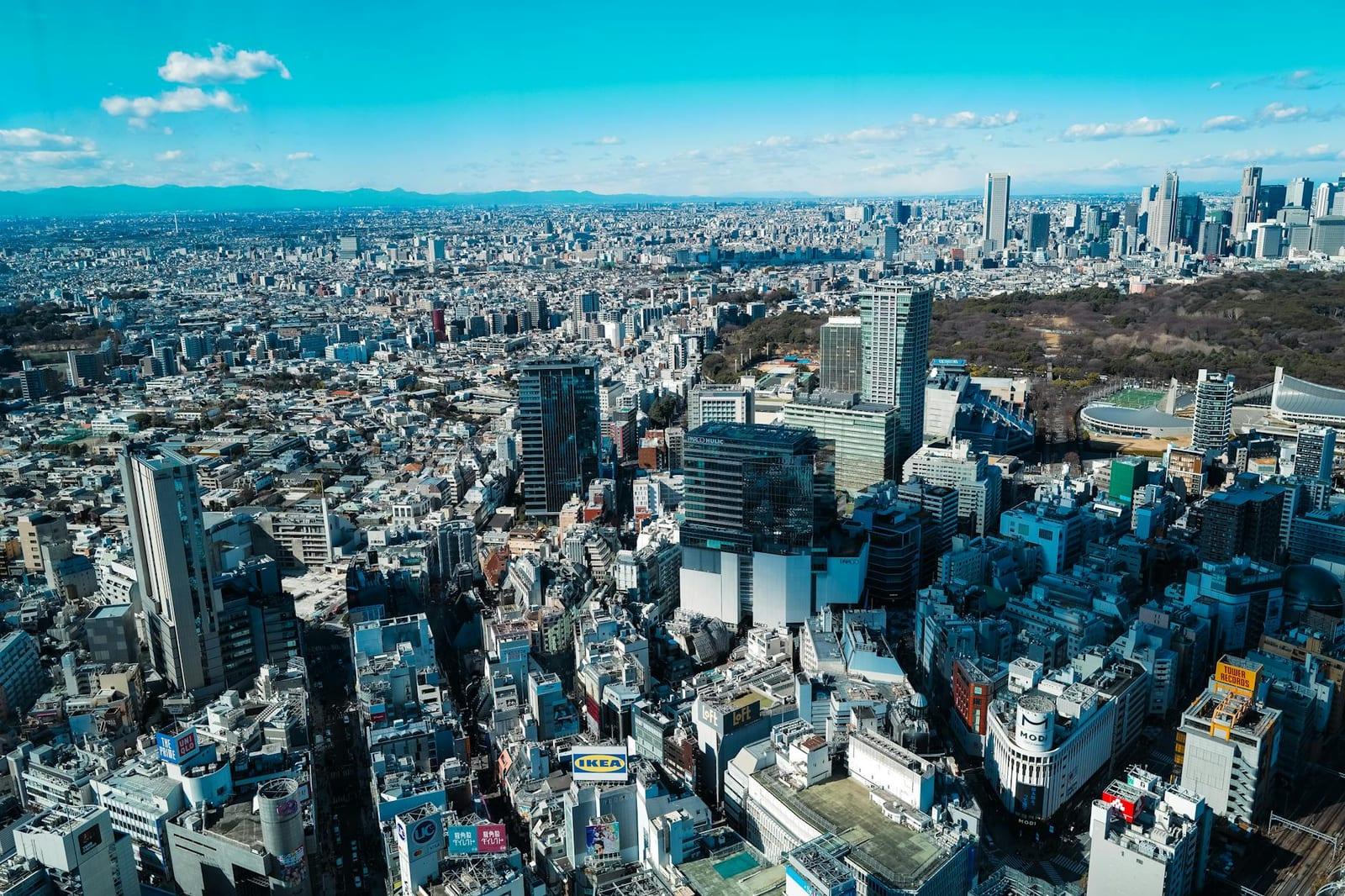
From the high-speed bullet trains to the giant malls of Osaka and Tokyo, Japan’s urban energy is electrifying. Slower and older rhythms, though, aren’t difficult to come by—even in the heart of the cities. Kyoto is famously full of temples, monasteries, and shrines; and an ideal venue for exploring the ancient homegrown, nature-focused religion of Shintoism as well as Zen Buddhism, which spread to Japan from China and blossomed here.
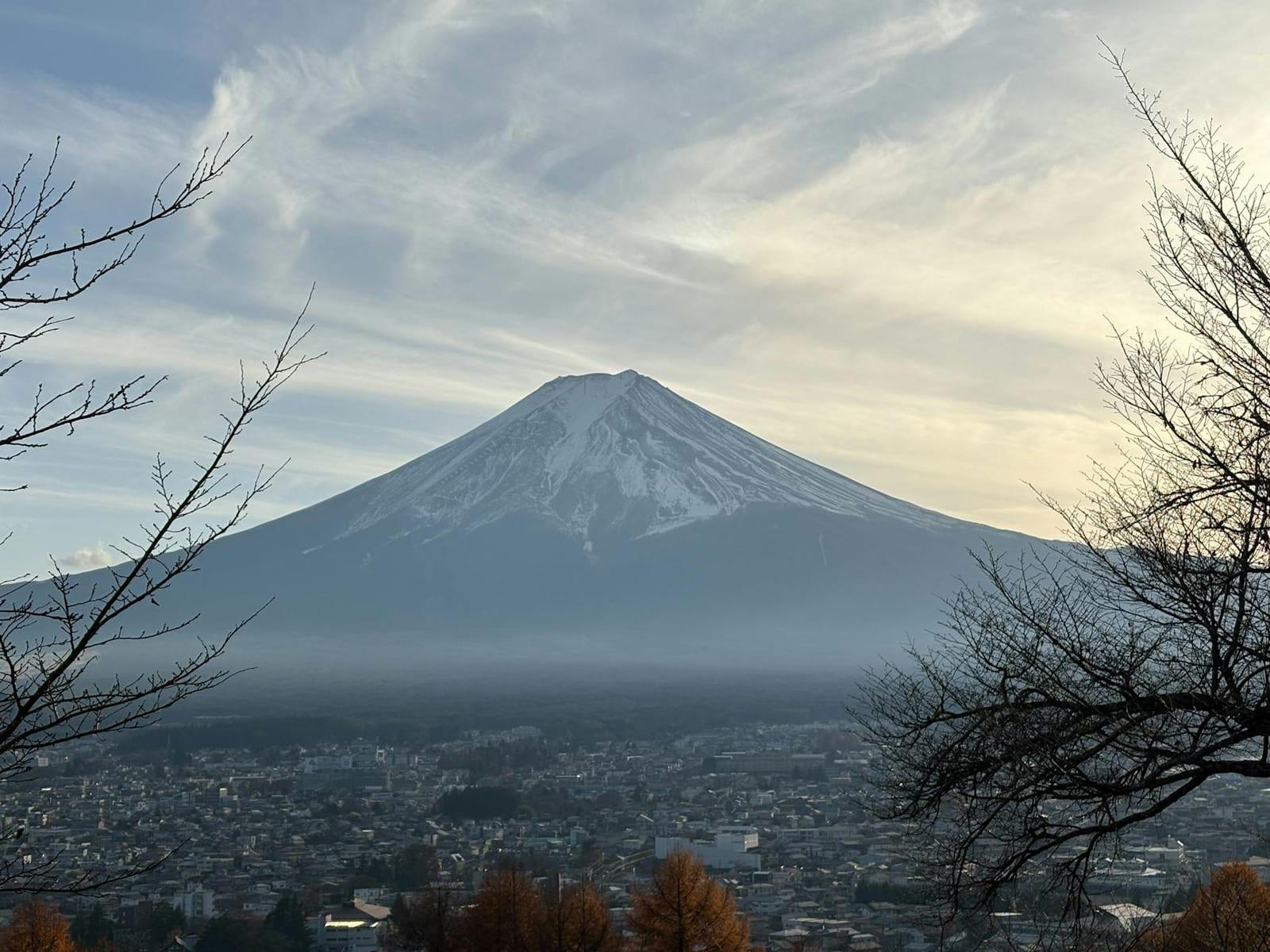
Despite its high-tech, big-city reputation, Japan is still an archipelago rich in wilderness scenery: With its mountainous backbone, rugged vistas aren’t hard to come by. Honshu has the Japanese Alps and Fuji-san (among the most picturesque and venerated of the world’s snowpeaks); while the far southern Ryukyu Islands display subtropical forests and coral reefs; and Hokkaido has a Siberian-tinged atmosphere of volcanoes, hot springs, and brown bears.
Japan is a country full of nuance: Traditions formalized over thousands of years of human history, that encompasses the extremes of imperialism and deep spirituality, and can still be traced in their modern society. Wherever your travel interests lie, it’s virtually guaranteed that Japan will seize your attention and sate your hunger.
22 things not to miss.
- Japan
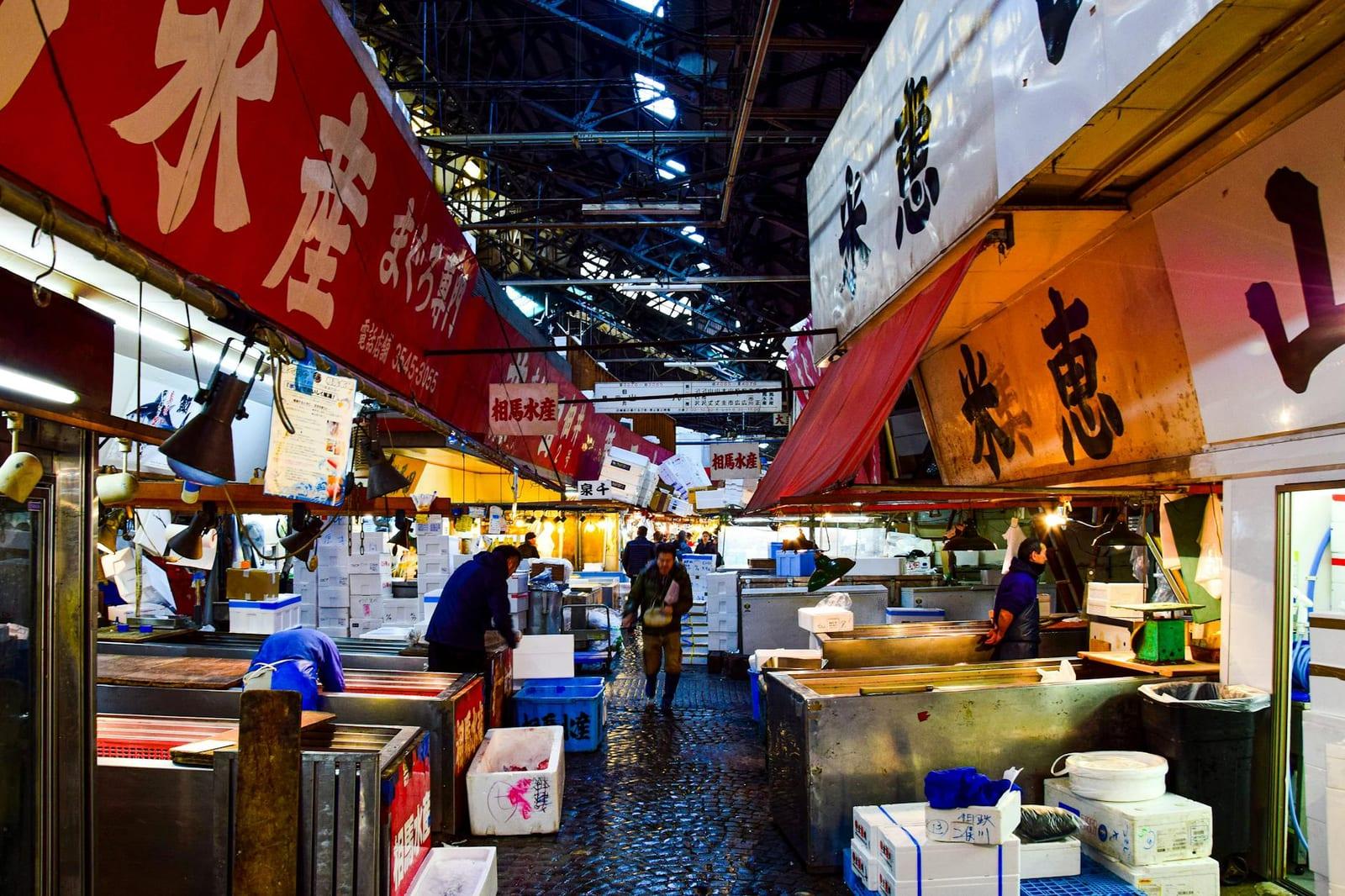
- the Tsukiji outer marketEat at the Tsukiji outer market
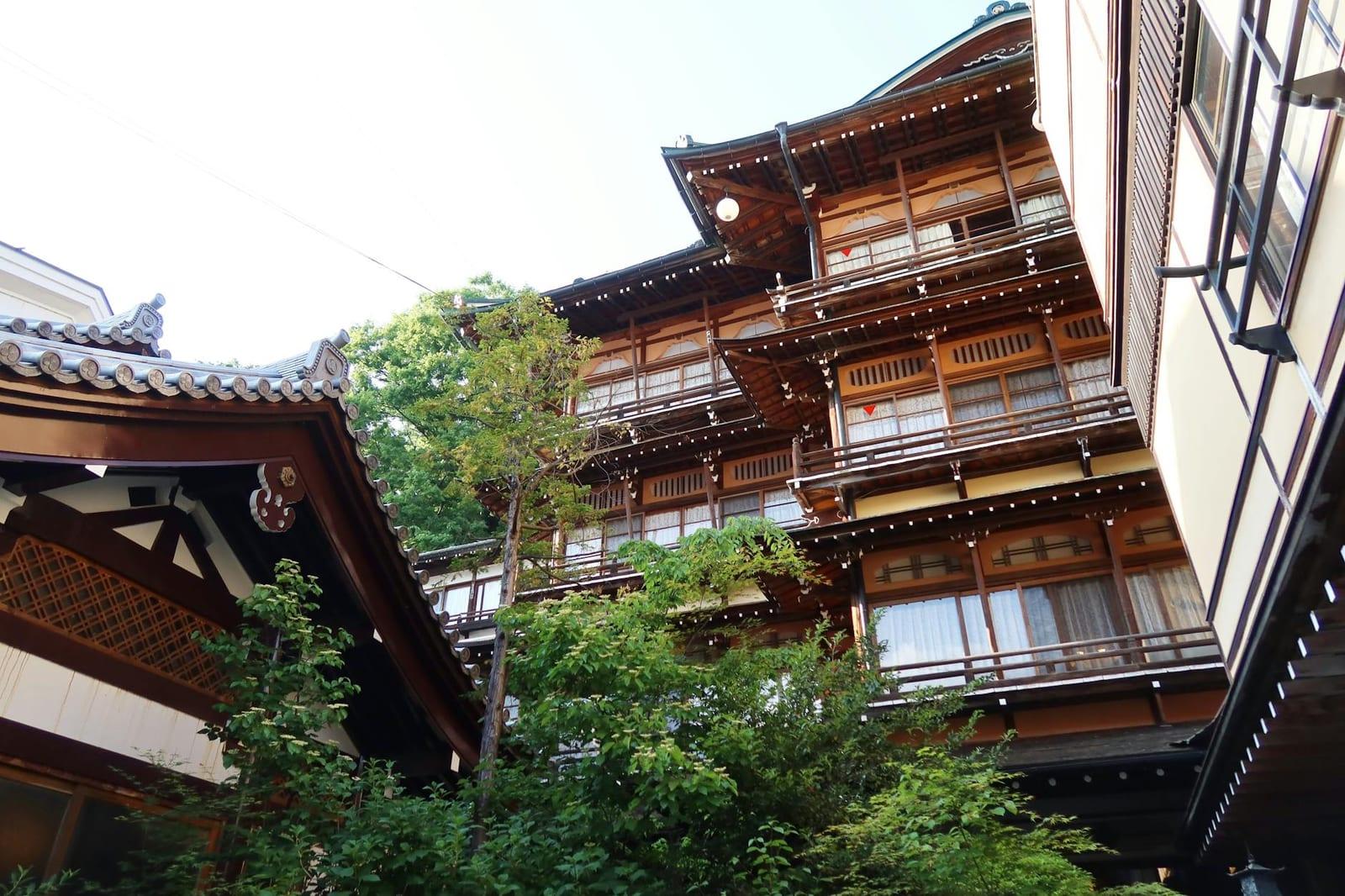
- Stay overnight in a ryokan with onsenStay overnight in a ryokan with onsen
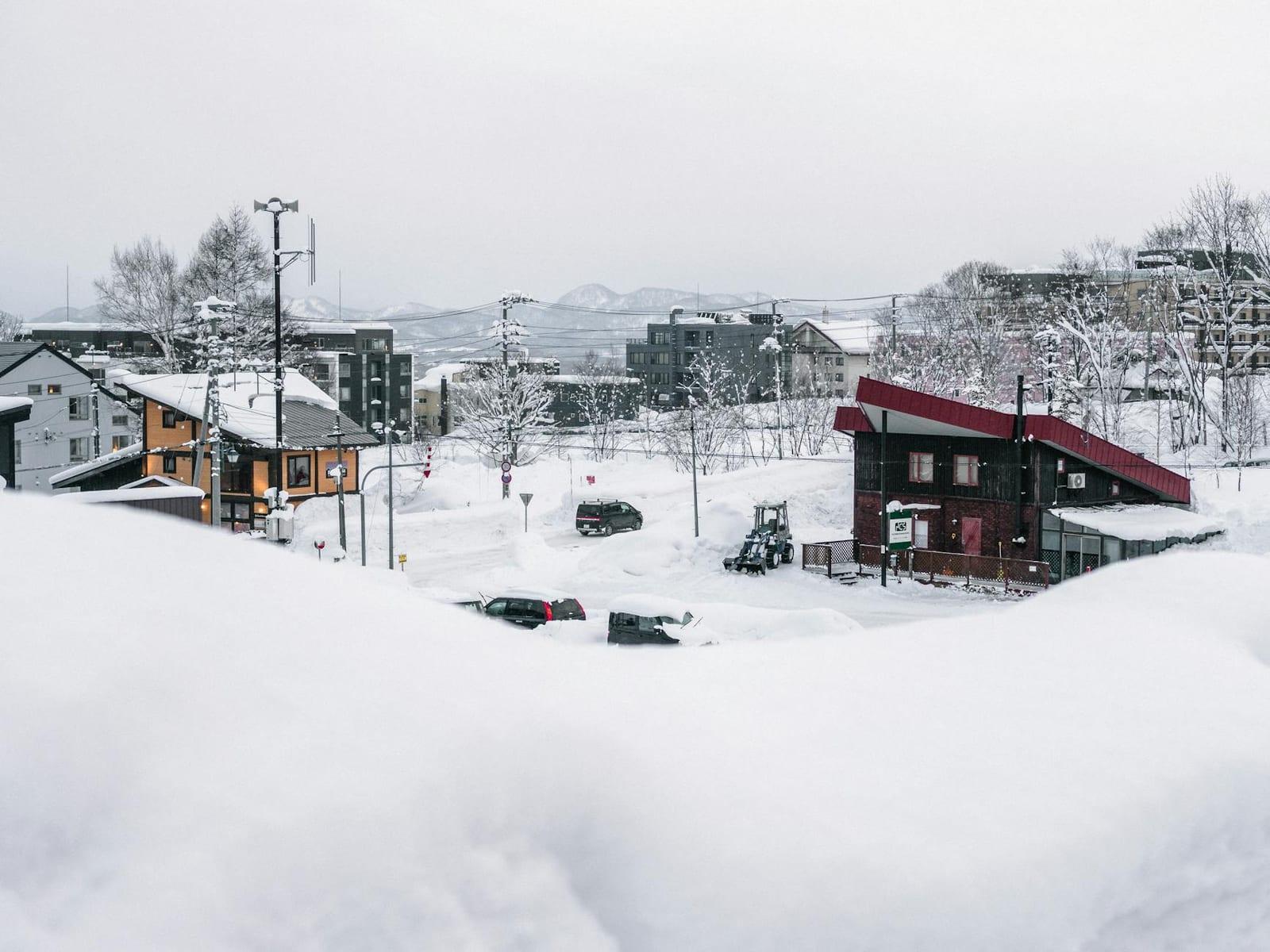
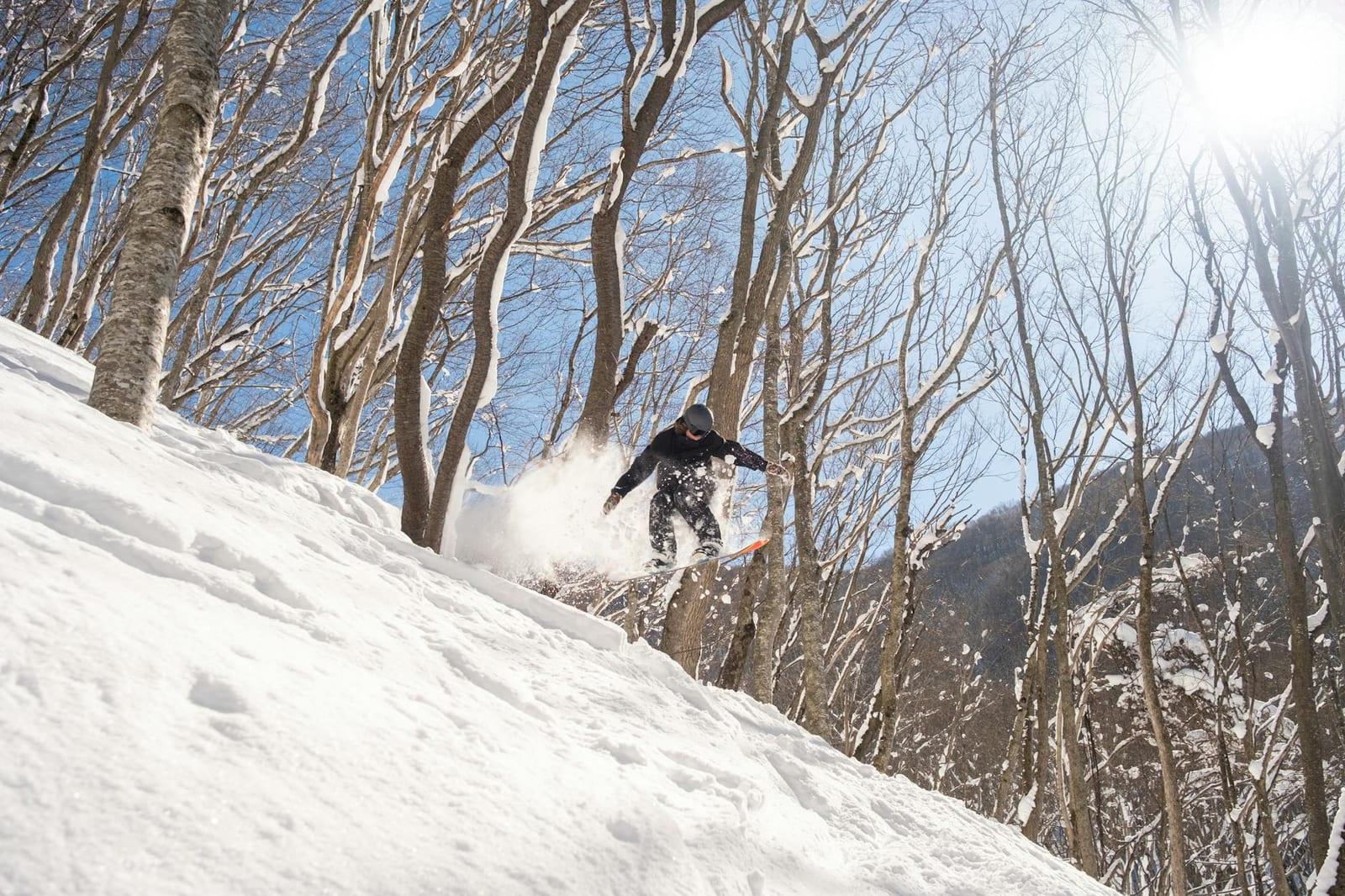
- Powder ski HokkaidoPowder ski Hokkaido
- Mount Fuji
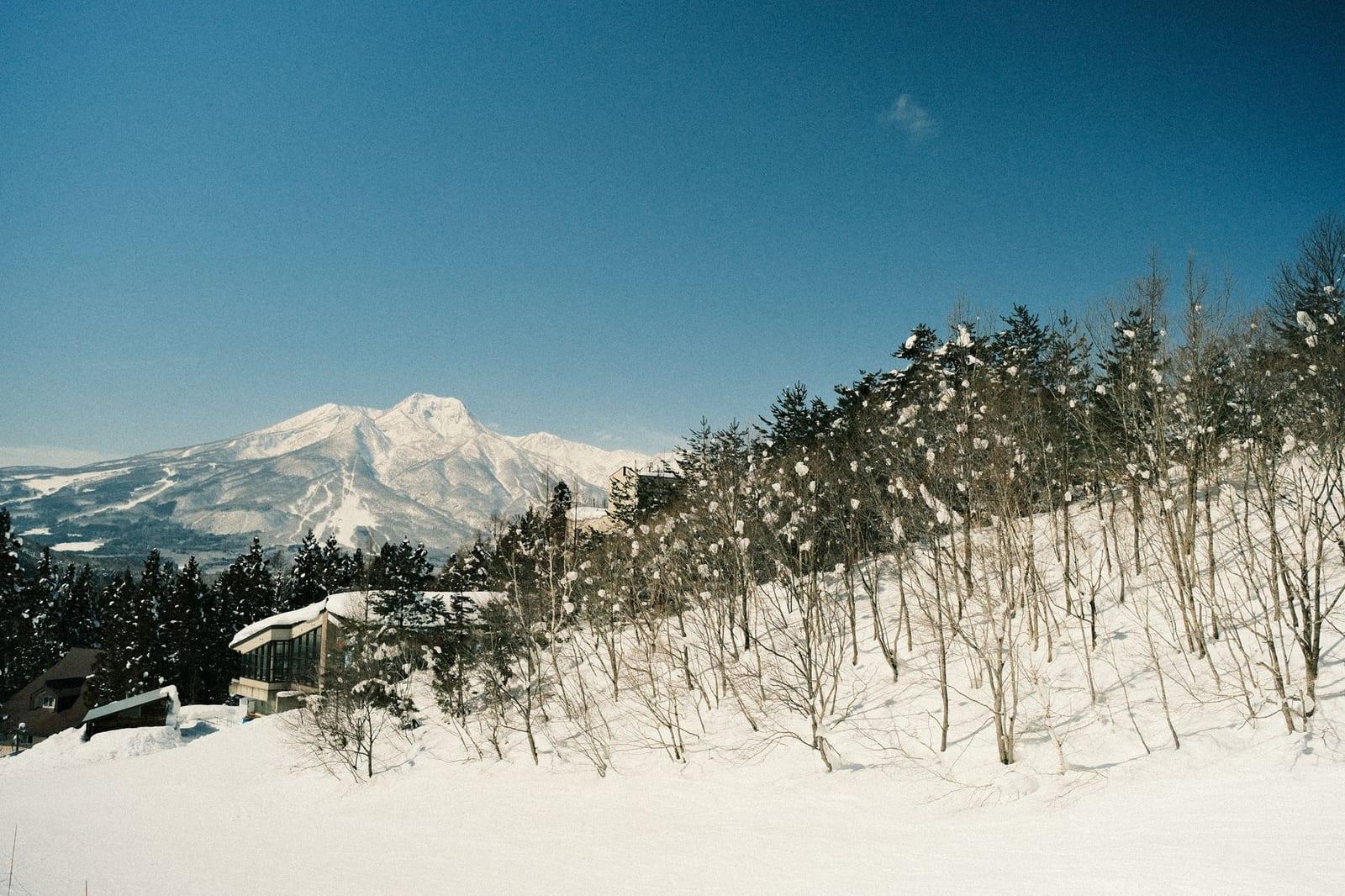
- Niseko
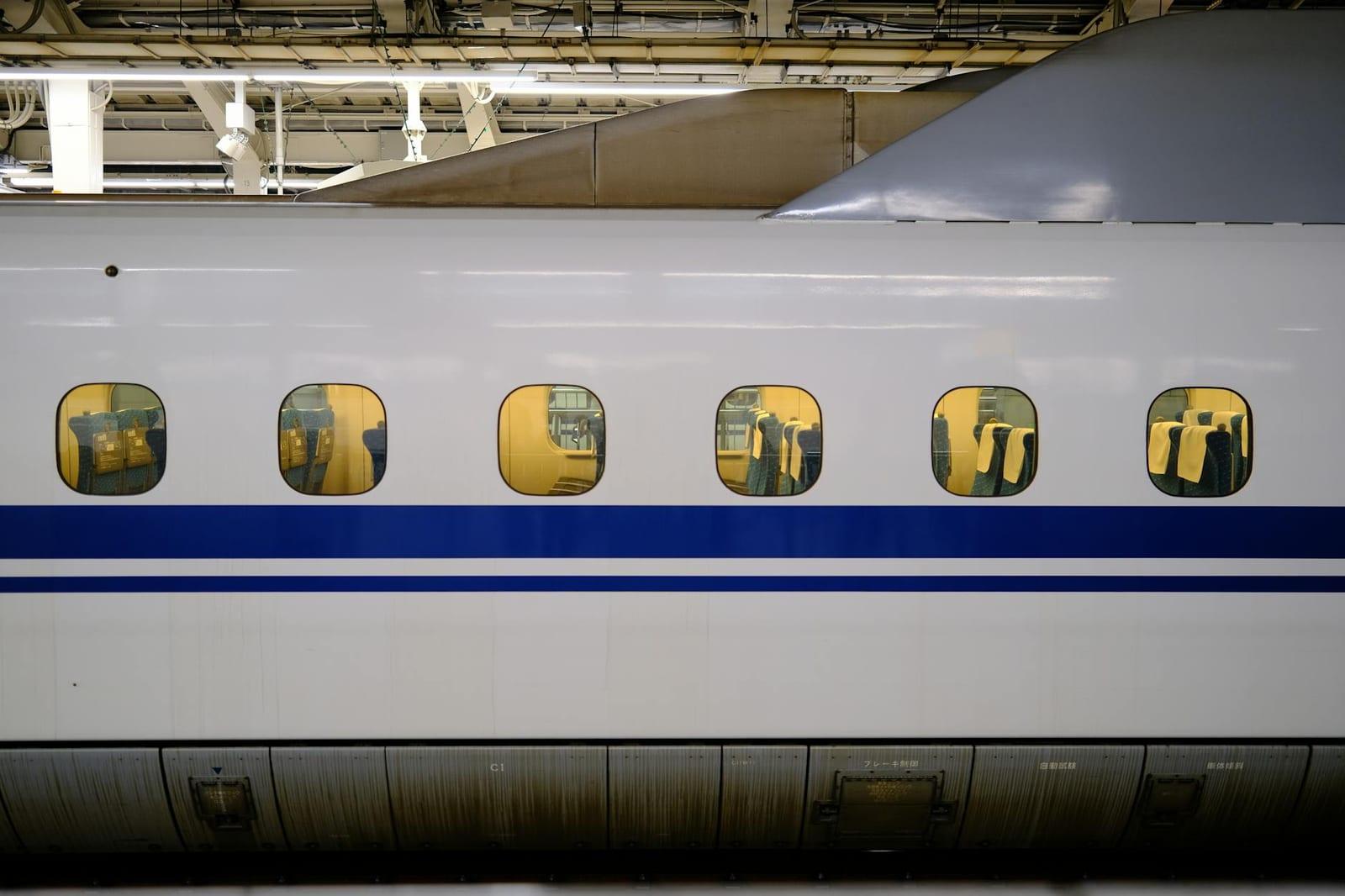
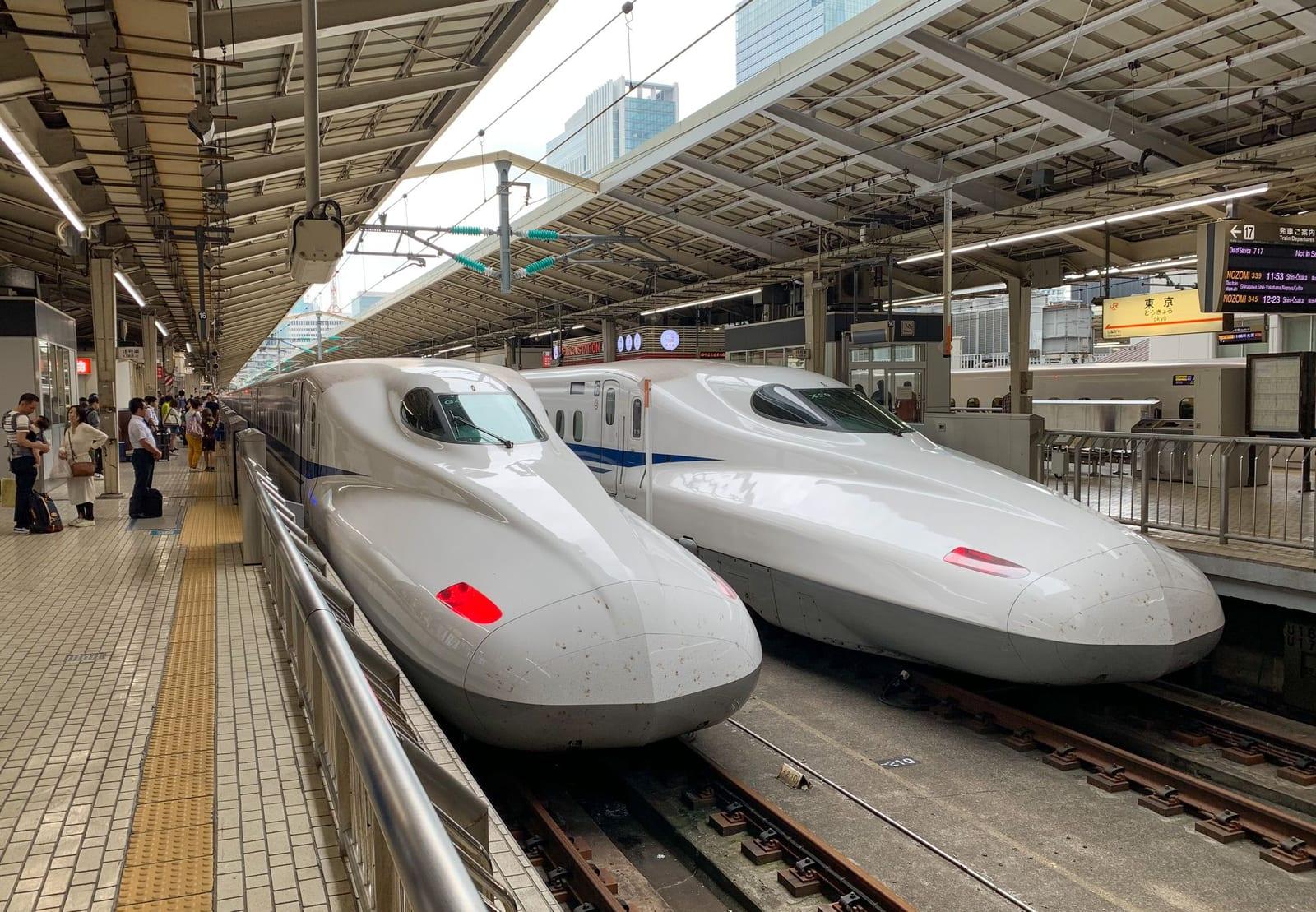
- Shinkansen
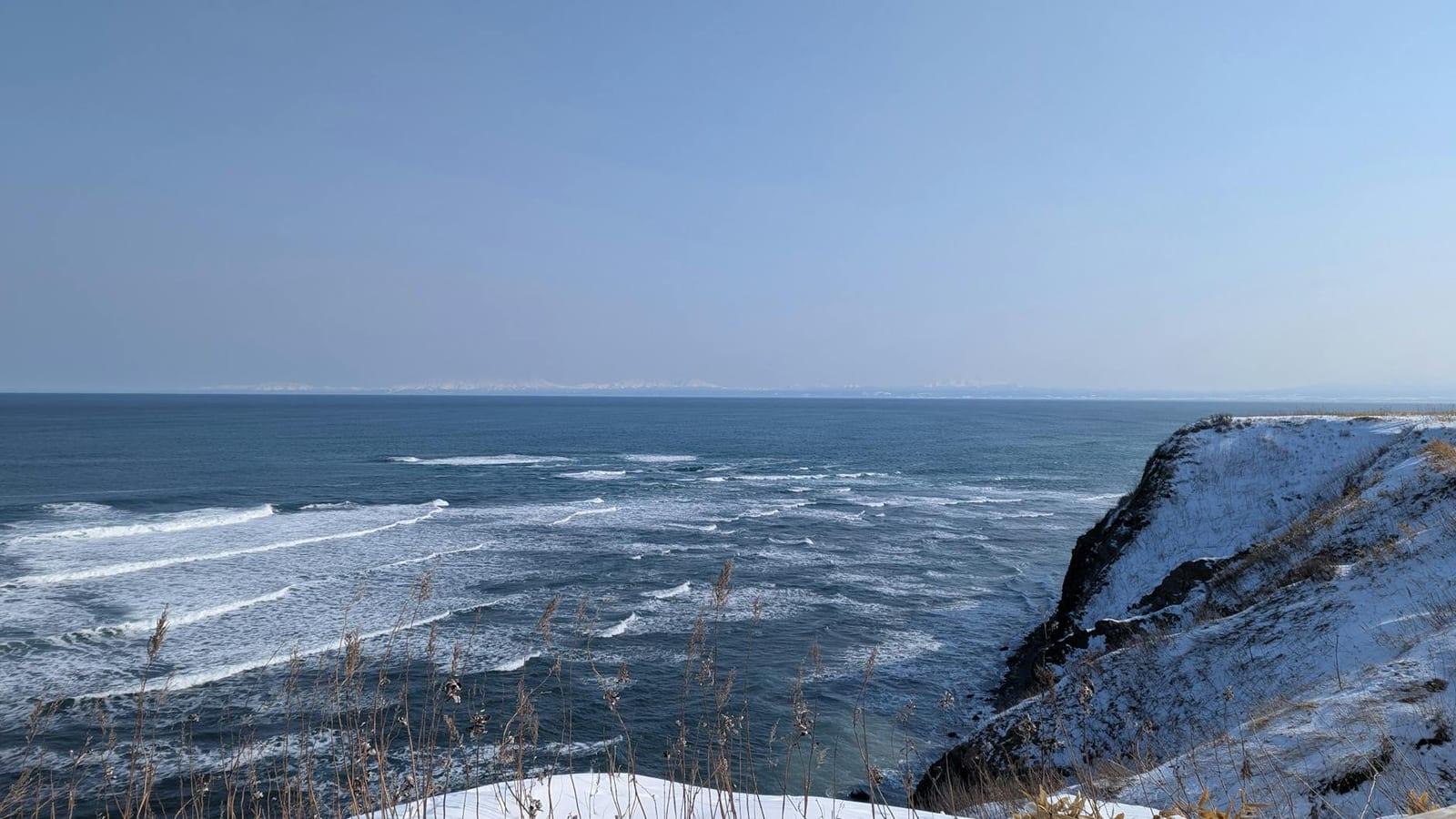
- Shiretoko, Hokkaido
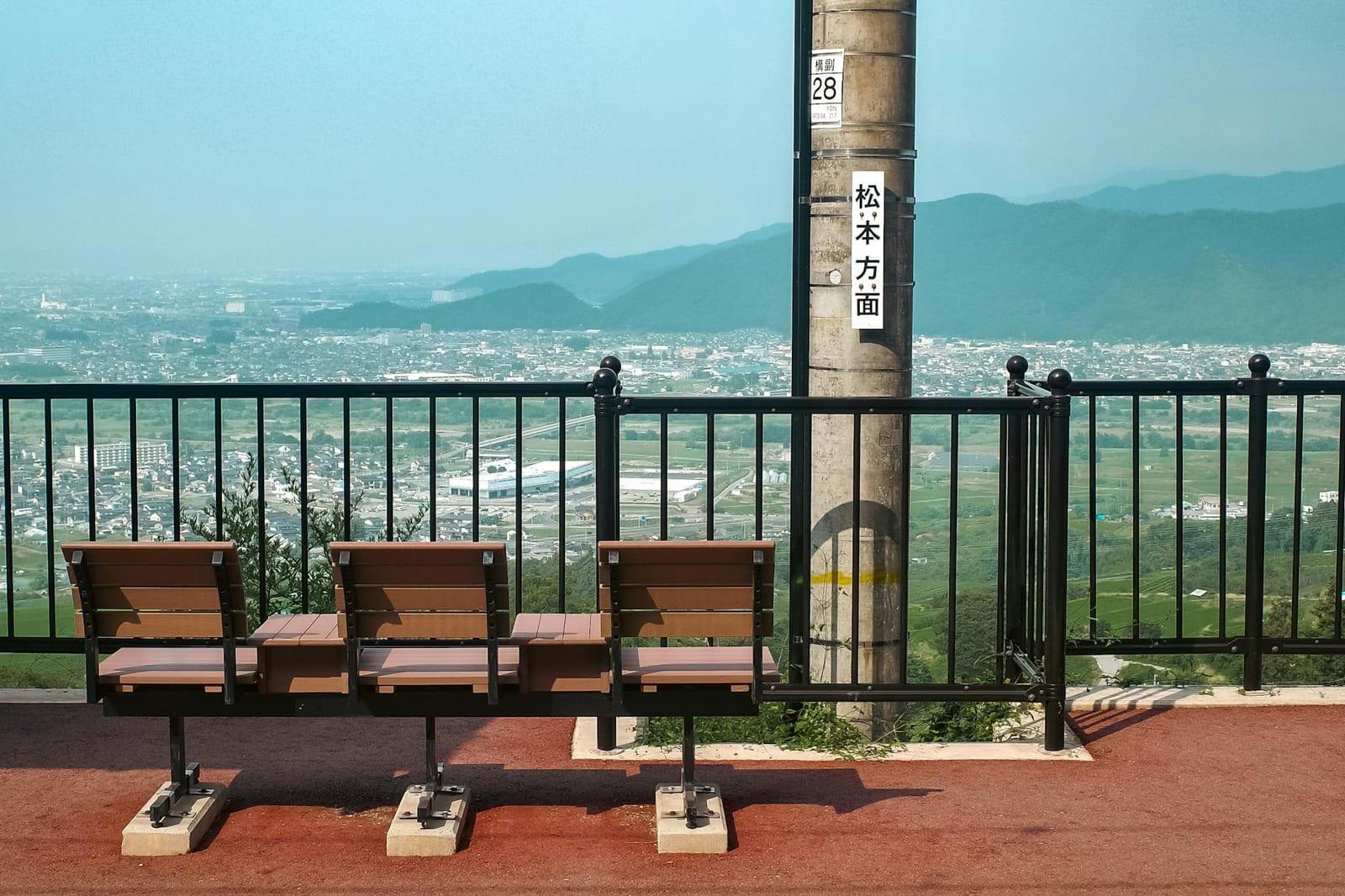
- Suzuka
- Snowboard
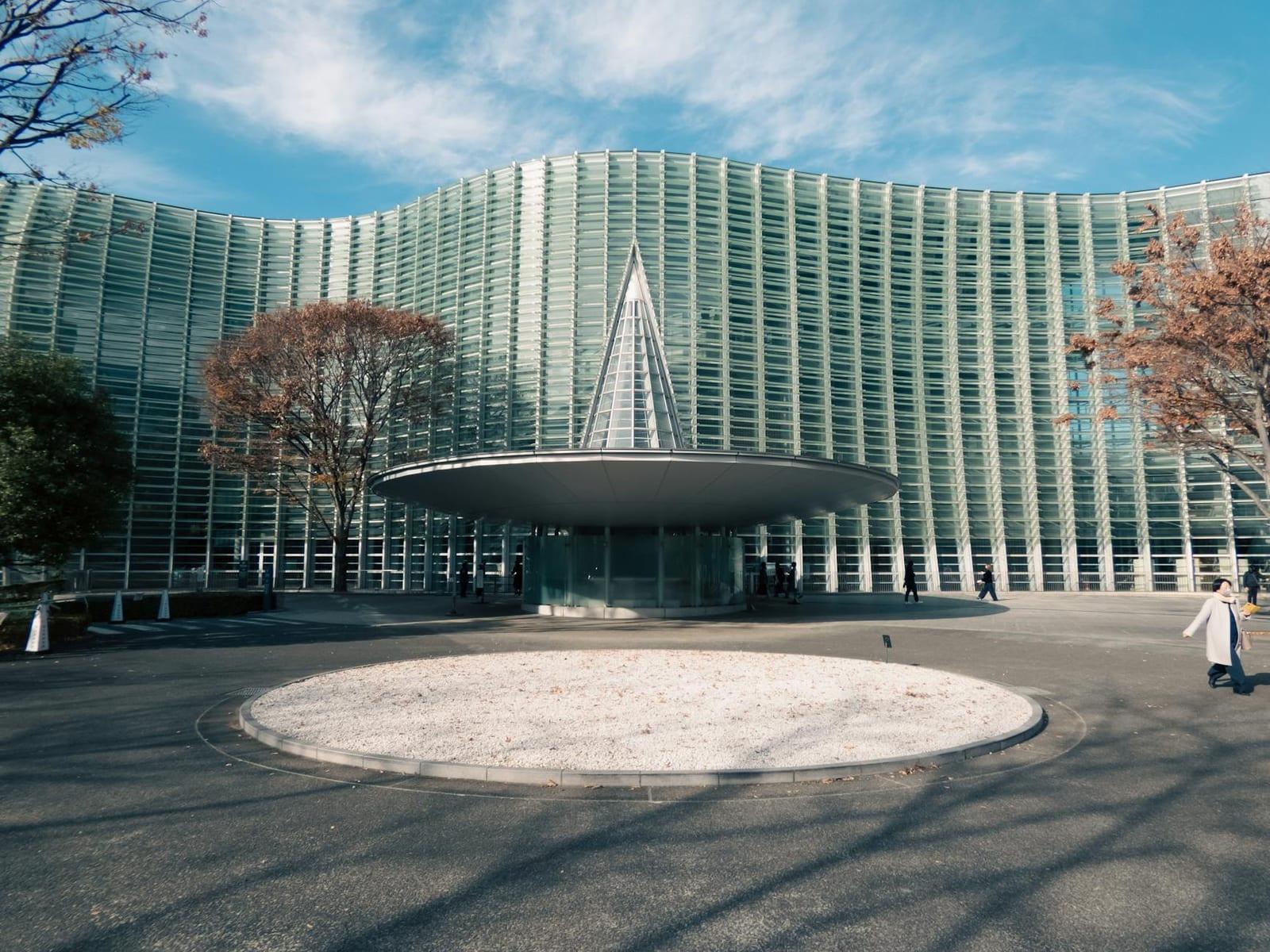
- Tokyo National Museum
- Kyoto
- Ride a Bullet Train
- Tokyo
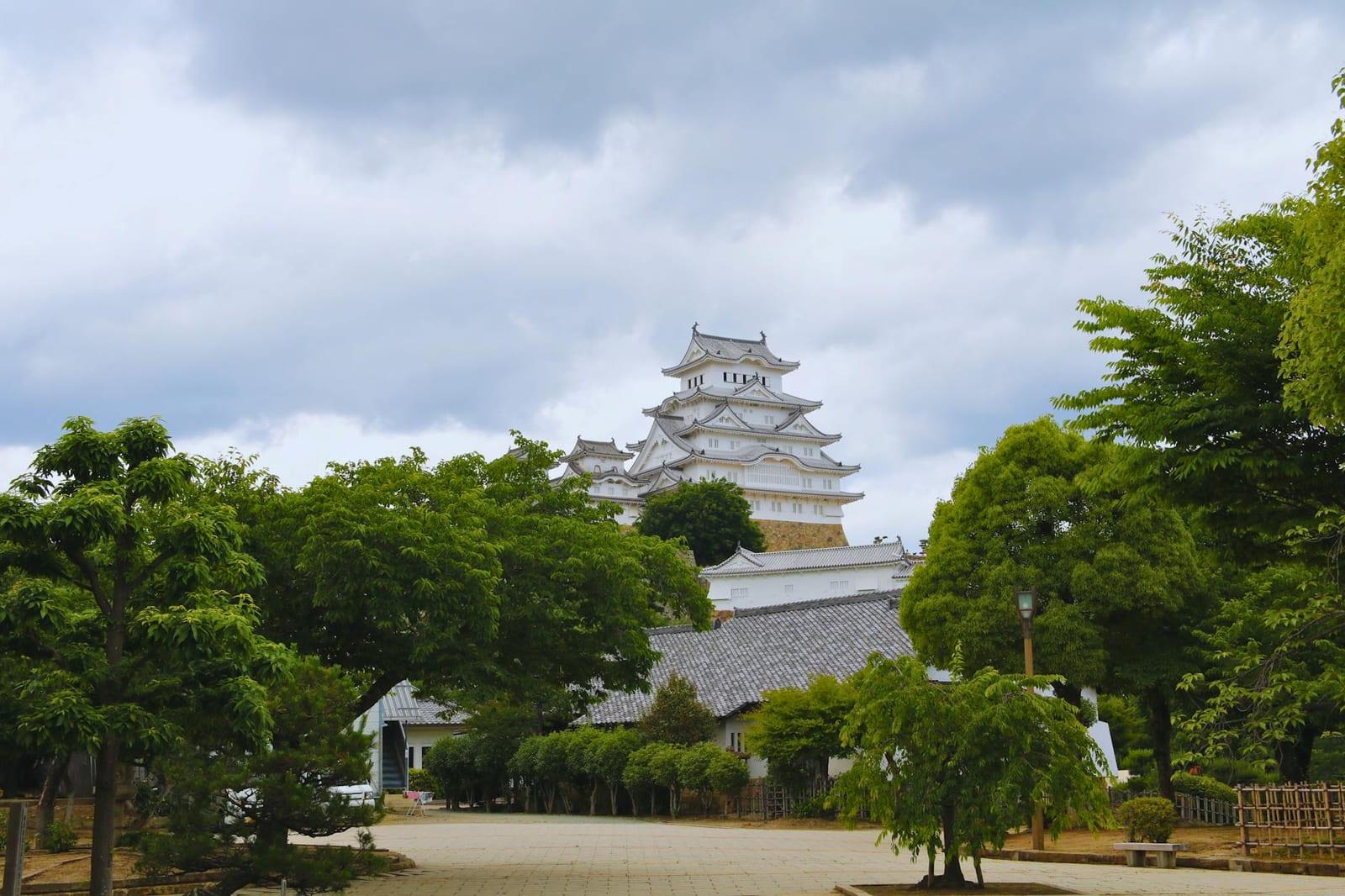
- Himeji CastleThe most exceptional extant Japanese castle, this lovely tiered citadel dates from the 14th century.
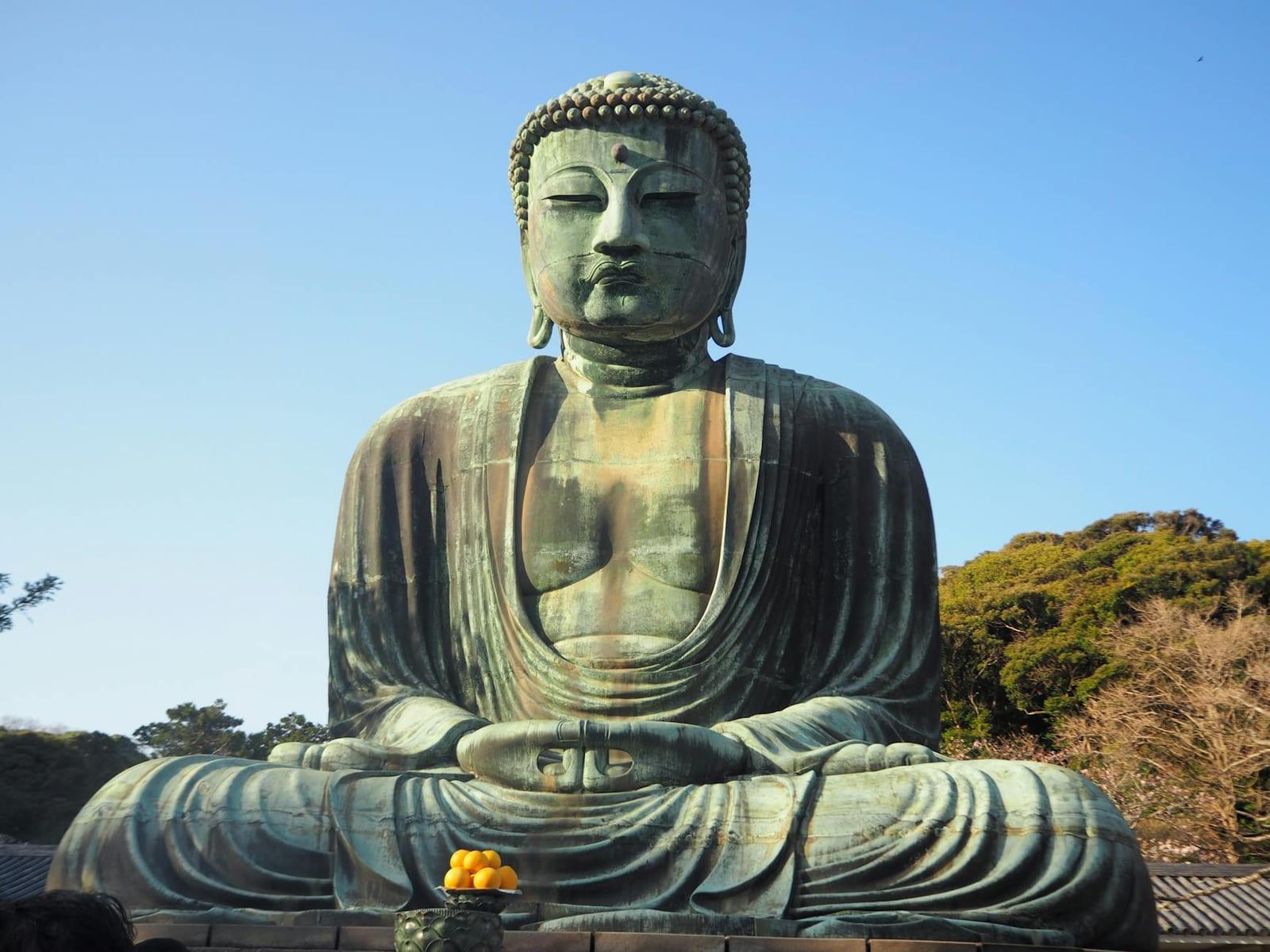
- The Great Buddha of KamakuraA tsunami washed away its temple hall in 1498, but this colossal bronze statue of Amida Buddha remains stolidly seated.
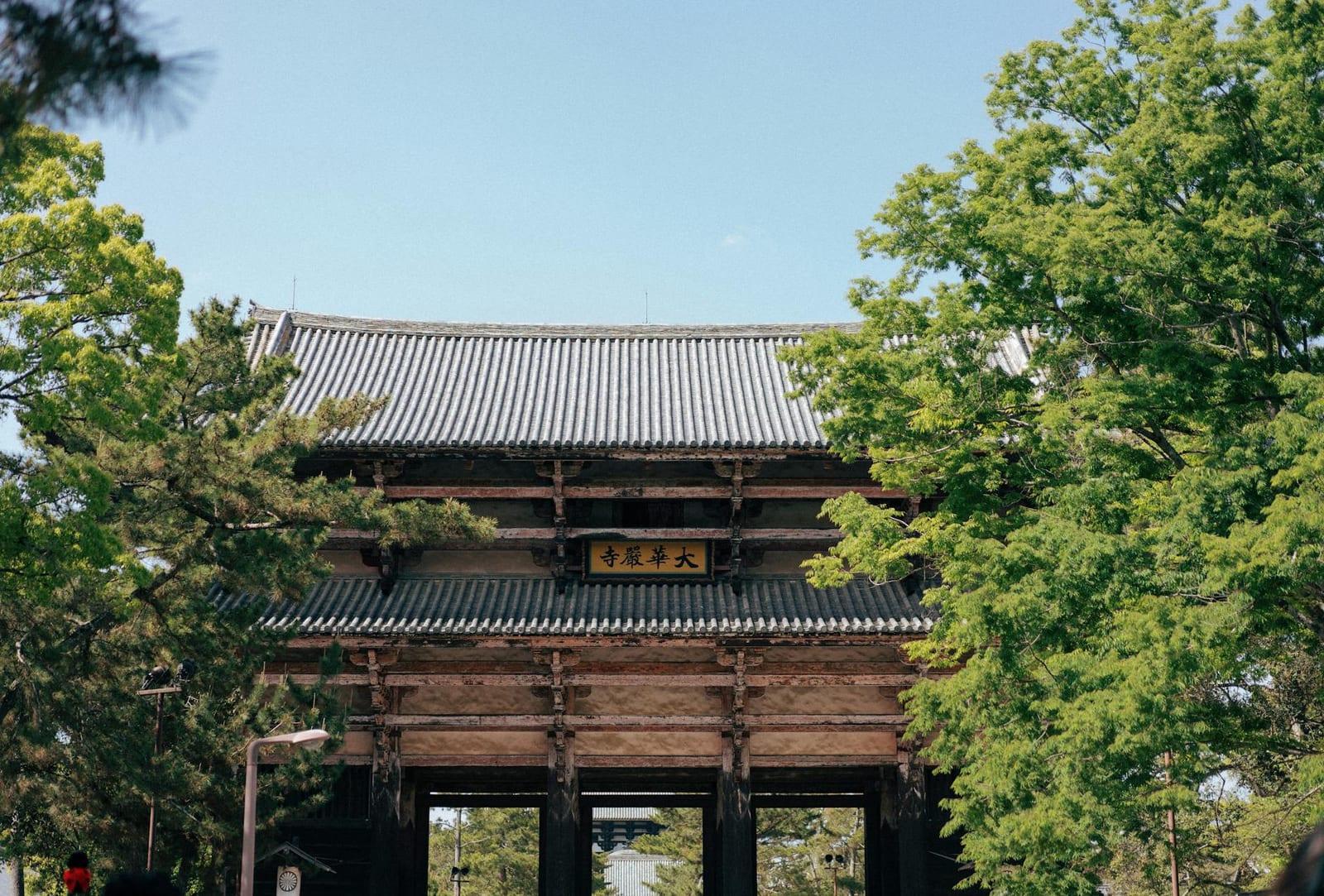
- Todai-ji (Nara)Not only is this temple one of the world’s biggest wooden buildings, but it also houses the very largest bronze Buddha.
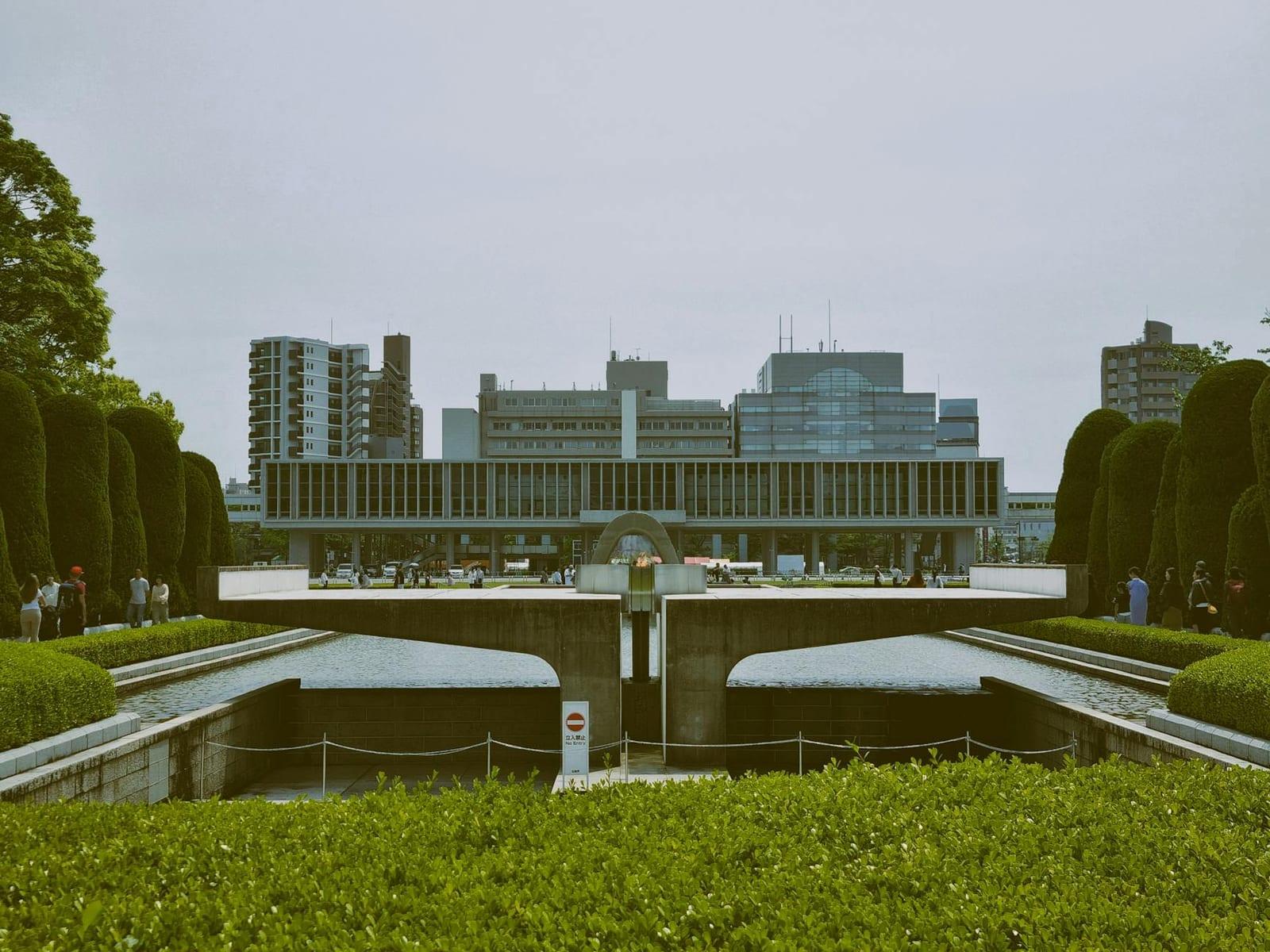
- Hiroshima Peace Memorial MuseumHonor the lives lost in the Second World War’s atomic bombs at this sobering museum dedicated to international peace.
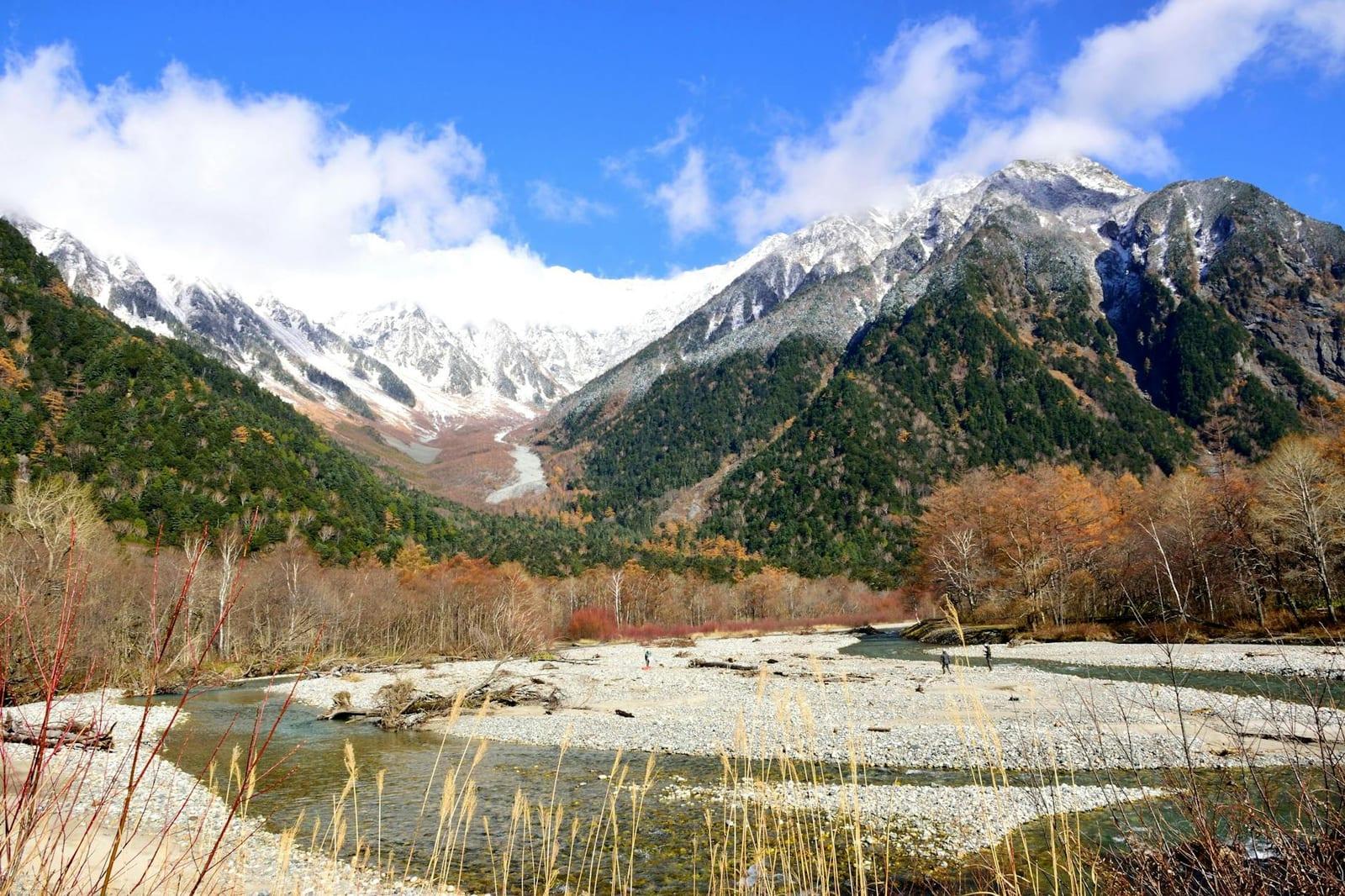
- Chubu-Sangaku National ParkOne of Japan’s best hiking destinations, this park shows off the raw beauty of the Japanese Alps’ Hida Mountains.
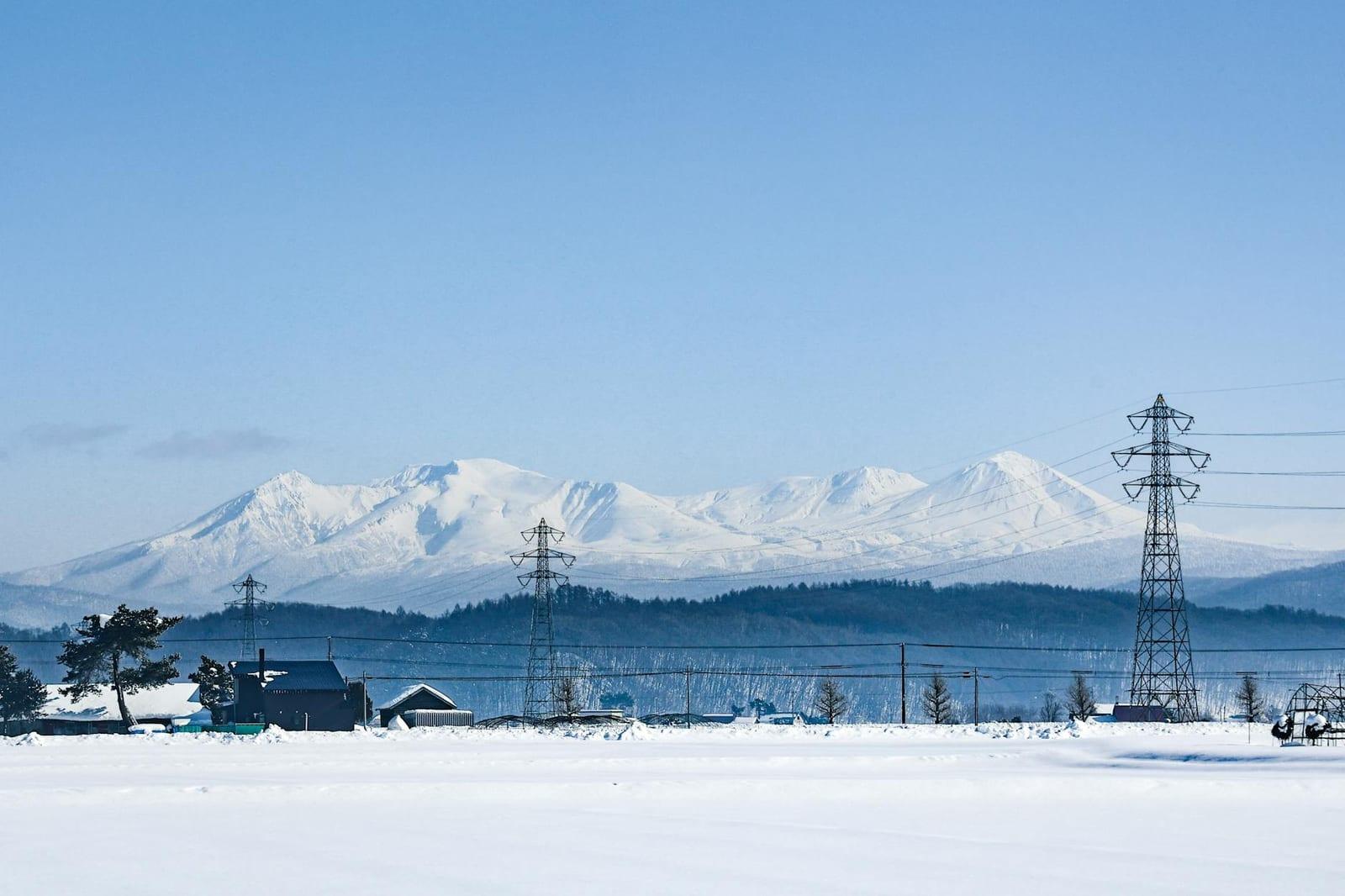
- Daisetsuzan National ParkJapan’s biggest national park reveals Hokkaido at its wildest: grand volcanoes and lonely valleys ruled by brown bears.
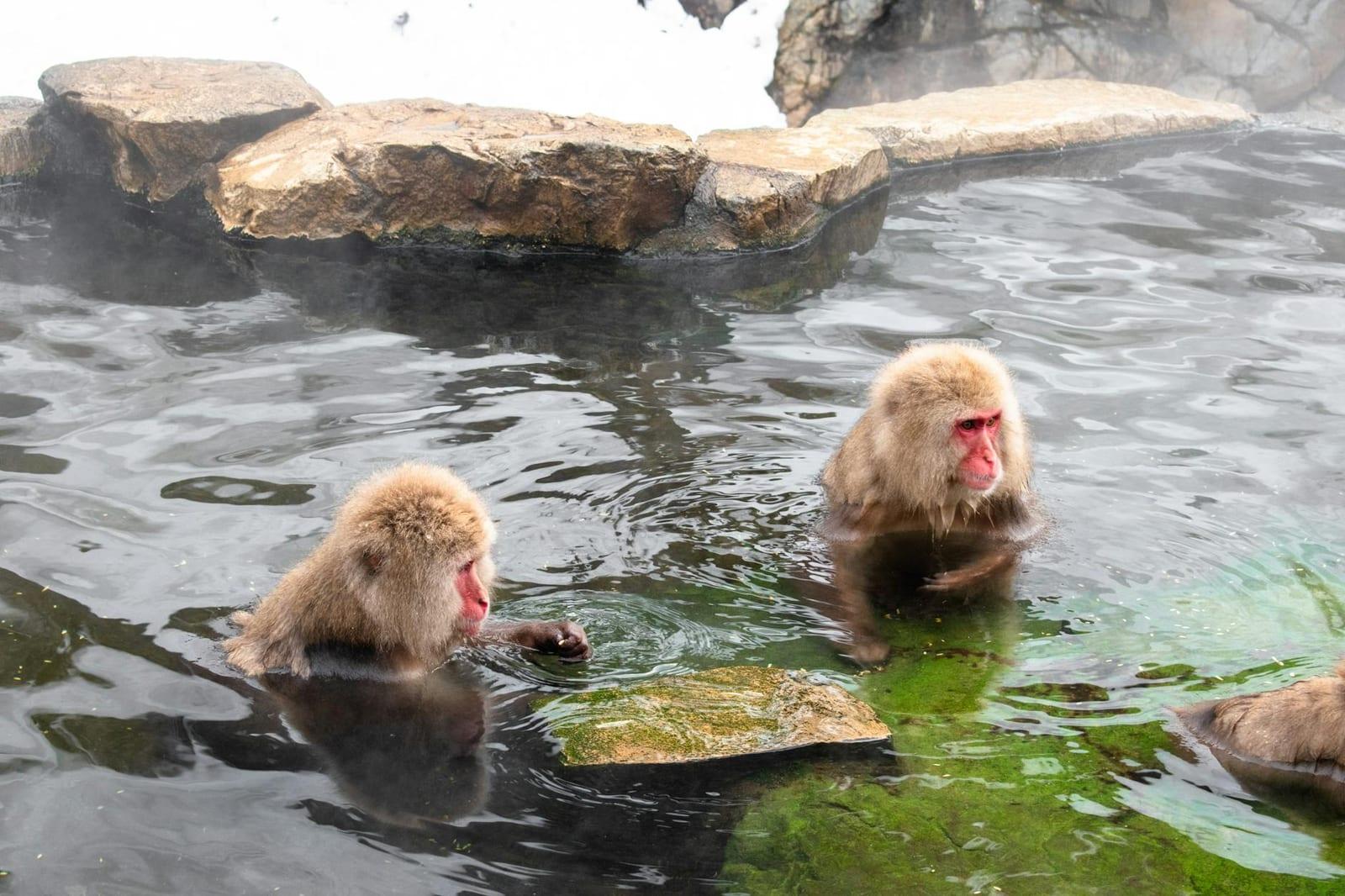
- Jigokudani Monkey ParkAs seen in countless nature documentaries, Japanese macaques (“snow monkeys”) lounge in hot springs when winter grips this forested valley.
- YakushimaEmblematic of Ryukyu archipelago’s subtropical beauty, this mountainous isle includes luxuriant old-growth sugi forests and sea-turtle nesting beaches.