Jersey’s the largest and most southerly of the Channel Islands, lying a mere stone’s throw off the coast of Normandy's Cotentin Peninsula. A Crown possession with long links to both England and France, the isle shouldn’t be dismissed on account of its smallish size: There’s some action-packed history woven into its bucolic scenery.
Given its close position to the mainland—a proximity that meant the island was part of continental Europe during periods of lower sea level—it’s not all that surprising how far Jersey’s backstory reaches. We’re talking tens of thousands of years: The seaside cave of La Cotte de St Brelade entombed the Paleolithic remains of Neanderthals and heaps of mammoth bones. The island called Caesarea by the Romans passed from Norse to Norman hands; though it’s been a self-governing part of the British realm since the 13th century.
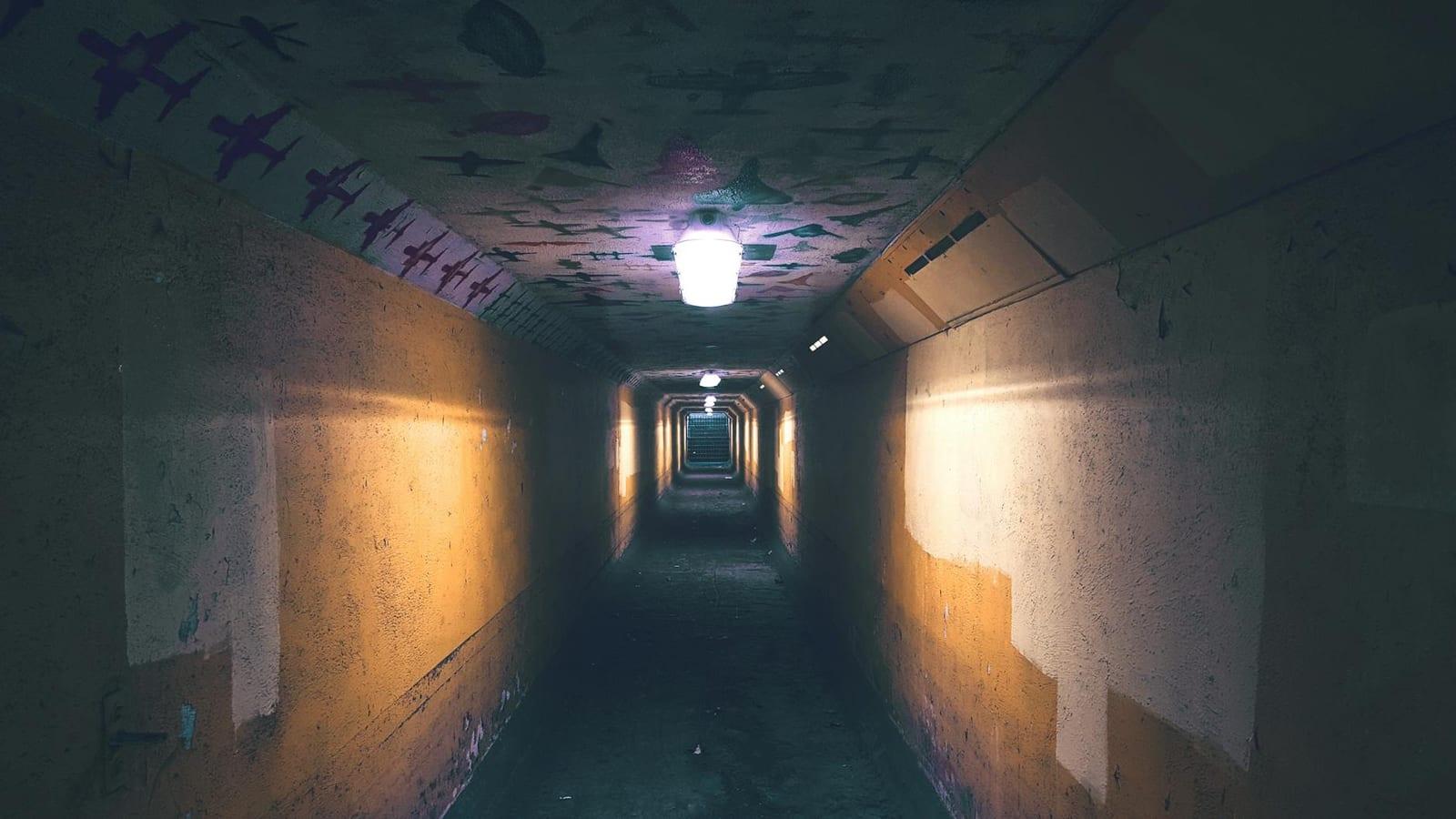
From 1940 to 1945, Nazi Germany occupied Jersey. This legacy is most strikingly tattooed in the Jersey War Tunnels, excavated by slave labor. The ninth of May is celebrated as Liberation Day, when Allied forces reclaimed the Channel Islands.
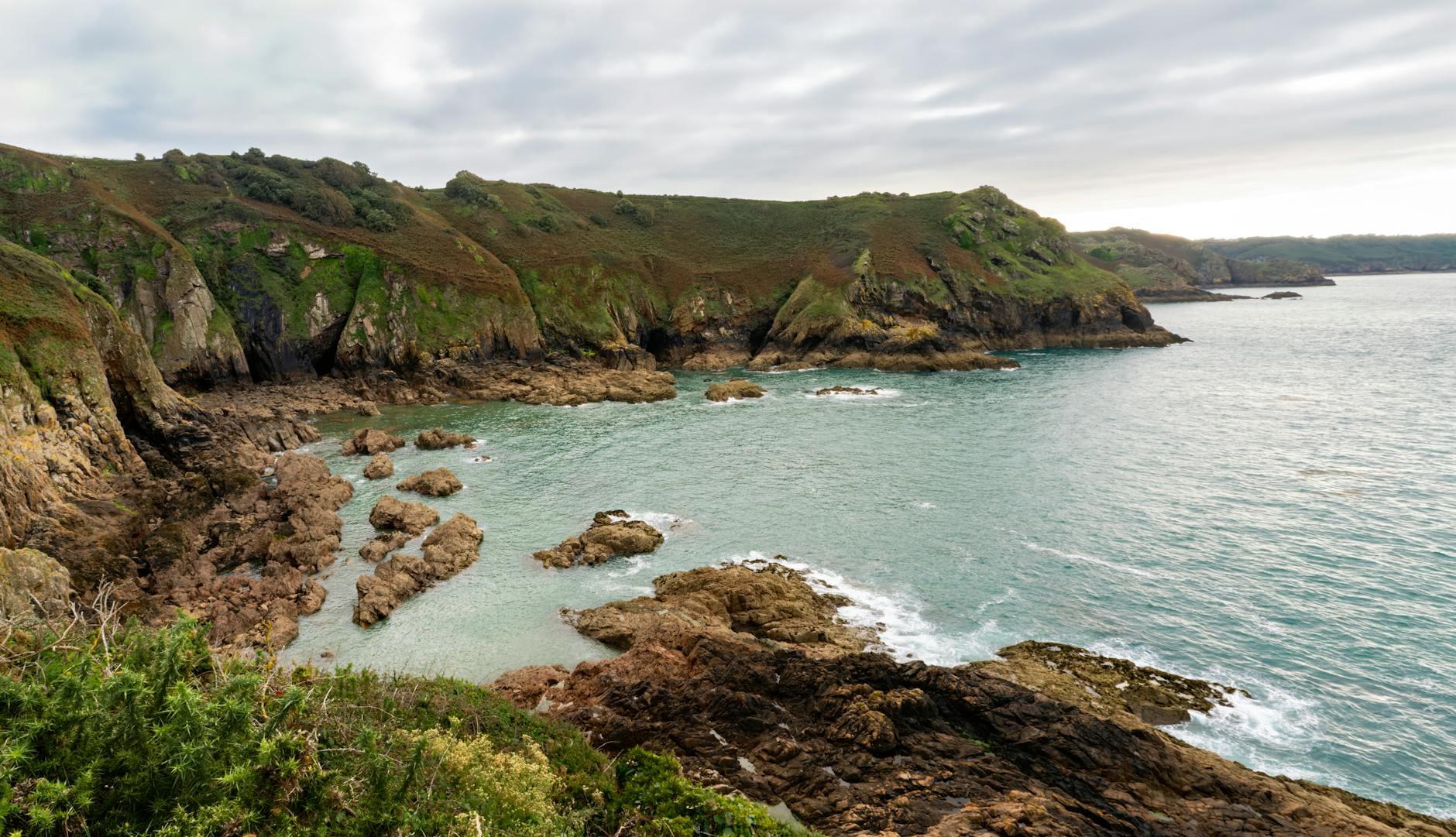
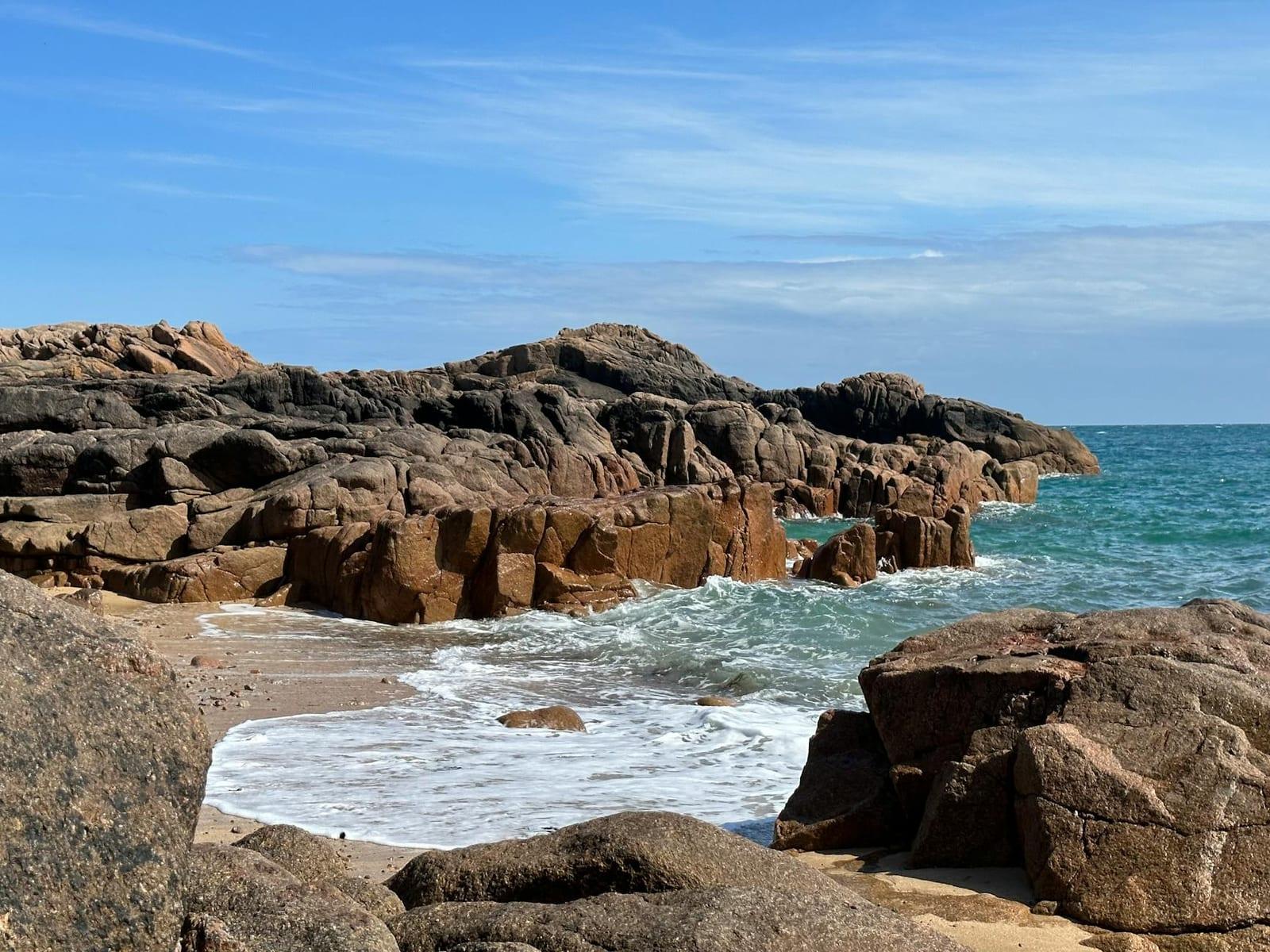
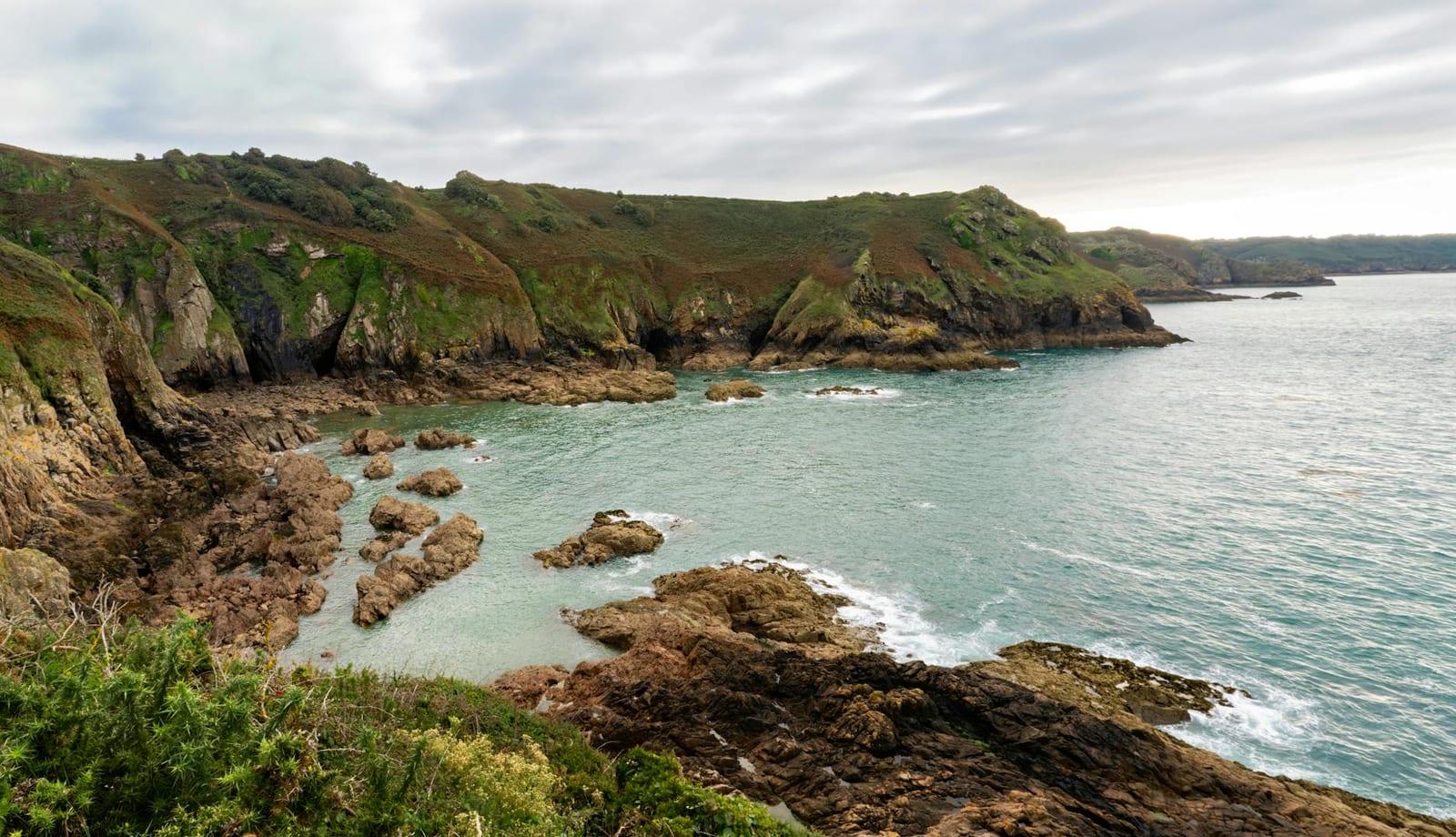
The serene countryside of Jersey—grazed, yes, by a fair number of cream-coated Jersey cows—is a joy to explore on foot, on bicycle, or in a leisurely paced car. Its miles and miles of “Green Lanes” lace the rolling plateau of the interior and the rugged coastline. That seacoast reaches a scenic pinnacle in the north, where the cliffs exceed 400 feet. The gentler coves and bays tempt with fine beaches.
Rolling farmland, sharp sea cliffs, twilit beaches, quiet country roads: Jersey’s a beautifully restful island with plenty of perspective on the backstory of Northern Europe and the British Isles.
8 things not to miss.
- La Hougue BieA Neolithic passage grave, or dolmen, underlies a medieval-era chapel at this multilayered historical site.
- Mont Orgueil CastleStep inside Jersey’s medieval history at this 800-year-old fortress, packed with interpretive displays.
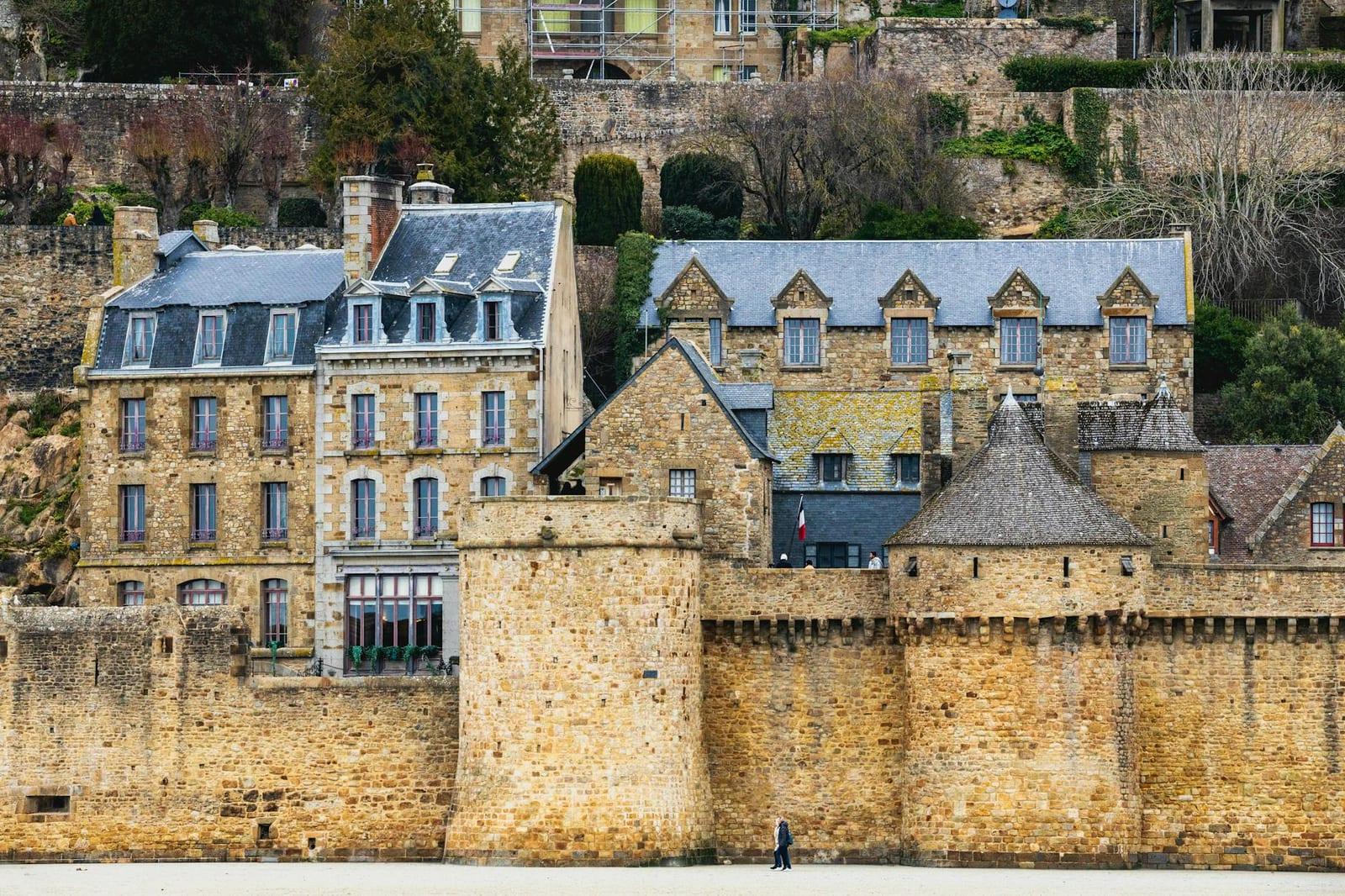
- Jersey War TunnelsThe Nazis employed slave labor to excavate these tunnels, now a museum, during Jersey’s German occupation, a nearly five-year ordeal.
- Channel Islands Military MuseumHoused in one of the Nazis’ Atlantic Wall bunkers, this museum provides an incredible look into the occupation era.
- La Tour de VindeThis black-and-white daymark along St. Aubin’s Bay is one of several Martello towers (18th-century British fortifications) along the Jersey seacoast.
- Elizabeth CastleSir Walter Raleigh called this St. Aubin’s Bay island fortress home while governing Jersey in the early 1600s.
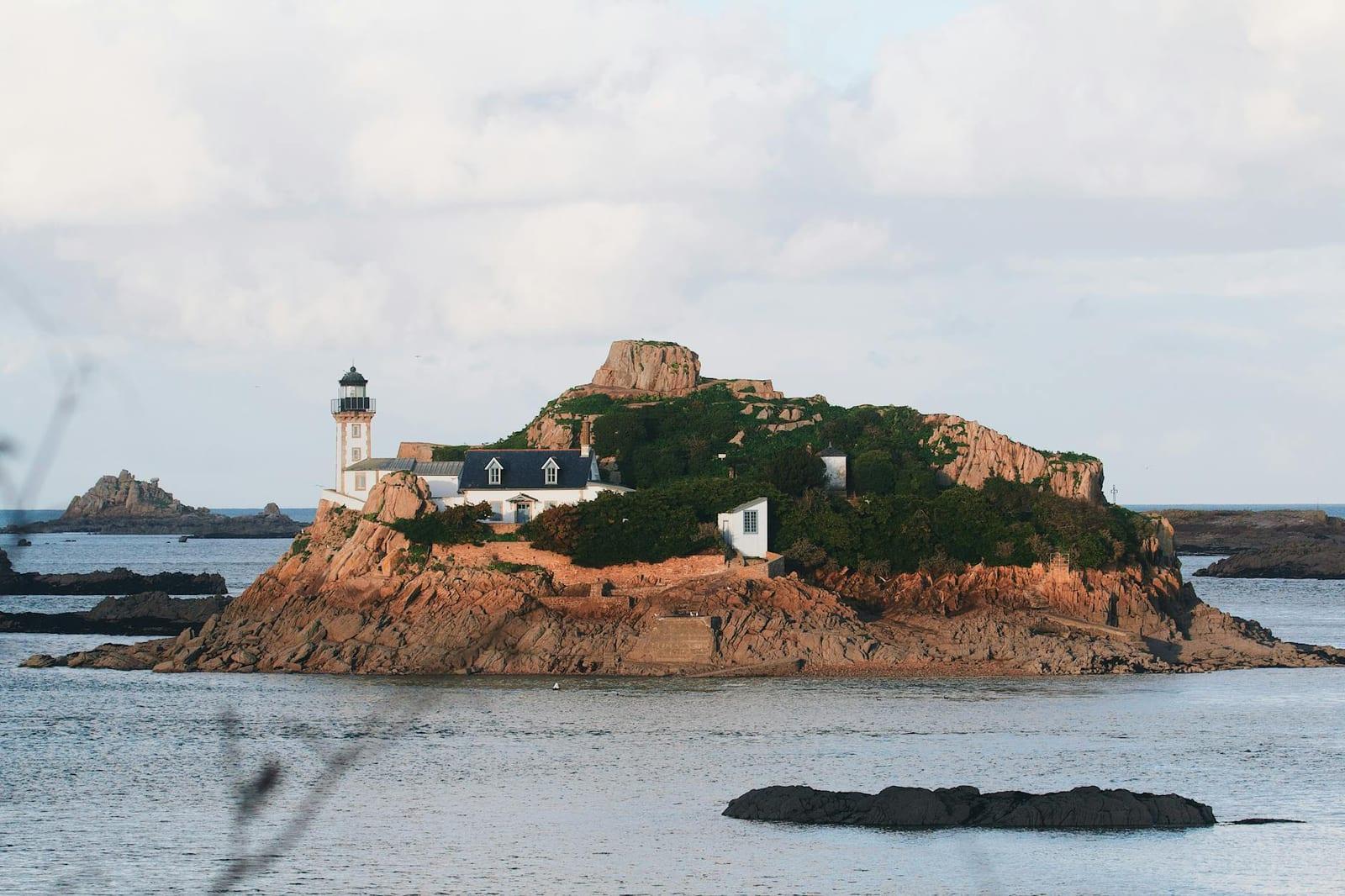
- La Corbiere LighthousePerched atop a rocky islet reachable at low tide, this 19th-century lighthouse off Jersey’s southwestern point is a defining landmark.
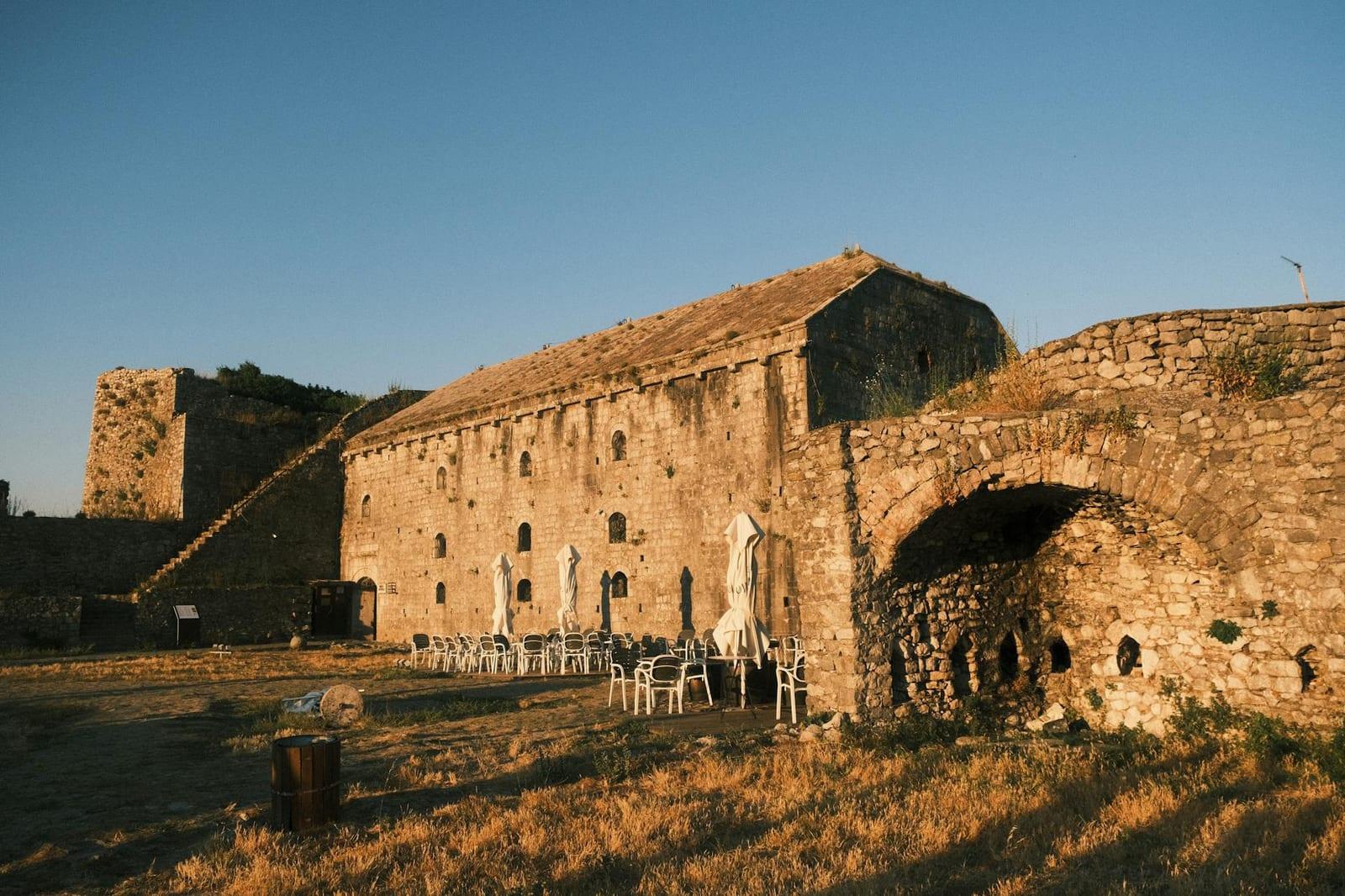
- Grosnez CastleThis stark ruin of the northwest coast is all that remains of a 14th-century castle built as a refuge from French aggression.