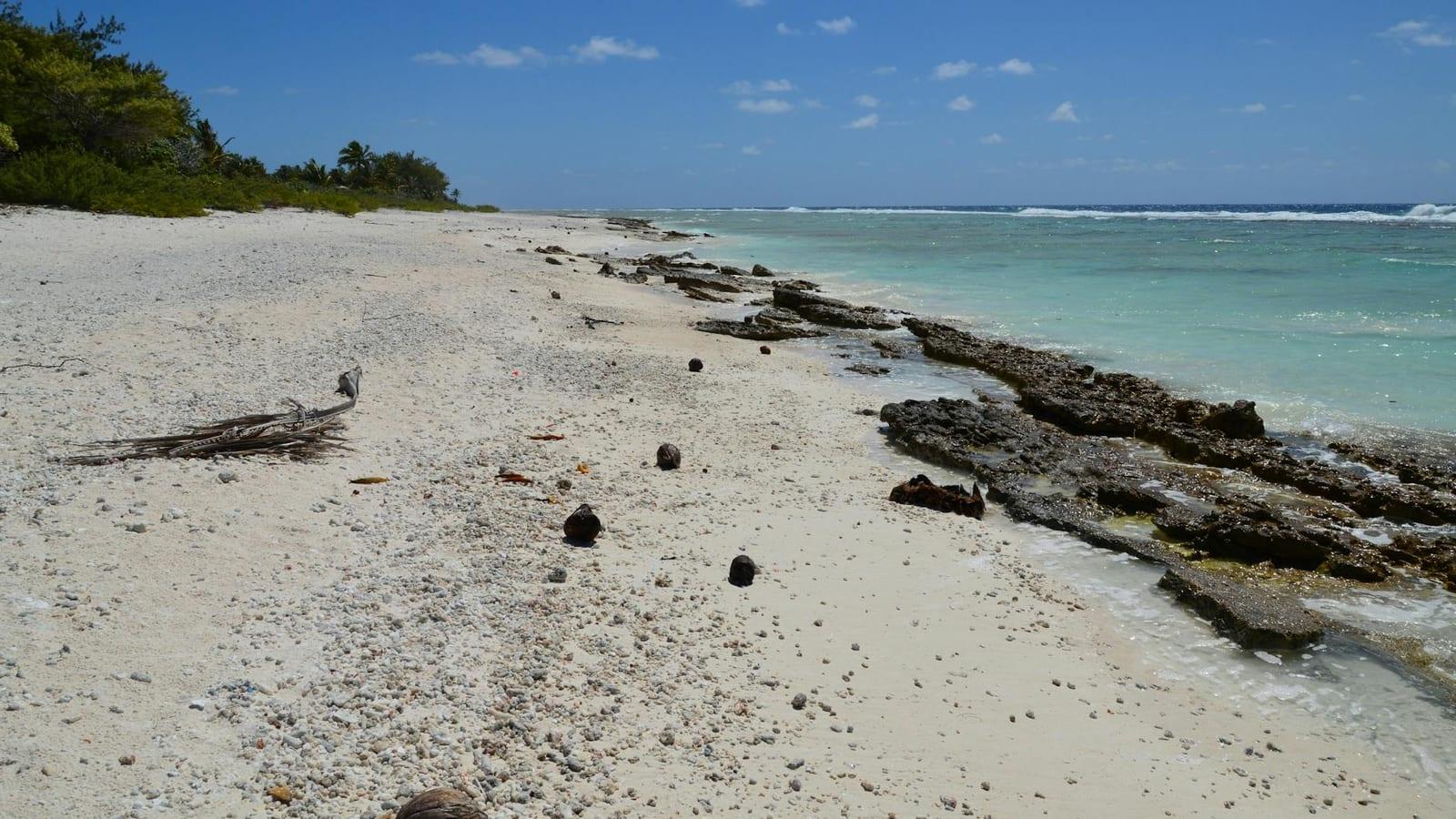
Composed of several dozen coral atolls and islands spread expansively across better than a million square miles of the central Pacific Ocean, Kiribati offers amazing opportunities for cultural and ecological tourism. Sobering meditations on the Second World War (which raged here at its bloodiest), glimpses into island routines little changed across the millennia, outstanding tracts of wild tropical ocean—it’s all in Kiribati.
In addition to the far western island of Banaba, Kiribati includes three archipelagos: from west to east, the Gilbert Islands (the main population center), the Phoenix Islands (mostly uninhabited), and the Line Islands (home to the biggest coral atoll on the planet, Kiritimati). Long the domain of Micronesians (and influenced by Polynesian and Melanesian seafarers), Kiribati fell under British colonial rule in the late 19th century; the U.S., meantime, came to control portions of the farflung Phoenix and Line islands. The country attained independence in the 1970s.
Some of the most violent clashes in the Pacific Theater of World War II played out in Kiribati, including the Battle of Tarawa in November 1943, which claimed more than 6,000 lives on Betio Island in Tarawa Atoll, and the Battle of Makin on Butaritari Atoll in the same month. Relics—from rusting guns to pillboxes—can be seen on Tarawa and Butaritari, while the scuba-inclined have some of the richest opportunities for shipwreck diving anywhere in the Pacific.
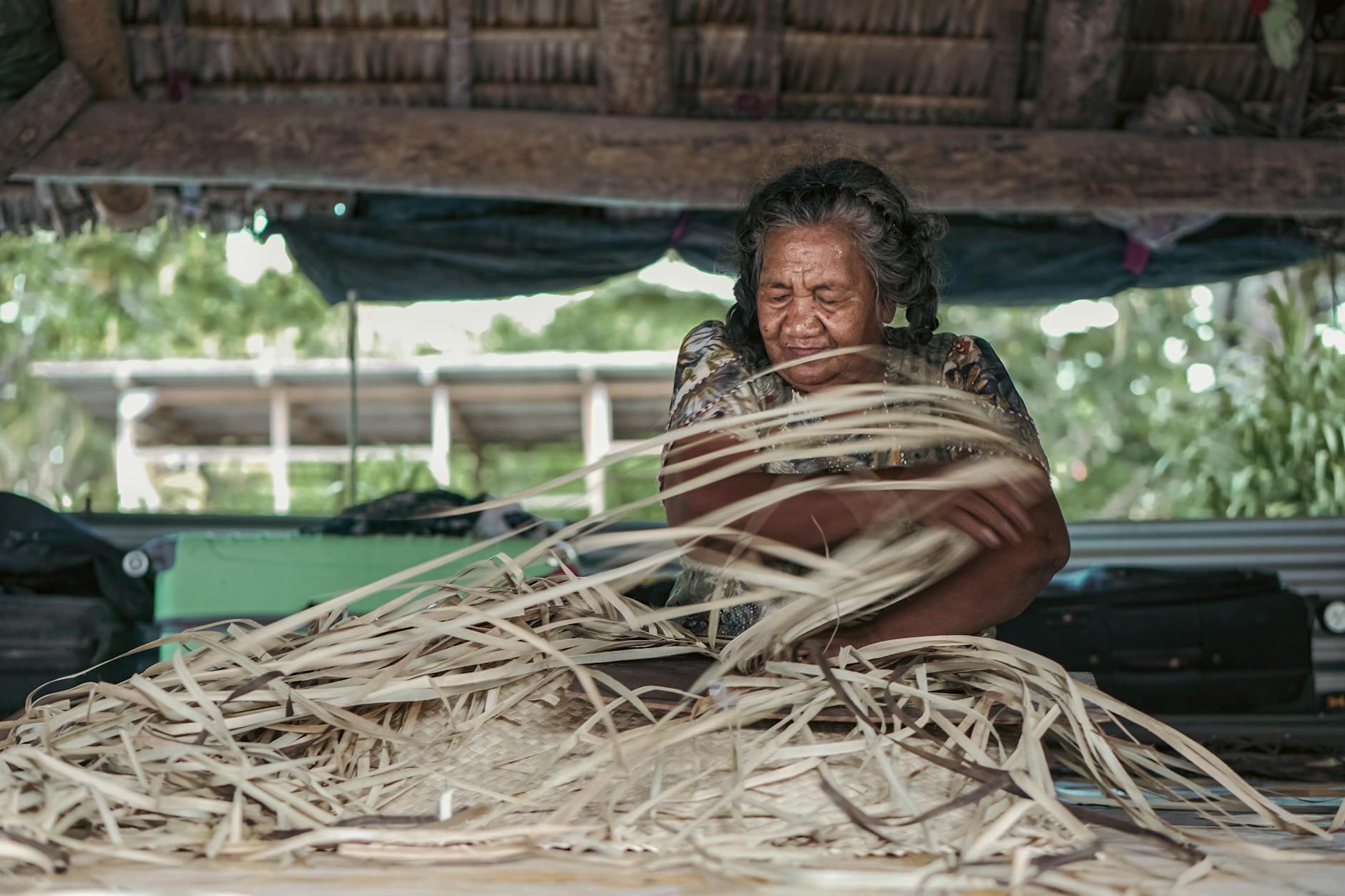
The inherent isolation of Kiribati’s atolls means traditional Micronesian culture—that of the native I-Kiribati—is wonderfully preserved, from the easy-to-reach villages of North Tarawa to the much more farflung settlements of the outer islands. Take the time to explore I-Kiribati lifeways—canoe-fishing, breadfruit-gathering, community maneaba councils—and get to know the authentic tempo and tone of the country.
Meanwhile, Kiribati’s also an amazing destination for ecotourism. The country claims one of the world’s largest marine sanctuaries: the California-sized Phoenix Island Protected Area, home to 120 kinds of corals and some 500 species of fish. It’s not an easy place to visit—that’s part of the conservation strategy—but if you’d like to witness firsthand the vibrancy of pristine coral reefs and atoll lagoons, it’s worth the effort. More accessible are the great seabird colonies of Kiritimati, where, depending on the season, you may glimpse tropicbirds, boobies, noddies, sooty terns, and both greater and lesser frigatebirds (which are cultural touchstones of the I-Kiribati).
Don’t come to Kiribati expecting a week of sun-drunk resort R&R: You have to work some to journey through these remote, wide-scattered islands, and the hub of South Tarawa—crammed with people and gravely threatened by rising seas—doesn’t look much like the tropical paradises of travel-agency brochures. Instead, come to experience the equatorial Pacific at its most timeless—from the primordial rhythms of an unmarred coral reef to the ancient customs of a proud Micronesian people.
7 things not to miss.
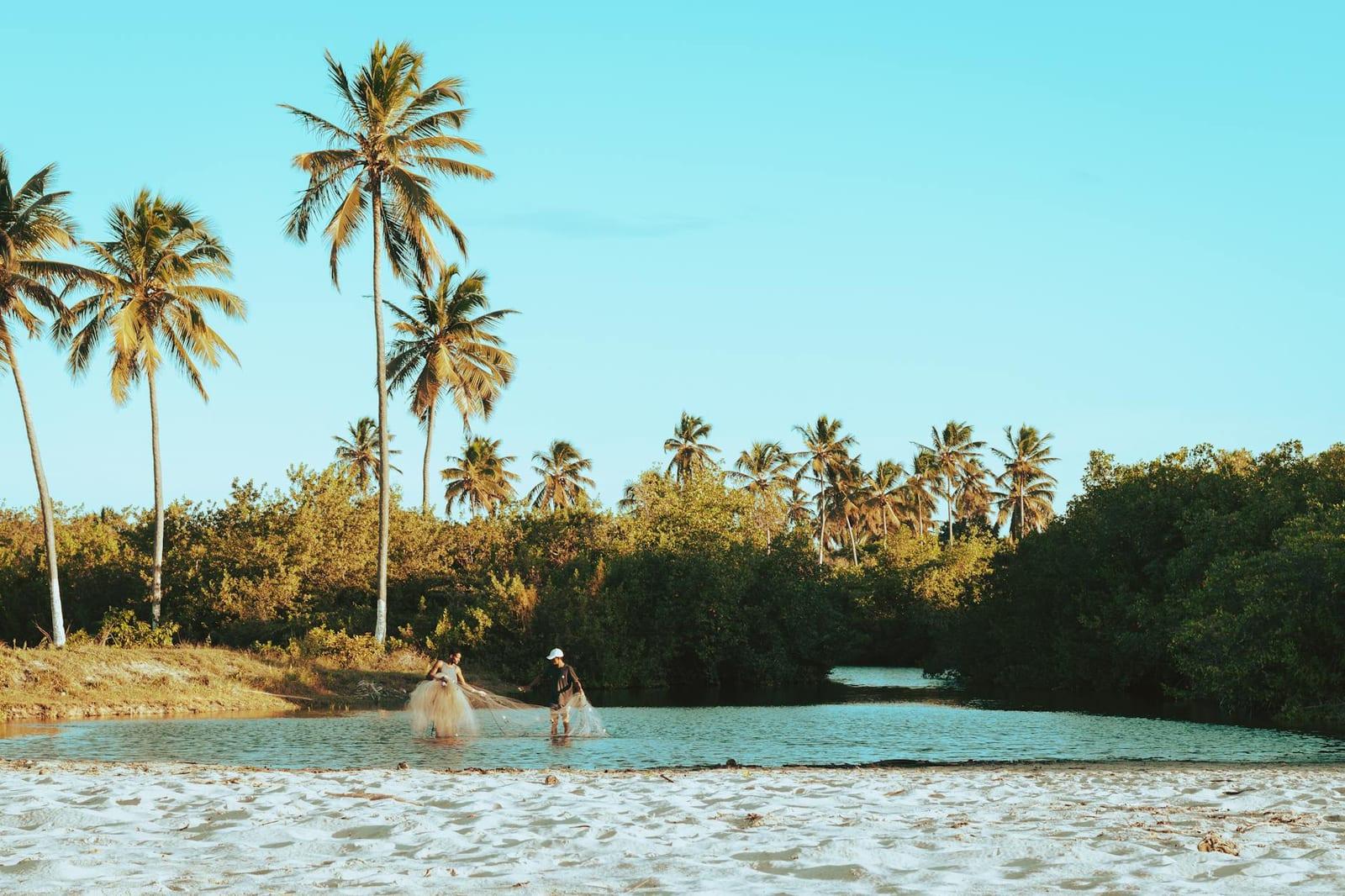
- Fly fish for bonefish in the lagoonsFly fish for bonefish in the lagoons
- Dive Tabueran's wartime wrecksDive Tabueran's wartime wrecks
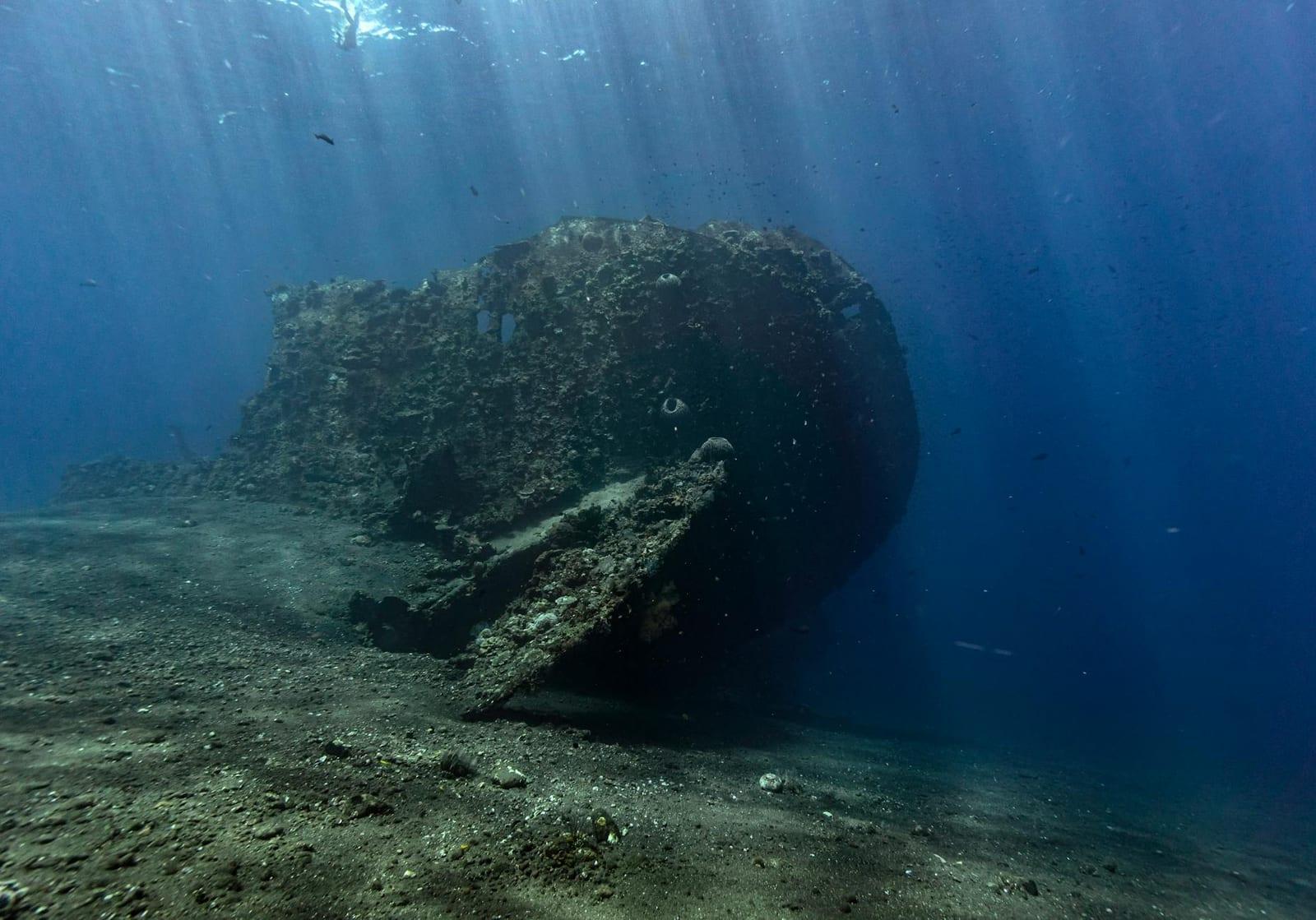
- Phoenix Island Protected AreaIt takes real effort to reach, but this biggest marine sanctuary is an international gem—the tropical ocean at its wildest.
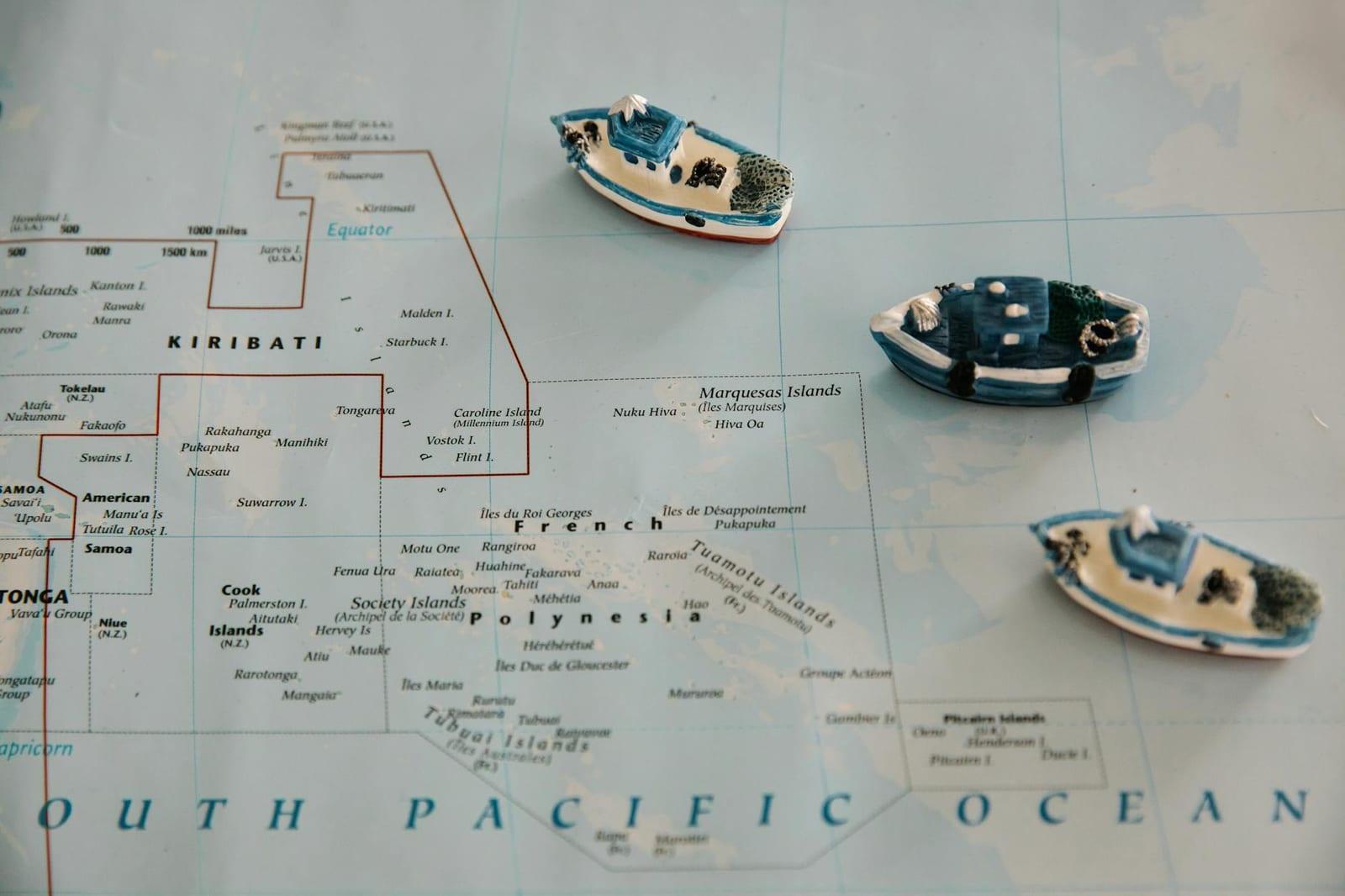
- Betio (Tarawa)Many World War II relics are here, from topside guns to Betio Lagoon’s litter of shipwrecks—casualties of 1943’s Battle of Tarawa.
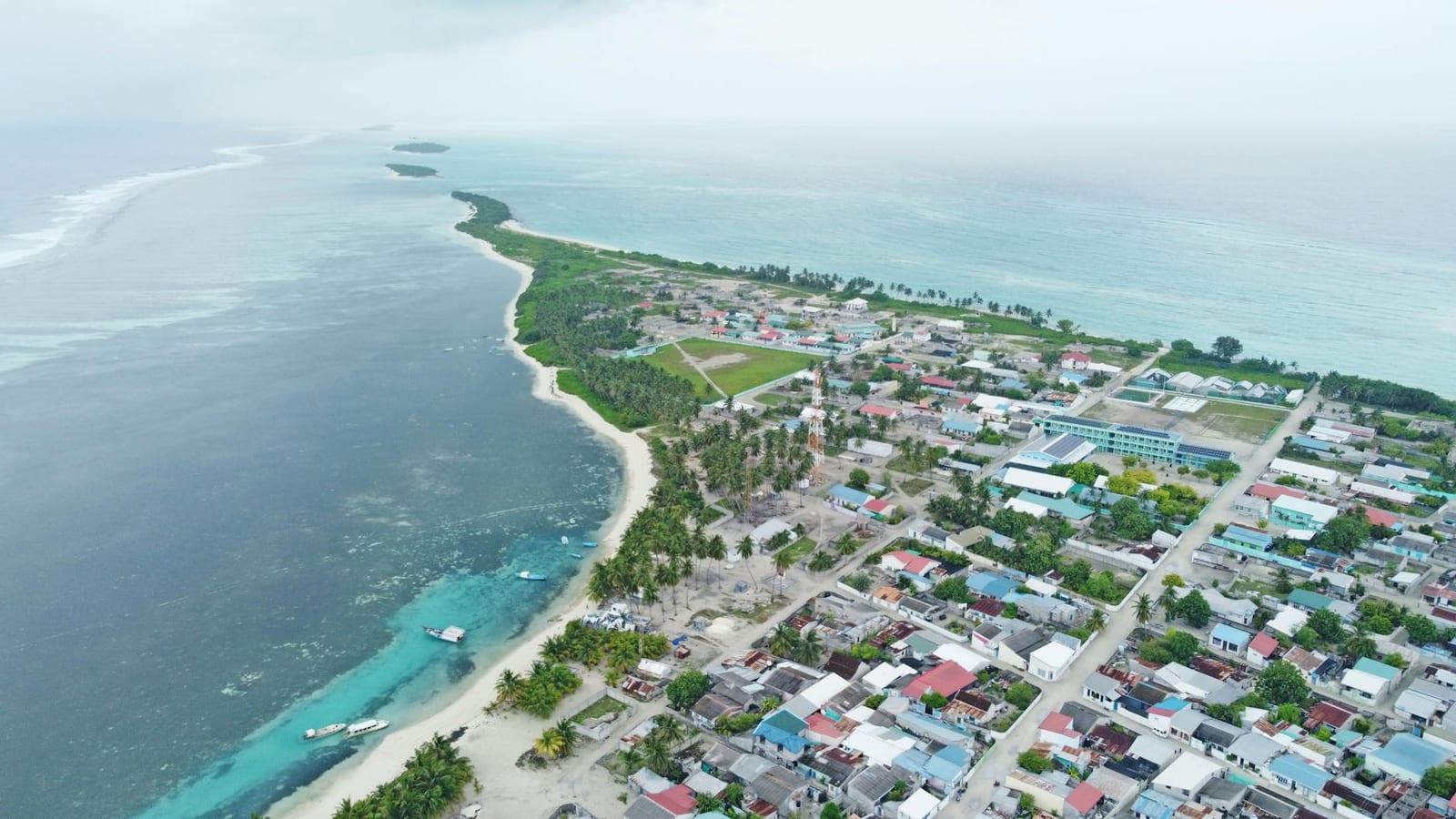
- Christmas Island (Kiritimati)The planet’s largest atoll is a bird-lover’s playground, given its globally important rookeries of tropicbirds, terns, shearwaters, and other seabirds.
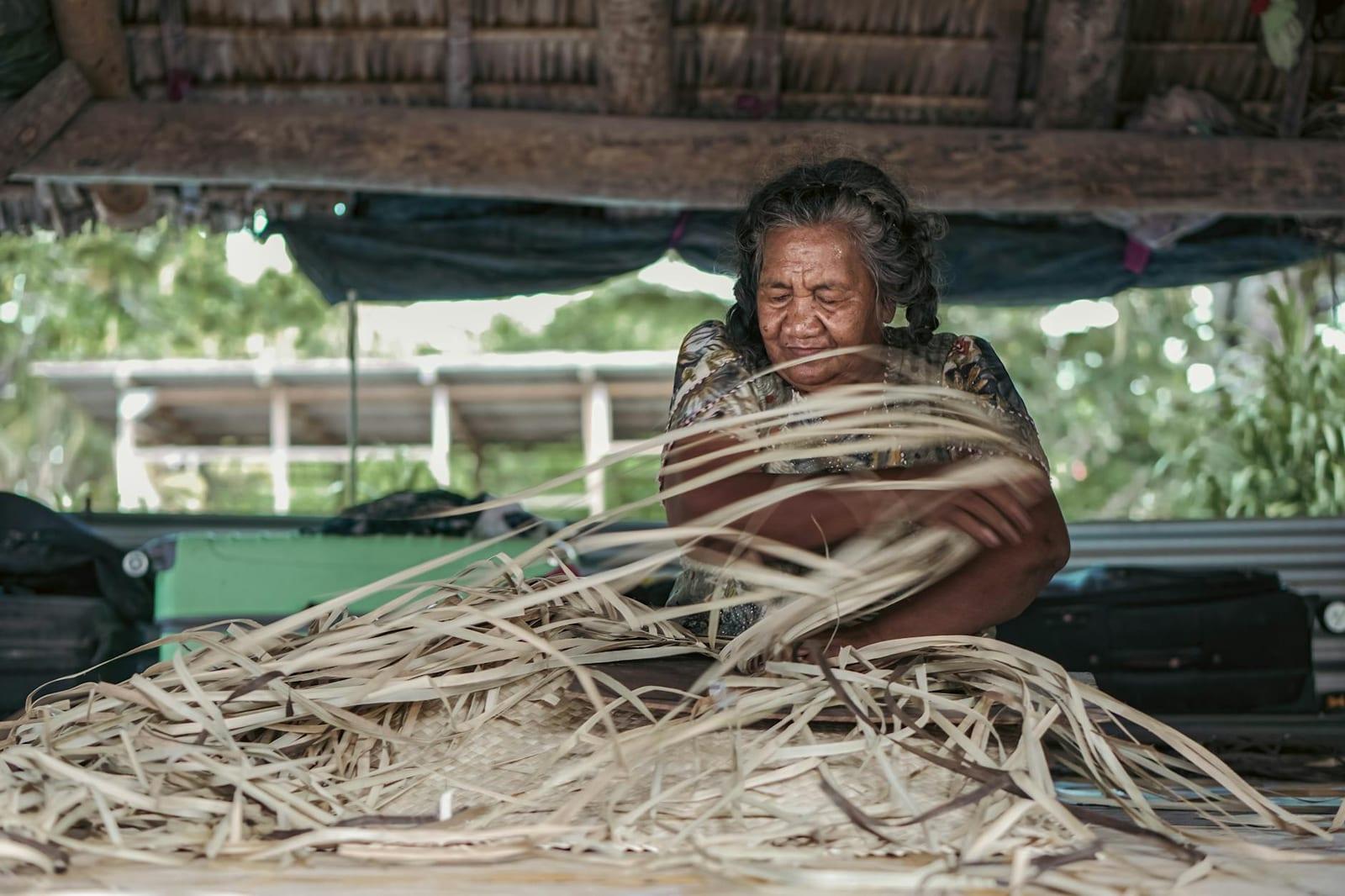
- ButaritariLushest of the Gilbert Islands, Butaritari includes Second World War sites reflecting numerous battles between Japanese and Allied forces here.
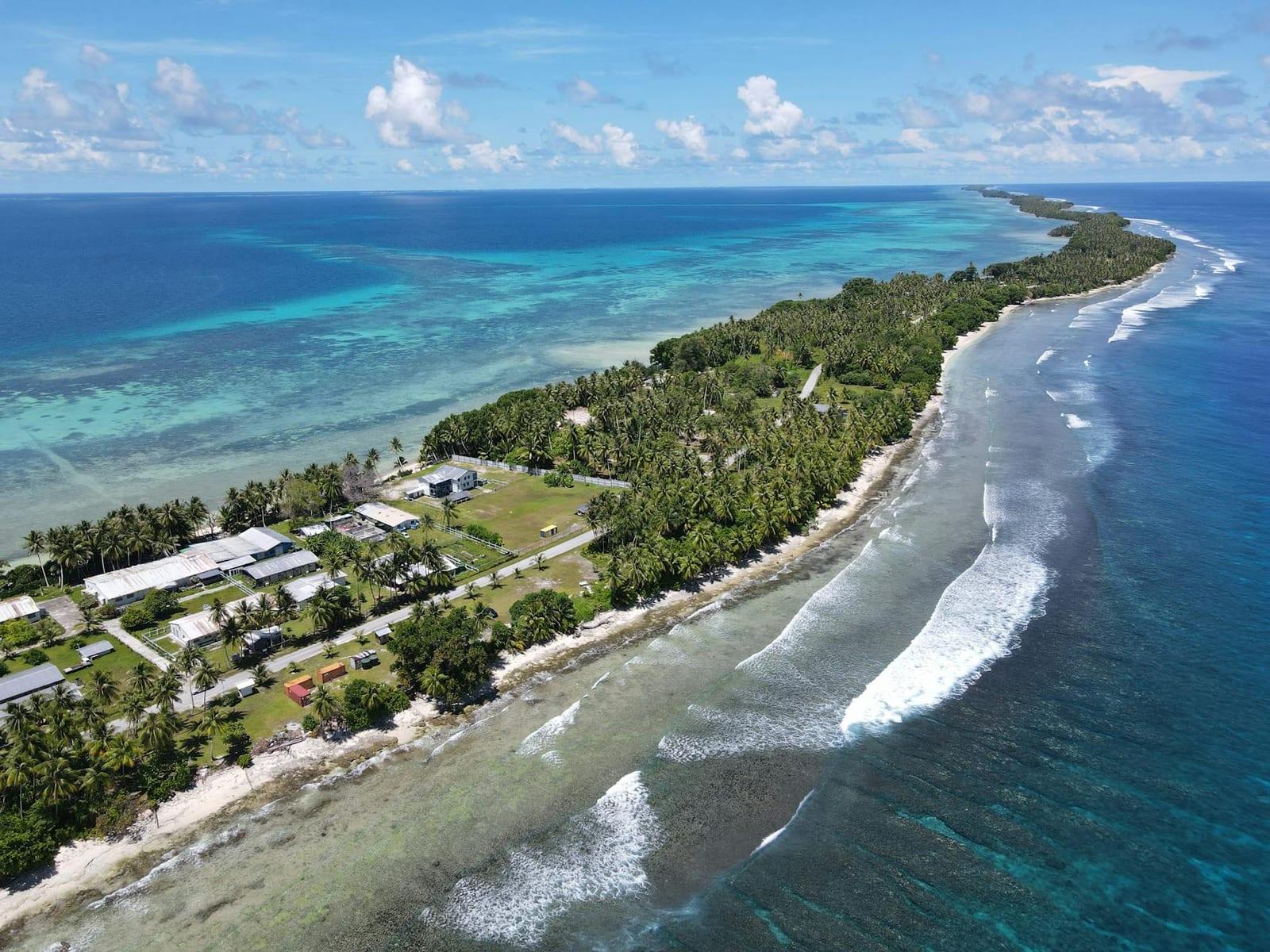
- Tabuaeran (Fanning Island)This Line Island atoll, caressed by Northern and Southern Hemisphere swells, offers some of Kiribati’s most consistently excellent surfing.