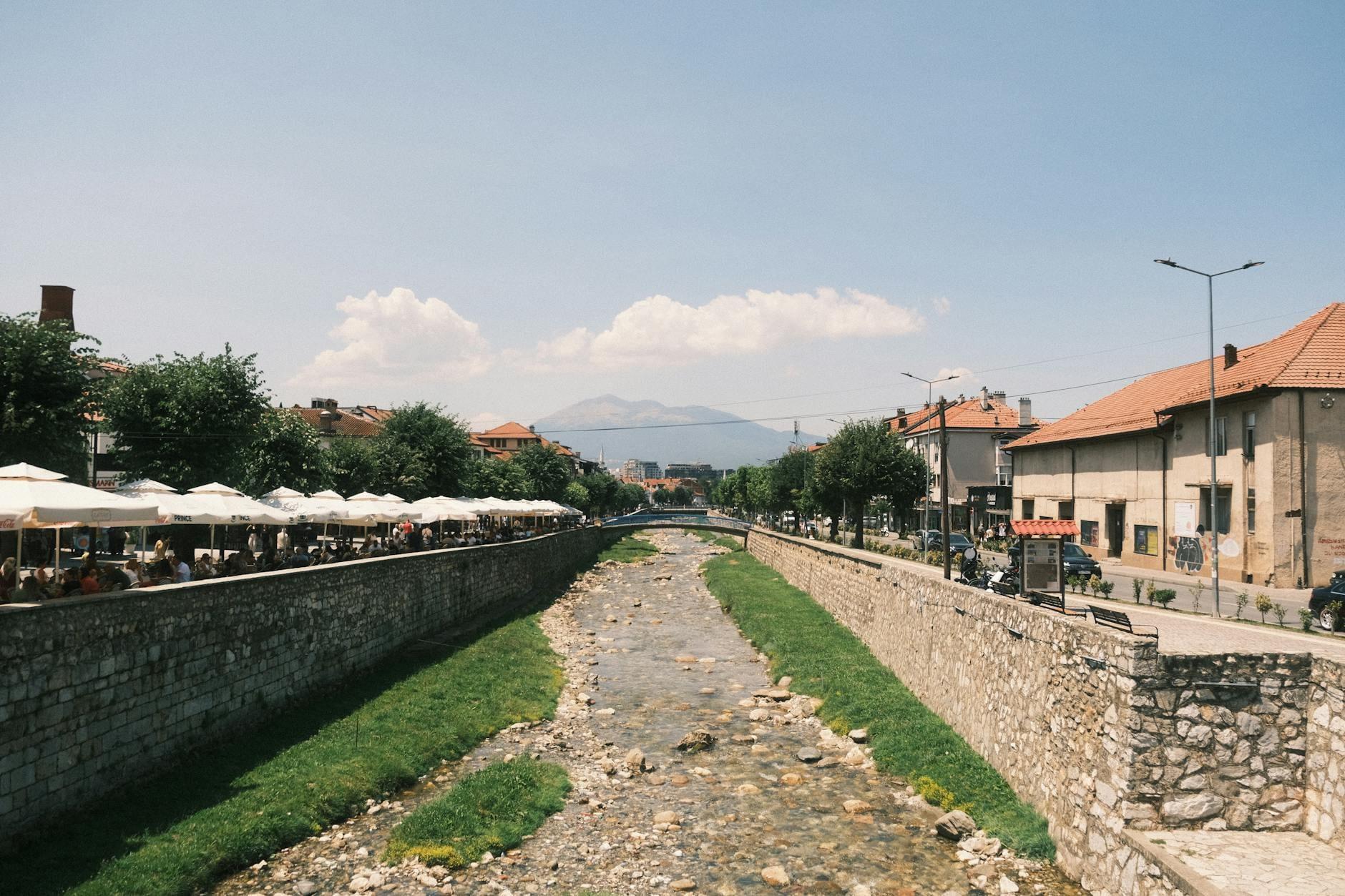
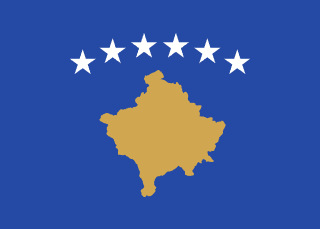
“Kosovo” is derived from the Serbian word for “blackbird” and refers to the Battle of Kosovo, a catastrophic 14th-century contest between Ottoman and Serbian armies. For many around the world, though, the name summons to mind stomach-churning images of the Kosovo War of the late 1990s, the bloody conflict between ethnic Albanians and Serbs in the Federal Republic of Yugoslavia that resulted in NATO intervention, charges of horrific war crimes on both sides, and the deaths and displacement of hundreds of thousands of people. In 2008, Kosovo declared itself an independent state—a move recognized by better than 100 countries but not, among others, by Serbia. The toll of that terrible time remains stark upon the landscape and in the psyches of Serbs and Albanians alike. But the disputed aspect of Kosovo’s statehood is rarely much of an issue for the increasing numbers of tourists discovering firsthand the region’s rich heritage and gorgeous scenery.
A wealth of relics from the many eras of Kosovo history—the medieval Serbian kingdoms, the Ottoman Empire, the war torn 20th century—tell the story of a longtime crossroads of culture. A slew of magnificent Orthodox churches—the Decani Monastery, the Patriarchate of Pec Monastery, the Gracanica Monastery, and the Our Lady of Ljevis church—compose the Medieval Monuments of Kosovo, a UNESCO World Heritage complex. The capital of Pristina also includes a broad spectrum of historical sites, including several magnificent Ottoman-era mosques.
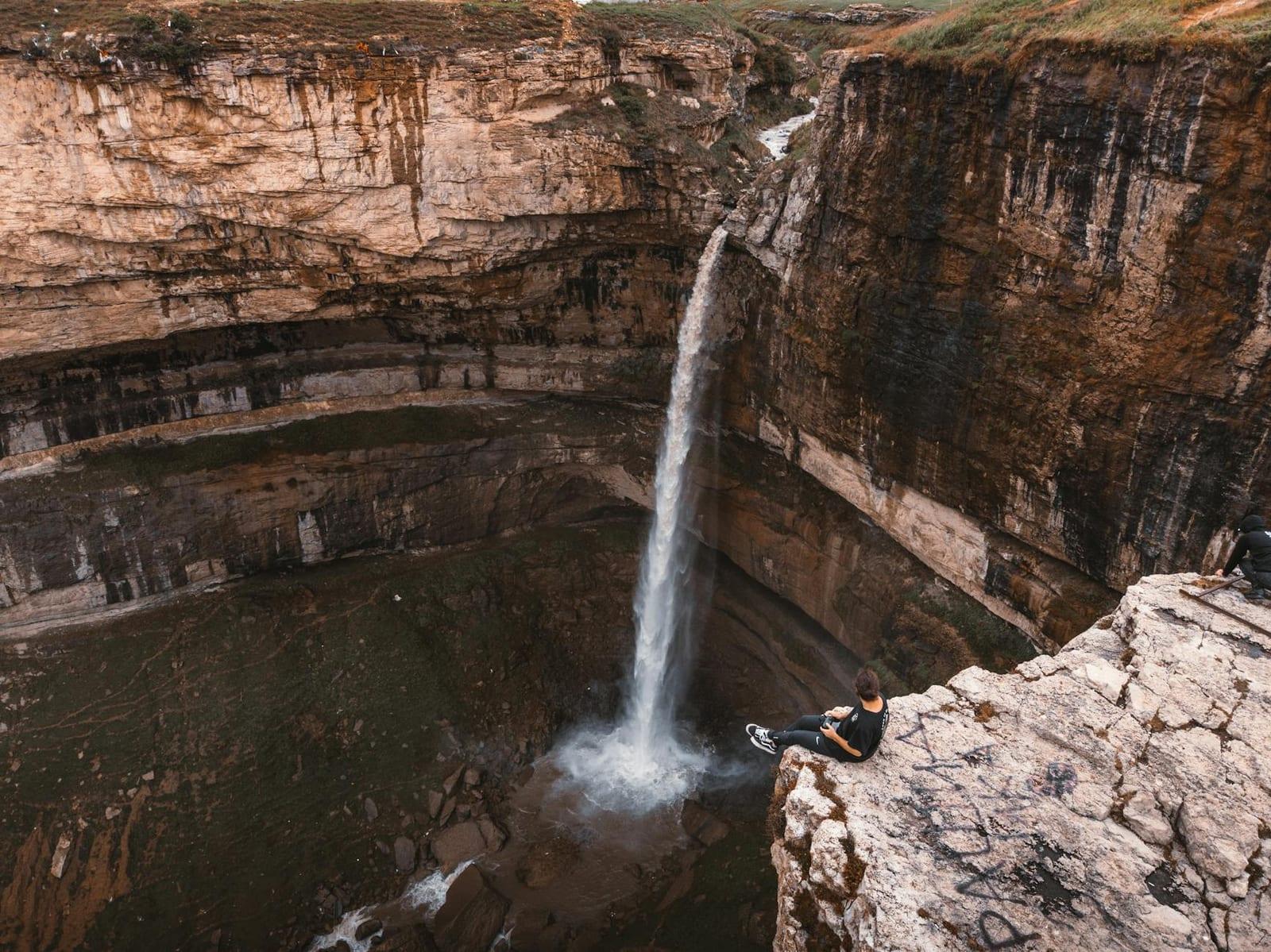
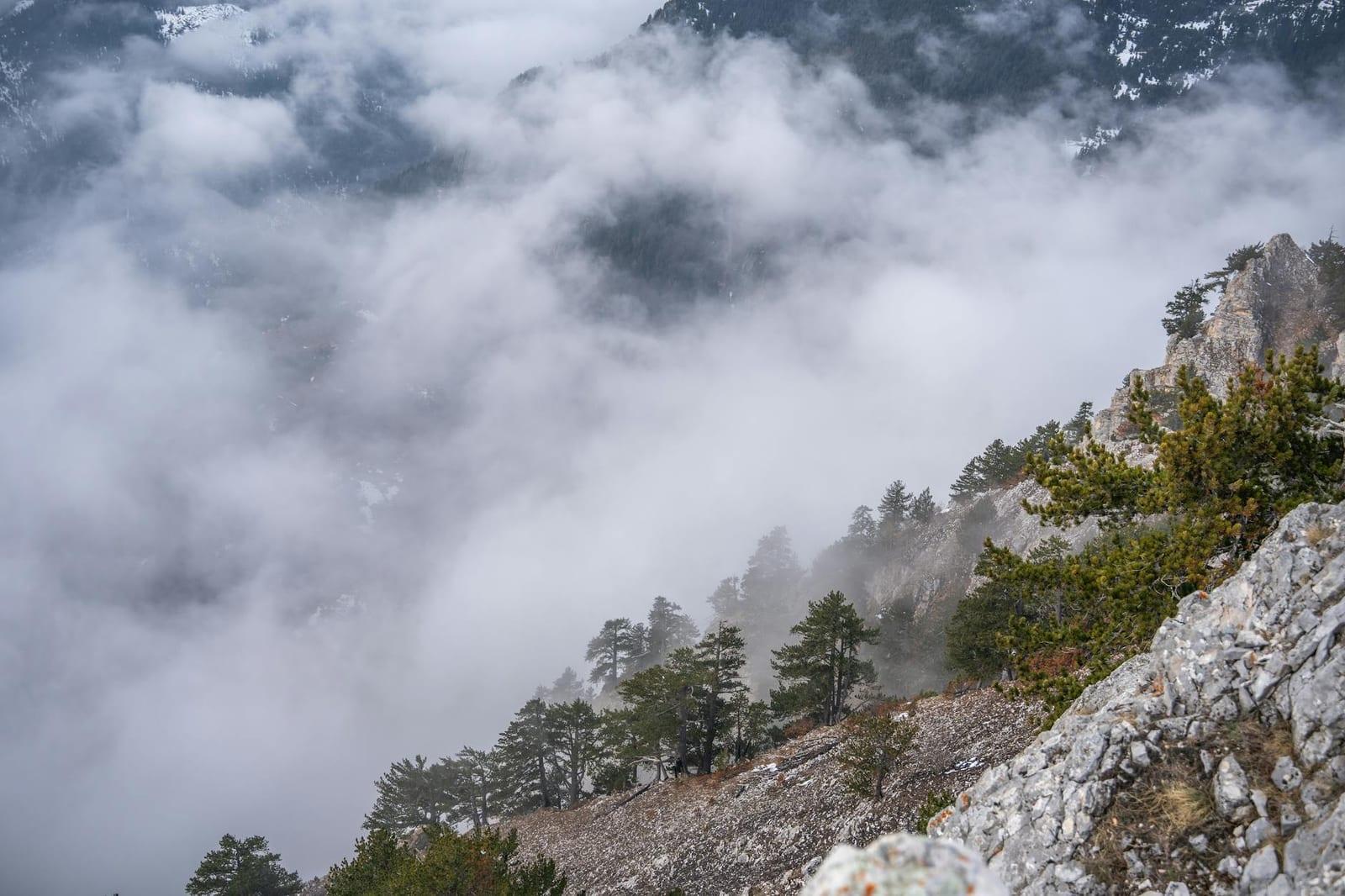
Away from the cities, a whole other side of Kosovo reveals itself. The region’s numerous mountain ranges—the Sar, the Kopaonik, the Prokletije, the Korab—form raw and heart-stirring scenery, not least on the 8,714-foot crown of Mount Gjeravica. The wildest corners—including the rocky kingdom of Sar Mountains National Park—still harbor wolves, bears, lynx, and wild boar.
The pain of the Kosovo War, and the ethnic tensions that sparked it, are still everyday realities in this region, and no visitor should turn a blind eye to them. But neither should you restrict your impression of Kosovo to airstrikes and bombed-out buildings: There’s far too much richness here.
8 things not to miss.
- Decani MonasteryPart of the UNESCO World Heritage Site “Medieval Monuments of Kosovo,” this Serbian Orthodox monastery dates from 1327.
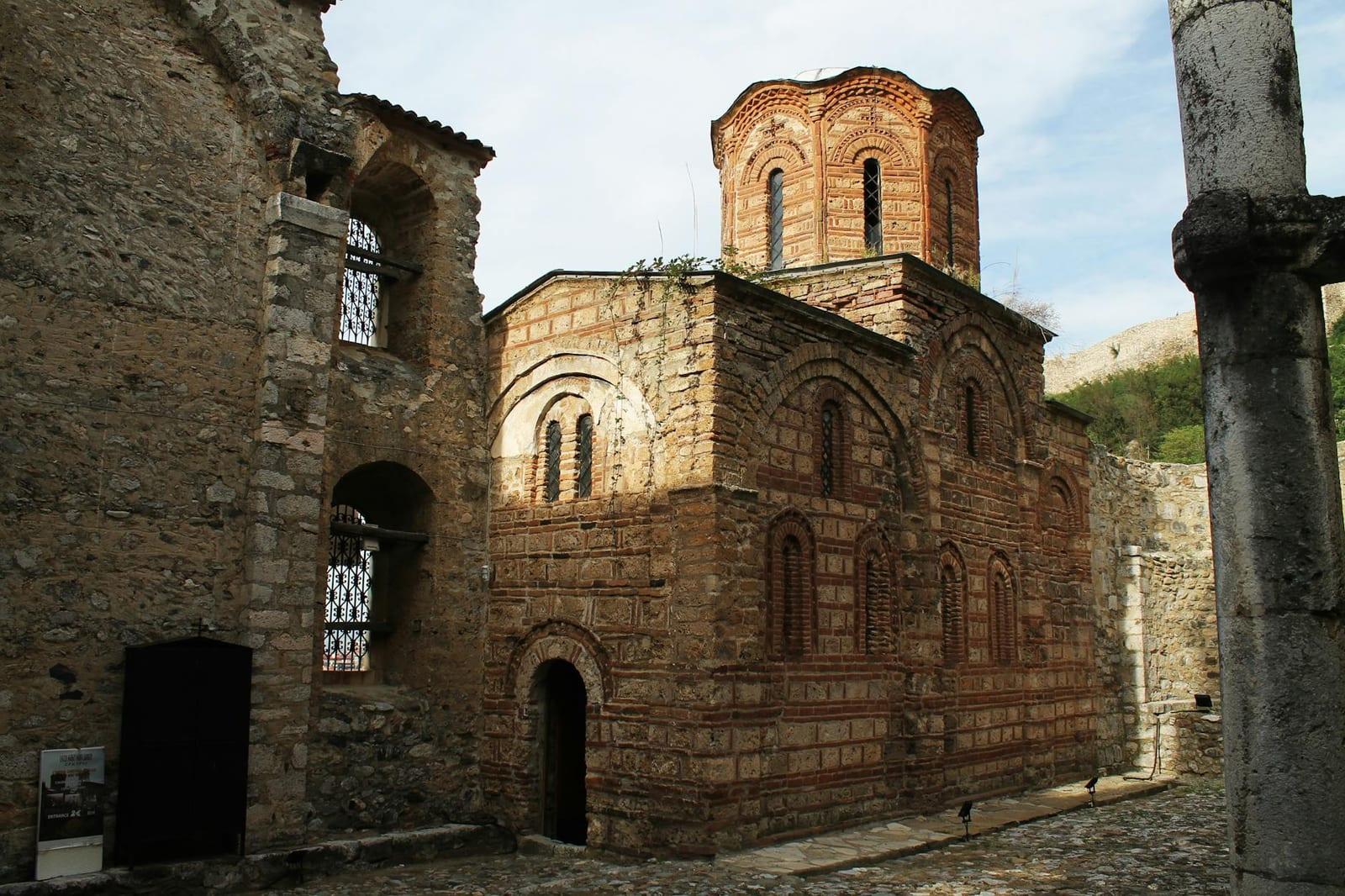
- GracanicaThis Serbian Orthodox monastery, beautifully embodying Serbo-Byzantine architecture, hails from the 14th century but was preceded by yet-older churches.
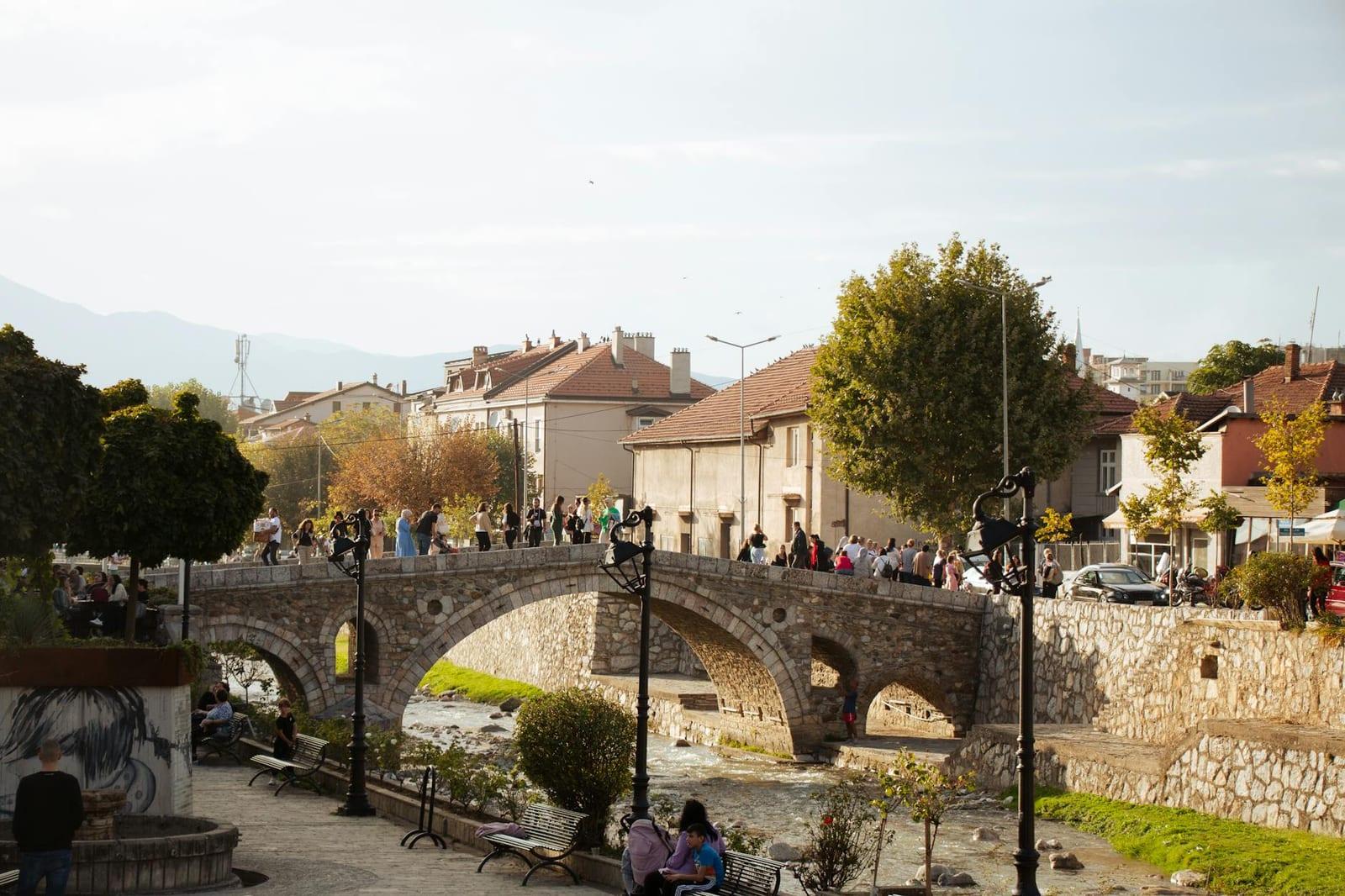
- Our Lady of LjevisBuilt in the early 1300s, this Serbian Orthodox church—part of the “Medieval Monuments of Kosovo” World Heritage Site—includes remarkable frescoes.

- Patriarchate of PecA quarter of 13th- and 14th-century churches compose this Serbian Orthodox monastery, one of greater Pec’s best-known landmarks.
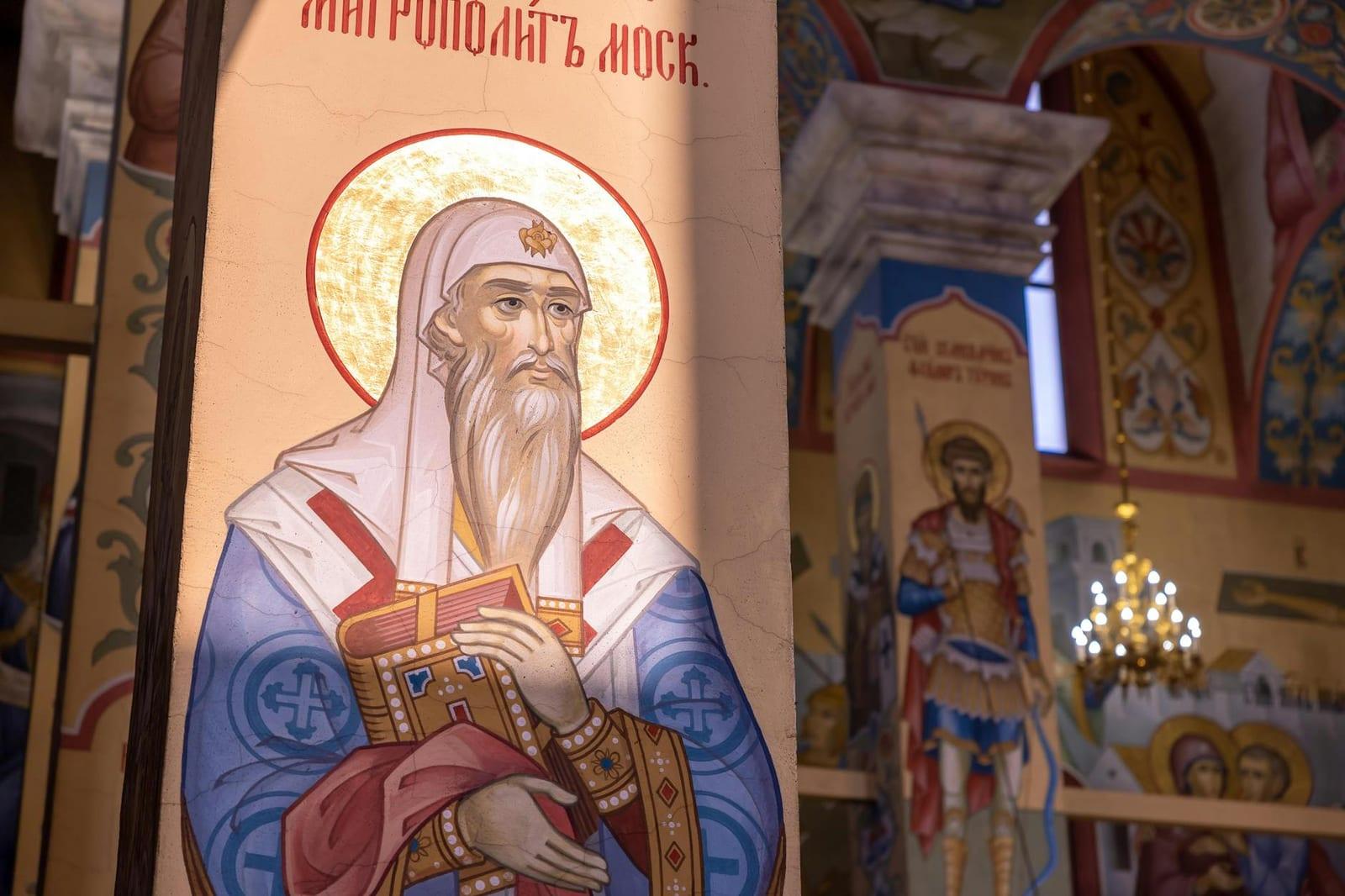
- Sinan Pasha MosqueThis regal Ottoman mosque in Prizren, among Kosovo’s great houses of worship, dates from 1615.
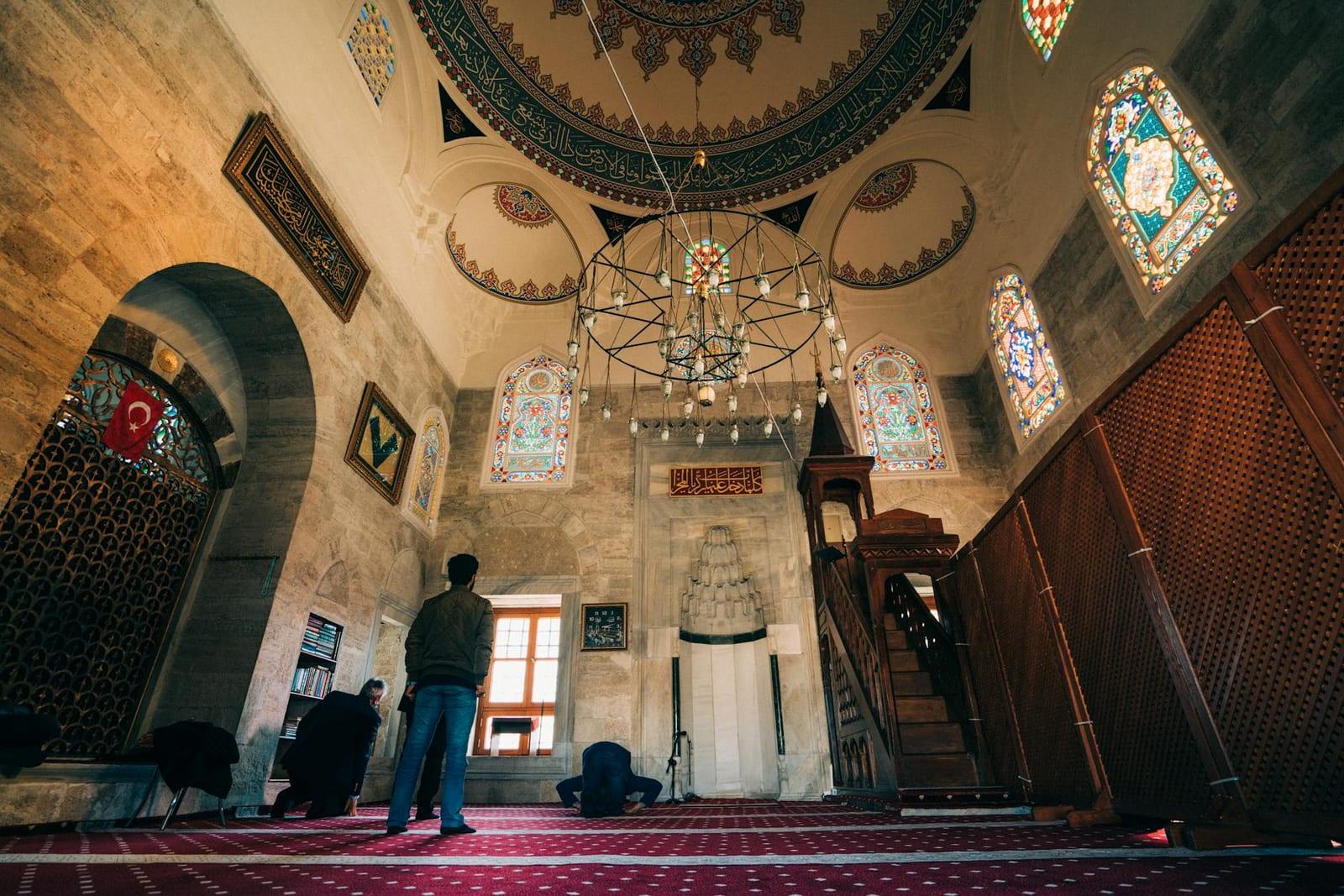
- Rugova CanyonThe gnawing current of the Pec Bistrica tunnels through the Prokletije Mountains in this dramatic gorge.
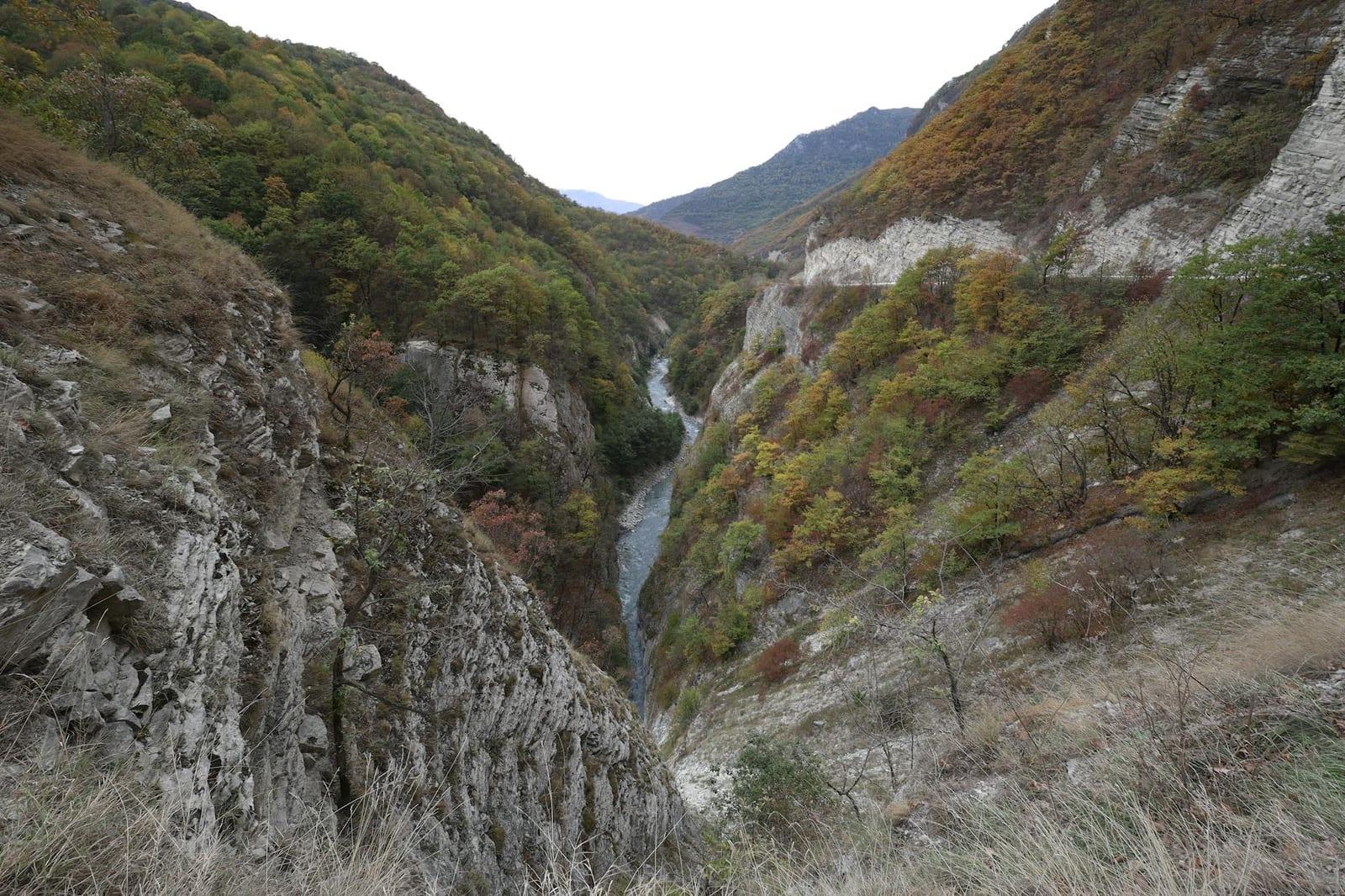
- Sar Mountains National ParkThe high forests and meadows of the craggy Sar Mountains shelter wolves, chamois, wild boar, and other large mammals.
- Mirusha FallsA series of cataracts linking idyllic pools and lakes serves as the focal point of the Mirusha Canyon.