
Long regarded as mysterious and underdeveloped, Laos—surrounded by higher-profile countries on all sides—is fast becoming one of Southeast Asia’s most sought-after destinations. The promise of a less-commercialized look at the region’s tropical splendor, ethnic diversity, and varied lifeways than that available in many parts of Thailand or Vietnam partly explains the appeal. Though tourism is certainly on the rise, Laos still does, in general, deliver a more laidback and uncrowded experience than its neighbors.
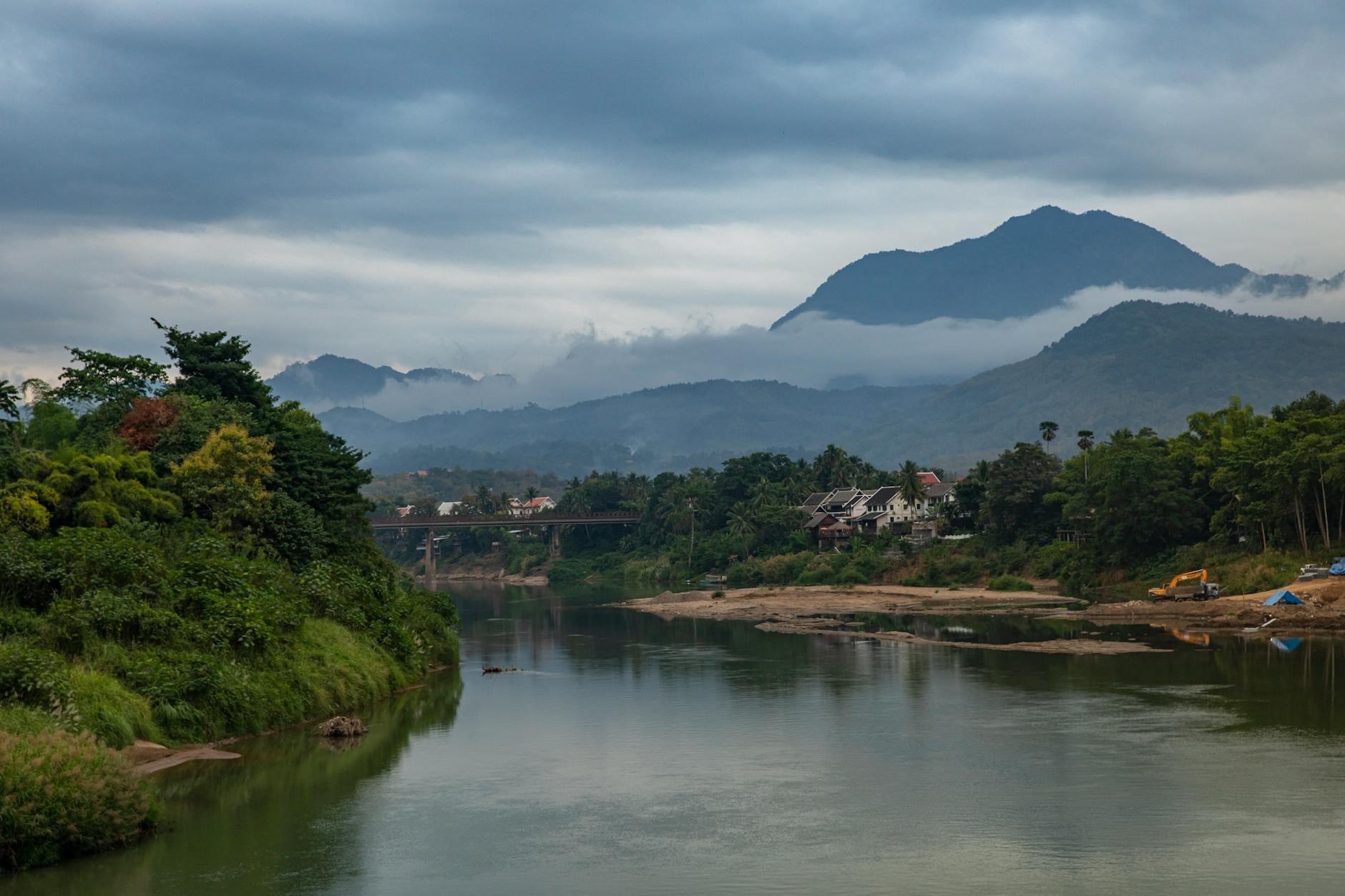
For starters, Laos still claims pockets of genuine wilderness—heavily forested hills and mountains still define much of the country—though deforestation is spreading apace. Standout landscapes include the karst tracts and green-robed ranges of the north and east—the Annamite and Luang Prabang. Gentler terrain draped in rice paddies and pastureland defines the alluvial lowlands of the Mekong and its feeder rivers in the south.
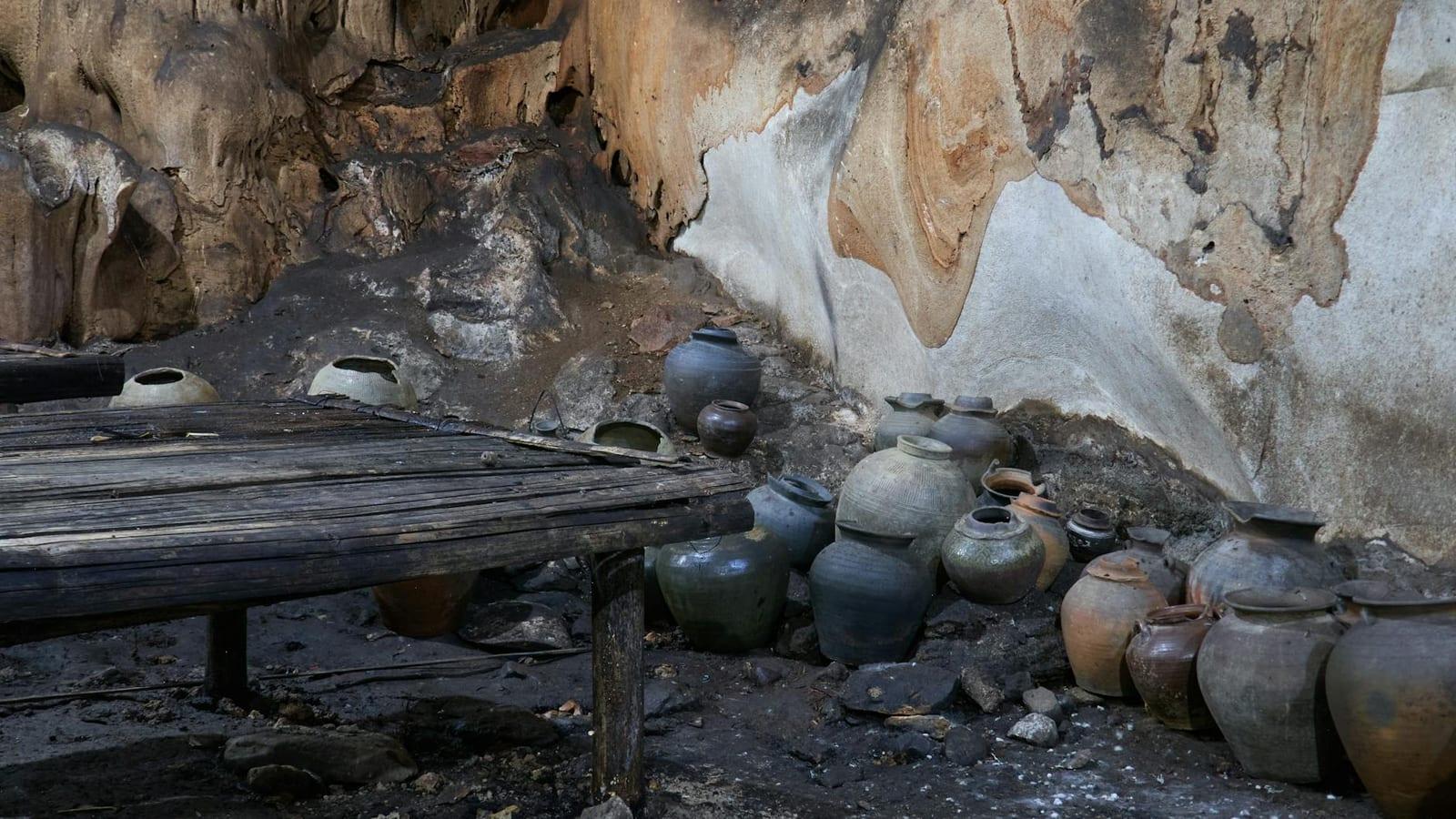
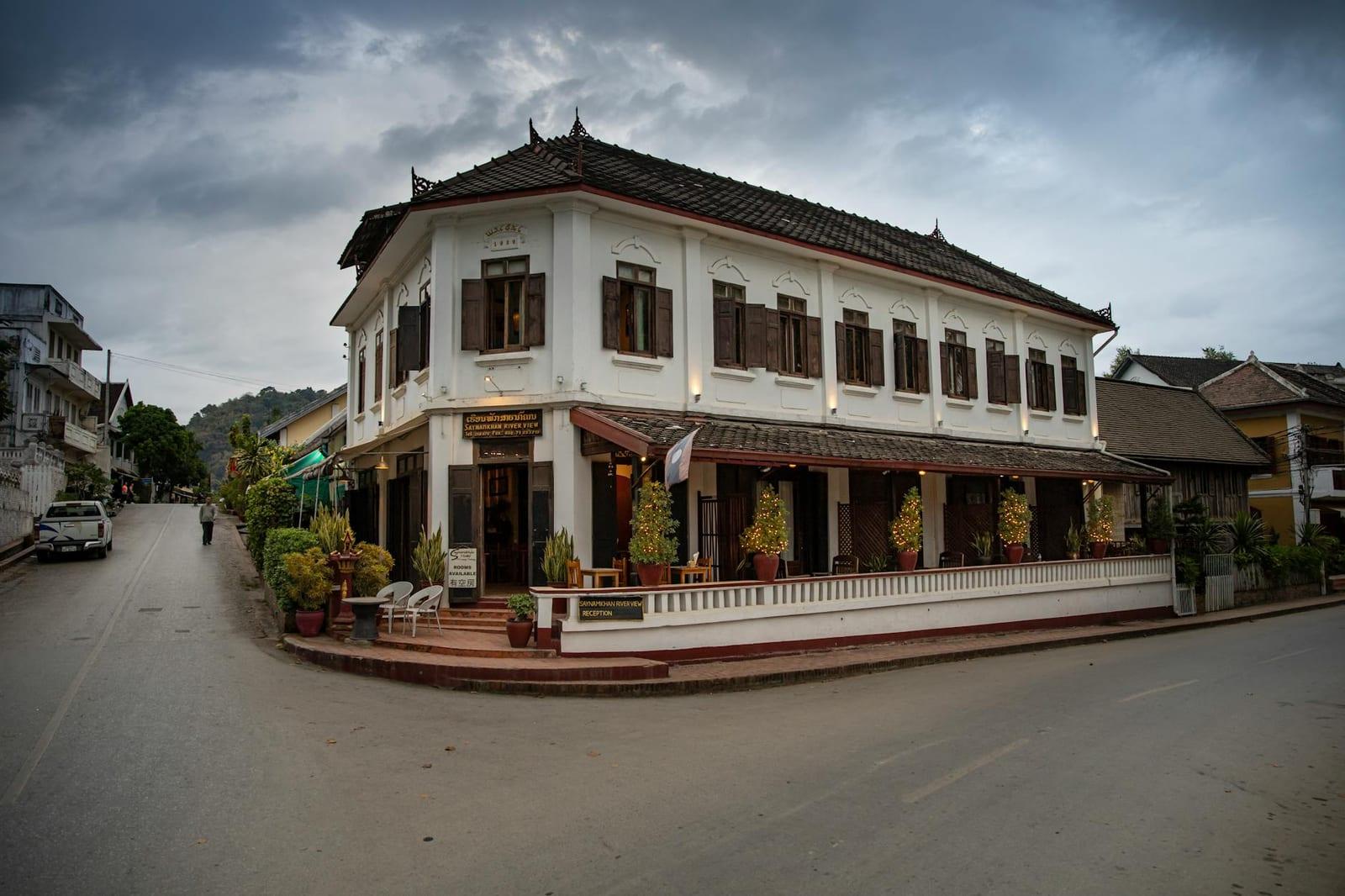
Whether you’re tracking down one of the hill tribes of the northern mountains or admiring archaic shrines in a city center, Laos’s well of culture runs deep. Buddhist monasteries, temples, and statues seem to be scattered everywhere, none so celebrated as the golden Pha That Luang stupa in the capital of Vientiane. Lao culture and spirituality are richly displayed in the northern town of Luang Prabang, a mountain-tucked UNESCO World Heritage Site that dazzles with French colonial architecture, Buddhist pagodas, and wooden Lao homes. Luang Prabang’s markets draw craftspeople from near and far, including tribal artisans from the surrounding highlands. Another astonishing destination is the Plain of Jars, where thousands of Iron Age megaliths dot the Xiengkhouang Plateau. It’s worth noting that the Plain of Jars, like much of the Laotian countryside, is riddled in places with mines—one of the many spillover effects of the Vietnam War. (The drill in terms of mine safety is basically: Avoid traipsing willy-nilly off marked roads and paths.)
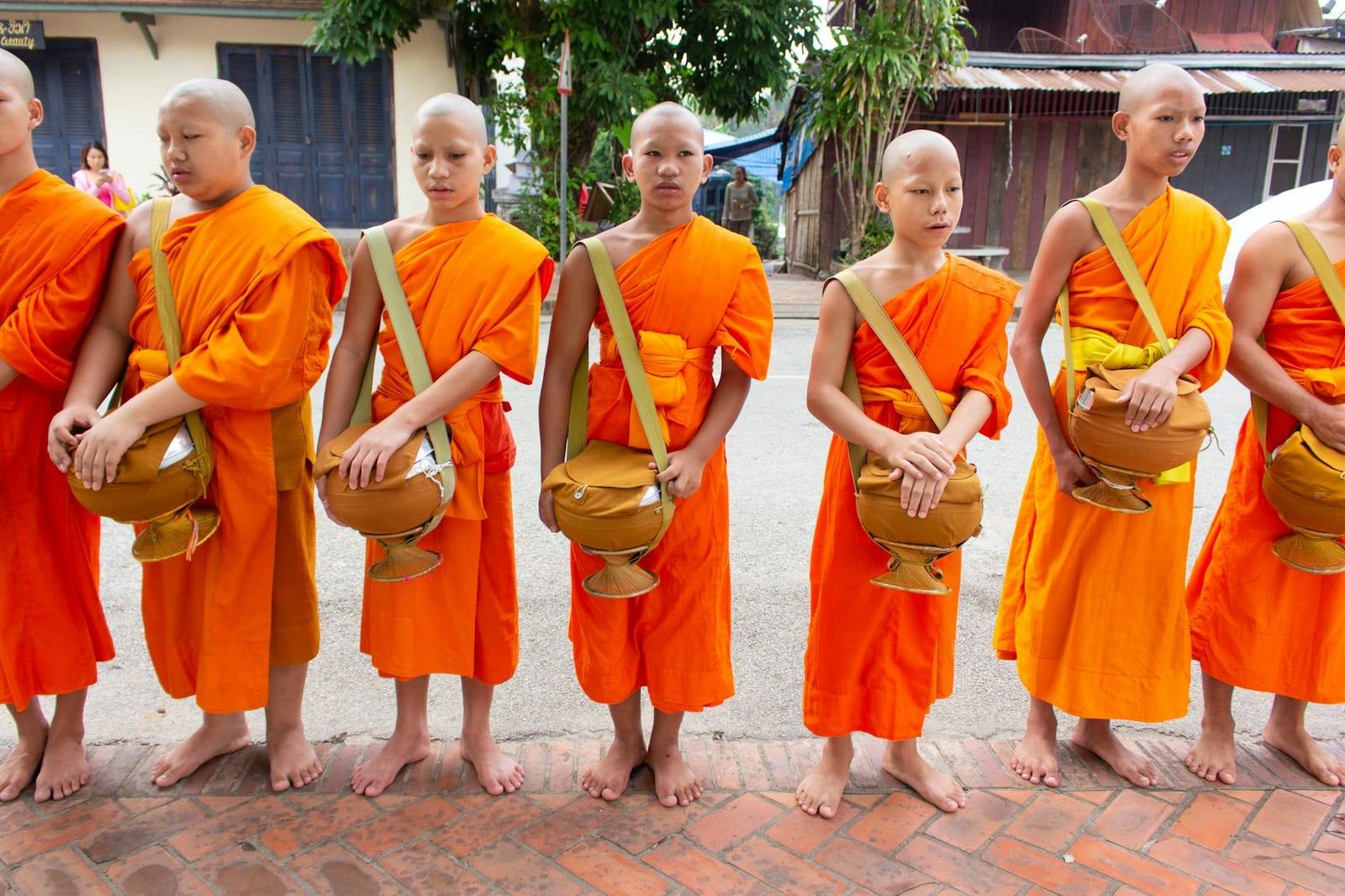
Alongside all these natural and historical attractions is the much-admired demeanor of the Lao people: relaxed, hospitable, and unhurried, whether they’re Buddhist monks strolling temple-ward or farmers laboring along the Mekong.
12 things not to miss.
- alms-giving in Luang PrabangWitness alms-giving in Luang Prabang
- among the Plain of JarsWalk among the Plain of Jars
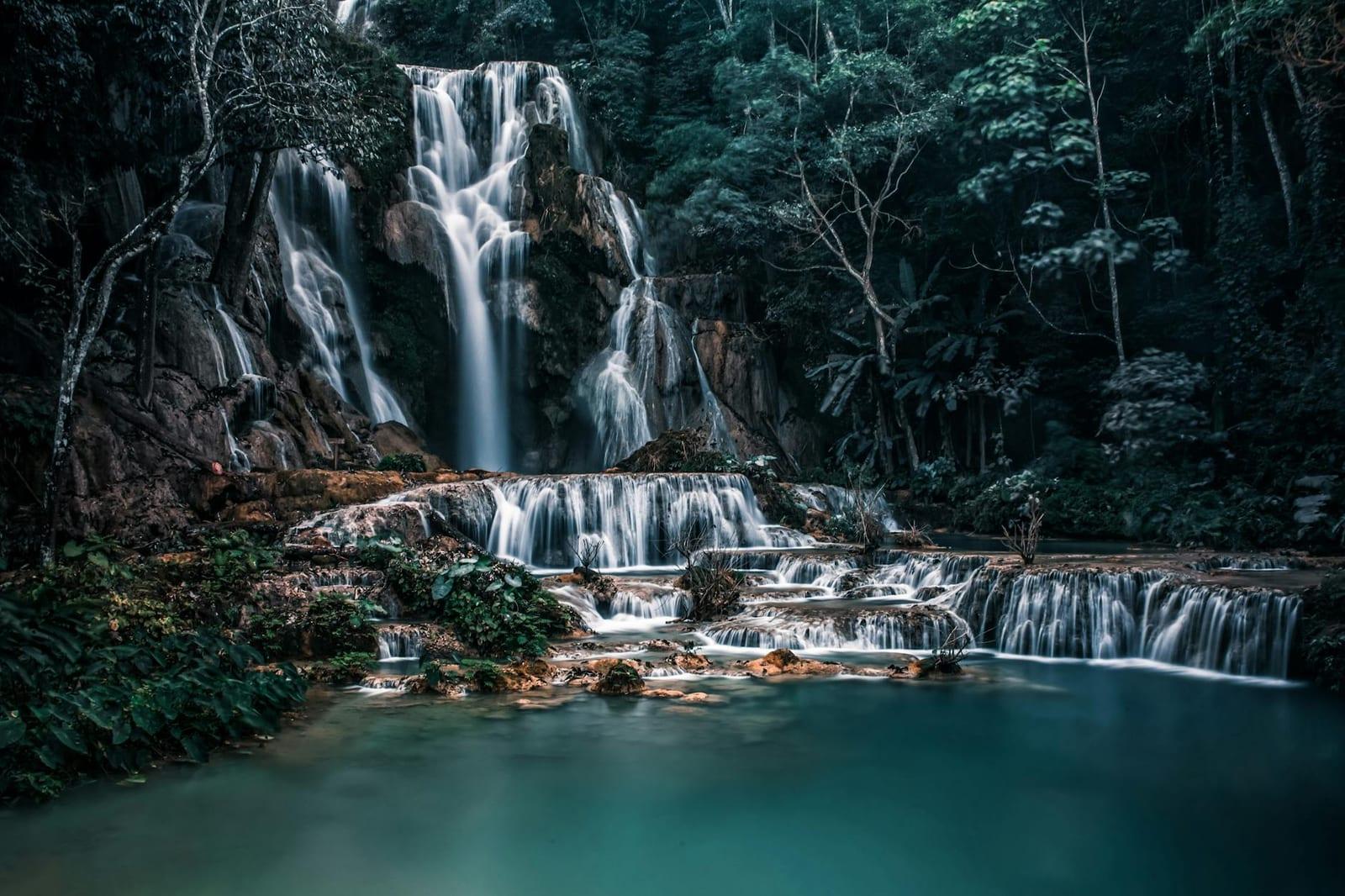
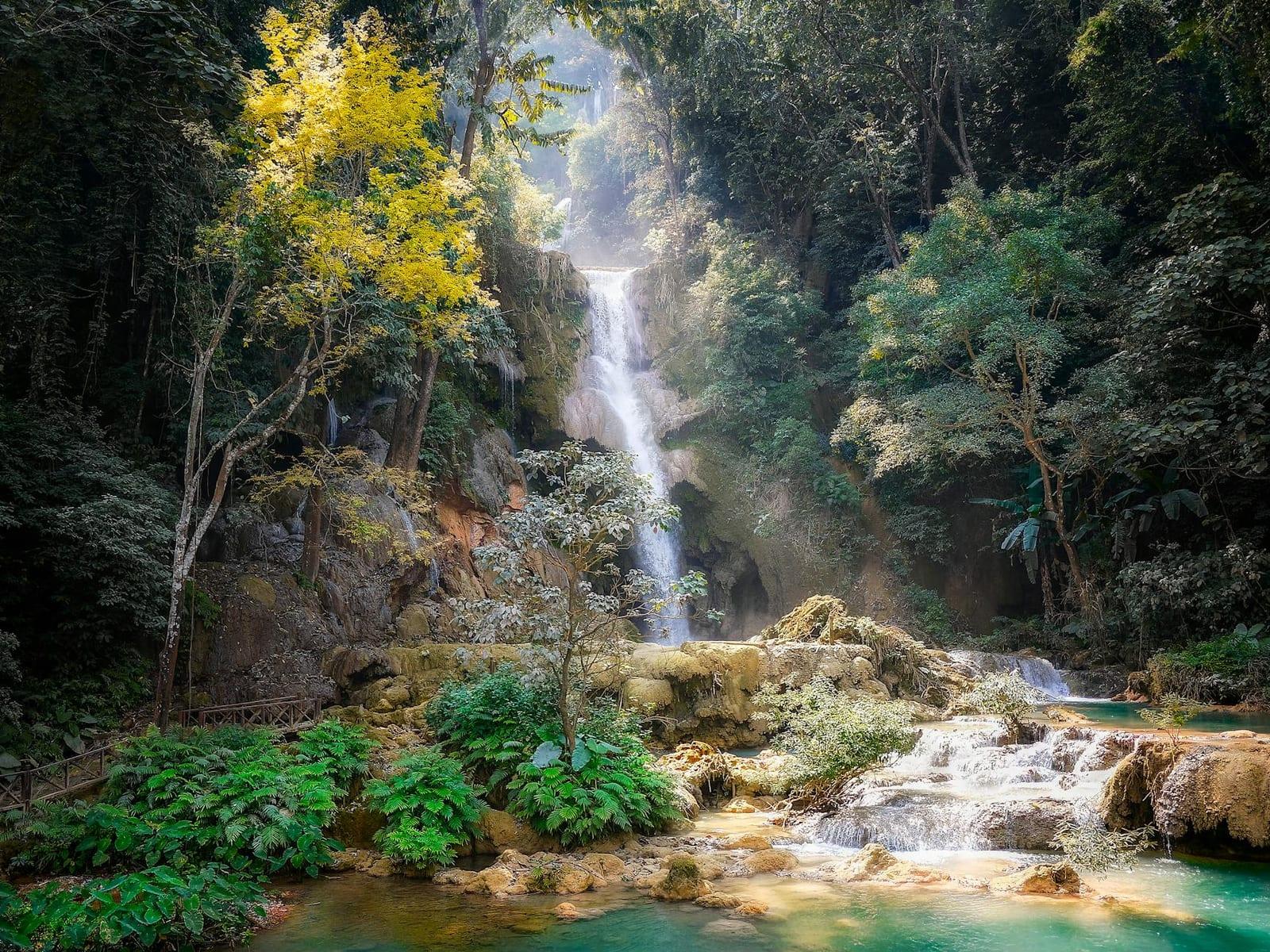
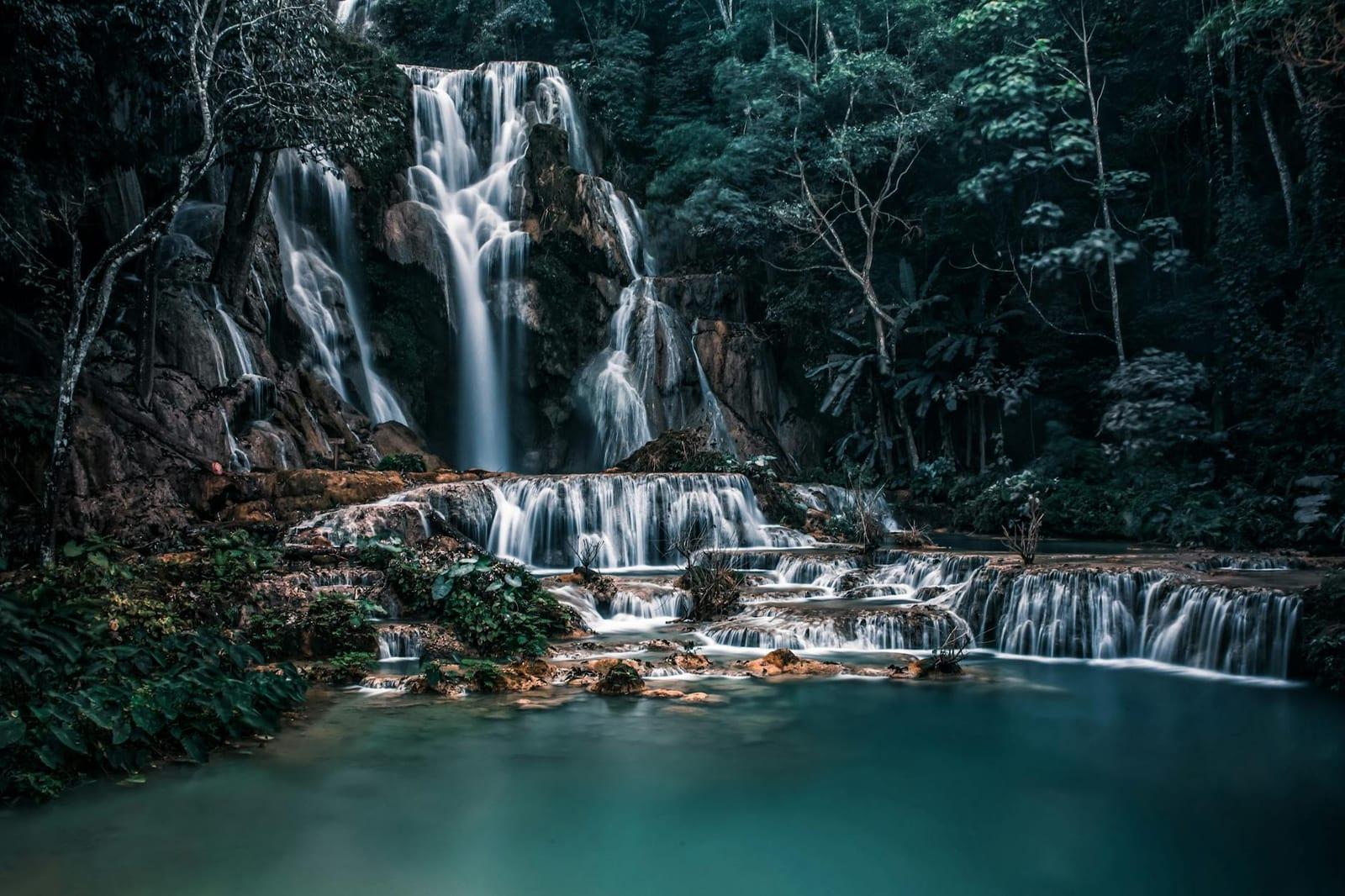
- under Kuang Si waterfallsSwim under Kuang Si waterfalls
- Pha That LuangVientane’s great golden stupa shimmers as a deeply revered Lao symbol.
- Plain of JarsThis thoroughly enigmatic Iron Age site features hundreds of megalithic jars spread upon a rolling upland (also known for unexploded ordnance).
- Wat Xieng Thong (Luang Prabang)One of the best known and most ornate Buddhist temples in Laos, this gilt wat dates from the mid-16th century.
- Khone Phapheng FallsThis huge falls on the Mekong creates the river archipelago of the 4,000 Islands; rare Irrawaddy dolphins are often seen nearby.
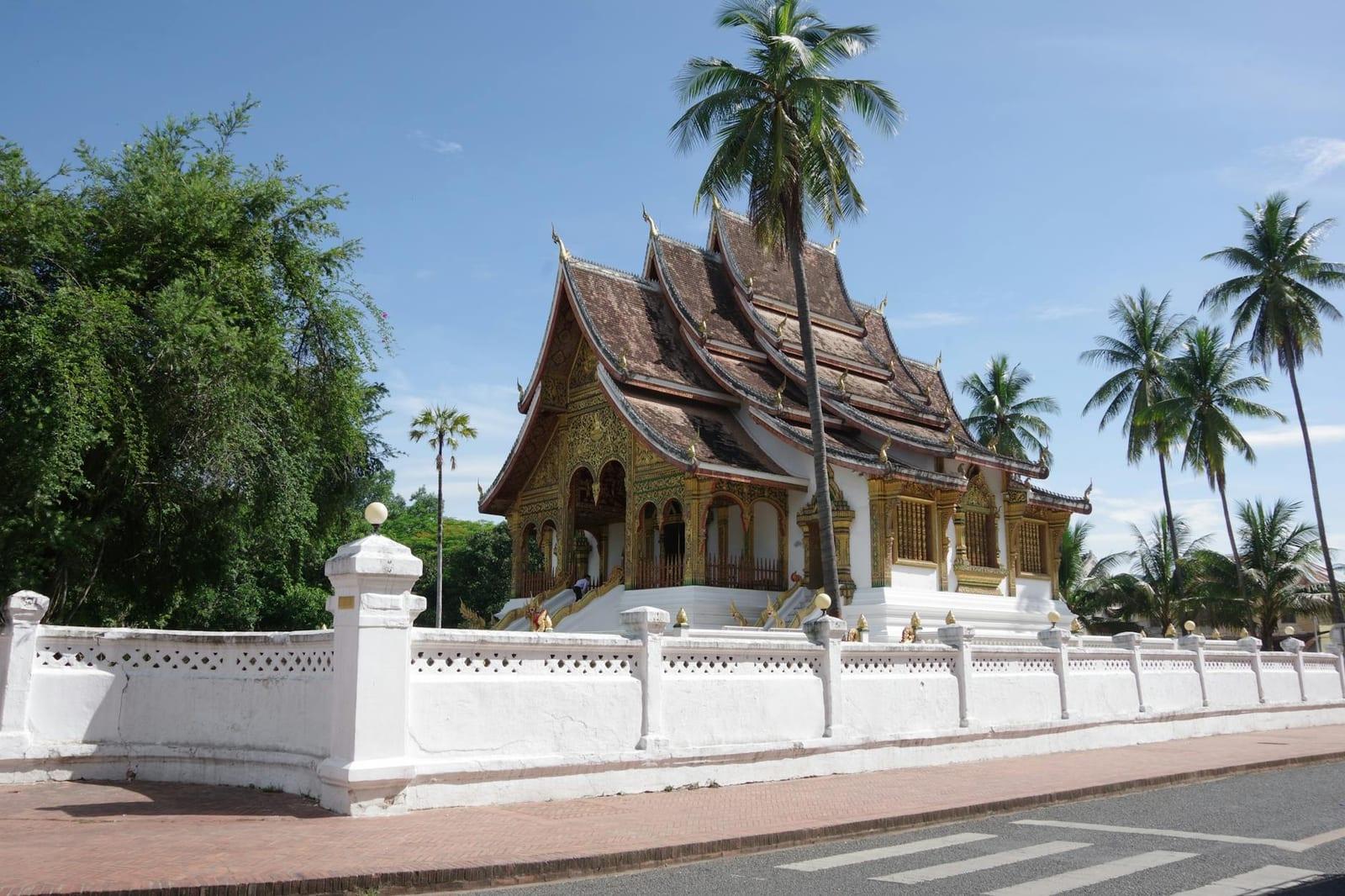
- Royal Palace (Luang Prabang)Lavish paintings, sculptures, and mementos (many gifts from foreign emissaries) fill this palace-cum-museum, built in hybrid Lao/French-colonial style.
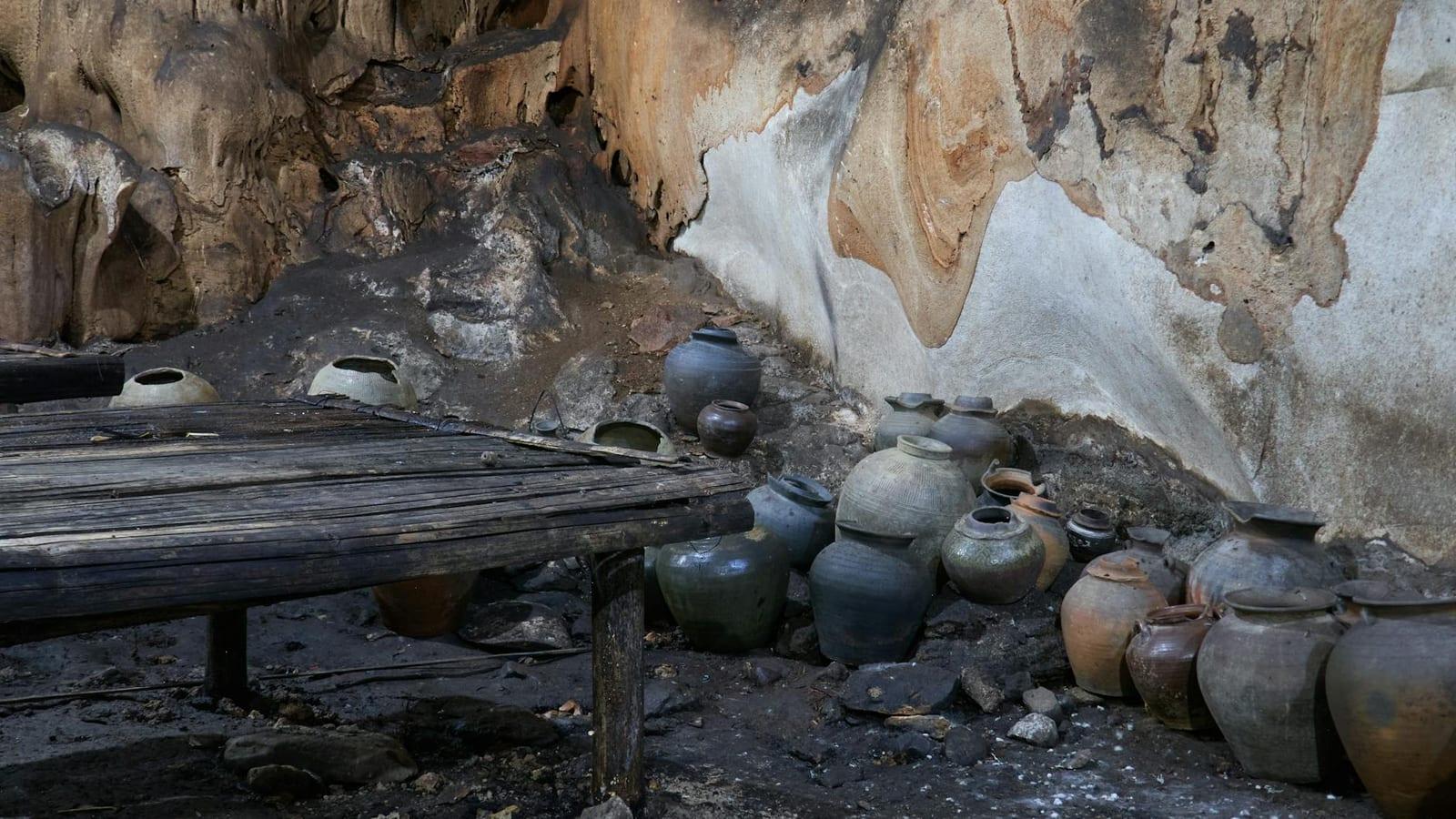
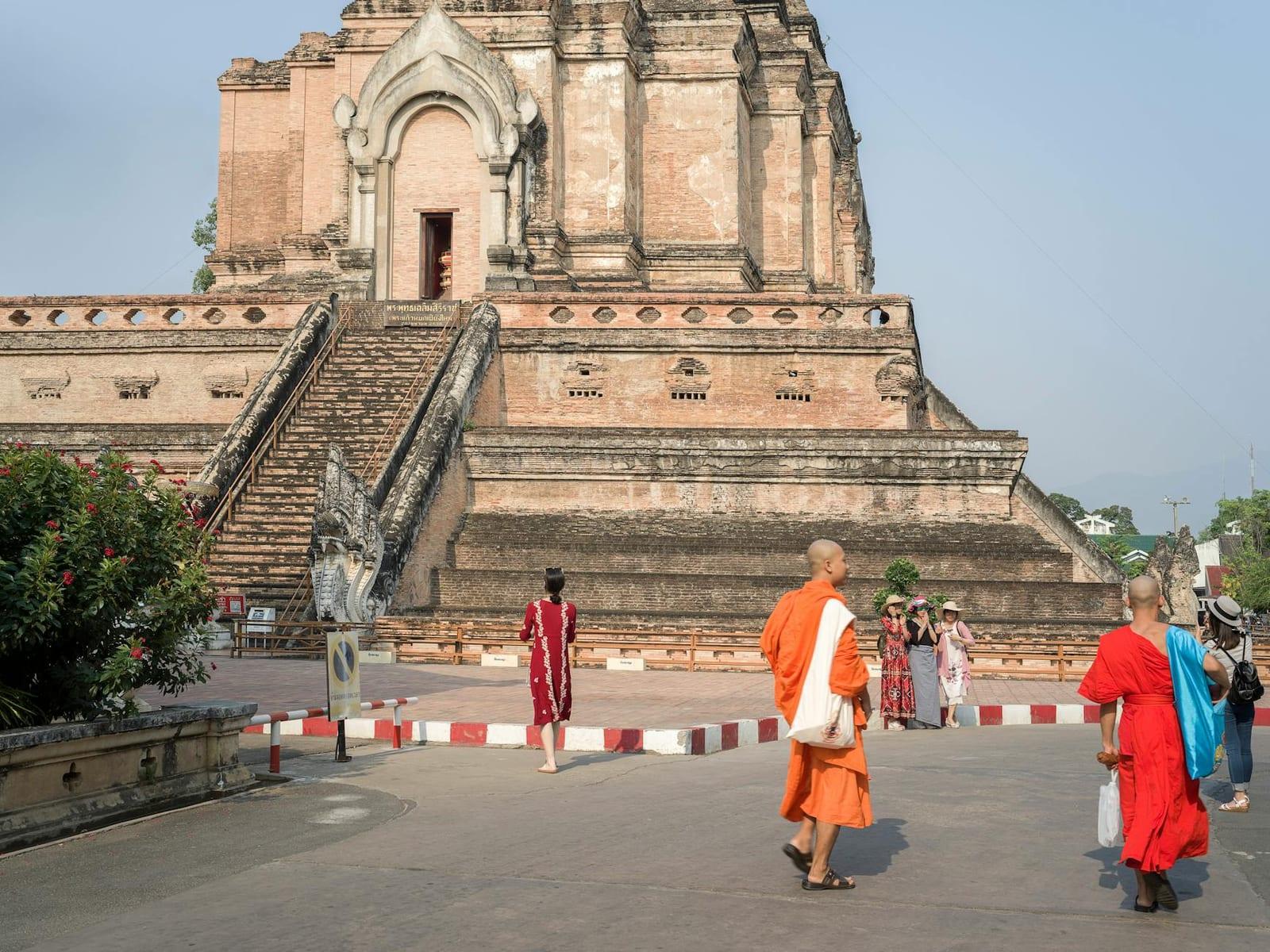
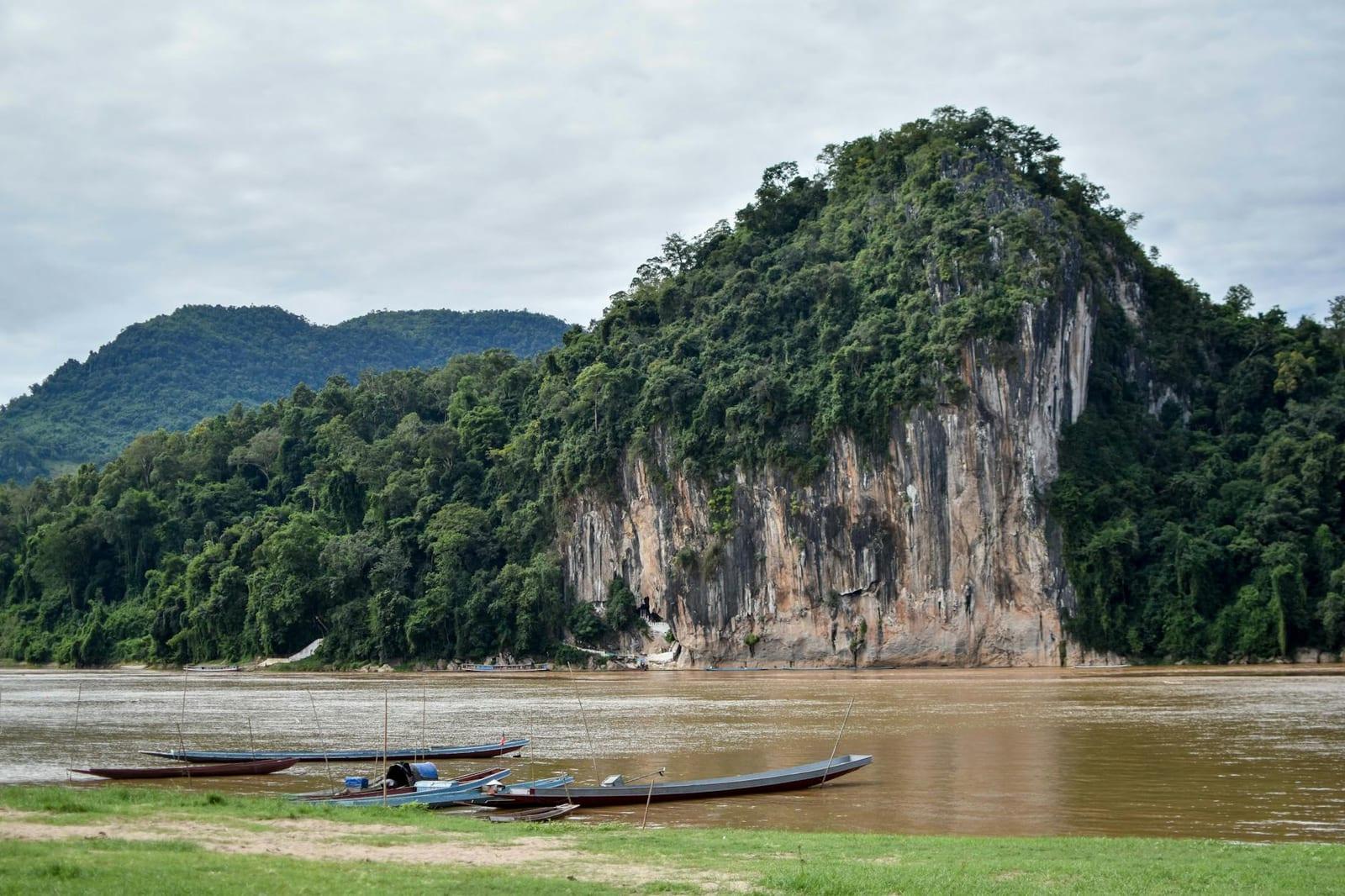
- Pak Ou CavesHundreds of Buddha statues—many rather elegantly crumbled—decorate these riverfront caves.
- Kuang Si FallsA short jog from Luang Prabang, this cascading set of falls, flanked by tropical greenery, feeds paradise-style swimming holes.
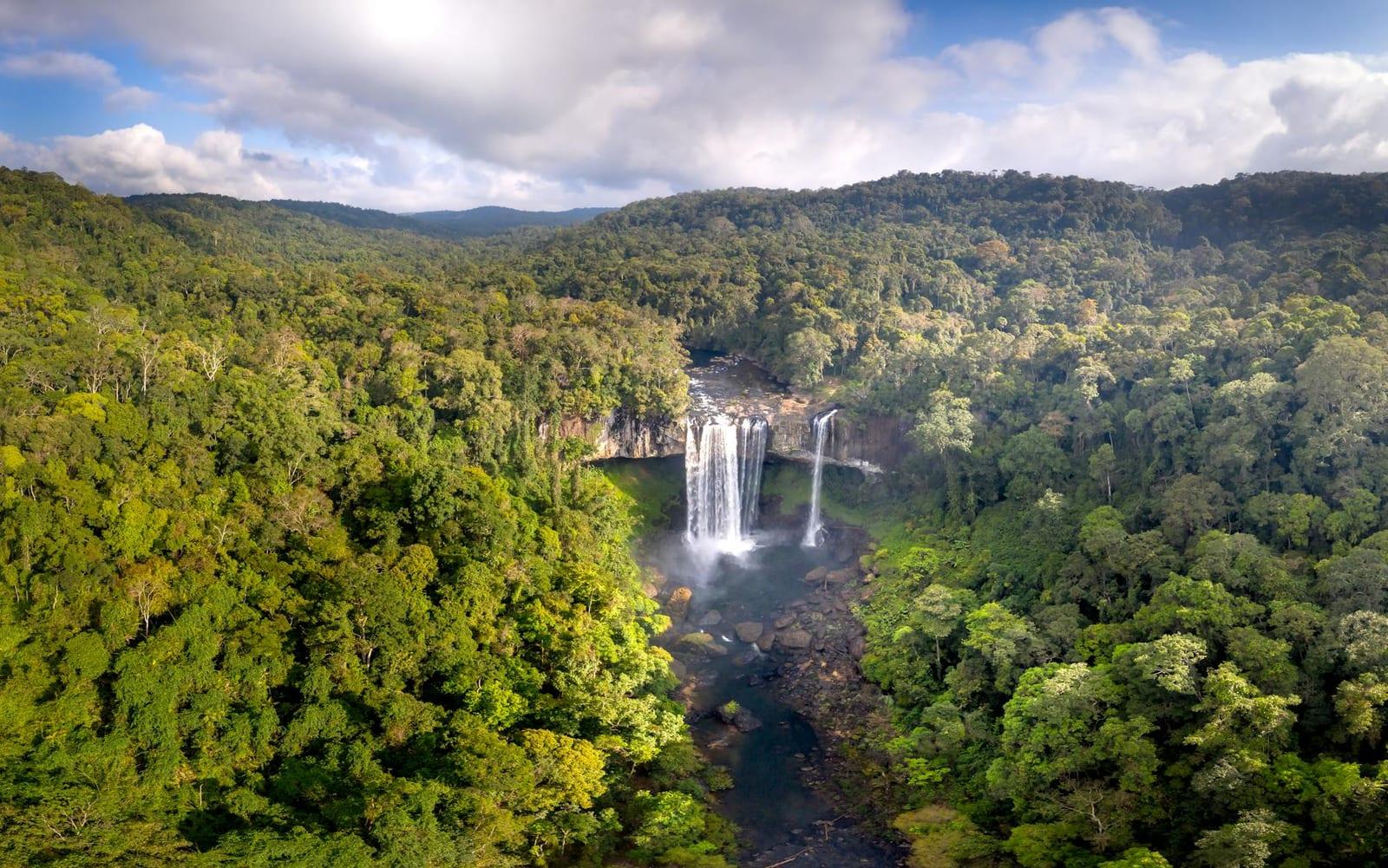
- Bolaven PlateauCurtained by waterfalls, scattered with tea and coffee plantations, and home to many ethnic villages, this misty highland rewards any traveler.
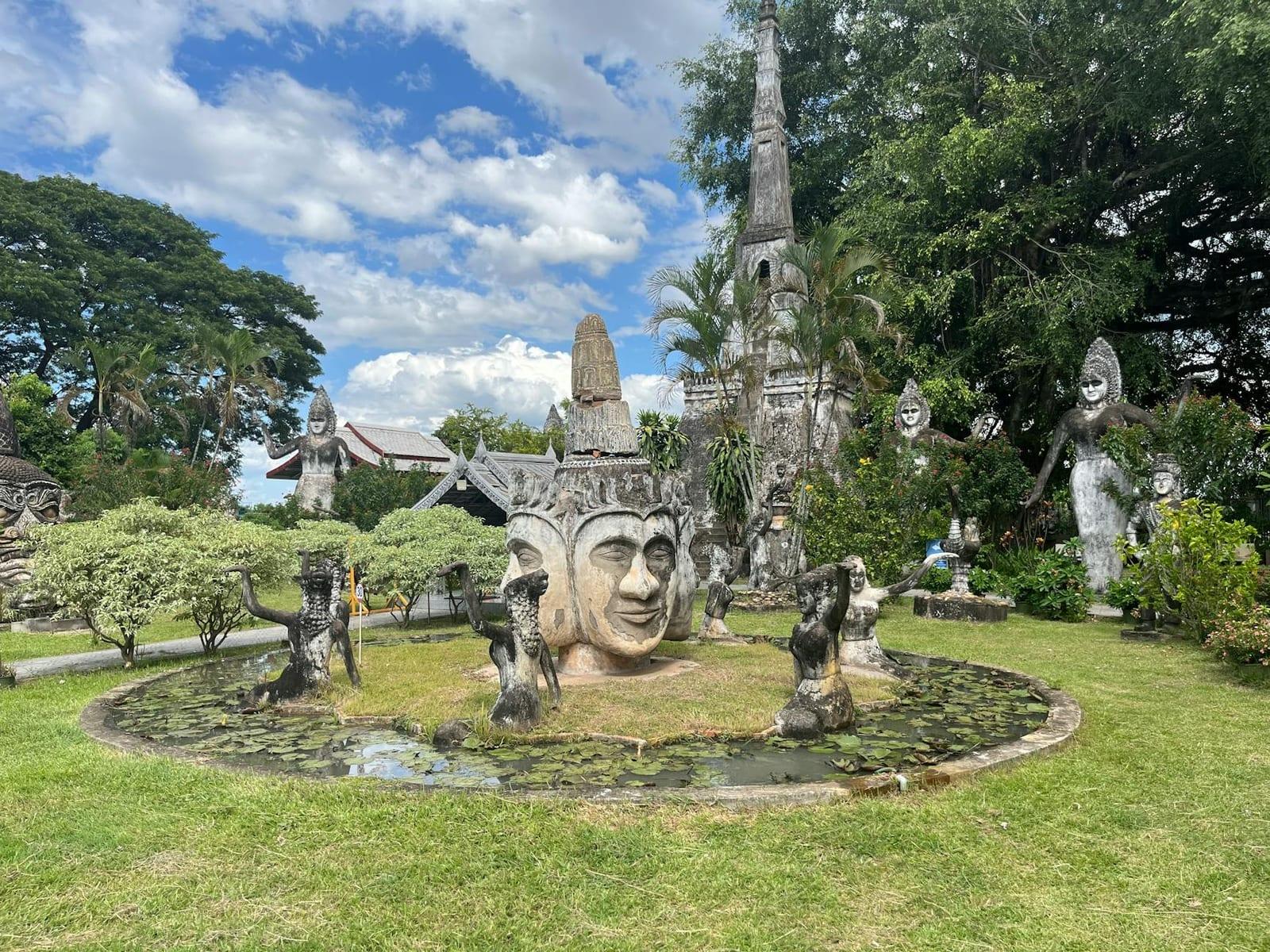
- Buddha ParkAn artist-monk assembled these many Buddhist and Hindu sculptures; highlights include statues of elephant-mounted Indra and a huge reclining Buddha.