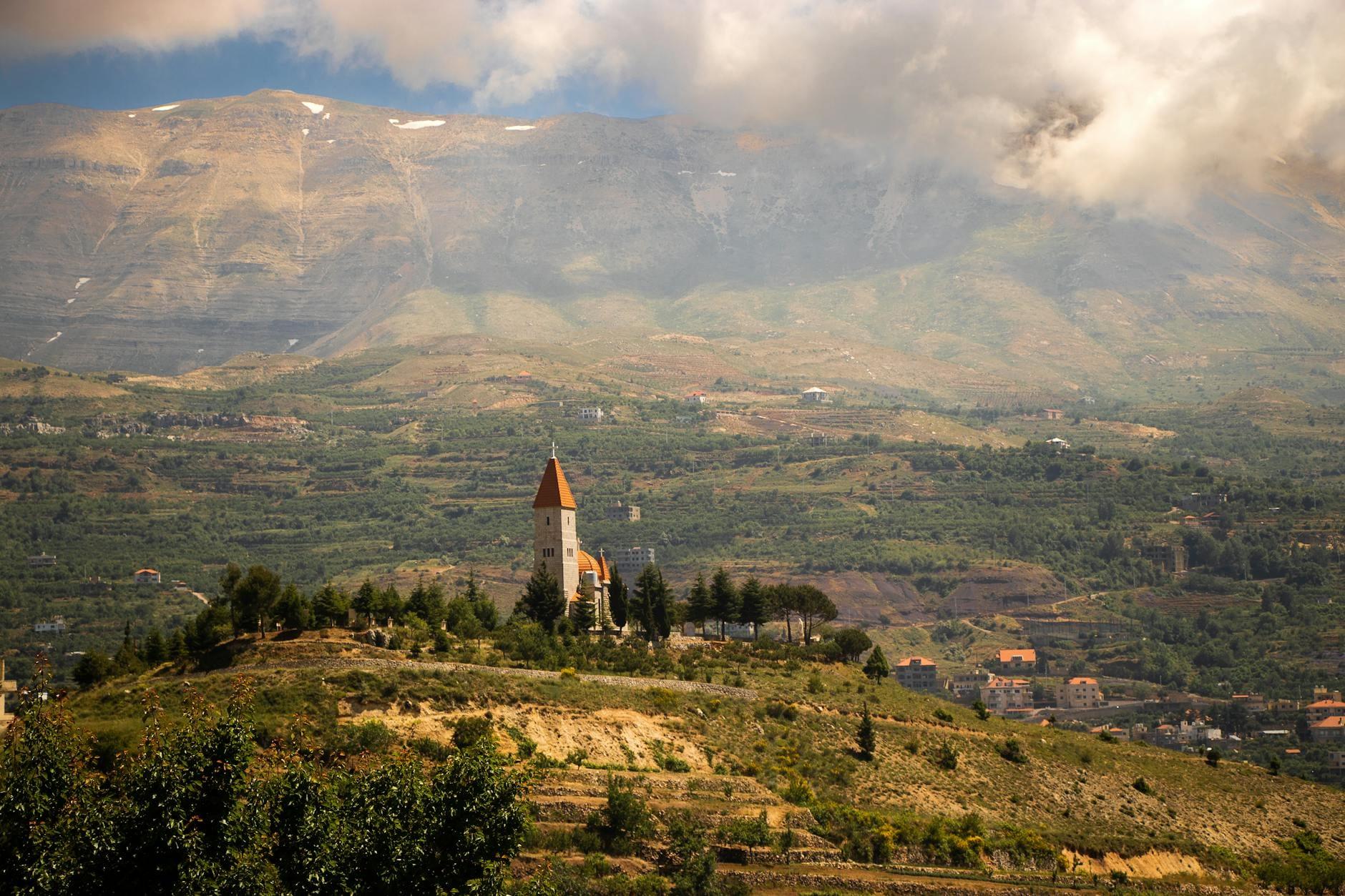

Smack-dab in countryside that’s both historically rich and geopolitically volatile, Lebanon is an alluring, if sometimes challenging travel destination. Before its civil war in 1975, this narrow shard of a country was a major tourist hub, considered the “Paris of the Middle East.” Tourism revived in the 1990s and 2000s, though as of mid-2015 unrest along both the Syrian and Israeli borders has led some countries (the U.S. and U.K. among them) to recommend against travel in parts of Lebanon.
That said, the attractions of this ancient Levantine nerve center are obvious: exquisite vestiges of antiquity; scenery spanning Mediterranean beachfront and ski resorts of the Lebanon Mountains; alongside a culture that offers glimpses into ancient Middle Eastern religion and customs while showcasing the region at its trendiest.
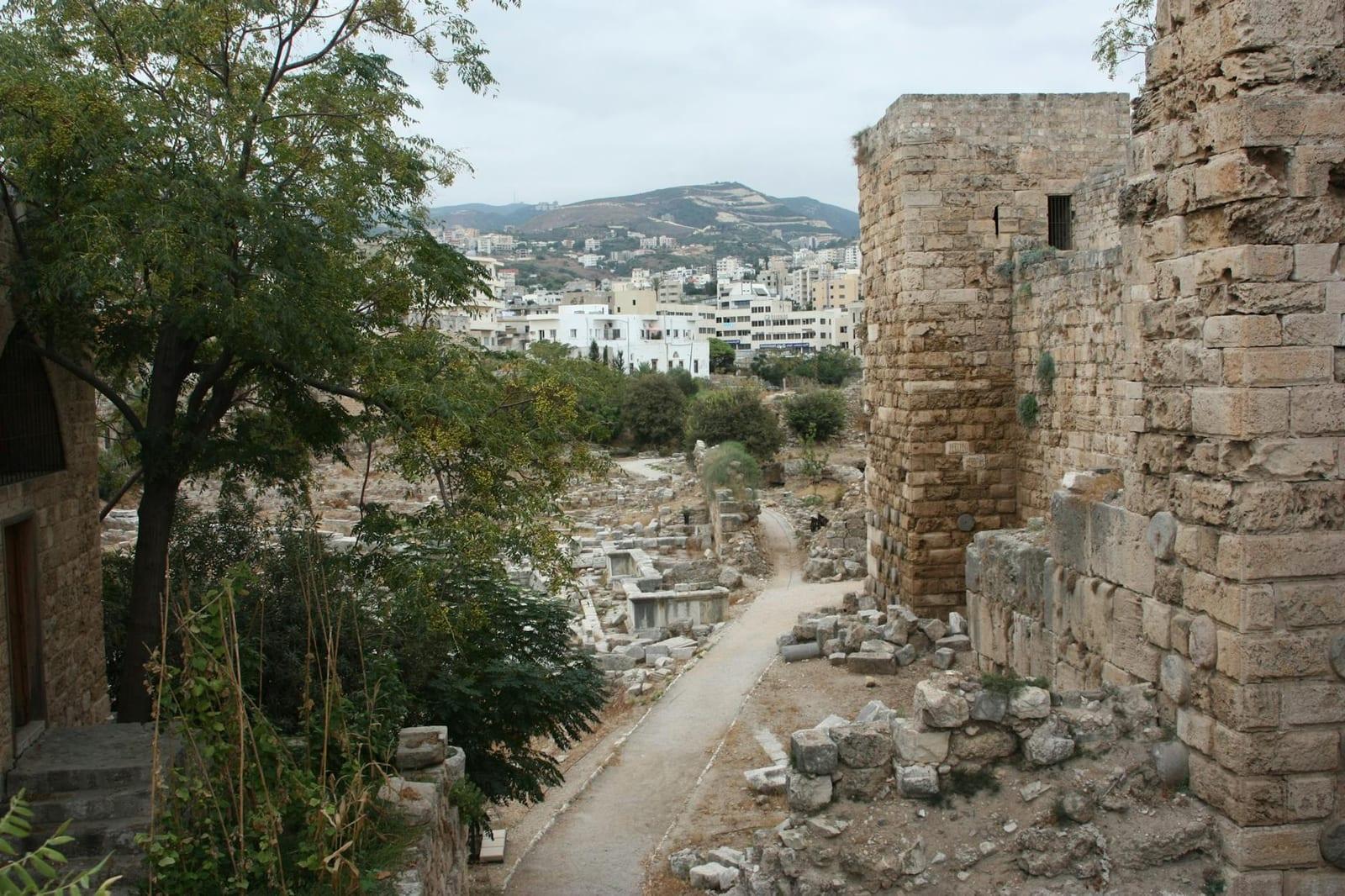
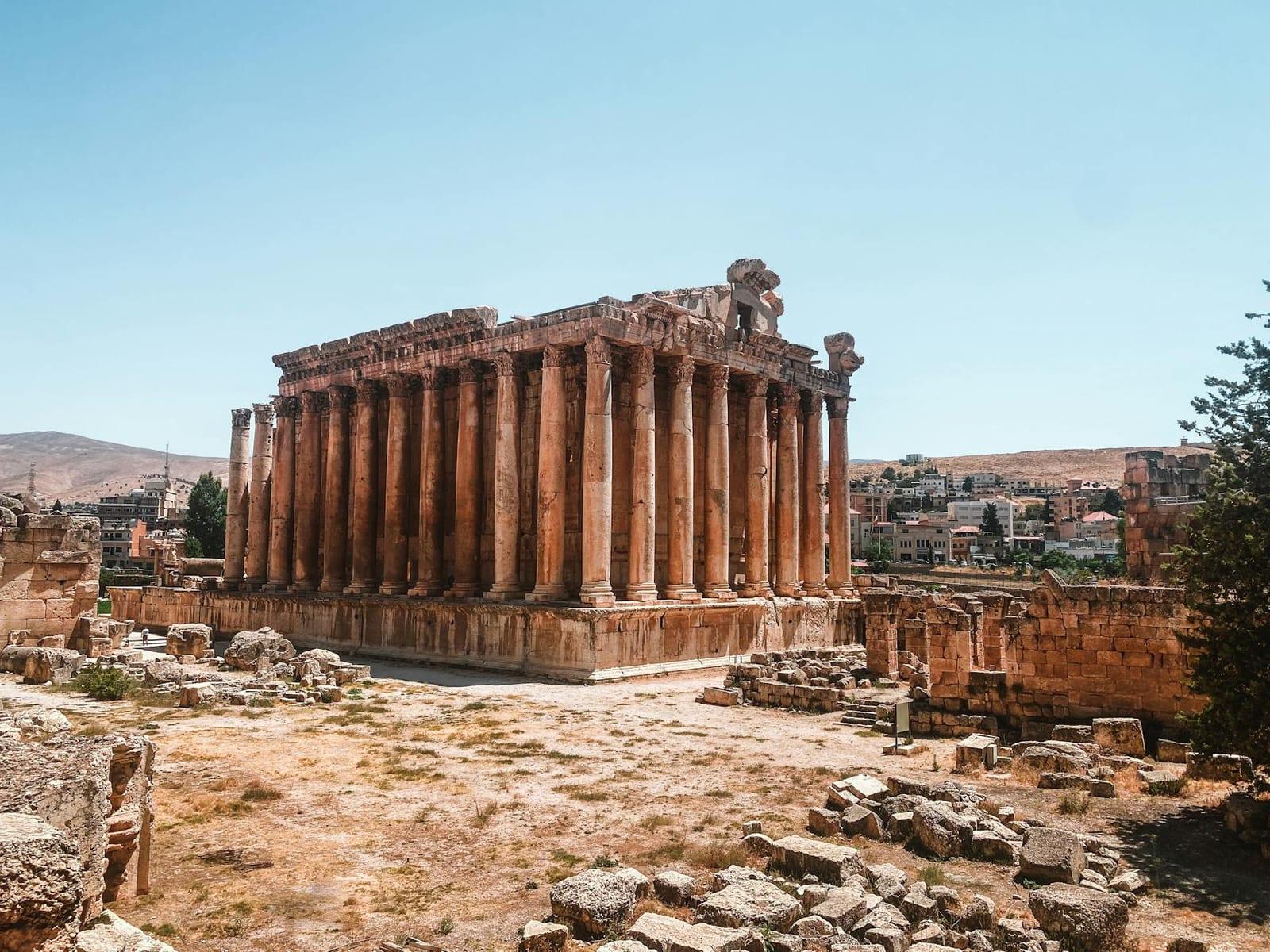
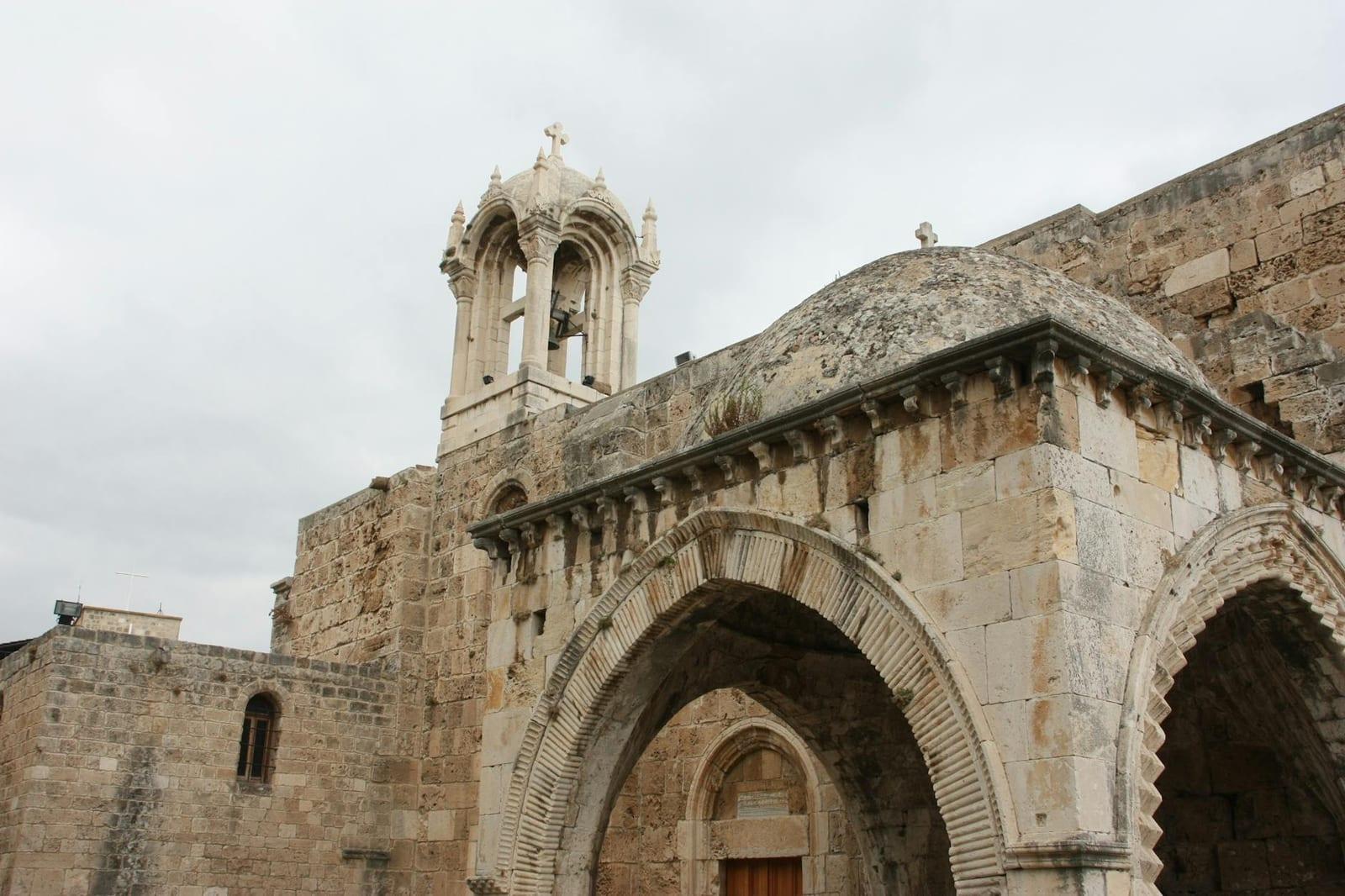
The many chapters of Lebanese history make for a fascinating and wide-ranging story, and the country—despite the infrastructural wounds it’s received during numerous wars and invasions—displays many treasures of the past. Indeed, the country’s coastline hosted the hubs of the Phoenicians, those influential maritime traders. Several UNESCO World Heritage Sites protect sites originally established as Phoenician outposts, like Tyre and Byblos. The latter’s a real palimpsest of early Lebanon: Its ruins span some 8,000 years, from a Neolithic fishing village through Phoenician, Persian, Roman, Byzantine, Crusader, and Ottoman remnants. In the onetime Phoenician settlement of Baalbek, mighty temples—dedicated to Jupiter, Bacchus, Venus, and other deities—rank among the most significant Roman relics anywhere.
By no means are the inherent delights of Lebanon restricted to its impressive historical traces. After all, the capital of Beirut—base camp for virtually every visitor to the country—is one of the Middle East’s leading cultural centers. During peaceful times, this fun-loving city serves as a mecca for nightclubbing, dining, and shopping; it also houses a number of fine museums, including the National Museum of Beirut, the Sursock Museum, and the Museum of Lebanese Prehistory. And there’s a very good explanation for the popularity of Lebanese food abroad—it’s absolutely mouthwatering—and there’s nothing like sampling it at its source: Beirut’s the ideal place for relishing falafel, kibbeh, tabouli, baba ghanouj, baklava, and all the other native delicacies.
Throughout history, Lebanon has been periodically pummeled—both internally and externally—by its broader geography’s fractious politics and ethnic relations. But this small country remains one of the region’s scenic, cultural, and historical keystones. Under duress, it’s a risky and uncomfortable place to be (whether you’re a Lebanese or a foreigner); but in peacetime, it’s close to irresistible for anyone looking for an eye-opening cross-section of the Middle East.
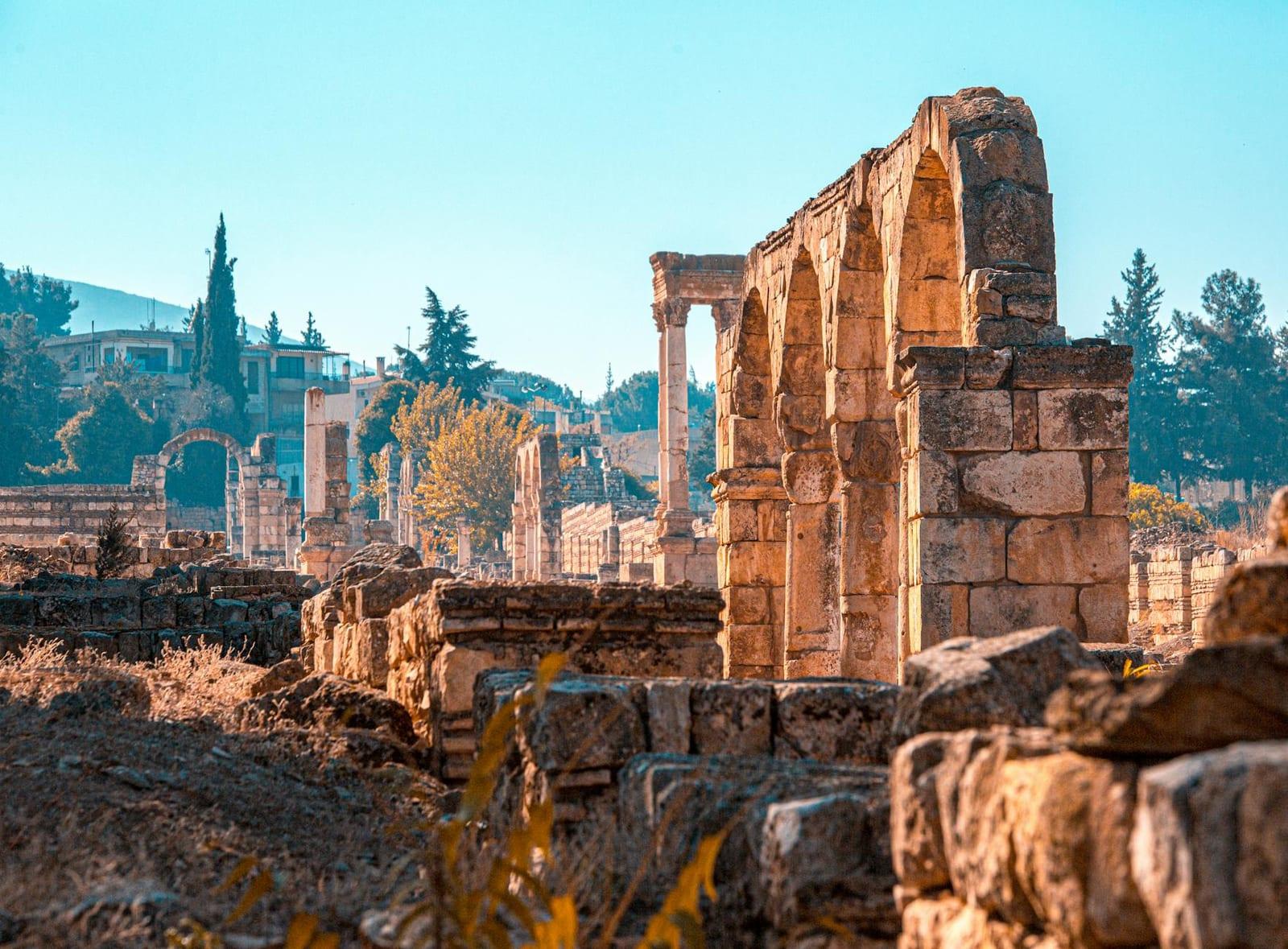
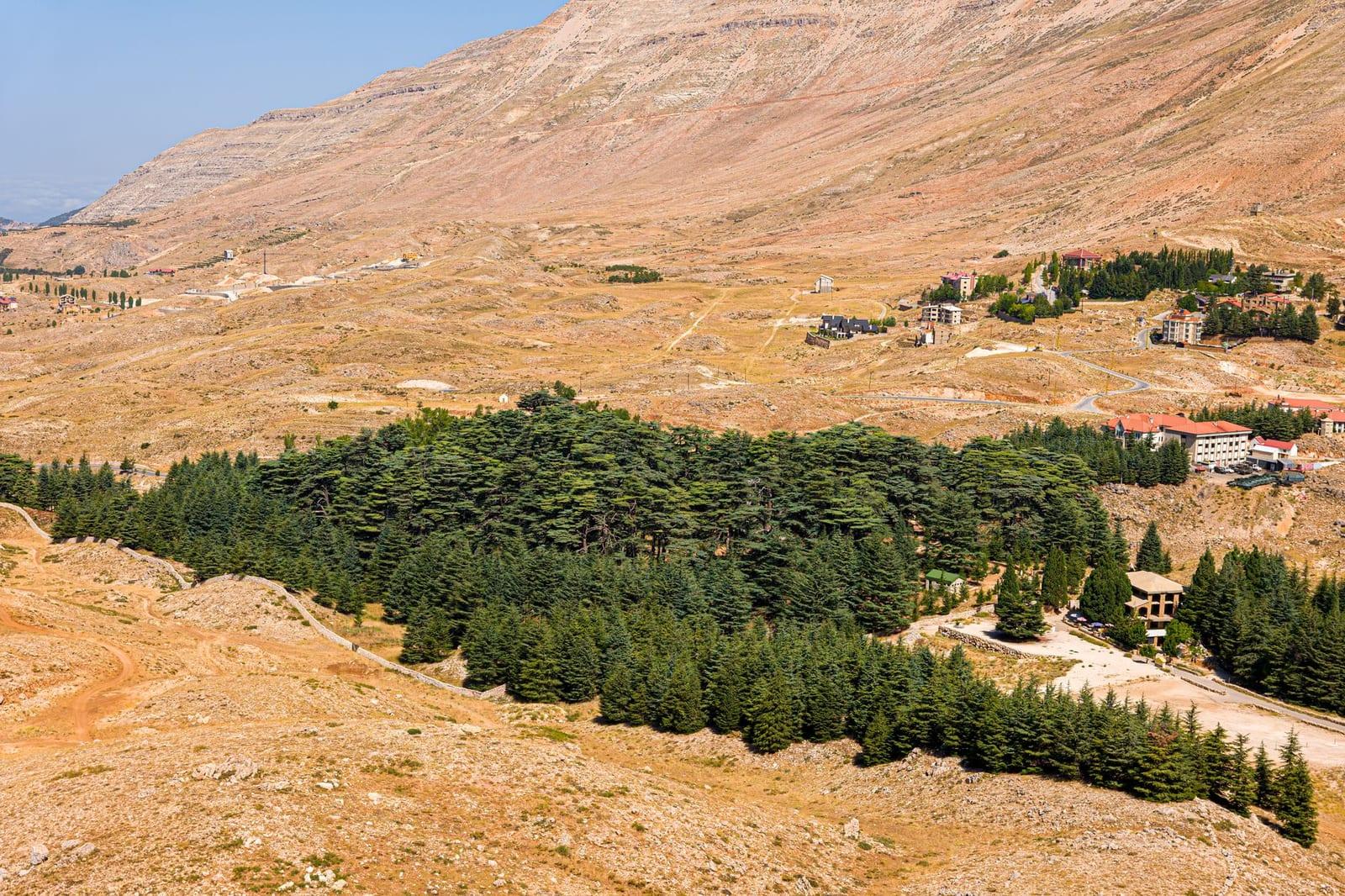
Anjar, in eastern Lebanon’s Bekaa Valley, is another spectacular World Heritage Site, the elegant ruins of a city established in the 8th century under the Umayyad Caliphate. The Qadisha Valley houses deeply venerable Christian monasteries and fresco-tattooed caves on the flanks of rough mountains, in the heights of which lie the last remnants of Lebanon’s Biblically significant cedar forests (the Forest of the Cedars of God). Islam and Christianity have long coexisted—not always harmoniously—in Lebanon.
9 things not to miss.
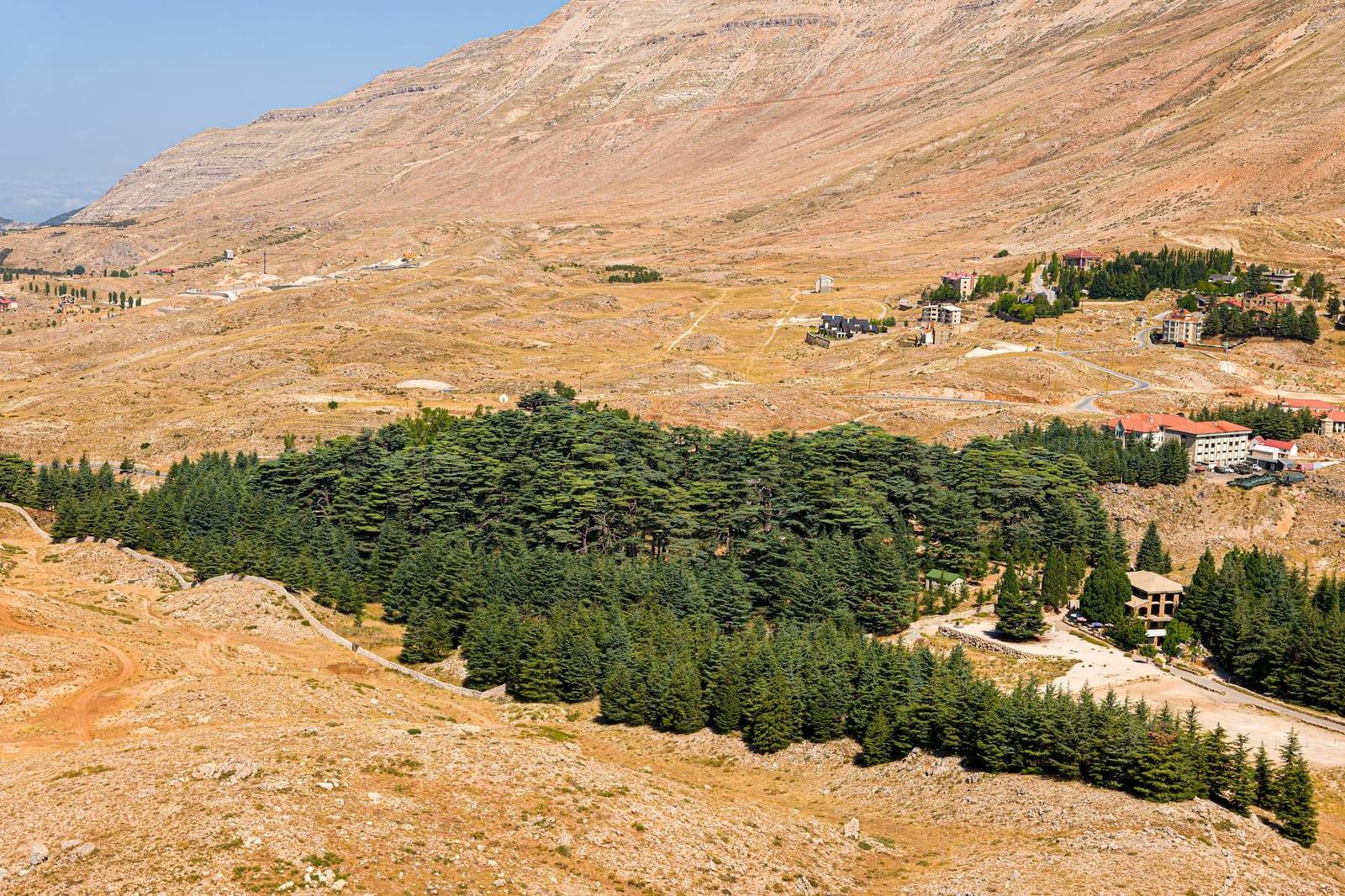
- Stand under the cedars of BsharriStand under the cedars of Bsharri
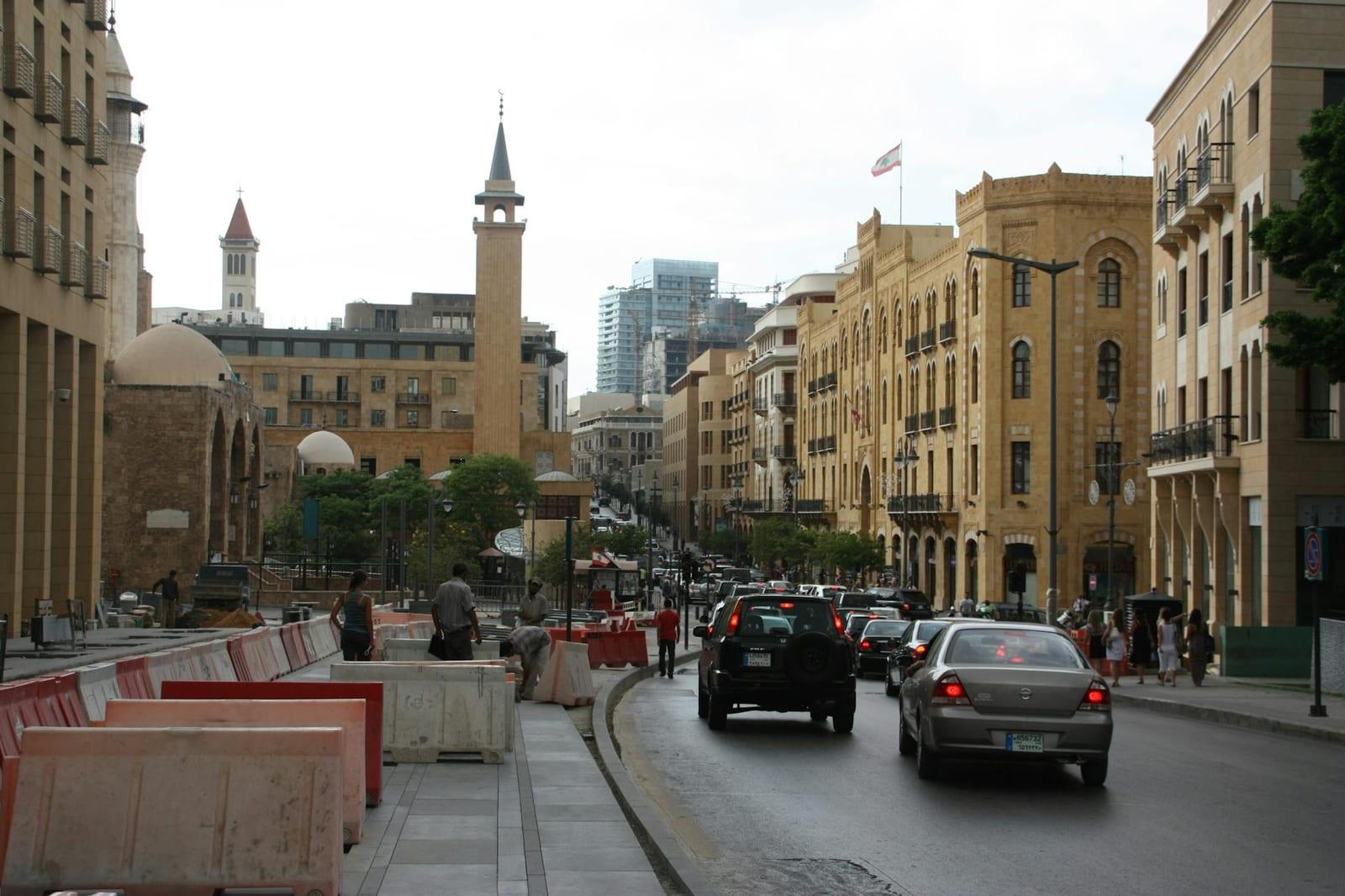
- BeirutEat your way through Beirut
- ByblosThis Mediterranean ruin has marinated in thousands of years of history, from Neolithic and Phoenician to Medieval and Ottoman eras.
- BaalbekFantastic Roman temples dedicated to Jupiter, Venus, and Mercury mark the site of Heliopolis, originally a Phoenician settlement.
- AnjarOnly recognized in the mid-1900s, these toppling walls and towers are the ruins of a once-mighty Umayyad city in the Bekaa Valley.
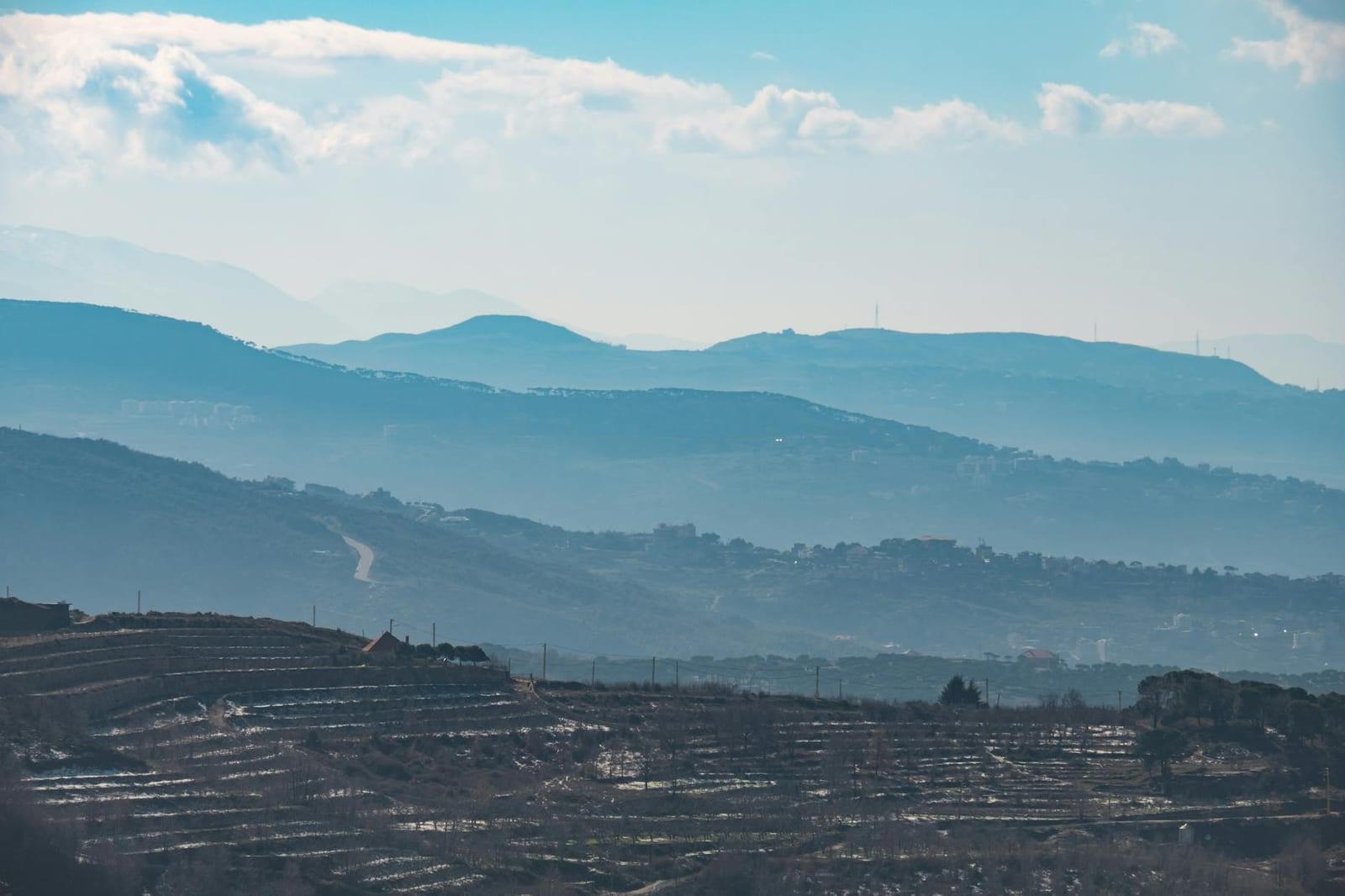
- The Qadisha ValleyWander a lovely Biblical landscape amid vintage Christian monasteries, frescoed caves, and remnant groves of the Cedars of Lebanon.
- Al Shouf Cedar Nature ReserveMontane cedar stands and varied Middle Eastern wildlife—storks, eagle-owls, wolves, hyenas, and more—make this among Lebanon’s most precious sanctuaries.
- Beiteddine PalaceThis fine palace, built in the 1810s, remains a testament to the rule of Lebanese emir Bashir Shihab II.
- Palm Islands Nature ReserveEcotourists will love scouting for Mediterranean seabirds and marine life amid these protected isles.