As of 2015, Libya is not a safe destination for tourists, given its ongoing civil war and the widespread threat of terrorism. (Both the U.S. and U.K. governments advise their citizens against all travel to the country.) Its current turmoil notwithstanding, however, Libya is unquestionably a fascinating place to explore—especially for anyone captivated by history. Here in this great Mediterranean and Saharan landscape are peerless archeological sites - that transport the visitor across the centuries (and across cultures).
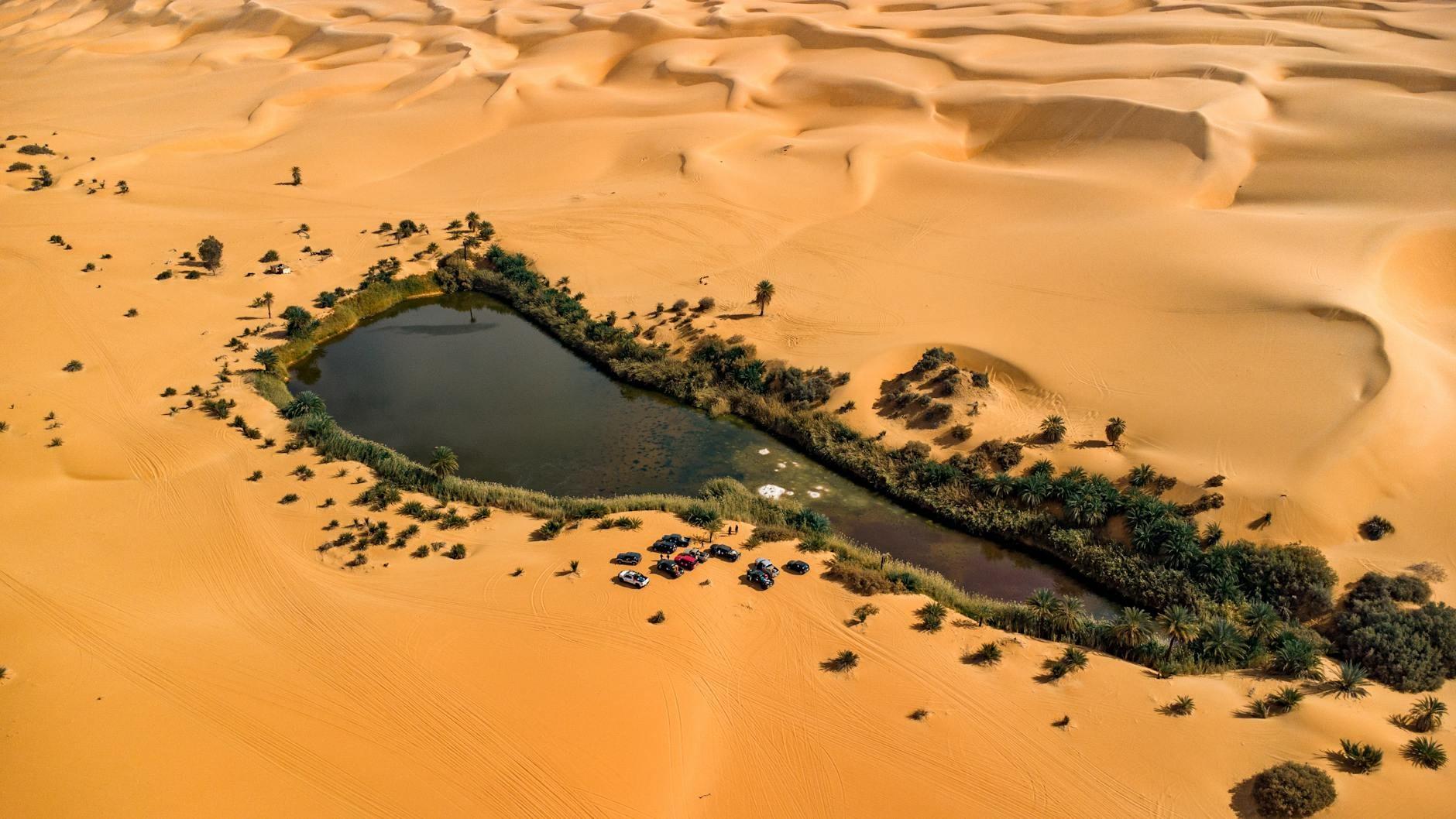
Given its position bordering Egypt and edging the Mediterranean Basin, Libya has been the dominion of a truly extraordinary cast of empires and tribes: indigenous Berbers, the Phoenicians, the Ancient Greeks and Romans, the Arabs and Ottomans, and many others. So the Classical ruins of Libya’s seacoast are some of the grandest anywhere: Cyrene, Sabratha, and—perhaps most notable of all—Leptis Magna are unbelievably well-preserved Roman Empire cities with Greek and Phoenician pedigrees as well. Libya’s two other World Heritage Sites lie to the south, deeper into the Sahara: the old town of Ghadames, marking a desert oasis, and the millennia-old cave art of the Acacus Mountains—a Saharan massif that’s equally renowned for its breathtaking scenery of dune-swamped knobs, sheer pillars, and rock arches. Numerous world-class museums provide other venues for surveying Libya’s sweeping and action-packed history; the best-known is the Red Castle Museum of Tripoli.
The draws of Libya aren’t all about antiquities and otherworldly landscapes: The culture, woven as it is with strands from Europe, the Middle East, and tribal and Arab traditions of the broader Maghreb, astounds with its many layers. The cuisine alone serves as a delicious lesson in Libyan history and cultural interchange—from the poached-egg stew called shakshouka, widely encountered in one form or another throughout North Africa and the Middle East, to pasta dishes that underscore the longstanding connections between Libya and the Italian peninsula.
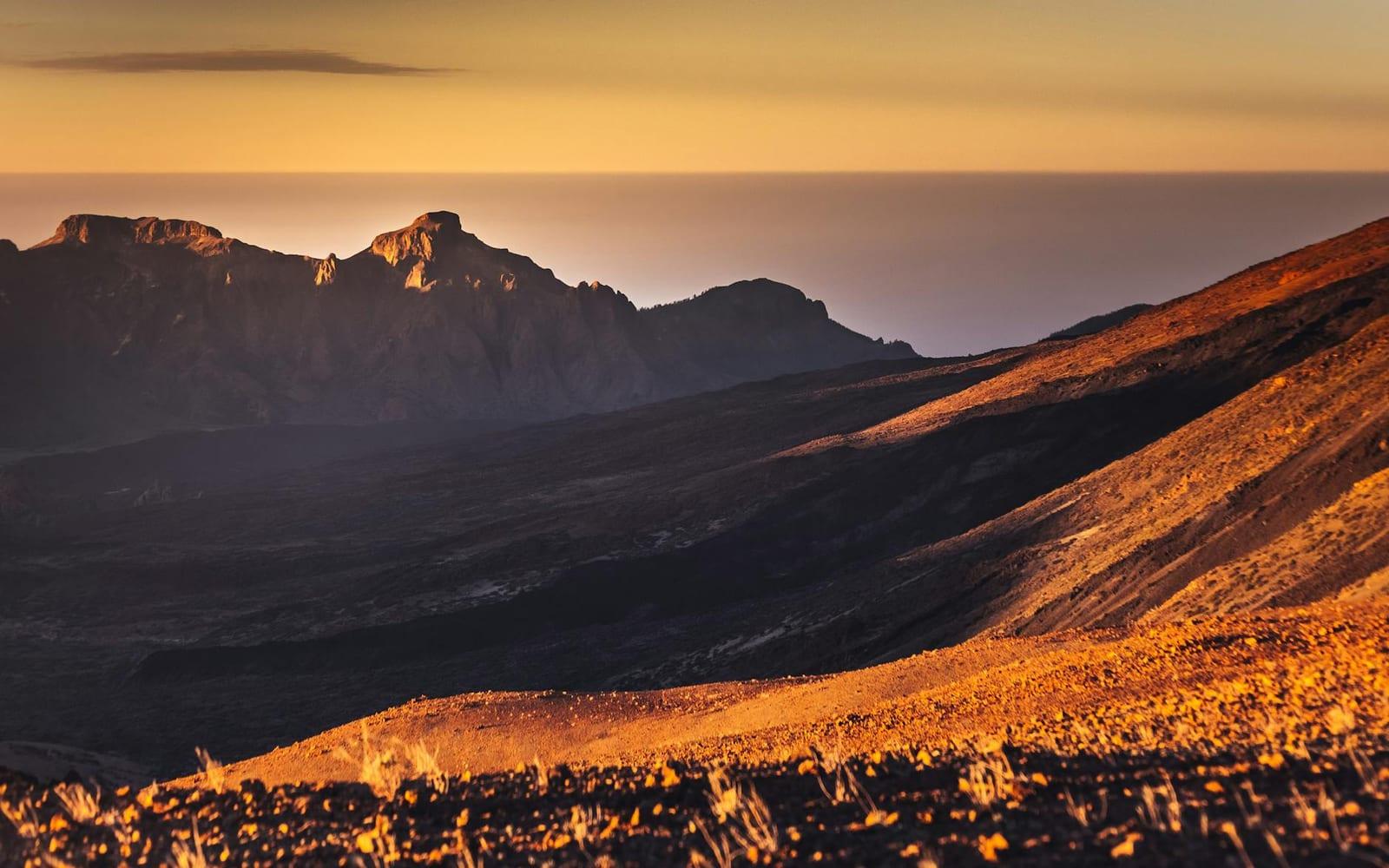
Libya is drenched in beauty: Thousand-year-old palm-shaded courtyards, colorful marketplaces, oceanic dune fields, and jagged desert mountains. Cross your fingers that the country rediscovers peace and someday opens wide its doors to travelers eager to celebrate its dazzling heritage.
10 things not to miss.
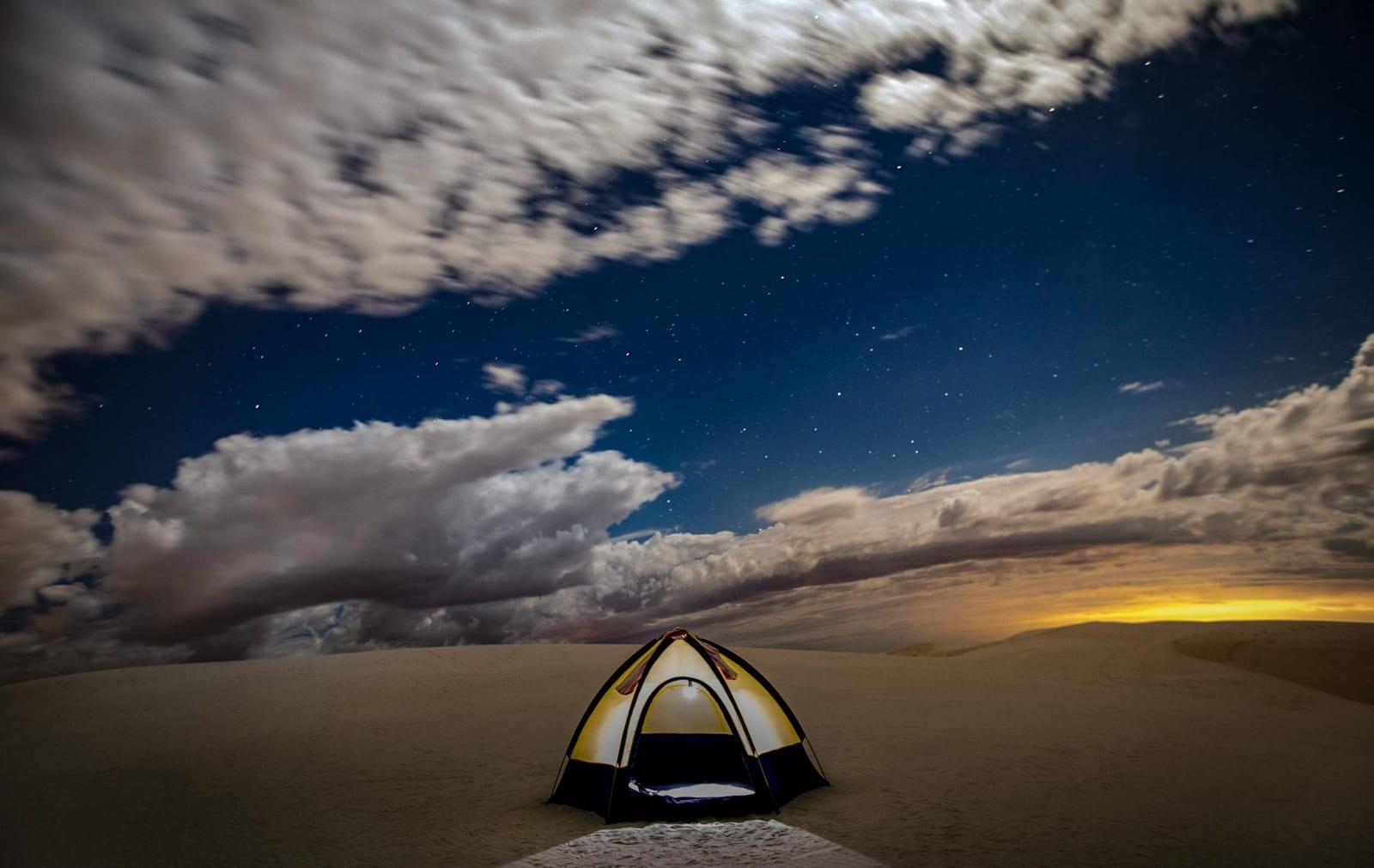
- Camp under the Sahara starsCamp under the Sahara stars
- Leptis MagnaAmong the magnificent cities of Ancient Rome during its heyday, Leptis Magna today constitutes some of the most awe-inspiring Roman ruins anywhere.
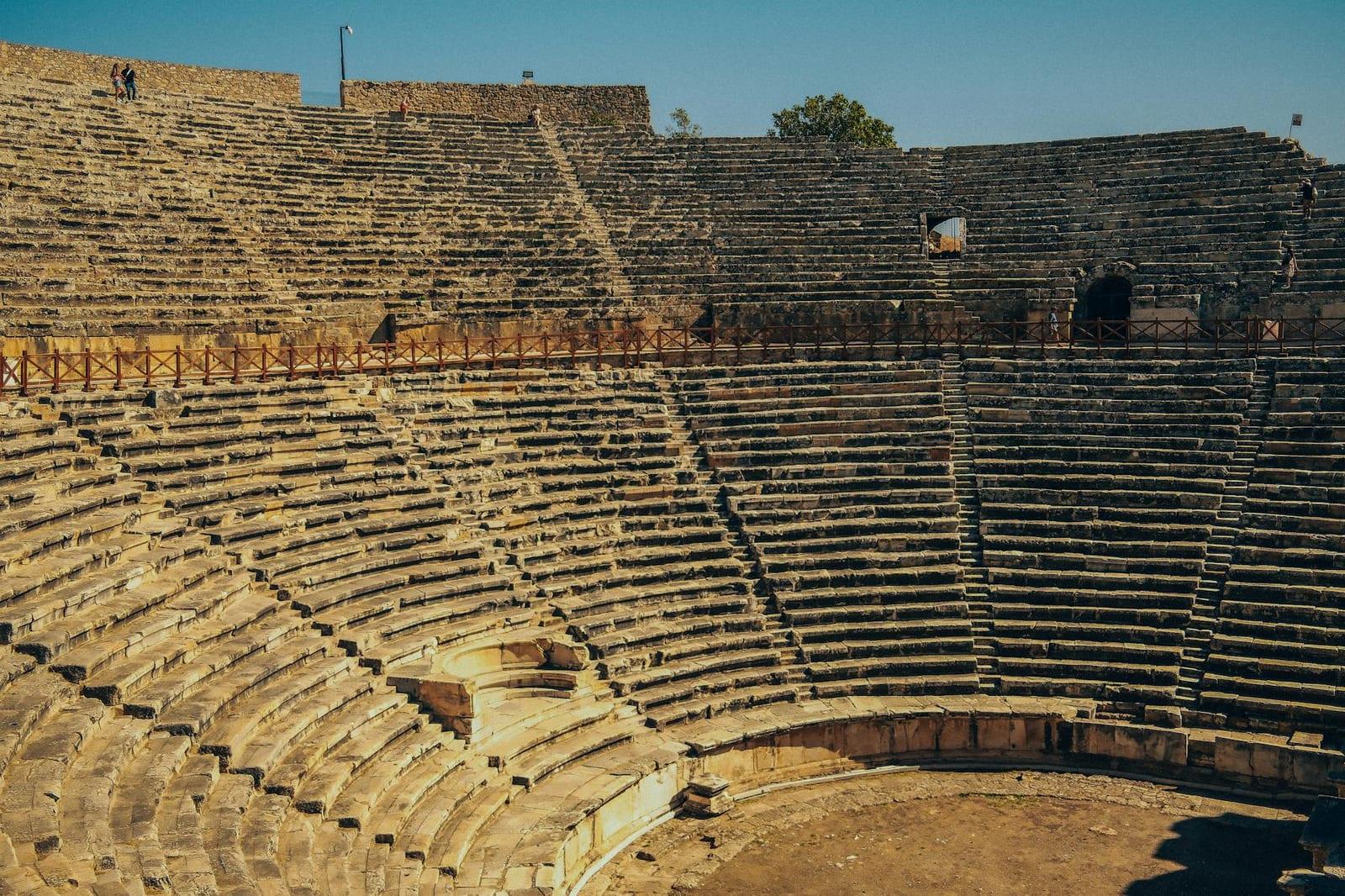
- SabrathaResplendent monuments of overlapping age define this many-layered World Heritage Site, rich in Phoenician, Numidian, Roman, and Byzantine history.

- CyreneThis “Athens of Africa,” founded in the 7th century B.C.E., showcases striking Greek and Roman ruins—including temples of Apollo and Zeus.
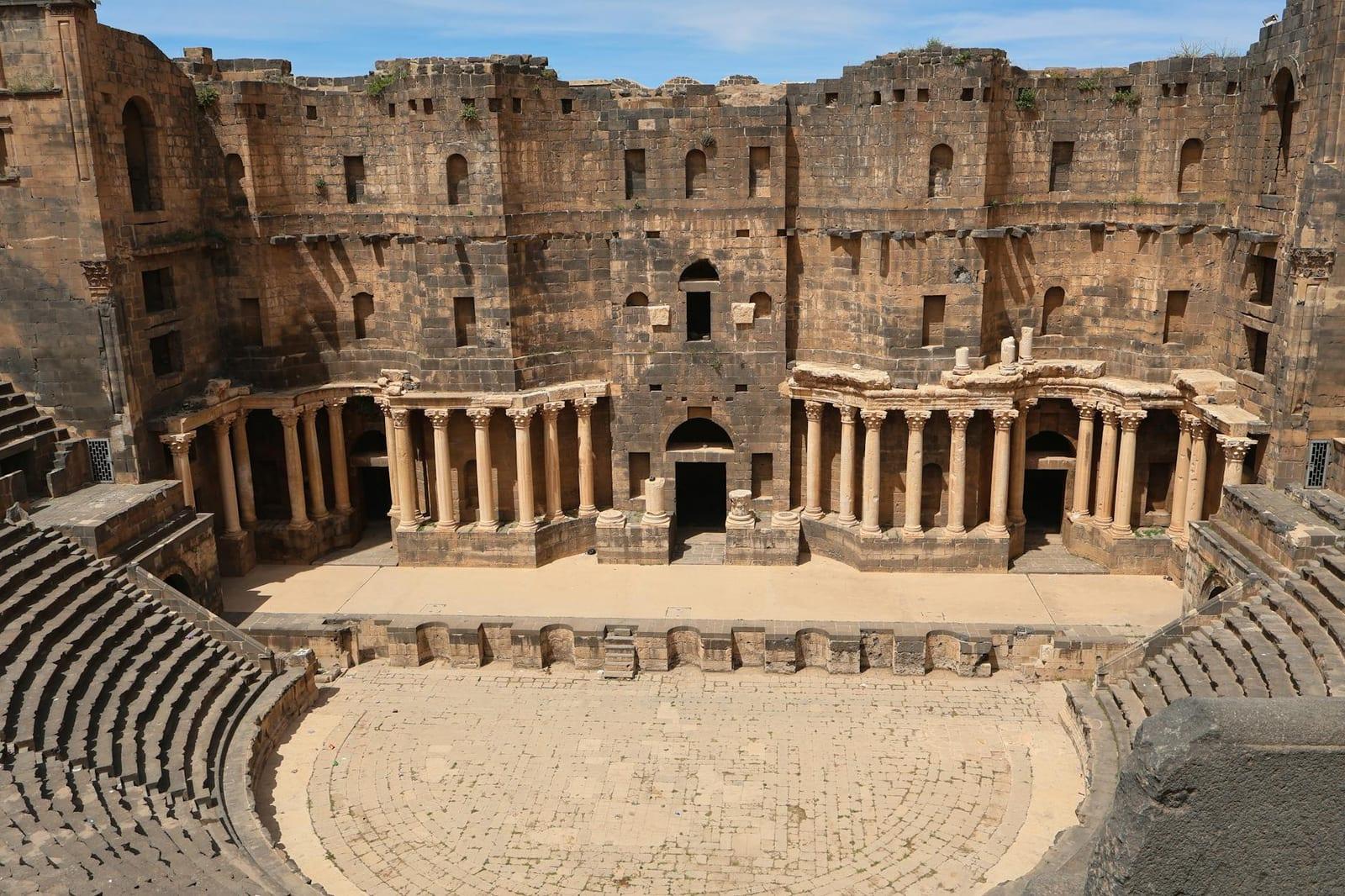
- Tripoli MedinaStep back in time in Tripoli’s ancient walled center, packed with historic architecture, bustling shops, and enthusiastic hagglers.
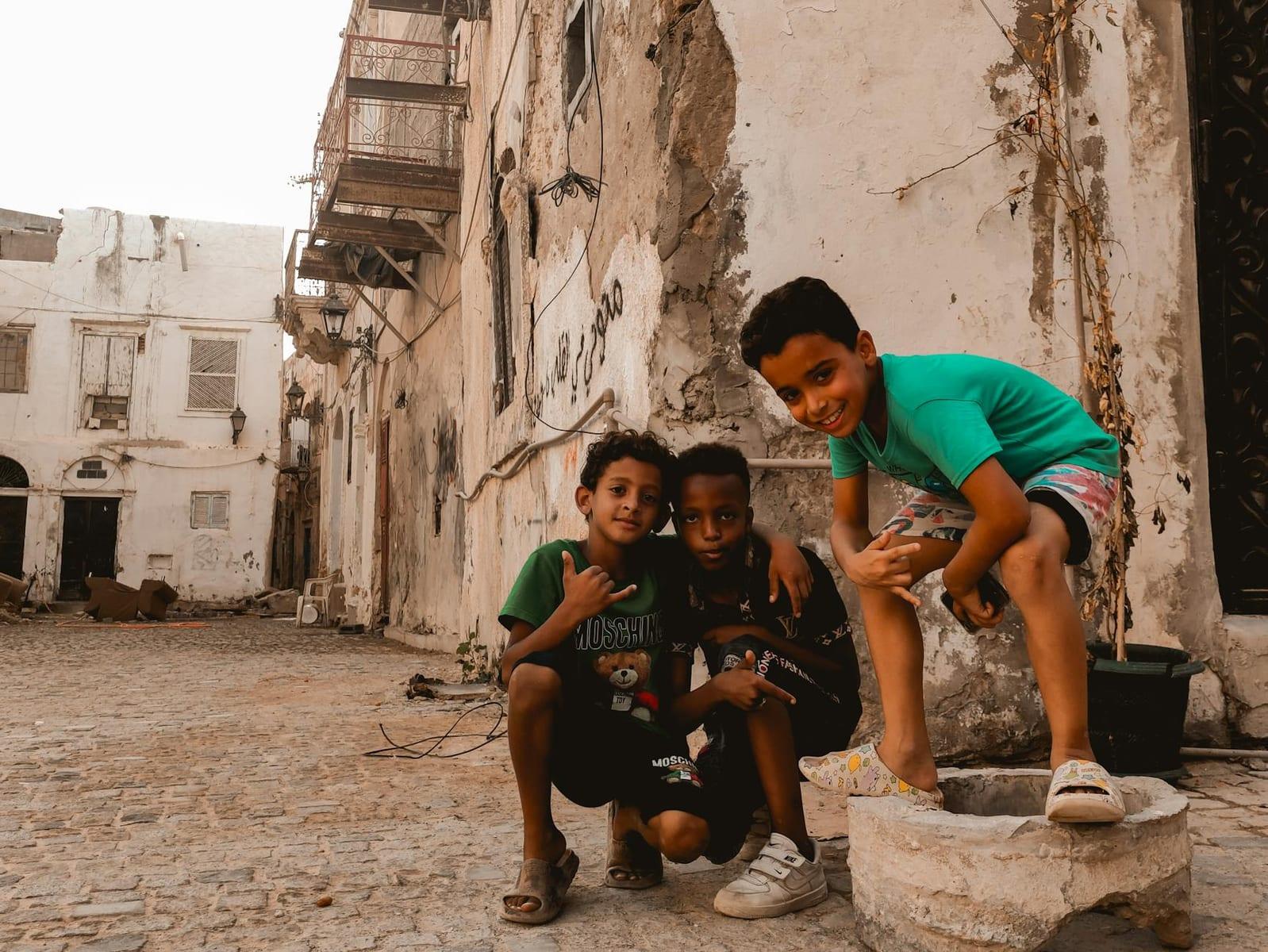
- Red Castle MuseumAdjoining the Medina, this outstanding museum—housed in a historic castle—presents Libya’s foundational story, from prehistory to independence.
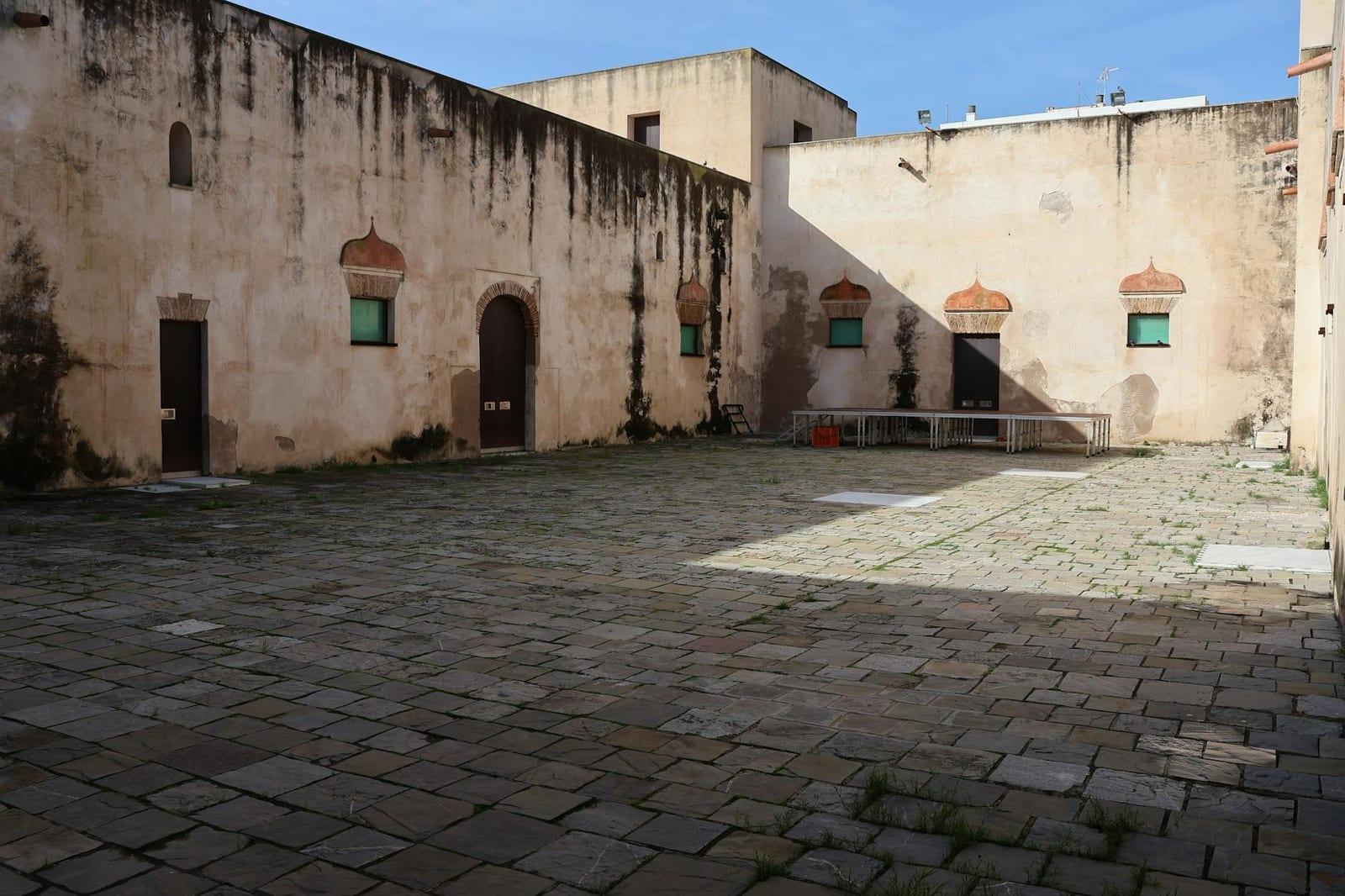
- Acacus MountainsThe sandstone spires, arches, and buttes of this Saharan range are gorgeous enough, but they also conceal exceptional millennia-old rock art.
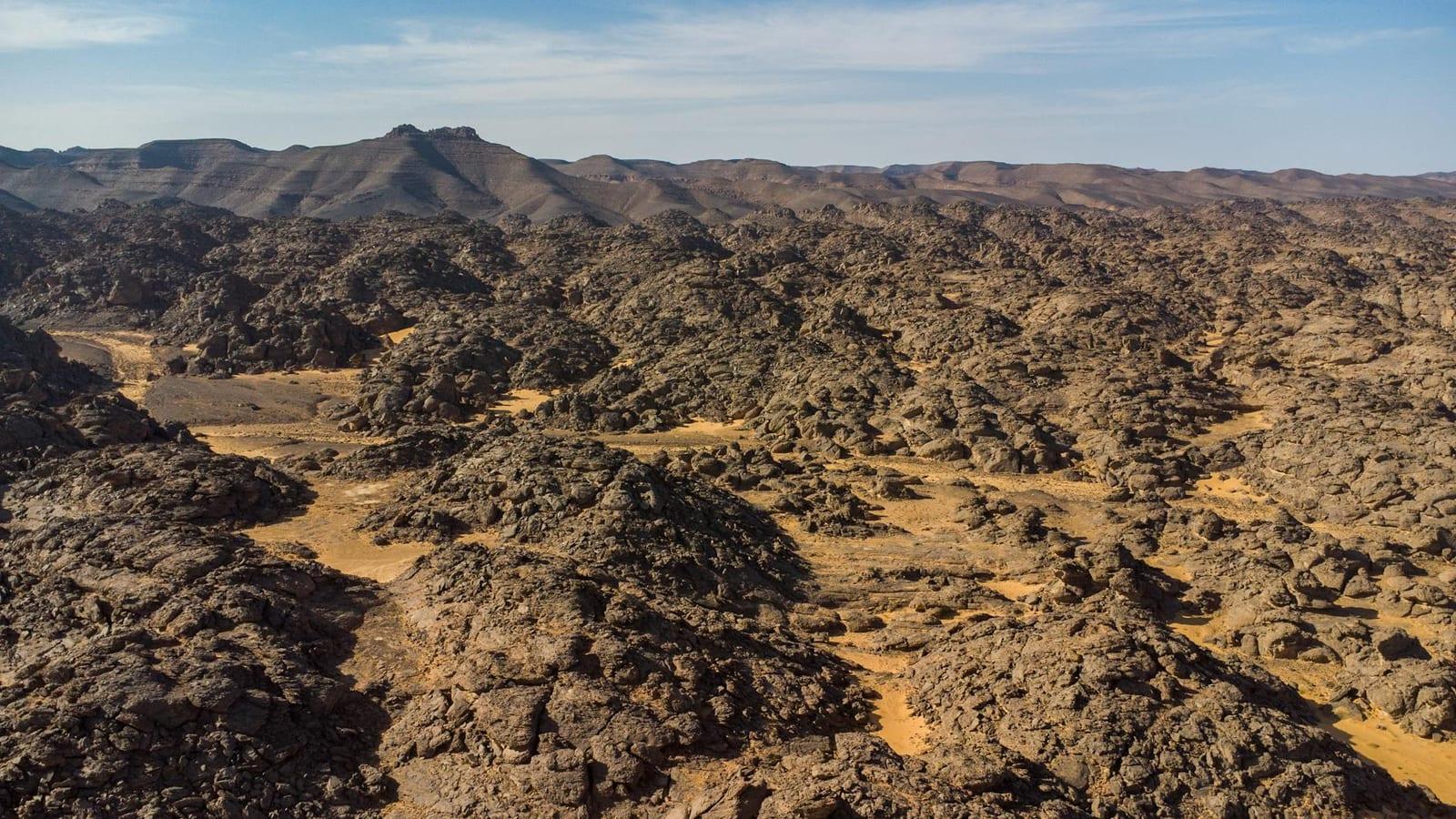
- Nafusa MountainsThese rough heights flanking northwestern Libya’s Mediterranean lowlands are a longtime reservoir of Berber culture.
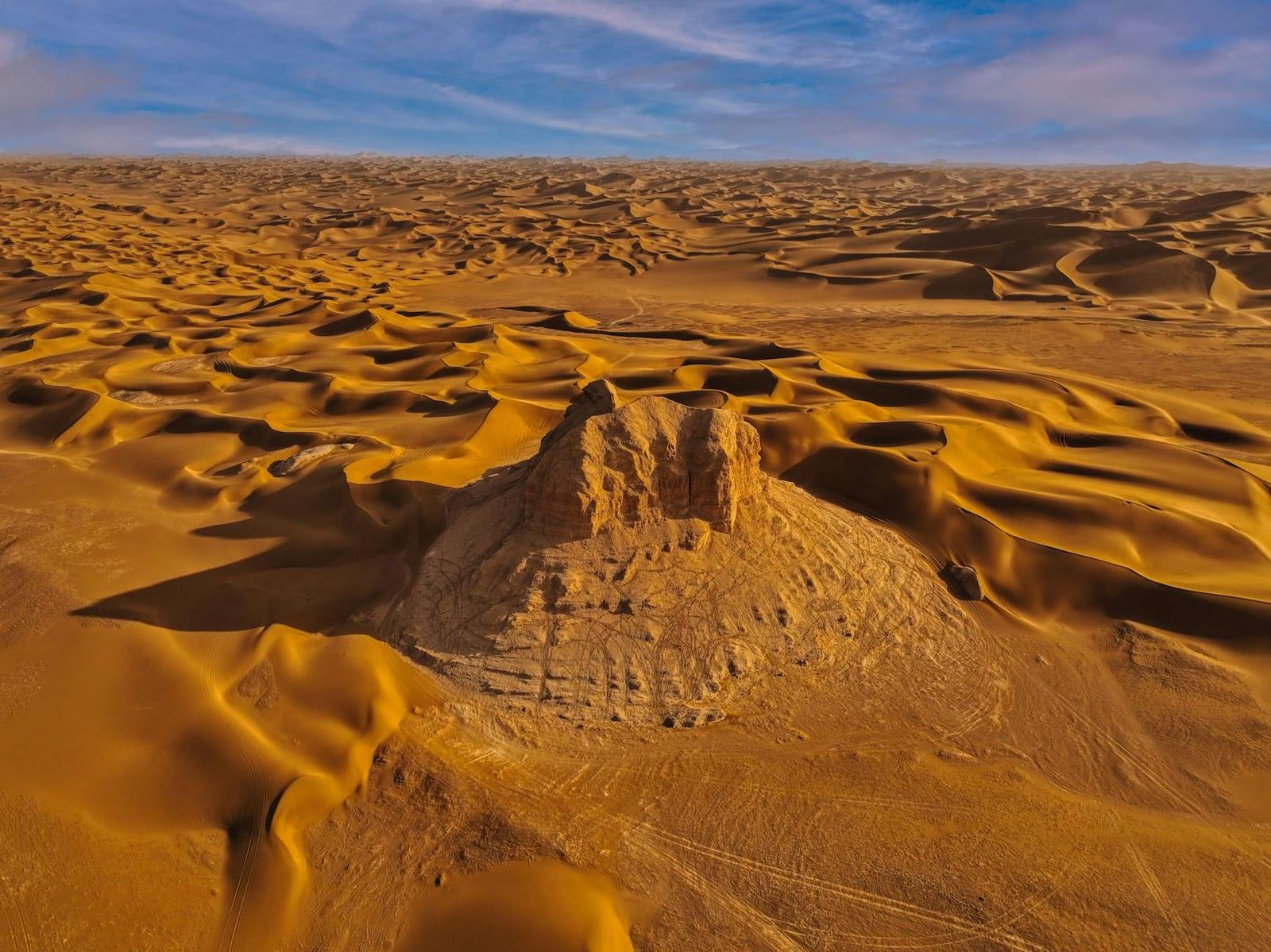
- GhamadesThis “Pearl of the Desert,” a UNESCO World Heritage Site, is a historically rich and architecturally striking oasis town mostly populated by Berbers.
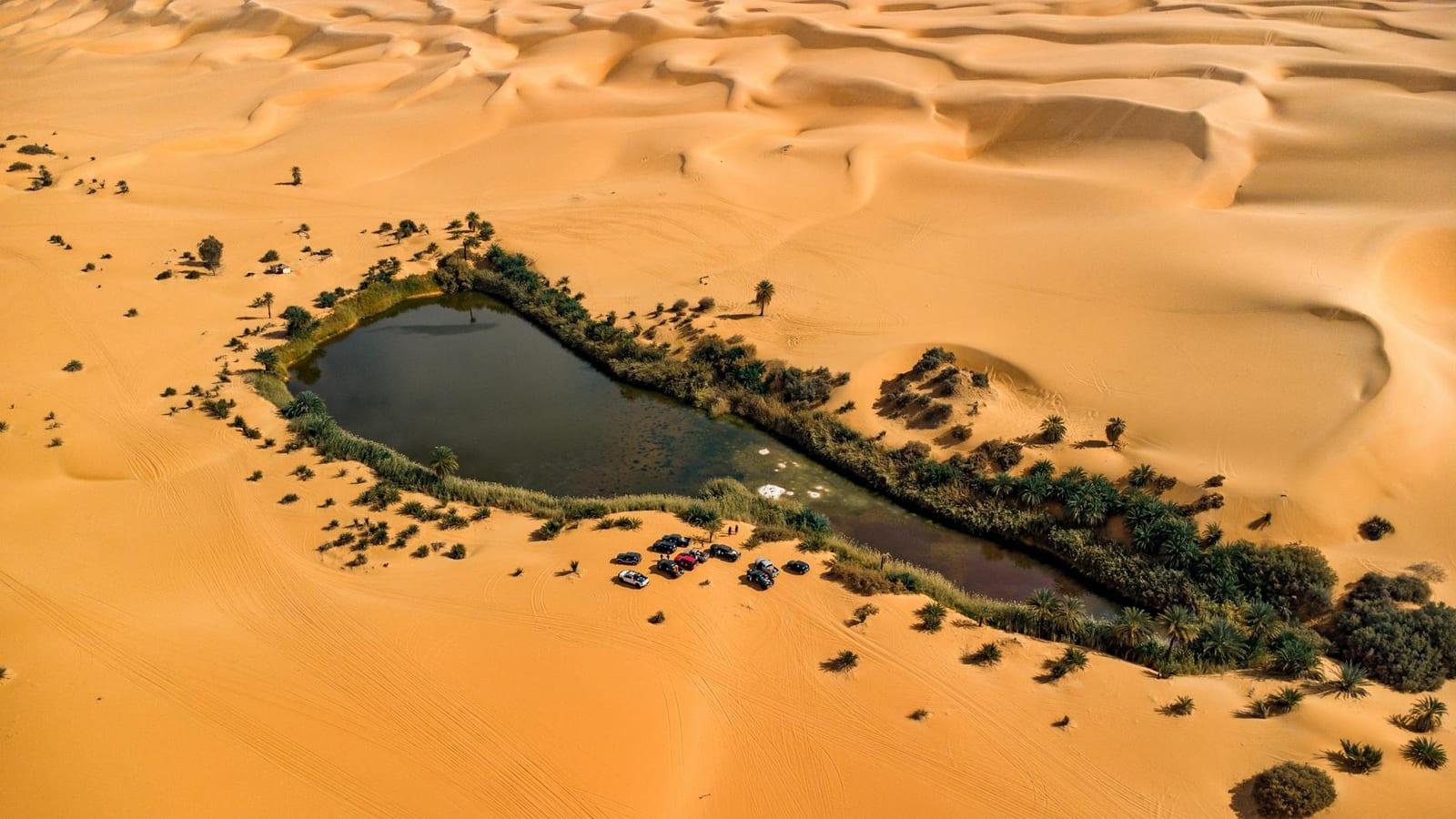
- El-Kouf National ParkMediterranean dunes to hilly shrubland, hordes of waterbirds to fallow deer: diverse El-Kouf has historically been one of Libya’s most popular national parks.