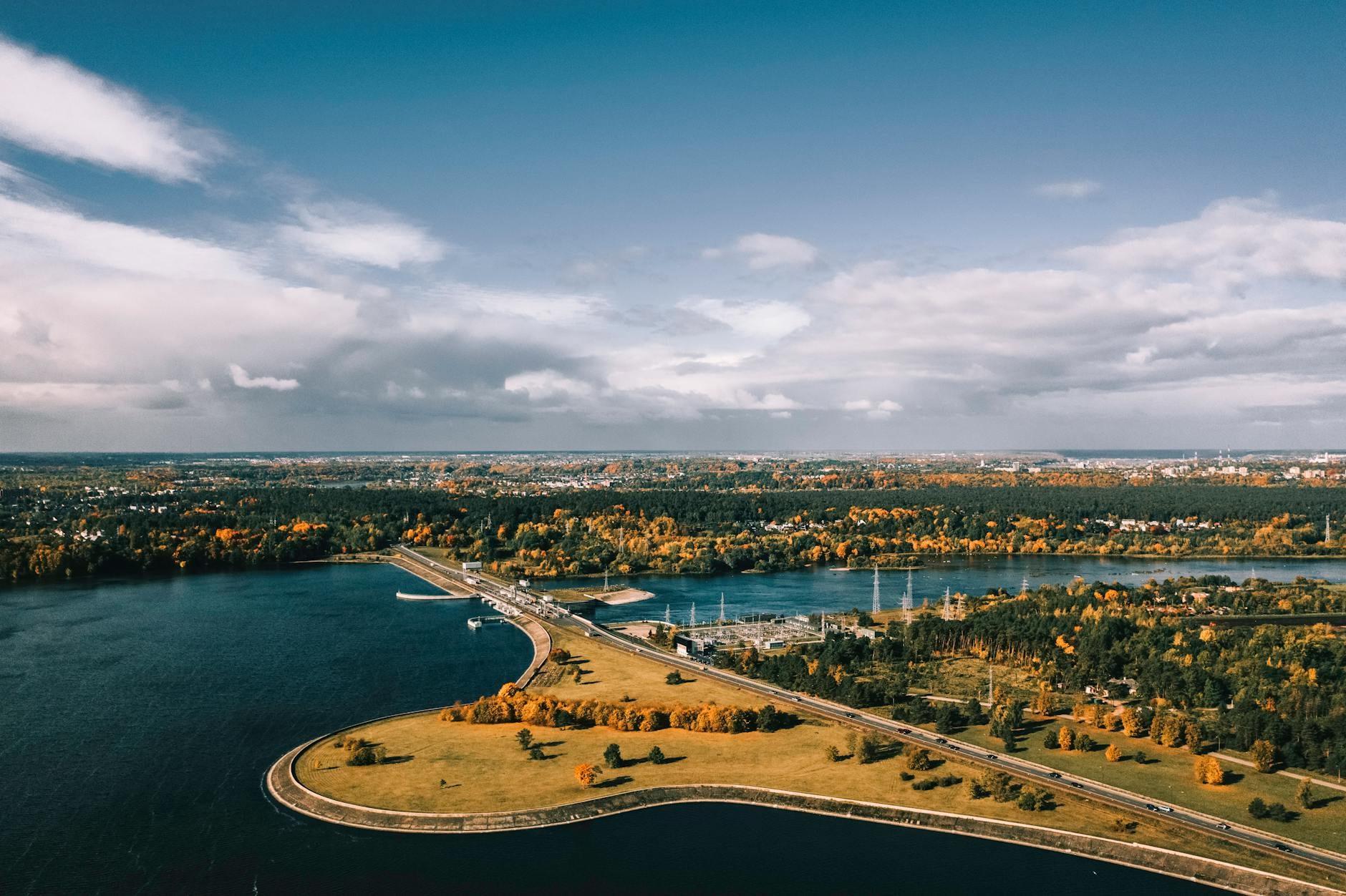
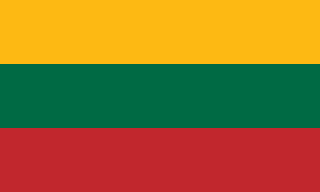
The Baltic republic of Lithuania has fluctuated in size dramatically over the past 1,000 years. It’s hard to imagine today, but in the Middle Ages, the state once sprawled across a huge swath of northeastern Europe: from the Baltic to the Black Sea. Of more modest proportions these days, Lithuania is still a fascinatingly historic country—and one that boasts a great deal of timeworn tradition.
Ultimately the great state weakened and fell apart, and by the late 1700s much of the country had become part of the Russian Empire. After World War I, Lithuania enjoyed sovereignty, but it was not to last: During the Second World War, the Soviet Union took over, and Lithuania did not regain its independence until 1990 (via the famous Singing Revolution).
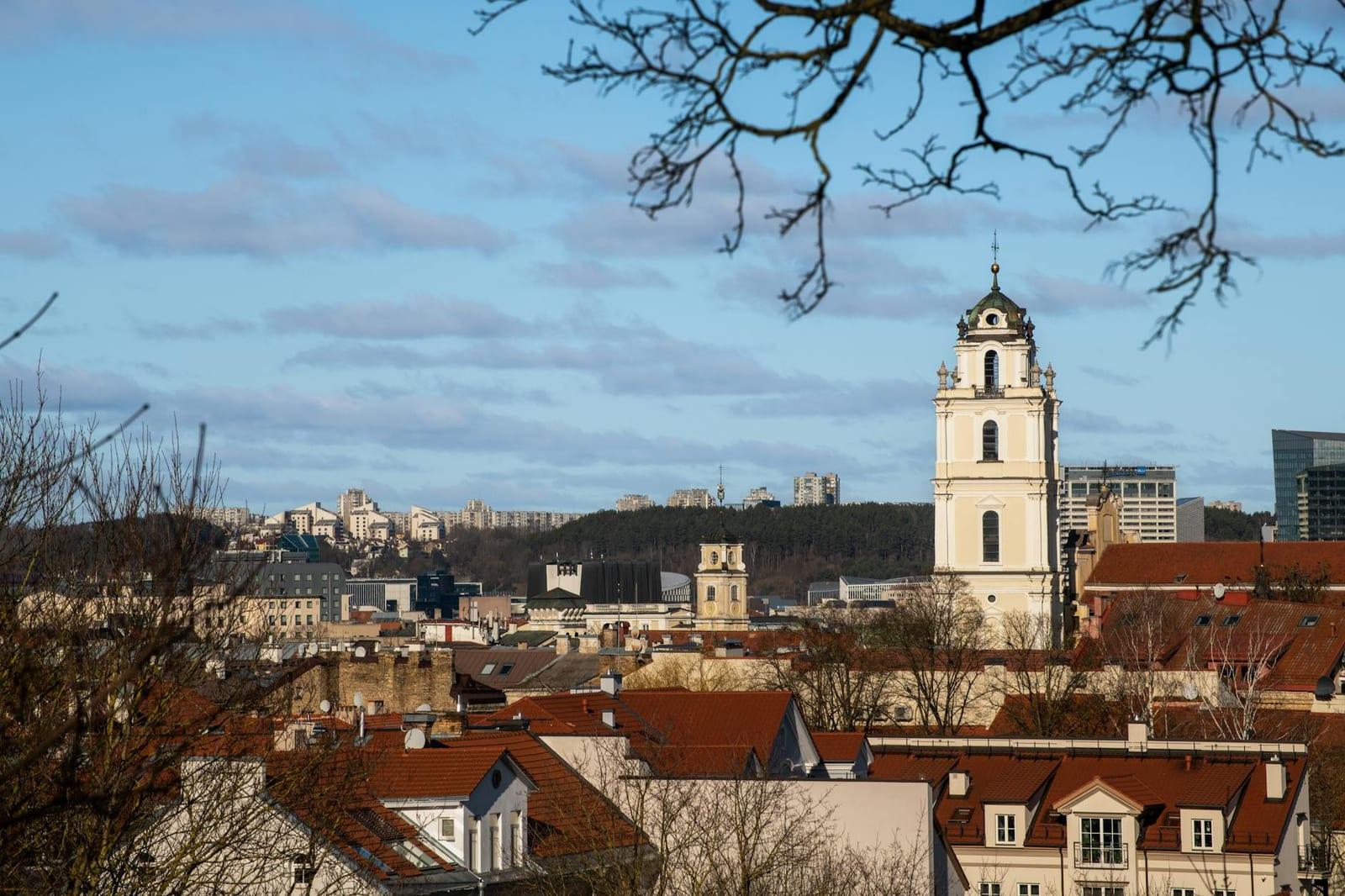
Lithuania has numerous historical landmarks, the monumental medieval and Renaissance architecture of the capital Vilnius’s old-town core prominent among them. But much of the country’s charm derives from powerfully alive cultural traditions, be it polyphonic singing, cross-making, or local cuisine.
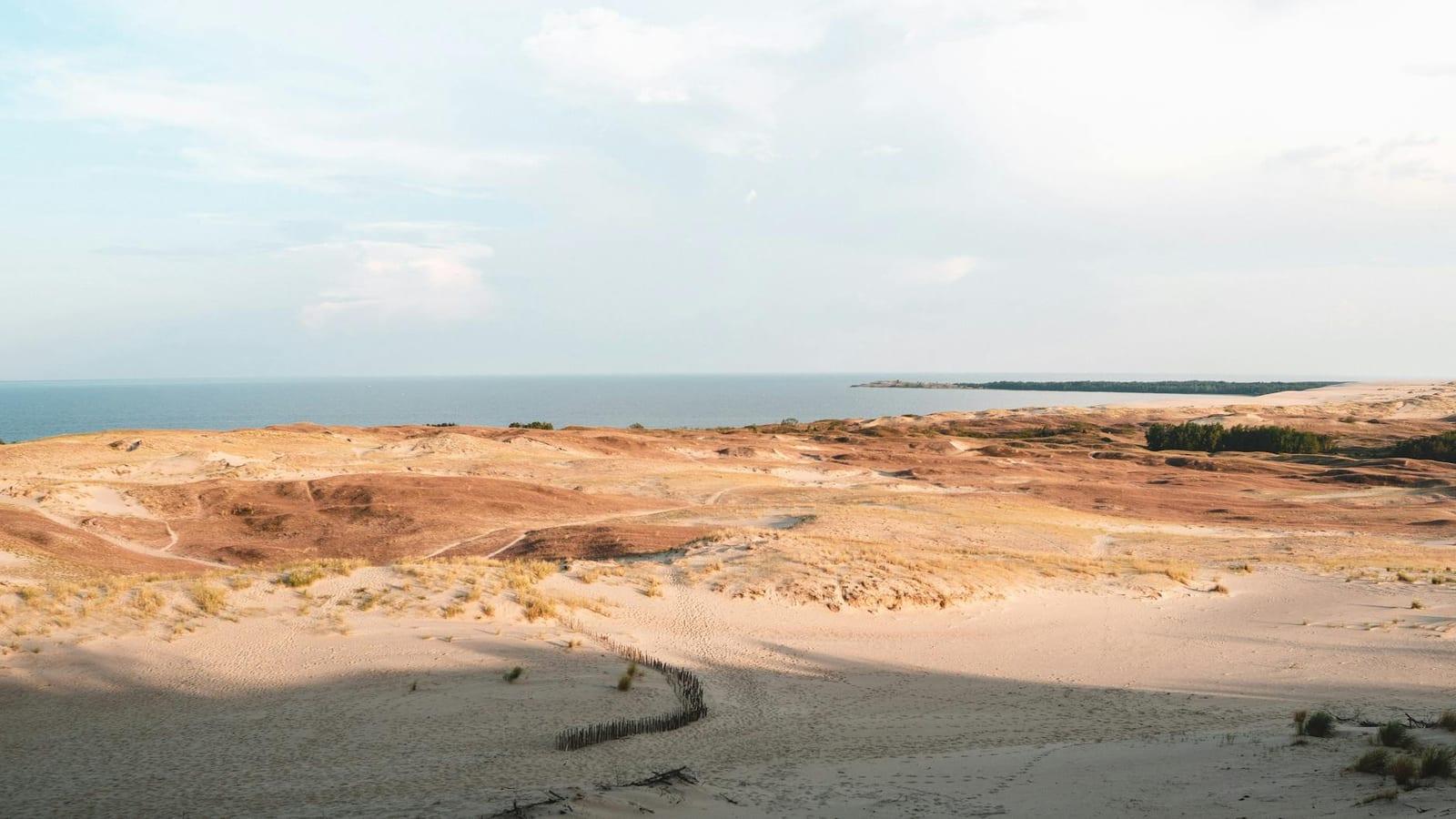
It may not have any attention-grabbing mountains or canyons, but Lithuania is not without mesmerizing natural beauty—much of it holistically fused with traditional rural lifeways. Consider the Curonian Spit, a mighty arm of Baltic sand built atop a glacial moraine. Or how about the country’s globally important nesting grounds of the magnificent white stork, a symbol of Lithuania? Here, too, are precious Baltic populations of one of Europe’s most awe-inspiring mammals: the wisent, or European bison. Near Stelmuze, meanwhile, a hoary English oak that may be 2,000 years old ranks as a national treasure.
From vintage trees to vintage castles, Lithuania puts Baltic beauty and soul front and center. Pass seamlessly between urban, rural, and semi-wild realms, and discover some of Europe's unjustly overlooked landscapes.
13 things not to miss.
- Vilnius old town at duskWalk Vilnius old town at dusk
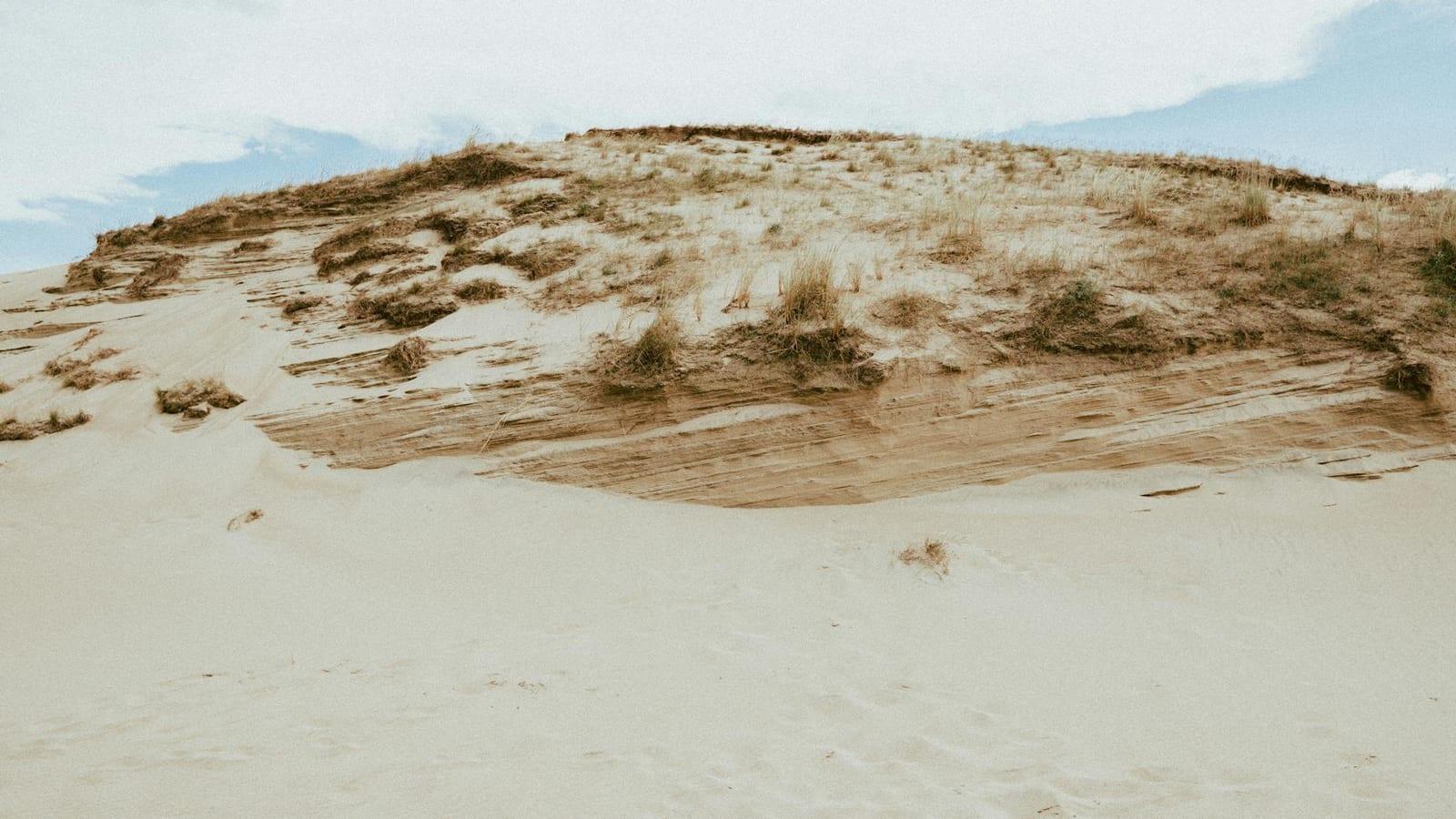
- Cycle the Curonian SpitCycle the Curonian Spit
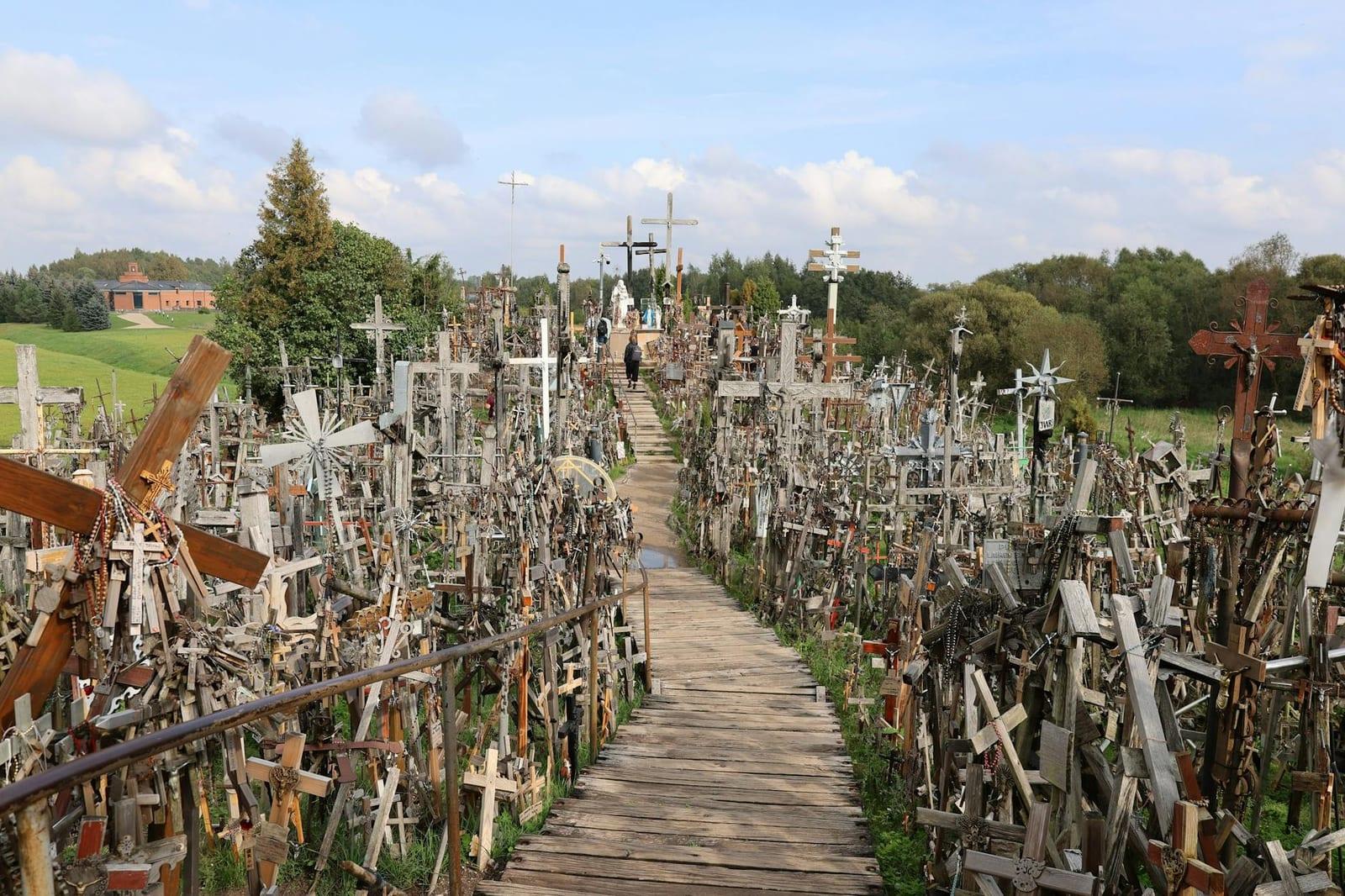
- the Hill of CrossesStand on the Hill of Crosses
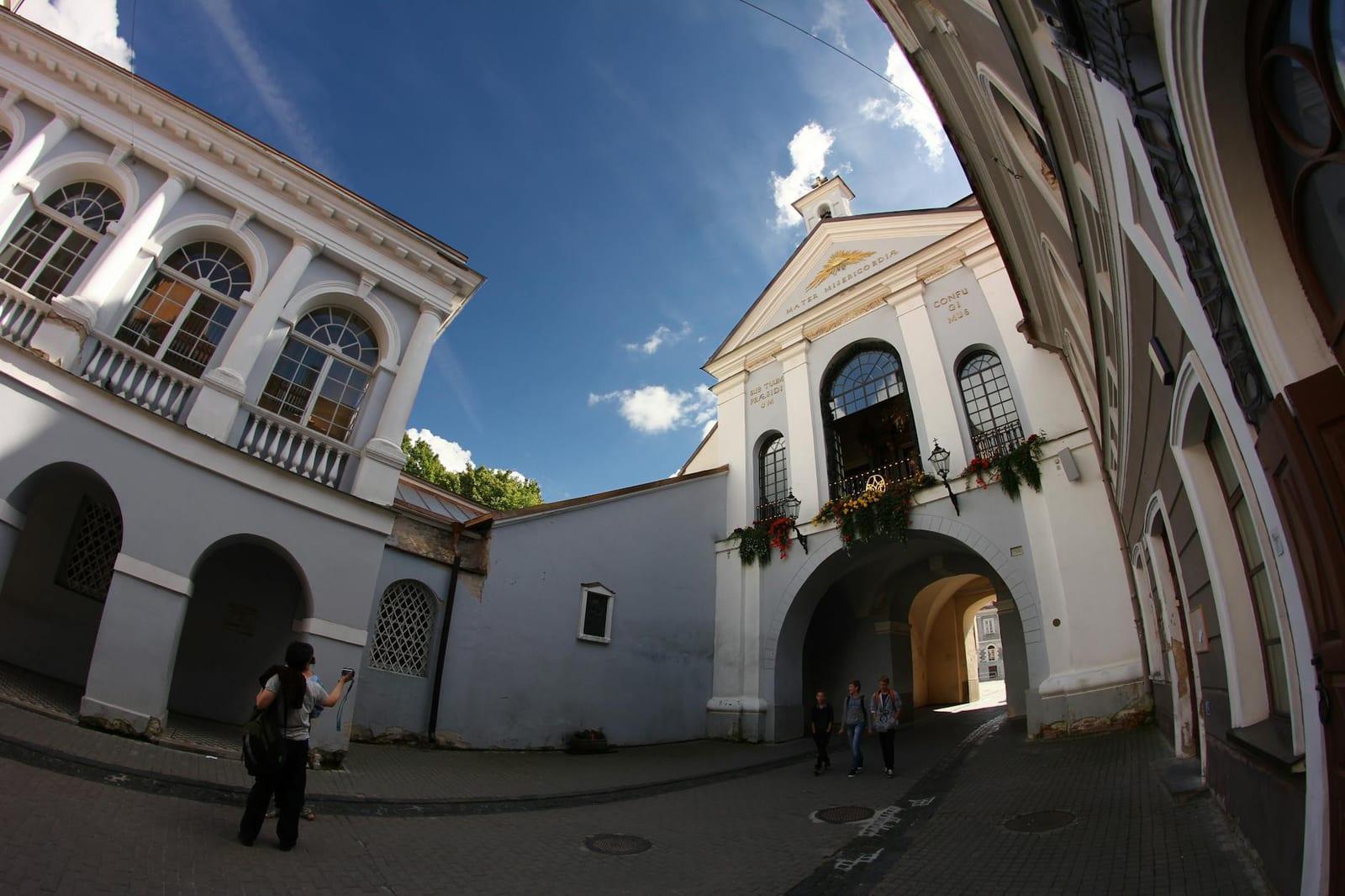
- Gate of DawnPart of the 16th-century ramparts protecting Vilnius, this city gate remains a powerful landmark of the Lithuanian capital.
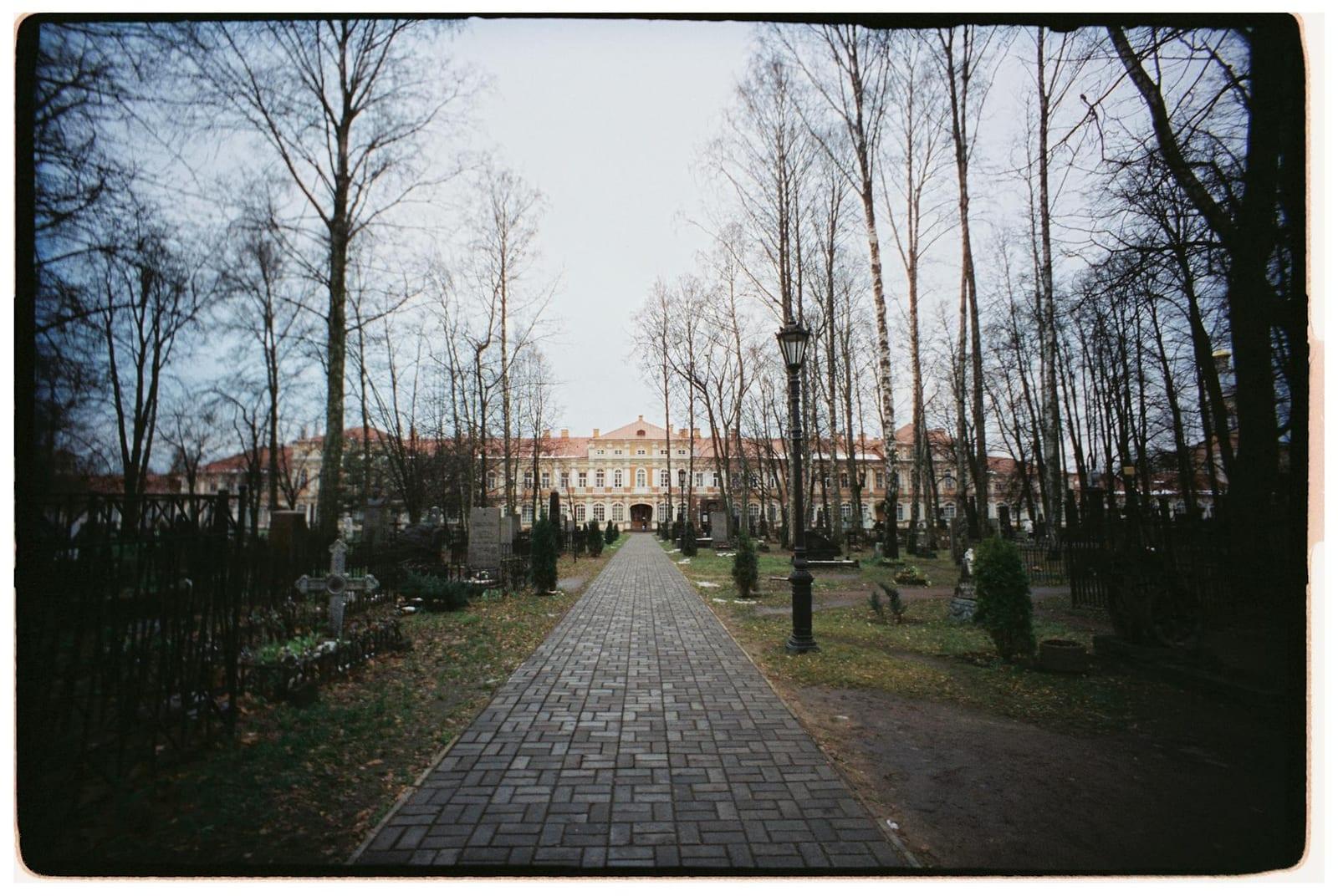
- Vilnius UniversityEstablished in 1579, this university—magnificently arrayed in Gothic, Baroque, and other styles—is one of Europe’s oldest.
- Cathedral SquareAnchor of Vilnius’s UNESCO-listed historical core, this plaza borders the Vilnius Cathedral, Upper Castle, and other venerable monuments.
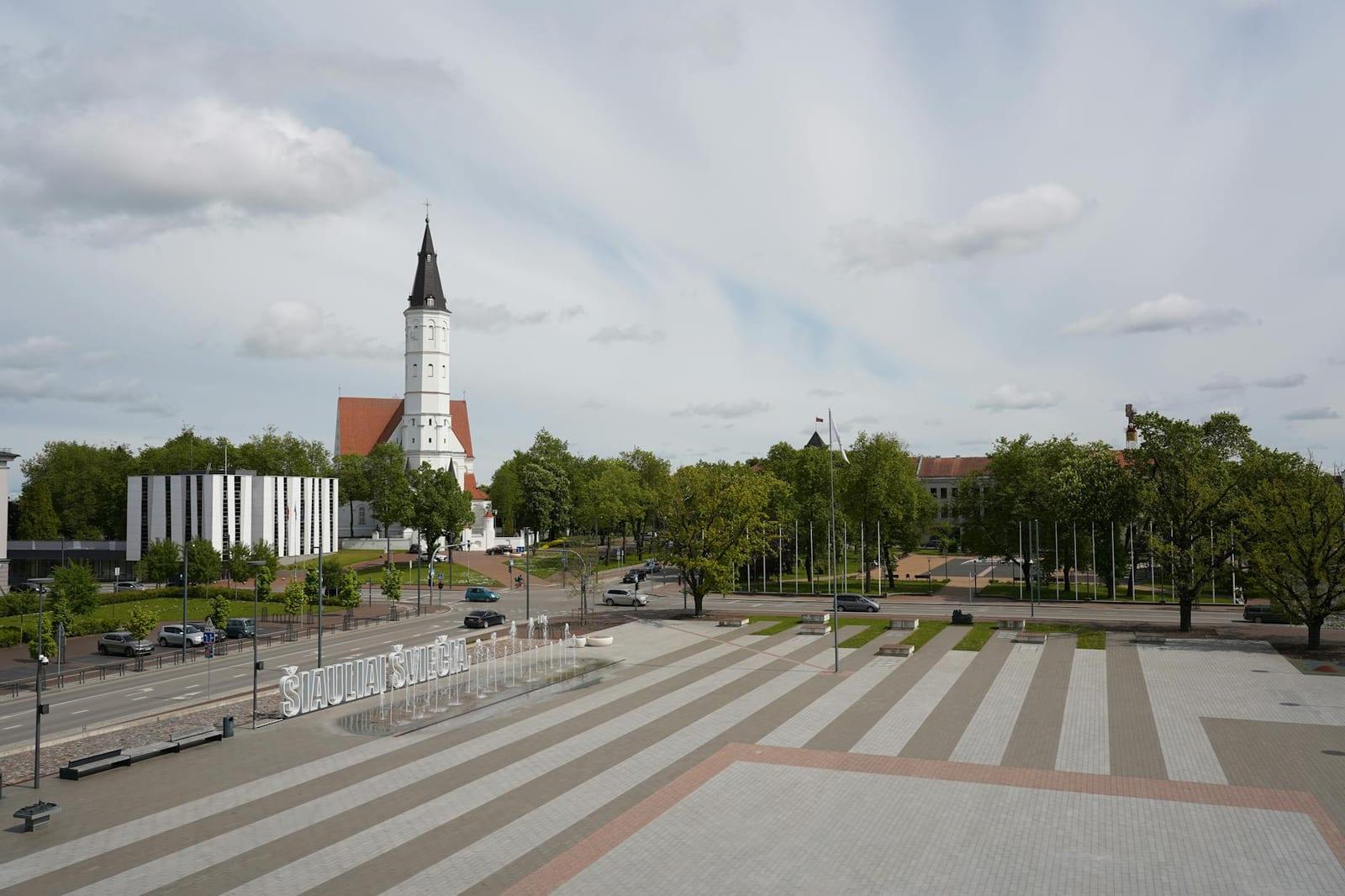
- National Museum of LithuaniaSeveral of Vilnius’s most historic buildings contain this museum’s collections, including the House of Signatories and Vilnius Castle Complex.
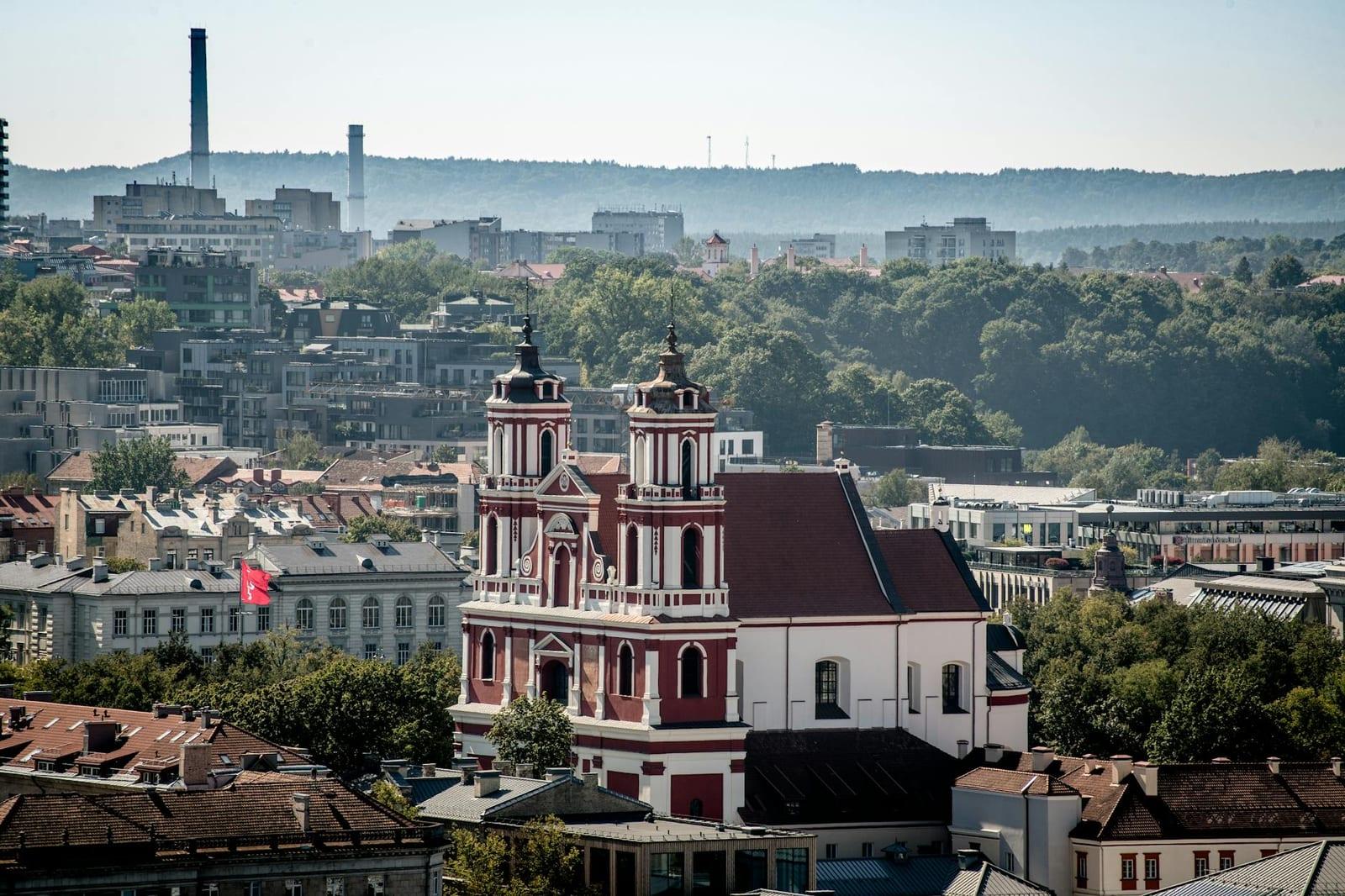
- Dominican Church of the Holy SpiritThis Baroque church, a bulwark of Vilnius Old Town, overlies a dungeon crammed with crypts.
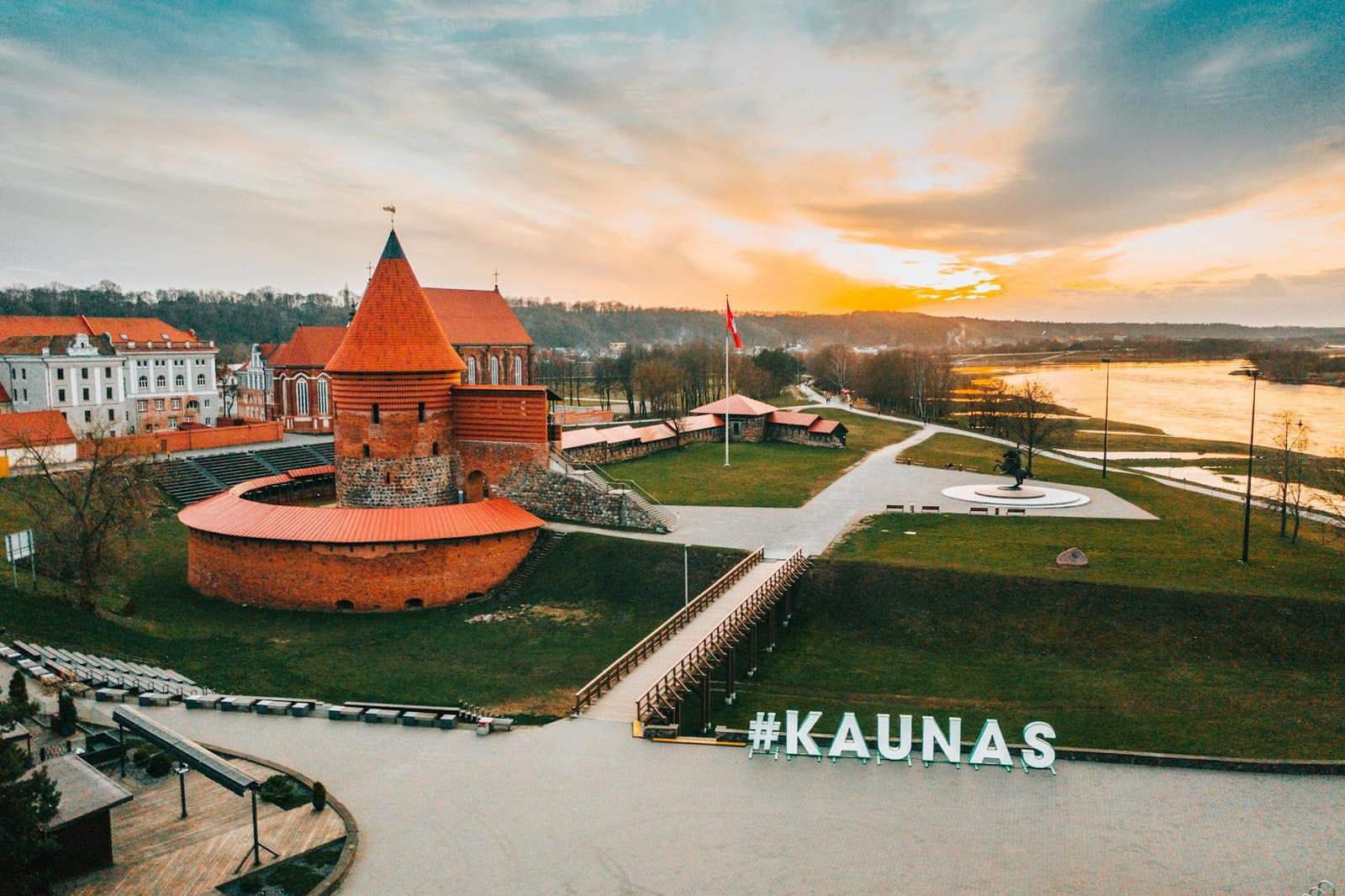
- KaunasLithuania’s second-largest city has a wealth of attractions, from its epic basilica and medieval castle to a lauded suite of museums and theaters.
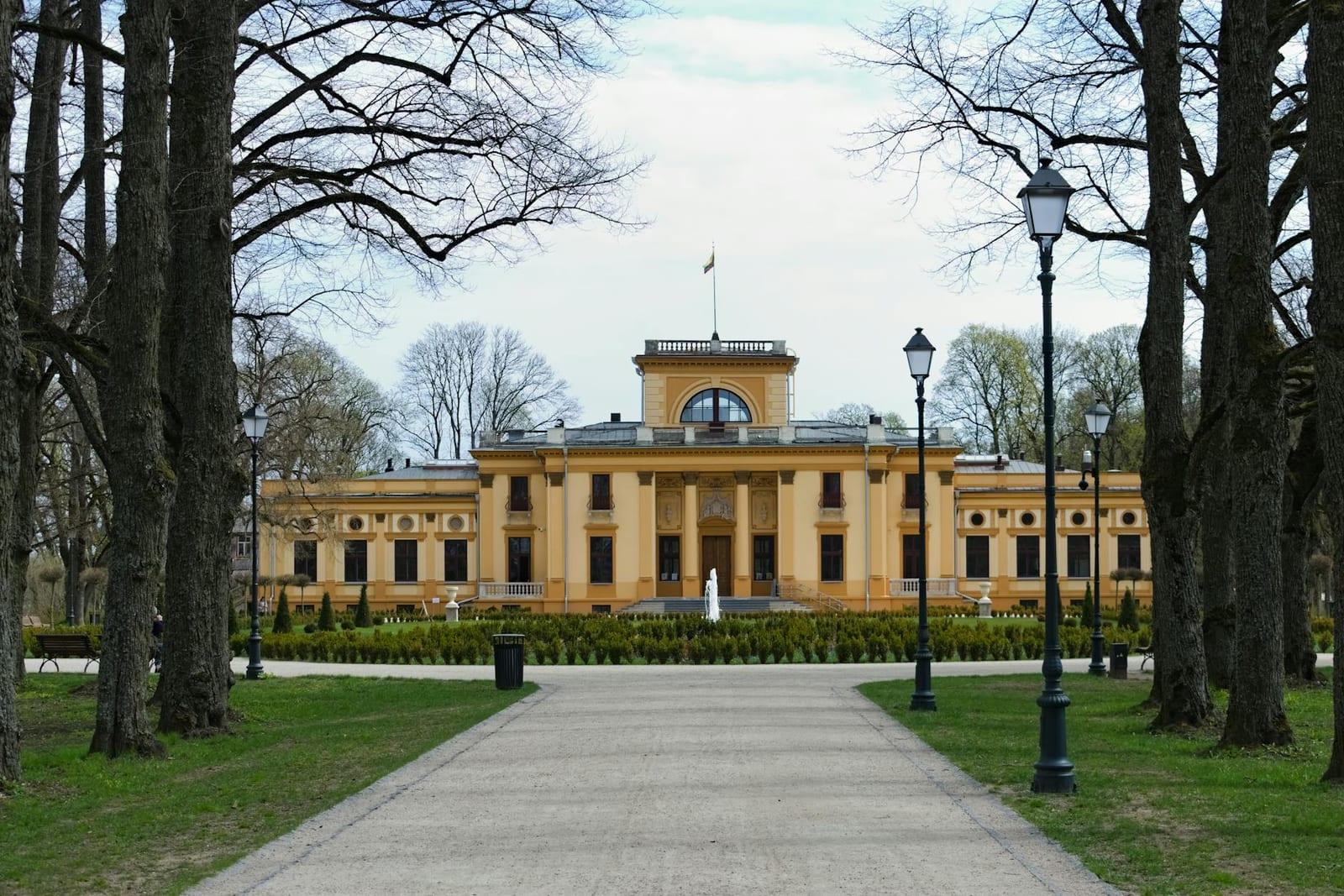
- Palanga Amber MuseumThis outstanding museum, housed in the historic Tiskeviciai Palace and enveloped by botanical gardens, showcases thousands of amber specimens and artwork.
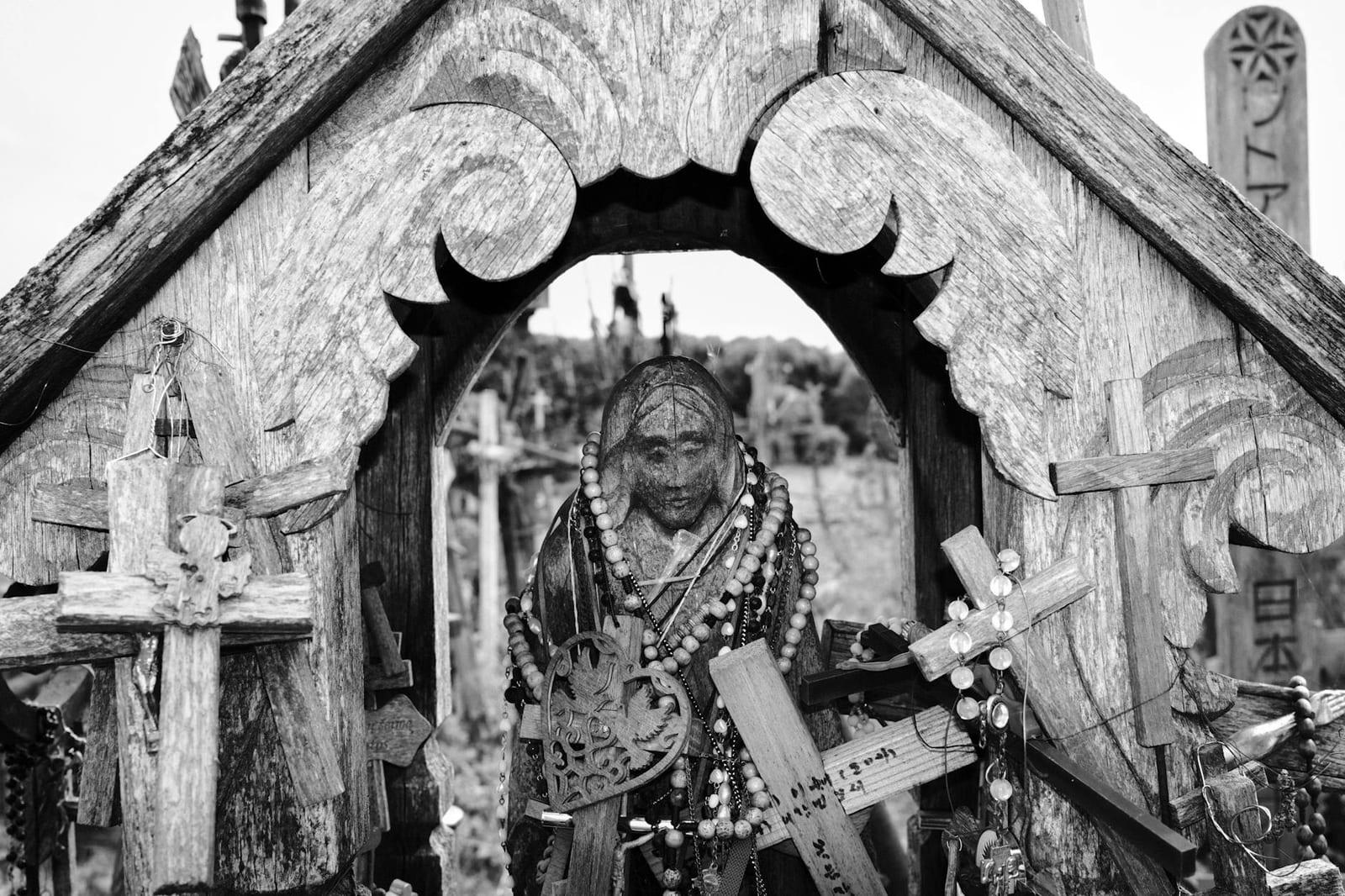
- Hill of CrossesThere may be more than 100,000 crosses mounted on this celebrated knoll north of Siauliai—the first likely installed back in the mid-1800s.
- KernaveHill forts, vintage churches, and ancient burials, and other relics spanning thousands of years mark Lithuania’s medieval capital.
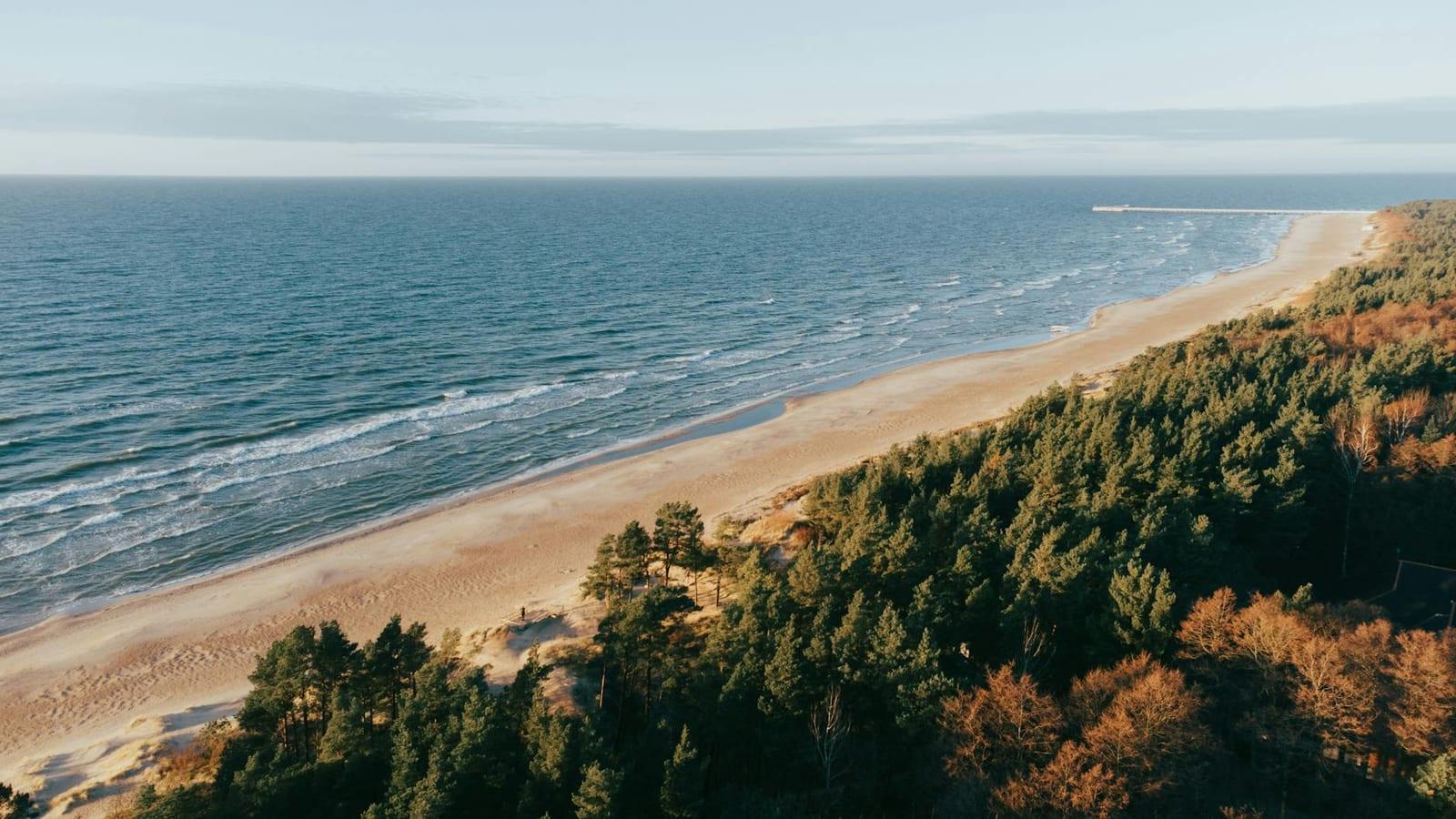
- Curonian SpitThis great sand peninsula between the Baltic and the Curonian Lagoon has pretty woods and seashores plus historical sites and tranquil hamlets.