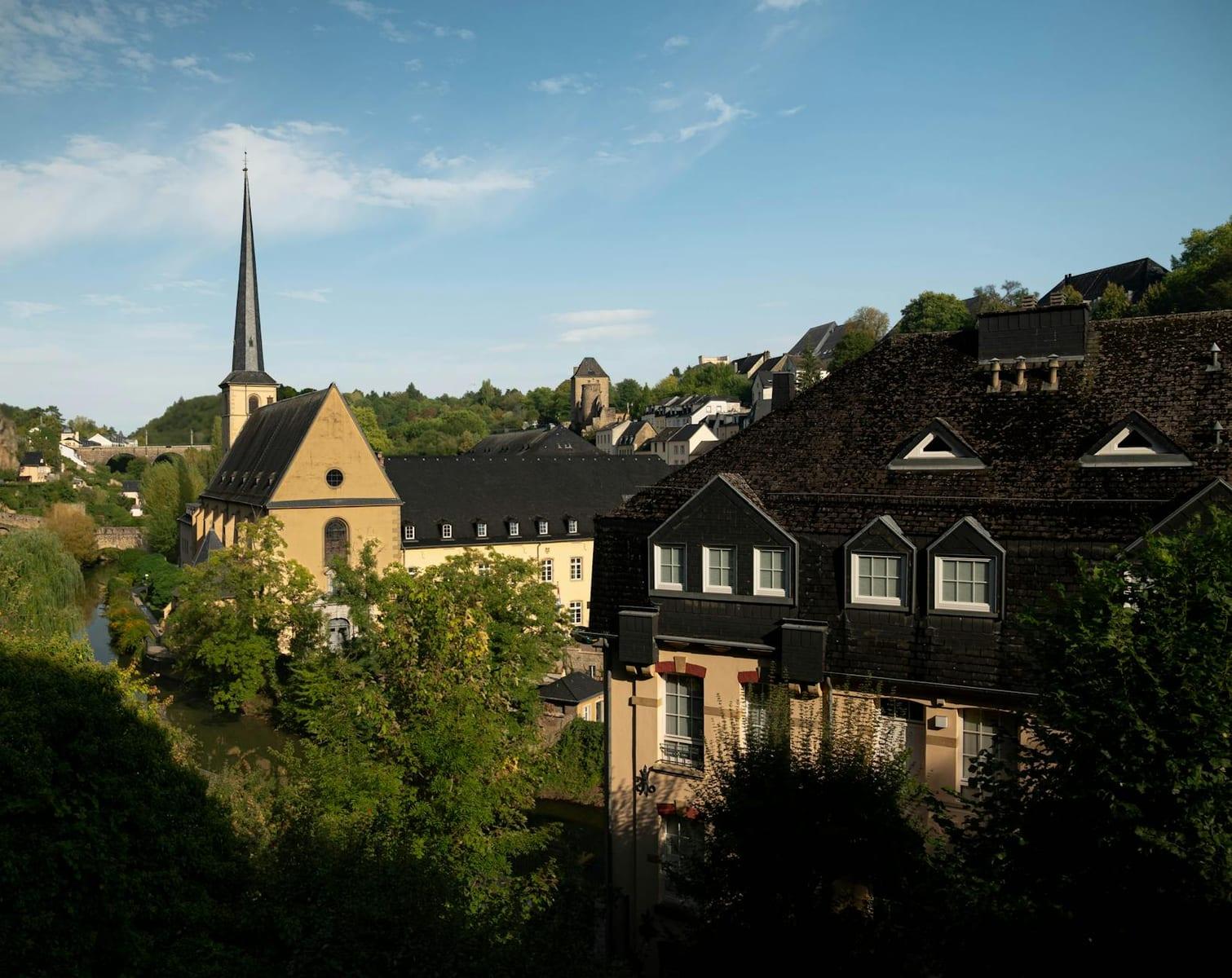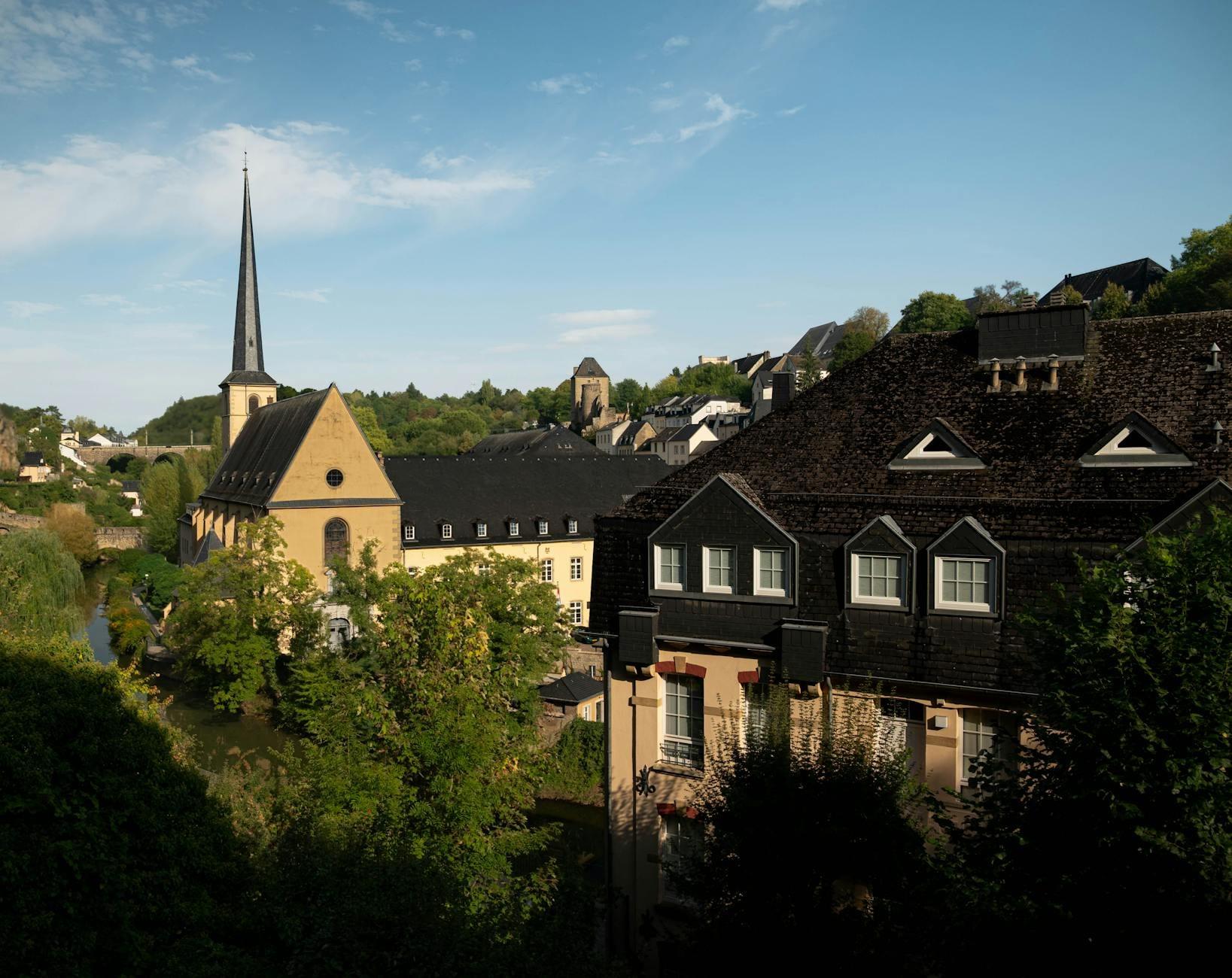
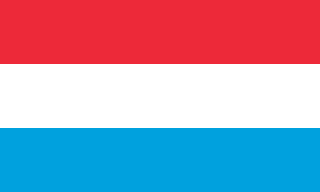
The wealthy grand duchy of Luxembourg is a major European crossroads: Sometimes called the “Gibraltar of the North" for its strategic military and trade position, it’s helped bridge many cultural, linguistic, and political geographies over the centuries. It may be one of the smallest countries in Europe, but the combination of lovely rural scenery, plentiful historic sites, and a unique cultural blend makes it a popular getaway.
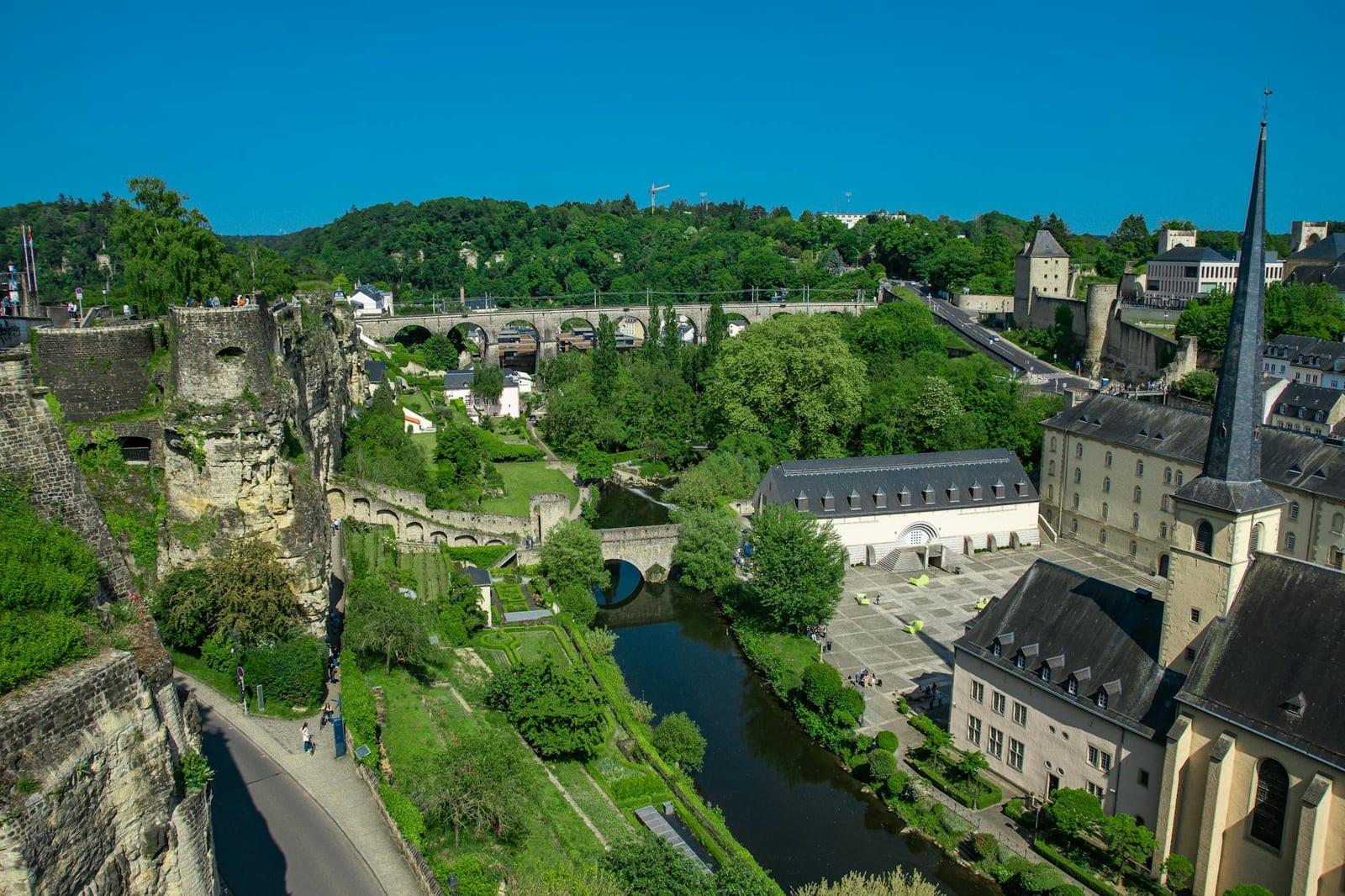
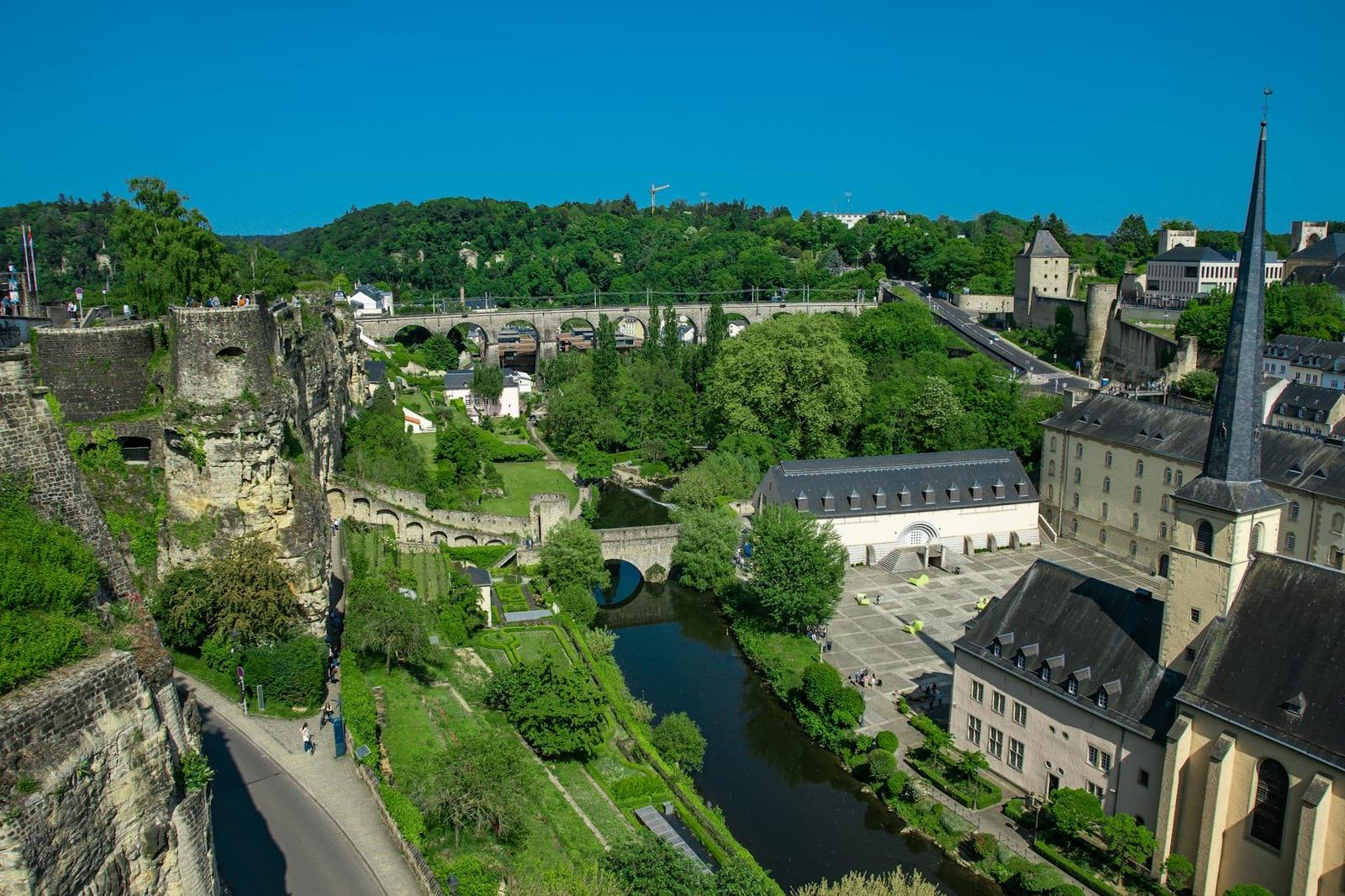
The country has no fewer than three official languages: French, German, and the French-German mashup called Luxembourgish. Luxembourg swapped hands multiple times throughout history—the Holy Roman Empire, the Habsburgs, Spain, Prussia, etc.—but it’s nevertheless maintained a distinct identity since the 900s; today it stands as the only remaining grand duchy in the world. Some of its best-known heritage landmarks are the many medieval castles in the country’s north, scattered in the rolling Ardennes hills of Oesling. In the more populated southern province, Gutland (or Bon Pays), the capital city of Luxembourg has a historic clifftop core—a UNESCO World Heritage Site—with centuries-old fortifications, castles, and cathedrals. Older yet is Echternach, a onetime Roman outpost and host to the famous 7th-century Abbey of Echternach. Luxembourg fell under German control in the early days of World War II. Its portion of the Ardennes served as part of the arena for one of the war’s defining conflicts, the Battle of the Bulge, waged fiercely in the deep winter of 1944-1945.
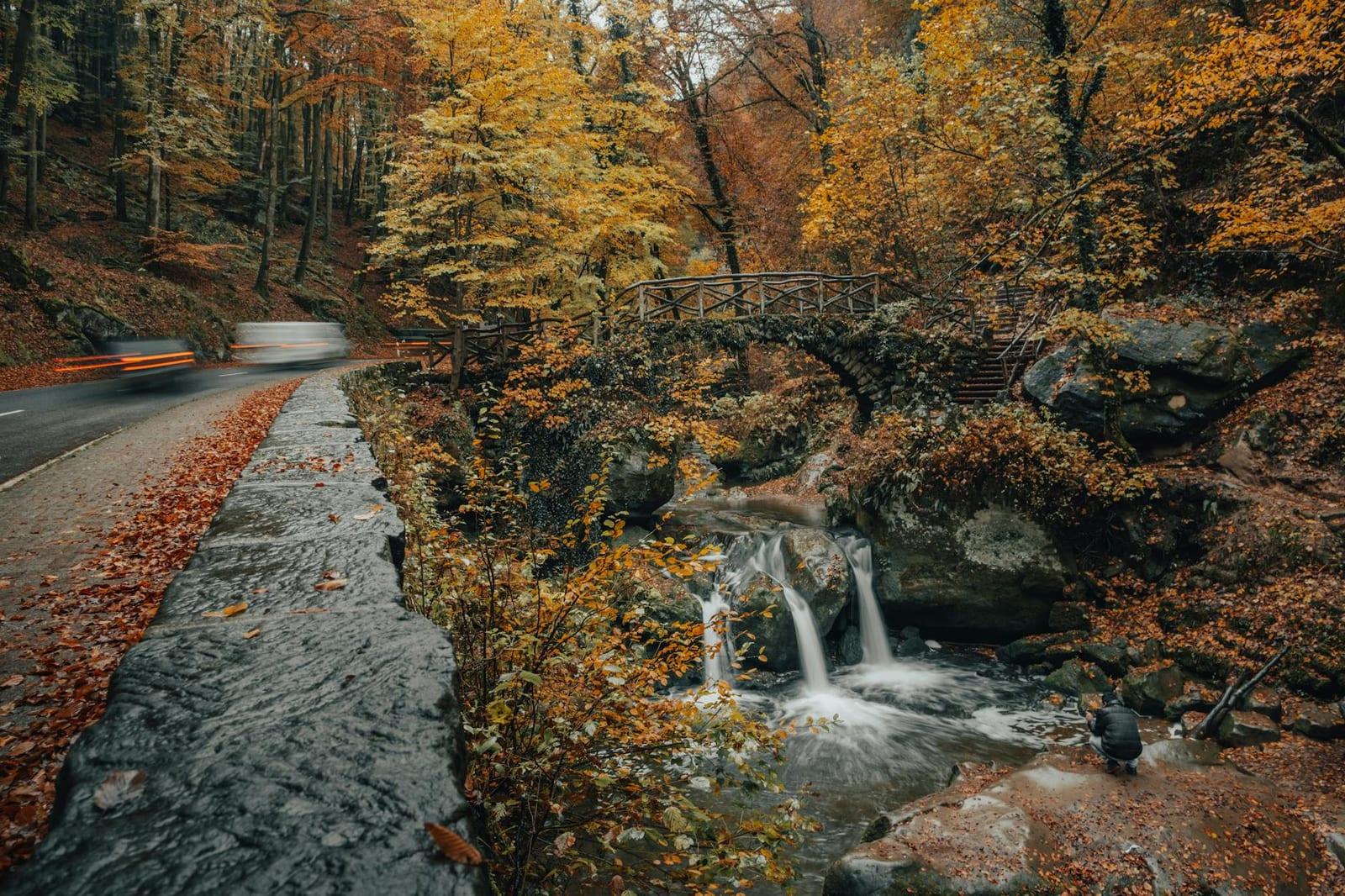
Its extent may be modest and its topography rather subdued, but Luxembourg packs a surprising scenic punch. In the east, the Müllerthal—a rustic region defined by sprawling beech woods, sandstone outcrops, and waterfalls—is affectionately known as “Little Switzerland.” And along the southeastern border with France and Germany, the balmy Moselle Valley entrances with its yawning vineyards—best known for their white wines.
From the great museums of its capital city and the open-air history of an Oesling castle to the deep-forest quiet of the Müllerthal, little Luxembourg has an outsized story to tell.
11 things not to miss.
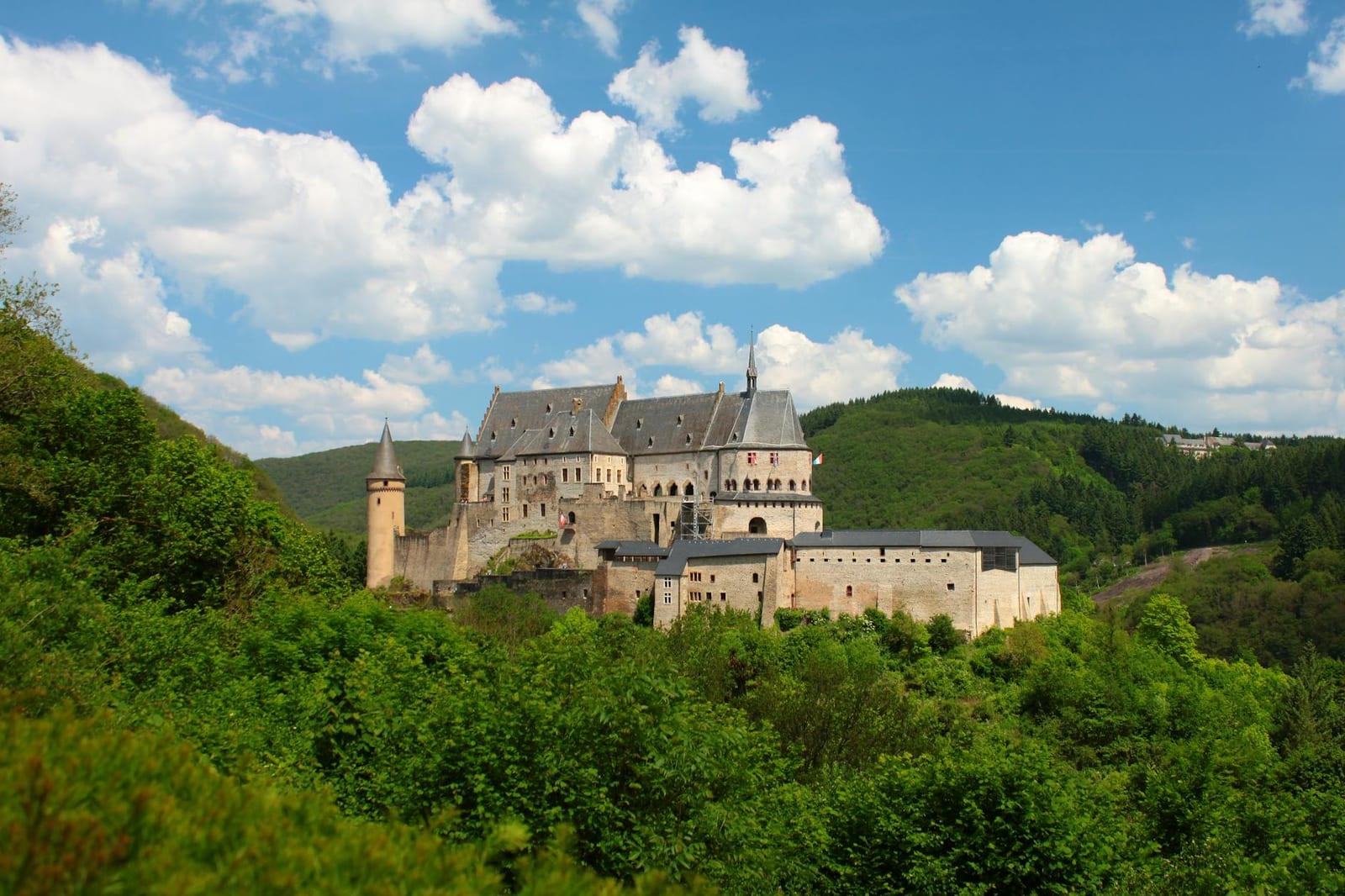
- Vianden CastleVisit Vianden Castle
- the Mullerthal trailsHike the Mullerthal trails
- Luxembourg's casematesWalk Luxembourg's casemates
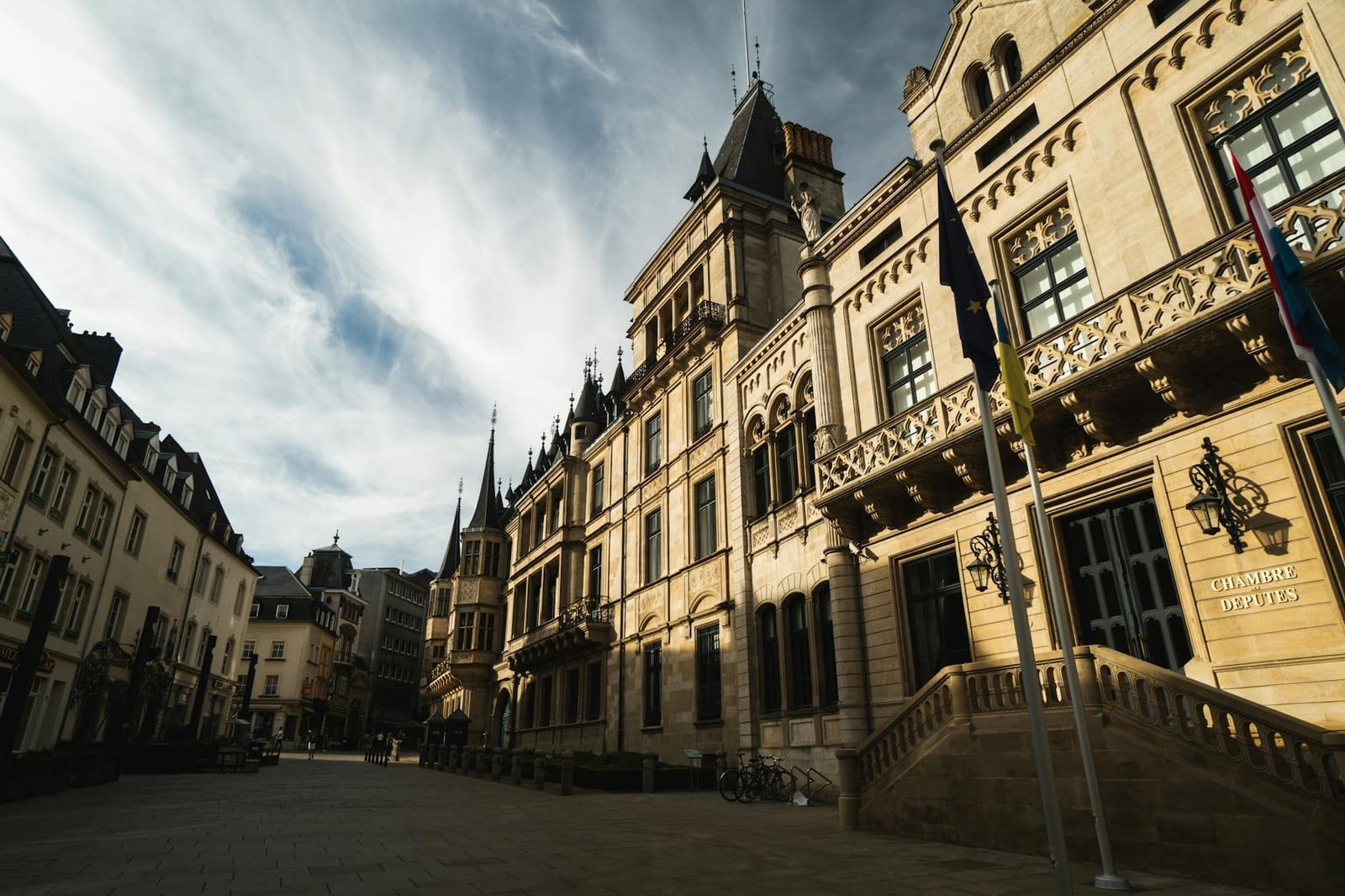
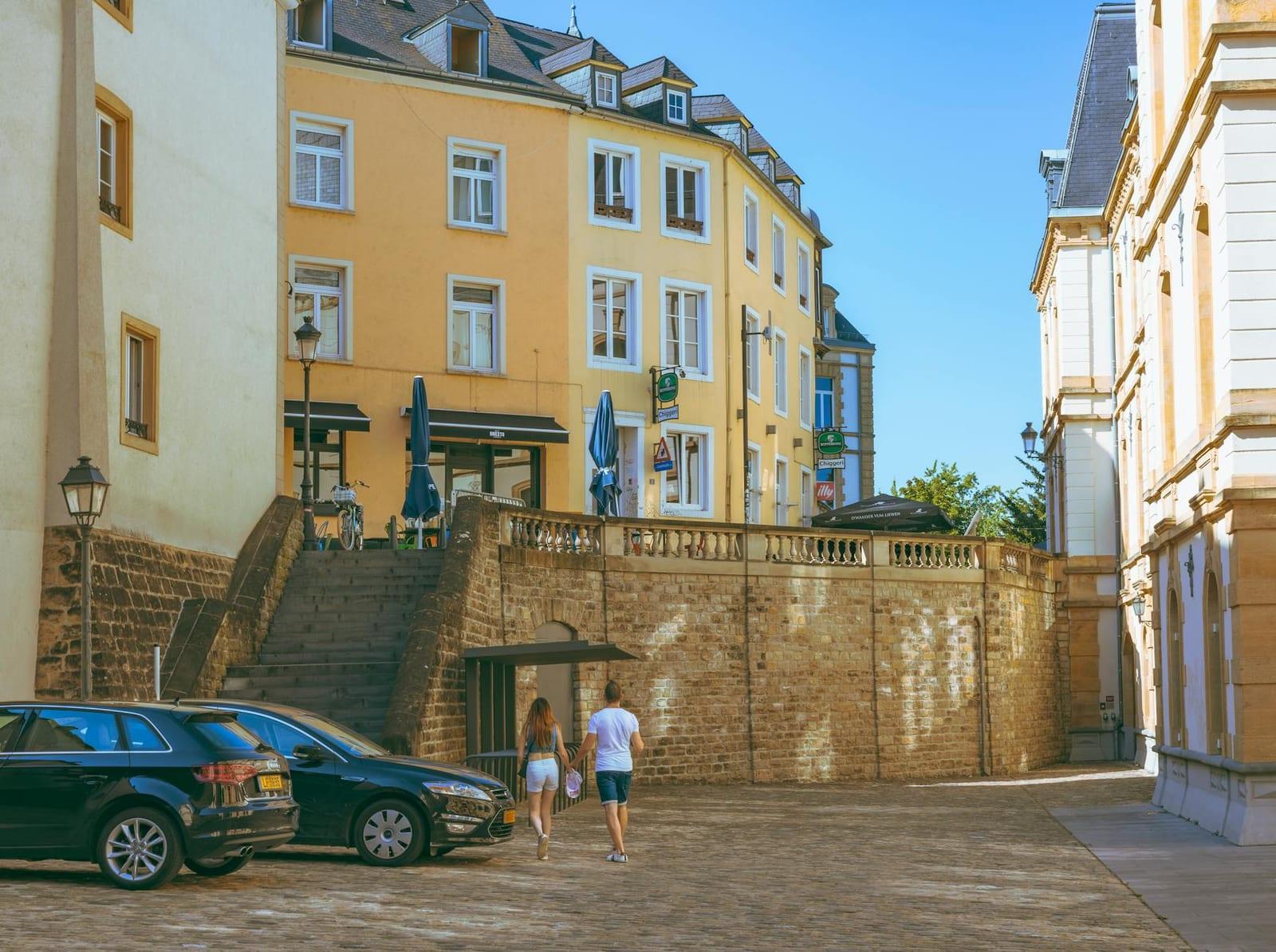
- Grand Ducal PalaceThe royal residence of Luxembourg’s Grand Duke is one of the dominating structures in Luxembourg City’s famous old town.
- The BockStriking remnants of Luxembourg City’s medieval fortifications, including eerie underground casemates, persist along this cliffy stronghold.
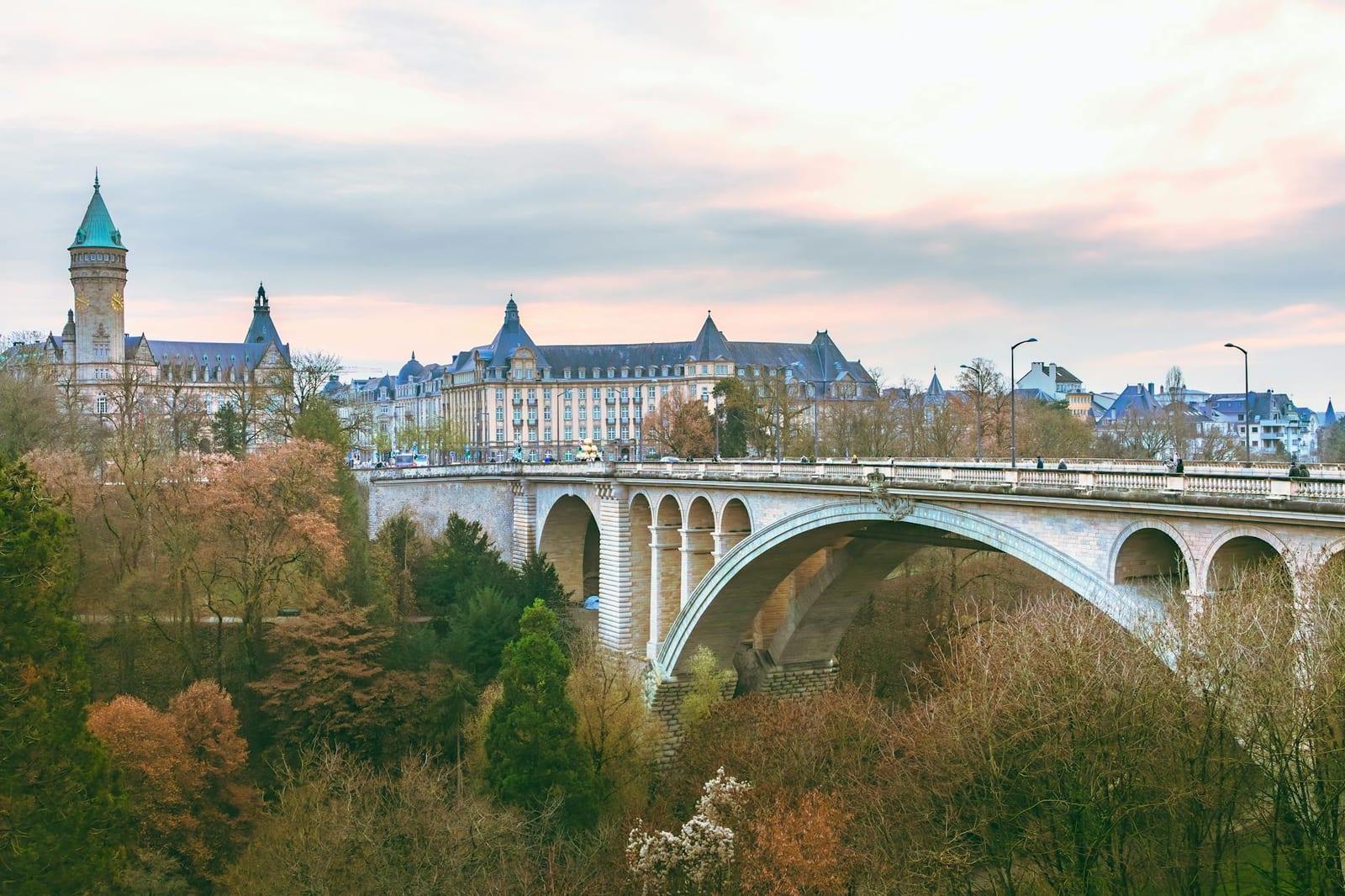
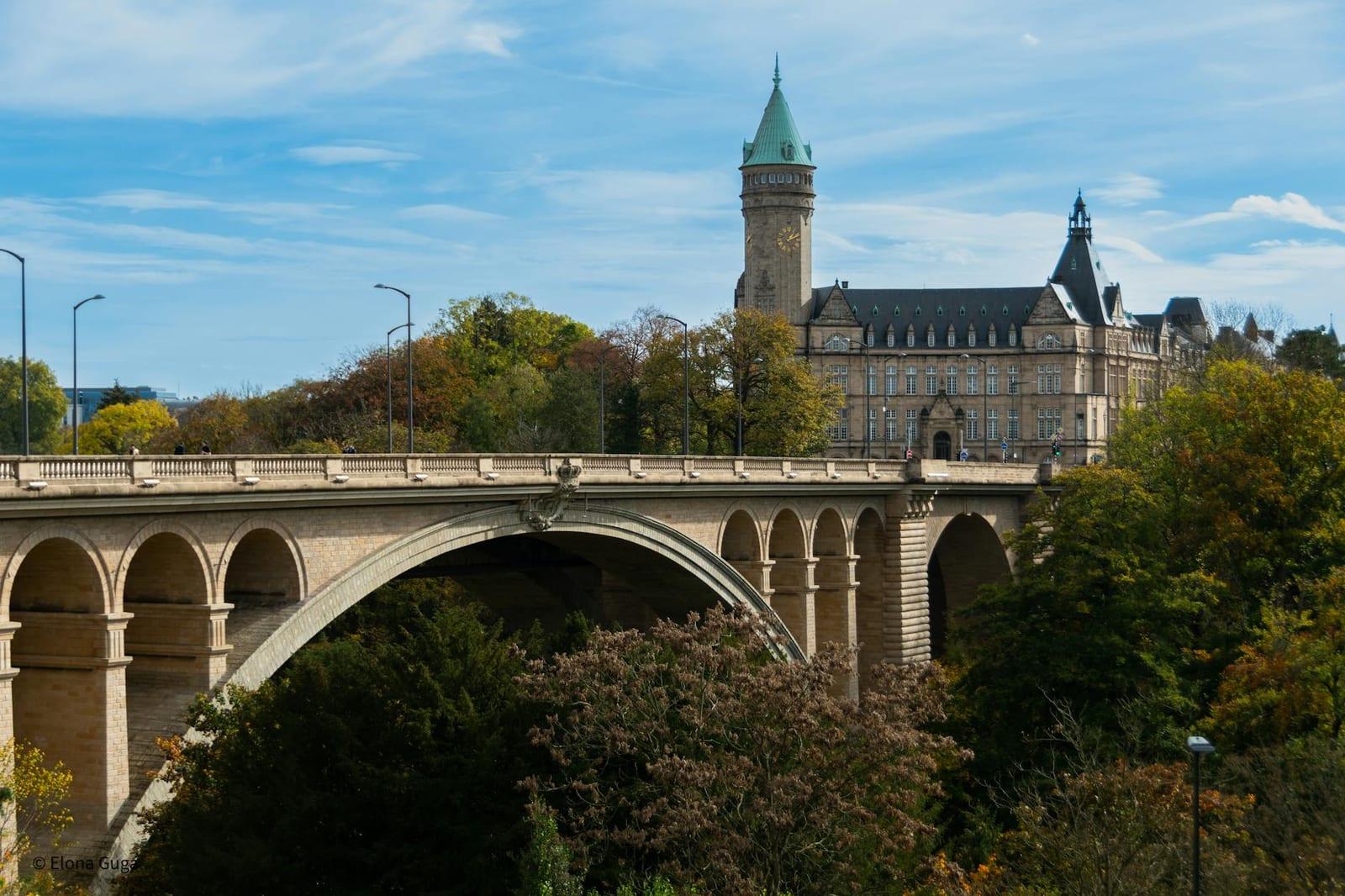
- Adolphe BridgeCompleted in 1903, this Luxembourg City arch bridge across the Petrusse is among the most widely recognizable landmarks in the country.
- Gëlle FraA granite obelisk rising to the bronze “Queen of Freedom,” this Luxembourg City monument honors the Luxembourgish volunteers of World War I.
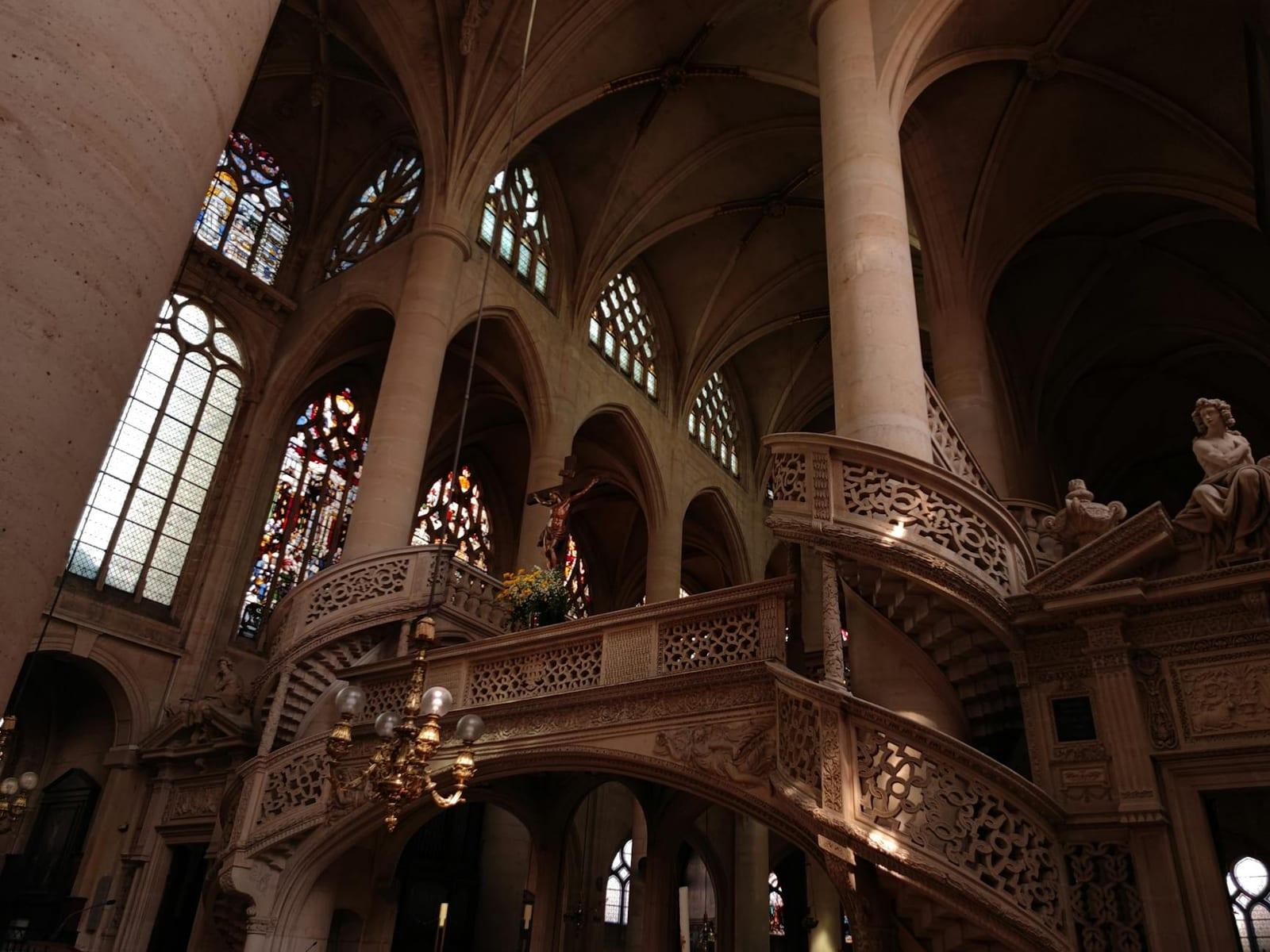
- Notre-Dame Cathedral (Luxembourg City)This magnificent cathedral’s cemetery includes the “Political Prisoner” statue, created by a Luxembourgish sculptor interned in a Nazi concentration camp.
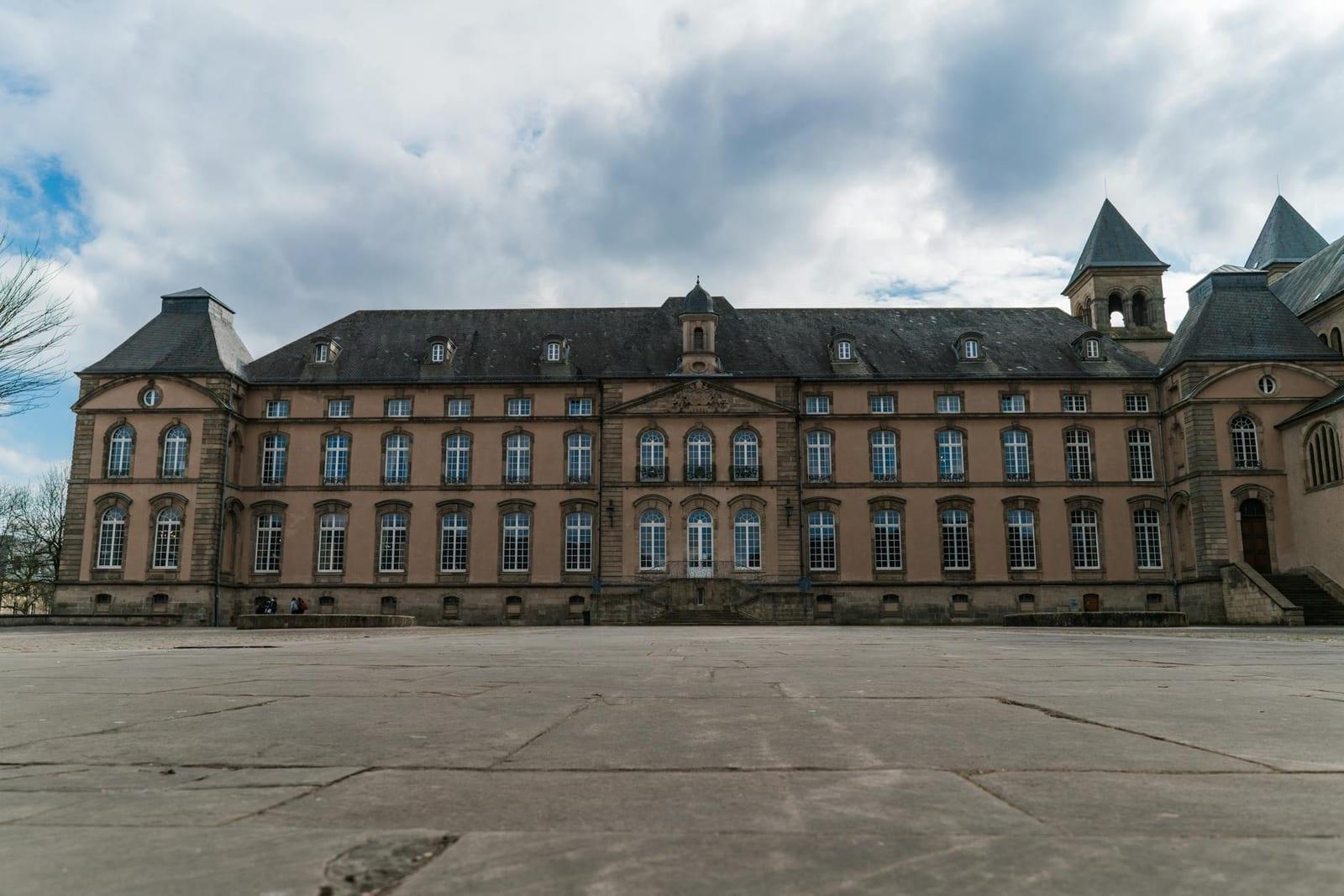
- Abbey of EchternachOriginally constructed in the late 7th century, this basilica serves as destination for Echternach’s well-known annual dancing procession.
- Moselle ValleyShared with France and Germany, this lovely valley along the languid Moselle is world-famous for its white wines.
- The MüllerthalEastern Luxembourg’s “Little Switzerland” may not actually have snowcapped mountains, but its verdant forests and cascading streams sure are enchanting.