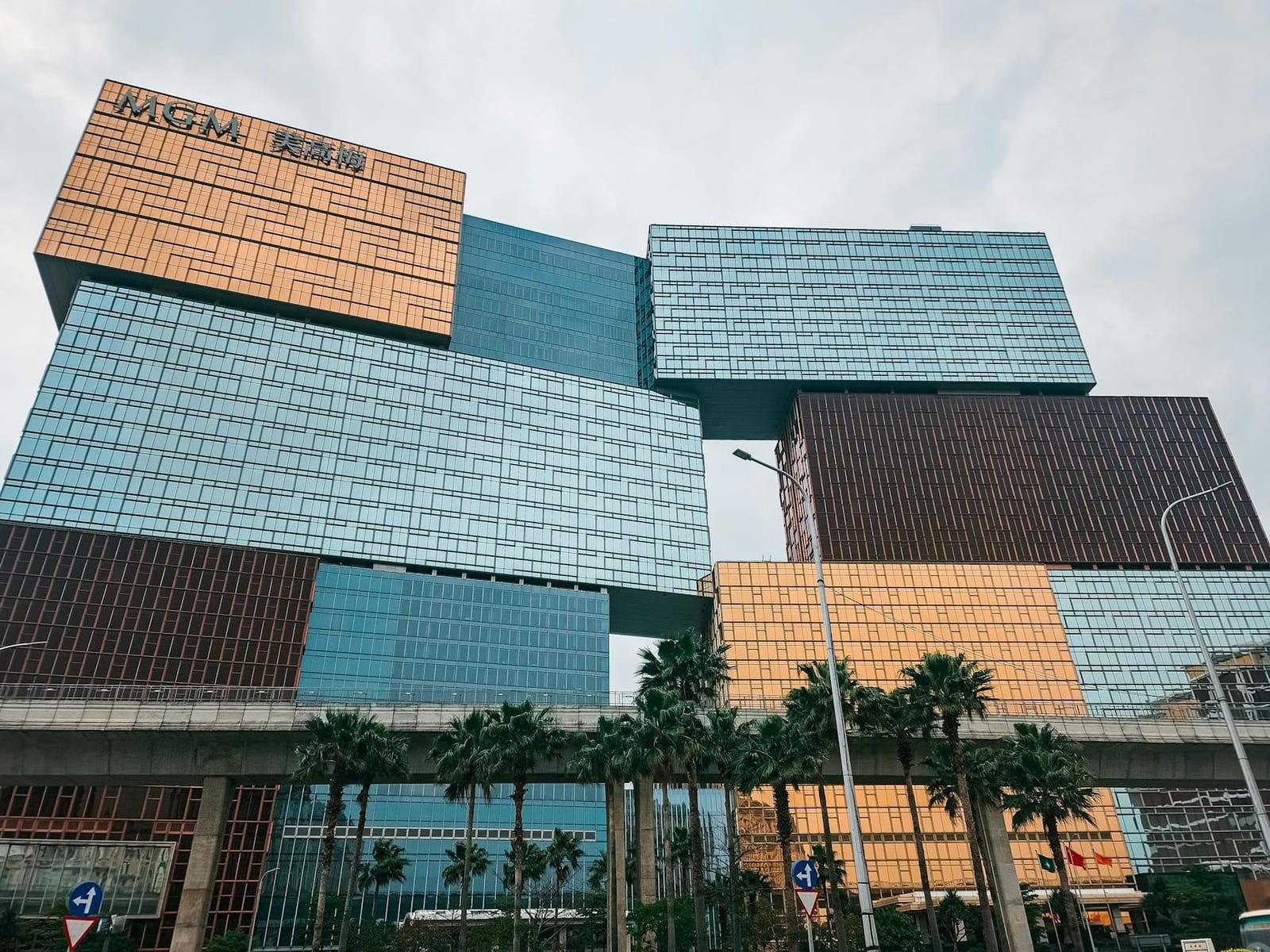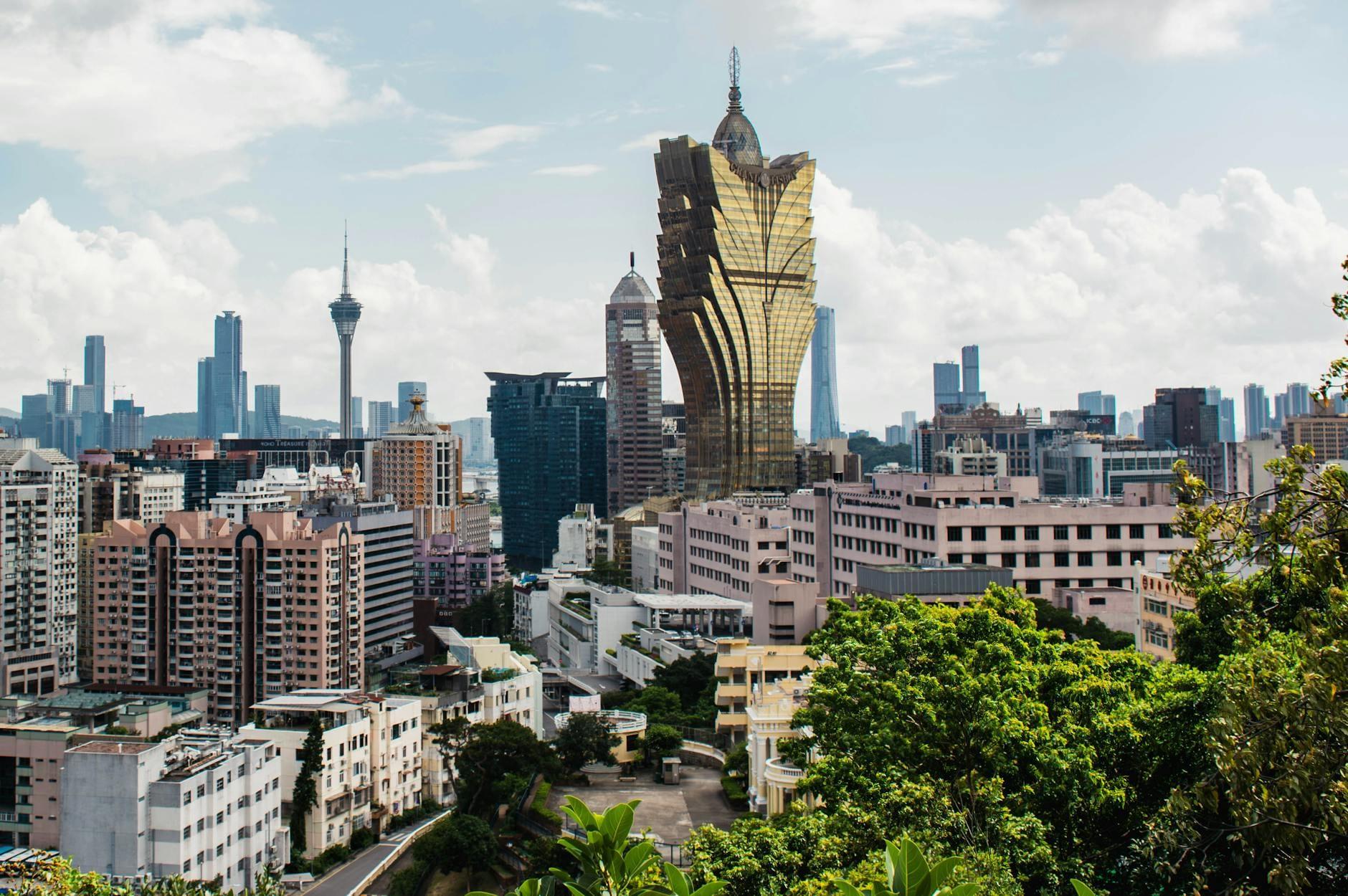
Macau feels as if distillates of Portugal and Las Vegas were thrown in a blender and then spread over a bowl of traditional Chinese culture. Those are the sorts of strained metaphors one turns to in order to describe this odd mashup of a region in the Pearl River Delta next door to Hong Kong. Macau claims one of East Asia’s singular histories and identities, and the mix of East-meets-West heritage and opulent 24-7 entertainment sets it apart as a travel destination.
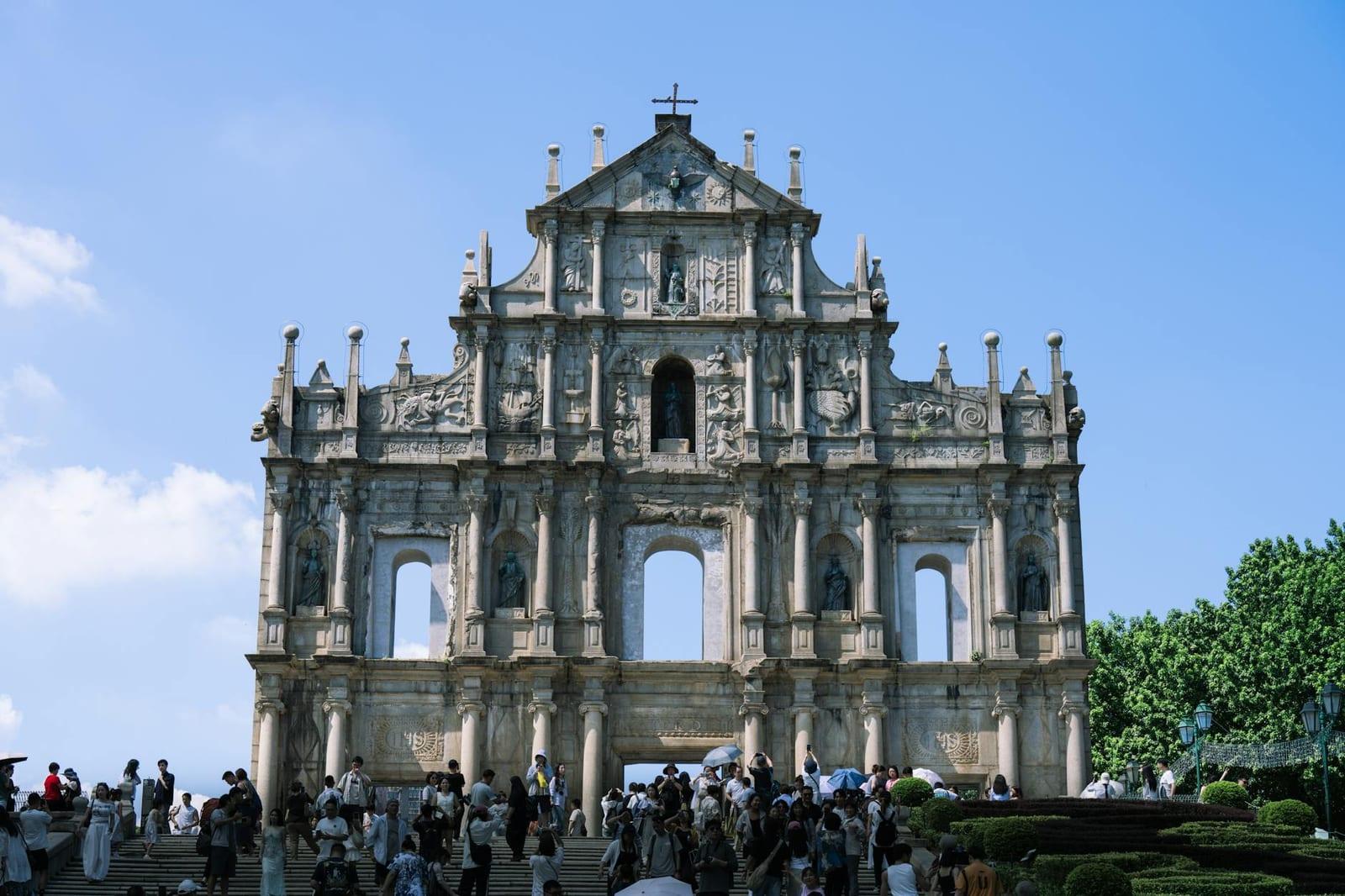
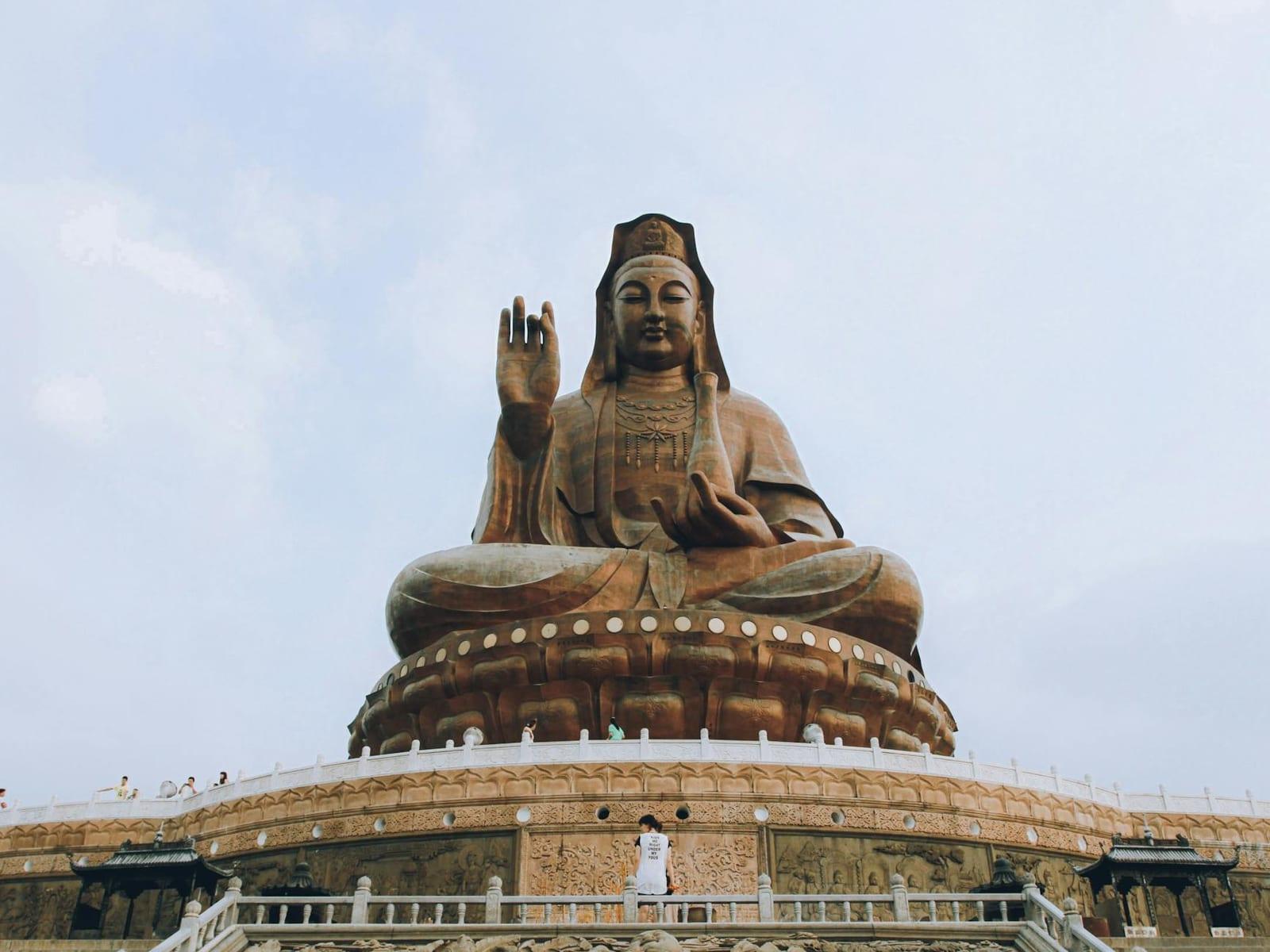
One of the most densely populated chunks of real estate on the planet, tiny Macau consists of a peninsula trailing off China’s Guangdong Province and the now-conjoined Pearl River Delta islands of Taipa and Coloane. This Special Administrative Region of China has a Sino-rooted history dating back to the Qin Dynasty, but it bears a heavy European stamp, courtesy of four centuries of Portuguese control (which ended in 1999). In Macau’s historic center the West and the East sit side by side with clasped hands: Here are numerous Portuguese churches, cathedrals, and fortifications, constructed in cross-cultural style with plenty of Chinese accents. Major landmarks include the Ruins of St. Paul’s (which stems from the 17th century); the Guia Fortress, which occupies the loftiest ground on the Macau Peninsula; and the statue of the Buddhist bodhisattva Guanyin, which also bears elements of the Virgin Mary.
At the other end of the spectrum from historical monuments, Macau hums along as one of the world’s gambling epicenters (it’s the only part of China where the vice is permitted). From the Casino Lisboa on the peninsula’s waterfront to the freshly glittering Cotai Strip, Macau’s casino rows make even Vegas look second-tier. The nonstop games of chance are fueled by an enormous influx of wealth from Chinese and Hong Kong jetsetters, and anchor the cosmopolitan cityscape.
Whether you come for the gambling dens, the side-street markets, the colonial architecture, or just to experience of one of the world’s great fusion cultures, Macau is certain to overwhelm your senses.
7 things not to miss.
- The Ruins of St. Paul’sA fire that broke out during an 1835 typhoon destroyed most of this cathedral, but its refurbished stone façade remains.
- Guia FortressEncompassing a frescoed chapel and lighthouse, this fortress is one of the best-known relics of Portuguese-era Macau.
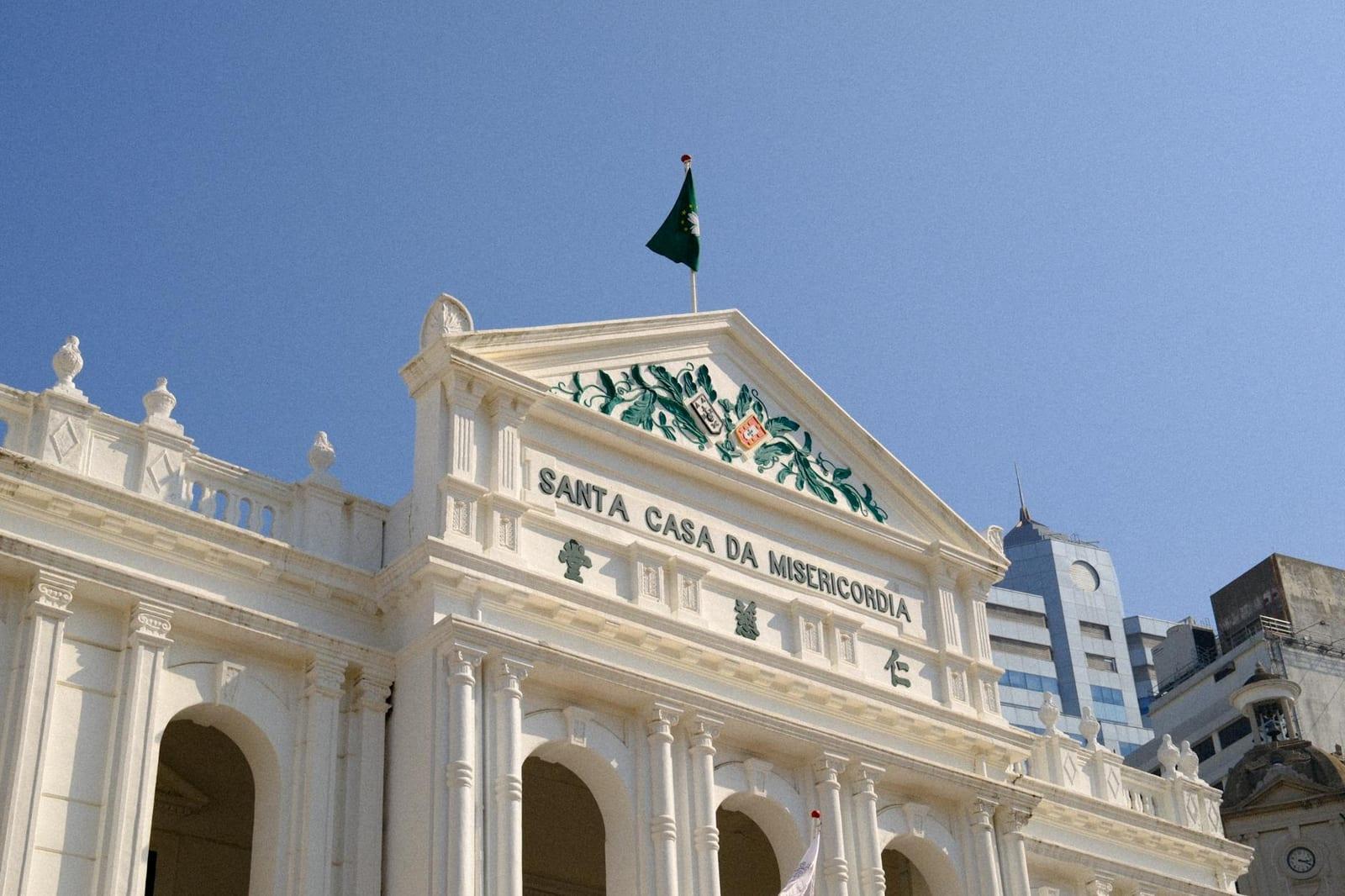
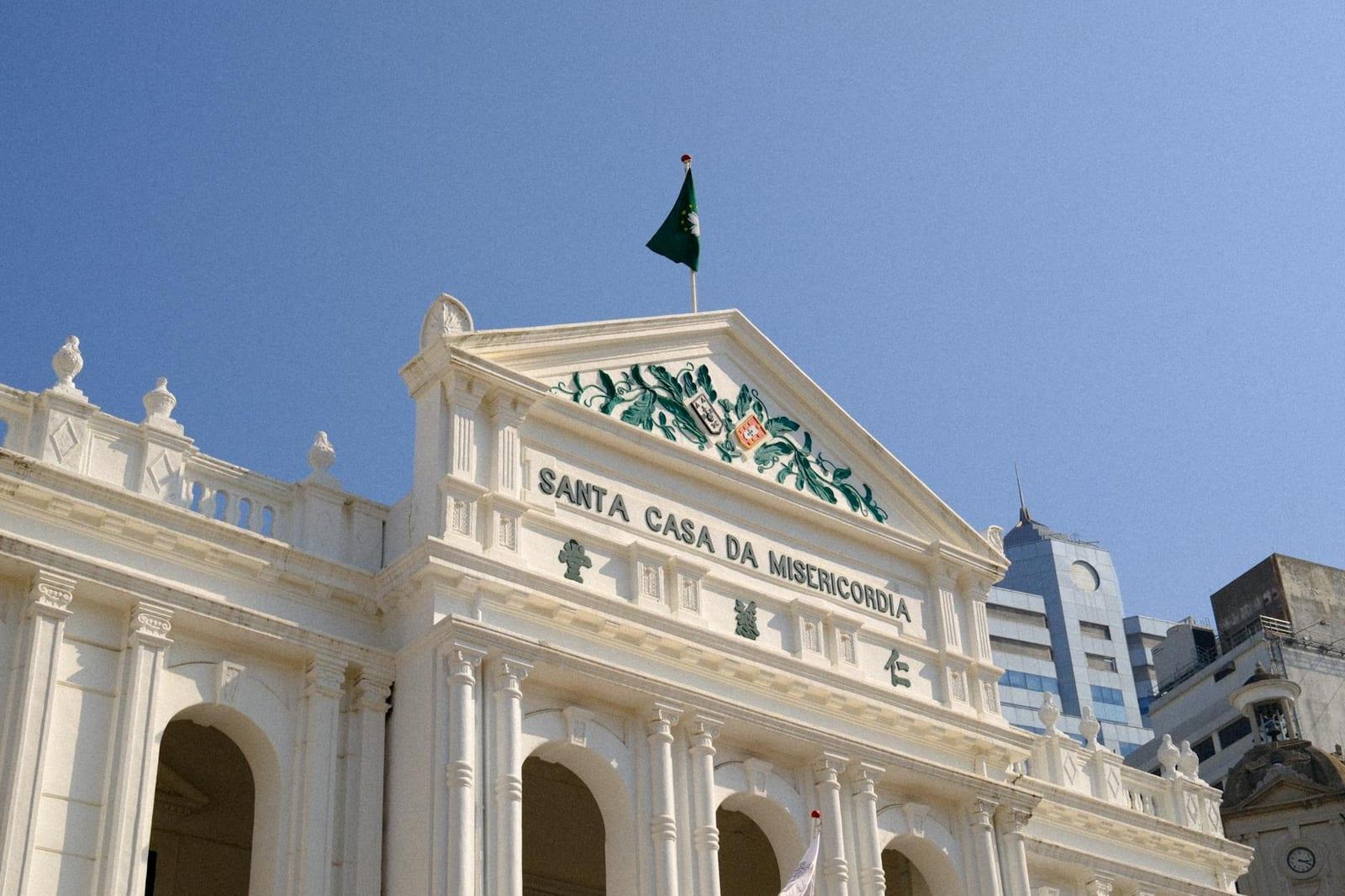
- Senado SquareMacau’s colonial legacy lives on in the elegant vintage architecture fronting this thronged plaza.
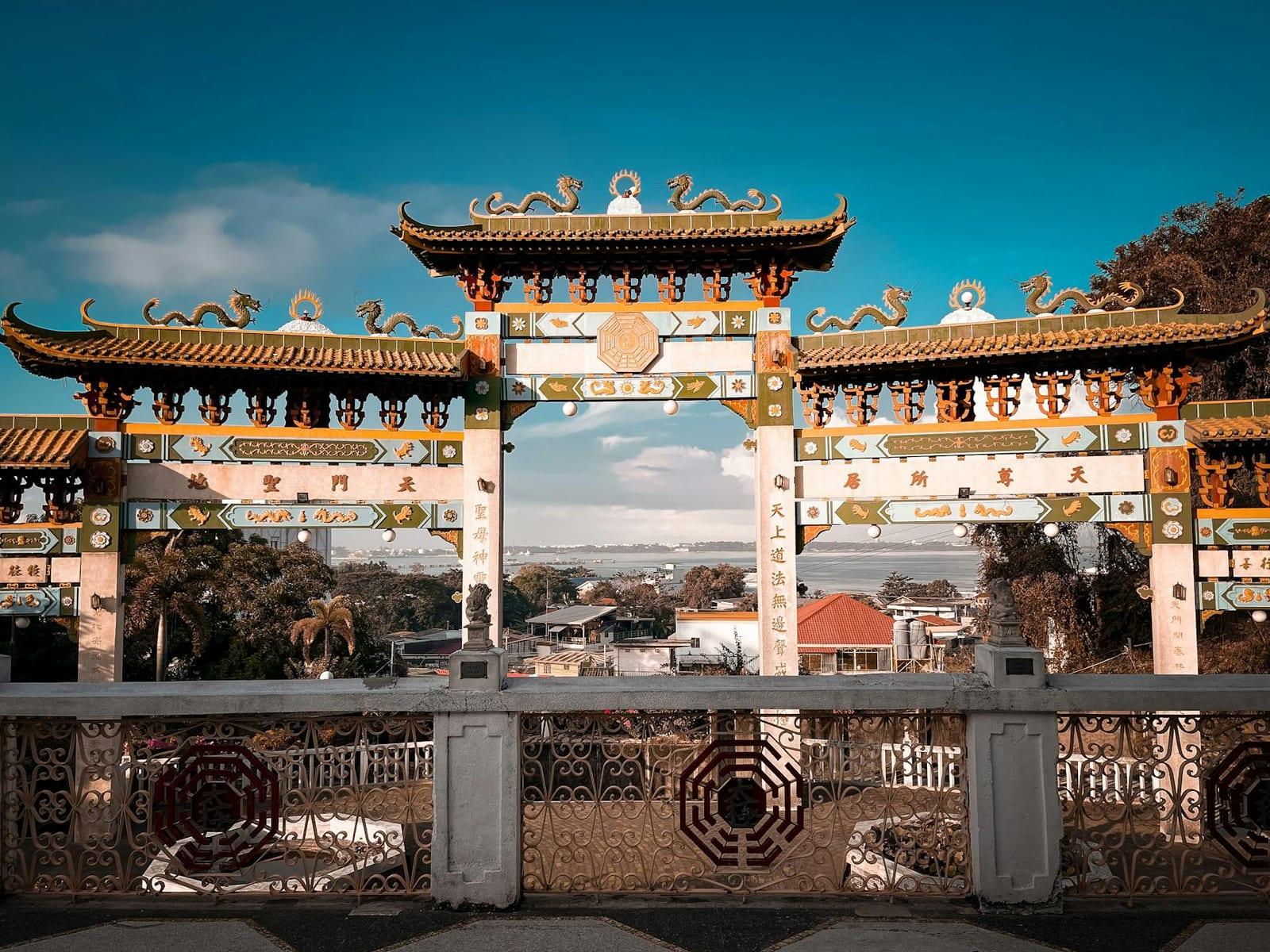
- A-Ma TempleIncluded within UNESCO’s “Historic Centre of Macau” World Heritage Site, this lovely Taoist temple dates from the late 1400s.
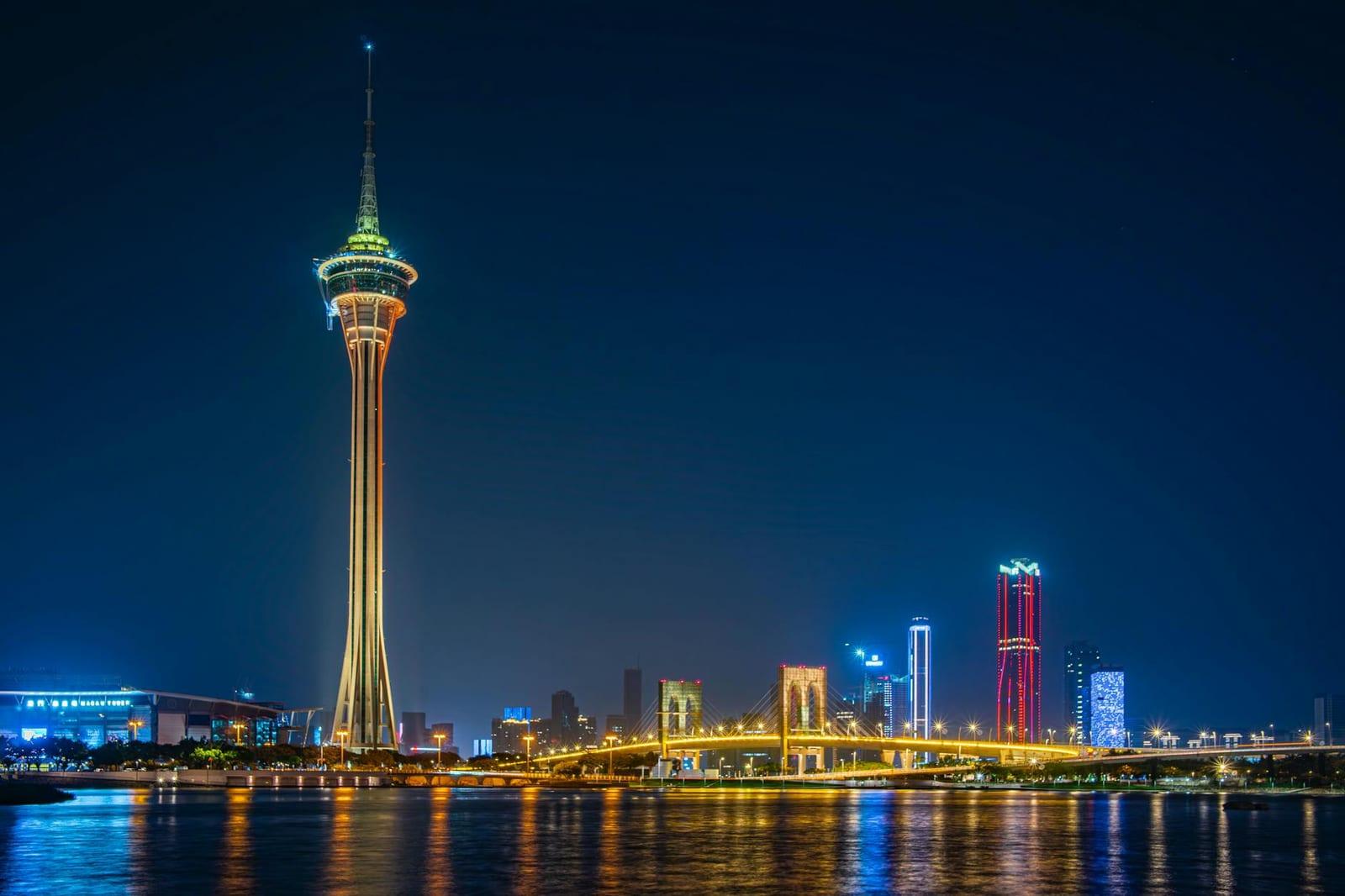
- Macau TowerThis 1,109-foot-tall tower’s prime attraction is its observation deck, affording an unbeatable panorama of Macau and the Pearl River Delta.
- Guan Yin StatueThis bronze statue of the Buddhist bodhisattva reflects Macau’s multicultural backstory with stylistic echoes of the Virgin Mary.
- Cotai StripAmong this luxurious entertainment district’s landmarks is the world’s very biggest casino, the Venetian Macao.