Every nature-lover dreams of a journey to Africa, tantalized by visions of the great Serengeti migration, the face of a mountain gorilla peering through heavy greenery, a Kalahari lion surveying his sere kingdom. In terms of sheer uniqueness, though, few spots anywhere compare with the biological treasures of Madagascar, that huge island separated by 250 miles from the East African mainland.
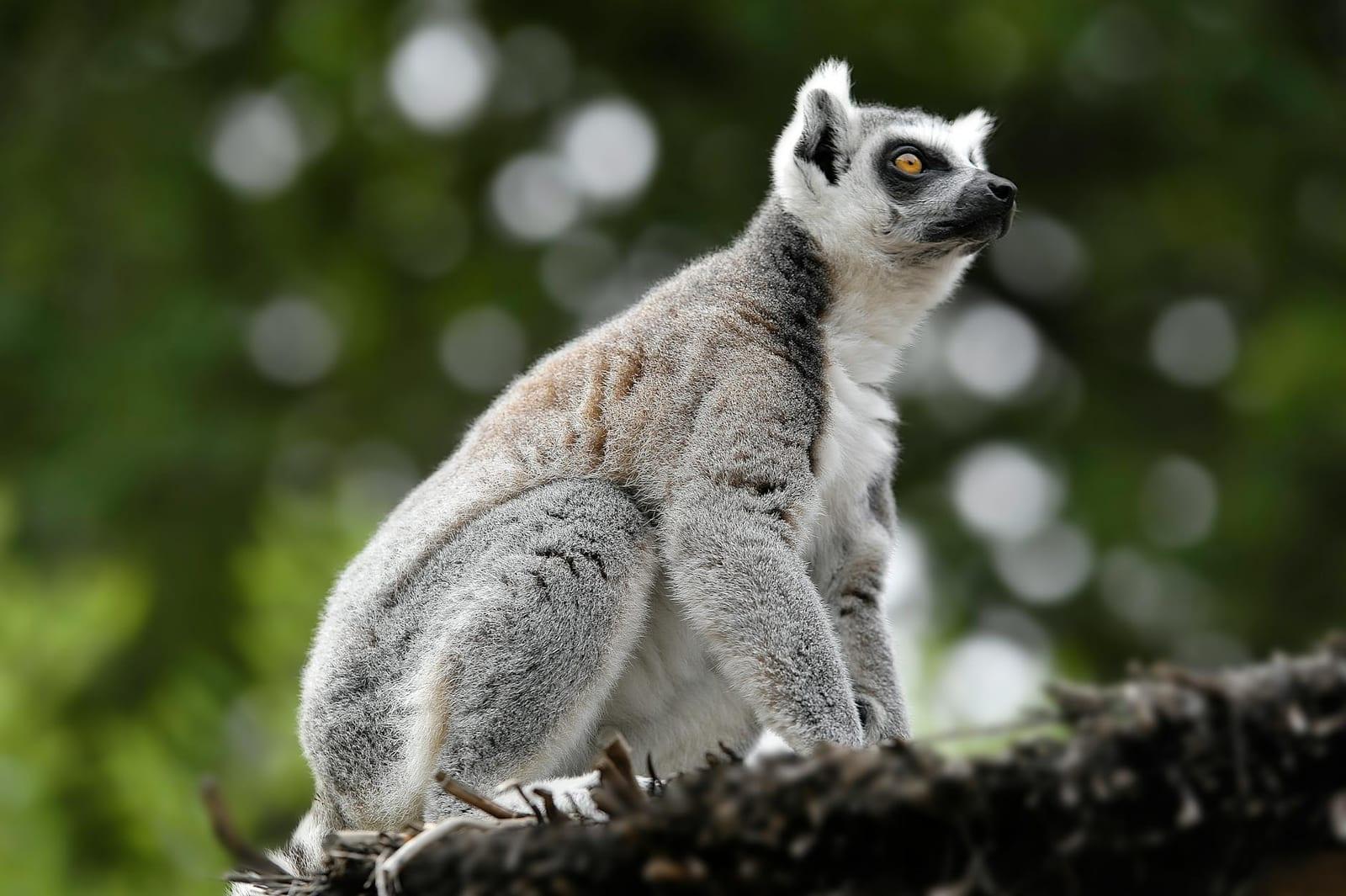
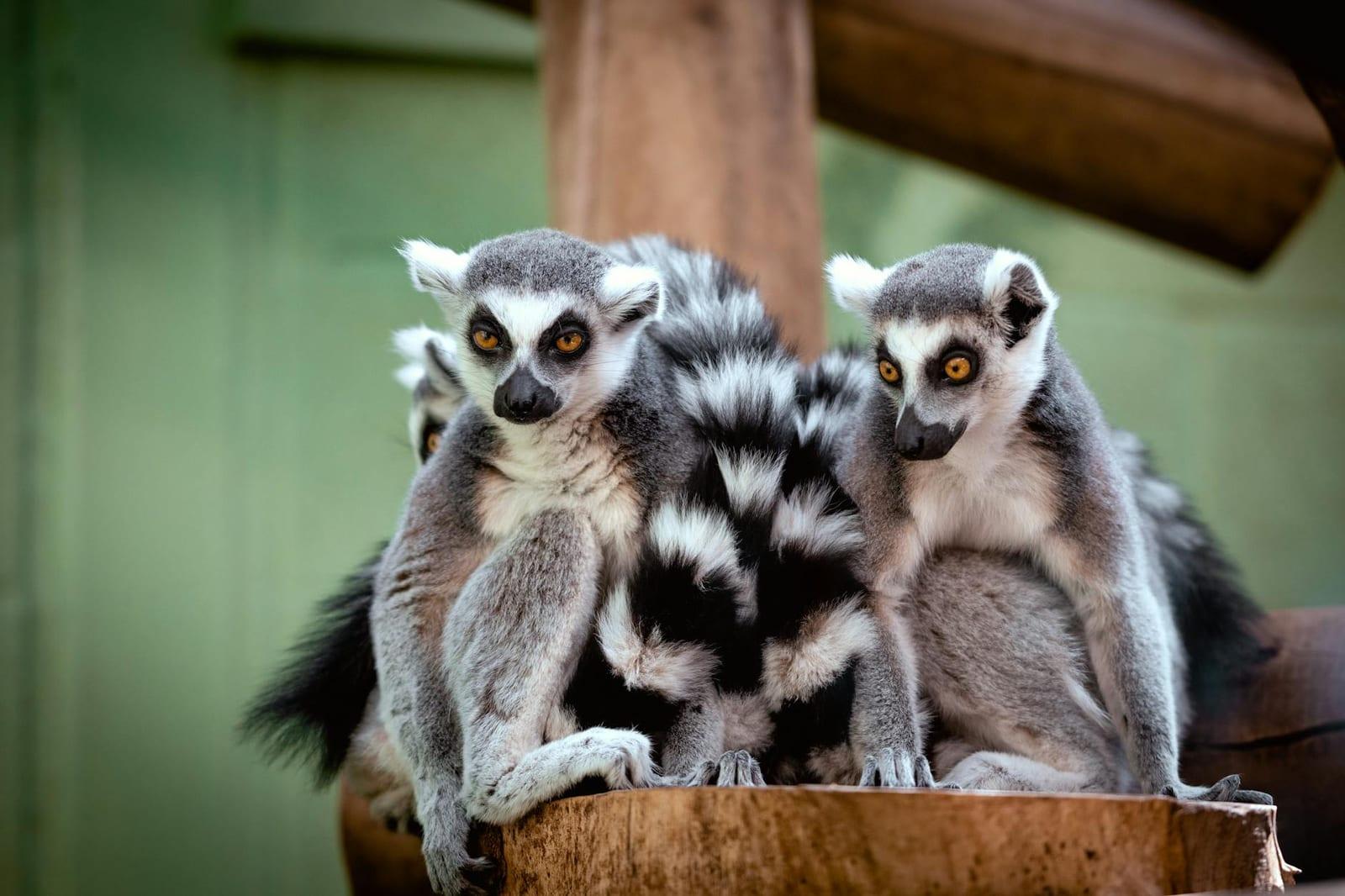
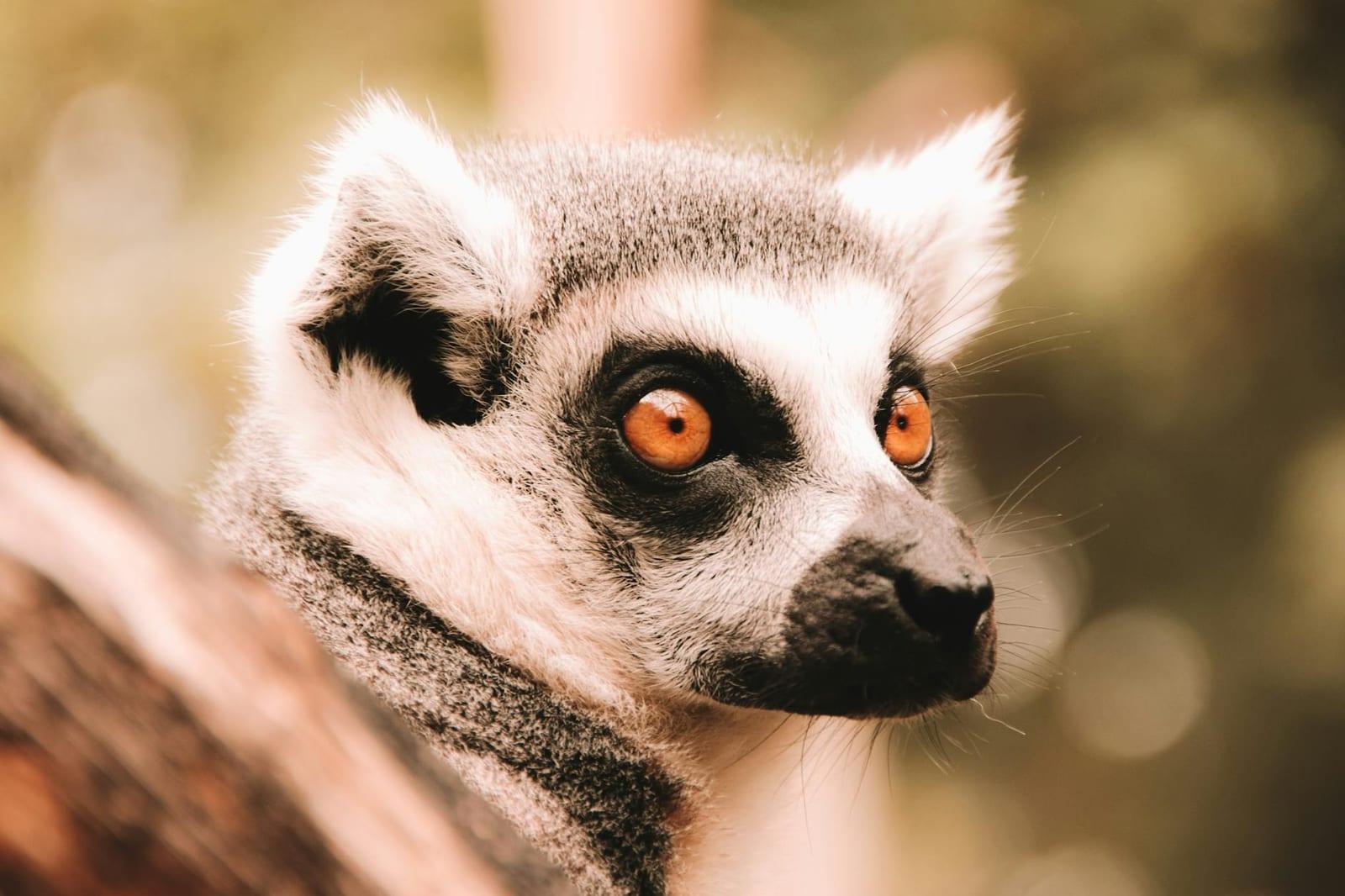
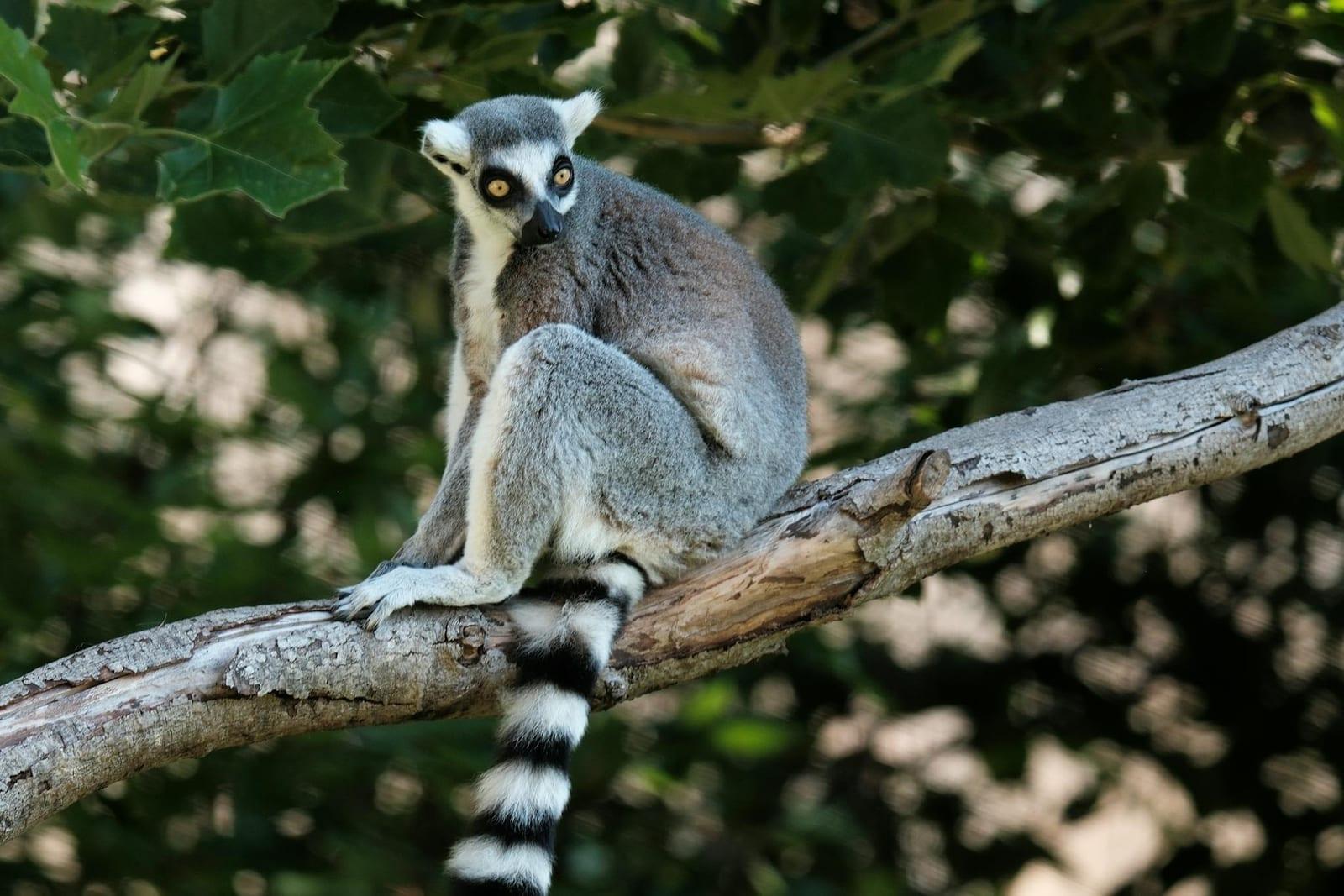
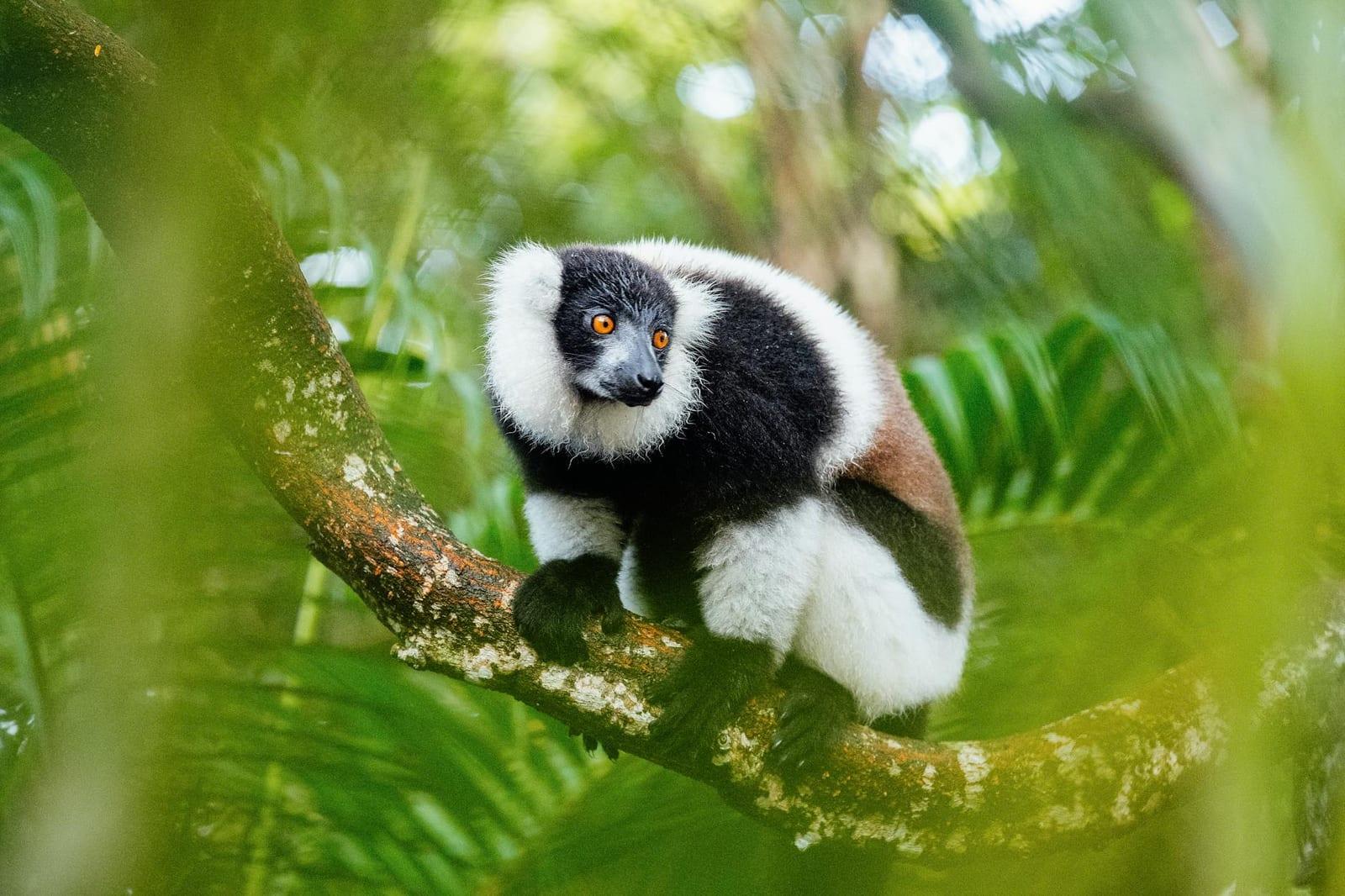
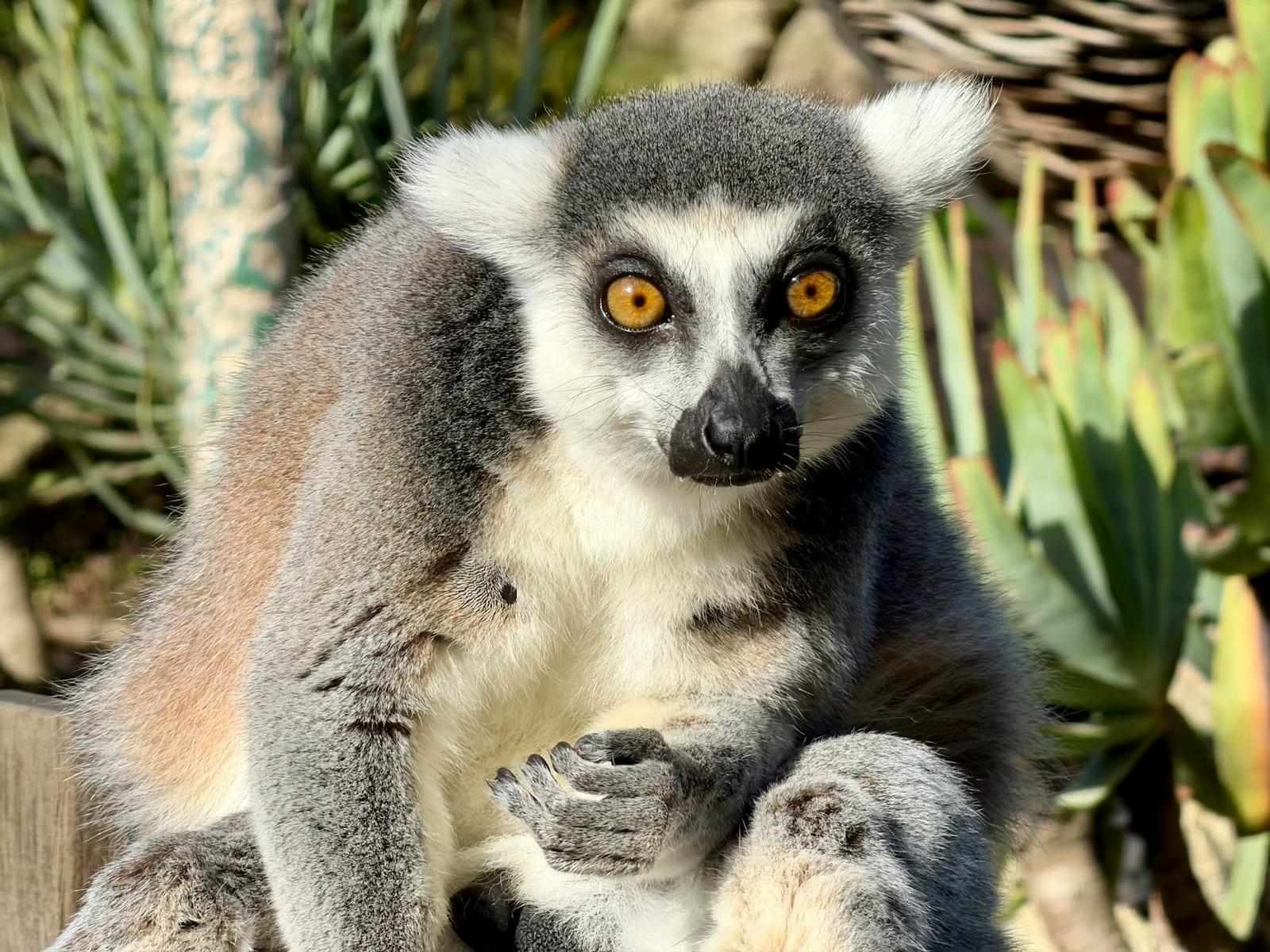
Fourth-biggest of the world’s islands, Madagascar fronts the Indian Ocean on the east and the Mozambique Channel, which separates it from the African continent, on the west. The island’s long isolation as well as the significant topographic and climatic diversity have ensured a dazzlingly distinctive roster of plants and animals, of which the lemurs—those goggle-eyed, fox-faced primates—are surely the mascots. Indris, aye-ayes, ring-tailed lemurs, mouse lemurs, ruffed lemurs—there are lemur species for essentially every major habitat in Madagascar.
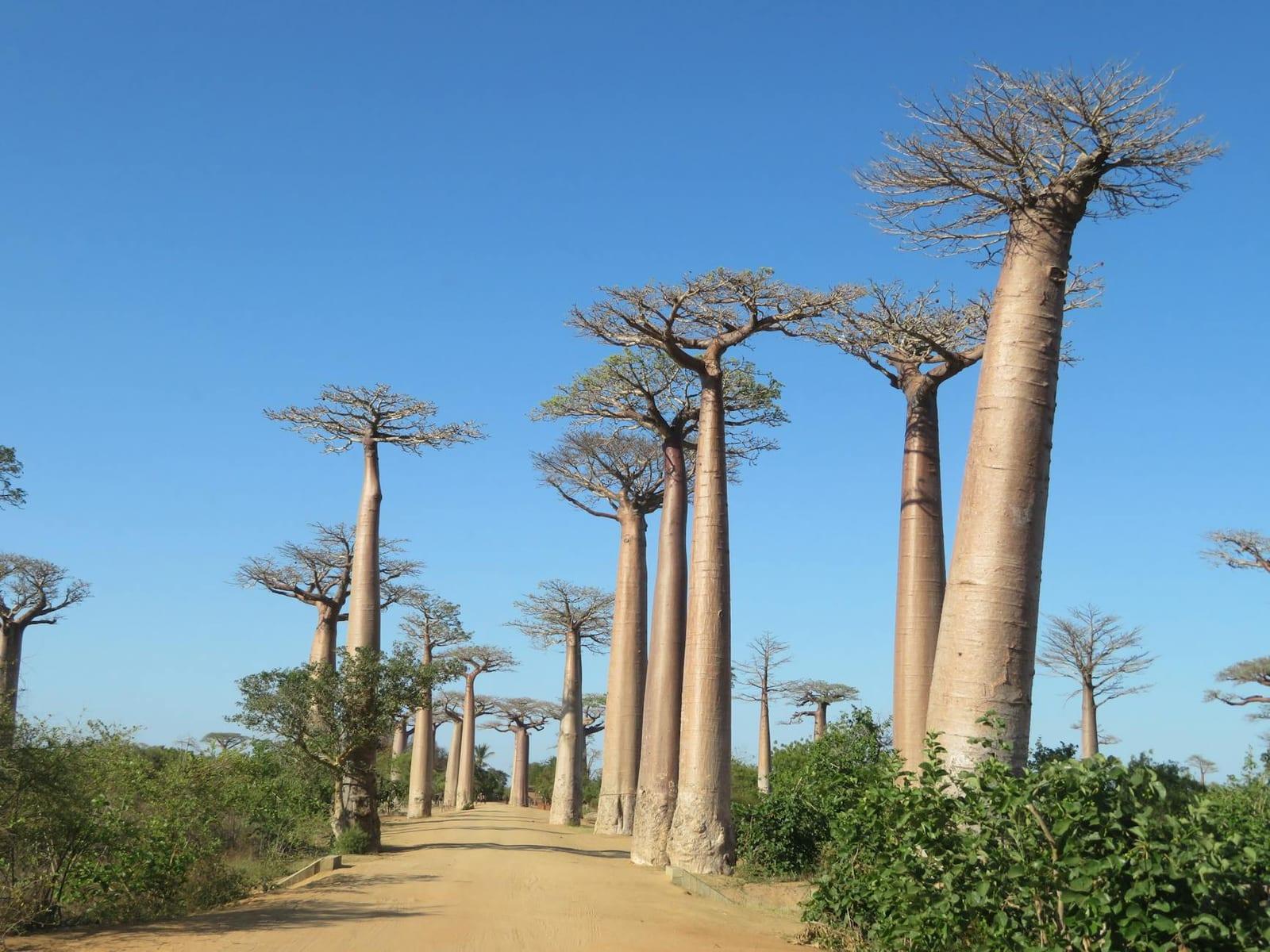
Actually, just as awe-inspiring as a lemur in the canopy (or, like a sifaka, skipping ballerina-like along the forest floor) is a Madagascar baobab. These barrel-shaped, upside-down-looking trees, some of the heftiest and longest-lived hardwoods in the world, reach their zenith on the island, where they turn any landscape they inhabit, notably the "Avenue of the Baobabs” into a Dr. Seuss universe.
Just as awe-inspiring as a baobab or lemur is a belly-flopping humpback whale off Madagascar’s eastern coast. These acrobatic leviathans trek here from Antarctic waters to breed, offering visitors to Ile Sainte-Marie and other sites here some exceptional whale-watching opportunities.
Underwater, meanwhile, are some of the world’s grandest coral reefs: The western coast has the most extensive, but there are some outstanding examples on the Indian Ocean side, too, such as Masoala National Park, where you can trek coastal rainforest and dive in a coral paradise in the same day.
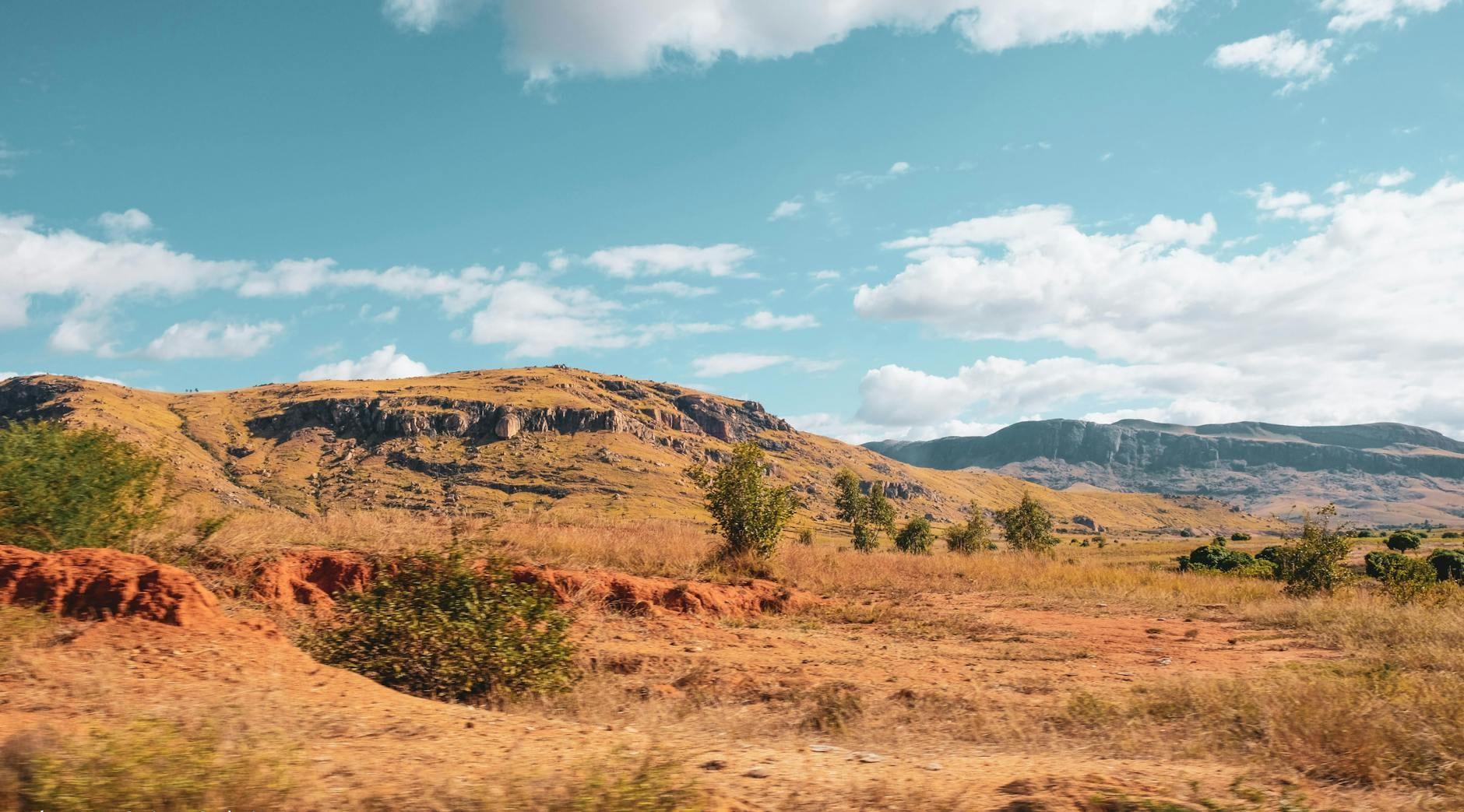
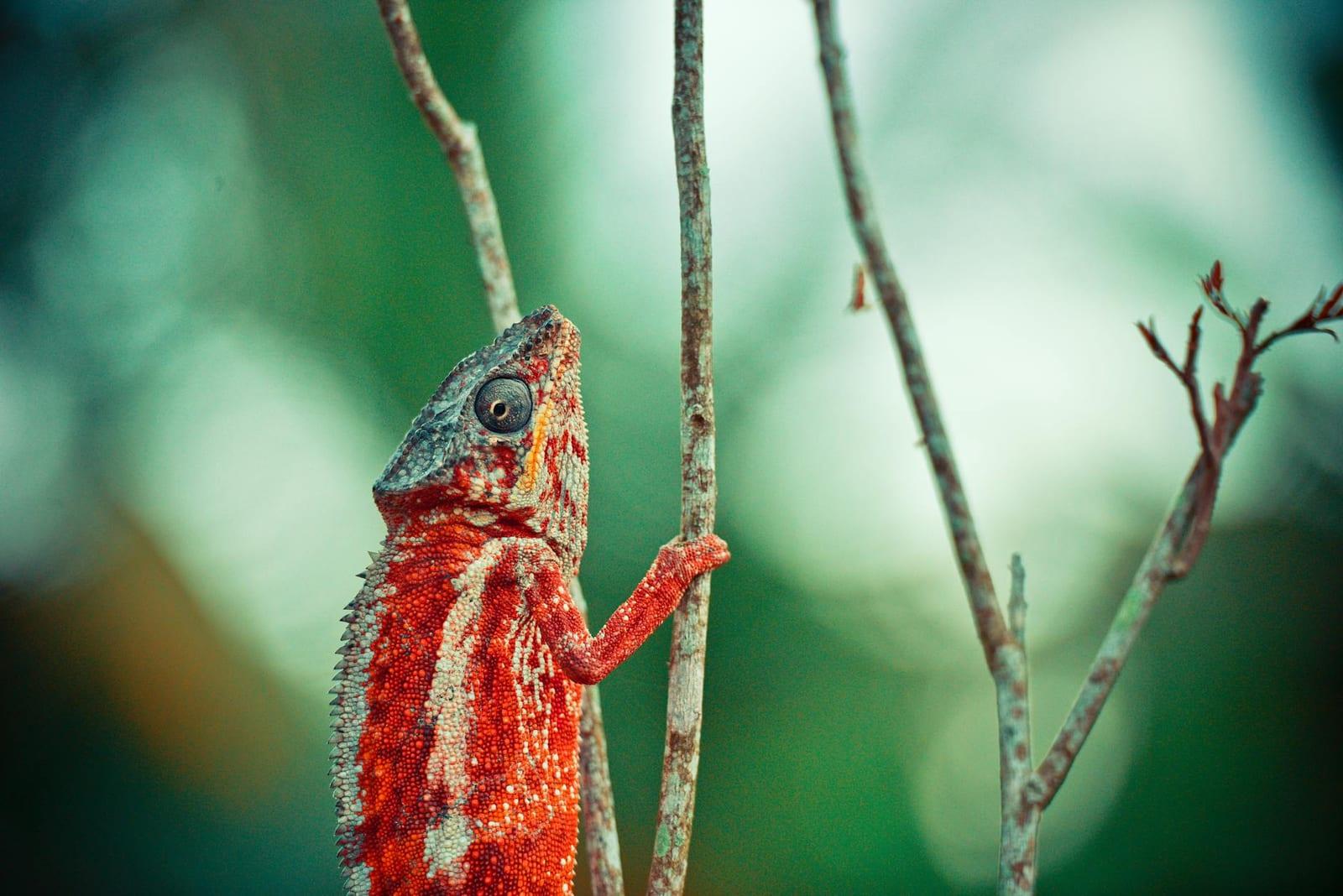
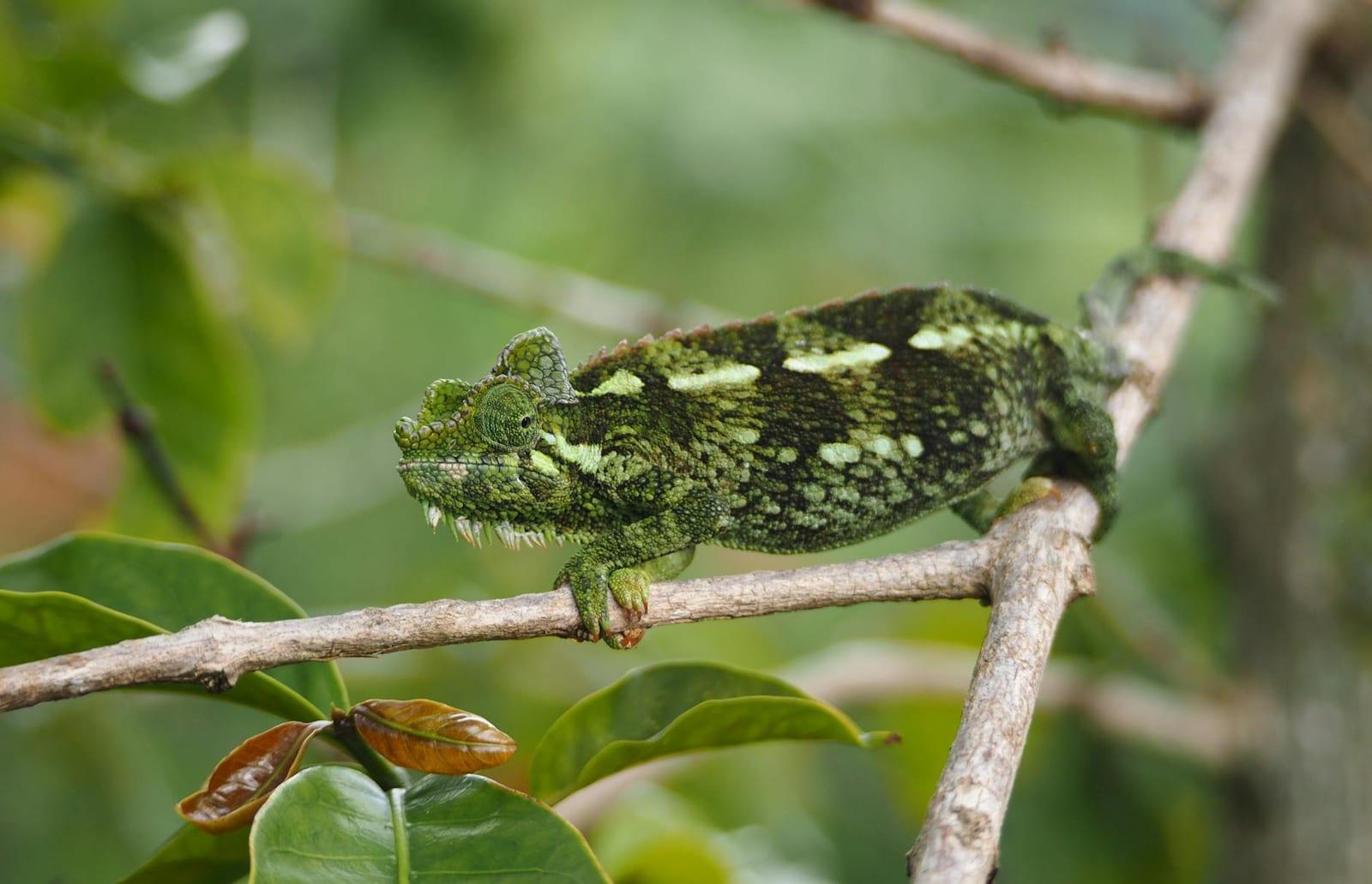
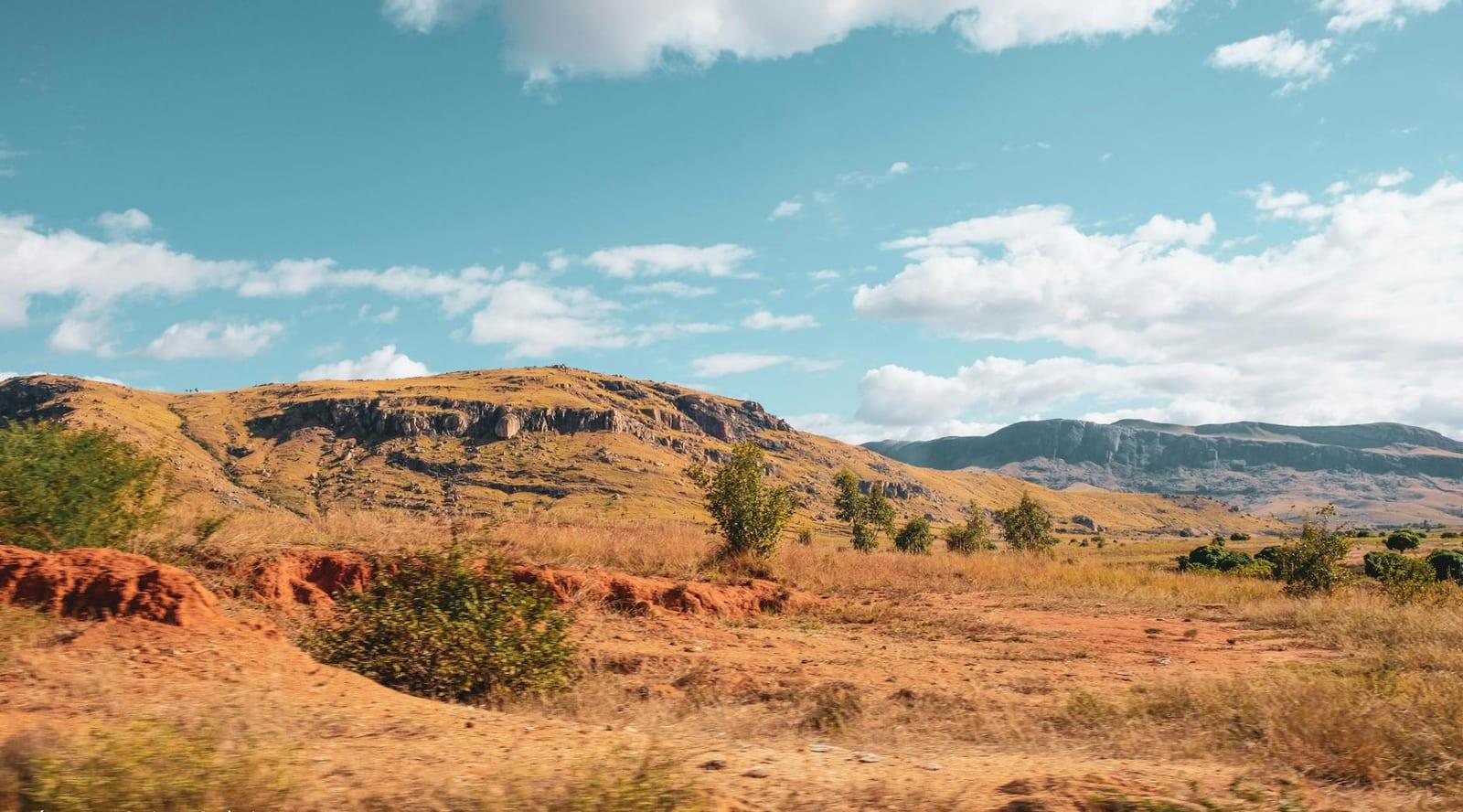
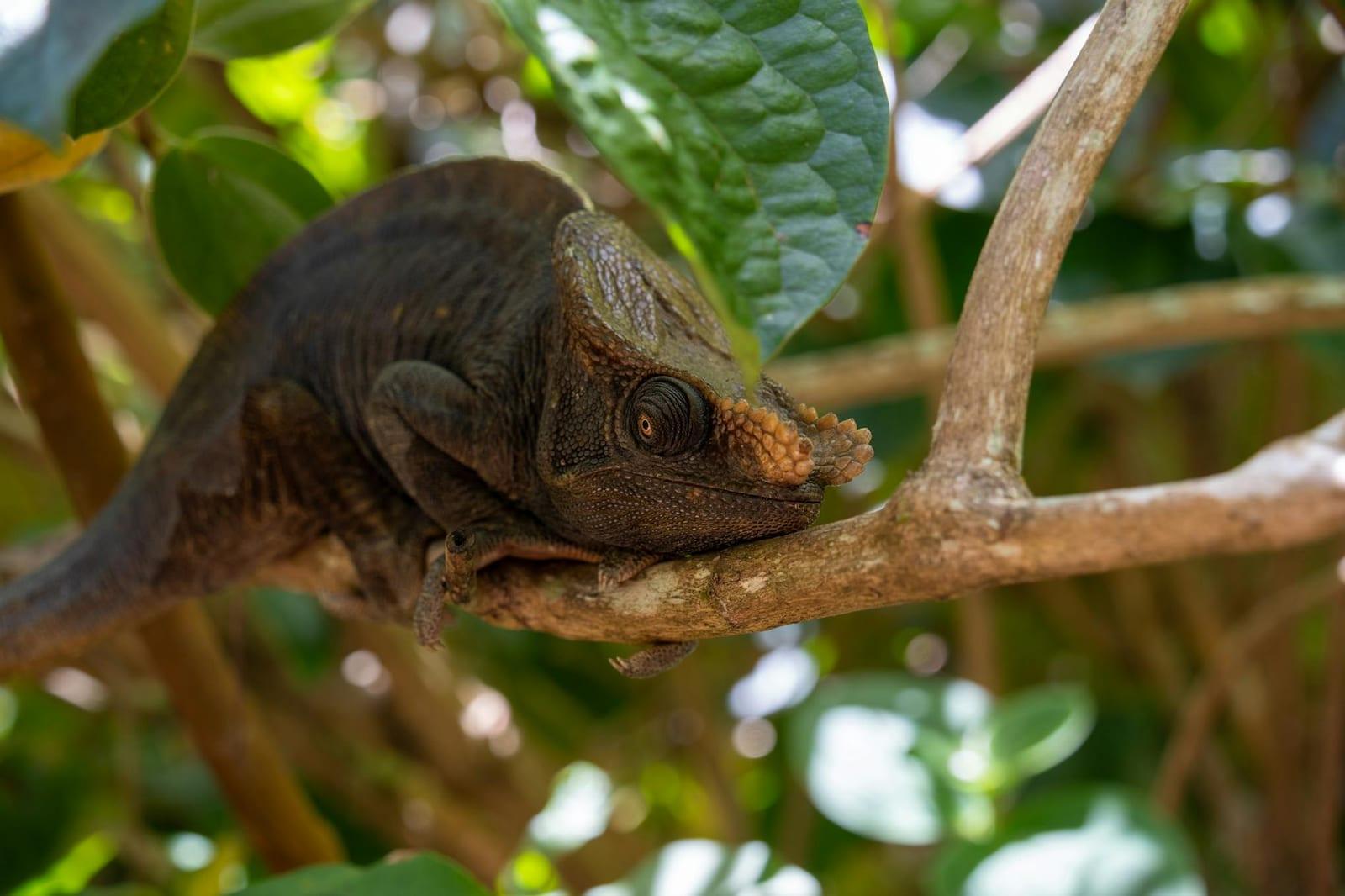
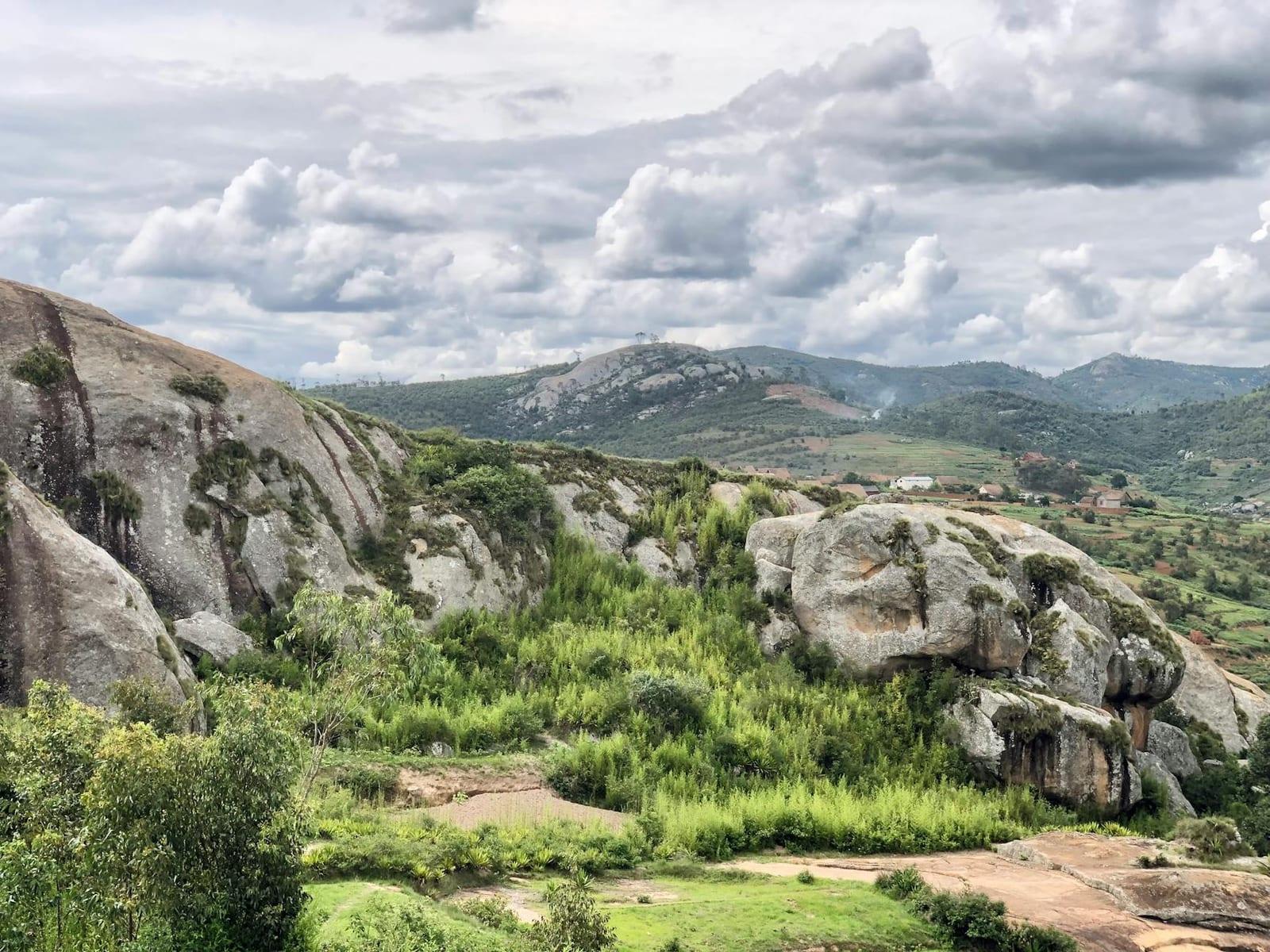
We’ve barely scratched the surface of Madagascar’s ecological and scenic delights—what about the traveller’s palm? The elephant’s-foot plant? The ridiculous diversity of chameleons? The striking rock formations of Isalo National Park in southern Madagascar, which looks like a transplanted chunk of Wyoming or Utah—except with lemurs?
Unfortunately, the picture’s far from rosy for Madagascar’s natural treasures: Intensive logging, cultivation, overgrazing, and other land-use changes brought about by human beings threaten native ecosystems and have placed the island among the most imperiled of the world’s biodiversity hotspots. In other words, see these ecological glories while you can.
Meanwhile, culinary tourism provides a rewarding means of reviewing Madagascar’s multicultural makeup. Malagasy cookery enjoys an impressive reputation, knitted as it is with so many deliciously diverse influences: African, Indian, Chinese, Southeast Asian, and European. And any visitor who spends much time in the Madagascar countryside will likely get some sense of the ancestor-worship so prevalent in Malagasy culture.>br />
Whether it’s the fusion culture, the singular ecology, or the tropical leisure that draws you, Madagascar accommodates a wide range of tastes: There are plush eco-resorts at hand as well as backcountry treasures reachable only by the most unruly of rough tracks. Either way, one of Earth’s most spellbinding corners awaits.
16 things not to miss.
- Avenue of the BaobabsWalk the Avenue of the Baobabs
- the Tsingy de Bemaraha pinnaclesCross the Tsingy de Bemaraha pinnacles
- Andasibe-Mantadia NP
- Ranomafana NP
- Isalo NP
- Masoala NP
- Lemurs
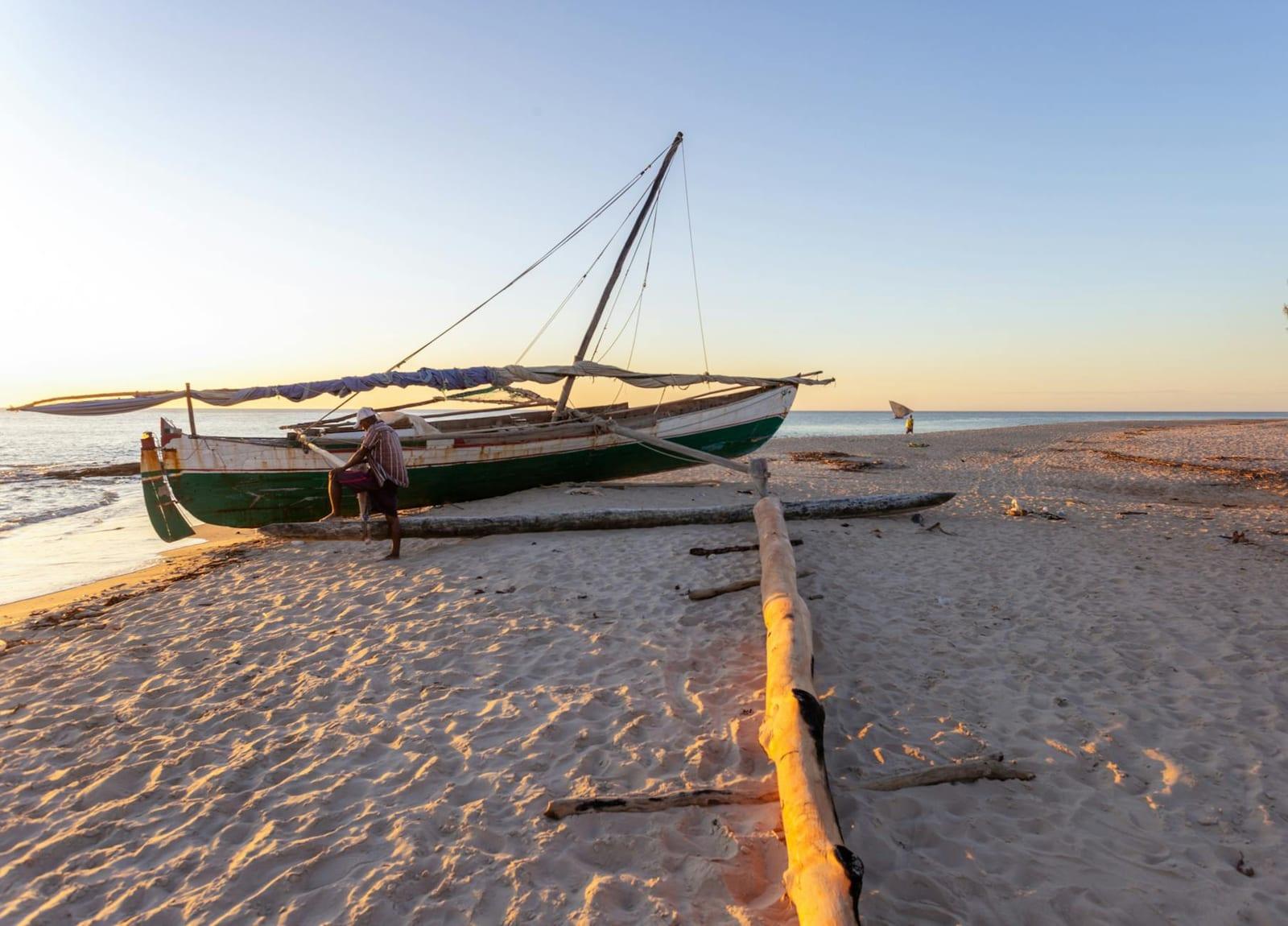
- Nosy BeThis island off Madagascar northwestern coast is one of the country’s major tourist hubs—and given the beaches and crater lakes, it’s no surprise.
- Masoala National ParkStretching from mountainous rainforest to coastal mangroves and coral reefs, this is one of Madagascar’s most diverse sanctuaries.
- Analamazaotra Special ReservePart of Andasibe-Mantadia National Park, this swath of rainforest harbors the world’s biggest lemur, the fetching indri.
- Tsingy de Bemaraha National ParkGreat tracts of bristling limestone pinnacles, called “tsingy,” anchor this otherworldly countryside.
- AmbohimangaThis UNESCO World Heritage Site encompasses one of Madagascar’s most sacred landmarks: the hilltop capital of the Merina Kingdom, including royal burials.
- Ranomafana National ParkA visit to this park’s verdant highland rainforests might turn up sightings of golden bamboo lemurs, sifakas, or the fleet carnivorous fossa.
- Beza Mahafaly ReserveThis sanctuary in the country’s southwest is a good place to view Madagascar’s unique spiny forest, a dreamscape arid woodland.
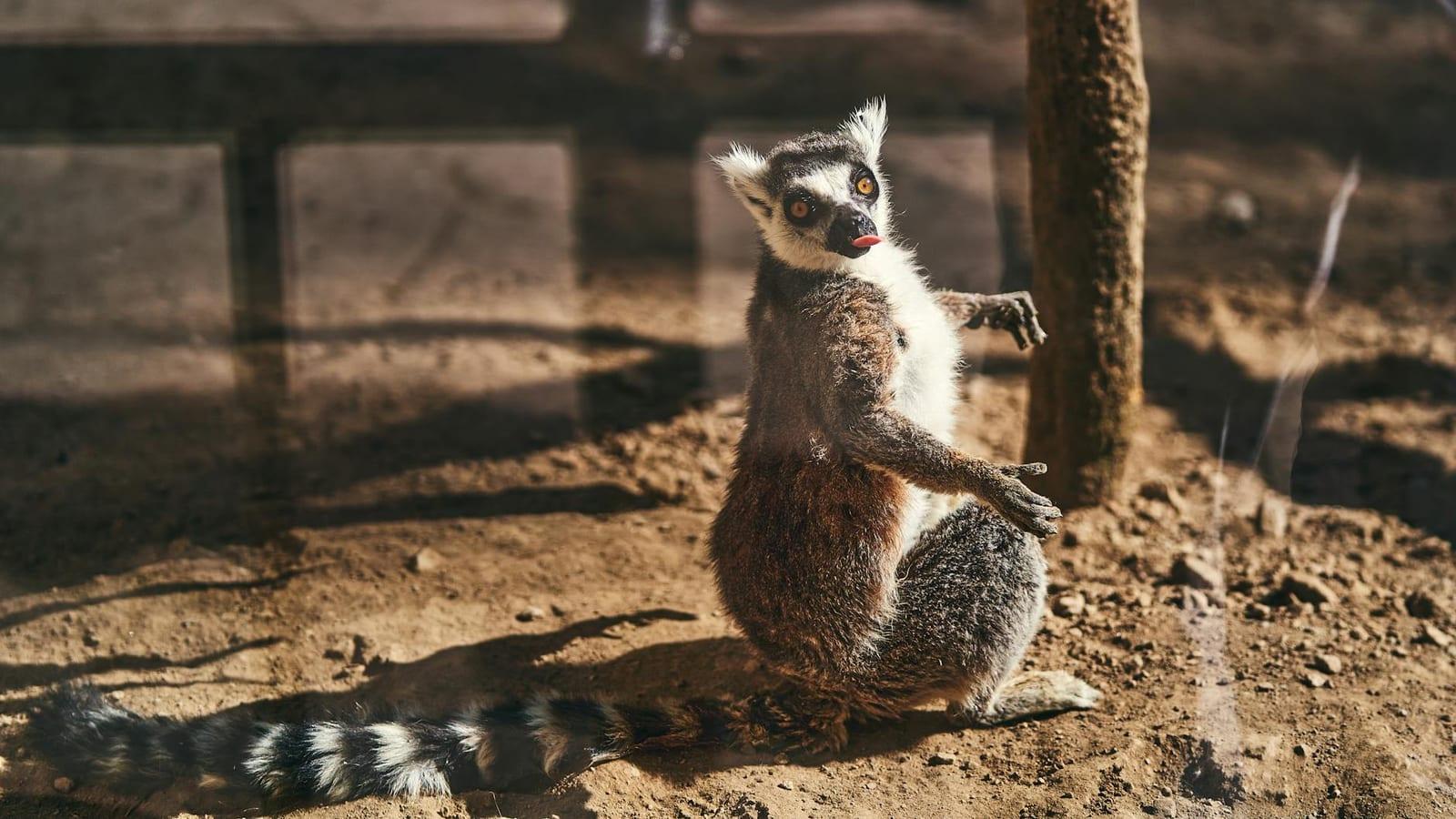
- Isalo National ParkThis well-known park’s buttes and rimrock gorges draw comparisons to the American West; it’s also home to the world-famous ring-tailed lemur.
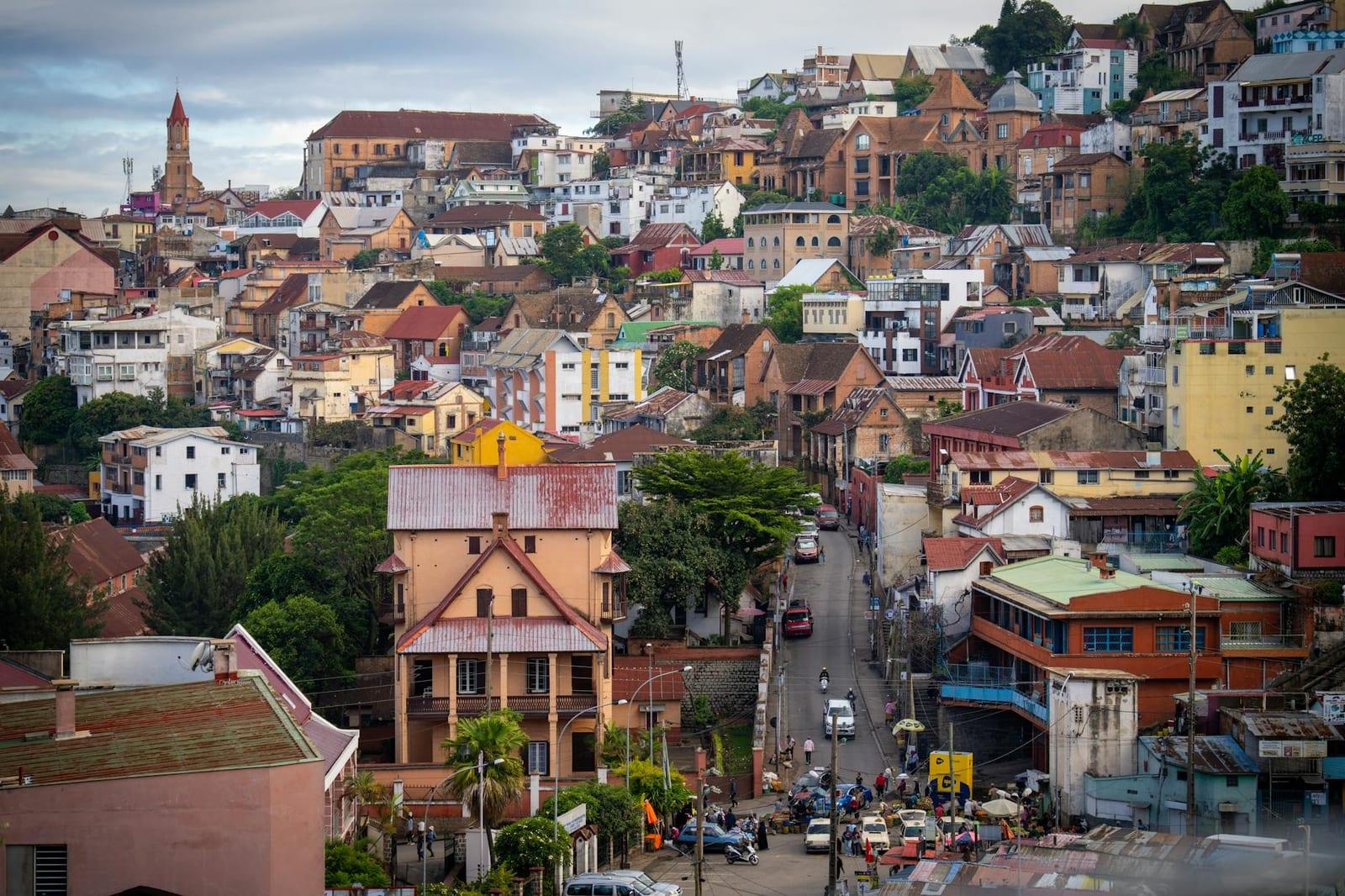
- AntananarivoThe Madagascar capital, set in the interior highlands, includes some regal architecture such as Ambohitsorohitra Palace and the Rova of Antananarivo.