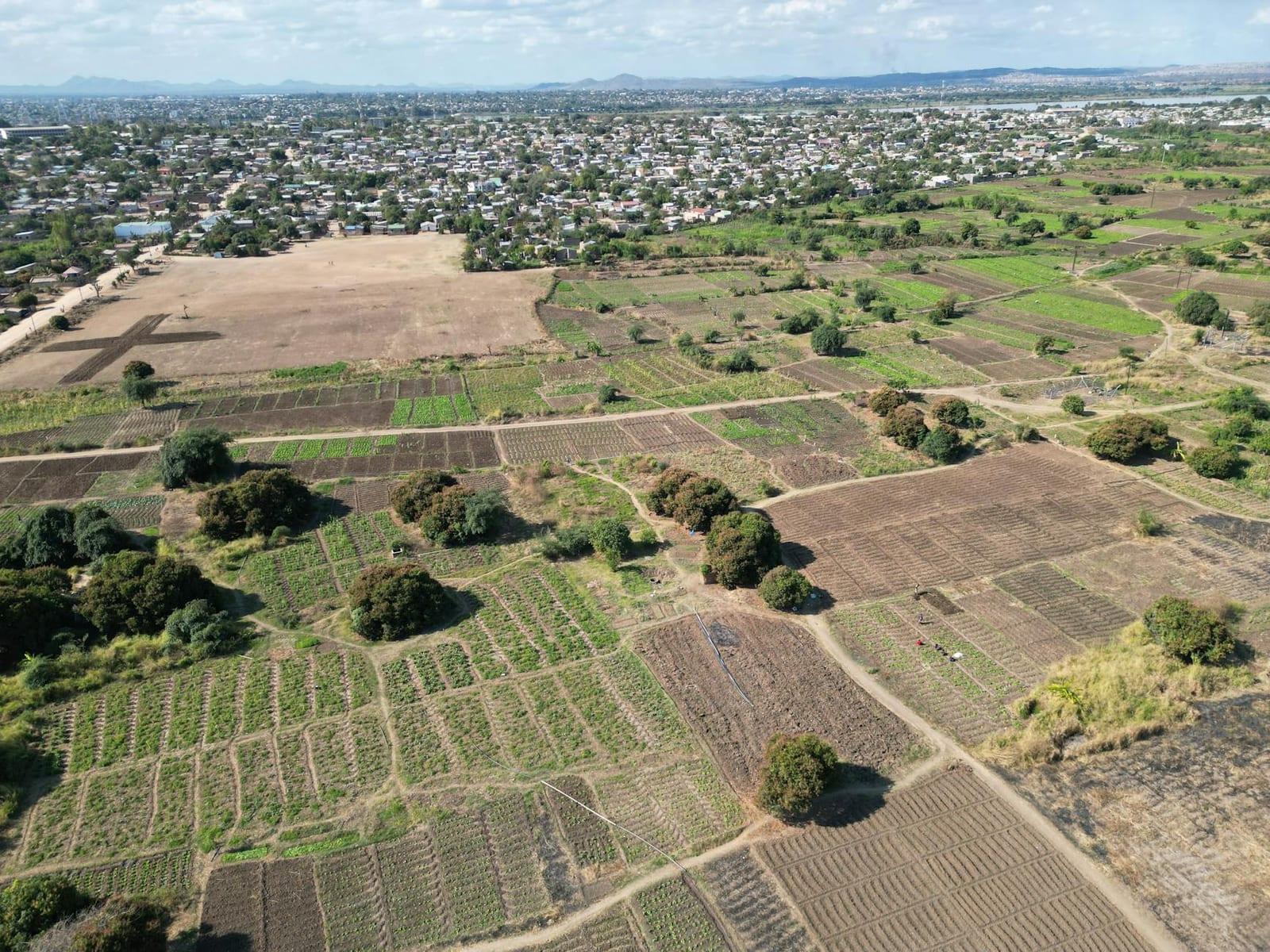
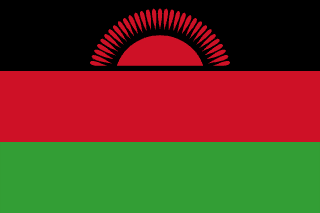
Squeezed by much larger neighbors—Tanzania, Zambia, and Mozambique—landlocked Malawi is one of Africa’s smaller countries, but it’s a surprisingly varied one. With its grab-bag of landscapes and its significant network of parks and preserves, this is an especially sought-after ecotourism destination.
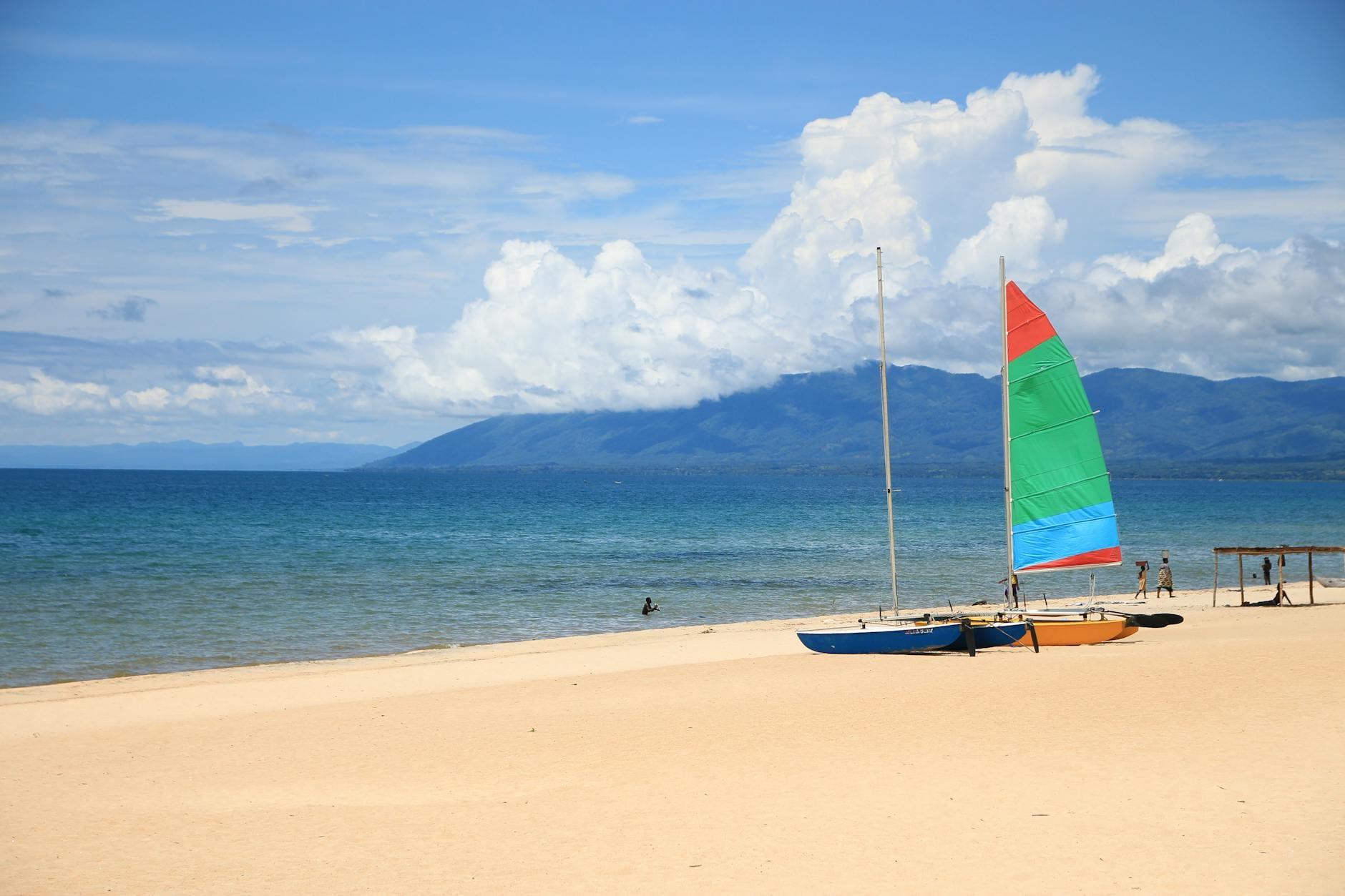
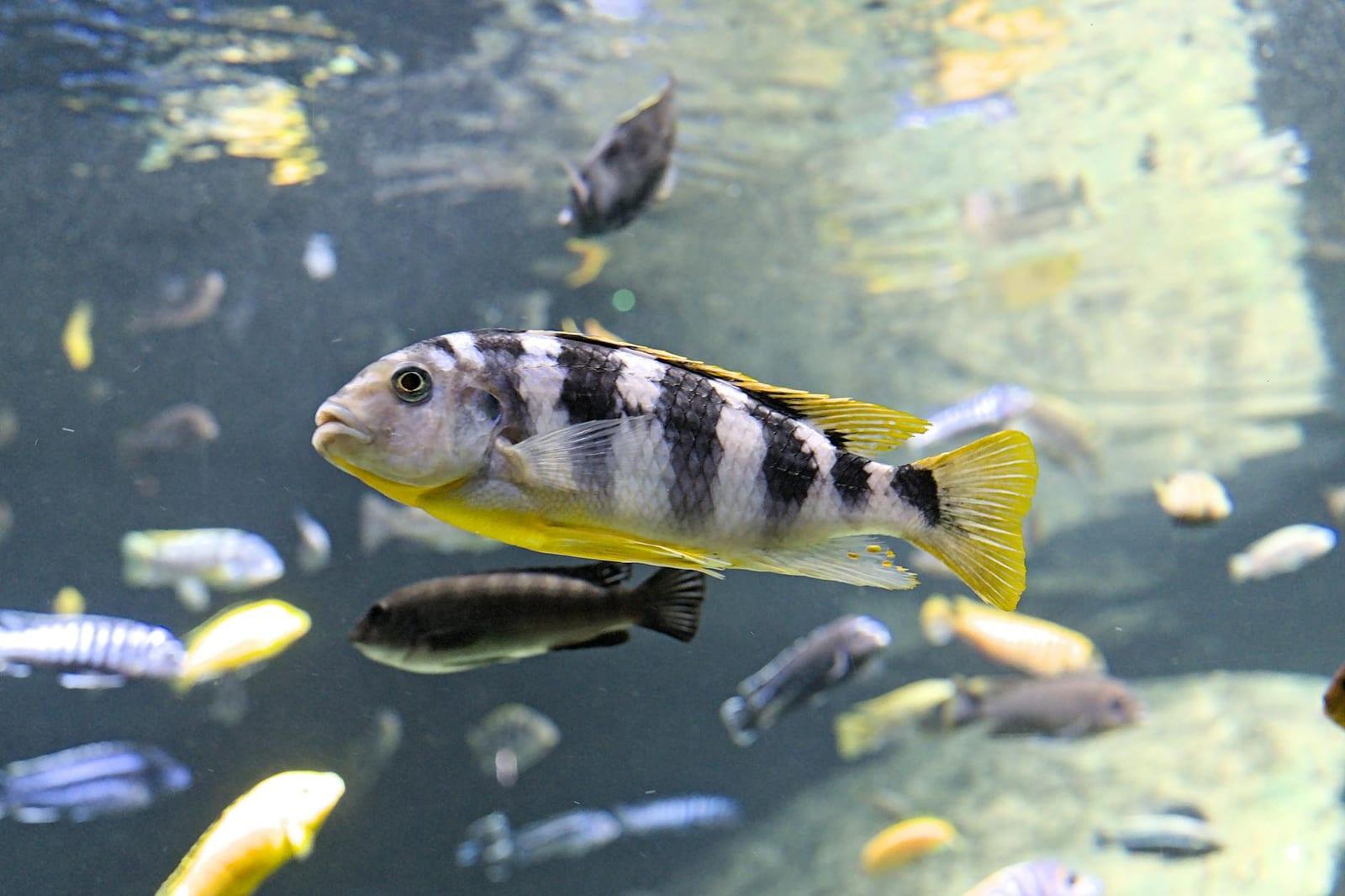
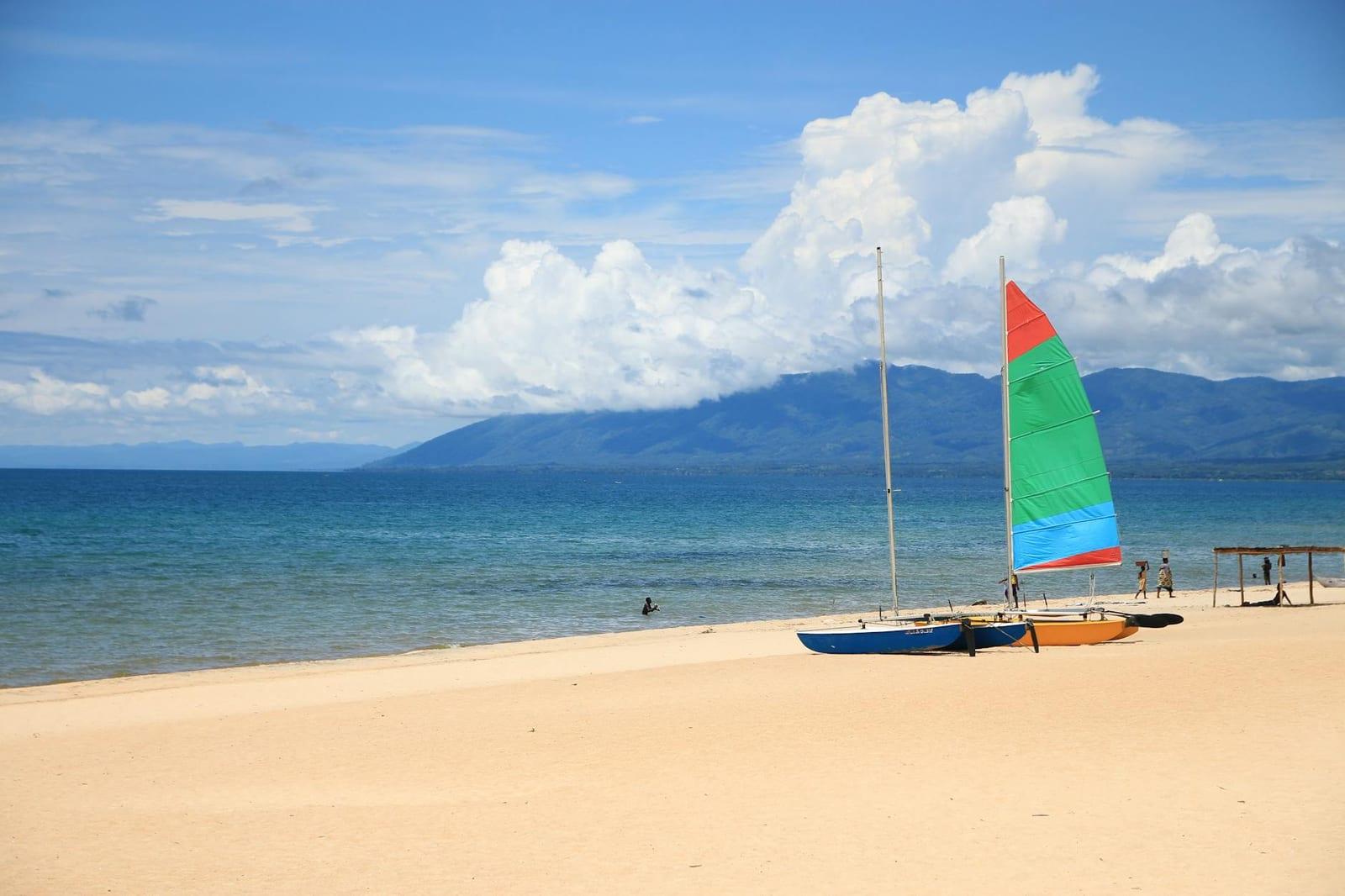
The country’s geography is dominated by Lake Malawi (or Lake Nyasa), a huge body of water occupying one of the tectonic trenches of the East African Rift System. Besides its handsome setting, the lake boasts some serious credentials: It’s one of the deepest in the world, and has no equal anywhere in terms of fish diversity. Diving, snorkeling, swimming, boating, and old-fashioned beachfront rest & relaxation are all popular tourist pastimes here.
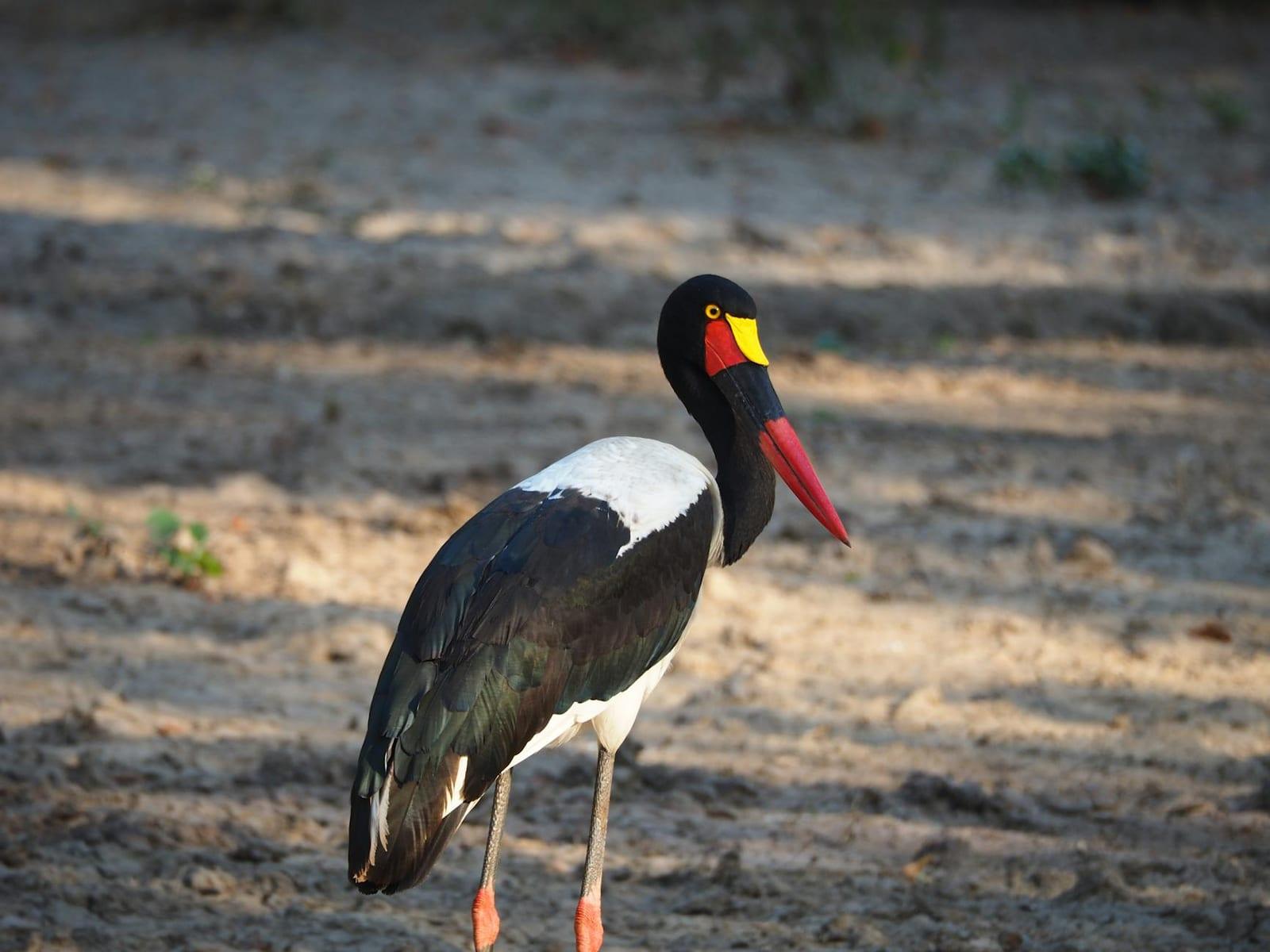
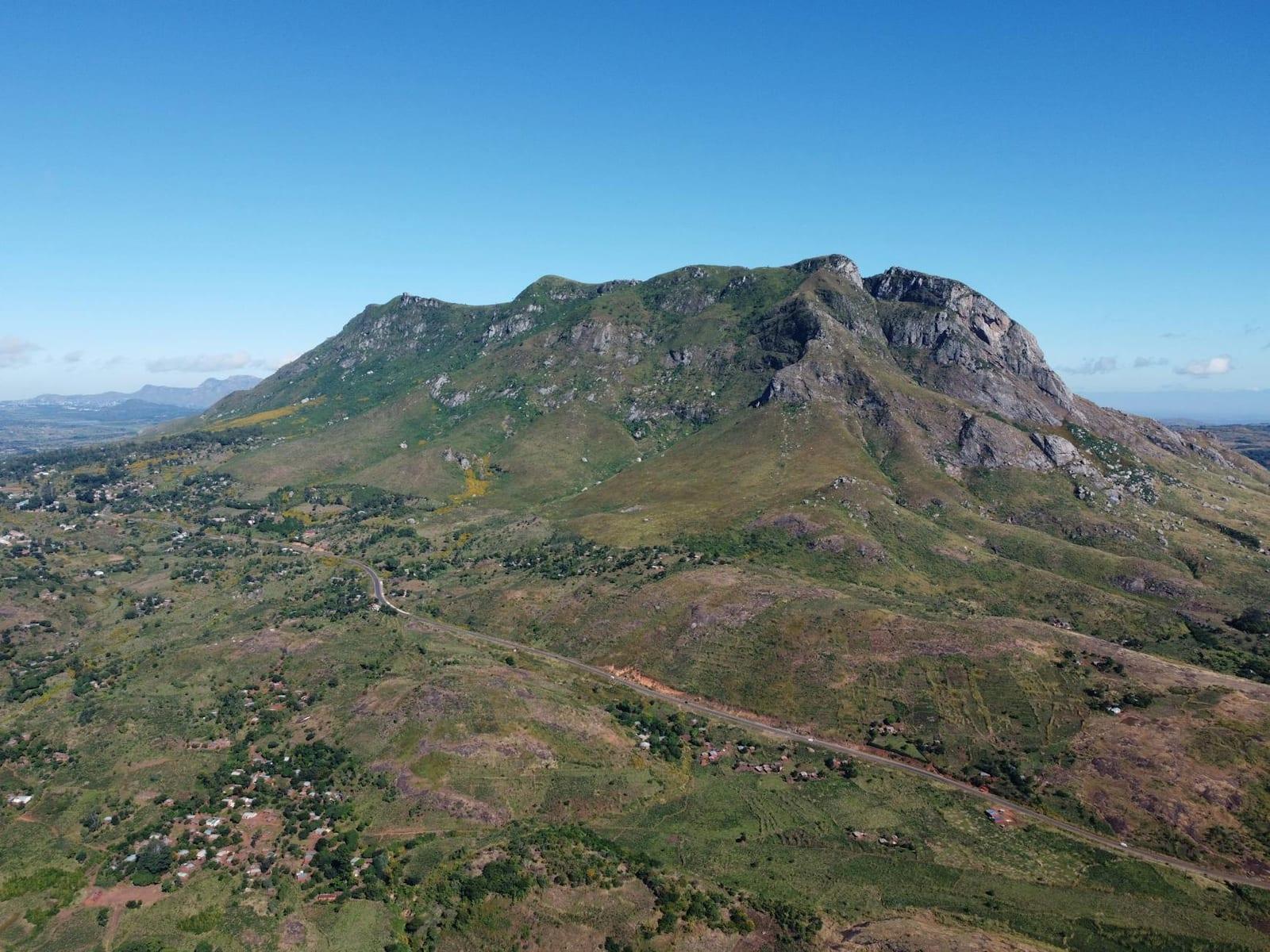
The cichlid-swarmed and eagle-cruised rift lake isn’t Malawi’s only natural treasure, though. Over by the Zambian border, 800-square-mile Kasungu National Park showcases many of the same big mammals found in East Africa’s more famous preserves: bush elephants, Cape buffalo, hippos, impala, zebra, lions, painted hunting dogs, and spotted hyenas, among others. Bigger yet is Nyika National Park in the north, an amazing swath of plateau grasslands, forested gorges, and dry lowland woods with numerous leopards, zebra, and a whole host of native antelope. In the south, overnight trekking excursions are possible into the rugged Mulanje Mountains, which include Malawi’s greatest peak, Mount Mulanje, just a little shy of 10,000 feet in elevation.
Natural scenery and wildlife may account for the highest-profile Malawi tourism, but—as everywhere in Africa—the rewards of cultural sightseeing run deep. The capital city Lilongwe’s Old Town is popular for its markets and architectural landmarks, while the much smaller and slower-paced Livingstonia, in the Nyika highlands, has some gorgeous colonial red brick buildings and an informative museum in the Stone House.
Malawi isn’t as well-known a safari hotspot as, say, Tanzania just north, but it brews up its own delights amid a patchwork of rumpled mountains, wide-open highlands, and one mighty impressive lake.
11 things not to miss.
- Dive Lake Malawi's clear cichlid waterDive Lake Malawi's clear cichlid water
- Walking safari in LiwondeWalking safari in Liwonde
- Mulanje MassifClimb Mulanje Massif
- Lake Malawi (Nyasa)The geographic anchor of Malawi, this huge freshwater lake supports incredible fish diversity as well as world-class diving and snorkeling.
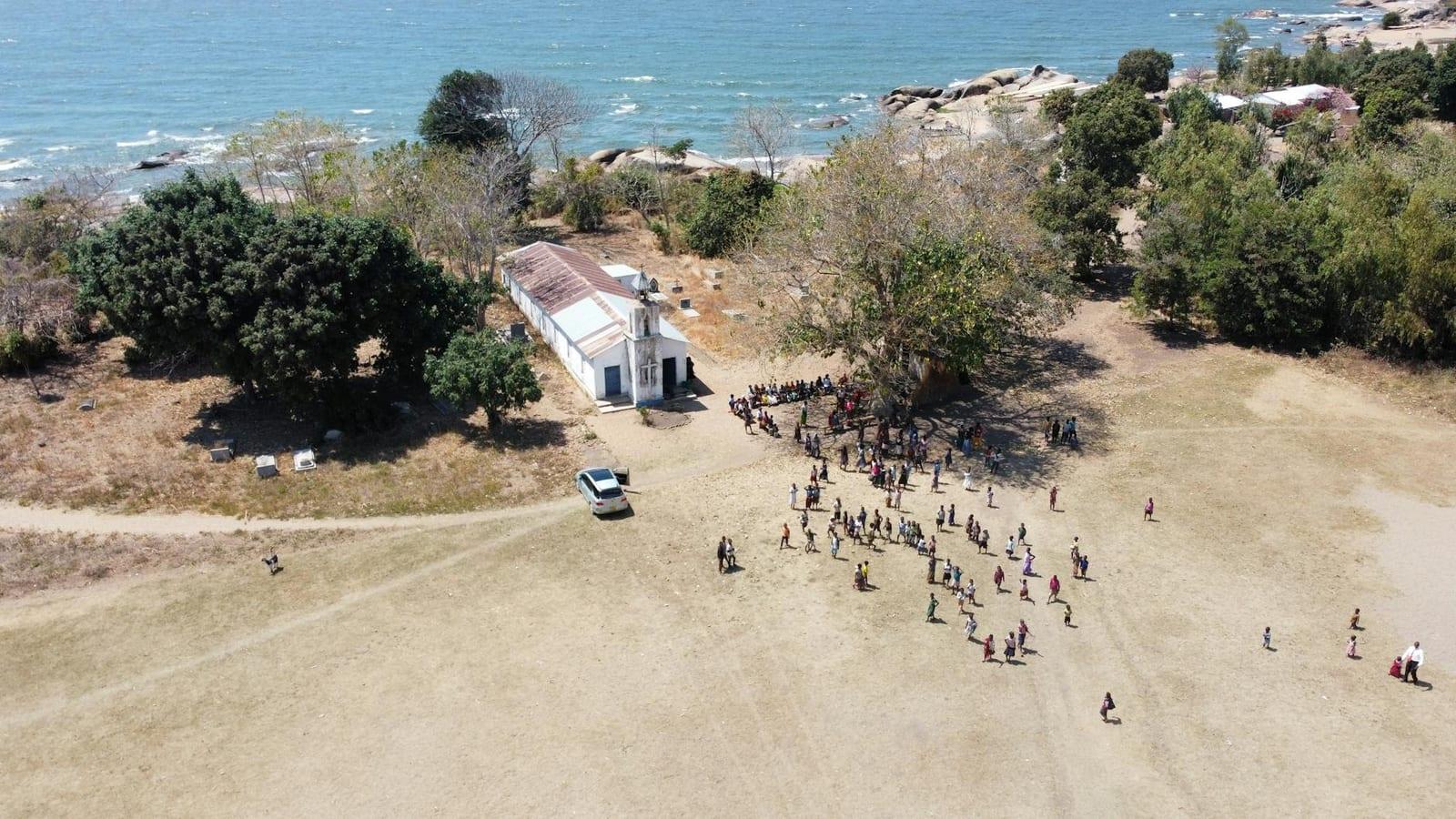
- Likoma IslandFine beaches, baobab parklands, a historic Anglican Cathedral: There’s much to see on this Lake Malawi island, a stone’s throw off the Mozambique shore.
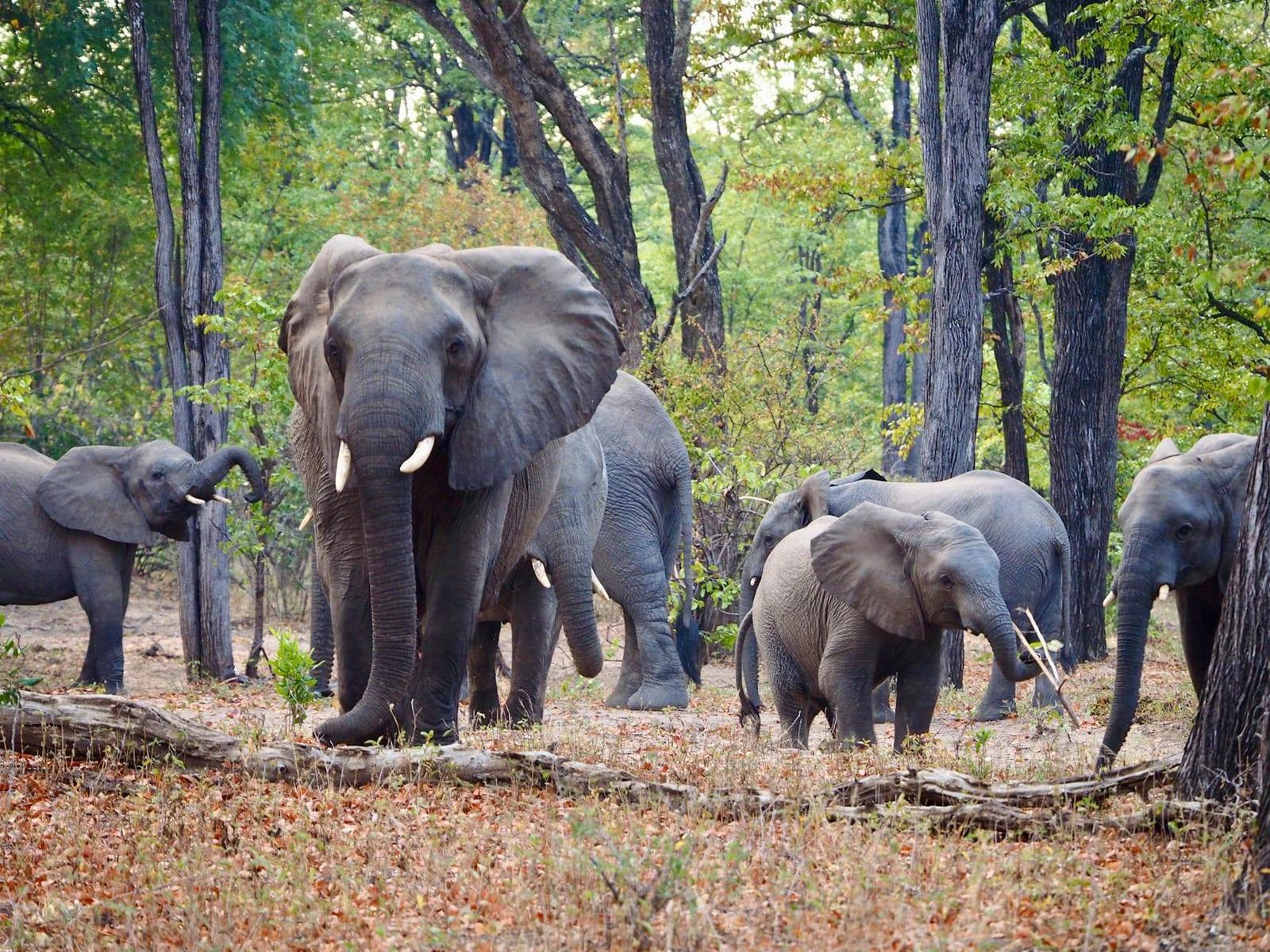
- Kasungu National ParkSome of Malawi’s best wildlife viewing awaits in the high woods and grasslands of Kasungu, home to elephants, lions, and other big mammals.
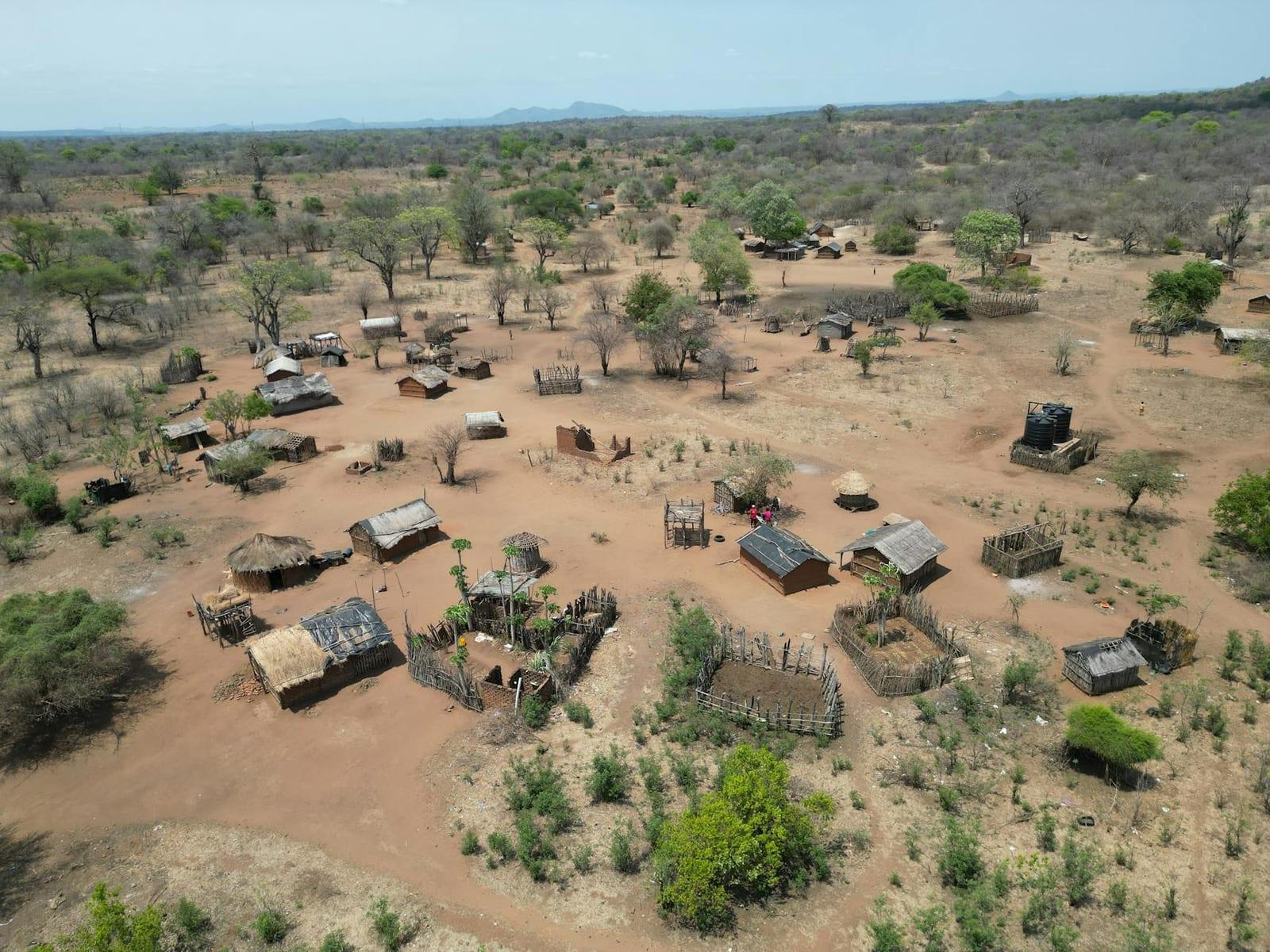
- Nyika National ParkAbundant fauna and breathtaking vistas define this huge park, topped by plateau grasslands and broken with ravine forests.
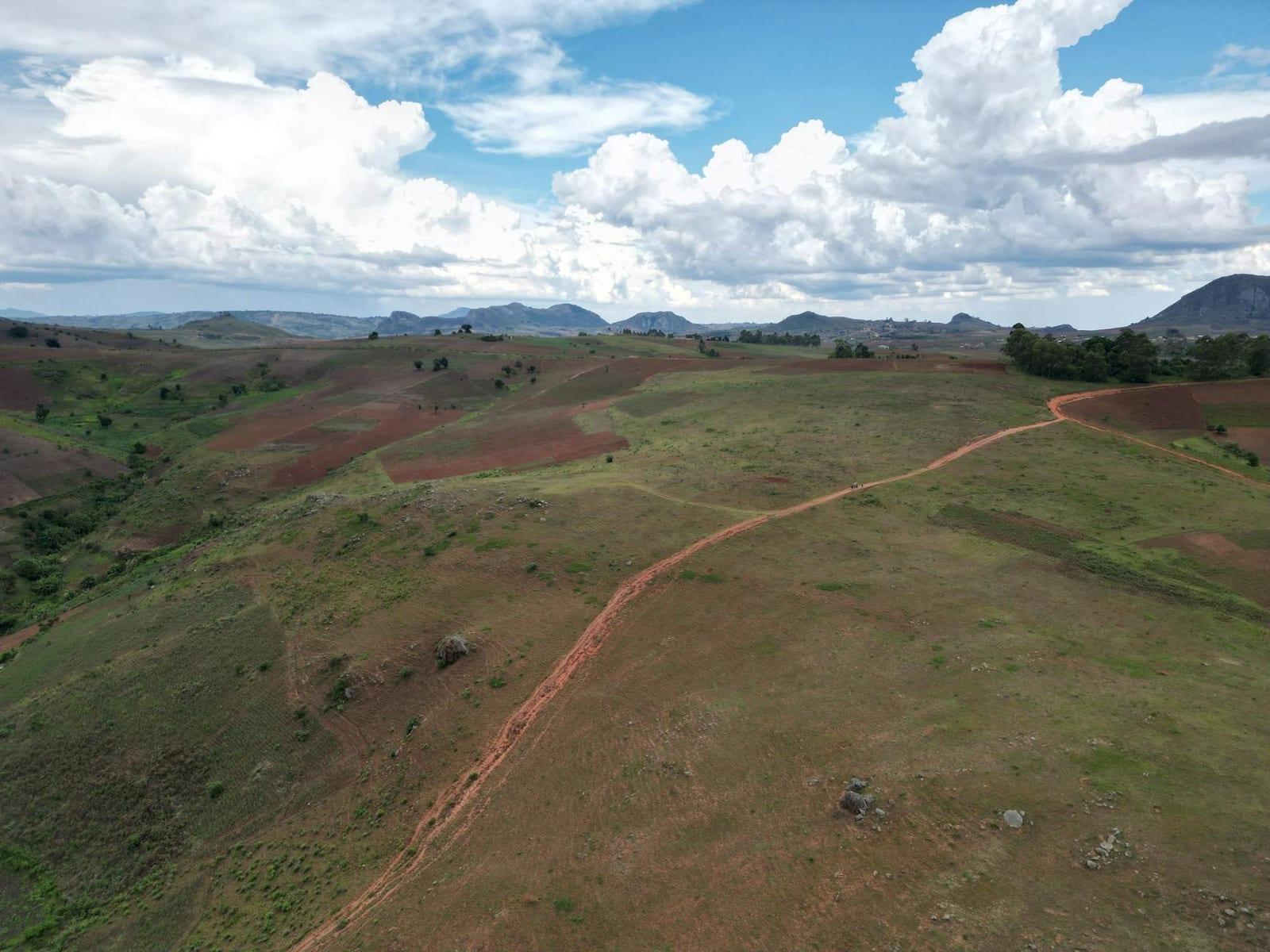
- Liwonde National ParkFrom the hippos and crocodiles of the Shire River to elephant-, kudu-, and sable-wandered mopane woodland, Liwonde’s one of Malawi’s jewels.
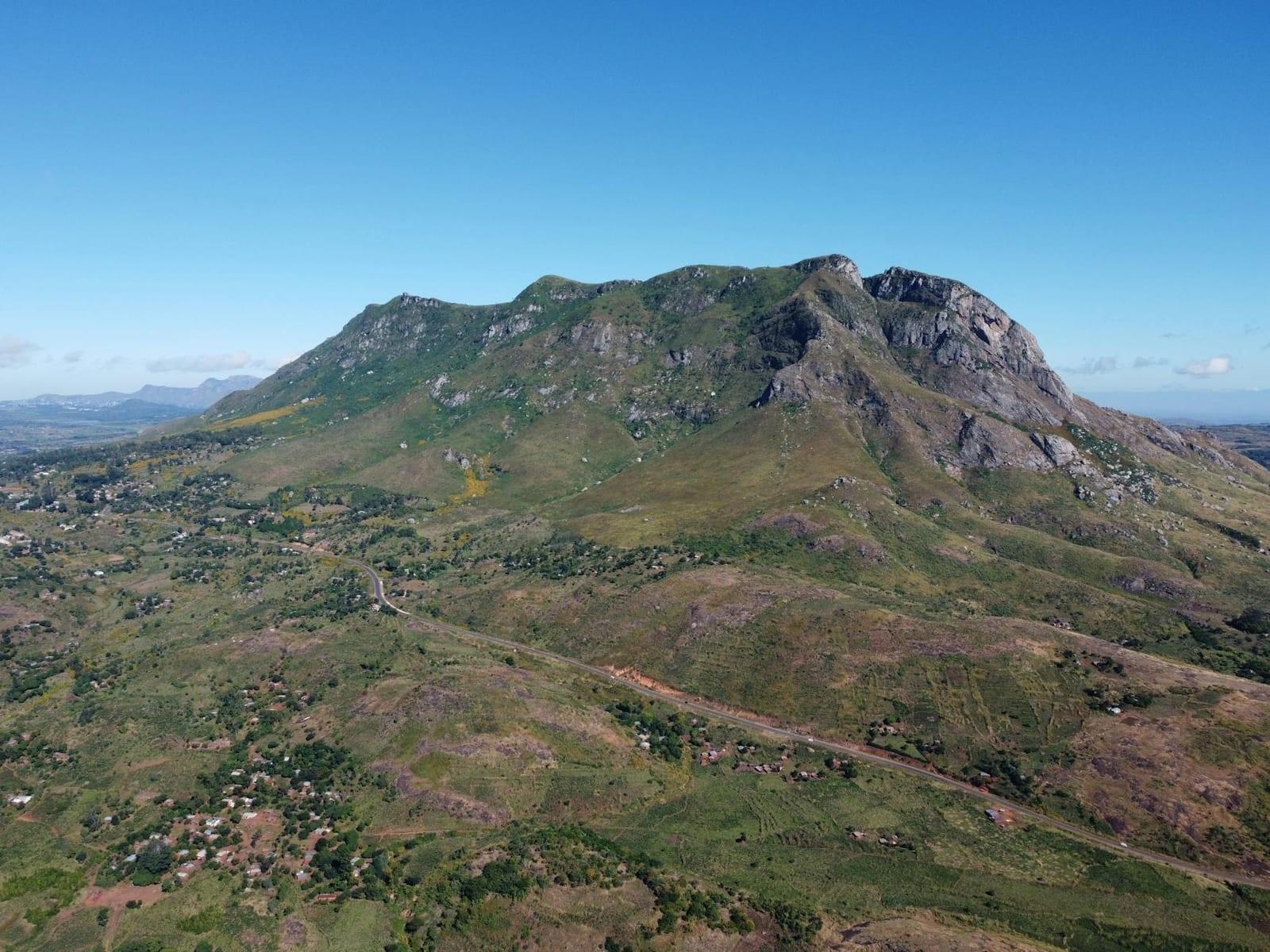
- Mount MulanjeSoaring past 9,000 feet, this culmination of the forested Mulanje Mountains is also the roof of Malawi and an excellent trekking and birding site.
- LivingstoniaPerched on the Nyika Plateau, this handsome town, established by Scottish missionaries, impresses with colonial architecture and the Stone House museum.
- LilongweFrom Old Town’s vintage mosques and timeless markets to the well-packed nightclubs of City Centre, Malawi’s capital is the country’s cosmopolitan showcase.