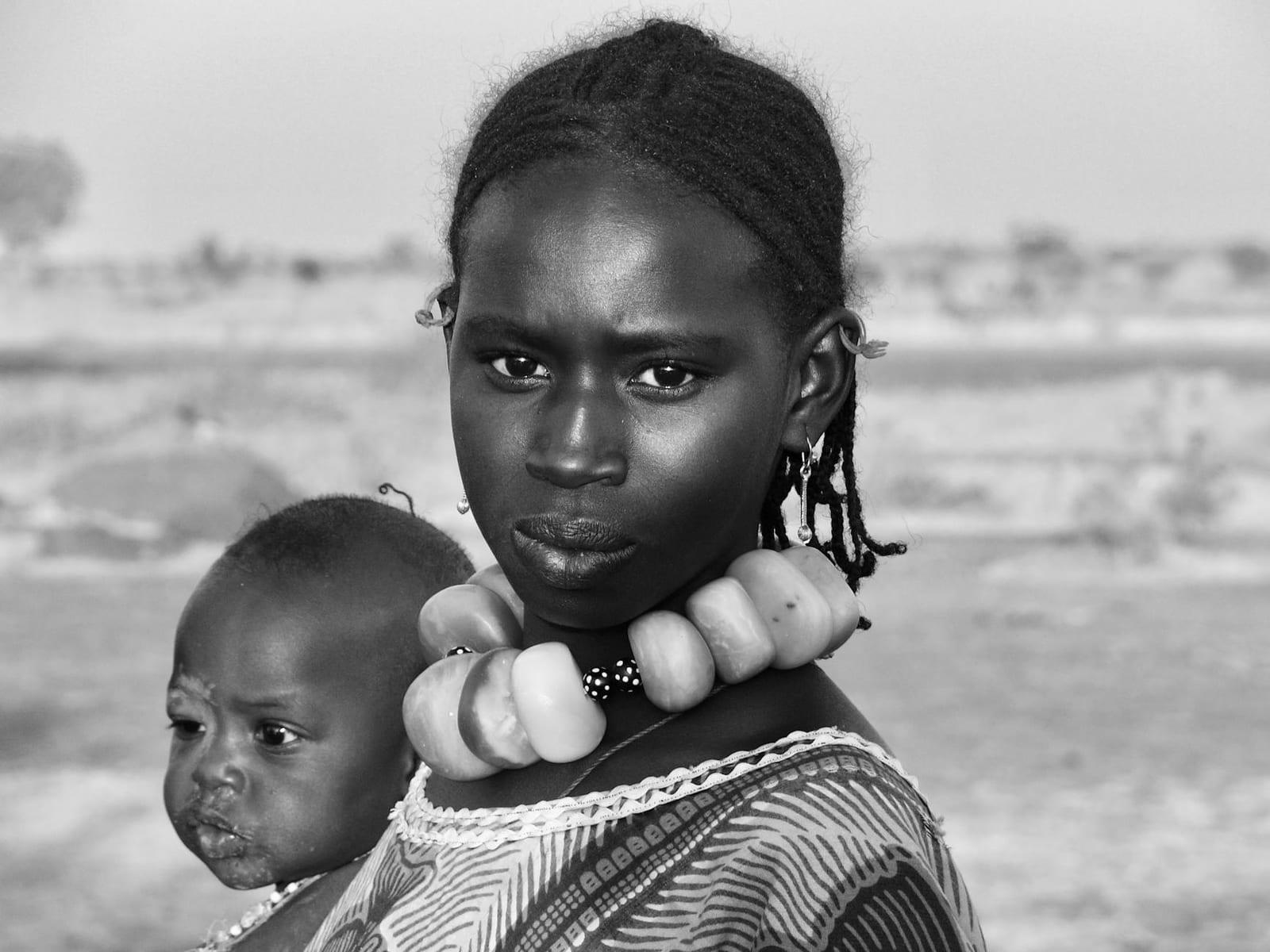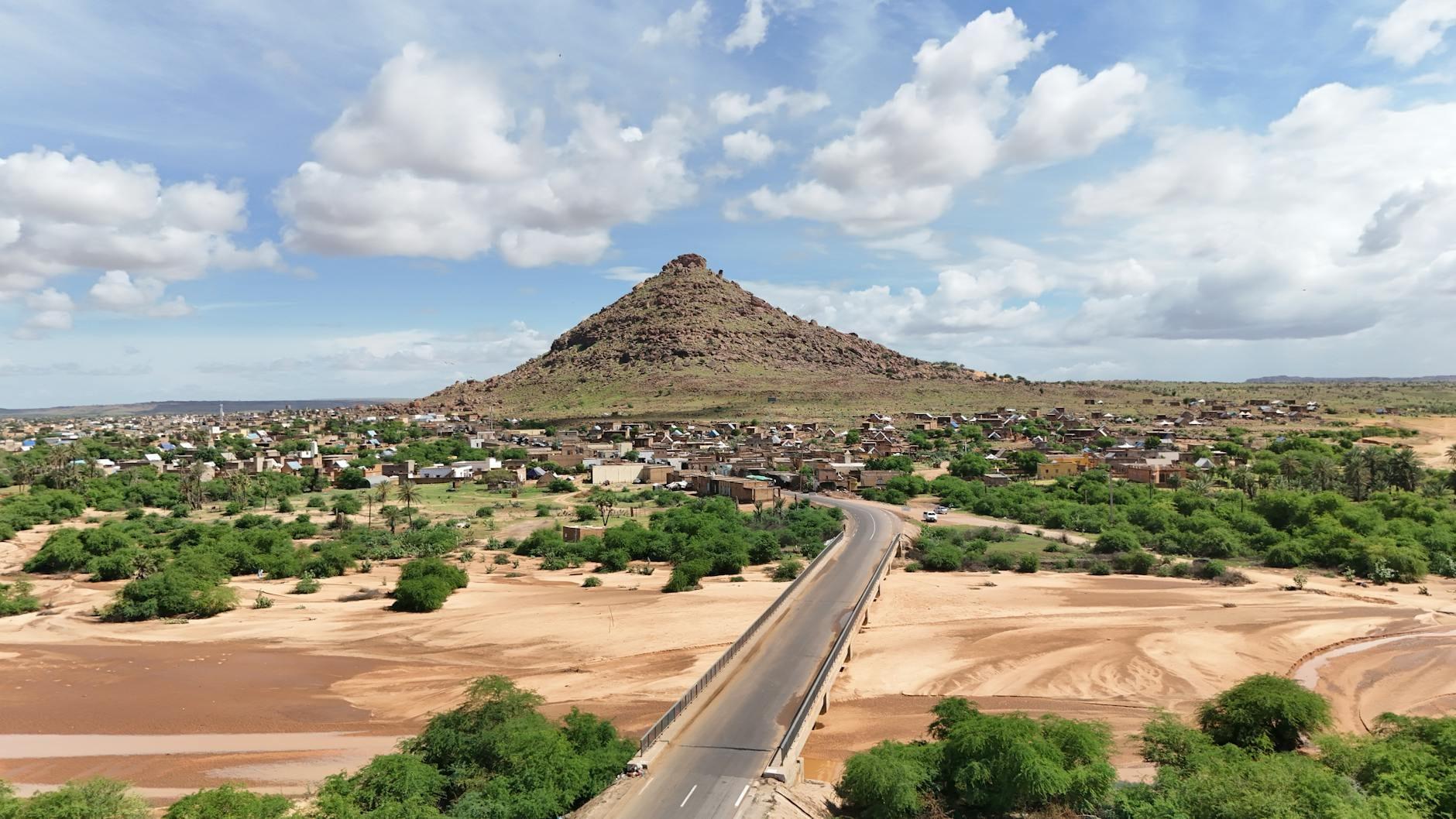

The fact that Mali remains an ill-advised travel destination—on account of ongoing skirmishes between the government and extremists as well as the threat of terrorism—is an outright shame. This huge, landlocked West African country has a legendarily bountiful cultural heritage, from the ancient mosques and Islamic texts of Timbuktu to musical traditions beloved the world over.
In Mali, you sense how the early history of North and West Africa still colors how the Bambara, Fulani, Tuareg, and other native ethnic groups see themselves and their country. Not least because of the deep-rooted musical storytelling of the griots: troubadours who sing the sagas of old kingdoms and royal families. After all, Malians are historically minded people: You’ll find many well versed in the illustrious, imperial eras of the region’s pre-colonial days, when the Ghana, Mali, and Songhai empires—profiting from trans-Saharan trading routes that linked the West African coast with the Mediterranean—held sway.
At the threshold of the Sahara, the legendary outpost of Timbuktu is a treasure trove of Islamic history: Along with gold, ivory, salt, and slaves, it was a trading center for Islamic texts, and many venerable manuscripts remain. Another famed destination, the cliff dwellings of the Dogon people along the Bandiagara Escarpment are the centerpiece of one of Mali’s most popular tourist regions, Dogon Country. The rock-hugging villages of the Dogon, defined by mud-walled, thatch-roofed granaries, homes, and shrines as well as cave tombs, constitute some of the most evocative—and symbolically rich—traditional architecture anywhere.
Down in the tropical southwest, the capital of Bamako serves as a great culture center of Africa and one of the most musically vibrant hubs on the planet. Mali, after all, has produced a slew of internationally celebrated artists, and Bamako’s clubs provide an unparalleled introduction to the country’s musical pedigree, with evenings featuring legendary griots and up-and-coming performers. (Another famous showcase for music, the Festival in the Desert, which once drew musicians from all over the world, presently has an uncertain future given the regional strife.)
Outside the widely scattered cities, rural Mali sustains timeless traditions playing out in long-inhabited landscapes such as the great inland delta of the Niger River and the rugged mountains of the Adrar des Ifoghas. With much of its countryside ravaged by desertification, overgrazing, and firewood-cutting, Mali’s not the most rewarding destination for wildlife, although there are a few national parks; notably, the country’s desert wilds harbor small, far-migrating herds of Africa’s northernmost elephants.
Whether sampled in the gorgeous landscapes of Dogon Country or the corridors of the National Museum in Bamako, Mali’s cultural richness is sensational. Let’s hope before too long it may once again be appreciated in its native glory.
11 things not to miss.
- mosques of DjennéSee the mosques of Djenné
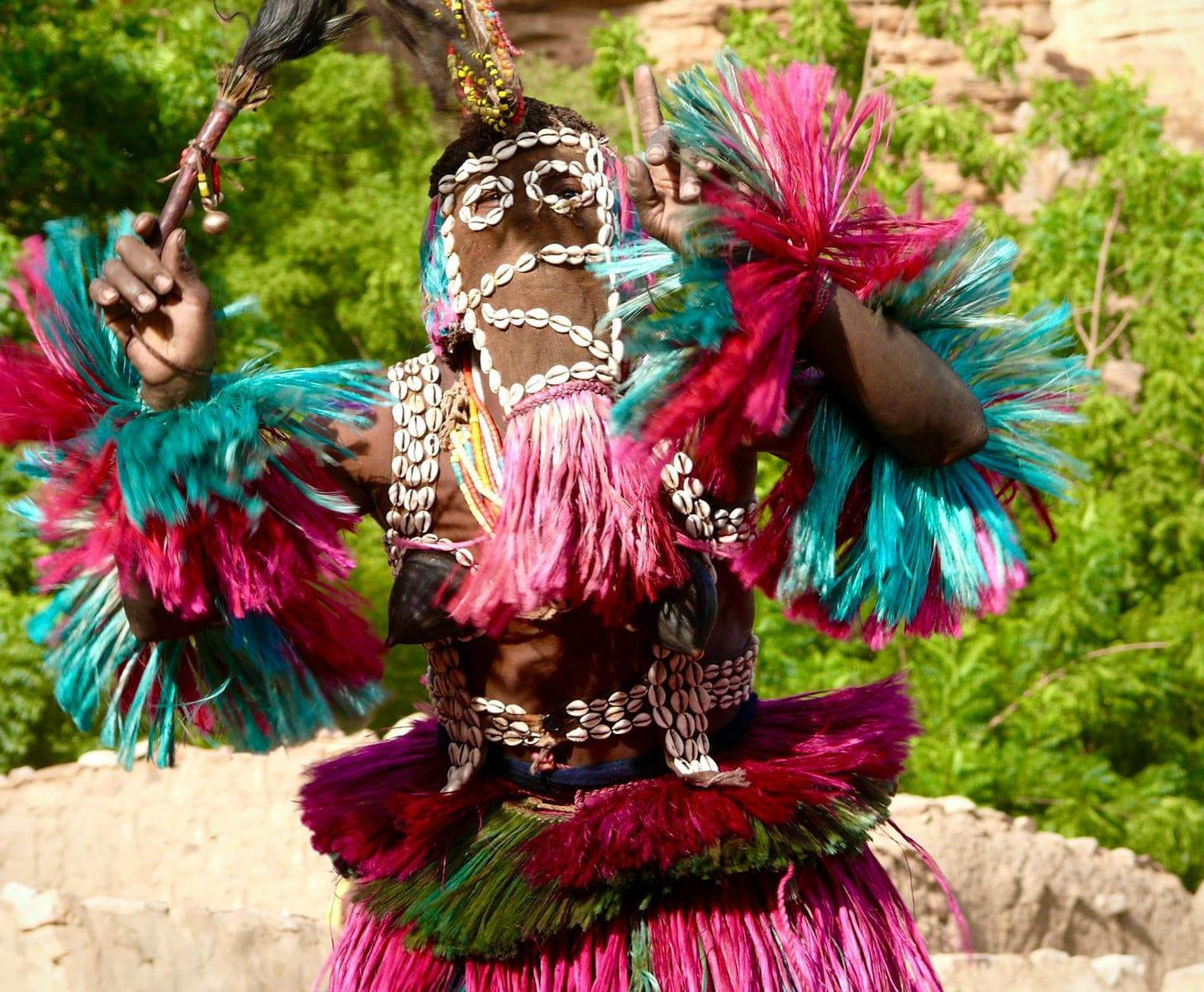
- Dogon CountryTrek Dogon Country
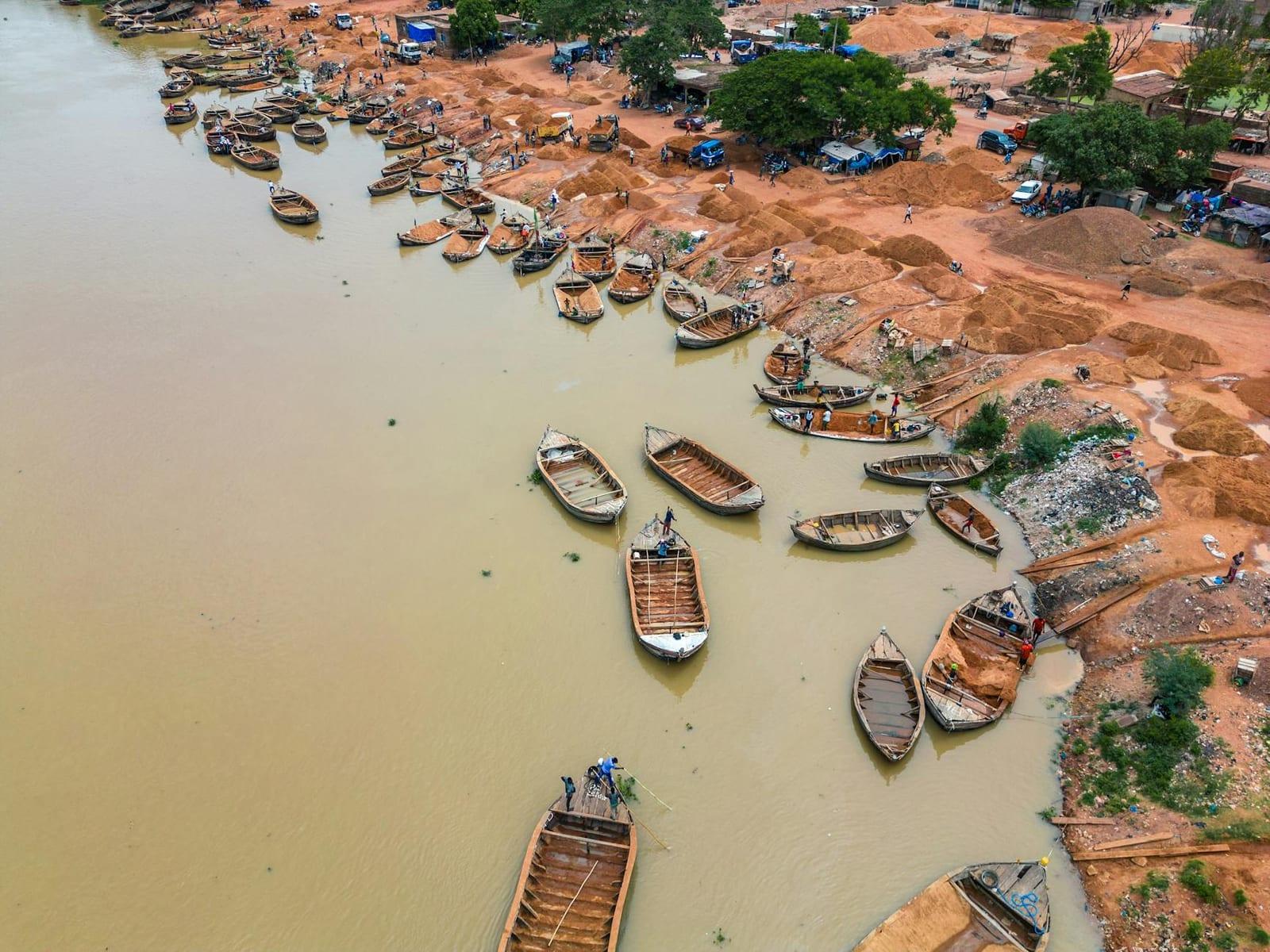
- Timbuktu's Sankoré libraryVisit Timbuktu's Sankoré library

- Great Mosque of DjenneWidely regarded as the pinnacle of Sudano-Sahelian architecture, this grand mud-brick landmark has existed in one form or another for hundreds of years.
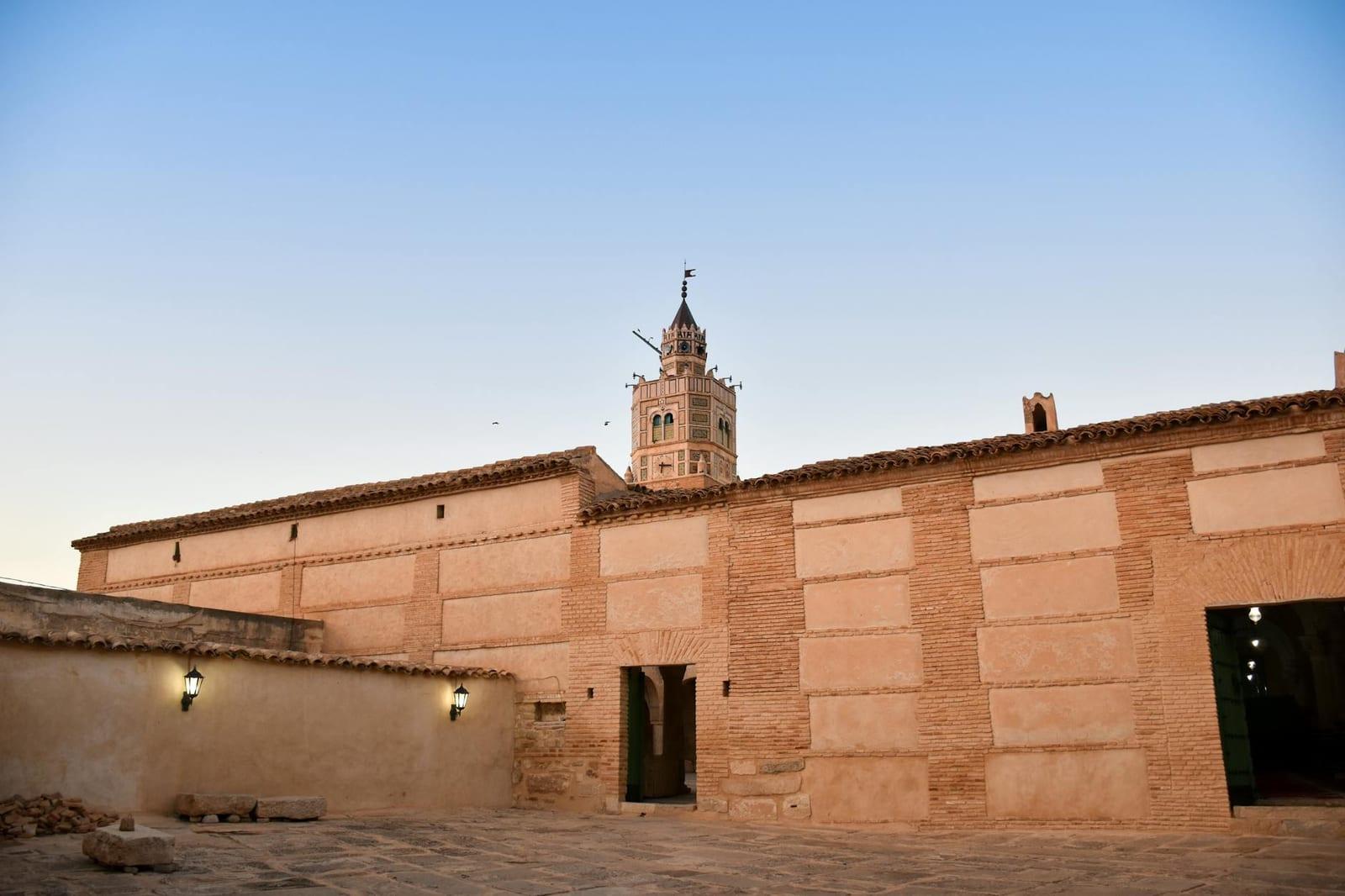
- TimbuktuFrom its centuries-old mosques to the precious Islamic manuscripts of its libraries, this ancient caravan way-station and center of learning is a real bucket-list destination.
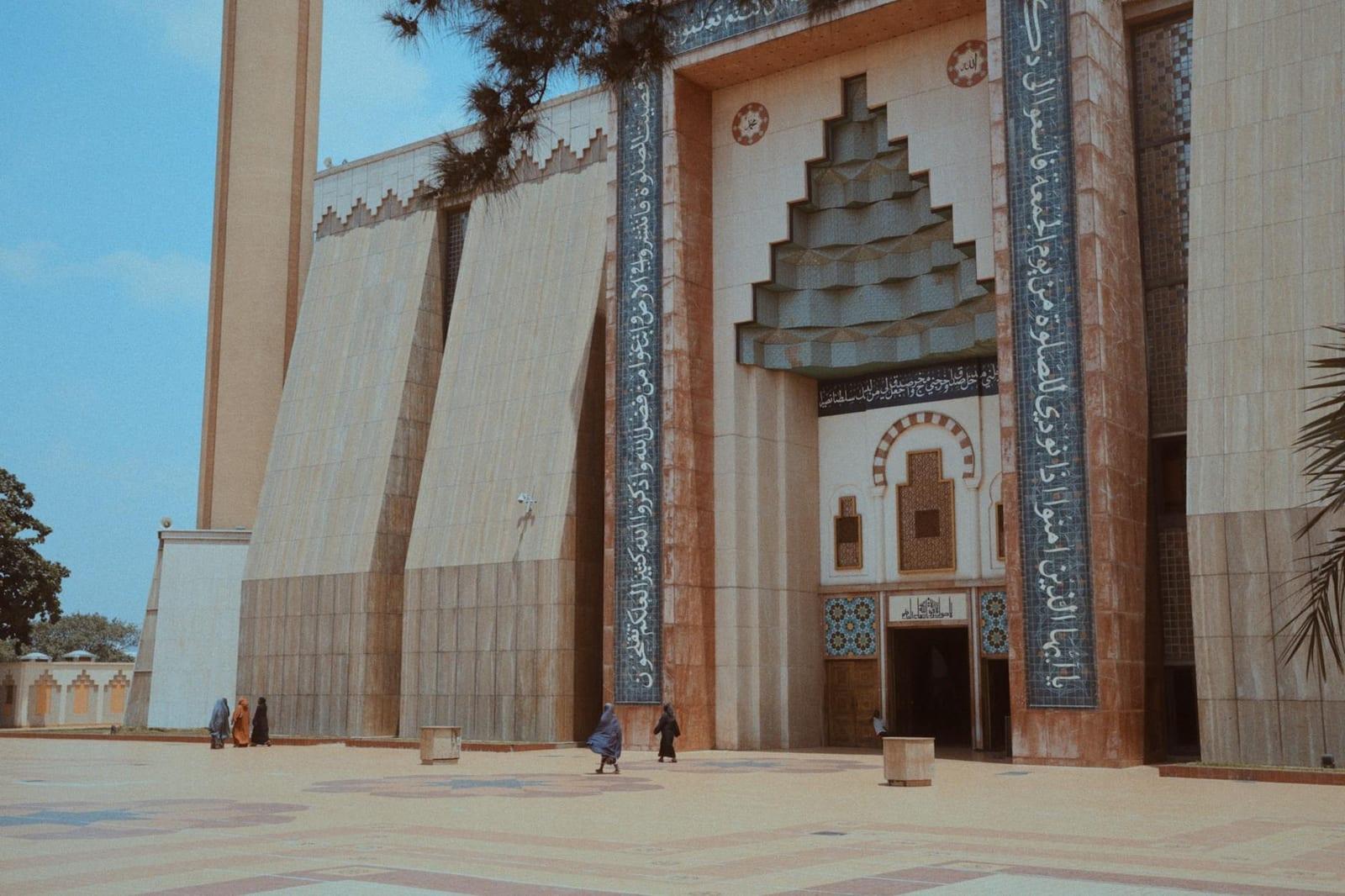
- Grand Mosque of BamakoImbued with Arabian style, this Bamako landmark stamps the city skyline with its towering cement minarets.
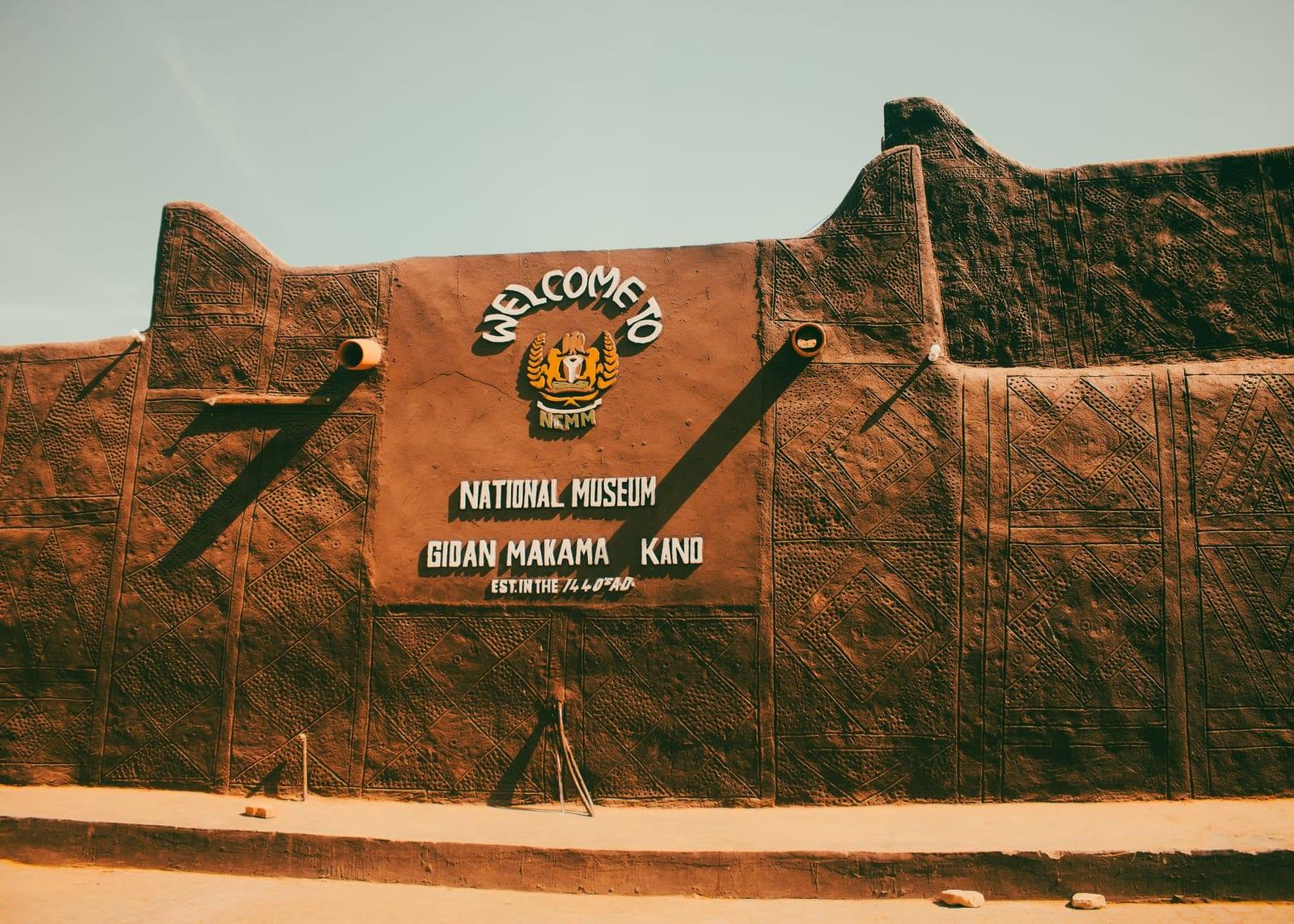
- National Museum of MaliIf you can't make it to Djenne’s Grand Mosque, this stellar Bamako museum has a scale model among its cultural and historical exhibits.
- Bafing National ParkThe Sudan-Guinea woodlands and forests of this farflung Manding Plateau park shelter some of the only western chimpanzees left in Mali.
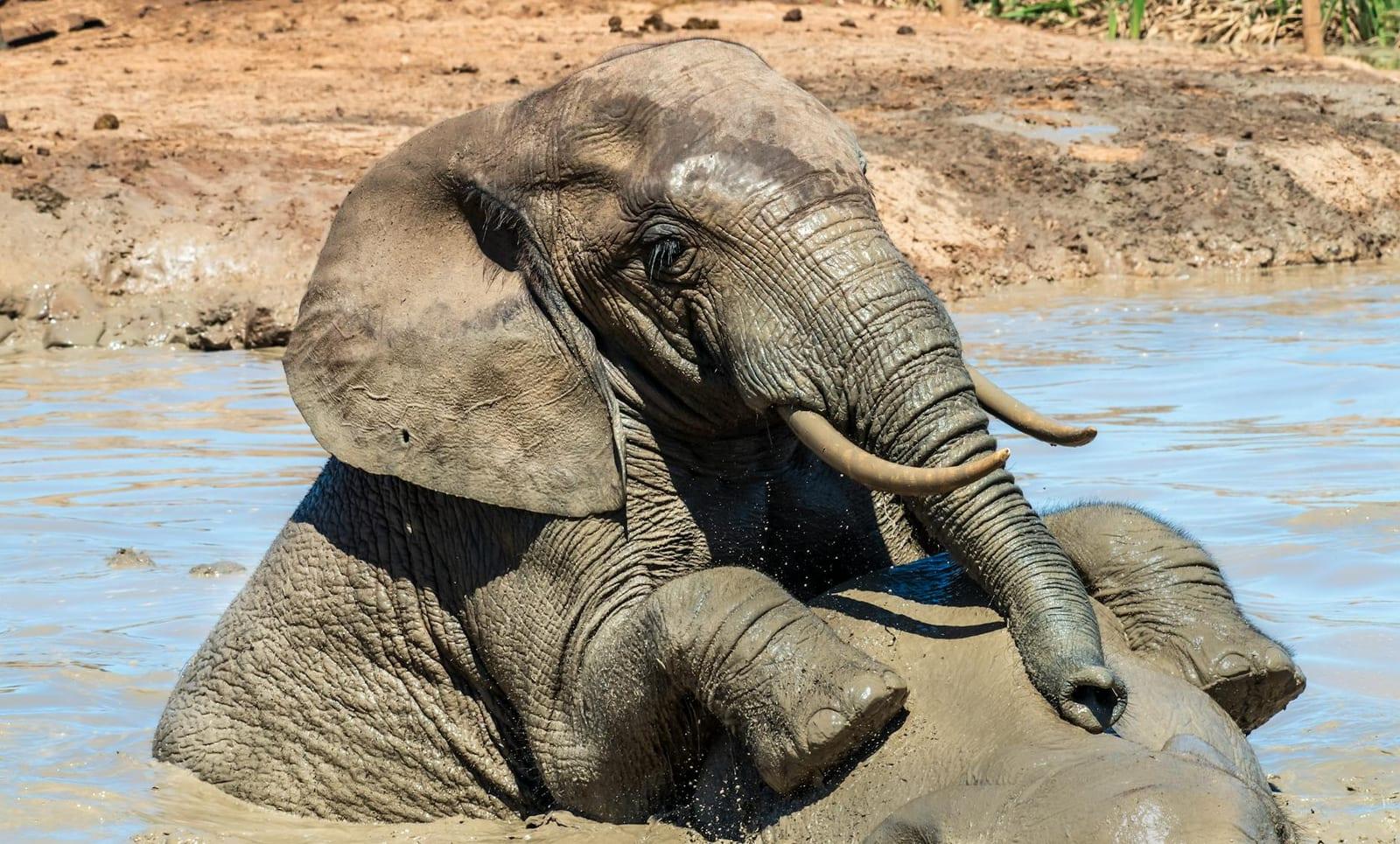
- Gourma Elephant Faunal ReserveThis big semi-desert sanctuary near Mopti provides critical range for the Gourma elephants, which migrate farther than any other in Africa.
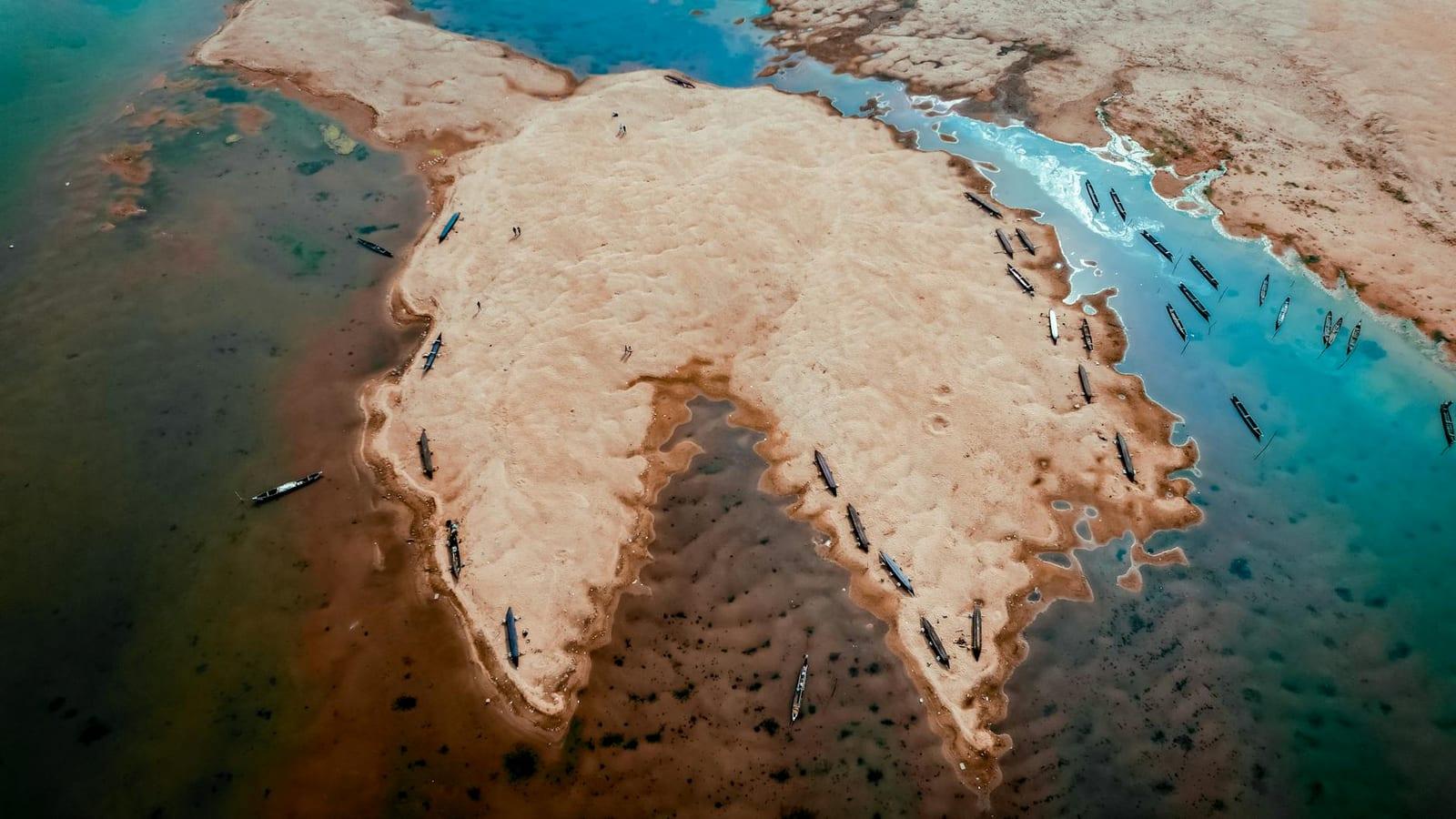
- Inner Niger DeltaThis seasonally flooded basin—which includes Mopti, Djenne, and other important towns—is the heart of Mali.
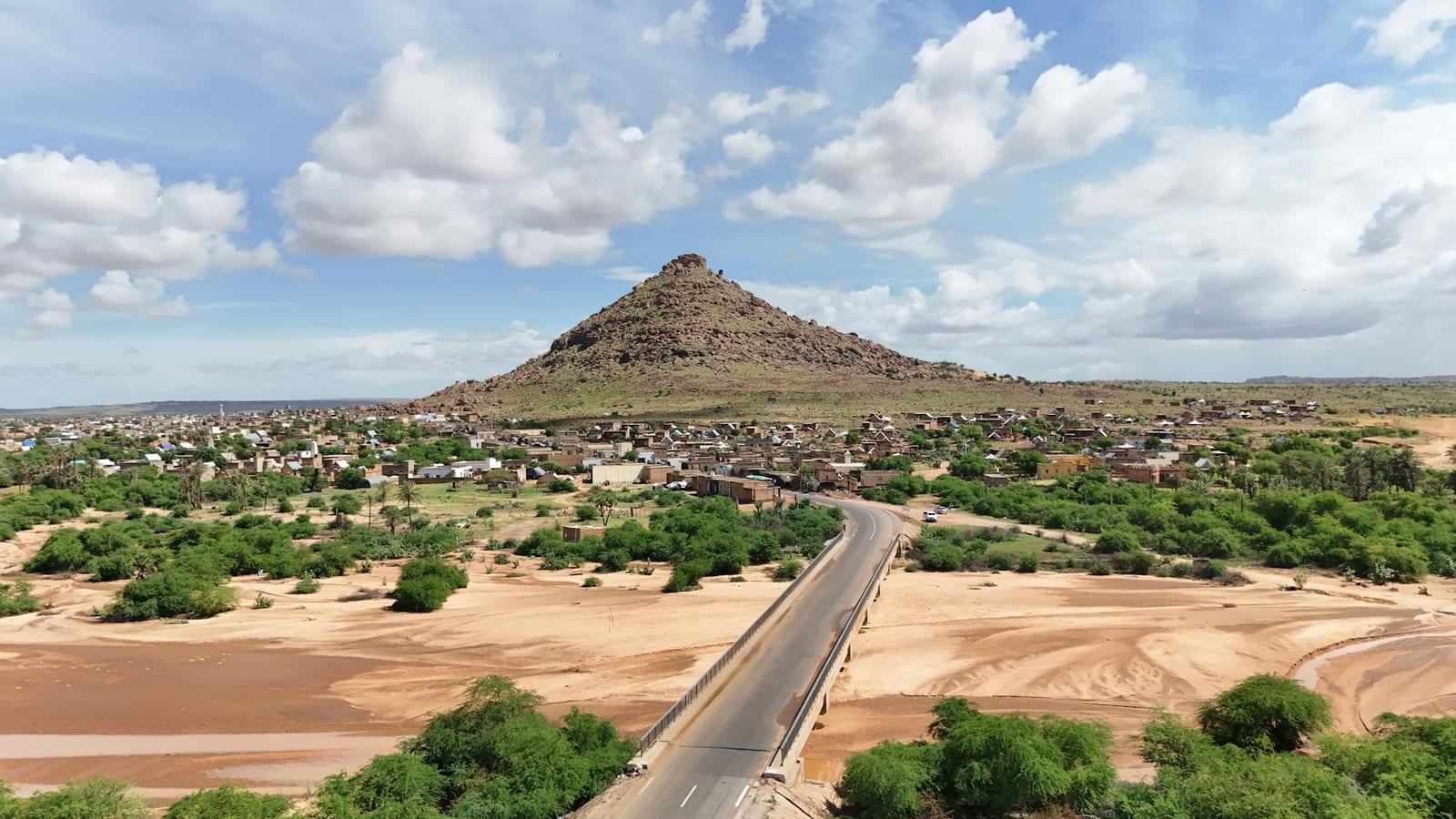
- The Hombori MountsThe great cliffs of this brooding mesa massif—at nearly 3,800 feet tall, the highest point in Mali—preserve pristine summit vegetation and archaeologically rich caves.