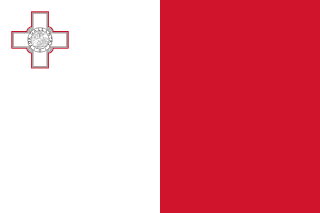
Some proclaim Malta’s climate—Mediterranean at its balmiest—the best in the world. Certainly it's hard to come up with a country with a better blend of sea-softened temperatures and generous heaps of grade-A sunshine. A stepping-stone archipelago between Europe and North Africa, Malta promises some of the most pleasantly subtropical of European beaches—and a bountiful side dish of history.
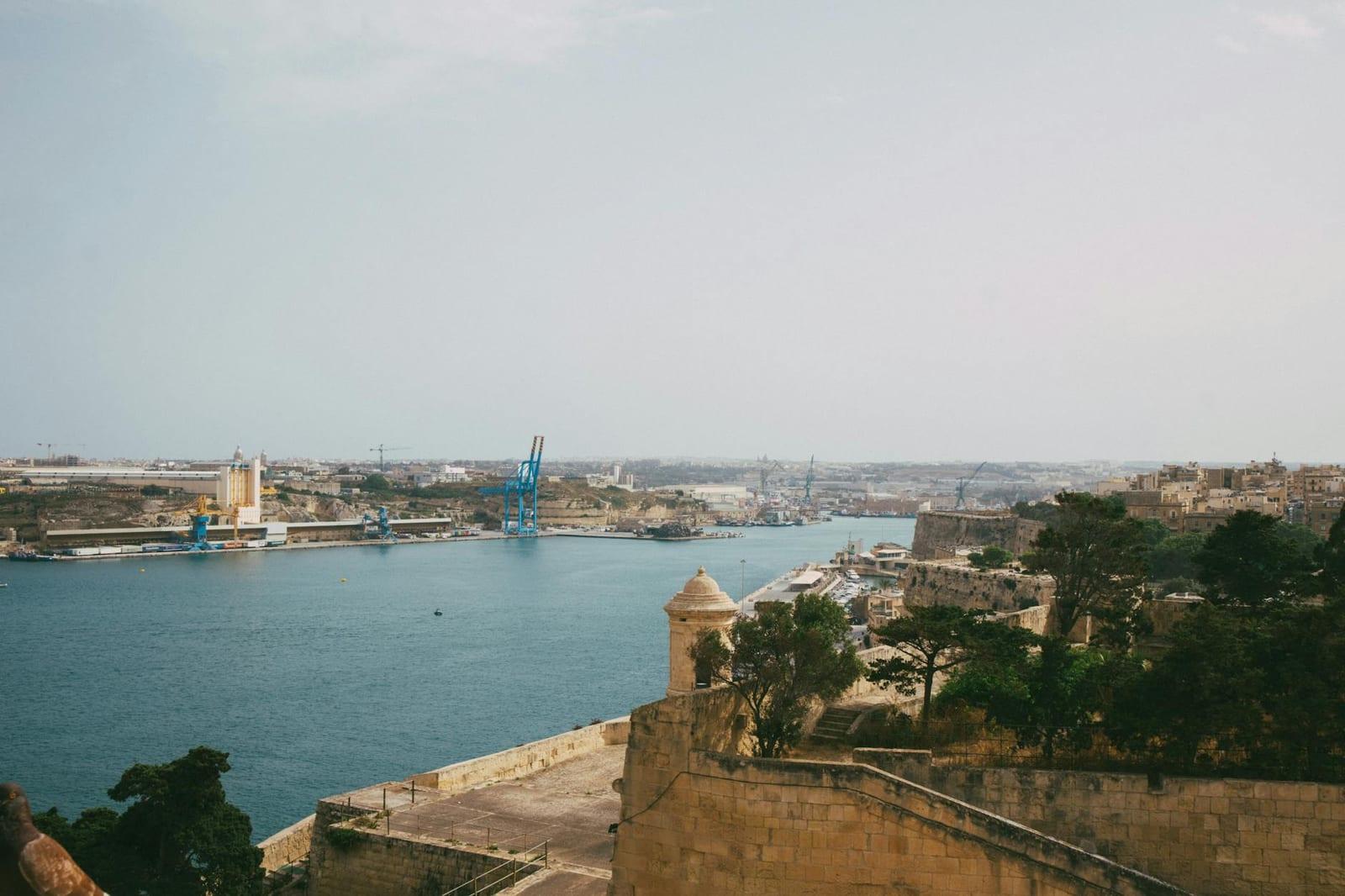
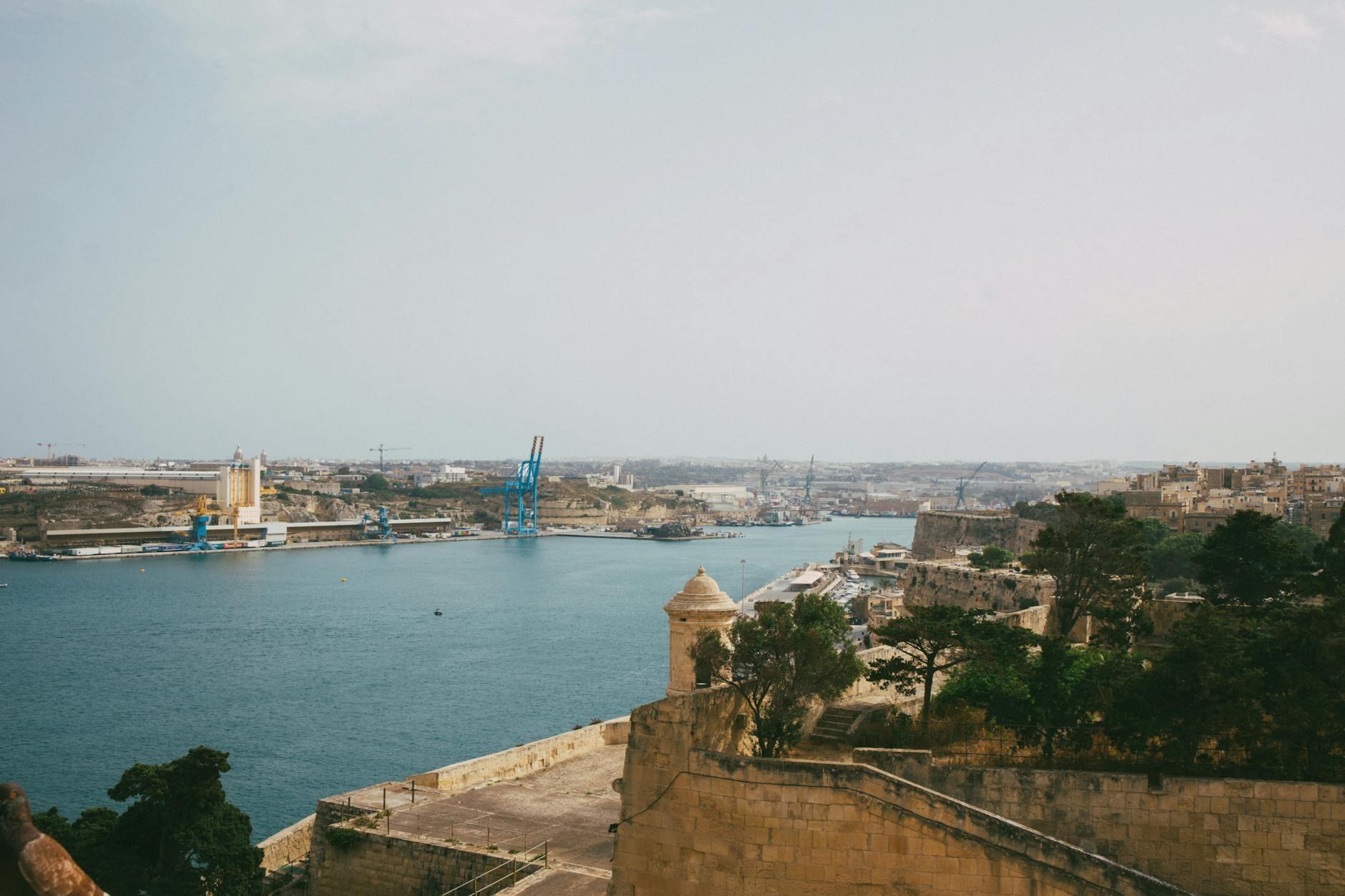
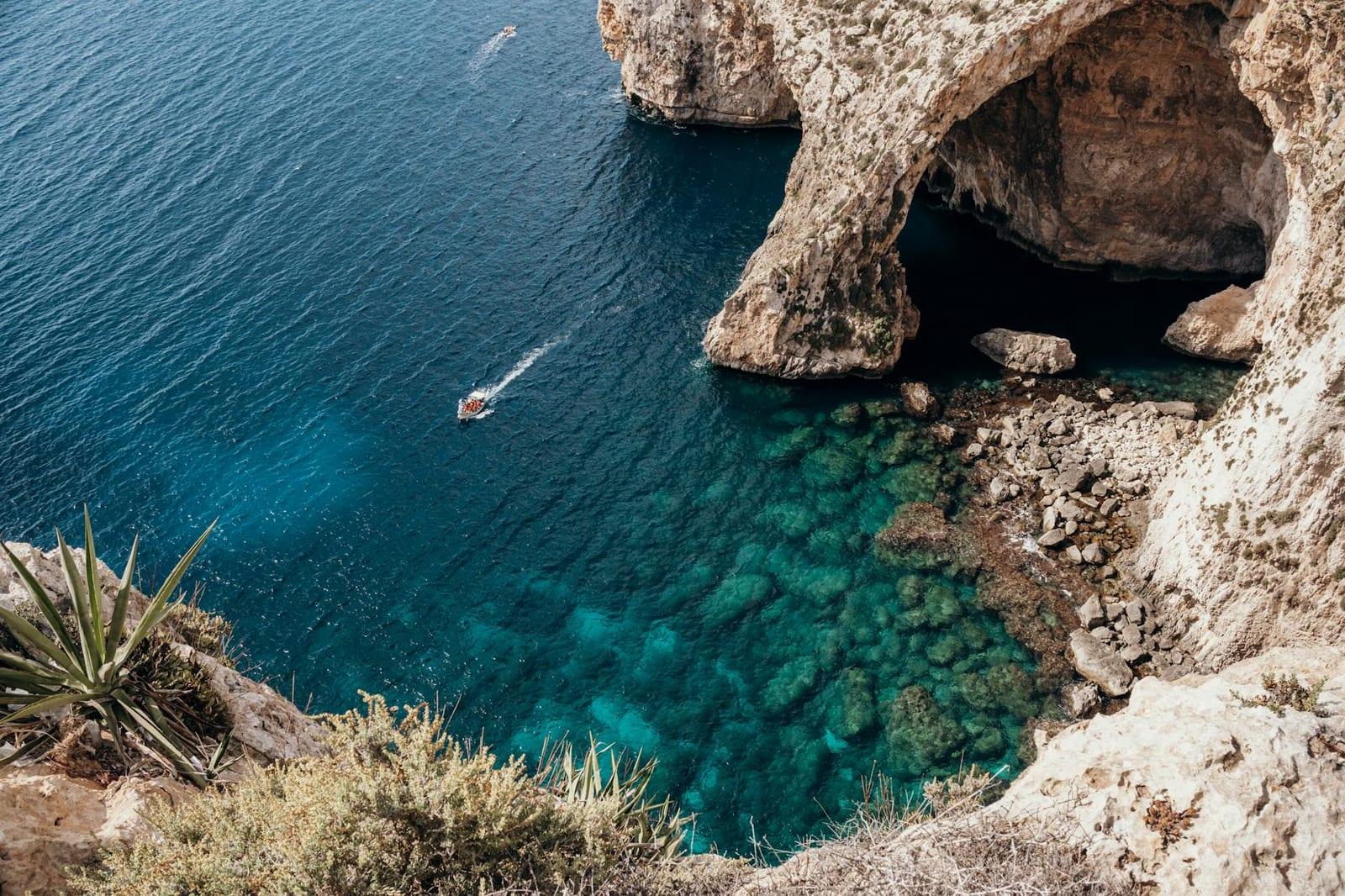
The Maltese archipelago is a smattering of limestone banks marking an otherwise submarine shelf that links Sicily and Libya under the waters of the central Mediterranean. Three of the islands are inhabited: Malta, Comino, and Gozo. Typical scenery ranges from valley-struck plateaus to coastlines lobed with bays and inlets and often ruggedly scenic, walled with cliffs. Great coastal landmarks include the capital of Valletta’s magnificent Grand Harbour, the Blue Grotto of southwestern Malta, the Blue Lagoon off Comino, and the Azure Window rock arch of Gozo. Many a rockbound cove shelters a neat and perfect beach, and Maltese waters offer some of the finest snorkeling, diving, and windsurfing in the Mediterranean.
Malta has been occupied by many of the region’s mightiest historical powers, from the Phoenicians, Greeks, and Romans to the Arabs, Sicilians, French, and British (it attained independence from Great Britain in 1964). And history runs deep here: Gozo’s limestone-forged Ggantija Temples, likely built between 3600 and 3200 BCE, are among the oldest standing human structures on the planet. Gozo is often considered to be the mythical home of Calypso from the Odyssey; legend holds that the Calypso Cave on the island was where the bewitching nymph delayed Odysseus on his homeward voyage.
Old fortifications stud many a coastal promontory, including Fort St. Elmo, used by the Knights of Rhodes against the Ottomans during the Great Siege of 1565. Malta’s military utility came intensely into play during the Second World War: The main island suffered massive damage as German and Italian forces attempted to seize it, although ultimately the Allied defense proved successful.
Whether in the heart of Valletta or a sleepy Gozo village, you’ll find Maltese culture a fascinating embodiment of the archipelago’s cross-cultural heritage. The distinctive Maltese Carnival holds its own in terms of pageantry and revelry with any other. The varied cuisine echoes cooking traditions from Italy to Tunisia, and well-regarded Maltese wine—red, white, and sparkling—draws upon millennia of tradition.
Smiled upon by Mediterranean breezes, etched in the annals of myth and antiquity more boldly than its size and population might suggest, Malta’s enthralling. It's one of those places that feels simultaneously out-of-the-way and right at the center of history's great sagas.
10 things not to miss.
- Boat into the Blue GrottoBoat into the Blue Grotto
- sunset on Mdina's wallsCatch sunset on Mdina's walls
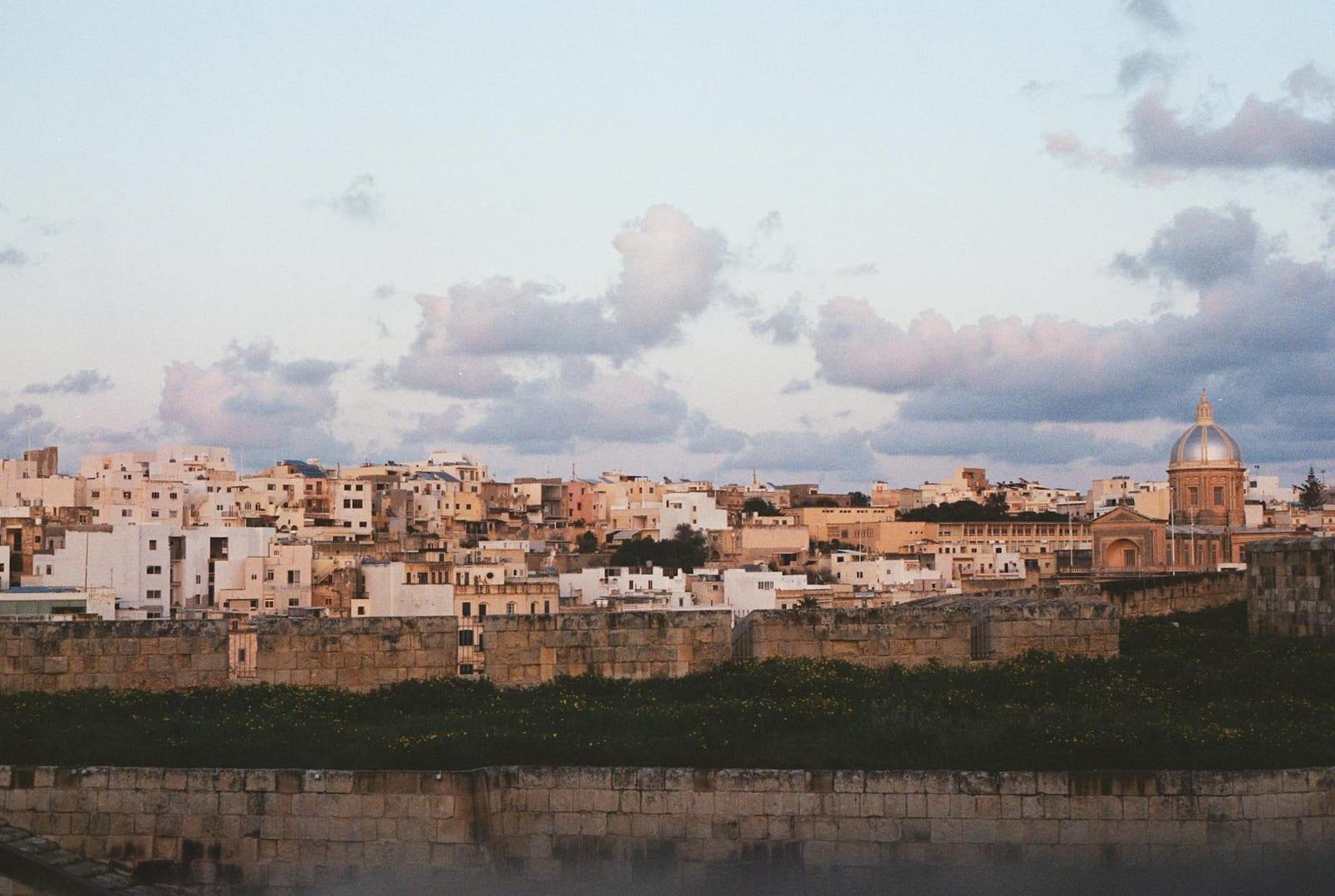
- Ggantija TemplesAmong the oldest standing human structures in the world, these limestone-forged temples on Gozo date from 3600 to 3200 BCE.
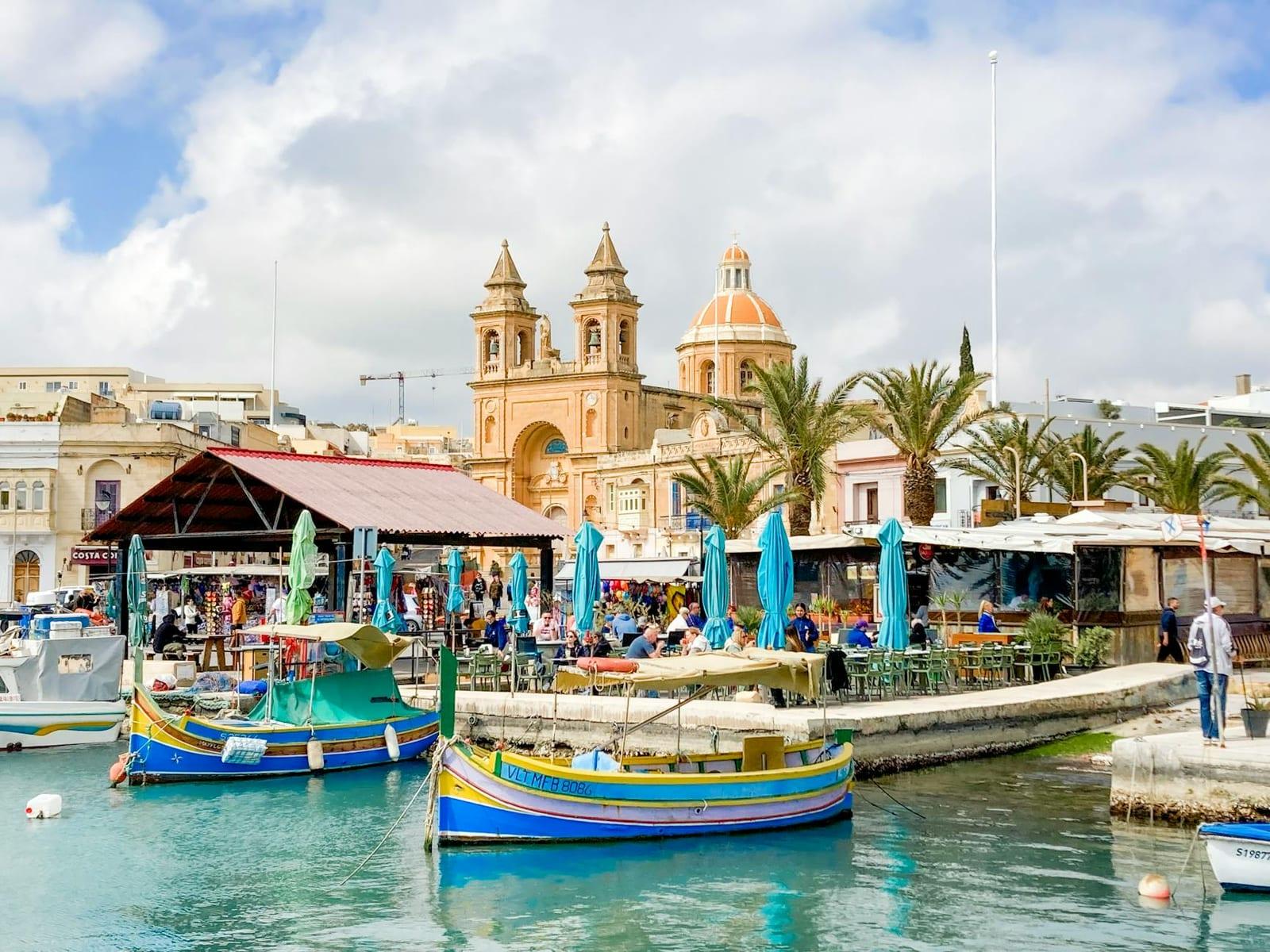
- Calypso CaveLegend says this seaside grotto was where its namesake nymph detained Odysseus on his homeward trek immortalized in The Odyssey.
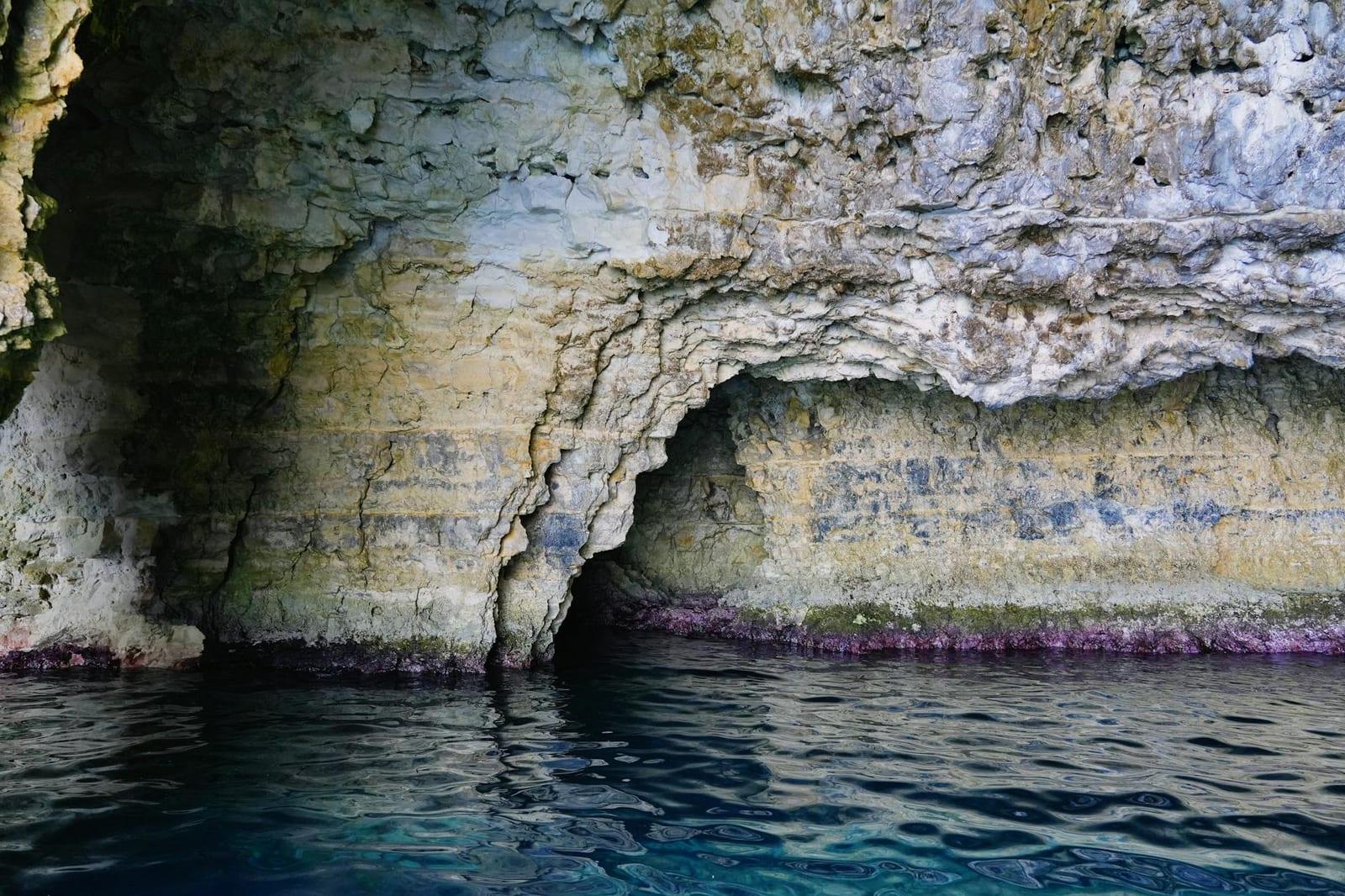
- Dwejra BayOne of the Mediterranean’s dreamiest seascapes awaits visitors to this Gozo inlet, home to the Azure Window rock arch and Inland Sea lagoon.
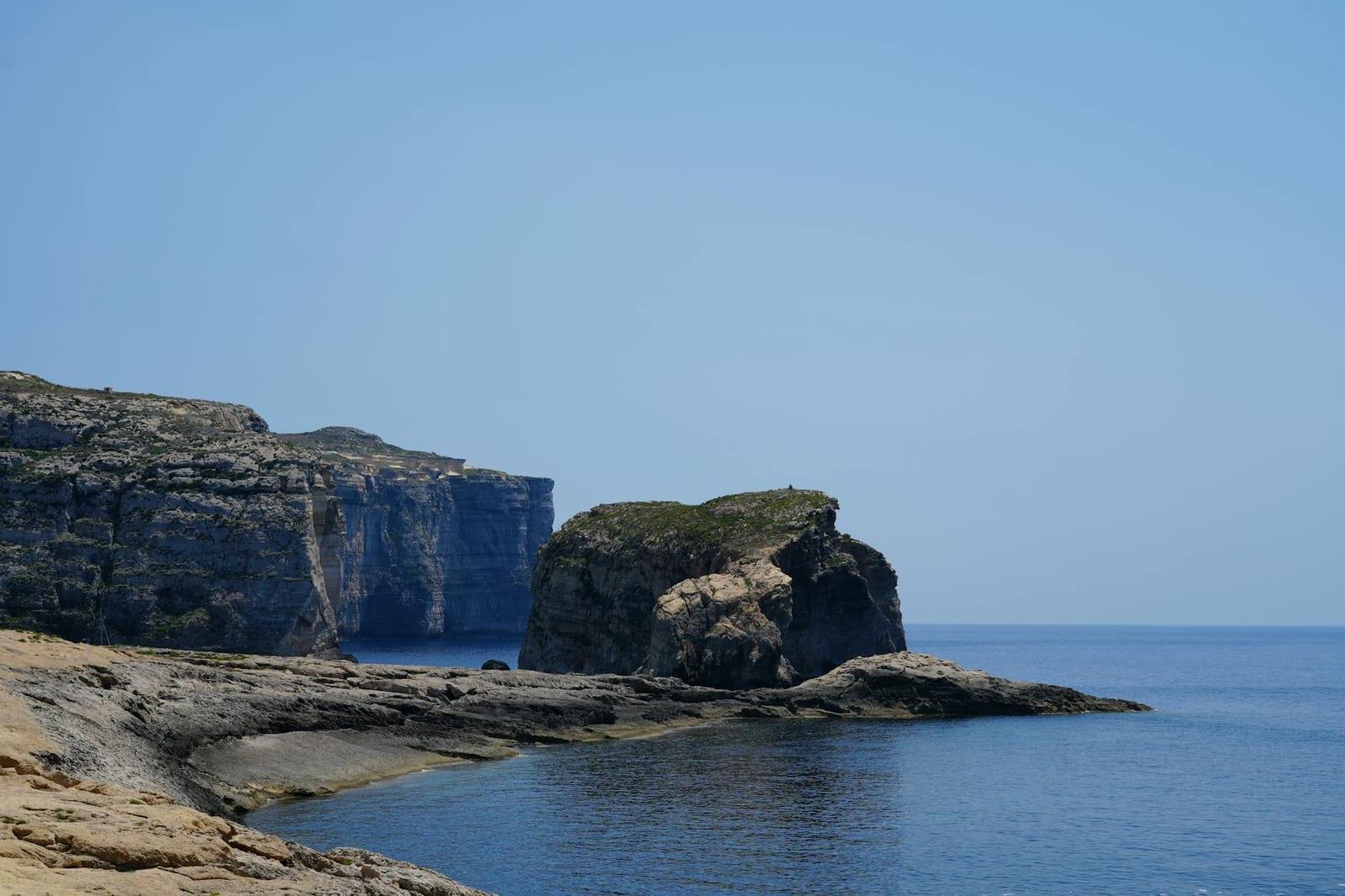
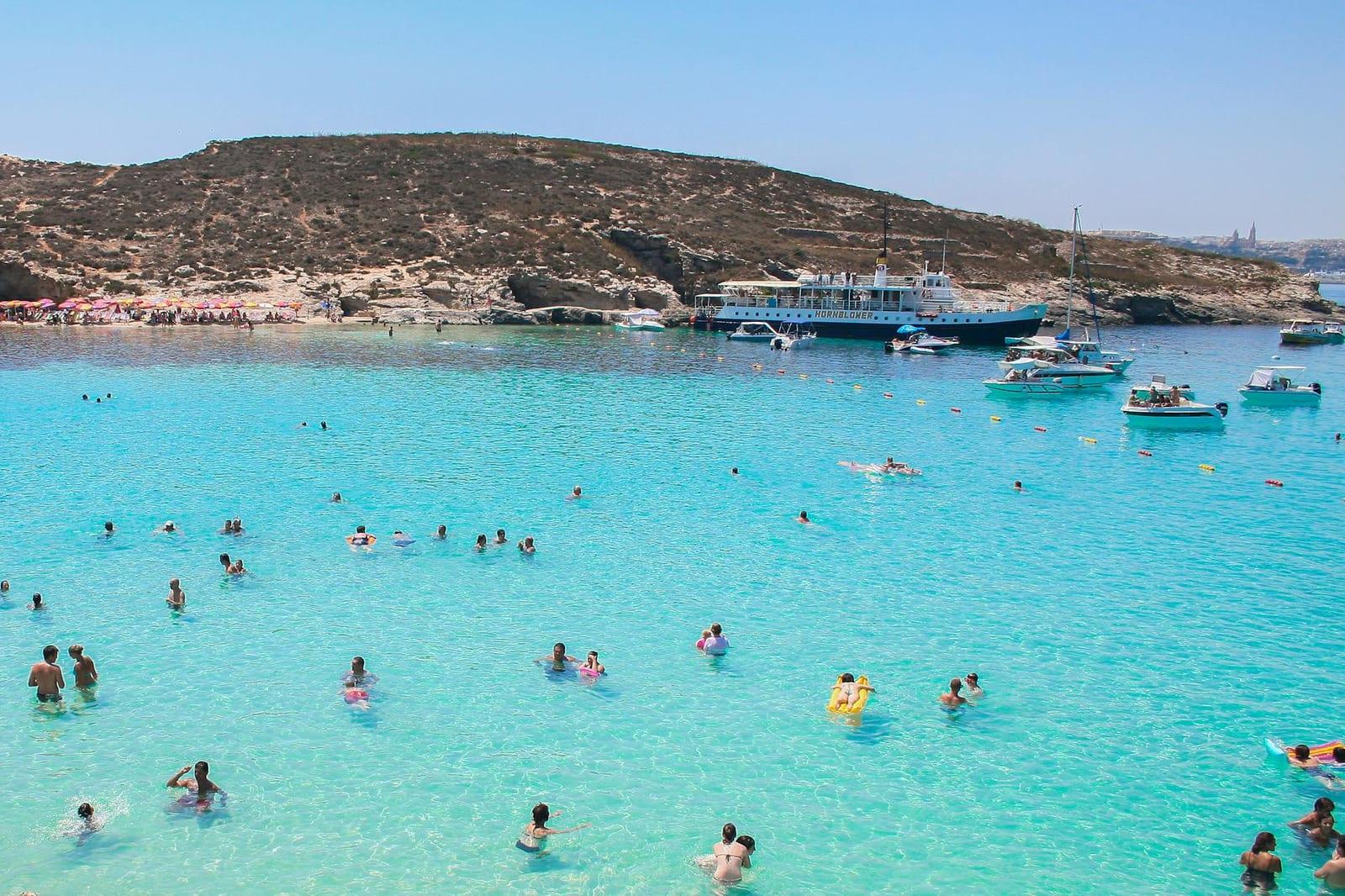
- Blue LagoonThis Comino seashore will convince you that—no doubt about it—paradise does indeed exist.
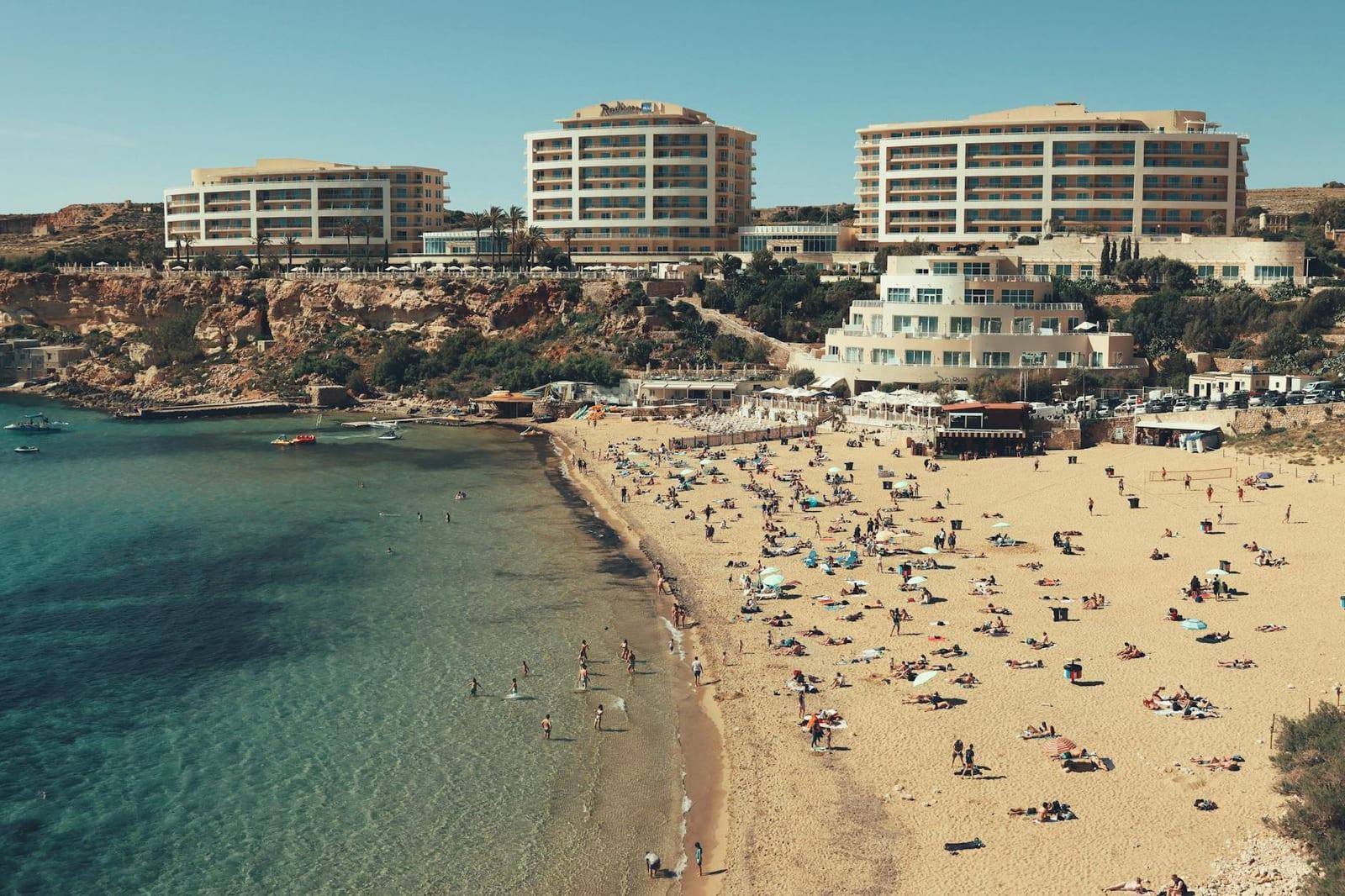
- Golden BayThe heavenly sunsets from this Maltese beach, one of the country's best, will burn deep into your memory.
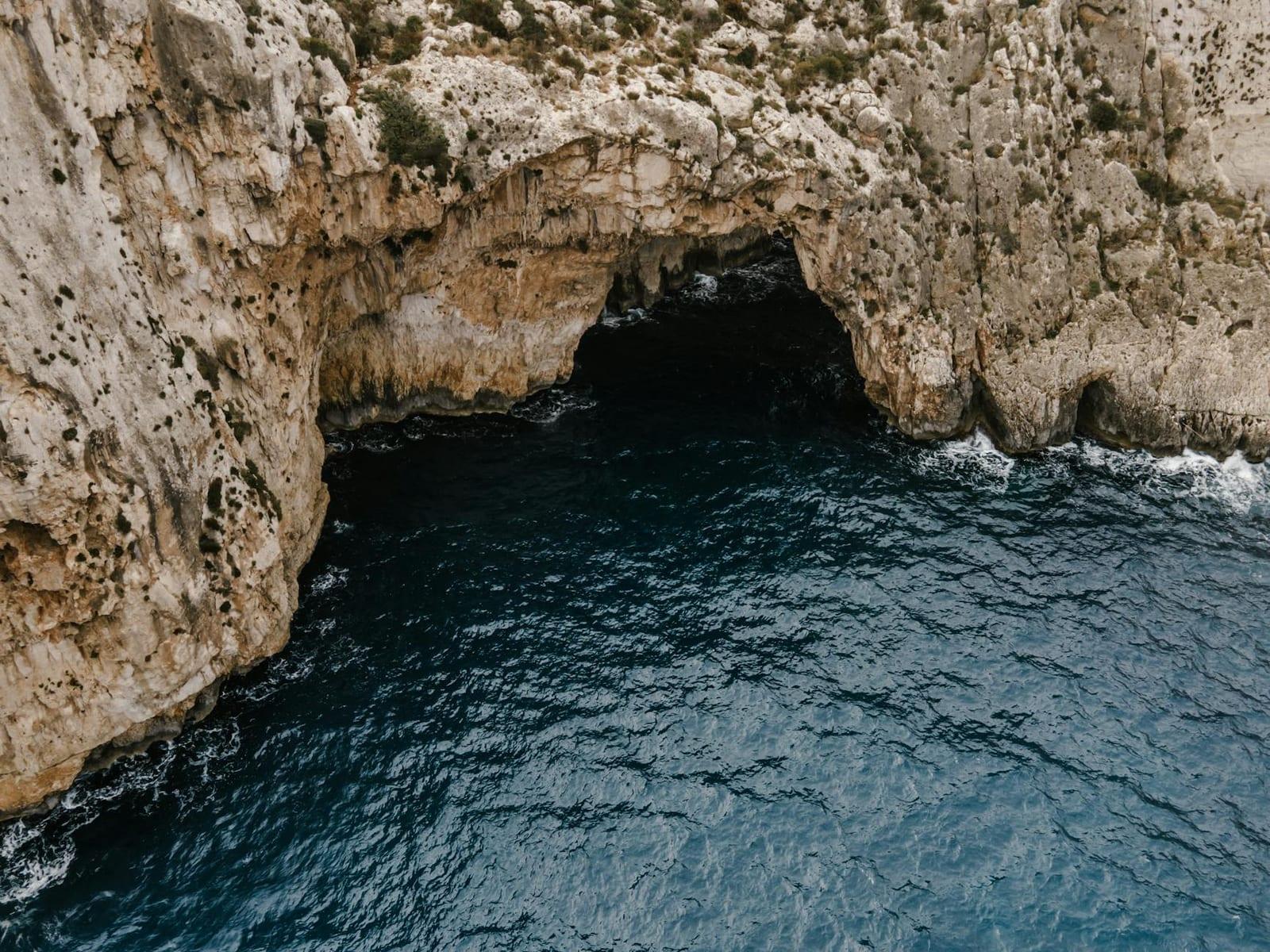
- Blue GrottoThese glorious sea caves make a popular boating and diving destination along the Maltese coast.
- Fort St. ElmoThe Knights of Rhodes held off the Ottomans in the Great Siege of 1565 from this long-used coastal stronghold.
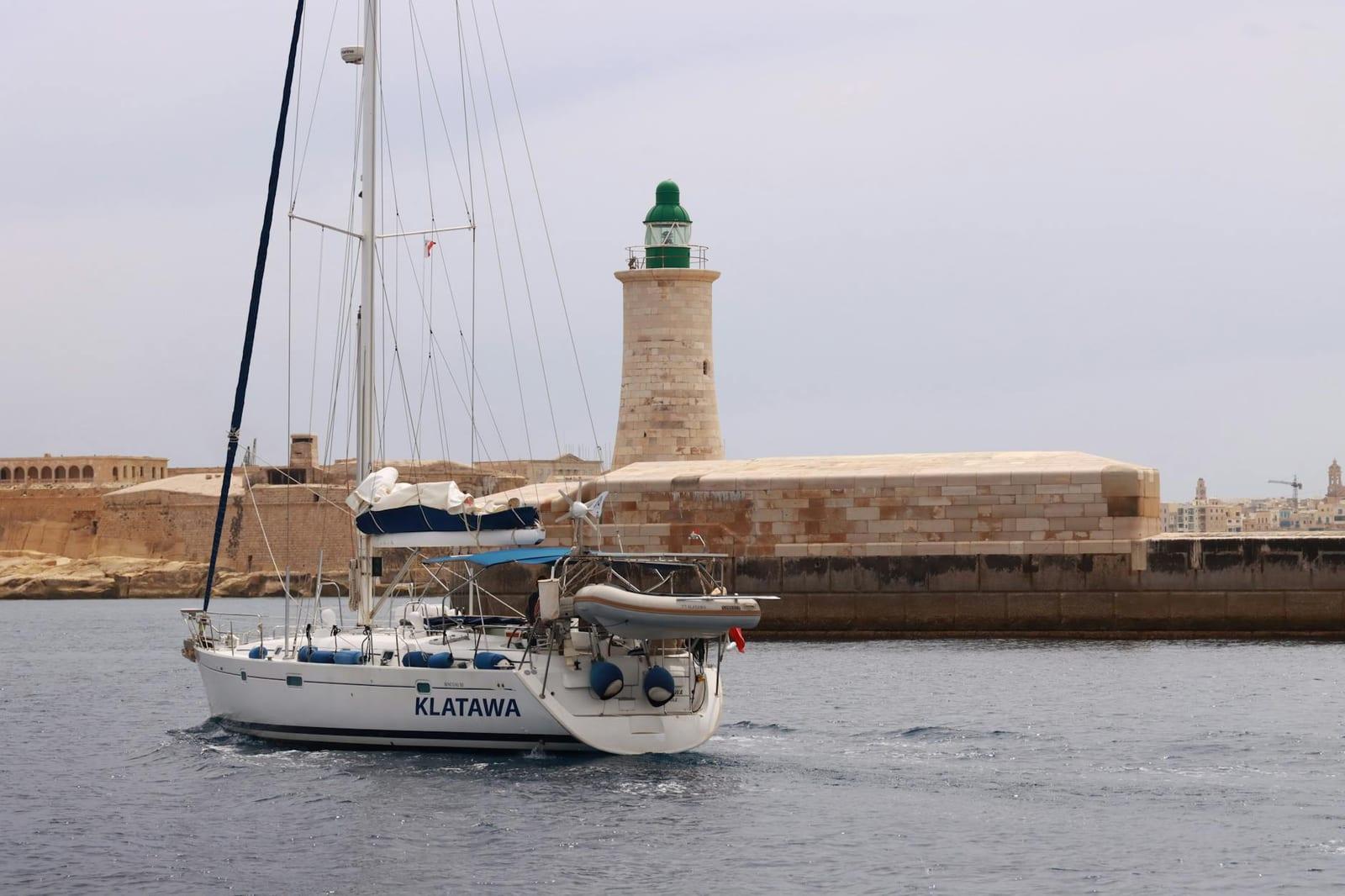
- VallettaSo close-packed are the capital’s era-spanning landmarks that UNESCO calls it “one of the most concentrated historic areas in the world.”