
Discover your Caribbean bliss in Martinique, surely one of the most winsome reaches of the West Indies. France has controlled the island since the 1680s (though Britain tried to usurp it more than once), and the European effect remains palpable.
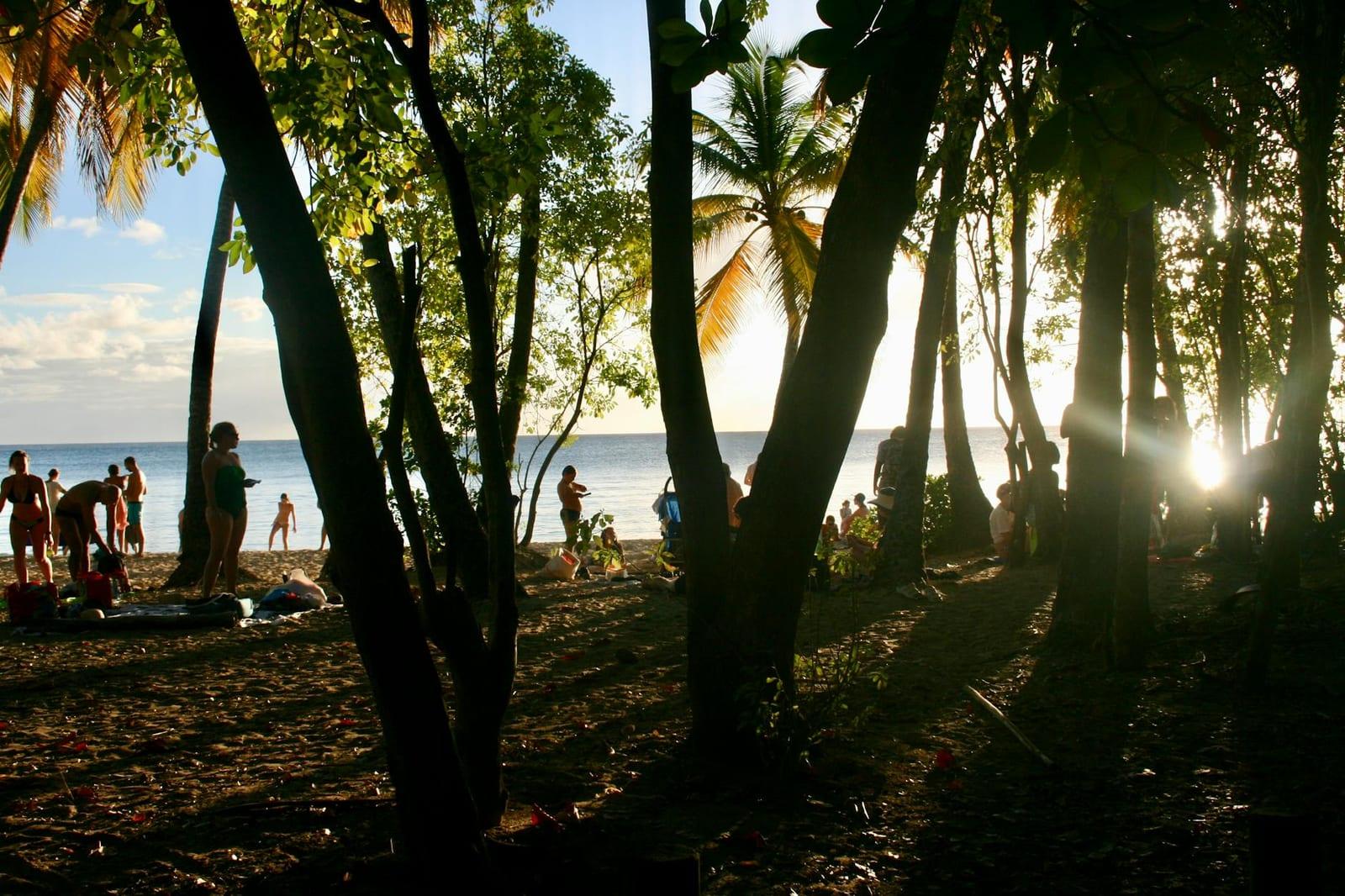
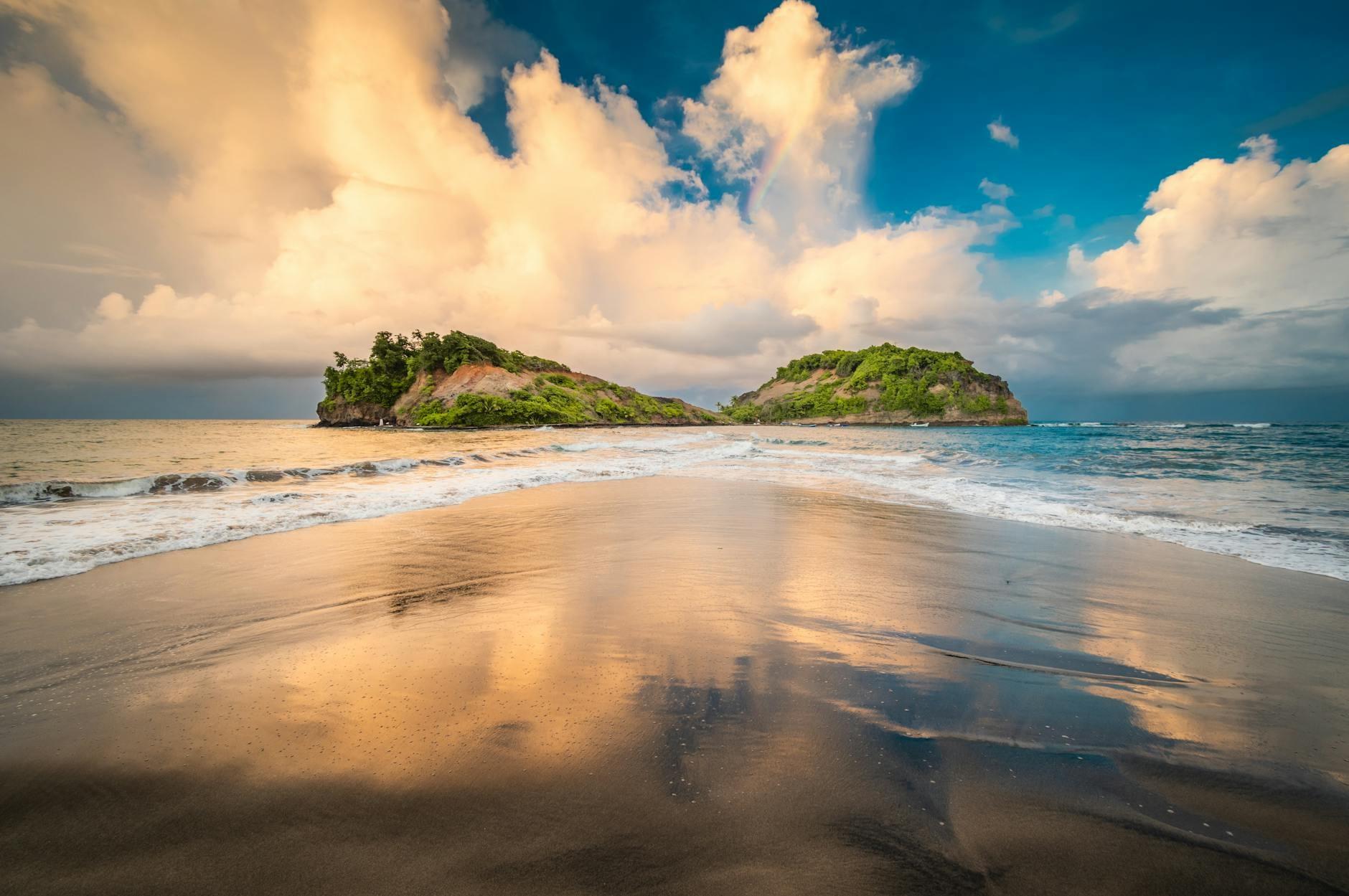
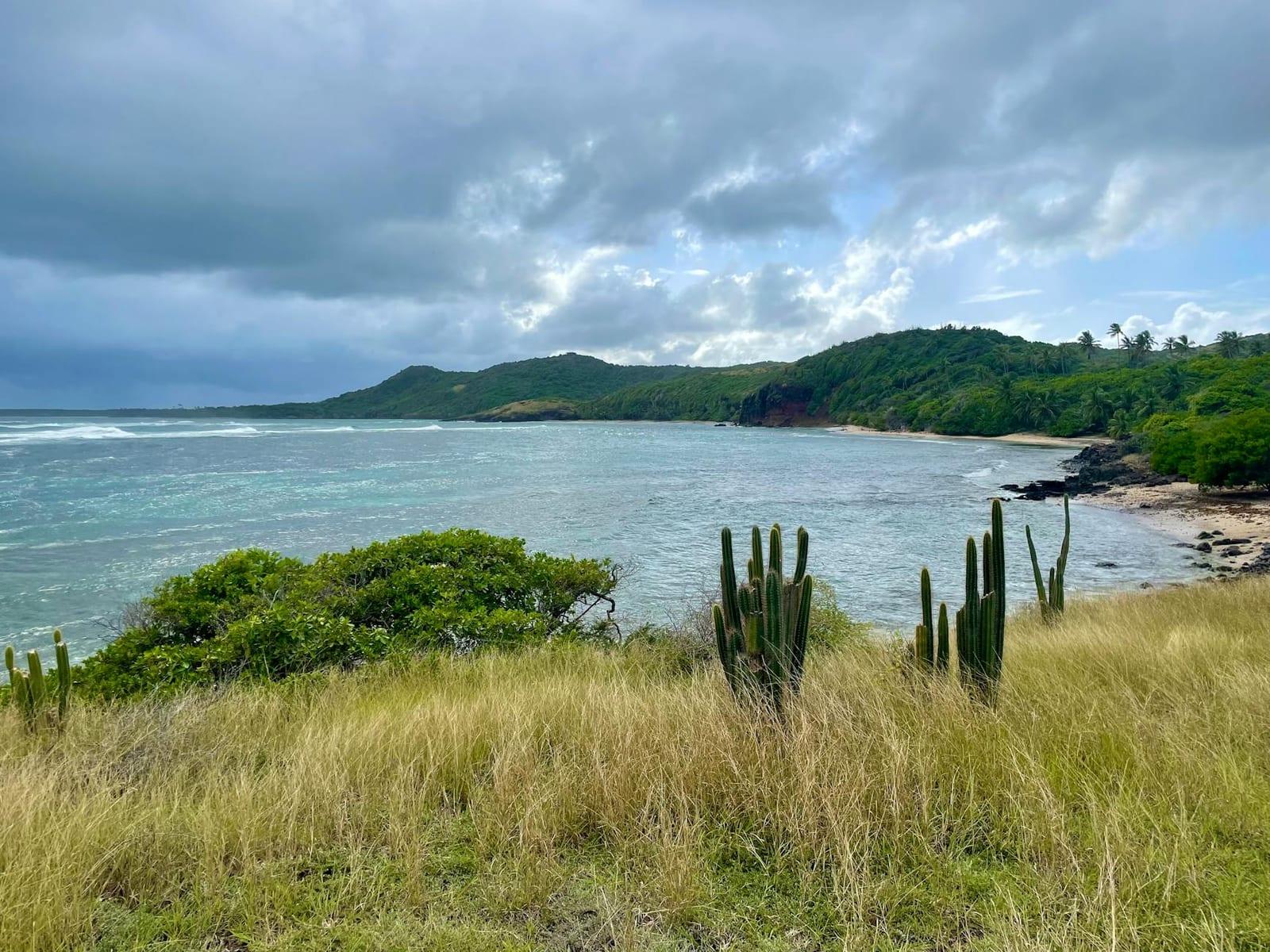
To start, the island's flat-out gorgeous; Christopher Columbus thought so, for one thing, pronouncing Martinique the “most beautiful country in the world.” The isle’s mountainous interior looms to 4,583-foot Mount Pelee (notorious for its monumental 1902 eruption) in the north, the Carbet Mountains in the middle, and 1,654-foot Mount Vauclin down south. More exposed coastline manifests as rough, wave-washed cliffs, while sheltered bays and coves show black-, brown-, and white-sand beaches of the irresistible nature. (The most popular lie along the southern coast in the Pointe du Bout area.) The northern highlands take the brunt of the trades, and their heavy precipitation translates to splendid tropical forest. Snorkelers and scuba divers, meanwhile, have ample coral reefs to investigate—as well as quite a few wrecks to explore.
Then there’s the ambience, distinctly French-inflected—from the architecture to the gastronomically oriented culture. The influence of Africa, channeled through the slave trade, is equally felt, and the Creole-style fusion enlivens homegrown music, dance, and cuisine. Zouk is the island’s best-known musical genre, a mainstay of the country’s Carnival—well appreciated with a little Martinique rum in your belly.
Martinique’s small enough to be lazily circumambulated (as best you can—the roads in the north can be rough) in a single, idyllic trip. From the vintage architecture and tourist shops of Fort-de-France to the countryside plantations of banana, pineapple, and sugarcane, you feel as if you’re weaving across entire eras of Martinique history as you ramble. Just be sure to leave plenty of time for the beaches…
8 things not to miss.
- Mount PeleeSummit this lofty fire mountain for gorgeous views—and to reflect on its penchant for violence, as during the infamous 1902 eruption.
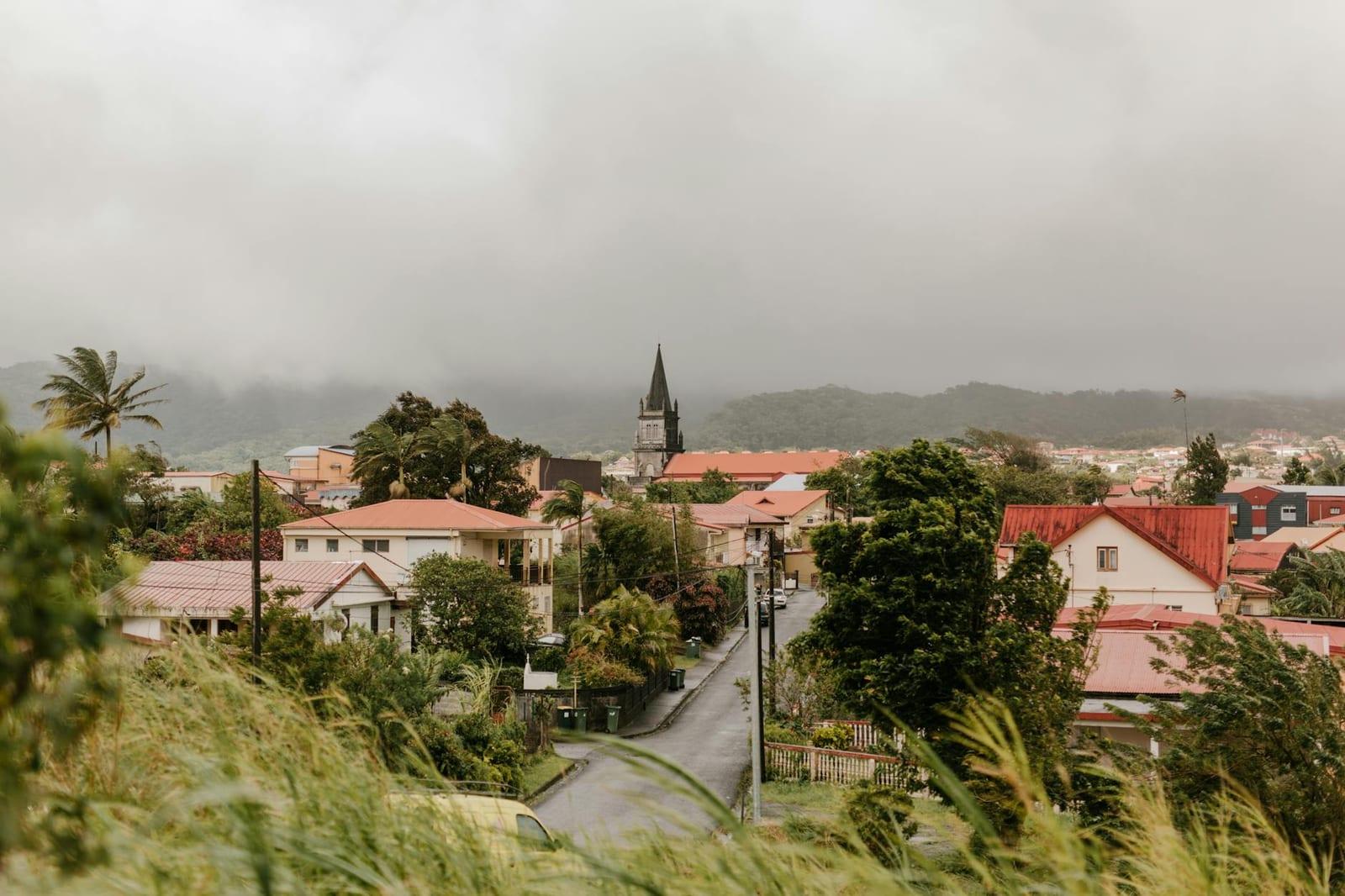
- Saint-PierrePelee’s 1902 blow delivered a knockout punch to this “Paris of the Caribbean,” today known for remnants of the destruction and its Volcanological Museum.
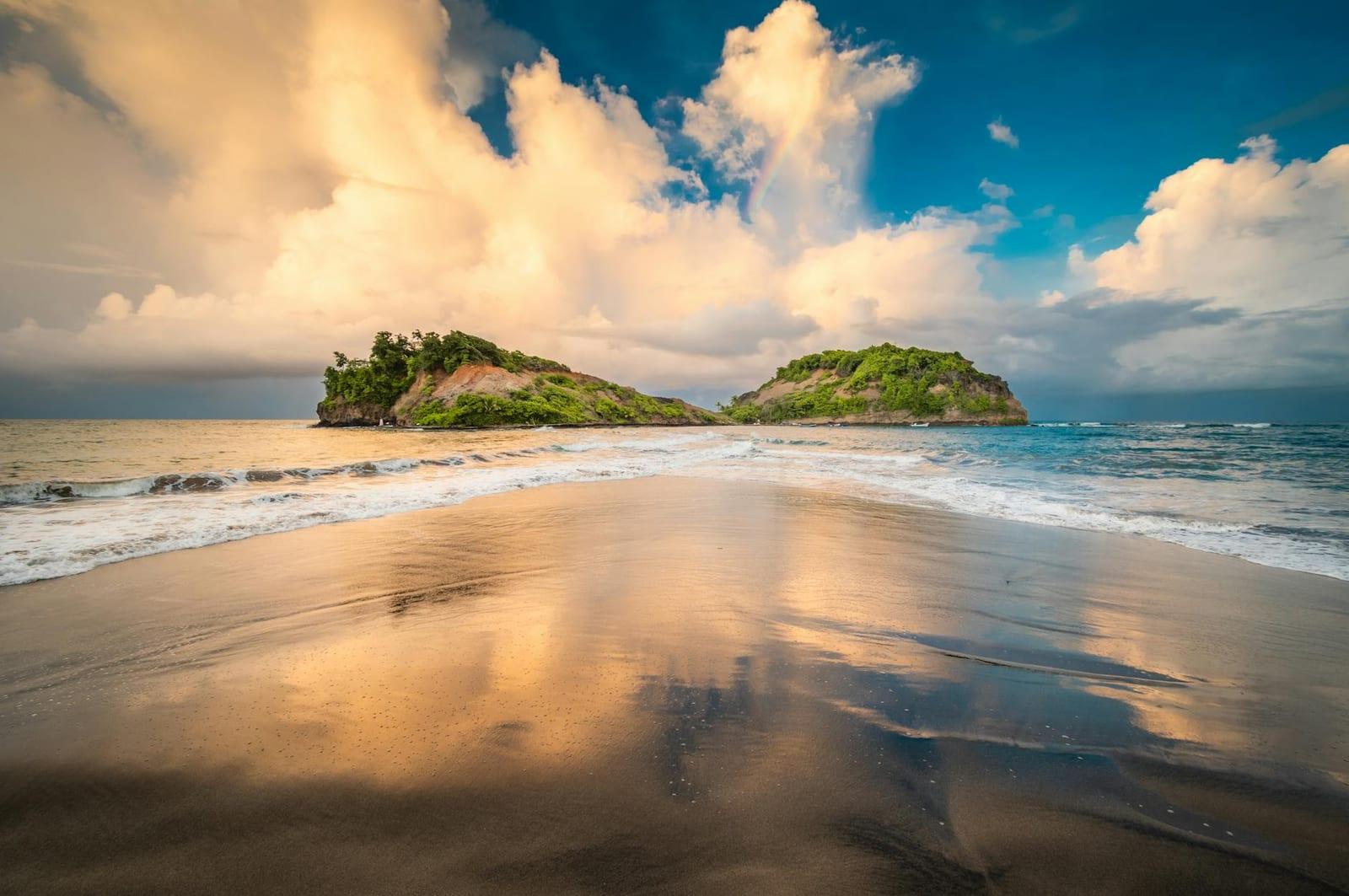
- Fort Saint LouisFort-de-France’s oceanfront fortress is part historical attraction, part active French naval base.
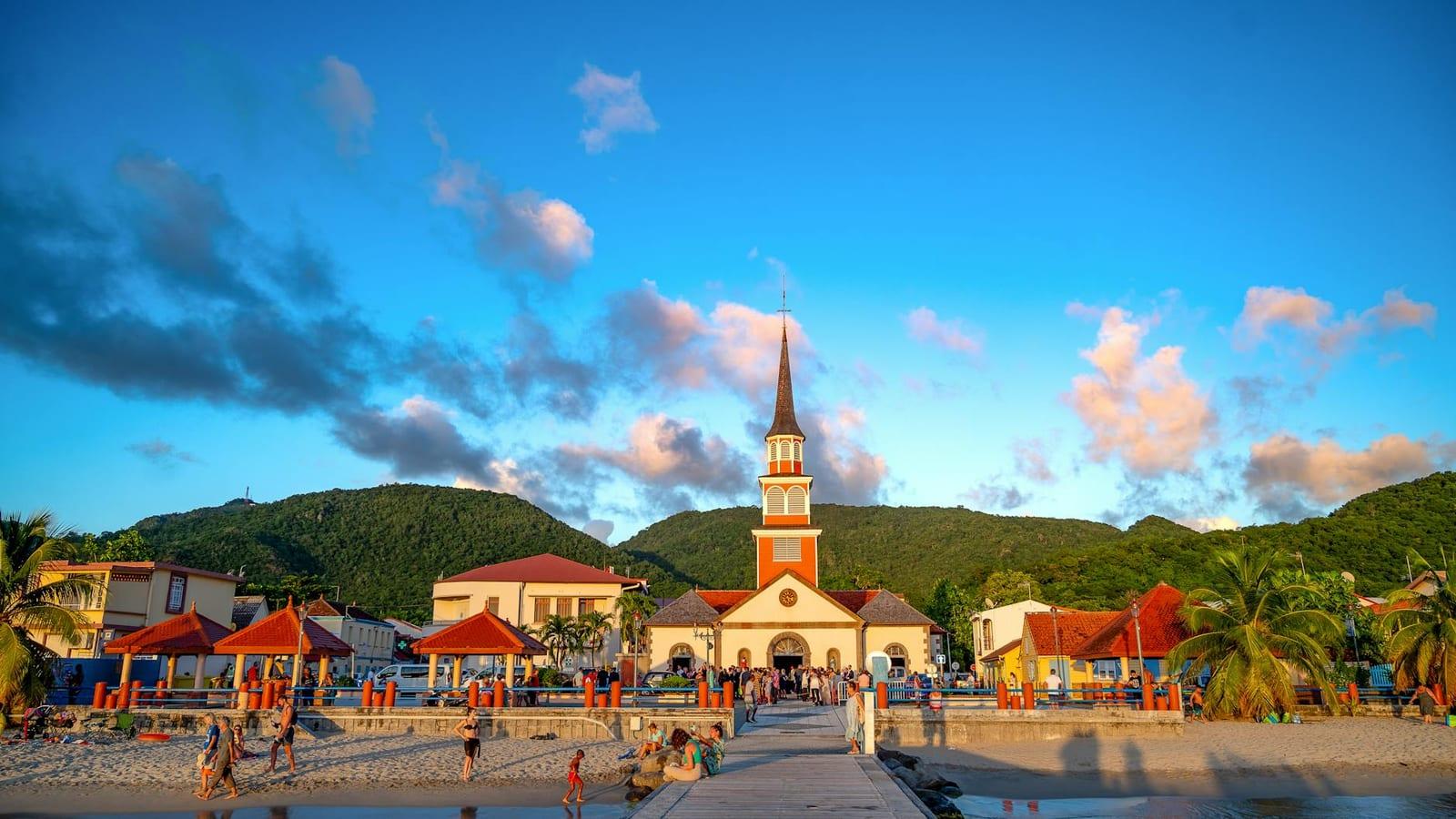
- St. Louis CathedralThis towering Romanesque Revival church, built in 1895, is one of Fort-de-France’s architectural centerpieces.
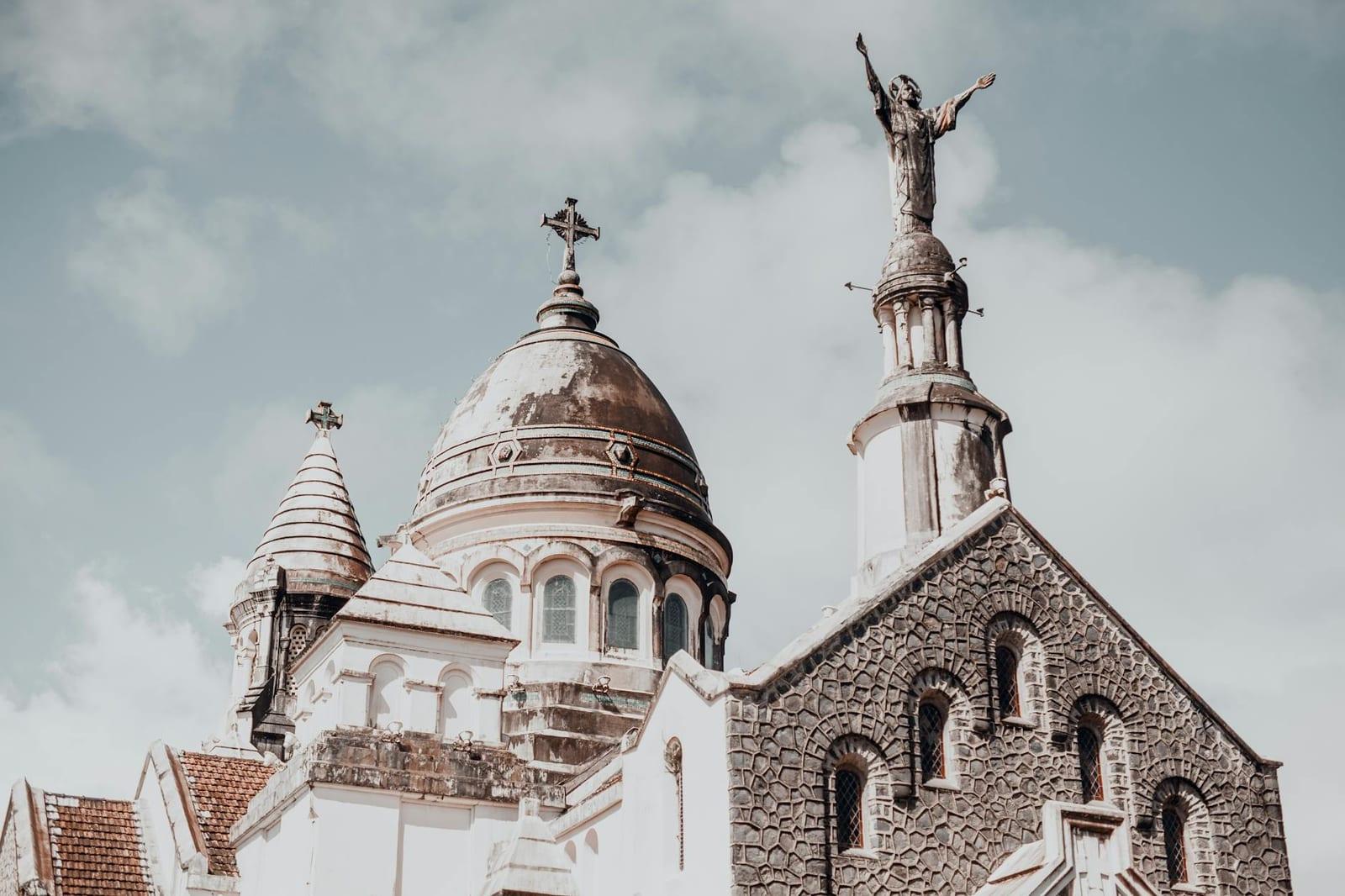
- Schoelcher LibraryEven if you aren’t a bookworm, this Fort-de-France landmark is worth visiting for its unique 19th-century design.
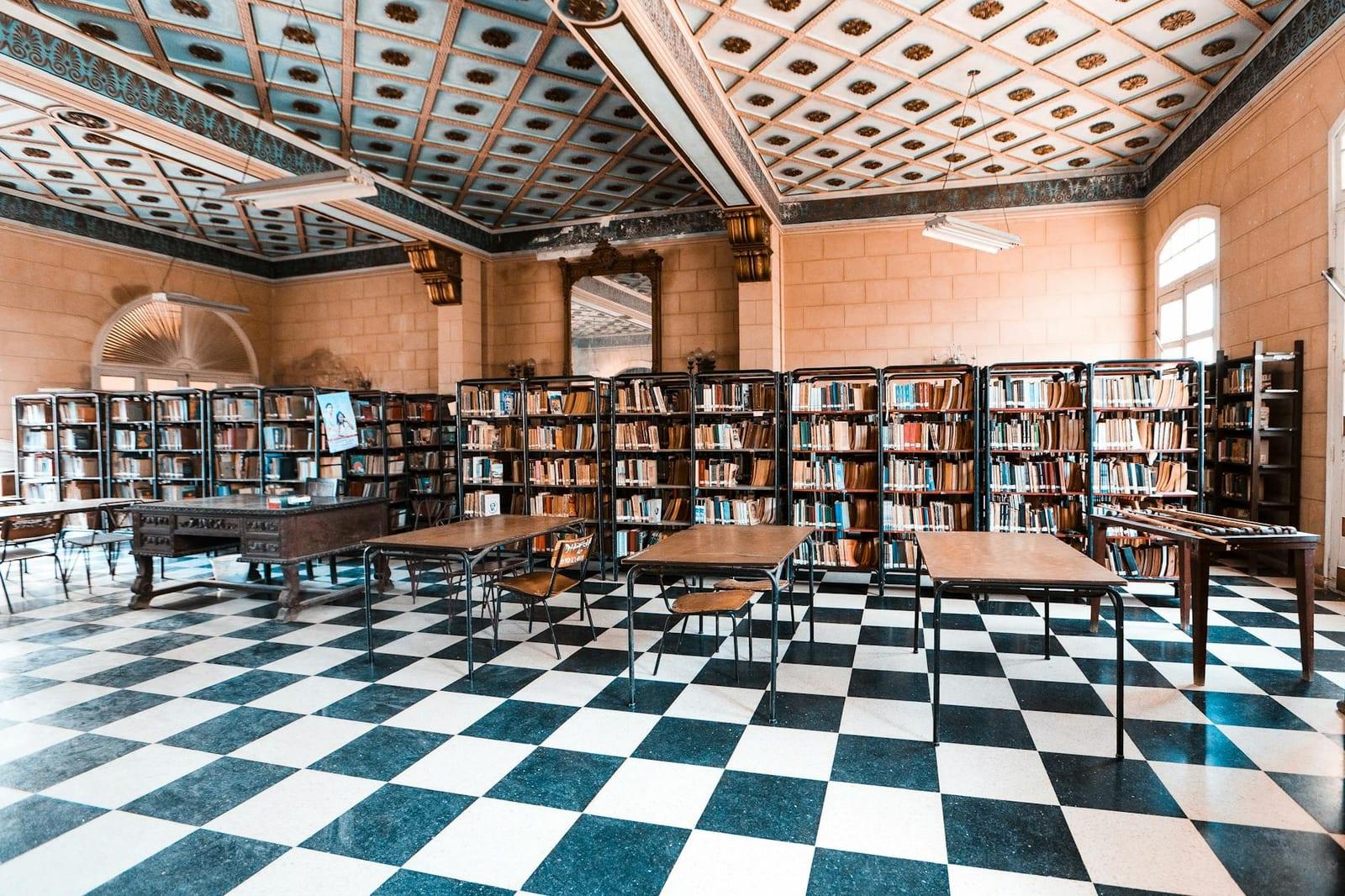
- Diamond RockThis basalt sea stack south of Fort-de-France saw a famous naval battle of the Napoleonic Wars and is a popular diving site.
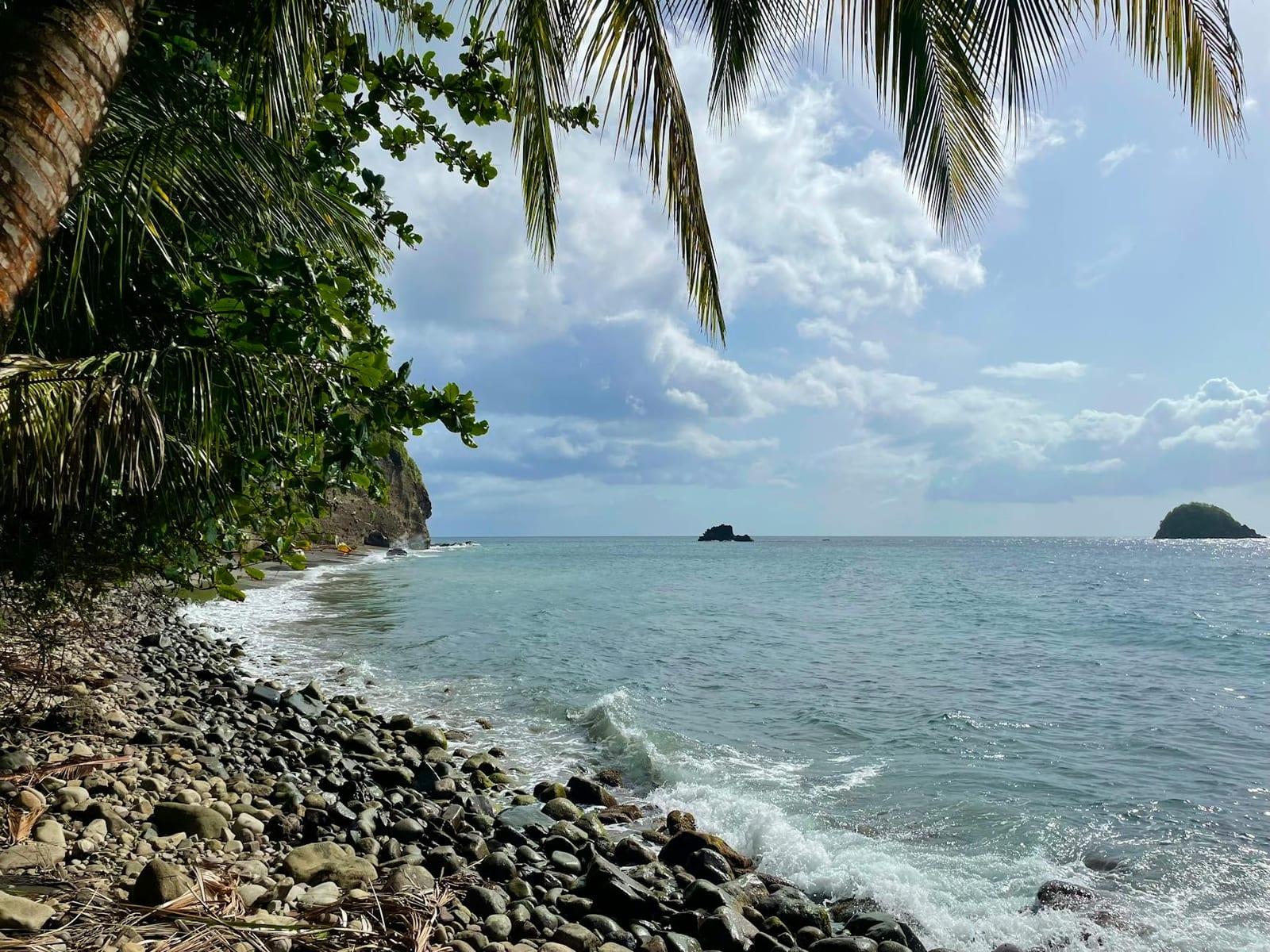
- Les SalinesHere’s the Caribbean beach of your fantasies, beckoning on Martinique’s southeastern tip.
- Pointe du BoutThis resort town serves as jumping-off point for some of Martinique’s finest sands.