Culturally straddling North and West Africa, Mauritania is, geographically speaking, almost wholly a province of the Sahara Desert. Mostly swaddled in sand and stark rock-scapes: harsh, yes, but deeply beautiful as well. In the early 21st century, it’s also a tenuous place for travelers to visit given the threat of Islamic extremism; so if you’re considering a visit, check in with the pertinent agency of your government to find out about current advisories and/or warnings. Mauritania’s also saddled with human-rights issues—not least modern-day slavery.
And Mauritania isn’t always even on the radar for travelers drawn by better-known attractions in neighboring countries (Morocco and Algeria’s seacoast cities, say)—which, as anyone who’s had the fortune of exploring its vast reaches will attest, is a shame.
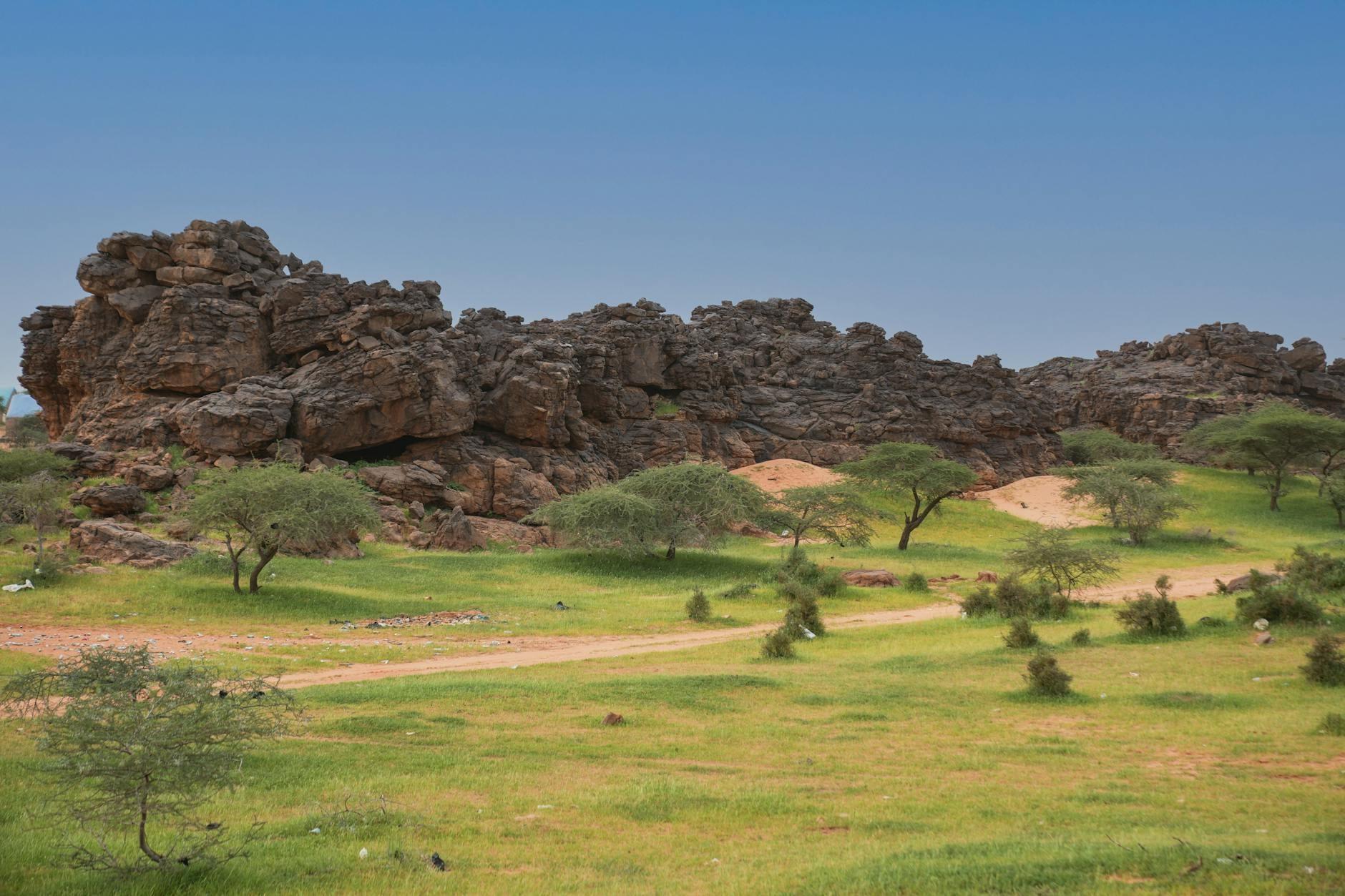
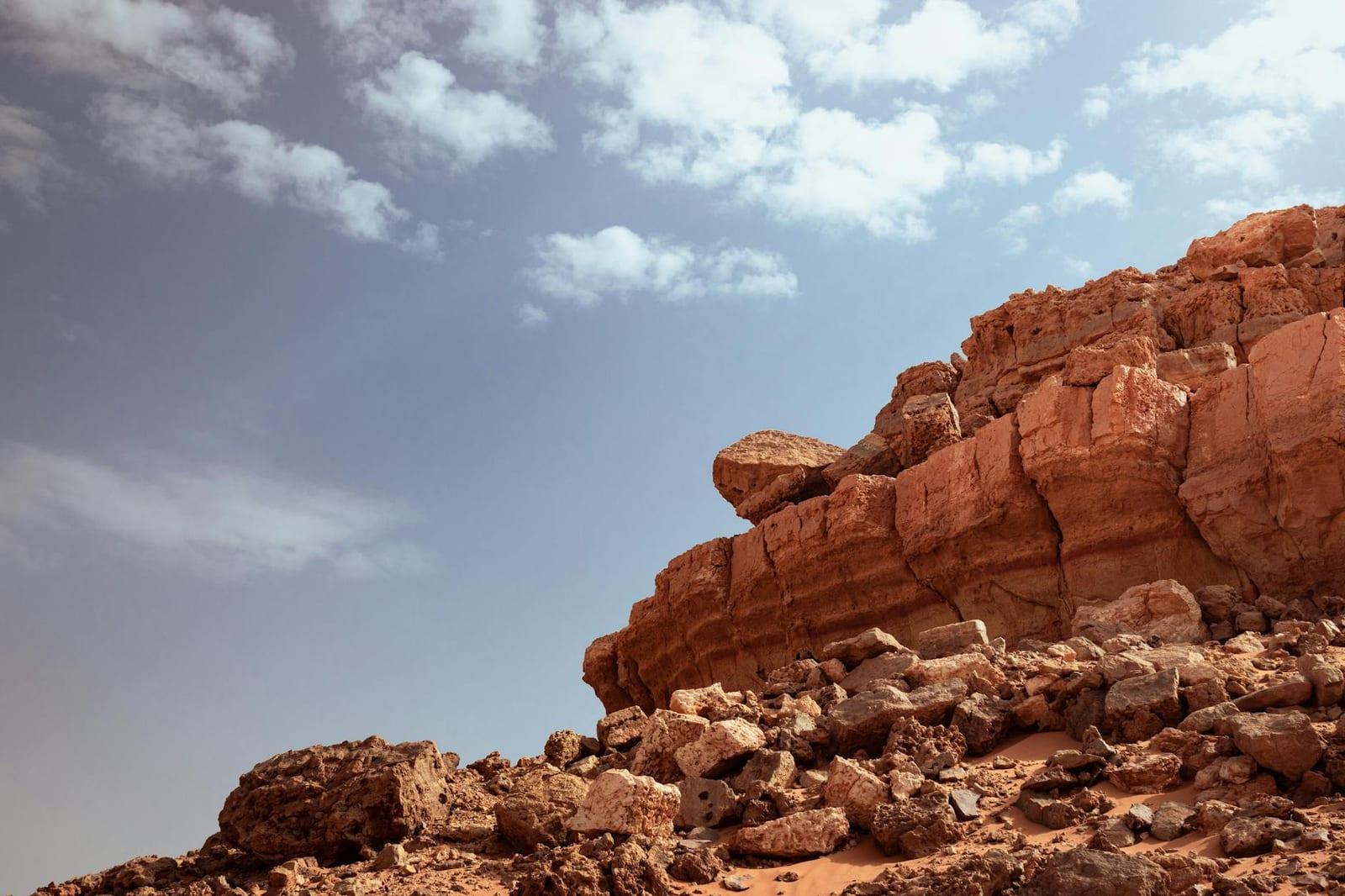
For one thing, the Saharan scenery can get pretty epic: the interior dunes of the El Djouf (the Empty Quarter) in the northeast; the camel caravans traversing the great sand seas (ergs); the occasional massifs and escarpments looming from rubbly plains. It’s not something your average tourist will ever see on the ground, but Mauritania includes one of the planet’s most evocative landforms: the Guelb er Richat, the “Eye of the Sahara,” an eroded and weathered dome that, admired from a plane or satellite, resembles a titanic spiral in the middle of the desert.
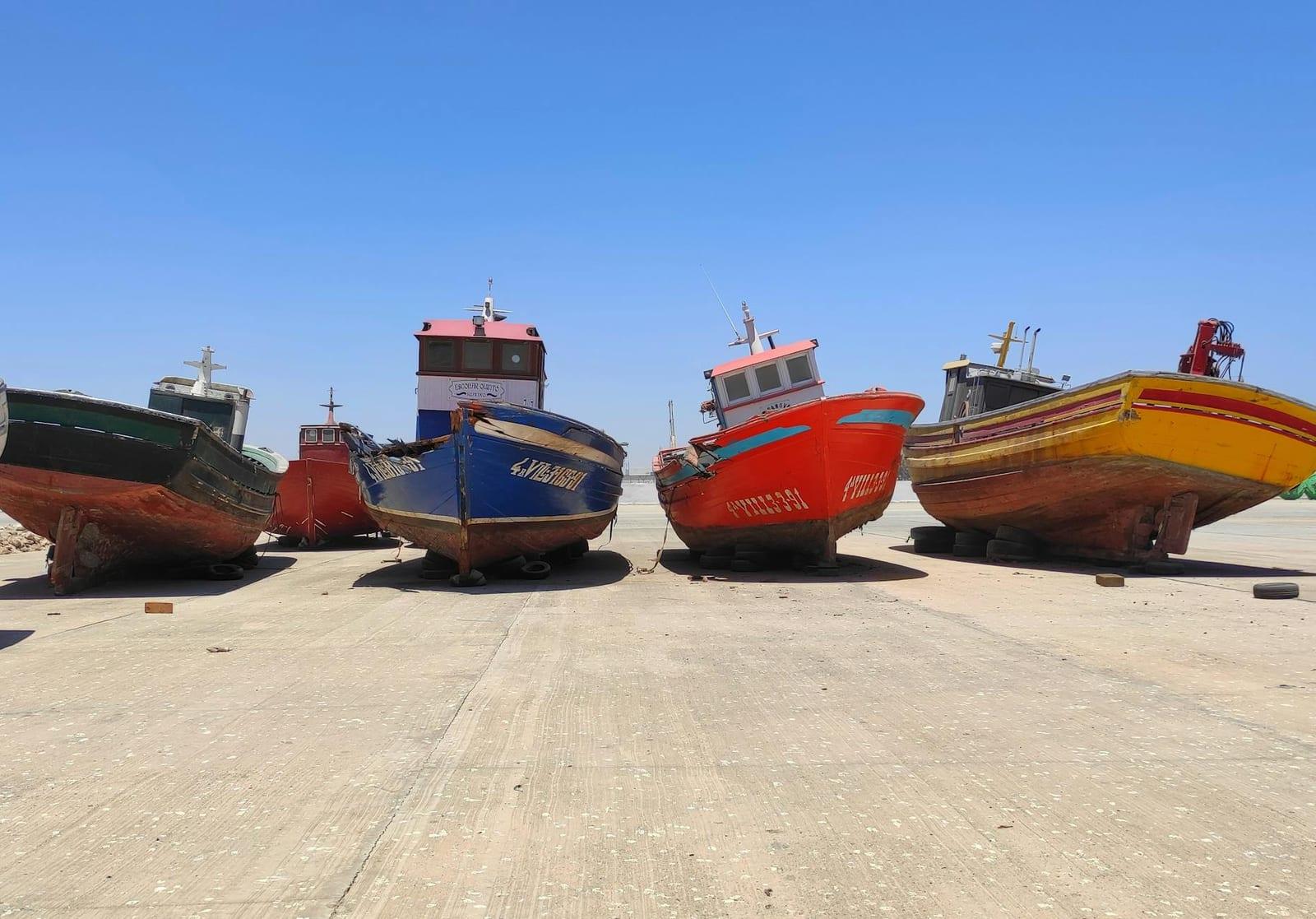
The Mauritanian coast, meanwhile, is one of the starker and least trammeled on Africa’s Atlantic margin, with empty beaches, atmospheric fishing villages, and Banc d’Arguin National Park, an internationally significant reserve for migratory birds.
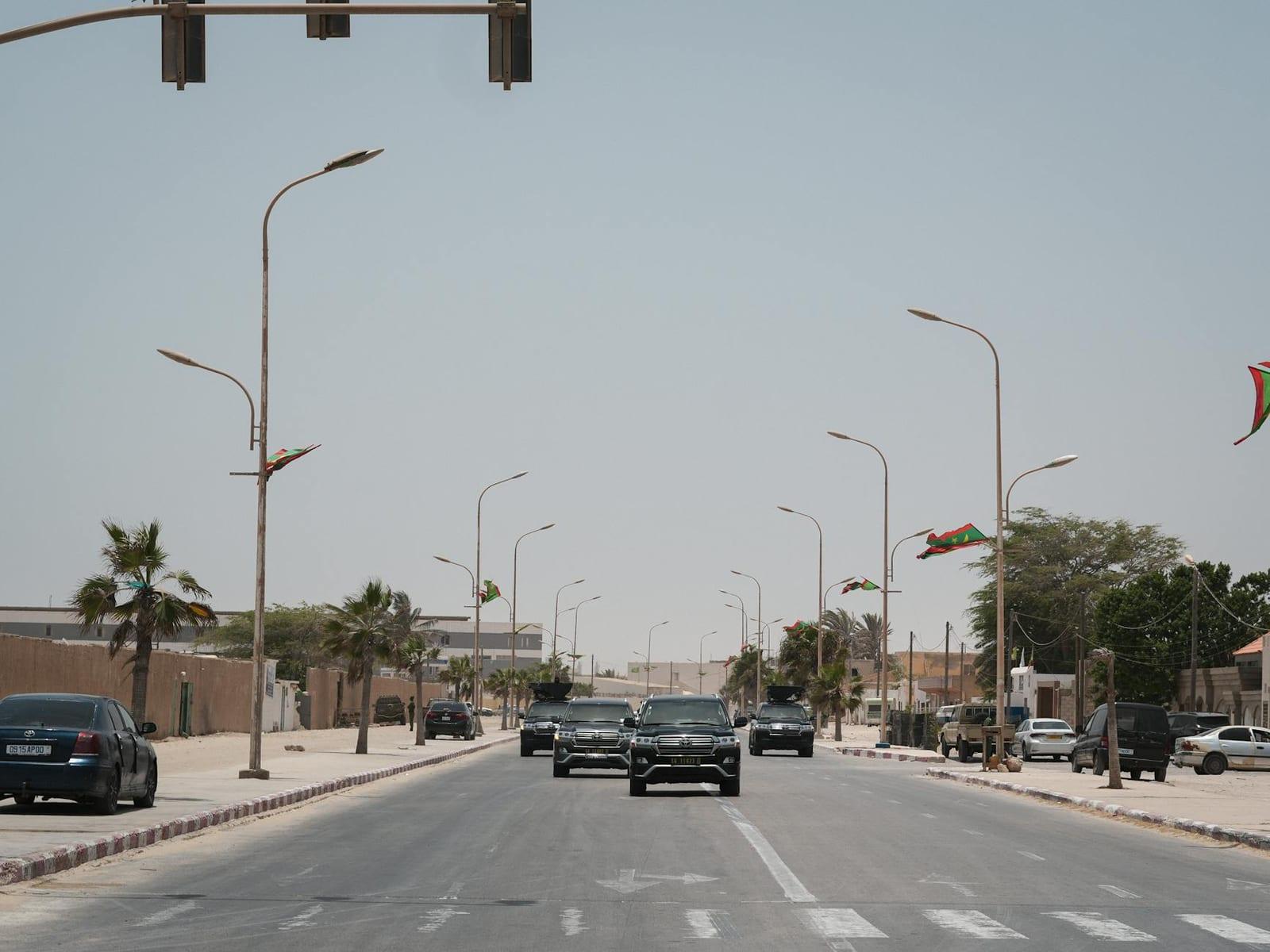
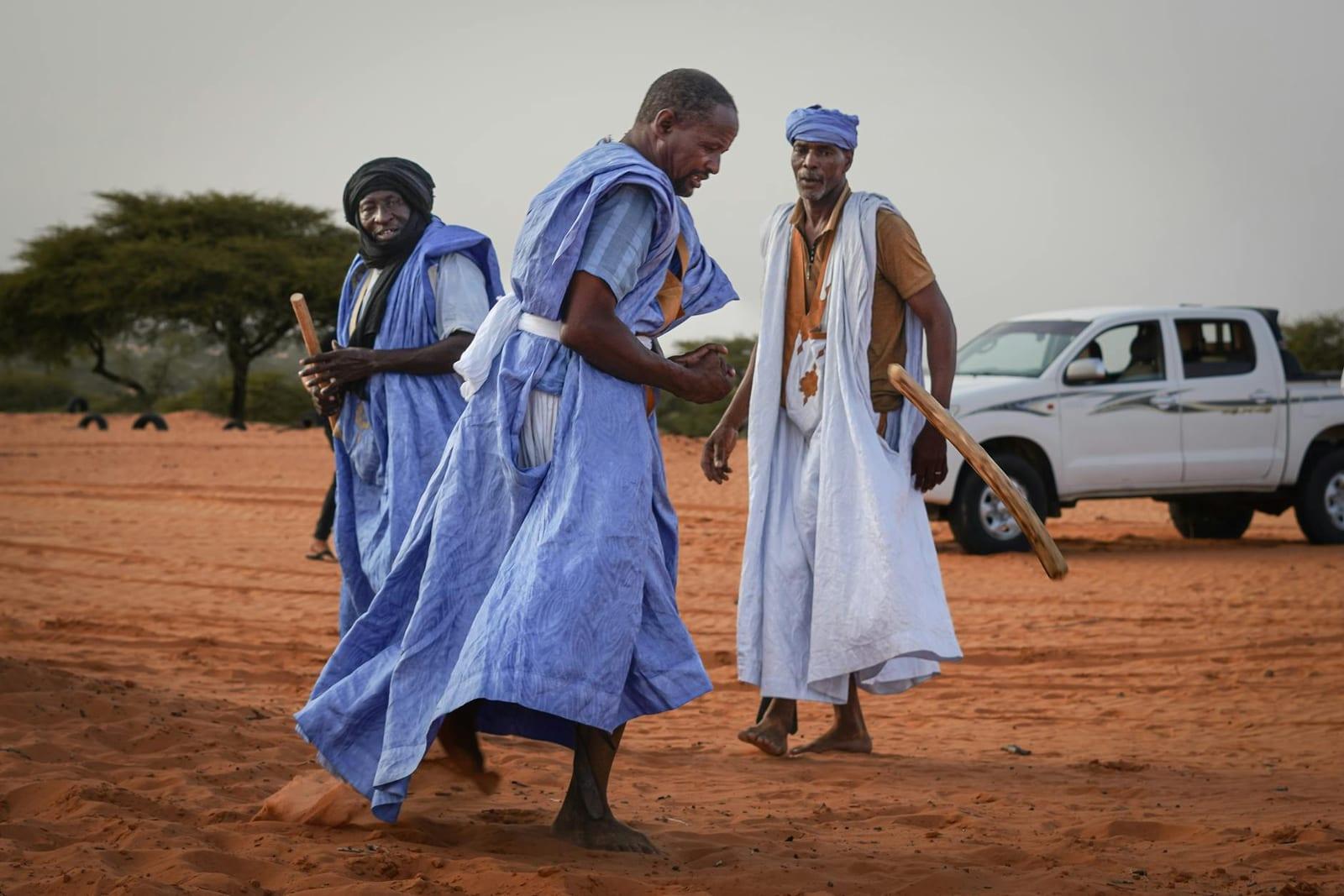
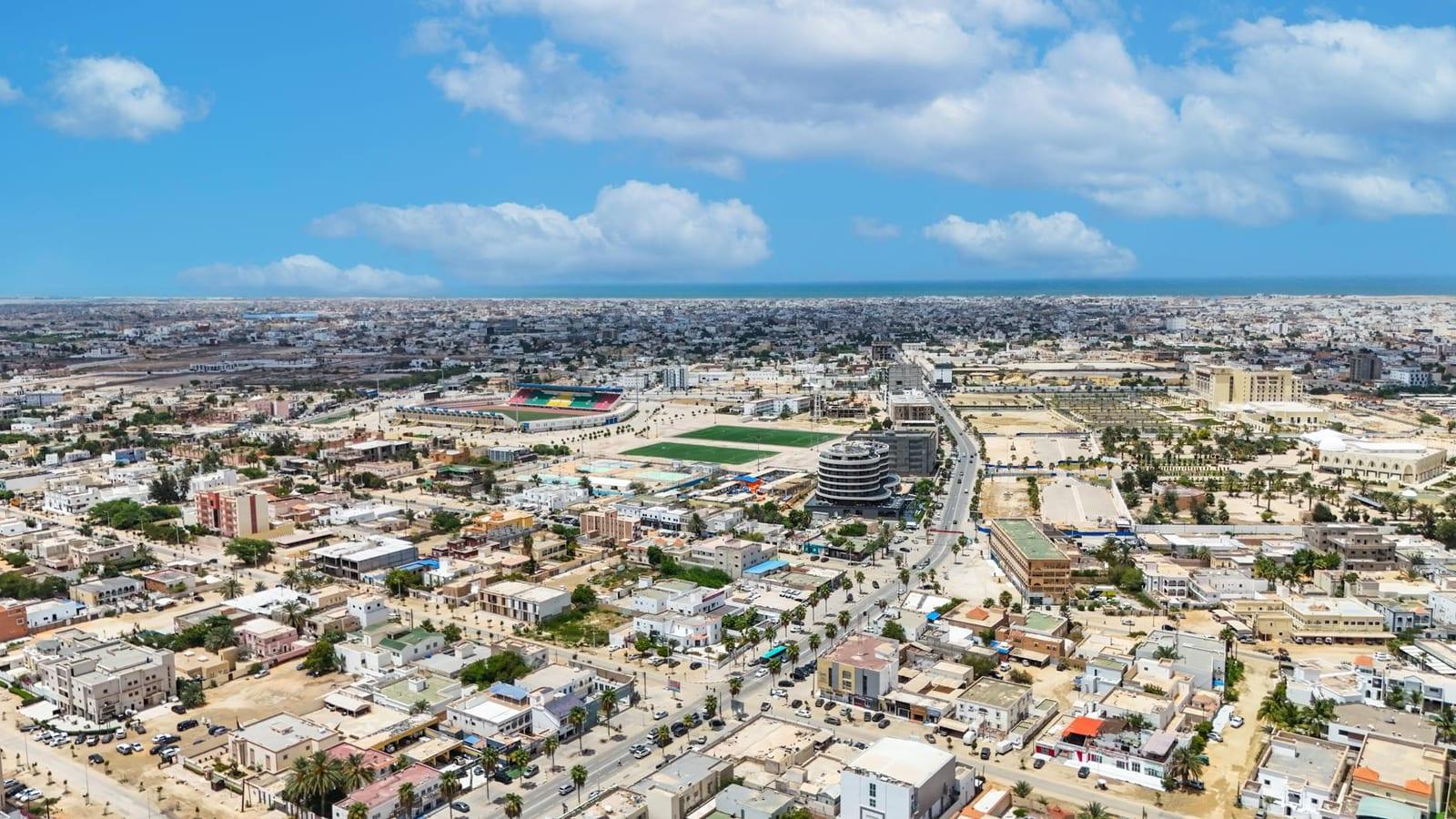
Mauritania—ethnically composed of both Arab-Berber and black African populations—bears many cultural treasures, too. Centuries-old Islamic structures such as the Chinguetti Mosque mark ancient oasis settlements along Sahara caravan stopover points. The Mauritanian capital of Nouakchott—one of the biggest cities in the entire Sahara Desert—offers the national museum and, far livelier, some big fish and craft markets.
Looking for well-arrayed resort accommodations, reliably tourist-oriented locals, and easy-to-reach sightseeing hubs? Then perhaps Mauritania’s not your cup of tea. But for the up-for-anything traveler—one cognizant of the risks and the social issues—this sprawling Saharan republic has “adventure” written all over it.
11 things not to miss.
- Birdwatch Banc d'ArguinBirdwatch Banc d'Arguin
- Ride the iron-ore train through the desertRide the iron-ore train through the desert
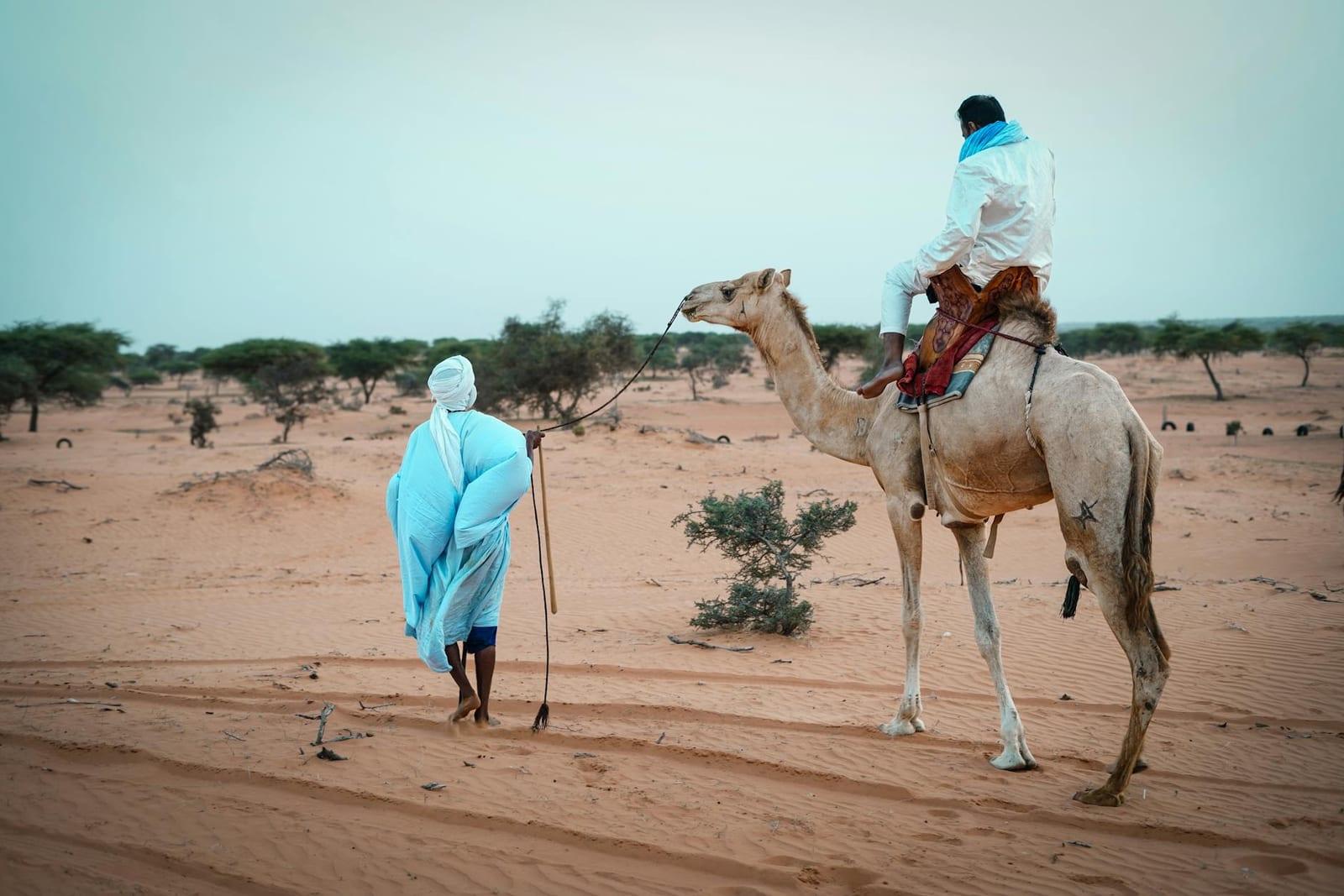
- Sleep in the Atar oasesSleep in the Atar oases
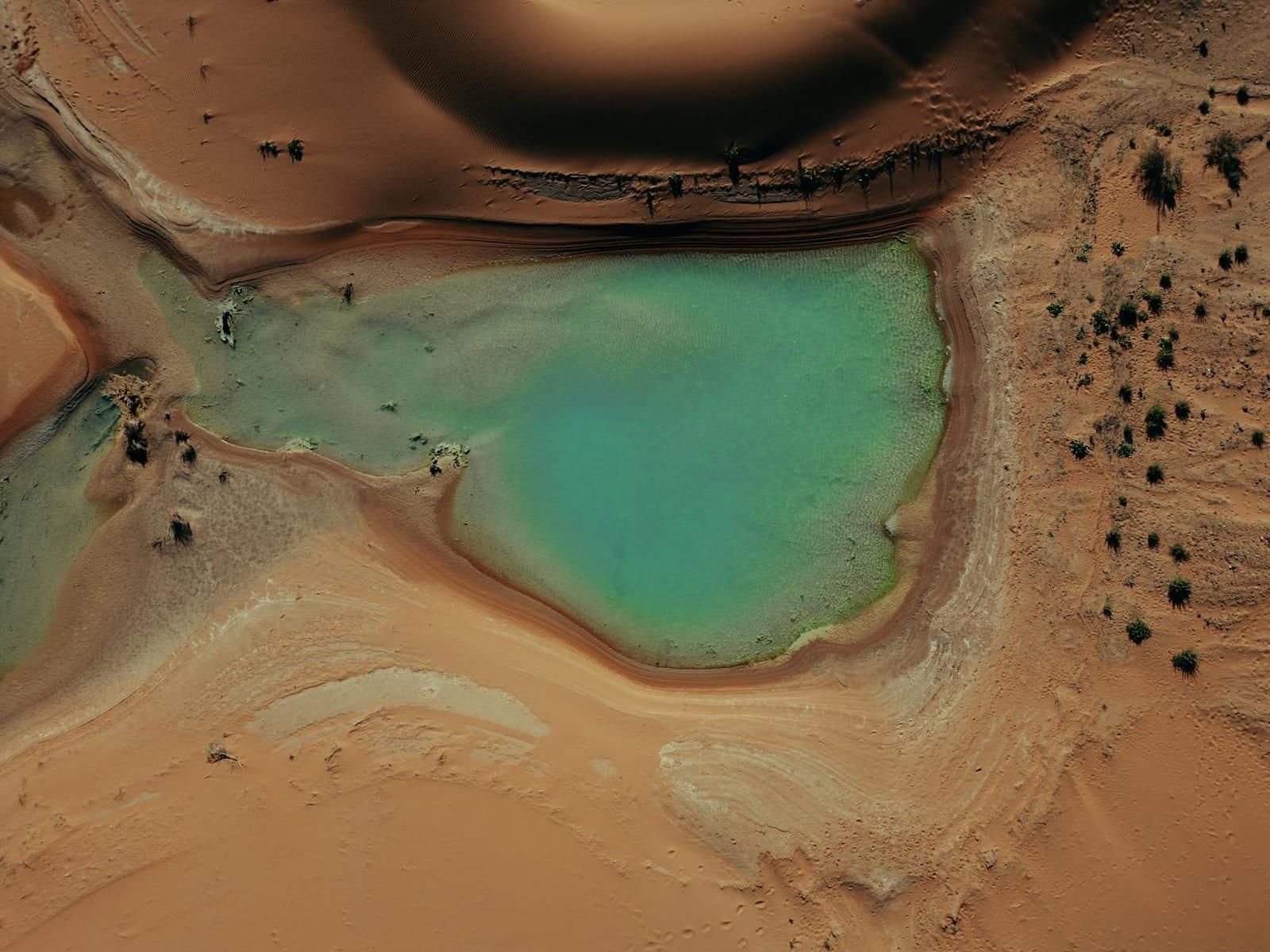
- Banc d’Arguin National ParkA desert coast spills down to immensely productive marine waters in this mesmerizing park, home to droves of birds, dolphins, and sea turtles.
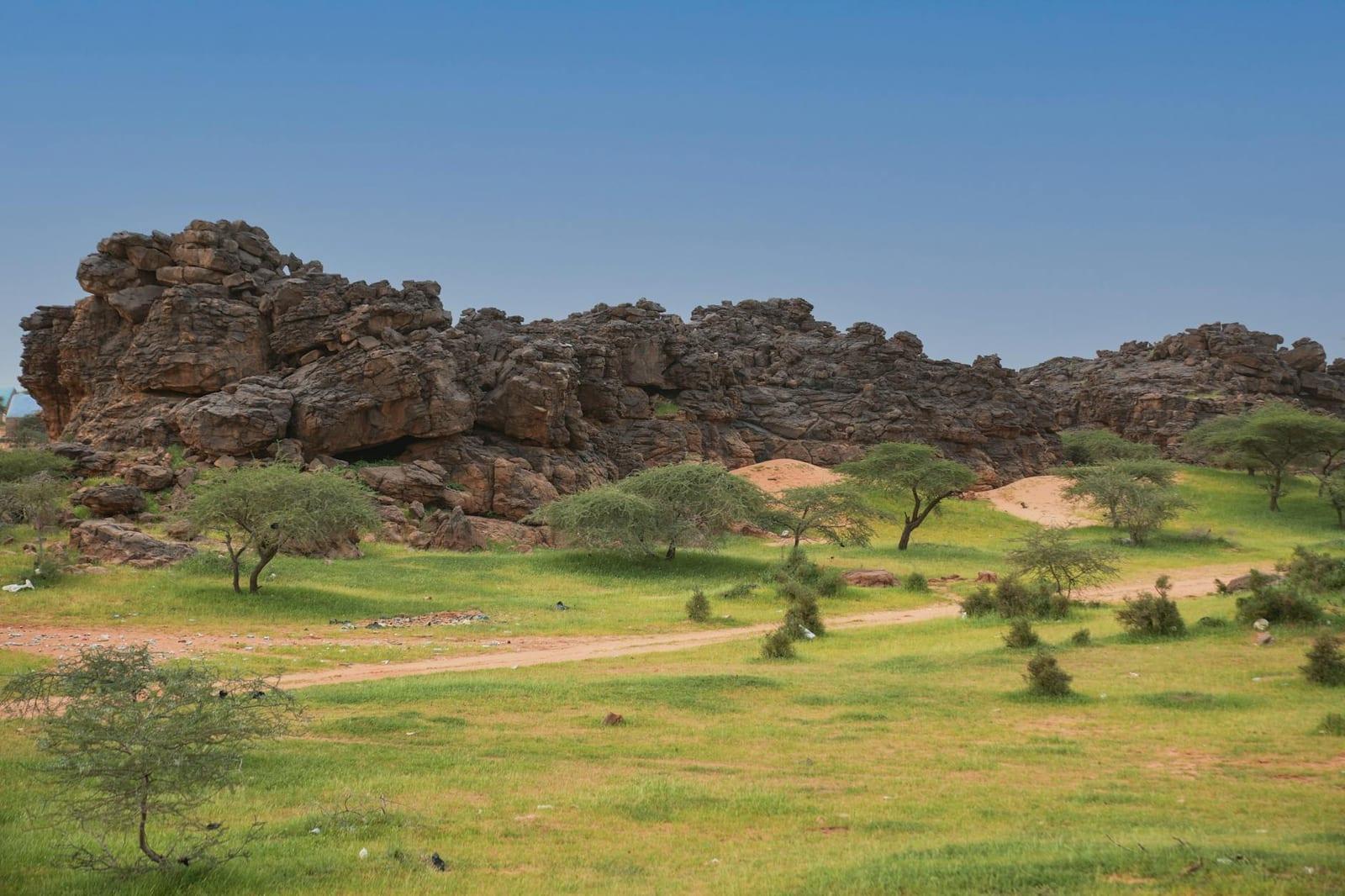
- Guelb er RichatThe “Eye of the Sahara” is a spectacularly eroded sedimentary dome that, from above, looks like an immense spiral—or some alien landing pad.
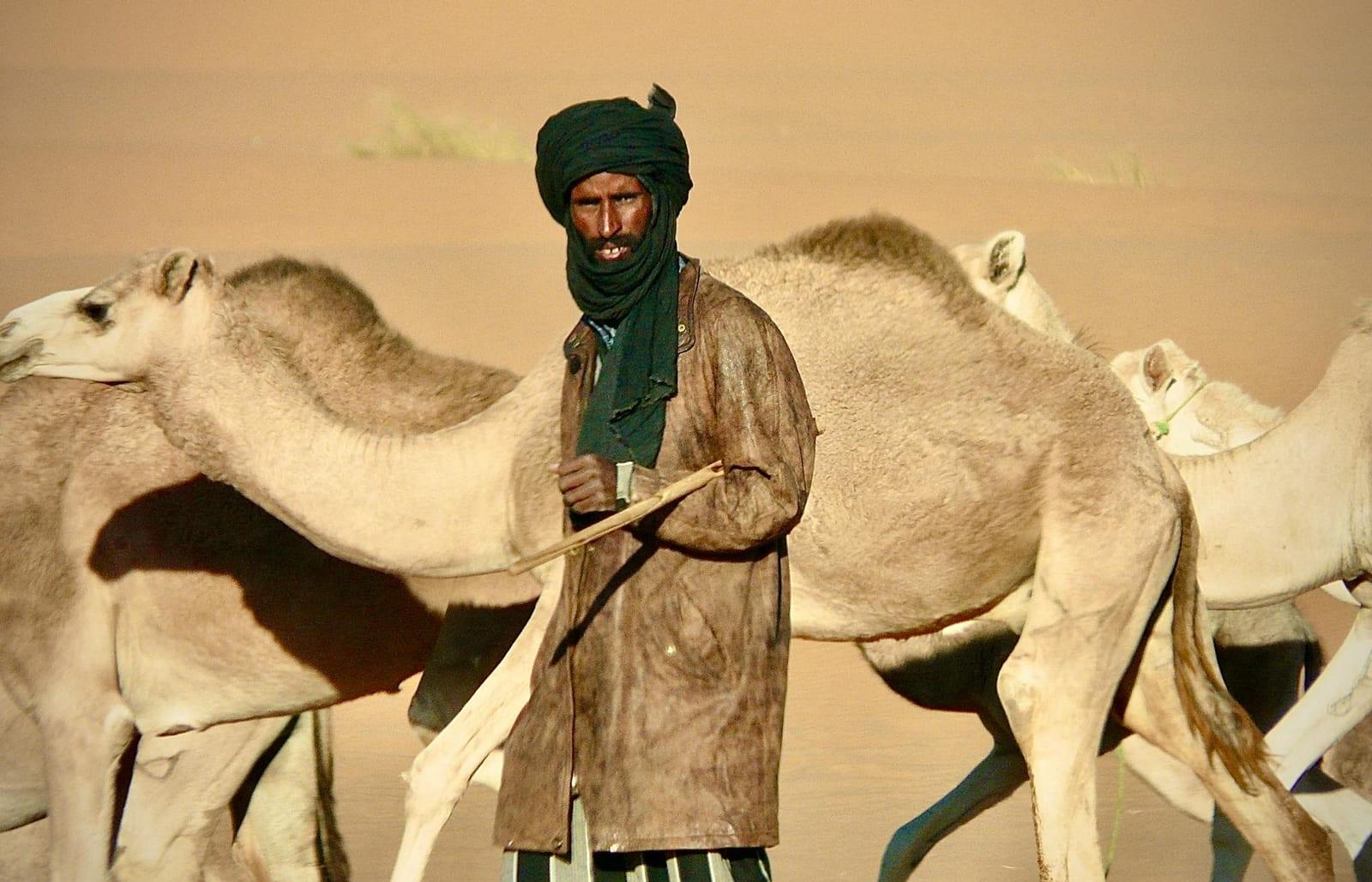
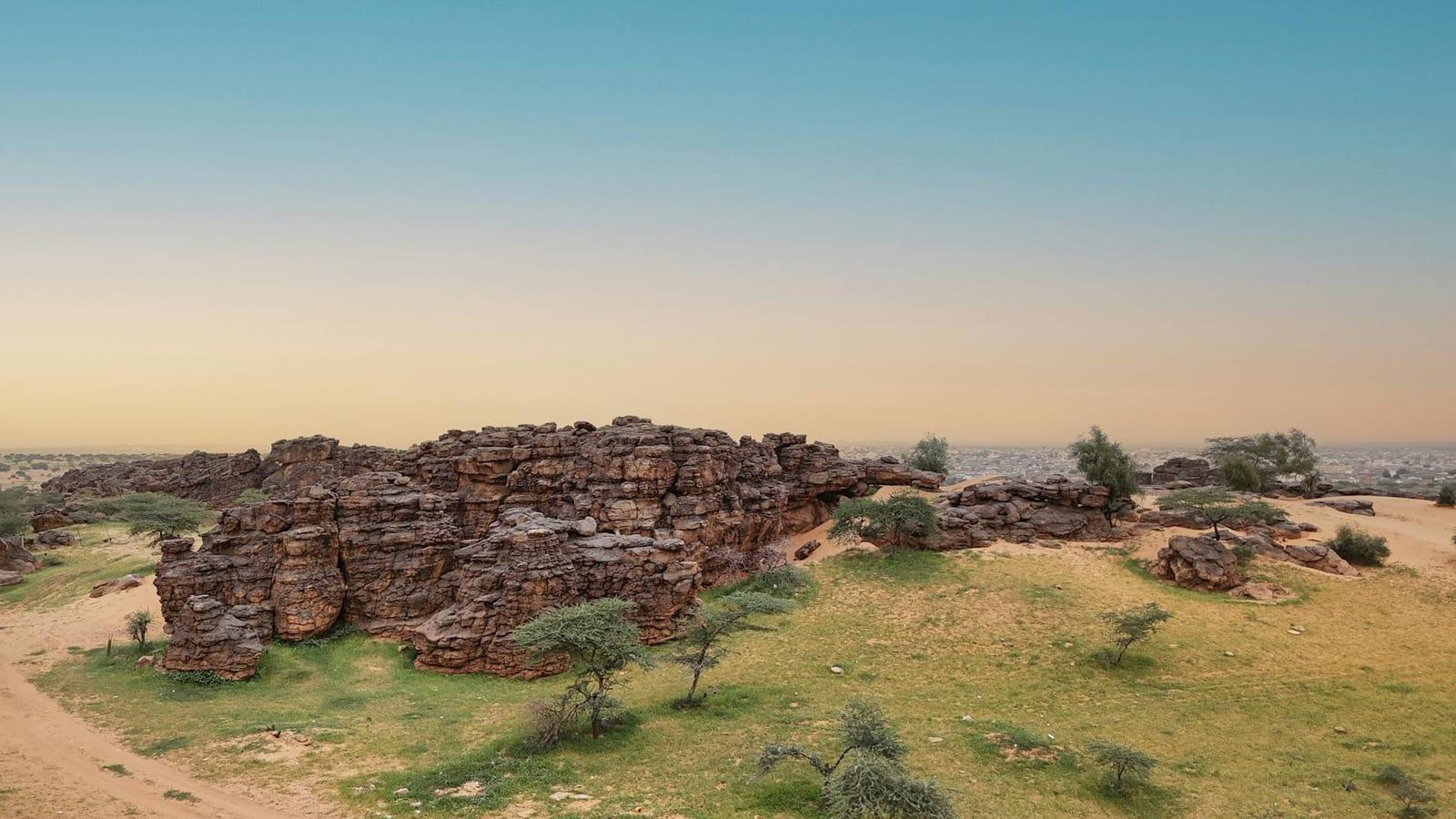
- Adrar MassifFrom dunes and palm oases rear the grand cliffs of this gorge-cut battlement, one of Mauritania’s most beautiful and enigmatic landscapes.
- Chinguetti MosqueThis elegantly austere medieval mosque anchors the ancient trading oasis of Chinguetti, set on the Adrar Plateau.
- Plage de NouakchottMauritania’s vast Atlantic coast has a slew of fetching beaches, but this one in the capital city is among the most popular and accessible.
- National Museum of MauritaniaThis Nouakchott cultural institution is the perfect place to survey Mauritania’s broad historical and ethnographic dimensions.
- Fish MarketNouakchott hosts several big, lively markets, but this one, where fishermen daily haul in heaping Atlantic catches, is especially engrossing.
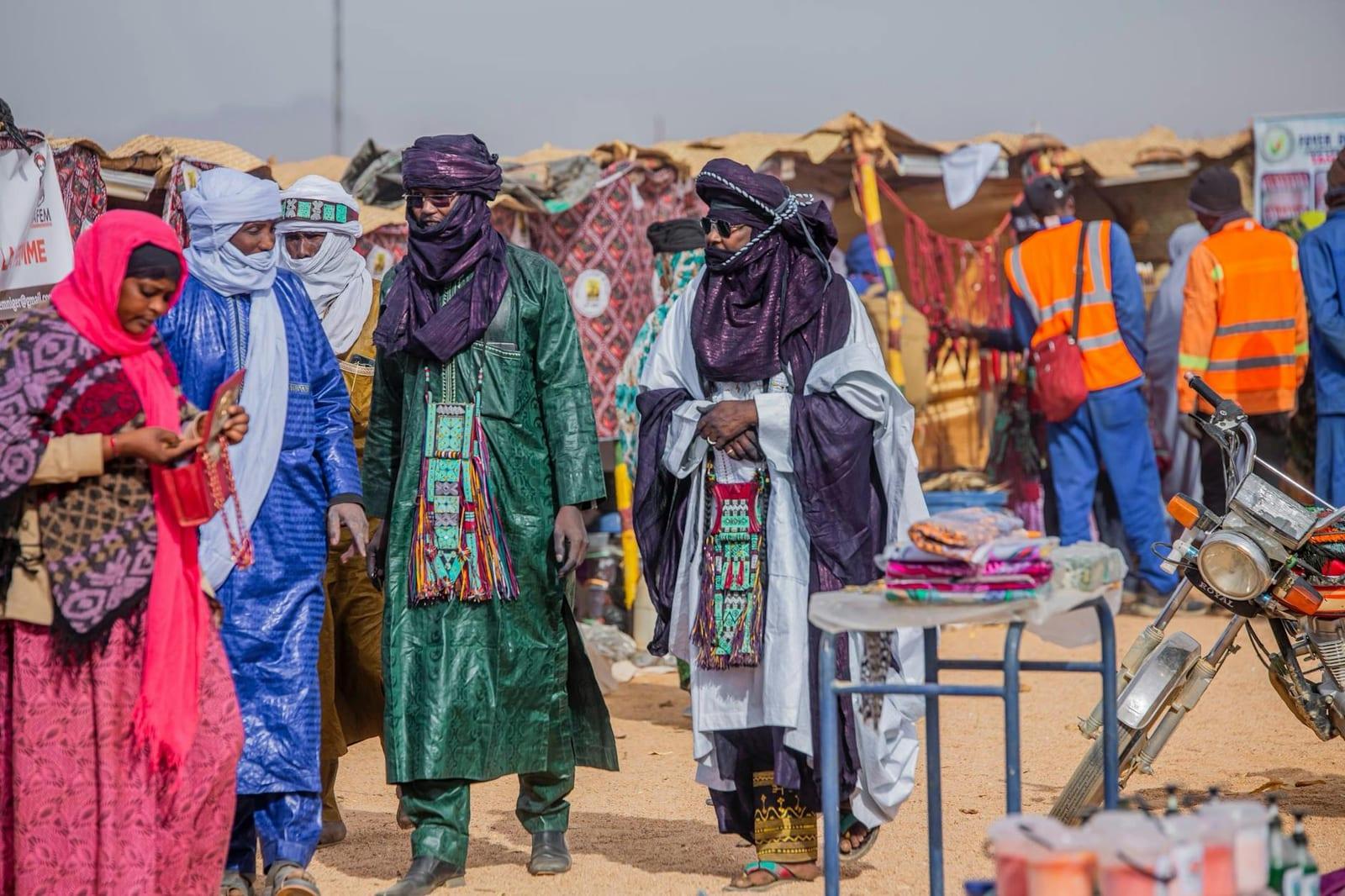
- OualataThis is one of the most striking of several medieval Mauritanian oases along the great trans-Saharan caravan routes that UNESCO has declared, together, a World Heritage Site.