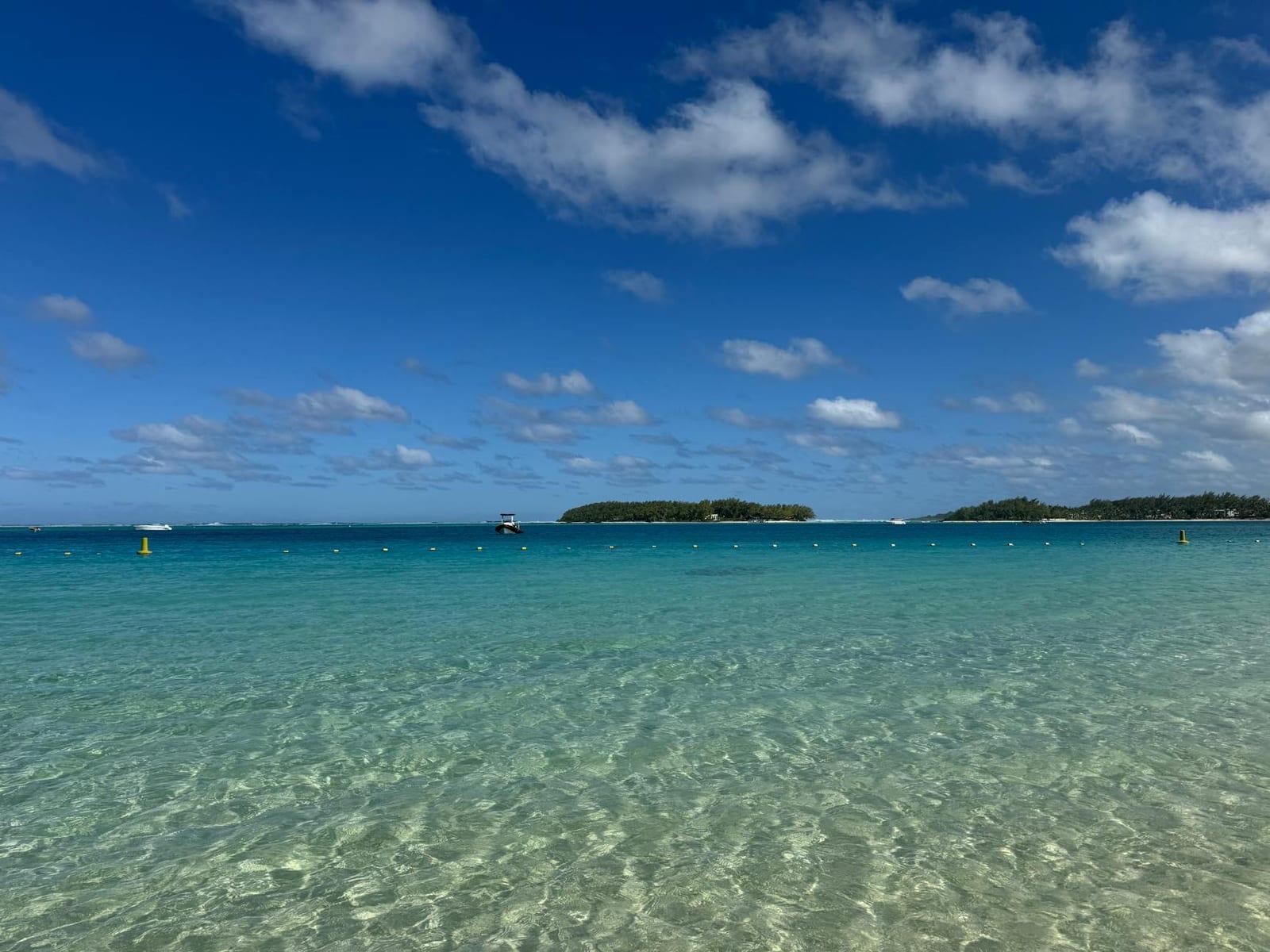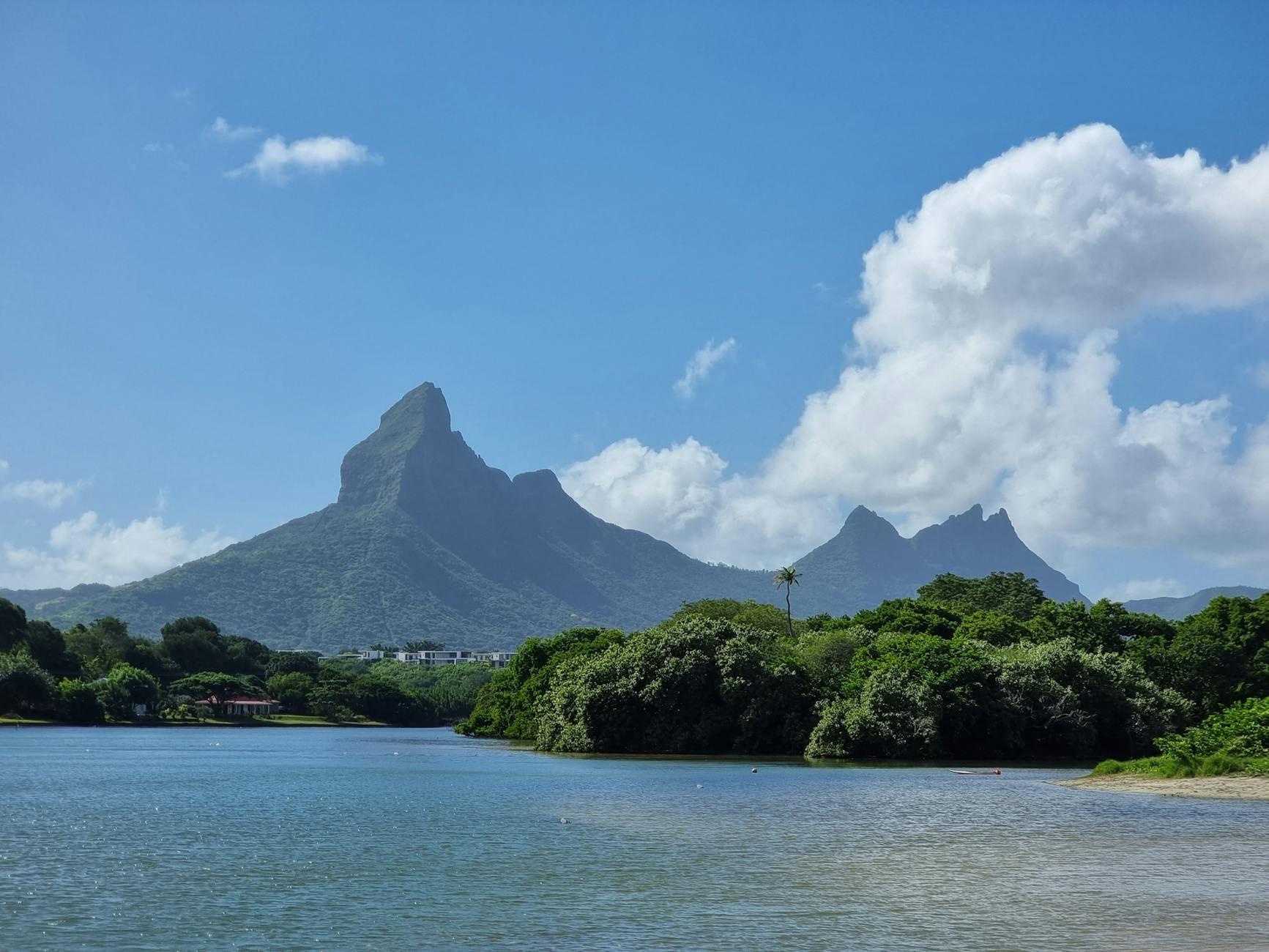
The country of Mauritius—a main namesake island and a string of islets situated east of Madagascar in the Indian Ocean—is a place of sharp-edged volcanic ramparts, splendid stretches of white-sand beach, vibrant coral reefs, and a human culture as diverse and cross-pollinated as you could imagine.
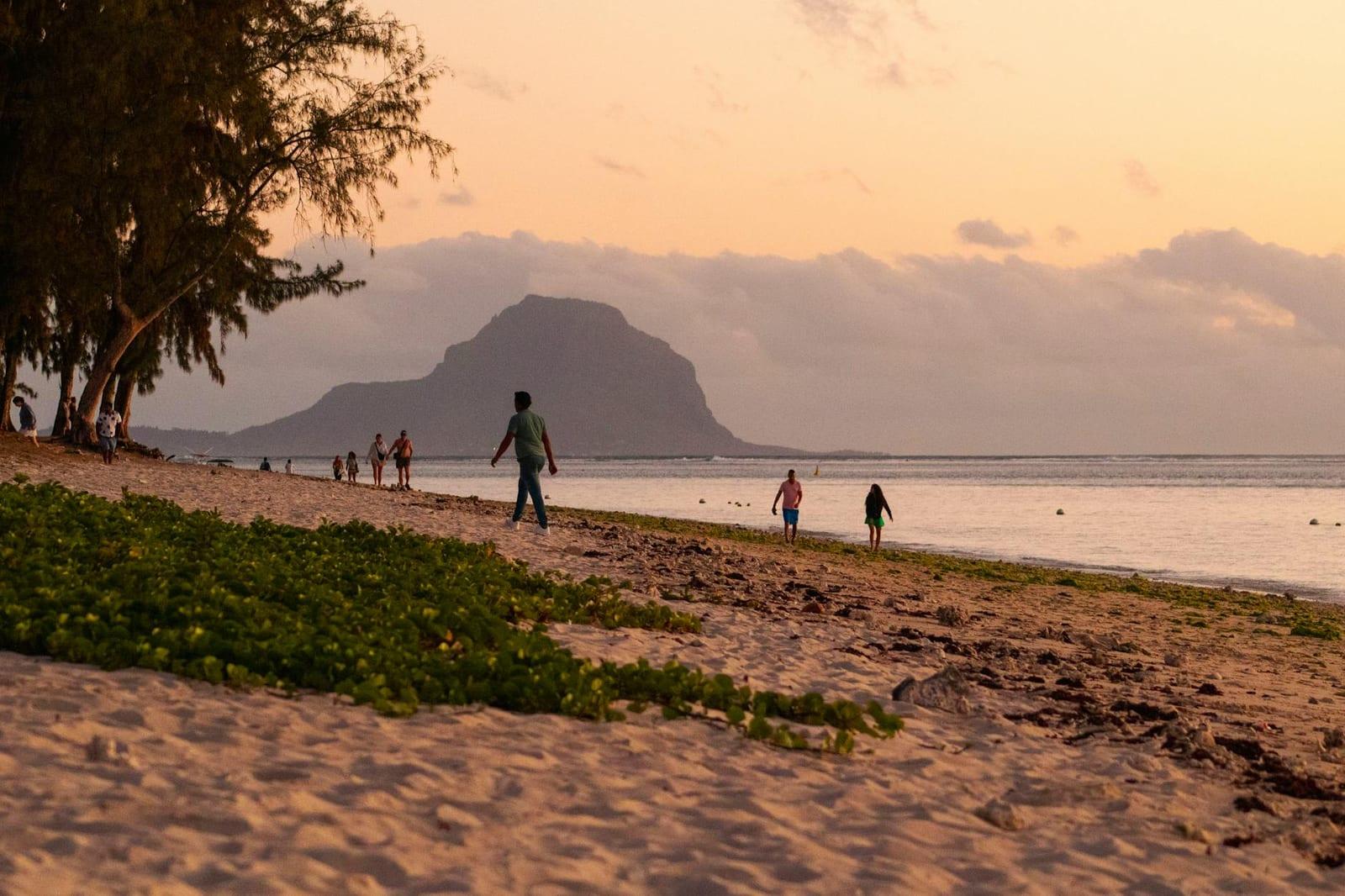
Mauritius is ringed with reefs that buffer the coast, promoting placid lagoons and beaches; save for the southern coast of the island where striking cliffs plunge into tempestuous seas. Grand Baie on the north coast is one of Mauritius’s true sailing and boating centers, while Tamarin on the western coast stands out as one of the island’s premier surfing spots. Both the northern and western beaches offer fine vantages from which to enjoy the Mauritian sunset. At Le Morne in the west, you can wander a gleaming beach beneath a hulk of basalt honored with World Heritage Site status on account of its once sheltering runaway slaves; offering a unique opportunity to consider complicated Mauritanian history against an awesome landscape.
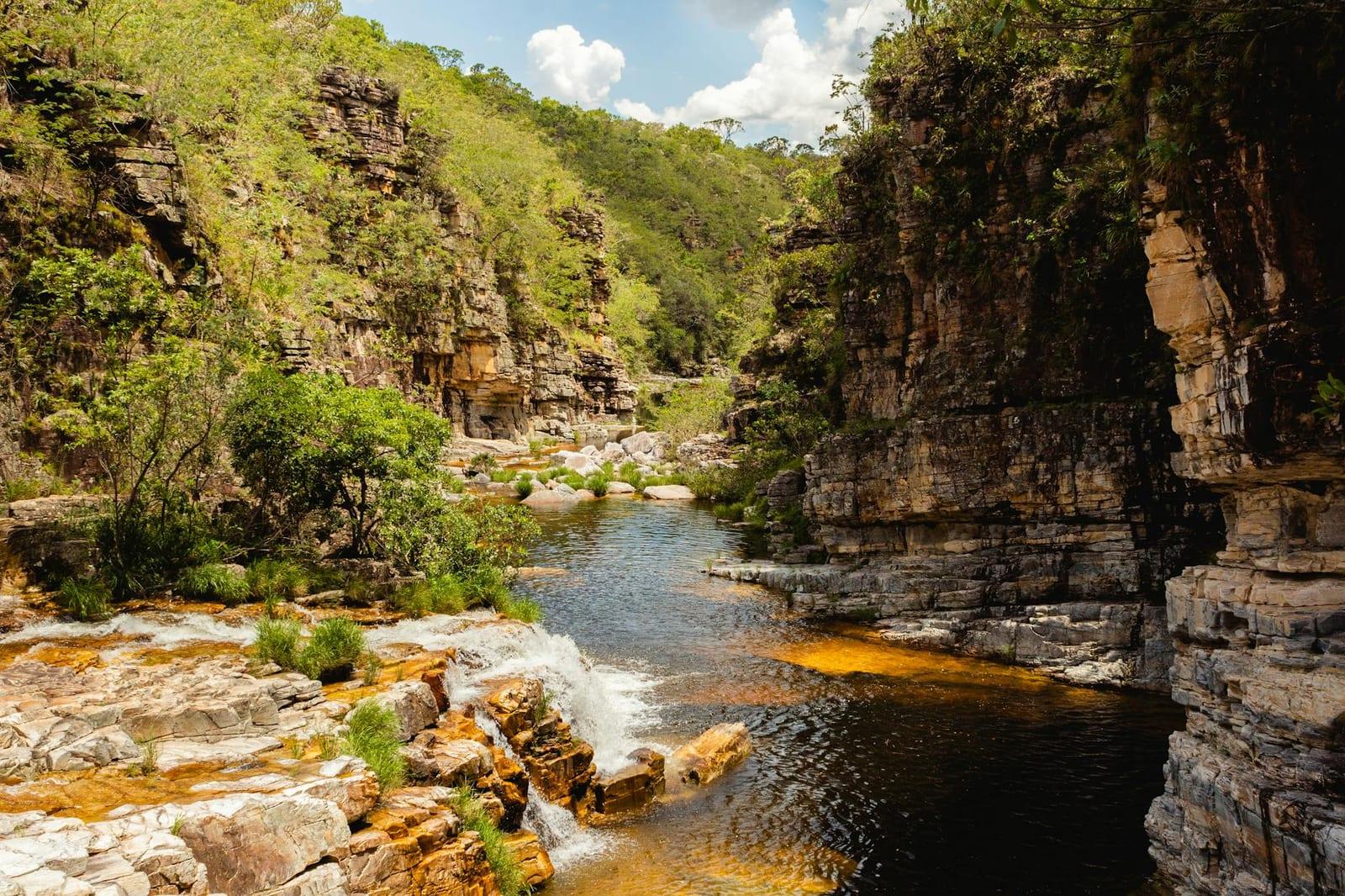
For those who enjoy hiking and appreciating natural ecosystems topside, Mauritius’s only national park, Black River Gorges, is an absolute must-see. This sprawling wilderness in the central highlands includes rich forests, rugged ridges, and dramatic defiles, as well as some of the finest remaining habitat for native wildlife such as the Mauritian falcon and the Mauritian flying fox.
You’ll hear, see, and taste glimmers of many different corners of the globe while sightseeing around Mauritius, which served as a colony for successive European powers—the Dutch, the French, and the British—before it achieved independence in 1968. The multiethnic heritage is impressive: There are African and Malagasy Creoles, Indo-Mauritians of Indian origin, Sino-Mauritians of Chinese descent, and Franco- and Anglo-Mauritians. Within the course of a single day you might hear English, French, Mauritian Creole, or any number of other tongues.
Besides landmarks such as the massive, vibrantly hued Maheshwar Nath Hindu Temple in Triolet Shivala in the north, or the west’s restored Martello Tower at La Preneuse (built in the first half of the 19th century by the British as a defense against French naval forces), you’ve got some vibrant cultural traditions to get a sense of the Mauritian story. There’s the Sega, the national musical form originating from African and Malagasy slaves during the French era. In keeping with Mauritius’s mix-and-match spirit, that percussion-driven style has also given rise to another hugely popular form of music: a blend between it and the deep groove of reggae called, appropriately enough, Seggae. And you can eat your way through the island’s history and heritage: The repast here is an intoxicating mix of influences, with staples of French, Indian, Chinese, and African cuisine complementing one another. Dholl puri—an Indian-inspired *preparation* of lentil-stuffed flatbreads served alongside curry—is widely touted as the national dish..
However you spend your Mauritian holiday, try to keep your eyes wide open. You can dig in as deeply as you want—immerse yourself in street food, in religious festivals, in the bio-diverse coral reefs—or lounge contentedly beside the Indian Ocean, but either way, consider Mauritius not as simply as postcard-perfect backdrop but as a vibrant, living place all its own.
11 things not to miss.
- Le Morne and learn its historyHike Le Morne and learn its history
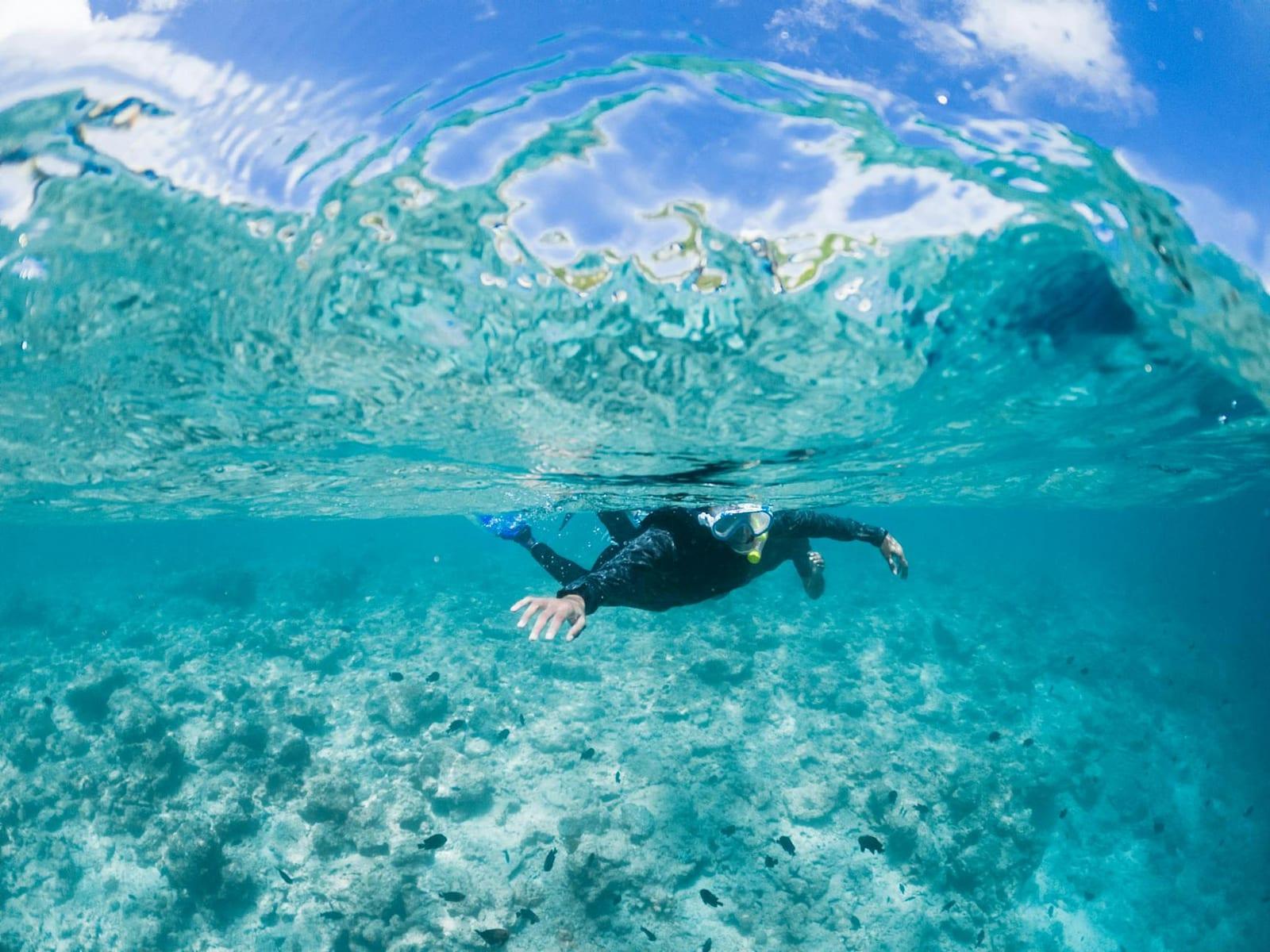
- Snorkel Île aux Cerfs lagoonsSnorkel Île aux Cerfs lagoons
- Black River Gorges National ParkRugged, rainforest-swathed mountains define Mauritius’s only national park, a good place to look for native animals like flying foxes and the Mauritius kestrel.
- Seven Coloured EarthsKaleidoscopic dunes weathered from basalt create a rather dreamlike tract of countryside at this Chamarel landmark.
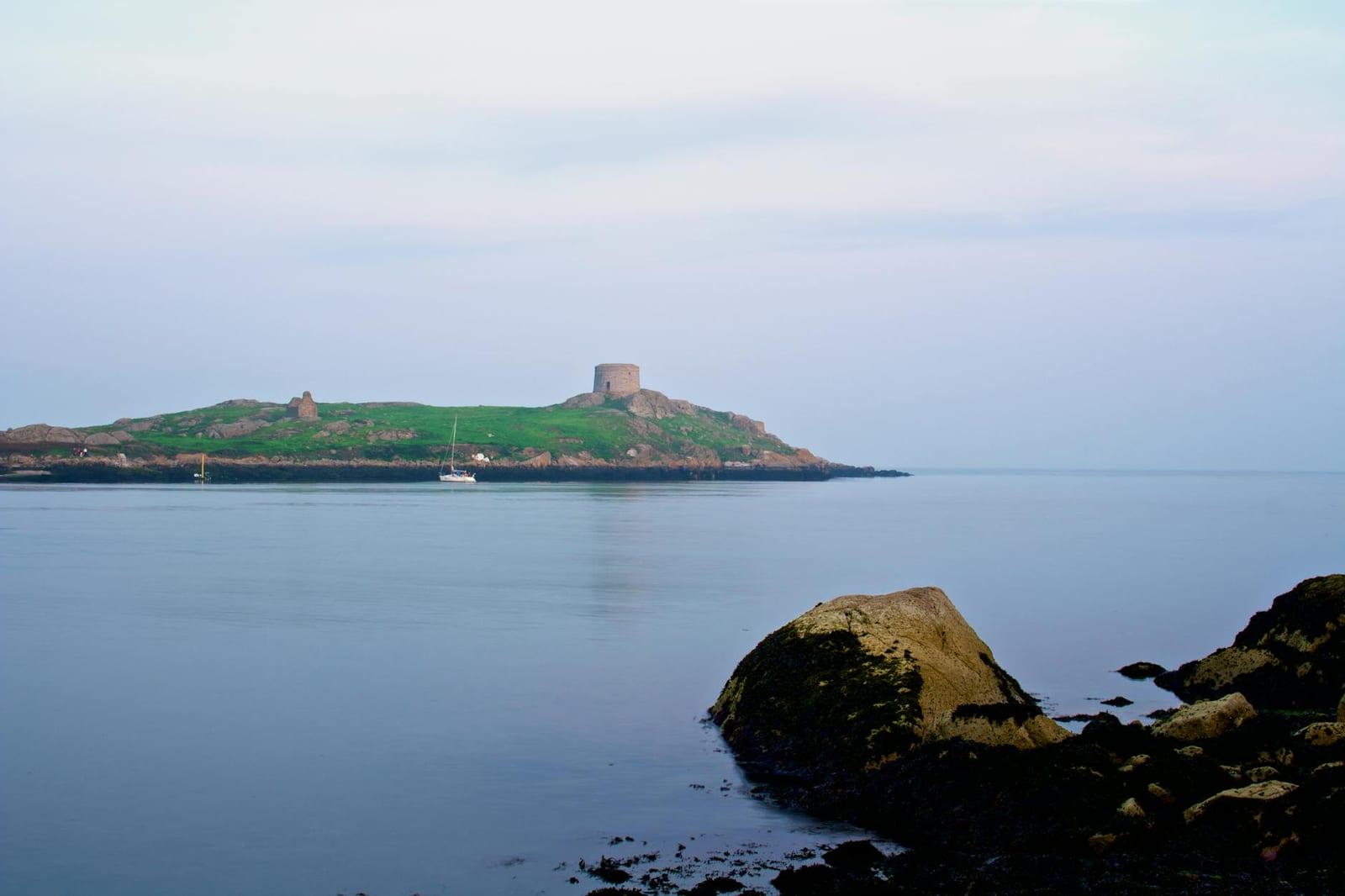
- Martello TowerThe British built this fortification, set in La Preneuse on the west coast, in the early 1800s as a defense against the French.
- Maheswarnath MandirTriolet’s splendid Hindu temple—the largest in Mauritius—was erected in the 19th century.
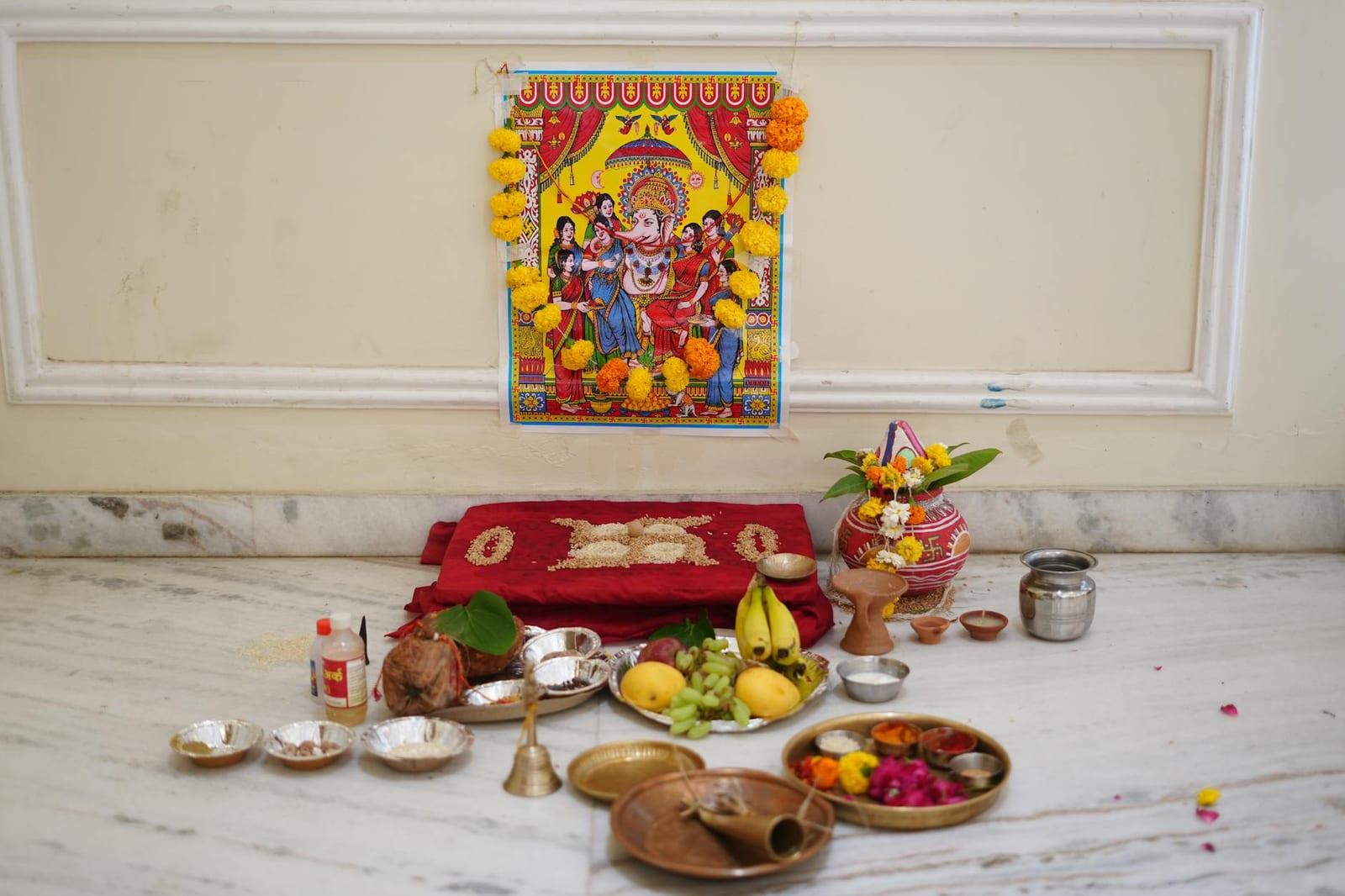
- Grand BassinAlso called Ganga Talao, this tucked-away crater lake is one of the sacred anchors of Mauritius’s Hindu geography; a temple lies along its shore.
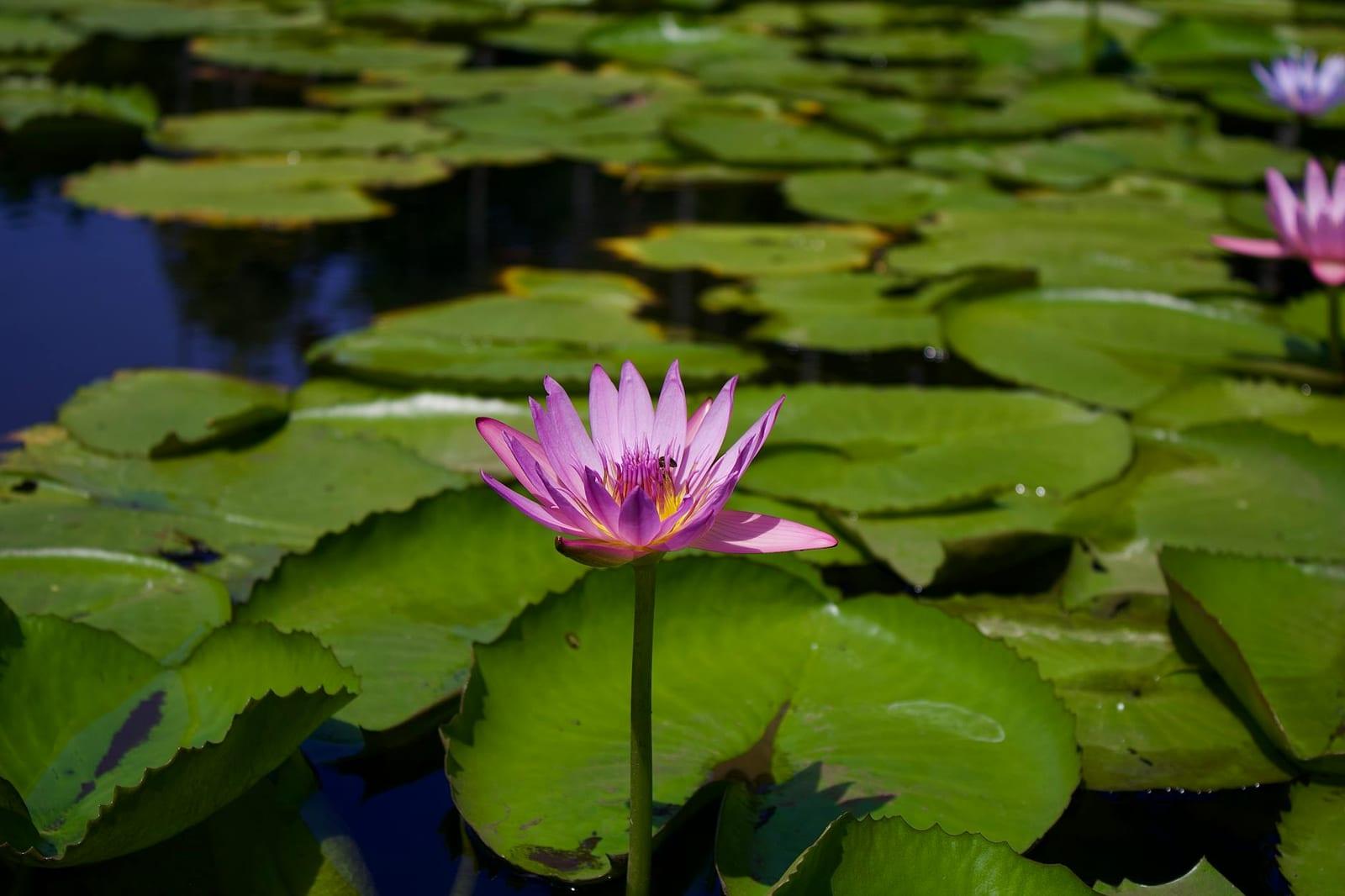
- Pamplemousses Botanical GardenNot far from Port Louis, this venerable garden, established in 1770, has a huge water-lily pond and many rare tropical plants.
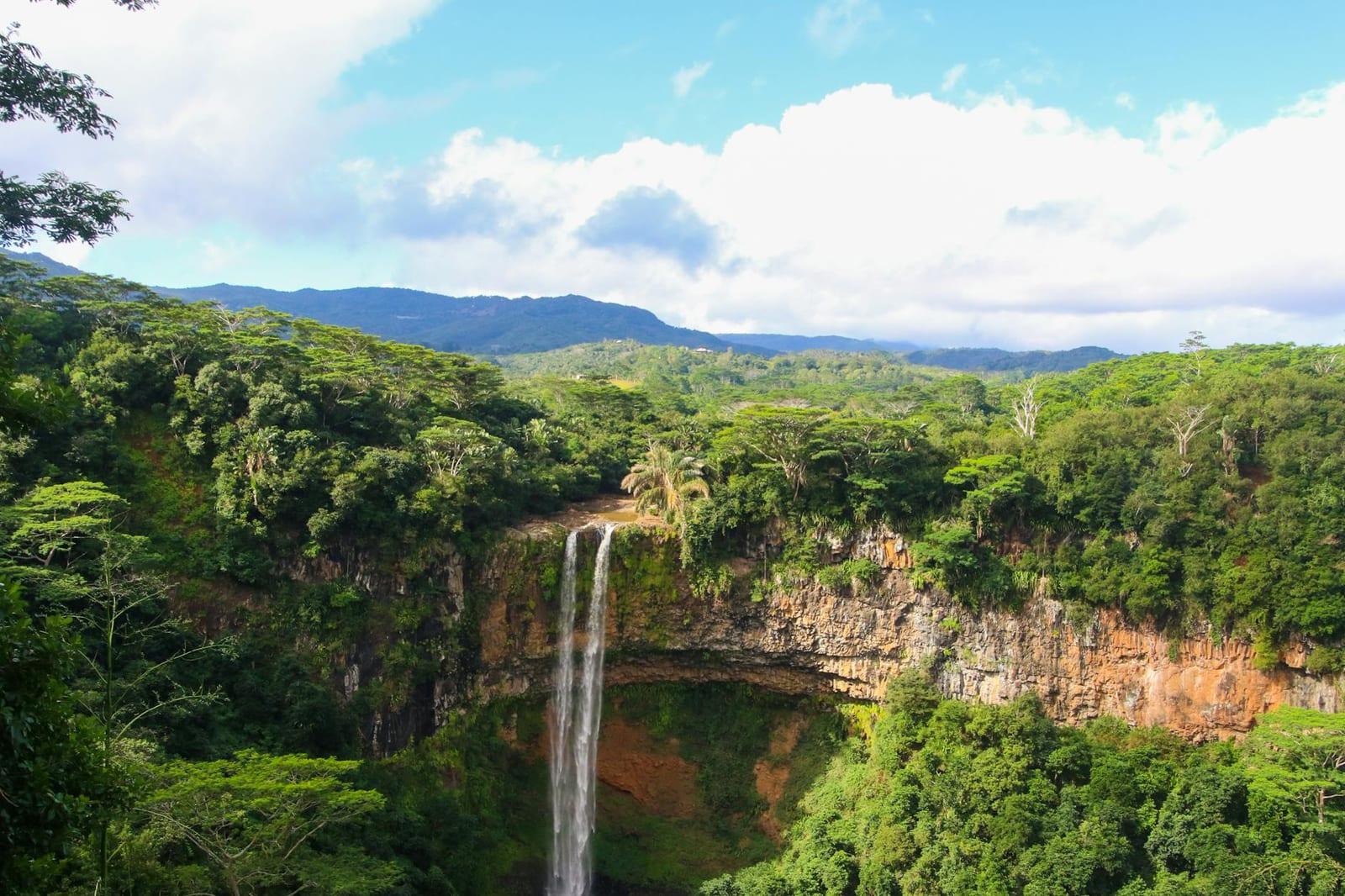
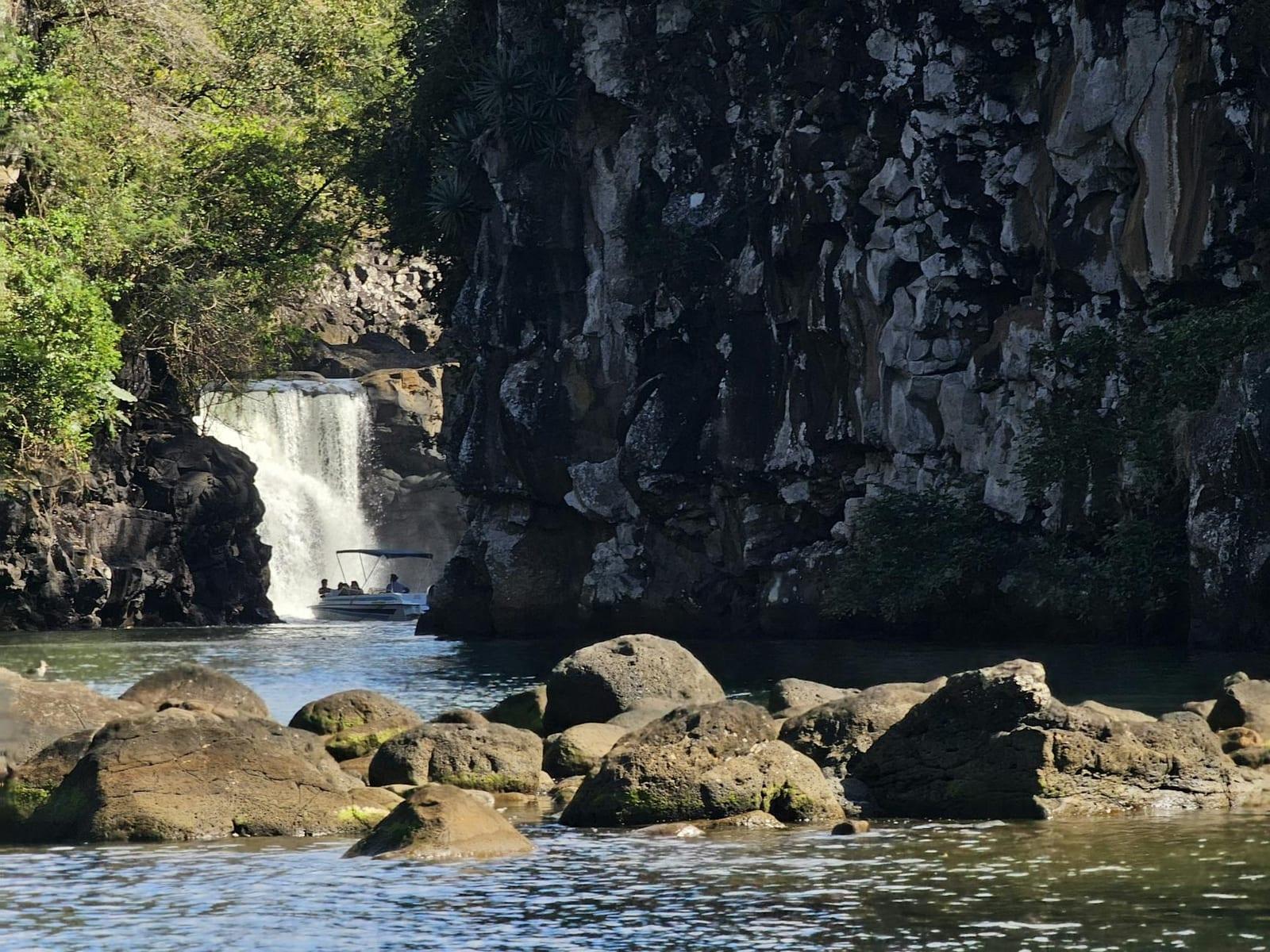
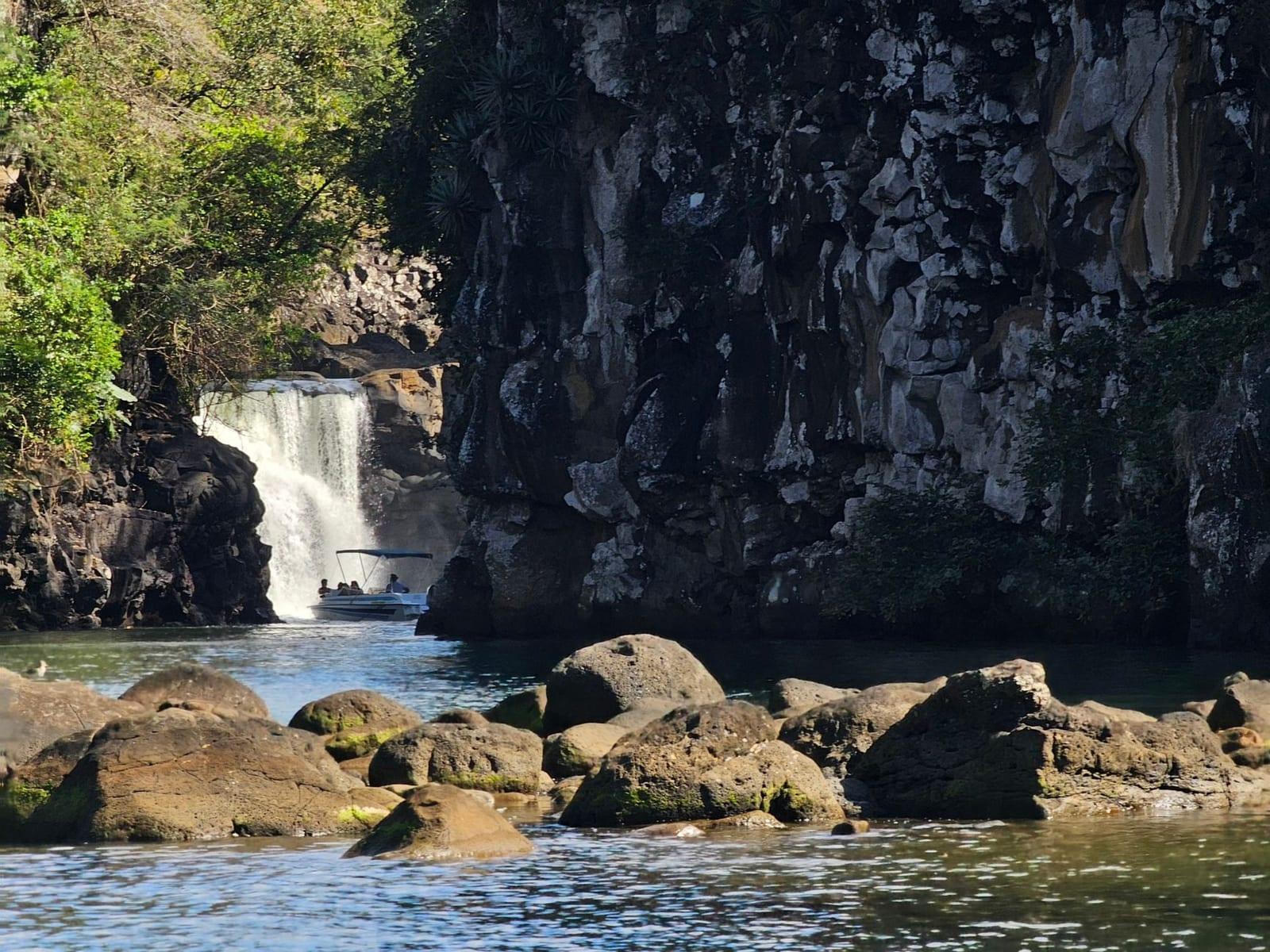
- Tamarin FallsSeven gorgeous plunges along the Riviere Tamarin, dropping better than 700 feet in all, compose one of Mauritius’s most celebrated sights.
- Natural History MuseumEstablished in 1842, this Port Louis museum still enthralls—not least with its displays about Mauritius’s most famous extinct beast, the dodo.
- Blue Bay Marine ParkGet acquainted with Mauritius’s productive (and threatened) coral reefs in these protected lagoon waters on the southeastern coast.