Mexico’s breadth of diversity is almost unreal. Here’s a huge country bridging North and Central America; quilting together parched deserts, skyscraping volcanoes, and tropical rainforest; harboring huge cosmopolitan cities and remote indigenous villages; showcasing the majesty of ancient civilizations as well as the modern social ravages of drug-cartel violence.
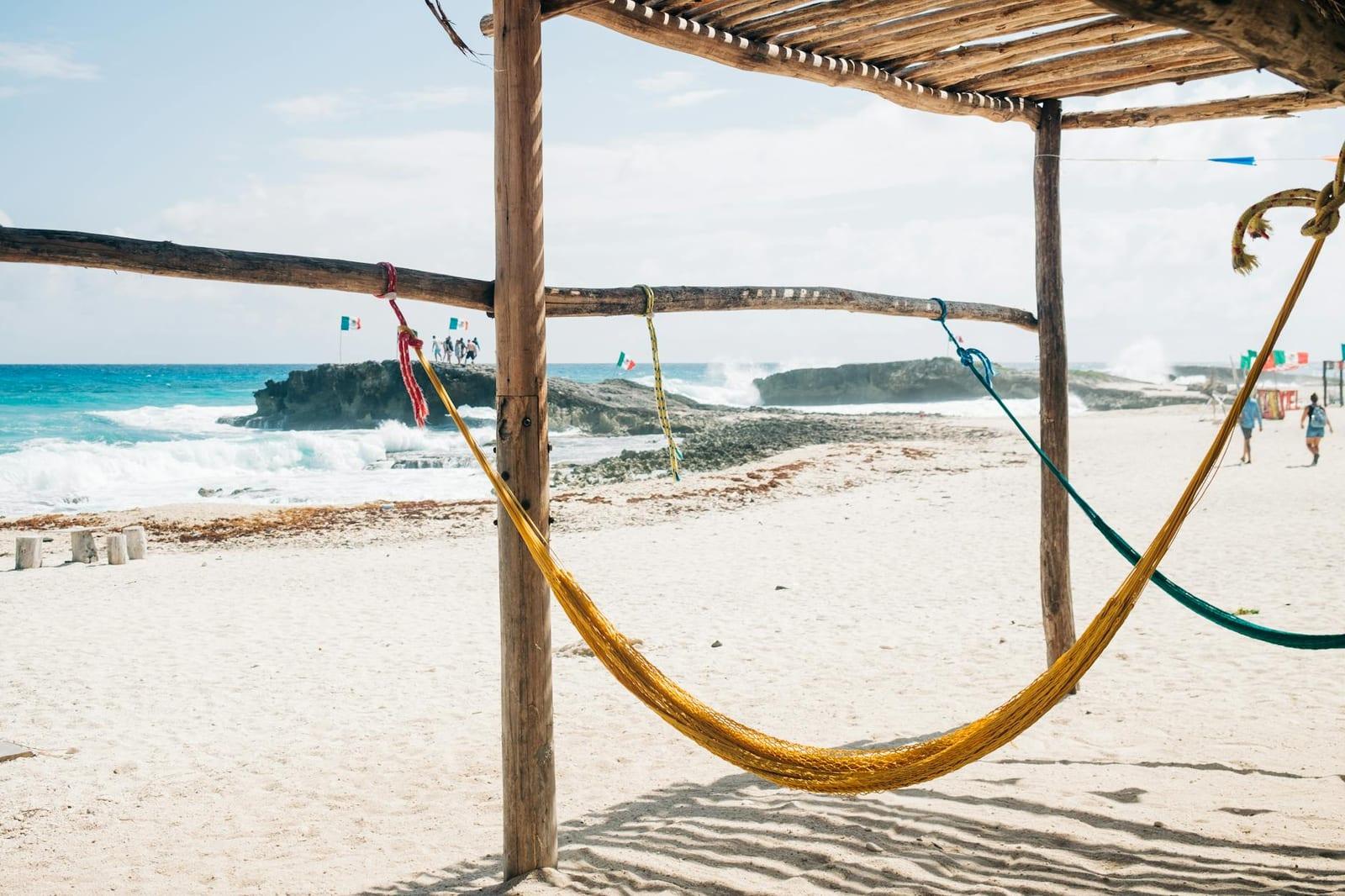
To belabor the obvious, Mexico’s endowed with some stunning Caribbean and Pacific beaches, from the rainforest coast of Riviera Maya to the Baja desert shores of Los Cabos. You can spend oodles of money at swanky Cancun or Puerto Vallarta resorts, or track down backpacker-friendly beaches that have escaped the crush of overdevelopment.
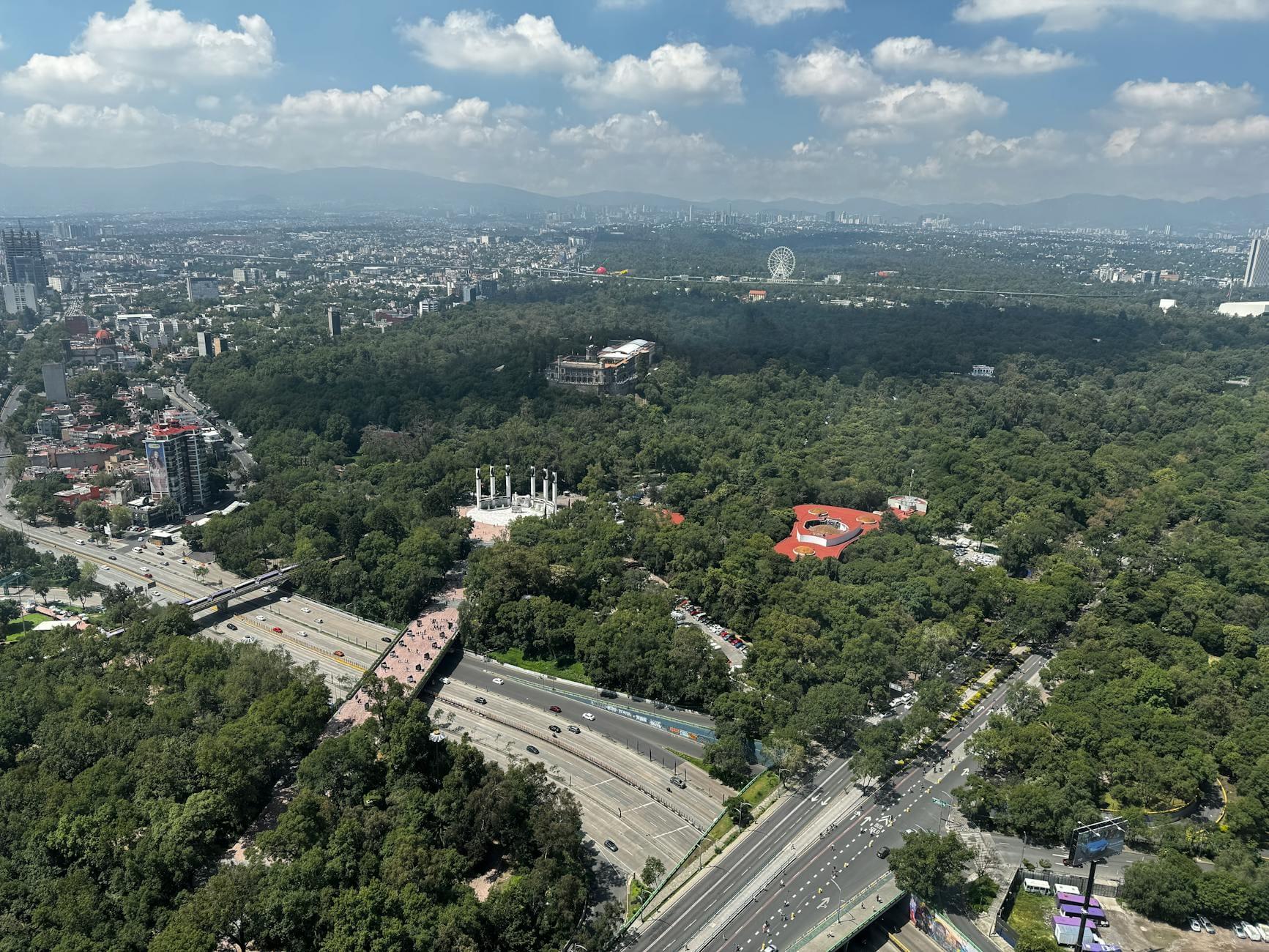
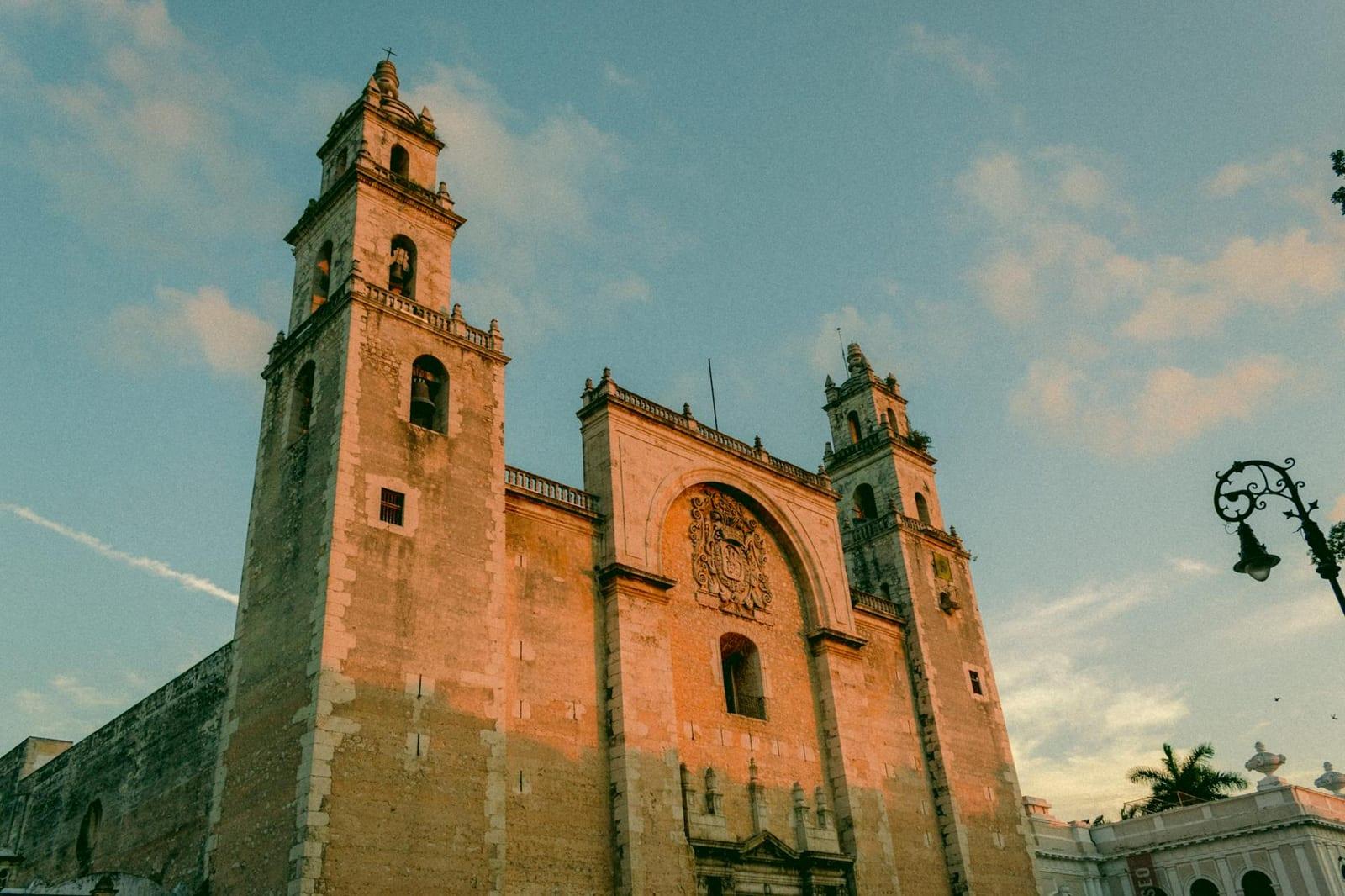
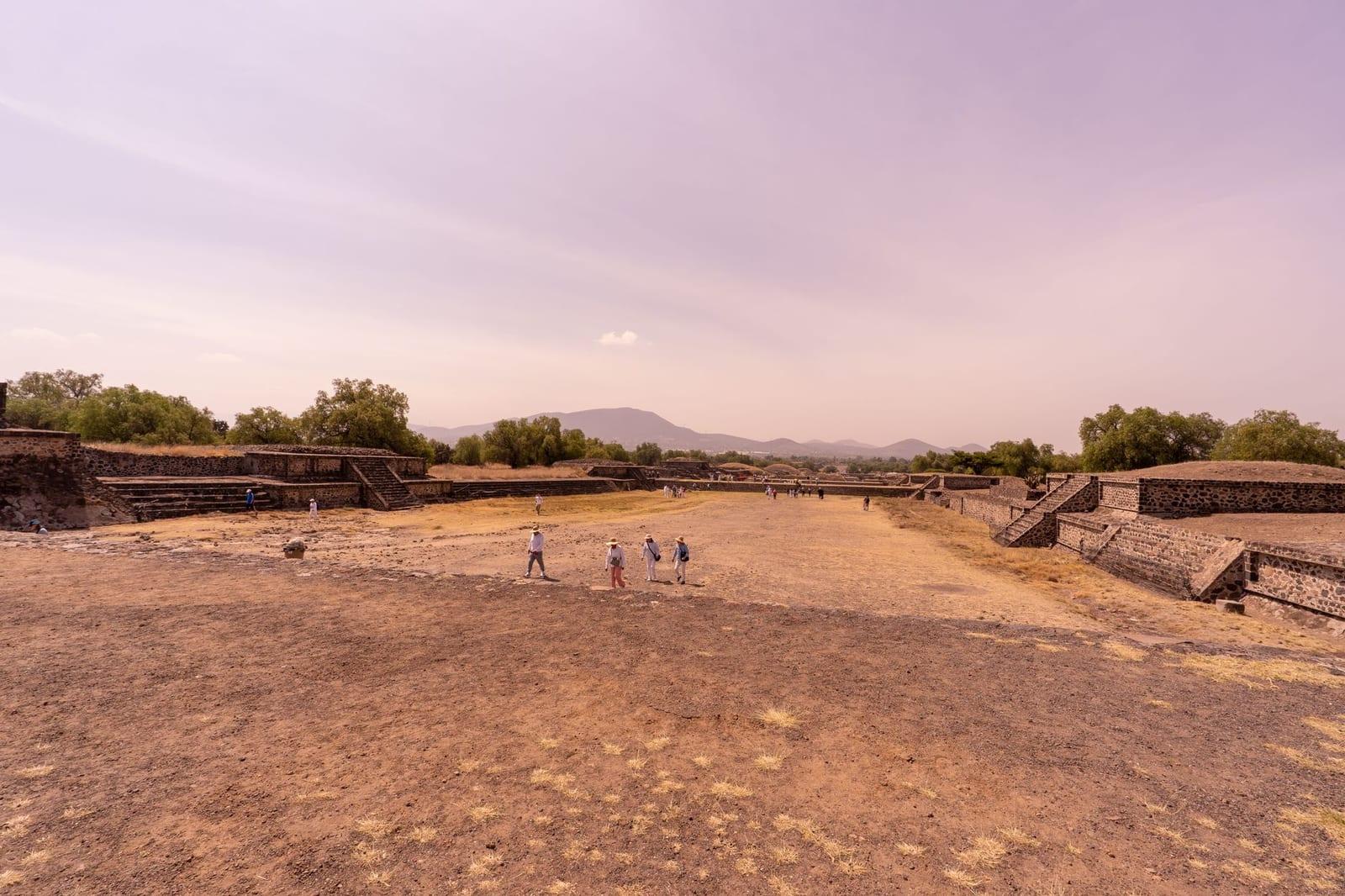
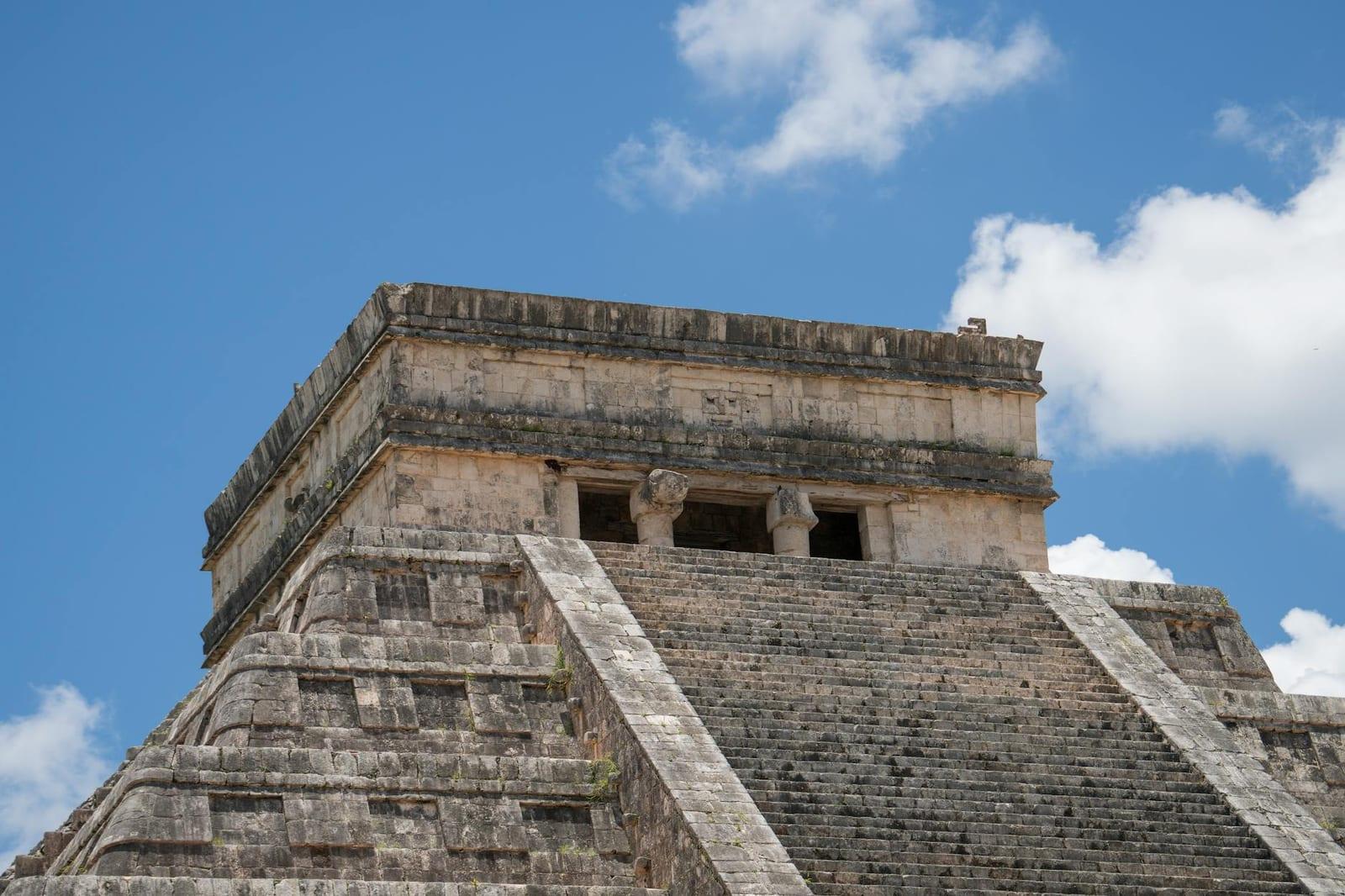
There’s so much more to Mexico, though, than those postcard seashores. Head for Mexico City’s world-renowned National Museum of Anthropology for an overview of the country’s incredible indigenous civilizations, then visit ancient wonders in the field: the extraordinary pyramids of Teotihuacan, the Olmec heads of Gulf lowlands, the Mayan city of Chichén Itzá, the Templo Mayor of Aztecan Mexico City—global treasures of humanity, all of them. Then there are the more recent monuments of Spanish Mexico, from the Merida Cathedral to the National Palace of Mexico City. And no fewer than 10 Mexican cities have been designated World Heritage Cities for their cultural inheritances.
Shift your attention to the cuisine, and you discover one of the most diverse and complex on the planet. From Oaxacan mole to the skirt steaks of the desert north, from the menudo of Jalisco to the seafood delicacies of Veracruz, Mexican cookery is its own universe to explore—a mélange of indigenous, European, and African styles and ingredients.
Complementing that gastronomic variety is the biological diversity of Mexico, some of the greatest of any country in the world. Better than 1,000 species of birds, 700 varieties of reptiles, and 500 kinds of mammals are native, not to mention close to 30,000 types of plants. When you consider Mexico’s latitudinal and climatic spread and its dizzying array of ecosystems—lowland rainforest, cactus forest, shortgrass prairie, pine-oak woodlands, mangrove swamps, timberline barrens—the astonishing wealth of life actually makes sense.
It has to be noted that the early 21st century has been rough, often brutal, in parts of Mexico, as rival drug cartels fight each other and the government in a seemingly neverending cycle of bloodshed. The lurid headlines shouldn’t be ignored, even though most of the beach-flocking foreign tourists remain fully insulated from the violence.
But Mexico—gloriously multifaceted Mexico—is more than worth all its discomforts and challenges. Humanity expresses itself here in staggering historical and cultural magnitude, and the Earth itself seems to pull out all the stops.
27 things not to miss.
- Cozumel
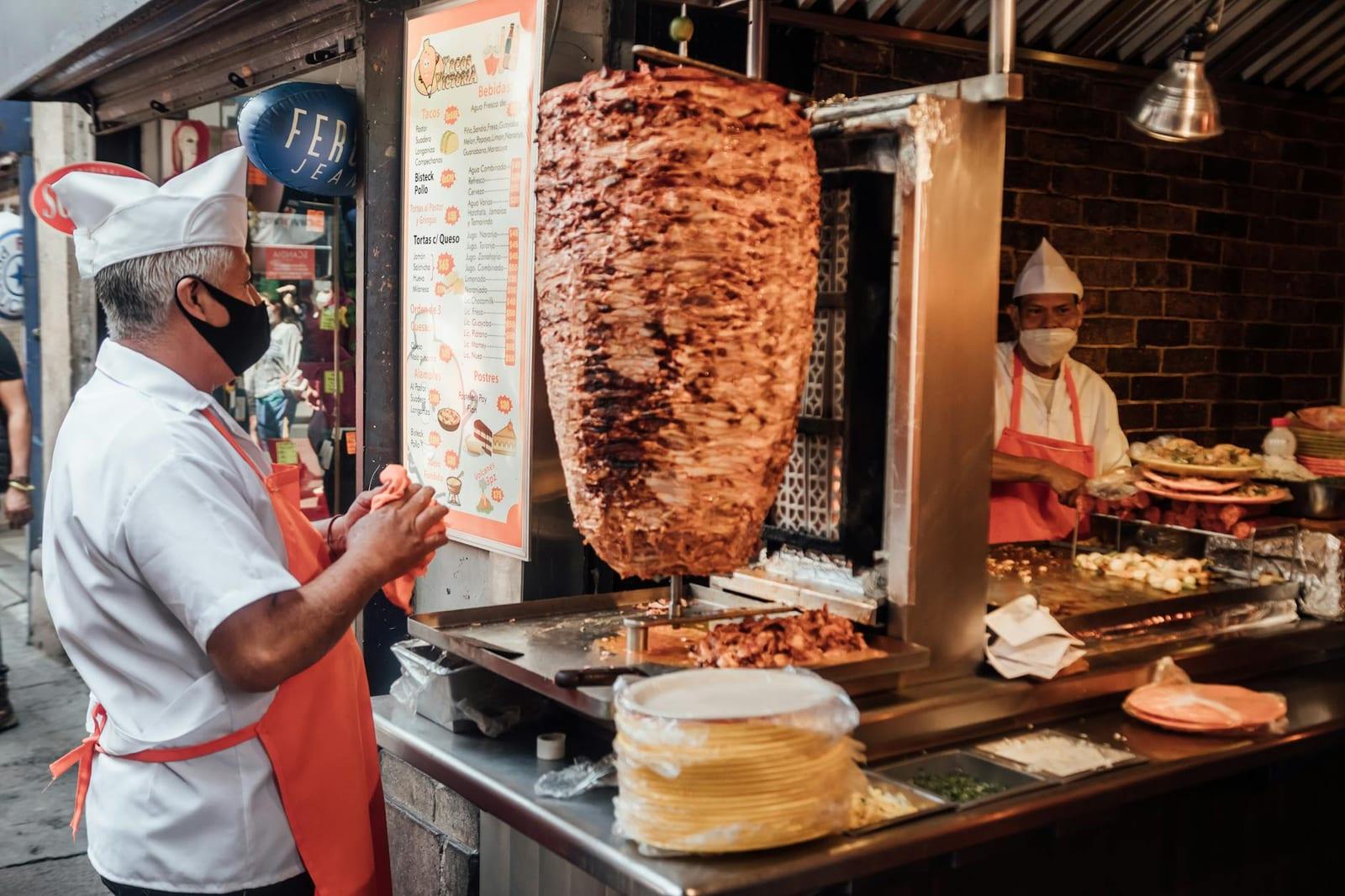
- Eat tacos al pastor in Mexico CityEat tacos al pastor in Mexico City
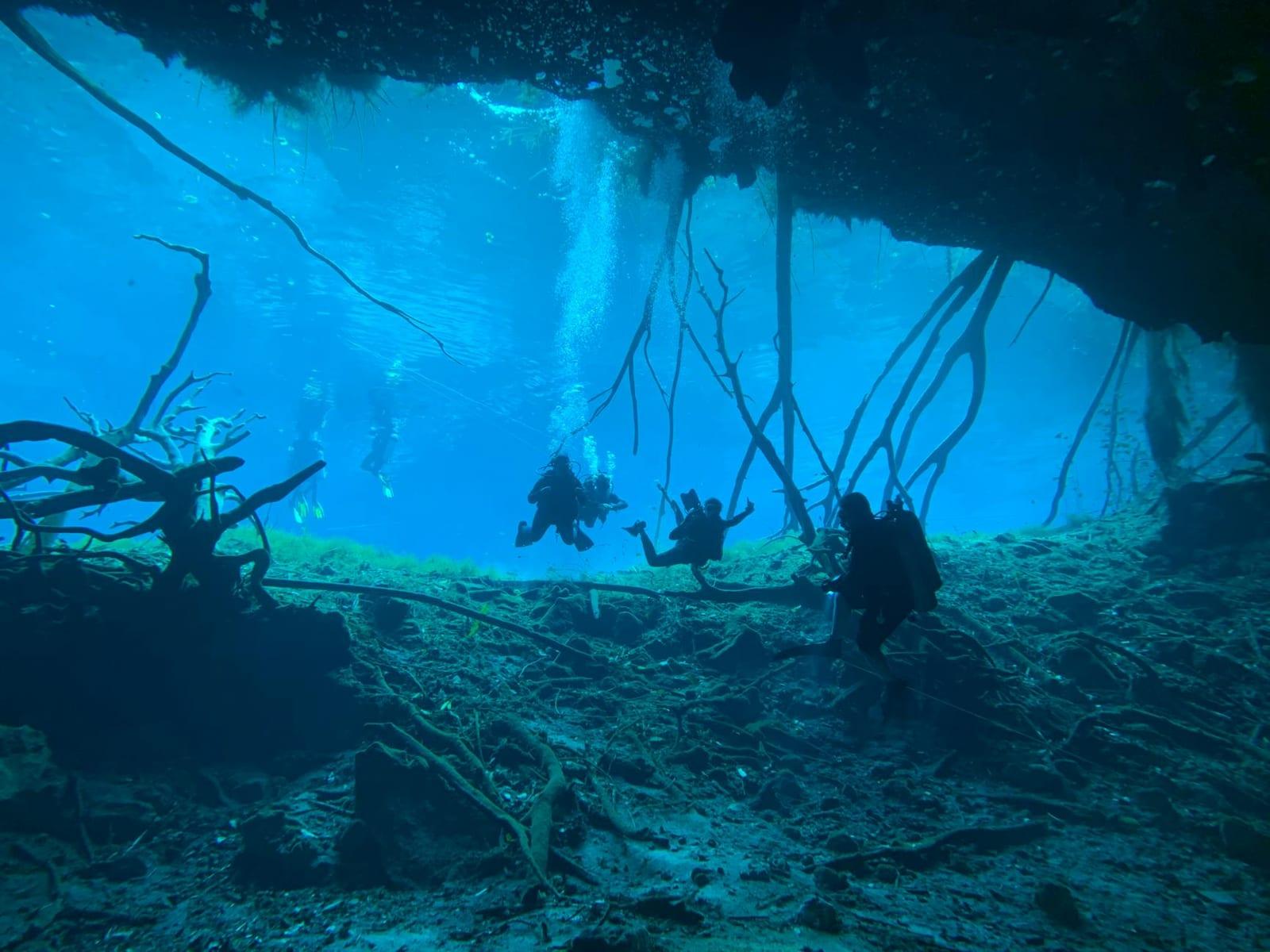
- Cenote dive in the YucatánCenote dive in the Yucatán
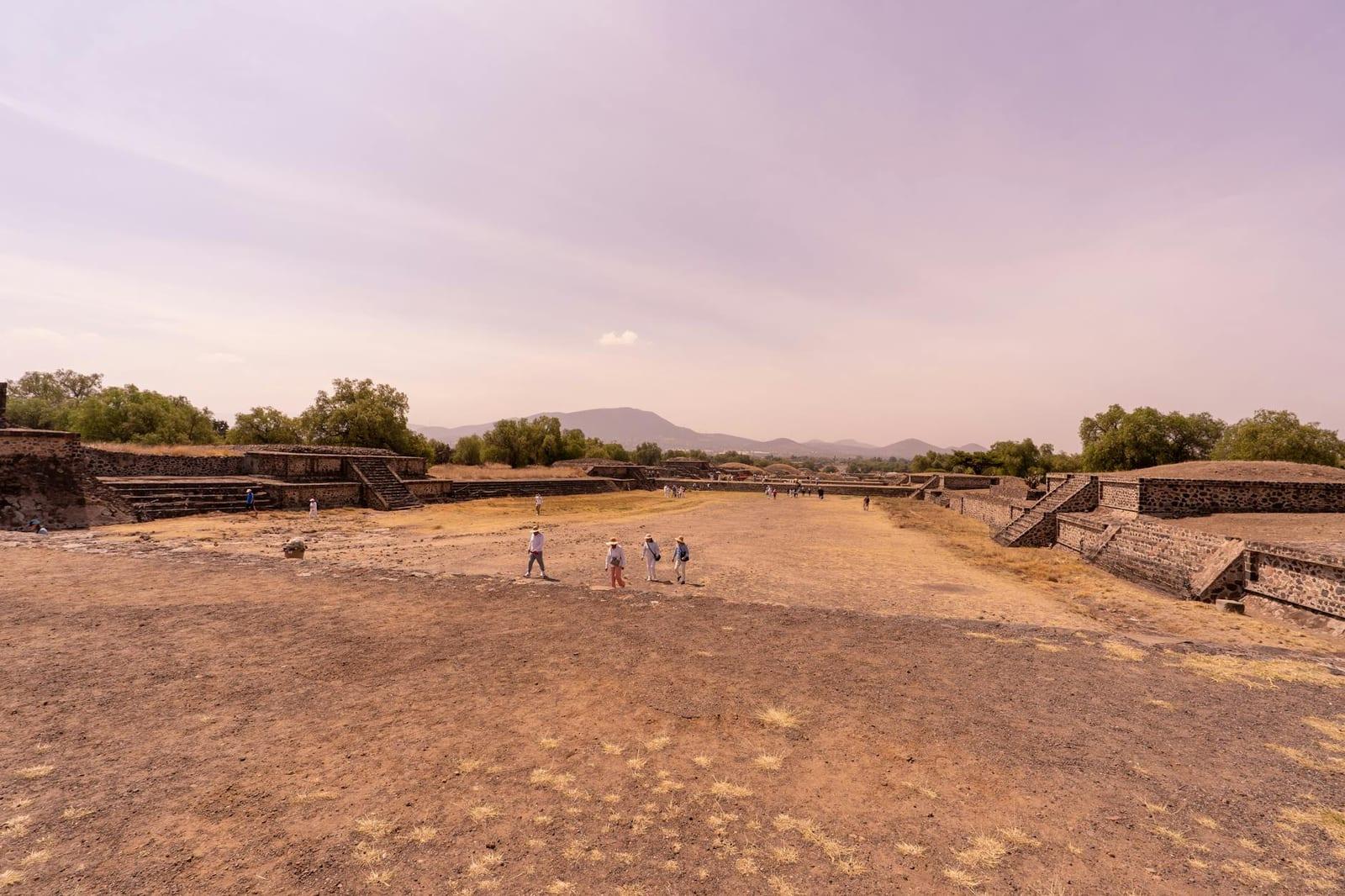
- Pyramid of the Sun at TeotihuacánClimb Pyramid of the Sun at Teotihuacán
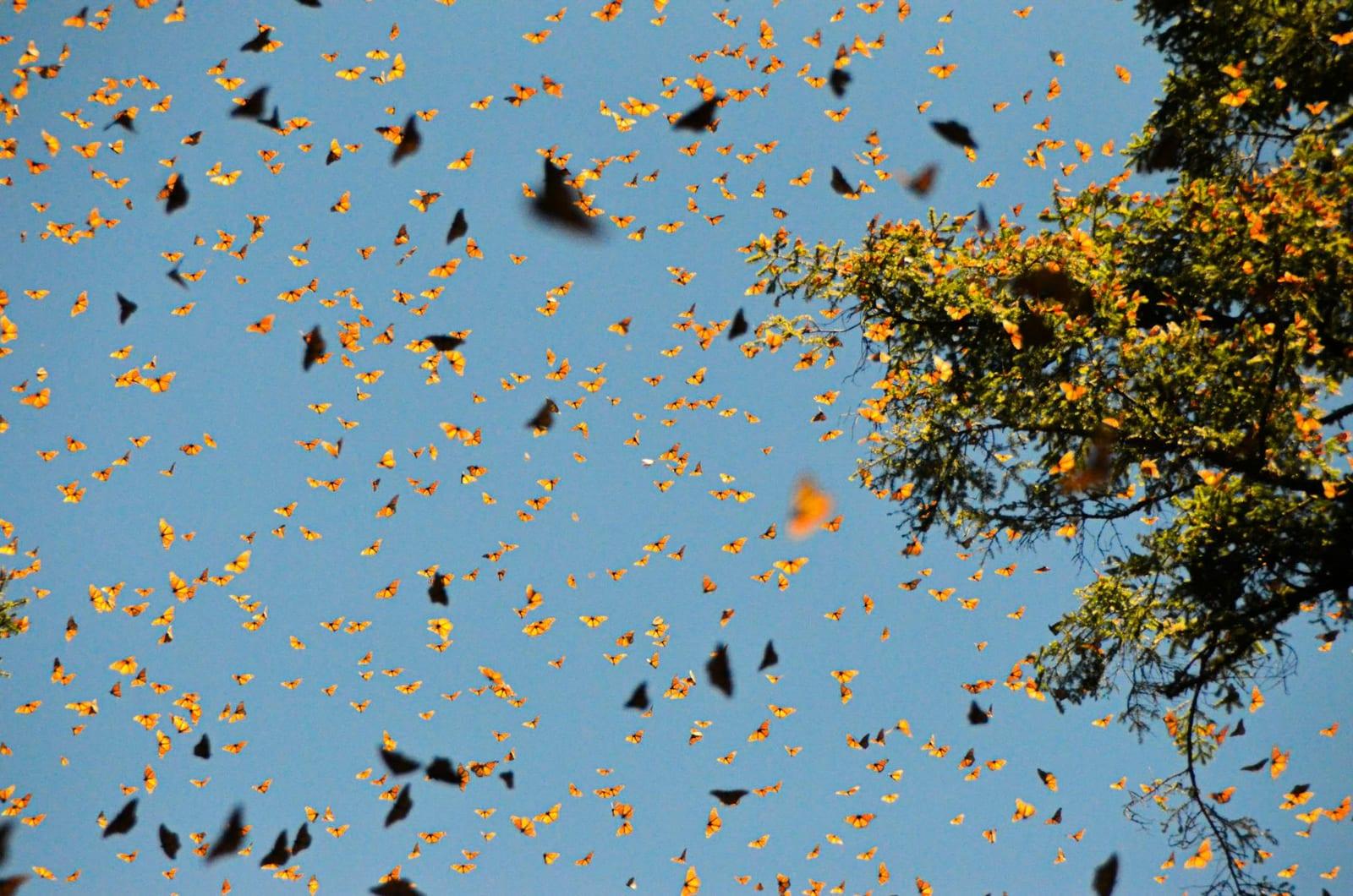
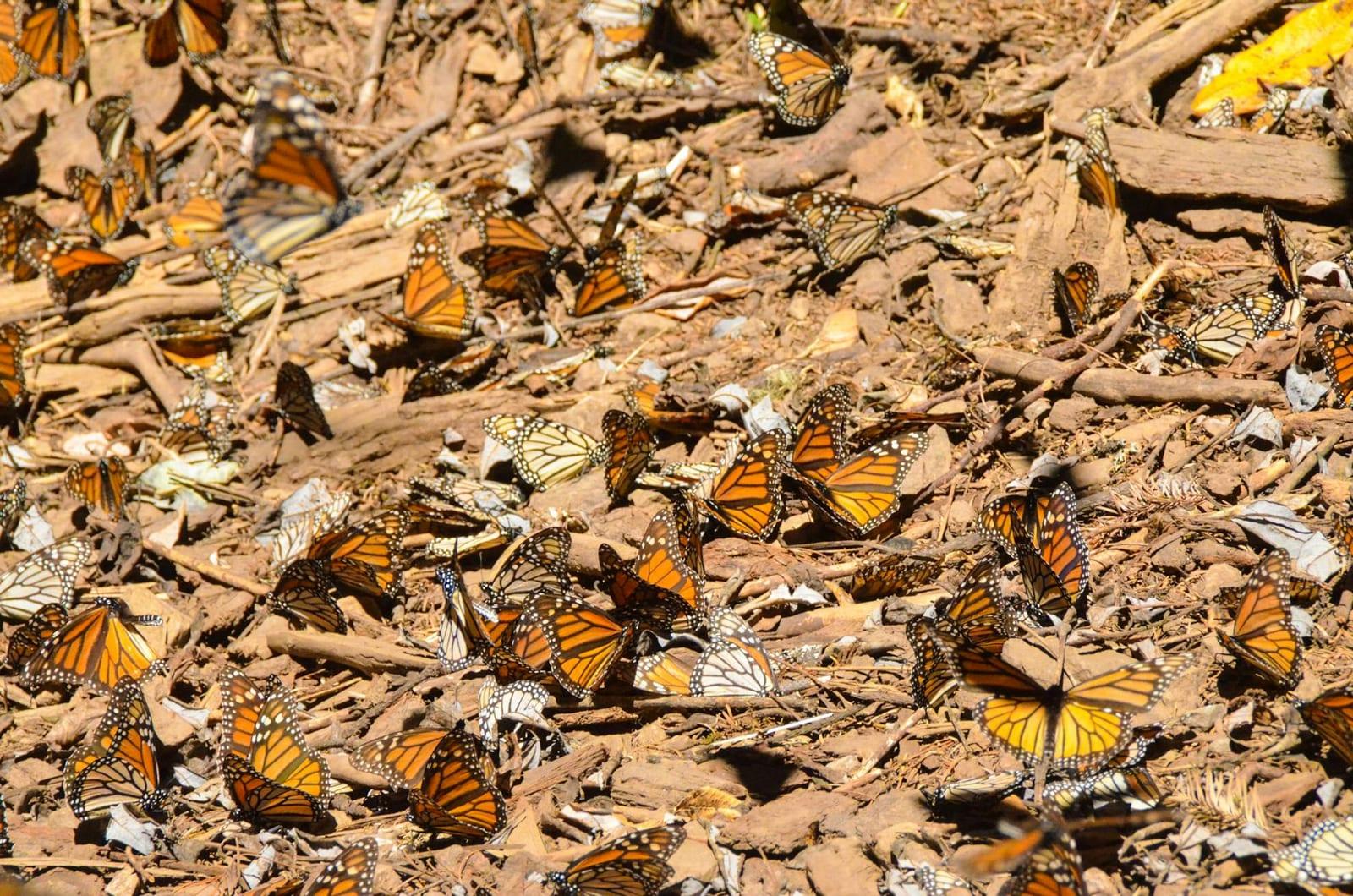
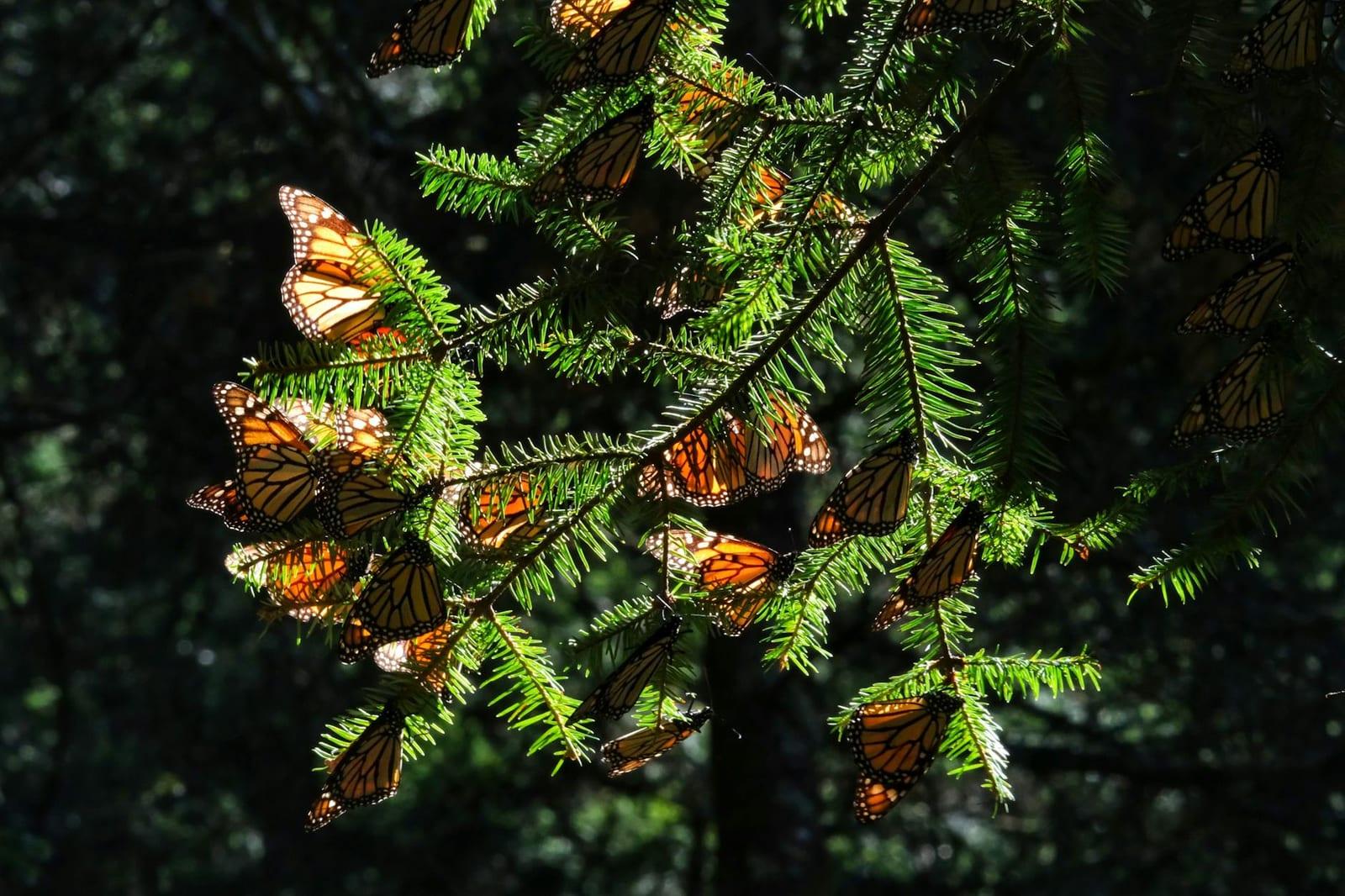
- monarch butterflies in MichoacánWatch monarch butterflies in Michoacán
- La Quebrada, Acapulco
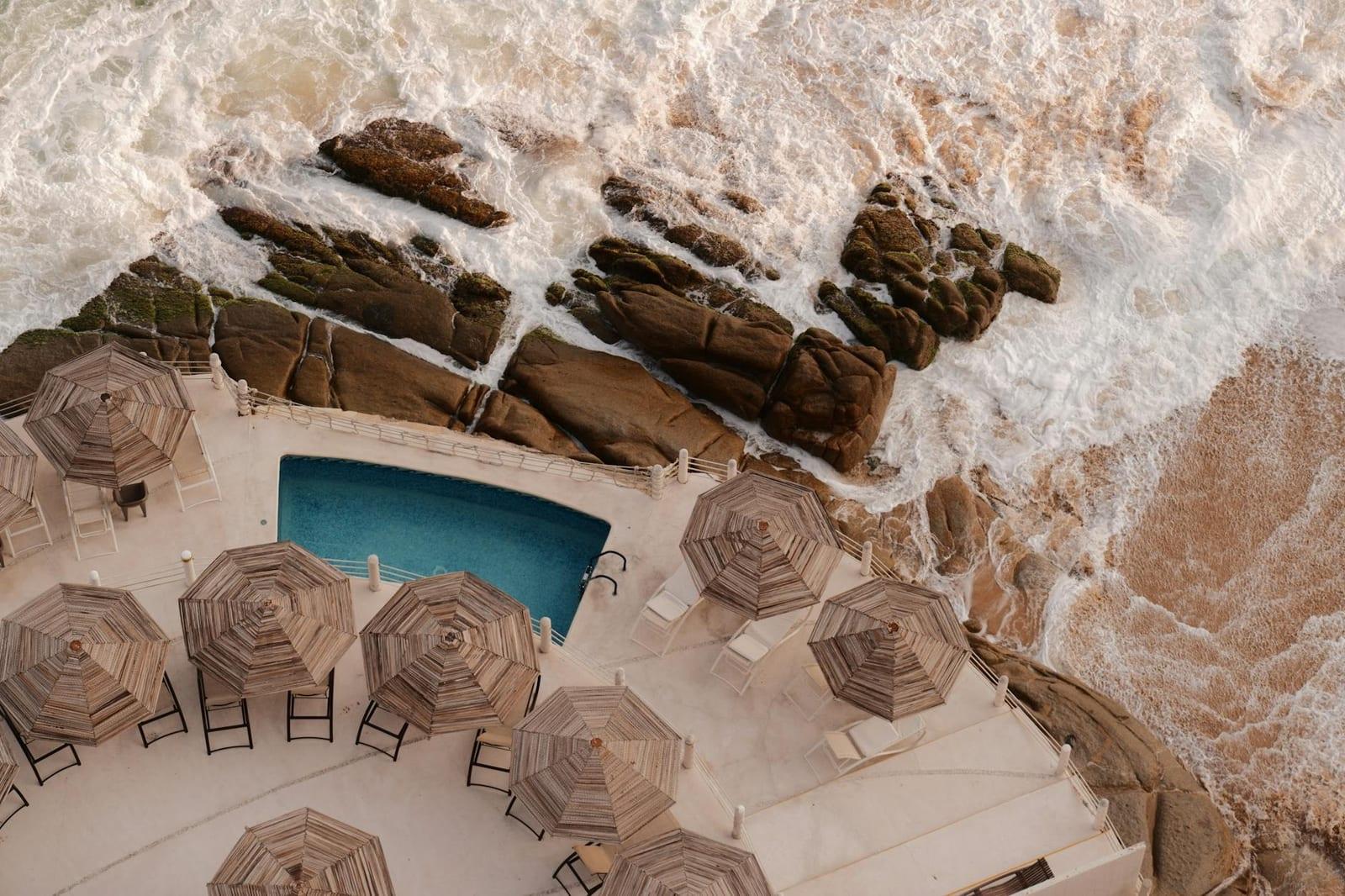
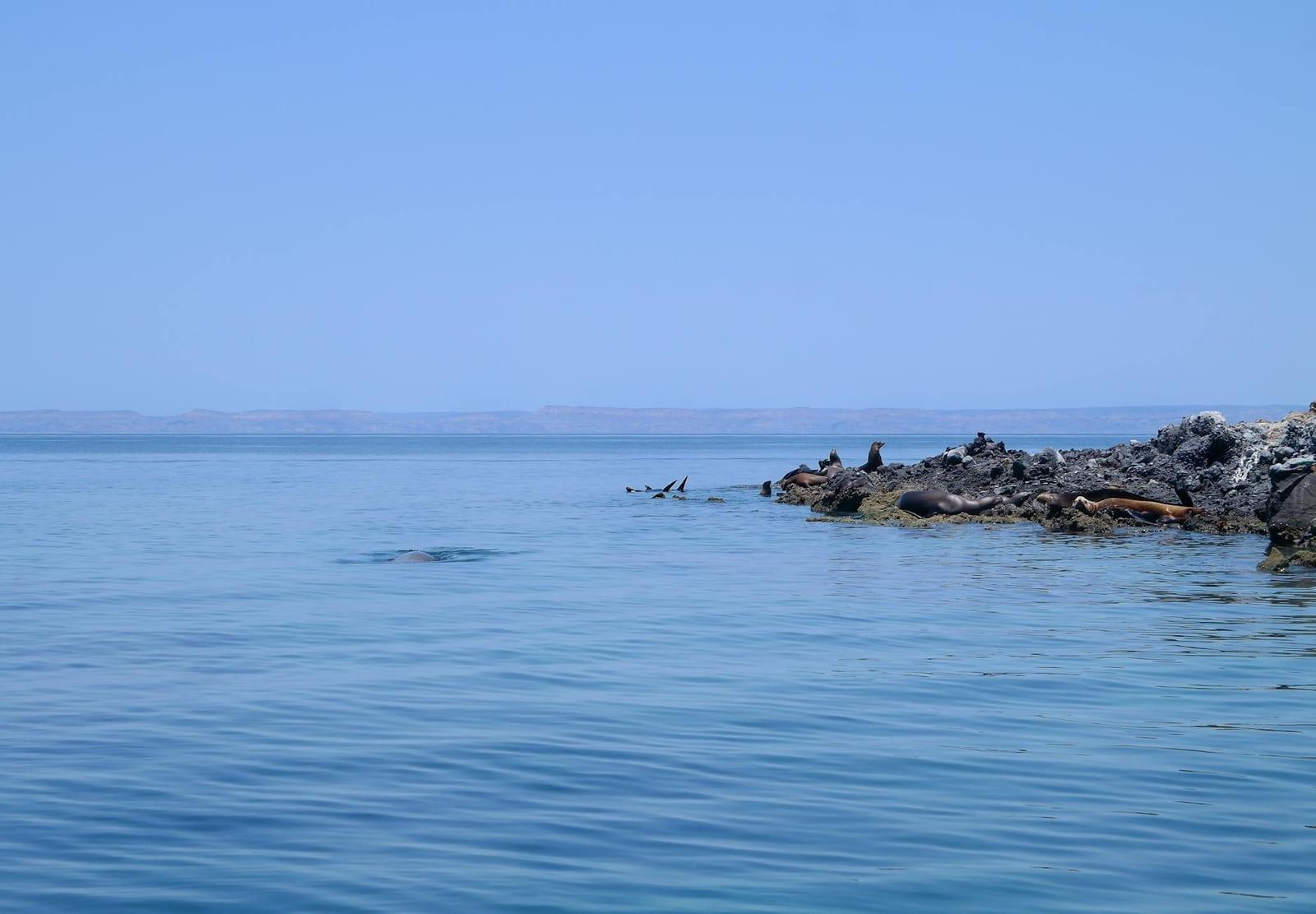
- La Ventana, Baja
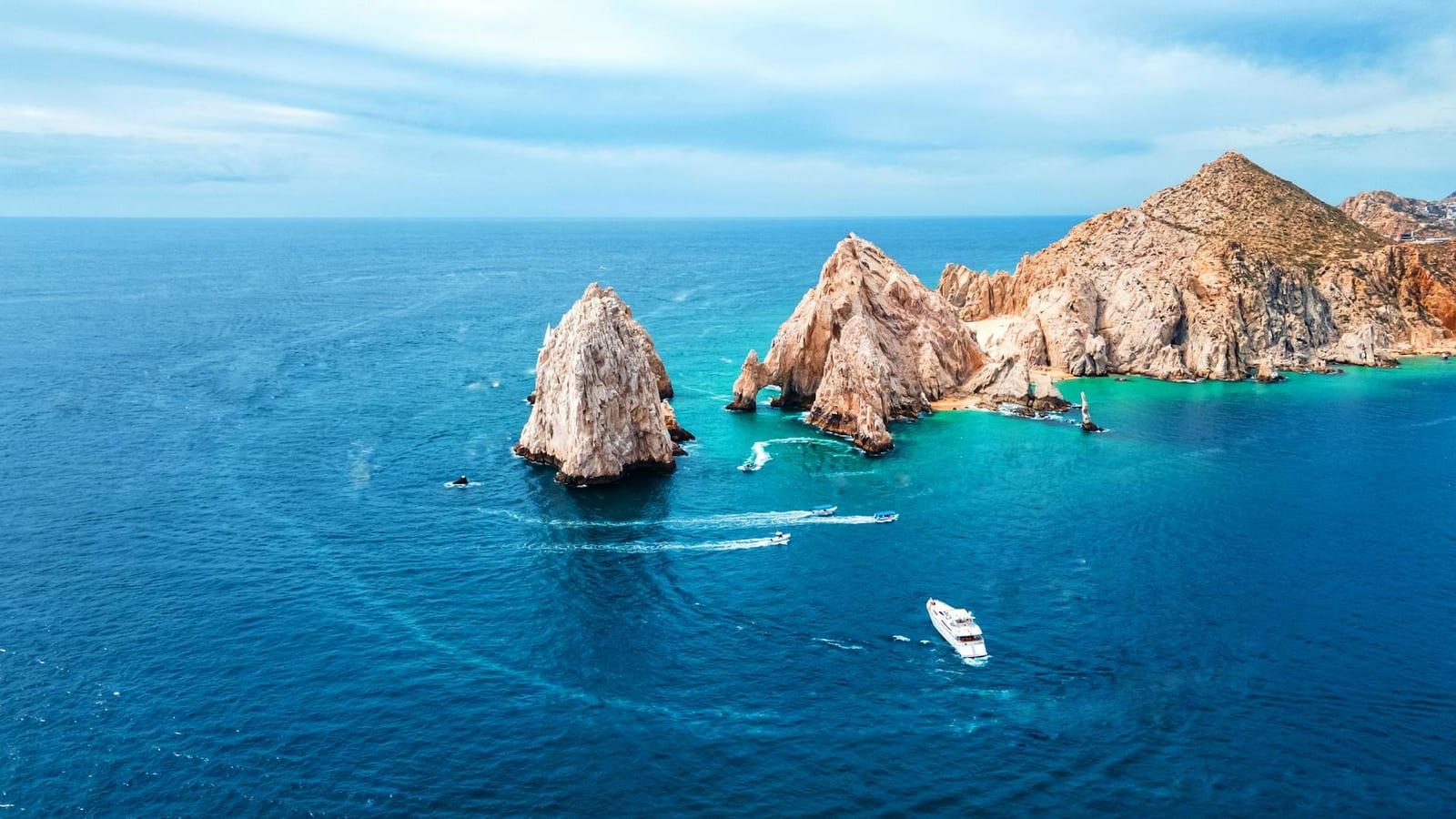
- Cabo San Lucas
- Monarch Butterfly Biosphere Reserve
- Guadalupe Island

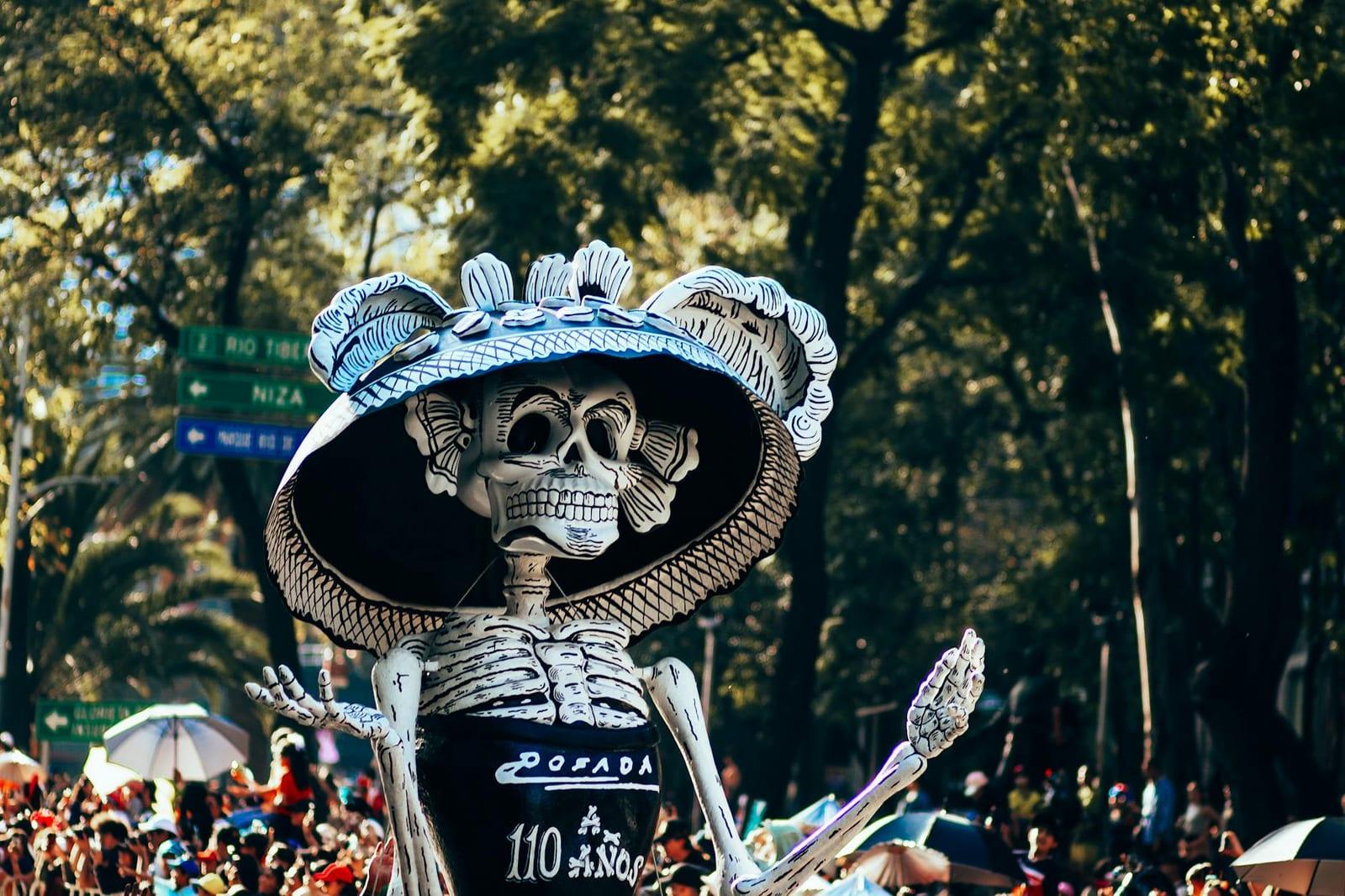
- Mixquic, Mexico City
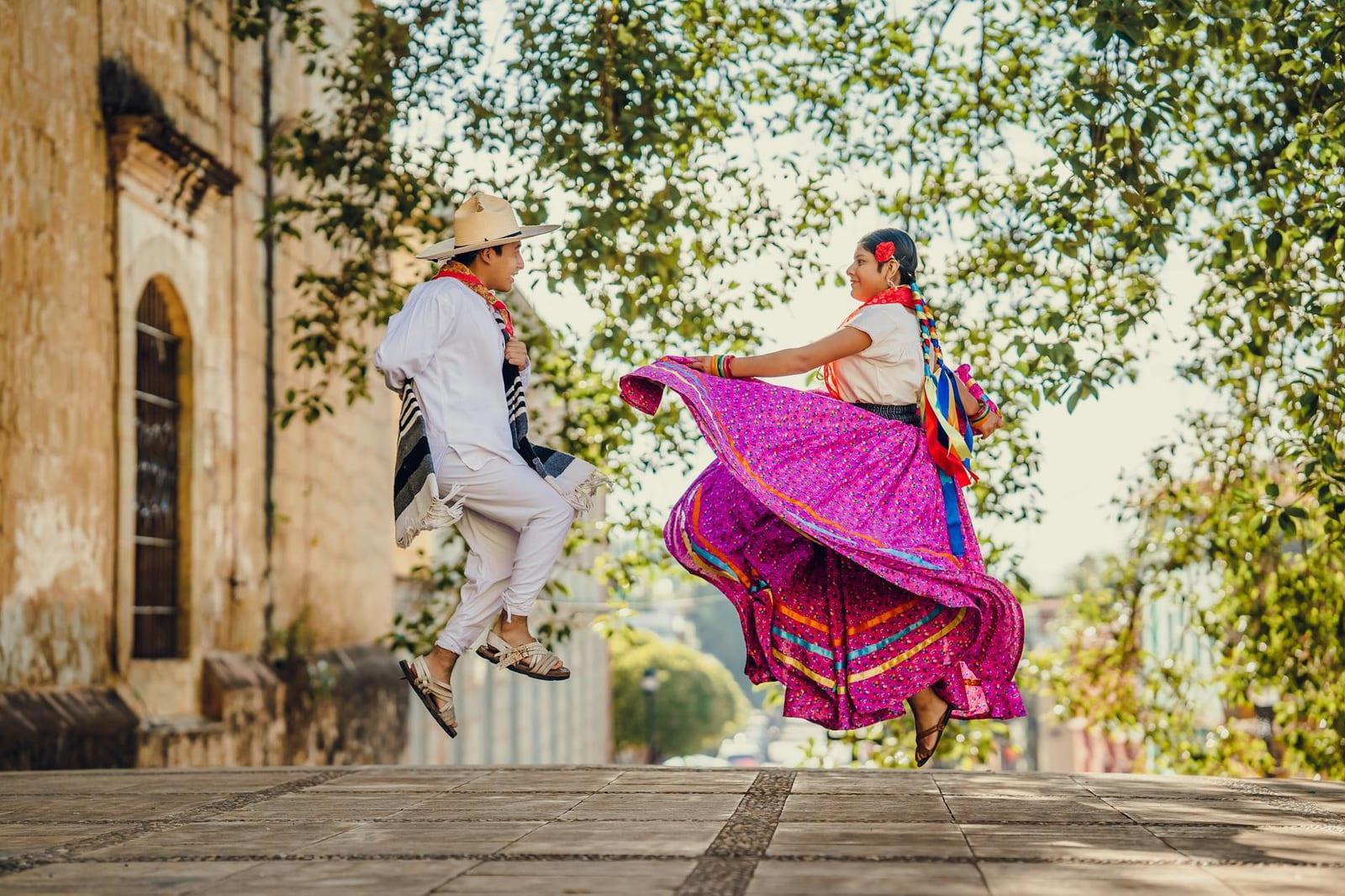
- Oaxaca
- Merida
- Teotihuacan
- Museo Nacional de Antropología

- Chichen Itza
- Monarch Butterfly Migration
- Day of the Dead
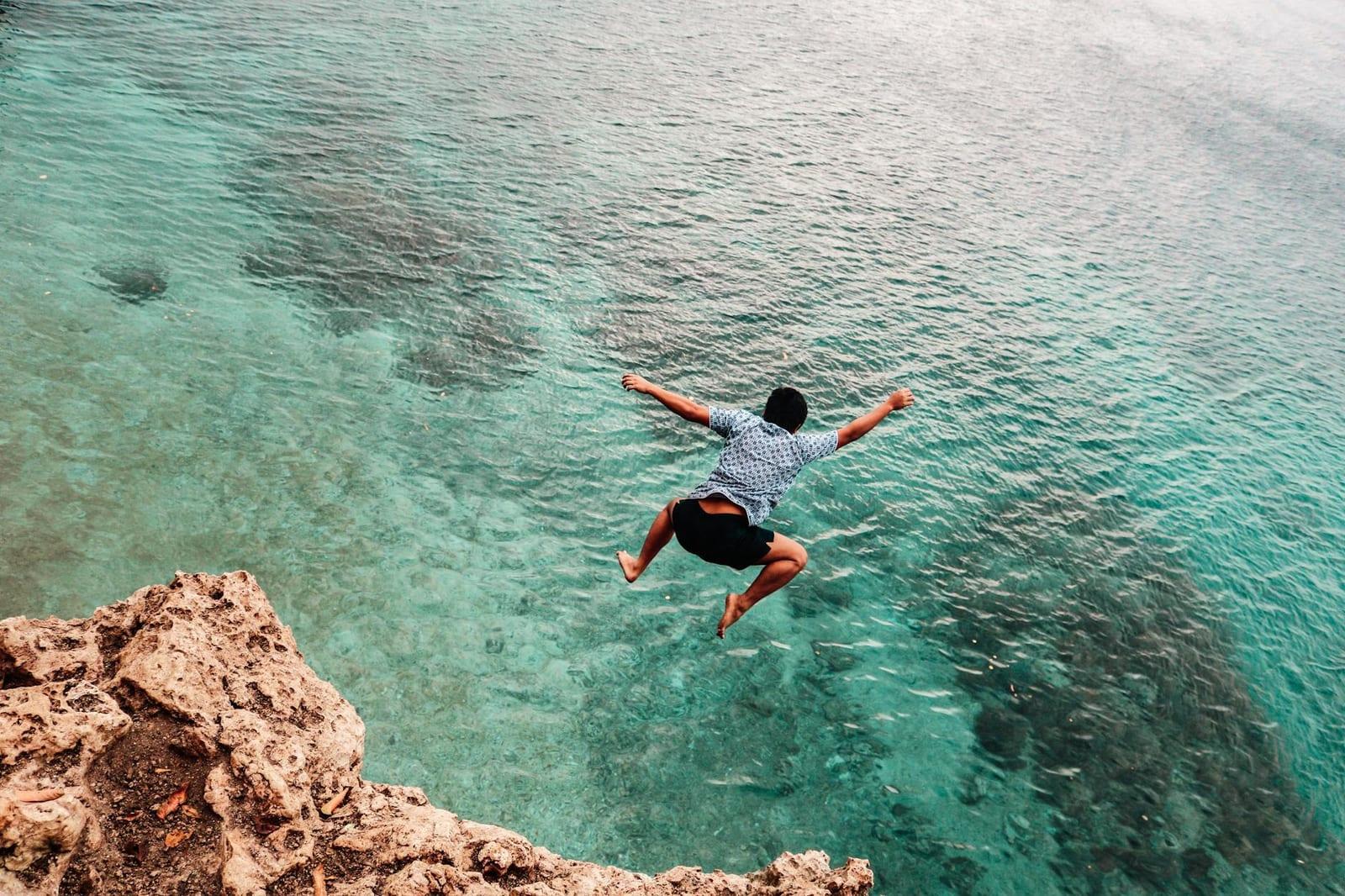
- Cliff Jump
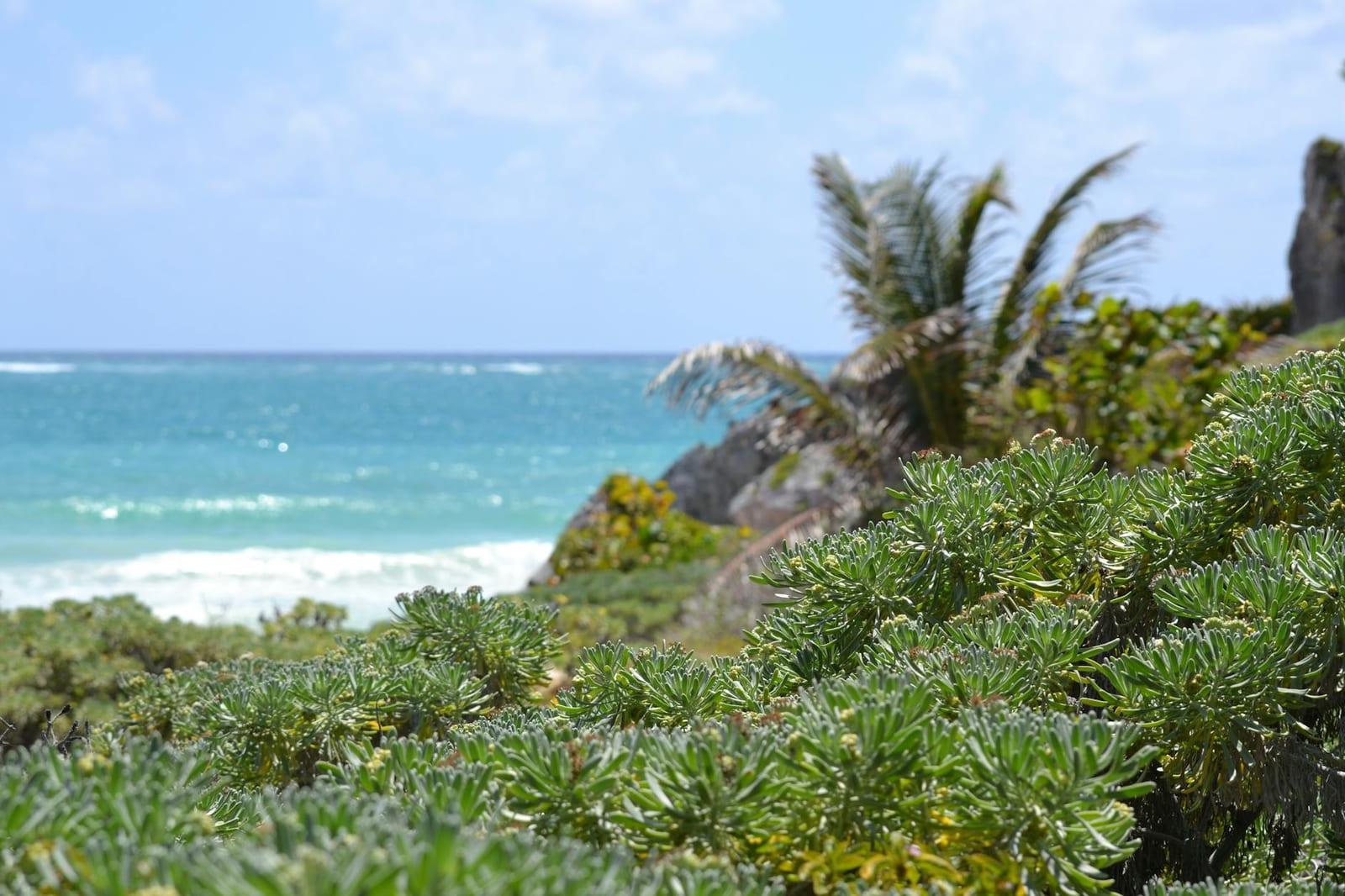
- TulumThis Mayan port, which survived into colonial times, combines spectacular ruins with a Caribbean seascape.
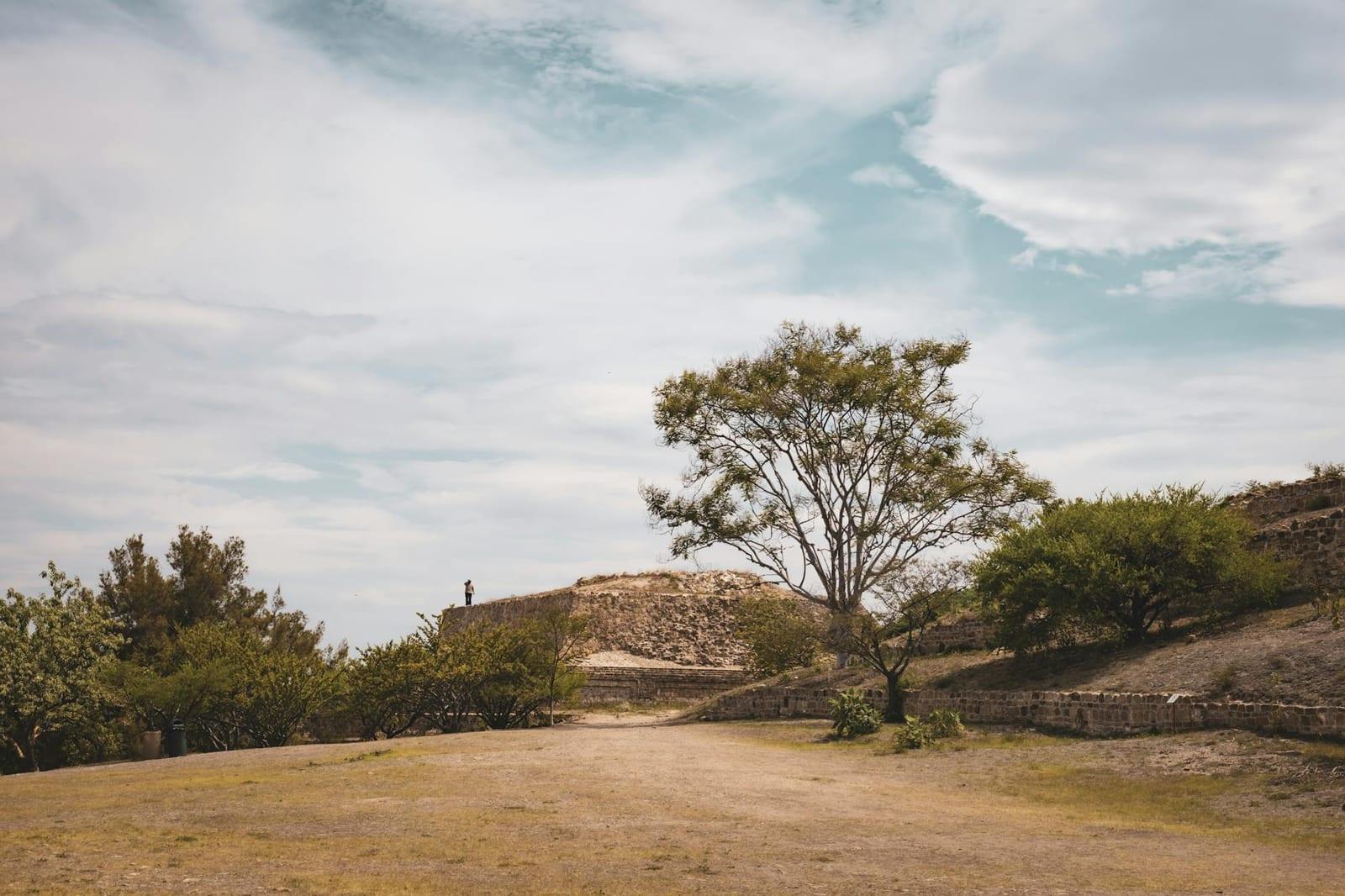
- Monte AlbanClose to Oaxaca City, this epic archaeological site marks one of the great metropolises of the Zapotec Civilization.
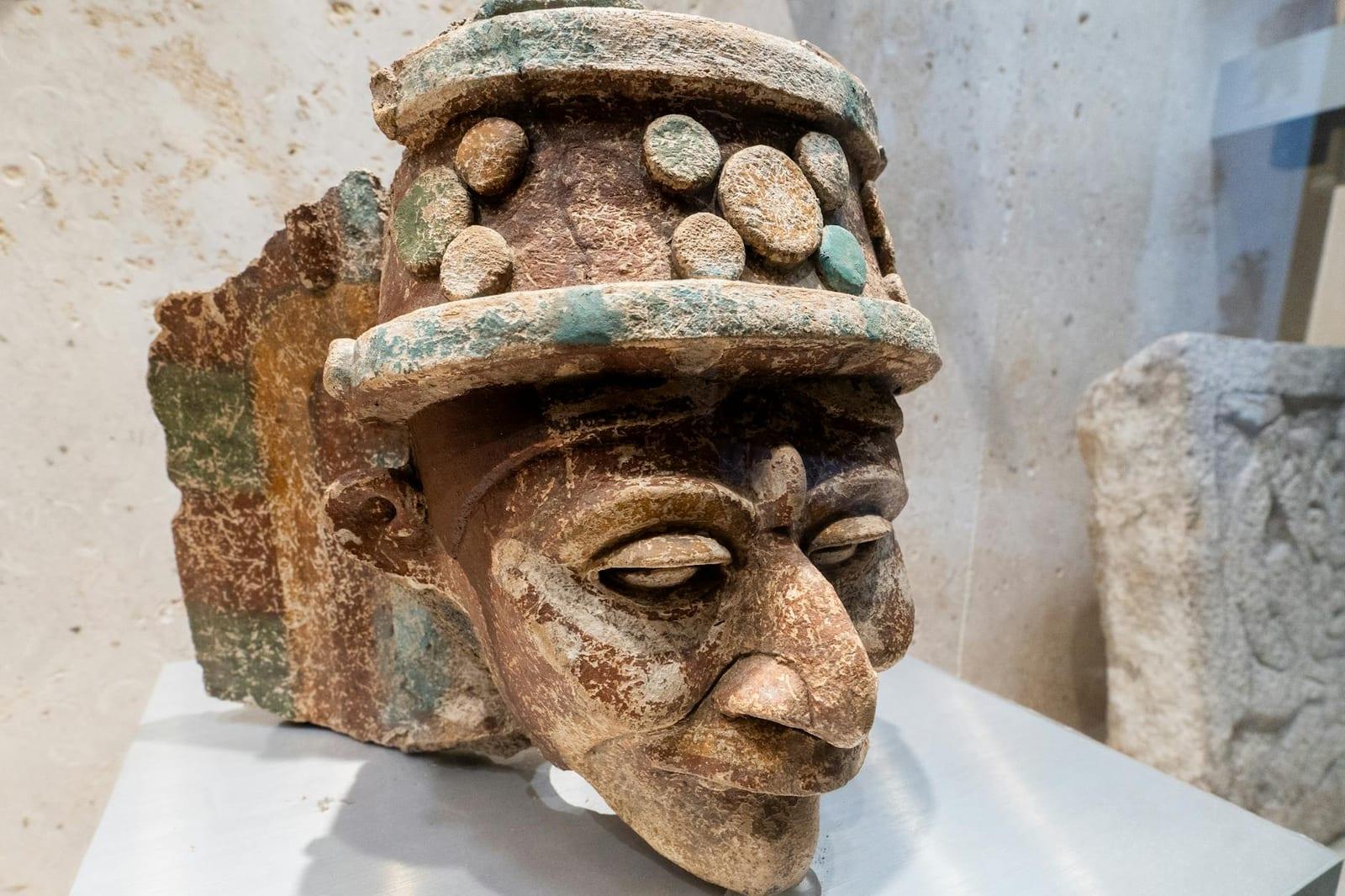
- National Museum of AnthropologyIn between jaunts to in situ ruins, delve into Mexico’s fertile pre-Columbian history in one of the capital’s most lauded museums.
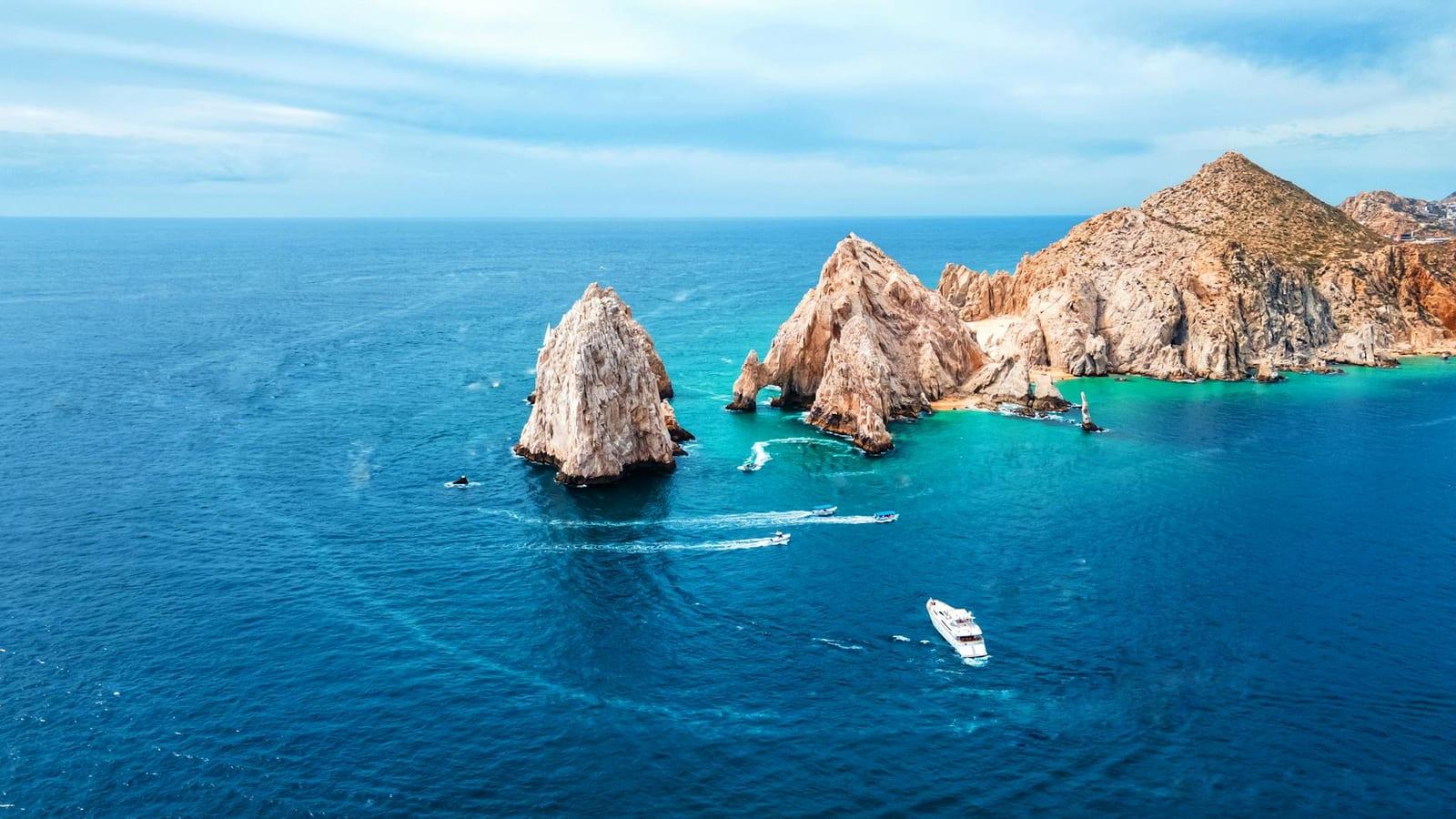
- Los CabosWith its surf-pounded sea stacks, white-sand beaches, and jampacked clubs, the southern toe of Baja California is one of Mexico’s most popular playgrounds.
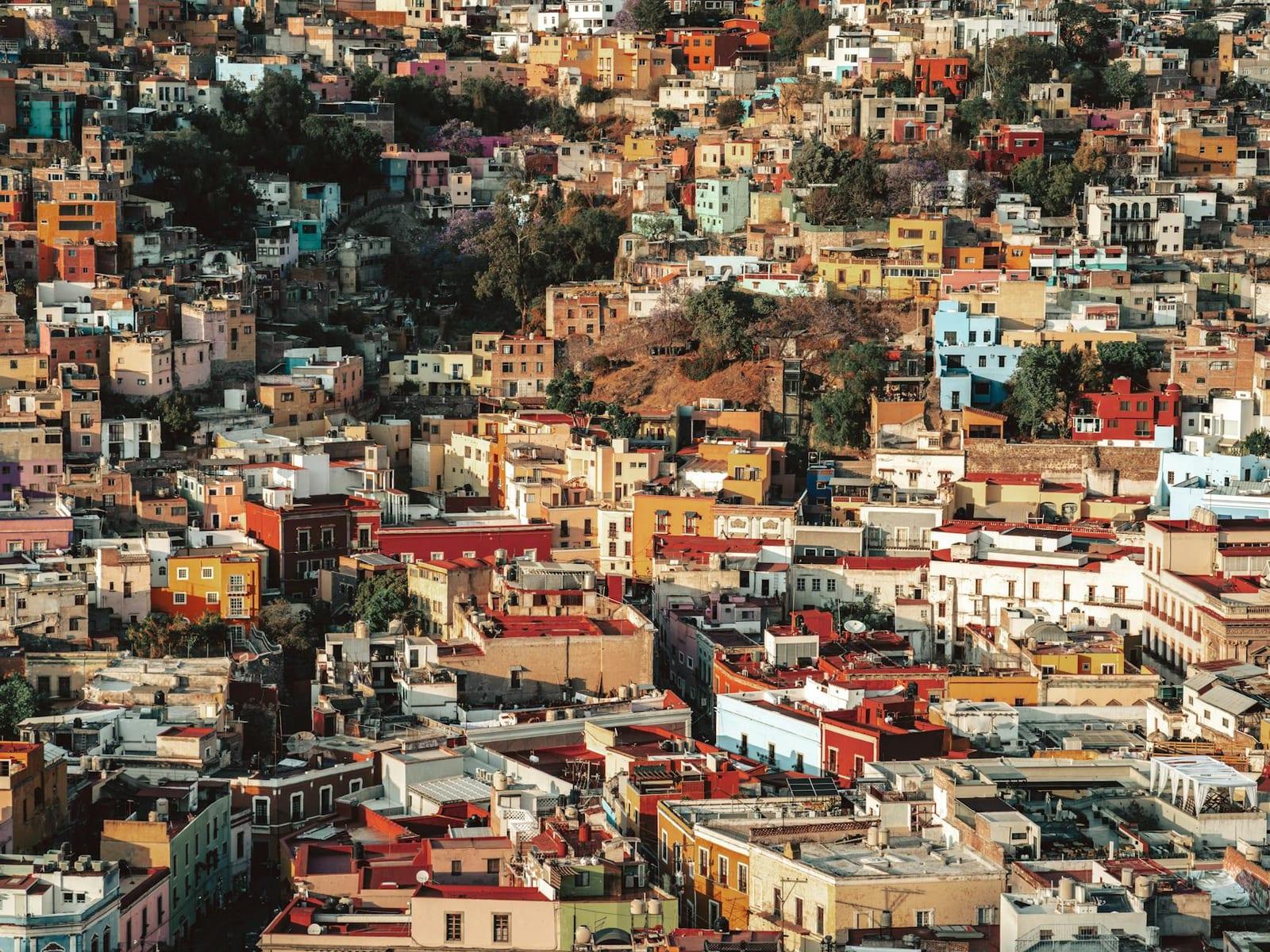
- Guanajuato CityThis midsized city boasts incredibly preserved colonial architecture as well as an astounding mummy museum.
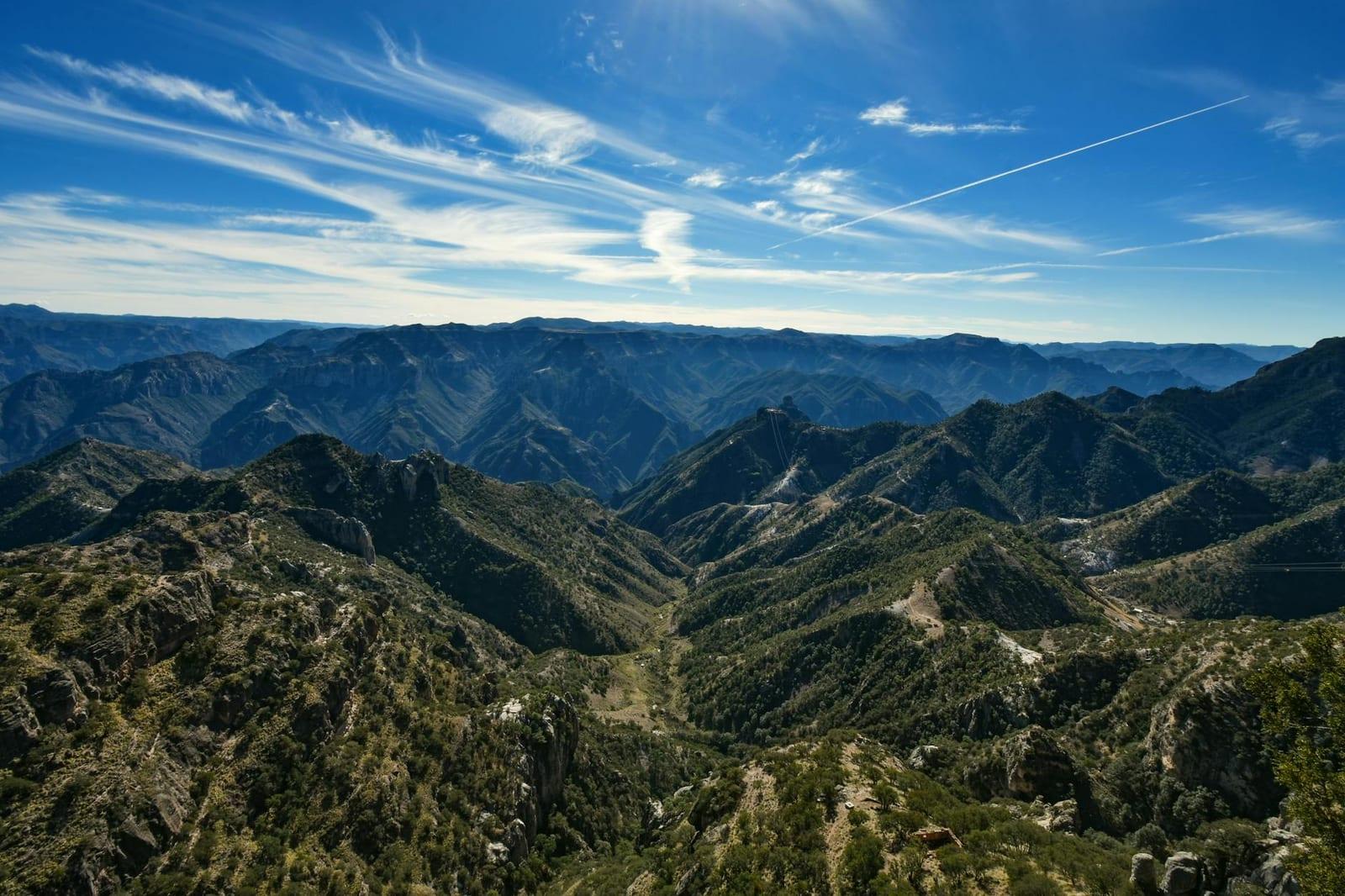
- Barrancas del CobreAmong North America’s topographic marvels, Copper Canyon consists of a network of gaping Sierra Madre gorges home to the Tarahumara Indians.
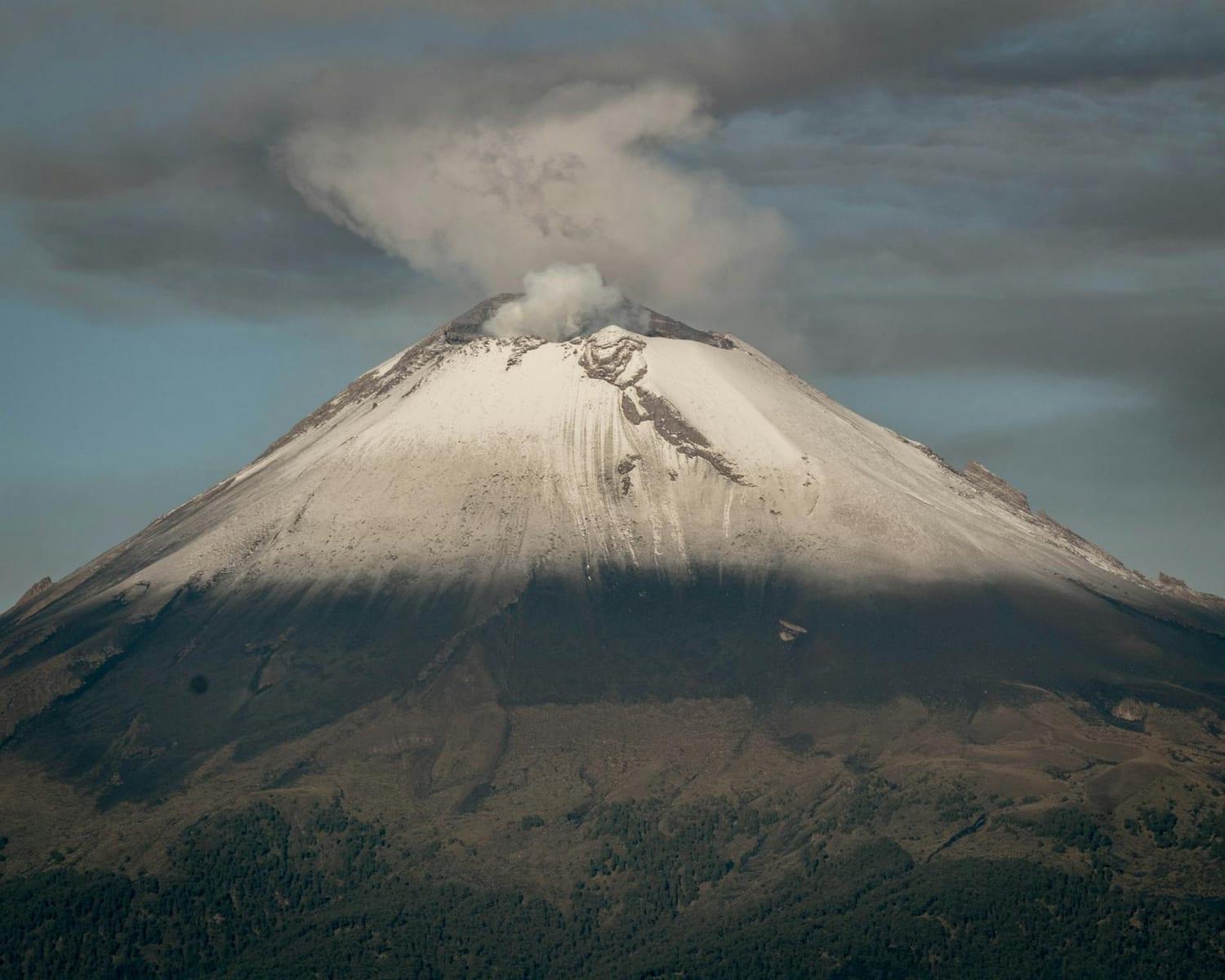
- Pico de OrizabaCrown of the Trans-Mexican Volcanic Belt, this 18,500-foot glacier-mantled stunner is one of the most topographically prominent peaks on Earth.
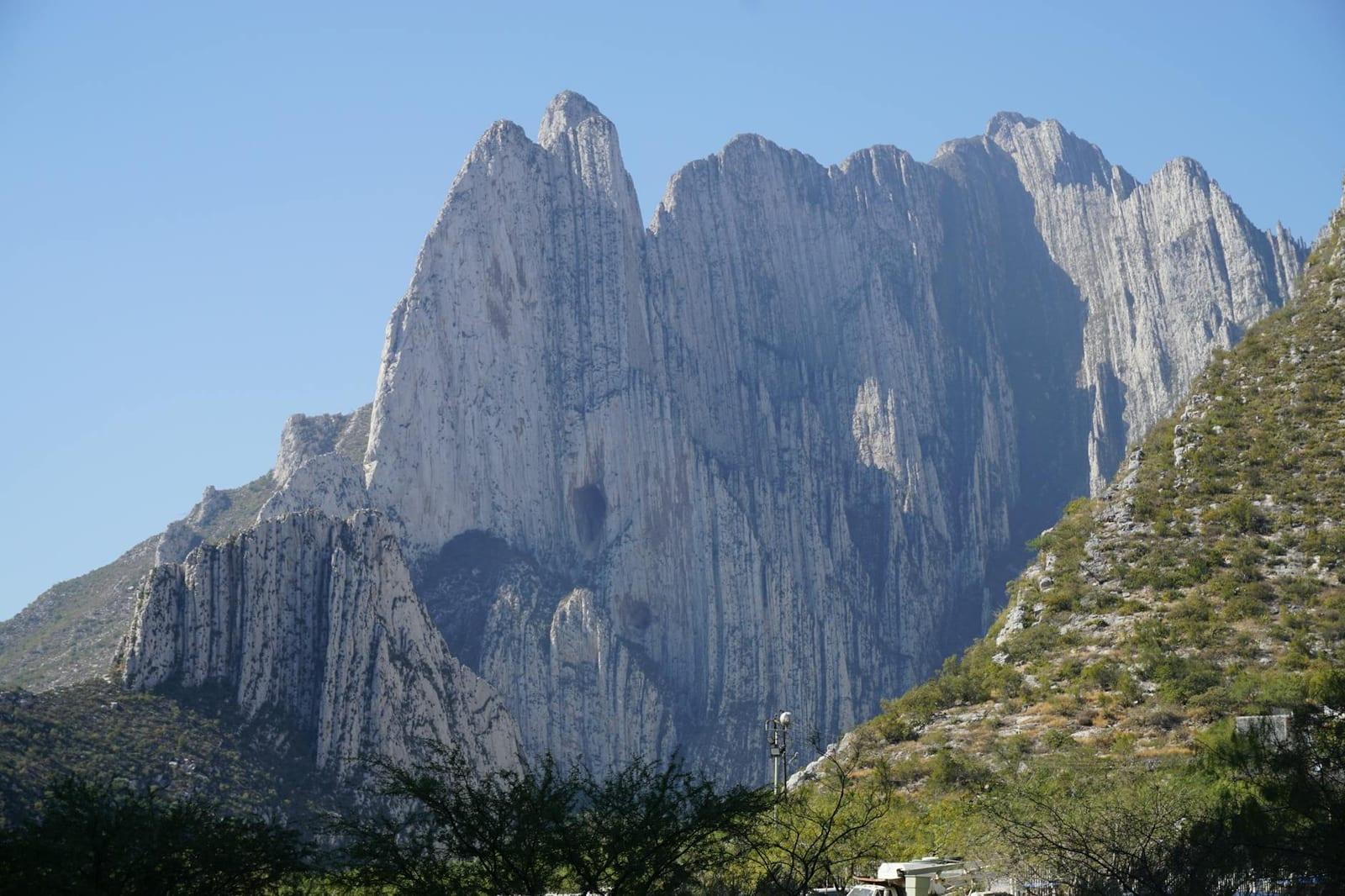
- Cumbres de Monterrey National ParkThis beautiful park in the Sierra Madre Oriental include the gnarled horns of the Cerro de la Silla, signal peaks of Monterrey.