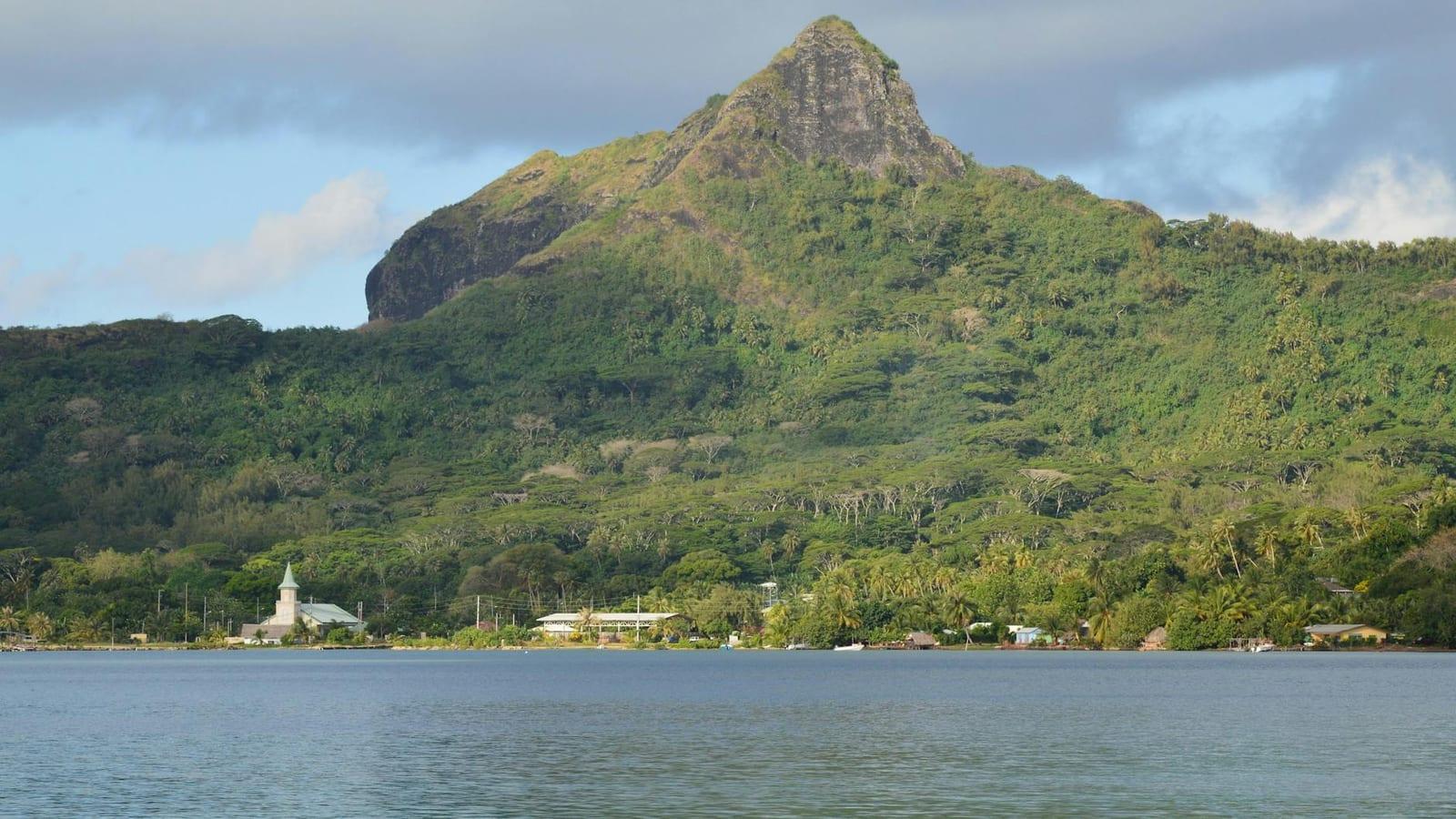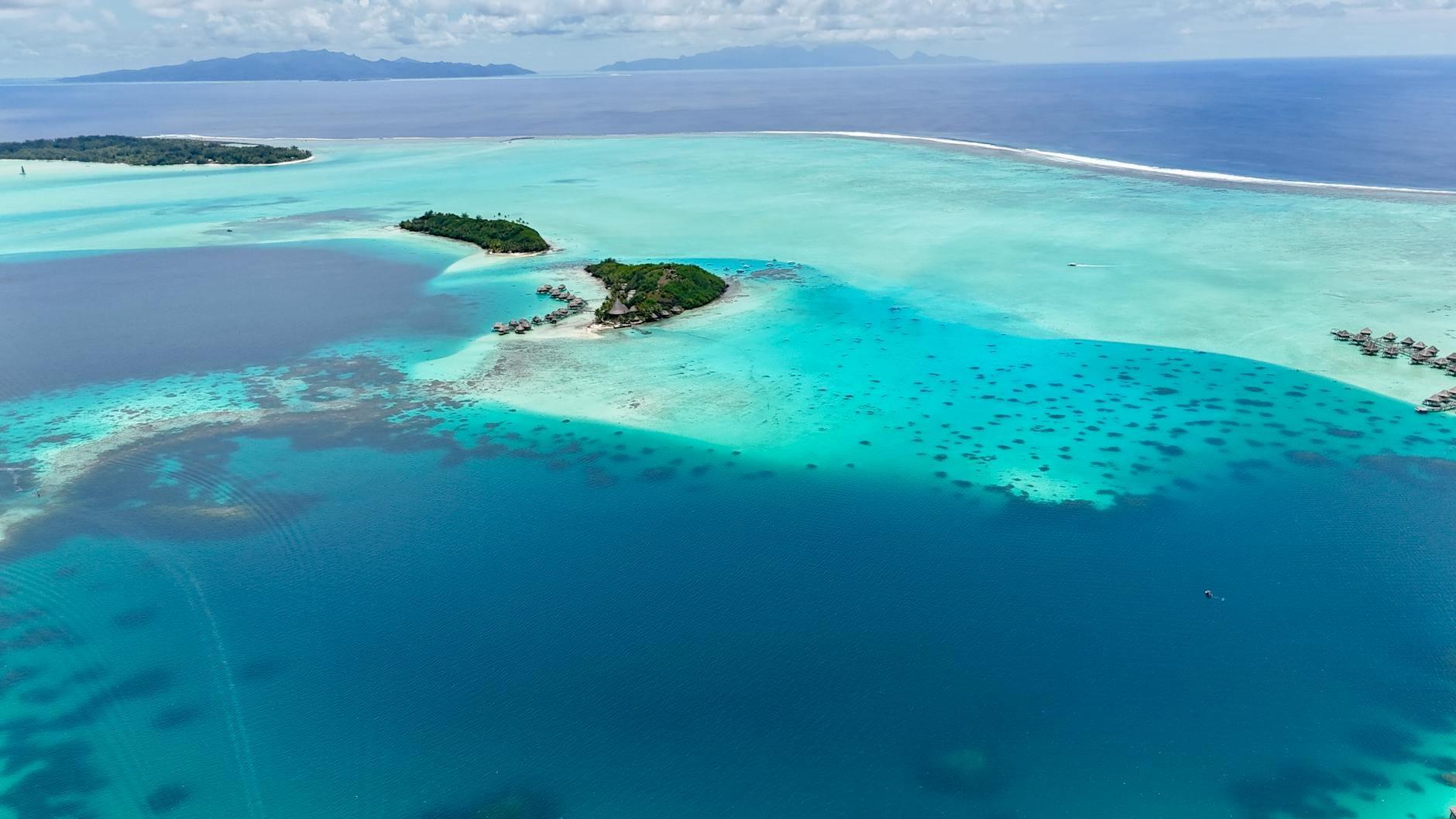

The Federated States of Micronesia (FSM) binds together a quartet of distinct and spread-out Pacific high islands—Kosrae, Pohnpei, Chuuk, Yap—and hundreds of associated islets, all part of the Caroline Islands. Each state claims its own unique Micronesian (and, in the case of a few Pohnpei atolls, Polynesian) culture or cultures. Freely associated with the United States, FSM has in the past fallen under the colonial rule of Portugal, Spain, Germany, and Japan, and remnants of those eras can be sought out above and below water. Whether you come for cultural, historical, or ecological reasons, you’ll often find yourself one of only a handful of tourists at most.
(A note on terminology: The Federated States of Micronesia is often shortened to “Micronesia,” which can be a trip-up as that name often also refers to a much broader Pacific cultural region.)
Each of the four FSM states has standout attractions. Wreck diving reaches its pinnacle in Chuuk, where divers can explore the hulls of an entire fleet of Japanese warships sunk in Truk Lagoon during World War II. Pohnpei harbors one of the region’s great archaeological sites: Nan Madol, the “Venice of the Pacific,” a 900-year-old coral-fashioned city that served as a royal residence and religious site for the island’s Saudeleur Dynasty. More recent history is on display at Pohnpei’s Spanish Wall, the ruins of a Spanish fortification of the late 19th century, and the Catholic Belltower, built in 1909 during the German era.
Yap, meanwhile, is world-famous for its easily seen giant mantas: Divers can swim among these enormous, harmless plankton-gulping rays year-round, and likely glimpse some sleek reef sharks in the process. Above-water, it’s distinguished by strong traditional practices—the best-known of which is likely the continuing use of stone money, or Rai, for commerce. Some of the roughhewn limestone rings serving the Yapese as currency are many tons in weight. For a look at time-honored indigenous Micronesian customs, Yap’s almost unrivaled.
And extravagantly gorgeous Kosrae, with its rainforest mountains, its channel-strung mangrove swamps, and its untouched coral reefs and beaches, is a nature-lover’s island paradise—plus its profuse greenery conceals ancient Micronesian ruins.
Compared to many other corners of Oceania, FSM is lightly visited. Its out-of-the-way setting and relative poverty means that tourism here is a fledgling industry, and visitors shouldn’t expect posh beach retreats by any means. But what you can expect is a gloriously intimate survey of diverse Micronesian lifeways and ecosystems.
10 things not to miss.
- Dive Truk Lagoon's WWII fleetDive Truk Lagoon's WWII fleet
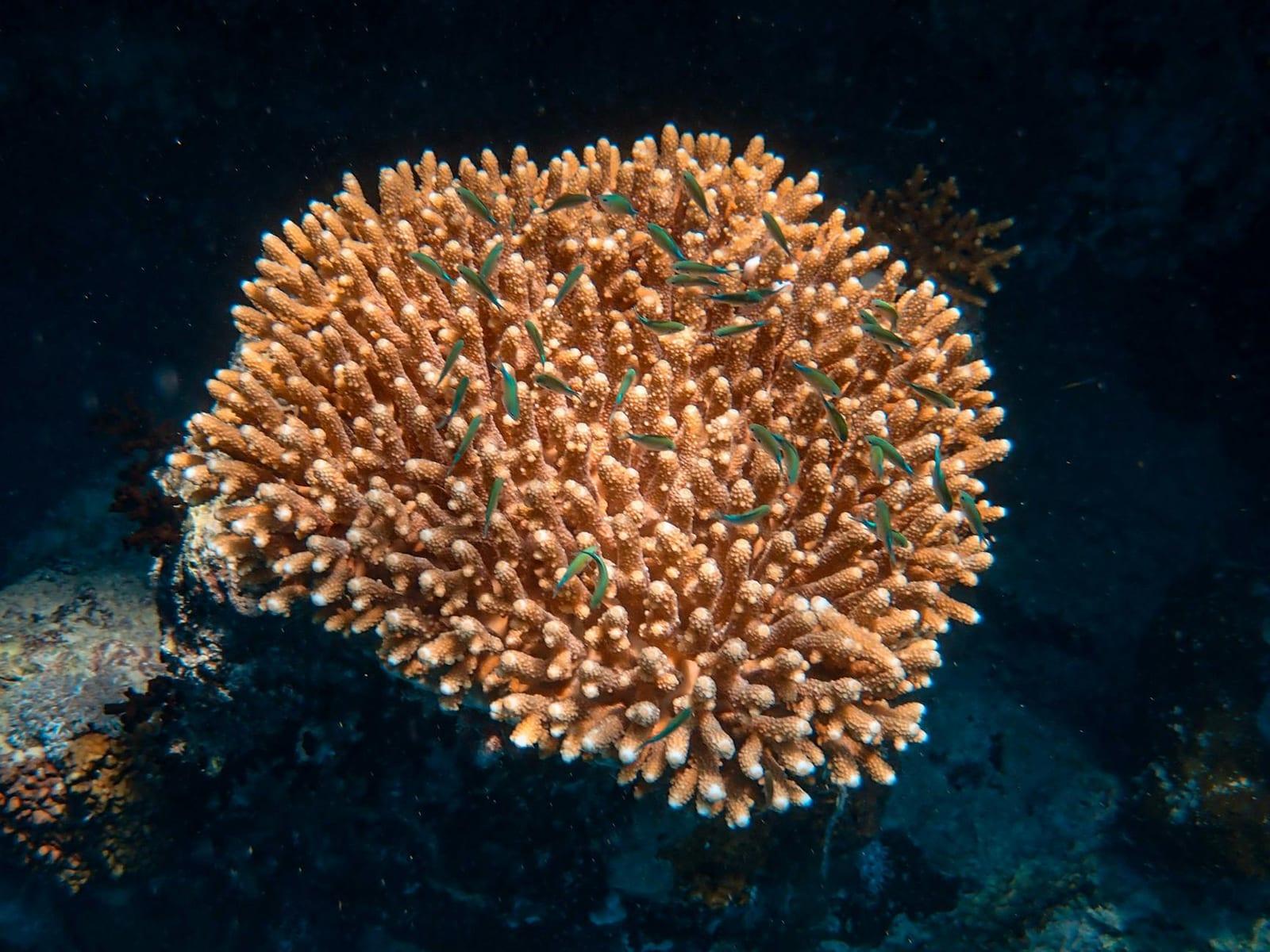
- Snorkel Yap manta cleaning stationsSnorkel Yap manta cleaning stations
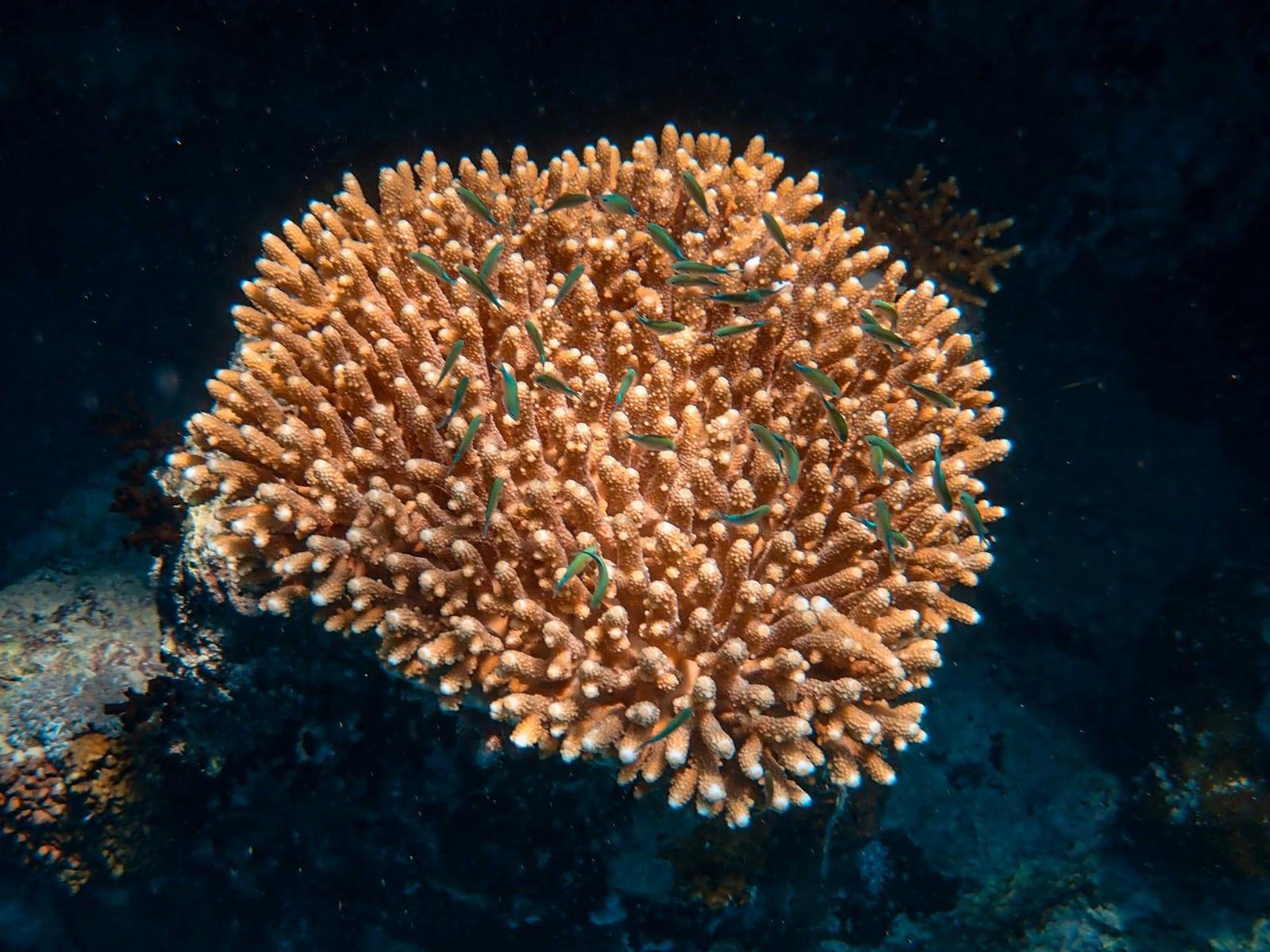
- Pohnpei's Nan Madol ruinsVisit Pohnpei's Nan Madol ruins
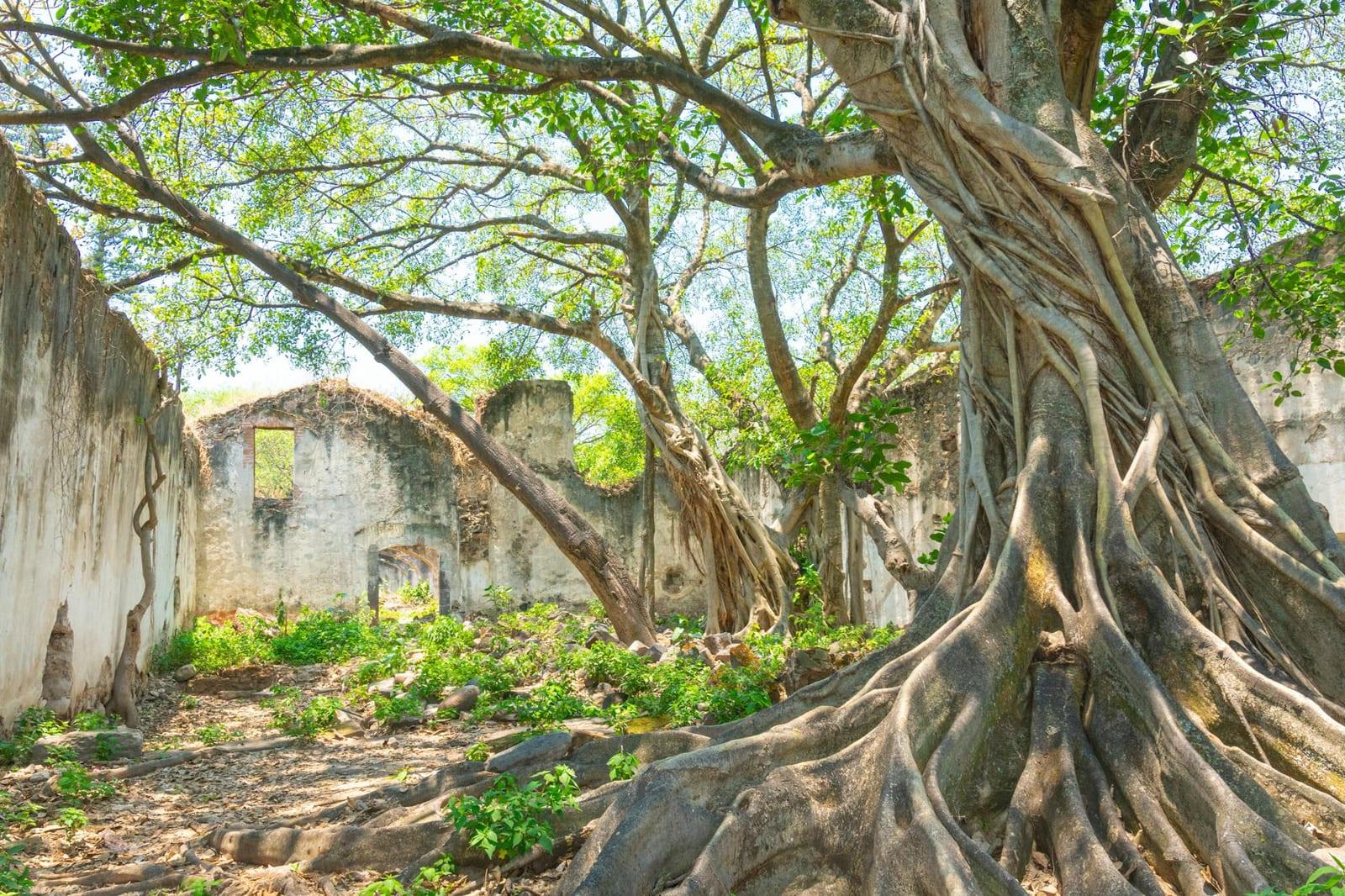
- Nan Madol (Pohnpei)These ruins of a 900-year-old basalt-hewn city, part of the Saudeleur Dynasty, rank among the Pacific’s most significant archaeological sites.
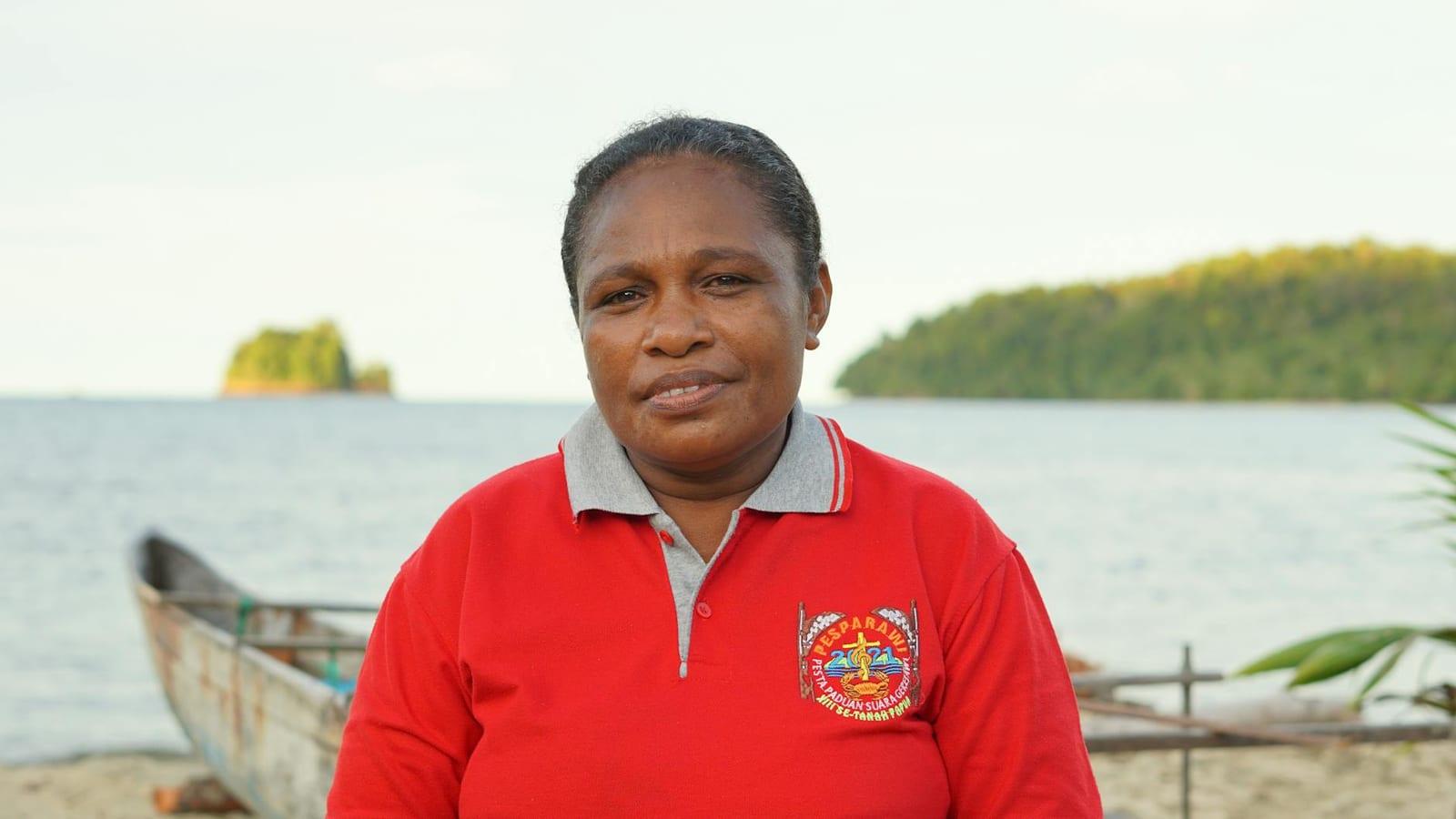
- Spanish Wall (Pohnpei)The crumbling remnant of a colonial Spanish fort makes one of Kolonia’s best-known historical landmarks.
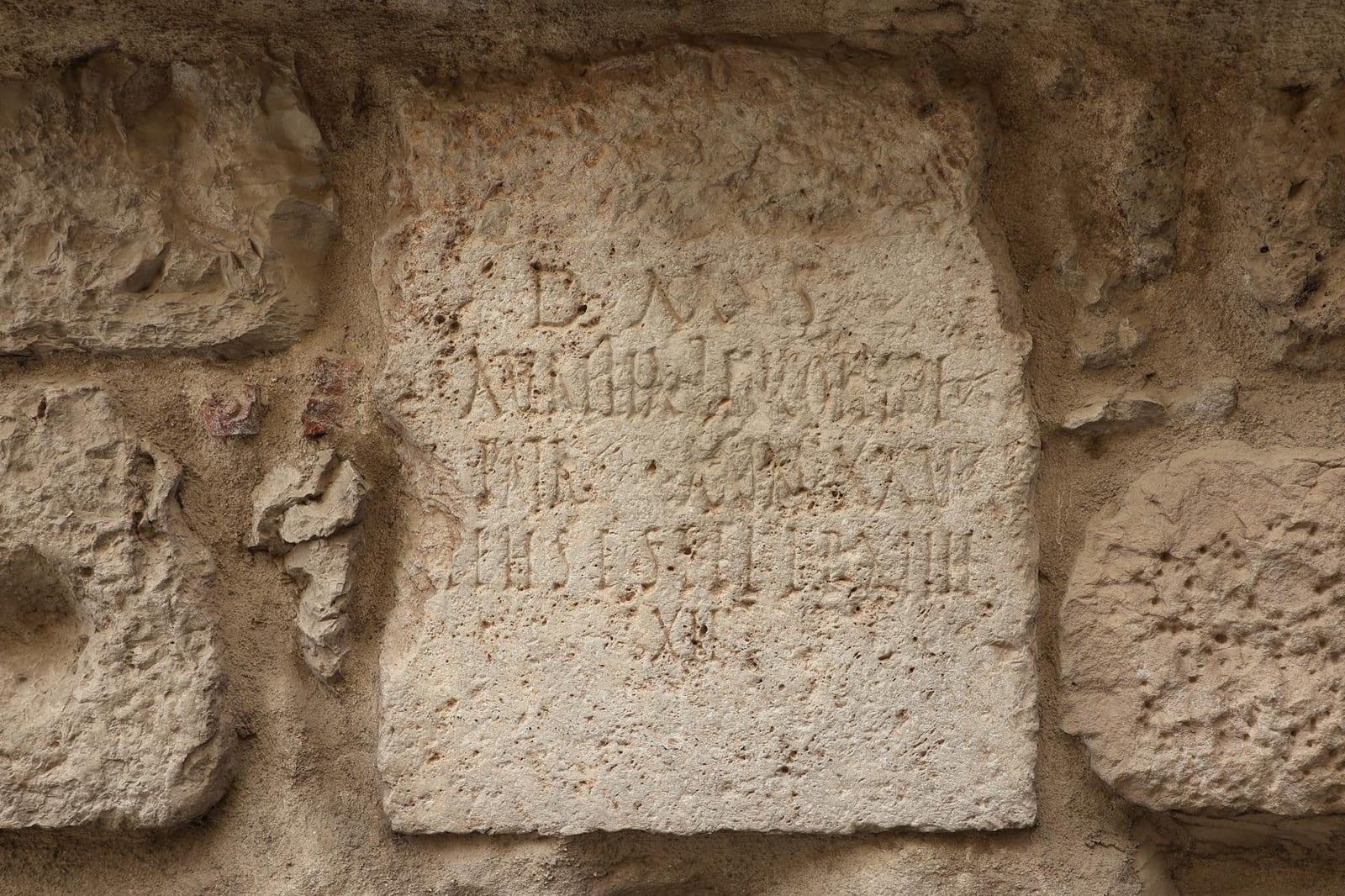
- Catholic Belltower (Pohnpei)This century-old church tower in Kolonia stands as a relic of the relatively short-lived German New Guinea.
- Ant AtollJust off the western coast of Pohnpei, this atoll is a great place to dive in shark-cruised waters.
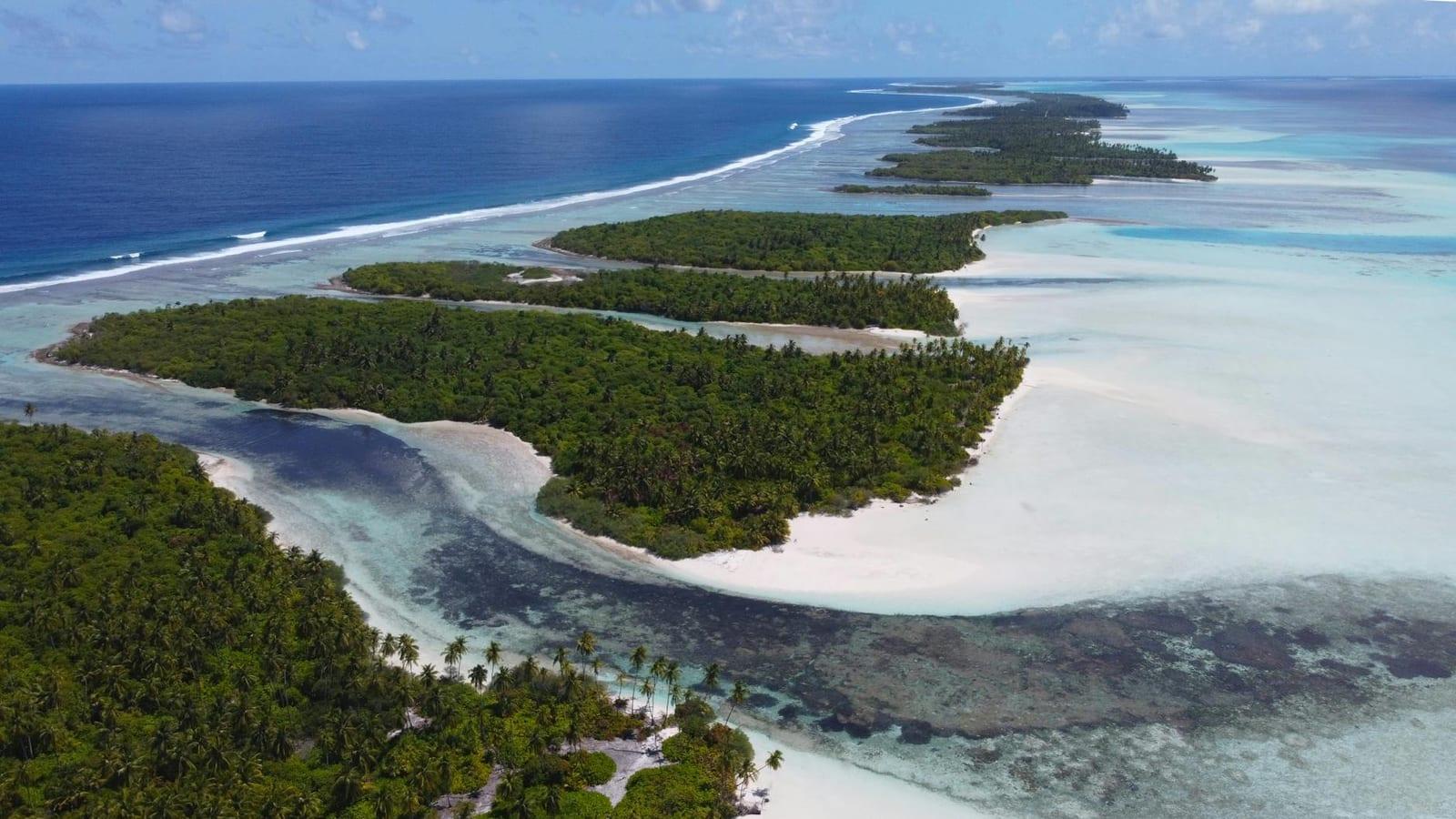
- Truk Lagoon (Chuuk)An incredible underwater museum of World War II history, the lagoon conceals a graveyard of Japanese warships and planes wrecked in a 1944 battle.
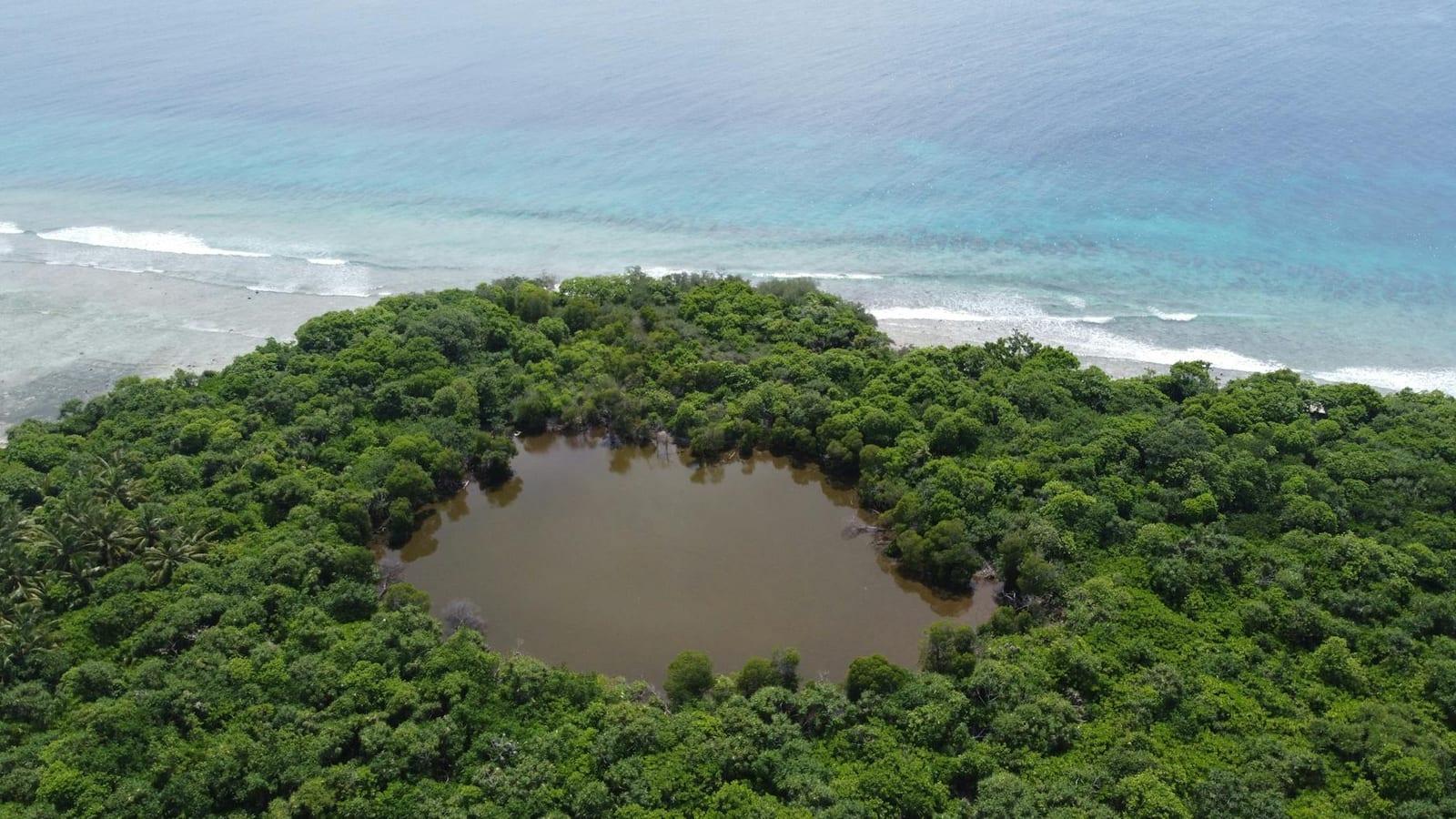
- YapTime-honored Micronesian traditions—including the use of giant “stone money” (Rai)—remain strong on Yap, also excellent for diving with mantas.
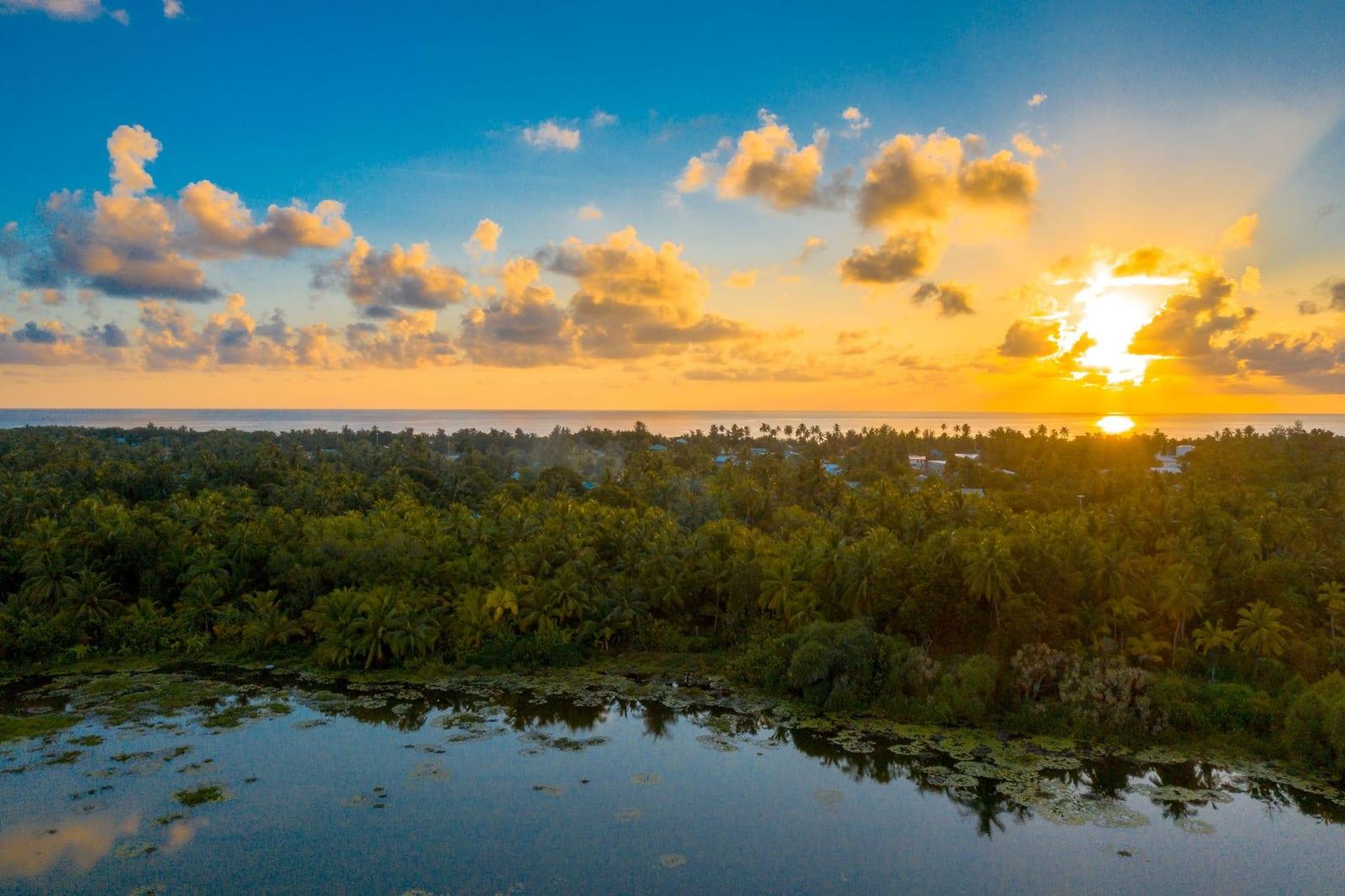
- KosraeAmong this verdant island’s attractions are the overgrown ruins of the ancient city of Leluh, home to coral- and basalt-stone pyramids.