Mongolia—the word alone conjures visions of remoteness. This huge, sparsely settled country forms Central Asia’s wild heart: a seemingly limitless panoply of golden grasslands and trackless mountains, roamed by pastoralists enacting centuries-old nomadic lifeways. Such scenes do authentically embody the Mongolian experience, but this long-isolated country is also taking advantage of its extensive natural resources (as well as tourism) to modernize at a startling clip.
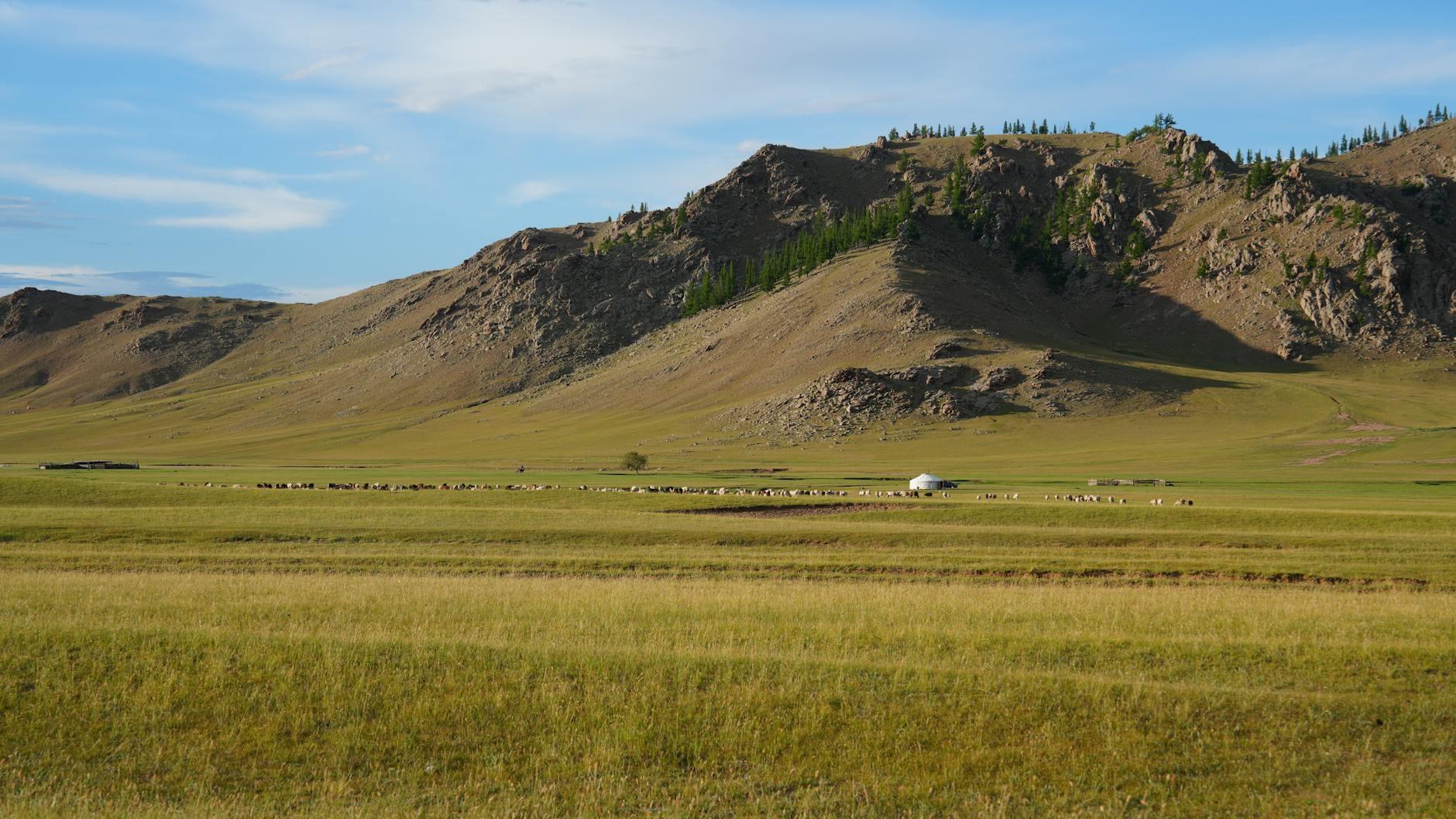
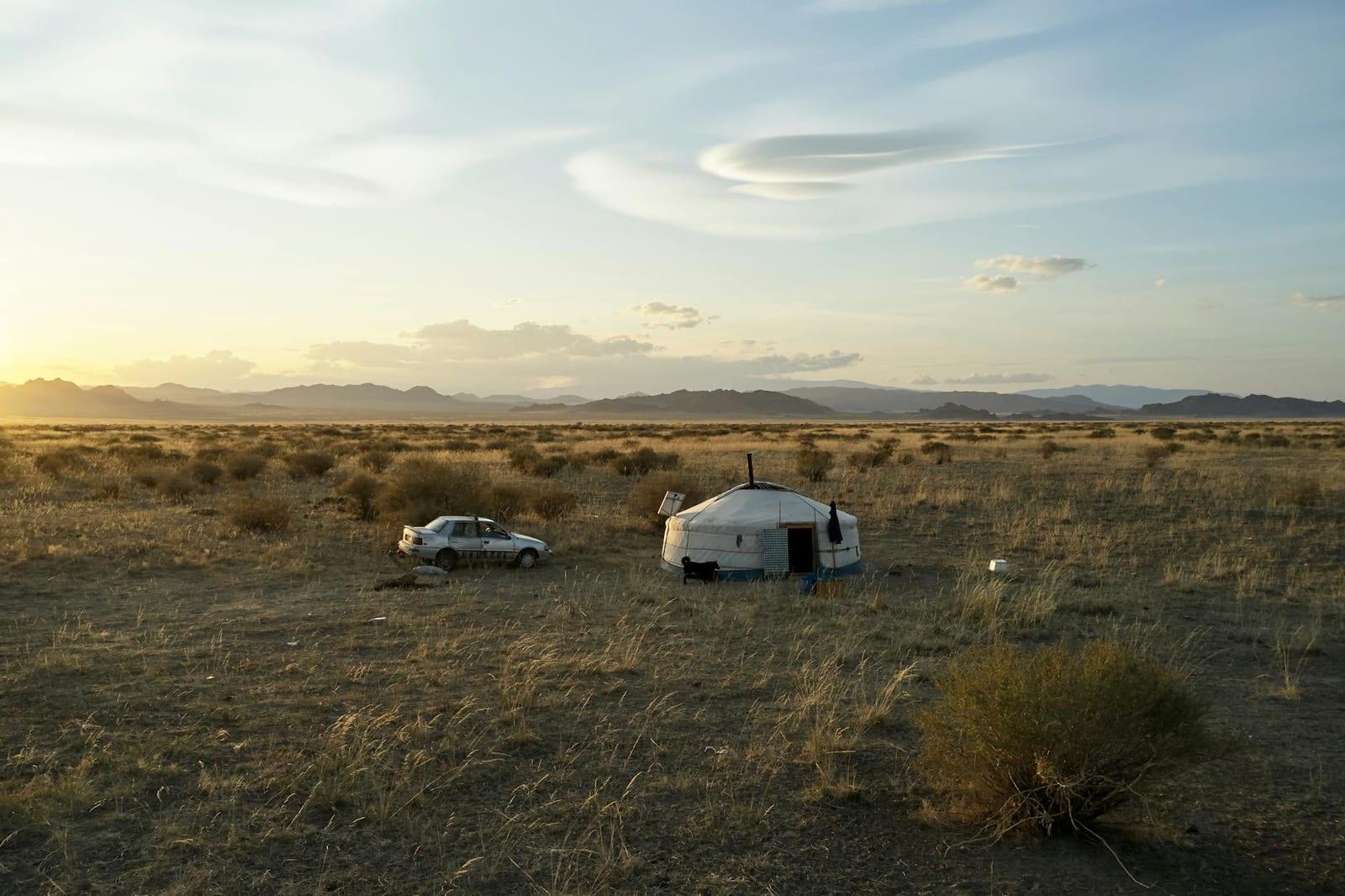
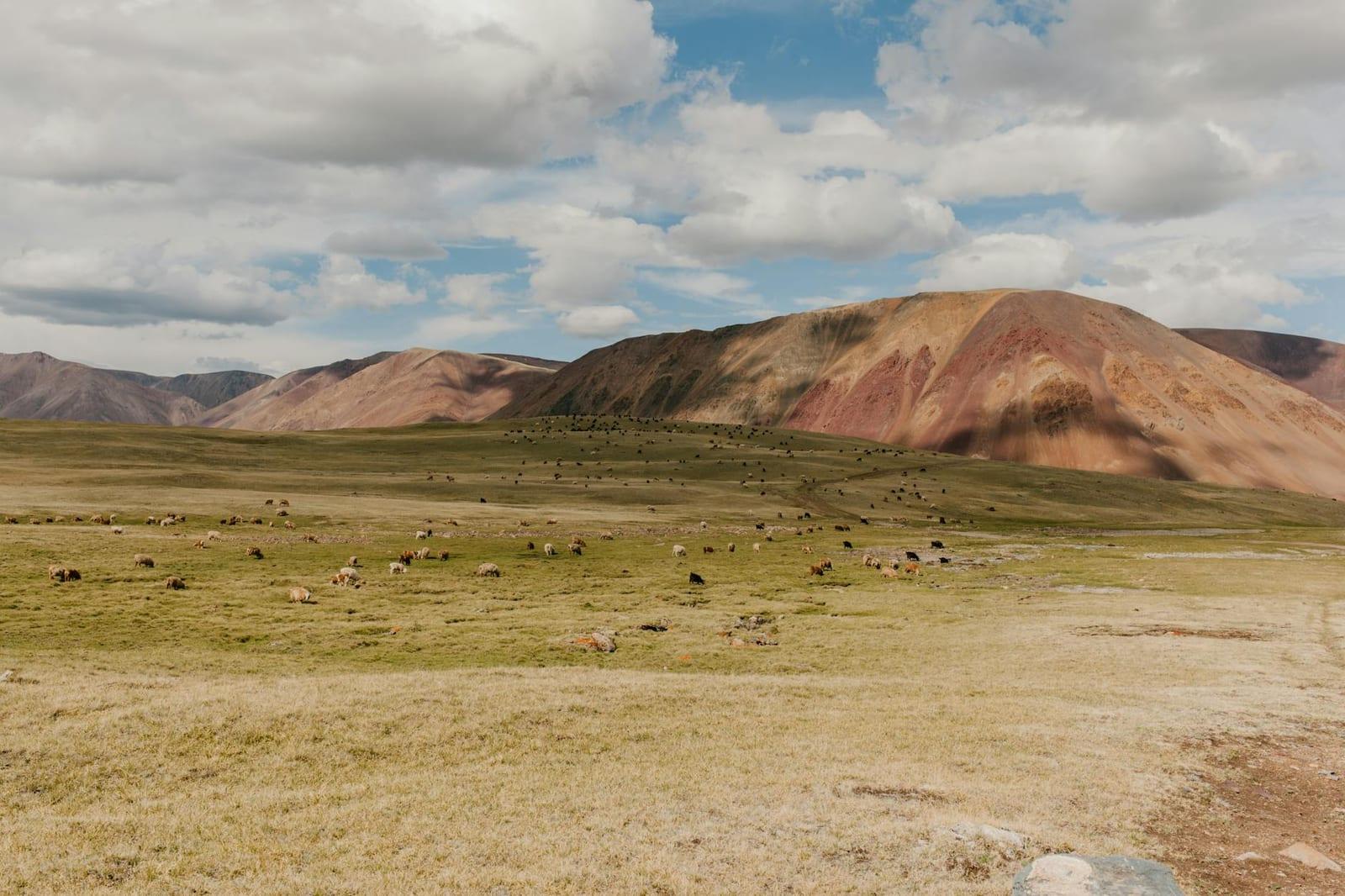
The sprawling steppes and Gobi wastes of Mongolia constitute some of the planet’s last great wilderness. Here’s country spacious and unfenced enough to accommodate migrations of Mongolian gazelle and the nomadic pasturing of Mongol herders. These days, many tour companies offer some degree of immersion in the nomads’ lifestyle, with accommodations in traditional yurts (gers) and the opportunity to settle into a cup of tea (or fermented mare’s milk, or native vodka) in a scenic steppeland.
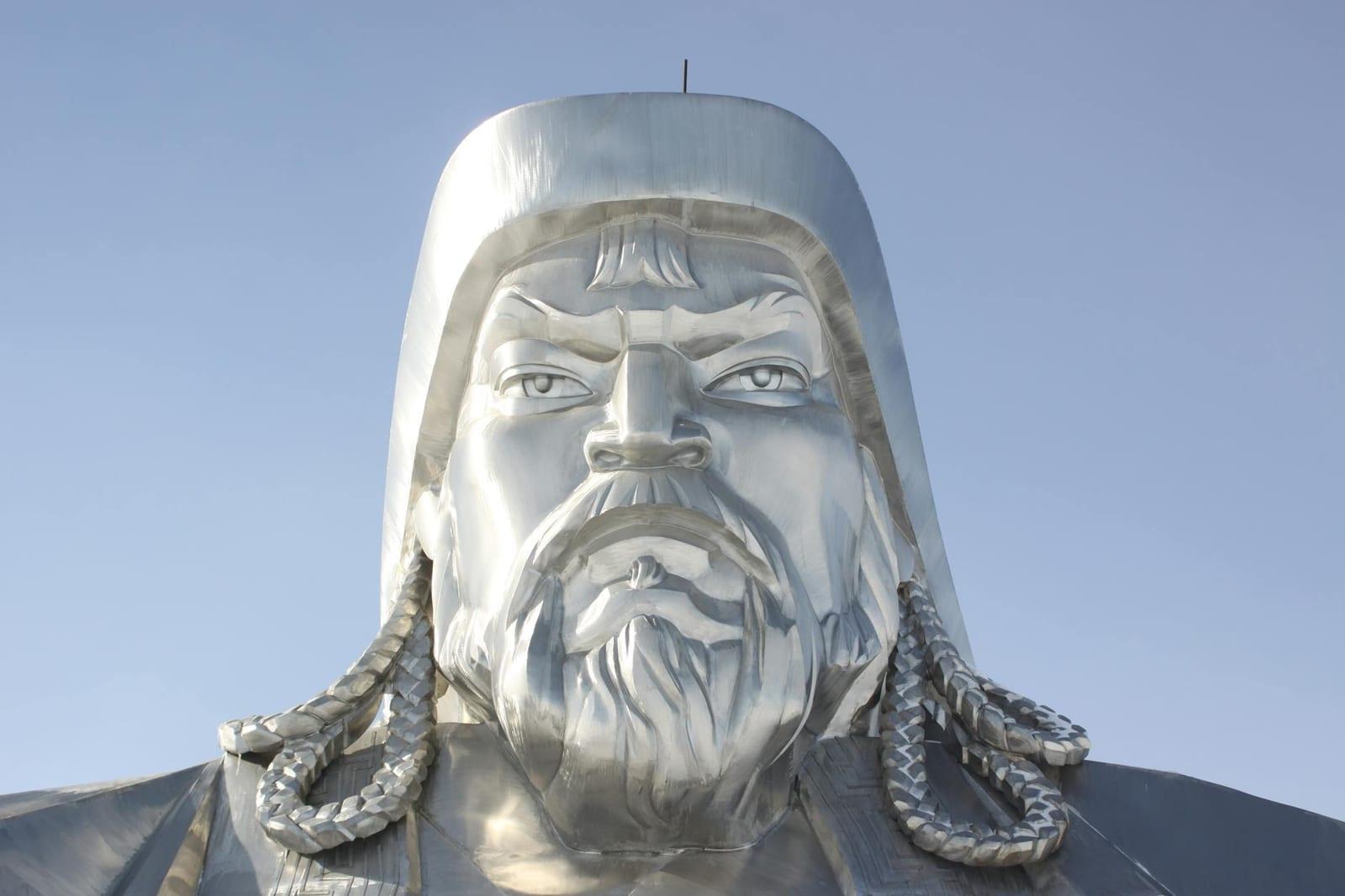
The far-ranging ways of traditional pastoralists and the sweeping landscape across which they play out evoke the legacy of the mighty Mongol Empire, whose equestrian onslaught of Europe and Asia remains a legendary conquest. And despite their serene and peace-loving ways, many modern-day Mongols revere Genghis (Chinggis) Khan. You can pay your respects to one of history’s most storied leaders at his 130-foot-high steel statue near Tsjonjin Boldog, or—if you’re the plucky sort—out at his likely birthplace around the Burkhan Khaldun peak along the Onon River, a region falling within the Khan Kentii Strictly Protected Area.
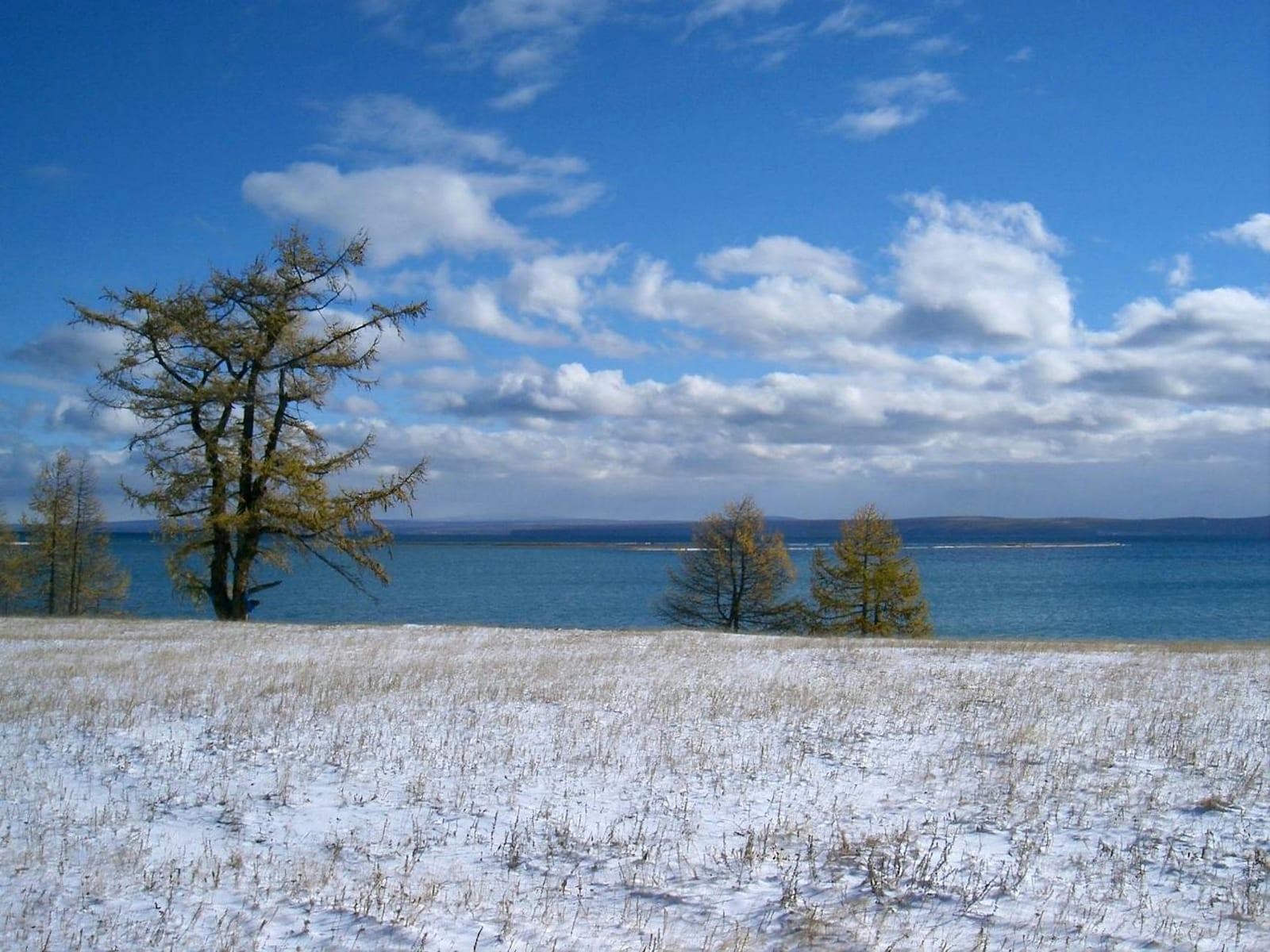
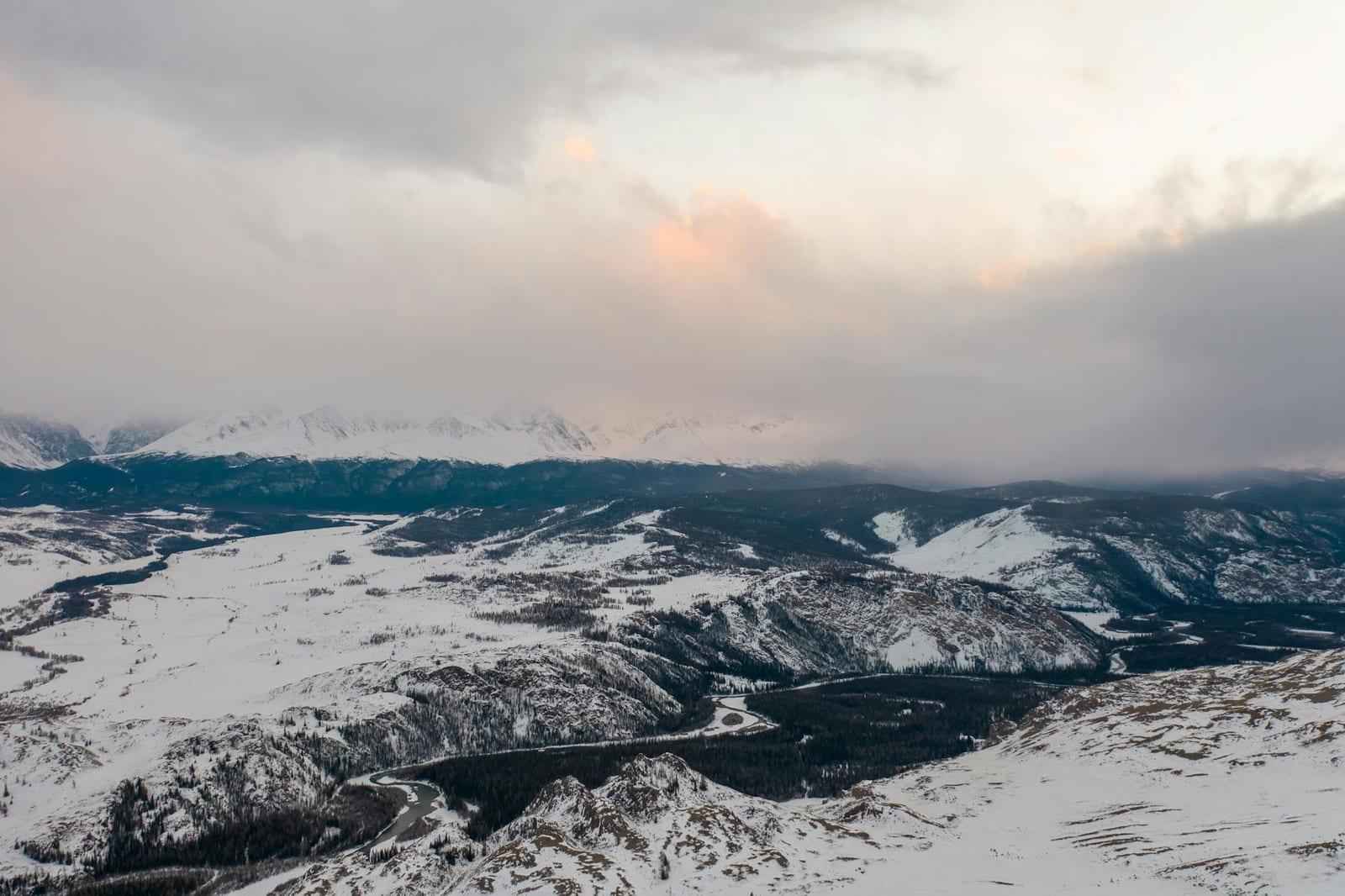
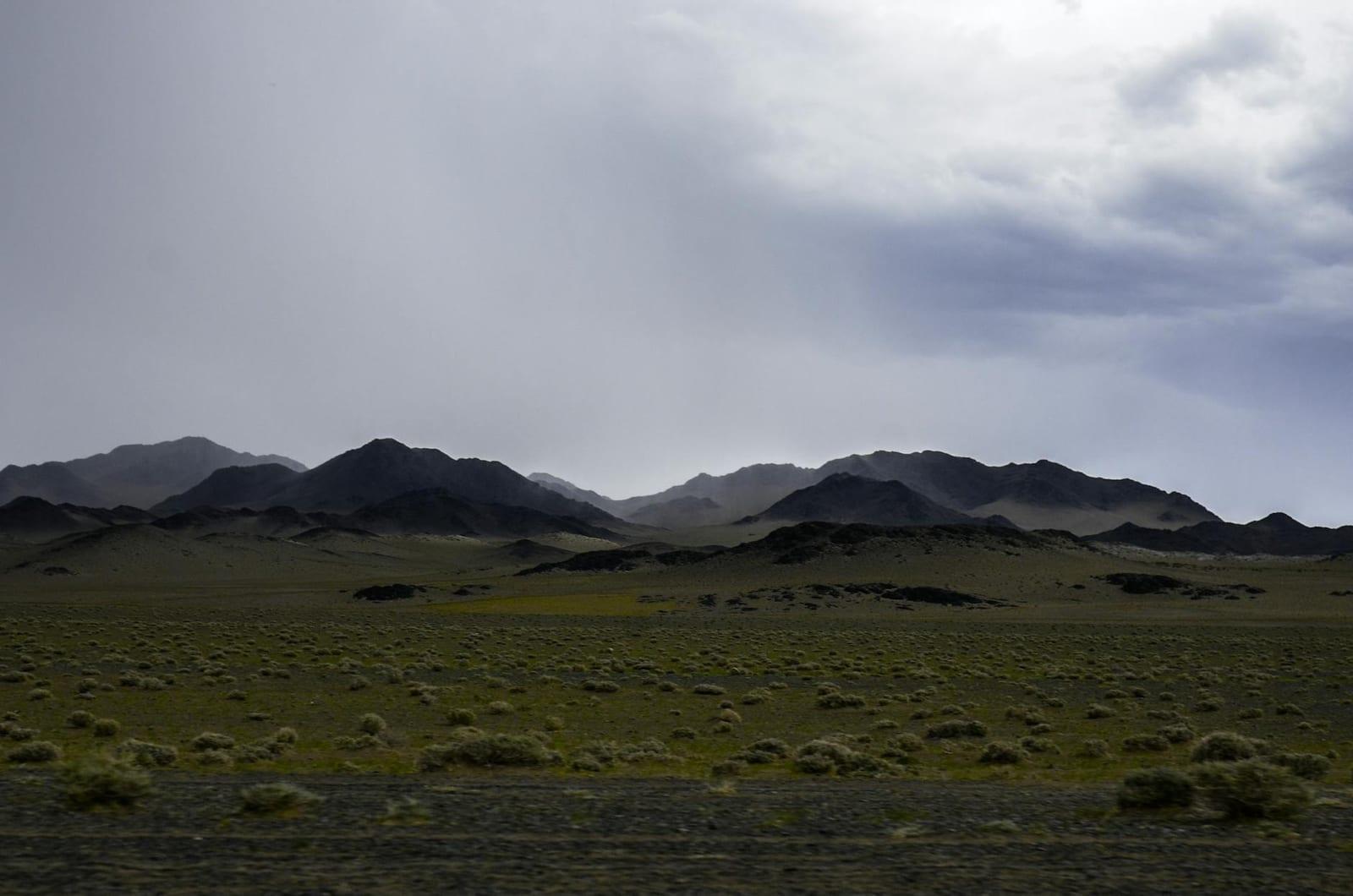
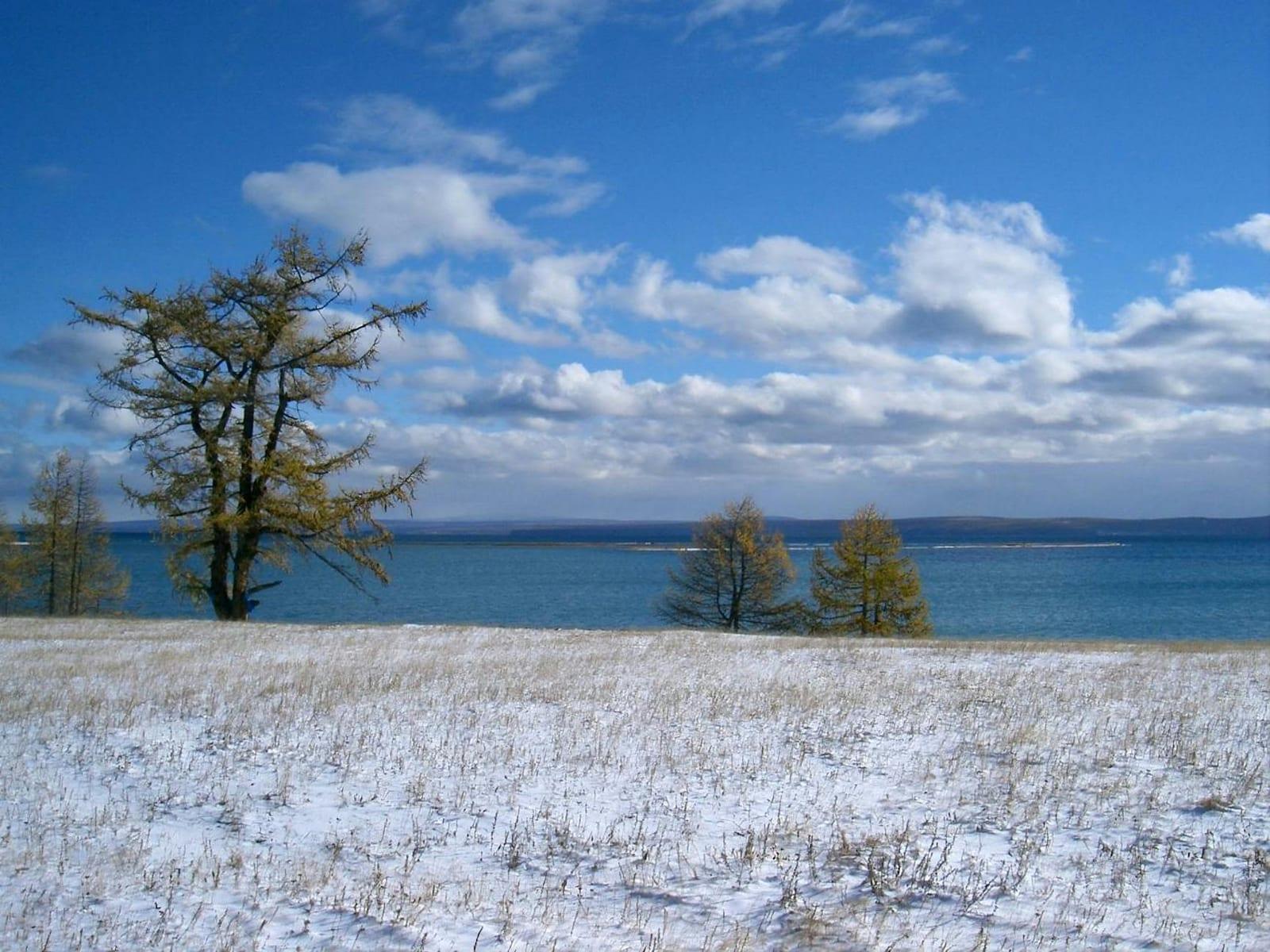
And speaking of protected areas, Mongolia’s raw countryside shines in an impressive complex of national parks and nature reserves, from Gobi Gurvansaikhan National Park on the northern threshold of the Gobi Desert to Altai Tavan Bogd National Park in the Altai Mountains on the land bordering Russia and China. Another major landmark (and national park) is Hövsgöl Nuur, a sprawling lake in Mongolia’s boreal north.
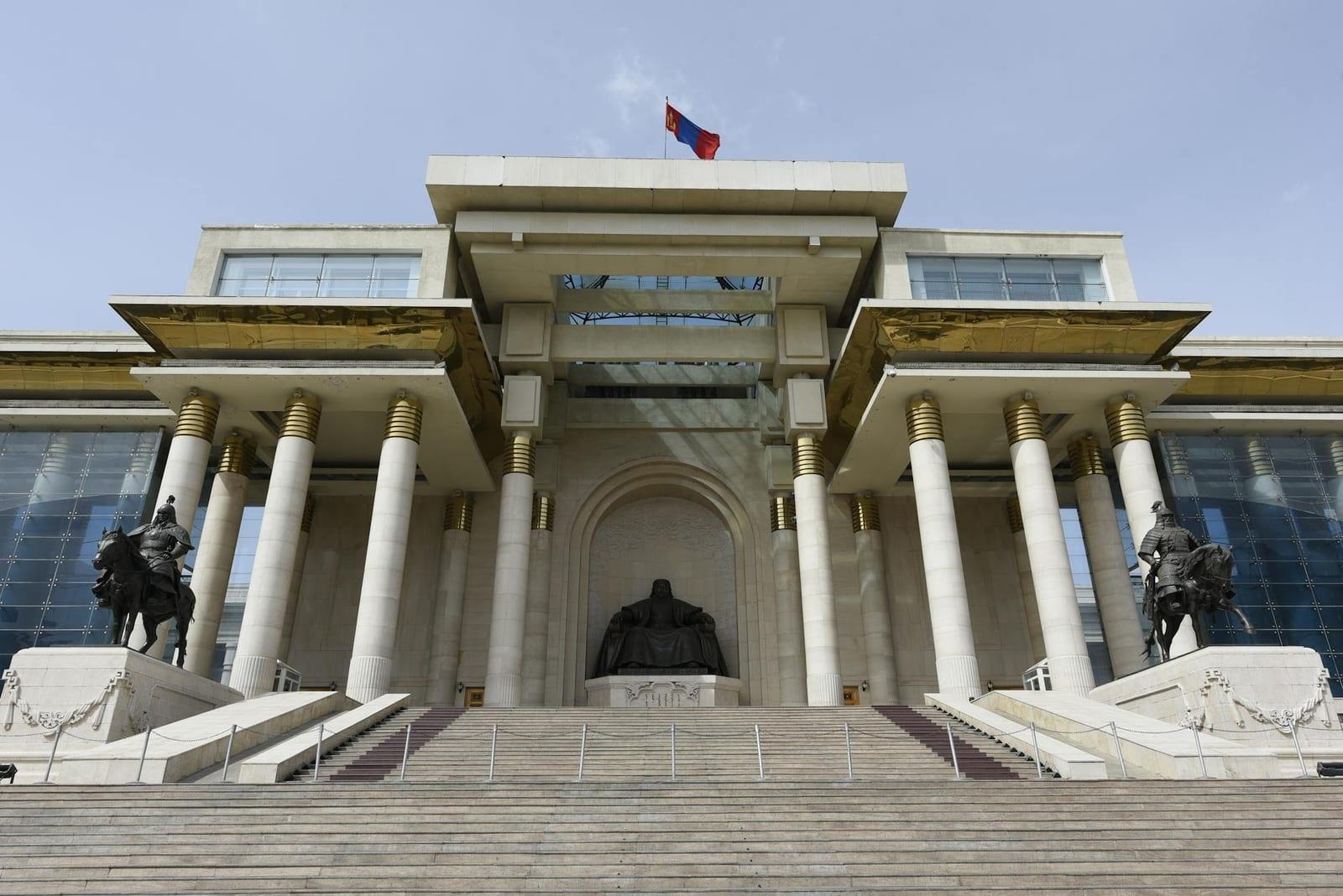
A Mongolia of an entirely different order awaits in Ulaanbaatar, the country’s booming capital. Here, ancient Buddhist temples and monasteries rub shoulders with gleaming business towers, shopping malls, theme parks, and other urban hubs that can seem like one great, glittering mirage after a few weeks spent in the wild grasslands. Meanwhile, the sight of crammed-together ger quarters on the outskirts of Ulaanbaatar suggests the transitionary chapter that Mongolia—flush with mineral wealth and intent on modernizing its economy and infrastructure—is currently experiencing.
An Ulaanbaatar department store, a two-humped Bactrian camel in a Gobi sandstorm, a horseback herder tending his flocks on an oceanic steppe—Mongolia’s diverse sights more than fulfill the country’s mythic reputation. Those expansive, “empty” landscapes of legend still exist, and are a veritable playground for the adventure- and wilderness-loving traveler.
11 things not to miss.
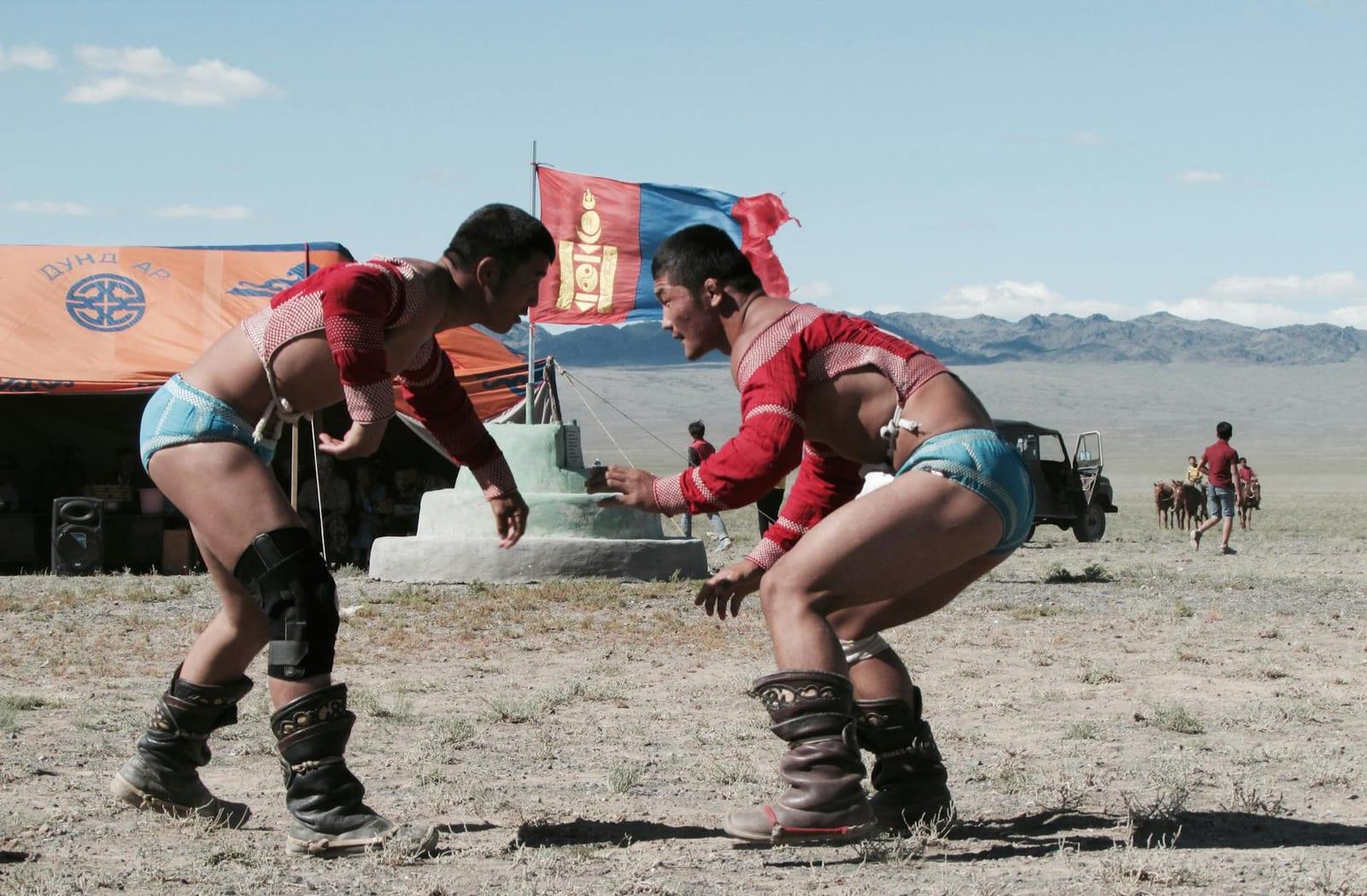
- Naadam festivalWatch the Naadam festival
- Sleep in a ger in the GobiSleep in a ger in the Gobi
- Camp by Lake KhövsgölCamp by Lake Khövsgöl
- Altai Tavan Bogd National ParkThese Altai wilds harbor argali, snow leopards, wolves, and Mongol eagle hunters as well as the amazing Tsagaan Salaa petroglyph site.
- Gobi Gurvansaikhan National ParkMongolia’s biggest park includes dramatic landforms like the Khongoryn Els (“Singing Sands”) dunes and the Yolyn Am (“Lammergeier’s Mouth”) gorge.
- Khan Khentii Strictly Protected AreaWithin this remote preserve lies the mountain Burkhan Khaldun, a World Heritage Site revered as the birthplace of Genghis Khan.
- Khovsgol NuurThis pristine freshwater lake, Mongolia’s most voluminous, straddles the steppes and the taiga and anchors a large national park.
- Genghis Khan Equestrian Statue (Tsonjin Boldog)You can see this colossal steel statue of Mongolia’s most famous leader from a long way off.
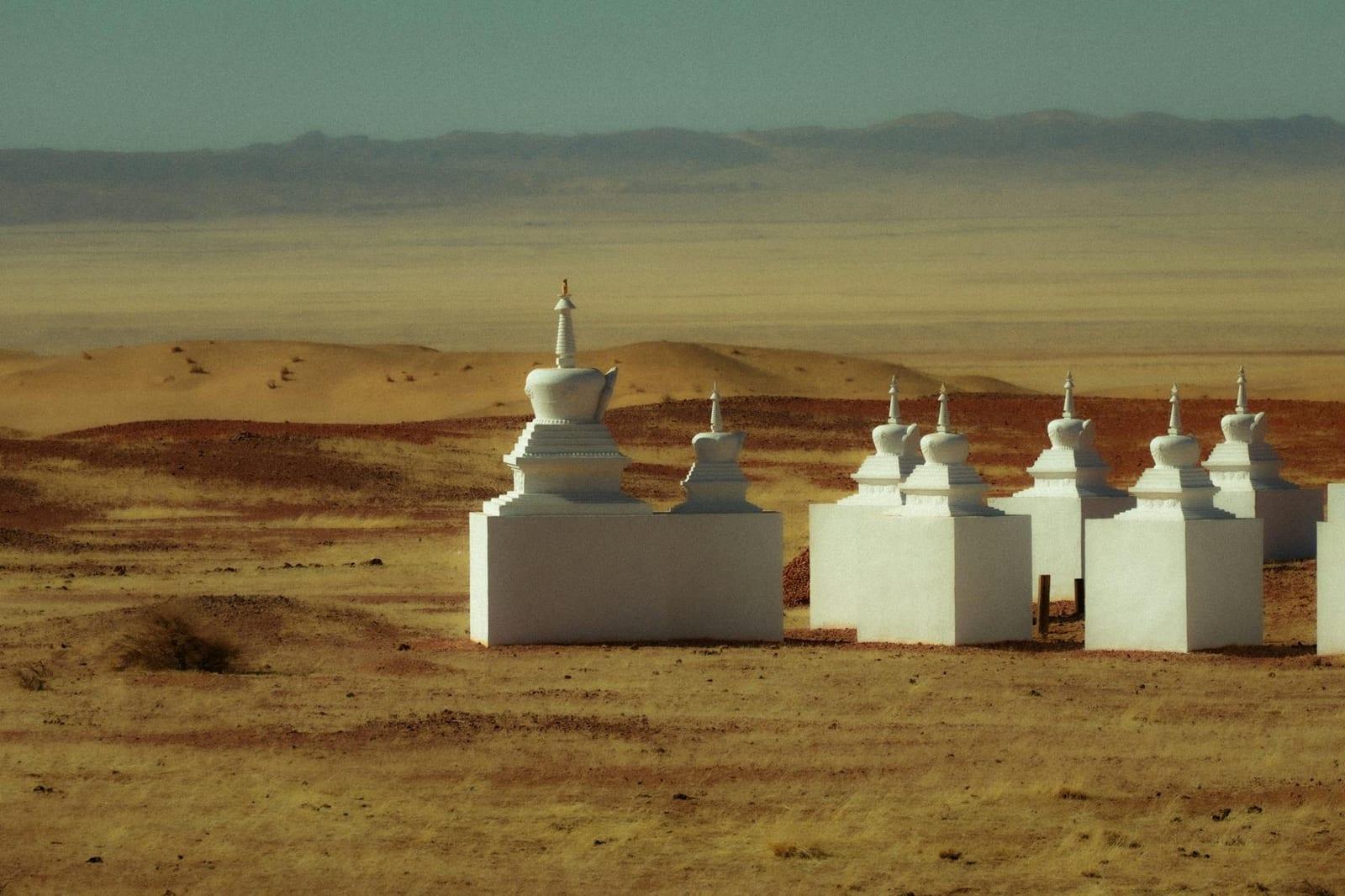
- Amarbayasgalant MonasteryArrestingly set on the steppes near the Selenga River, this 18th-century Buddhist temple complex escaped destruction during the Stalinist purges.
- Gandantegchinlen Monastery (Ulaanbaatar)Built in the early 1800s, this Buddhist monastery includes a huge statue of Avalokitesvara, bodhisattva of compassion.
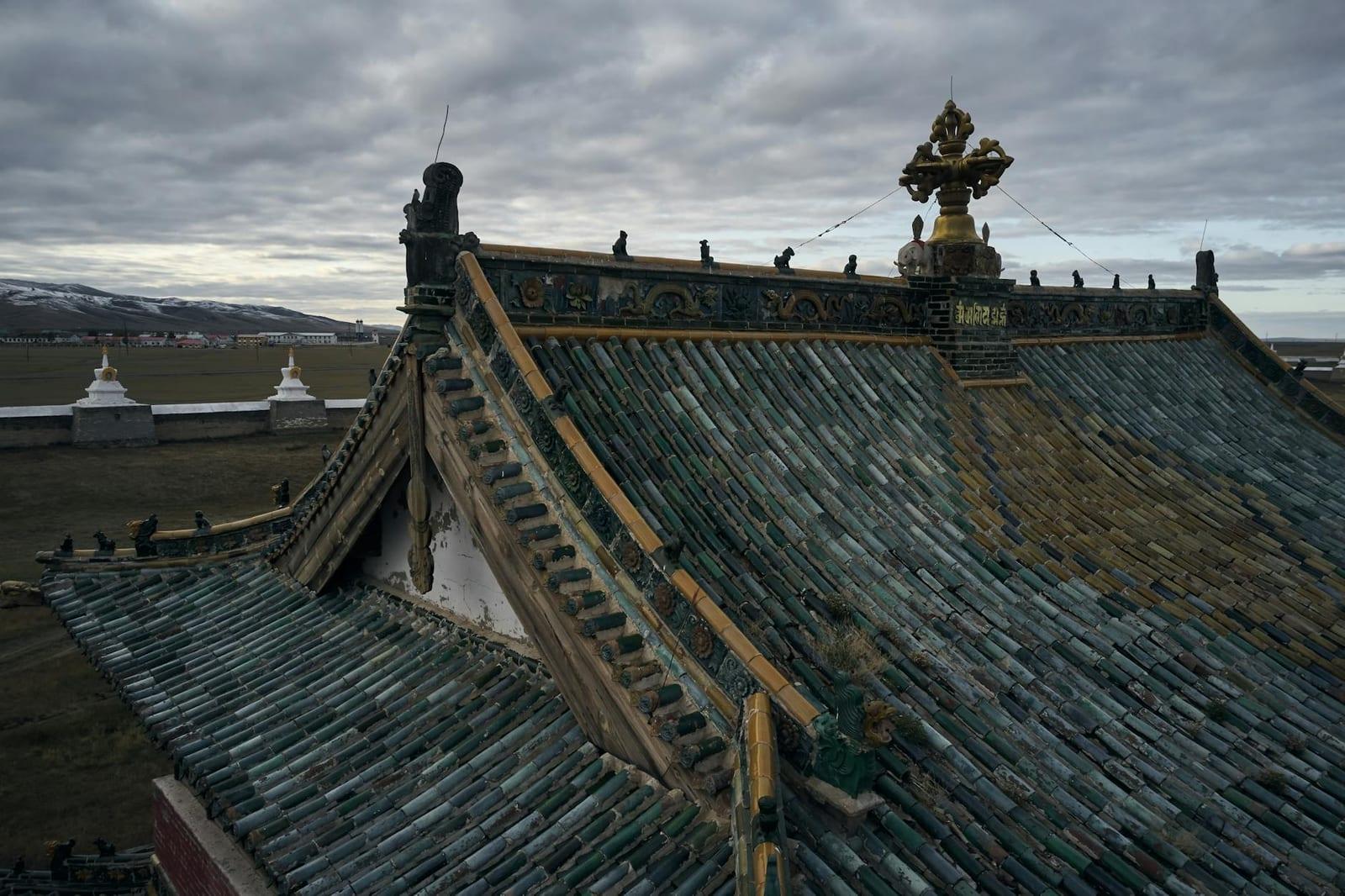
- The Winter Palace (Ulaanbaatar)The imperial residence of the Bogd Khan, who held power in two reigns from 1911 to 1924, includes striking Buddhist temples.