A glinting Mediterranean seacoast with sunshine and history to spare rises to gloriously craggy mountains in Montenegro, a young country that nonetheless claims thousands of years of well-nourished cultural identity.
Montenegro is also sometimes referred to by the historic name Crna Gora; the two monikers both translate as “Black Mountain.” The country is part of the core of the Balkans, fronting Croatia, Bosnia and Herzegovina, Serbia, Kosovo, and Albania as well as the Adriatic. Like the rest of the Balkan Peninsula, Montenegro has seen a lot of cultural mixing from the Mediterranean, Eastern Europe, and Western Asia.
Following World War I, the area became part of the various incarnations of Yugoslavia; the rocky post-Yugoslav years saw a union with Serbia that finally dissolved in 2006, thus ushering in full independence for Montenegro. From Paleolithic cave sites and long-standing Orthodox monasteries to delicious Mediterranean/European cuisine, there’s an immense wealth of cultural heritage to explore here.
Montenegro’s scenery, meanwhile, comes in dramatic flavors—mostly rugged. One of Europe’s great national parks lies here: Durmitor, also a UNESCO World Heritage Site. The Dinaric Alps landscape of Durmitor National Park includes the 7,000- and 8,000-foot peaks of the regal namesake massif, lake-jeweled plateaus, and deep-cleft canyons, the most striking of which is the Tara River Gorge—at 4,265 feet from rim to bottom, the deepest in Europe. The ecological features match the geological grandeur: Here you’ll find one of the continent’s last old-growth black-pine forests as well as a rich roster of animals, from eagles and chamois to brown bears and wolves.
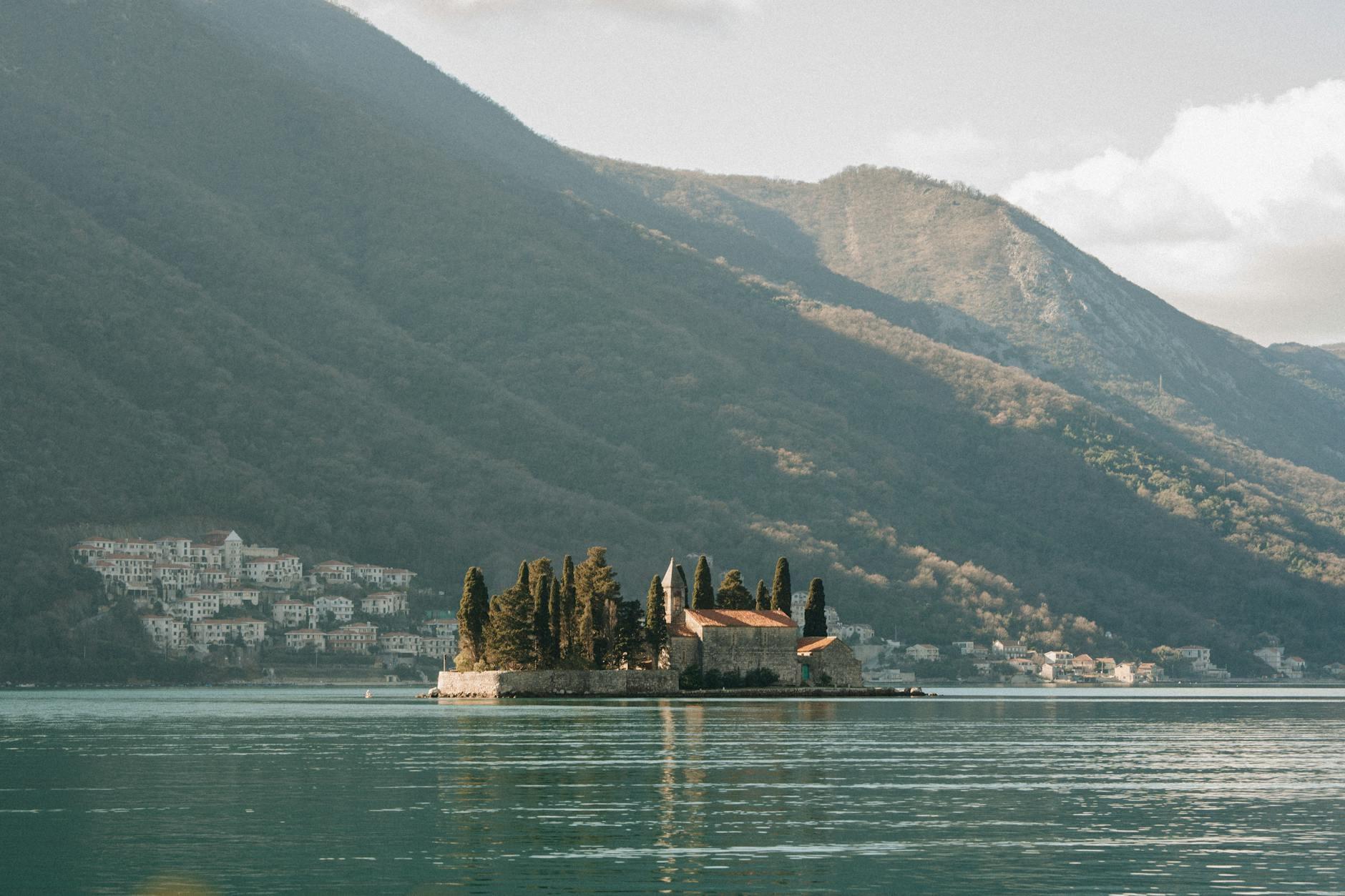
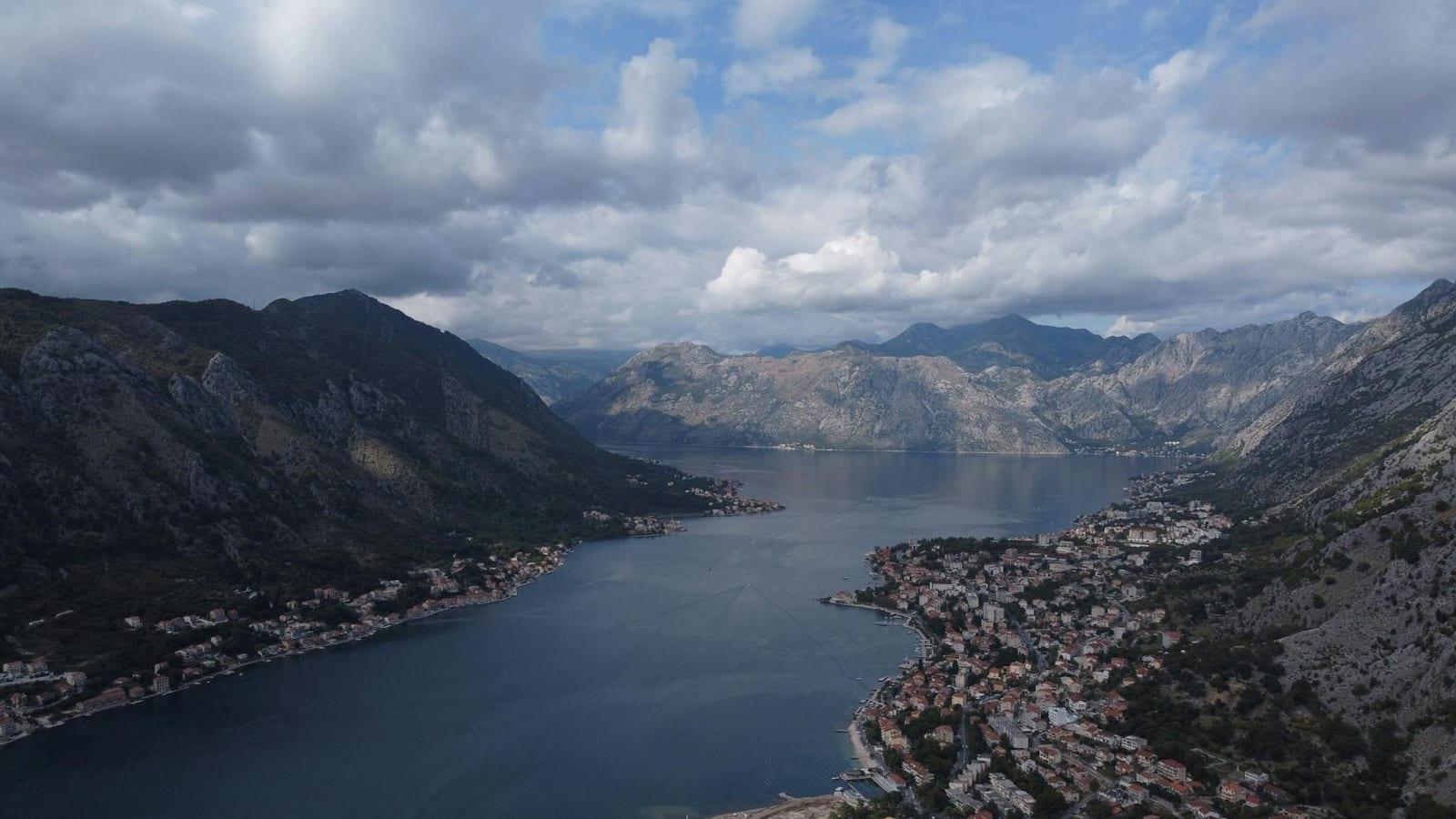
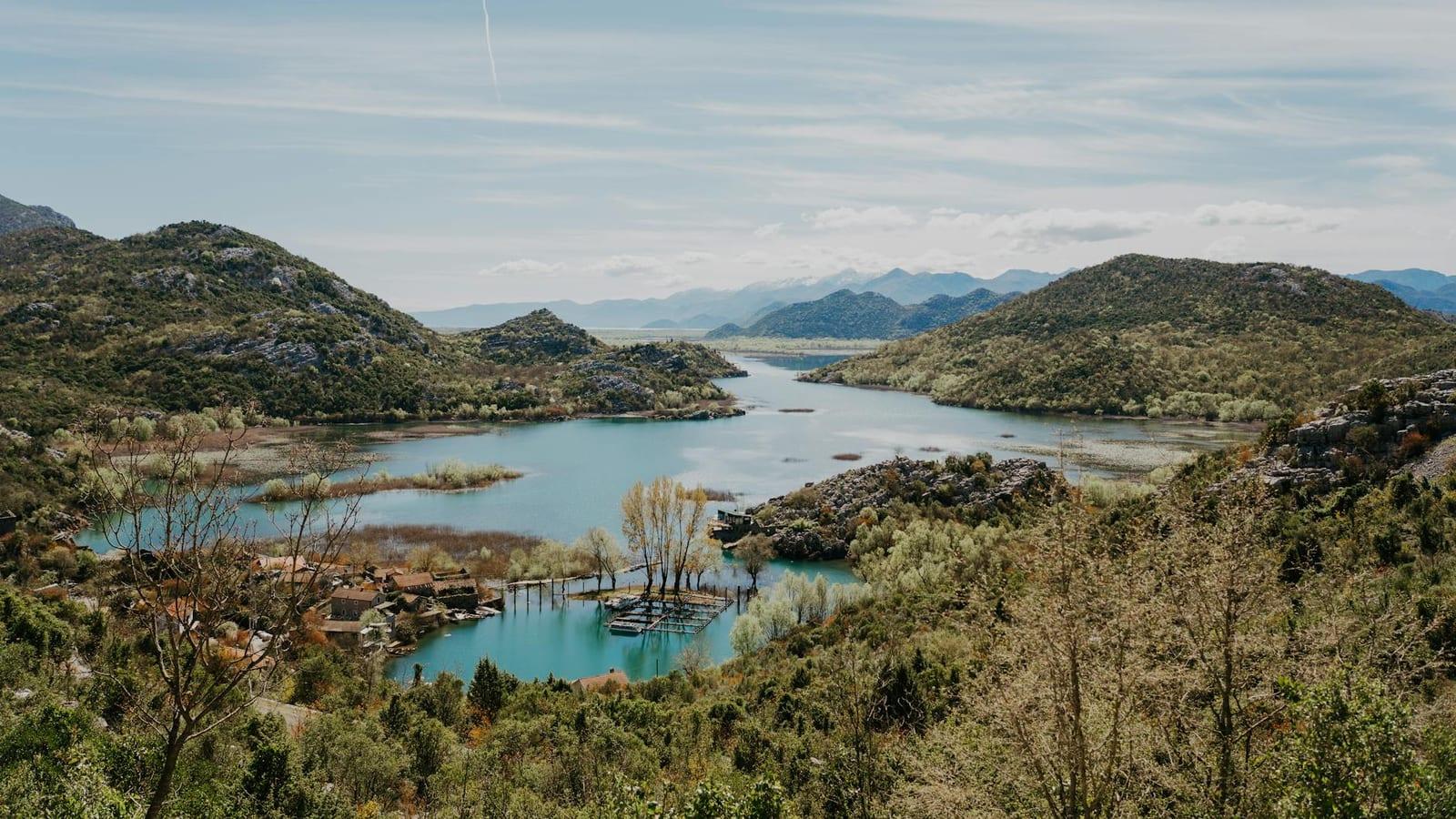
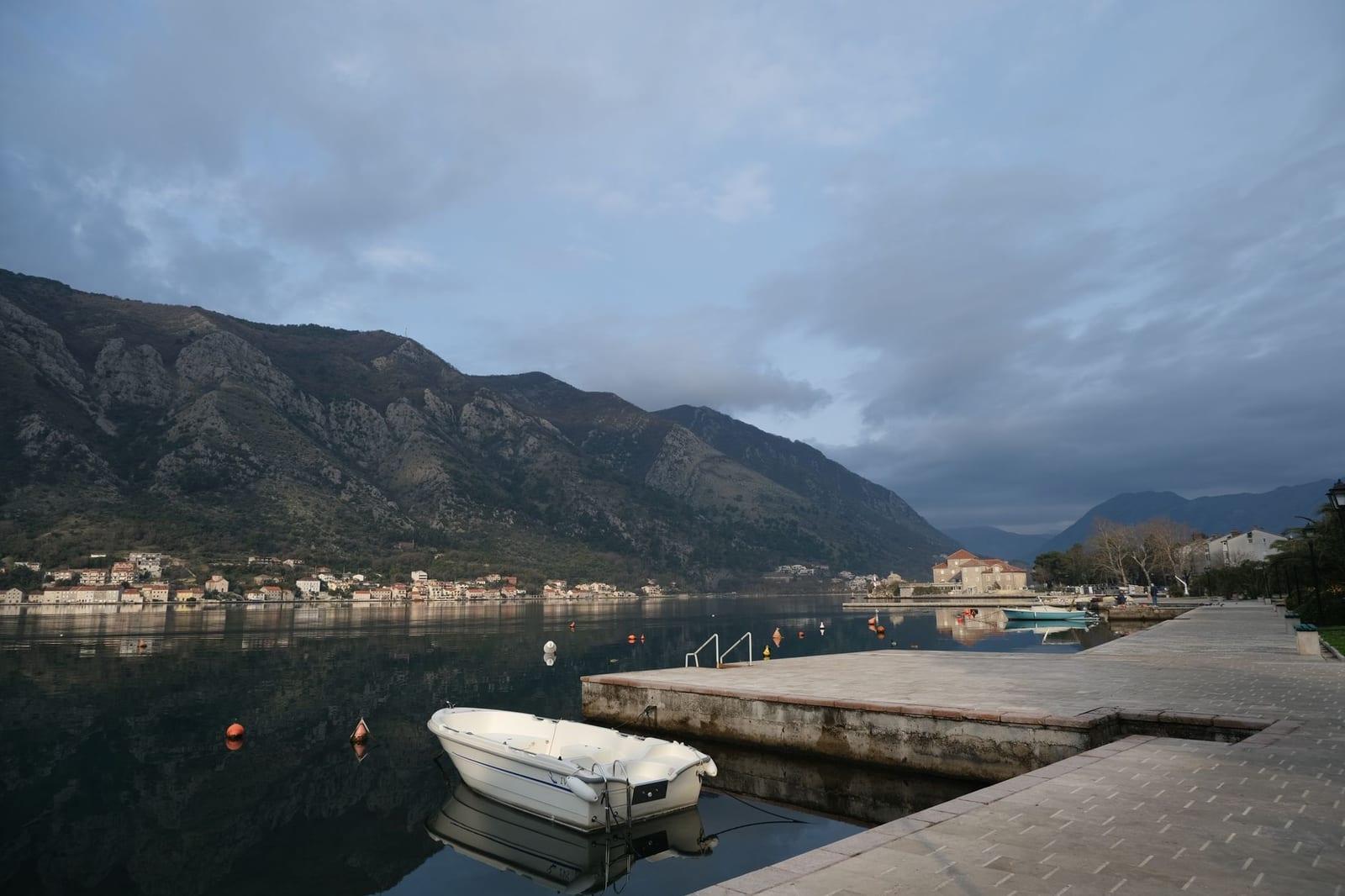
And then there’s Lake Skadar on the Albanian line, the biggest lake in the Balkans and a popular destination both for R&R and ecotourism. The Adriatic coast, meanwhile, is as fetching as Balkan seashores come: In the Bay of Kotor, steep-sided mountains loom straight up from saltwater, framing medieval castles, churches, and monasteries.
Ignore Montenegro and miss out on some of Europe’s most breathtaking panoramas, loveliest seacoast, and densely-packed culture.
9 things not to miss.
- the Bay of KotorSail the Bay of Kotor
- Durmitor National ParkHike Durmitor National Park
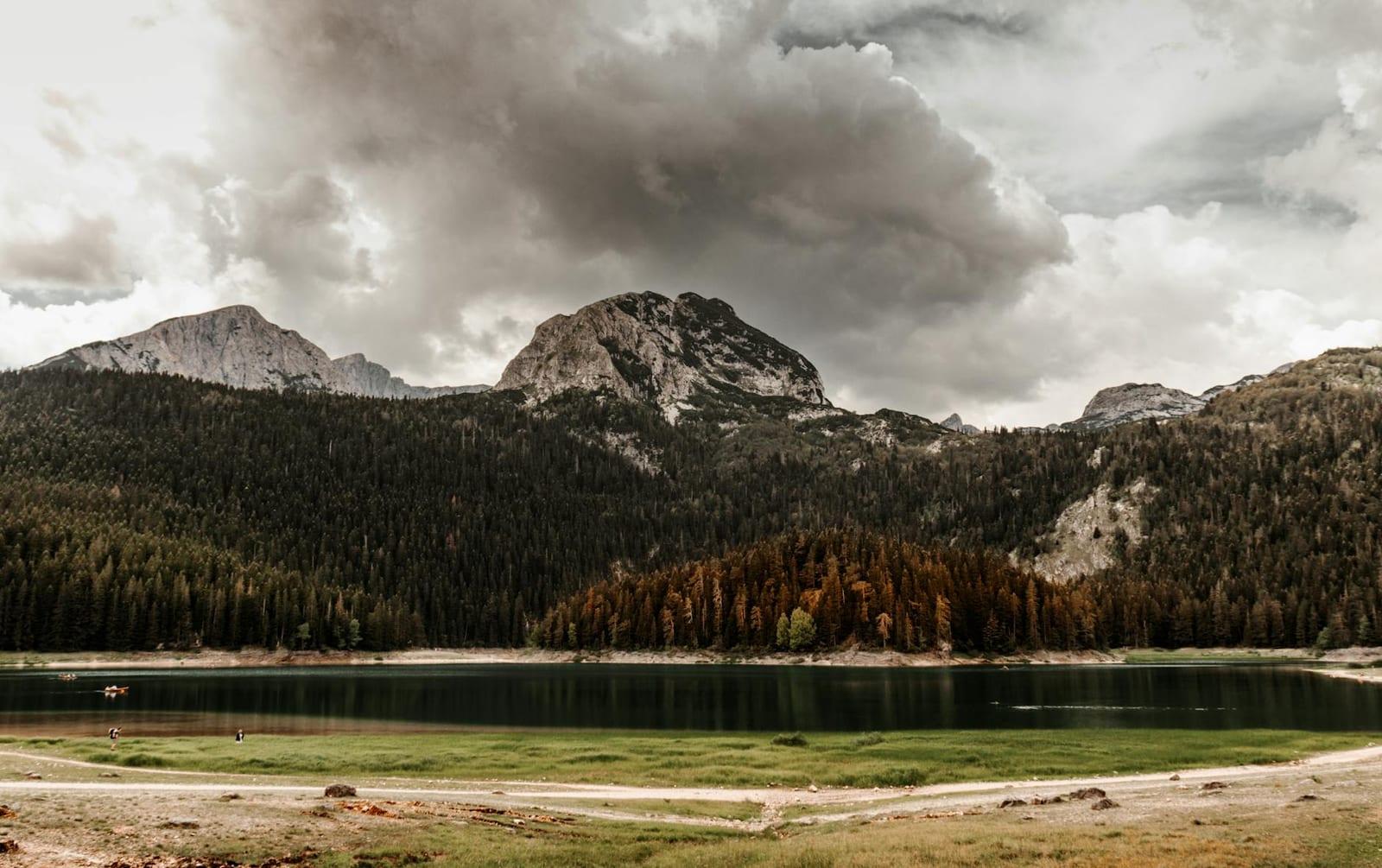
- Lake SkadarBoat across Lake Skadar
- Bay of KotorThis mountainous Adriatic seacoast isn’t just a bastion of world-class scenery: Its centuries-old towns contain many standout historic churches and monasteries.
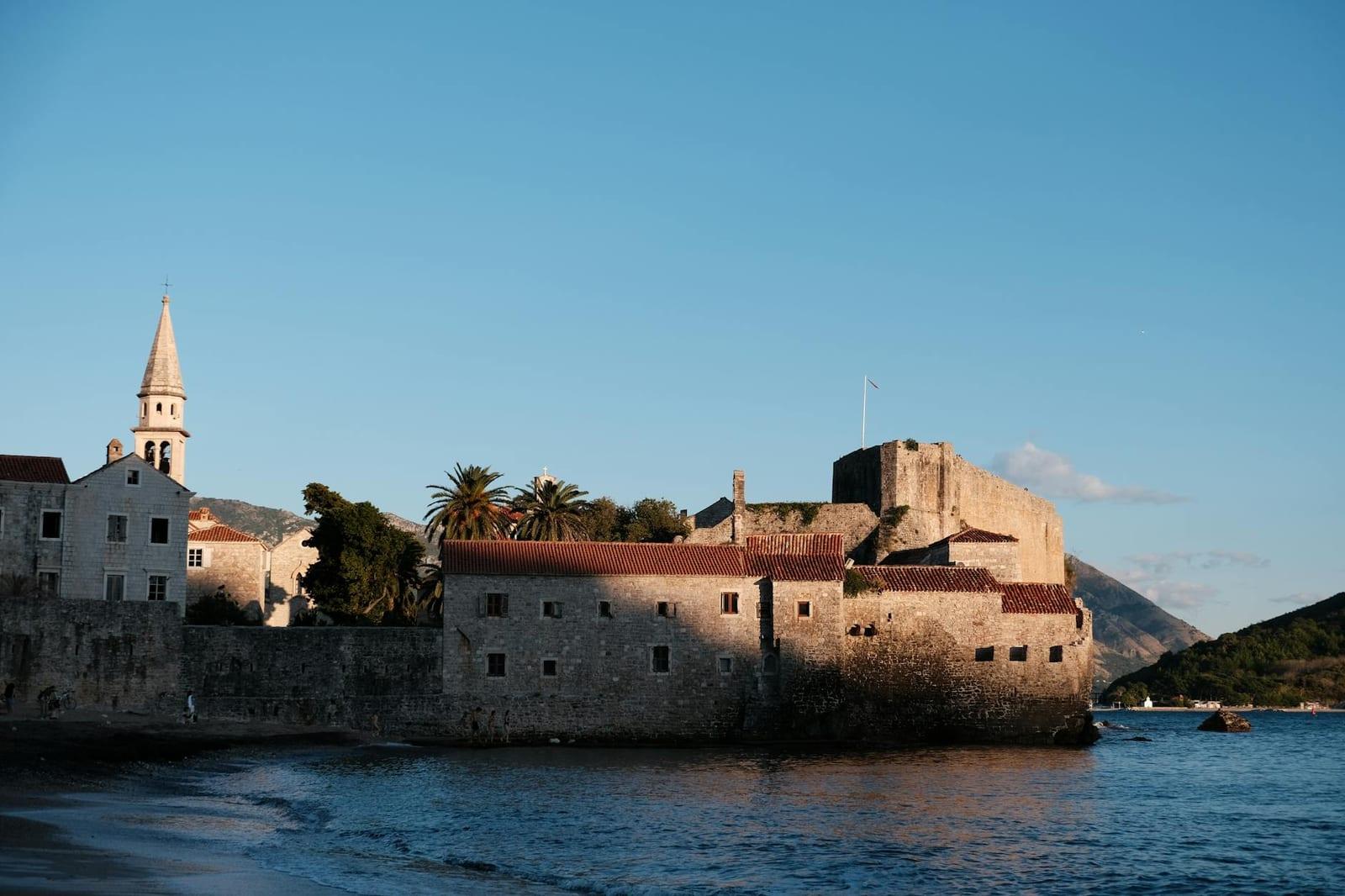
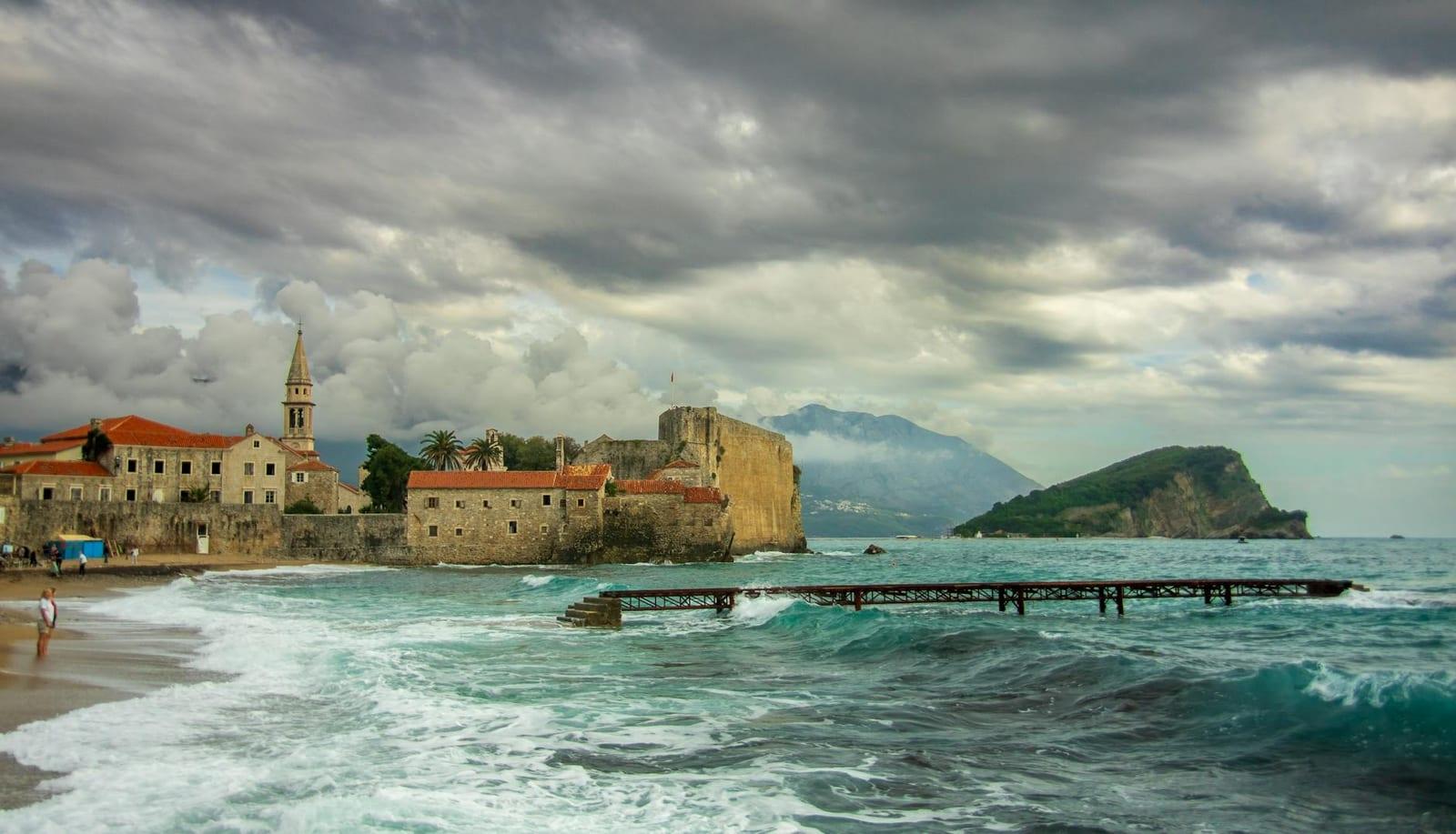
- Budva RivieraThis sun-drenched coastline offers some of the finest beaches and seaside resorts on the Balkan Peninsula.
- Biogradska Gora National ParkVirgin temperate rainforest and mountain lakes make this compact park a must-see for nature nuts.
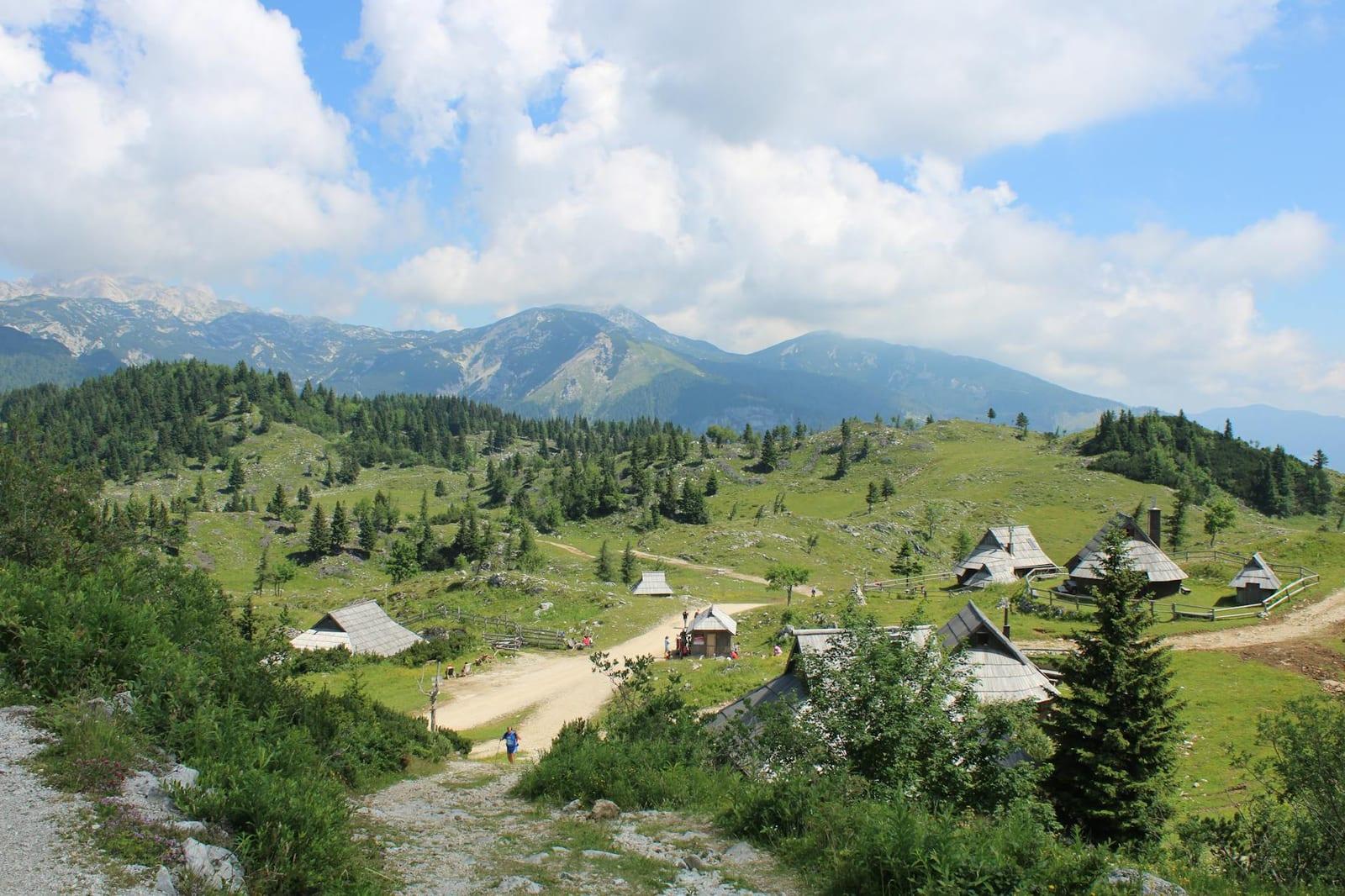
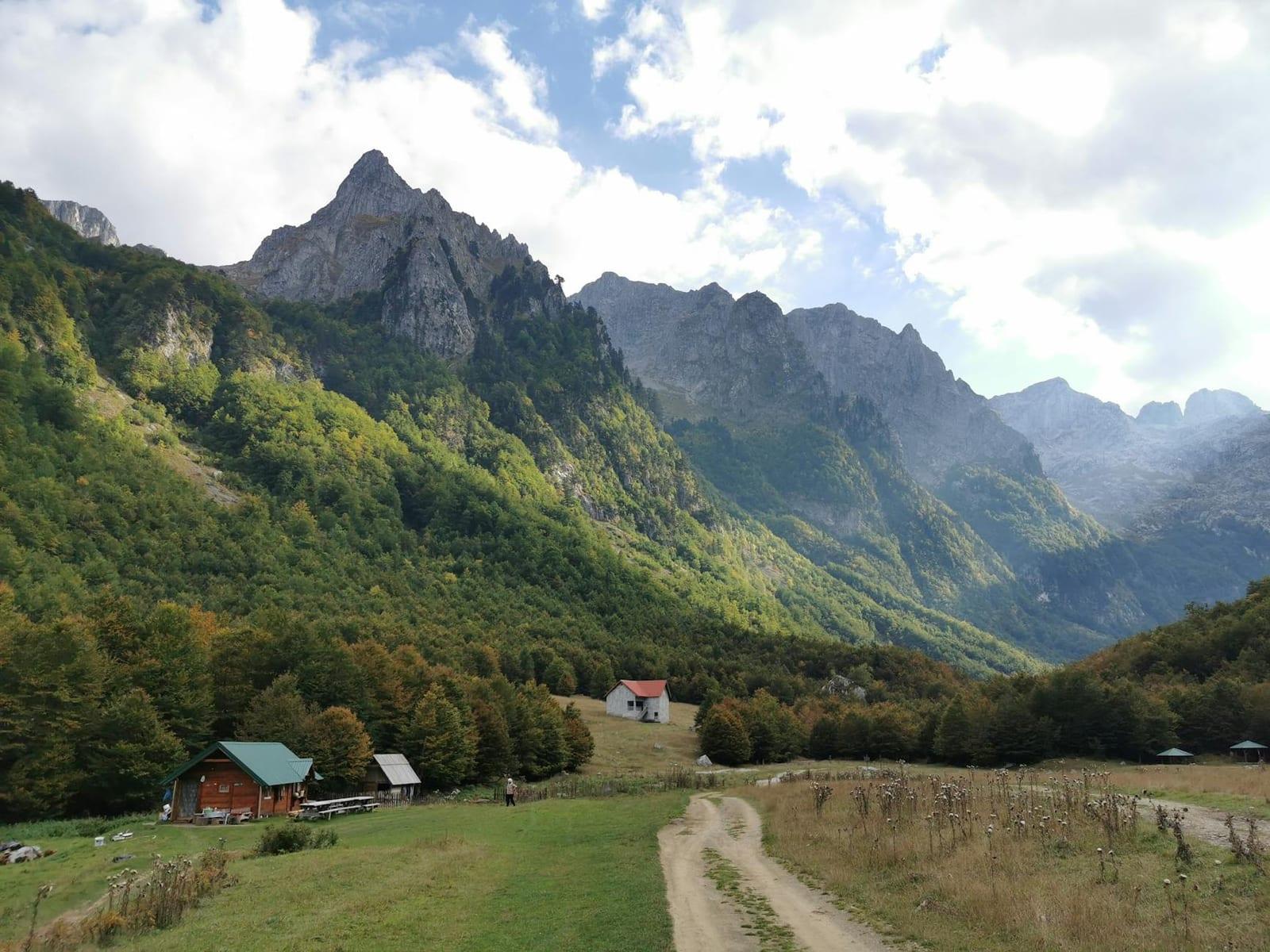
- ProkletijeMontenegro’s loftiest peaks are found in this spur of the Dinaric Alps, habitat for lynx and bears and a hiker’s paradise.
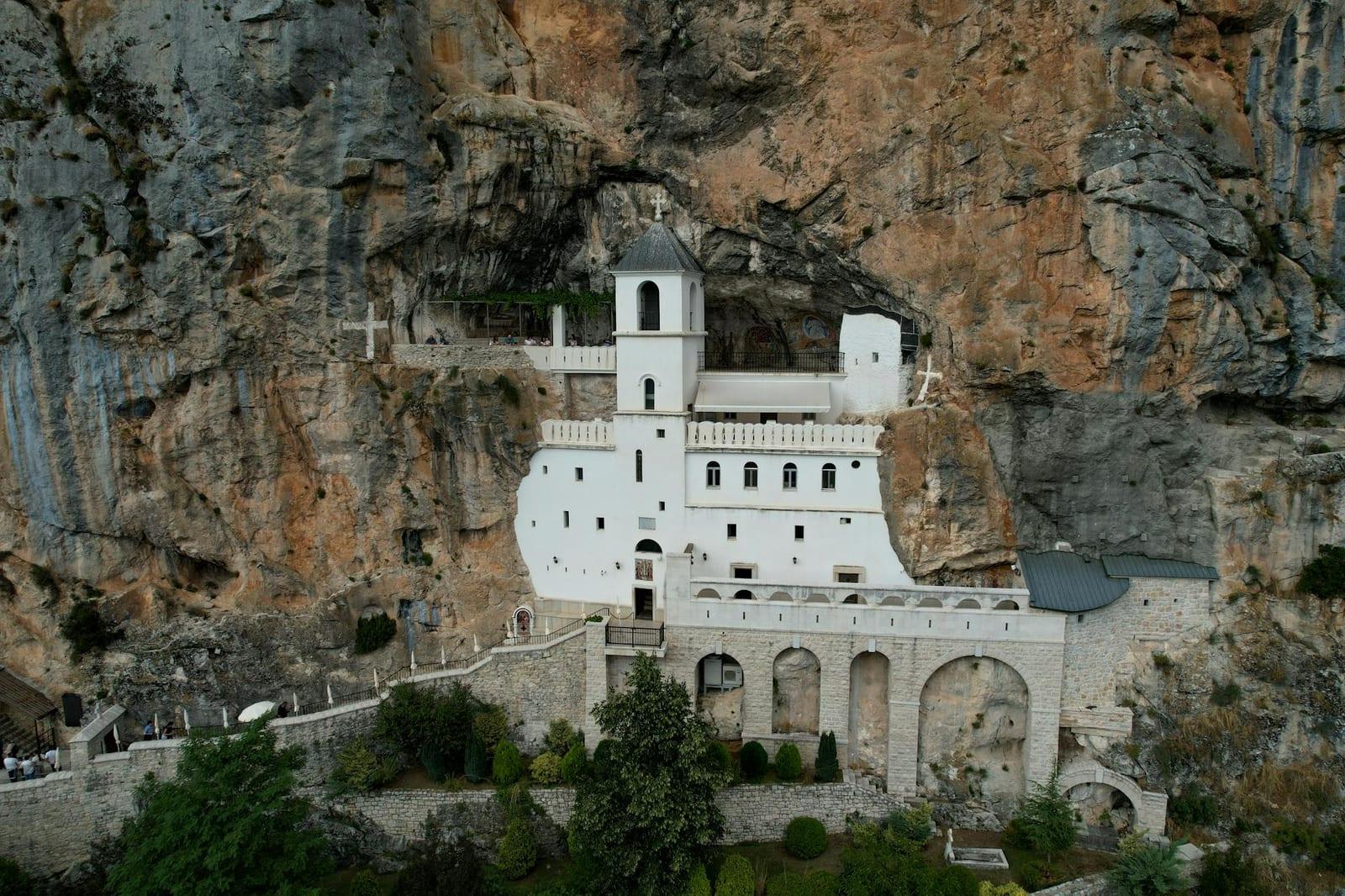
- Ostrog MonasteryThis Serbian Orthodox church, established in the 1600s, clings almost unbelievably to a sheer cliff.
- Cetinje MonasteryThis monastery is famed for its Christian relics, including John the Baptist’s right hand and remnants of the Holy Cross.