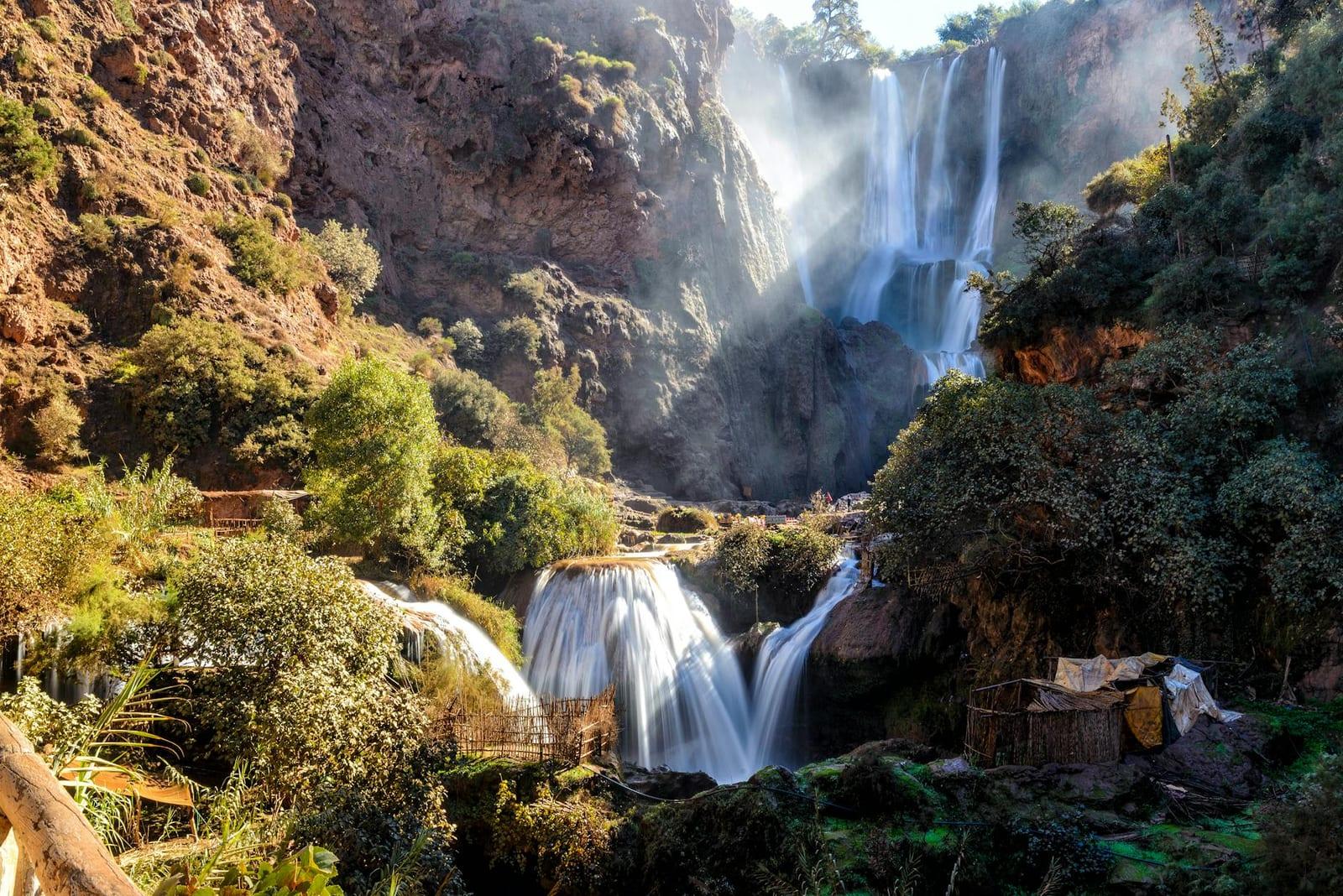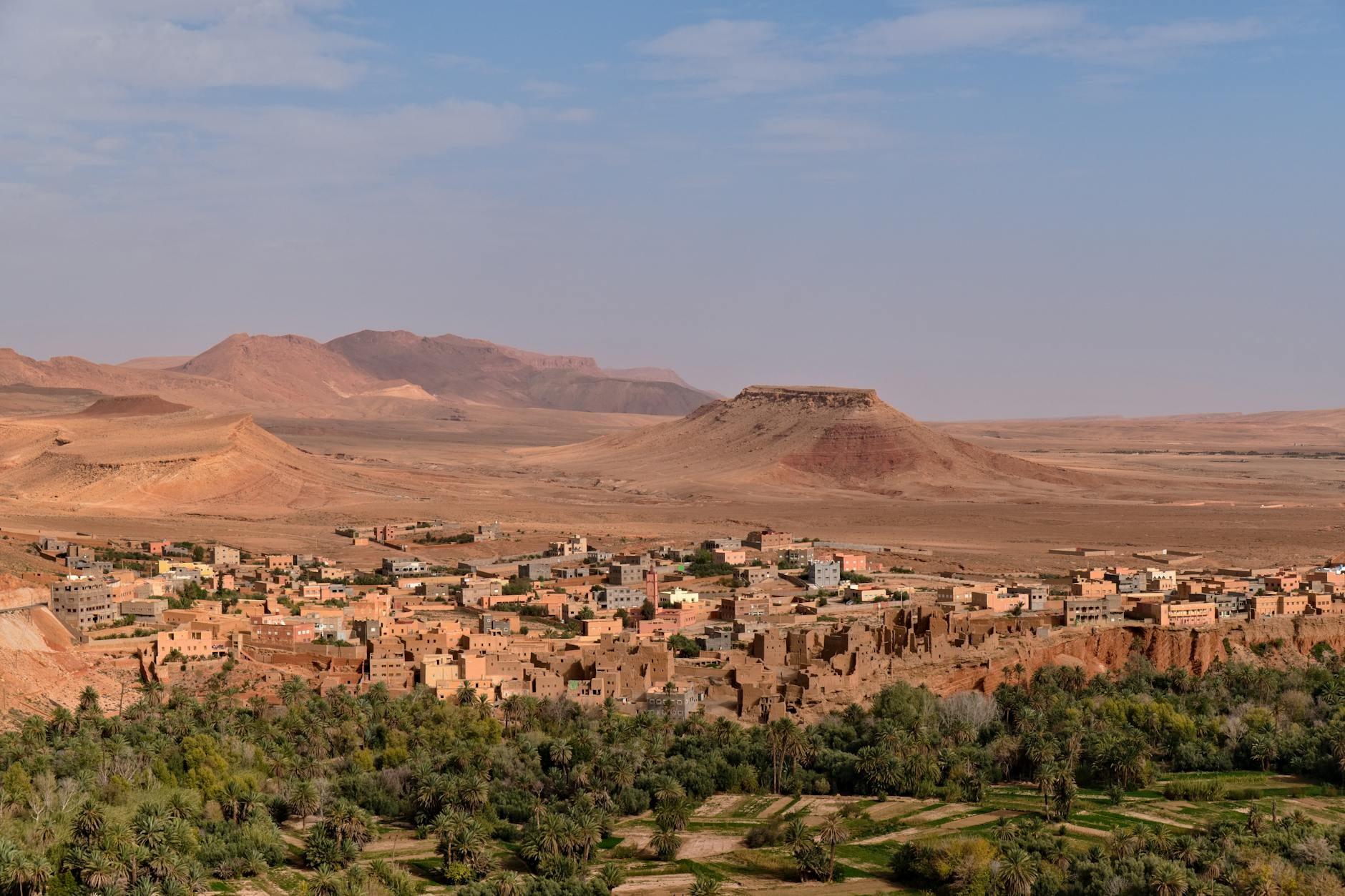
Morocco is a cultural and scenic showstopper, no two ways about it. A comparatively smallish country by North African standards (though made bigger if the disputed territory of Western Sahara is included), it’s breathtakingly diverse, tumbling from the snowfields of the High Atlas to the balmy Atlantic and Mediterranean coastlines on one side, and the sere fringe of the Sahara on the other. It’s no surprise then, that Morocco attracts some of the most vigorous tourism in all of Africa.
Fronting as it does the busy seaways bridging Europe and Africa as well as the yawning Sahara, Morocco claims a momentous history. Its Barbary Coast and rugged, arid interior played backdrop for the indigenous Berbers, the Carthaginians, the Romans, great Arab empires, and—from 1912 to 1955—the colonial influence of France. It’s little surprise, then, that Morocco hosts a collection of nine World Heritage Sites, from the Medina of Fez to the Roman-Mauritanian ruins of Volubilis.
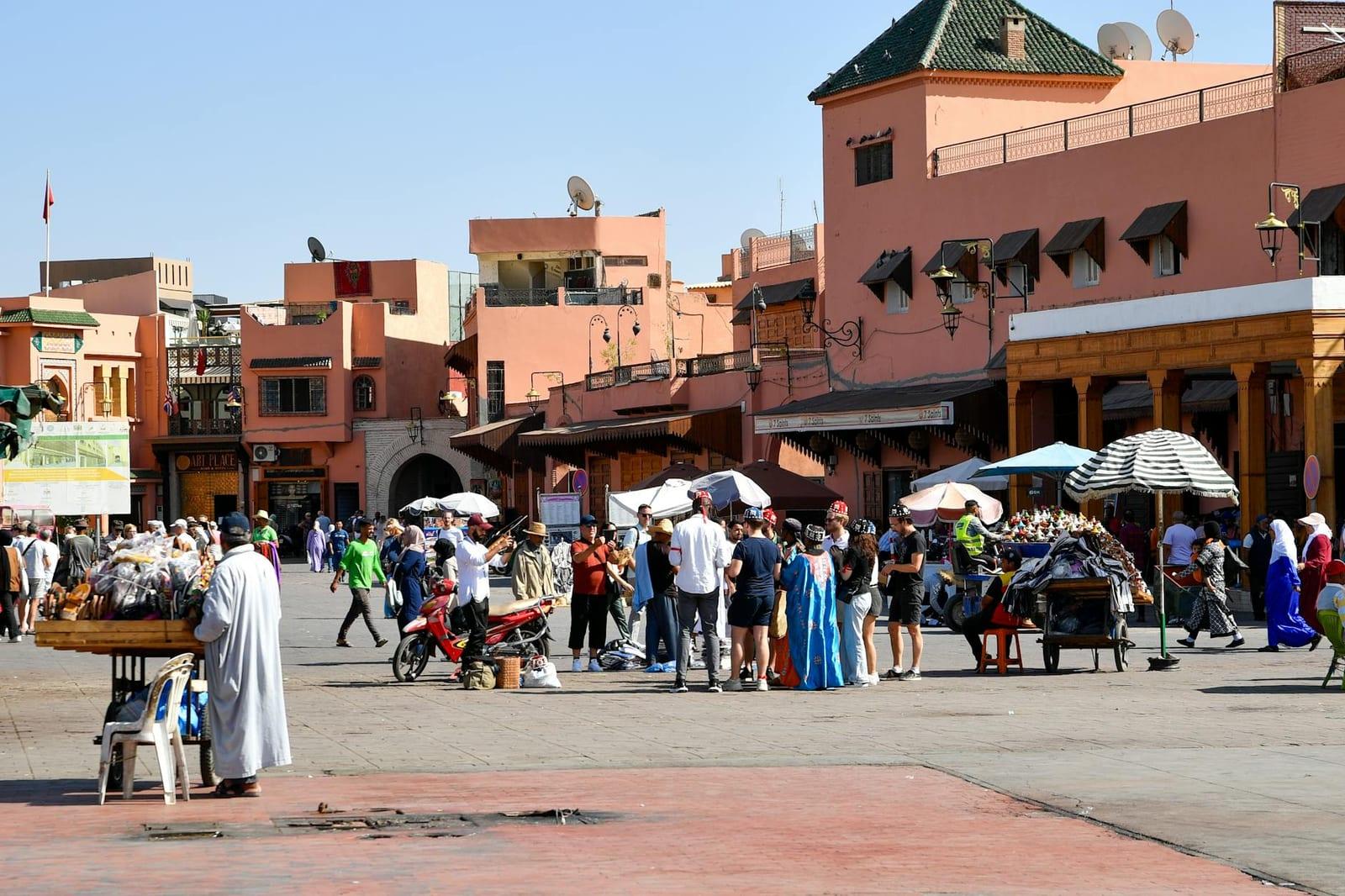
The ancient and the modern parade side by side in the Atlas-foothill cities of Fez and Marrakesh, famed for their souks and medina quarters. The crush of the markets and the confusion of narrow lanes can be overwhelming, but it’s the sort of overwhelming that ultimately marinates into cherished sense-memories. Less outwardly captivating, big-city Casablanca is nonetheless a popular destination for cruises embarking from European ports.
Wherever they travel in Morocco, epicureans have a field day: From couscous to mint tea, Moroccan cuisine—flowering from multiethnic roots in Mediterranean and Maghrebi traditions—is globally celebrated.
For lovers of the outdoors, Morocco offers another sort of feast, from the sanctuaries of the coast—important staging grounds for birds migrating between Africa and Europe—to the alpine dream-world of the High Atlas. Mountaineers covet 13,671-foot Jbel Toubkal, the loftiest peak in North Africa and the centerpiece of one of Morocco’s best-known national parks. For the traveler journeying from Marrakesh south to Ouarzazate, the Tizi-n-Tichka Pass in the Atlas heights offers an unforgettable first glimpse of the Sahara Desert beyond.
It’s hard to maintain a rigid itinerary in Morocco, simply because you’re liable to be continually swept away by its surprises. Be prepared for transfixing experiences and living history at every turn.
14 things not to miss.
- Get lost in Marrakesh medinaGet lost in Marrakesh medina
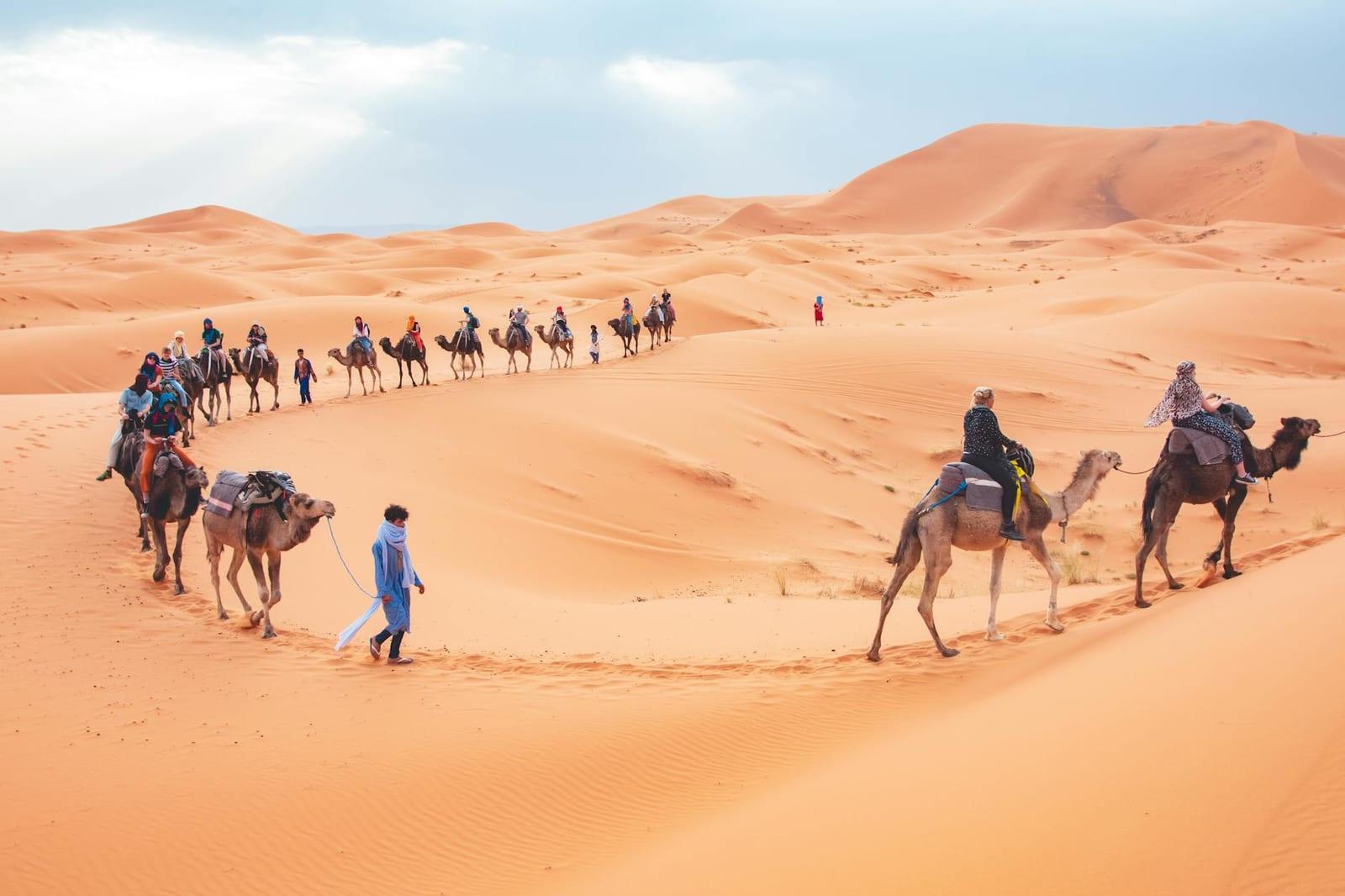
- Sahara camel trek to Erg ChebbiSahara camel trek to Erg Chebbi
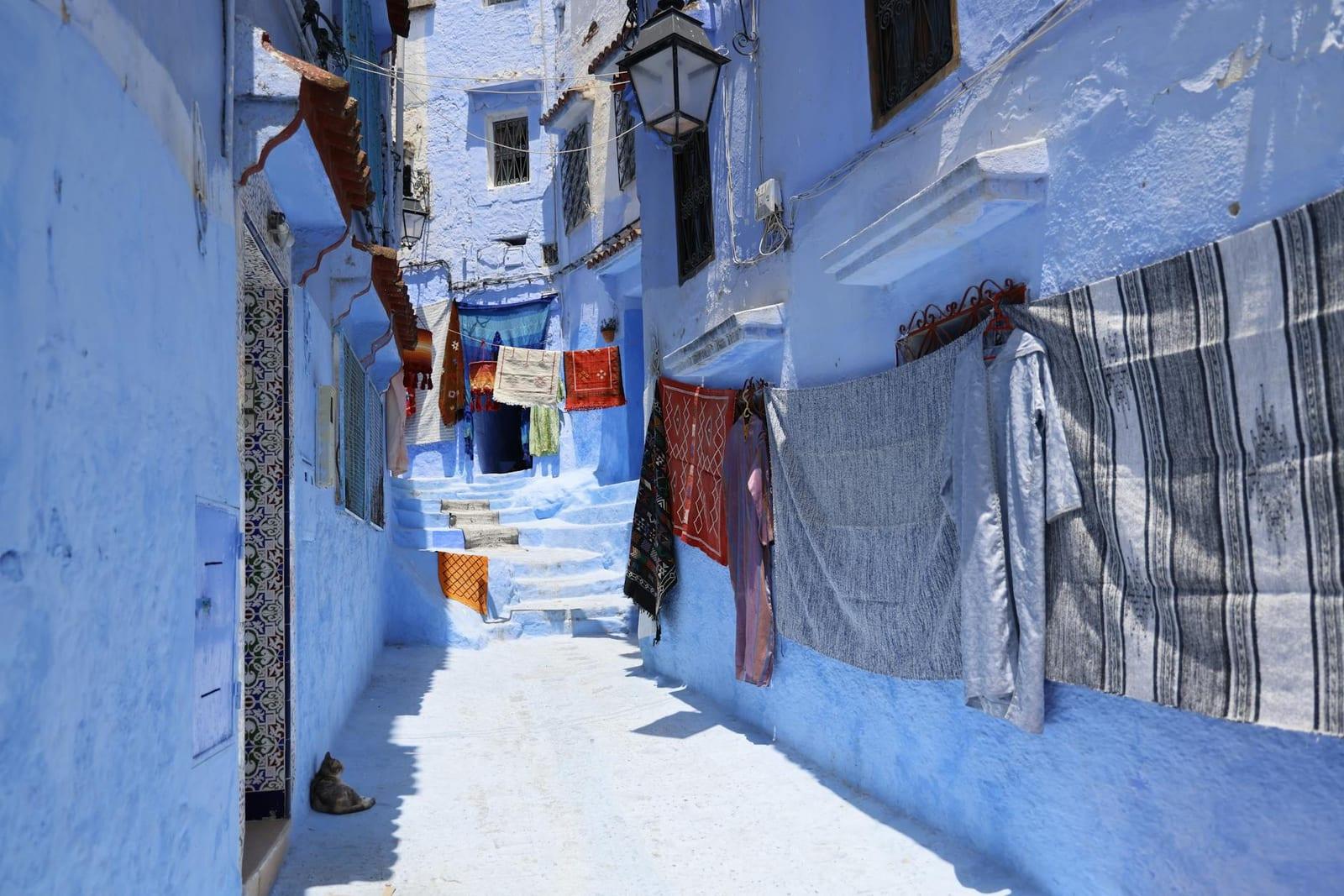
- Chefchaouen's blue alleysWander Chefchaouen's blue alleys
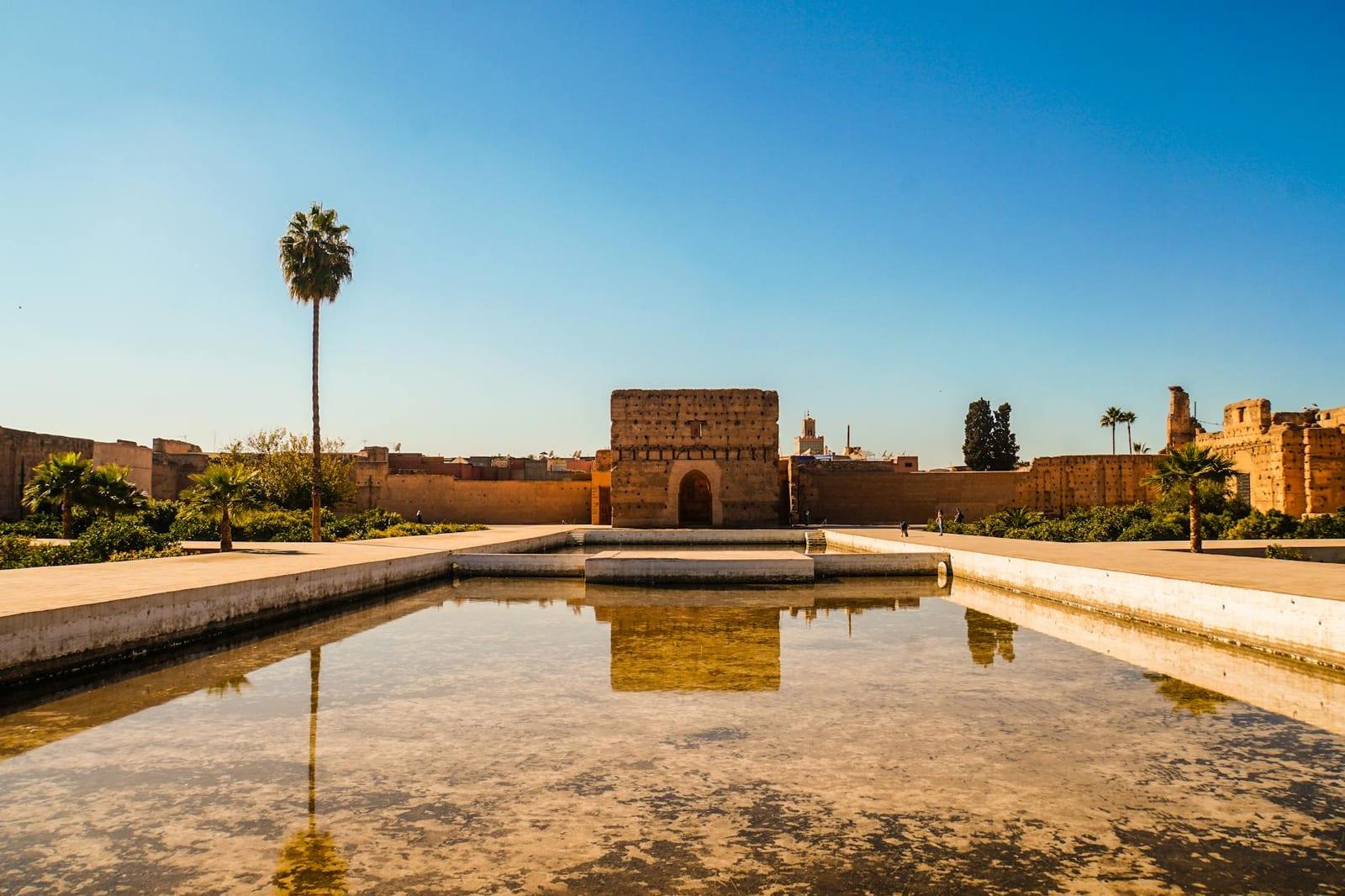
- Marrakech
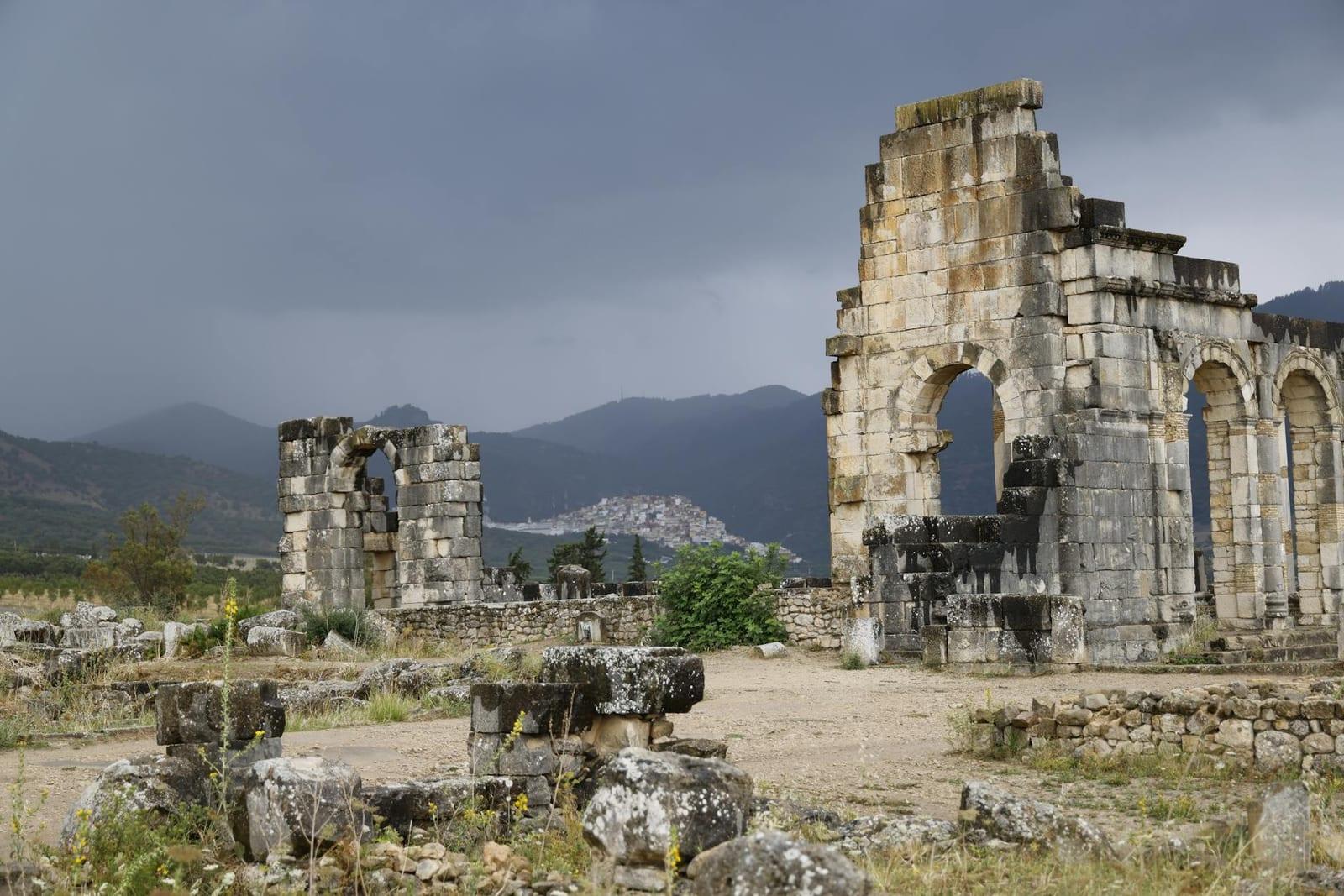
- VolubilisSpectacular ruins mark this palimpsest of a timeworn city: originally a Mauritanian capital, occupied by the Romans, and then a hub for the homegrown Idrisid dynasty.
- Ksar of Ait-Ben-HaddouFrom its enveloping walls to the inner mosques and fort, this earthen city in the Ounila Valley magnificently showcases classic “ksar” architecture.
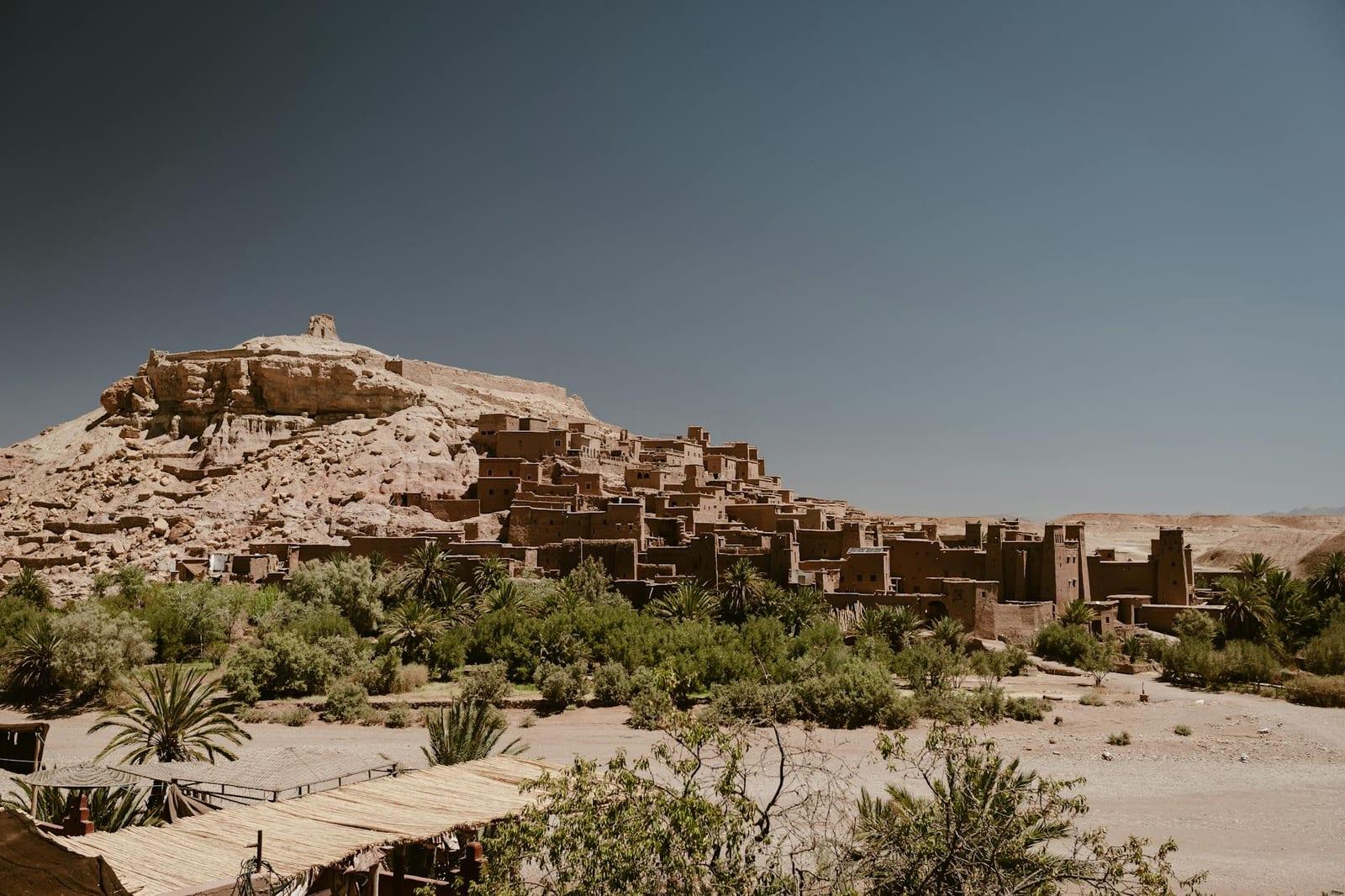
- Tizi-n-Tichka PassThis 7,400-foot passage through the High Atlas, situated between Marrakesh and Ouarzazate, offers a romantic prospect of the great Sahara Desert southward.
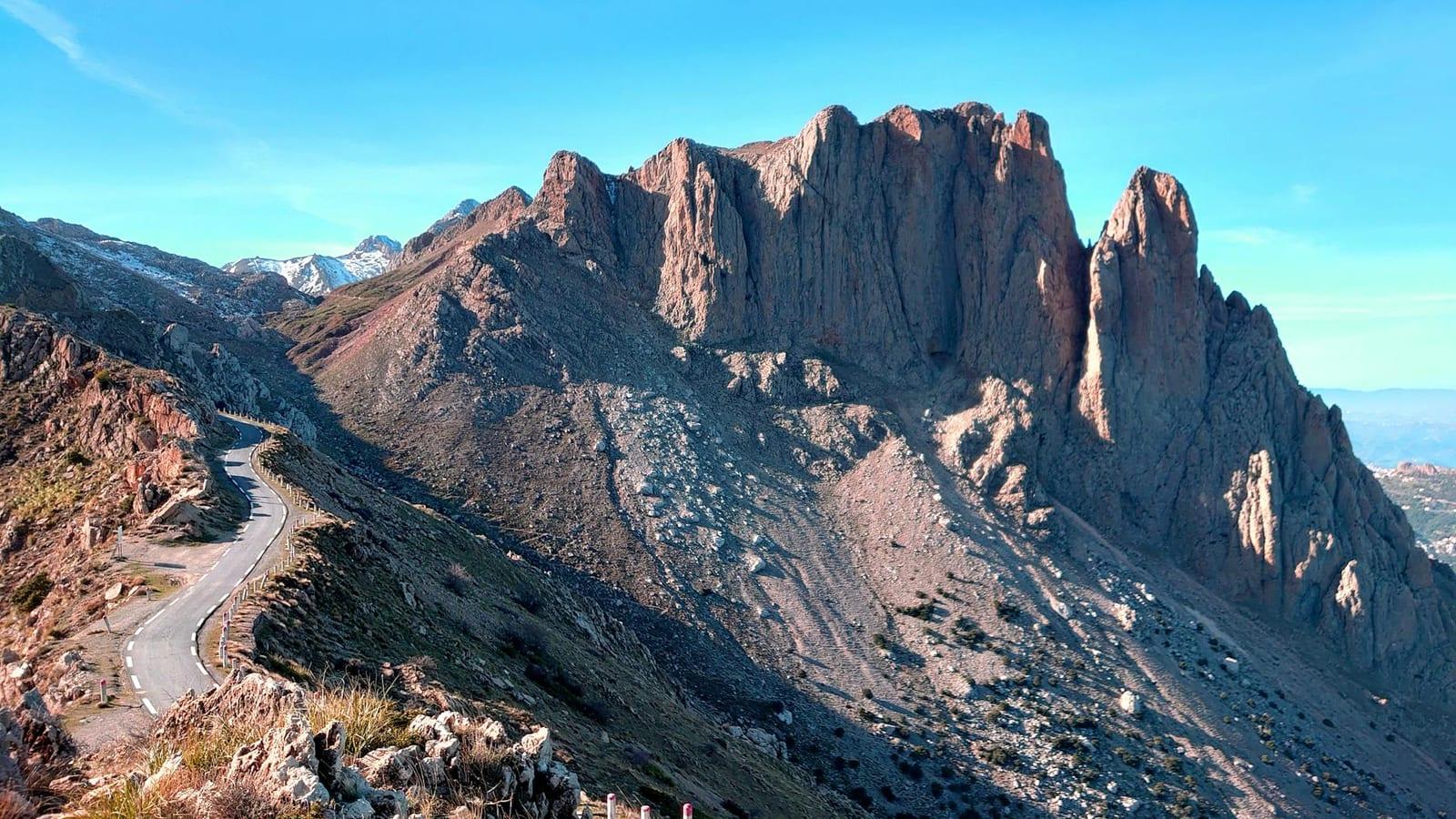
- Todgha GorgeOne of many steep-sided canyons cleaving the High Atlas, Todgha is certainly one of the most awe-inspiring topographic features in Morocco.
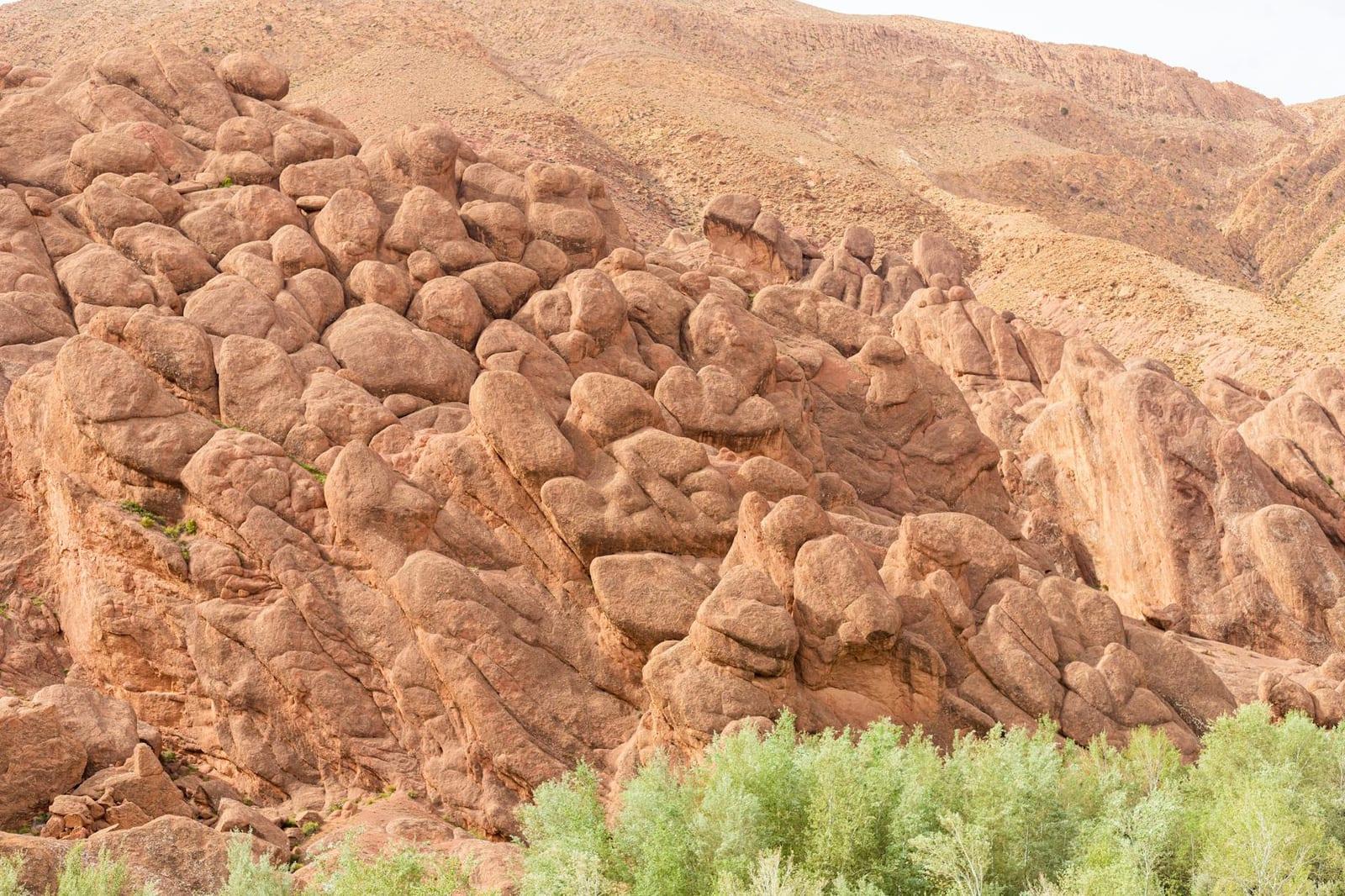
- Toubkal National ParkThe centerpiece of this High Atlas park is North Africa’s loftiest peak, 13,671-foot Mount Toubkal; the Ourika Valley, meanwhile, shelters Barbary macaques.
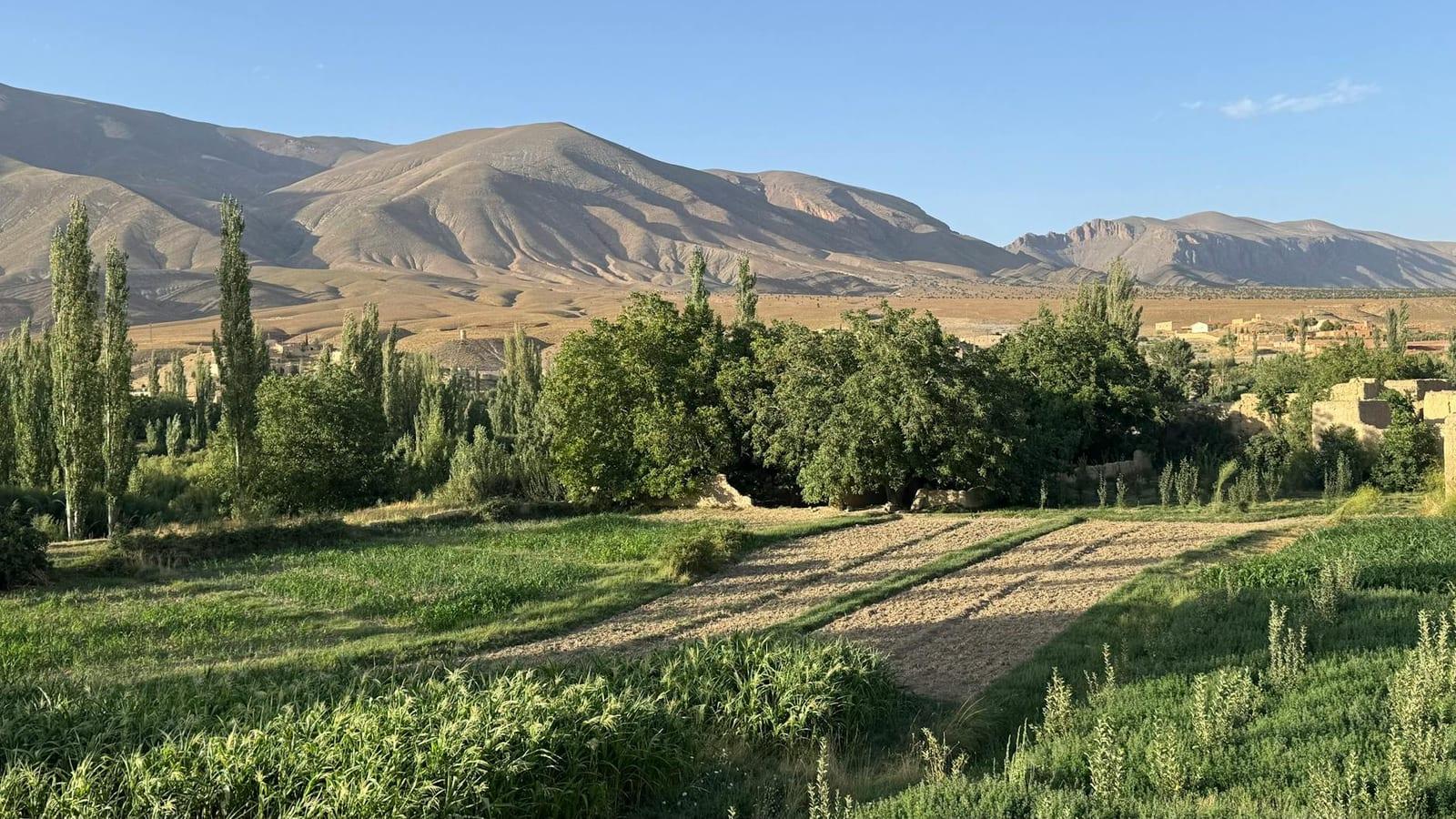
- Hassan II MosqueOne of the heftiest mosques on Earth, this Michel Pinseau-designed structure in Casablanca also boasts the loftiest minaret anywhere—nearly 700 feet high.
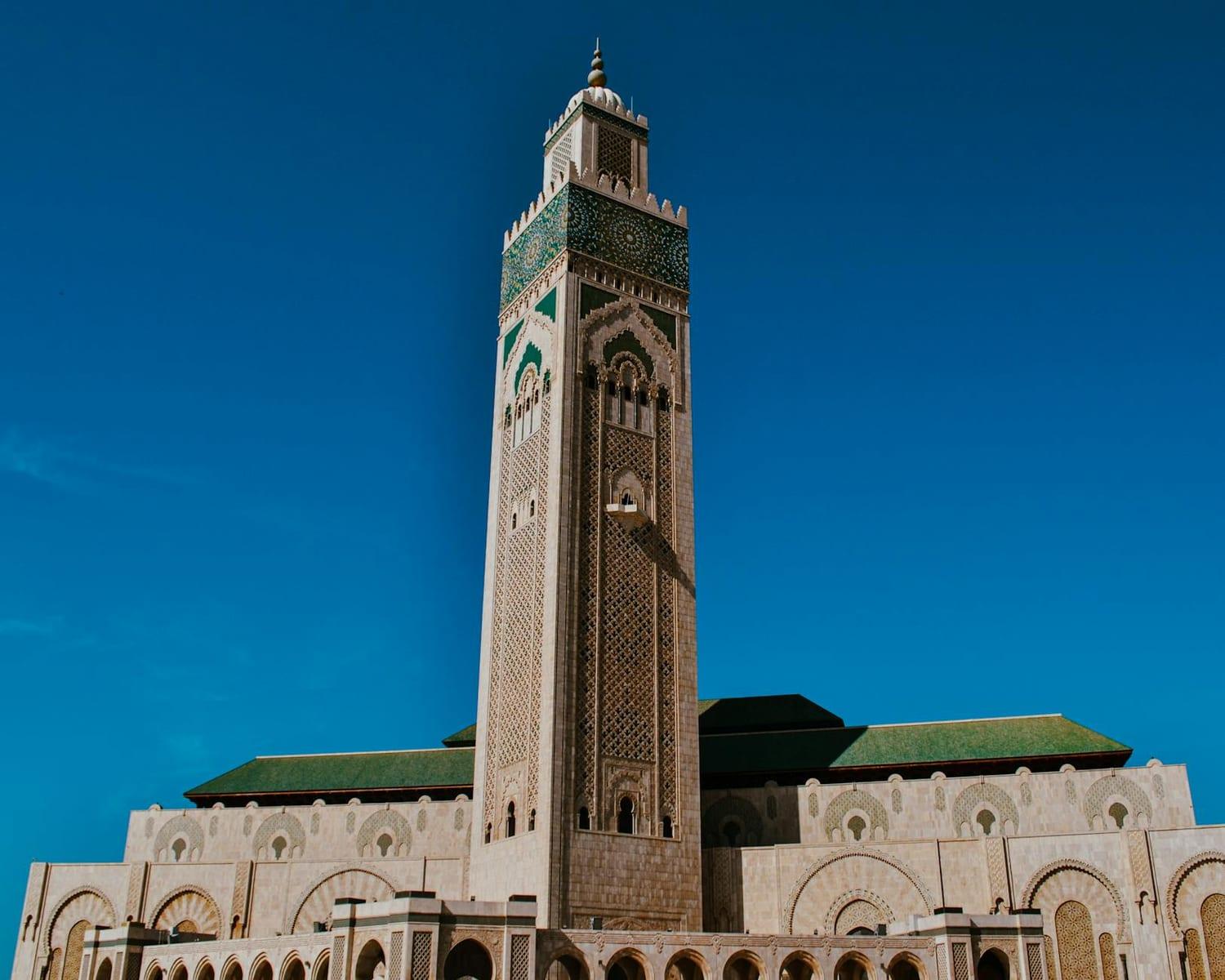
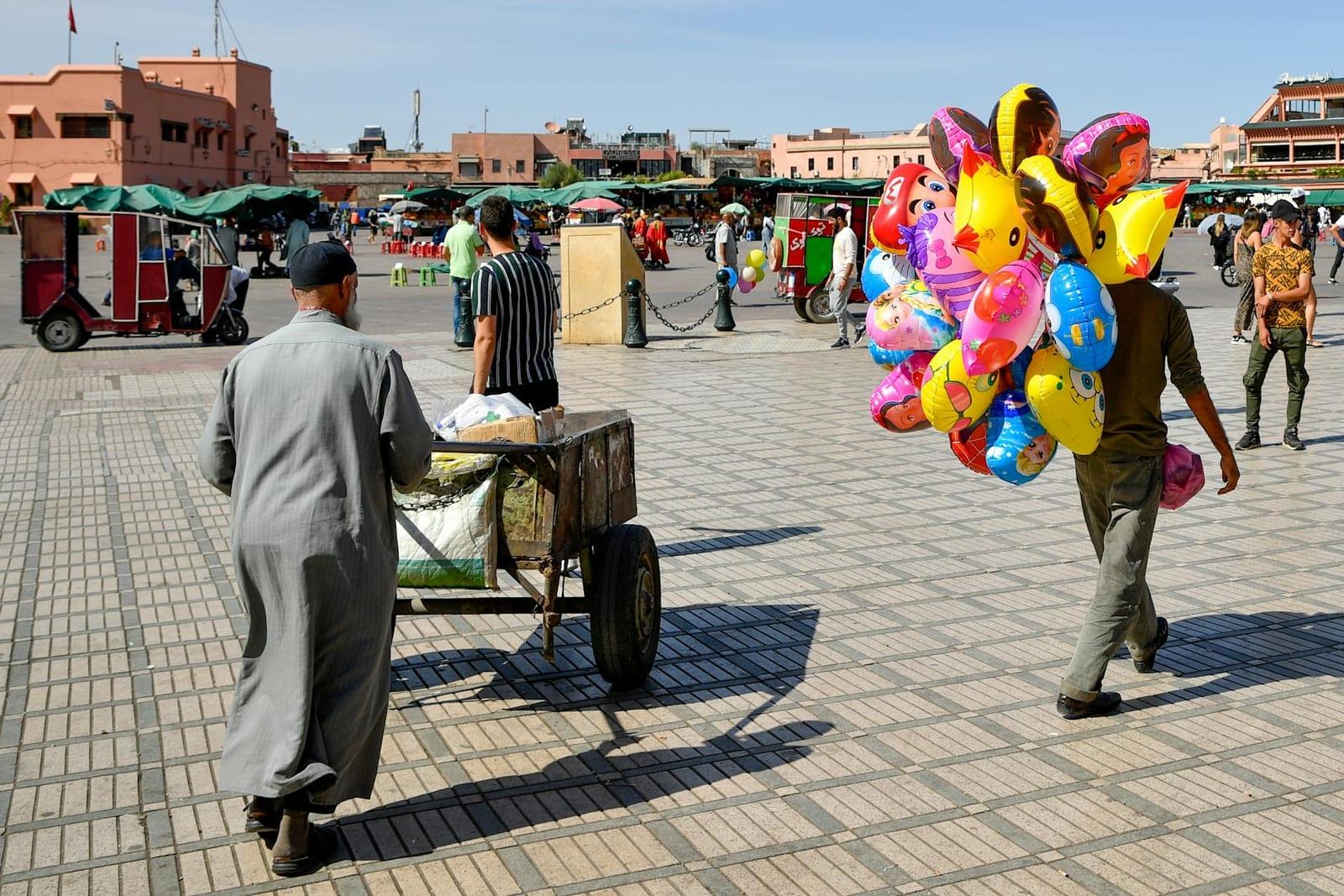
- Djema el-FnaHeart of Marrakesh’s ancient medina, this legendary square includes a crowded souk, cafes, and food stalls—plus crafts!
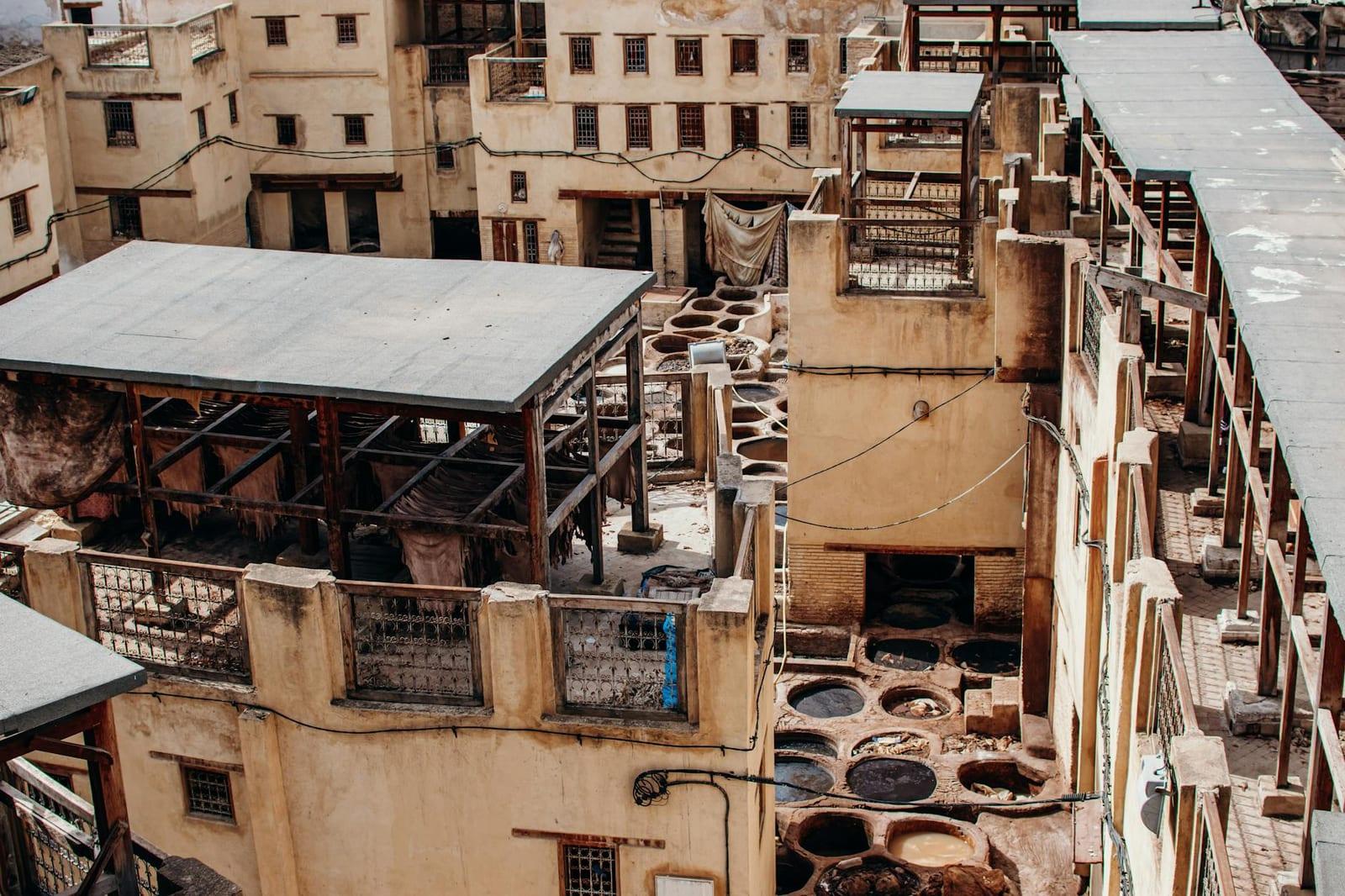
- Medina of FezA UNESCO World Heritage Site, the walled core of Fez—better than 1,000 years old—harbors the oldest university in the world.
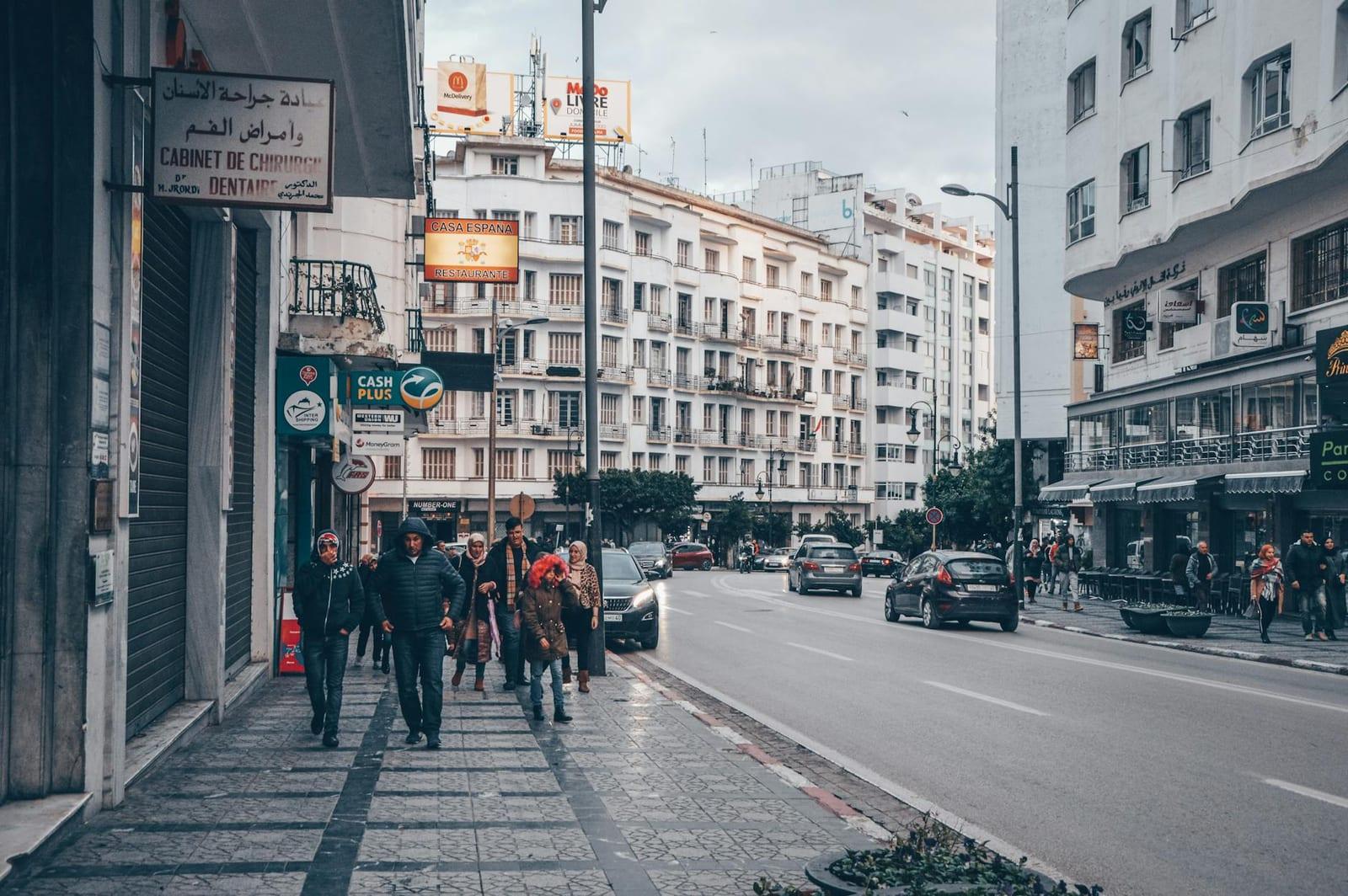
- TangierEdging the Strait of Gibraltar, this long-standing seaport, drenched in sunshine and rich culture, continues to seduce tourists from wide and far.
- Talassemtane National ParkBeautiful groves of Atlas cedar distinguish this biologically diverse sanctuary, part of the Mediterranean Rif spur of the Atlas Mountains.