From a coral- and beach-belted Indian Ocean coastline to wildlife-rich bush, Mozambique is simultaneously one of Africa’s great adventure destinations and among its most culturally engrossing corners. Though its modern history has included much struggle and strife, with poverty remaining a widespread issue, the country is moving toward a brighter and more prosperous future—and tourists are increasingly reveling in its enigmatic atmosphere.
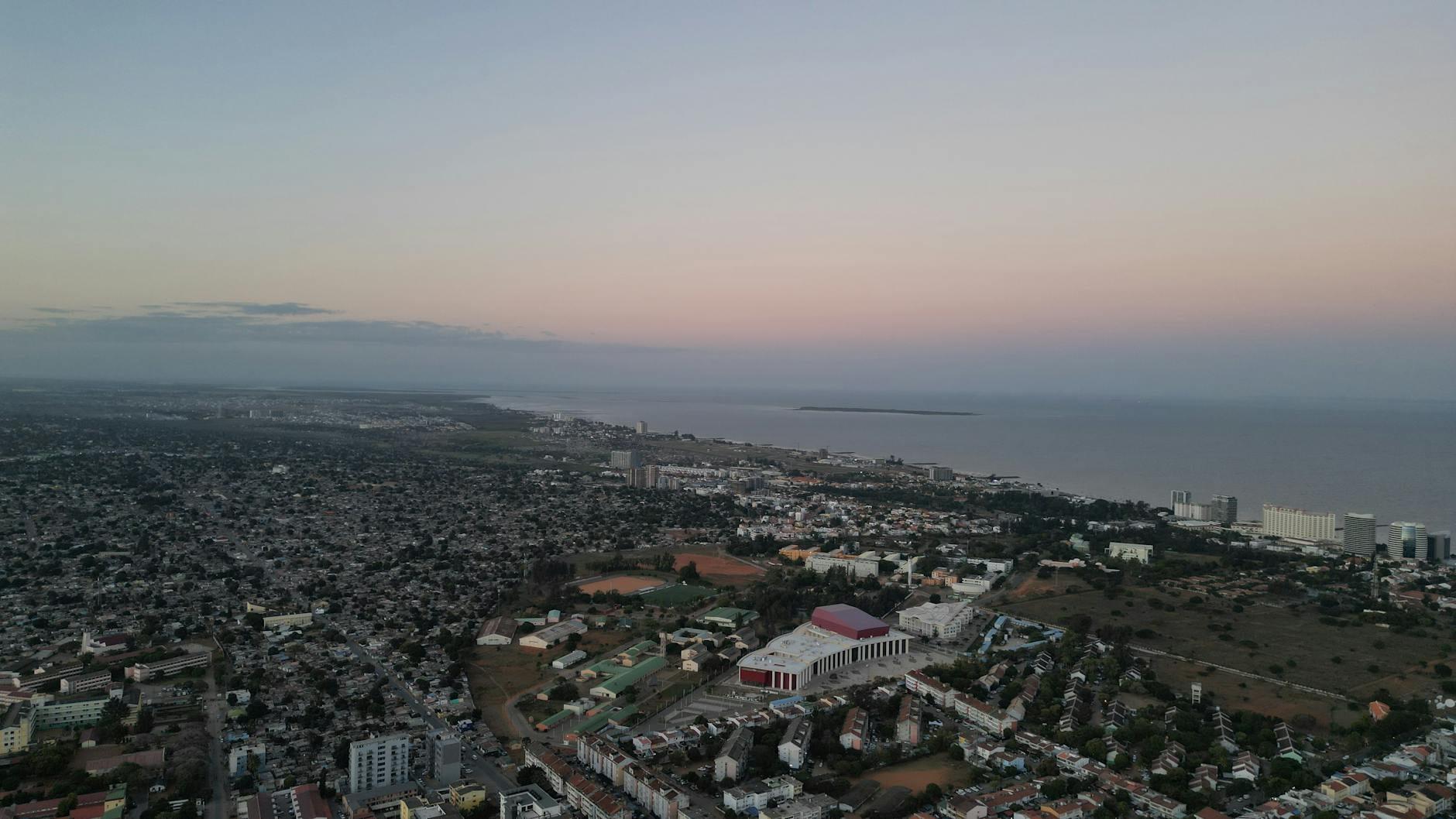
For anyone who likes to mix their idyllic tropical seashores with spectacular food and multilayered history, Mozambique’s 1,200-mile-long coast will delight. The colonial architecture and Islamic garb on display in Pemba or on the Island of Mozambique echo the long-ago Arab trade networks that circuited these waters and the centuries of Portuguese influence, direct and otherwise. Settlements here showcase the richly complex, seafood-heavy cuisine of the Swahili Coast, and serve as convenient jumping-off points for diving and snorkeling in the stunning nearshore depths of the Indian Ocean.
Mozambique’s civil war took a toll on its interior savanna parks, which once ranked among southern Africa’s finest. Though conservation initiatives have begun to restore these important nature reserves. Plans are underway to link several of Mozambique’s parks—Limpopo, Banhine, and Zinave—with Kruger National Park in South Africa and Gonarezhou National Park in Zimbabwe to form a Great Limpopo Transfrontier Park, which may help link populations of striking megafauna such as black rhinos, Cape buffalo, bush elephant, giraffe, and cheetahs. An ambitious restoration effort, meanwhile, is taking place at Gorongosa National Park, once considered one of the most biologically and ecologically diverse parks on the continent.
Mozambique is still in the process of recovery, still defining just what sort of modern-day, multicultural country it wants to be. Witness that flowering of national identity firsthand while exploring a truly exquisite suite of ecological landscapes.
13 things not to miss.
- the Bazaruto archipelagoSail to the Bazaruto archipelago
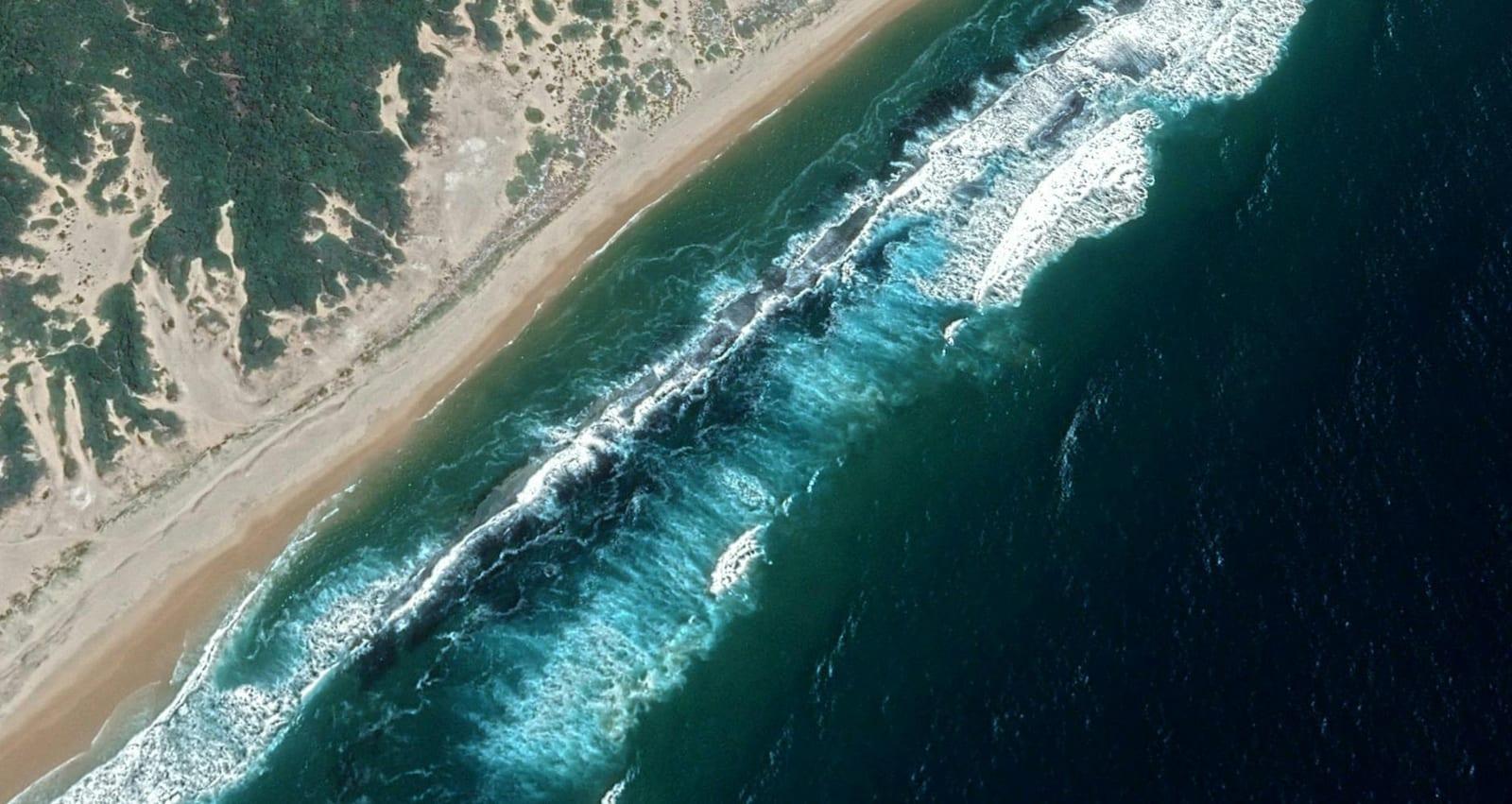
- Dive the Quirimbas reefsDive the Quirimbas reefs
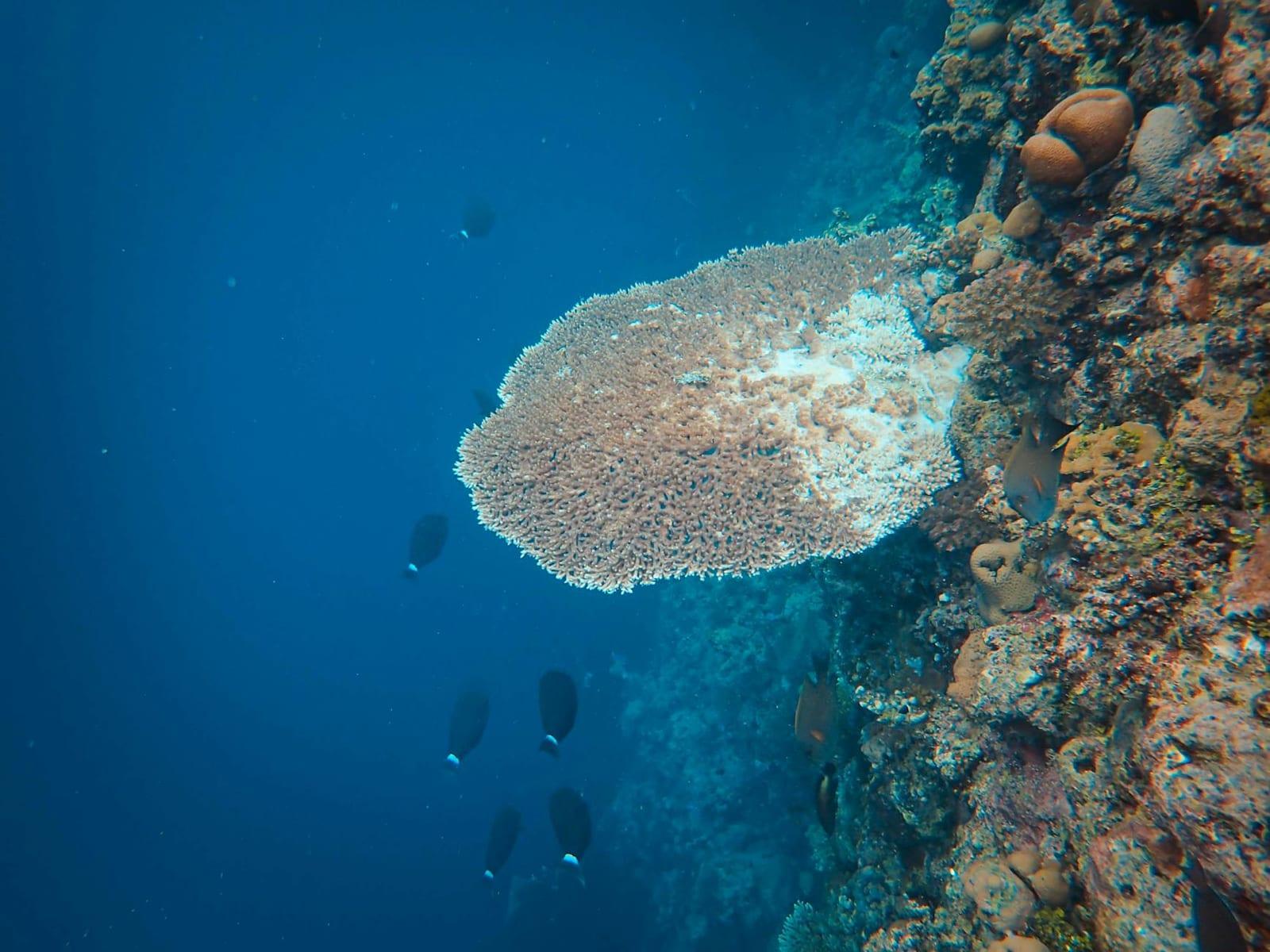
- Eat fresh prawns on Maputo's seafrontEat fresh prawns on Maputo's seafront
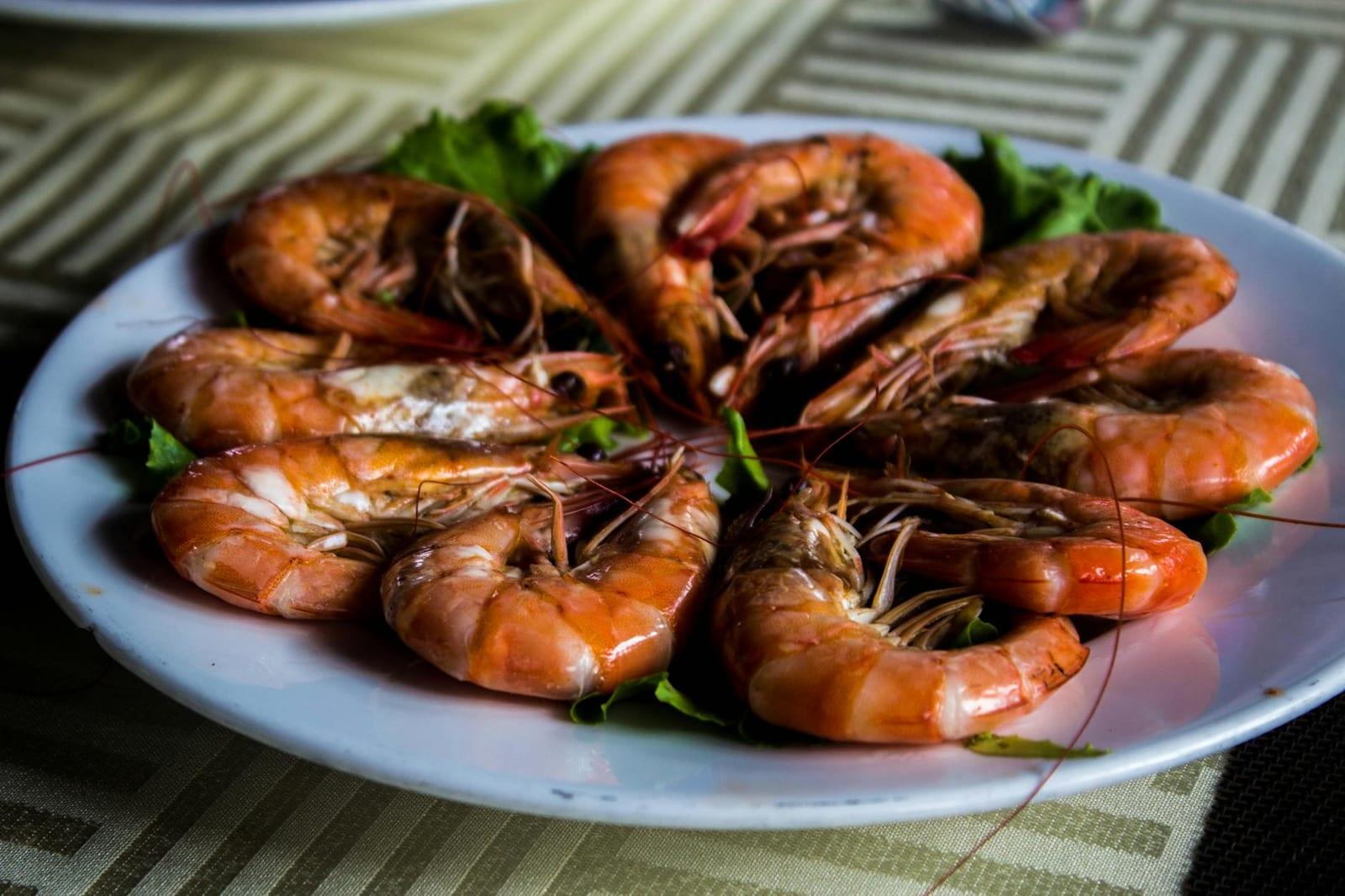
- Gorongosa National ParkOnce among Africa’s most diverse parks, Gorongosa took a major hit during Mozambique’s civil war—but it’s being ambitiously restored.
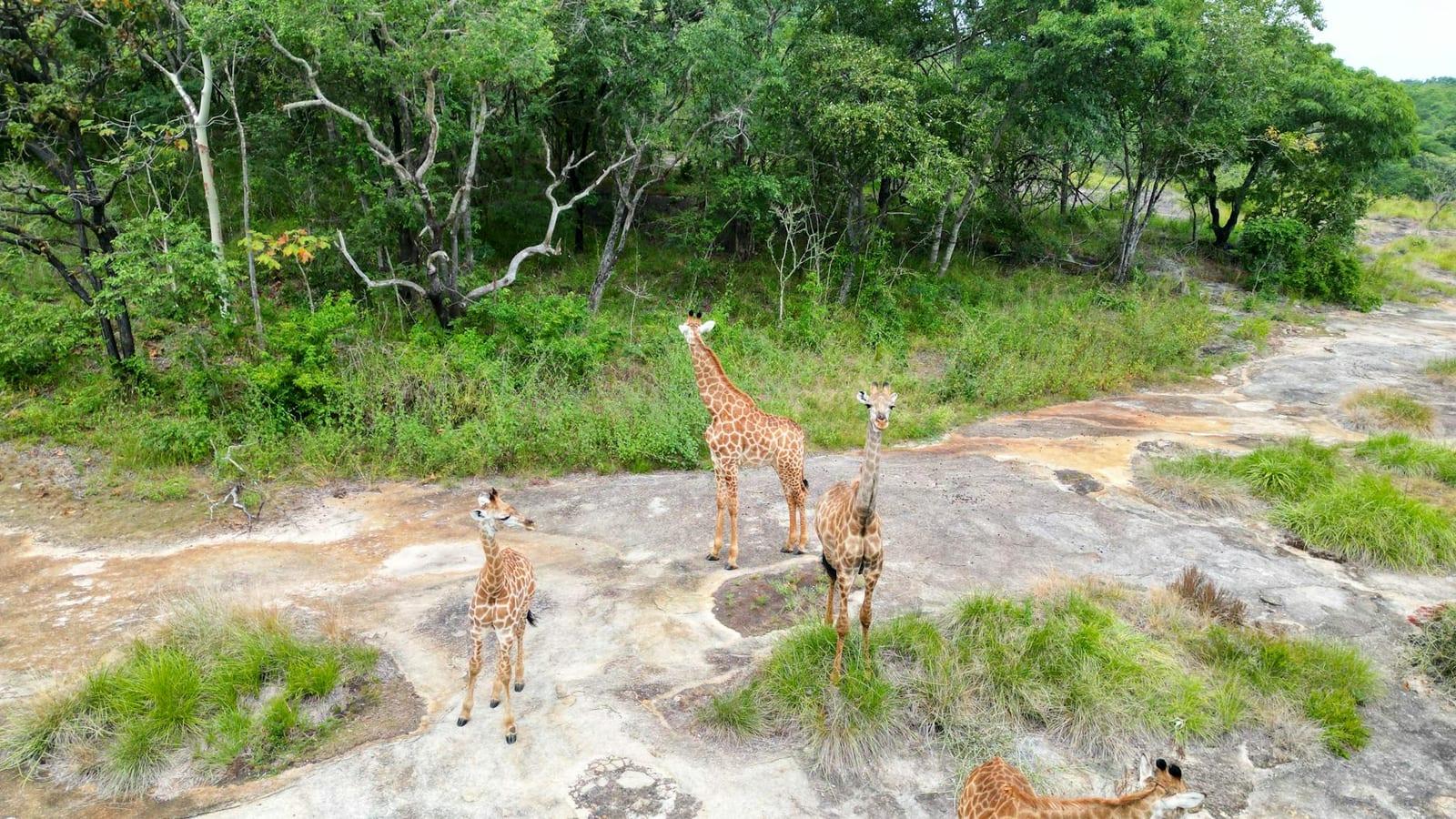
- Great Limpopo Transfrontier ParkMozambique’s portion of this huge international reserve—home to riverine and savanna wildlife—includes Limpopo, Banhine, and Zinave national parks.
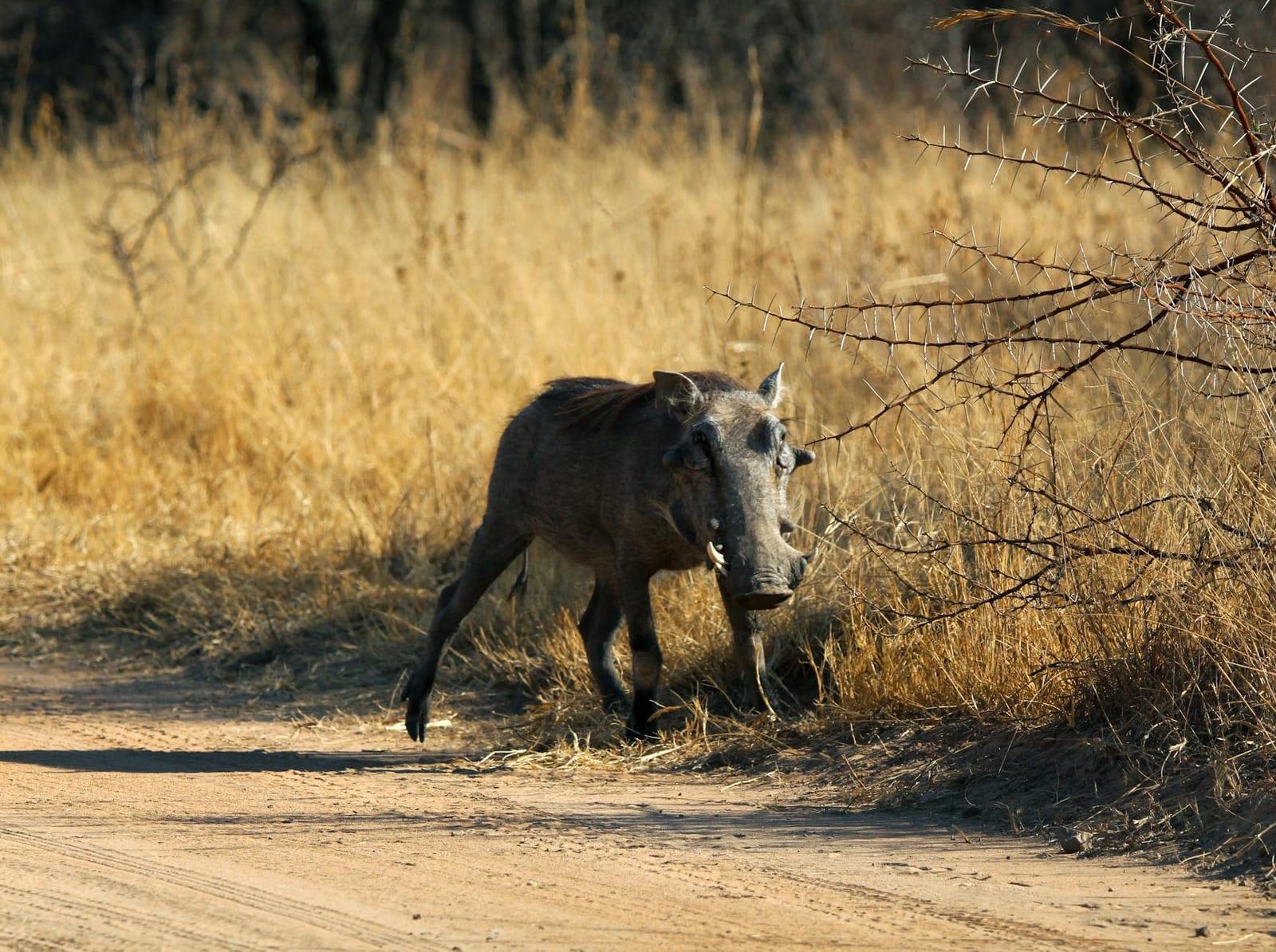
- Maputo National ReserveSet in Mozambique’s far southeast, this sanctuary is best known for its large population of bush elephants.
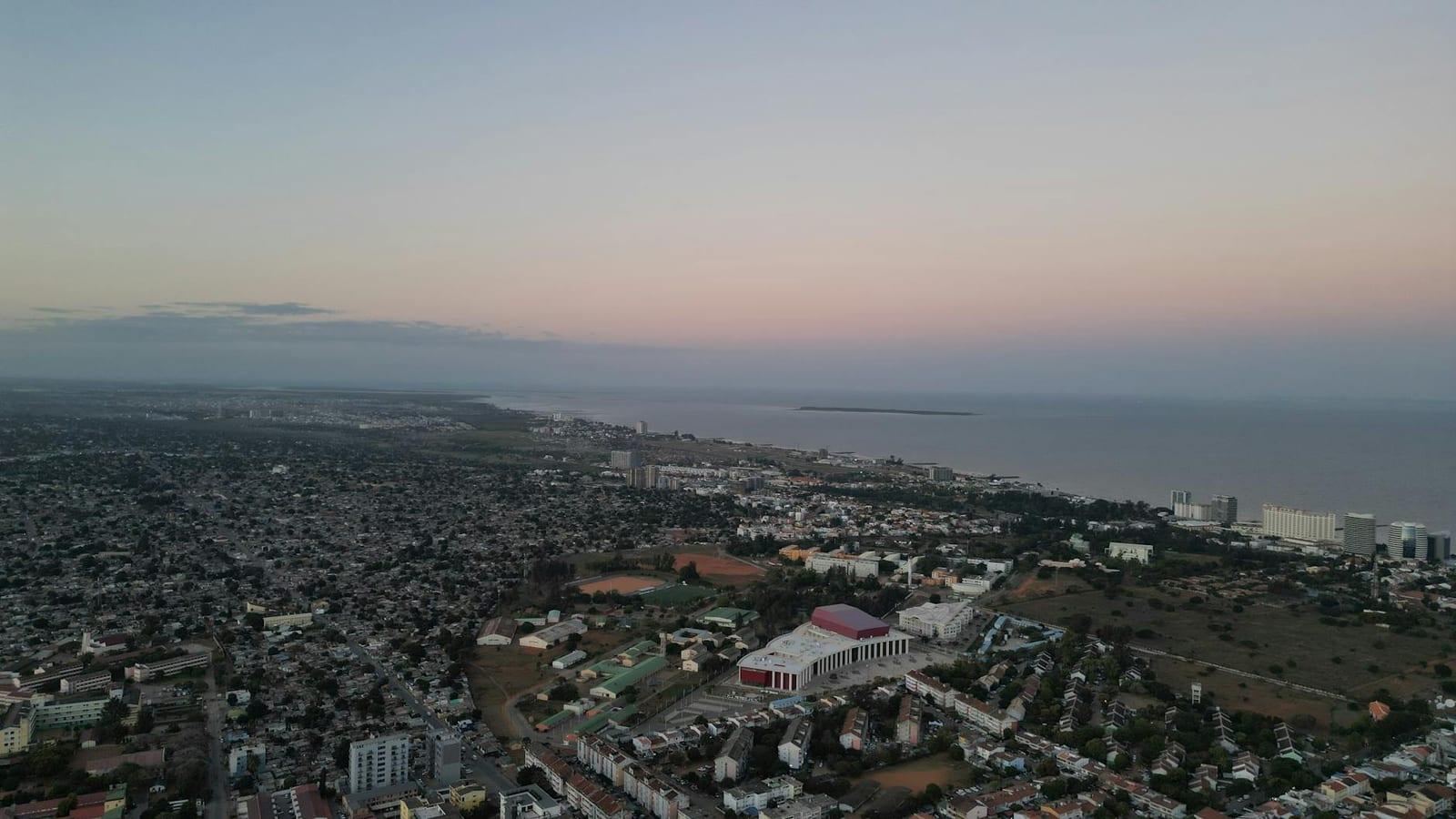
- Niassa Game ReserveThis 10-million-acre tract of miombo woodland is a major stronghold for endangered painted hunting dogs—and one of Africa’s great wildernesses.
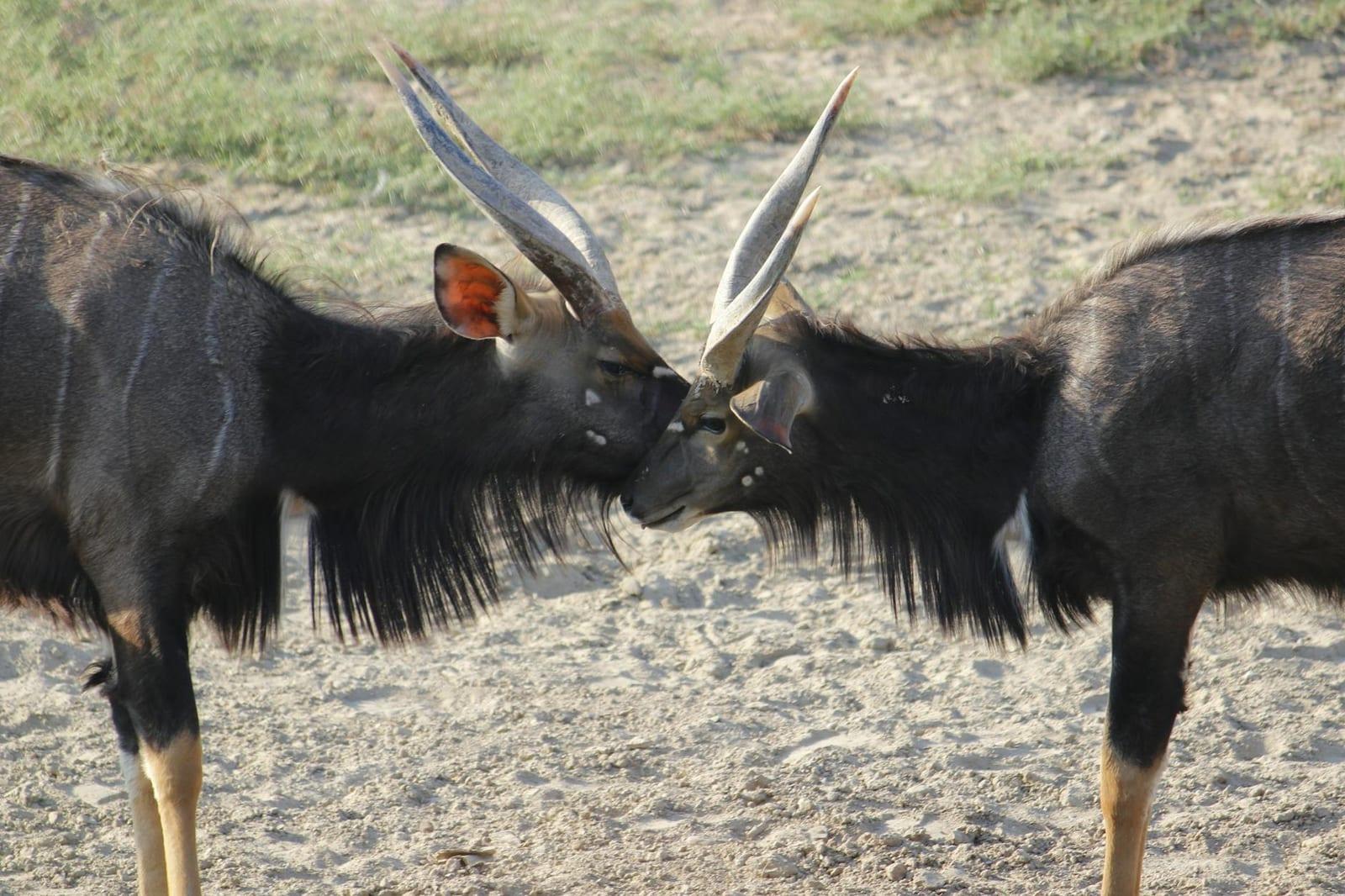
- Lake NiassaMozambique’s portion of this giant and outstandingly biodiverse lake (also known as Lake Malawi) is a protected reserve.
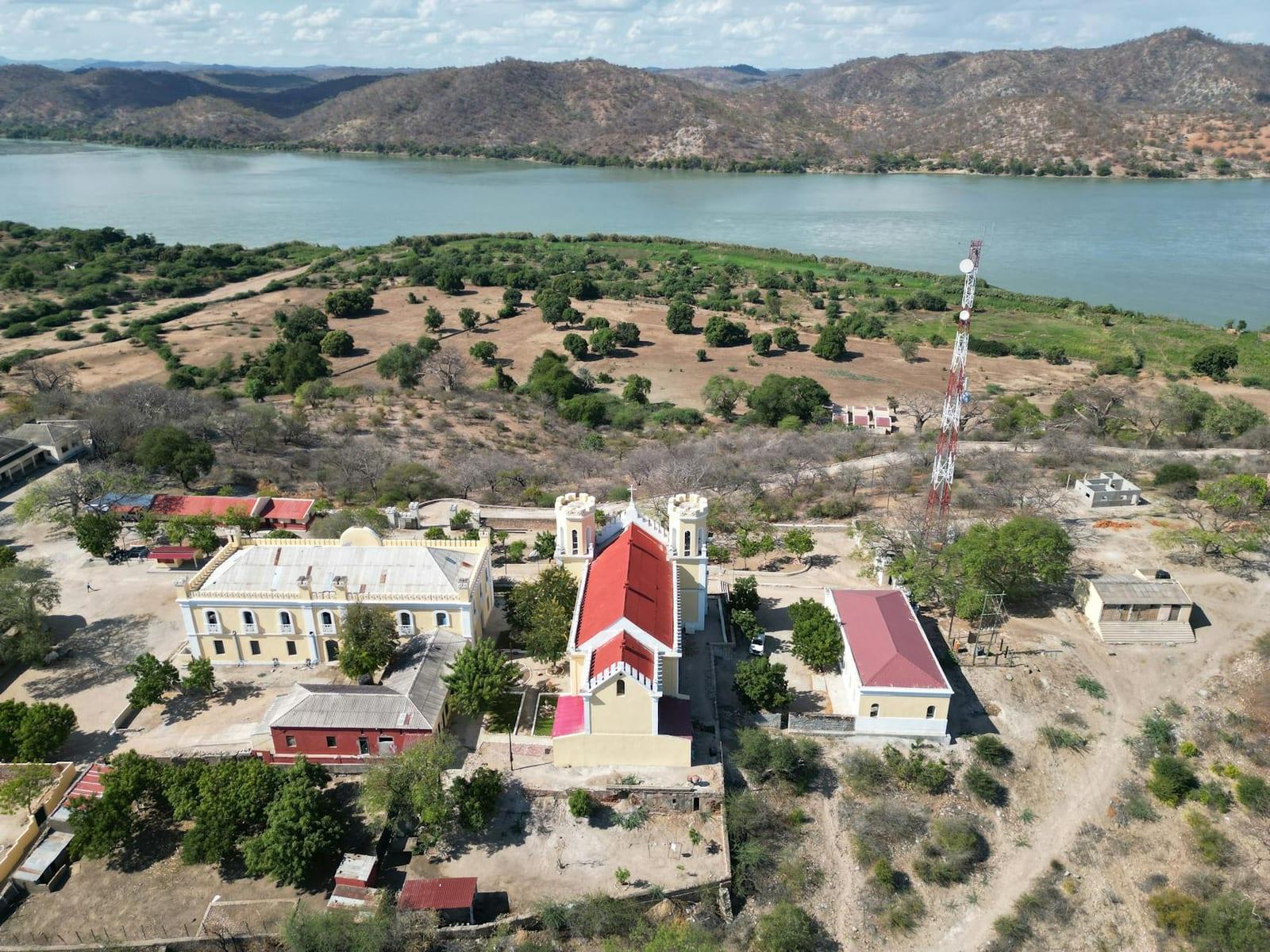
- Chinhamapere HillThis knoll is famed for its ancient San rock art, depicting humans, kudu, and other wildlife in gorgeous style.
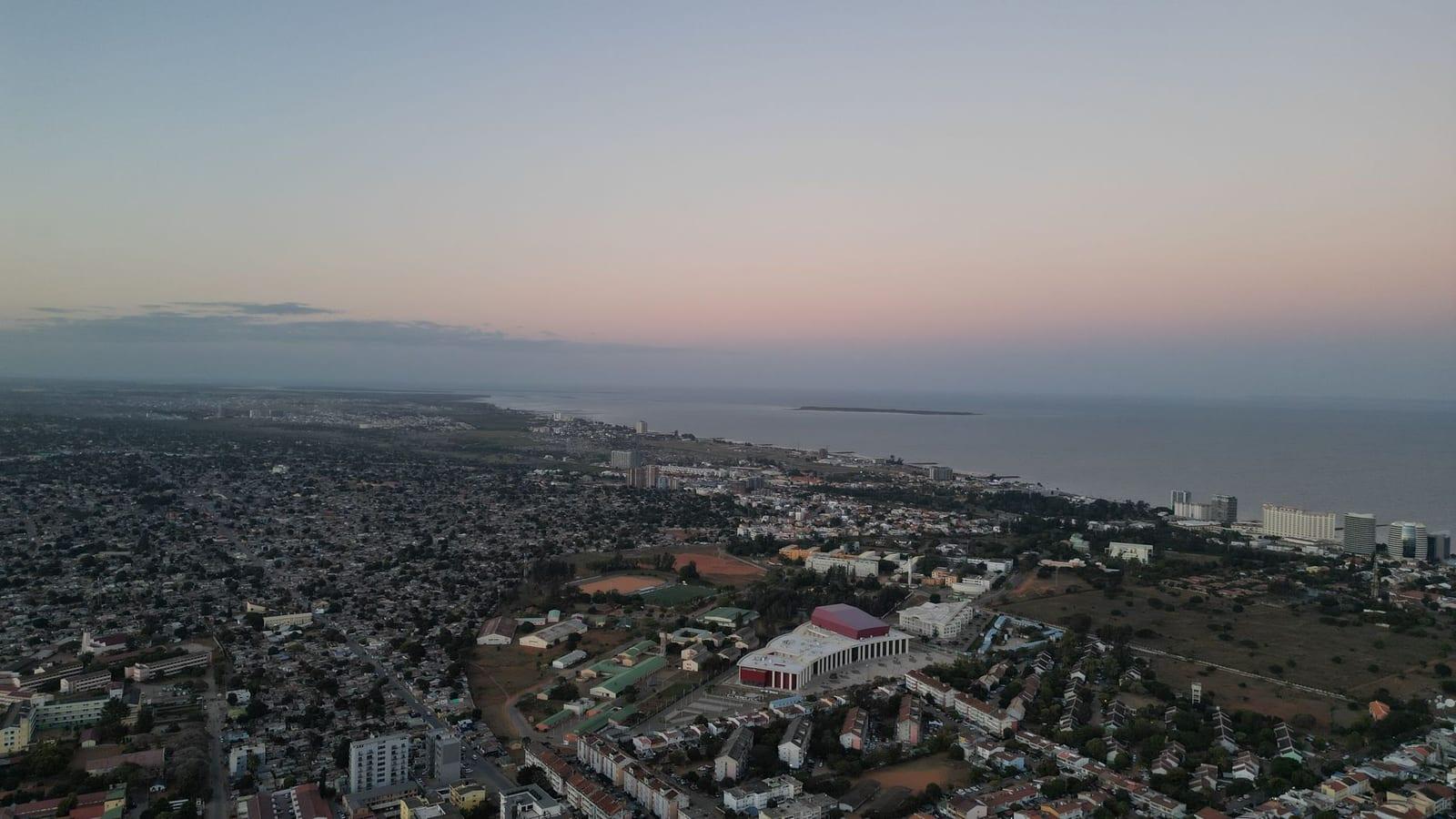
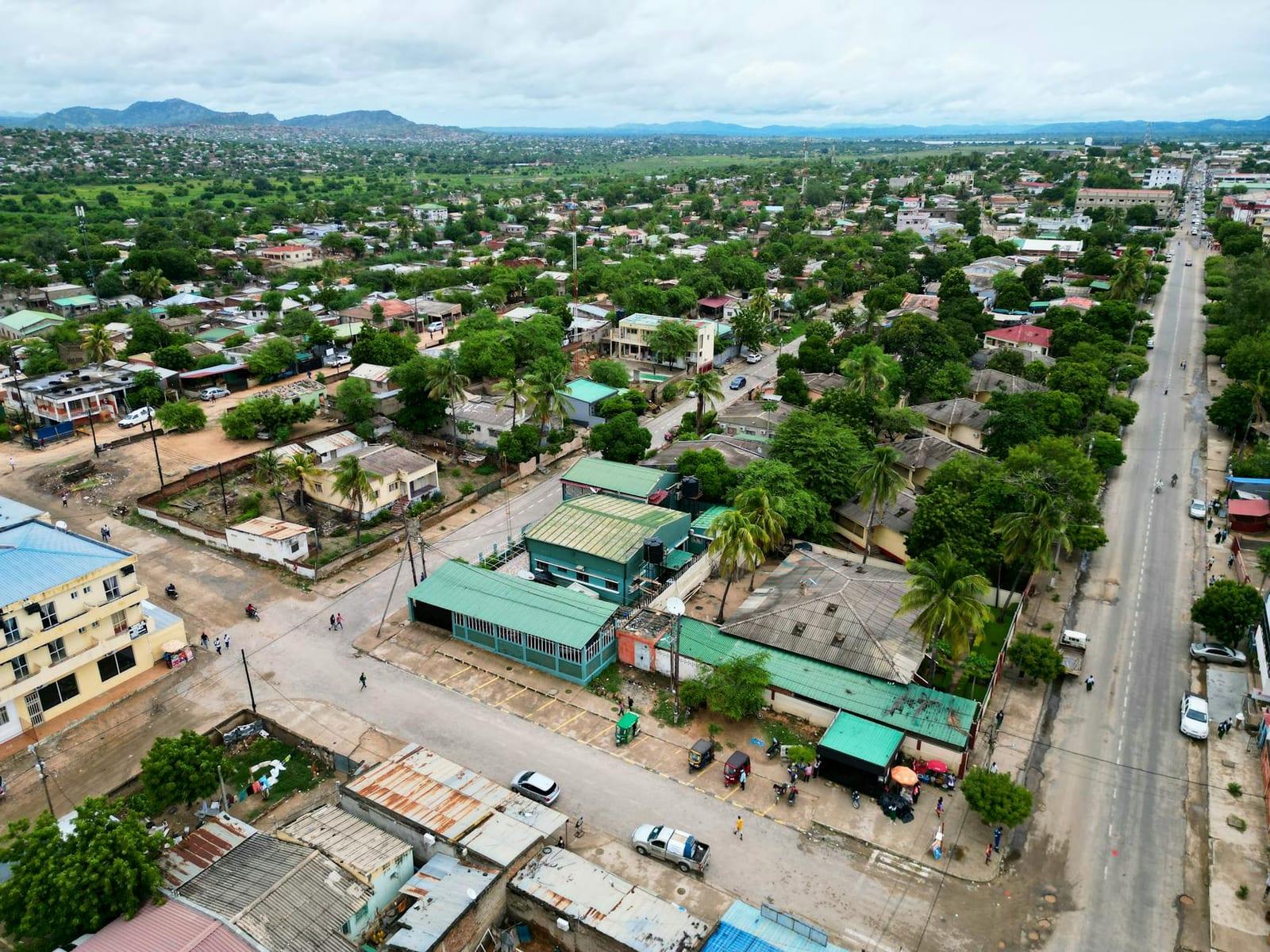
- PembaThis provincial capital showcases the unique cultures of the Swahili Coast—and some spectacular Indian Ocean waters for snorkeling and diving.
- Quirimbas ArchipelagoMore than 30 islands compose this archipelago off Mozambique’s northeastern coast, partly protected as a national park and hosting top-class diving and beach-lounging.
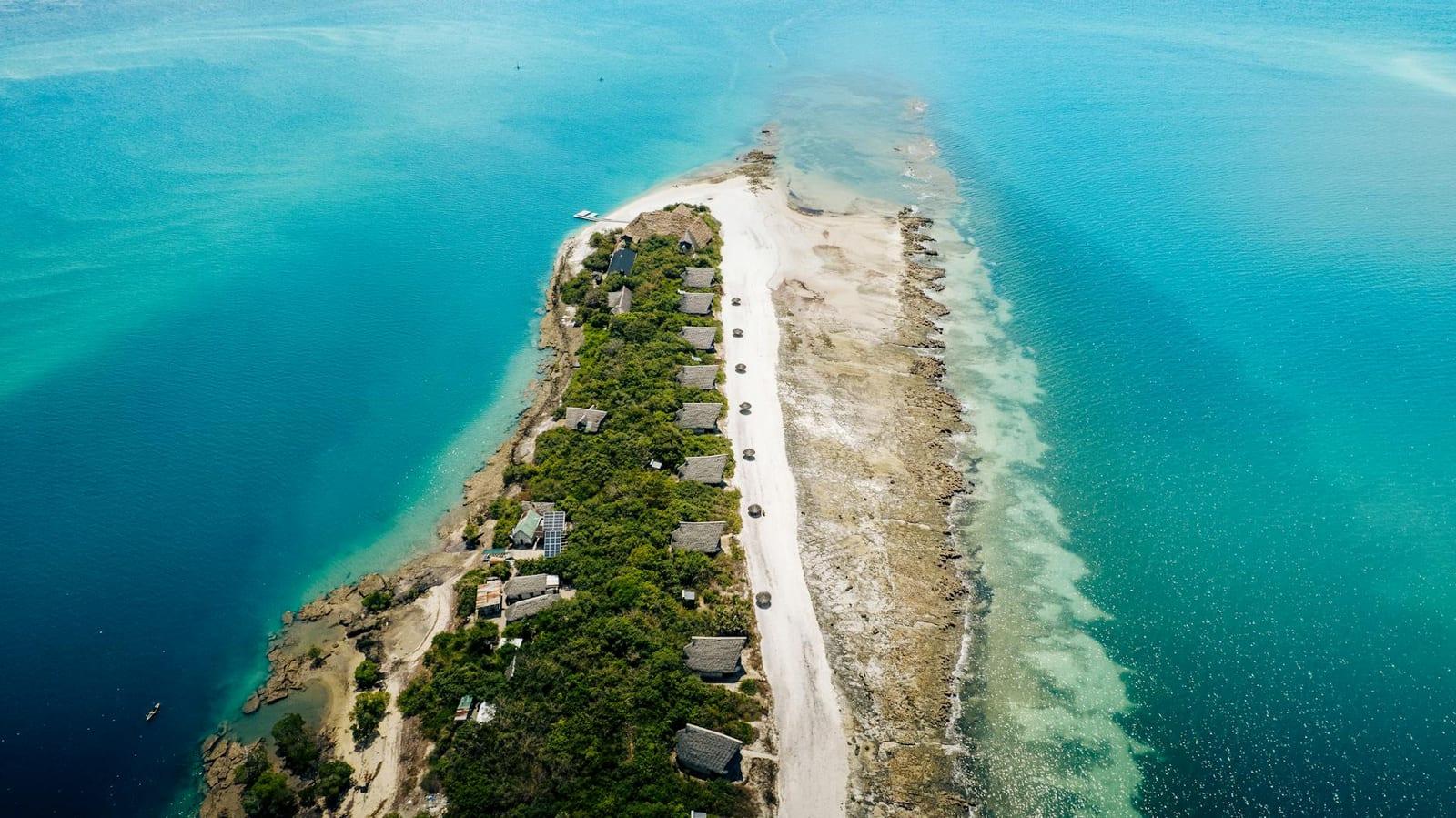
- Bazaruto ArchipelagoFarther south down the coast, this smaller archipelago tempts with depths cruised by humpback whales, dugongs, manta rays, and sea turtles.
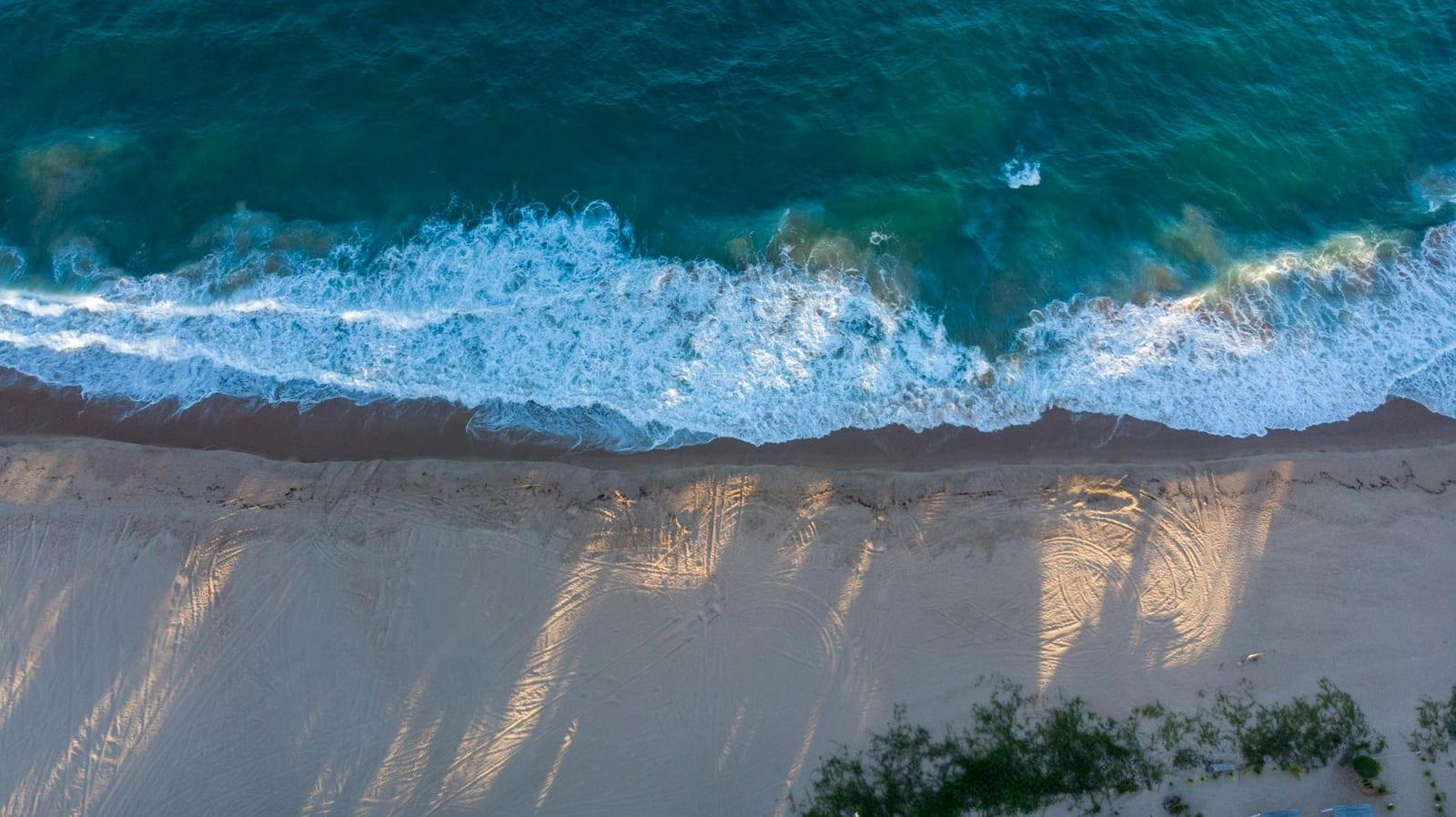
- Island of MozambiqueFrom the Portuguese colonial buildings of Stone Town to the pearly beaches, this World Heritage Site of an isle is a stunner.