
The end of decades-long military rule in 2011 hasn’t ended Burma’s ethnic and political struggles, but it has opened up the country to foreign tourists to an unprecedented extent. Travelers must stay informed about the more unstable corners of the republic, but now—before it’s thoroughly overrun by tourists and commercialization—is an opportune time to explore Burma and its long-unknown landscapes.
With native society defined by more than 100 different ethnic groups and strong Indian, Chinese, and British influences, Burma offers the inquisitive traveler some of the richest displays of traditional customs and cultural diversity in Southeast Asia. And the country contains truly staggering monuments, the single most impressive of which is likely Bagan, the ancient capital of the Kingdom of Pagan. On this flat stage of a plain, thousands of Buddhist temples brandish an unforgettable array of spires and stupas—a sight comparable in venerable grandeur and architectural achievement to Cambodia’s better-known Angkor. Spectacular pagodas also grace Burmese cities such as Bago and Yangon (the capital), also known for landmarks of British colonialism such as the Strand Hotel and the Supreme Court of Burma.
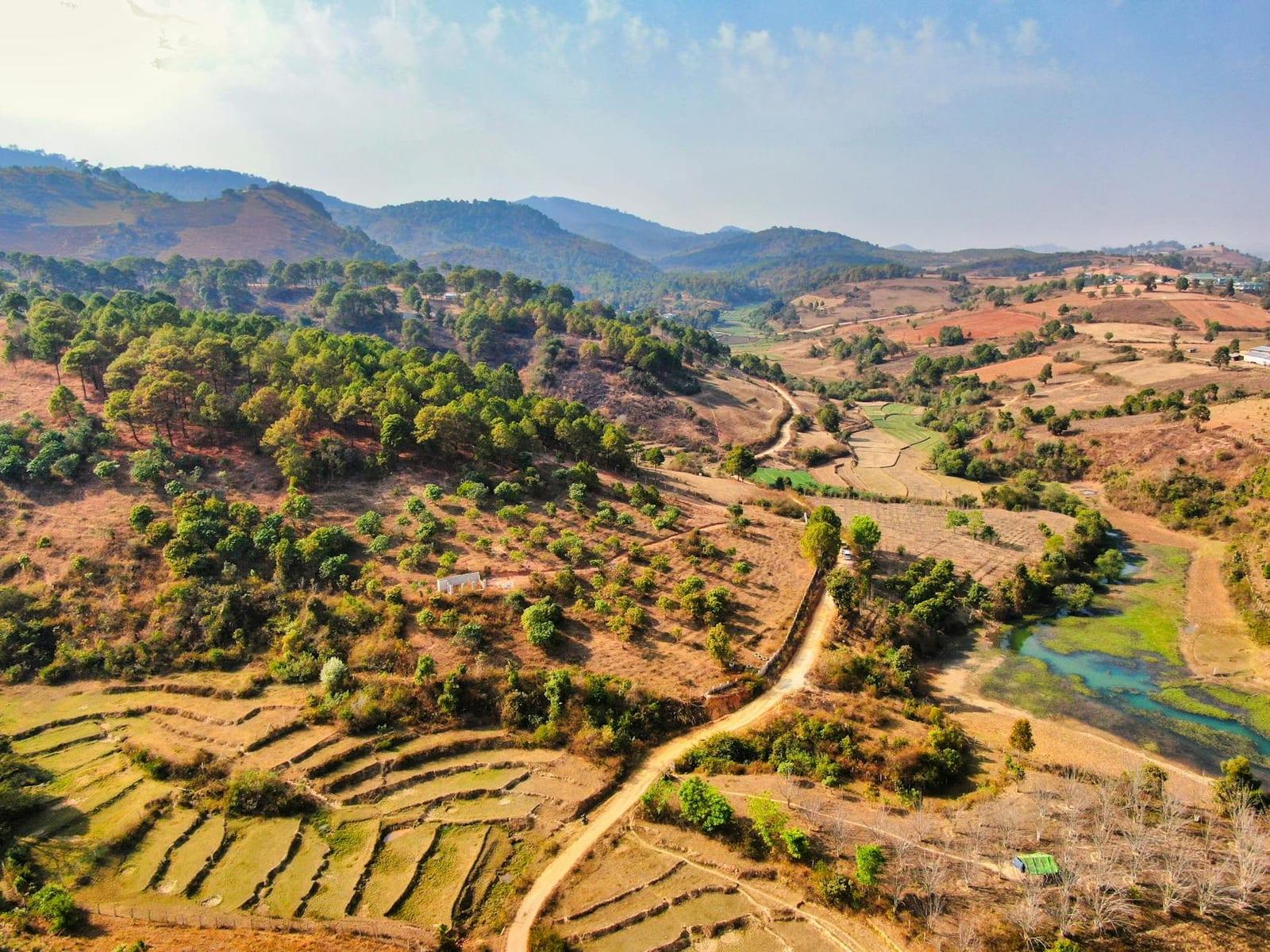
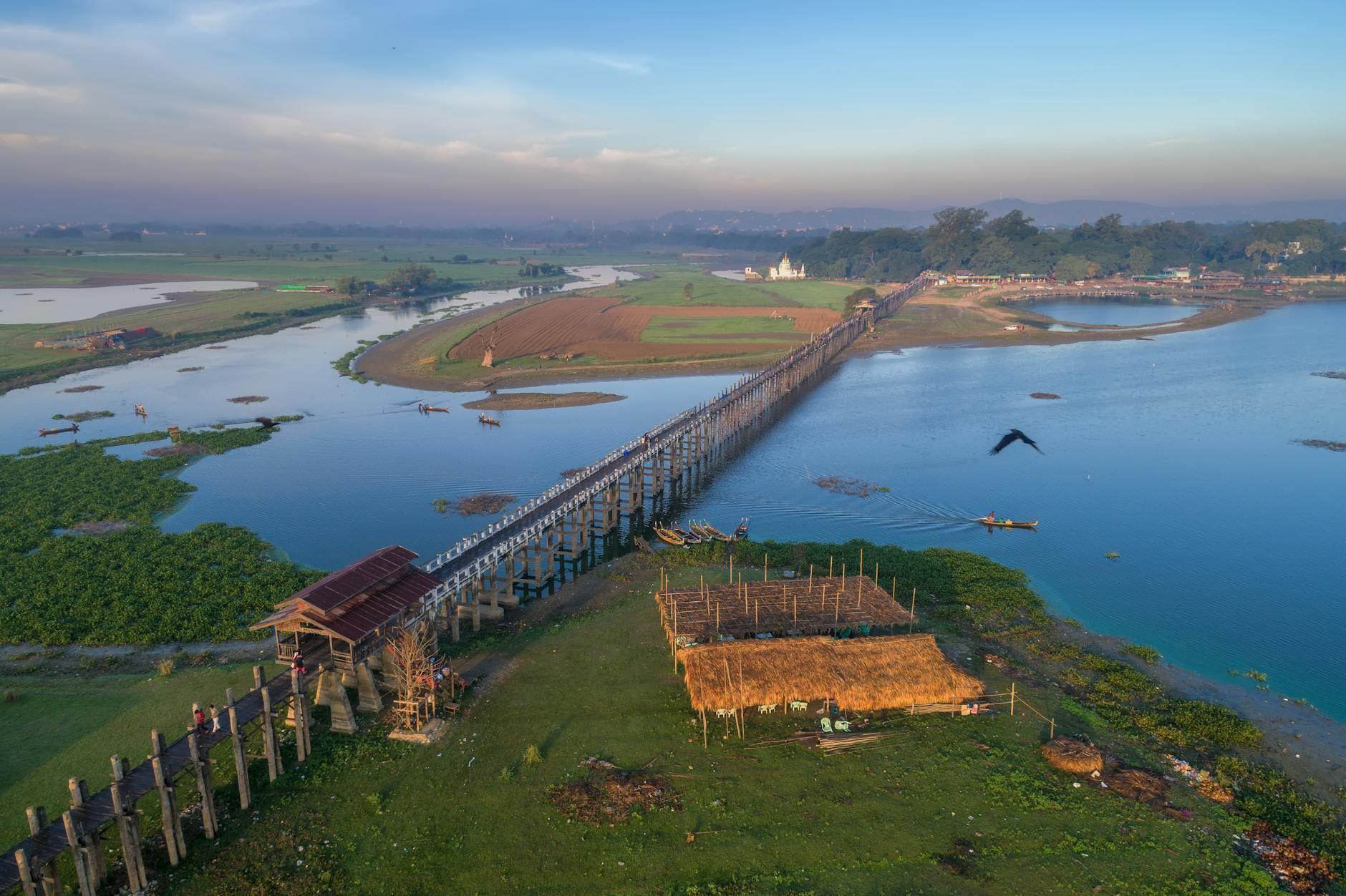
Burma’s natural landscapes can be outright breathtaking, spanning as they do the outlying spurs of the Himalaya and the sultry floodplain flats of the Irrawaddy River. In Hkakabo Razi National Park, you can pay your respects to the country’s loftiest peak, which rises just shy of 20,000 feet. On the coast, saltwater crocodiles and dugongs forage in the mangrove swamps and seagrass banks, while elephants, tigers, clouded leopards, and other mammals roam forest sanctuaries such as Nat Ma Taung and Lenya national parks.
As it stands, travelers to the Burmese coast on the Bay of Bengal and the Andaman Sea can still enjoy beaches of pristine and often remarkably uncrowded beauty: Ngapali, Ngwe Saung, Kanthaya, and others. It remains to be seen whether these littoral havens become as resort- and party-thronged as neighboring Thailand’s.
Actually, much remains to be seen about Burma: Still so freshly emerged from its all-out junta stranglehold, the country is trying to find its footing even as developers eye its little-exploited resources. Come here for a glimpse at a Southeast Asia still strongly rooted in age-old traditions—at least for the time being.
13 things not to miss.
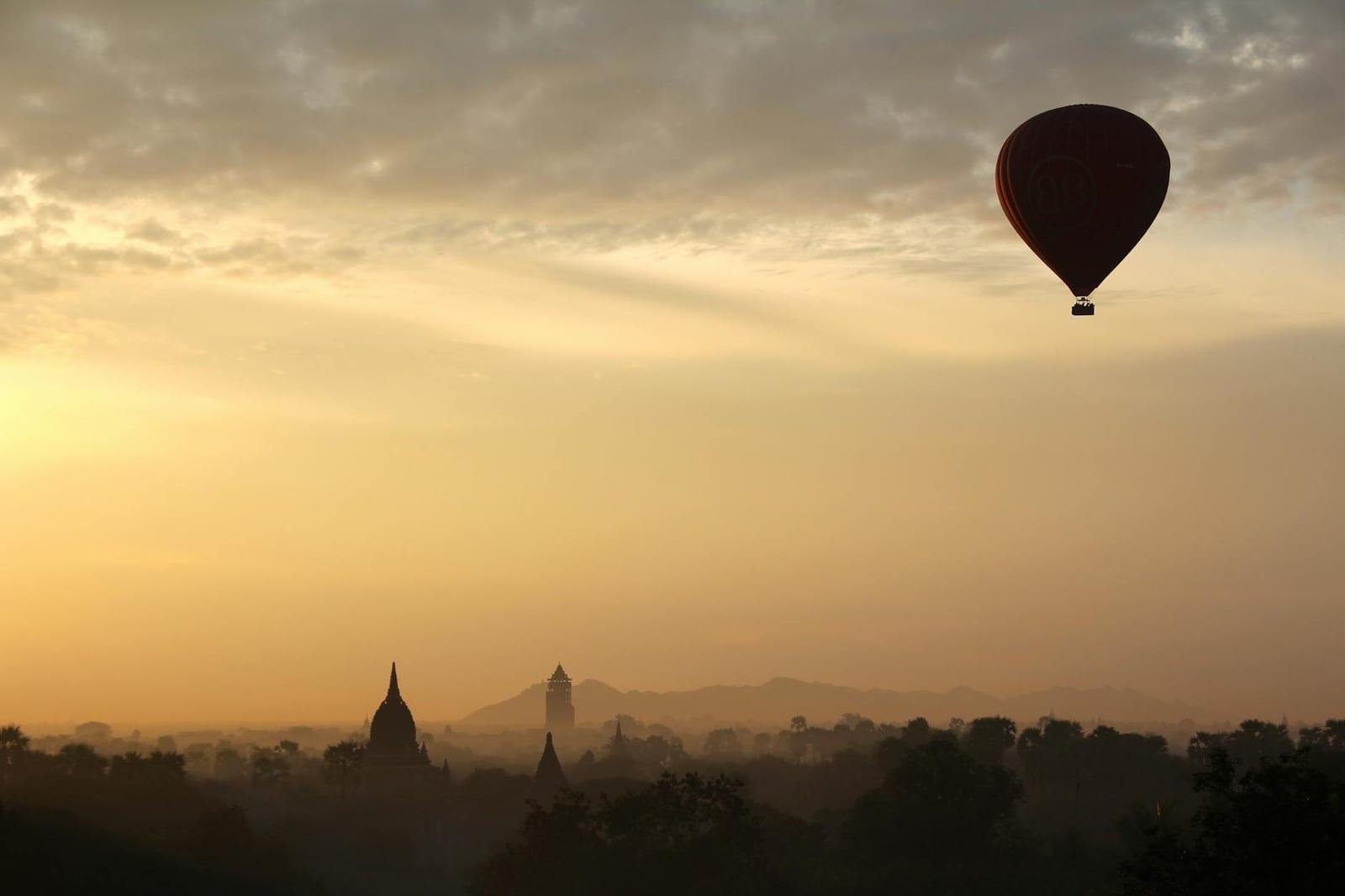
- a Bagan balloonWatch sunrise from a Bagan balloon
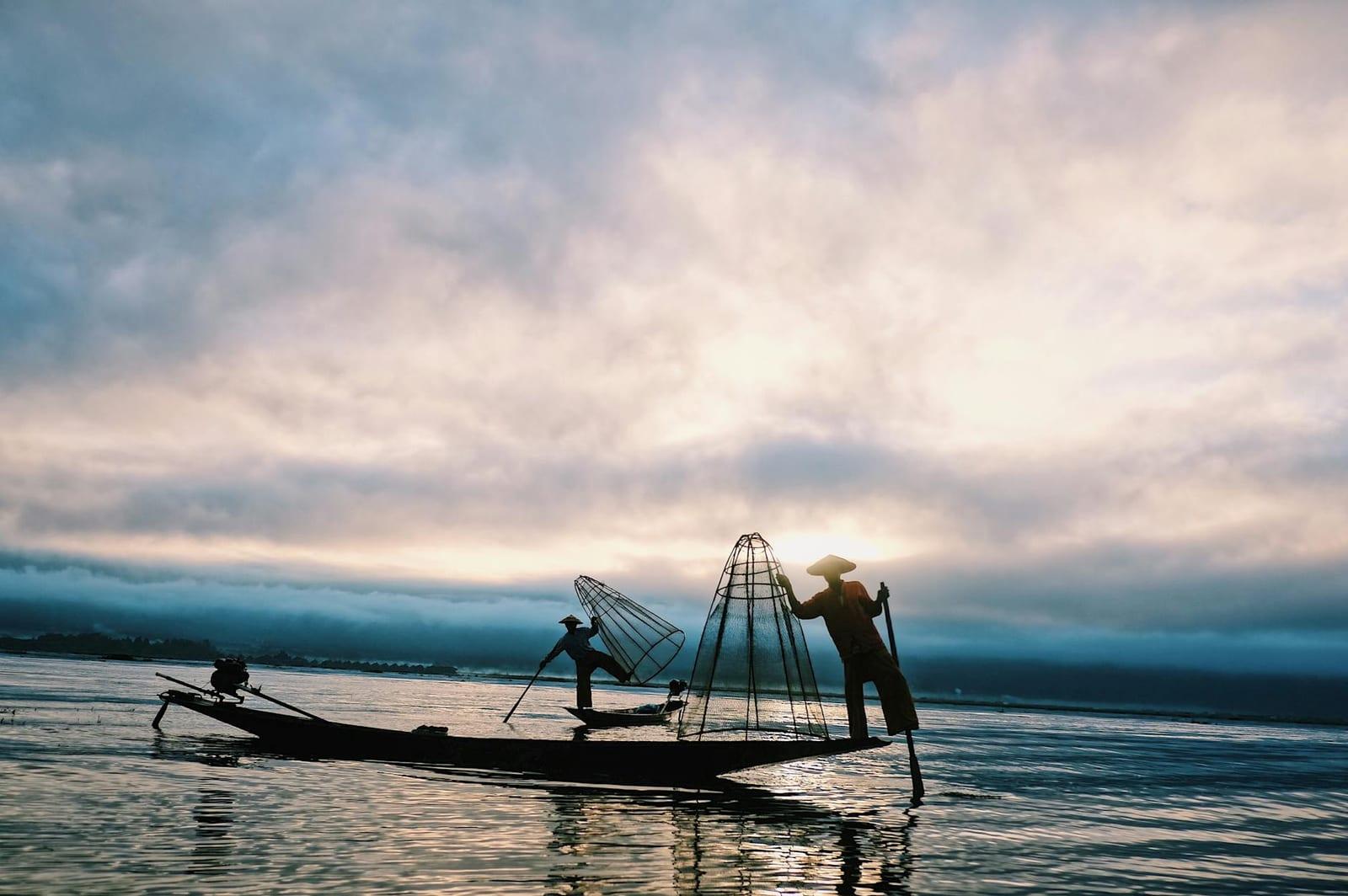
- Inle Lake's stilt fishermenVisit Inle Lake's stilt fishermen
- the Shwedagon Pagoda in YangonStand at the Shwedagon Pagoda in Yangon
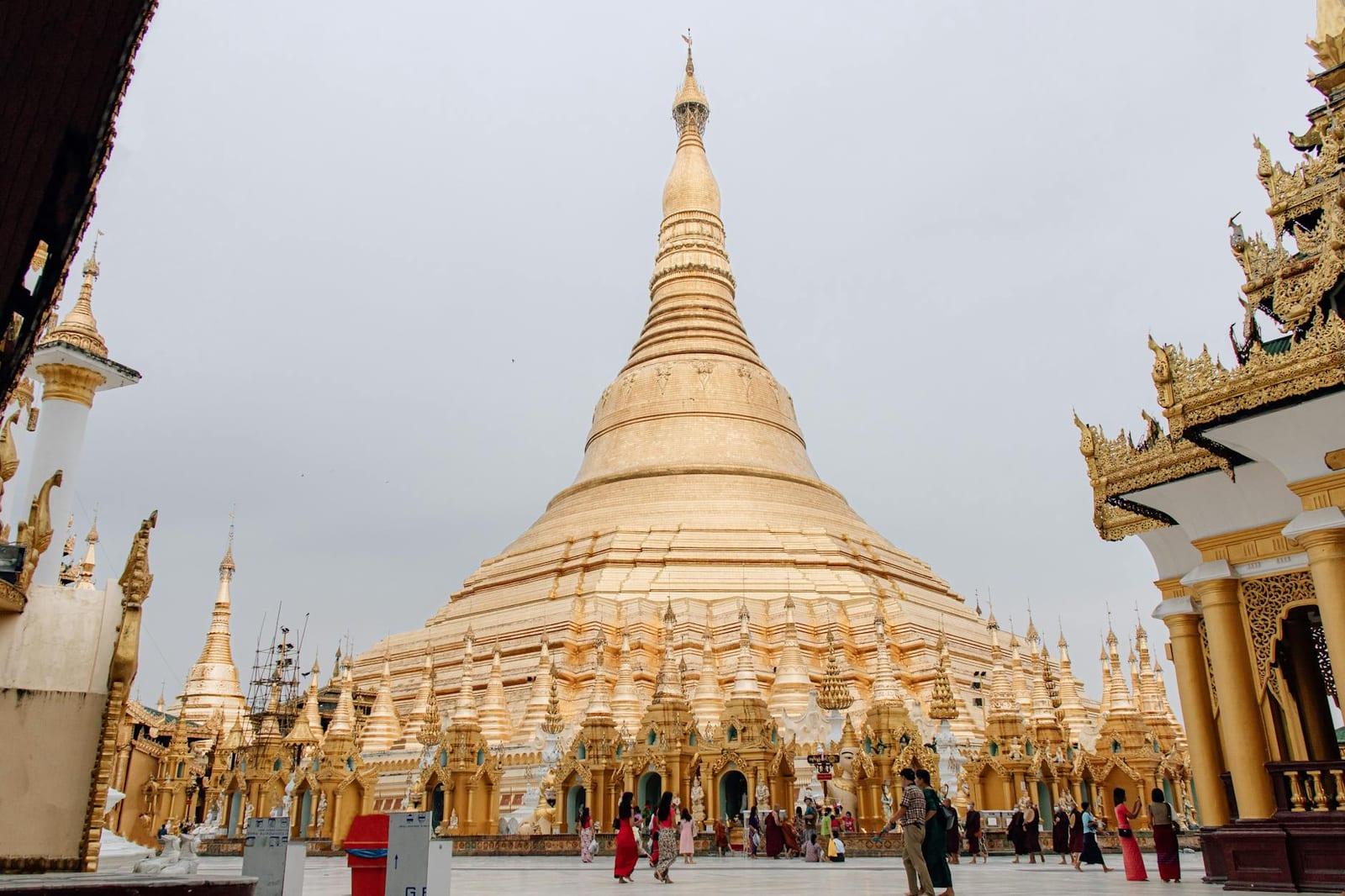
- Bagan
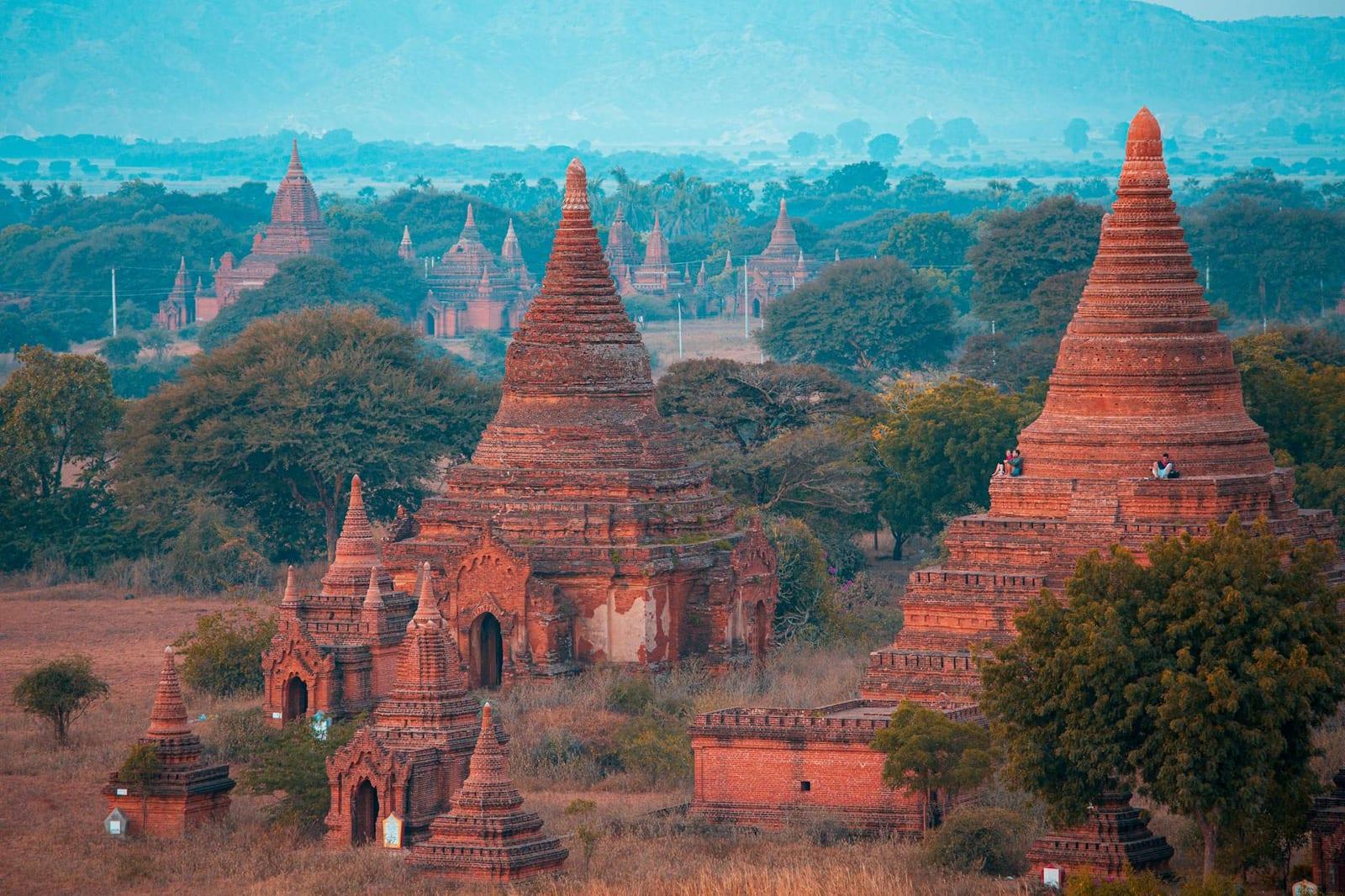
- Shwedagon Pagoda
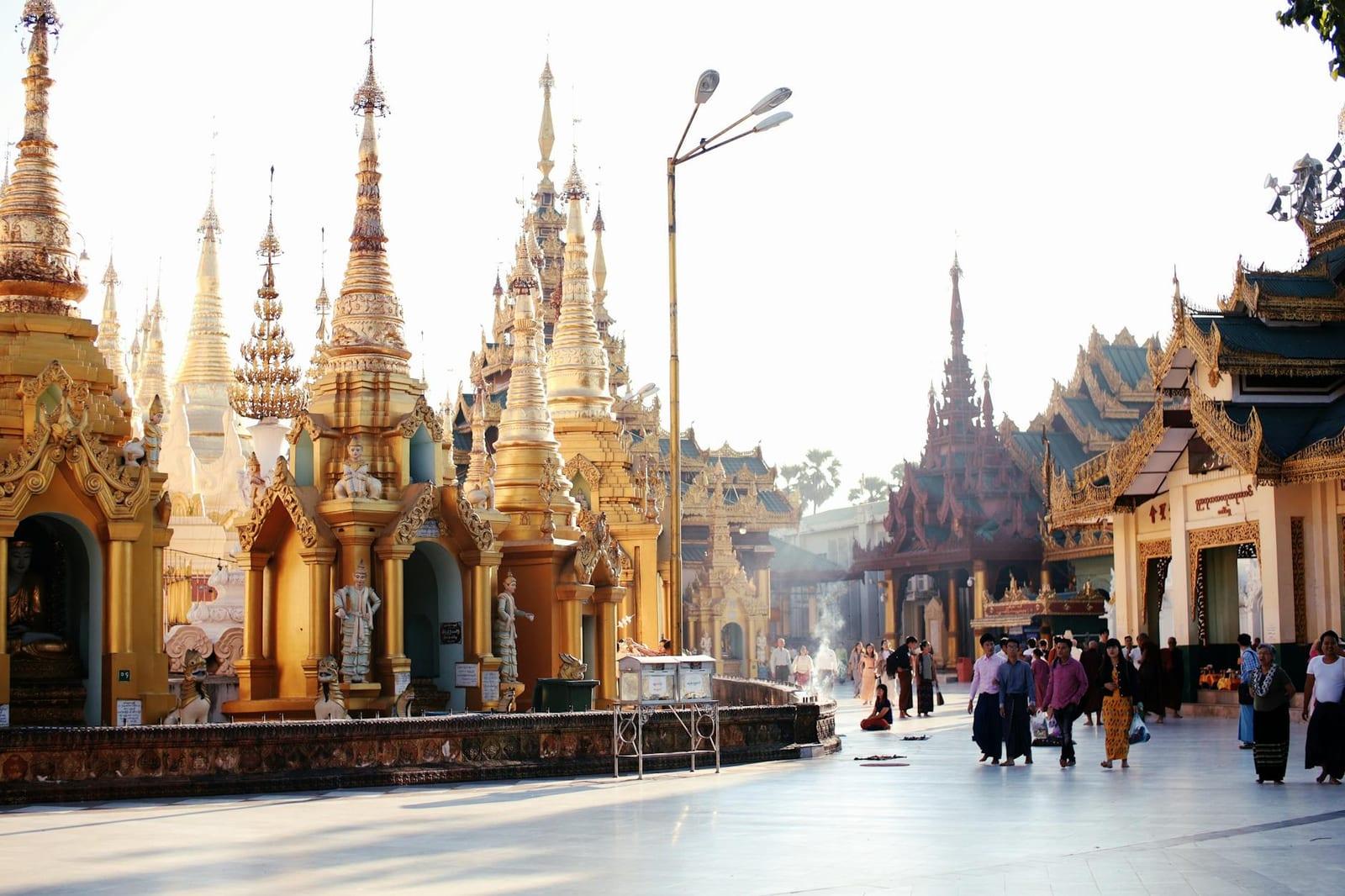
- The Strand HotelYangon’s elegant Victorian hotel, one of its best-known colonial monuments, was a famous landmark of the British Empire.
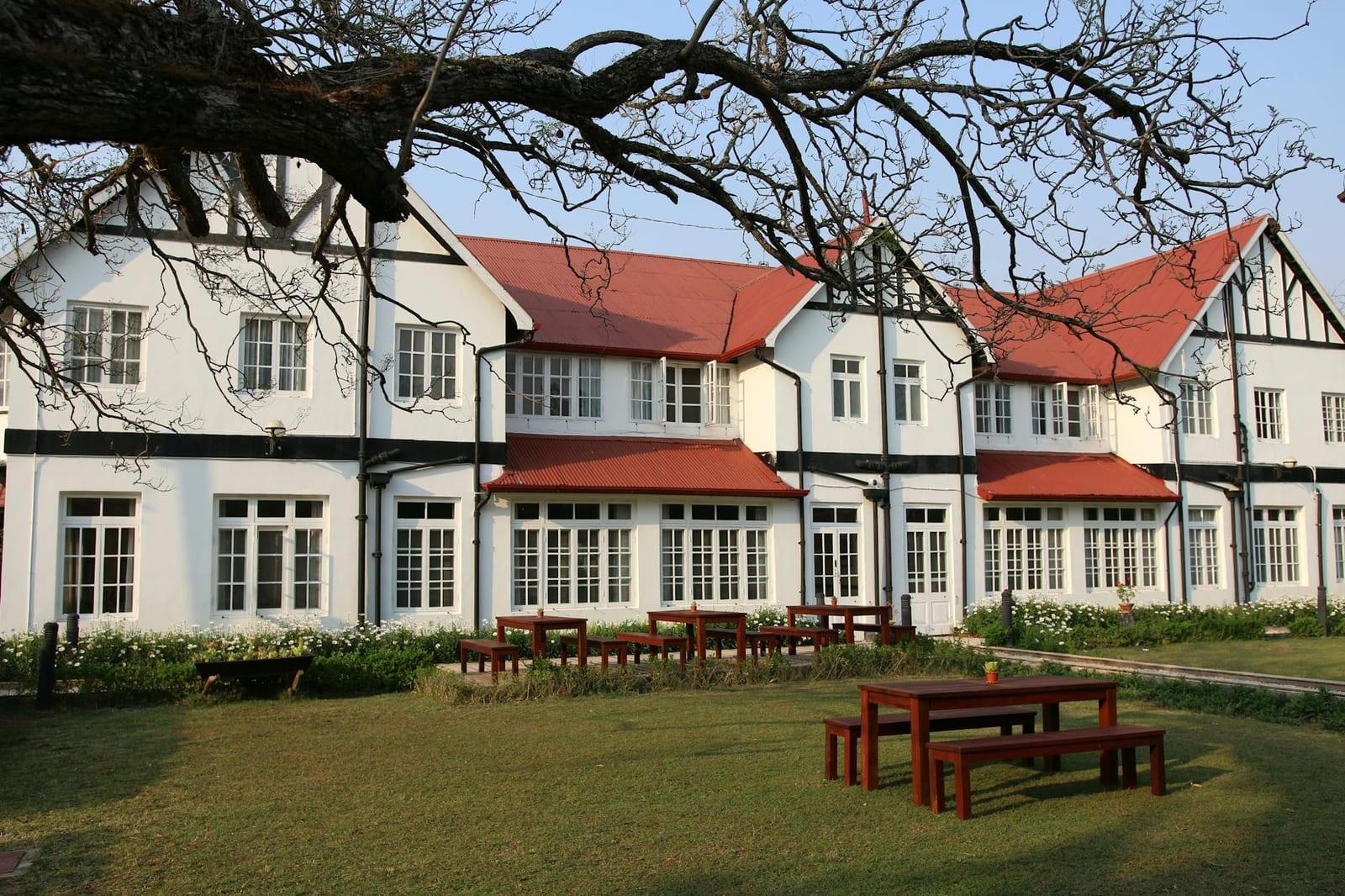
- Taung KalatLike a vision from a dream, this little volcanic butte supports a gilded monastery at its top—reachable via 777 steps—and plentiful macaques.
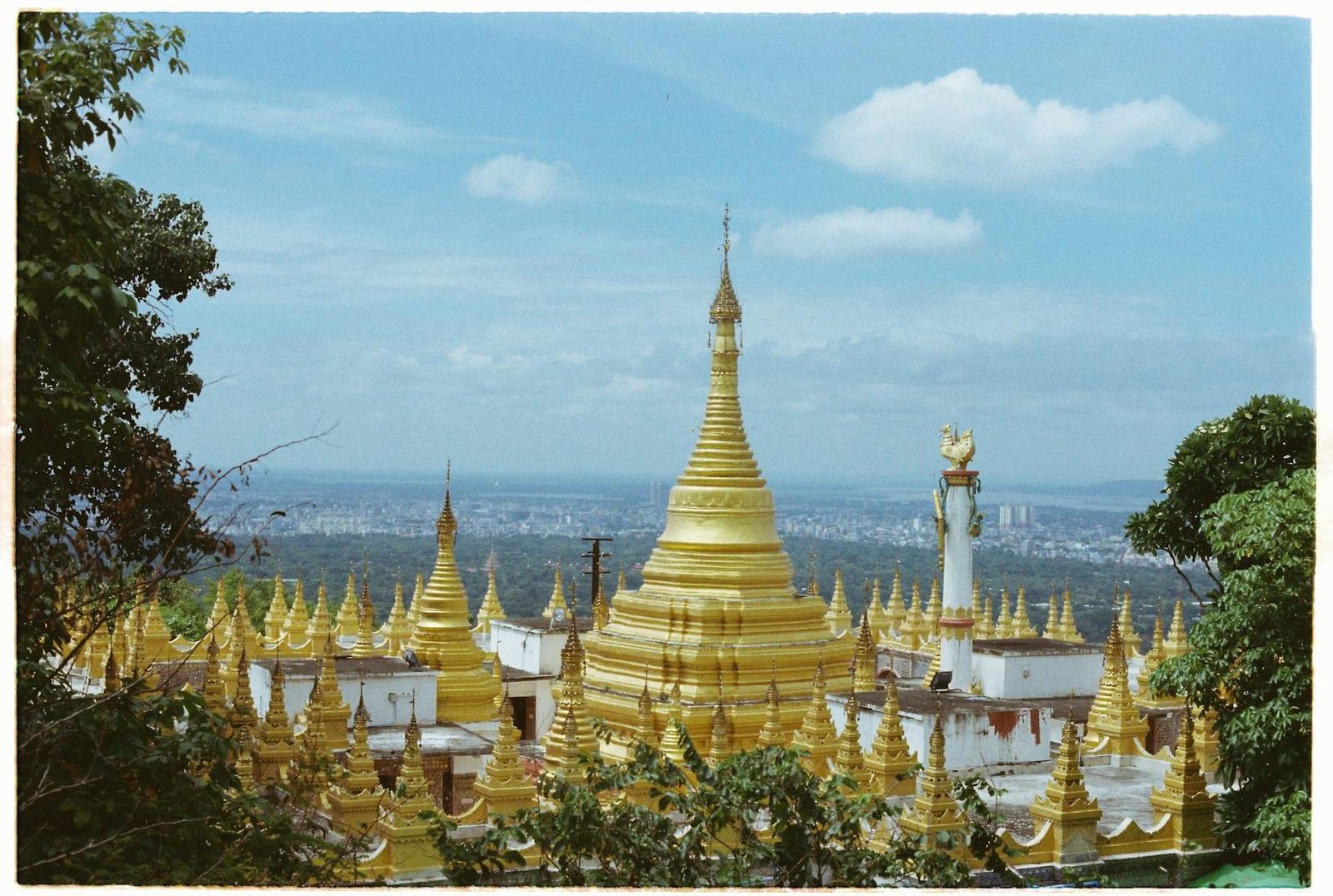
- Mount PopaAn important Buddhist pilgrimage site, this handsome peak also provides far-reaching views, including of nearby Taung Kalat.
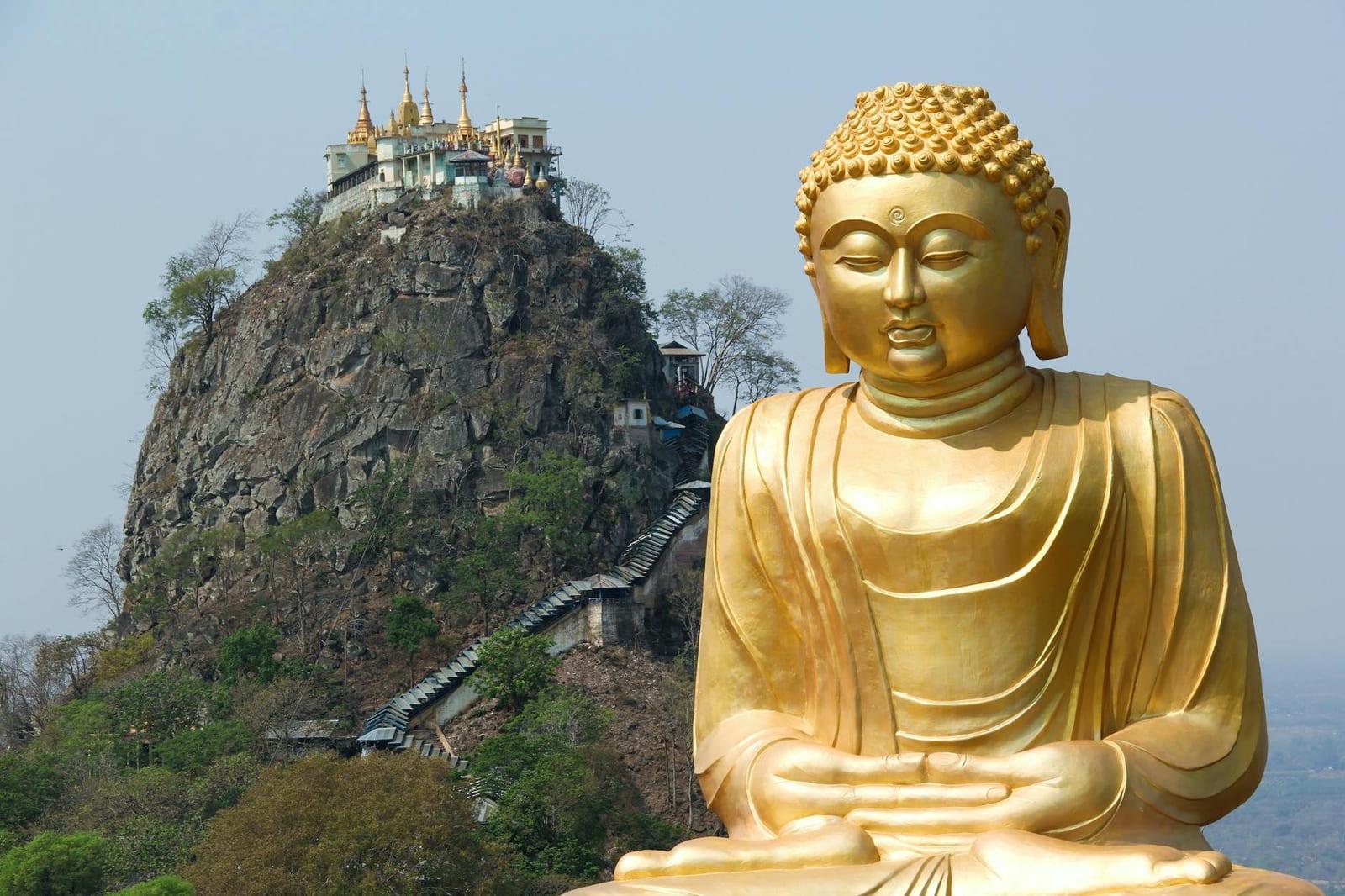
- Ngapali BeachIt’s no hidden secret, but this beach—reachable by airplane from Yangon—certainly delivers in the beauty department.
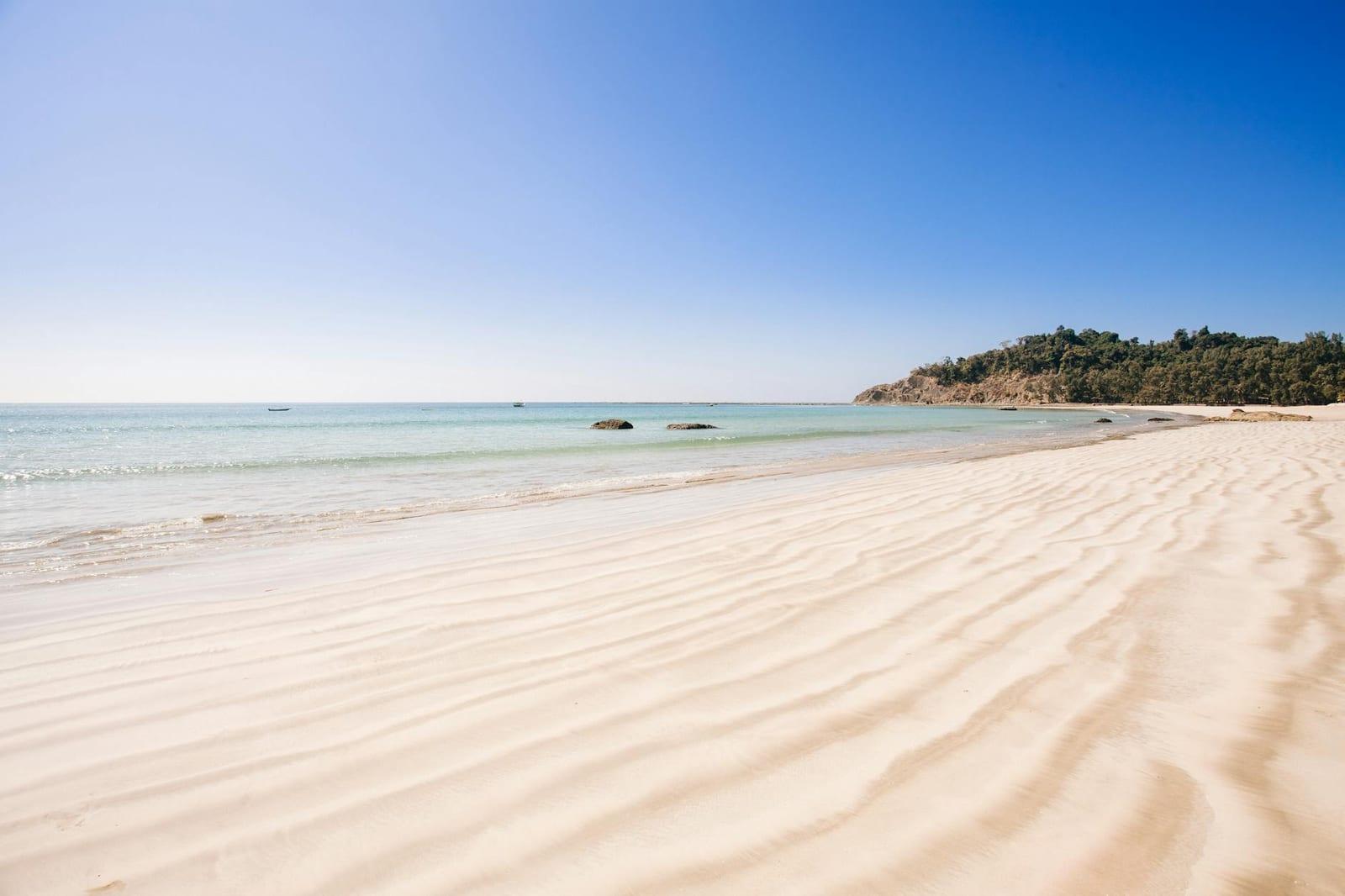
- Pindaya CavesOne of these remarkable caves, marked by pagodas and filled with a huge variety of Buddhist statues, is open to visitors.
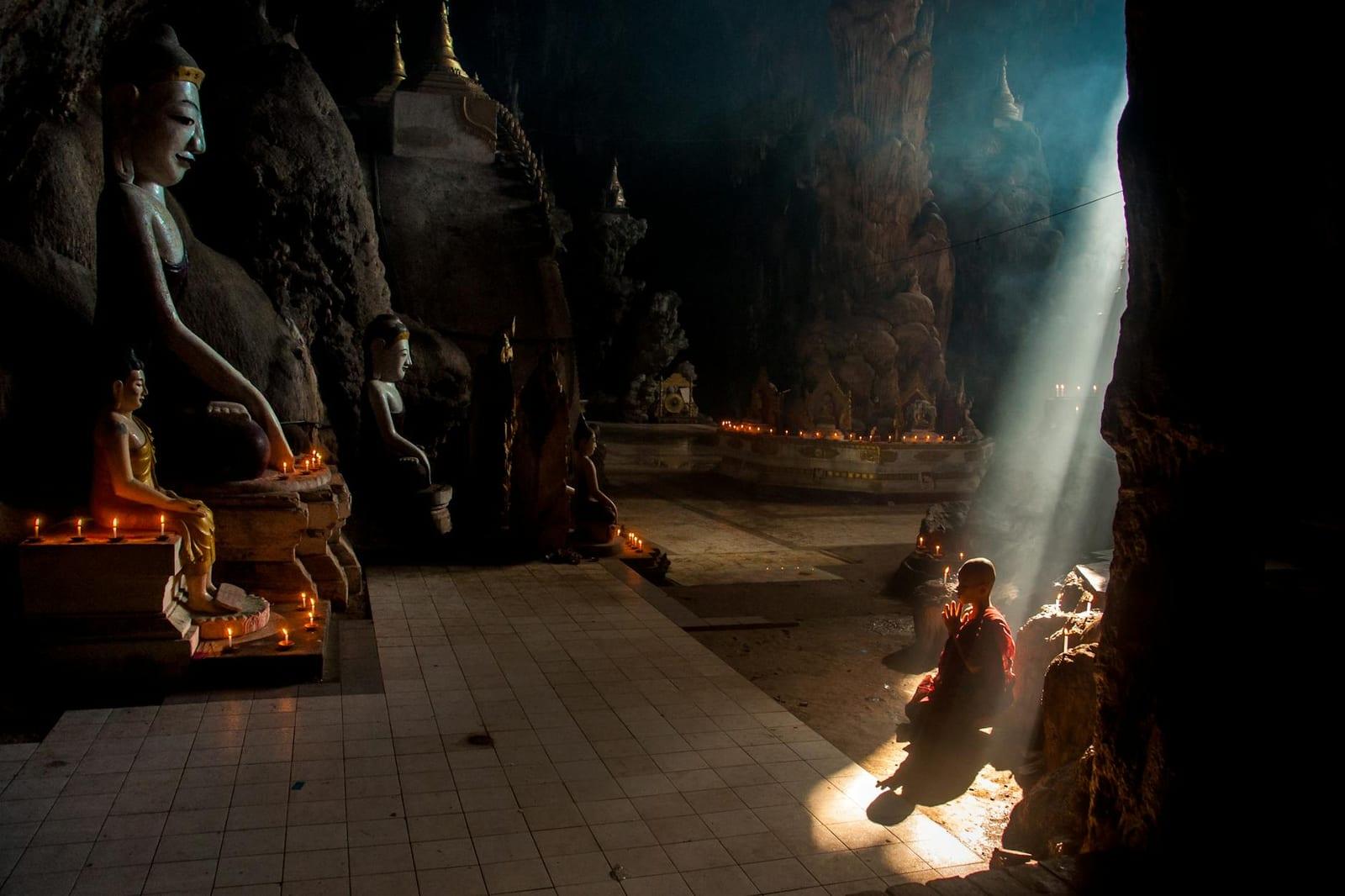
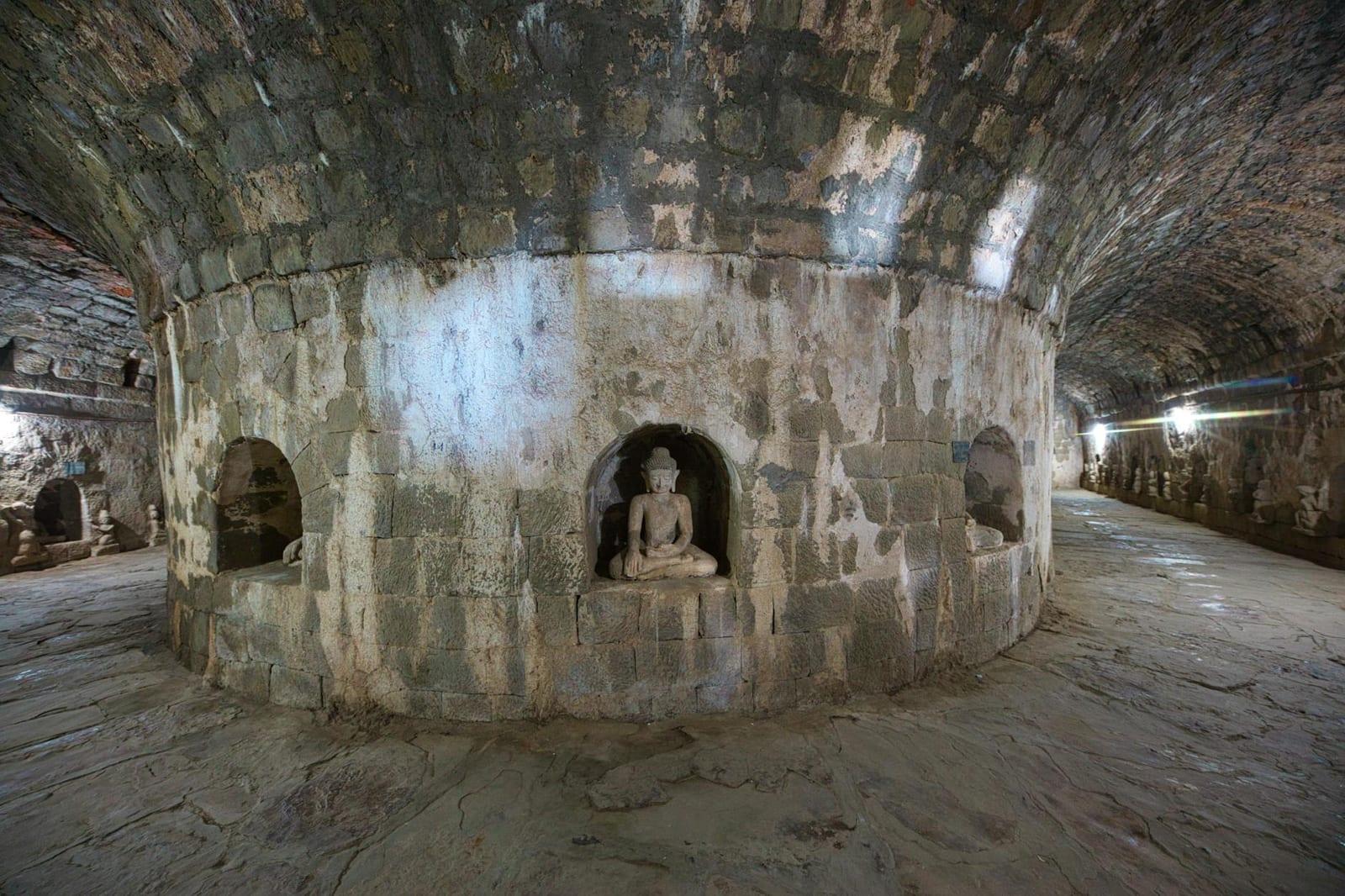
- Mrauk ULaden with numerous temples and pagodas, this historic capital of the Arakanese Mrauk U kingdom is Burma at its most evocative.
- Alaungdaw Kathapa National ParkThe forests of Burma’s biggest national park conceal elephants, gaur, sun bears—and, some say, a tiger or two.
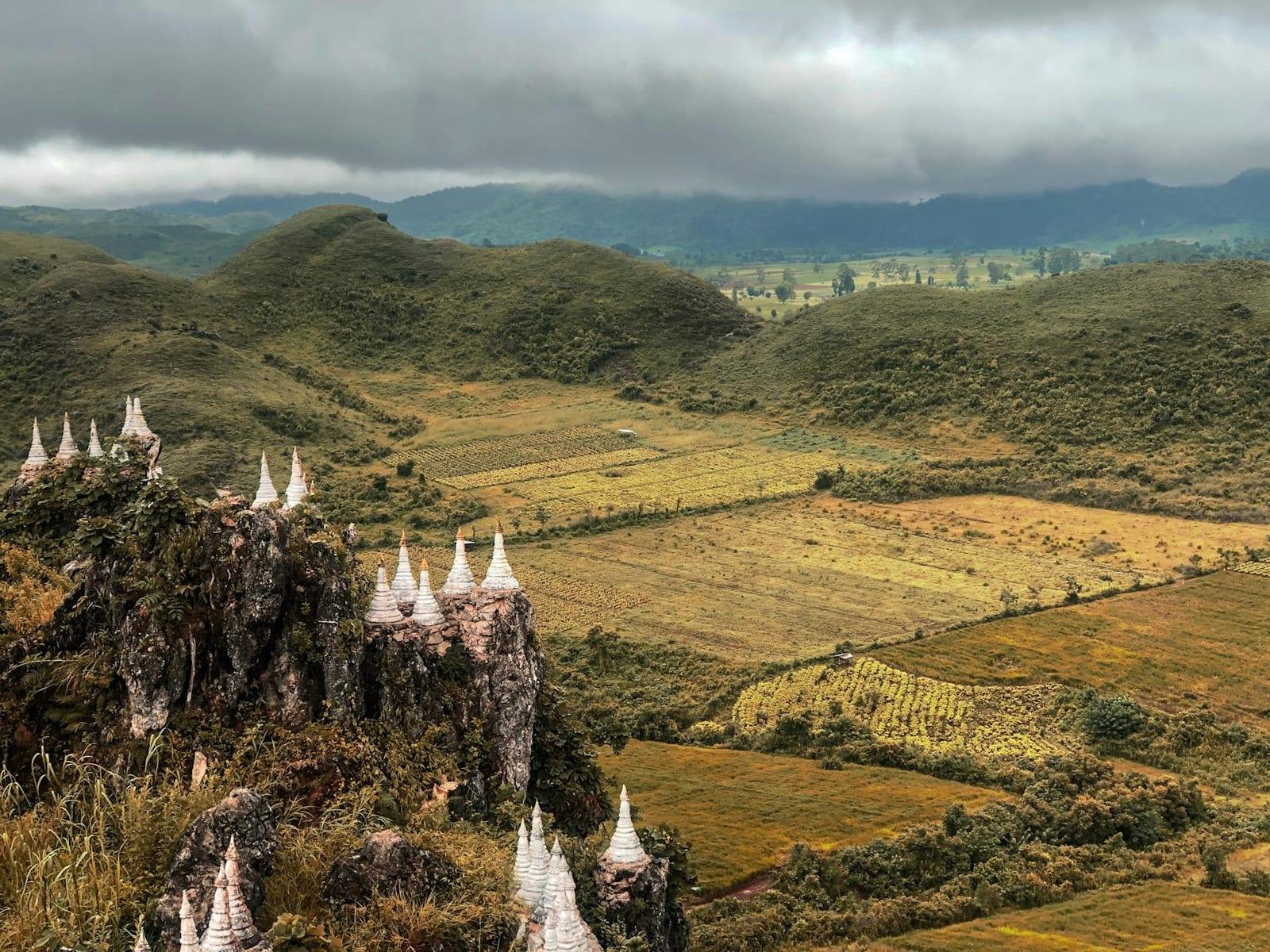
- Khakaborazi National ParkThis park includes the highest peaks in Burma (and Southeast Asia): Gamlang Razi and Hkakabo Razi, both around 19,000 feet tall.