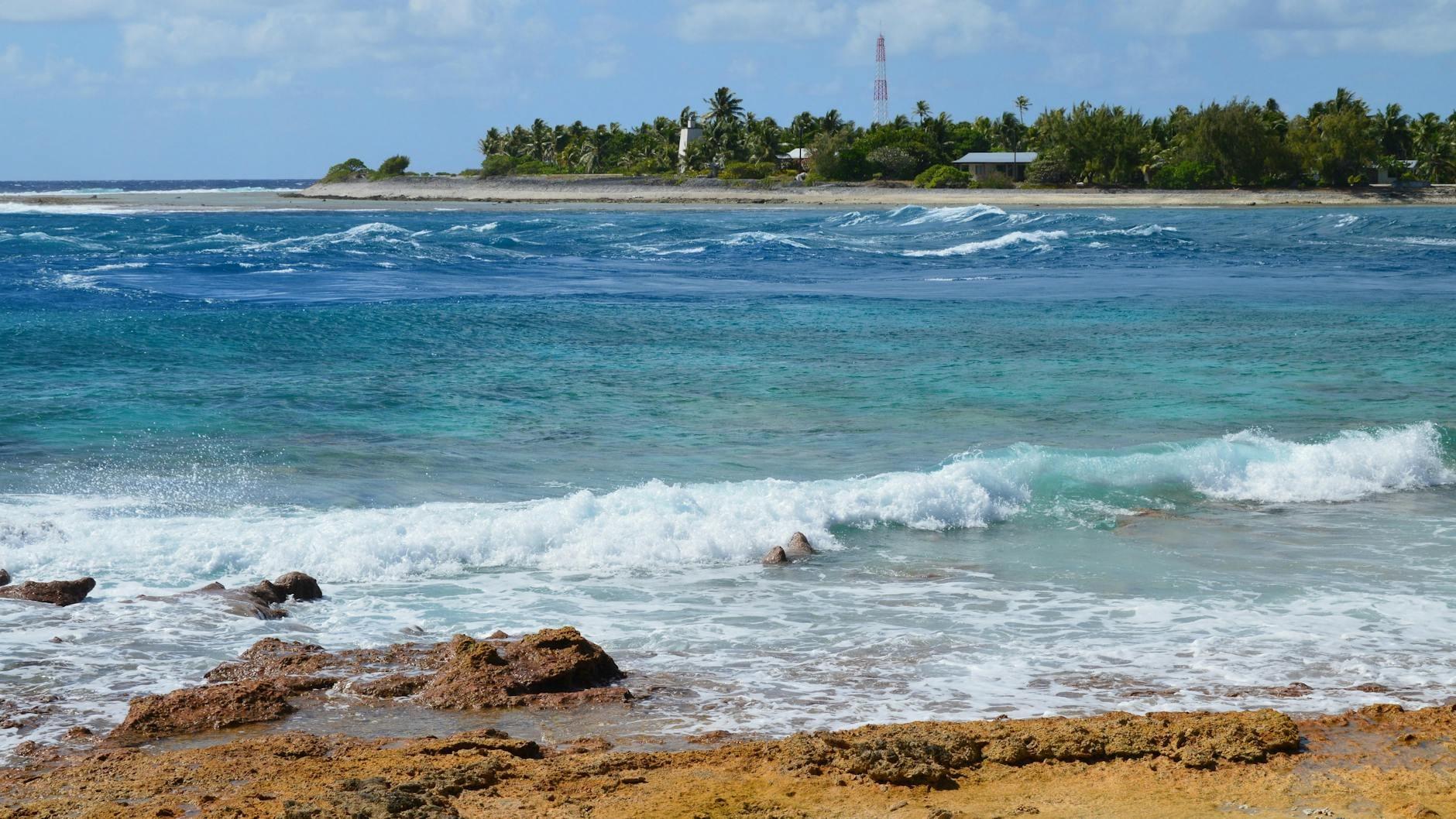
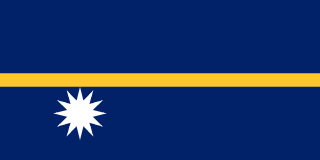
An eight-square-mile atoll plopped in the South Pacific south of the Marshall Islands and east (way east) of New Guinea, Nauru is about as remote as they come. But this Micronesian nation has a remarkably dramatic backstory for its miniscule size and isolated setting, not least the riches-to-rags tale of its environmental degradation. Largely because of its strip-mined landscape—the consequences of which have devastated the island’s economy—Nauru is far from the most sought-after of South Pacific destinations, but it does have its own charms.
Originally settled by those wide-ranging Micronesian and Polynesian mariners, Nauru was a German colony from the late 1800s through World War I. For much of the mid-20th century the island was a League of Nations mandate and United Nations Trust Territory, though during the Second World War Japanese troops occupied it as part of Operation RY. That World War II history is one of the major appeals of Nauru from a tourist’s perspective: Command Ridge, the loftiest ground on the island, contains striking relics of Japanese weaponry and a bunker.
For decades, Nauru was lavishly wealthy on account of its abundant—and abundantly extracted—phosphate deposits. The depletion of those deposits left dramatically scoured countryside and a collapsed national coffer, introducing a strange new era for the island as a tax haven, a hub of money laundering, and the site of an Australian detention center (part of that country’s controversial “Pacific Solution” for asylum-seeking refugees). A 2003 episode of the radio show This American Life—aptly named “The Middle of Nowhere”—provides a captivating overview of Nauru’s modern saga.
Besides getting a taste for the up-and-down history or native Nauruan culture—from tried-and-true fishing methods to Australian-rules football—you can snorkel or dive Nauru’s encircling reefs or lounge on one of the scarce beaches.
Hard to reach and—these days, anyway—not particularly well set-up for tourism, Nauru’s best a destination for the adventurous traveler intrigued by the island’s remoteness and singular biography.
5 things not to miss.
- smallest country in OceaniaVisit the smallest country in Oceania
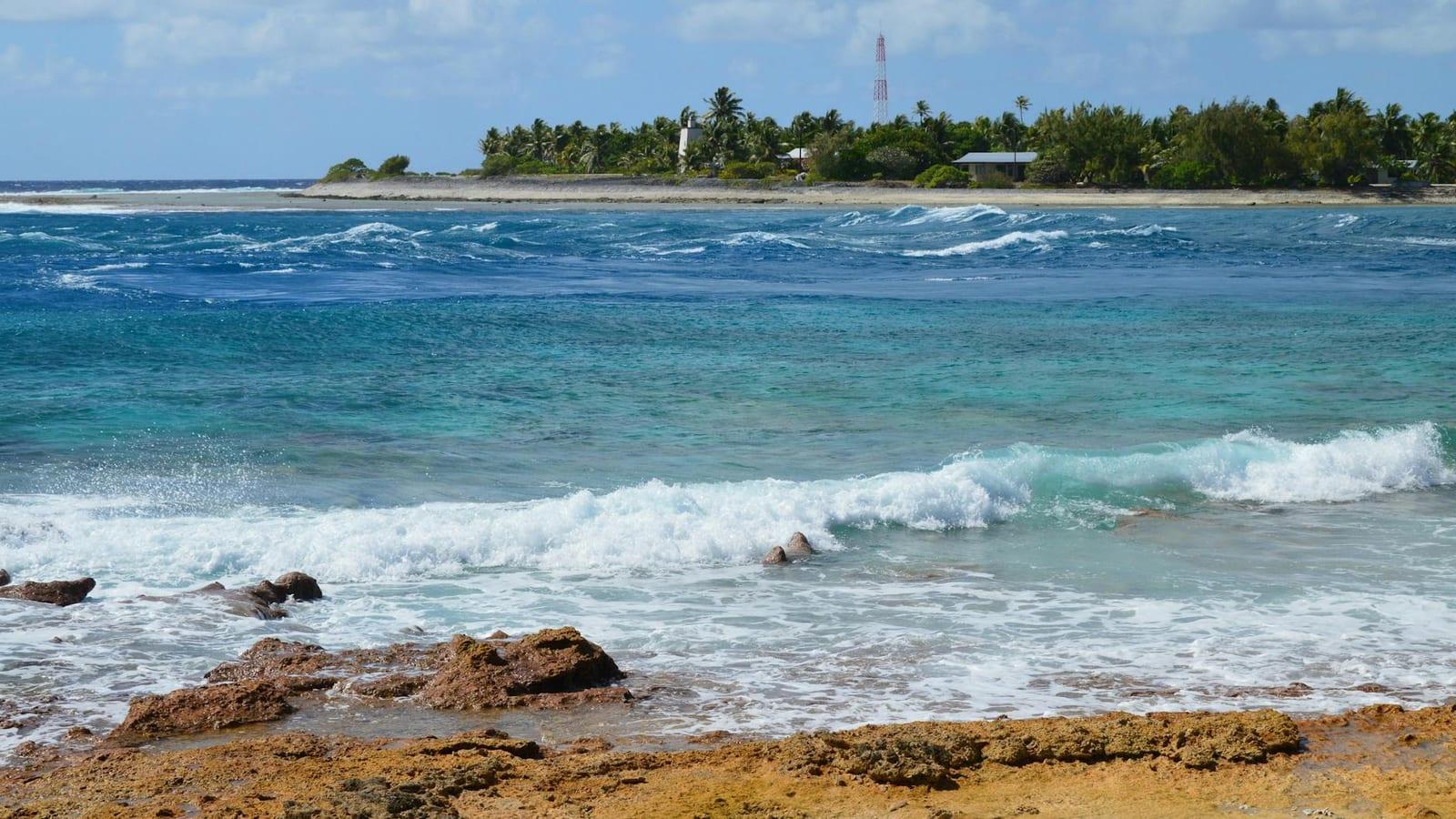
- Buada LagoonWalk Buada Lagoon
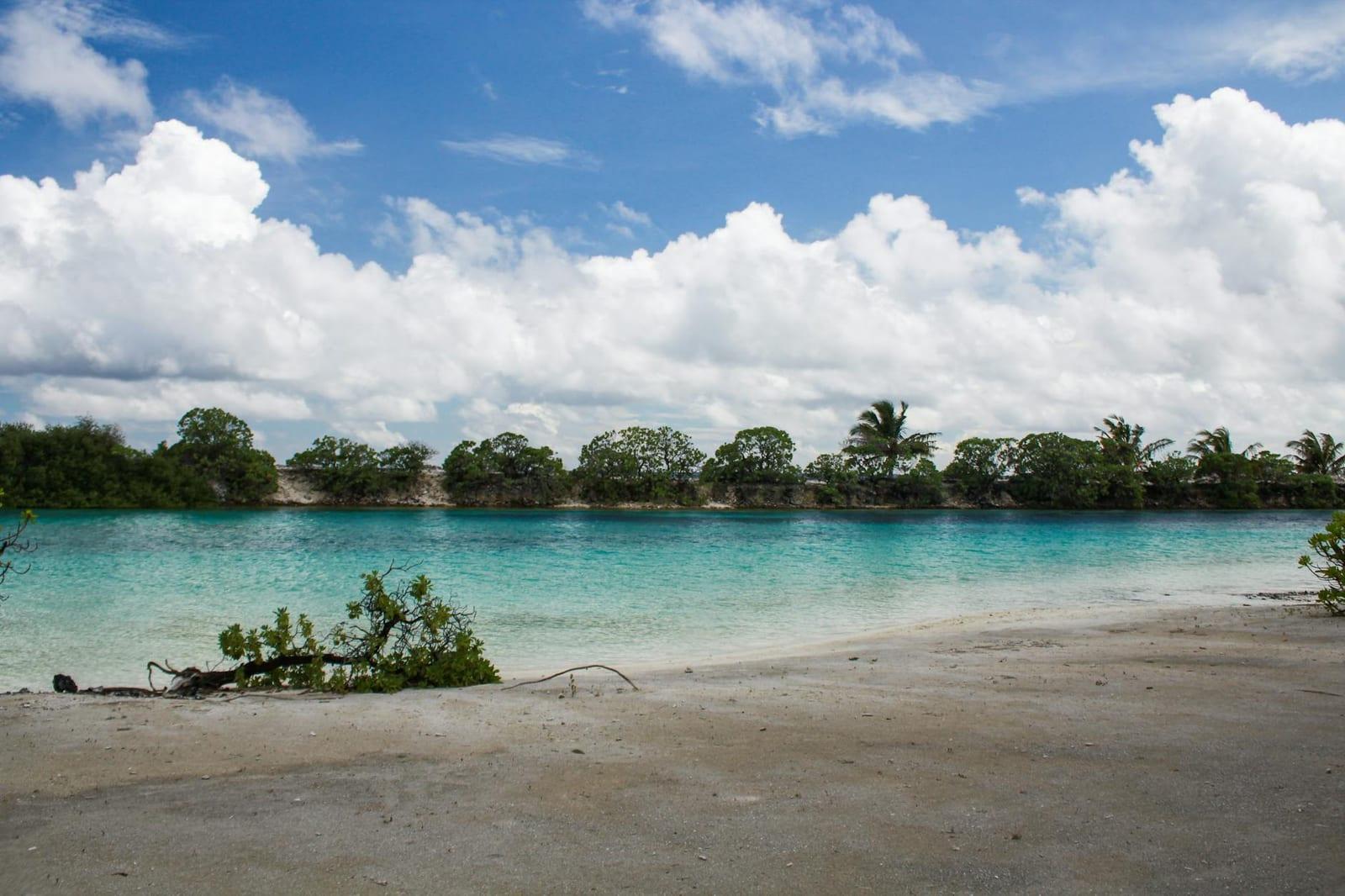
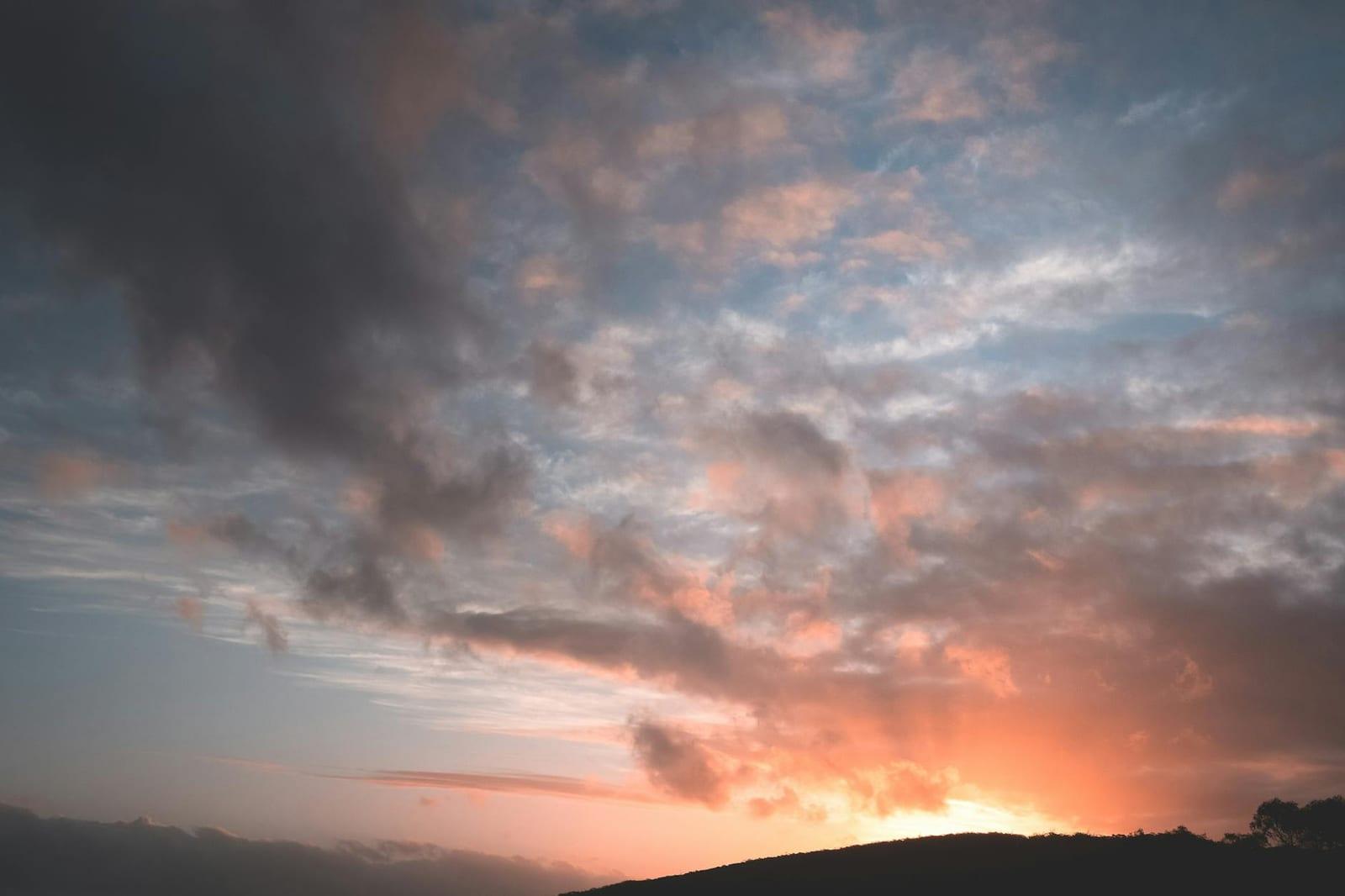
- sunset from Command RidgeWatch the sunset from Command Ridge
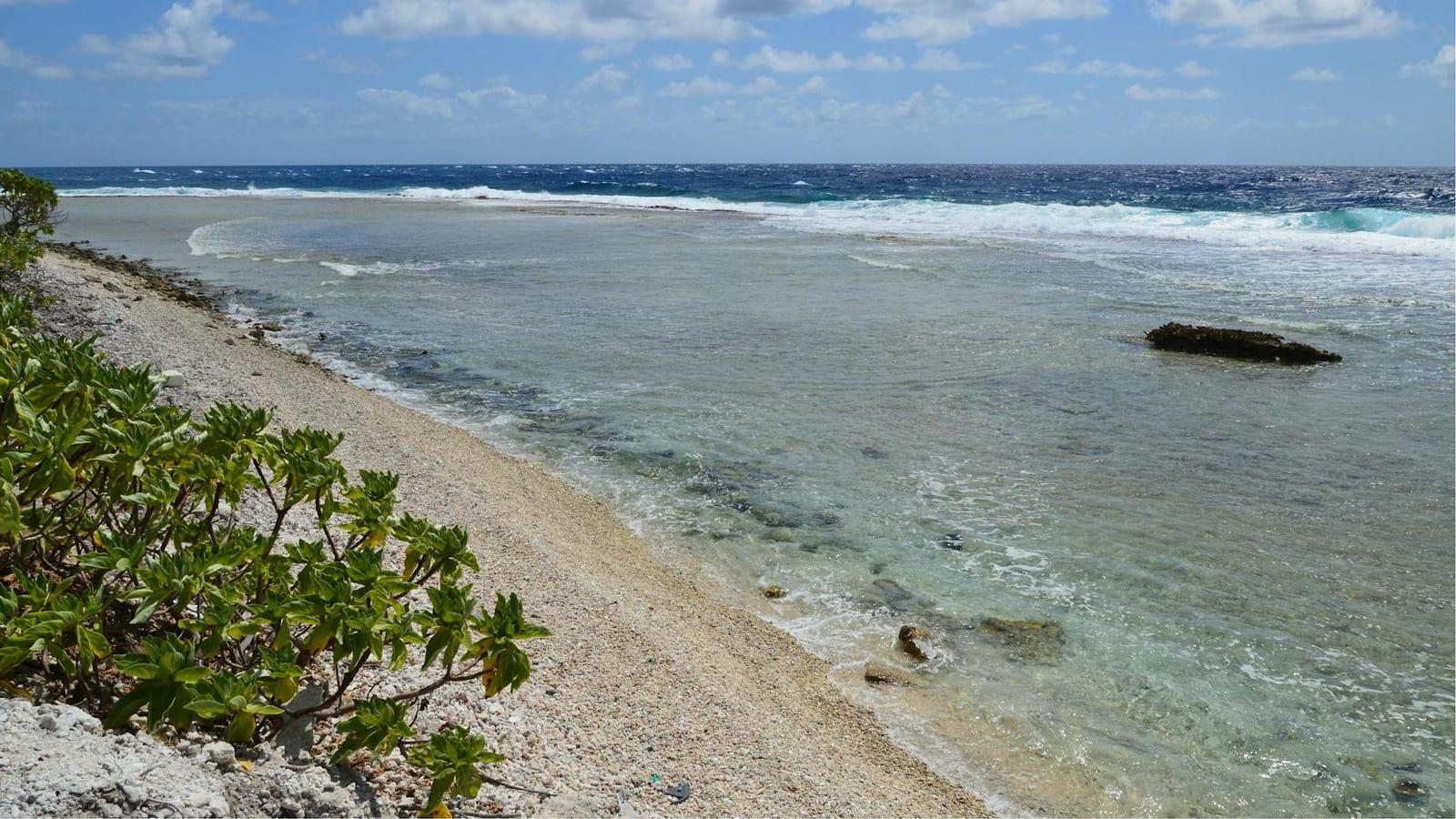
- Anibare BaySome of Nauru’s few tourist beaches line this scenic bay on the island’s eastern coast.
- Command RidgeSeek out Japanese armaments of World War II vintage on this strategic upland.