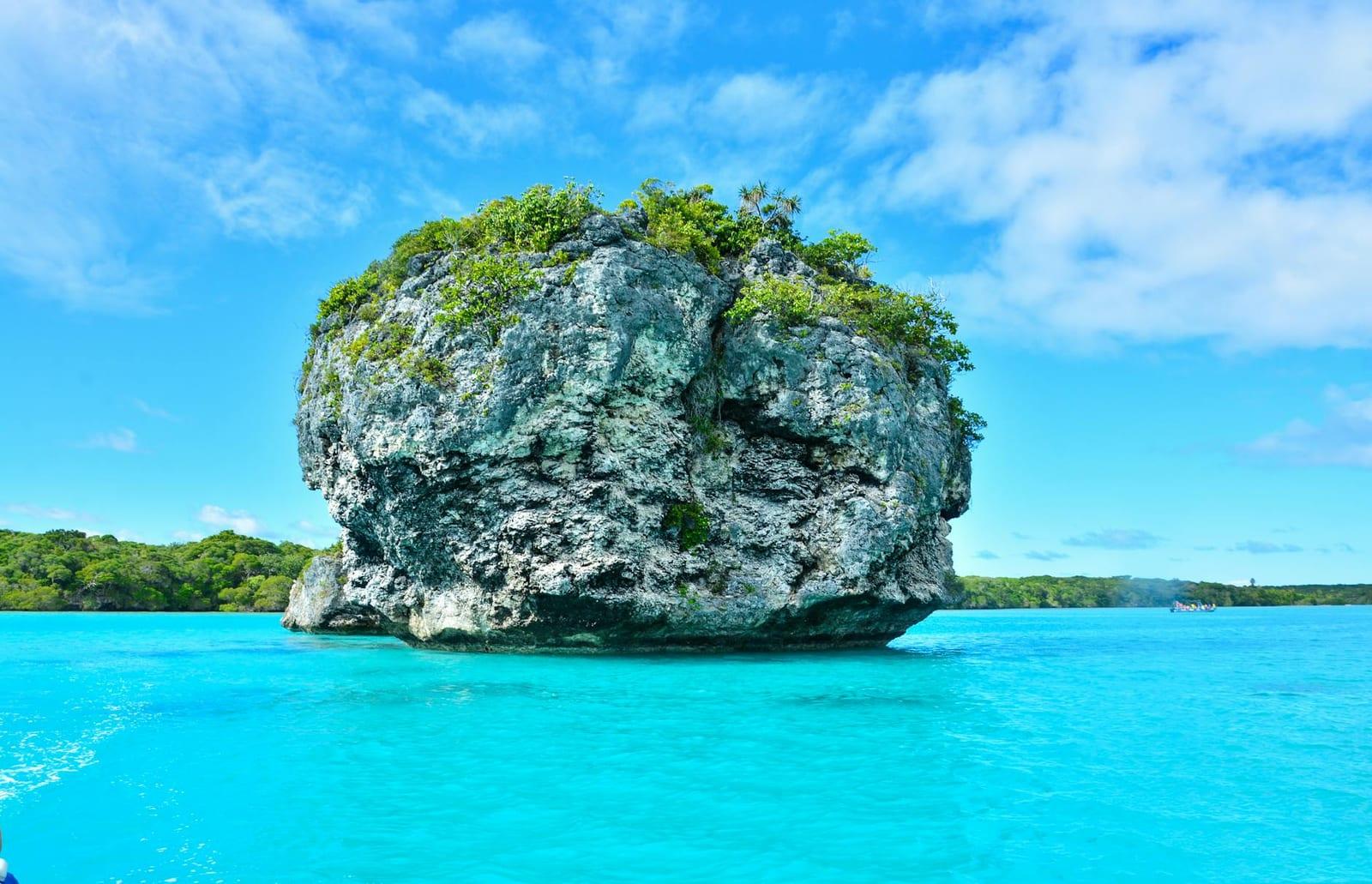
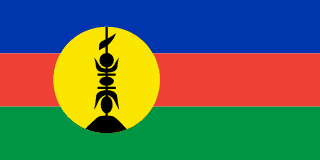
An overseas territory of France, the archipelago of New Caledonia marks one of Oceania’s most beautiful corners: beautiful because of its epic barrier reef and beautiful because of its interwoven Melanesian-French culture. That cultural blend hasn’t always been harmonious—the early period of French control saw the havoc of disease and forced removal wrought upon the indigenous Kanak—but it’s a fascinating one to explore, particularly as New Caledonia continues a vigorous internal debate concerning full independence.
Fronting the Coral Sea, New Caledonia—named by Captain Cook, who swung by in 1774, after the Roman moniker for Scotland—lies east of Queensland and south of Vanuatu. The main archipelago consists of the big island of Grande Terre as well as the Isle of Pines and the Belep Islands. Most of the isles, which include both coral atolls and volcanic landmasses, are low-lying, but Grande Terre sports a significant range of central mountains—the Chaîne Centrale—topping out on 5,341-foot Mount Panié.
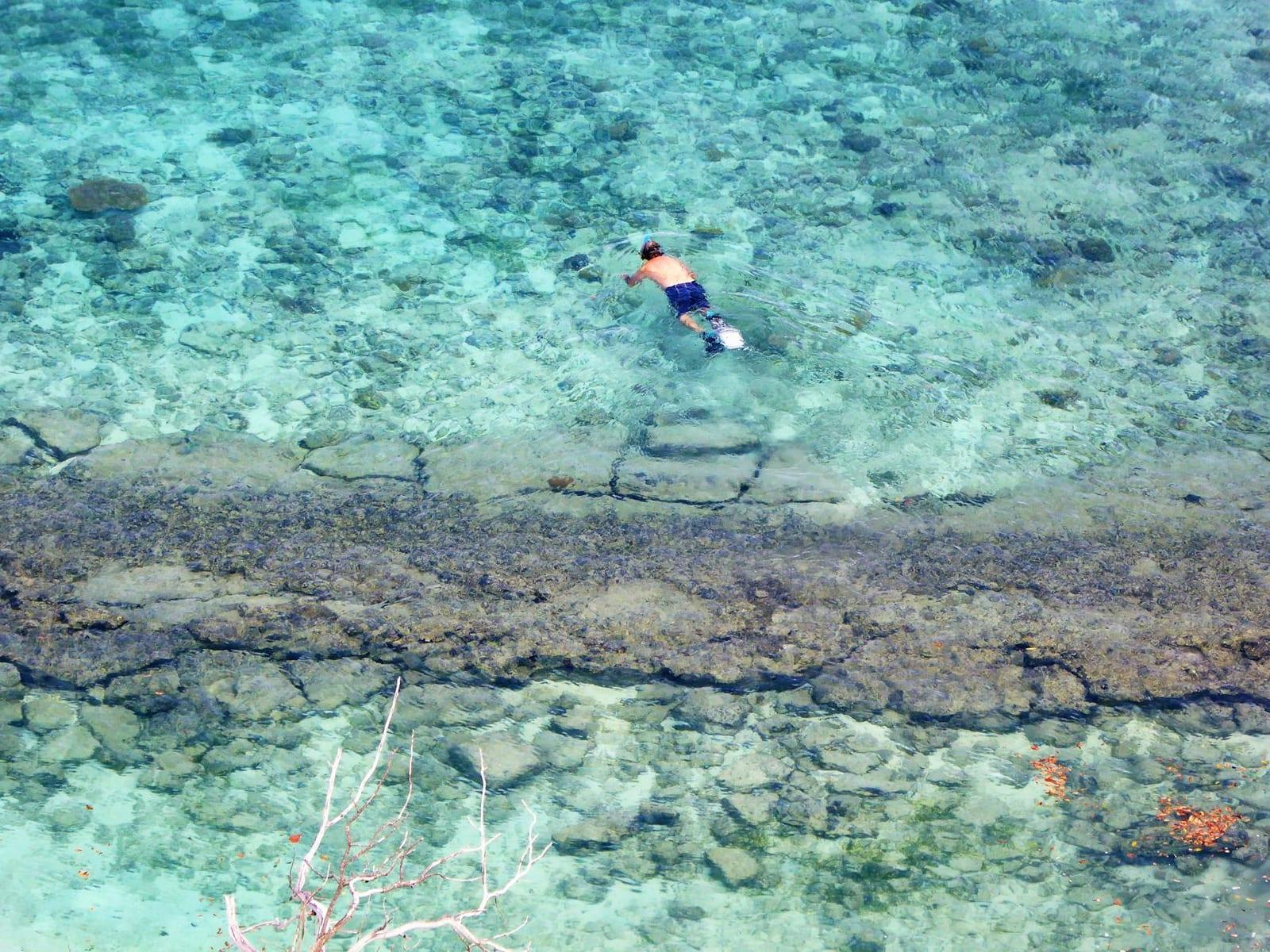
Above and (especially) below water, New Caledonia’s natural beauty is awe-inspiring. The 930-mile-long New Caledonian Barrier Reef and the yawning lagoon it enwraps compose a World Heritage Site, lauded by UNESCO for containing “the world’s most diverse concentration of reef structures.” You’ll find some of the very best diving and snorkeling opportunities here amid hundreds of varieties of corals and the fantastic diversity of wildlife they support: some 1,000 species of fish, better than 5,000 species each of mollusks and crustaceans, four of the globe’s sea turtles, and important populations of placid dugongs and acrobatic humpback whales.
As hard as it can be to tear yourself away from the natural marvels of the archipelago, topside New Caledonia has some delightful cultural attractions, too. France and Melanesia braid together here: In the capital of Nouméa, you can dine on French food and outfit yourself in the latest Parisian styles; then swing by the Tjibaou Kanak Cultural Centre for an introduction to native Kanak customs.
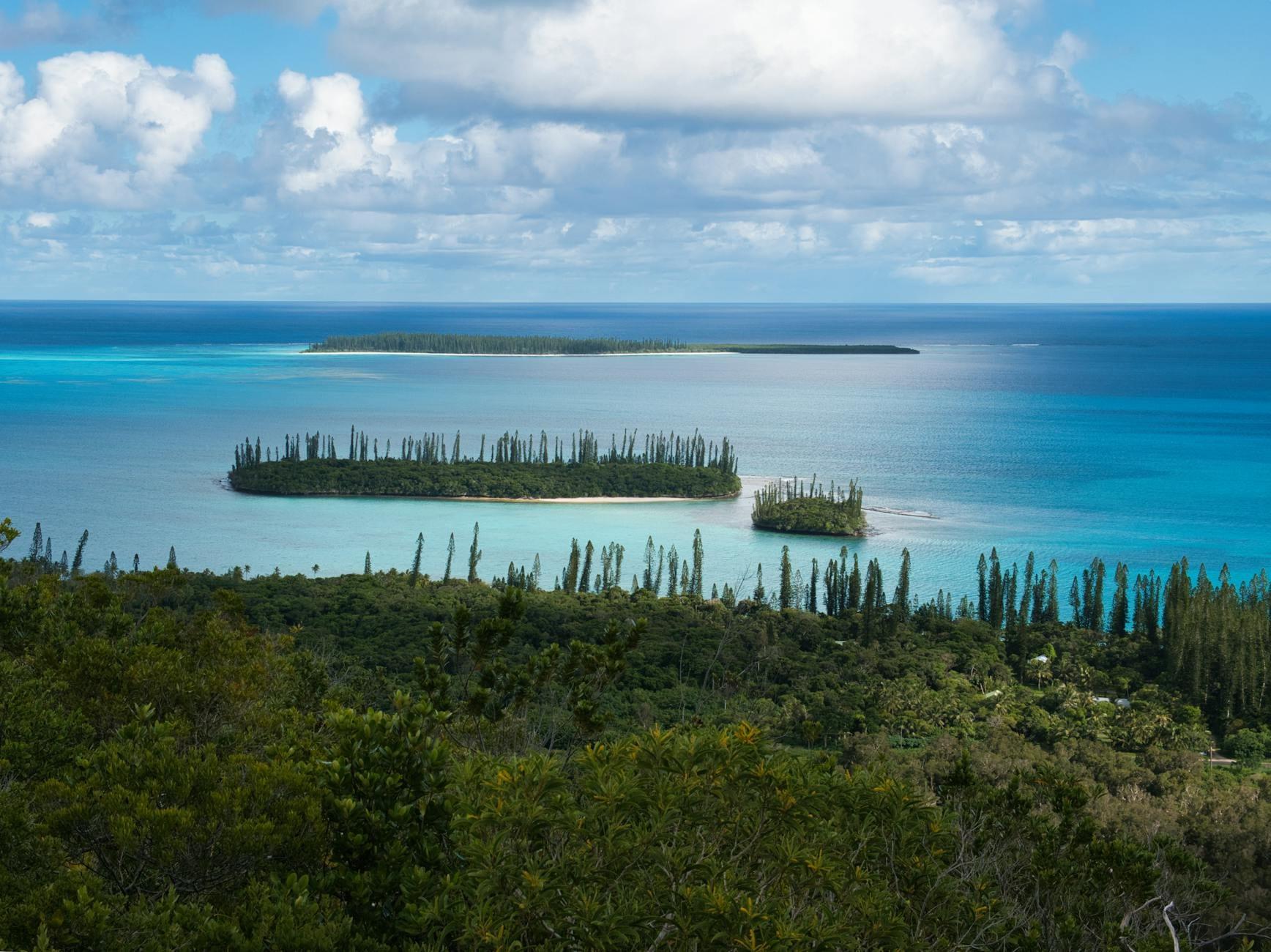
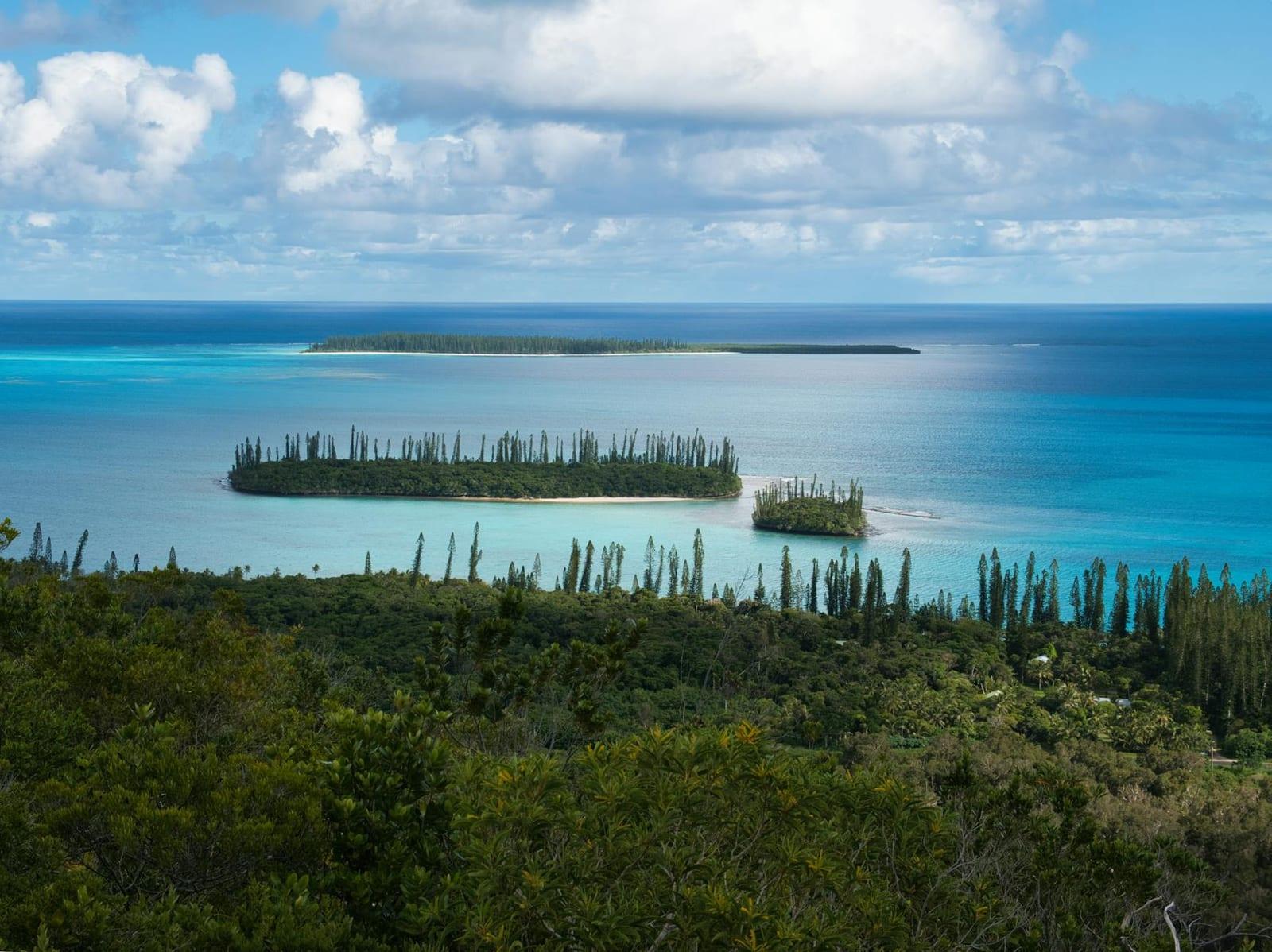
Fine-grade beaches, too, add to New Caledonia’s appeal, whether you’re seeking them out on Grande Terre’s lovely eastern coast, the Isle of Pines, or farflung atolls such as Ouvéa.
From a classic French bistro on the streets of Nouméa or a colorfully adorned Kanak dancer to a flotilla of sharks cruising the turquoise waters of a reef-encrusted cove, New Caledonia has one-of-a-kind allure. Why resist the seduction?
6 things not to miss.
- New Caledonia Barrier ReefEncompassing some 930 miles of barrier reef and a vast inter-reef lagoon, this World Heritage Site is sheer paradise for divers.
- Chaine CentraleGrande Terre’s rumpled backbone includes Mont Panie and Mount Humboldt, both of which exceed 5,000 feet.
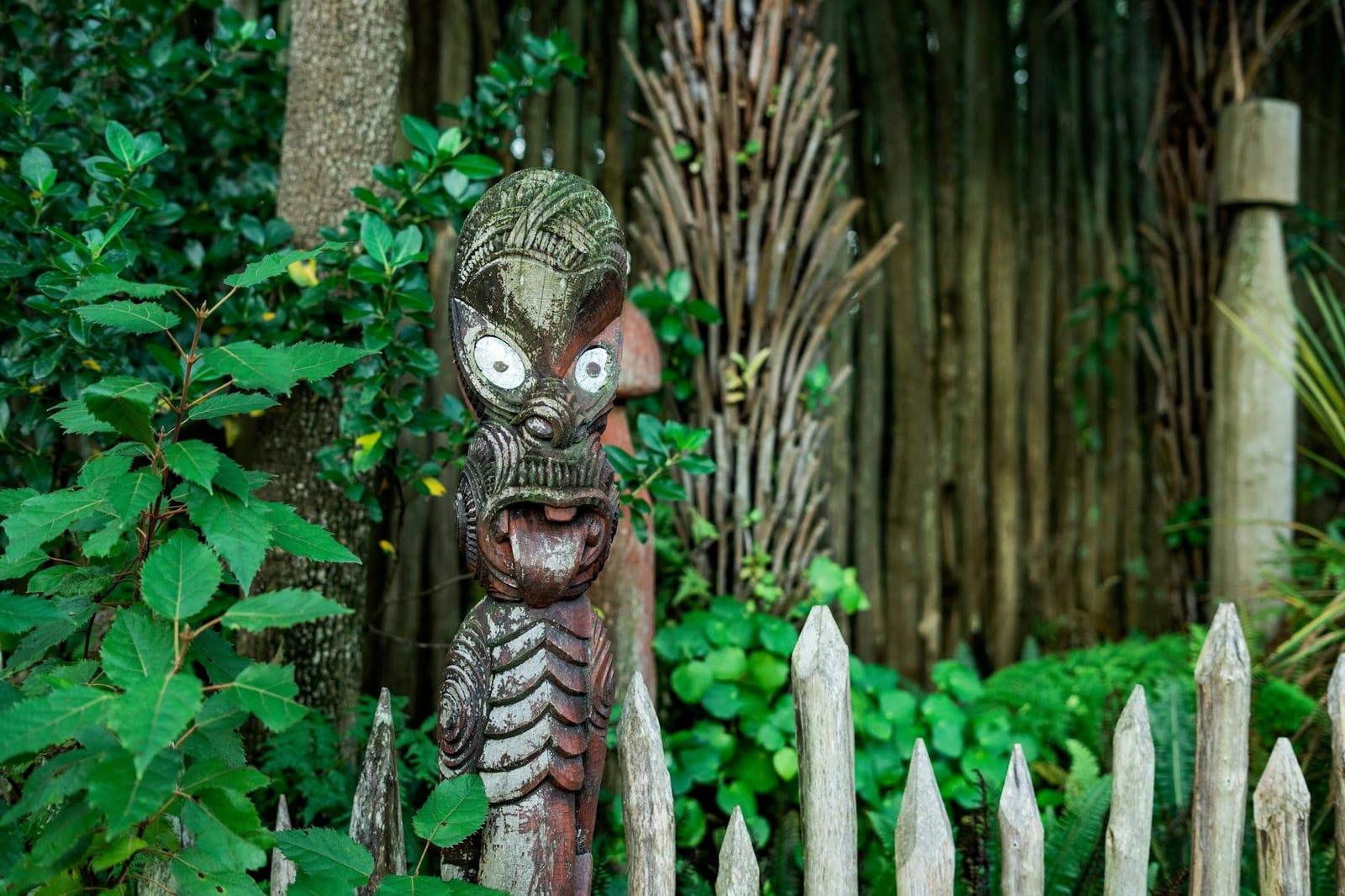
- Tjibaou Kanak Cultural Centre (Noumea)This excellent museum offers an unrivaled introduction to New Caledonia’s traditional Kanak culture
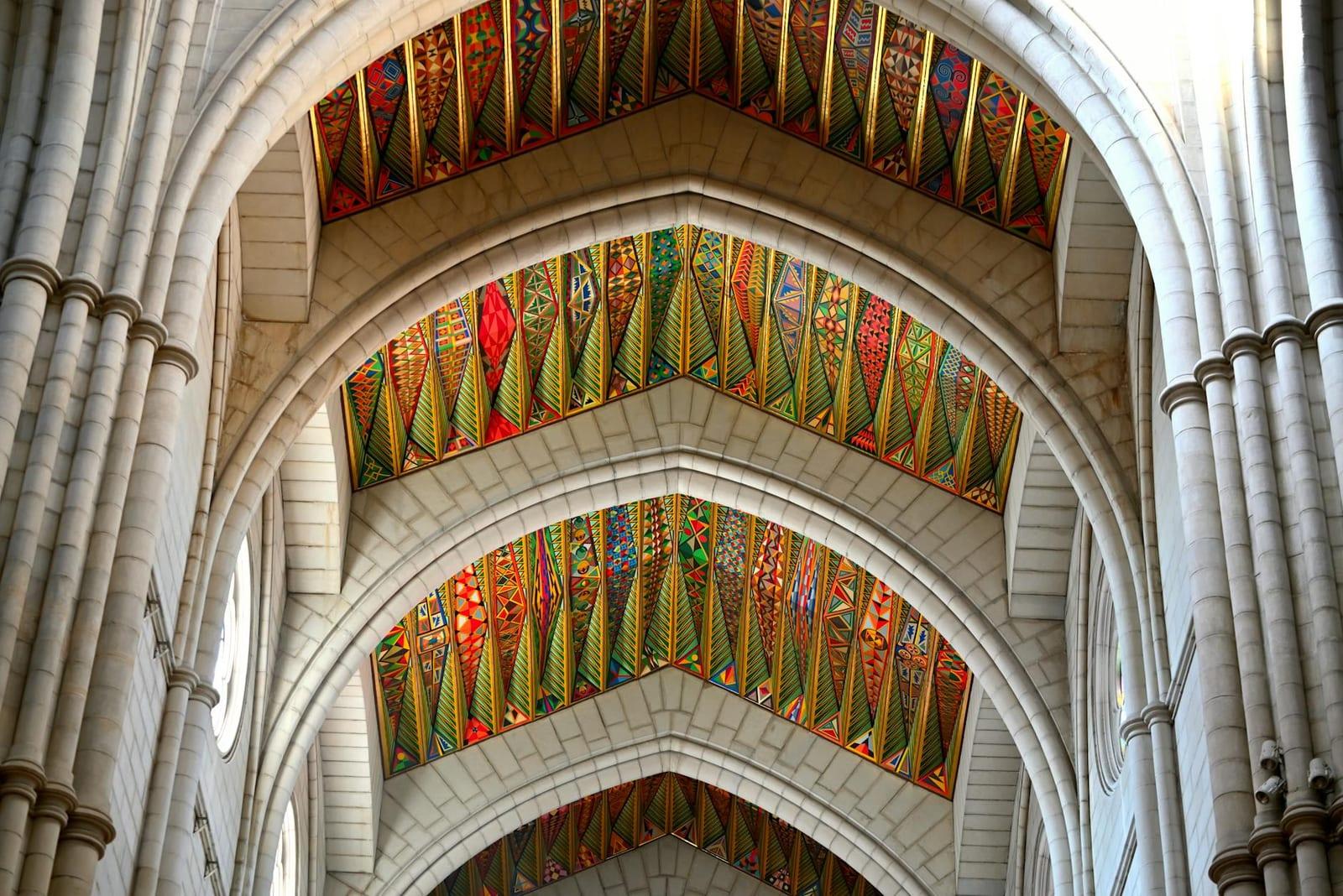
- Noumea CathedralBuilt in the late 1800s, this Roman Catholic church is one of Noumea’s most distinctive landmarks.
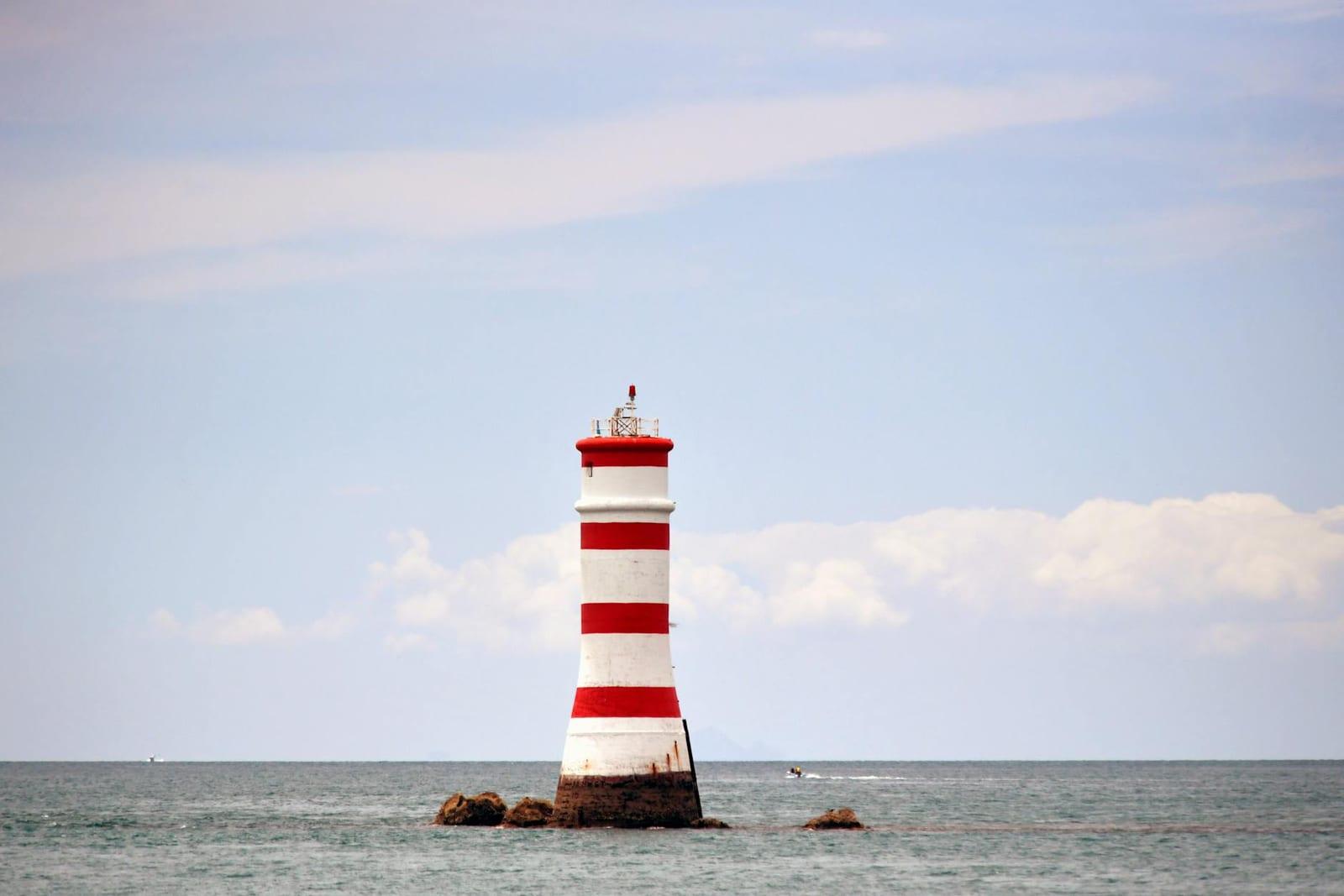
- Amedee Lighthouse (Noumea)Built in Paris in 1862, this iron lighthouse—among the world’s tallest—has long guided ships through New Caledonia’s great reef.
- Isle of PinesSpectacular snorkeling and scuba diving are prime draws of this pretty island, named for its dense groves of Cook pine.