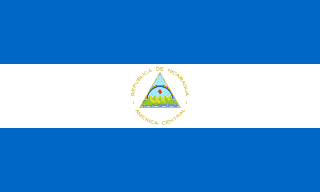
Its southern neighbor, Costa Rica, may get vastly more attention, but Nicaragua—the biggest country in Central America—lays claim to a comparable stock of ecological riches (with substantially fewer tourists). And while many remember its decades of military dictatorship and civil war in the 20th century, modern-day Nicaragua is actually one of the safer tourist destinations in the region.
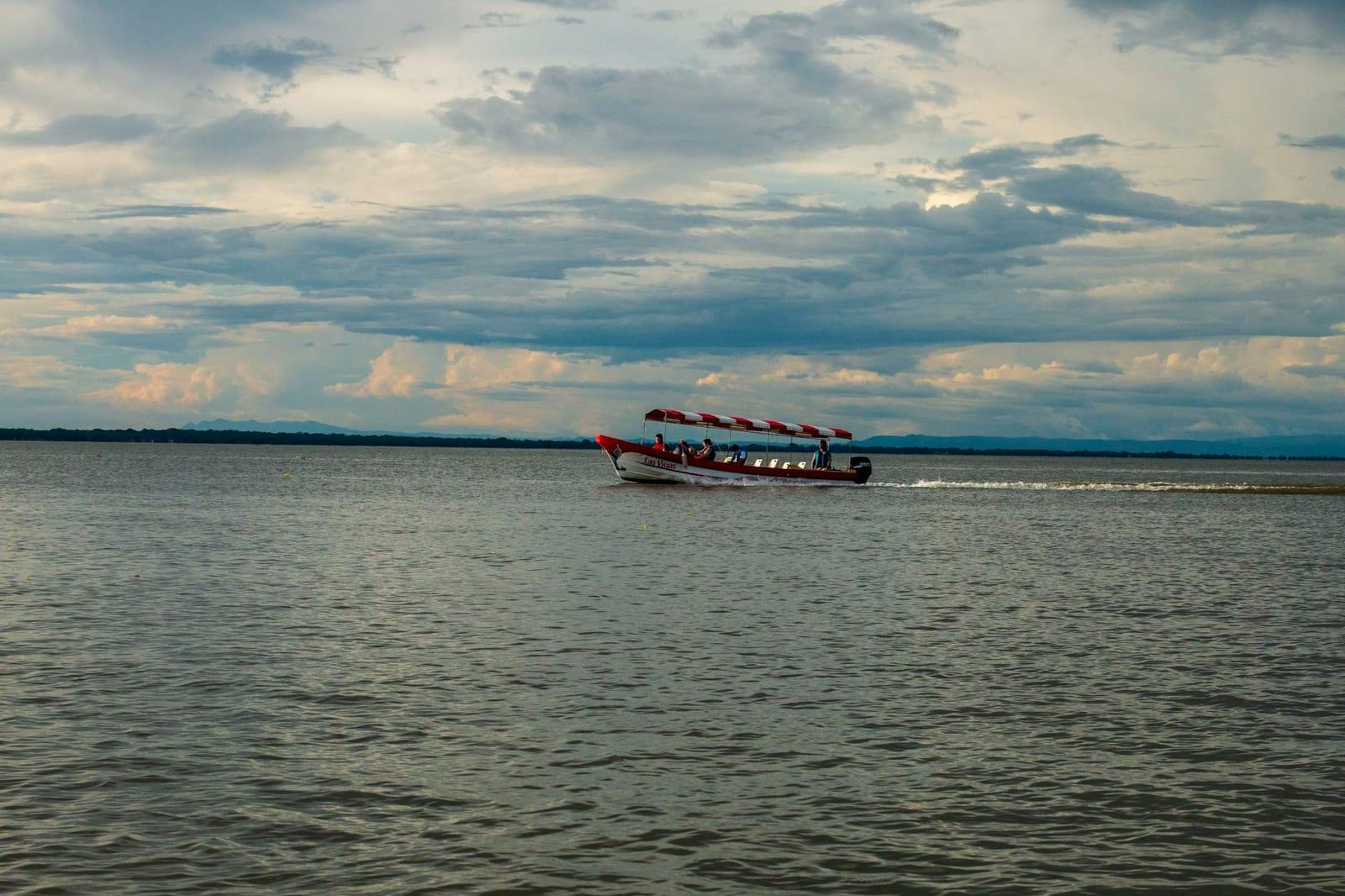
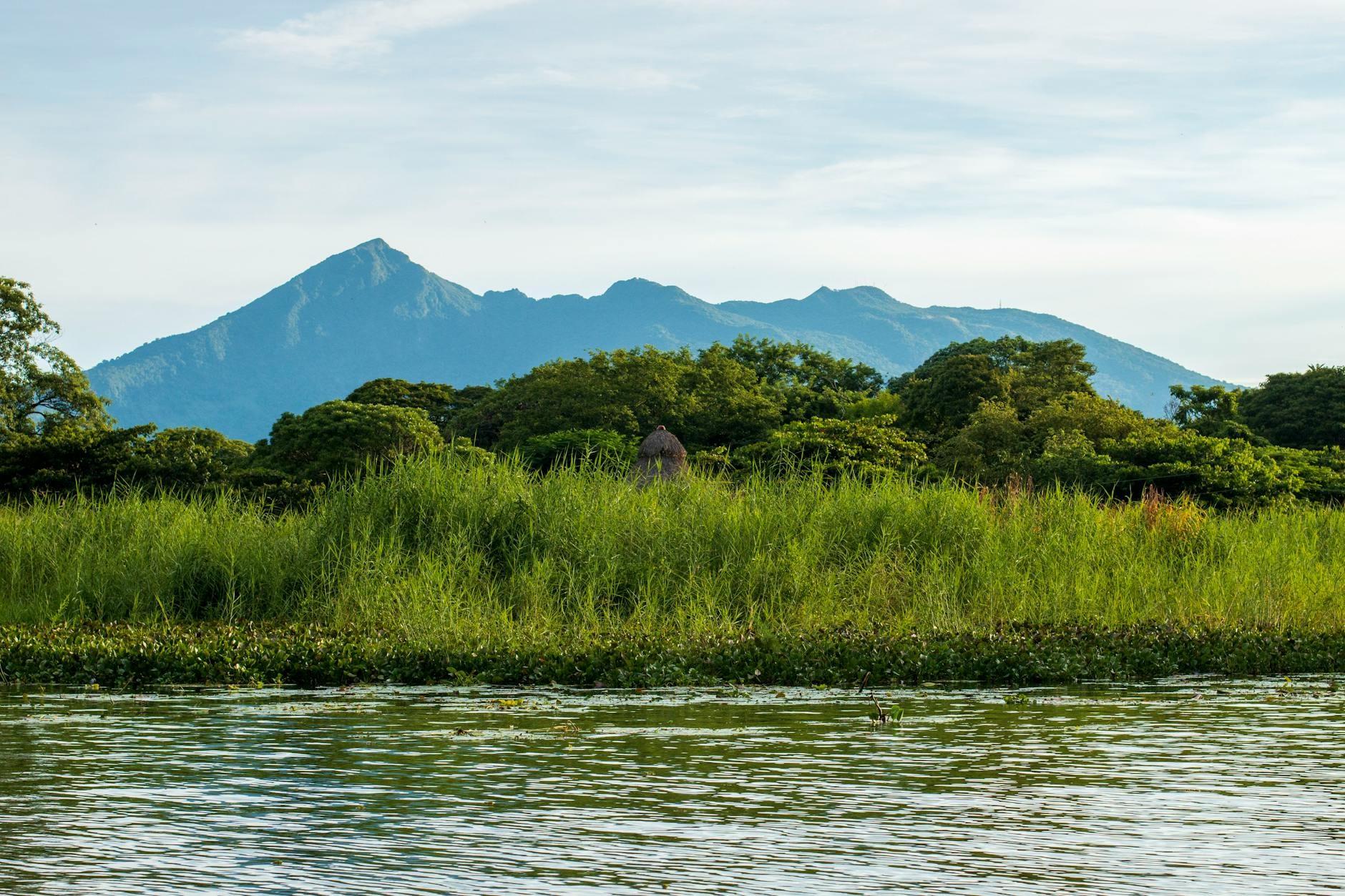
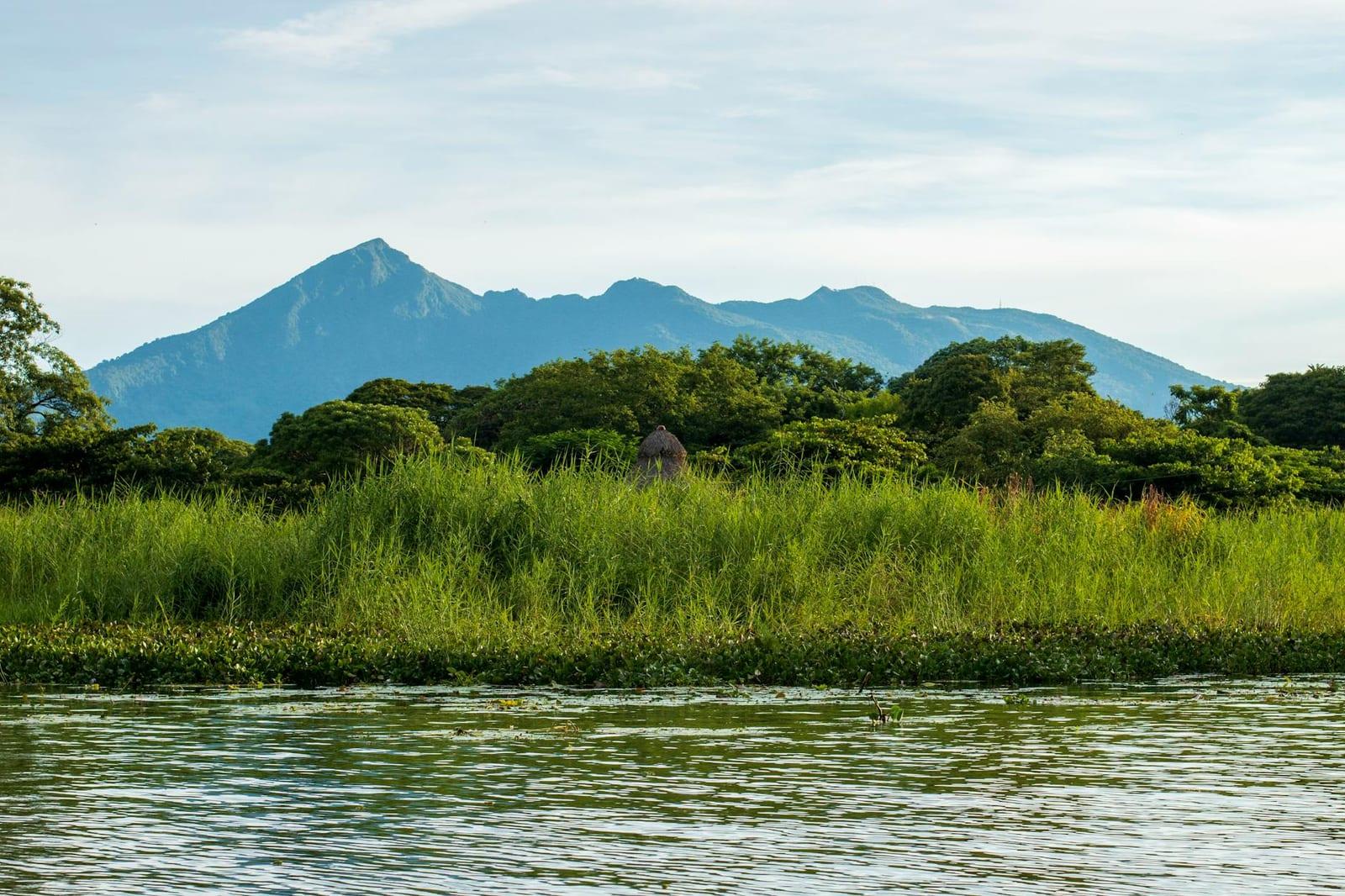
Lovers of the littoral have both a Caribbean and a Pacific coastline to choose from in Nicaragua, the Pacific being, in general, the far more accessible seashore. The Pacific coastal lowlands are studded with volcanoes and waterlogged in the south with the massive lakes Managua and Nicaragua, the latter notorious for its freshwater bull sharks. The mountains and hills of the rugged center of the country fall to the river-laced Mosquito Coast along the Caribbean, notably less developed than the Pacific side.
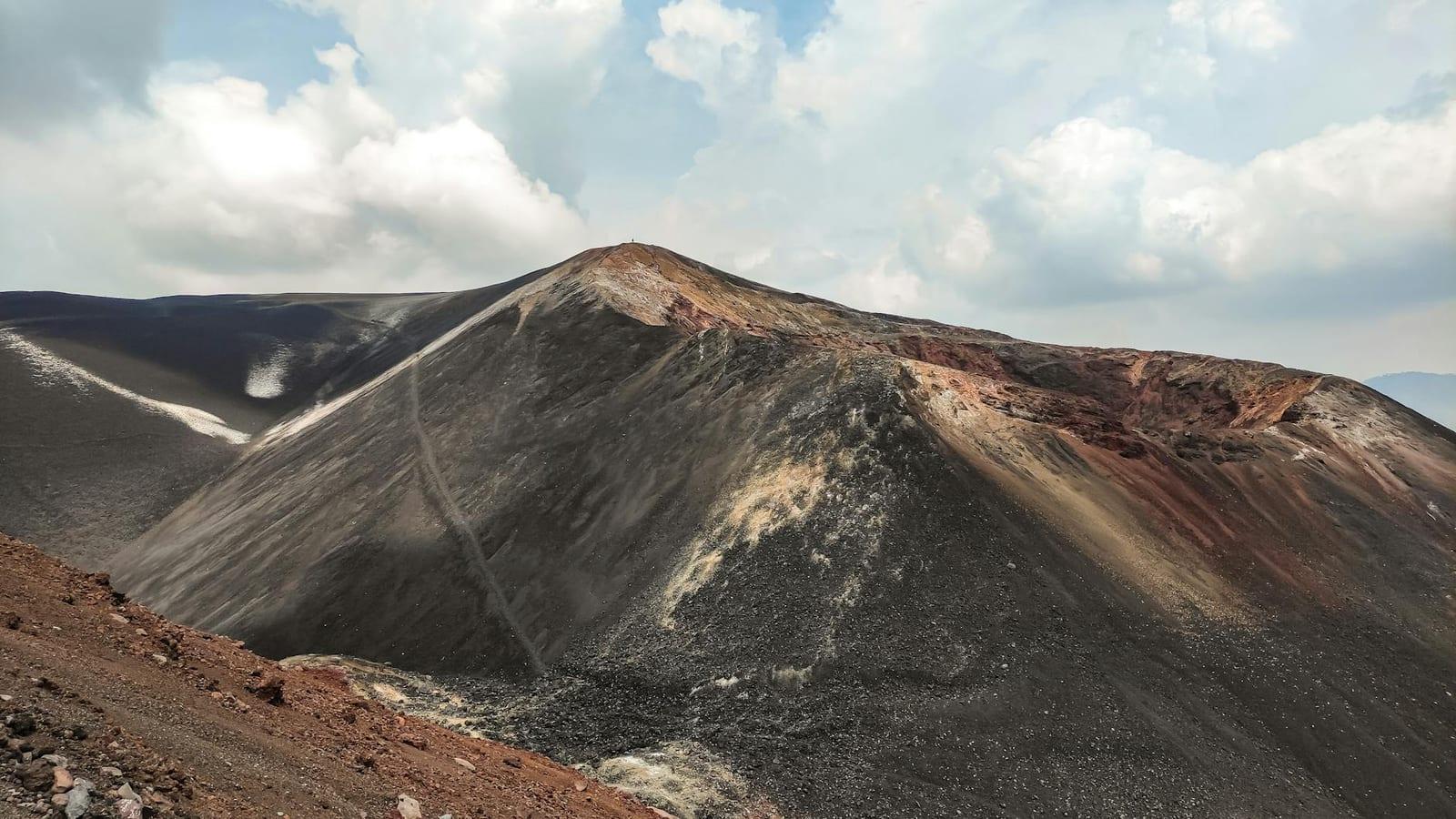
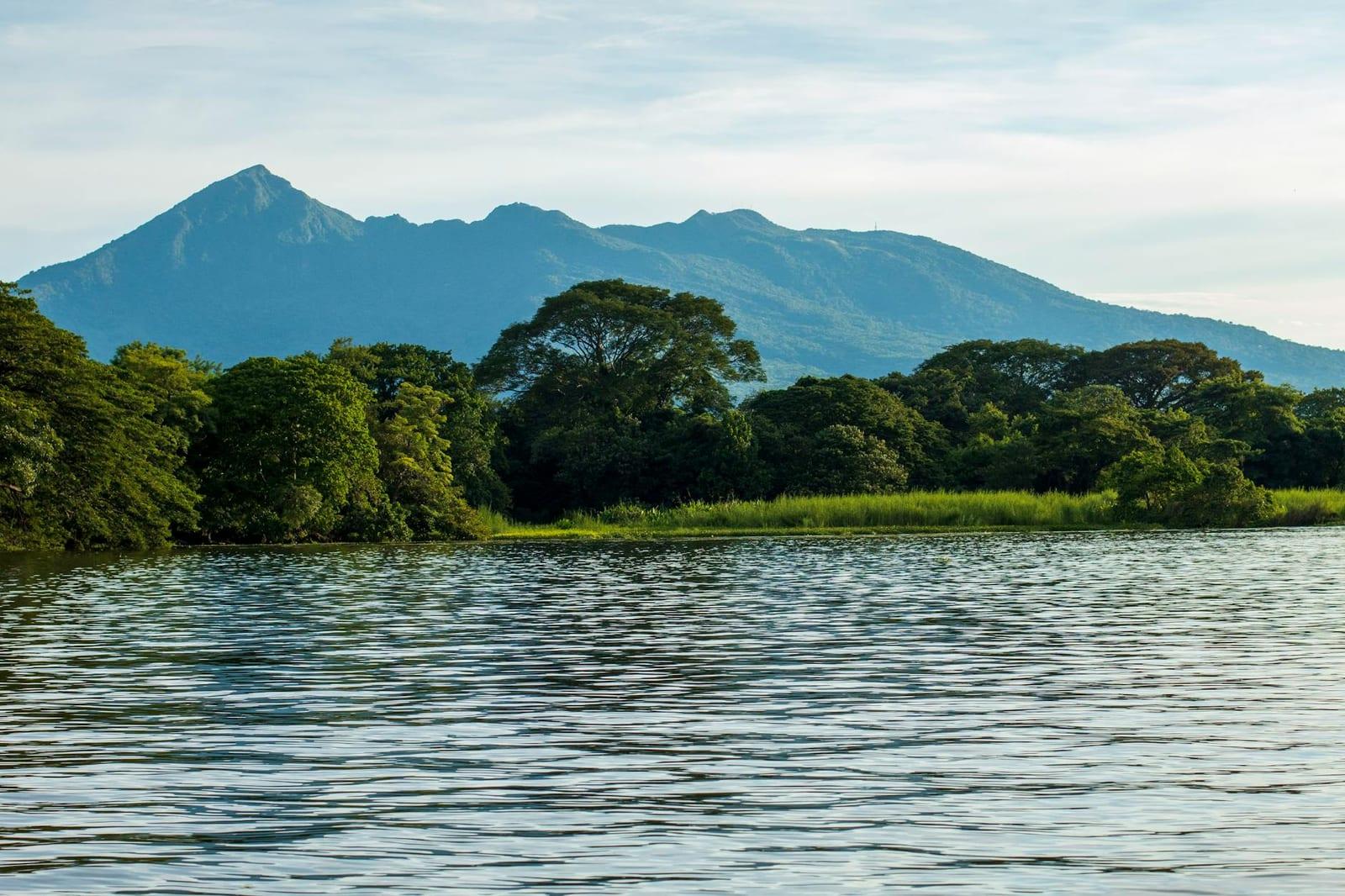
National parks and preserves put Nicaragua’s globally outstanding biodiversity on full display. The country’s north includes the second-biggest tract of tropical rainforest in the Americas (after the Amazon) in the Bosawas Biosphere Reserve; another great swath lies in the Indio Maiz Biological Reserve in the southeast. Sample the country’s fiery spirit in Volcan Masaya National Park, home to a brace of active craters, or up on Cerro Negro near Malpaisillo, where you can try your hand at volcano-surfing if you’re so inclined. Or venture out to the remote reefs, mangrove islets, seagrass pastures, and Miskito Indian communities of the Miskito Cays.
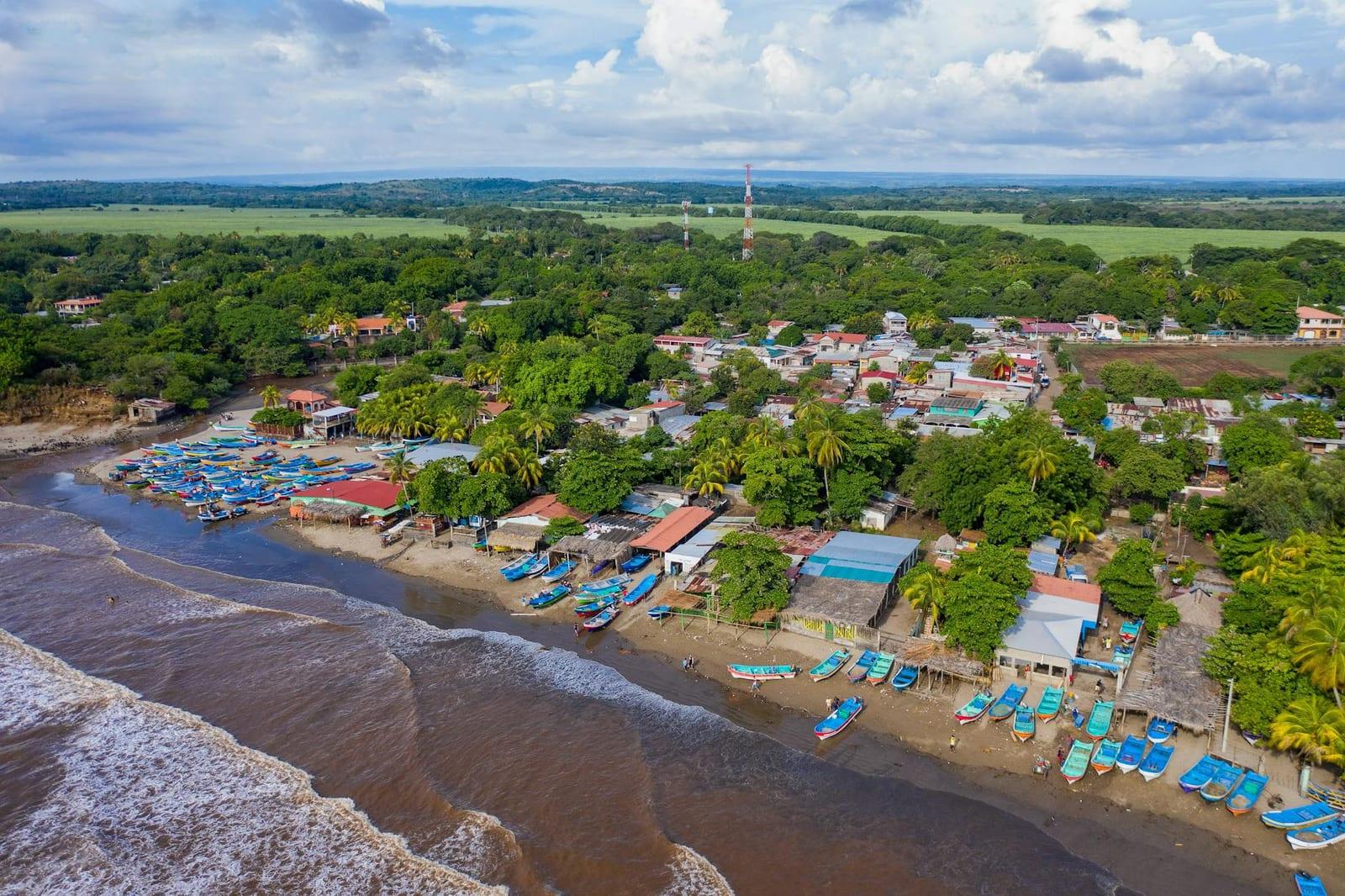
The Corn Islands and Pearl Keys, which are easily accessible, are home to some of the most heavenly beaches in the Caribbean. Over on the Pacific coast, meanwhile, San Juan del Sur is a popular hub, particularly renowned for its impeccable surfing.
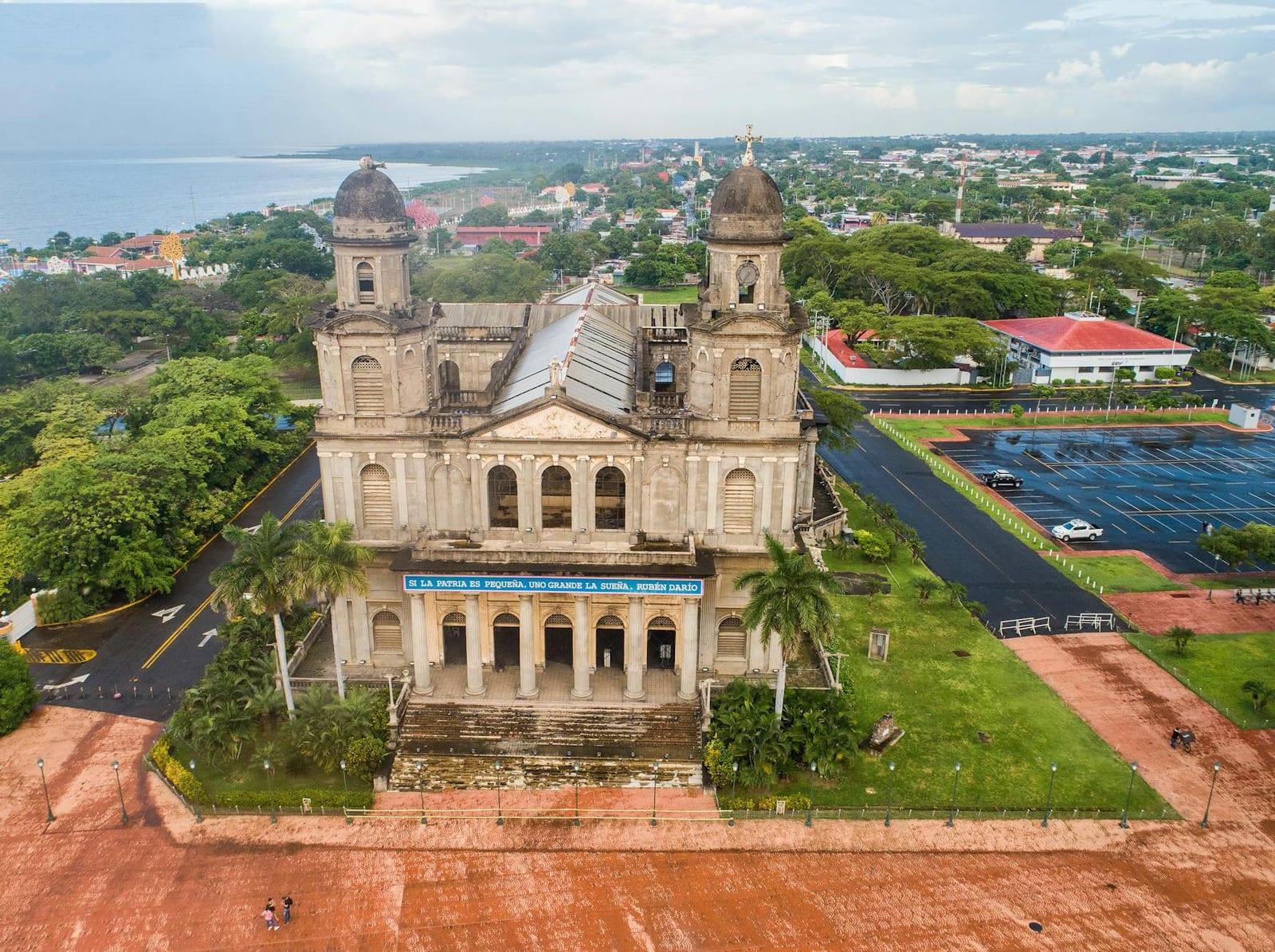
For the historically inclined, the centuries-old cities of León and Granada showcase incredible Spanish-era architecture (such as the León Cathedral), while the Fortress of the Immaculate Conception, built along the San Juan River in the late 1600s to ward against pirates, is a showstopper. The haunting petrified human footprints of Acahualinca near Lake Managua, laid down a couple of millennia ago, summon a yet older Nicaragua. Markets provide glimpses into the indigenous side of Nicaraguan heritage—most people here are mestizos, claiming both European and Amerindian ancestry—while street eateries allow you to sample local dishes (heavy on rice, beans, plantains, and meat) and—why not?—a little rum.
Steam-belching cones, primeval rainforest, edge-of-the-world beaches, and a rich cultural stew—such is the seduction of Nicaragua to the footloose traveler; where some of Central America's least spoiled landscapes and most vibrant displays of traditional culture lie in store.
12 things not to miss.
- Surf San Juan del SurSurf San Juan del Sur
- Volcano-board down Cerro NegroVolcano-board down Cerro Negro
- colonial GranadaWalk colonial Granada
- Lake NicaraguaCentral America’s largest lake, dotted with islets, supports a fascinating ecology that includes freshwater bull sharks of some renown.
- Bosawas Biosphere ReserveEncounter the Neotropics in their primordial majesty at this sanctuary, among the biggest swaths of tropical rainforest in the Americas.
- Volcan Masaya National ParkA jaw-dropping caldera anchors this geological wonderland.
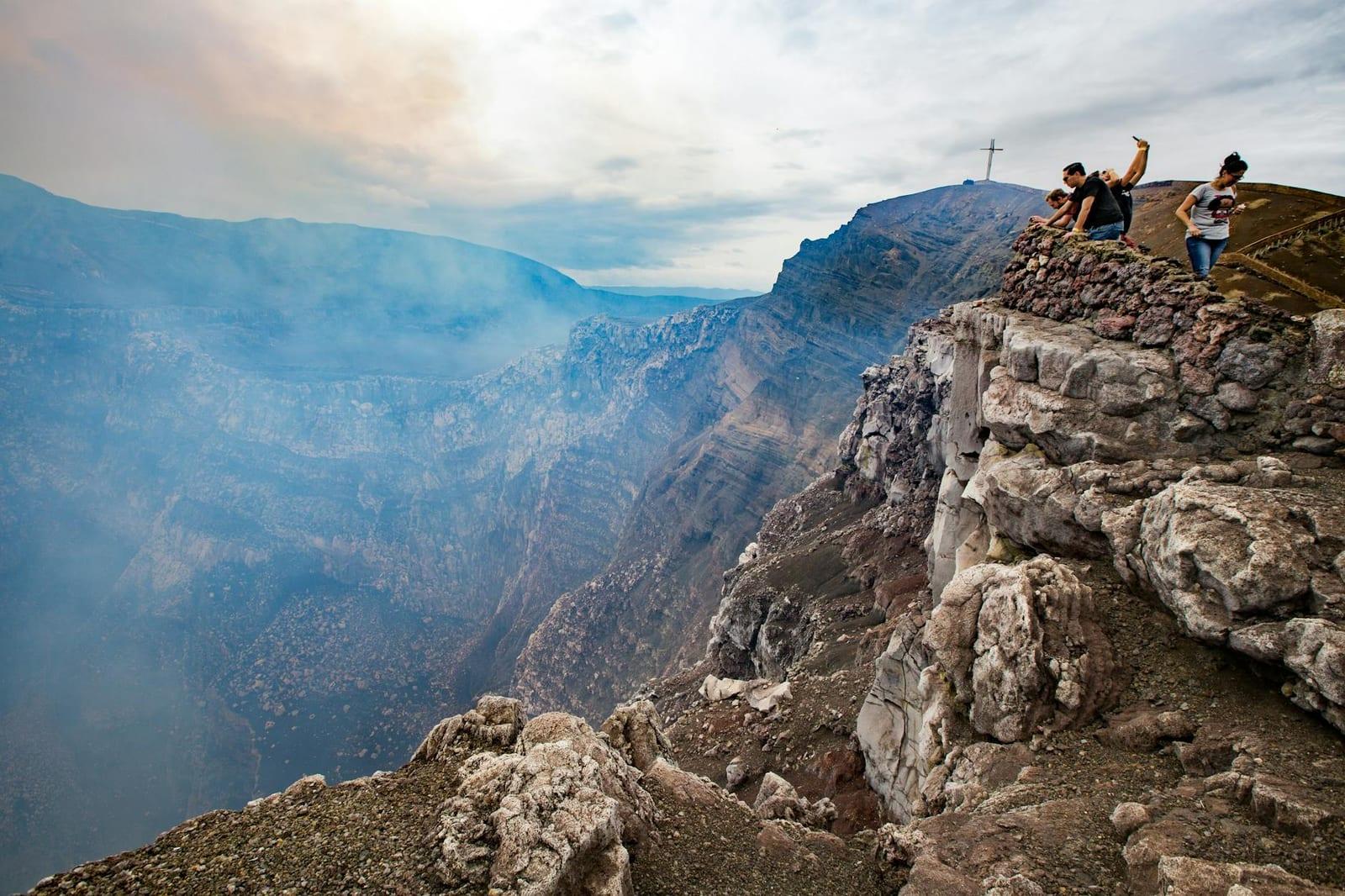
- Indio Maiz Biological ReserveAstoundingly diverse lowland rainforest, home to everything from poison dart frogs to tapirs and jaguars, lies protected here.
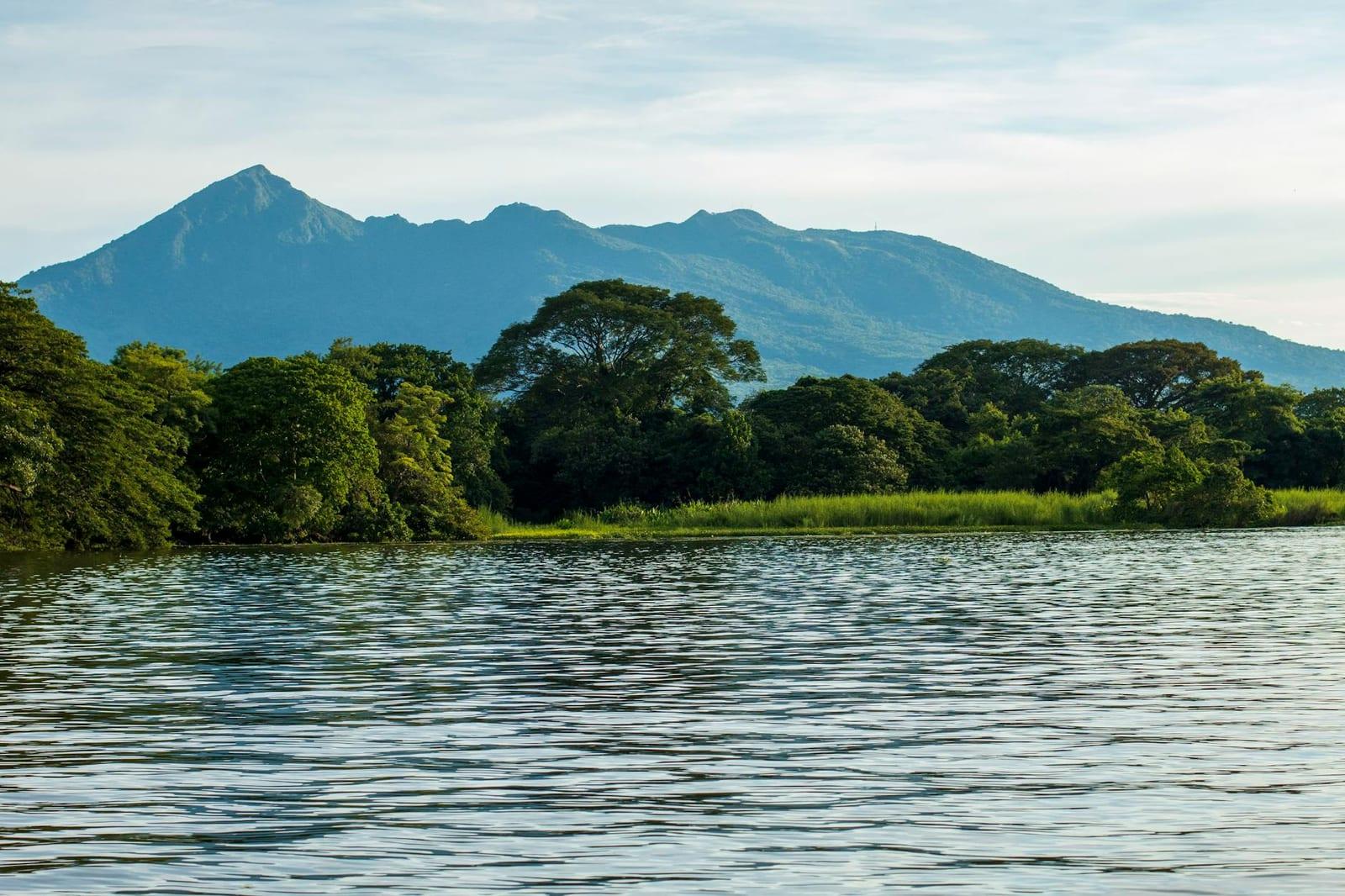
- Somoto Canyon National MonumentLittle known to the outside world until recently, this is one of Central America’s great gorges.
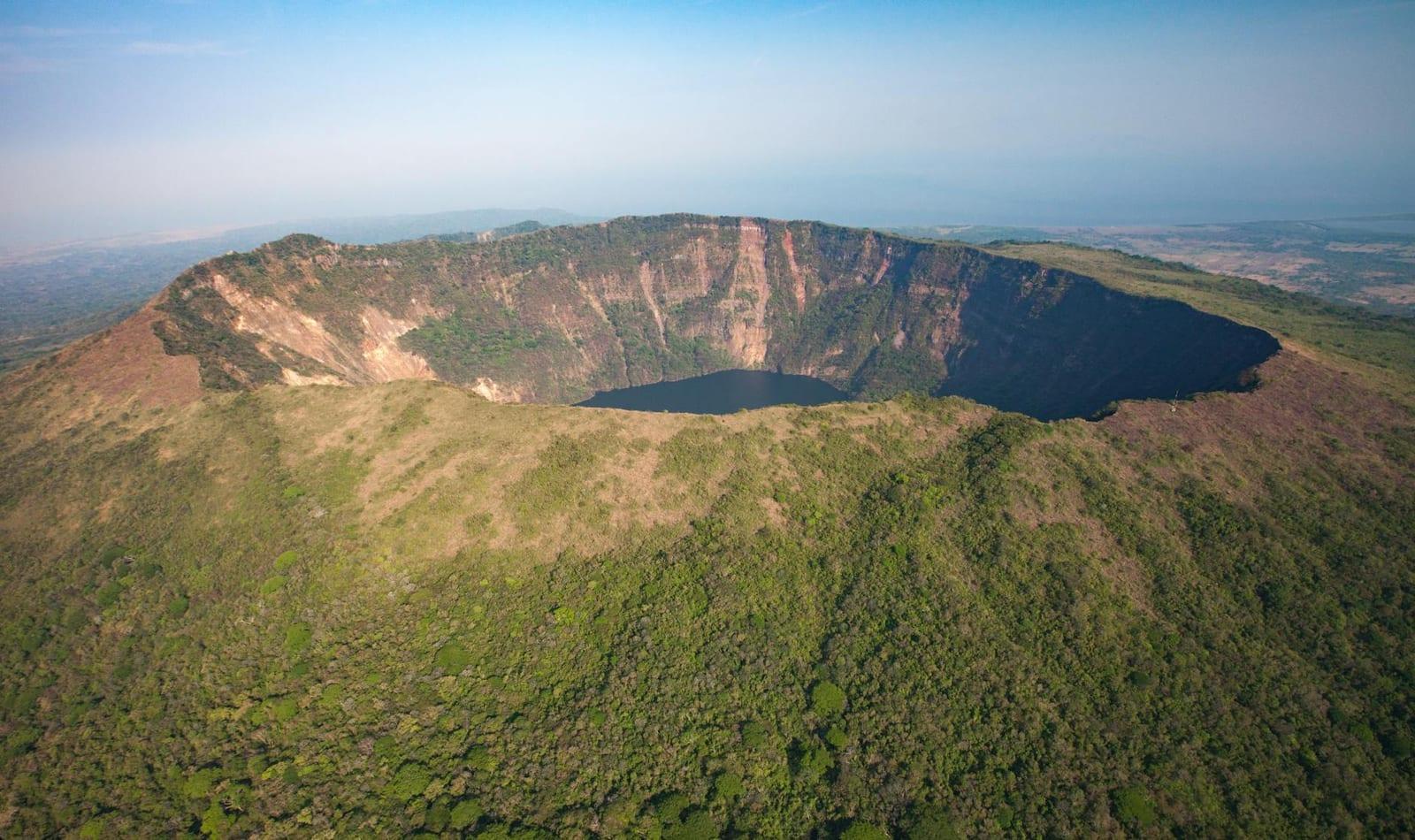
- Miskito CaysThis wild corner of the Caribbean entices with vibrant mangrove and reef ecosystems—plus deliciously removed beaches.
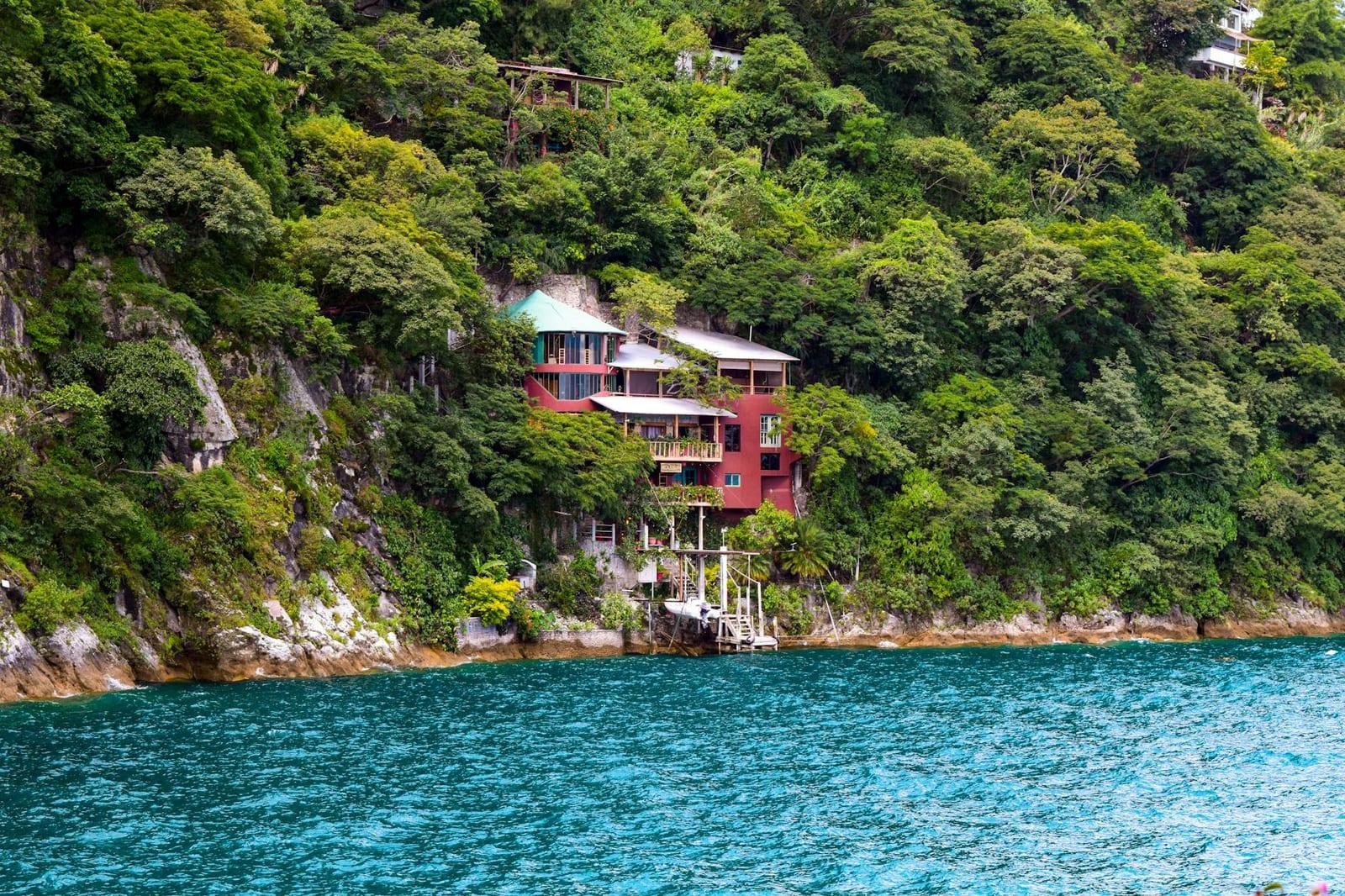
- Leon CathedralThe biggest of Central America’s cathedrals took more than a half-century to complete and ranks as a UNESCO World Heritage Site.
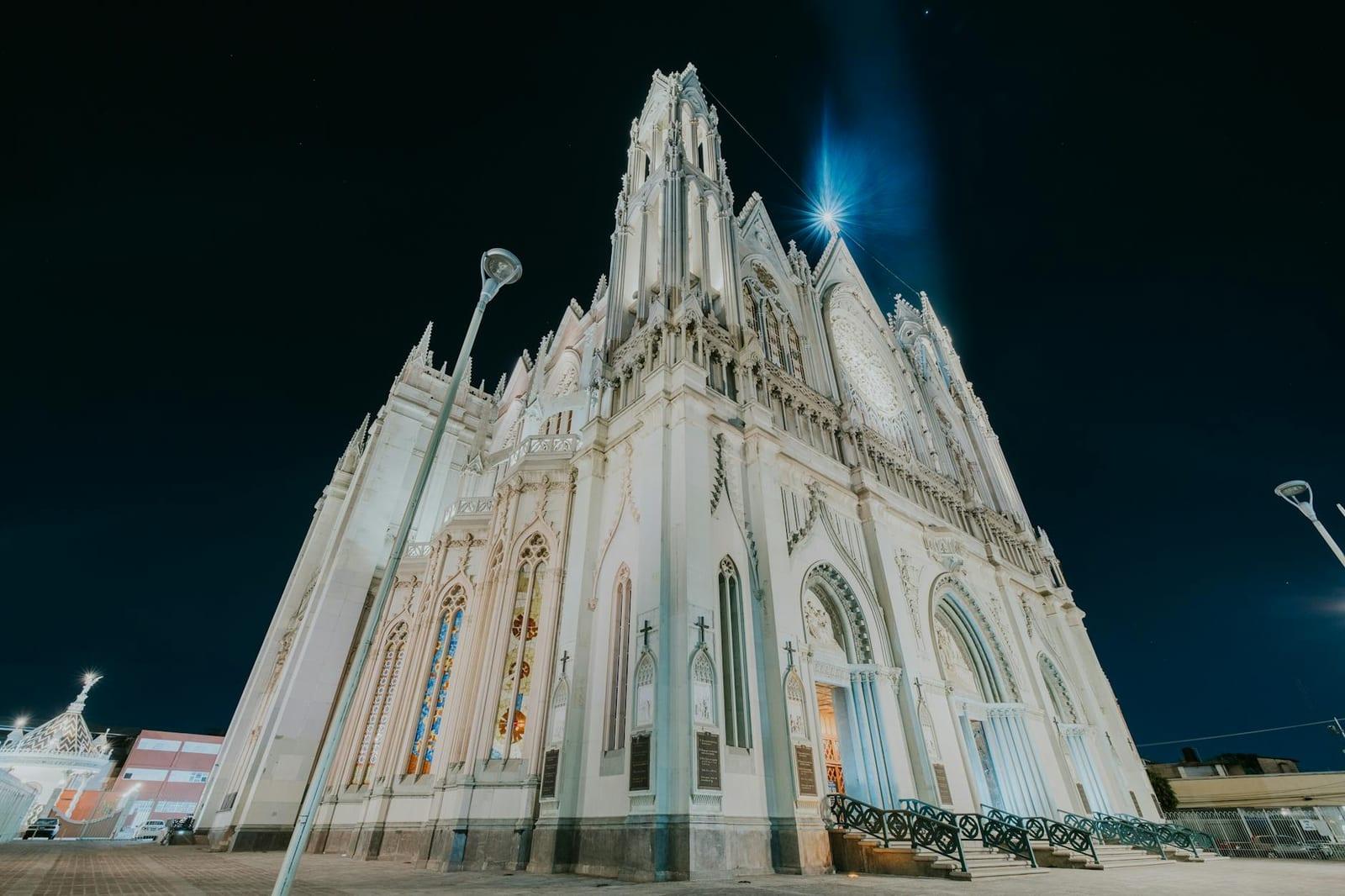
- GranadaA walk through the streets of Granada, lined with colonial-vintage buildings, is a trip back in time.
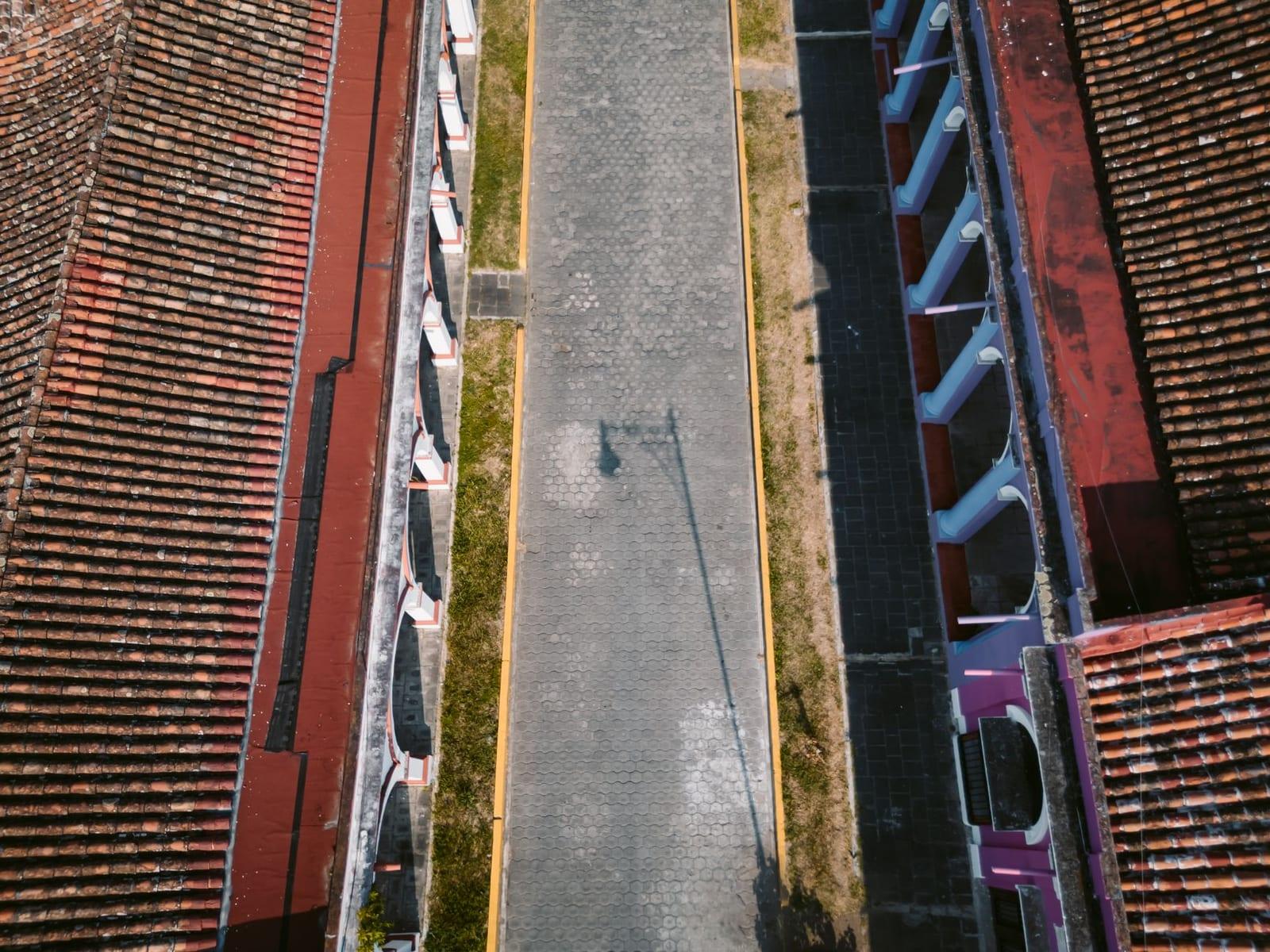
- Footprints of AcahualincaPetrified human footprints perhaps 6,000 years old pepper the shores of Lake Managua.