
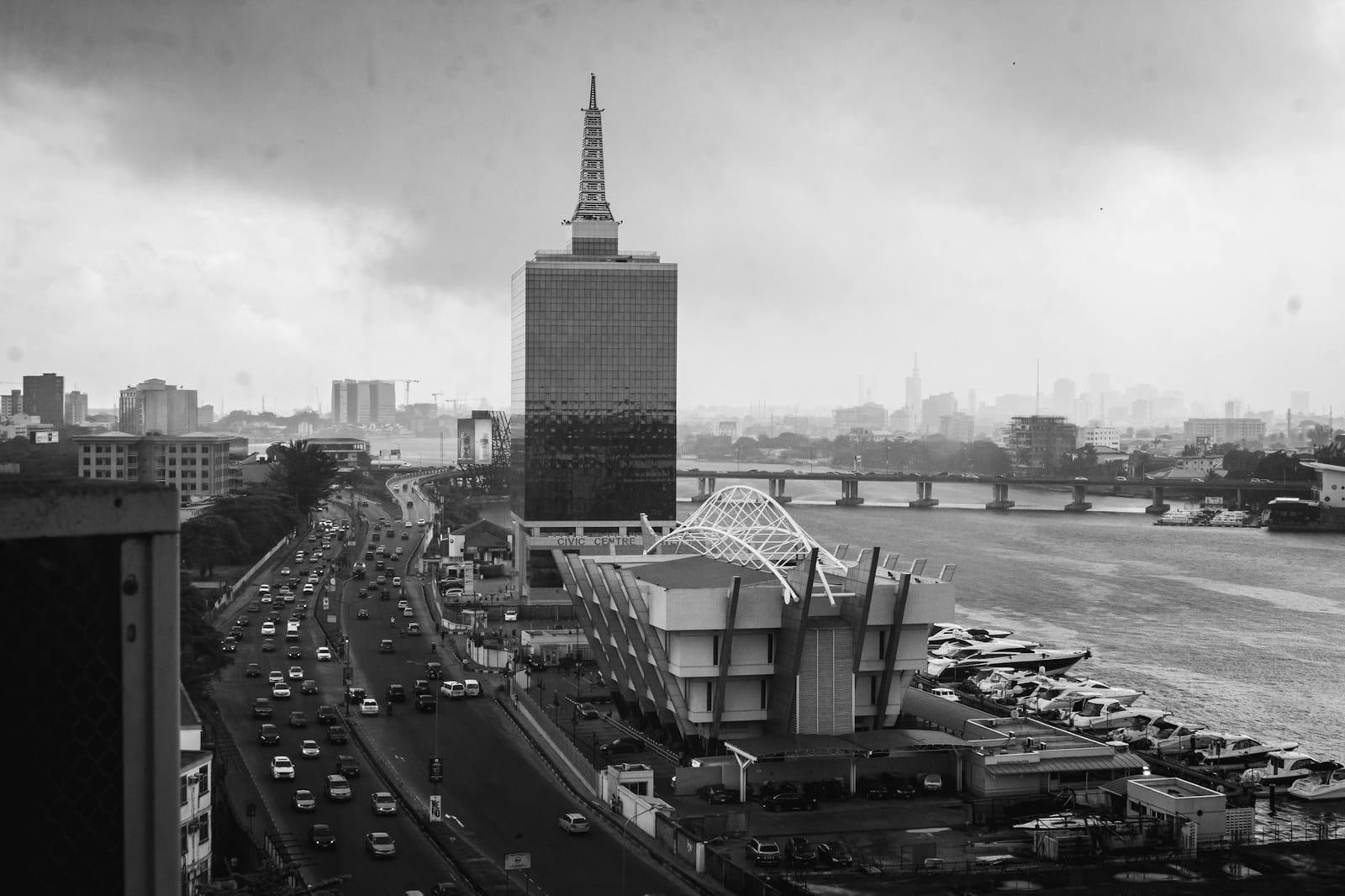
Nigeria, Africa’s most populous nation, is its own universe. Revved up by Niger Delta oil, telecommunications, and other sectors, the fast-growing Nigerian economy is the continent’s biggest, and the giant capital city of Lagos crawls with high-rollers. Nowhere does a 21st-century vision of industrialized, urbanized, globalized, Africa rear so mightily as in this West African republic, 175 million strong.
The flipside, though, can be mighty dark: sprawling slums in the shadow of Lagos’s shining business centers, ecological devastation and the upheaval of traditional livelihoods in the face of multinational black-gold exploitation, the seemingly ceaseless violence between the government and the terrorist group Boko Haram. (As of this writing, both the U.S. and U.K. have standing travel warnings for Nigeria.) In Nigeria, you'll find glitz and grit coinciding and colliding starkly, often disturbingly.
But Nigeria’s unquestionably fascinating, a place to parse the threshold of old and new Africa like few others. Besides the spectacle of its modern-day boom, this is a country that encompasses mighty historical empires (Hausa, Igbo, Yoruba, and others), close to 300 different ethnic groups, and a landscape ranging from the steaming swamps and forests of the Gulf of Guinea coast to the near-desert savanna of the far northeast. Far more interesting than Lagos’s skyscrapers is the capital’s world-class (and highly diverse) musical scene: This is, after all, the old stomping-ground of Afrobeat visionary and global music icon Fela Kuti, and the proudly homegrown creative spirit he embodied still burns nightly in the streets and nightclubs of Lagos.
And though Nigeria’s heavily populated, there are some jewel-like islands of wilderness. The Yankari Game Reserve in the northeast hosts charismatic megafauna of the Sudanian Savanna: bush elephants, African buffalo, hippos, and even a few precious holdouts of the beleaguered West African lion. And Cross River National Park in the southeastern corner protects some of the last old-growth rainforest in Nigeria as well as some of the few known Cross River gorillas, a distinct subspecies.
Nigeria can outright bowl you over with the scale of its humanity: the wealth, the poverty, the multiethnic dynamism of it. And away from the densely-packed cities and resort beaches, there are glimmers of older ways of life and some stunningly beautiful landscapes.
12 things not to miss.
- an afrobeats night in LagosCatch an afrobeats night in Lagos

- elephants at YankariSee elephants at Yankari
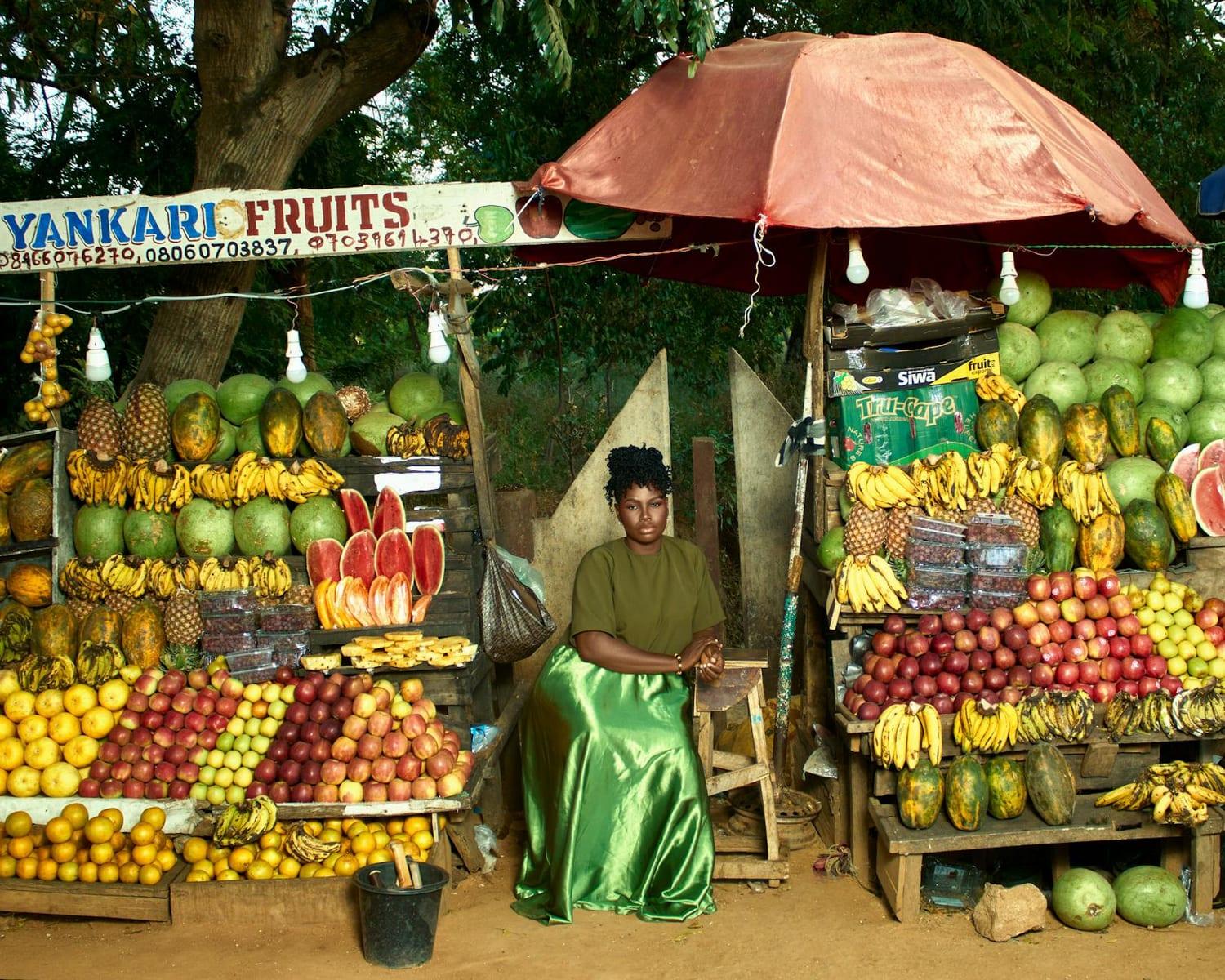
- the top of Olumo RockHike to the top of Olumo Rock
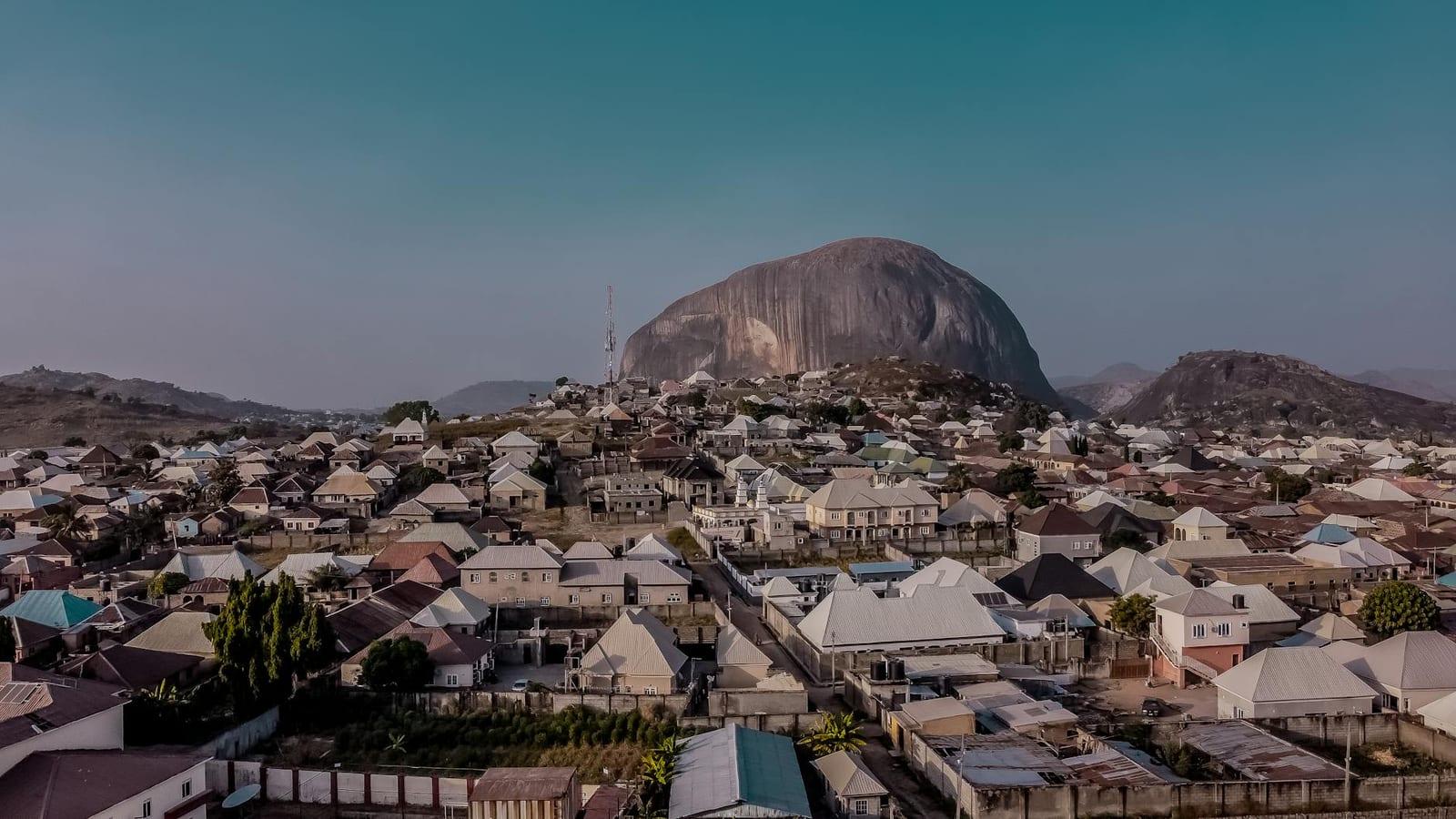
- Yankari Game ReserveSeek out some of Nigeria’s Sudanian Savanna wildlife, including a few West African lions, in their last great stronghold.
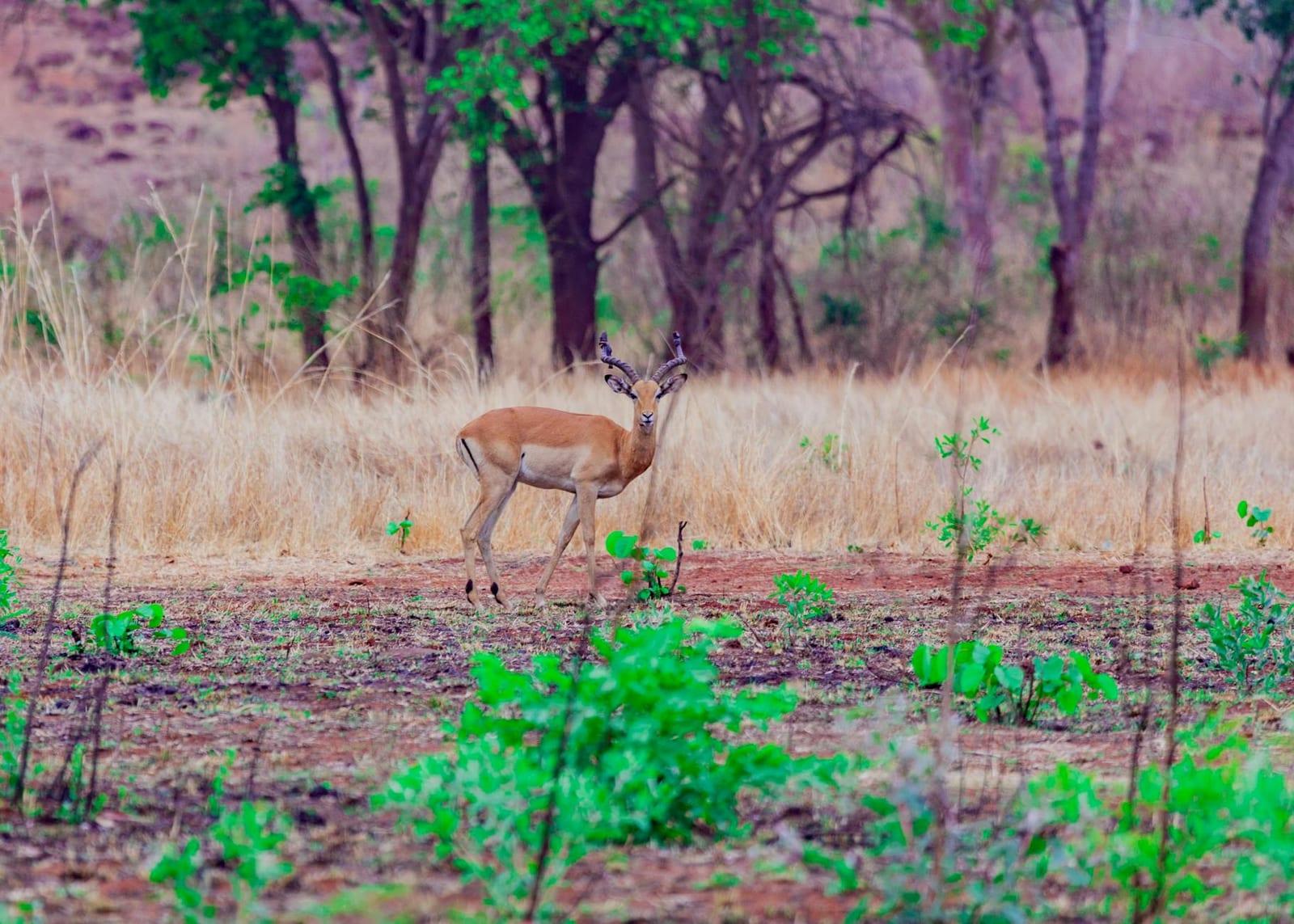
- Cross River National ParkAmong many rare animals finding refuge in this peerless tract of virgin rainforest is the Cross River gorilla, a unique and almost vanished subspecies.
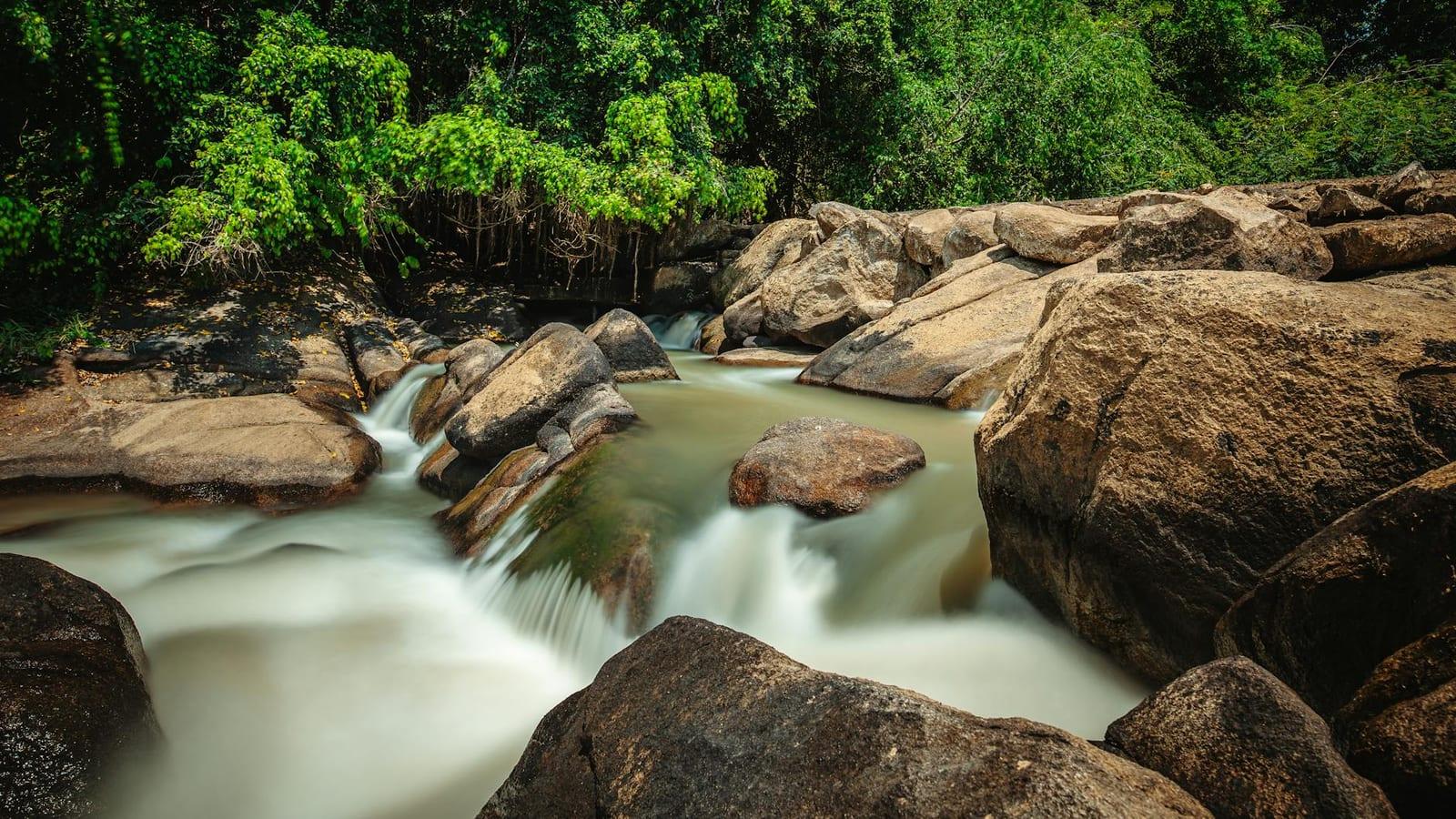
- Gashaka-Gumti National ParkThis amazingly diverse park rises from savanna to highland forest; attractions include elephants, mountain reedbuck, chimps, and Nigeria’s loftiest mountain (7,936-foot Chappal Waddi).
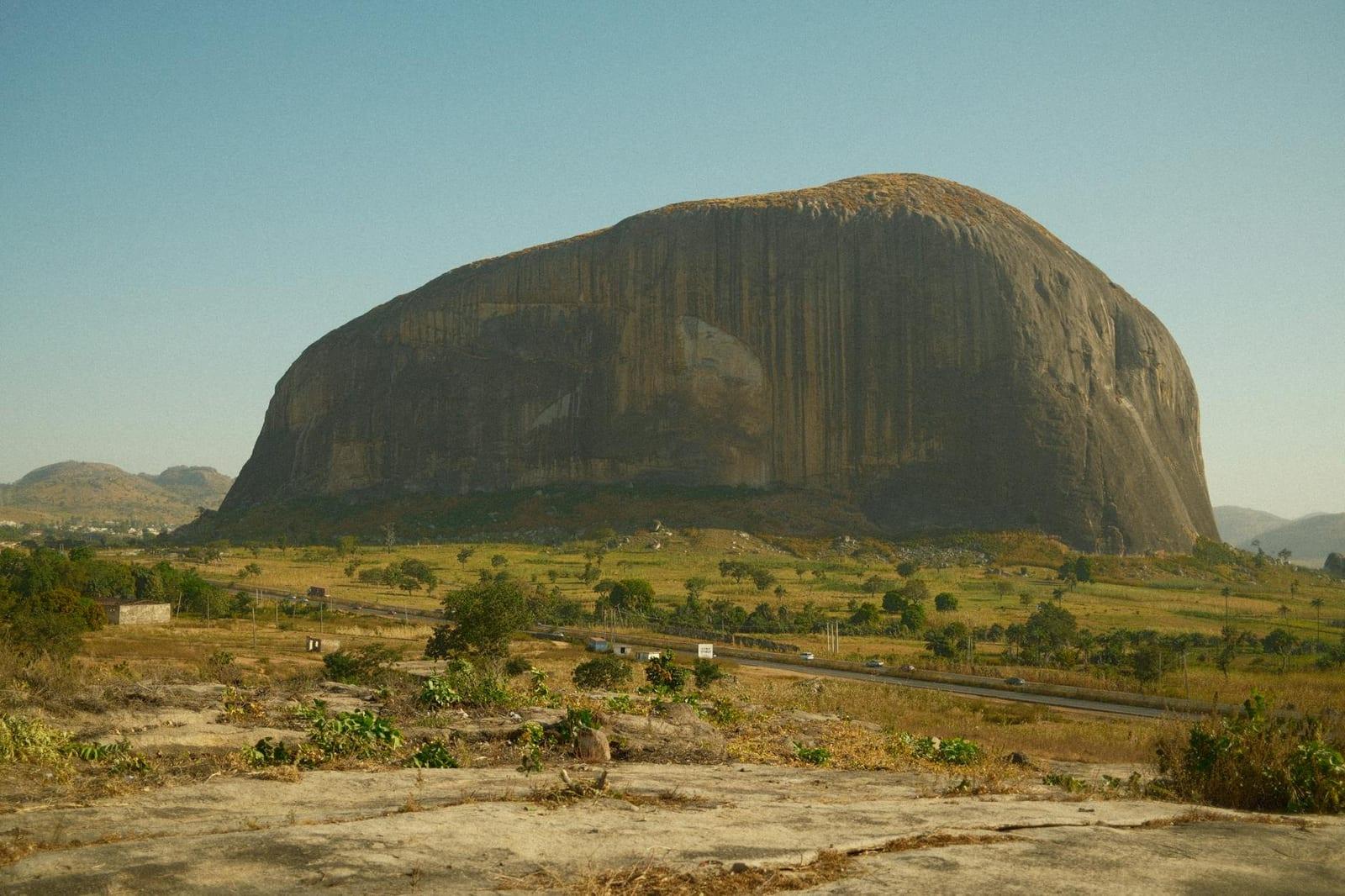
- Emir’s Palace at KanoThe Gidan Rumfa serves as the palatial headquarters for this ancient Hausa city’s emir; during the Durbar, decked-out horsemen from all over arrive to pay their respects.
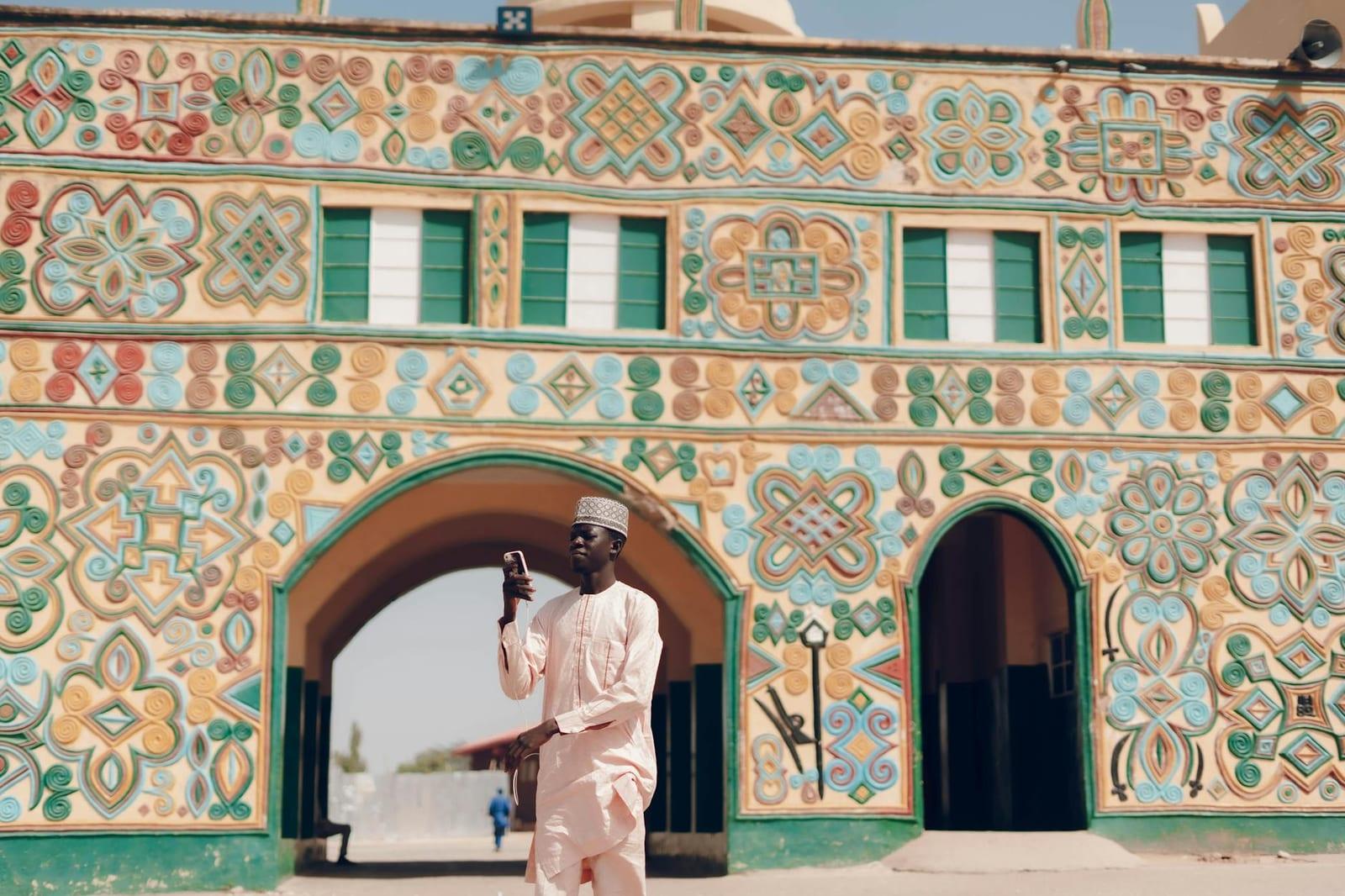
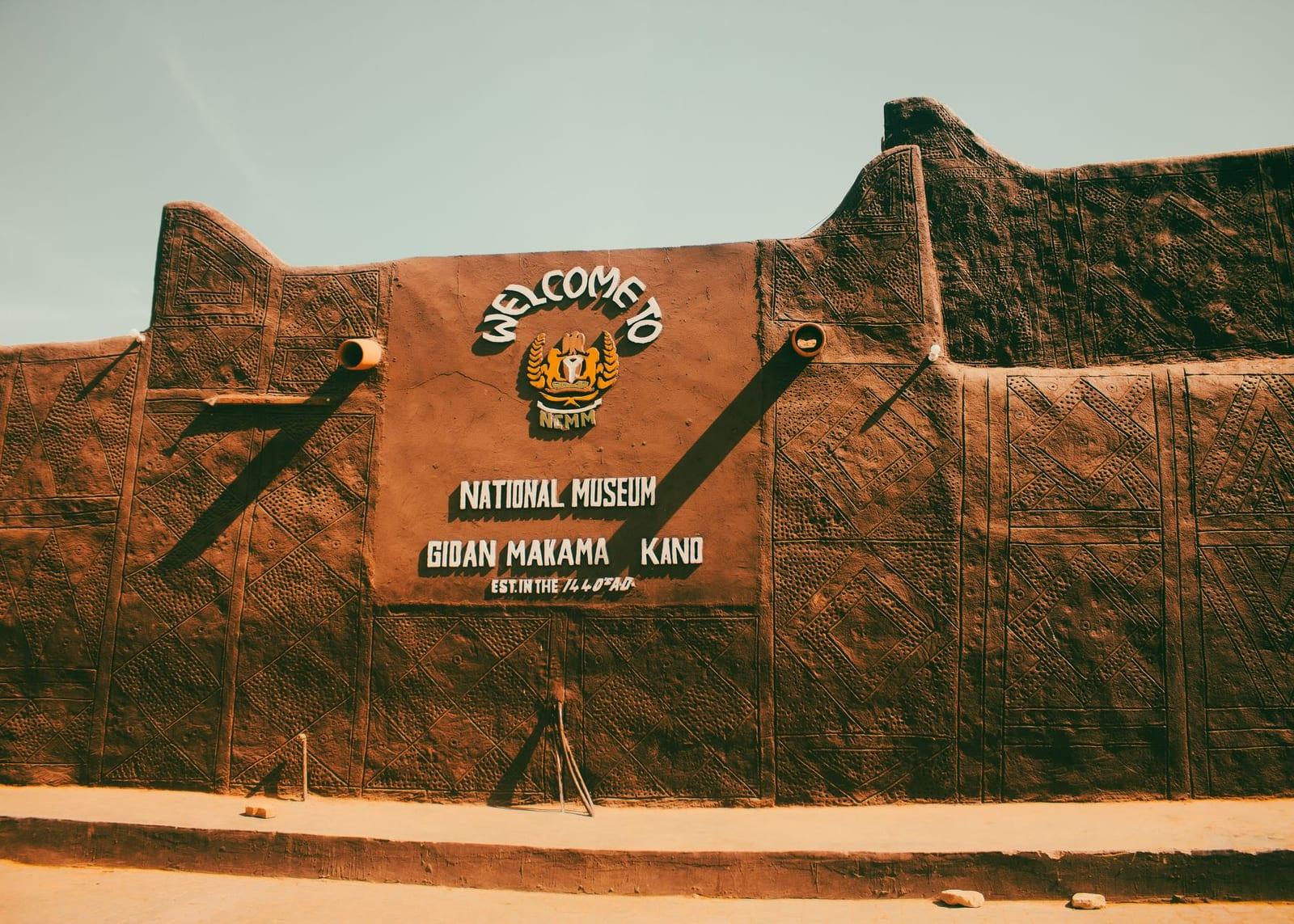
- Gidan Makama MuseumLearn about Kano’s rich, 1,000-year-old history at its fine museum, housed in a former royal residence constructed in the 1400s.
- Nigerian National MuseumLagos’s well-arrayed museum includes fine collections reflecting the country’s history and ethnic diversity, including incredible terracotta statuettes of Nok origin.
- Oba’s Palace (Lagos)The king of Lagos resides in this 17th-century Portuguese castle, which common folk—including tourists, of course—must appreciate from the outside.
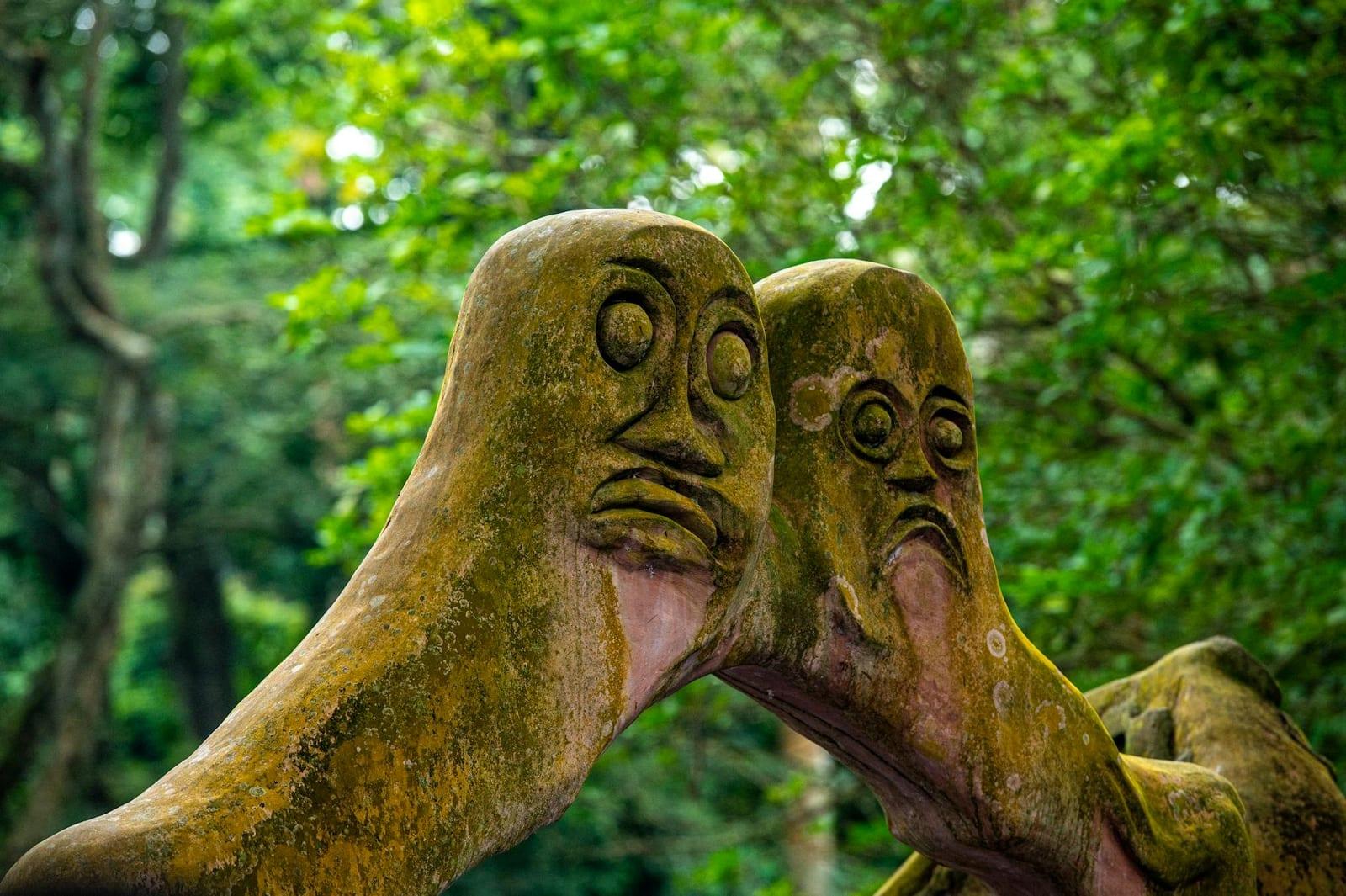
- Osun-Osogbo Sacred GroveAmong the last Yoruba sacred groves in Nigeria, this ancient, shrine-strewn forest honors Osun, the goddess of fertility, and other deities.
- Gurara FallsThis broad cataract on a Niger tributary is most impressive in the rainy season; its plunge pool becomes a swimming hole in the dry season.