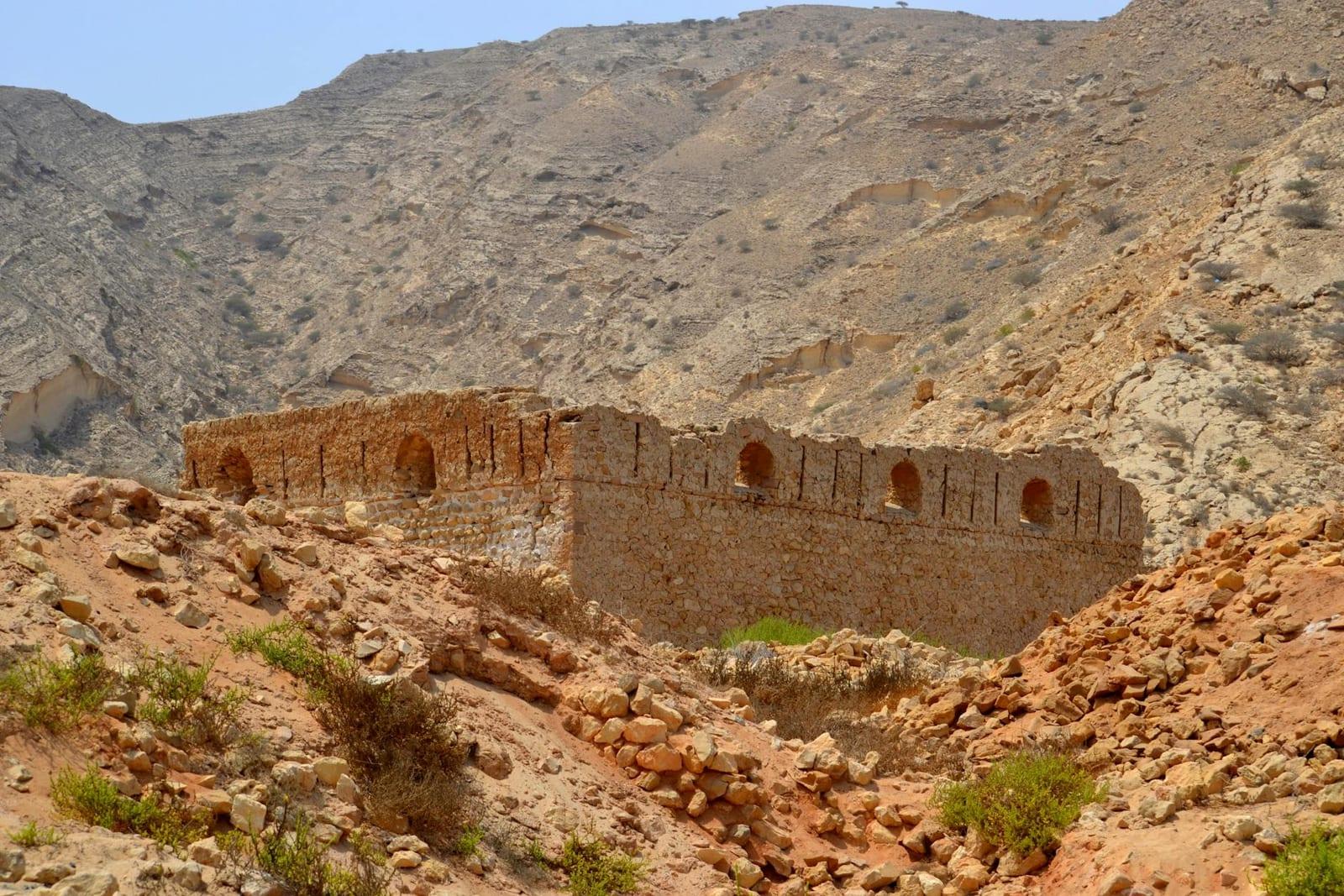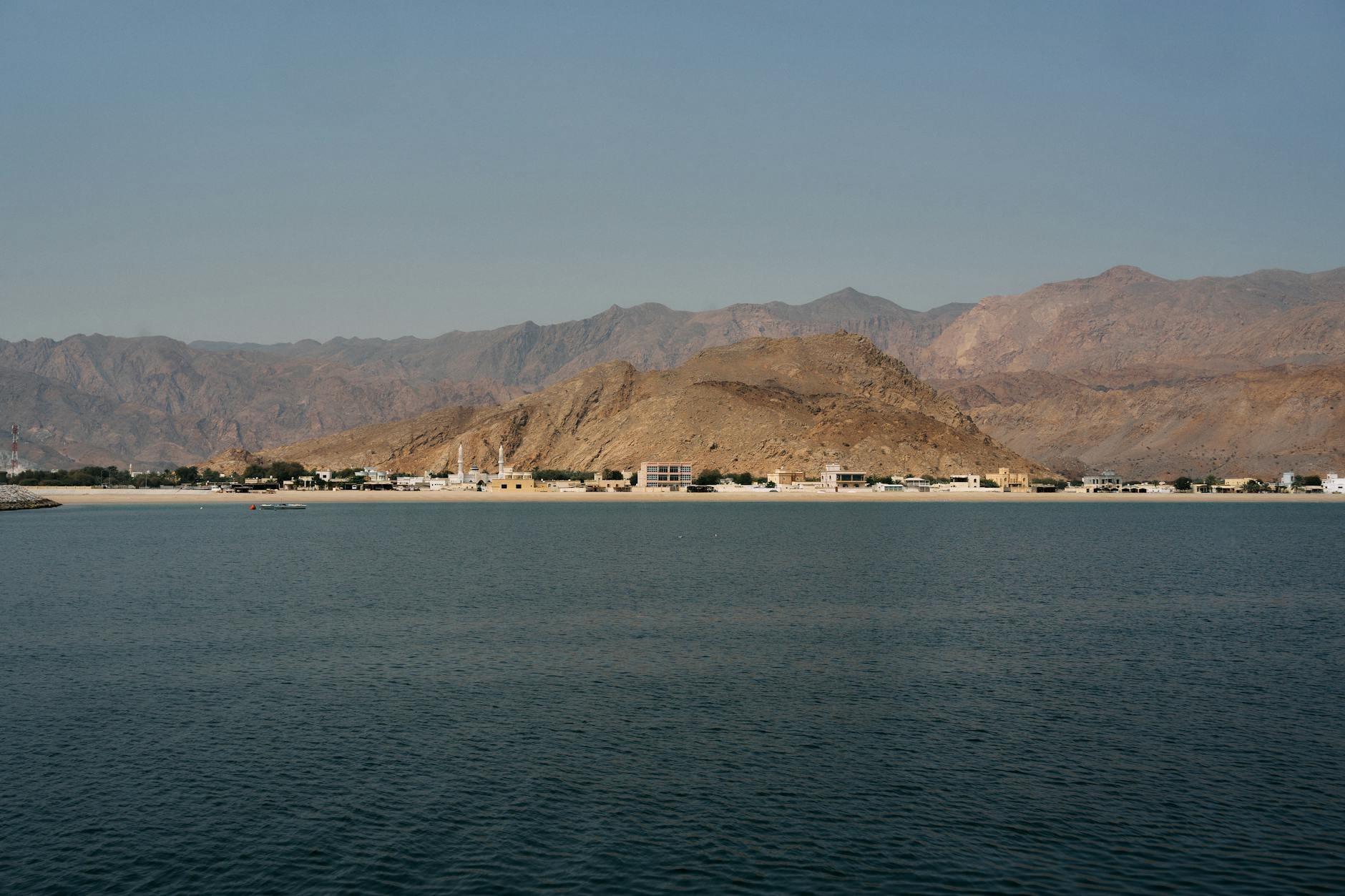

Less glitzed-out than the United Arab Emirates, less oil-flush than Saudi Arabia, less strife-ridden than Yemen—its neighbors on the Arabian Peninsula—Oman is a bit of an enigma. Only truly accessible to tourists since the 1970s (following the closed-off, feudalistic era of Sultan Said bin Taimur), the Kansas-sized sultanate displays some extraordinary desert-and-seacoast scenery while offering an enthralling look at traditional Arab culture.
Inhabited since the Stone Age, once ruled by the Persians and colonized by the Portuguese, Oman has a long history of maritime trade. And there’s an impressive inheritance of antiquities, a fair share of them—the 3rd-millennium-BCE shelters and necropolises of Bat, Al-Khutm, and Al-Ayn, for example, and the “Land of Frankincense” groves and oases—designated as UNESCO World Heritage Sites. Among the most distinctive Omani relics are vintage forts such as Bahla and Nakhal and the striking aflaj irrigation systems that have transported water in settlements for thousands of years.
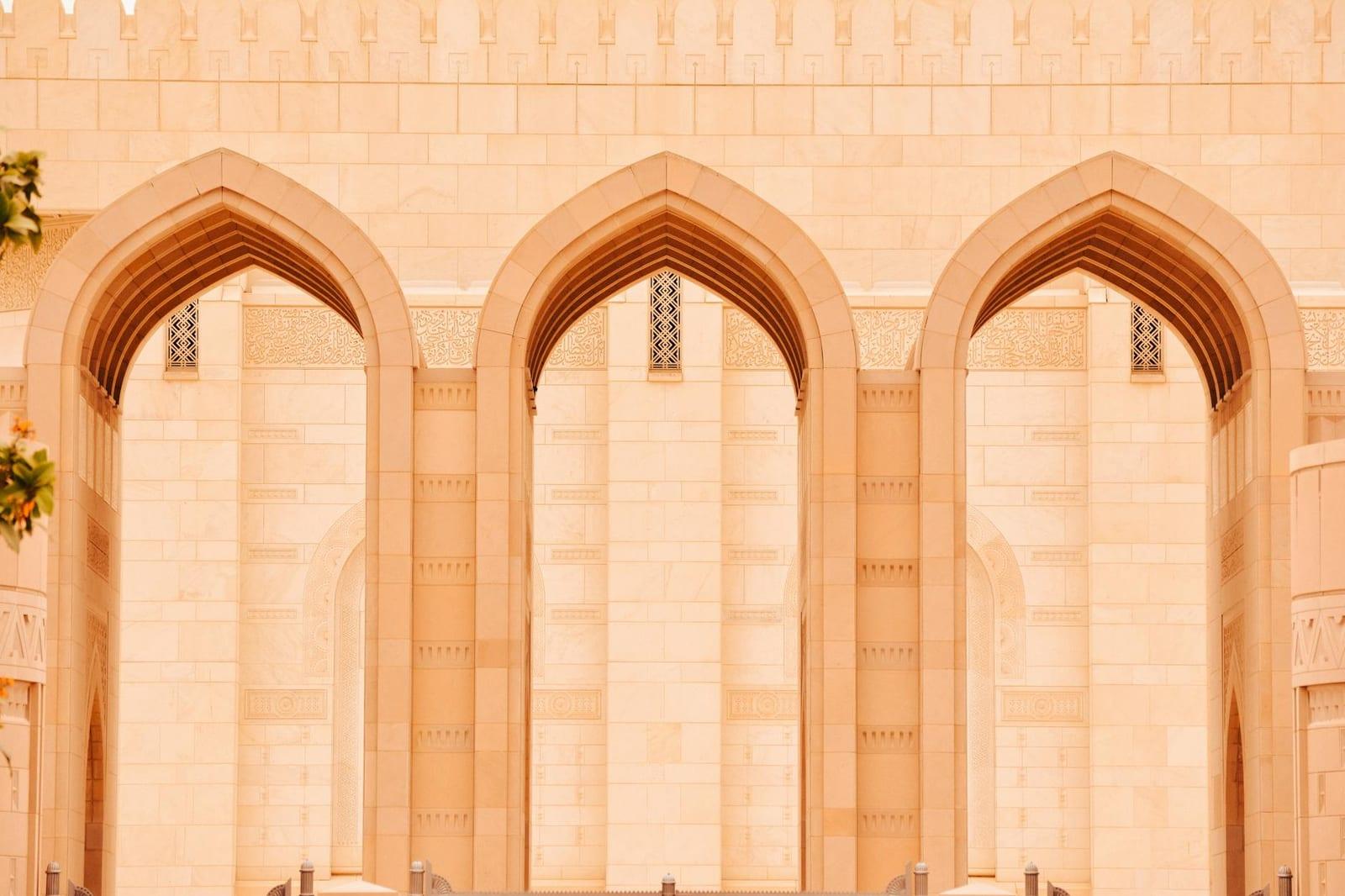
Not all of Oman’s arresting landmarks are historical: The capital of Muscat, for instance, harbors the sandstone Sultan Qaboos Grand Mosque, famed for its colossal prayer carpet and chandelier, as well as the Royal Opera House and several significant museums.
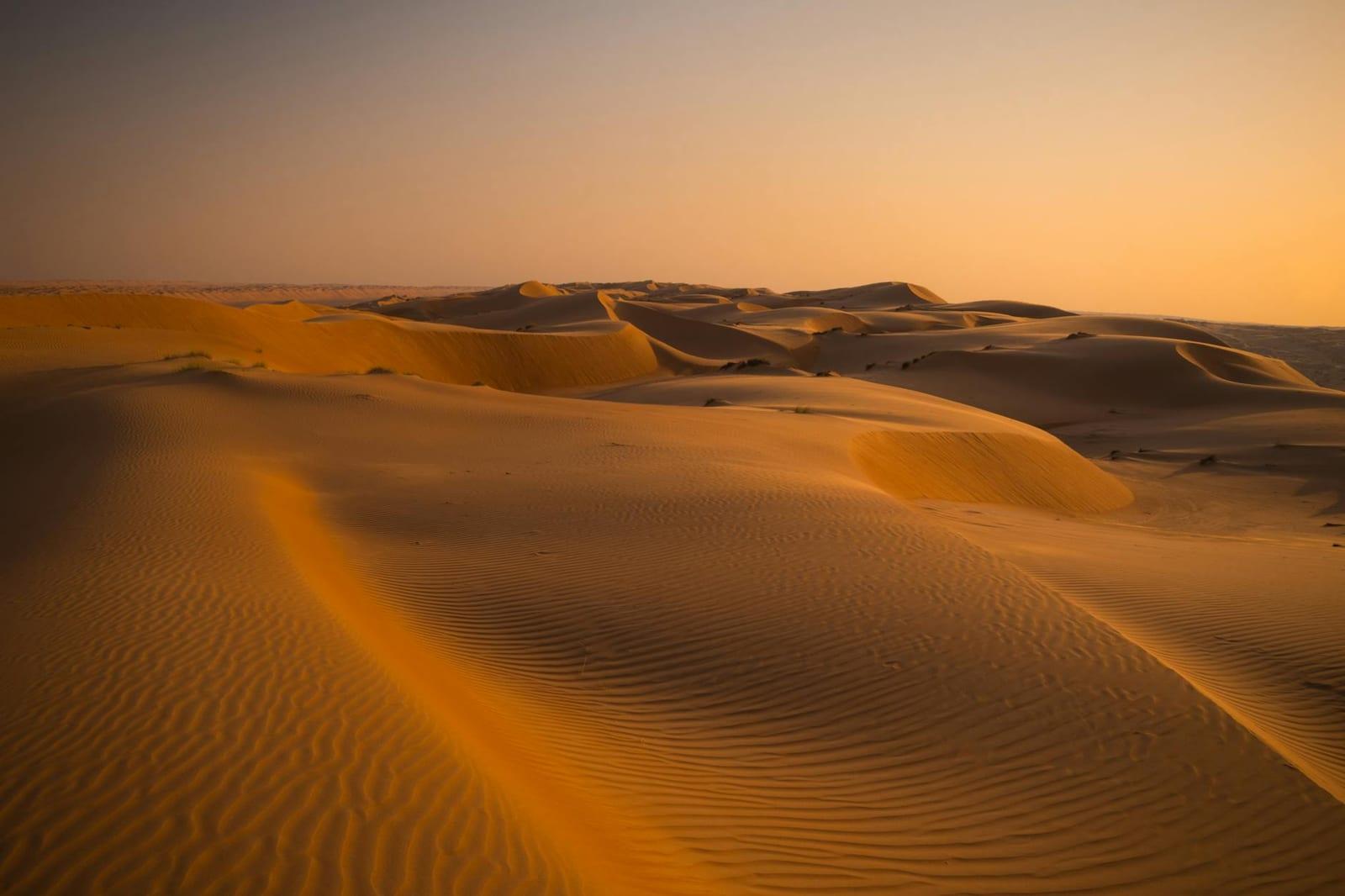
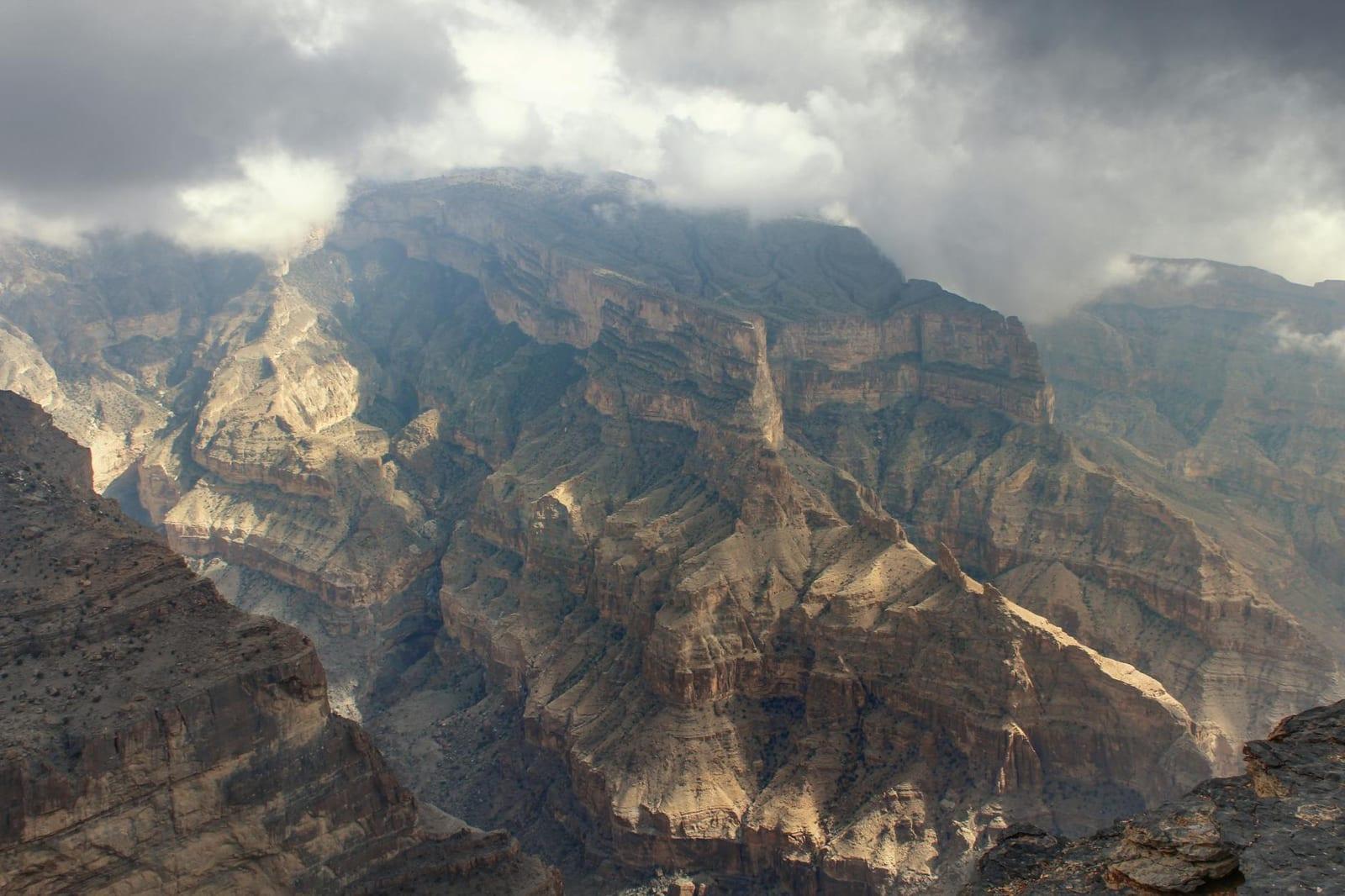
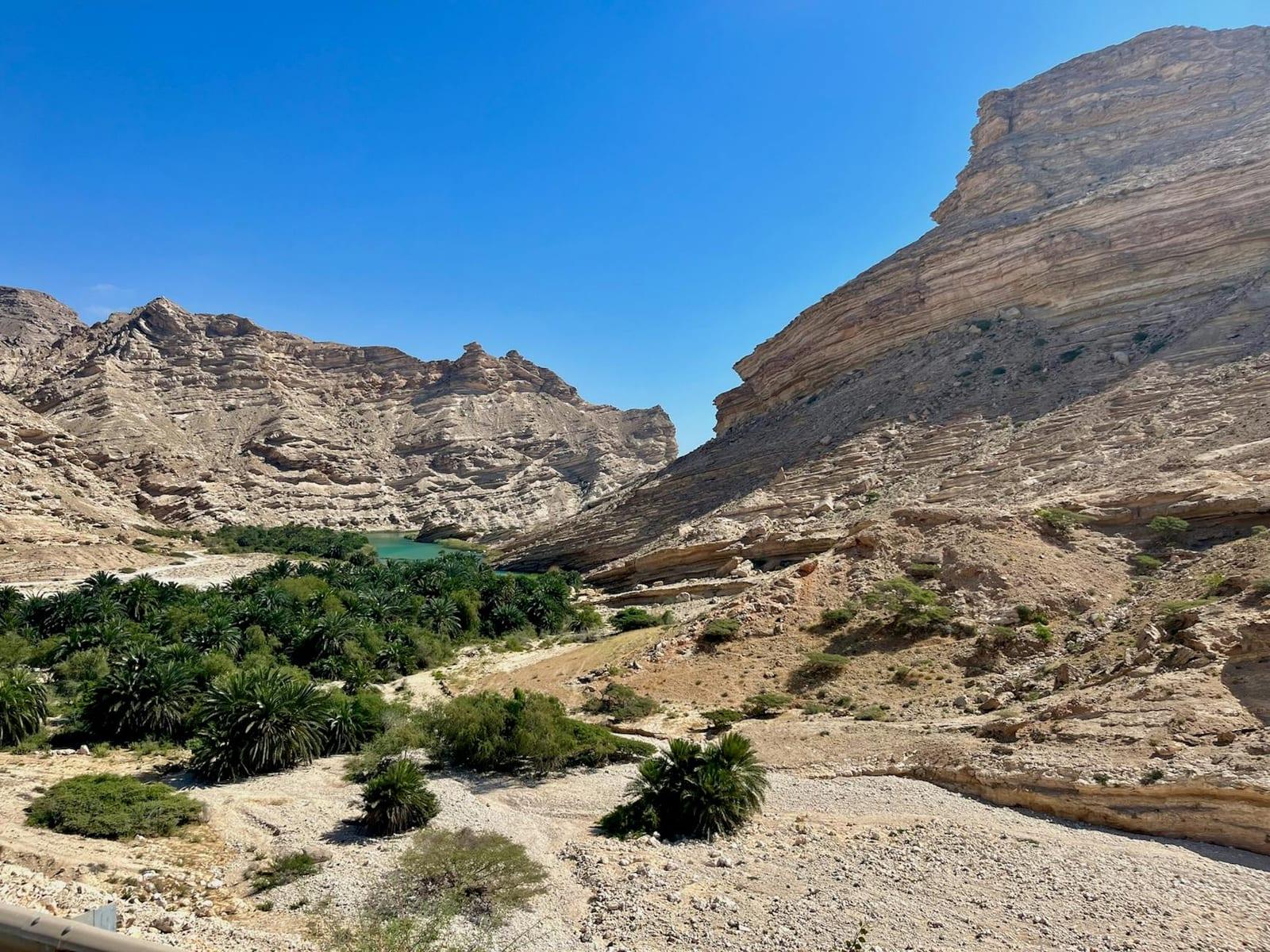
Oman’s natural landscapes, meanwhile, are some of the Middle East’s most sublime, from the beach- and cliff-flanked coastline to the lofty heights and sheer gorges of the Al Hajar Mountains, to the epic dunes of the Empty Quarter (Rub’ al Khali). Some of the country’s grandest desert scenery—perfect for camel or 4x4 safaris—awaits in the Wahiba Sands of the northeast.
Whether you’re meditating on a desert sunset, mulling deep time at a Bronze Age tomb, or shopping for Bedouin crafts and frankincense at a traditional souk, your exploration of old-school Arabia is sure to be rewarding in Oman.
10 things not to miss.
- Cliff-top stay on the Musandam fjordsCliff-top stay on the Musandam fjords
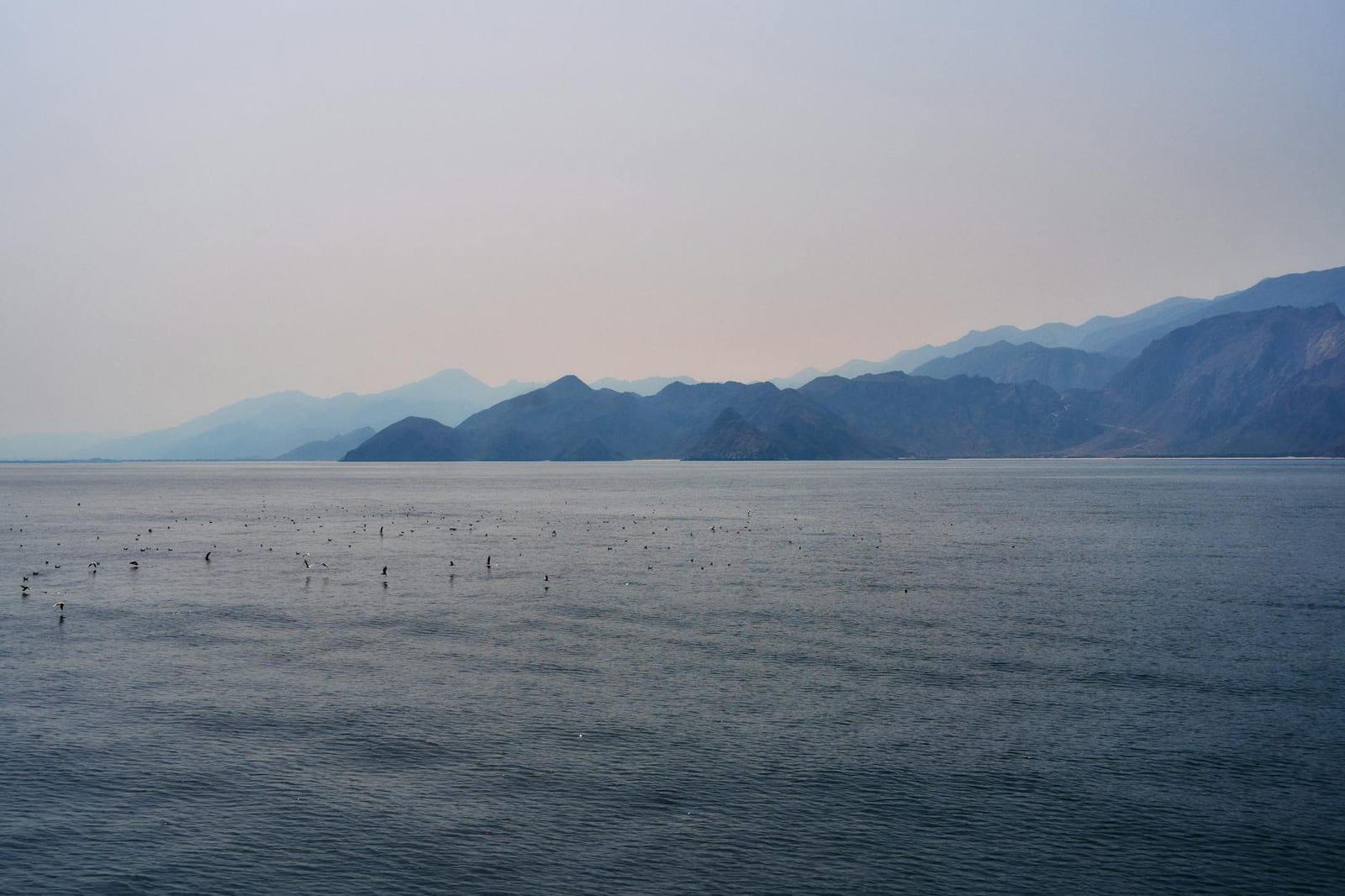
- Jebel Akhdar's terraced villagesHike Jebel Akhdar's terraced villages
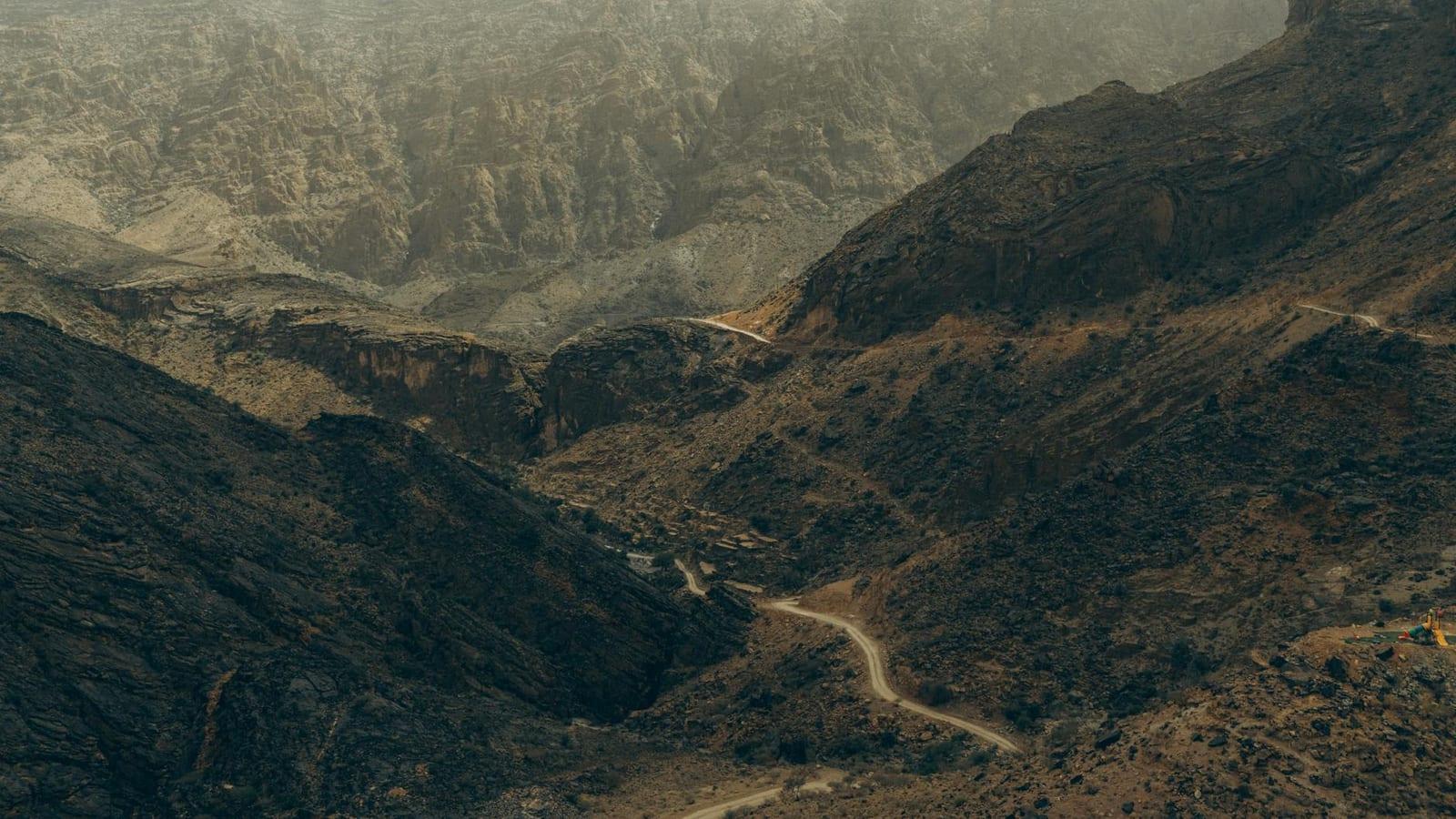
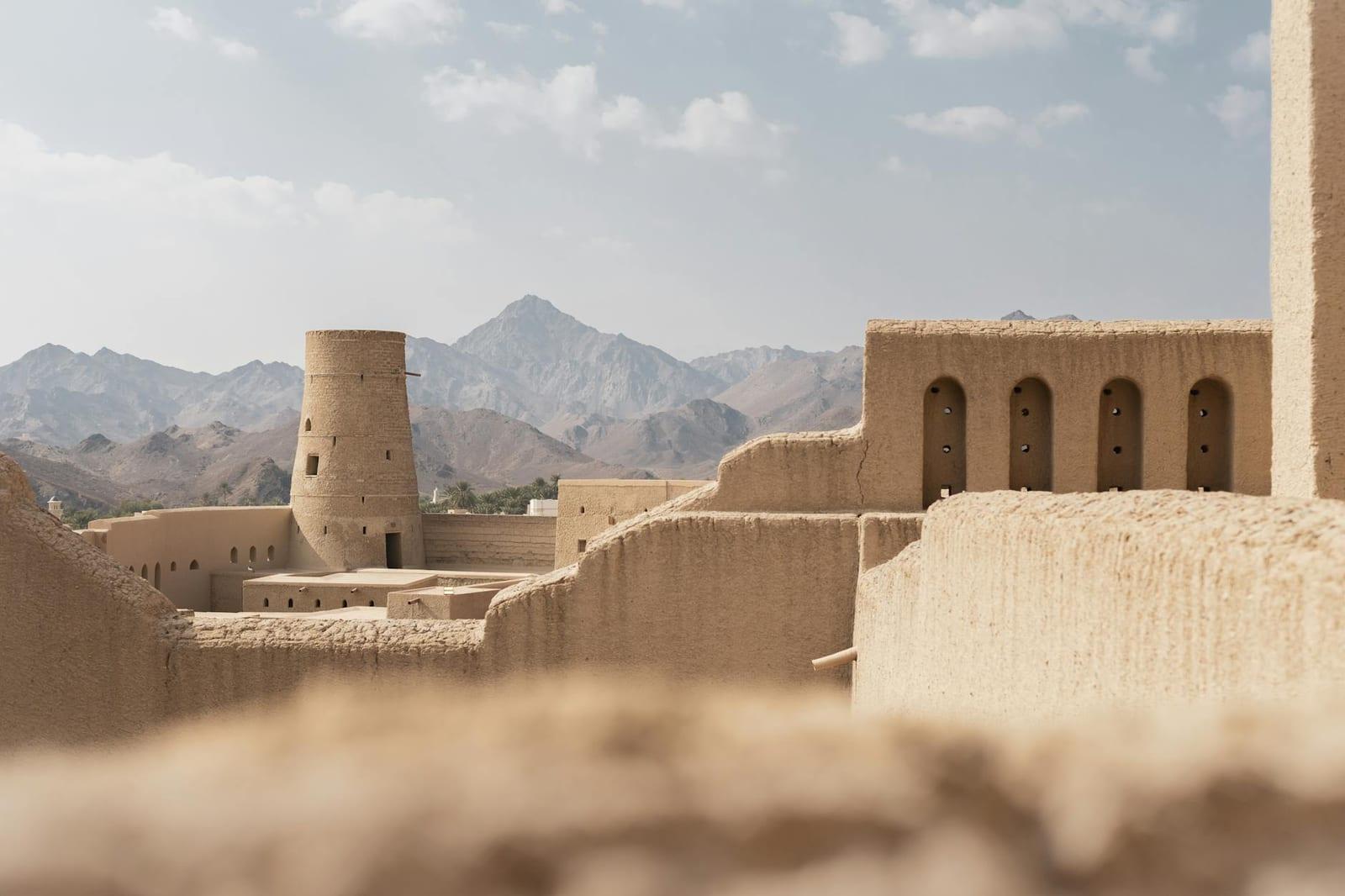
- Bahla FortBuilt of adobe and stone in the 13th and 14th centuries, this desert fortress of the Banu Nebhan marks the Bahla oasis.
- Wahiba SandsOman’s desert backland harbors nomadic Bedouins and draws safari-goers and other adventurers to its voluptuous dunes.
- Jebel ShamsThe flanks of this loftiest peak in the Al Hajar Mountains plunge into a spectacular gorge called Wadi Ghul.
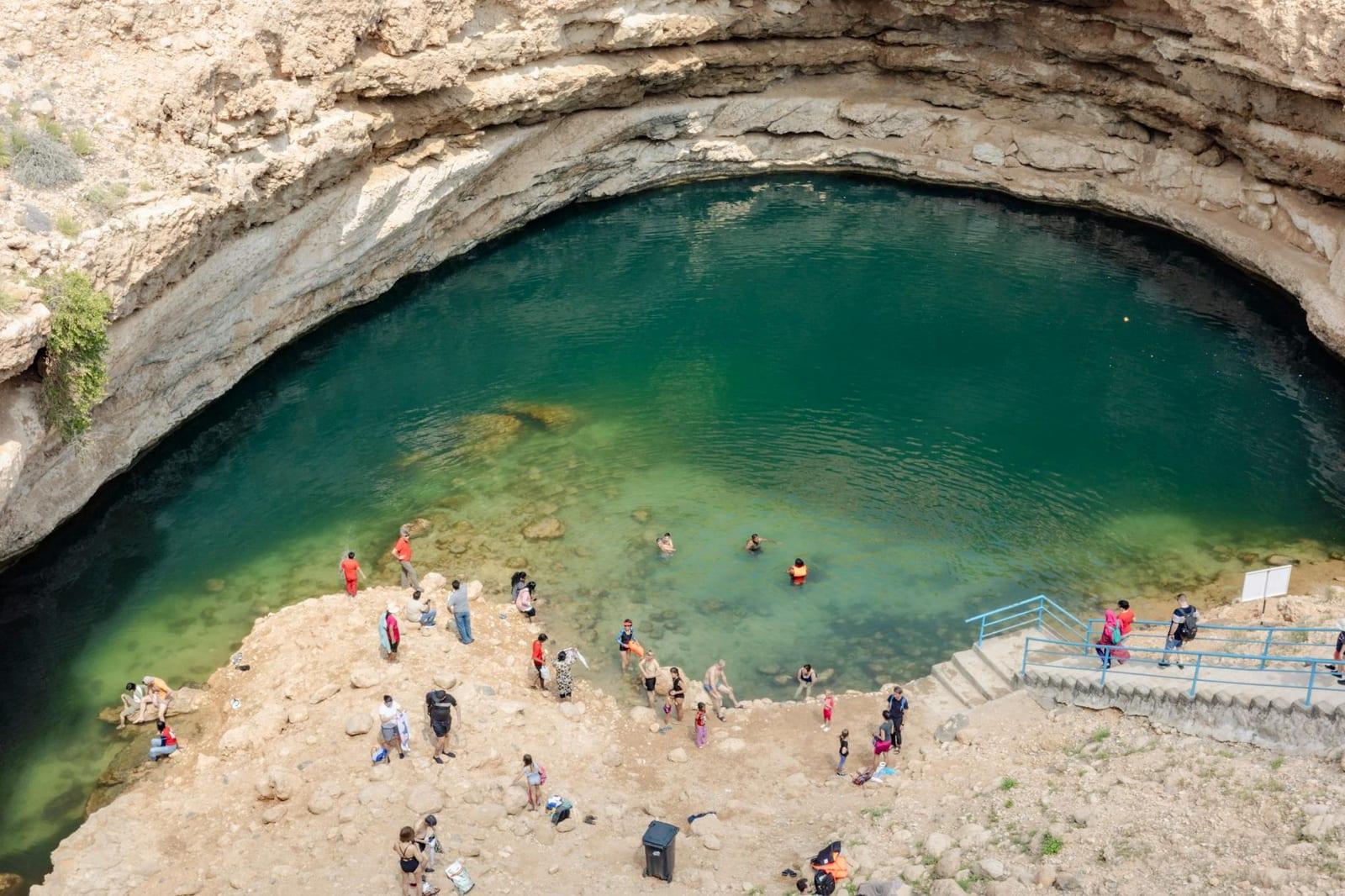
- Bimmah SinkholeThe lake within this gaping limestone cavern, one of Oman’s most striking landmarks, proves irresistible to bathers.
- Sultan Qaboos Grand MosqueMuscat’s grand mosque harbors a superlative treasure: one of the world’s largest and most striking carpets flooring the prayer hall.
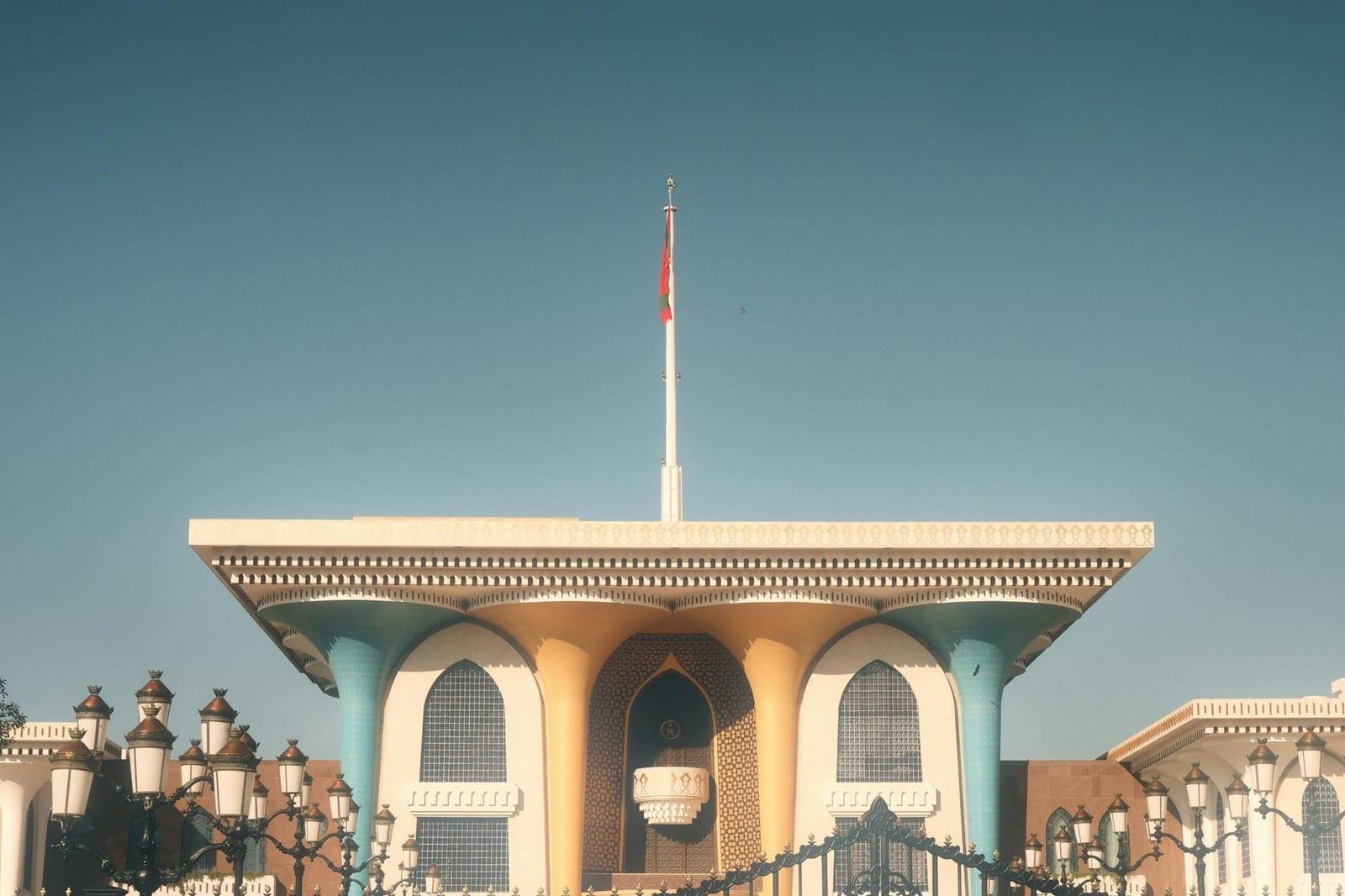
- Al Alam Palace (Muscat)The Omani sultan’s ceremonial residence, built more than two centuries ago, is a sight to behold.
- Wadi Dawkah (“Land of Frankincense”)This desert valley’s groves of frankincense—a World Heritage Site—embody the importance of the spice trade in Oman’s history.
- Al Mughsayl (Salalah)During monsoon (khareef) season, incoming waves jet spray and mist dozens of feet into the air from these limestone blowholes.