
First things first: Pakistan’s a volatile and potentially dangerous place to visit these days, and planning a trip here means closely studying your embassy’s current travel advice. From tense borders with India and Afghanistan to homegrown terrorism, this is a country smack-dab in one of the globe’s perennially unsettled regions. That backdrop of violence and melancholy lies in marked contrast to the wealth of Pakistan’s attractions, from striking scenery and ecology to the ancient and diversely woven culture. If you’re willing to accept the risk and deal with the occasional logistical headaches, you’ll find some remarkably uncrowded destinations of world-class caliber—places that just a few decades ago attracted droves of foreign tourists.
A list of Pakistan’s best-known landmarks is almost musical with mystique: the venerable (and often fraught) Khyber Pass, the old tombs and palaces of Karachi, the historic fort and gardens of Lahore. From the Indus Valley civilizations to the opulence of the Mughal Empire and the British Raj, thousands of years of back-and-forth history underpin this modest-sized country, glimmering forth in ancient ruins and long-standing houses of worship, sure, but also in colorful cuisine and an intricate ethnic tapestry.
In teeming cities such as Lahore, Islamabad, Faisalabad, Peshawar, and Karachi, the wild jumble of Pakistan’s eras and cultures provides an endlessly fascinating spectacle. Across the country, treasures of antiquity—the Mughal city of Thatta, the Buddhist relics of Takht-i-Bahi—intermingle with equally imposing contemporary landmarks such as Islamabad’s Faisal Mosque.
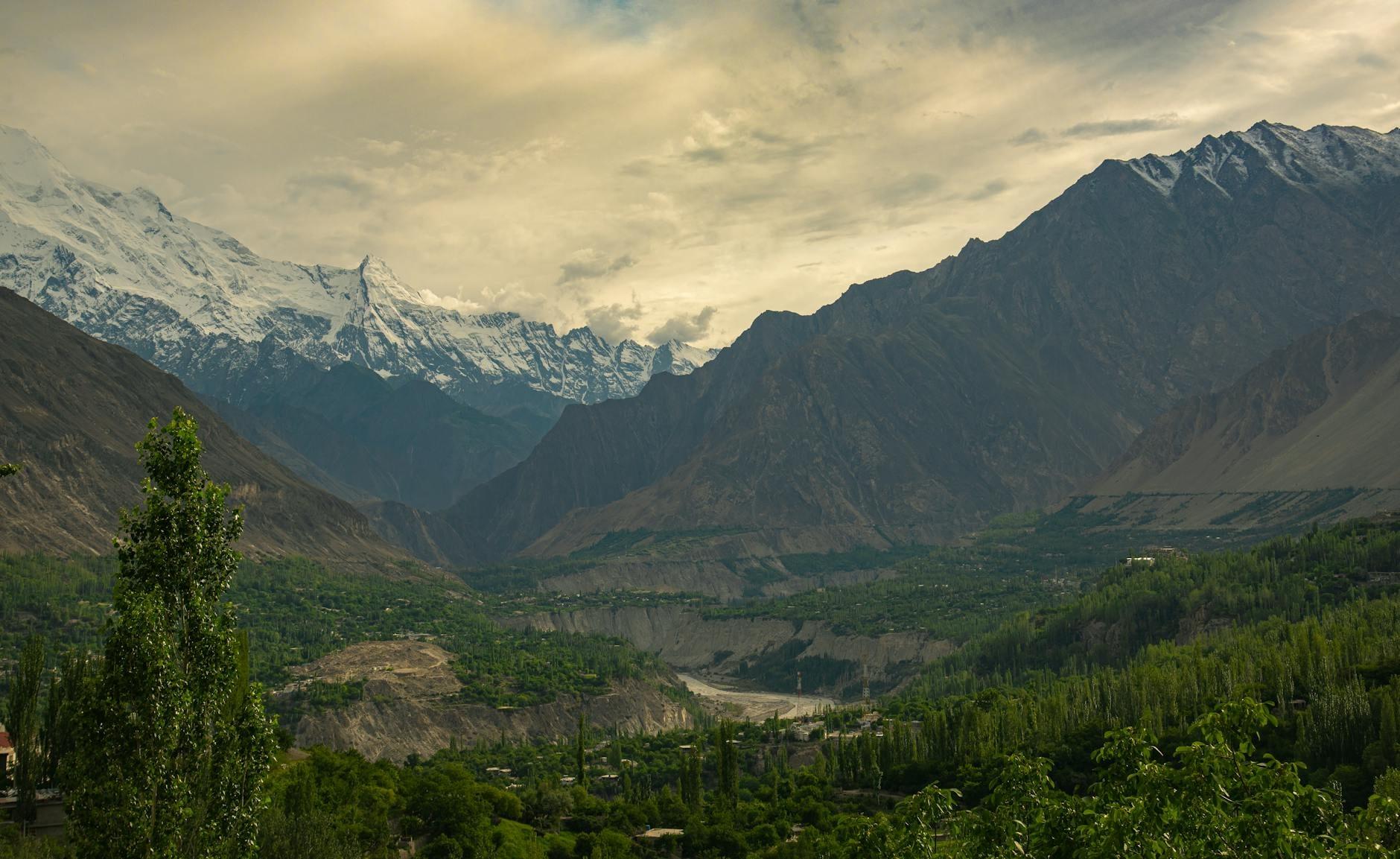
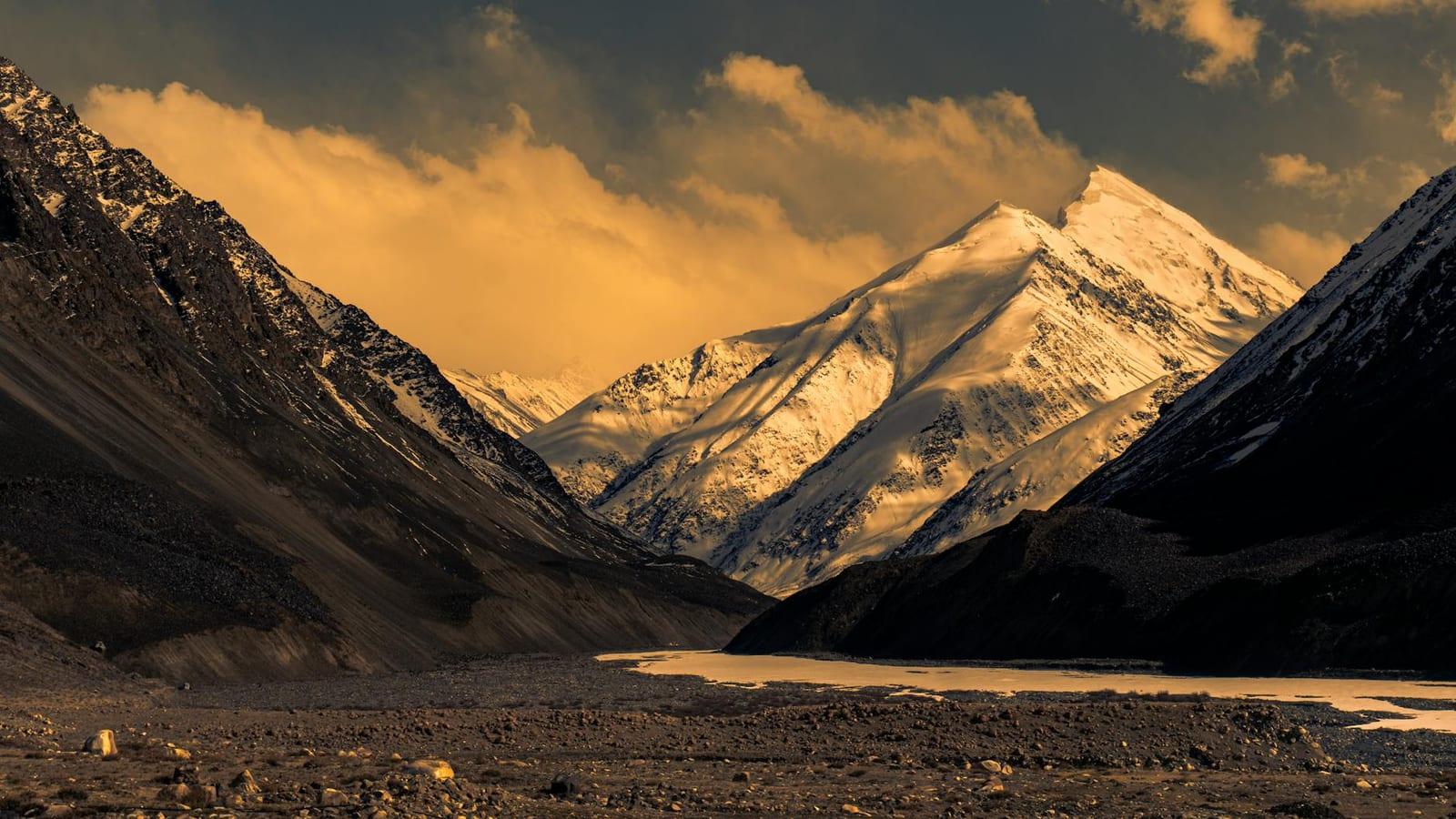
Pakistan’s natural geography, meanwhile, can be as breathtaking as its spread of humanity. The Karakoram Highway inarguably ranks among the world’s most astonishing (and highest-elevation) drives, threading as it does the cloud-splitting mountain frontier on the border with China. The Karakoram Range, which flanks the main Himalaya, has tantalized—and claimed—mountaineers for decades; precious few summits anywhere have as awesome a reputation as 28,251-foot K2, the second-highest peak on Earth and among the most dangerous to ascend.
For many travelers, the Pakistan of the 2010s is too precarious of a destination. Make no mistake, though: This variety-pack of a country, with its extreme terrain and exceedingly old and diverse human story, has marvels that, in an ideal world, every person could experience up close and personal.
13 things not to miss.
- toward K2 Base CampTrek toward K2 Base Camp
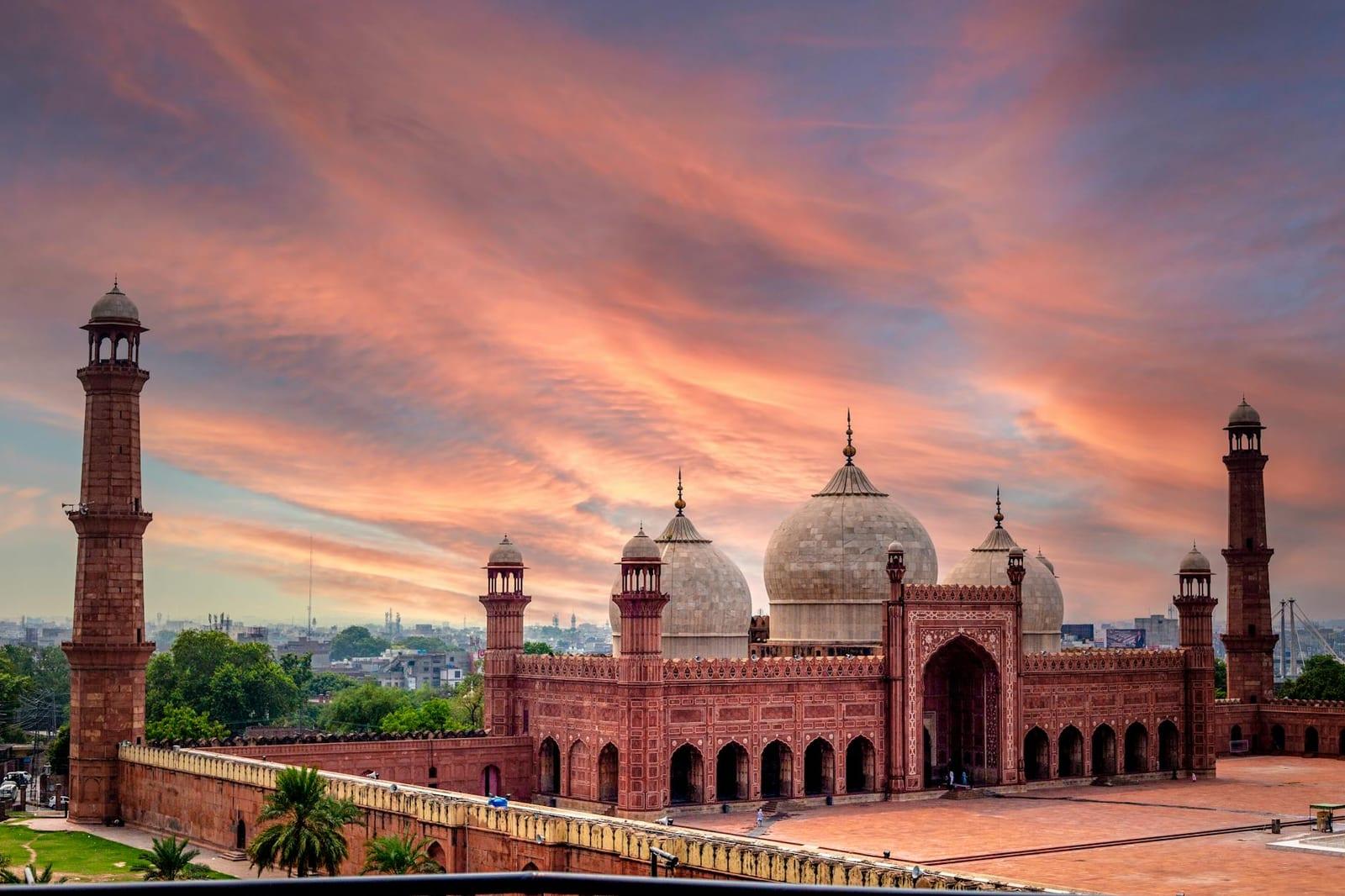
- Lahore's Badshahi mosque at duskWalk Lahore's Badshahi mosque at dusk
- Karakoram HighwayDrive the Karakoram Highway
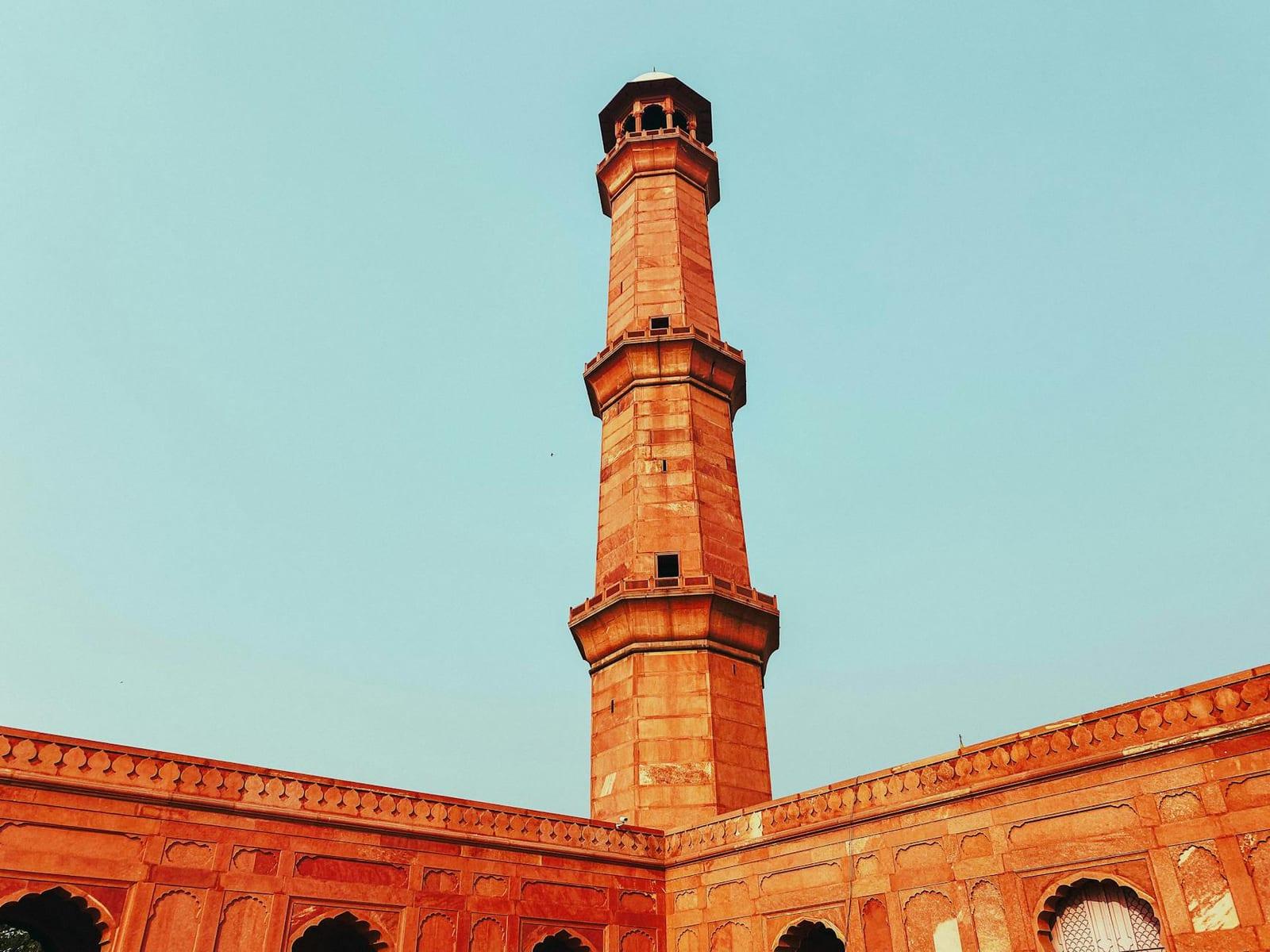
- Badshahi MosqueLahore’s equivalent to the Taj Mahal, this mosque, built in the 17th century during the Mughal Empire, is one of the globe’s largest.
- Takht-i-BahiThese hilltop ruins of a Buddhist monastic center, a UNESCO World Heritage Site, are thought to hail from the 1st century BCE.
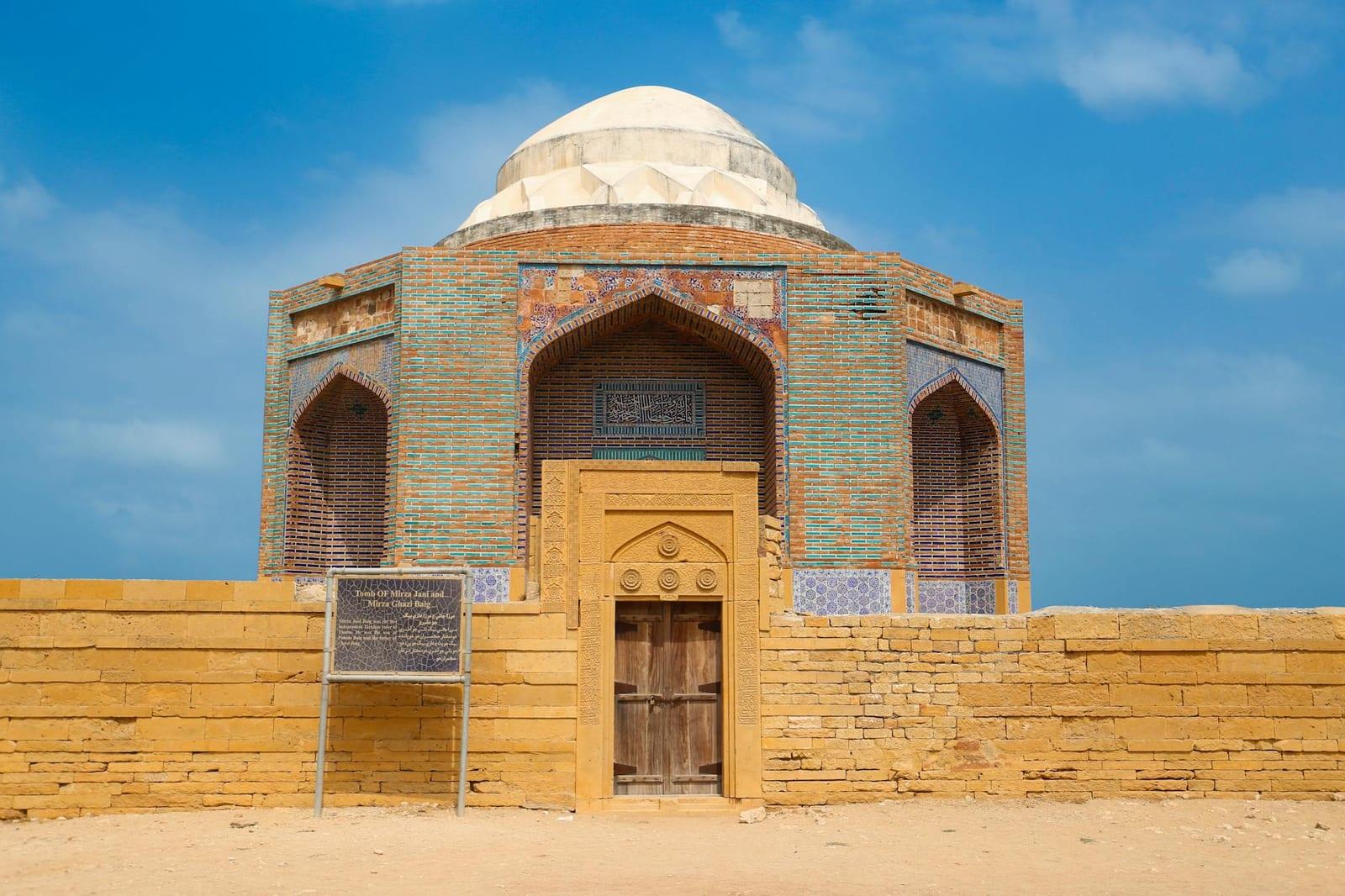
- The Necropolis of MakliSpellbinding Makli is one of the globe's largest necropolises, its tomb monuments evidencing Mughal, Hindu, and Persian styles.
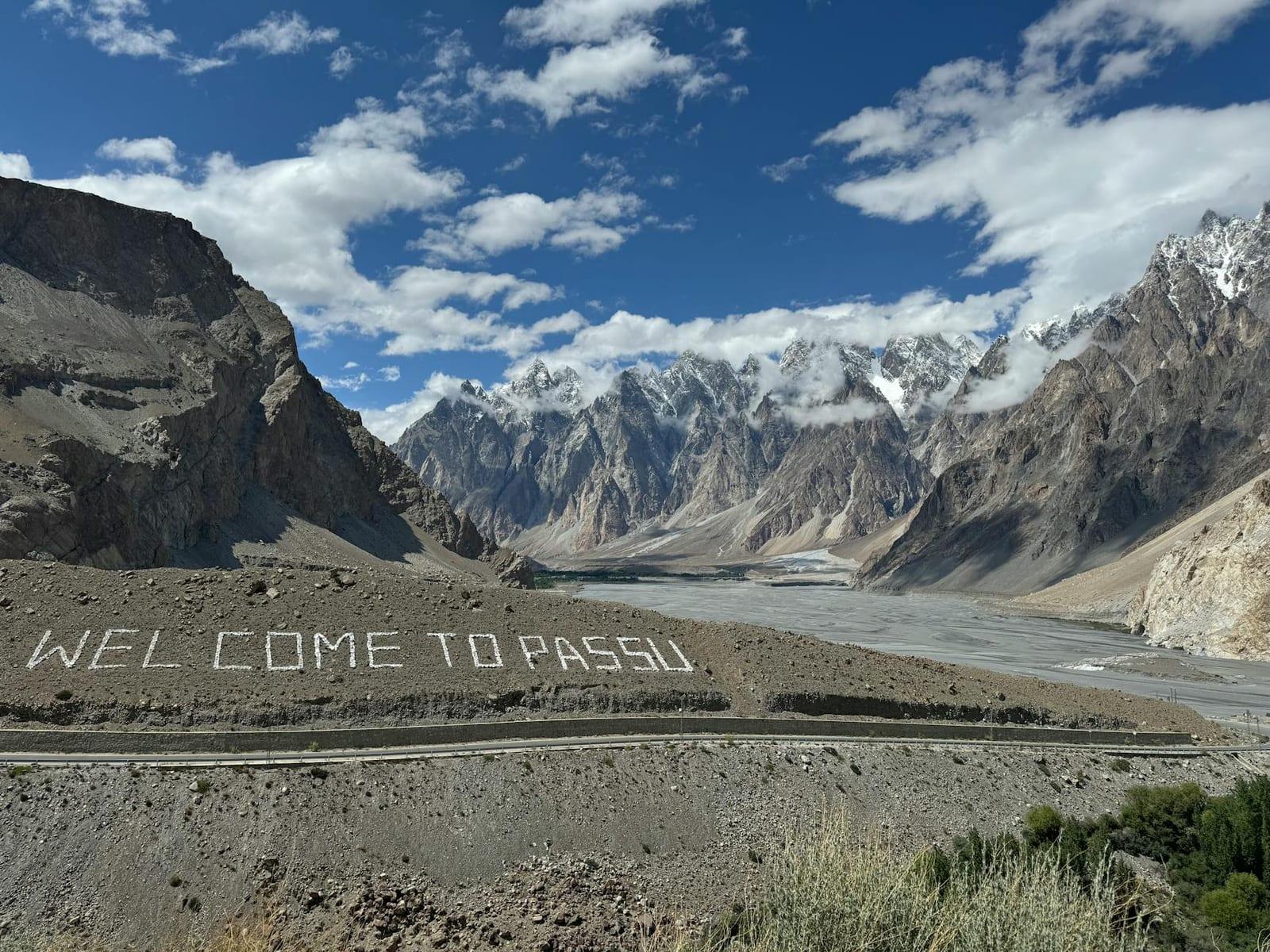
- Central Karakoram National ParkThis unrivaled mountain park includes some of Earth’s grandest peaks, among them 28,251-foot K2, the Gasherbrum massif, and the Trango Towers.
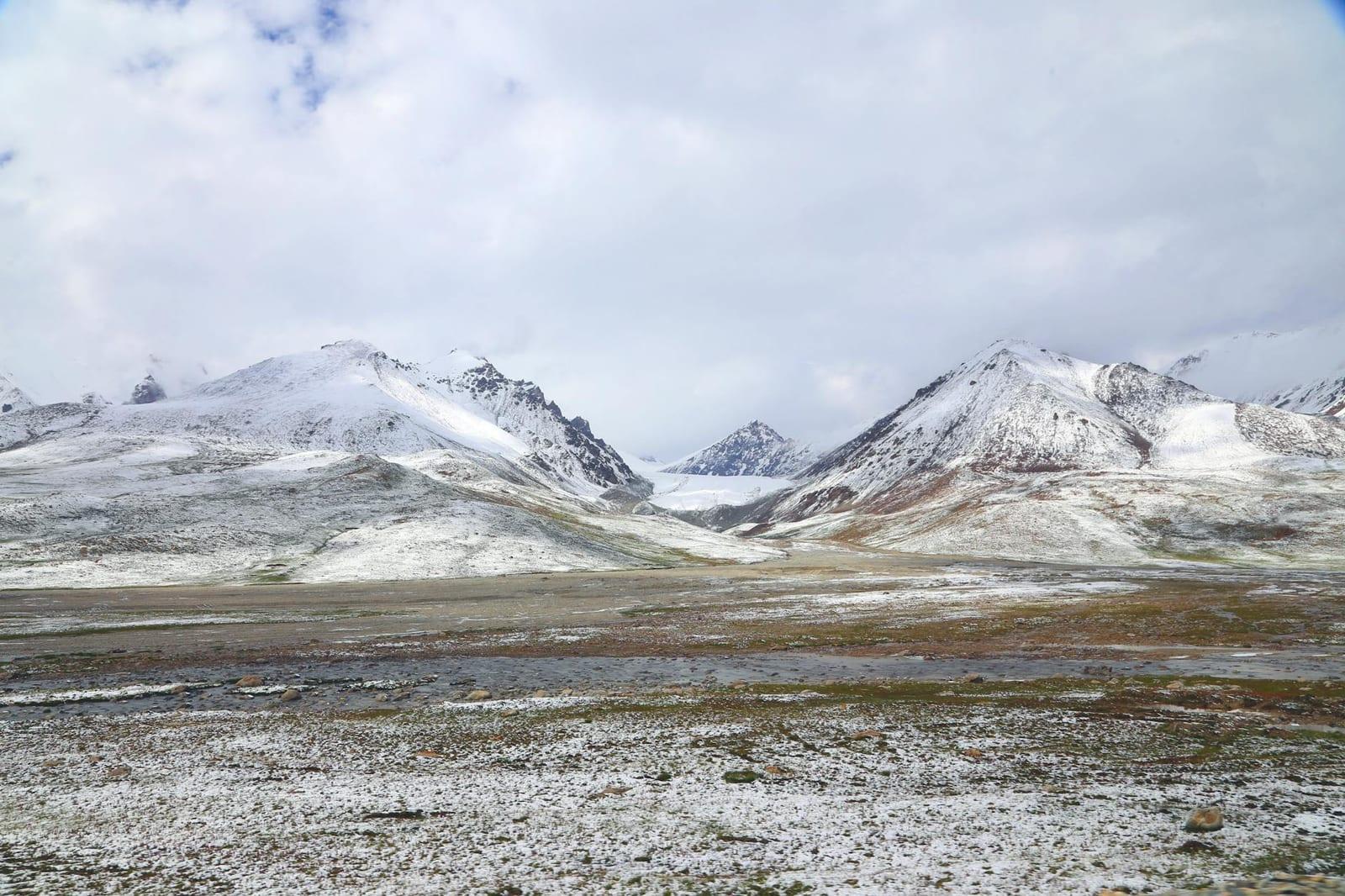
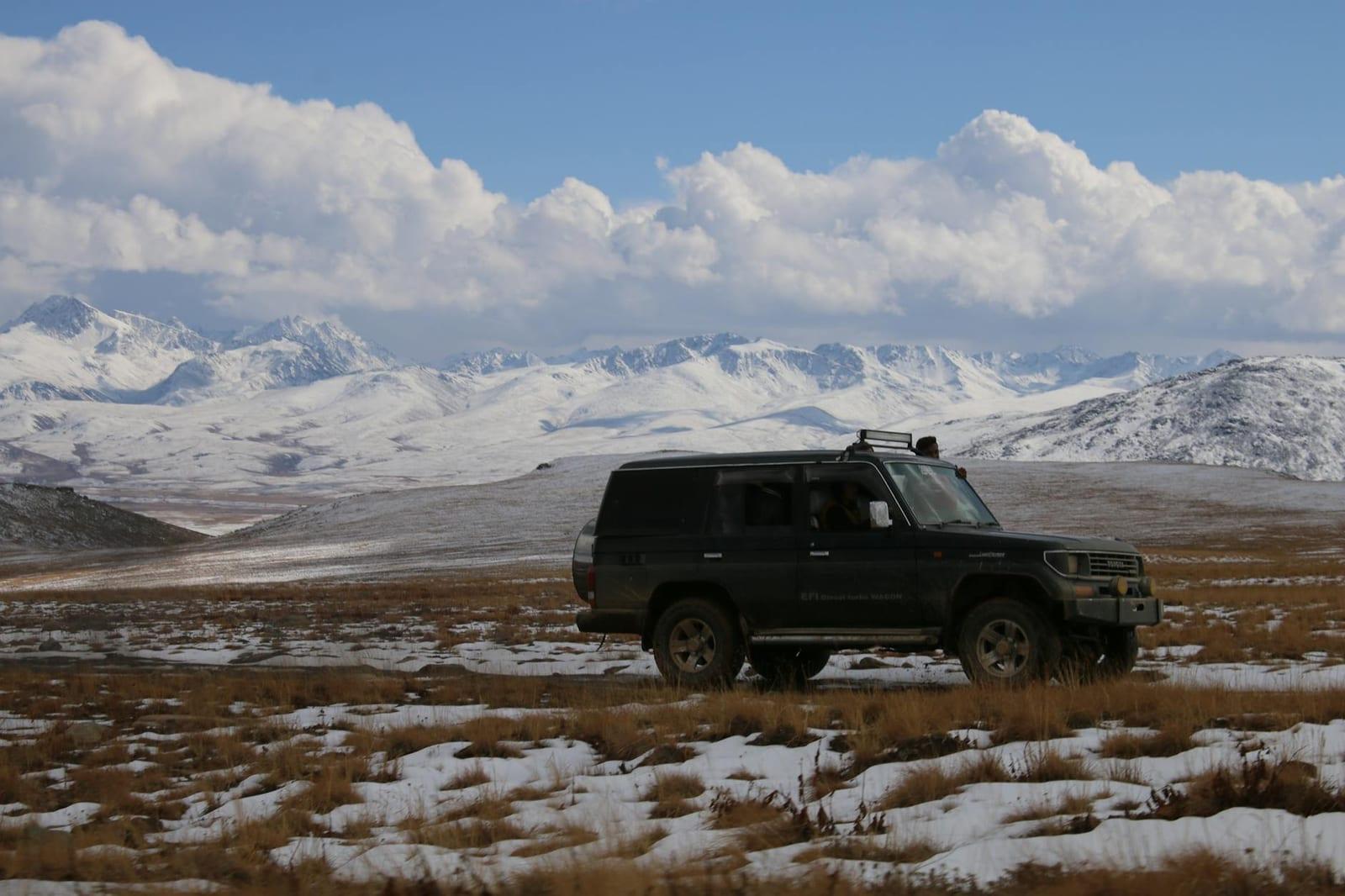
- Deosai National ParkThis big park’s yawning high-elevation grasslands provide critical refuge for the Himalayan brown bear, one of the region’s rarest mammals.
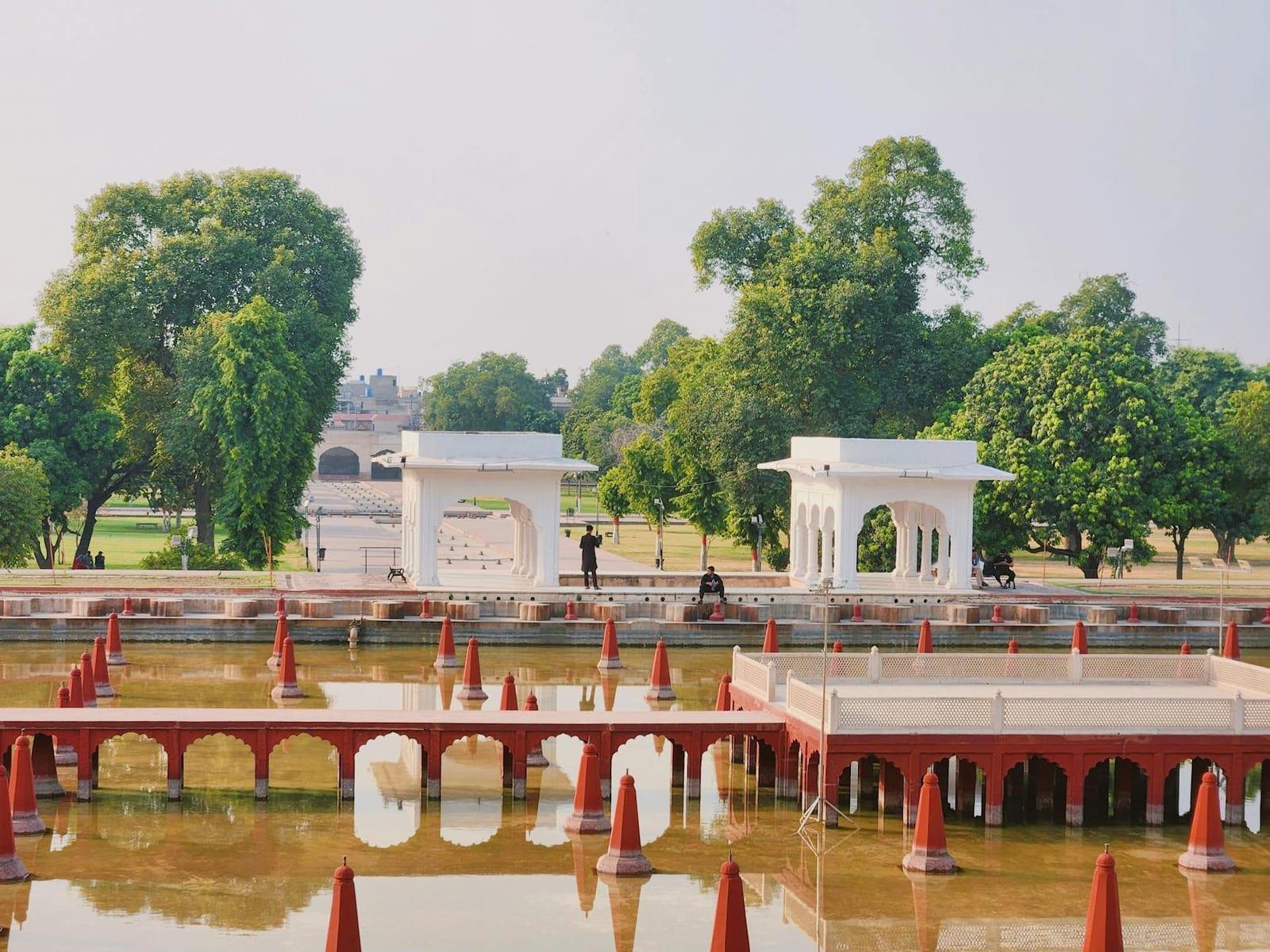
- Shalimar GardensA gorgeous holdover from Lahore’s Mughal era, these 17th-century terraced gardens include antique walls and pavilions.
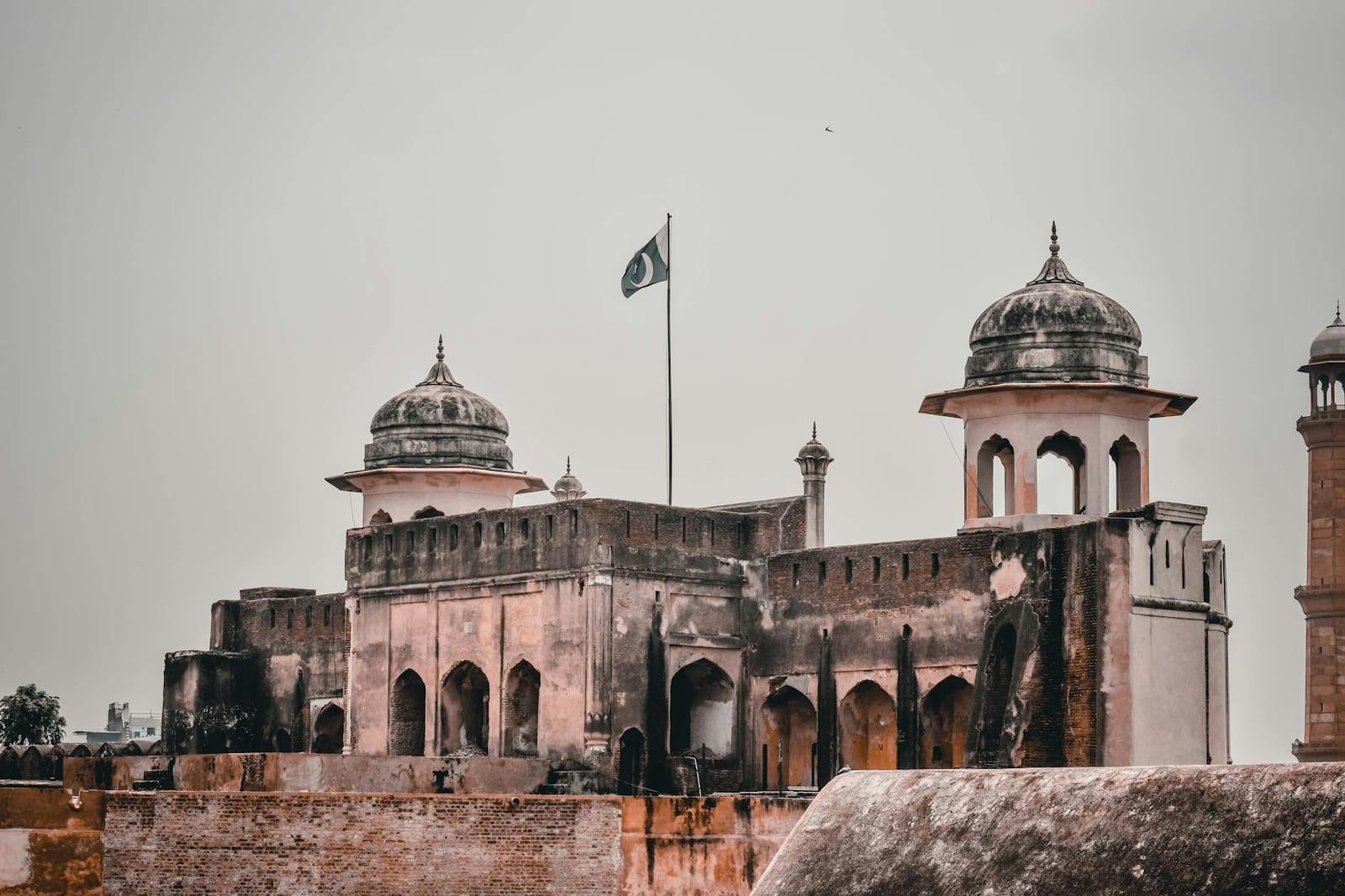
- Lahore FortAcross the decades, Pakistan’s Mughal emperors installed lavish mosques, temples, and palaces in this venerable citadel.
- MoenjodaroCrumbling into desolate ruins, this UNESCO World Heritage Site represents a staggeringly ancient city of the Indus Valley Civilization.
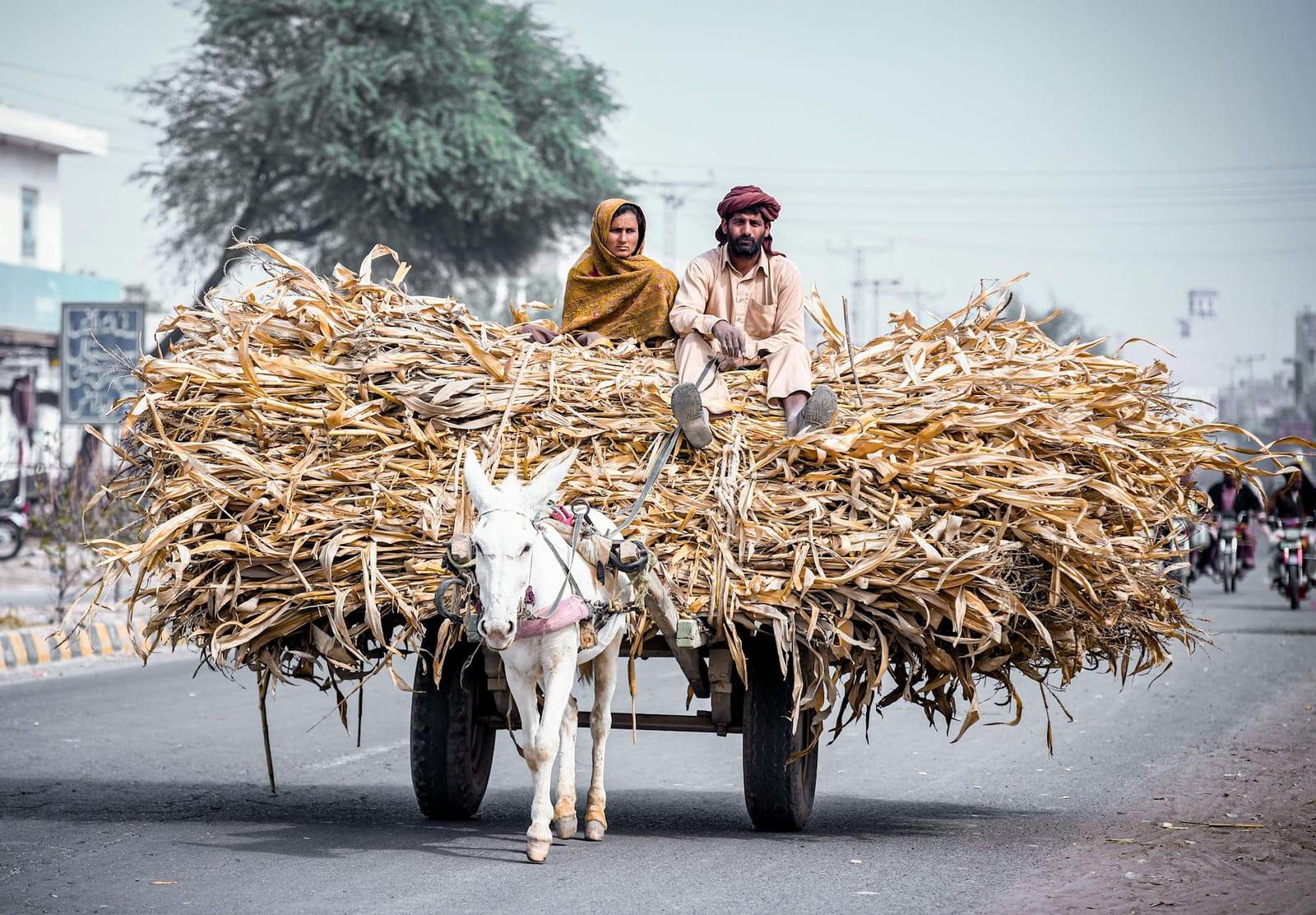
- KarachiBy some measures the world’s biggest city, Karachi offers historical landmarks, museums, Arabian Sea beaches, and an energetic round-the-clock society.
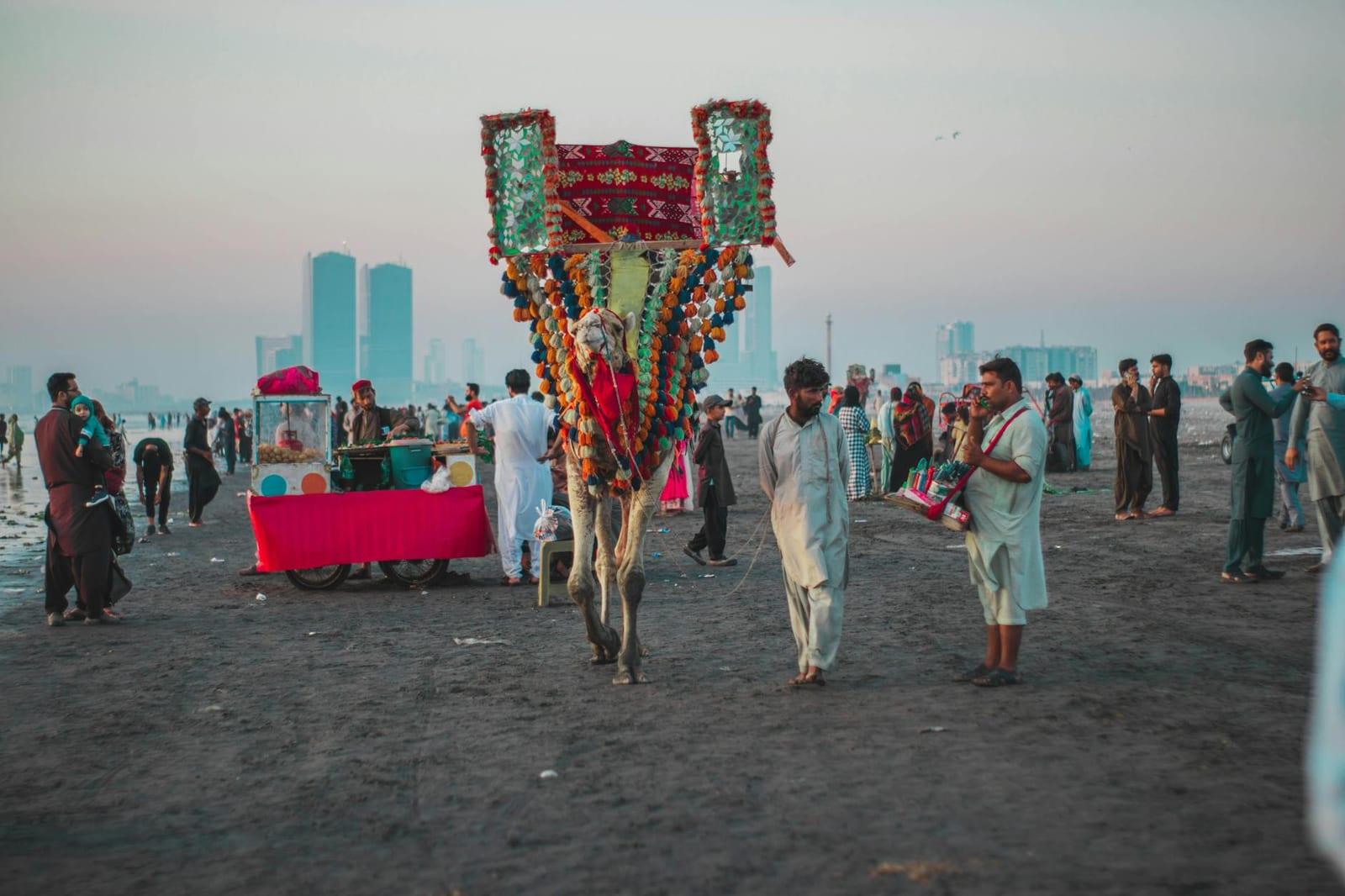
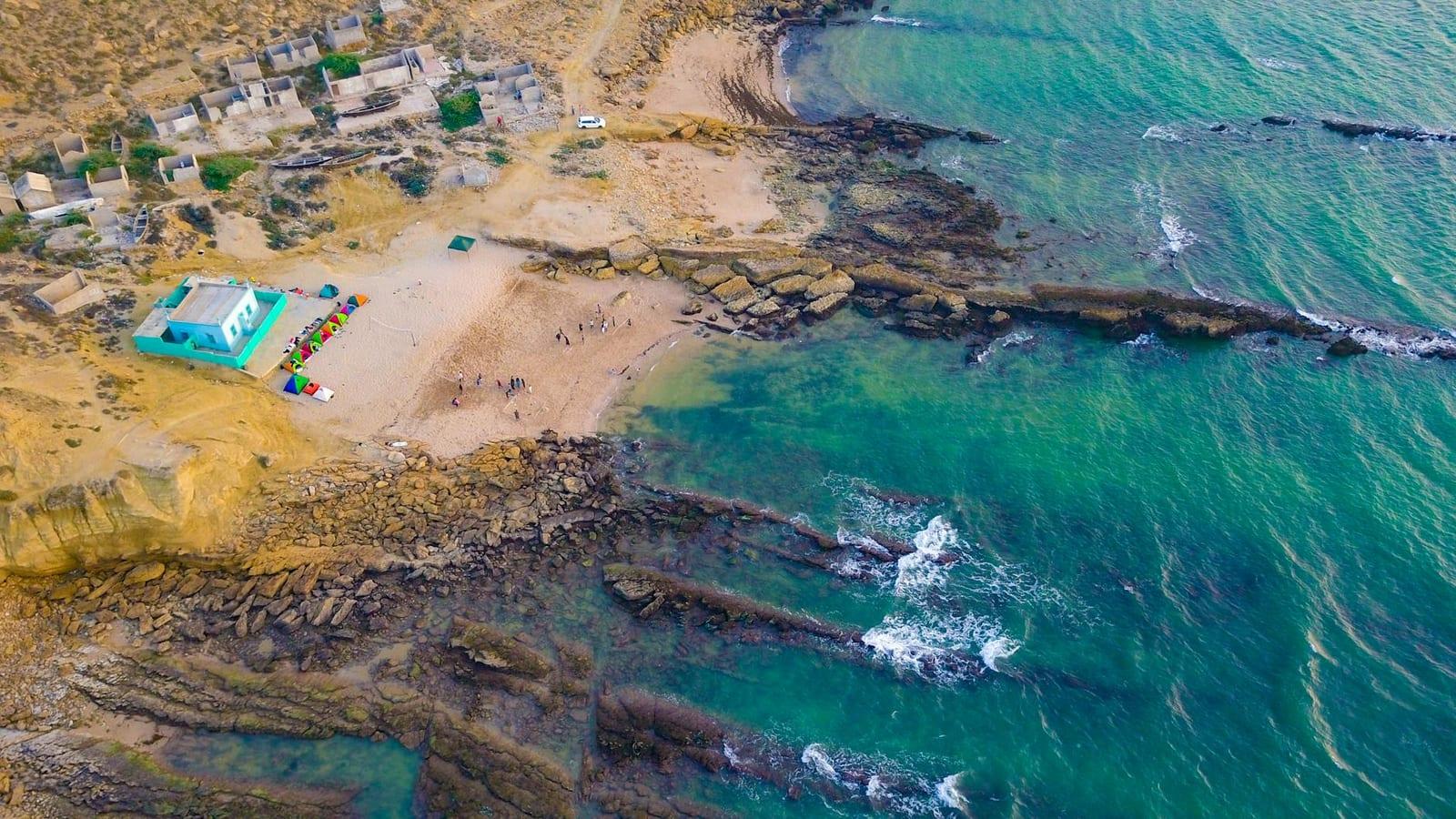
- Astola IslandGet way off the beaten path on this unpeopled Arabian Sea island, sought out by adventurous tourists for its remote sea-turtle nesting beaches.