Panama’s the skinny, mountainous bridge between North/Central and South America, and—courtesy of the iconic Panama Canal—a globally significant throughway threading the Atlantic and the Pacific basins. It’s also a multicultural nation with a long, sometimes tragic history—the shockwaves of the Manuel Noriega dictatorship, for example, dismantled with the 1989 invasion of the country by the United States, still reverberate. And, not insignificantly, Panama is a priceless reservoir of deep Mesoamerican wilderness.
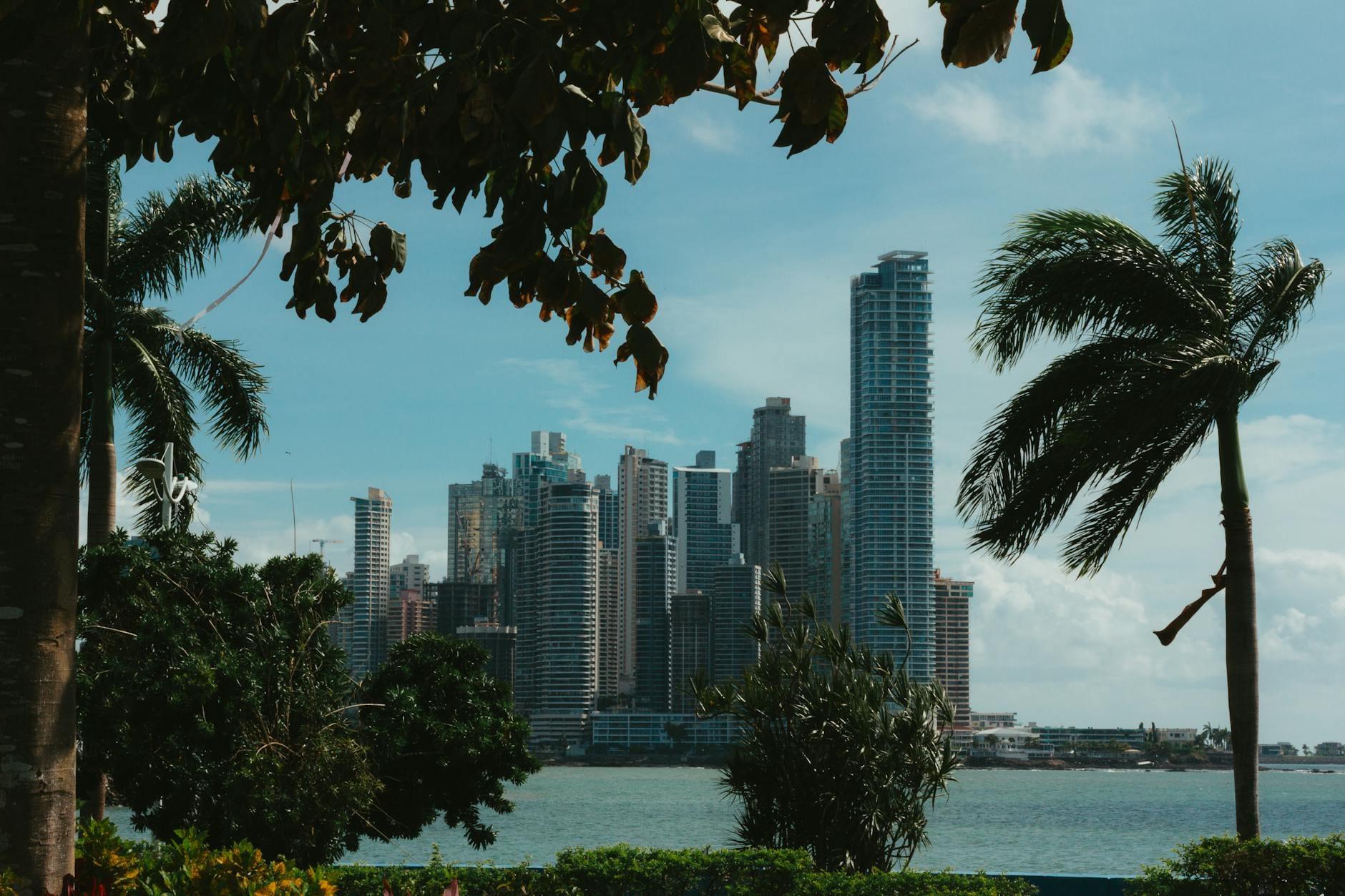
The country’s geography is striking: a northern coast against the Caribbean Sea, a southern one against the Pacific, peppered with paradise-in-the-raw islands; a rough, mountainous backbone tracing the Continental Divide and bowing in the middle to lowlands cut by the Panama Canal. Here was one of the linchpins of Spain’s New World empire, by which indigenous Panamanians were subjugated, often brutally. The Spanish controlled Panama for three centuries, their imperial legacy appreciated in the colonial ruins of Panama Viejo, the predecessor of Panama City, and the early buildings of Casco Viejo in Panama City’s old quarter. Modern-day Panama City, meantime, hums with energy: a place to sway to Latin rhythms, purchase indigenous wares at a market, or hop from theaters to restaurants to nightclubs.
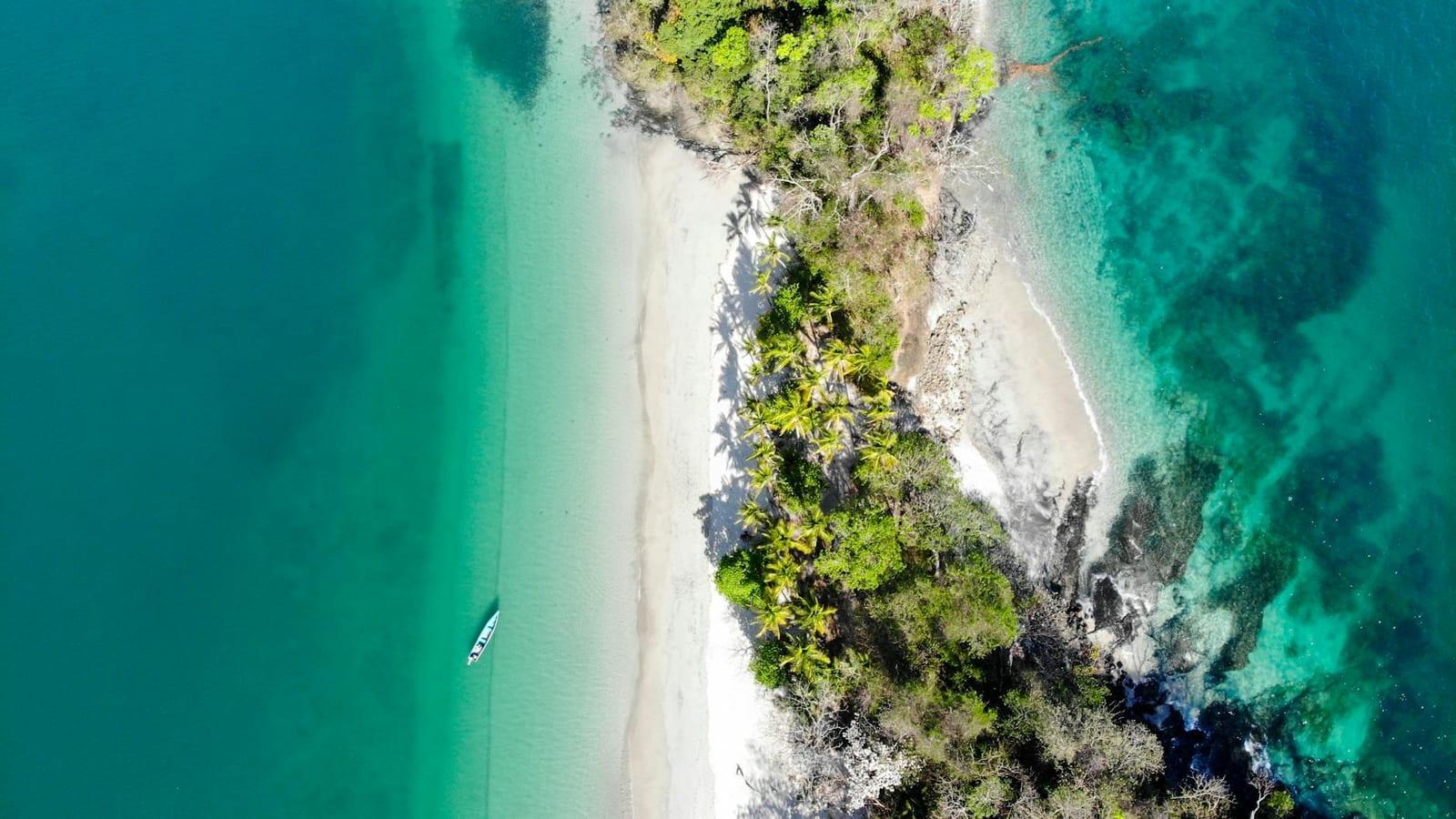
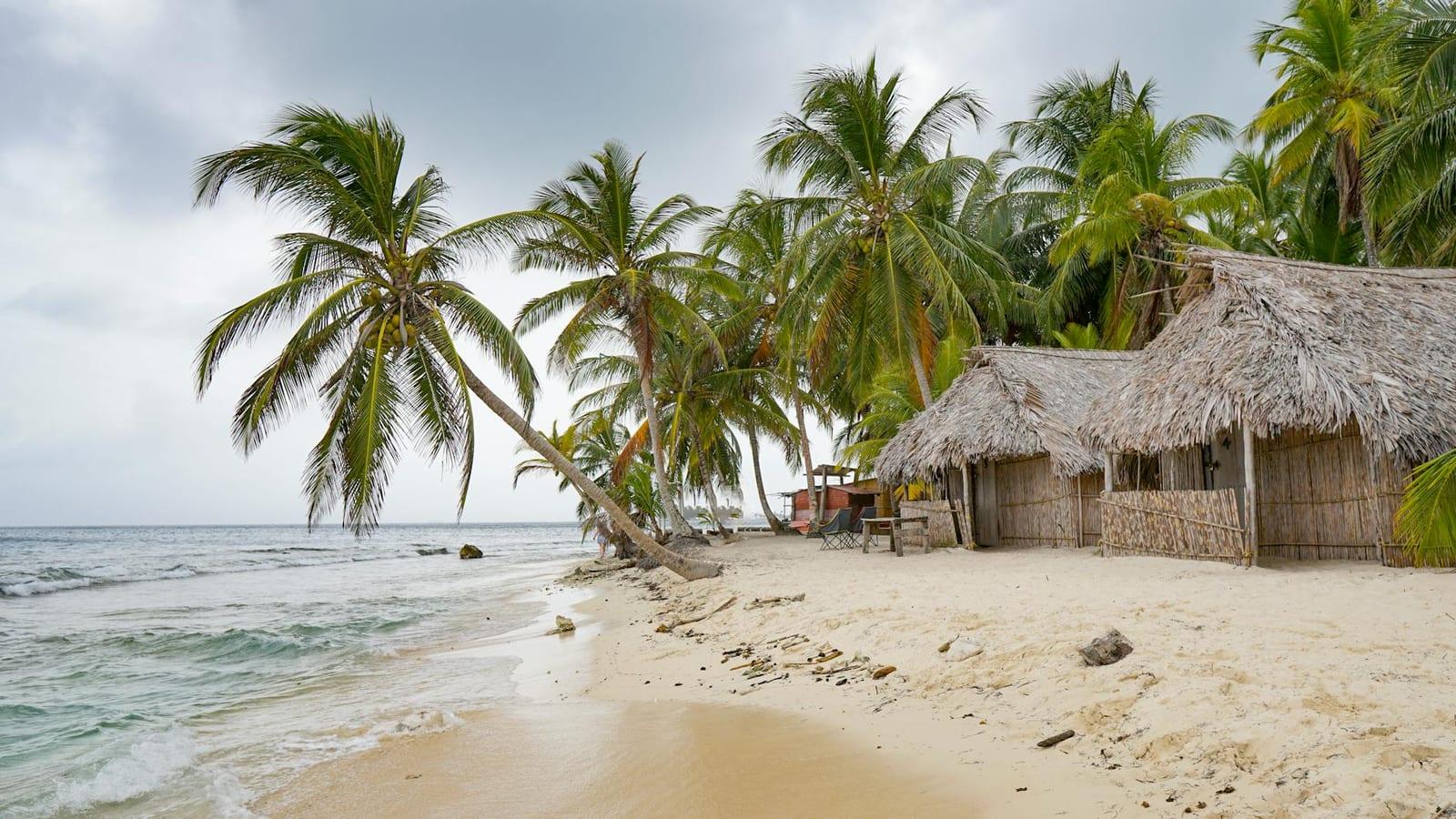
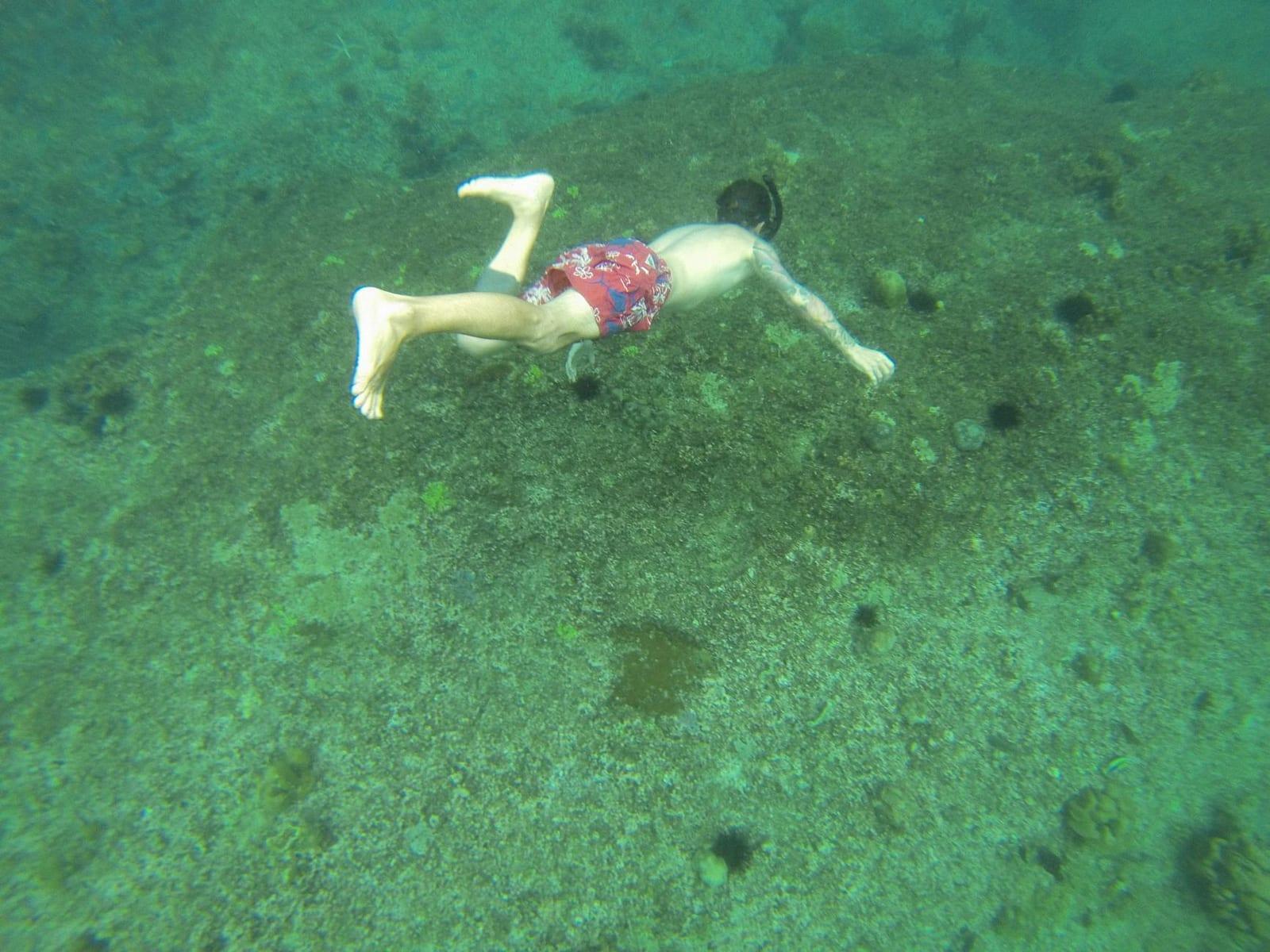
Panama’s also a bastion for tropical wilderness and biodiversity. Gaze out to the Caribbean and the Pacific from the country’s crown, 11,401-foot Volcan Baru (don’t worry—it’s extinct). Or roam the glorious cloud forest of the Talamancan highlands in La Amistad International Park on the Costa Rica-Panama line. Meanwhile, in the Bocas del Toro archipelago, you can watch nesting sea turtles and mangrove-skulking crocodiles in Isla Bastimentos National Marine Park; or snorkel your way through the remote, astonishingly rich waters of Coiba National Park in the Gulf of Chiriqui. Maybe try your hand at whitewater rafting, jungle ziplining, or just beach-hopping from the San Blas to Santa Catalina—whatever your taste, there's much to tempt the adventurous in the Panamanian great outdoors.
The real frontier of Panama—and one of the great frontiers of the Americas—is the Darien Gap, which sprawls along the border with Colombia. This roadless tract of rainforest and swamp creates the only break along the Pan-American Highway between Alaska and Patagonia. The Panamanian portion includes one of Central America’s largest national parks, Darien National Park, stretching from coastal beaches and mangrove forests to vast rainforest ruled by jaguars and harpy eagles. The Darien Gap wilderness is also notorious for paramilitary activity (and occasional kidnappings)—most notably of the Revolutionary Armed Forces of Colombia, or FARC.
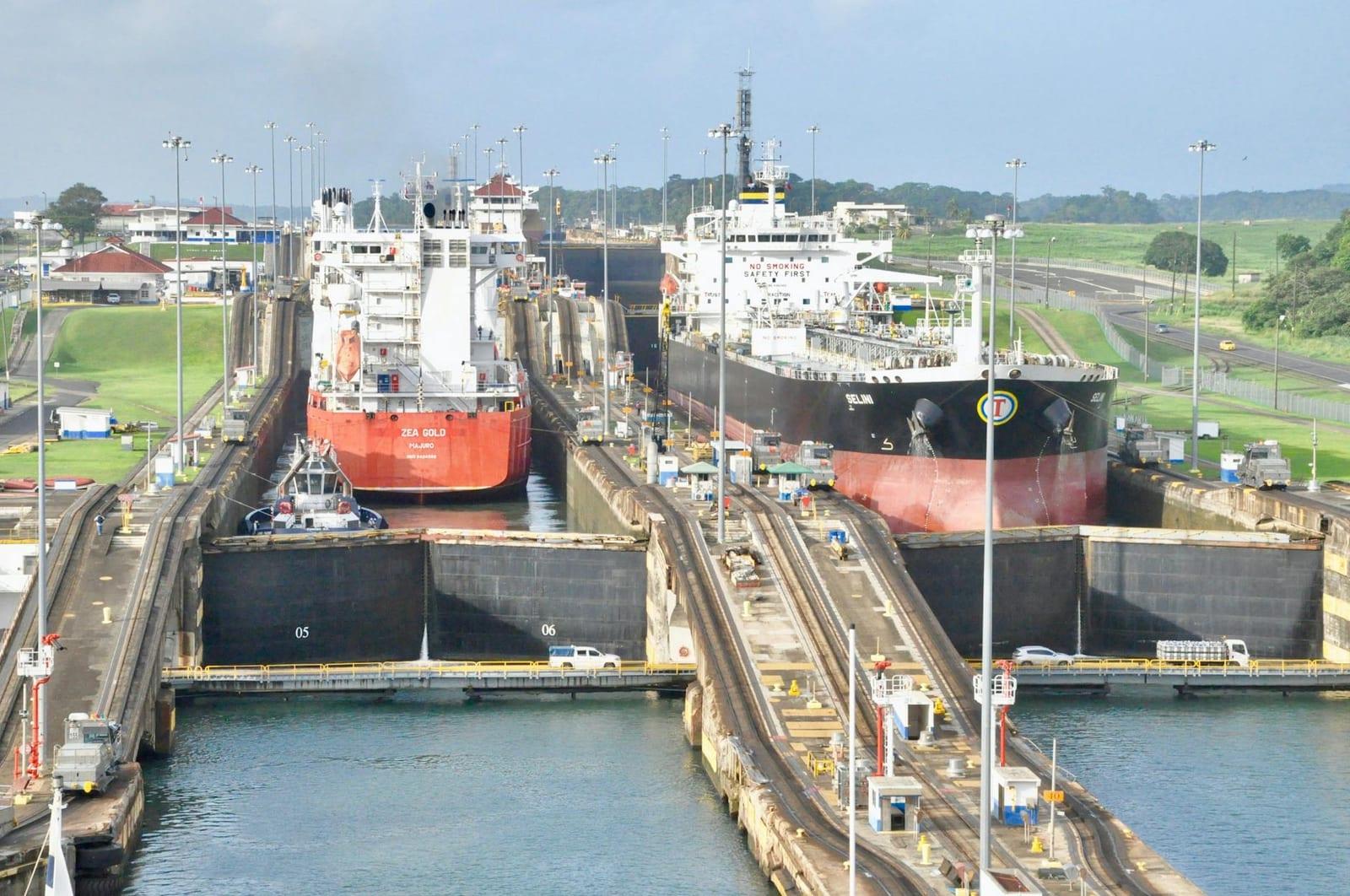
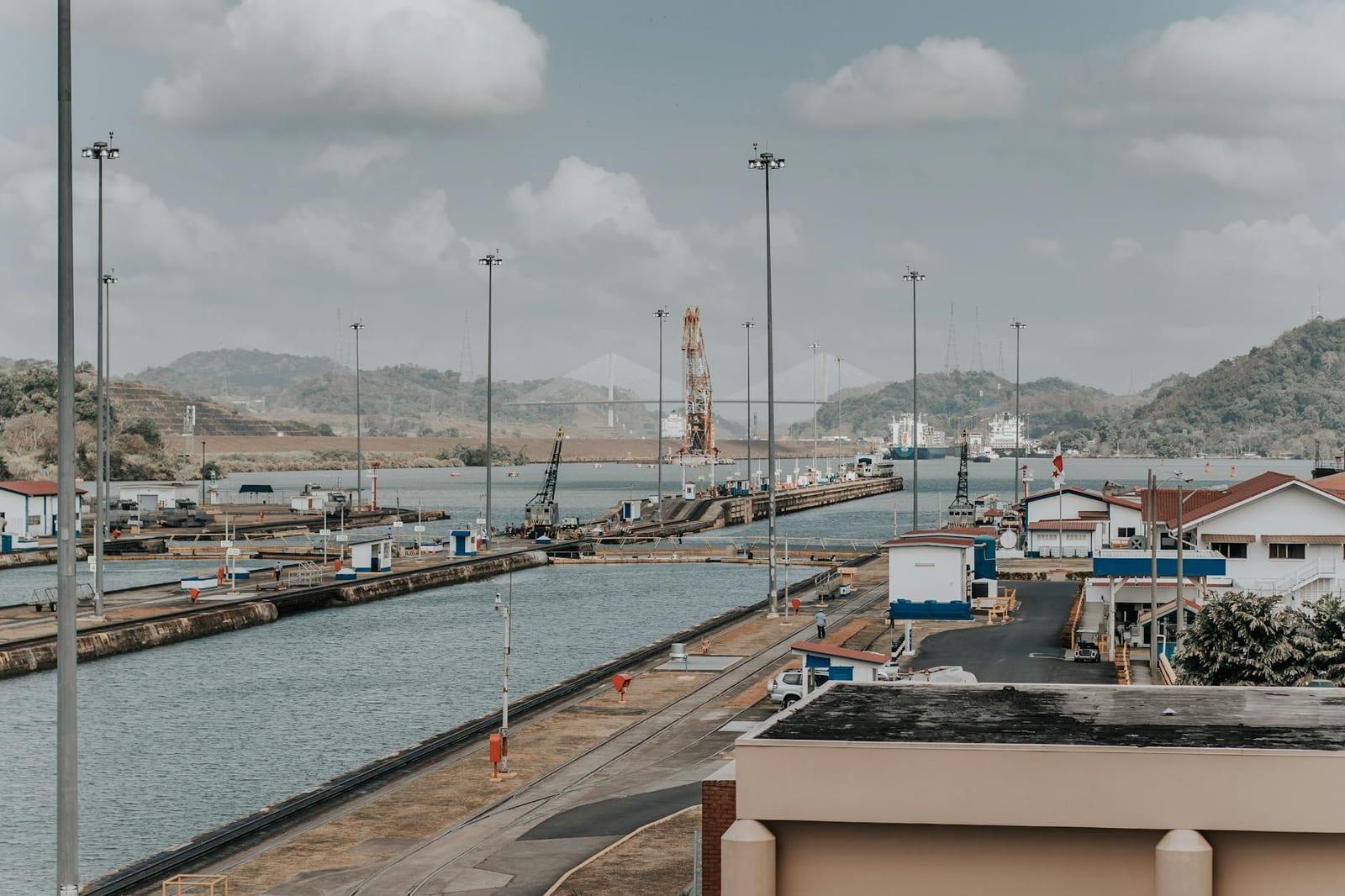
And no visit to Panama is complete without taking in the canal that’s been so instrumental in shaping the country’s geopolitical and economic character. Constructed by the U.S. in 1914, this shipping lane remained under American control until 1999, when it was fully transferred to Panamanian hands.
Panama’s had a hard road of it, but today it is, without a doubt, one of the most exciting and fast-growing tourism destinations in Central America.
12 things not to miss.
- Transit the Panama Canal locksTransit the Panama Canal locks
- the San Blas islandsSail the San Blas islands
- Snorkel Coiba's marine parkSnorkel Coiba's marine park
- Panama CanalOnce it was finally dredged to completion in 1914, this shipping lane reshaped trade and geopolitics in the Western Hemisphere.
- Panama ViejoEstablished in 1519, this Pacific port reigned as Panama’s capital until pirates sacked it in 1671.
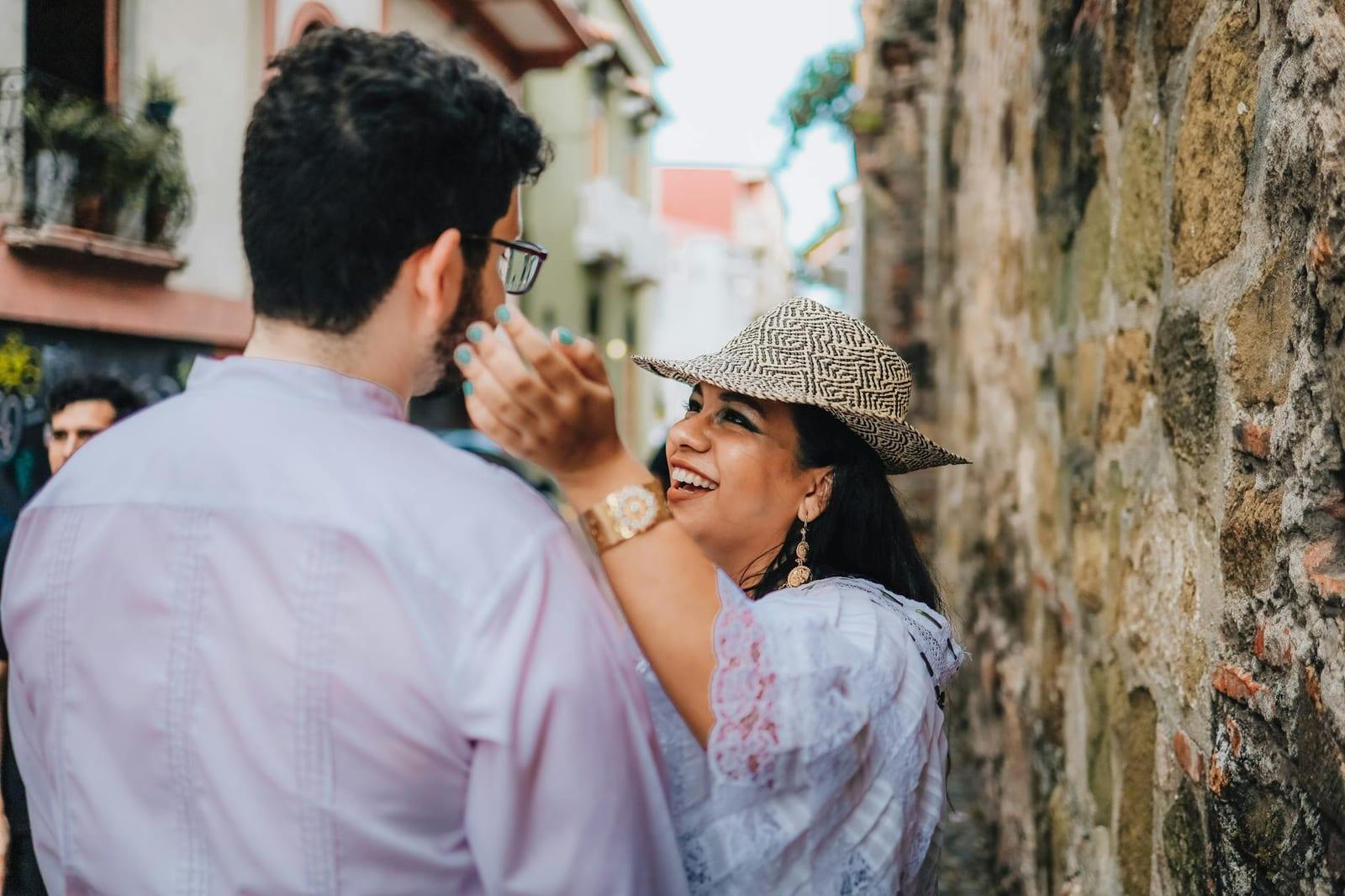
- Casco ViejoFrom the presidential palace to La Catedral Metropolitana, Panama City’s historic quarter boasts some of the grandest architecture in the country.
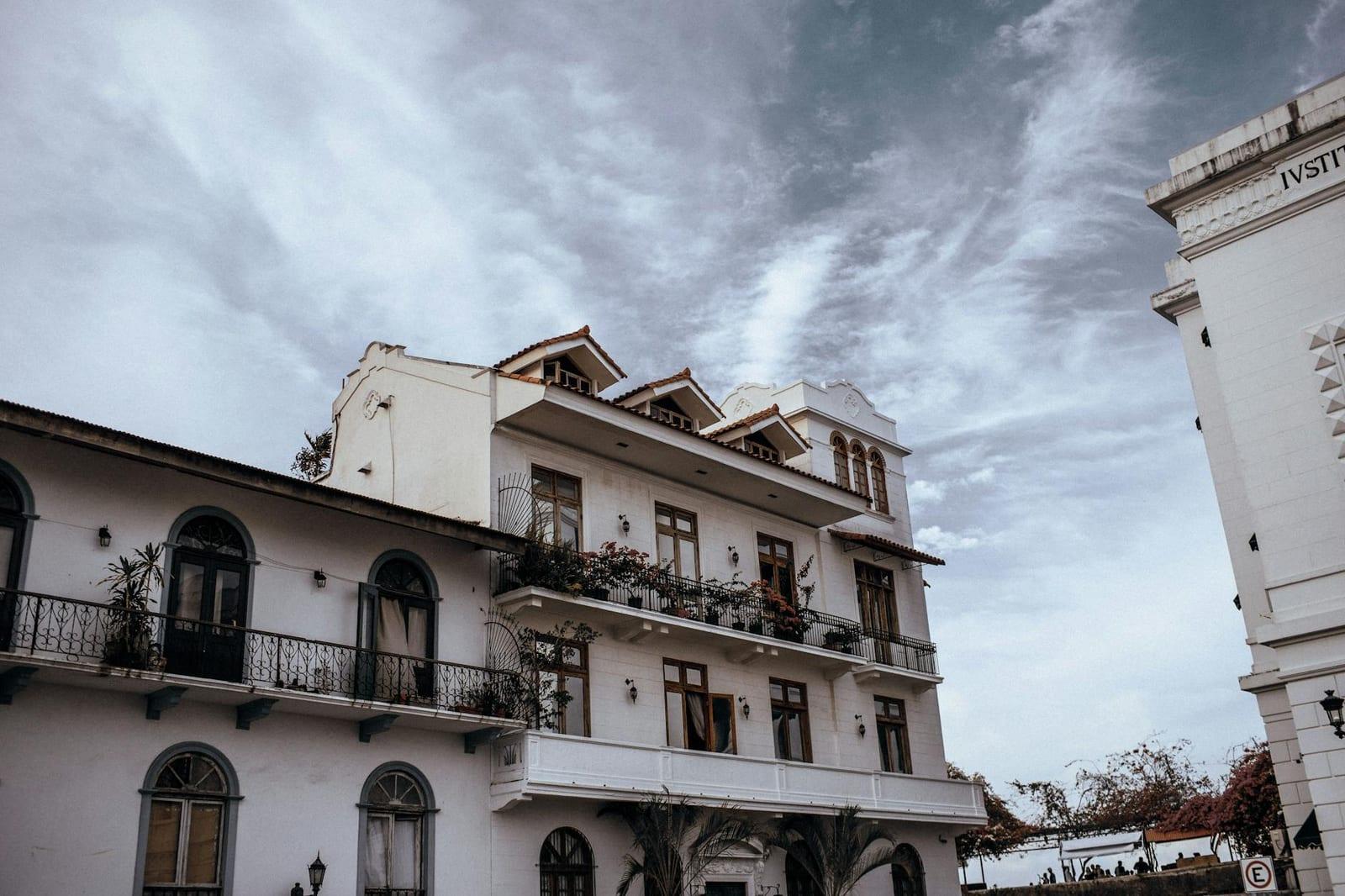
- Darien GapThe trackless swamps and tropical rainforest of Panama’s frontier with Colombia, partly protected in Darien National Park, remain enigmatic wilderness.
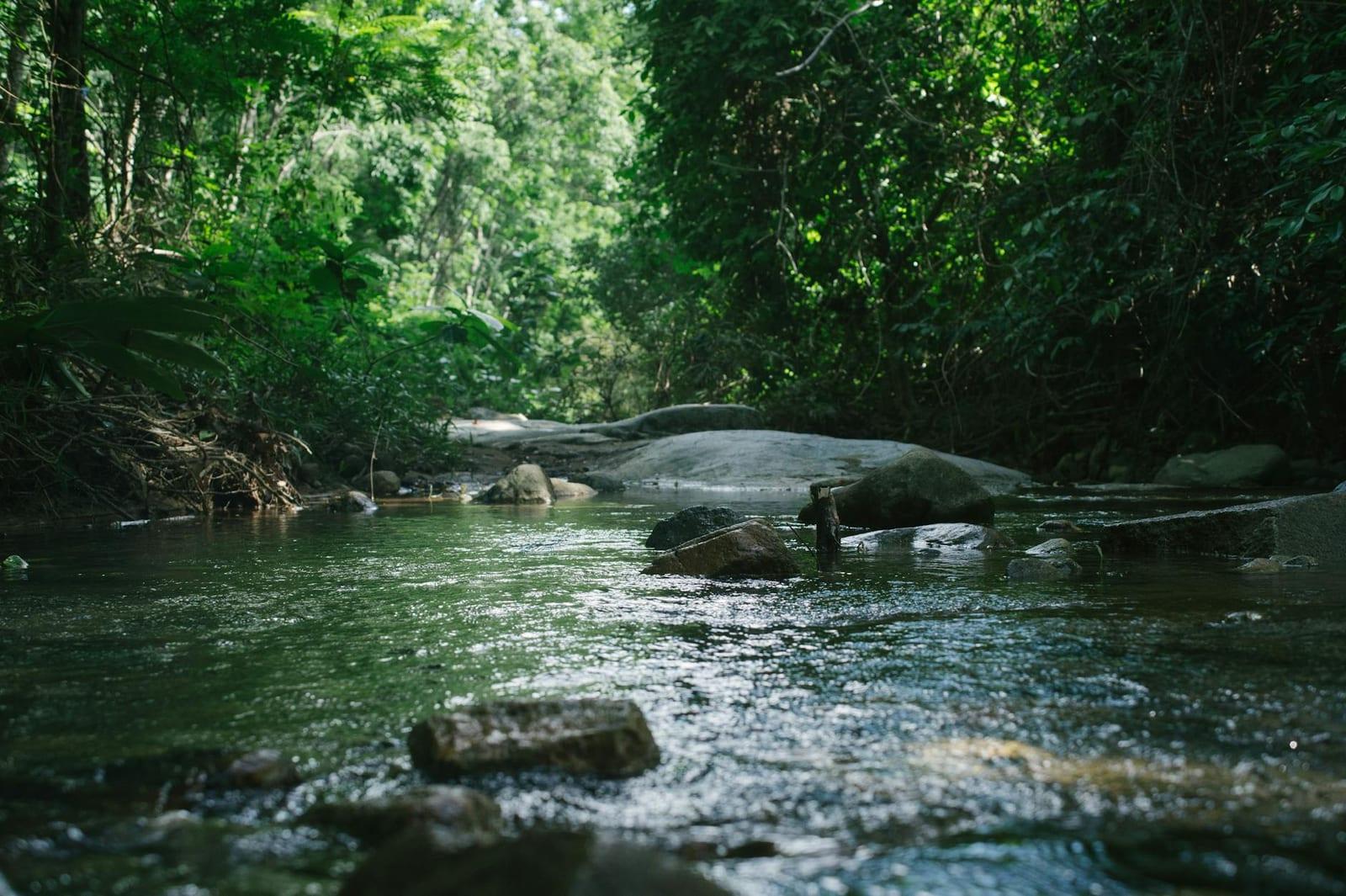
- Coiba National ParkWhales, dolphins, sharks, and other marine life flourish in this marine sanctuary off the island of Coiba.
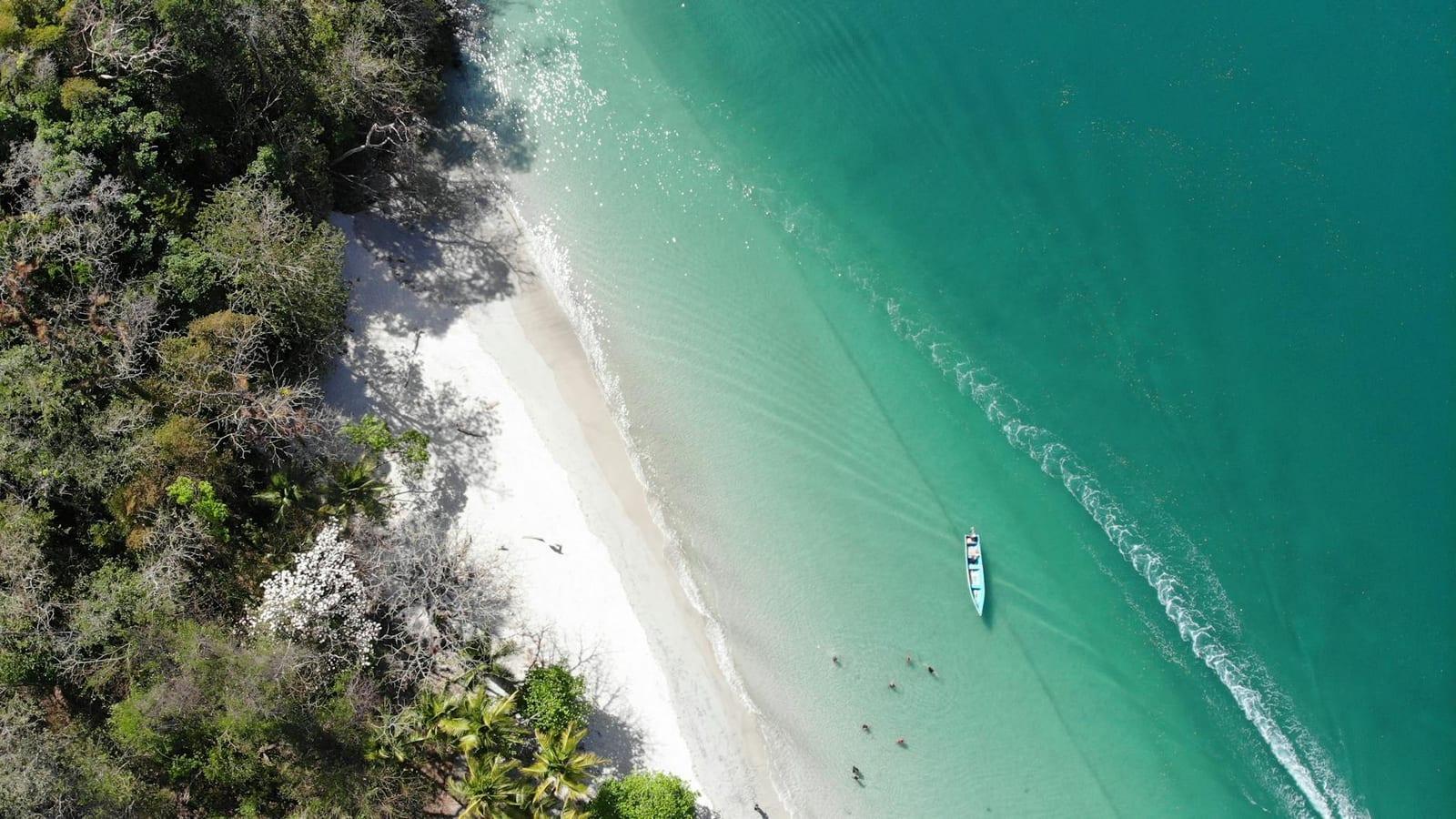
- La Amistad International ParkShared with Costa Rica, this huge trans-boundary nature reserve encompasses the pristine tropical forests of the Cordillera de Talamanca.
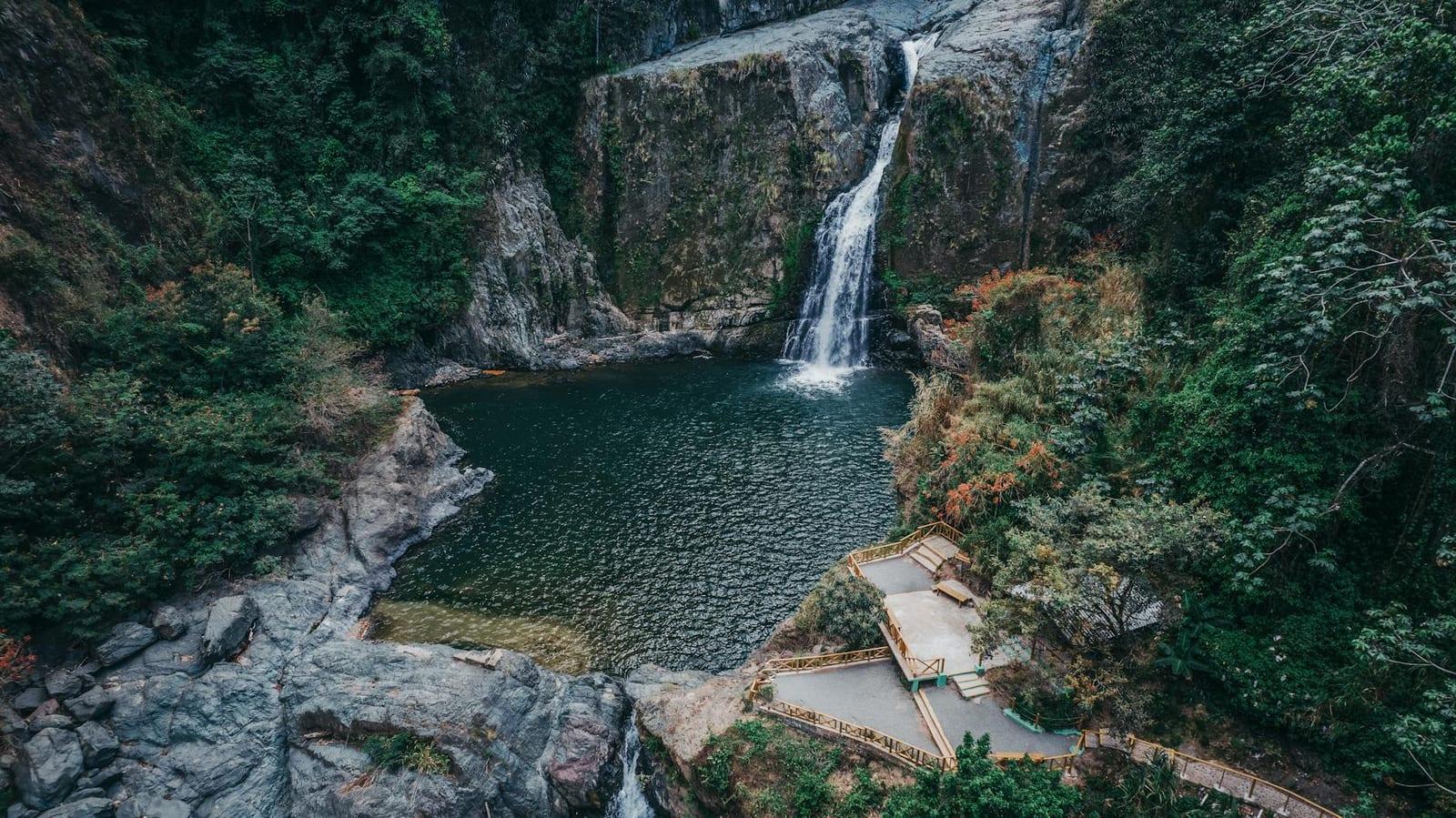
- Isla Bastimentos National Marine ParkThis diverse Bocas del Toro park includes prime sea-turtle nesting beaches.
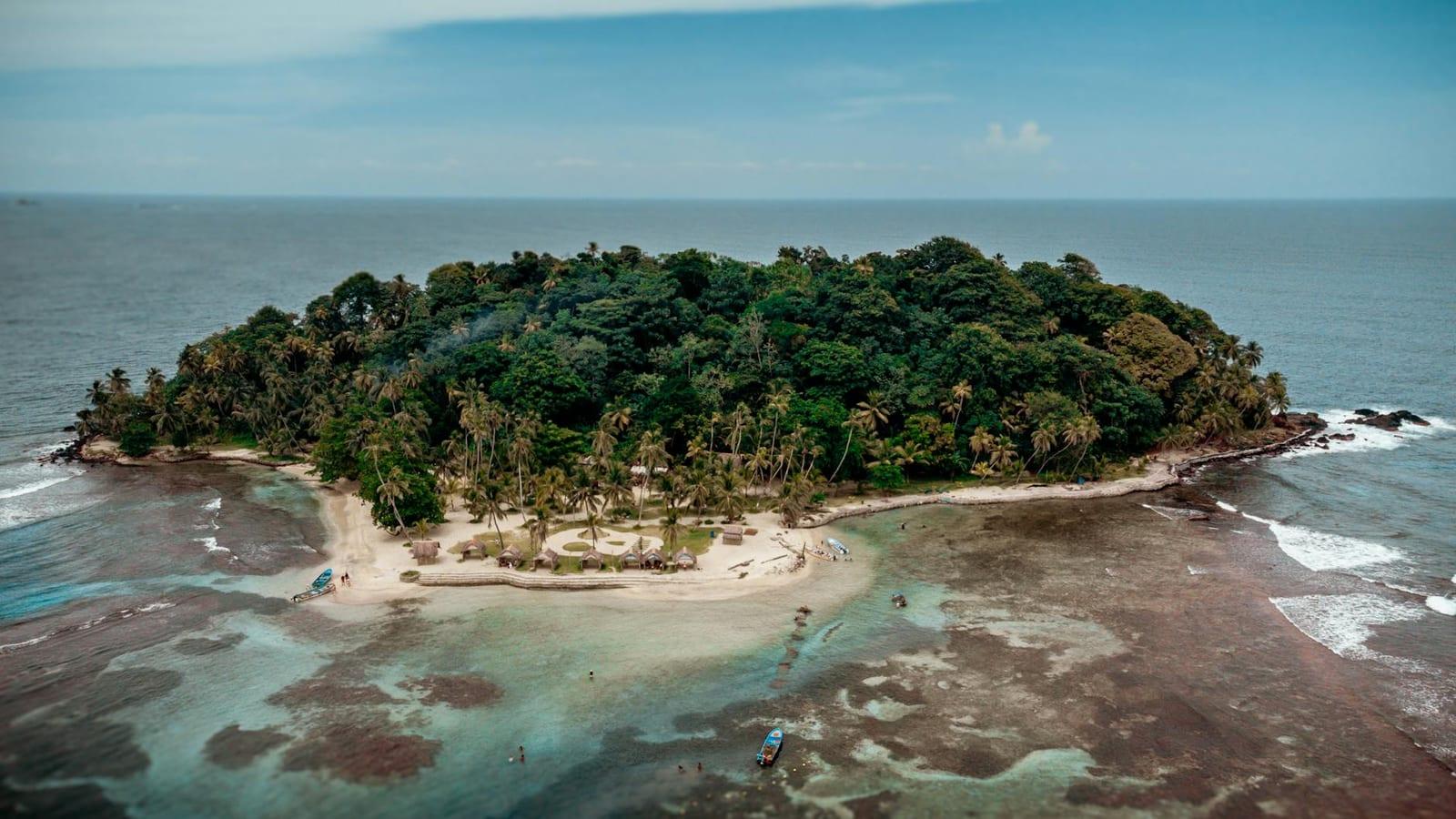
- Volcan BaruSearch for rainforest wildlife on the trek to the 11,400-foot summit of Panama’s highest mountain, and then gaze from the Caribbean to the Pacific.
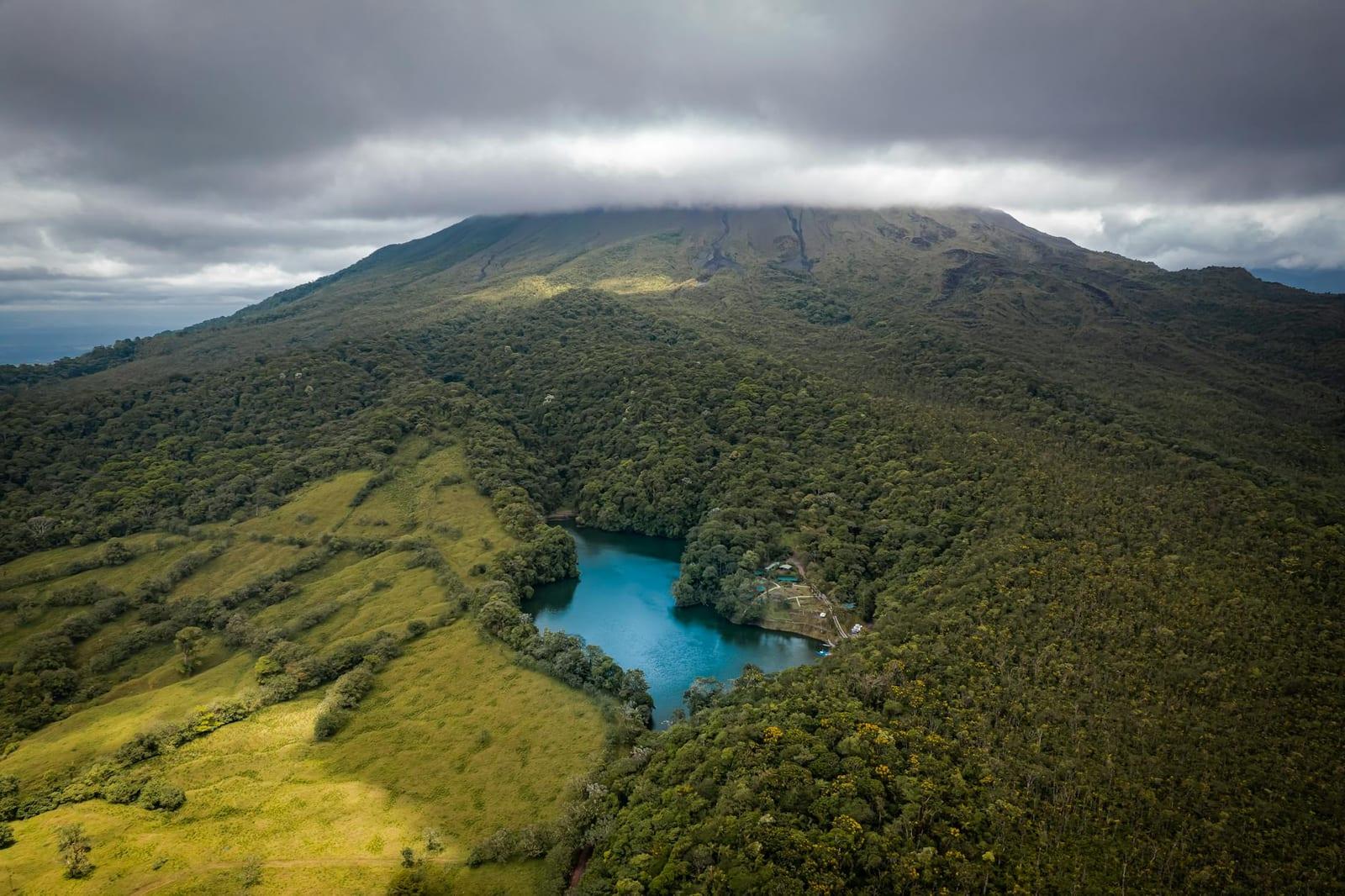
- Santa CatalinaCome here to surf some of Central America’s finest breaks—or just savor the beach.