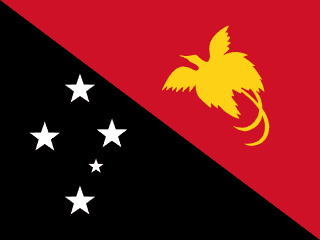
Though its plentiful natural resources power a rapidly expanding national economy, much of Papua New Guinea (PNG)—which accounts for the eastern half of the huge island of New Guinea, shared with Indonesia’s Papua province to the west—remains sparsely populated and dominated by indigenous lifeways. From the interior highlands to the remote eastern archipelagos, here’s a country where a traveler can still feel on the leading edge of discovery—and where ethnic and ecological vibrancy shimmers in tandem.
This is one of the global hotbeds of cultural diversity, home to better than 800 native languages; and there’s been a human presence here for some 50,000 years. In the late 19th century, the country was split between colonial powers: German New Guinea in the north, British New Guinea in the south, which soon fell under Australian administration. Following World War I, Australia took over the former German domain, though it wasn’t until after World War II—which saw much bloody fighting in New Guinea—that the northern and southern territories fell under the same Australian authority. Papua New Guinea finally achieved independence in 1975.
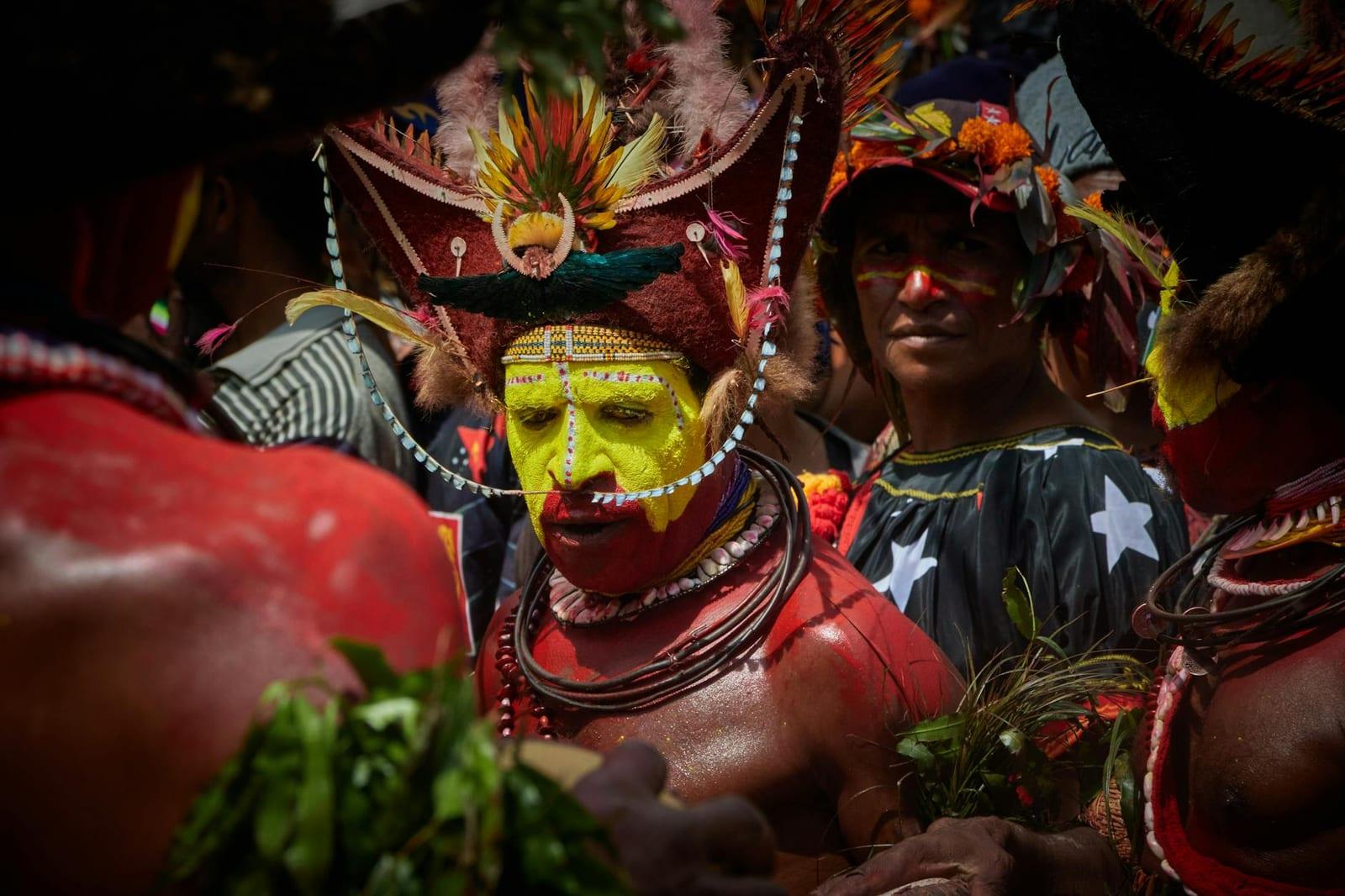
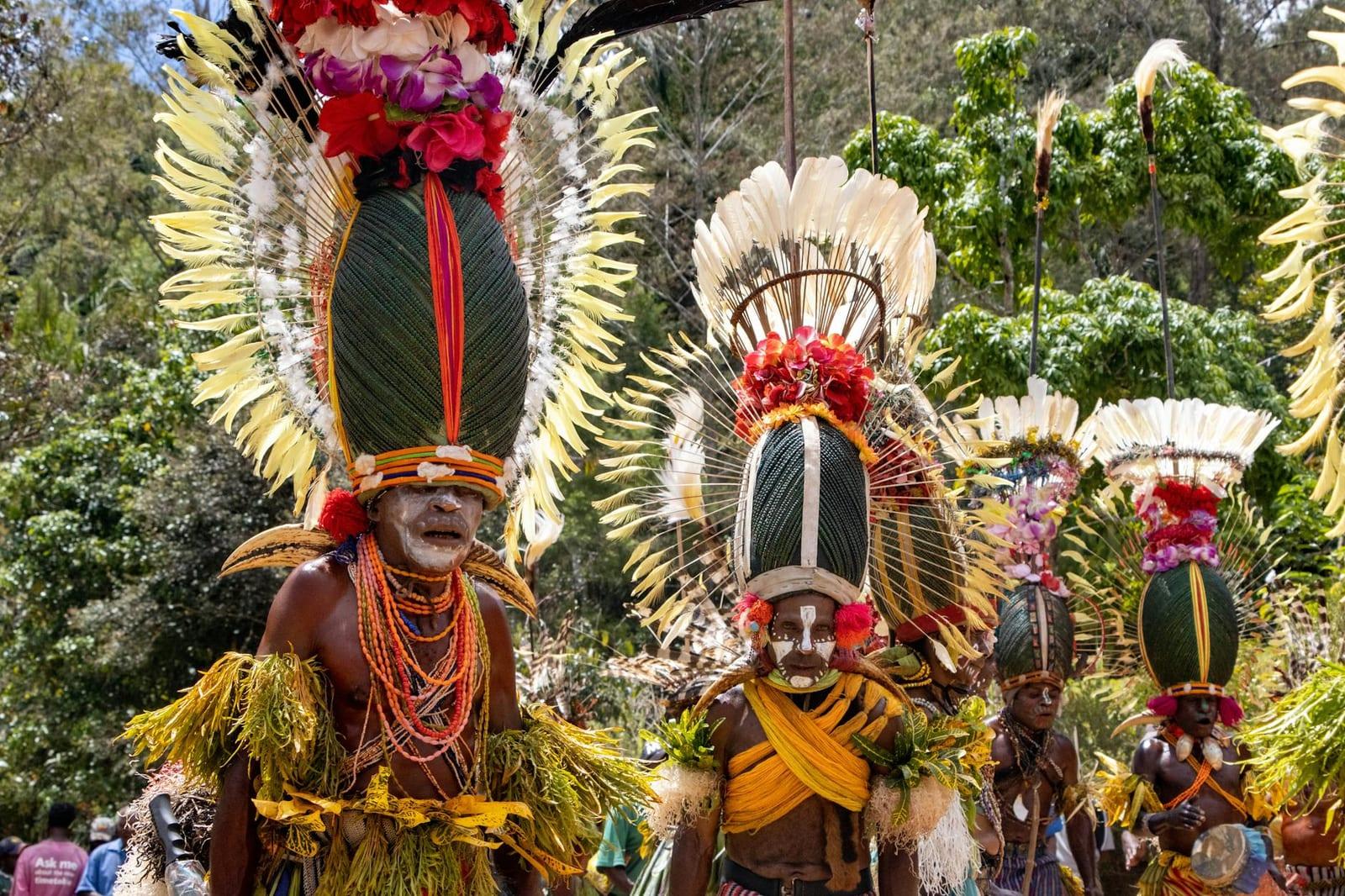
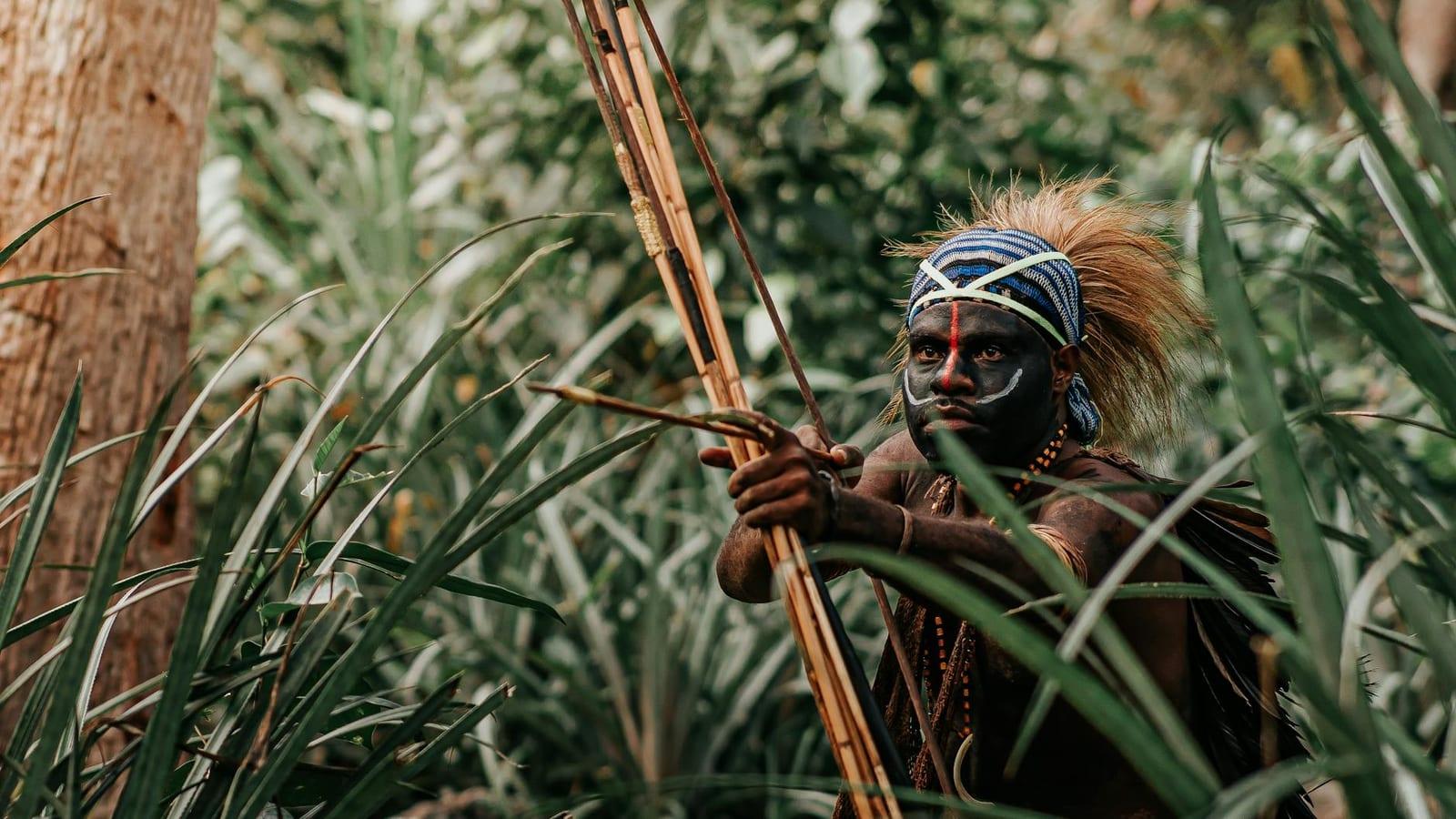
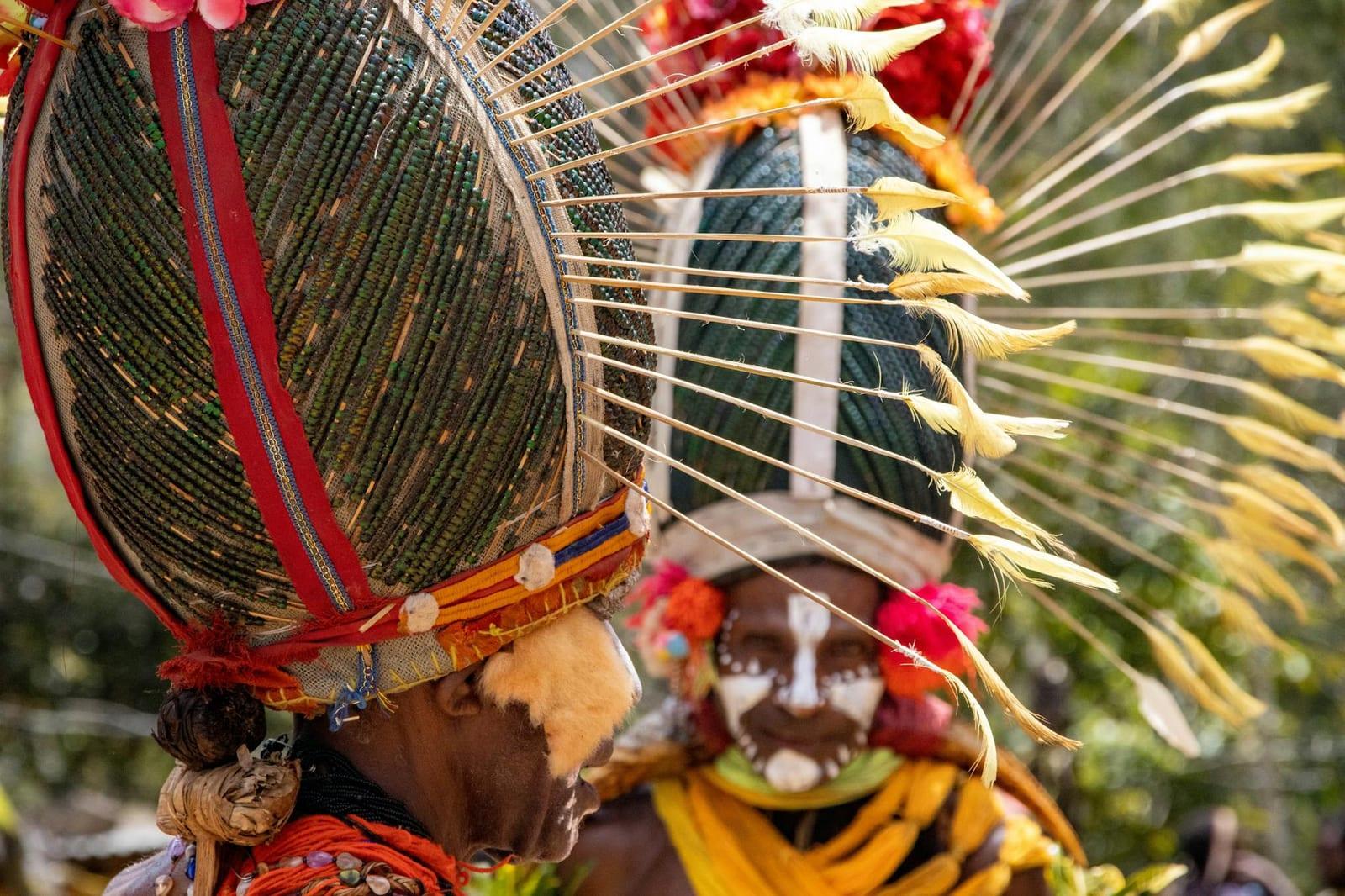
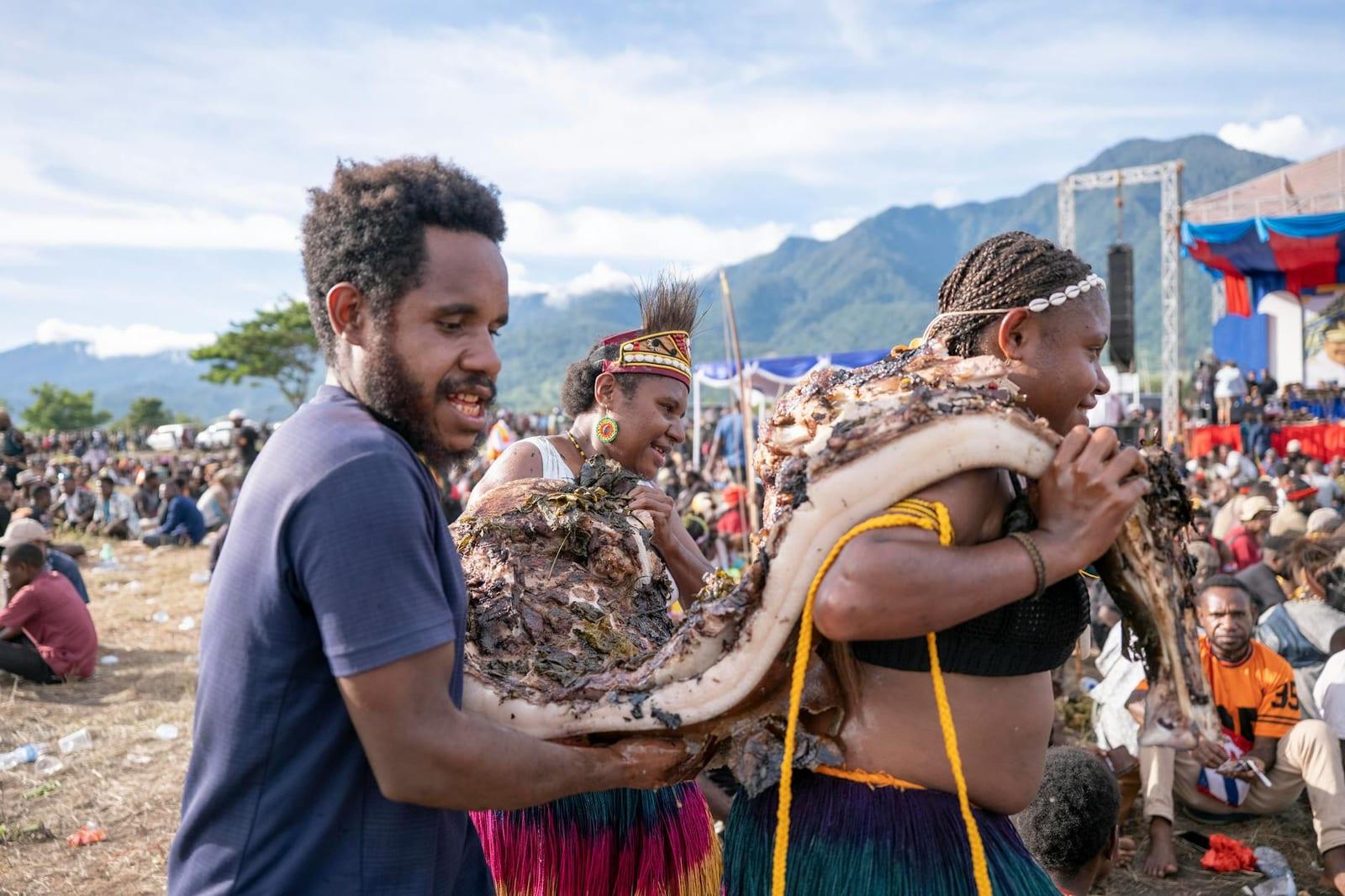
From the wooden crocodile carvings of the Sepik people to the skeleton body paintings of the Chimbu, PNG tribes have a famously rich artistic tradition. You can experience this diversity on any tour of the country, but timing your visit to coincide with the Eastern Highlands Cultural Show in Goroka, a large-scale gathering of multiple tribes marking Independence Day, is a great choice for a sweeping overview.
From the sometimes-snowy ramparts of the Central Range and the enormous river swamps of the coastal lowlands to the coral reefs offshore, Papua New Guinea boasts a rich and unique biological character. The country’s certainly one of the great birding destinations in the world, the avifauna pinnacling in such flashy varieties as the exotic birds-of-paradise (some 40 species) and the huge flightless cassowary. The rainforest canopy also shelters marsupials such as tree kangaroos, possums, and cuscus; while the coastal swamps harbor one of the planet’s last great populations of estuarine (or saltwater) crocodile.
If you’re physically fit enough for it and fully aware of its challenges, the Kokoda Track across the Owen Stanley Range in the far southeast offers one of the world’s greatest hiking adventures: an unforgettable exposure to the PNG wilds, Koiari and Orokaiva people, and some intense history—given it traces the sight of a bloody World War II battle.
Whether surveying a stunningly concentrated palette of human diversity, going eye-to-eye with an elusive marsupial, or reveling in a vista of trackless ridges or riverine swampland, Papua New Guinea invites the hardy traveler to all variety of adventure. Come meet PNG on its own terms, and come away forever changed.
12 things not to miss.
- Papua New Guinea
- the Kokoda TrackTrek the Kokoda Track
- sing-sing at Mount HagenWatch the sing-sing at Mount Hagen
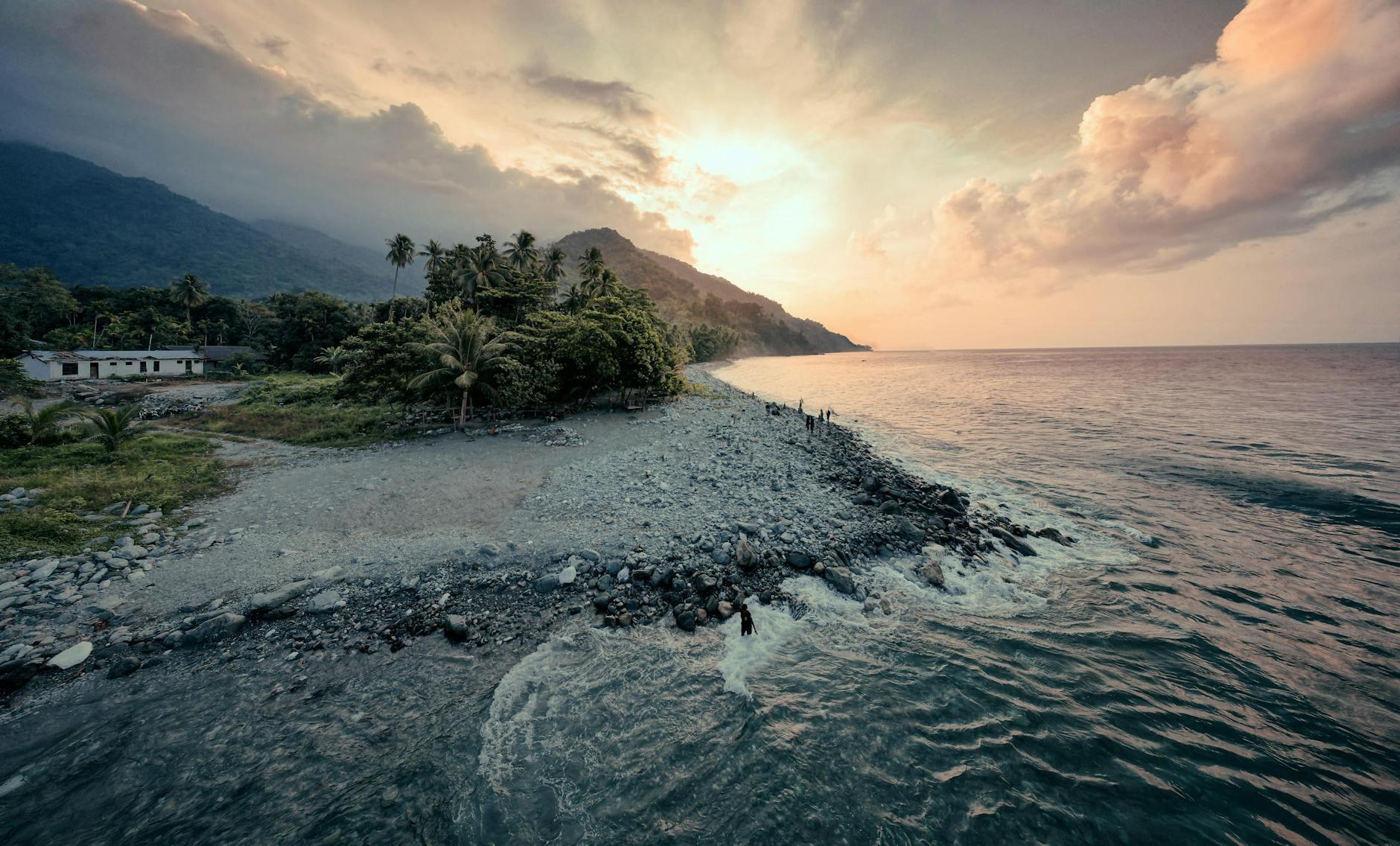
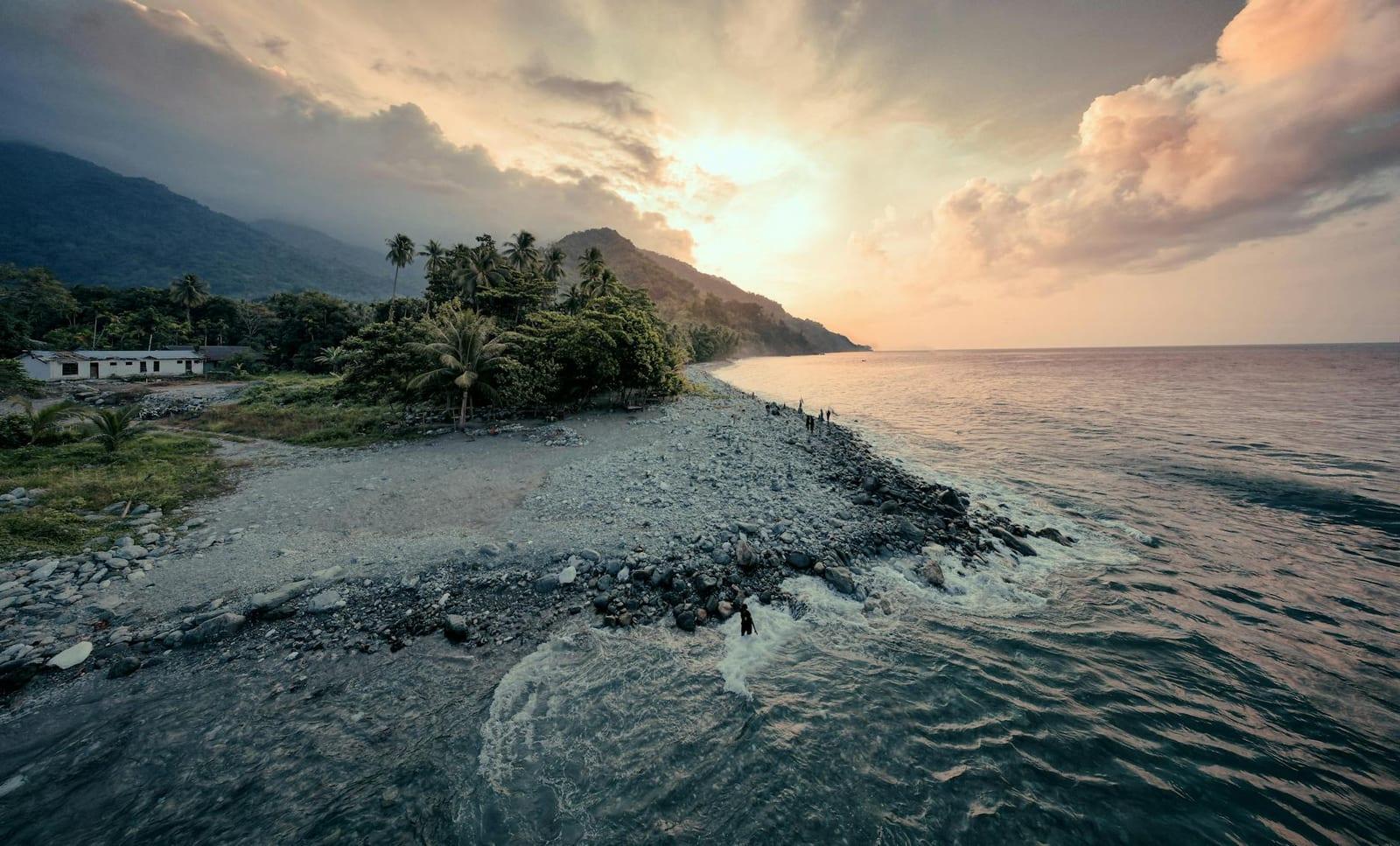
- Surf the Bougainville coastSurf the Bougainville coast
- Planet RockThis coral-armored seamount off Madang tempts with some of PNG’s best diving; sharks, barracudas, and other pelagics are common sights.
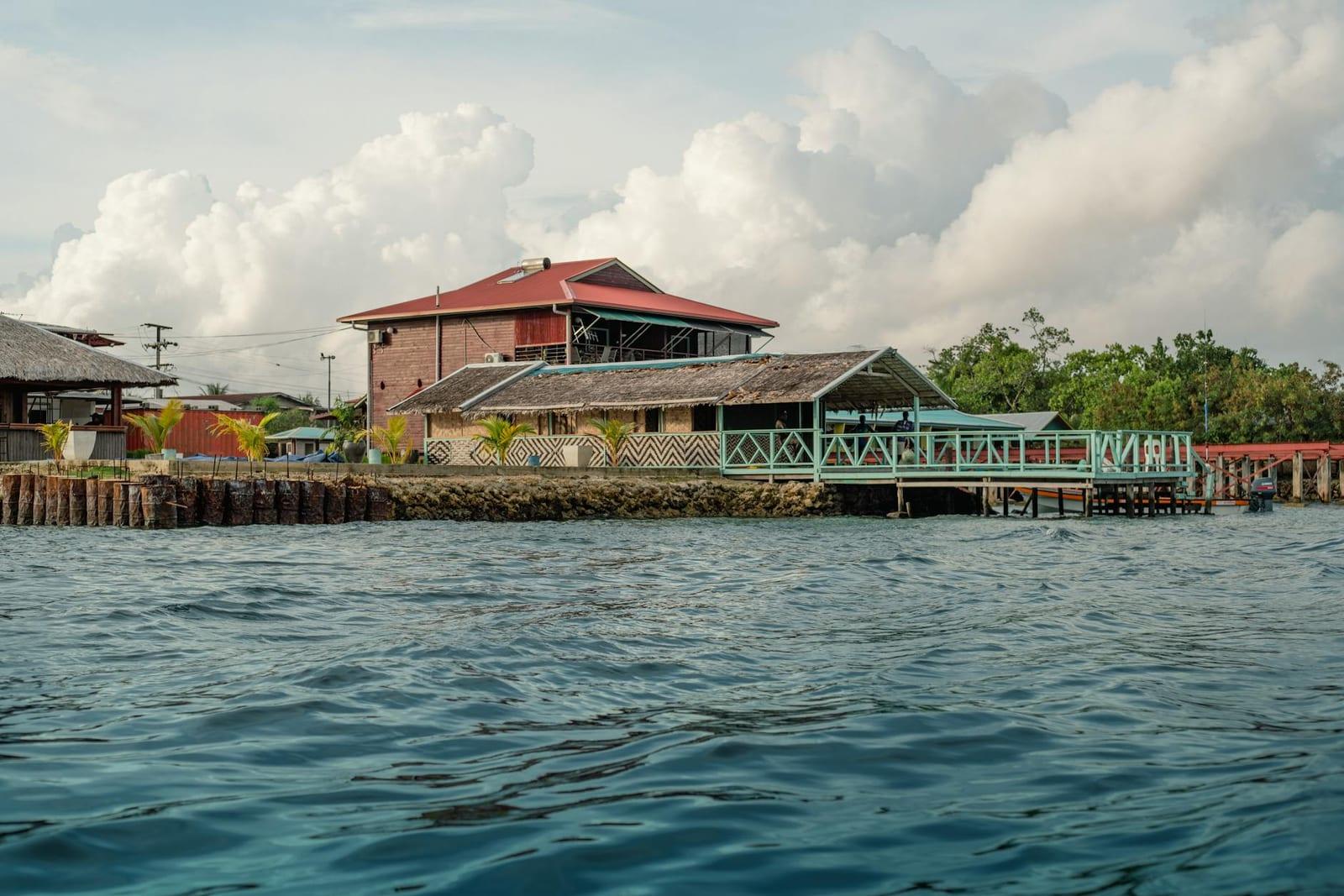
- KaviengThe main hub on the island of New Ireland is a great launchpad for scuba divers, given wildlife-rich reef passages and World War II wrecks.
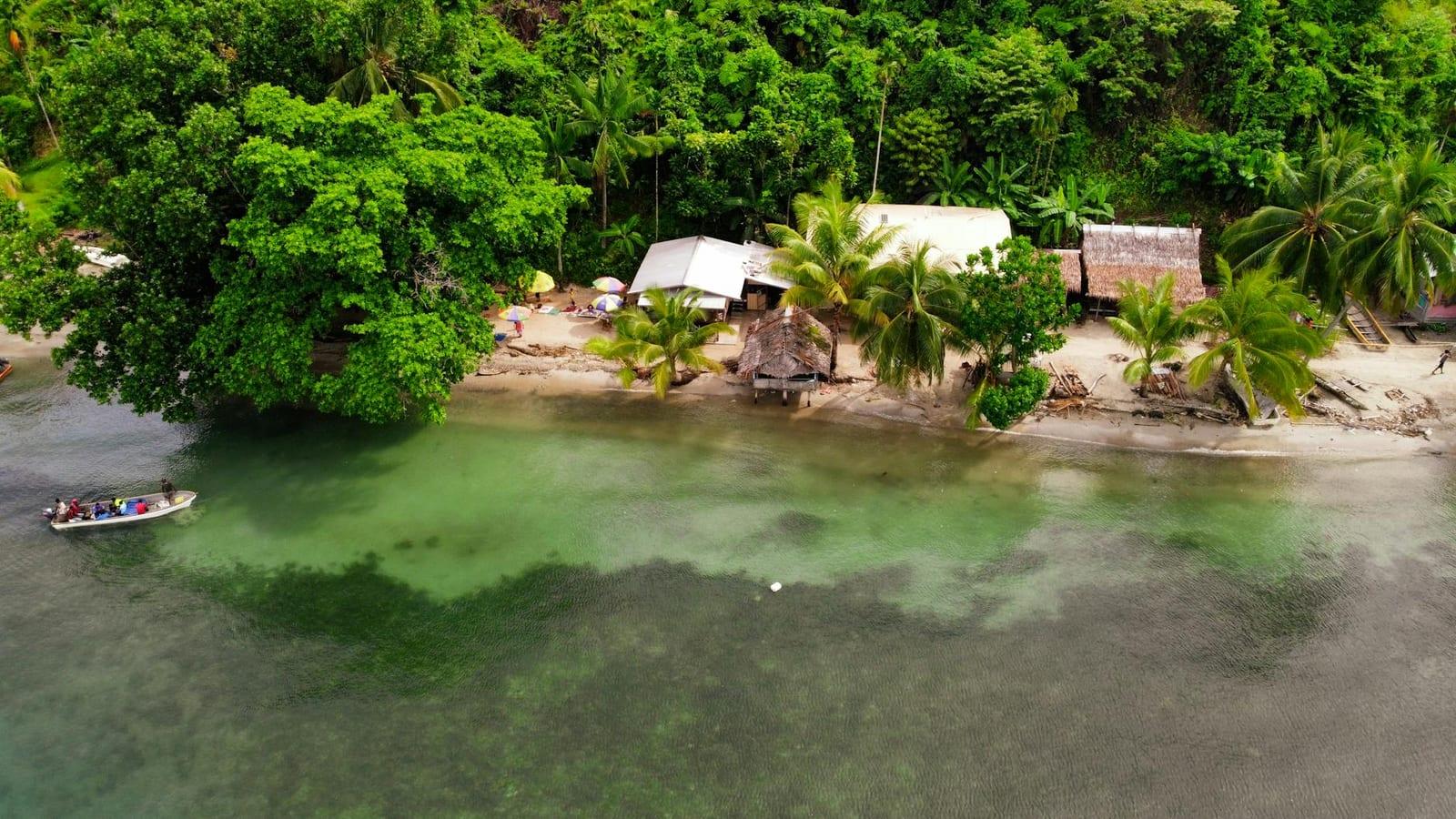
- Kokoda TrackAmong the world’s most adventurous long-distance hikes threads lush highlands, indigenous communities, and Second World War history.
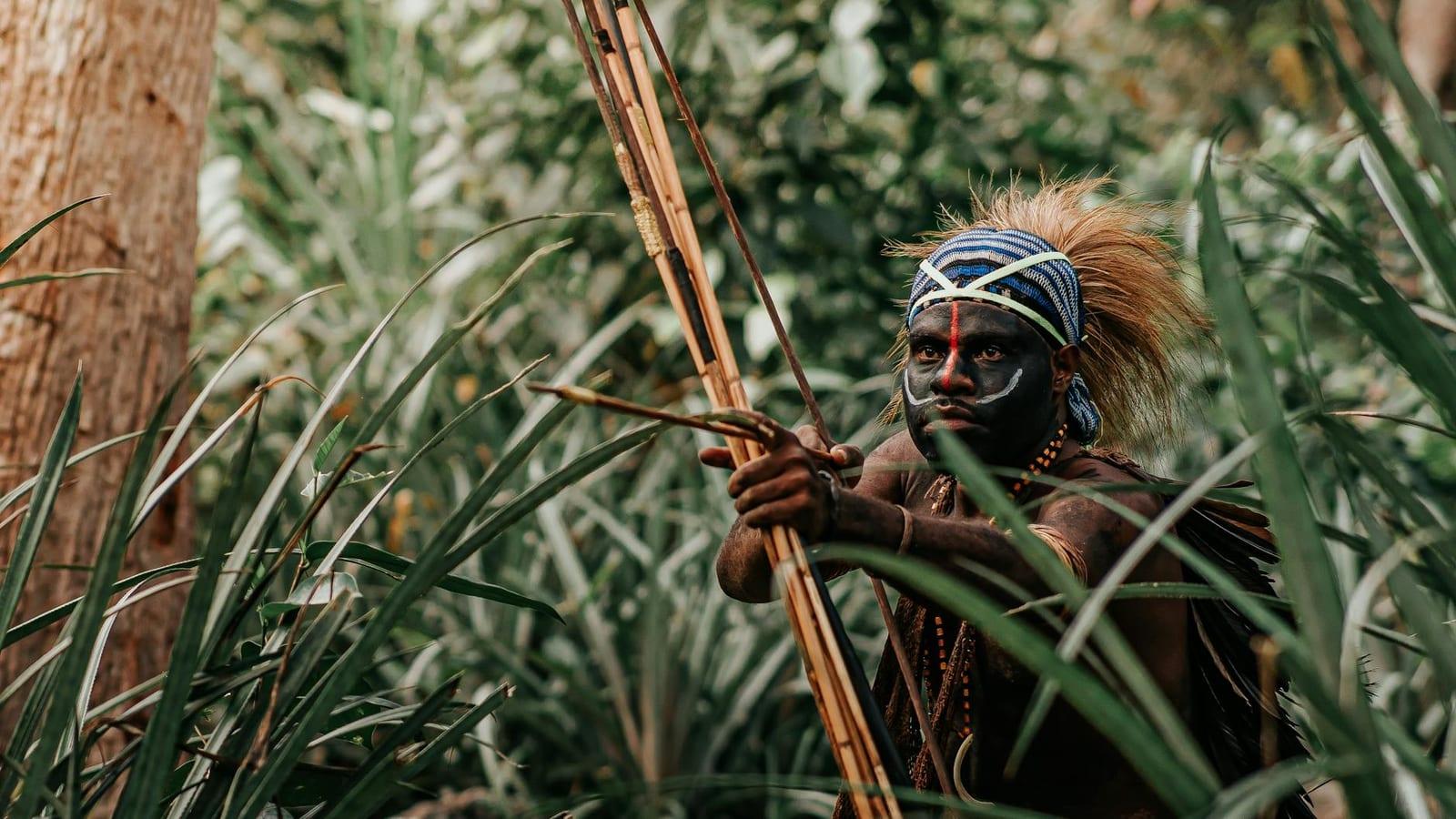
- Mount WilhelmHike your way to the top of the Bismarck Range on PNG’s 14,793-foot high point.
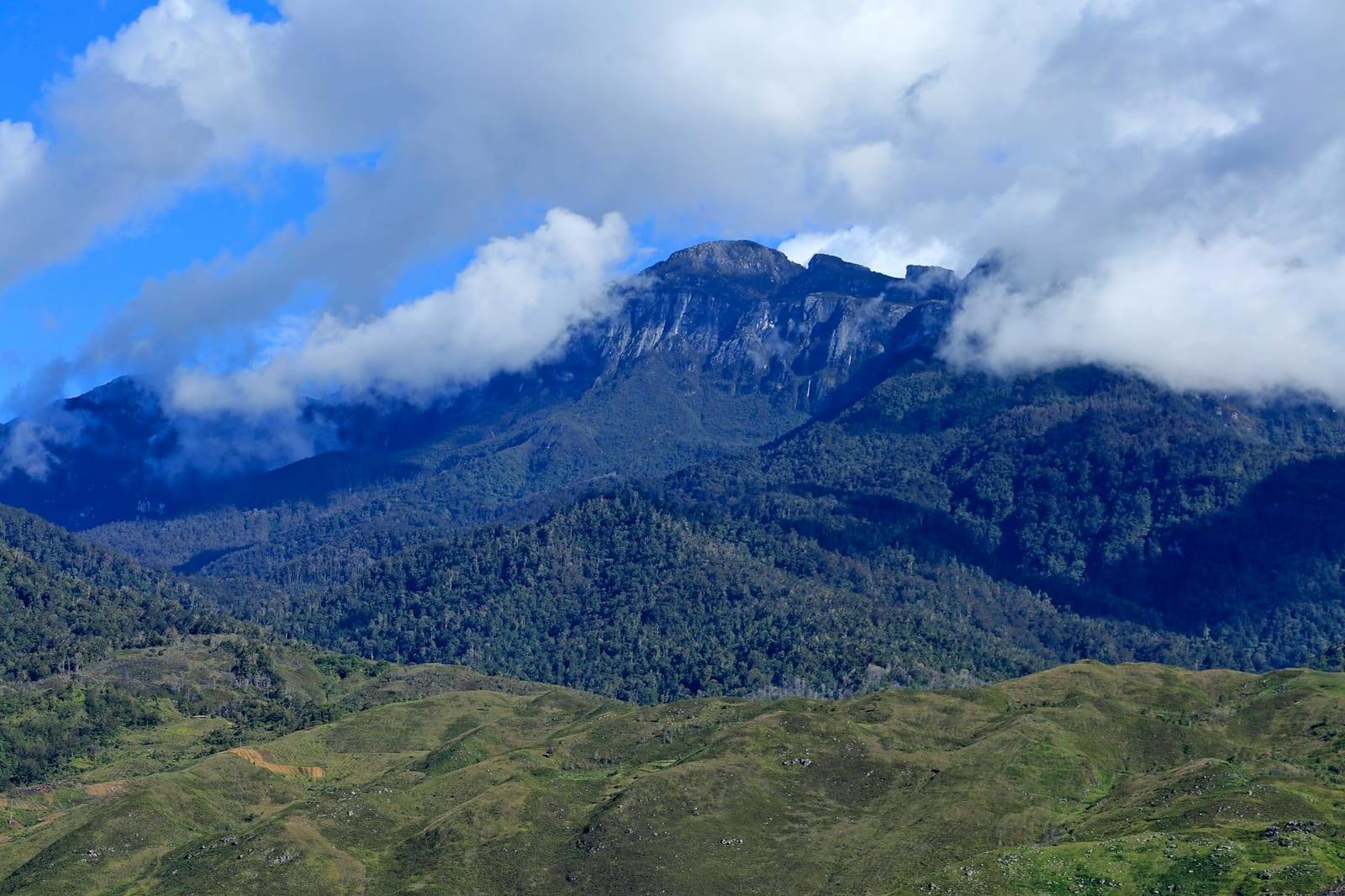
- Port MoresbyA gateway to more remote destinations, the PNG capital also boasts an impressive botanical garden and lies near fine surfing beaches.
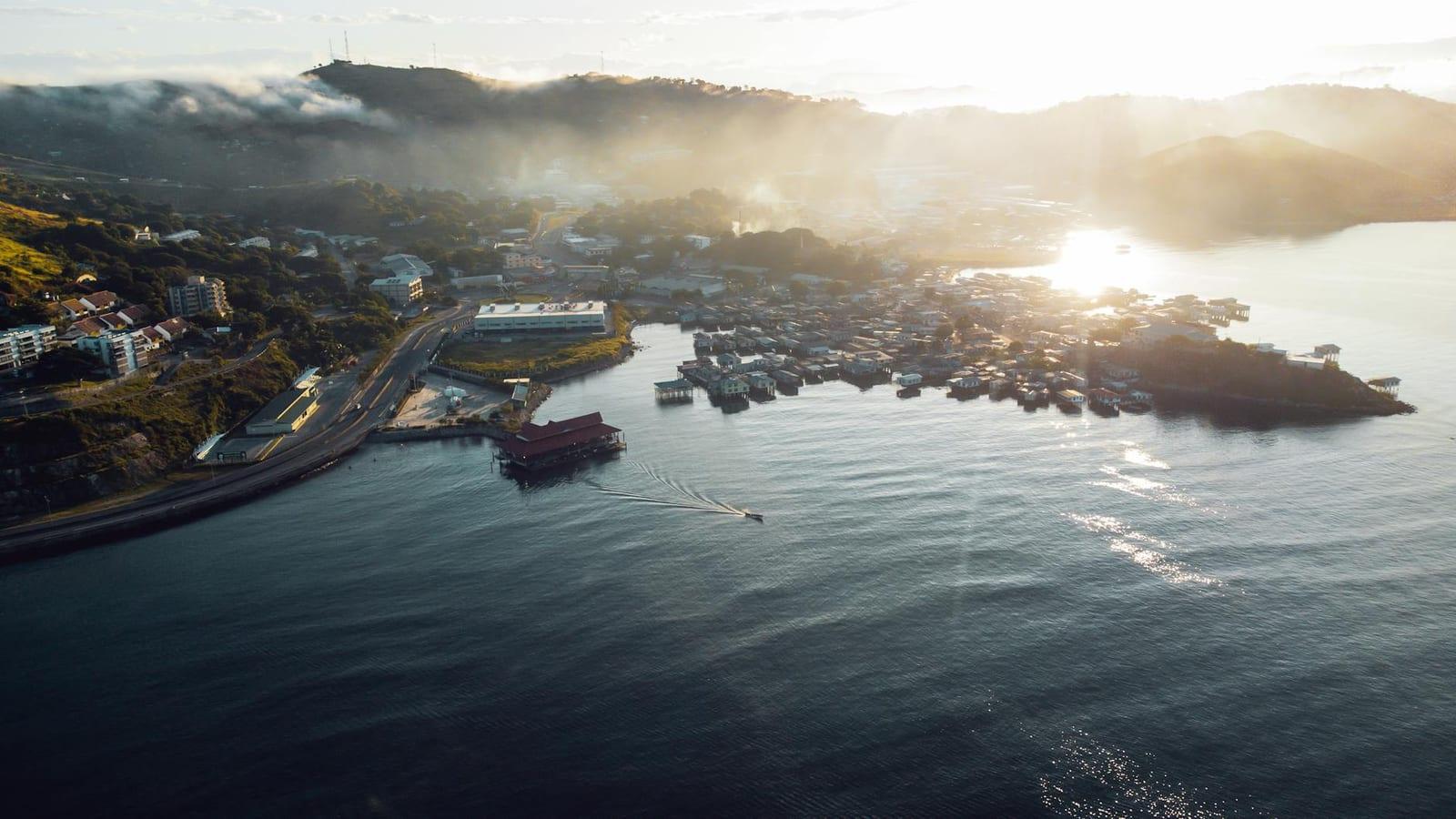
- Varirata National ParkClose to Port Moresby, PNG’s first national park offers trails through rainforest and glades—and the possibility of glimpsing a bird-of-paradise.
- Sepik RiverVisit indigenous villages and admire riverside rainforest on a cruise down the Sepik, one of the most pristine big rivers on Earth.
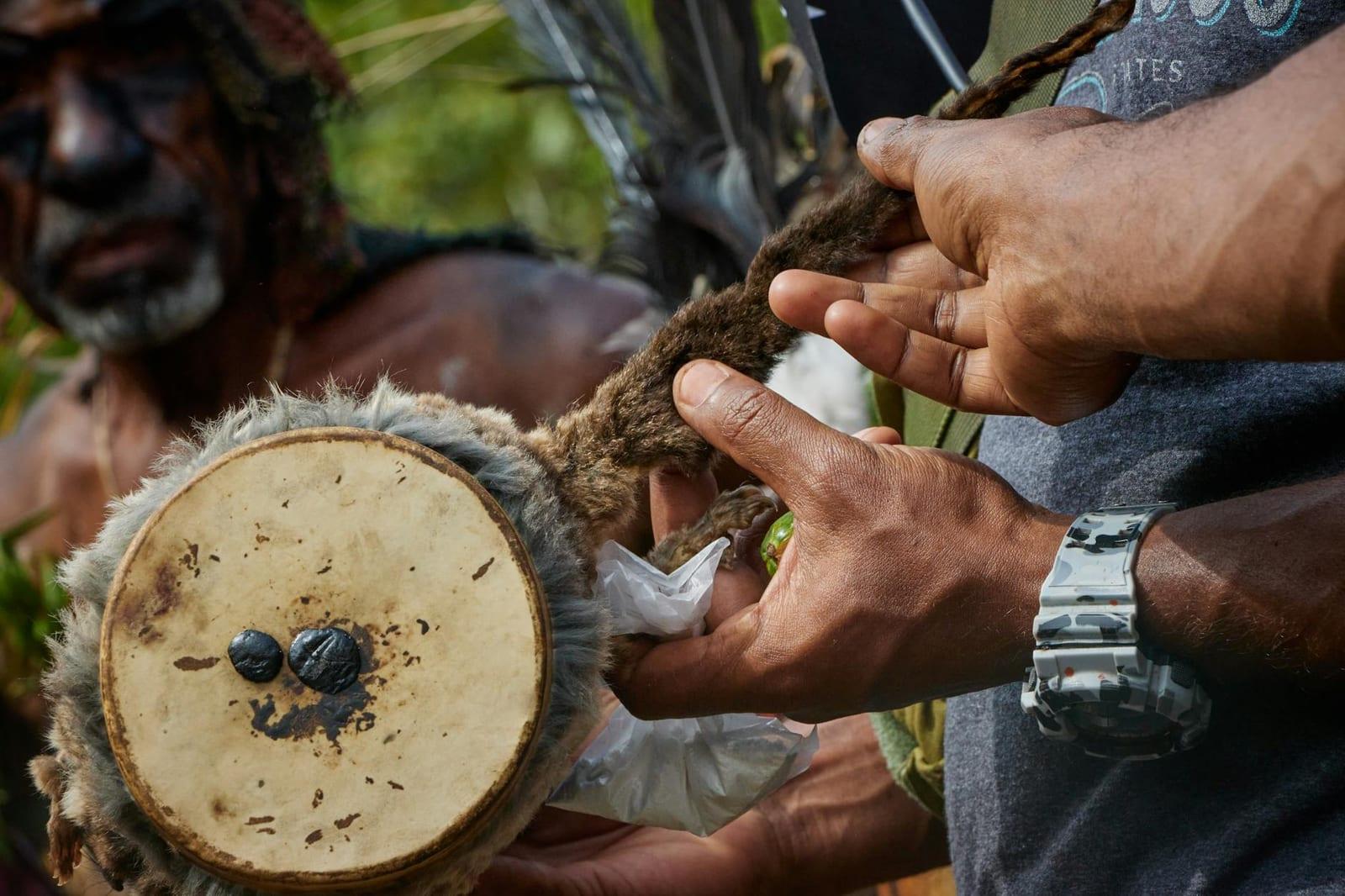
- GorokaThis Highlands town is especially worth visiting during its annual cultural celebration (sing-sing), which brings together many different PNG tribes.