Throw a dart at a map of South America, and if your bull’s-eye aim is true it’ll land in Paraguay. One of only two landlocked countries in the Western Hemisphere (along with neighboring Bolivia), this is an oft-overlooked destination with plenty to recommend itself—from the exotic frontier of the Gran Chaco to the charming heart of Asunción.
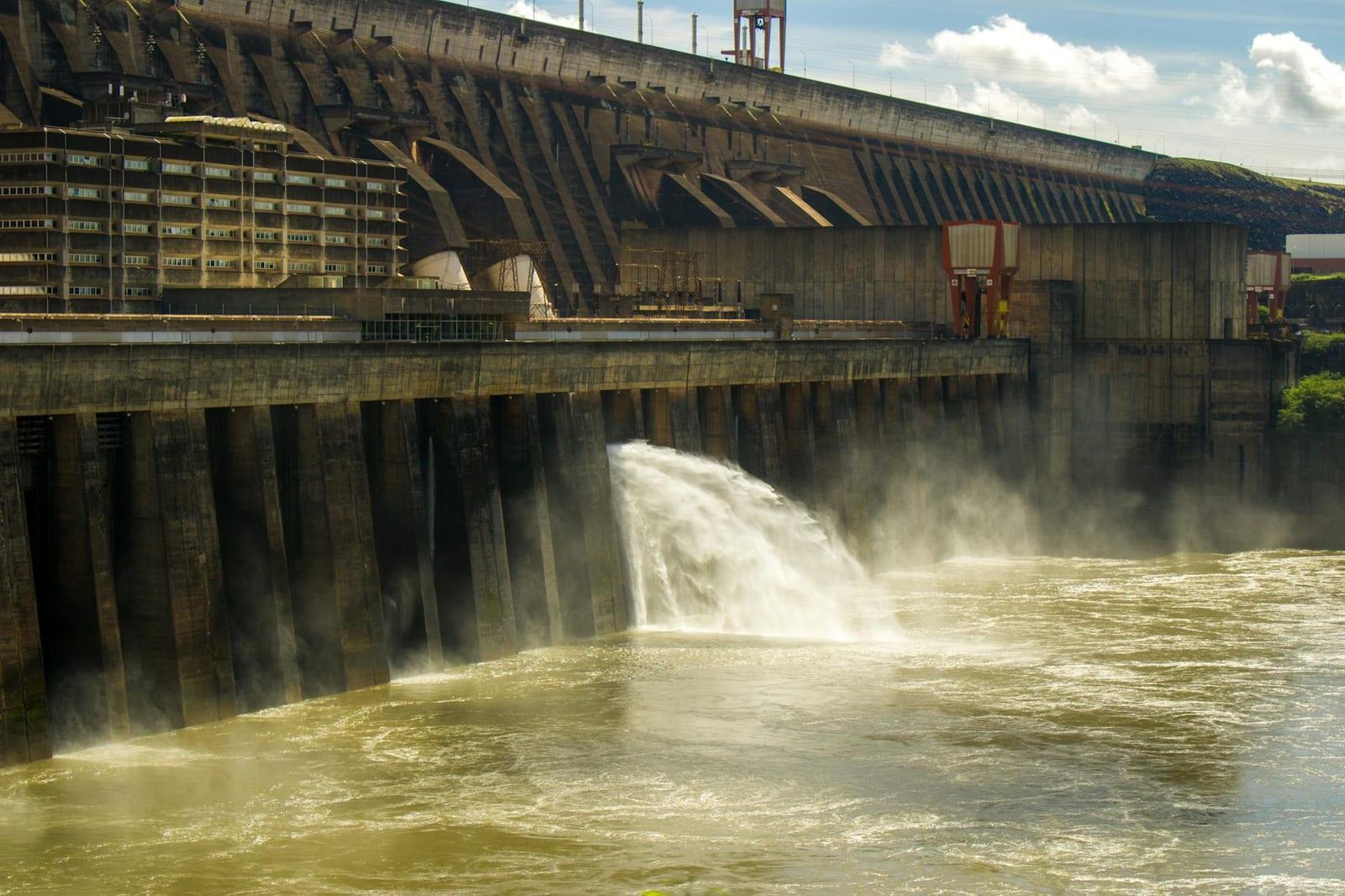
Ecotourists will happily discover some impressive national parks preserving bastions of Paraguayan wilderness in the face of the slash-and-burn agriculture, overgrazing, resource extraction, and other anthropogenic processes that have eaten up pristine countryside elsewhere. (Paraguay, it should be noted, claims one of the world’s biggest hydroelectric installations in the Itaipú Dam, which generates much of the country’s electricity but also destroyed a truly world-class cataract, the epic Guaira Falls.) Among its most precious—and precarious—sanctuaries is San Rafael, which lies within the critically threatened Atlantic Forest ecoregion that once lushly cloaked eastern South America’s coastal lowlands.
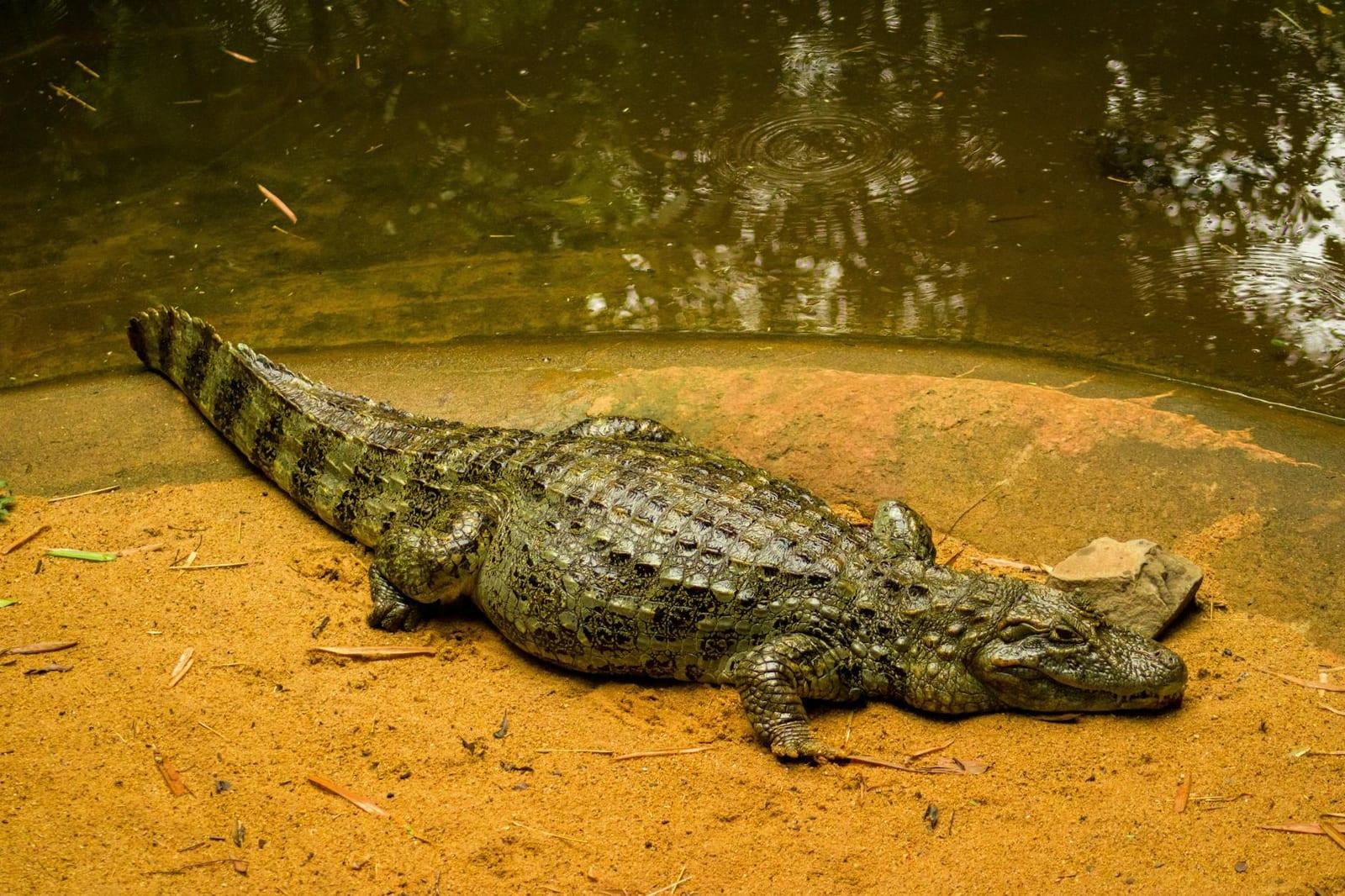
The Gran Chaco - with its dry grasslands, savannas, and thorn forests sprawls west of the Paraguay River: A mix of wildlife-rich backcountry and working ranchland that extends into adjacent Argentina, Bolivia, and Brazil. A particularly fruitful site is the Chaco-Pantanal Reserve, which protects the threshold between the Chaco scrub and the vast wetlands of the Pantanal; here you can search for charismatic wildlife such as the maned wolf, the jaguar, the giant armadillo, the jabiru (the world’s heftiest stork), and the crowned solitary eagle.
Paraguay also boasts millennia-old human history: Notable historical landmarks include the Chaco War battlefield of Fortin Boquerón, the 17th- and 18th-century Jesuit missions of La Santisima Trinidad de Paraná and Jesús de Tavarangue (which together form a UNESCO World Heritage Site), and the colonial infrastructure of central Asunción. In this land of mestizos, Amerindians, Afro-Paraguayans, and plenty of Brazilian and European expats, there’s a diverse cuisine to explore, too; as in Argentina and Uruguay, beef figures prominently on the menu. Two of the best routes into the heart of everyday Paraguayan culture—particularly fruitful if you know some Spanish—are attending a barbecue (asado) or watching a football match, whether at a local stadium or in a tavern.
This heart of South America is full of scenes, both cultured and wild, that haven’t yet been wholly altered by the tourist trade. Paraguay is one of those enriching places you discover when you venture off the beaten path a bit—sure to captivate your senses and expand your perspective.
11 things not to miss.
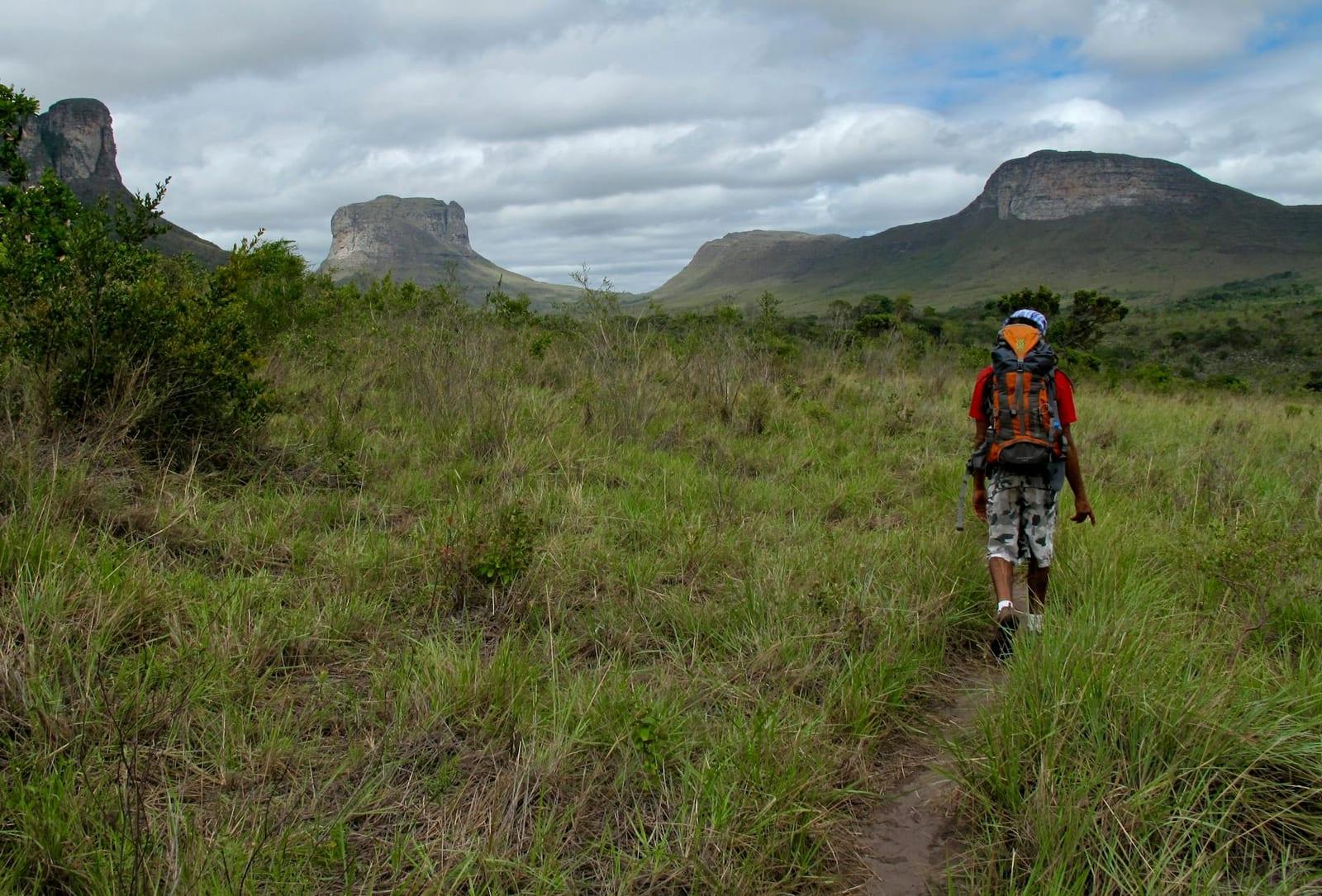
- the Chapada Diamantina (cross-border idea)Trek the Chapada Diamantina (cross-border idea)
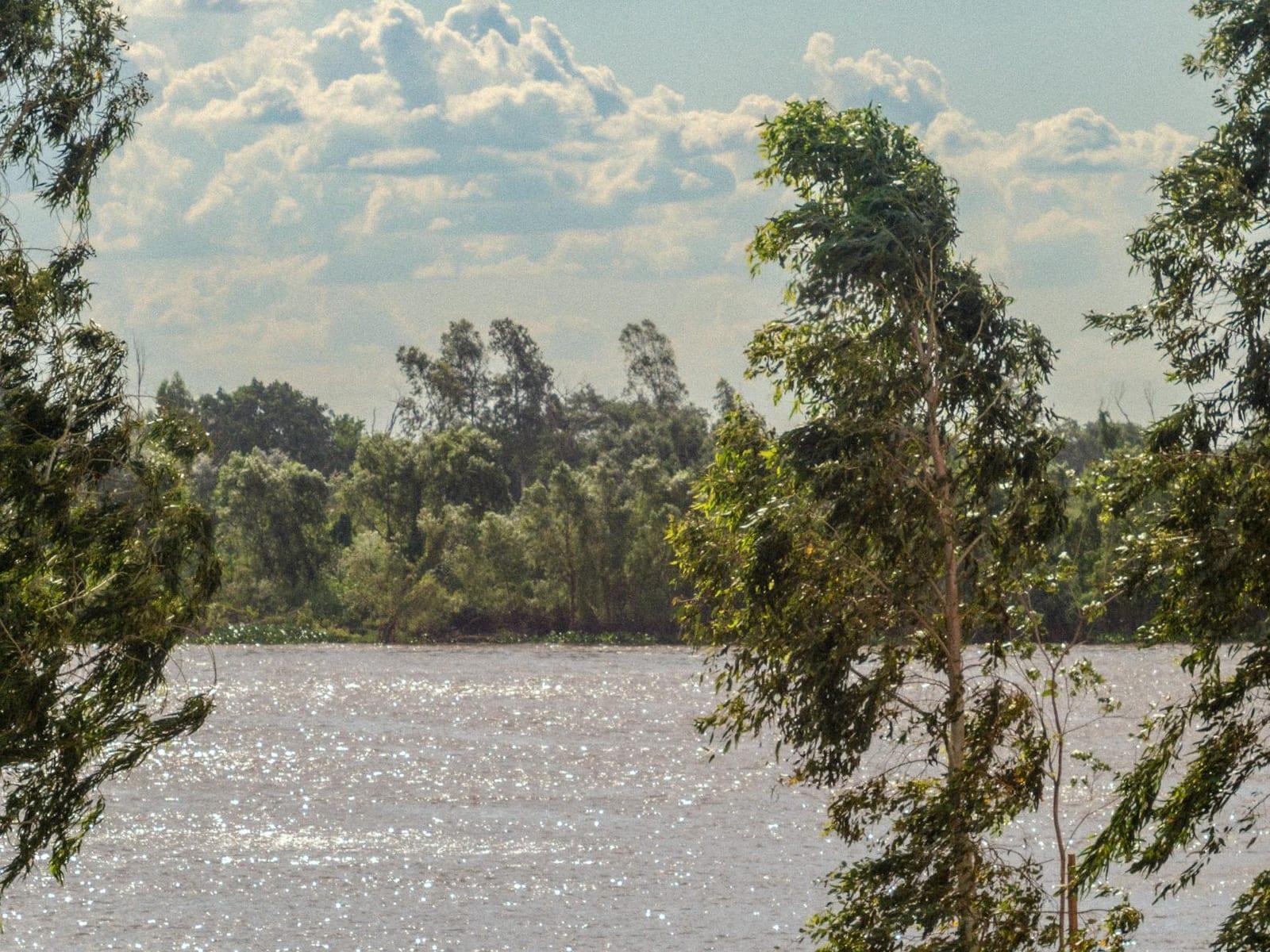
- Río ParaguayBoat the Río Paraguay
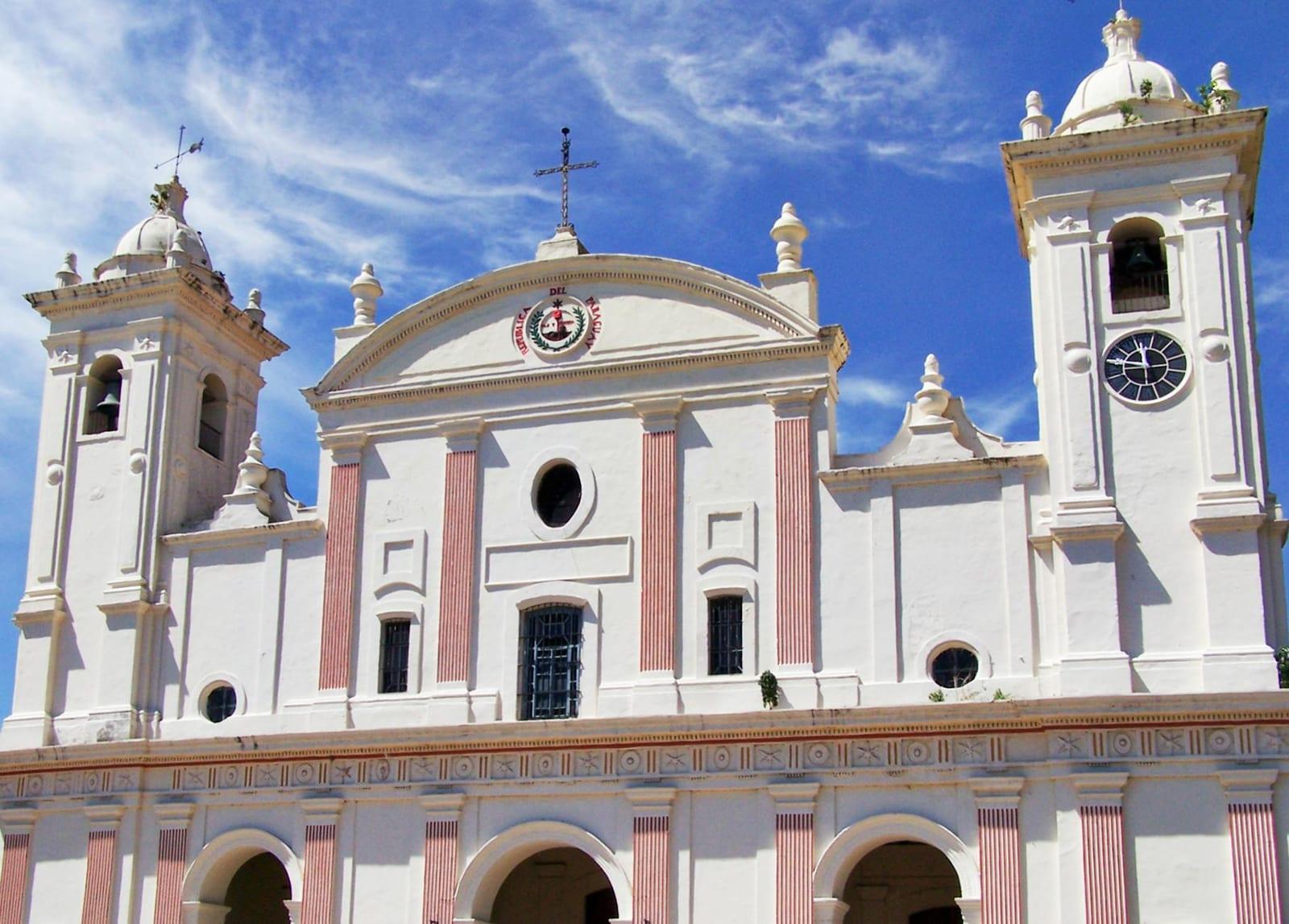
- Asunción's old marketWalk Asunción's old market
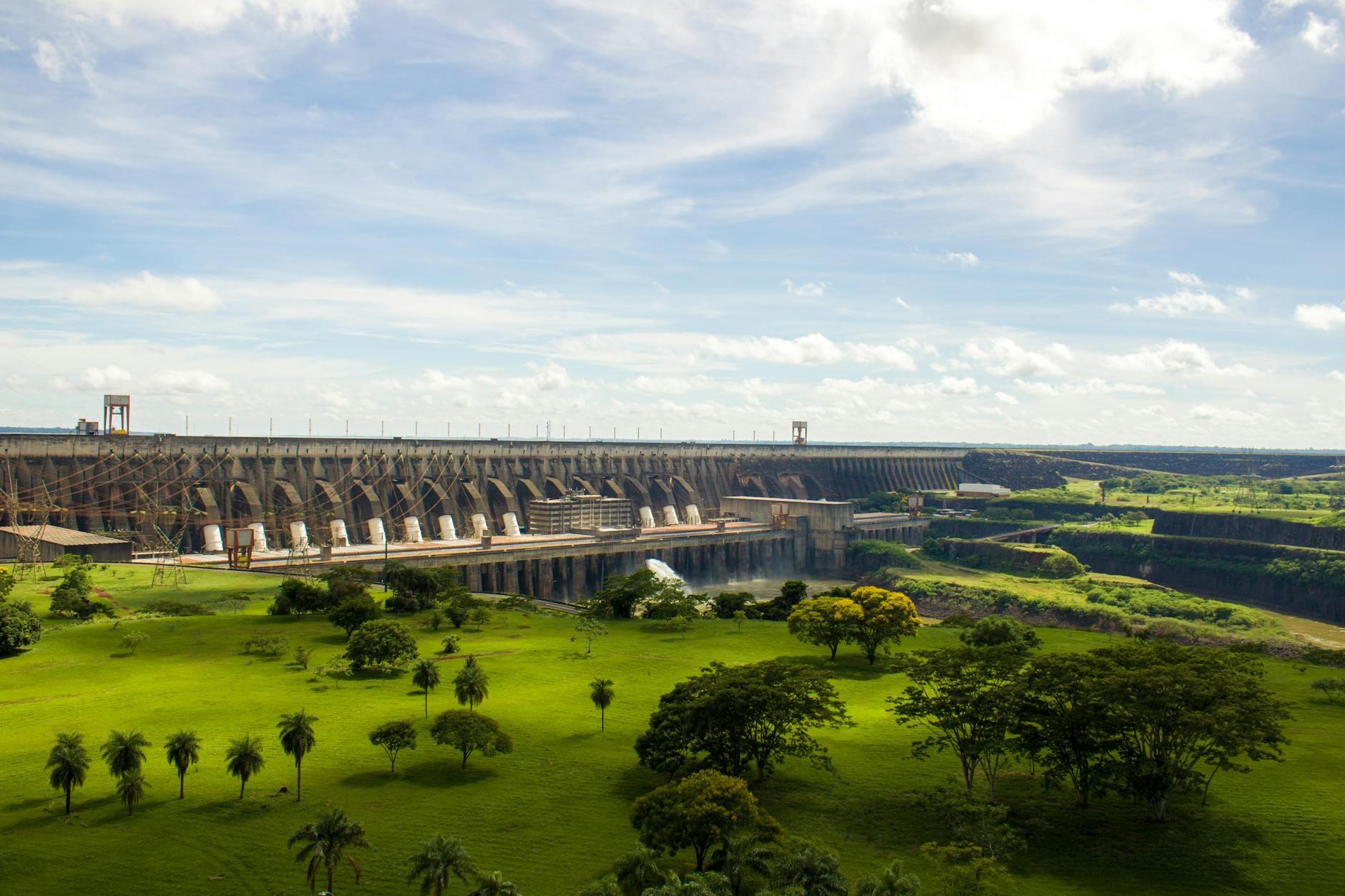
- Itaipu DamGape at one of the world’s biggest dams—and raise a toast to the ghost of titanic Guaira Falls, destroyed in its construction—on the Parana River.
- Chaco-Pantanal ReserveTwo great South American landscapes—the grasslands of the Dry Chaco and the huge Pantanal wetland—merge in this wildlife paradise.
- Cerro Cora National ParkThis large preserve marks a major battlefield of the 19th-century Paraguayan War and also showcases indigenous petroglyphs.
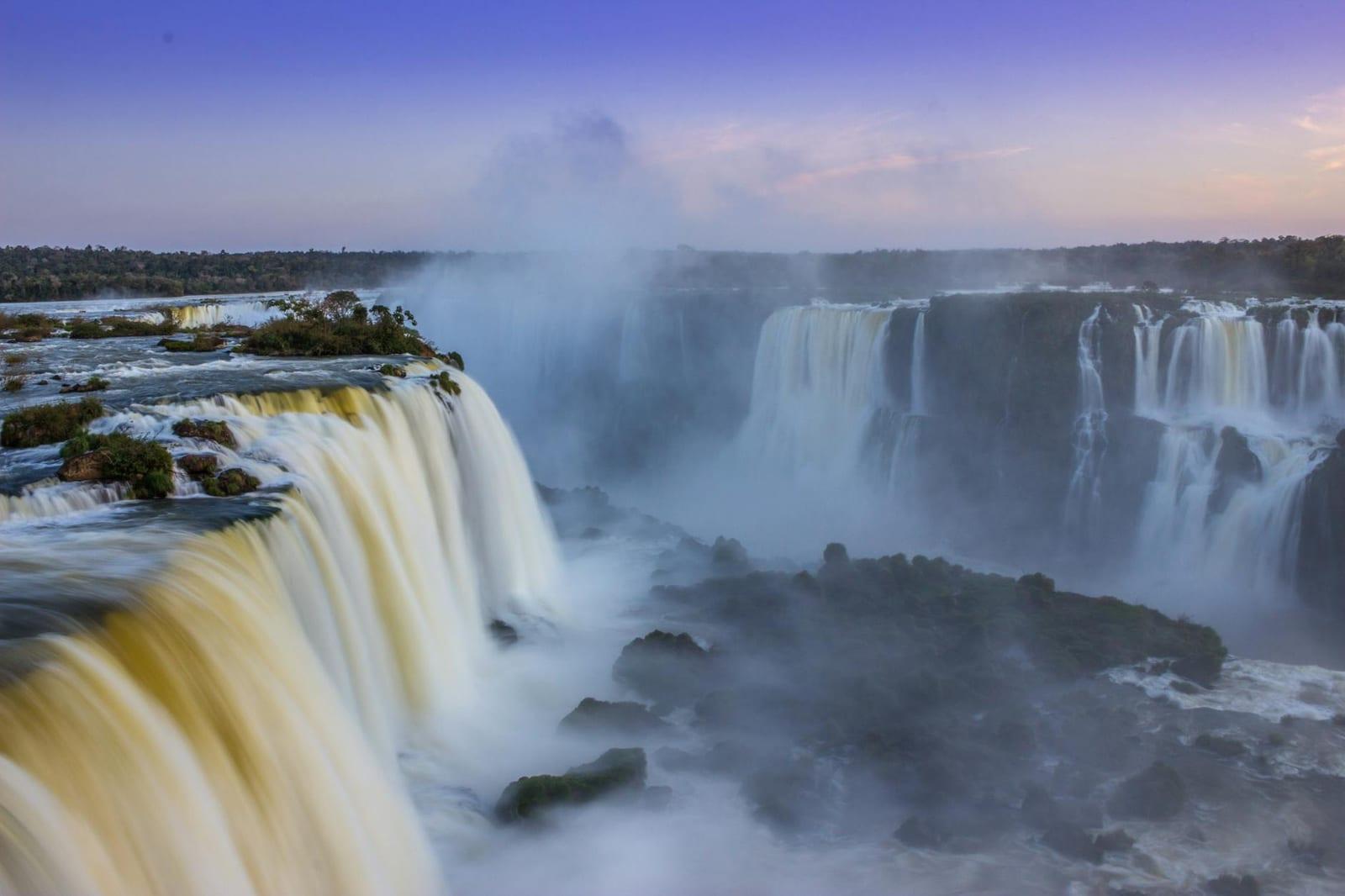
- Ybycui National ParkSeek out howler monkeys, coatis, peccaries, and other wildlife of the Atlantic Forest—and some gorgeous waterfalls—in this popular park.
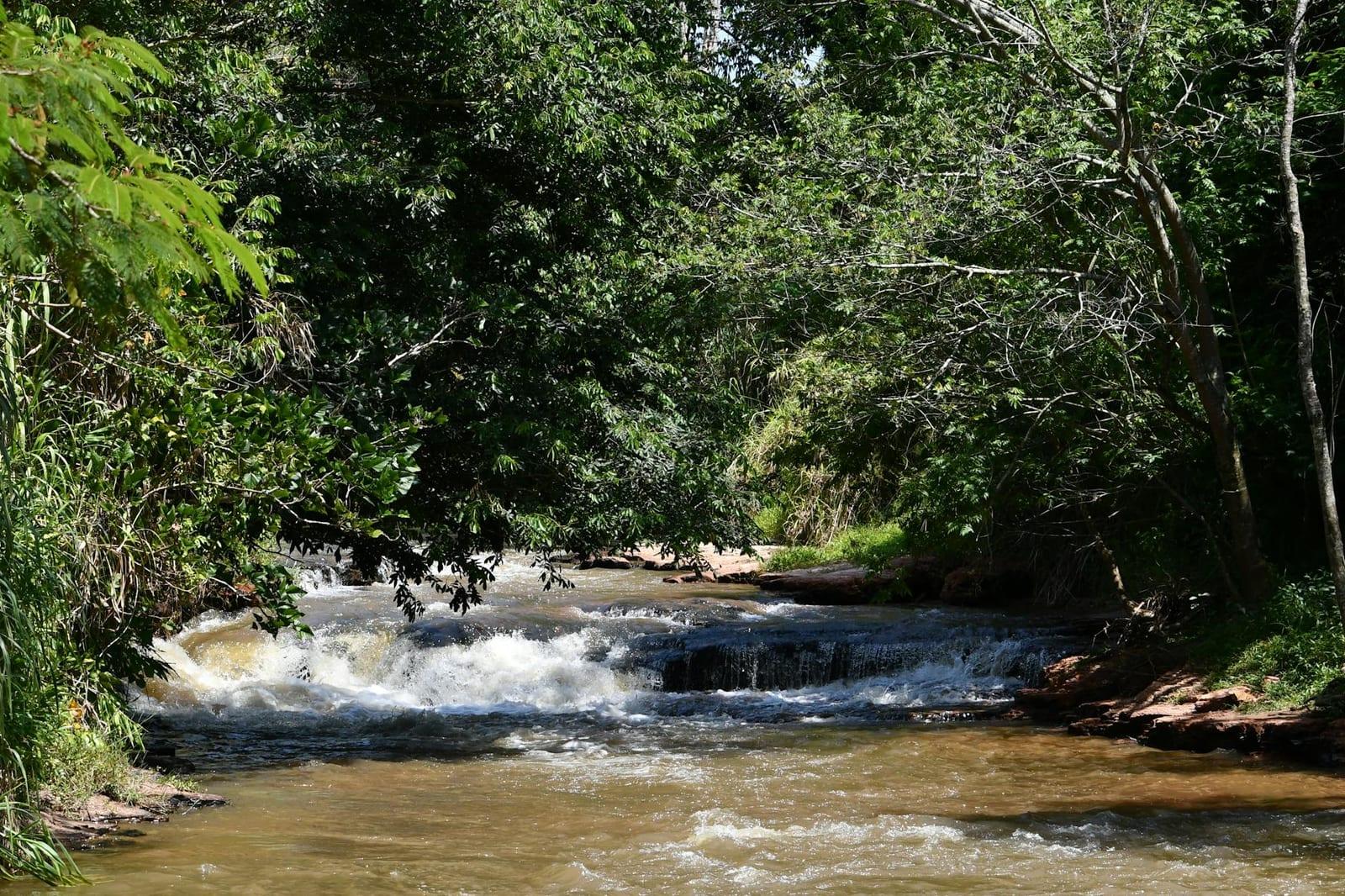
- Monday FallsThis huge cataract on the Monday River near its mouth in the Parana anchors a lush Atlantic Forest nature reserve.
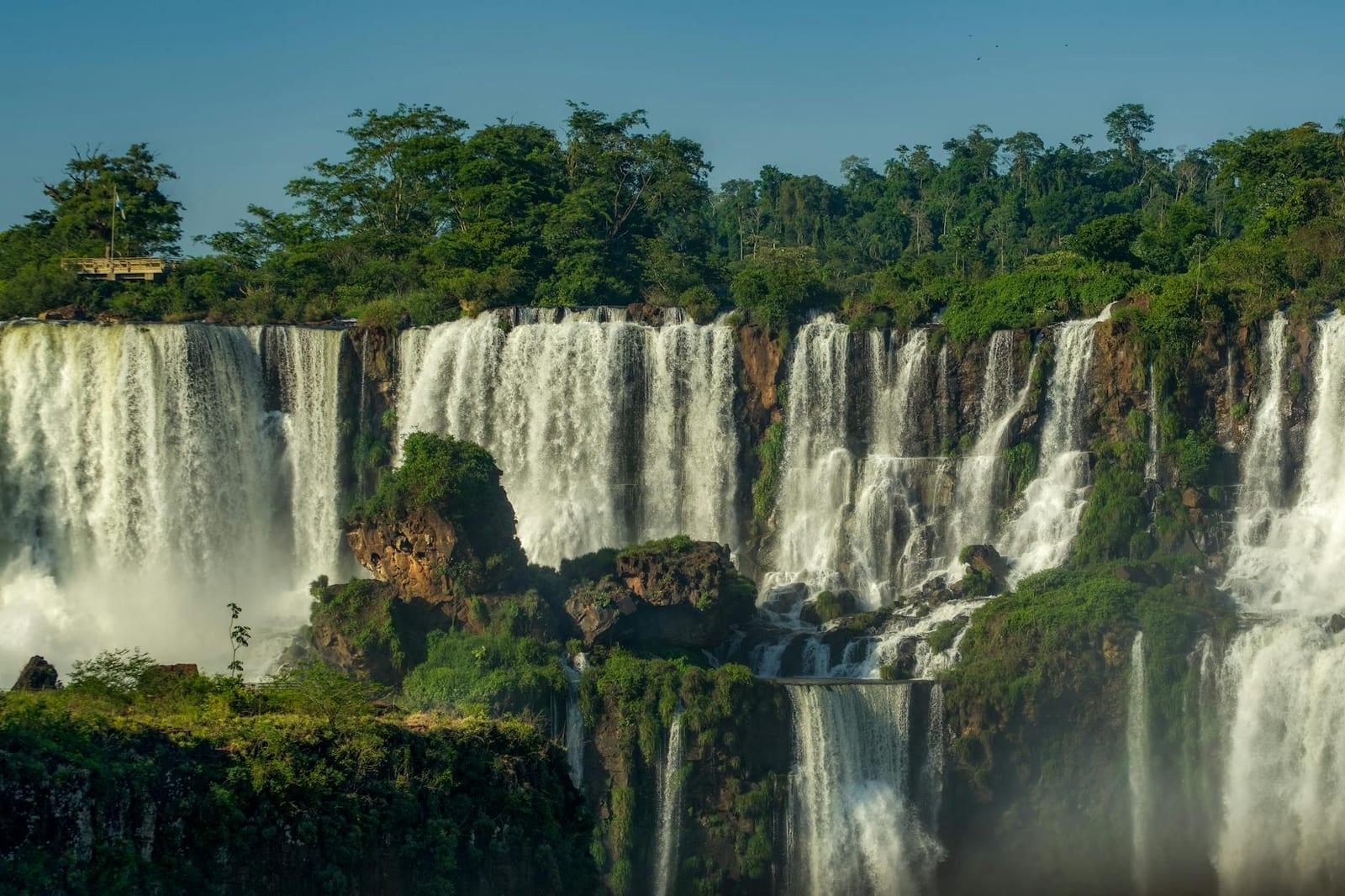
- Fortin BoqueronThis site saw a fierce battle of the Chaco War, that 1930s Gran Chaco square-off between Paraguay and Bolivia, and includes an informative museum.
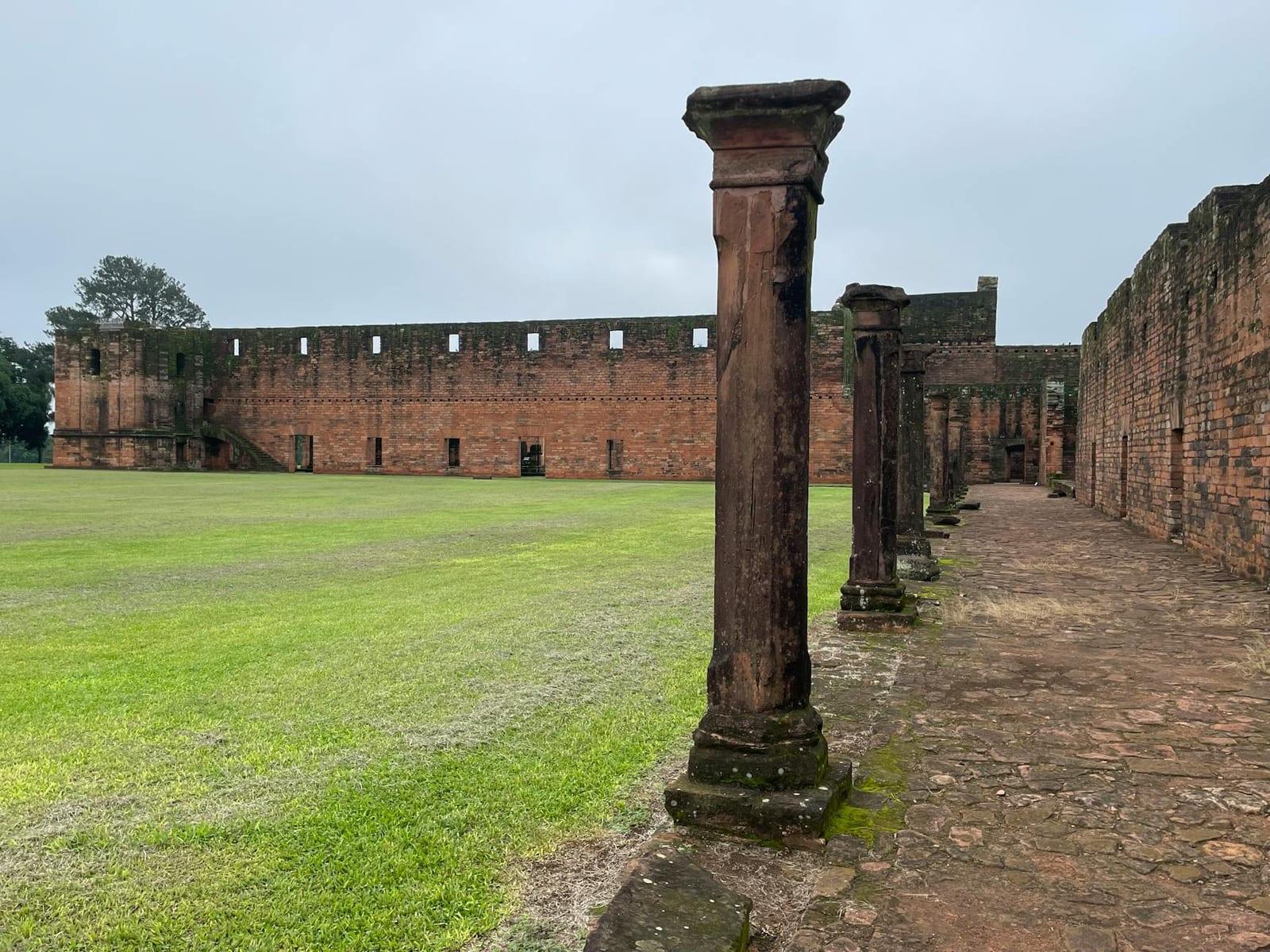
- La Santisima Trinidad de Parana and Jesus de TavarangueThese amazingly preserved 17th-century Jesuit missions near Encarnación are classed together as a UNESCO World Heritage Site.
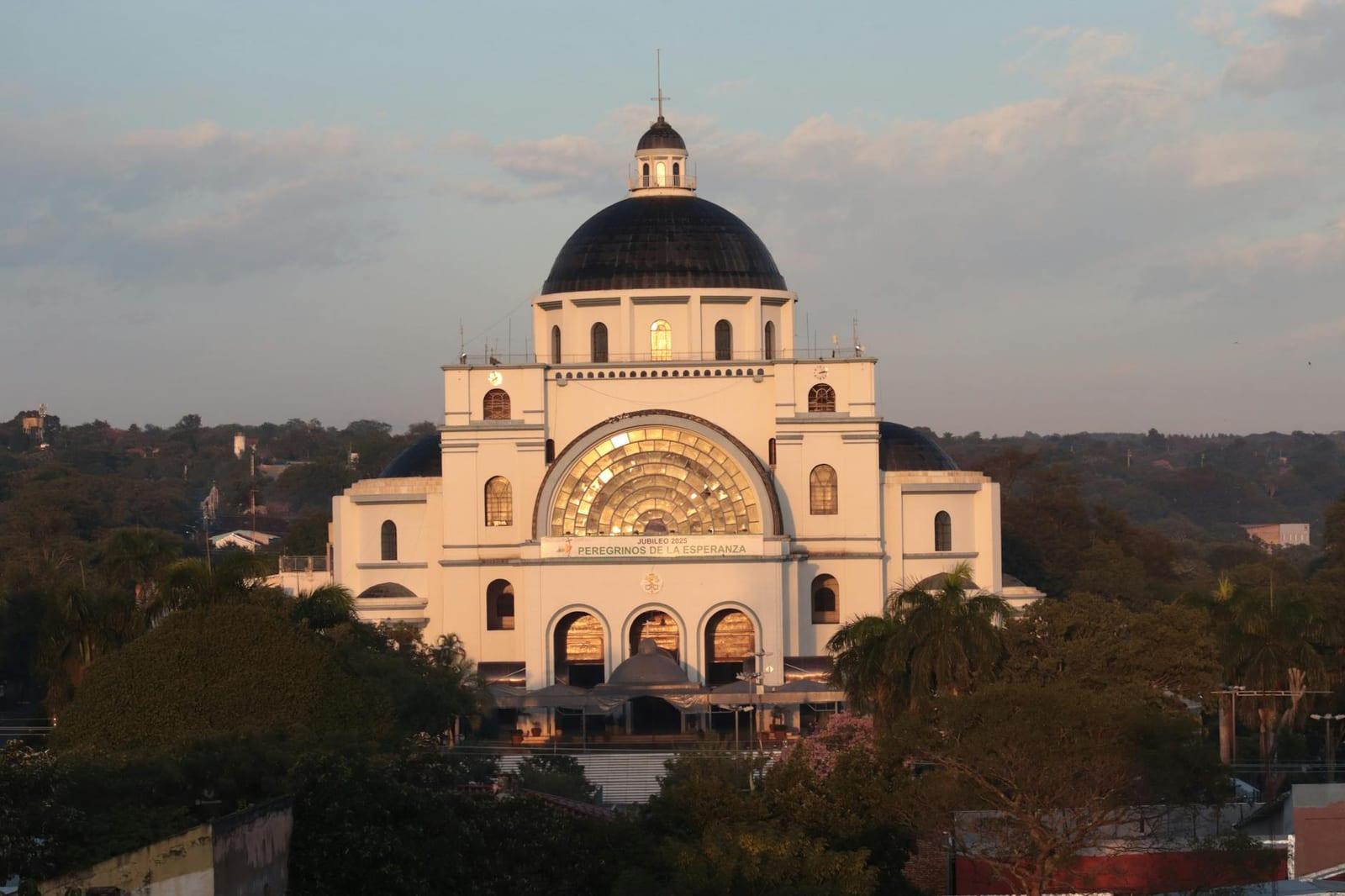
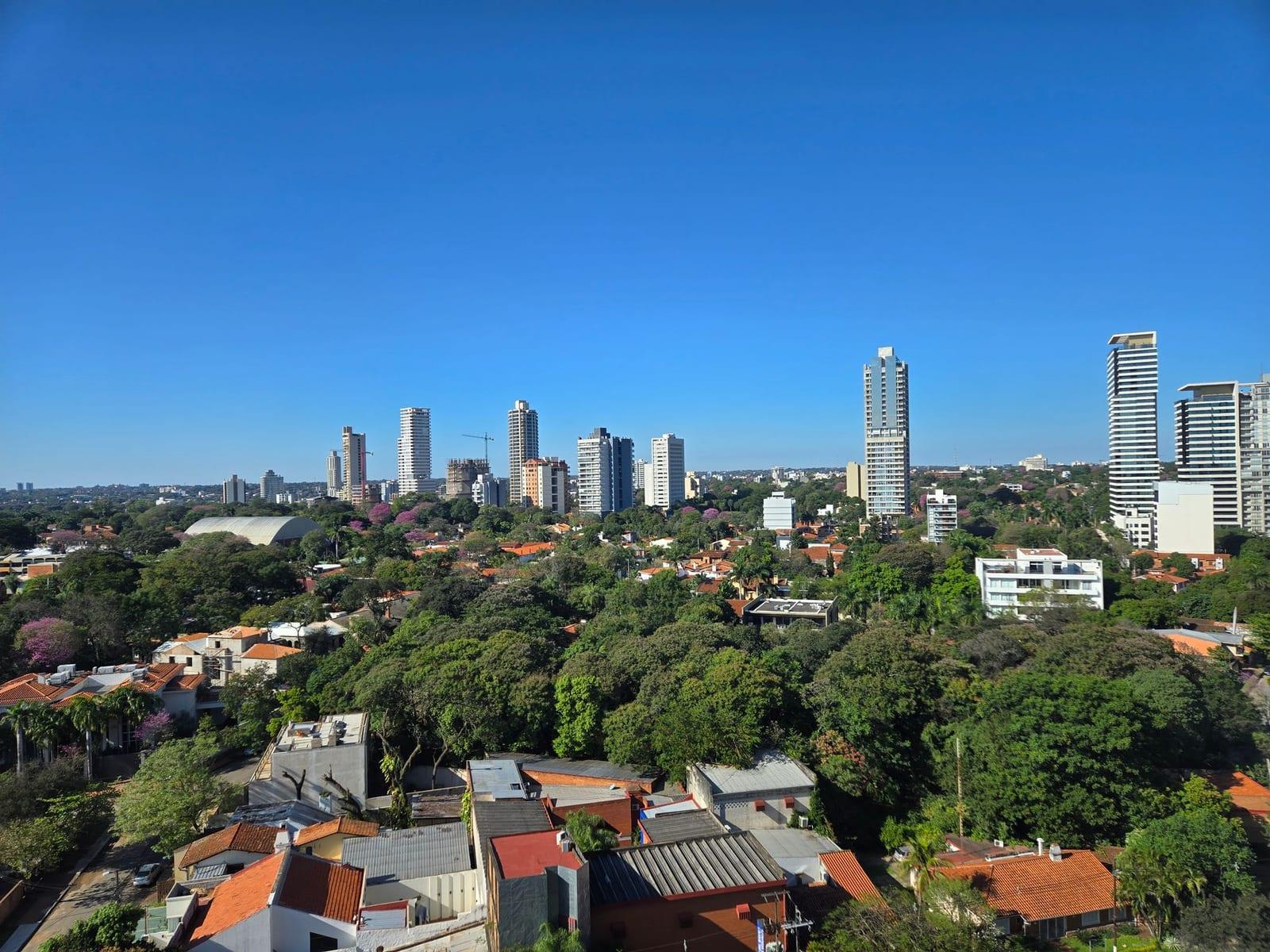
- AsuncionFine museums, restaurants, and vintage architecture such as the Palacio de Lopez highlight a visit to Paraguay’s capital.