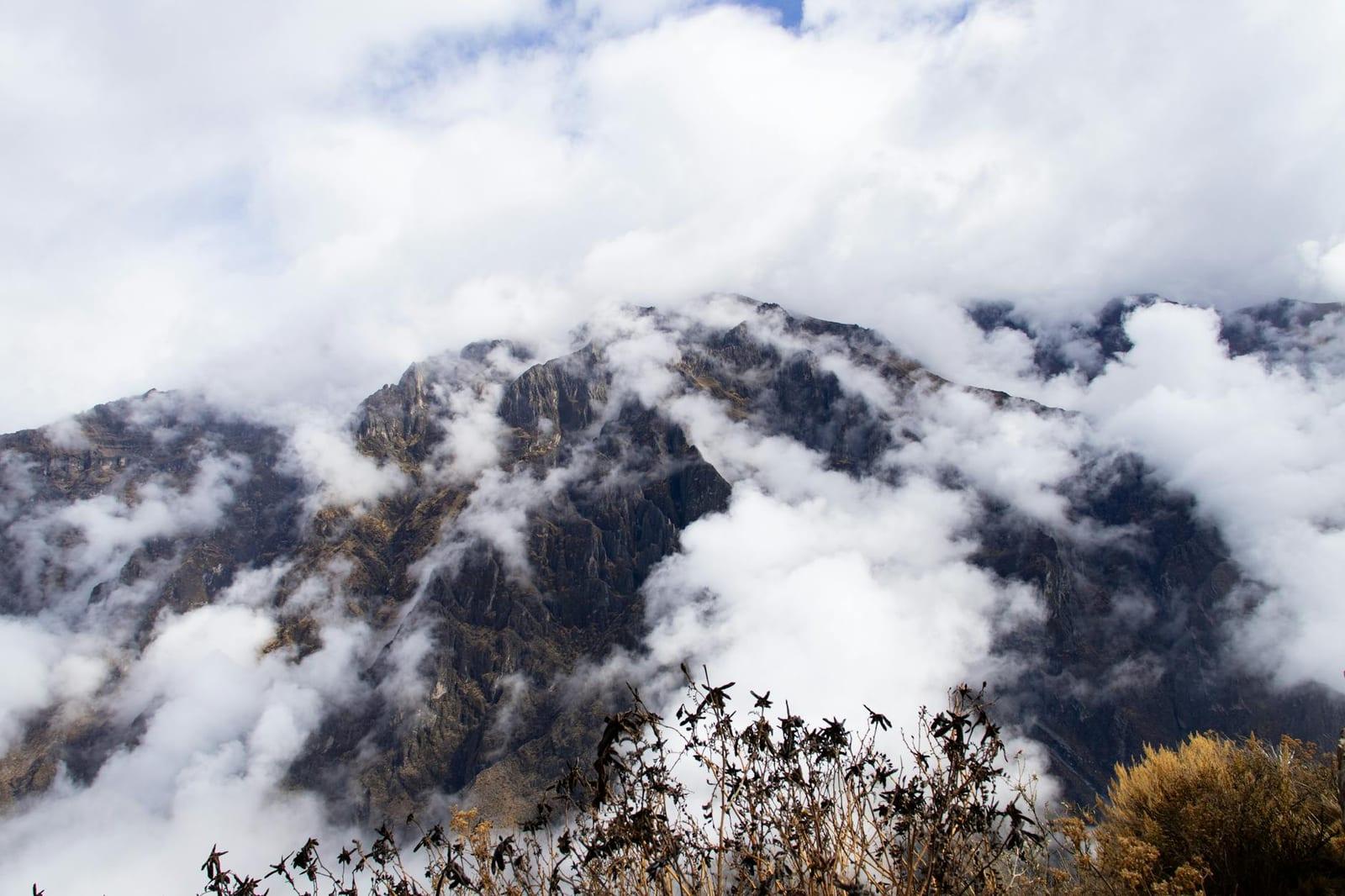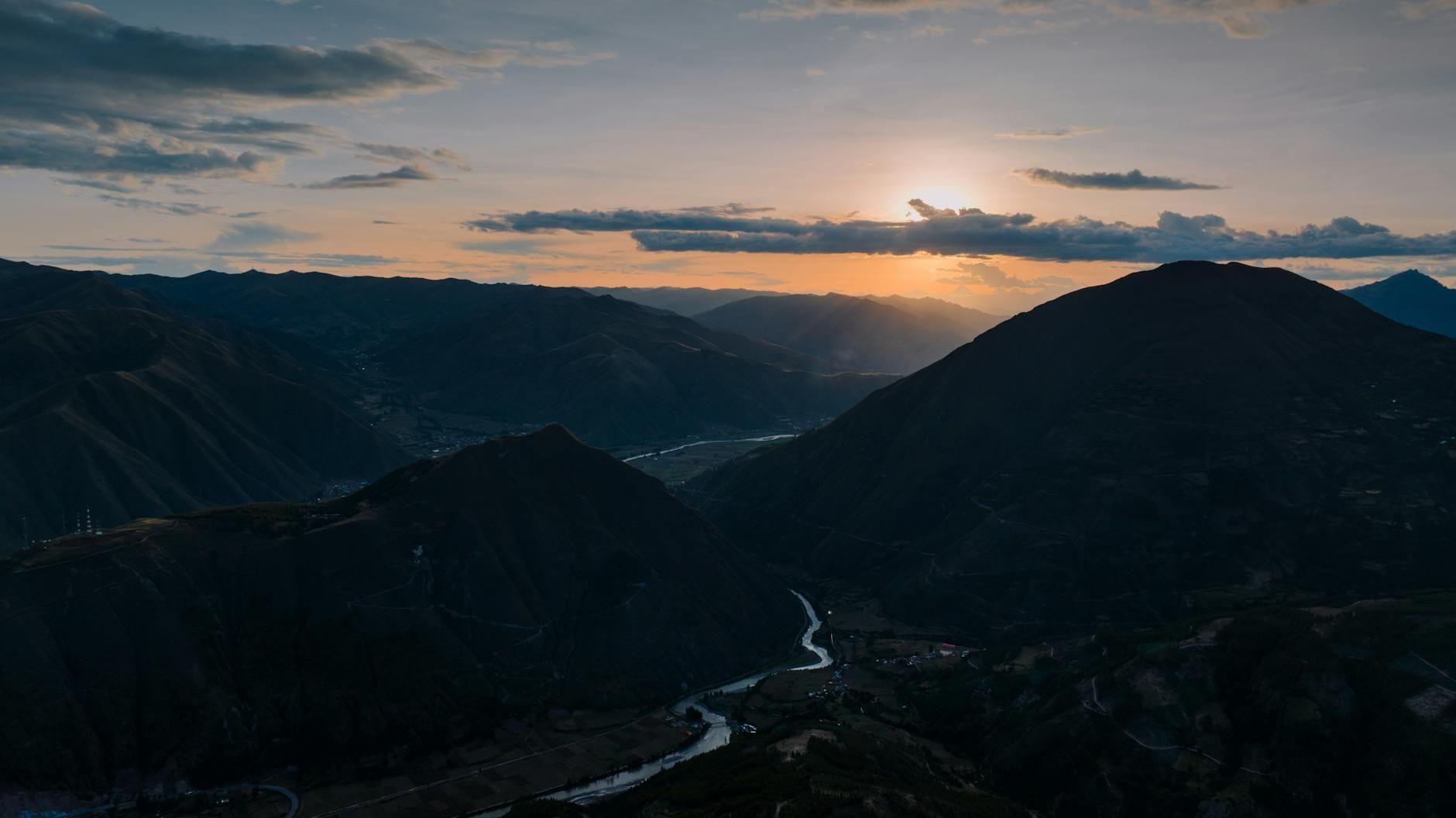

Peru is one of those countries that seem almost absurdly endowed with marvels of both the human and nonhuman variety. Every traveler knows that significant history often reveals itself subtly—a modest-looking ruin here, a little linguistic inflection there—but Peru’s got a collection of ancient monuments of the overwhelming variety. The same goes for its natural landscapes, which stretch from glacial ice to flooded rainforest.
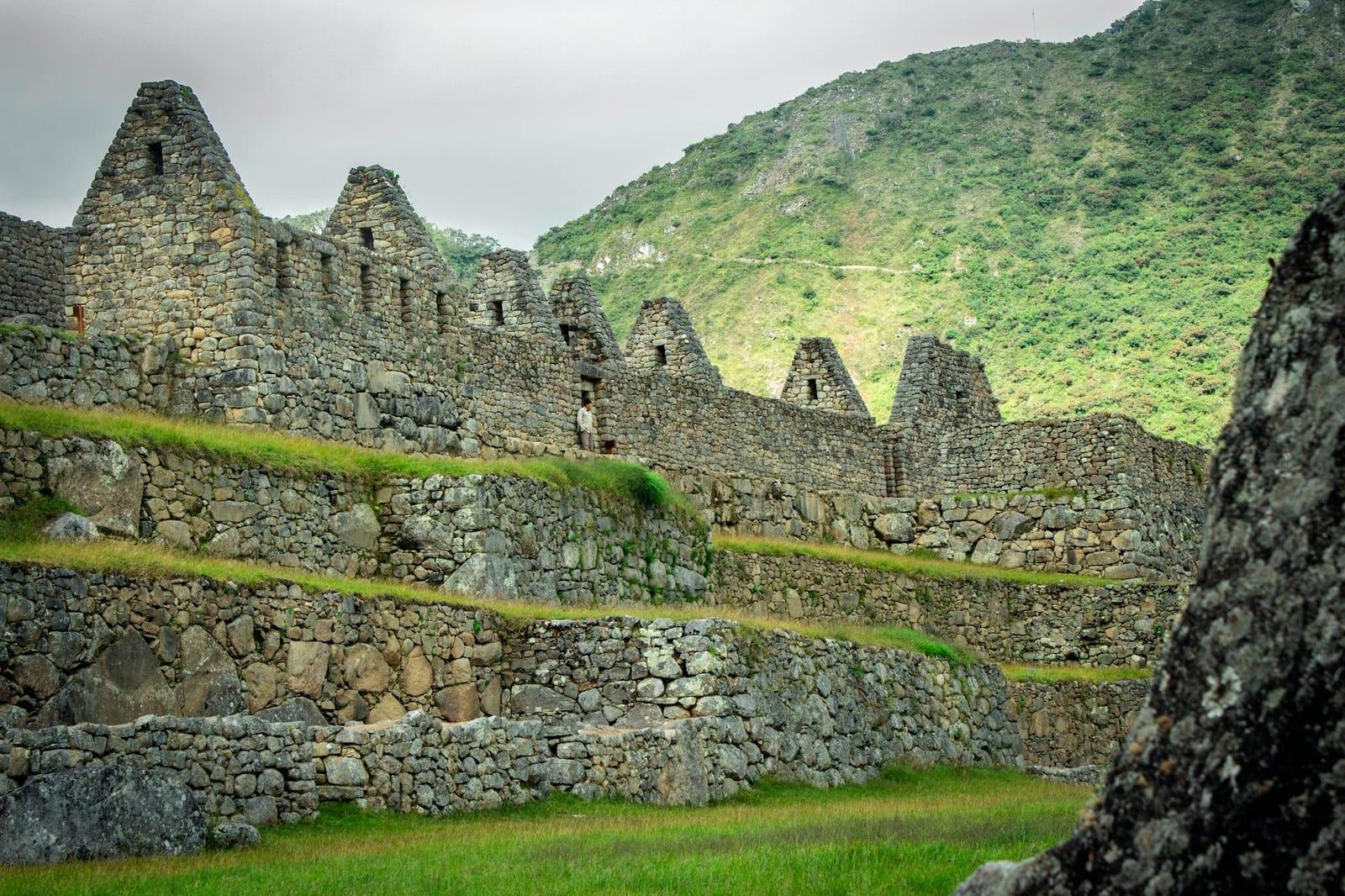
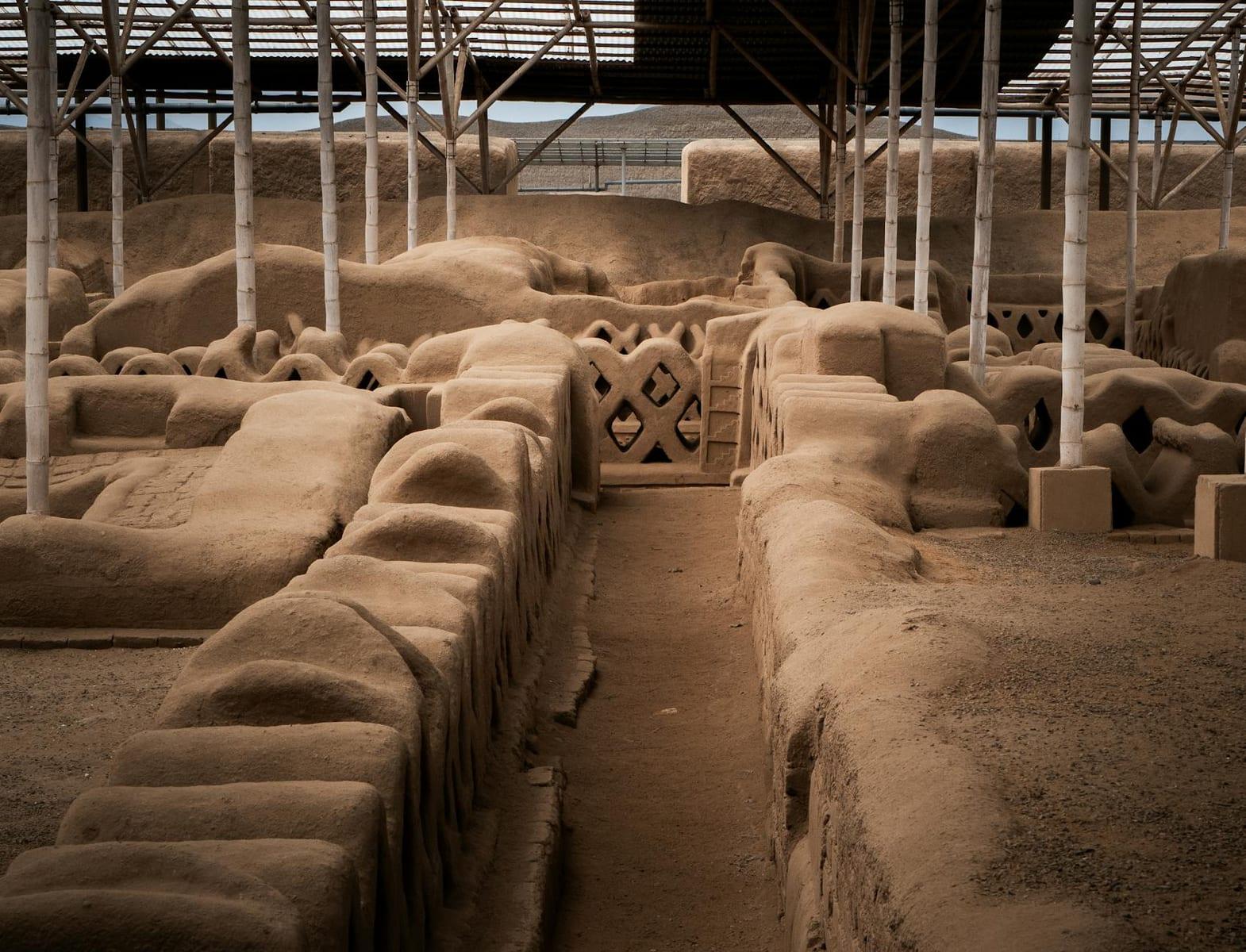
Wherever your travel focus lies, you’re sure to be spellbound by the depth and breadth of Peru’s human story. Here lay the seats of power of both the Incan Empire and Spain’s South American colonies. Machu Picchu nabs a lot of the glory, and it’s no surprise: For both its scenic setting and the fine condition of its stone terraces and buildings, this mountain-tucked Incan estate certainly makes the short list of the world’s most awe-inspiring ancient monuments. Machu Picchu, though, is only the best-known of Peru’s archaeological landmarks—and some of the others are equally arresting. What about the enigmatic lines and animal- and plant-shaped “geoglyphs” of Nazca, scrawled into the coastal desert better than 1,000 years ago? Or the earthwork complex of Chan Chan, the biggest pre-Columbian city in the Americas, which served as the capital of the Chimu Kingdom ultimately conquered by the Incas?
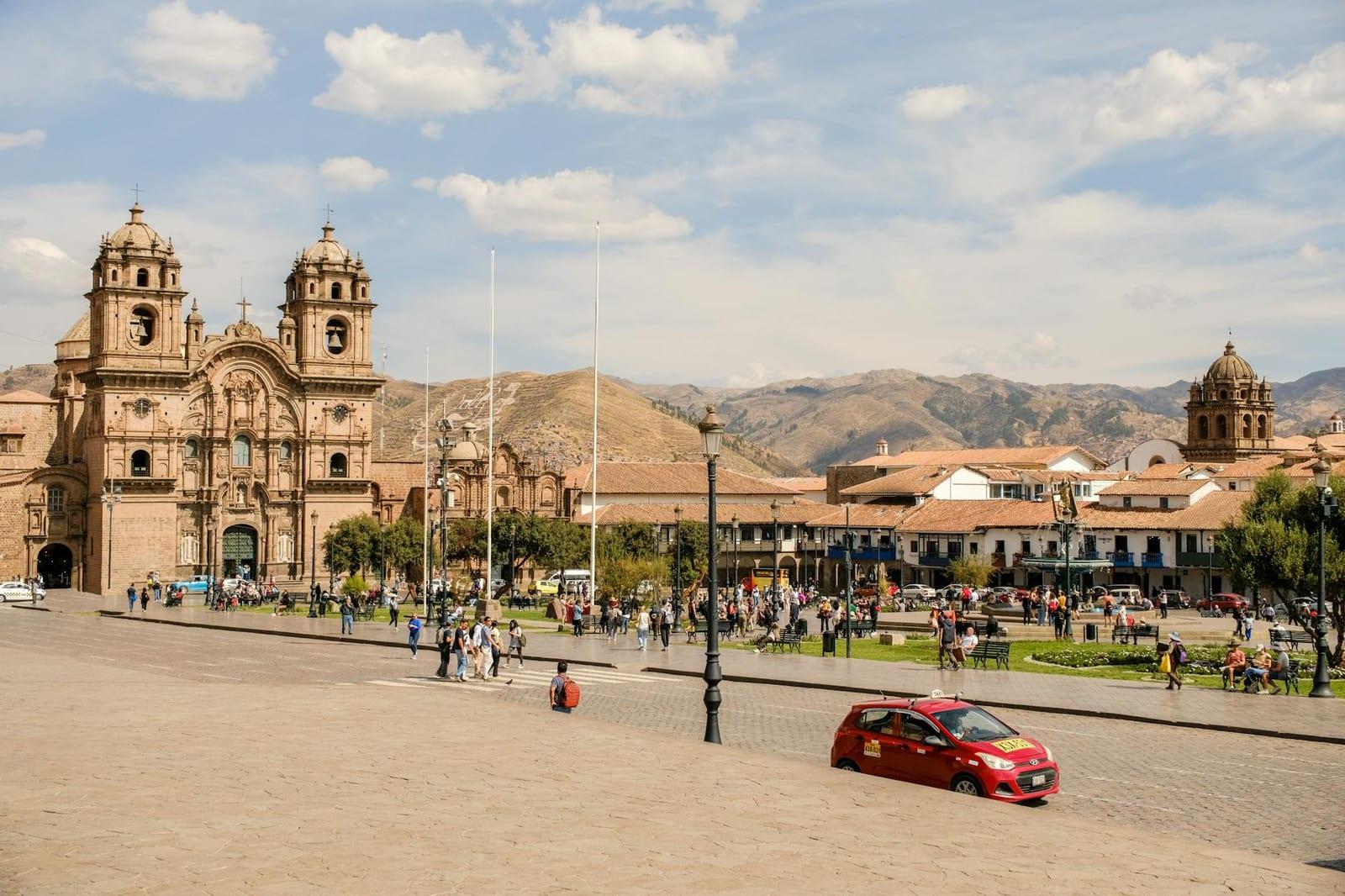
Meanwhile, the cathedrals, universities, and other colonial-age structures in Lima’s heart speak to that city’s long incarnation as the hub of Spanish South America, while up on the fringe of the Andes, Cusco reveals a Spanish city superimposed upon an Incan metropolis.
As you tour such historical sites, you’re also regularly presented with the rich marriage of cultures, ethnicities, and traditions that defines modern Peru. Here, cosmopolitan energy—Lima’s museums, nightclubs, and beach resorts, Iquitos’s theaters and dance halls—blends with deeply traditional lifeways: Amazonian hunter-gatherers, high-elevation Quechua farmers, the indigenous-Spanish-African fusion dance of Zamacueca and Marinera. Peruvian cookery, meanwhile, has evolved from long centuries of cultural cross-pollination—Amerindian, European, African, Asian—into a globally renowned cuisine, showcasing native foodstuffs such as potatoes, quinoa, and tropical fruits.
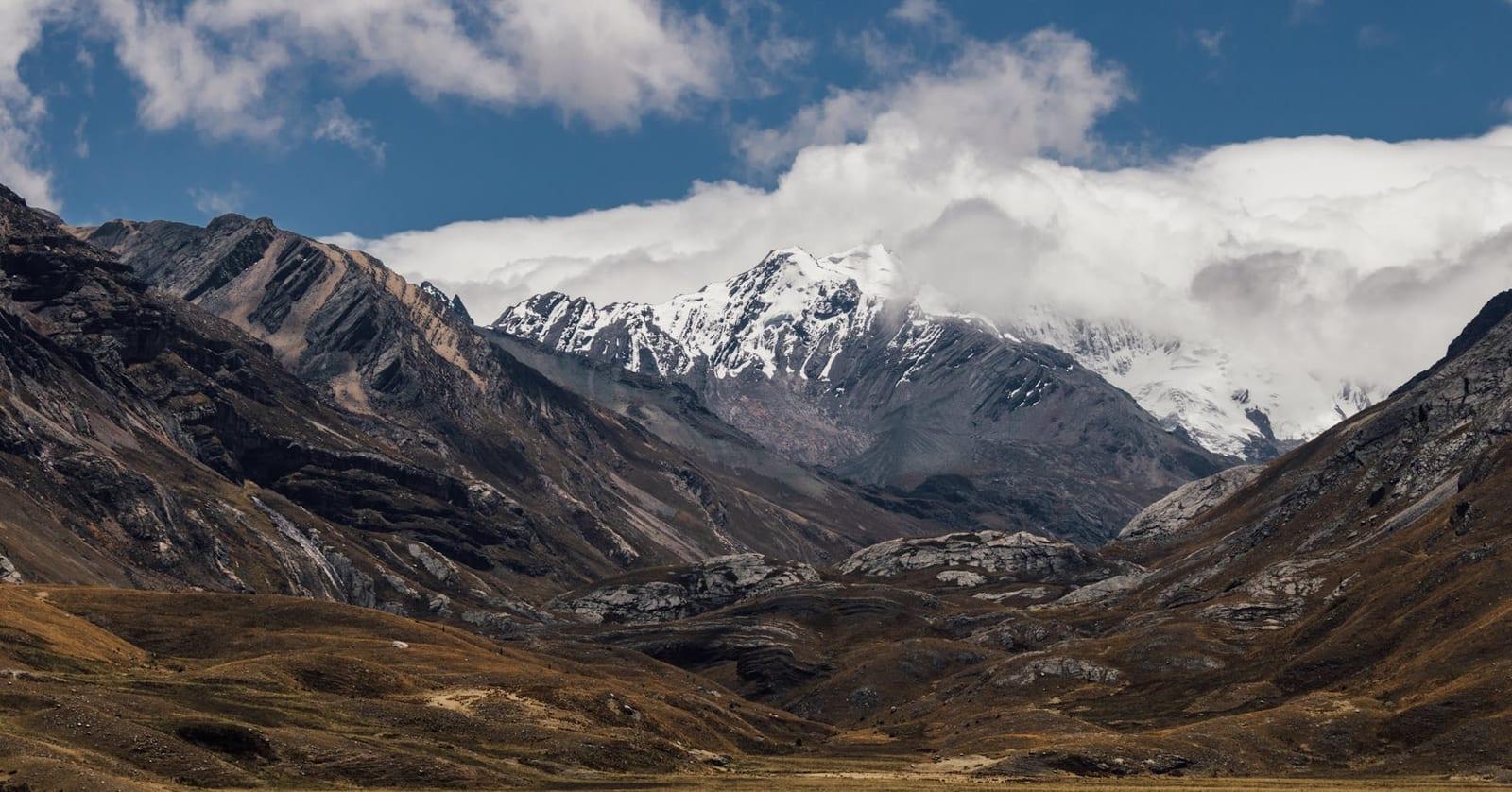
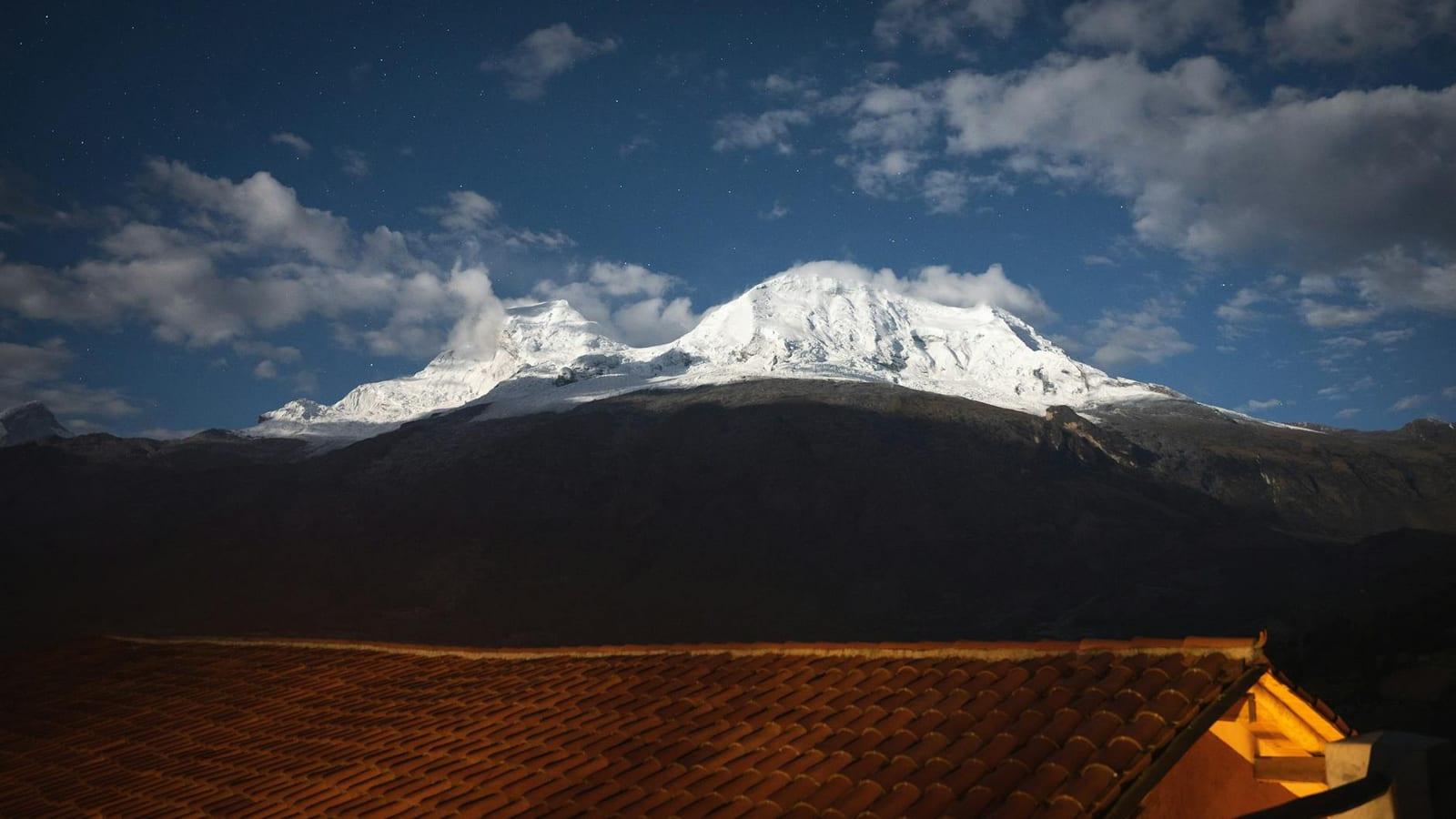
The Peruvian wilderness encompasses a sweeping variety of countryside, from Pacific-edge semidesert to Andean high country to the upper reaches of the Amazon Basin rainforest. The icy 22,205-foot crown of Huascarán in the Cordillera Blanca, the treetop monkey troops and night-prowling jaguars of Manú National Park in the Peruvian Amazon: Peru makes a prime venue for adventure travel and ecotourism.
With the scale of its terrain, the mighty sprawl of its history, and the dimensions of its multicultural society, Peru is a destination we should all spend some quality time in.
18 things not to miss.
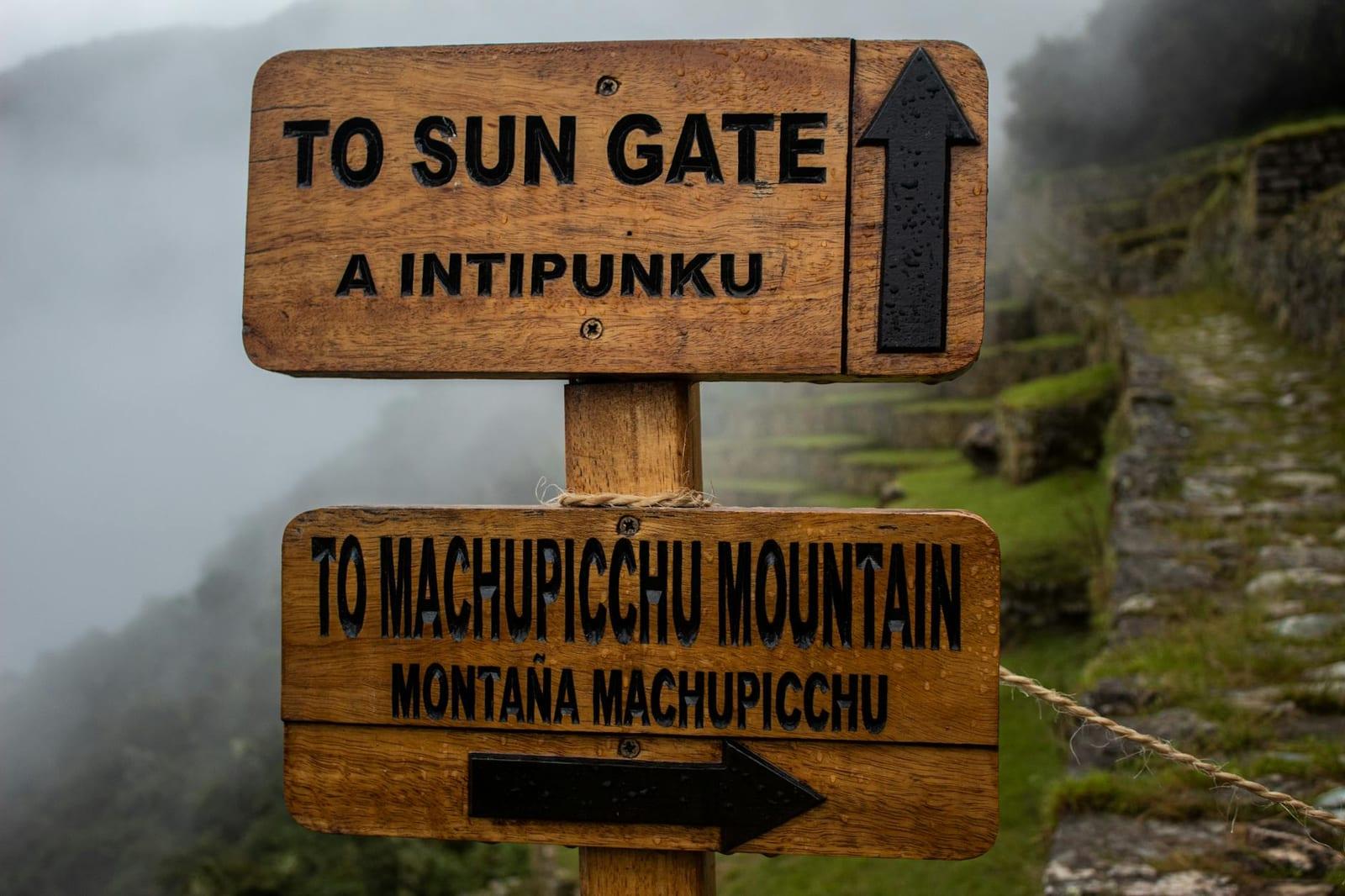
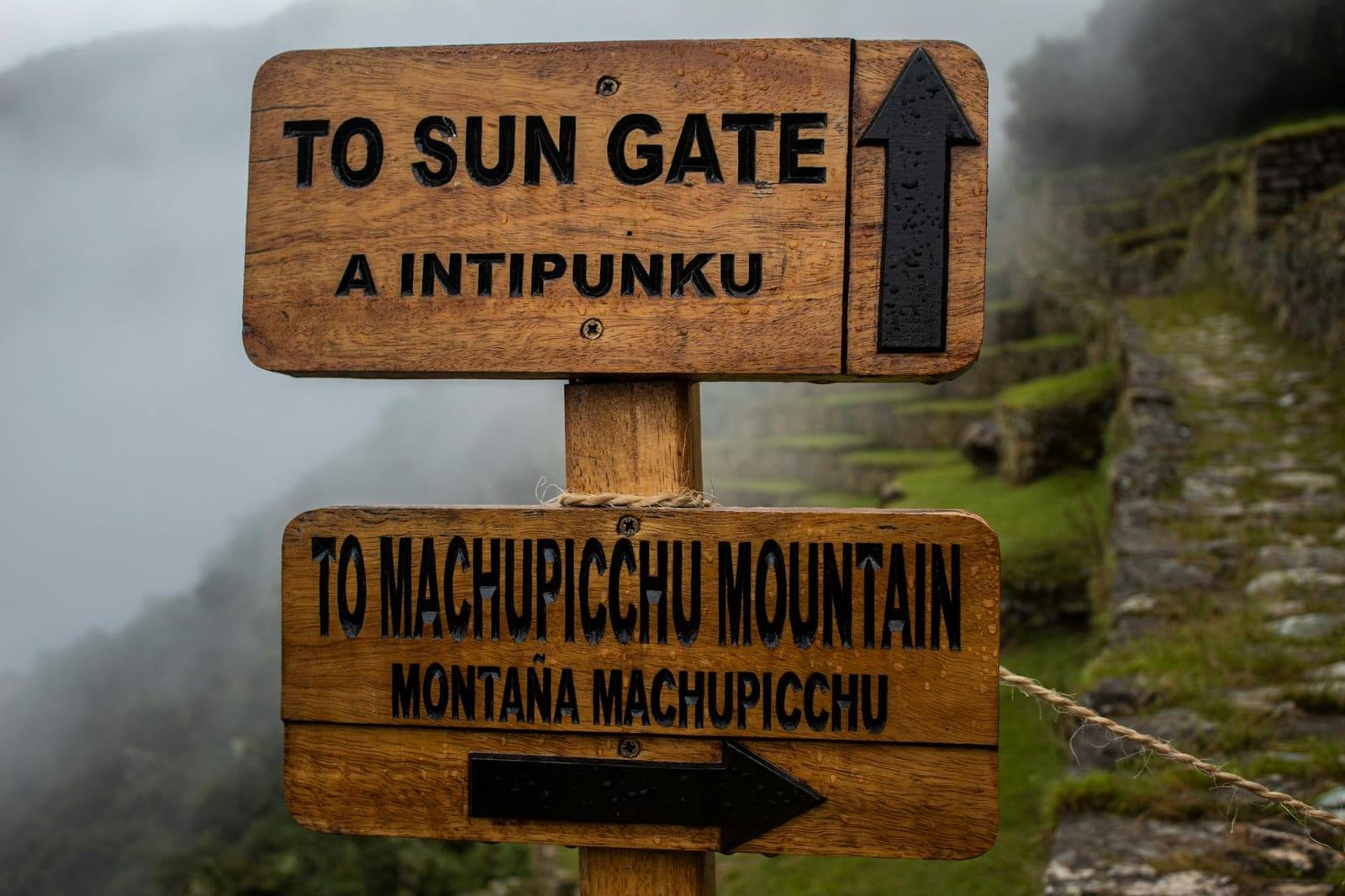
- the Inca Trail to Machu PicchuHike the Inca Trail to Machu Picchu
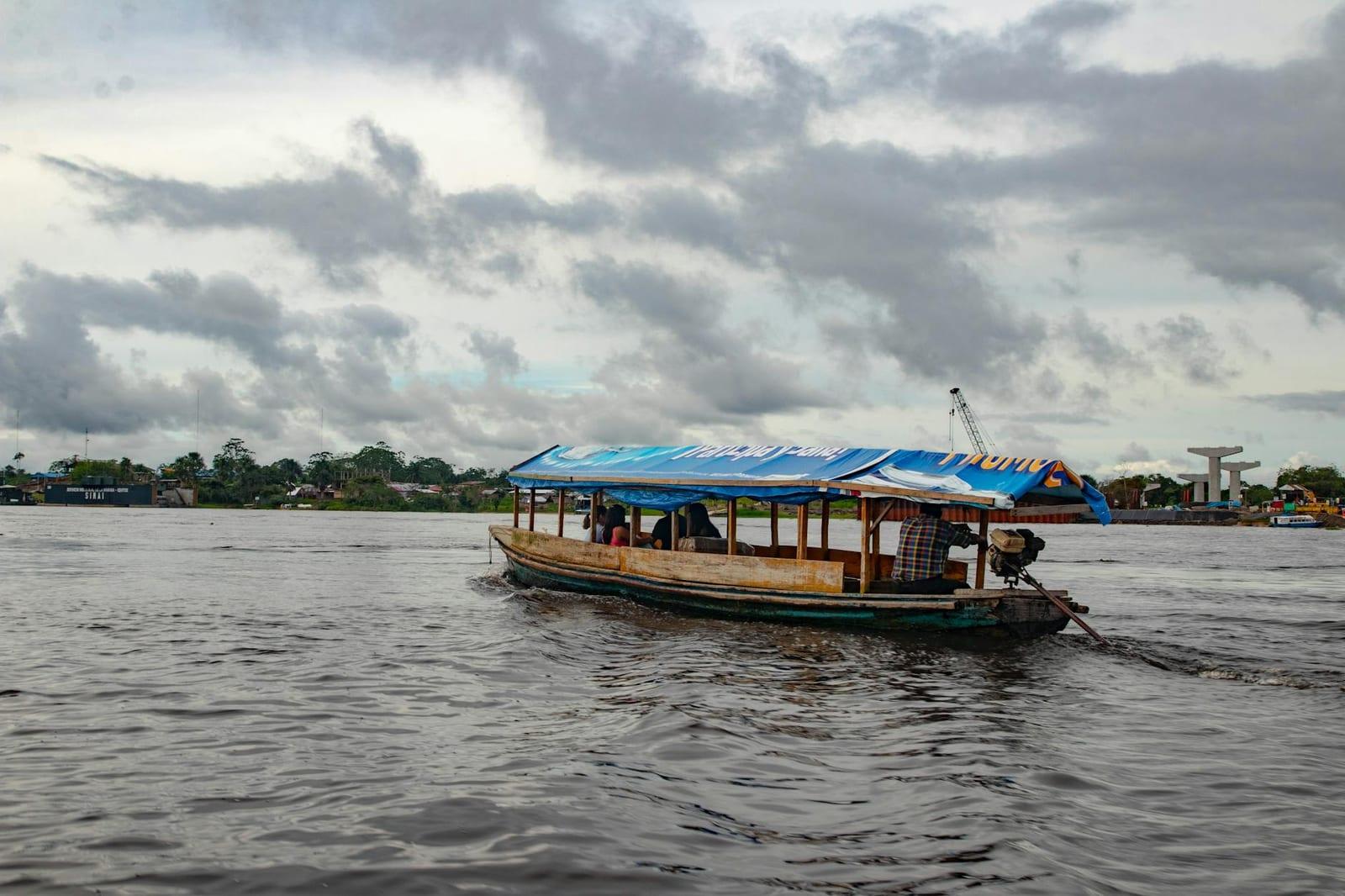
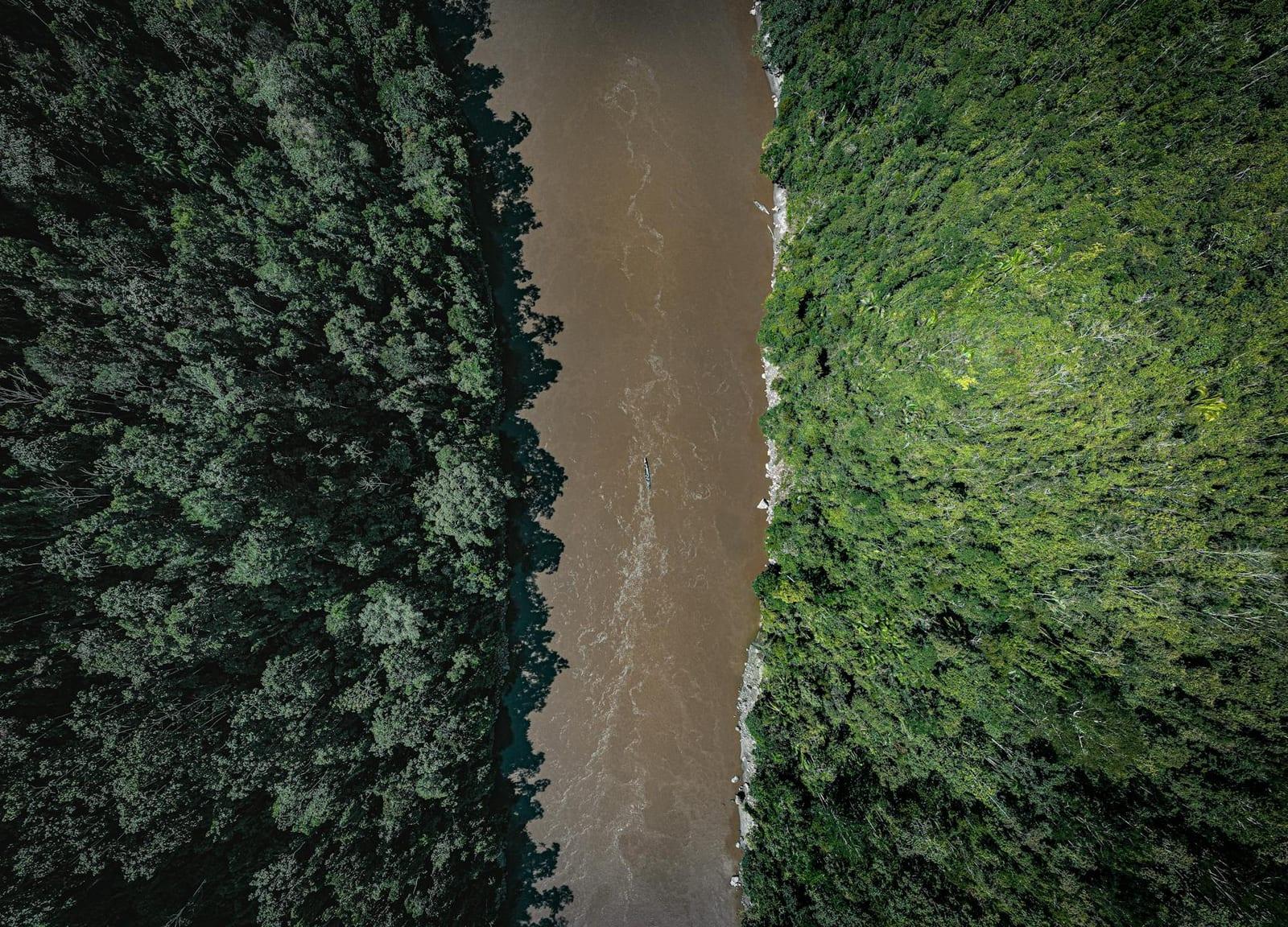
- the Amazon out of IquitosBoat through the Amazon out of Iquitos
- Rainbow Mountain (Vinicunca)Climb Rainbow Mountain (Vinicunca)
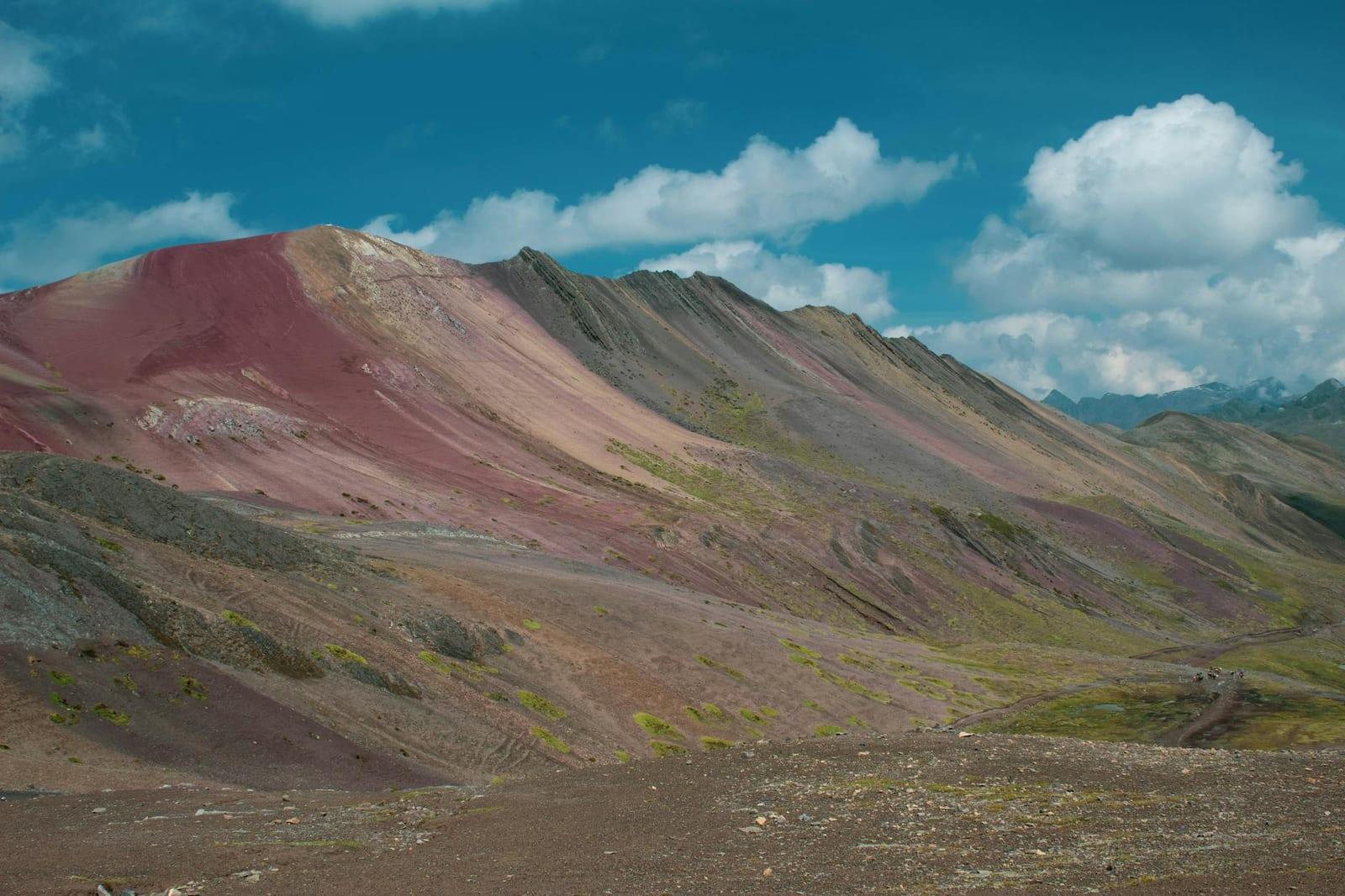
- Inca Trail to Machu Picchu
- Tambopata National Reserve
- Manu National Park
- Hike the Inca Trail
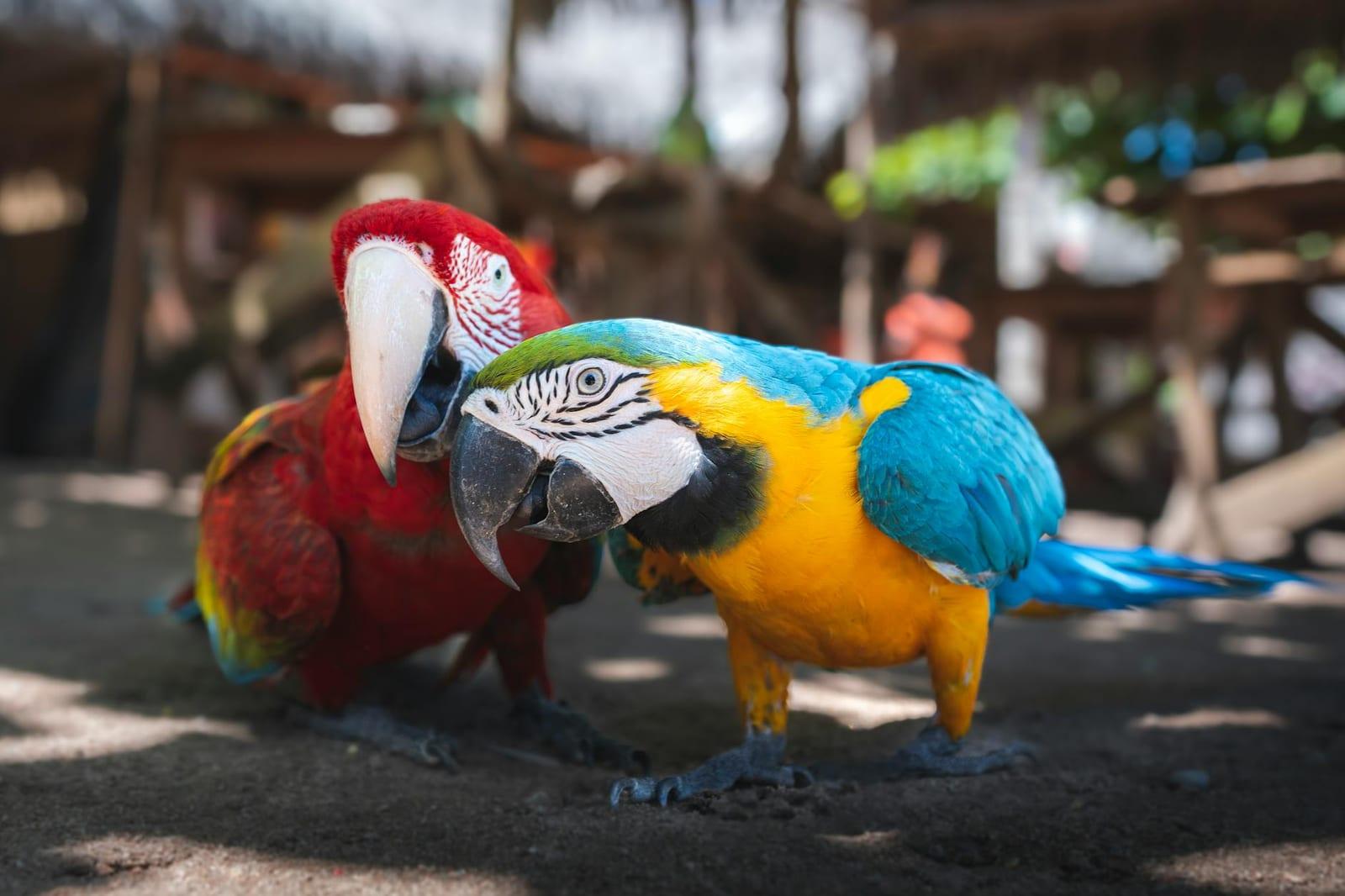
- Macaws at a Clay Lick
- Machu Picchu
- Chan ChanThis ancient Chimor Empire hub, ultimately taken over by the Incas, was one of the great pre-Columbian cities in the Americas.
- SaksaywamanThis great fortress of the Incas, situated on the fringe of modern-day Cusco, retains its imposing aura.
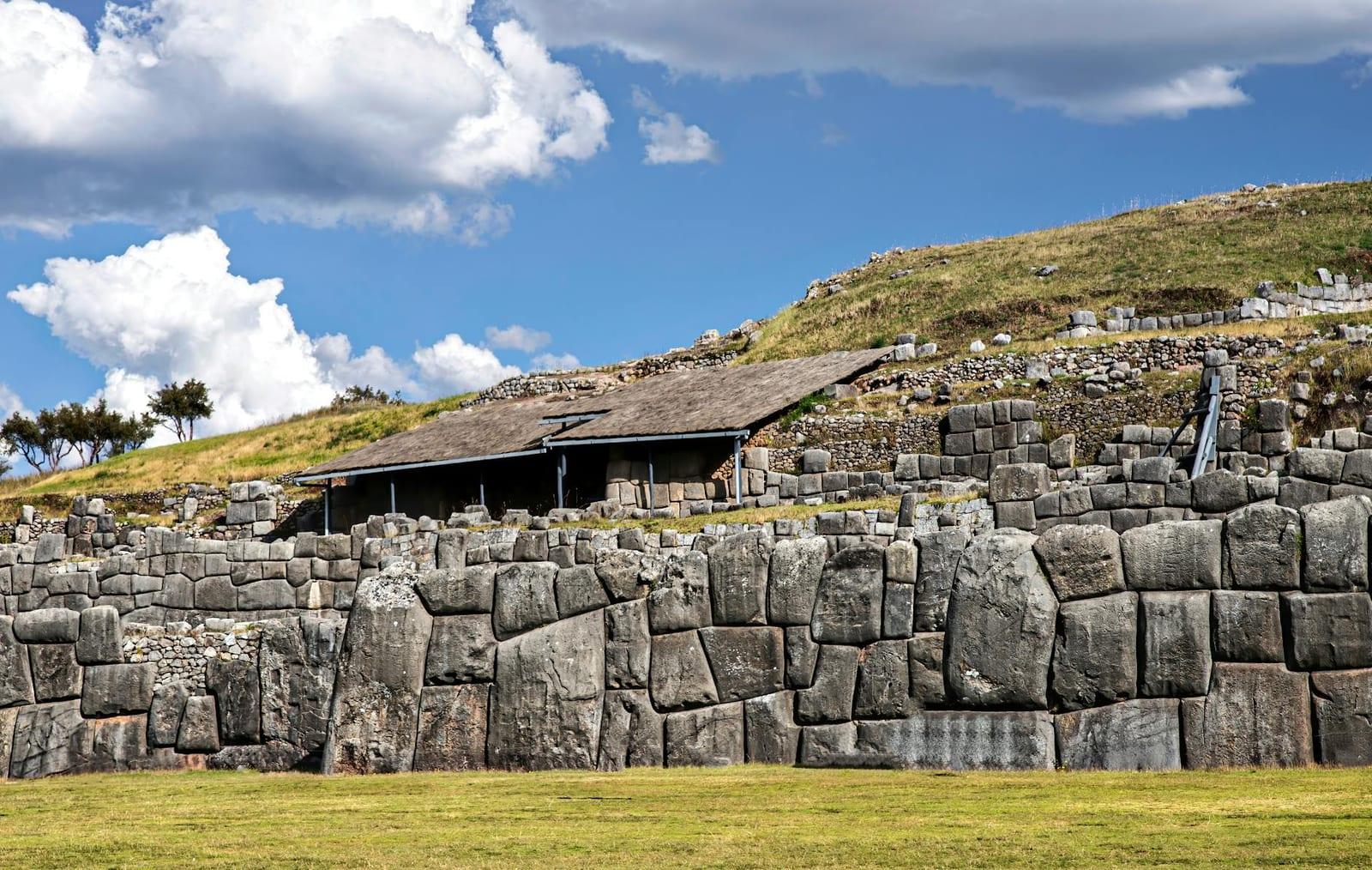
- CaralThis Norte Chico metropolis in the Peruvian desert, better than 4,000 years old, ranks among the oldest cities in the entire Americas.
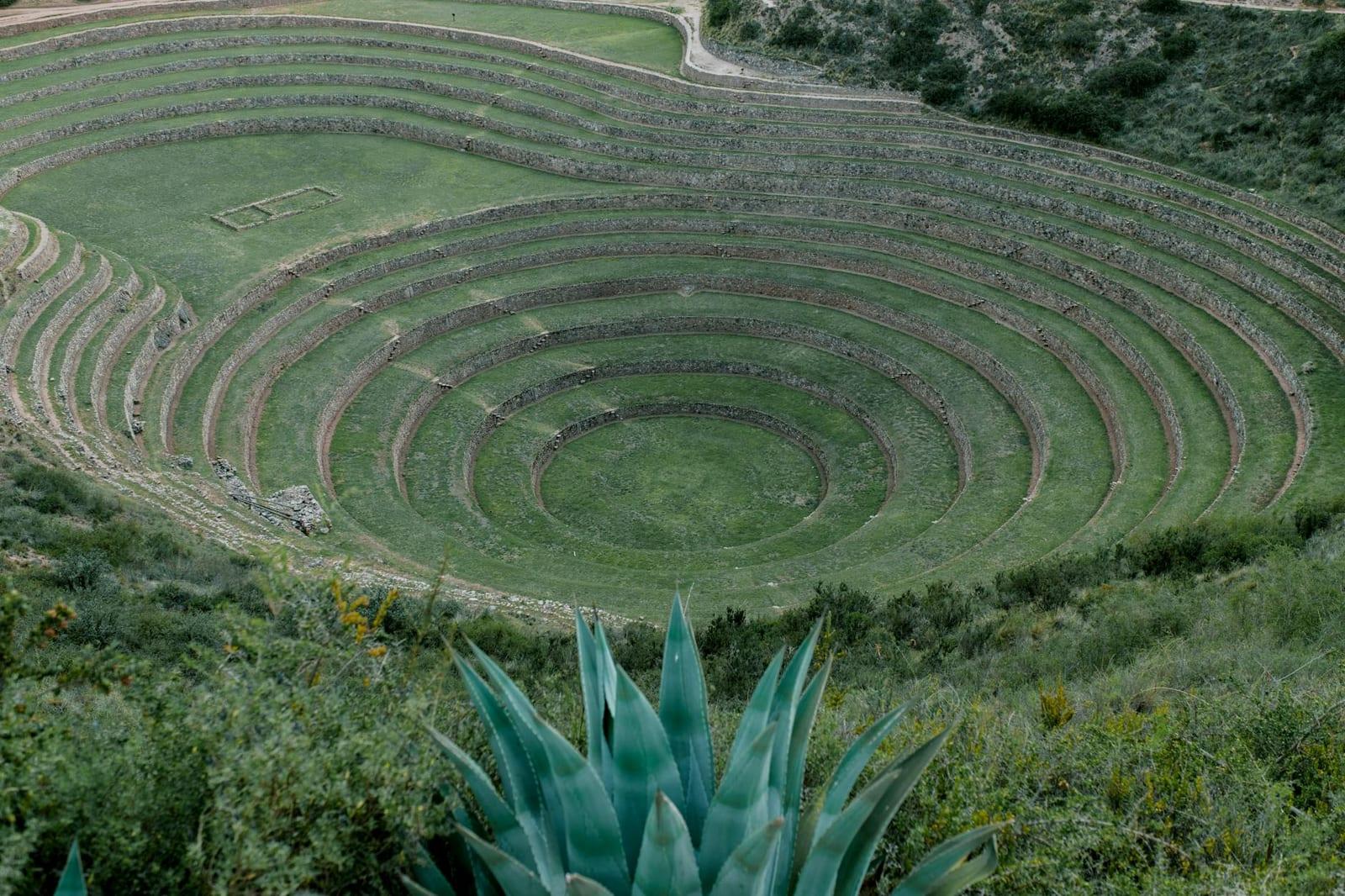
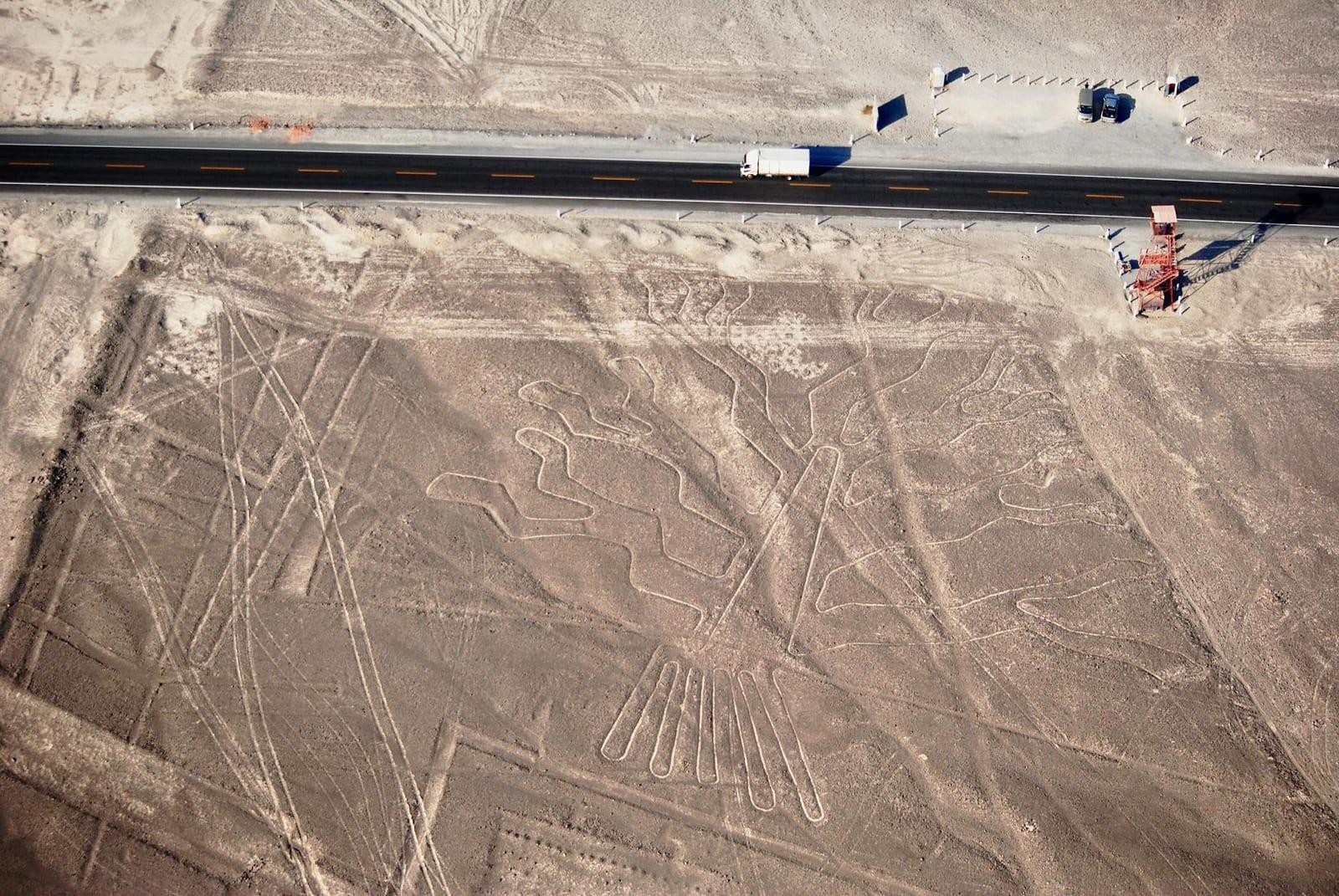
- Nazca LinesThese enormous geoglyphs in the Sechura Desert, depicting animals, humans, plants, and other shapes, are global archaeological treasures.
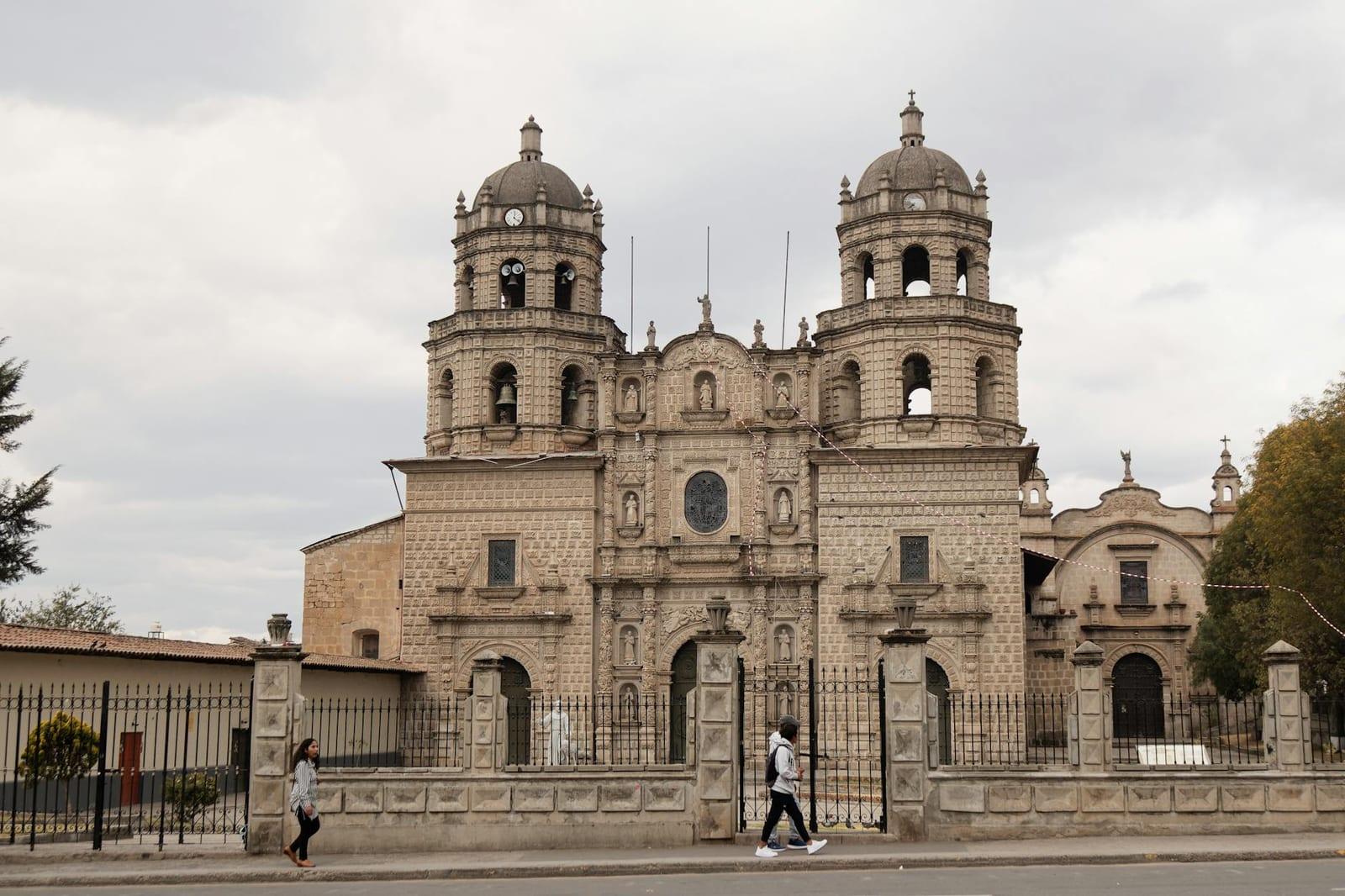
- Monastery of San FranciscoThis Spanish Baroque church in Lima’s historic core includes massive catacombs.
- Plaza de ArmasLima’s main square, ringed with historical glories like the Government Palace and the Cathedral of Lima, is one of the capital city’s linchpins.
- HuascaránThis arresting double-peaked Cordillera Blanca summit is, at 22,205 feet, Peru’s loftiest point and the core of an eponymous national park.
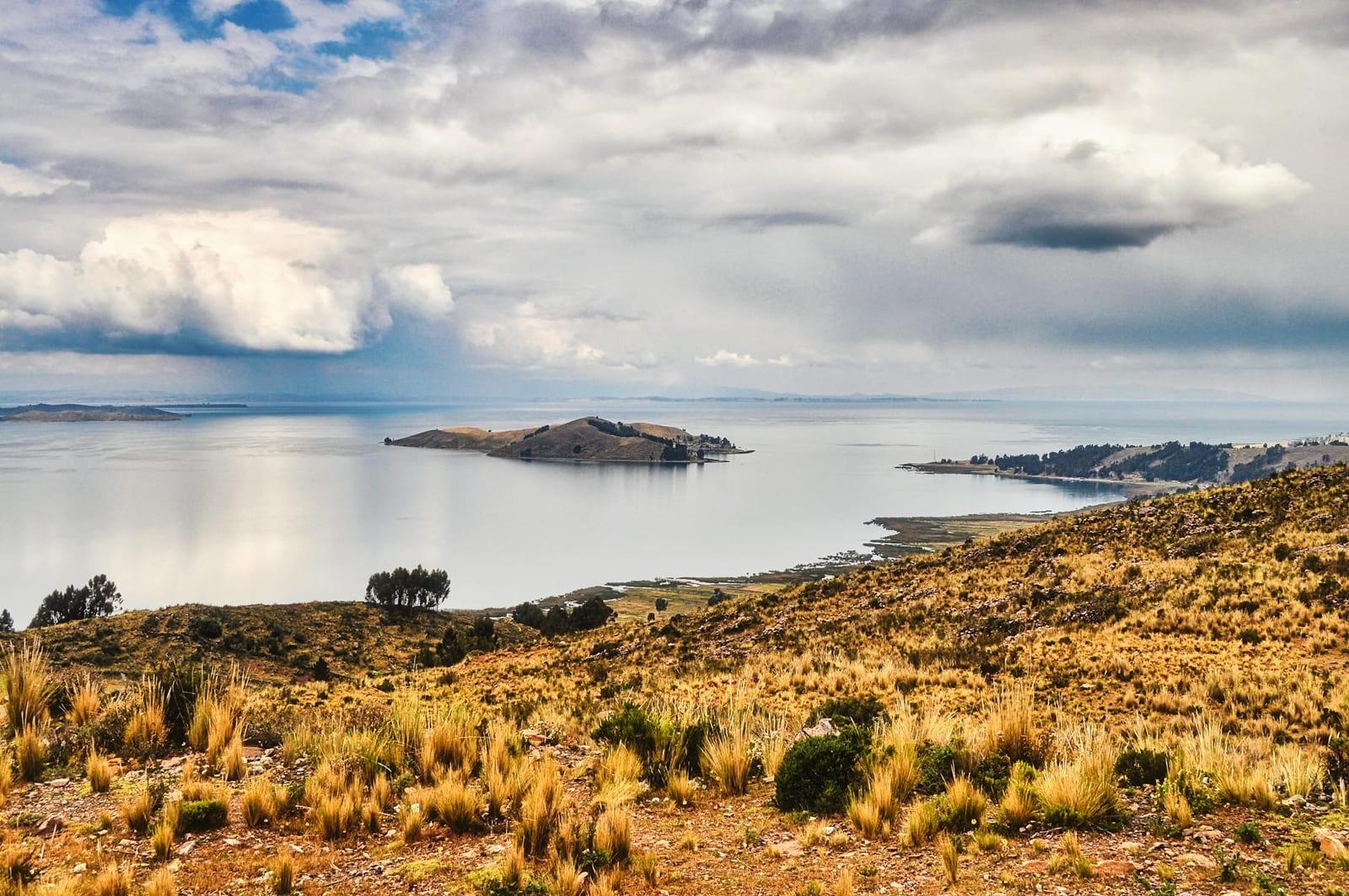
- Lake TiticacaFlooding the border of Peru and Bolivia, this is South America’s biggest body of freshwater and the highest-elevation navigable lake on Earth.
- Colca CanyonOne of the Western Hemisphere’s great gorges, this gaping defile is also a fabulous place to take in indigenous culture and glimpse Andean condors.