
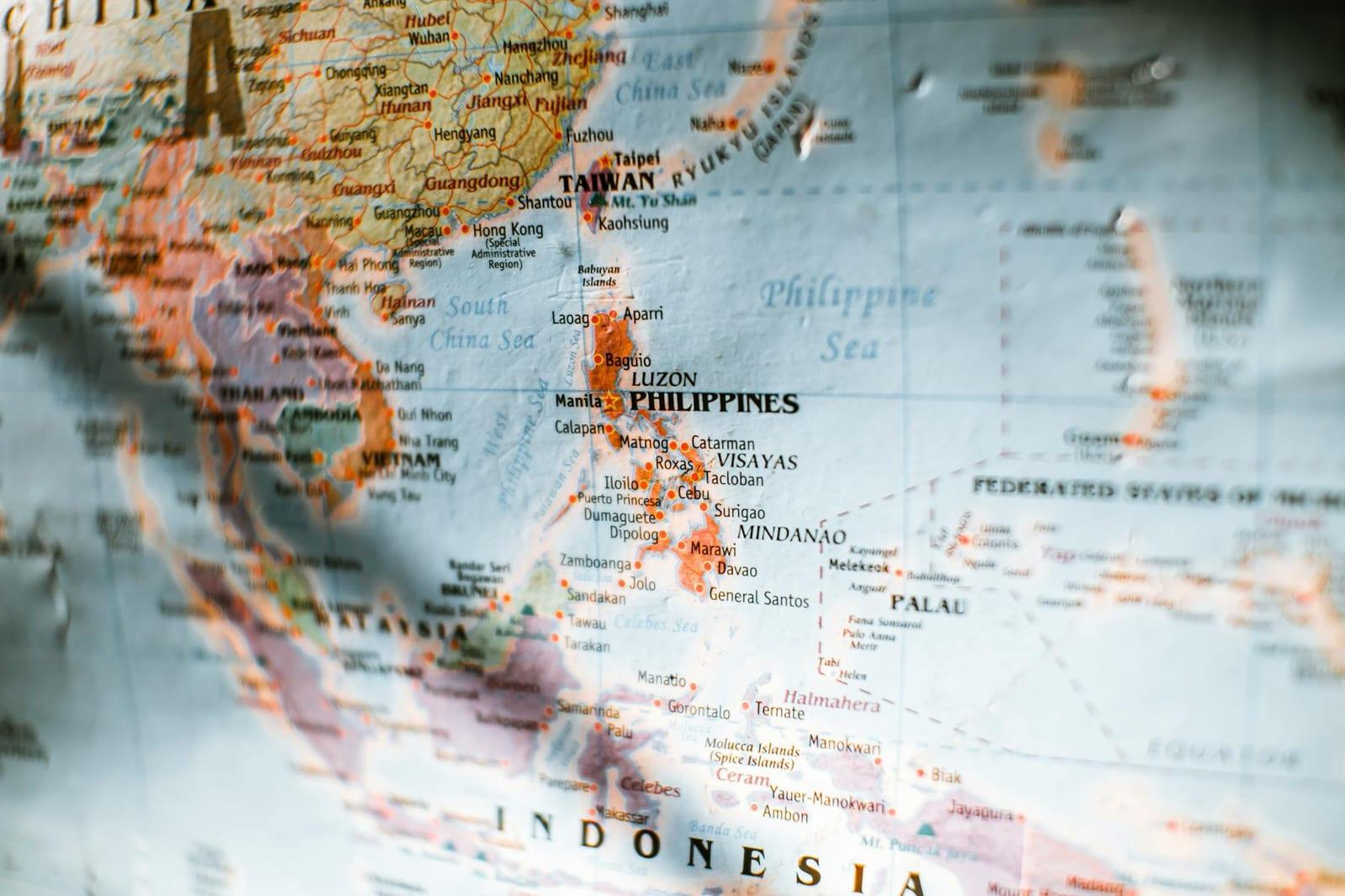
The Philippines stand apart in Southeast Asia, the legacy of three centuries of Spanish colonialism, prolonged American occupation, and—more broadly—an archipelago geography that’s long functioned as a reservoir of cultural diversity and a stepping-stone for cross-cultural interchange.
The cultural hodgepodge of the Philippines makes for delightful—and delicious—sightseeing. In ethnicity and tradition, the Filipino people embody an amazingly rich heritage touching upon the Malay Peninsula, Spain, China, and the U.S. The Spanish influence lives on strongly in vintage colonial architecture—Fort Santiago in Manila, the old city of Vigan, Paoay Church in Ilocos Norte, and many other examples—but also the numerous fiestas and other Catholic traditions and the fusion-style food, which has strong Latin elements mingling with Southeast Asian and Chinese styles. The American stamp on the Philippines, which was under varying degrees of U.S. control from the close of the 19th century through the end of World War II, is equally apparent, whether in the preponderance of fast-food joints, the Western pop-culture savvy, or the widespread use of English, the country’s official language alongside Filipino.
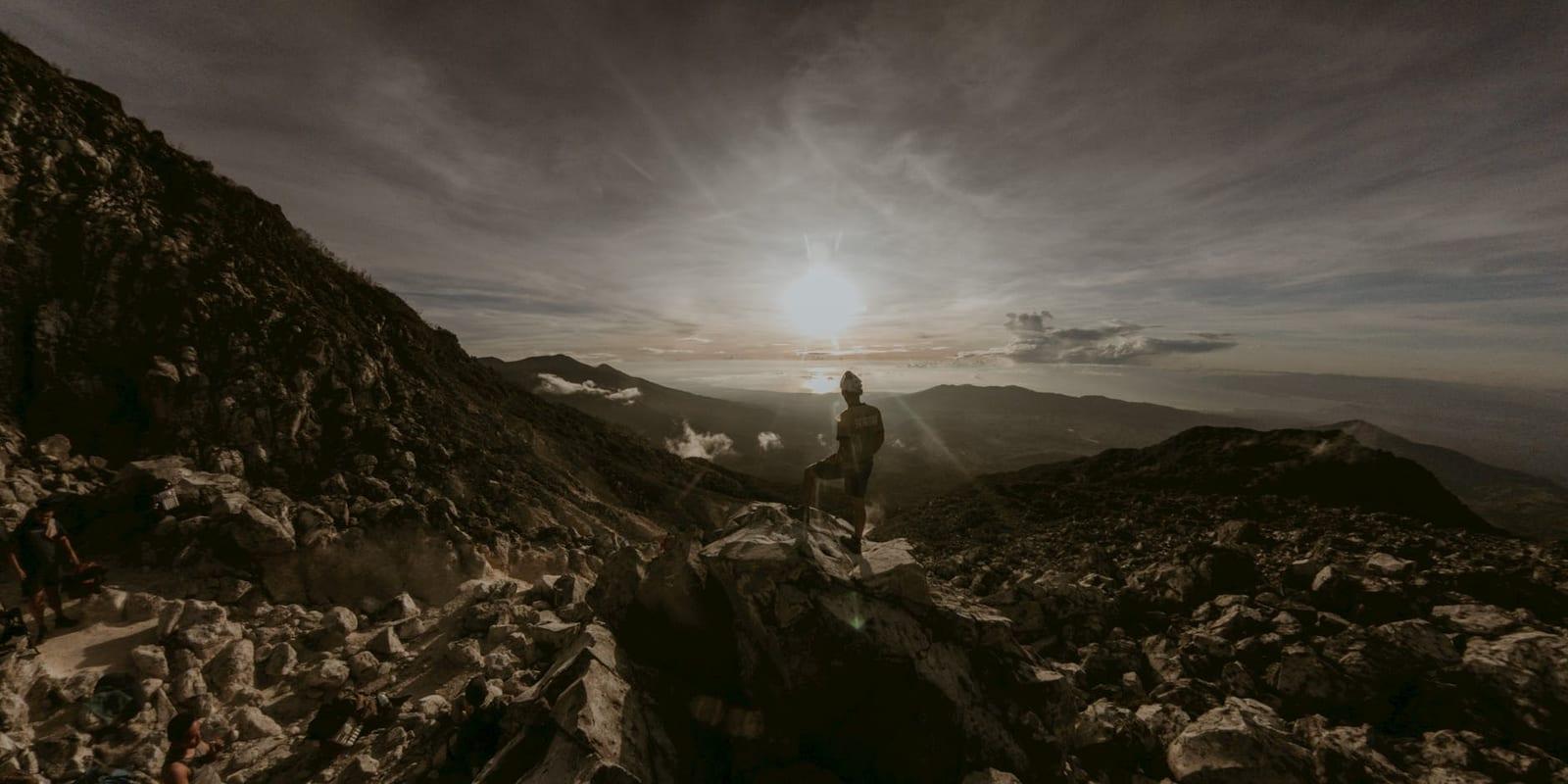
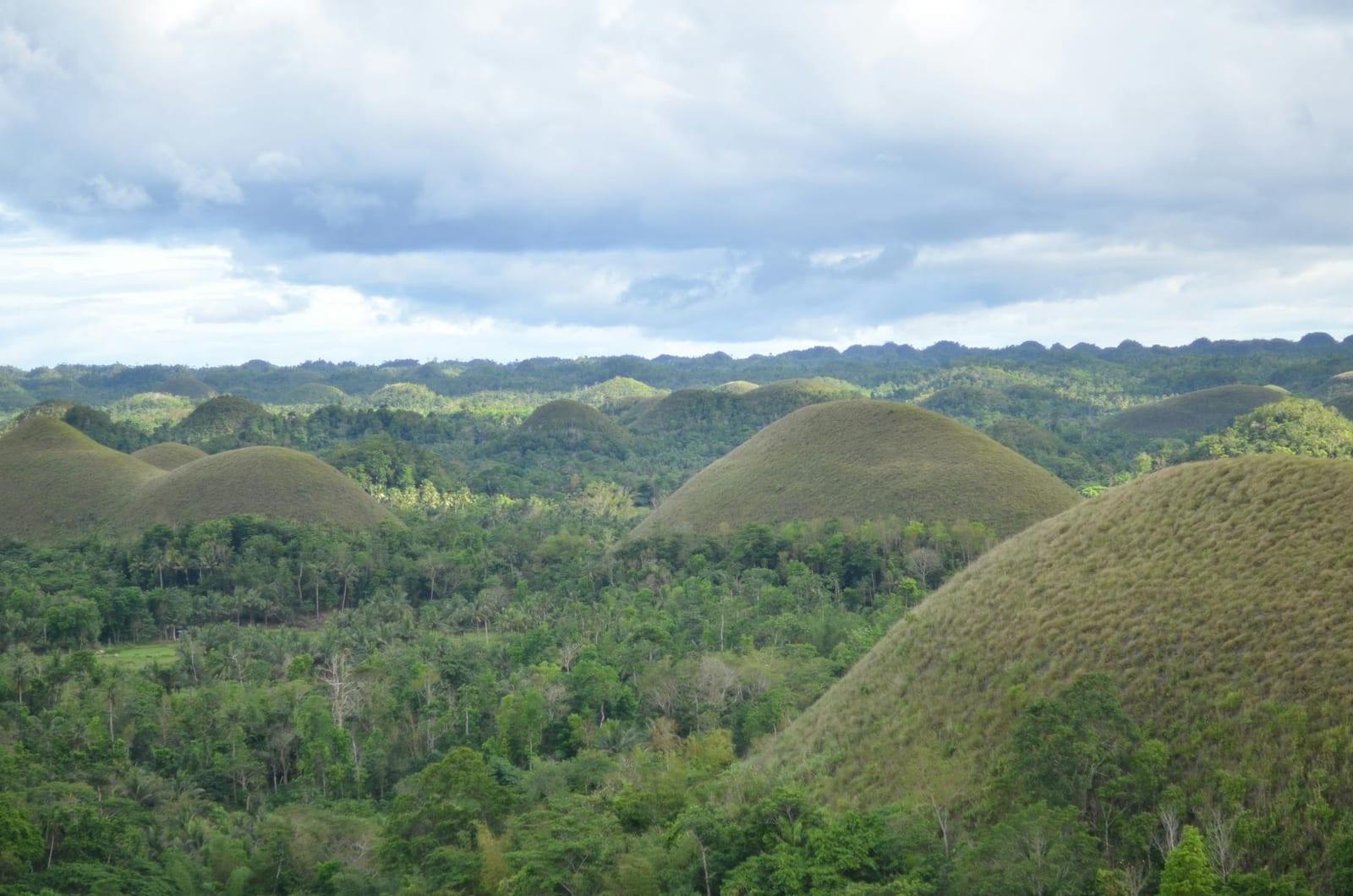
Beyond the exceptional food and the historic architecture, there’s the wild splendor of the Philippines to intoxicate you: enough beaches, coral reefs, jungle mountains, and foaming rivers to convince you that the archetypal tropical paradise does, in fact, exist. The archipelago’s geological heritage encompasses both the violence of volcanic eruptions and the interminable depositions of marine sediment; that pedigree, coupled with the great geographic extent, makes for some mighty varied landscapes. Gape at the views from 9,000-foot-plus summits like Mount Apo (on Mindanao) and Mount Pulag (on Luzon); snorkel or dive some of the world’s most extensive coral reefs; wander the limestone hoodoos of the famed Chocolate Hills on Bohol; embrace the spray of rainforest cataracts such as Hinulugang Taktak and Pagsanjan Falls. And wherever you find yourself, you’re rarely very far from the golden sands of a heavenly seashore.
The cultural juxtapositions of the Philippines make it just the sort of dynamic and multilayered place that travelers get excited about. That its singular heritage manifests across such a spectacularly beautiful geographic mosaic is icing on the cake.
15 things not to miss.
- Philippines
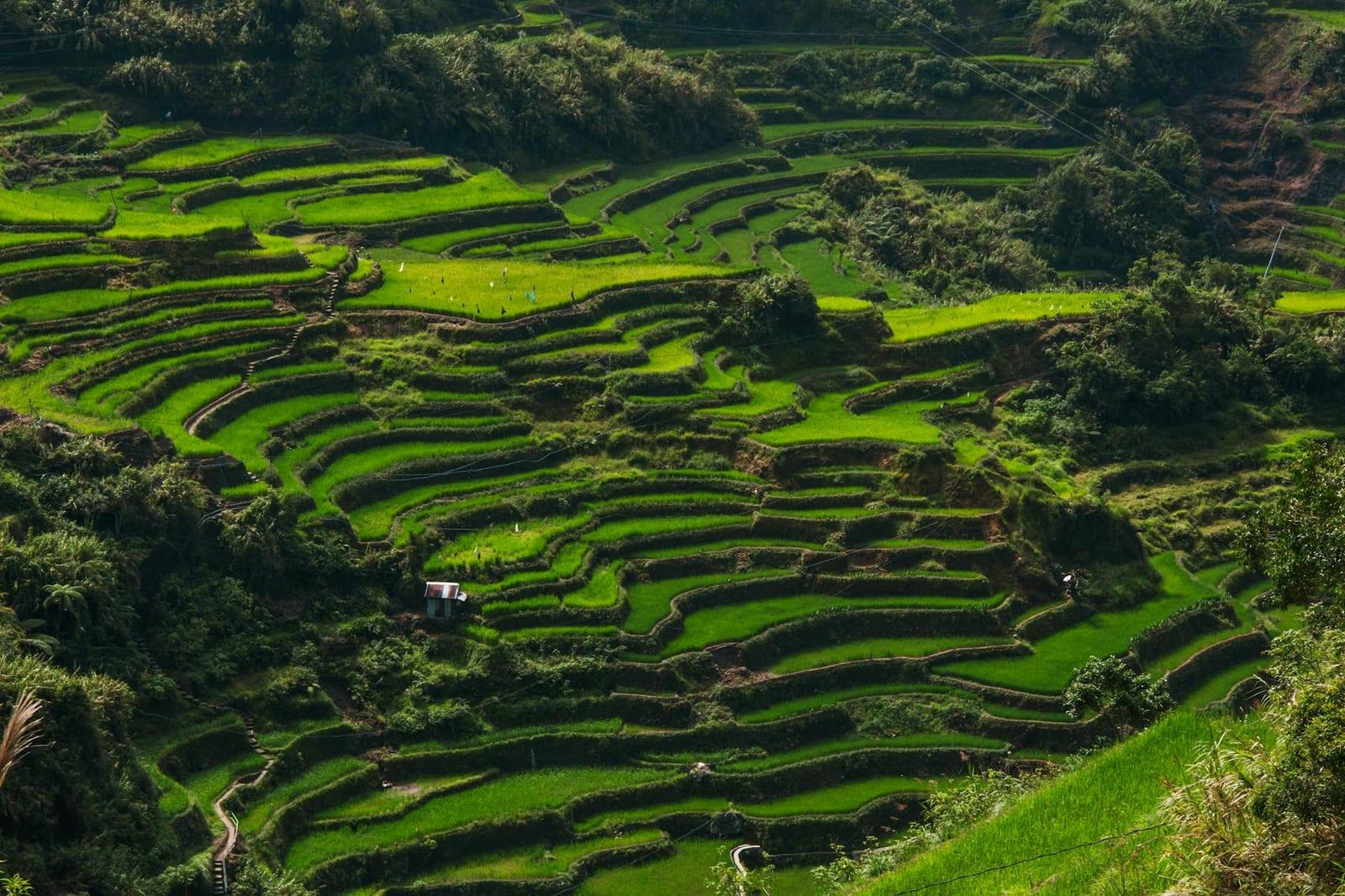
- Banaue rice terracesSee the Banaue rice terraces
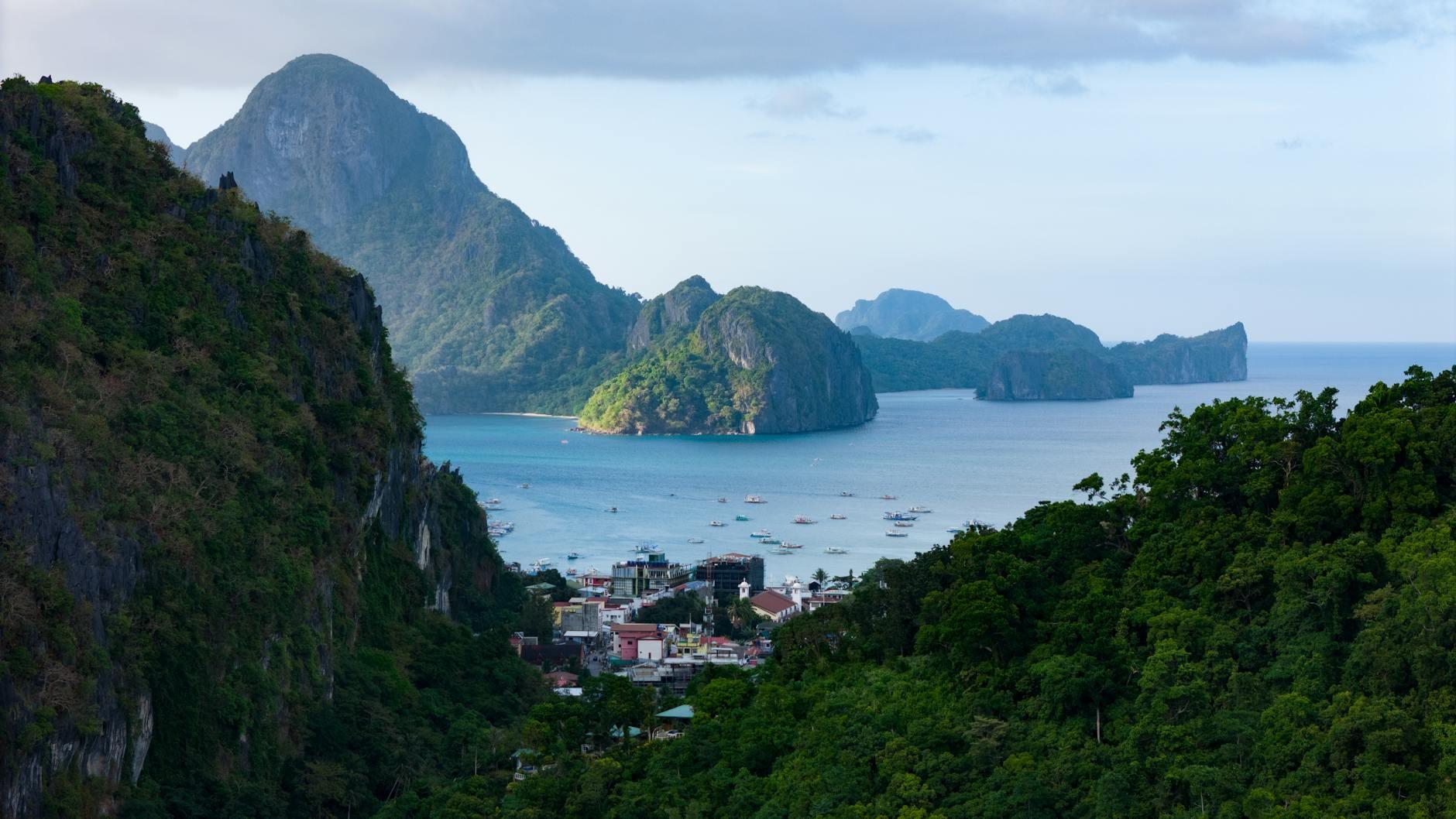
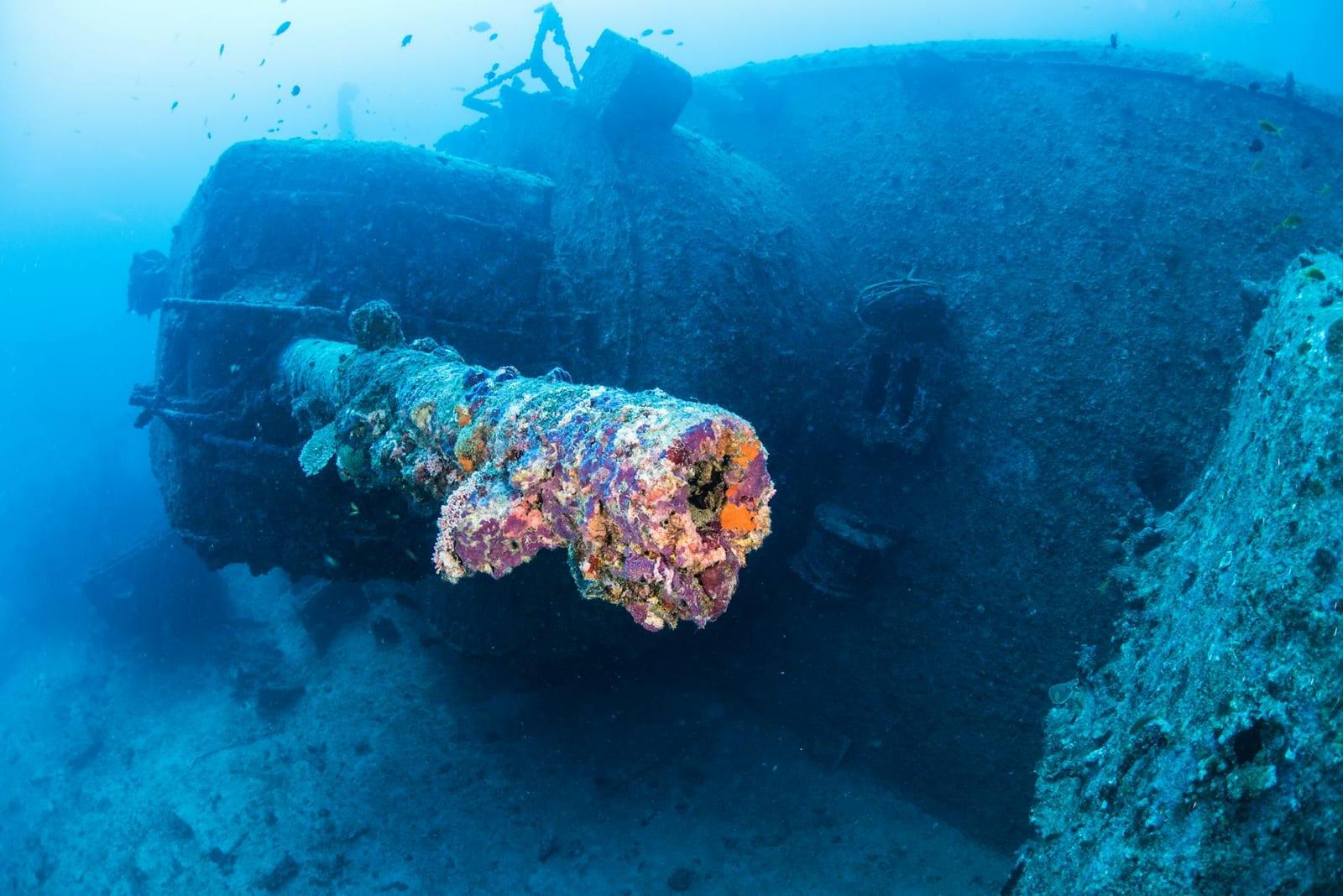
- Dive the WWII wrecks of CoronDive the WWII wrecks of Coron
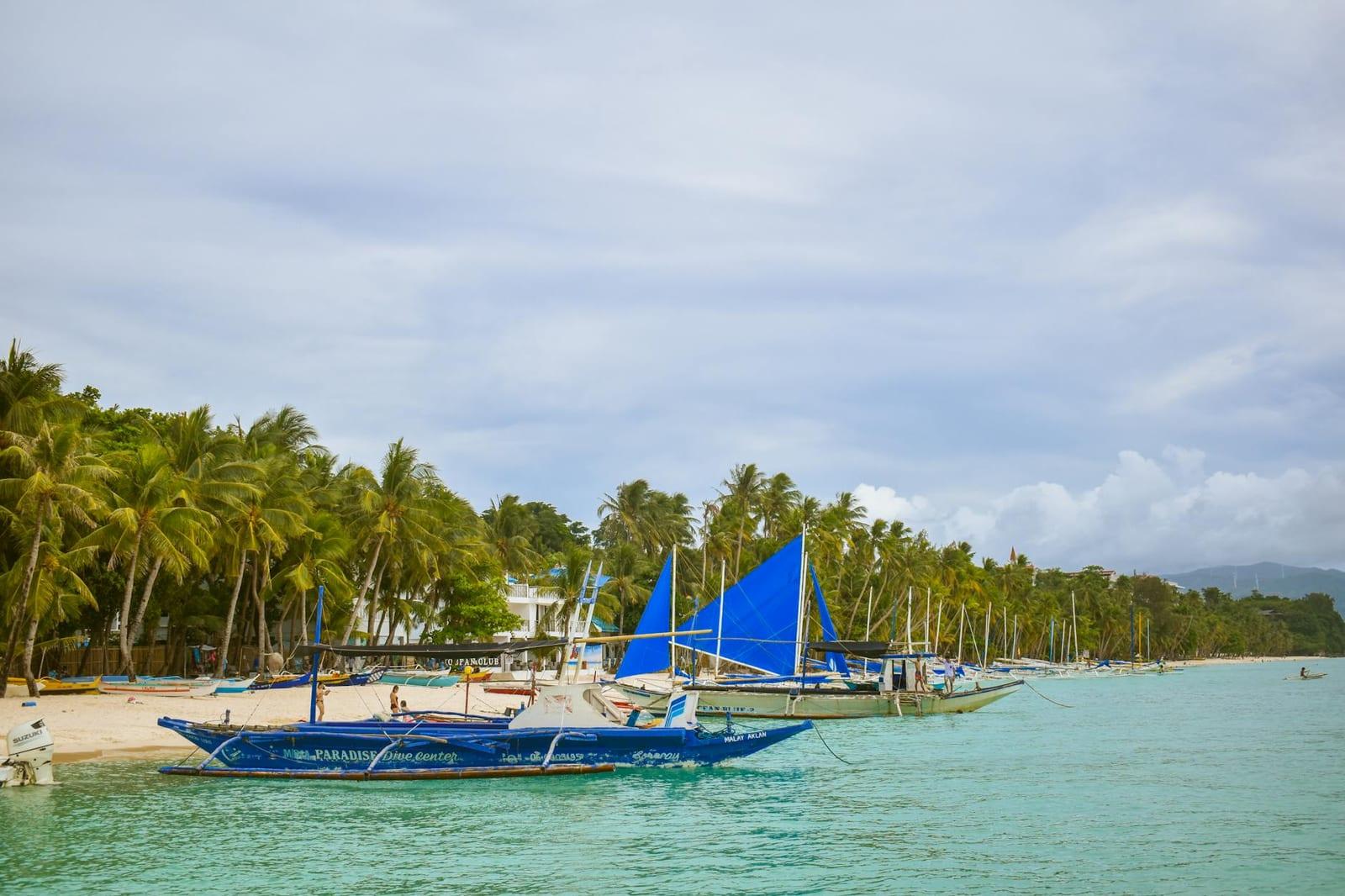
- Boracay's white sandWatch sunset over Boracay's white sand
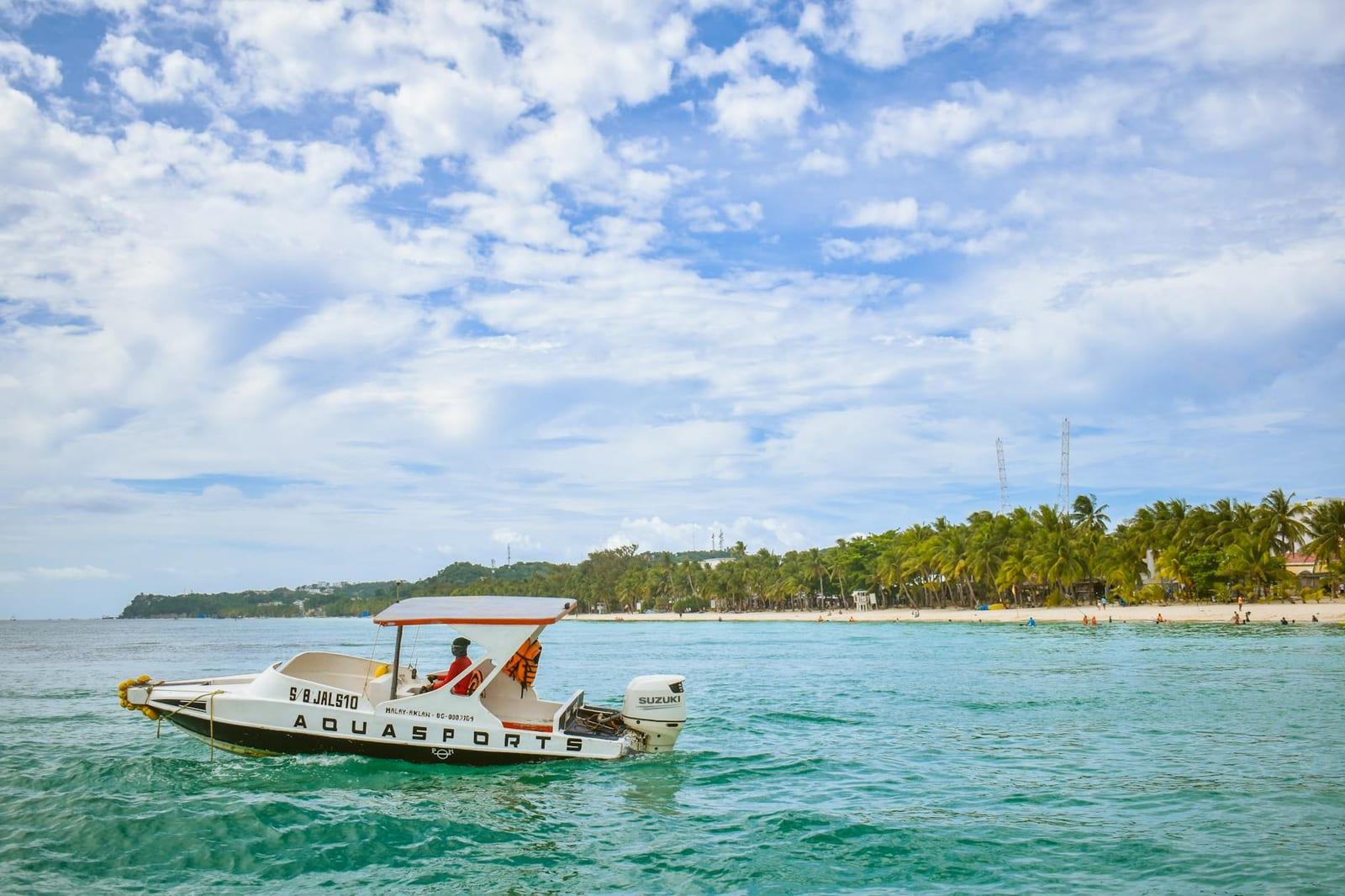
- Boracay
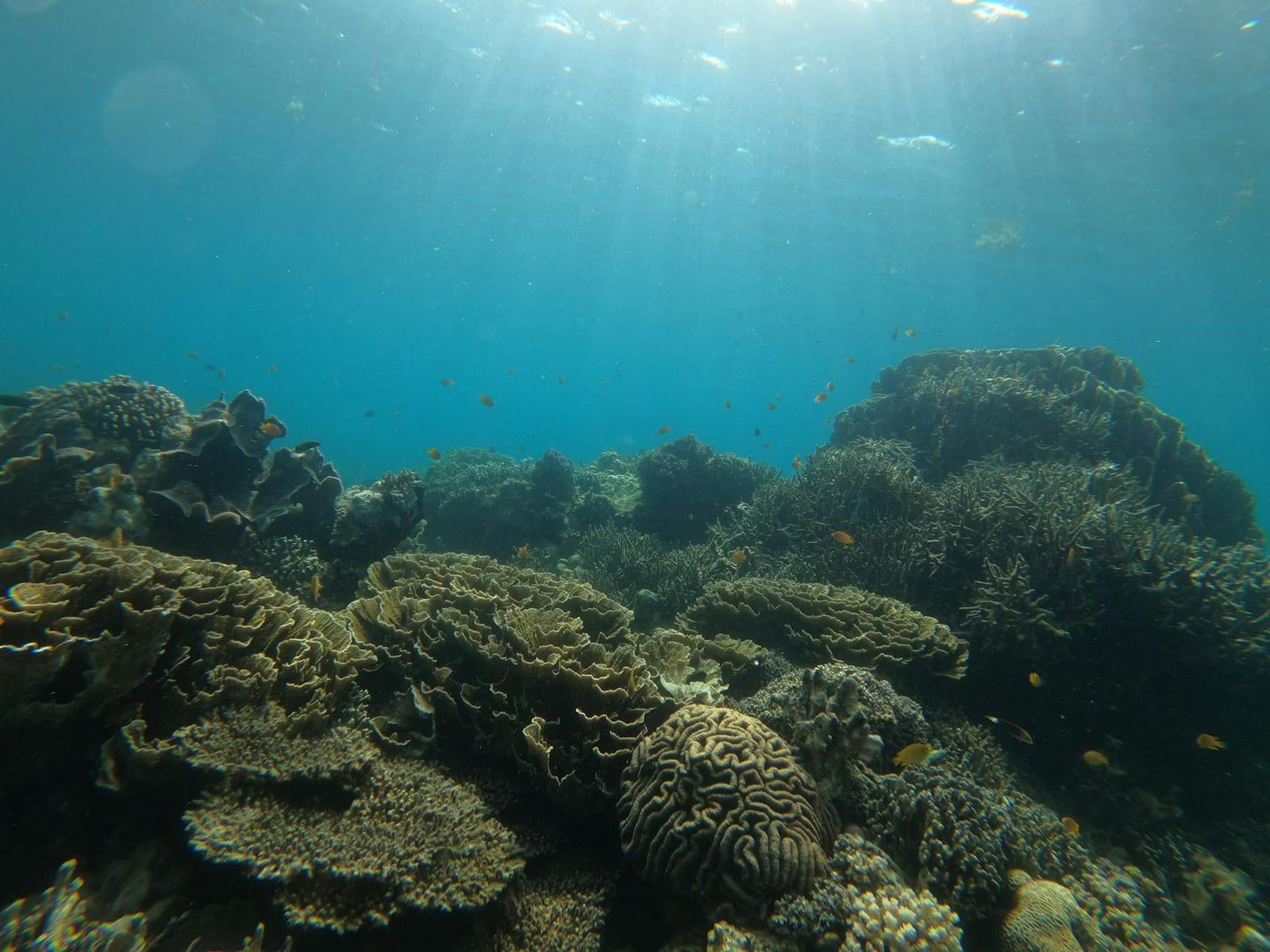
- Tubbataha Reefs
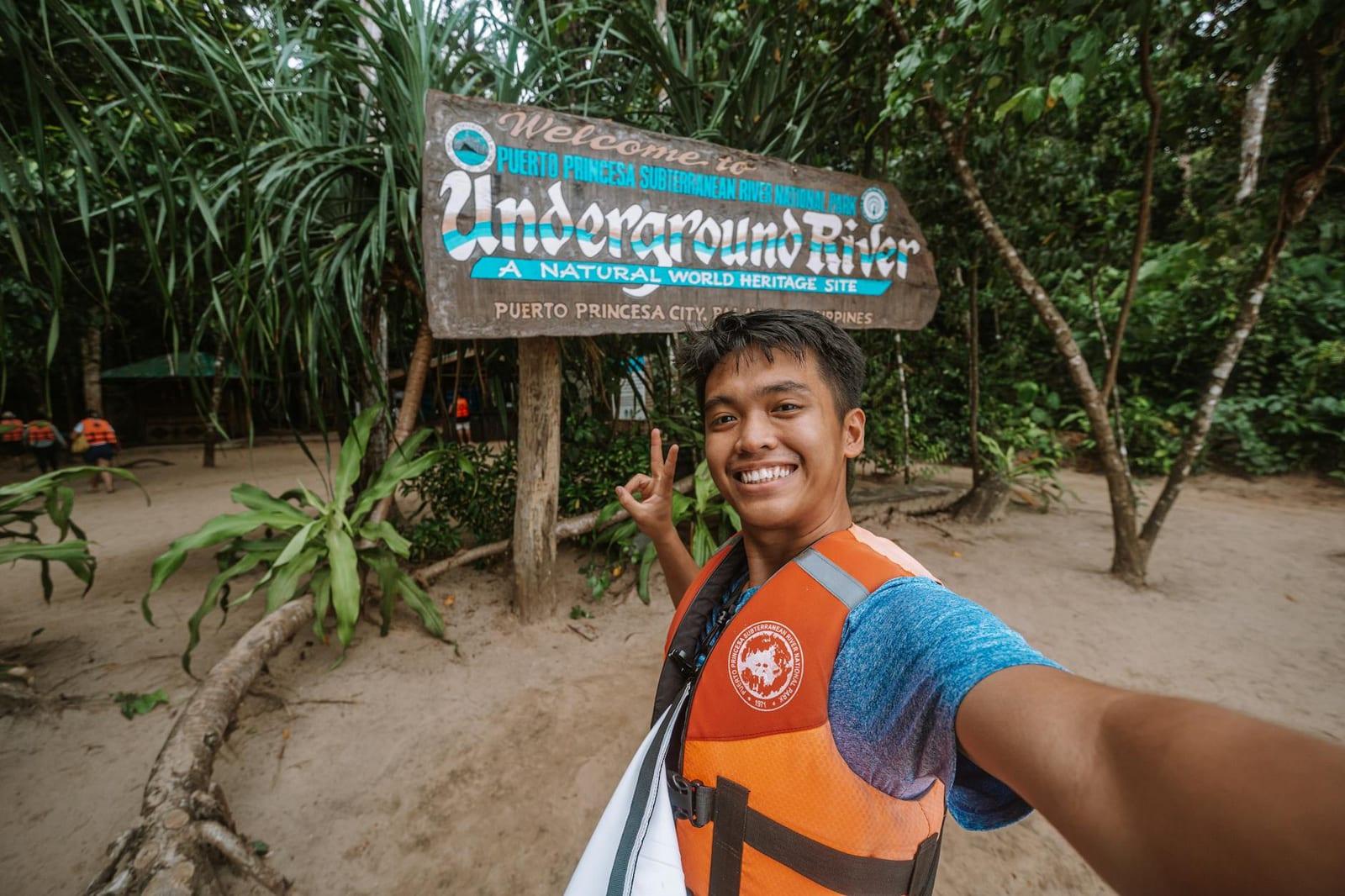
- Puerto Princesa Underground River
- Chocolate HillsThanks to weathering, this limestone tract looks like an endless forest of enormous gumdrops—or, in dry-season brown, chocolate kisses.
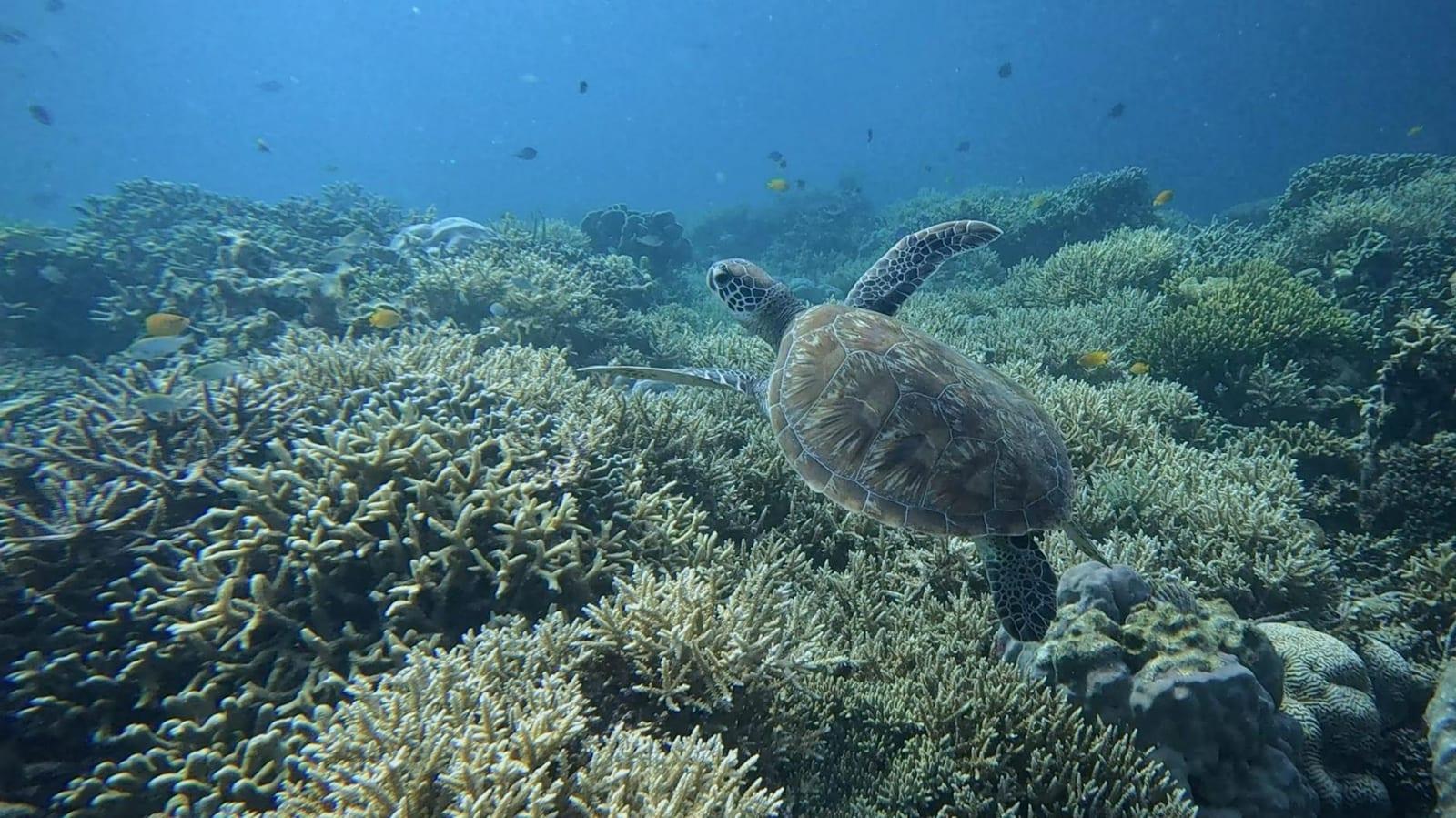
- Tubbataha Reefs Natural ParkThis fabled marine sanctuary, an almost unrivaled dive site, protects a pair of pristine Coral Triangle atolls and associated reefs.
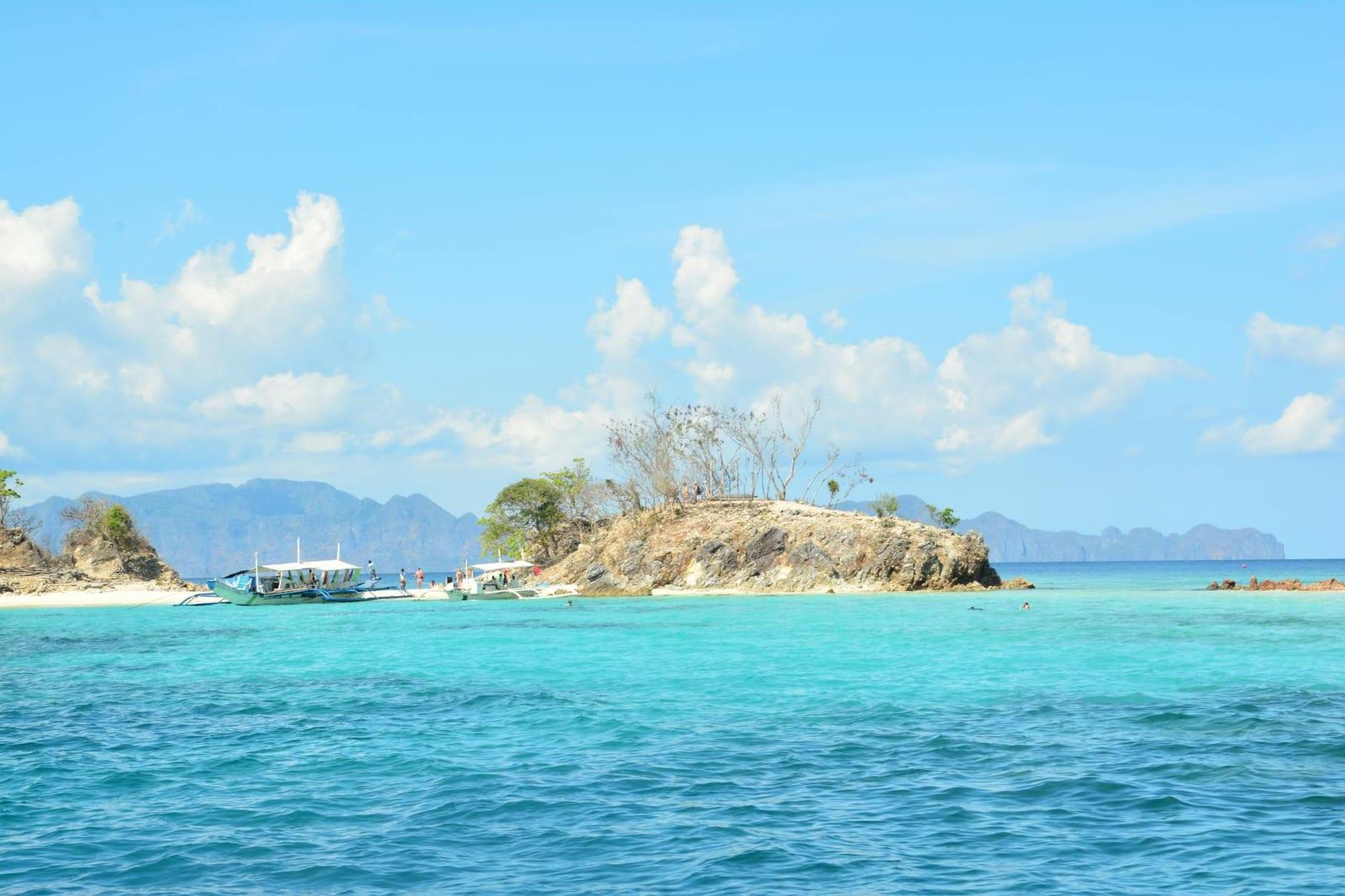
- Palawan IslandVisit this haven of rainforest mountains and pure beaches, and you’ll understand why it’s regularly listed among the world’s best islands.
- Fort SantiagoThe pinnacle of Manila’s colonial-era walls, this fortification was established by the city’s conquistador founder, Miguel Lopez de Legazpi.
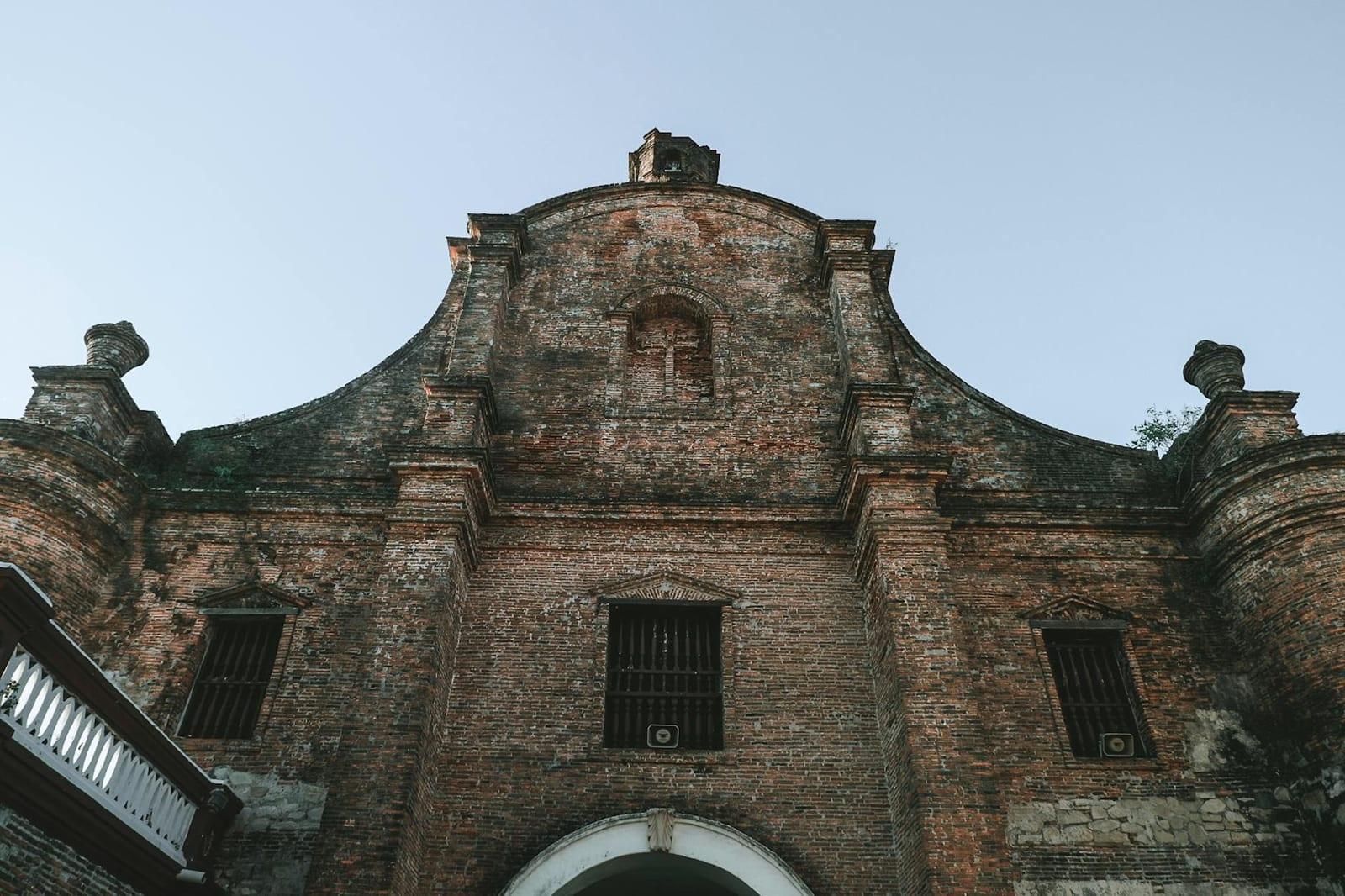
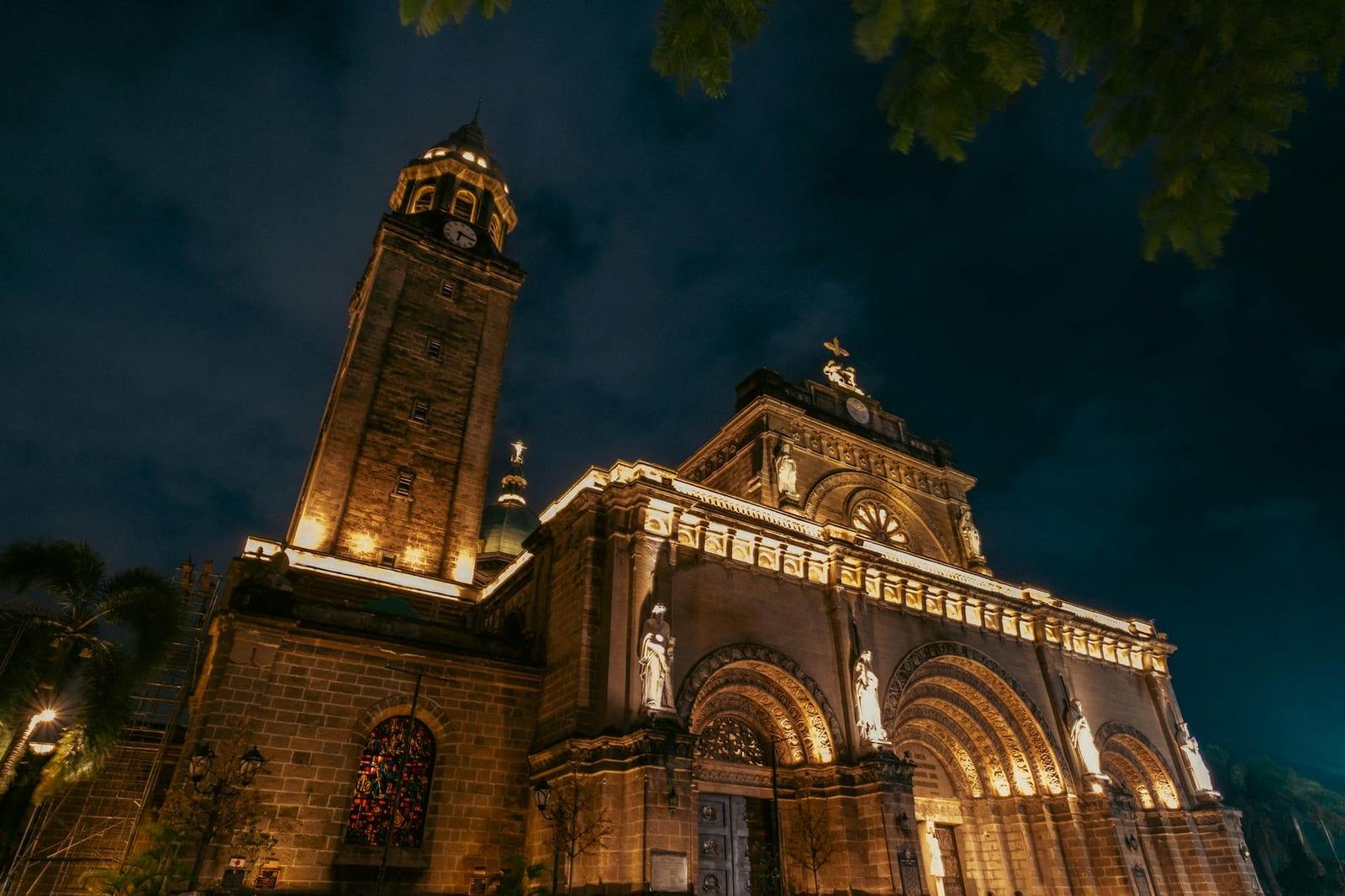
- Manila CathedralThis minor basilica’s history stretches back nearly five centuries, the current version having arisen from WWII Battle of Manila rubble.
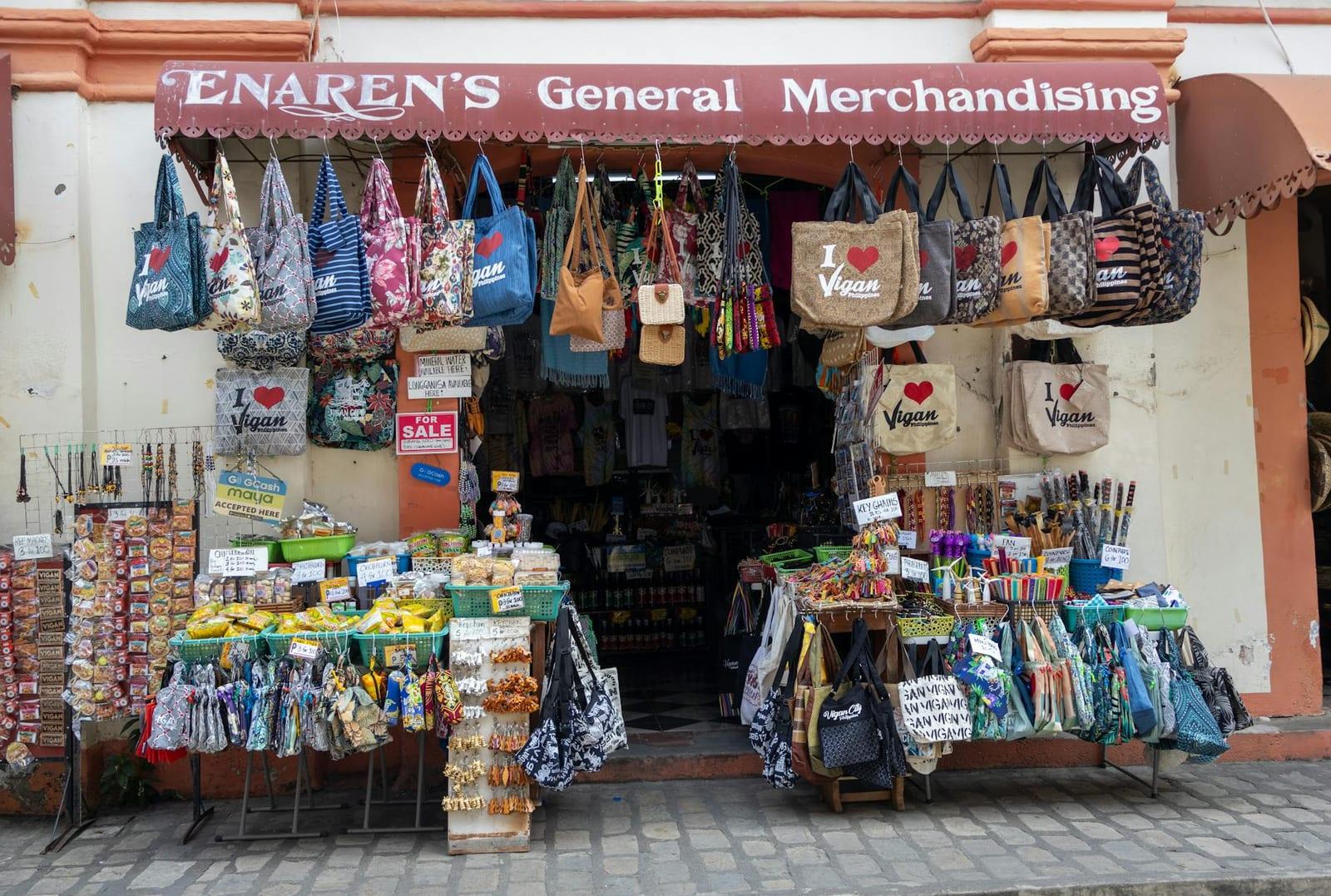
- ViganThe capital of Ilocos Sur retains its Spanish colonial cityscape to a gorgeous degree.
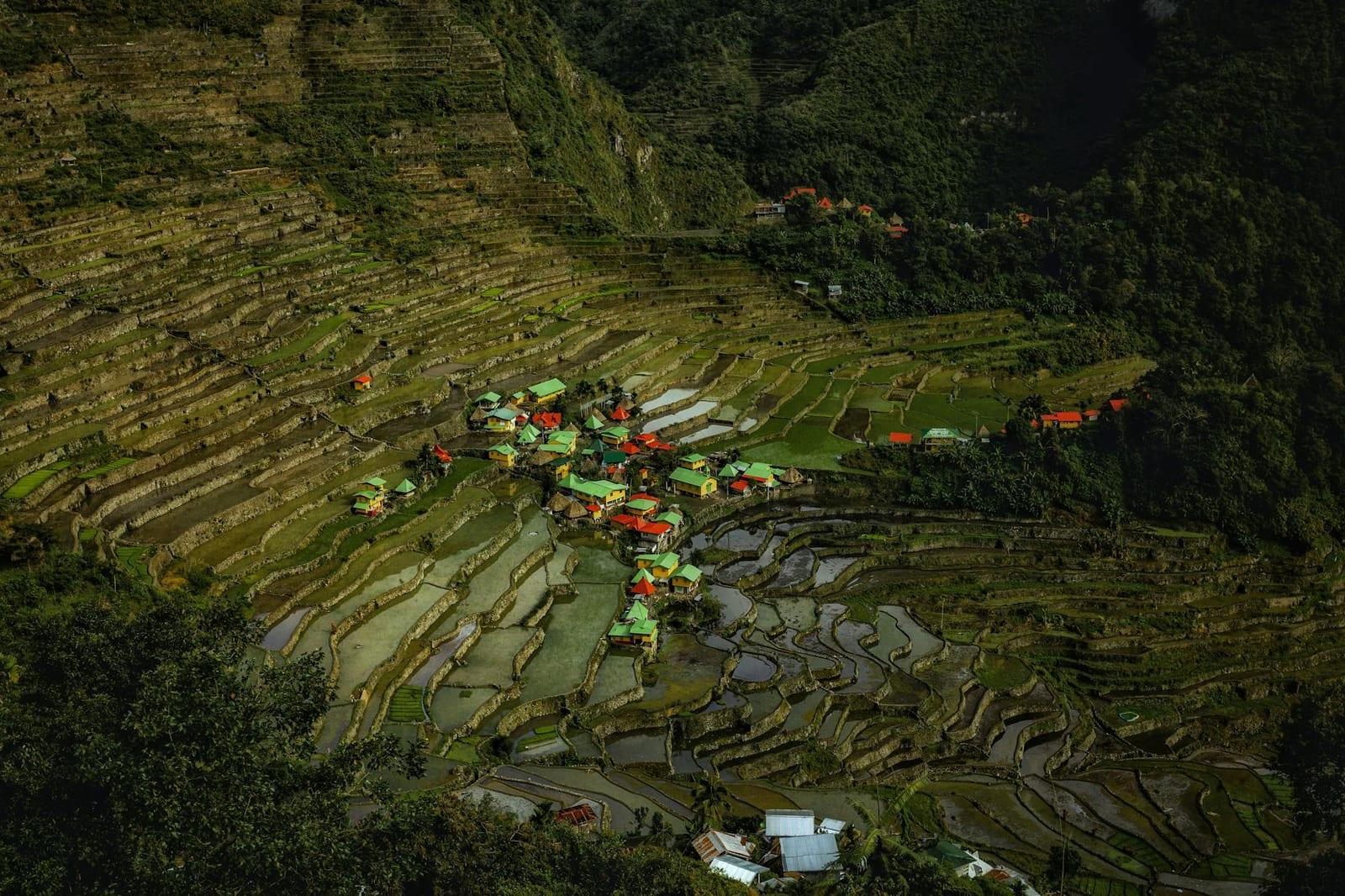
- Batad Rice Terraces (Ifugao Province)Marvel at masterful indigenous agriculture at these centuries-old mountainside rice terraces, part of a World Heritage Site complex.
- Mount ApoClimbing this highest peak in the Philippines, a 9,700-foot stratovolcano on Mindanao, is one of the country’s top outdoor adventures.