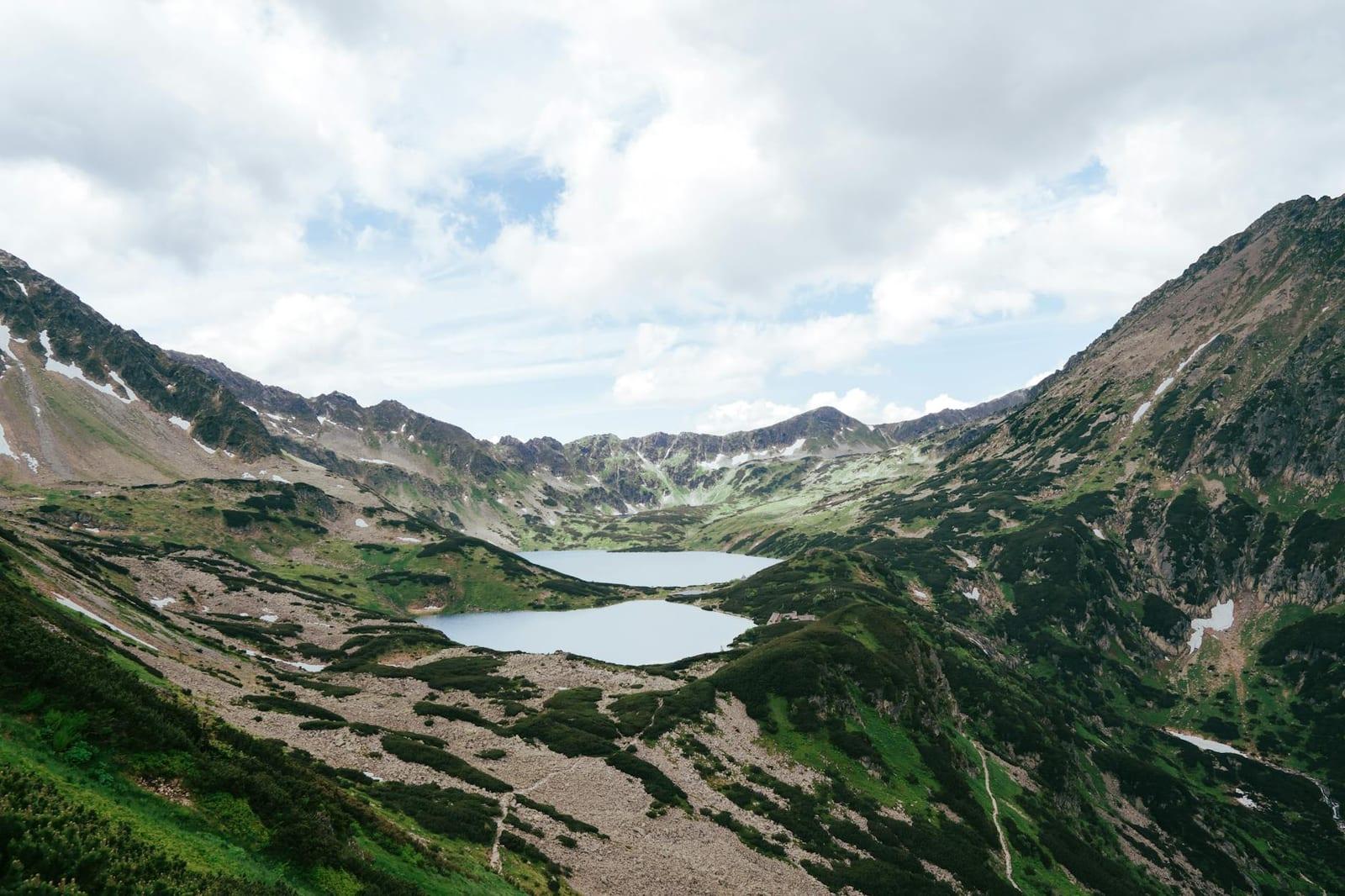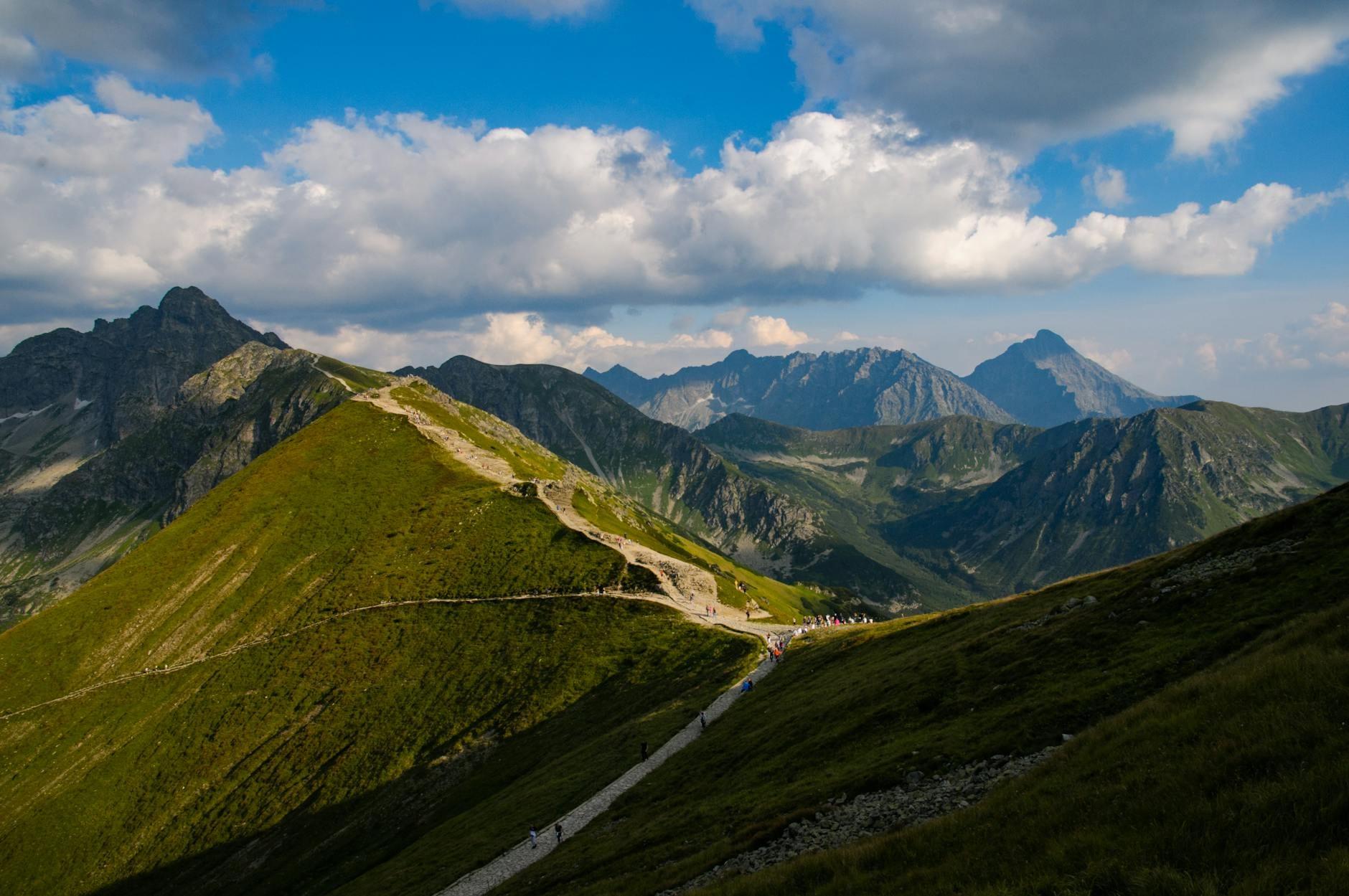

Stretching from the Baltic Sea coast to the wild jags of the Carpathians, Poland has suffered repeatedly throughout history at the hands of outside forces, yet burns as bright as any nation on Earth. From the famed Iron Age settlement of Biskupin to a night on the town in the “Phoenix City” of Warsaw, see firsthand a European culture at once old and new—and the careful, considerate, and painful process by which even the most wretched sort of history may be drawn upon to shape a national identity.
Back in the Renaissance, Poland was one of Europe’s great empires, flourishing for several centuries as its own huge dynasty and then as part of the unified Polish-Lithuanian Commonwealth. It ultimately fell apart, and Polish territory was claimed by Russia, Austria, and Prussia. The 20th century brought horrible loss of life, displacement, and cultural persecution to the Polish people, what with the awful tolls of both World Wars and the long decades of Soviet Communism.
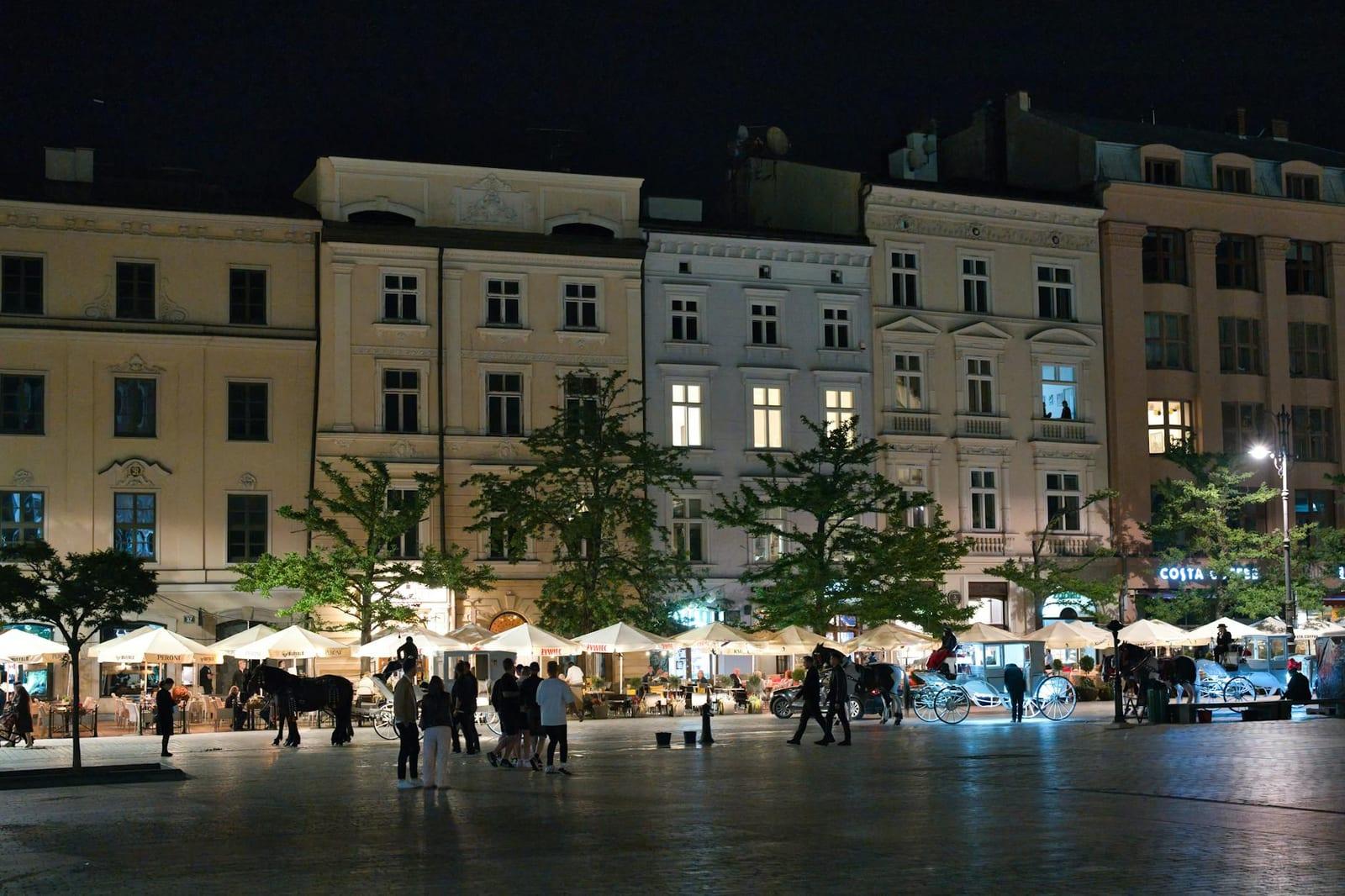
Today, however, Poland is a vital and vibrant member of the European Union. Even given all of the infrastructural devastation of World War II—Warsaw was almost fully destroyed—there is an unbelievable richness of historical and cultural sites. And Krakow—from the Royal Castle and St. Mary’s Basilica to the Florian Gate and the Juliusz Slowacki Theatre—is certainly one of Europe’s most gorgeous cities.
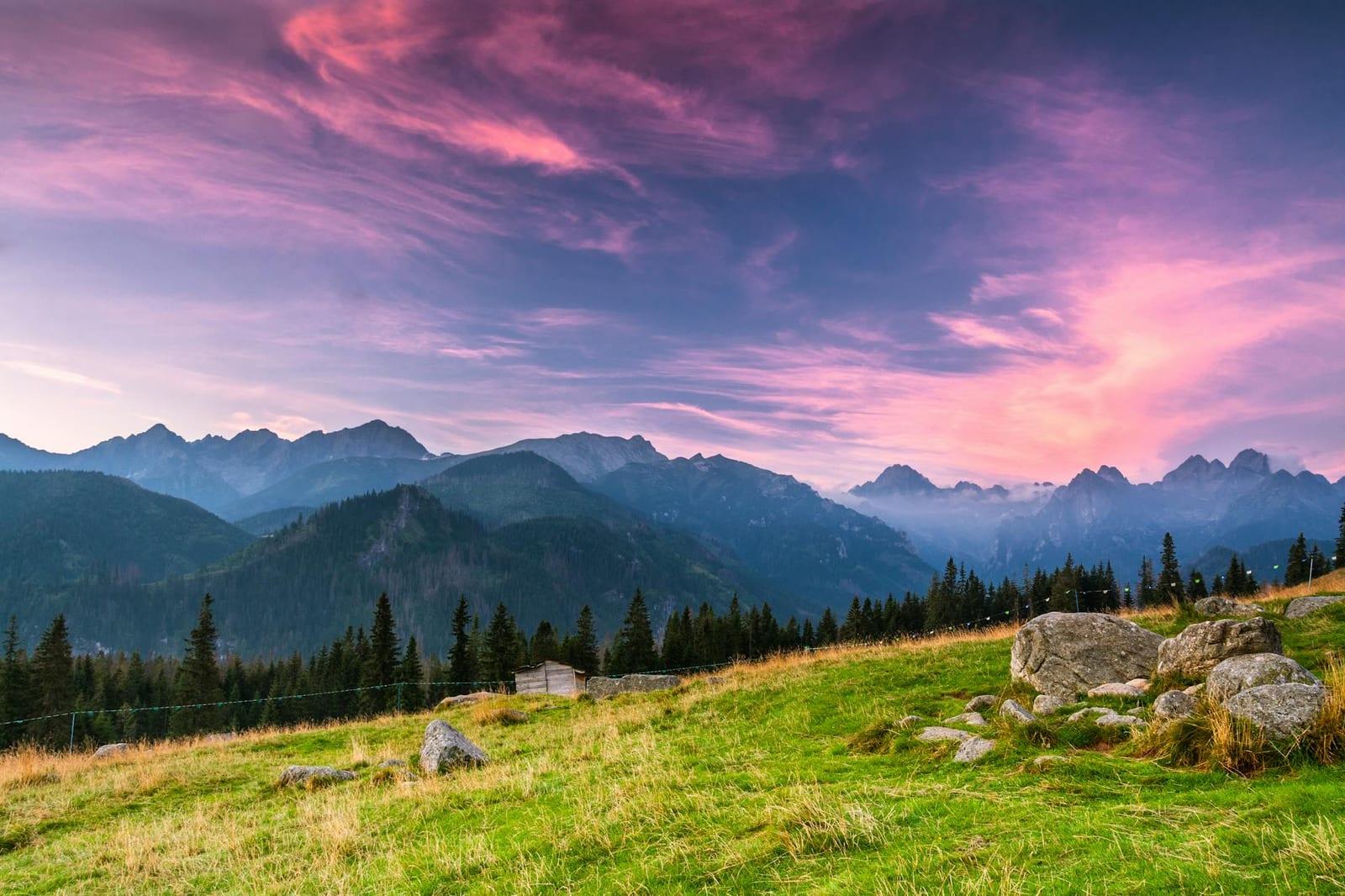
The Polish countryside feels remarkably unblemished. In the northeast, the Masurian Lakes—product of Pleistocene ice sheets—are a paradise for canoeists and kayakers. On the border with Belarus, the Bialowieza Forest showcases one of the rarest landscapes in Europe: a large tract of old-growth forest. The primeval hardwoods of the Bialowieza are probably best-known as the haunt of wisents, or European bison—which here find one of their greatest strongholds—but hikers can also seek out wolf tracks and monumental, centuries-old oaks. Poland also includes some of the highest summits in the entire Carpathian range with its share of the Tatra Mountains, which exceed 8,000 feet; Tatra National Park gives you a full dose of their craggy glories.
In Poland, come face to face with the many contours of Central European history, and how they fit within a yet-older framework of wild Nature. You can party it up on the seacoast or the streets of Warsaw, no question; but your visit, performed with enough clear-eyed attention, is likely to prompt some deep meditations on time and the human spirit—not least at the many monuments and memorials to the many lives destroyed or irrevocably changed by World War II and the Holocaust. And that's a precious thing.
15 things not to miss.
- Krakow's Rynek squareWalk Krakow's Rynek square
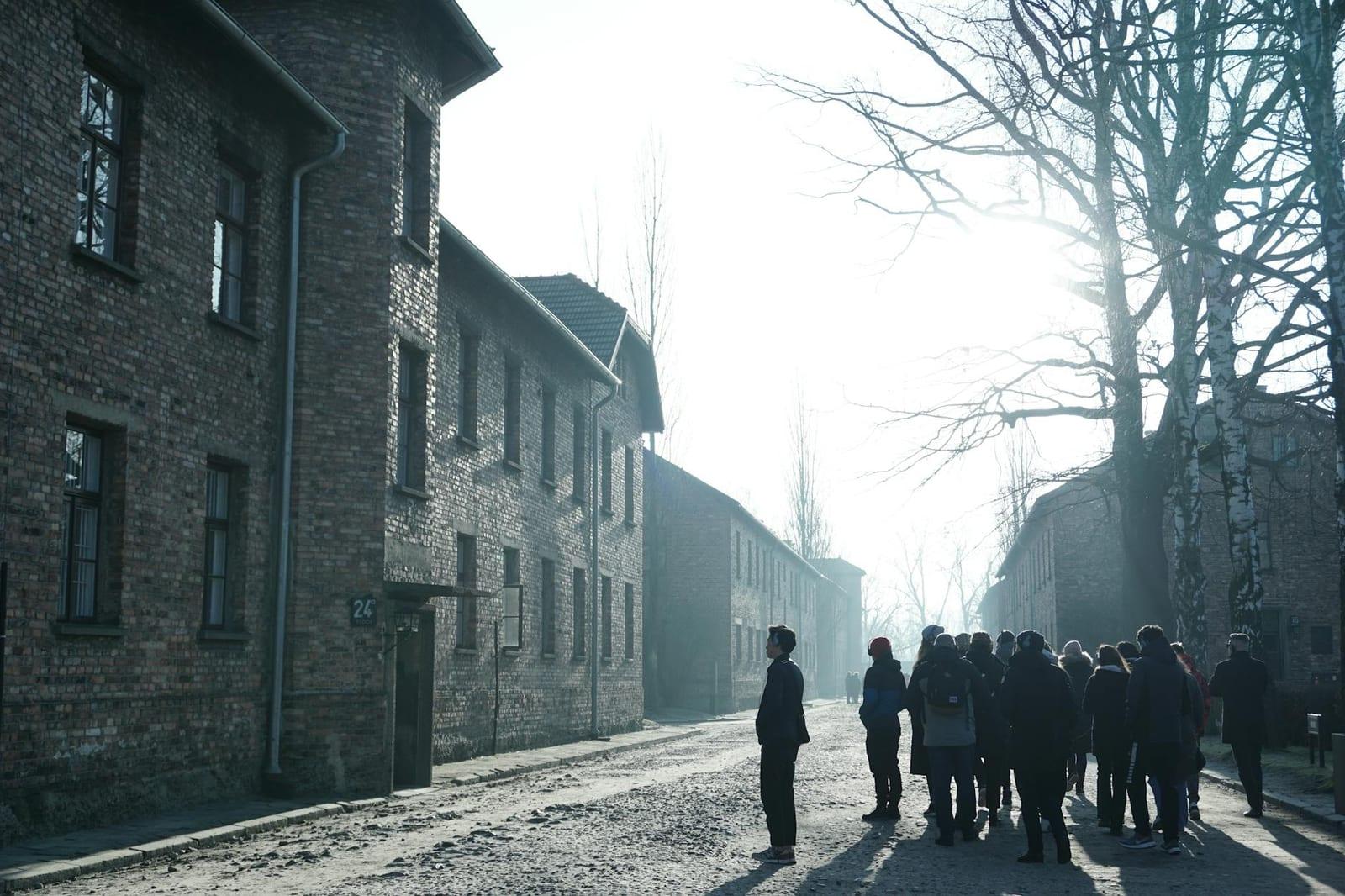
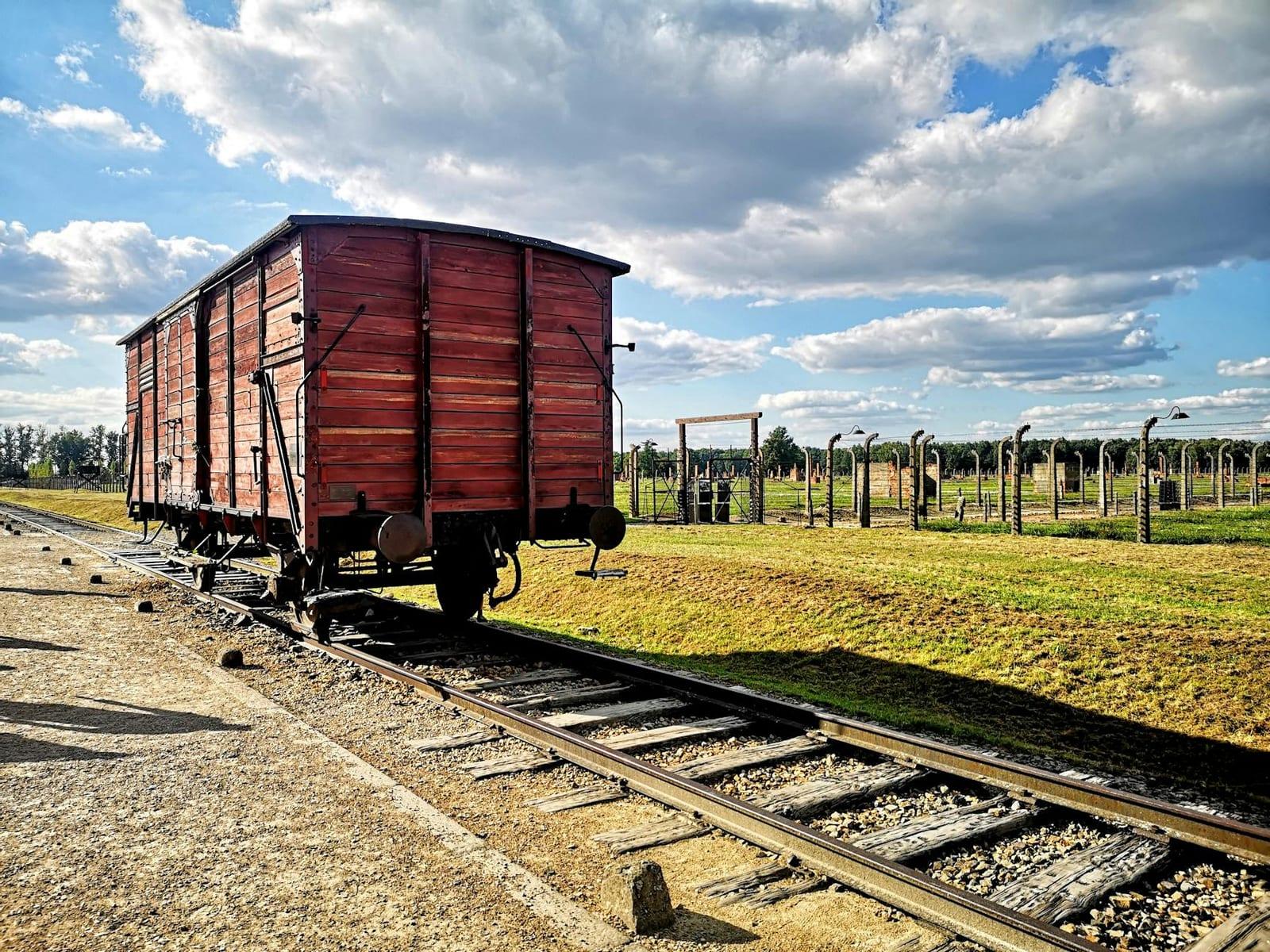
- Pay respects at Auschwitz-BirkenauPay respects at Auschwitz-Birkenau
- in the Tatra mountainsHike in the Tatra mountains
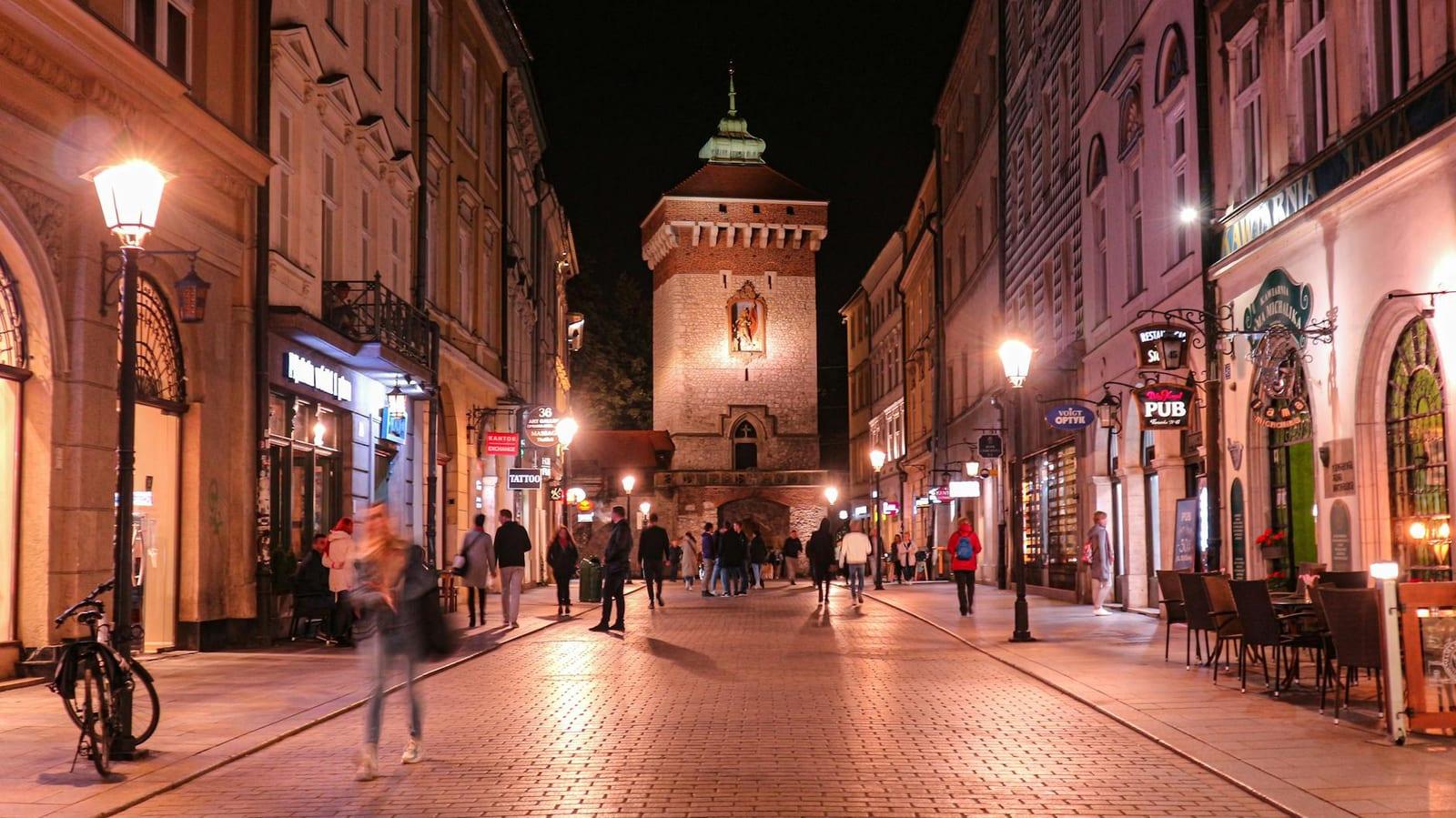
- Florian GateThis Gothic tower, built in the 1300s after Tatar sieges, is the portal to Krakow’s glorious Old Town.
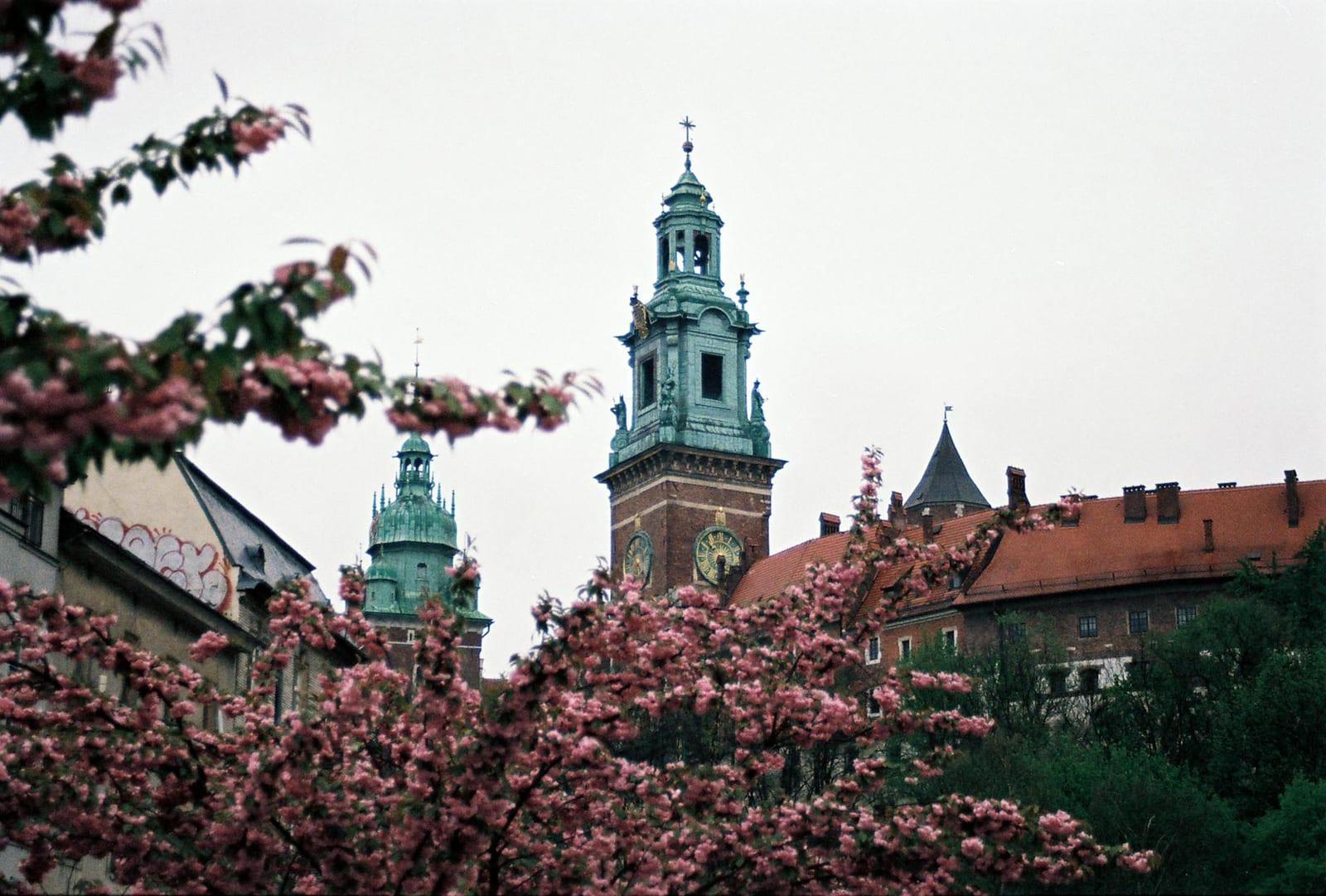
- WawelThis must-see Krakow landmark, anchored by the Royal Castle and Wawel Cathedral (two of Poland’s greatest monuments), includes excellent art and history museums.
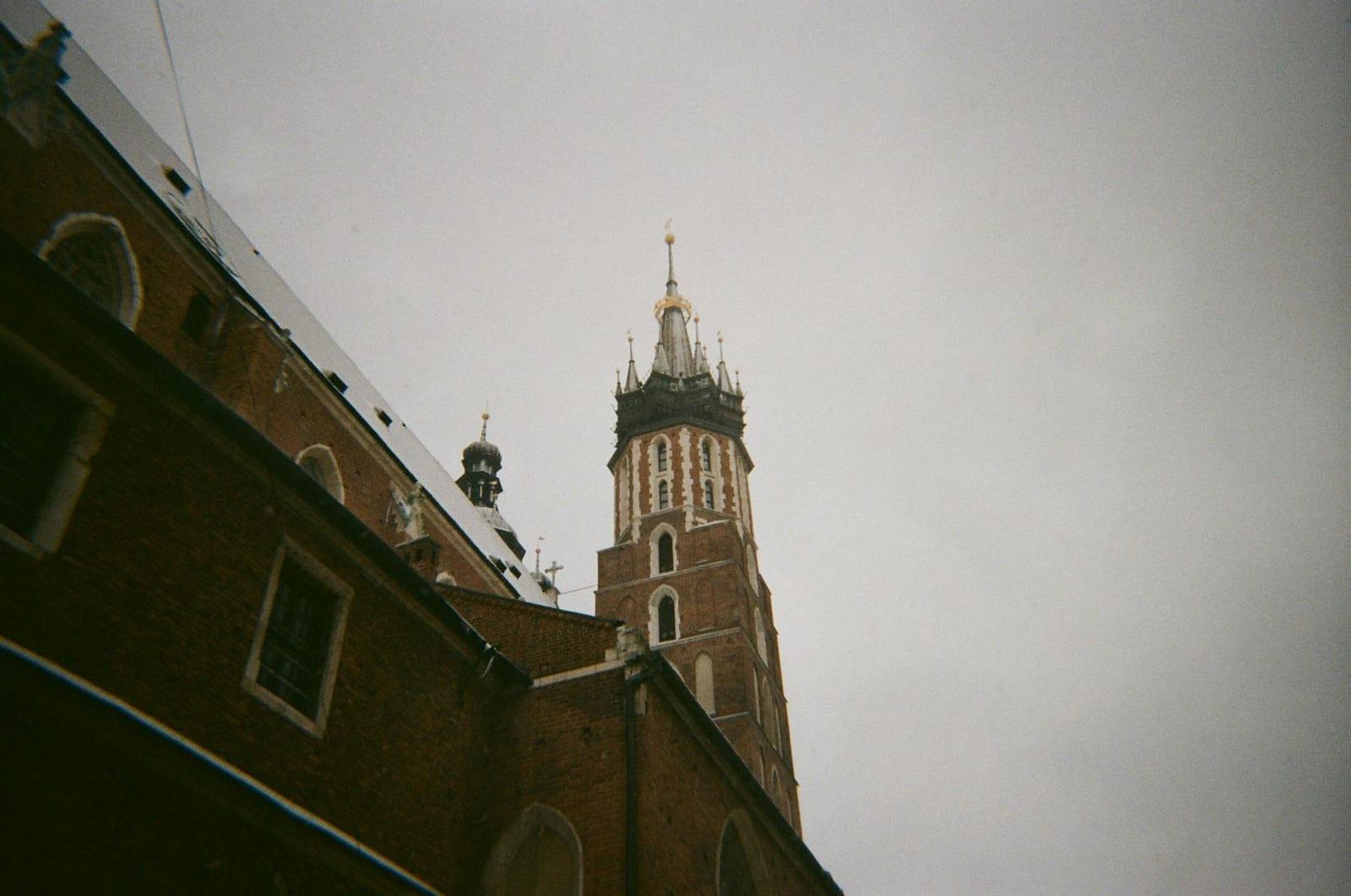
- St. Mary’s BasilicaAn icon of Krakow’s cityscape with its regal spires and hourly trumpet call, this 260-foot-tall church has stood since 1347.
- Juliusz Slowacki TheatreFor better than a century, this feast-for-the-eyes theater has been at the center of Krakow’s artistic scene and Poland’s cultural identity.
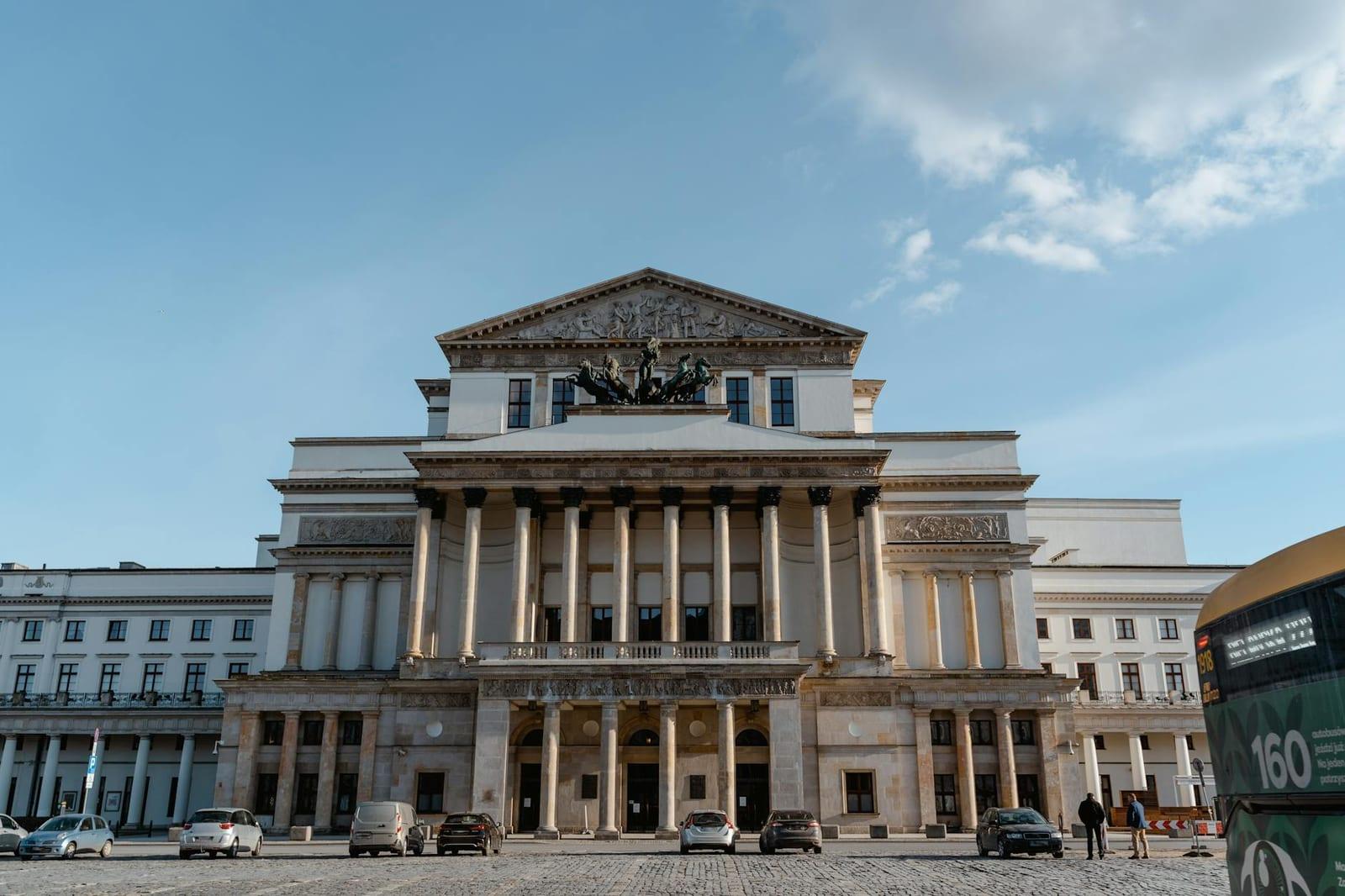
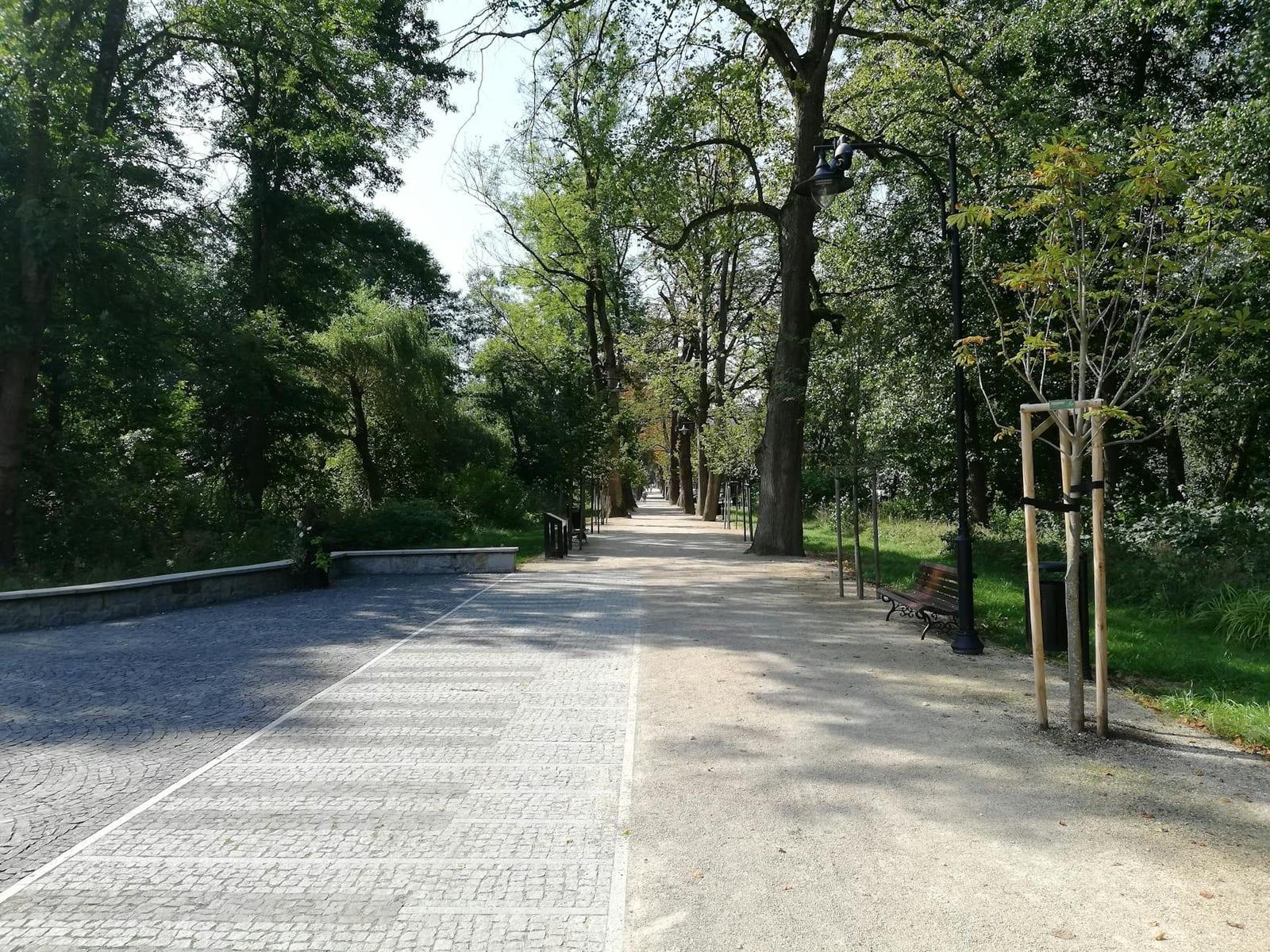
- Chopin’s BirthplaceThis manor house in Zelazowa Wola, now a museum, saw the birth of genius pianist-composer Frederic Chopin.
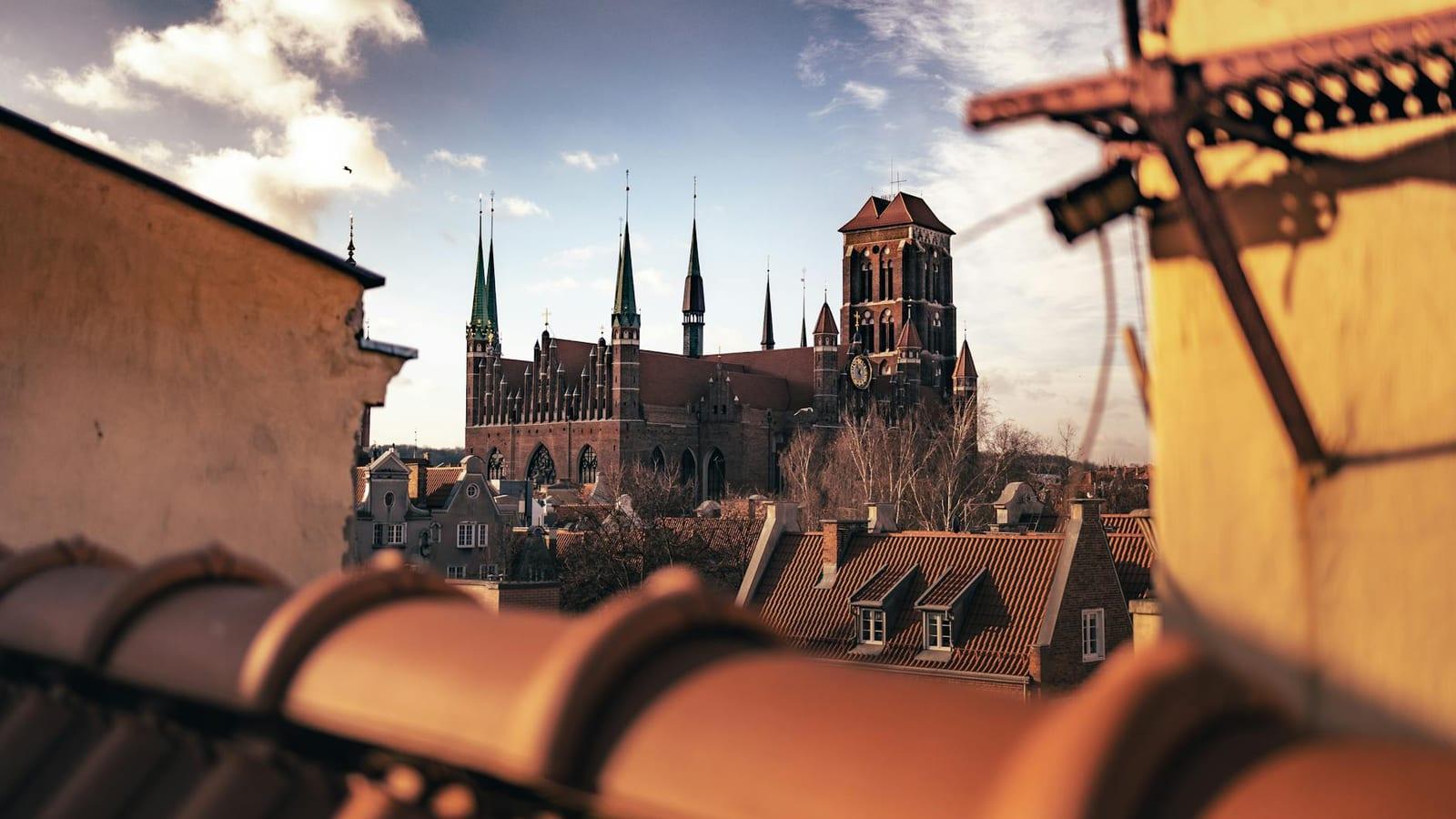
- St. Mary’s Church (Gdansk)Completed at the dawn of the 16th century, this is the world’s mightiest brick church.
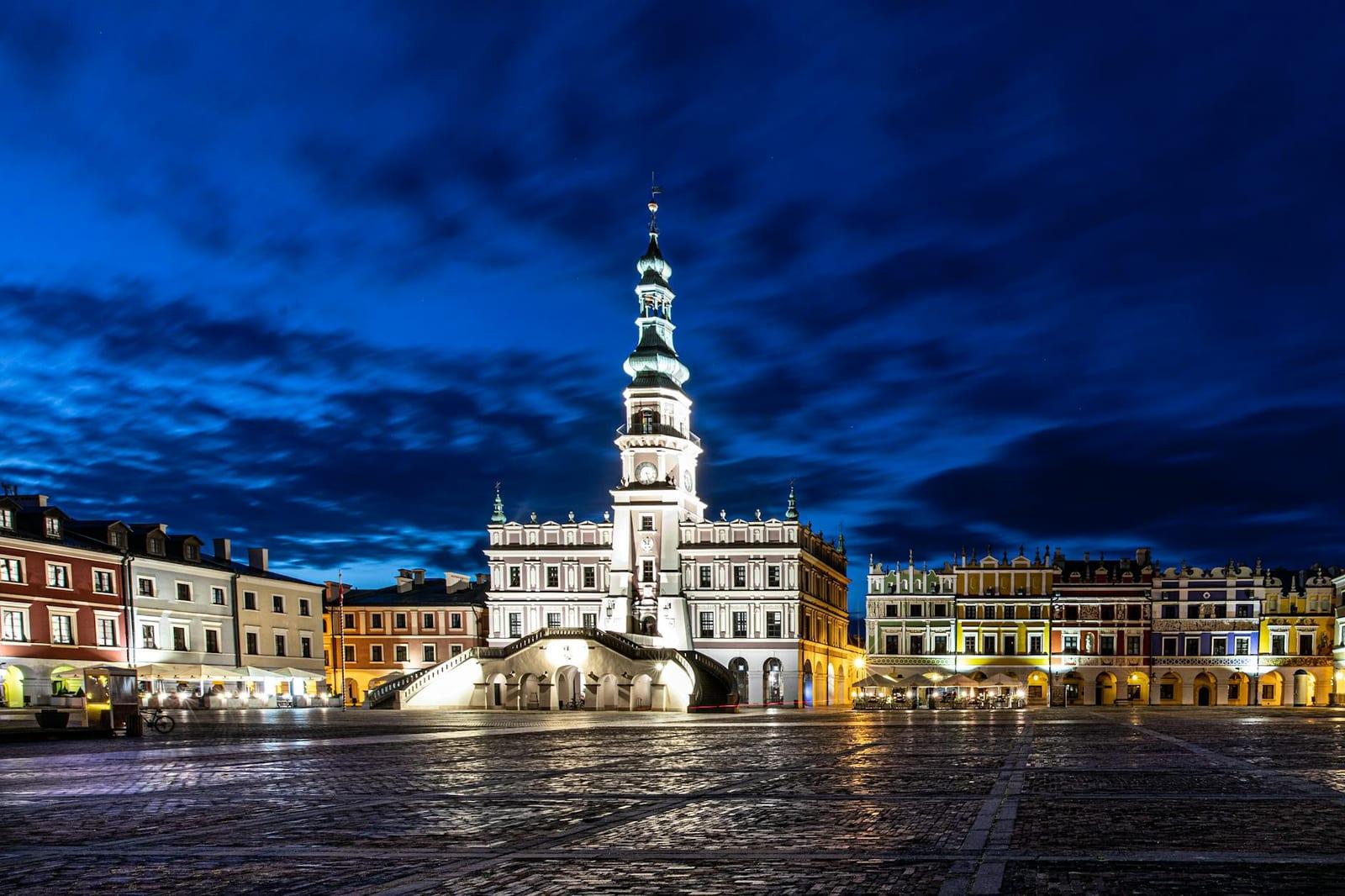
- Zamosc Market SquareThis fetching 16th-century town square, ringed with merchant houses and the high-towered Town Hall, resurrects the Renaissance.
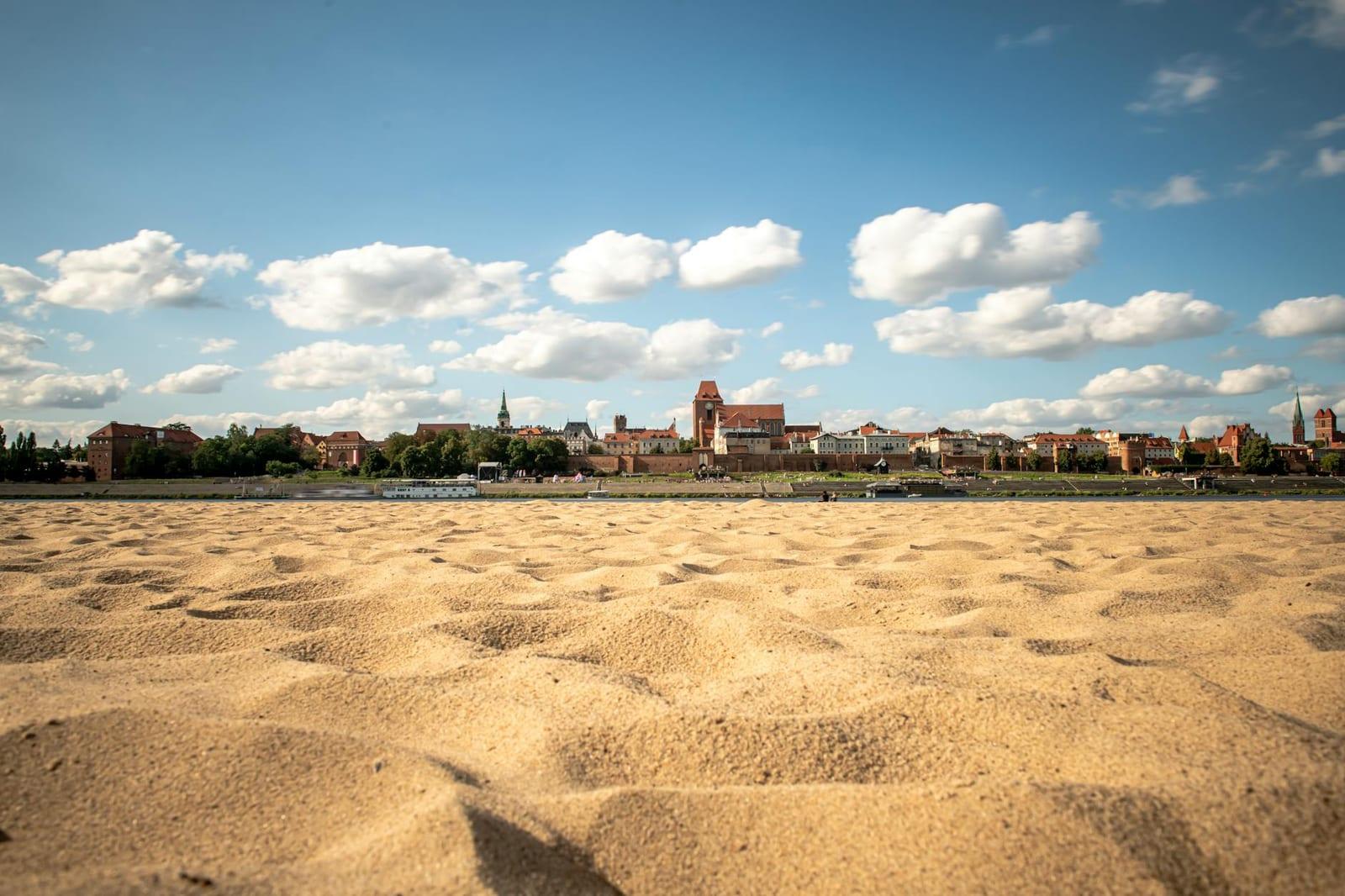
- TorunTorun’s medieval core, one of Poland’s most beautiful urban areas, has extra resonance given the great astronomer Copernicus hailed from here.
- Auschwitz-Birkenau State MuseumMarking the site of the notorious German concentration camp, this museum tells the ugly story of the Holocaust and memorializes its victims.
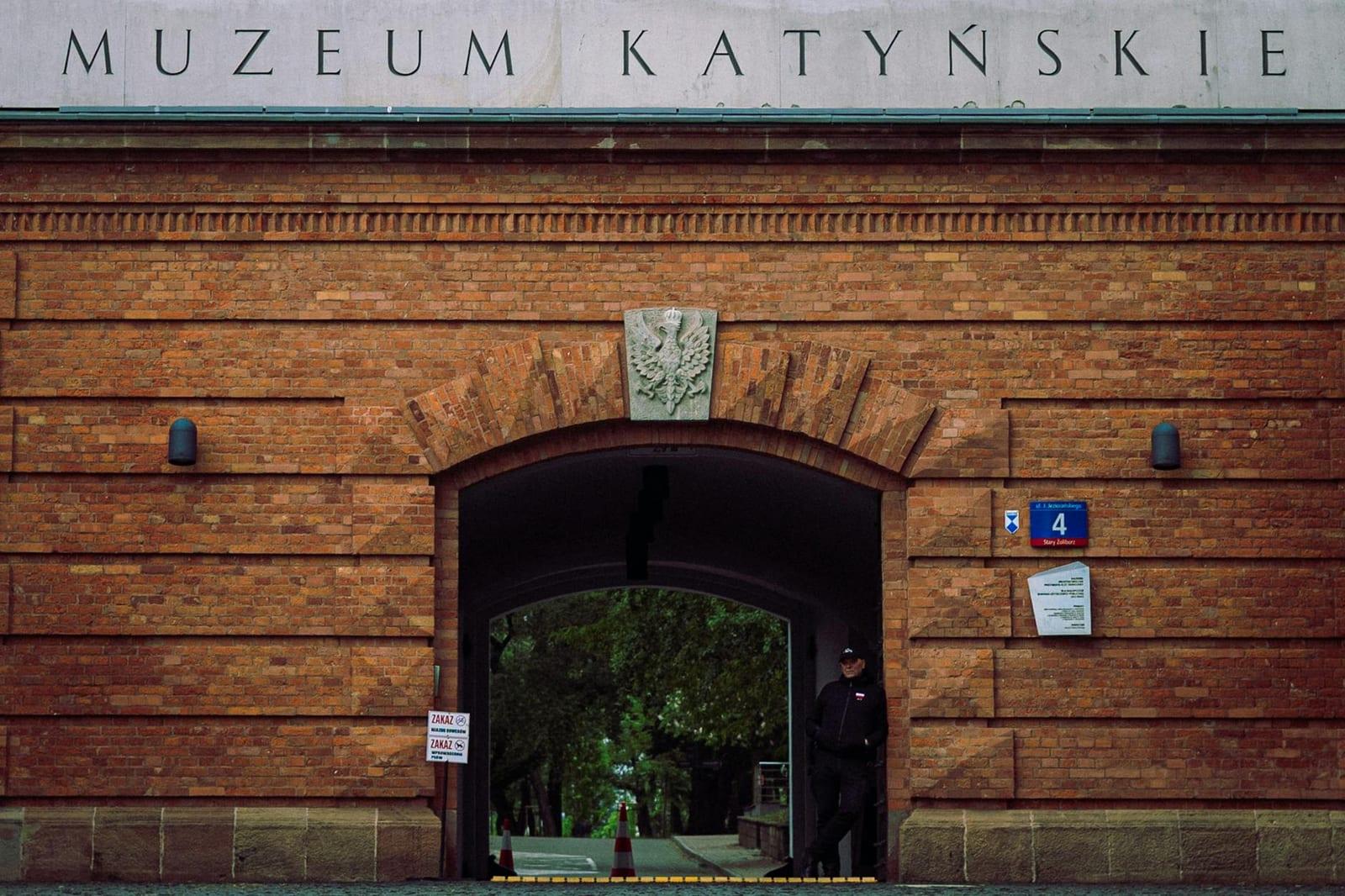
- Warsaw Rising MuseumExplore the dramatic story of the largest resistance operation in World War II, the Warsaw Uprising.
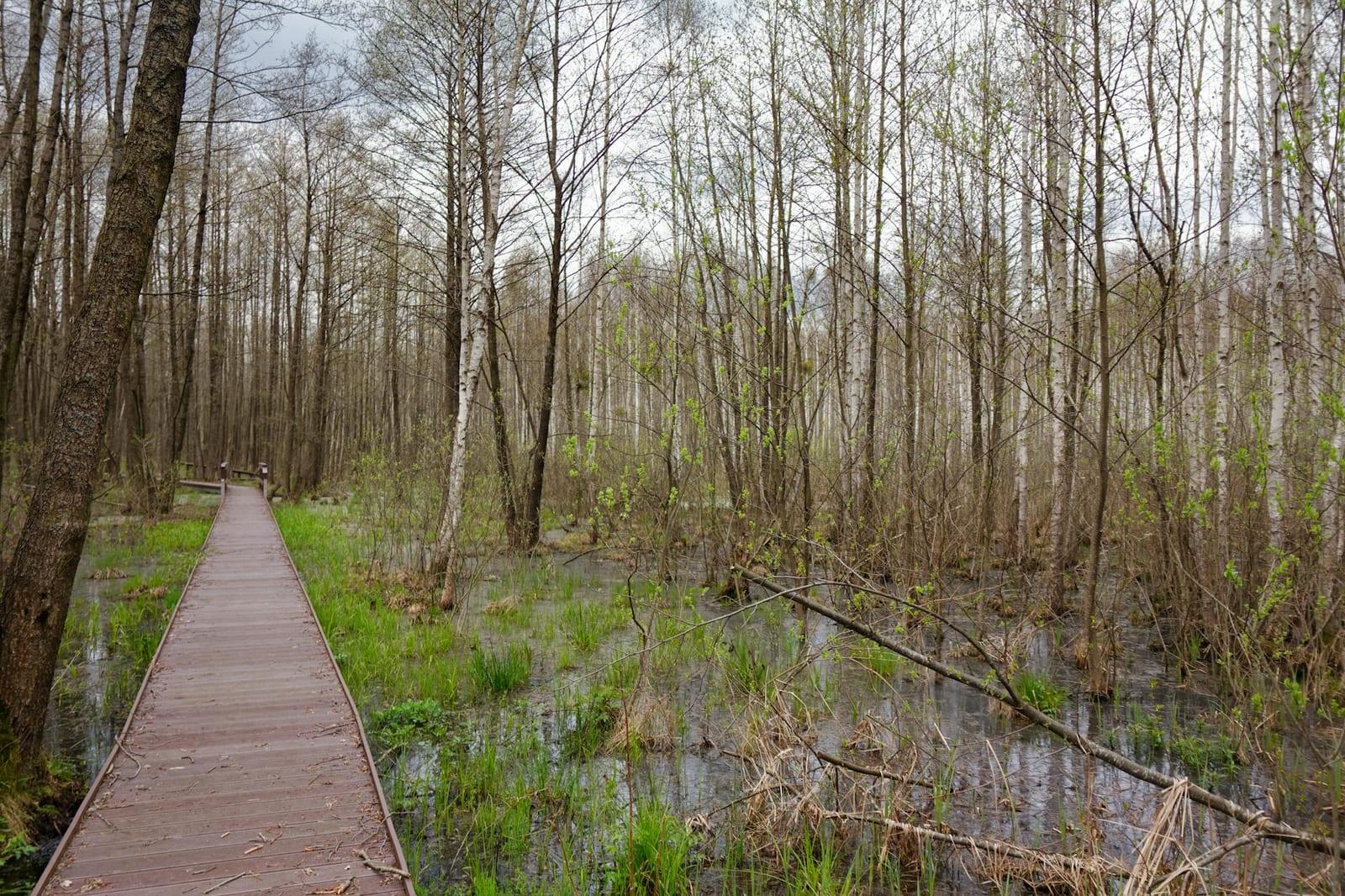
- Bialowieza ForestSpilling into Belarus, this is among the only great old-growth forests left in Europe—ruled by ancient oaks and European bison.
- Tatra National ParkThis mountain wilderness includes the jagged ramparts of the High Tatras, gem-like lakes, and wildlife like chamois and wolves.