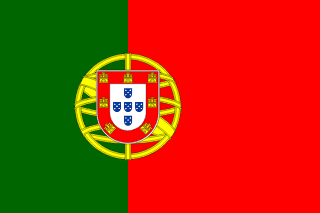
The history in Portugal is as grand-scale as anywhere else in Western Europe. Portugal’s early chapters include a rich prehistoric era, the settlement of Celtic tribes , the conquest of the Romans, and the occupation of various Germanic lordships from the 5th through the 8th centuries. Portugal fell under Moorish control in the early 700s, and the country was part of several Muslim caliphates until the Reconquista—the retaking of the Iberian Peninsula by Christian kingdoms. In the Age of Discovery, Portugal’s colonial empire was initially the largest of any in Europe; it also ended up lasting longer than any other, surviving until the mid-1970s. (And Portugal held onto Macau until the close of the 20th century.) That carousel of history, and the throbbing culture it nourishes, reveals itself in exceptional clarity across this beautiful and compact country.
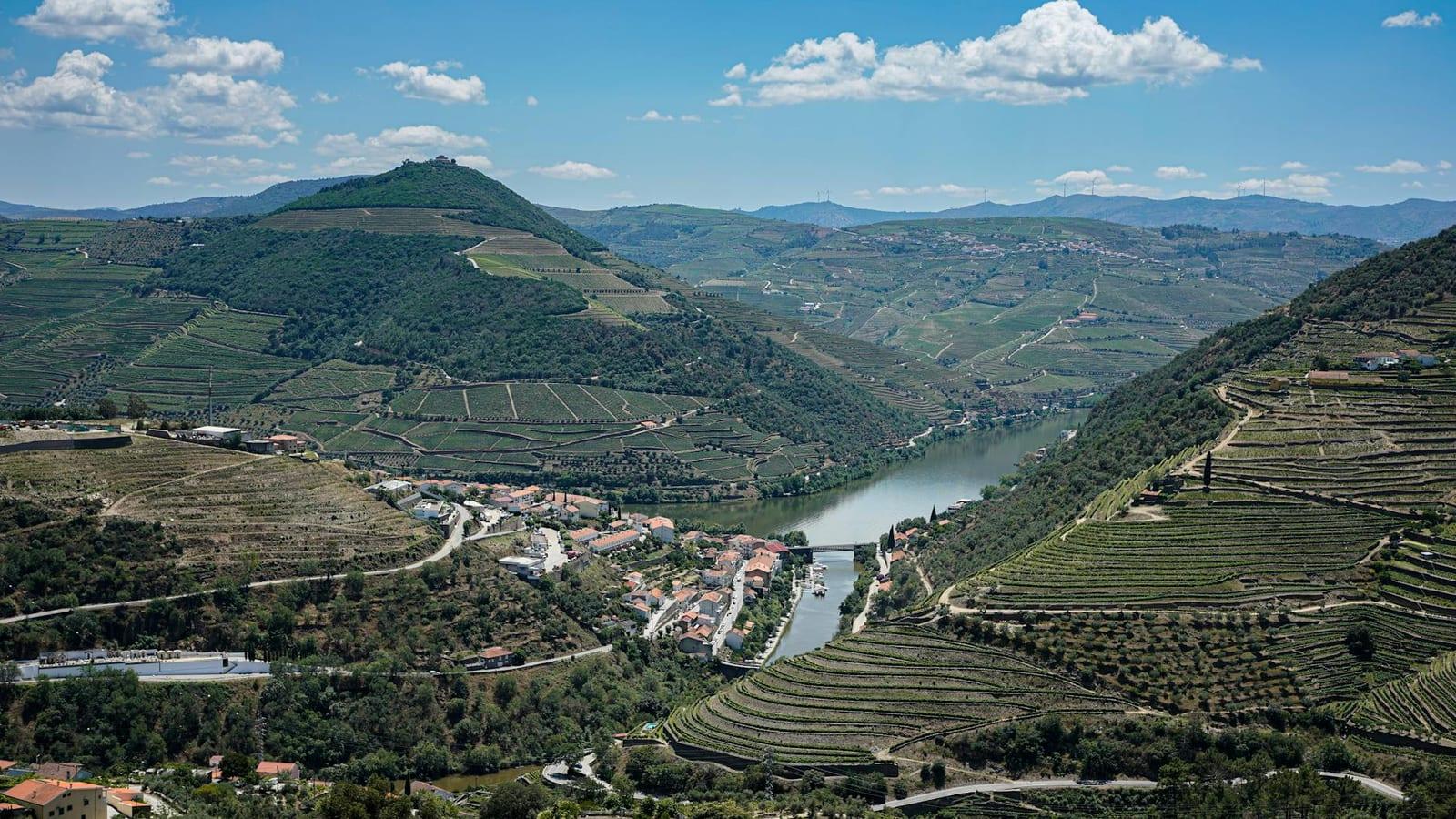
Portugal’s cultural landscapes—from the heart of Lisbon to the vineyards of the Douro Valley—provide illuminating insights into the country’s heritage. History-rich cities such as Évora, Oporto, and (naturally) Lisbon are packed with storybook beauty. Besides the Roman aqueducts, medieval cathedrals, and spectacular museums, there’s a lot of living culture to soak up: the famous, melancholy ballads of fado; the seafood-rich cuisine and illustrious wines; the varied folkdances; the homegrown bullfighting (quite different from Spain’s tradition, not least in that the bull is often spared at the end of the contest).
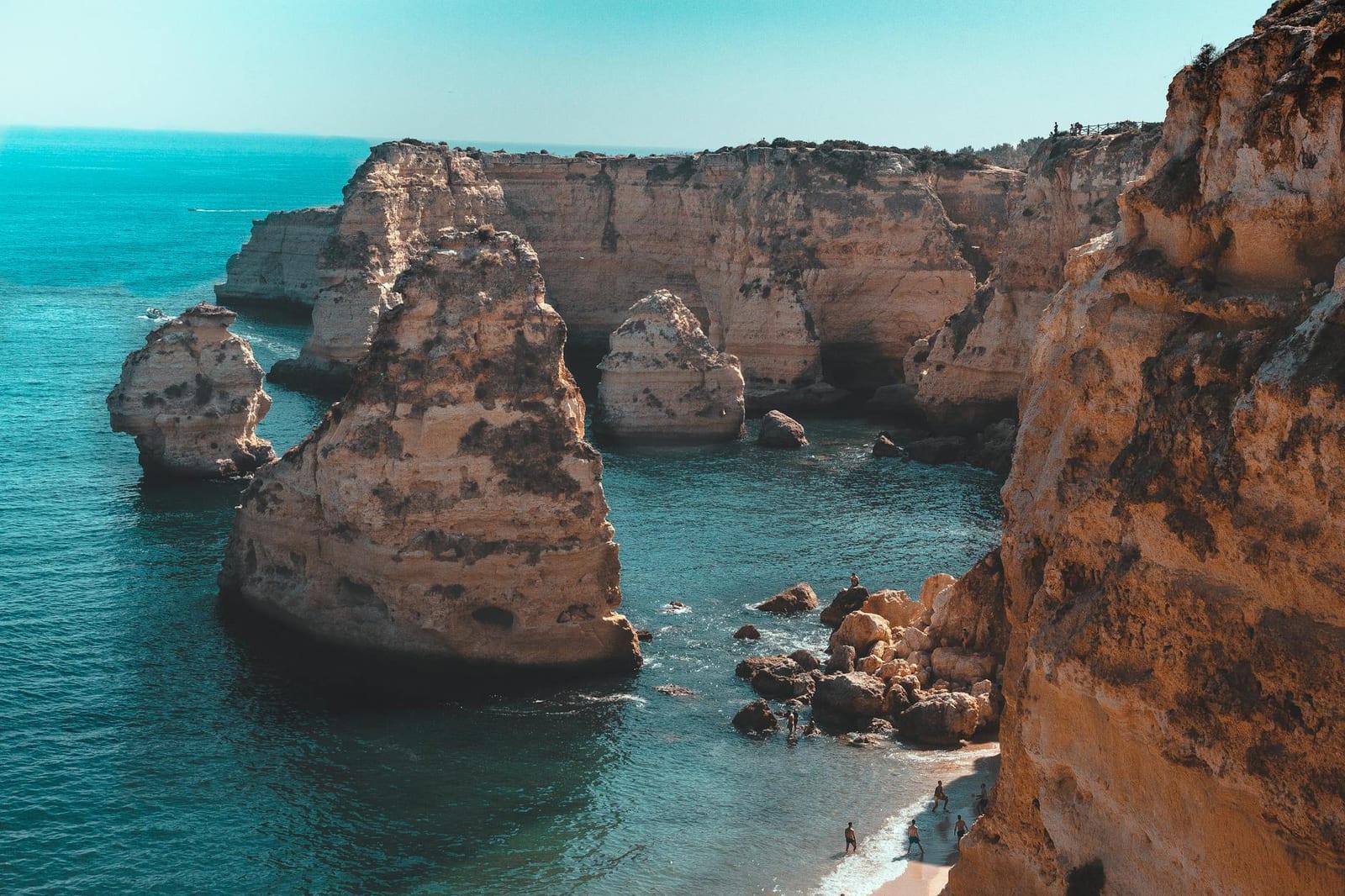
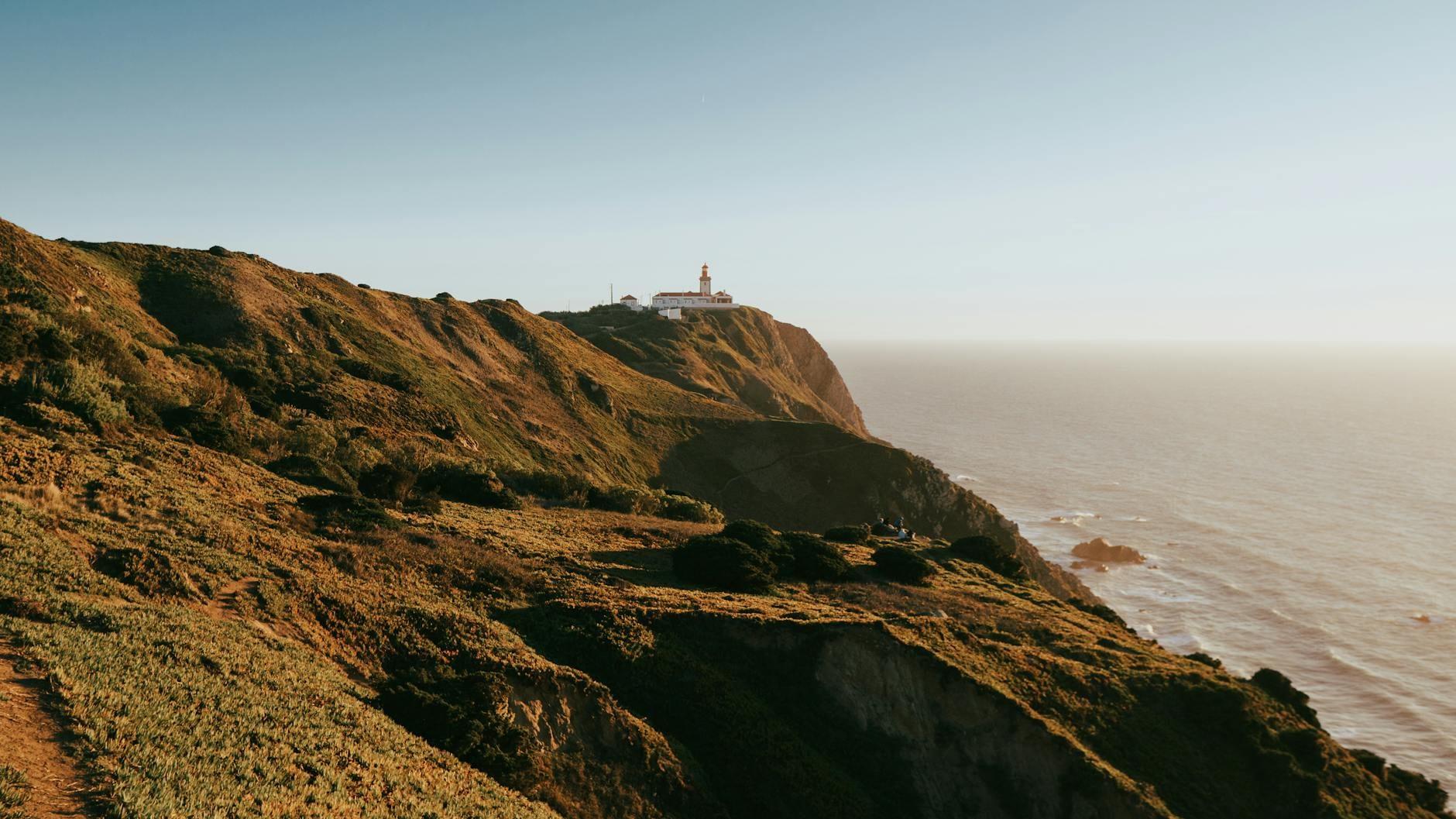
From the beaches and sea stacks of the Algarve (Portugal’s sunny southern coast) to the snowy ski resorts of the Estrela Mountains, the Portuguese landscape comes in an impressive array of incarnations despite the country’s modest size. That’s all the more striking when you consider that Metropolitan Portugal extends to two balmy Atlantic archipelagos: the Azores and Madeira. Besides their distinct traditions and cuisines, these rugged volcanic islands—popular tourist attractions among mainland Portuguese and international visitors alike—offer amazing scenery and fine beaches amid their singular ecosystems, which include lush mountainside laurel forests.
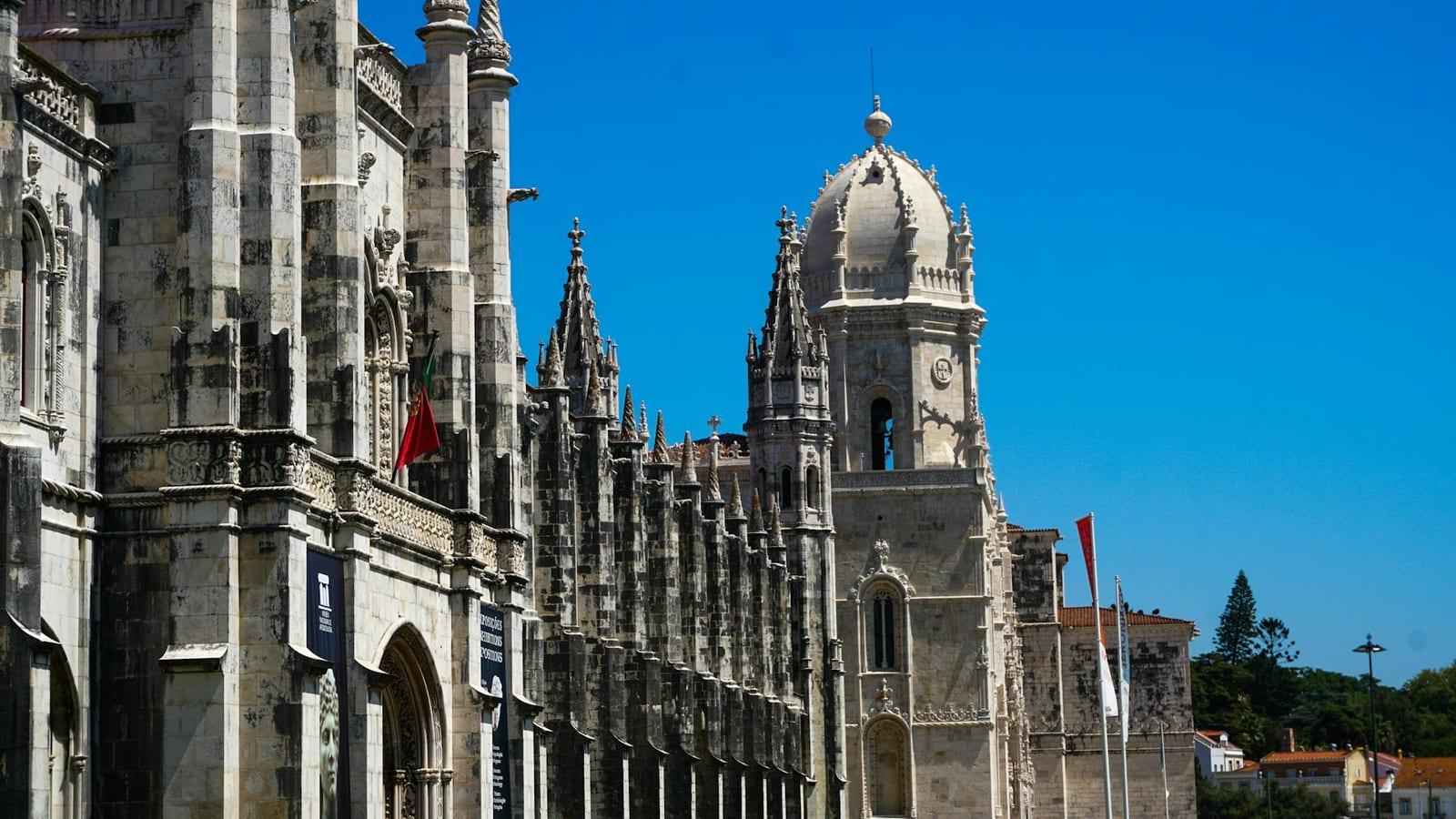
Sunbathing on an Algarve beach, stunned to silence by the nave of the Jerónimus Monastery, tucking into a plate of stuffed squid—enrich yourself with the Portuguese experience.
12 things not to miss.
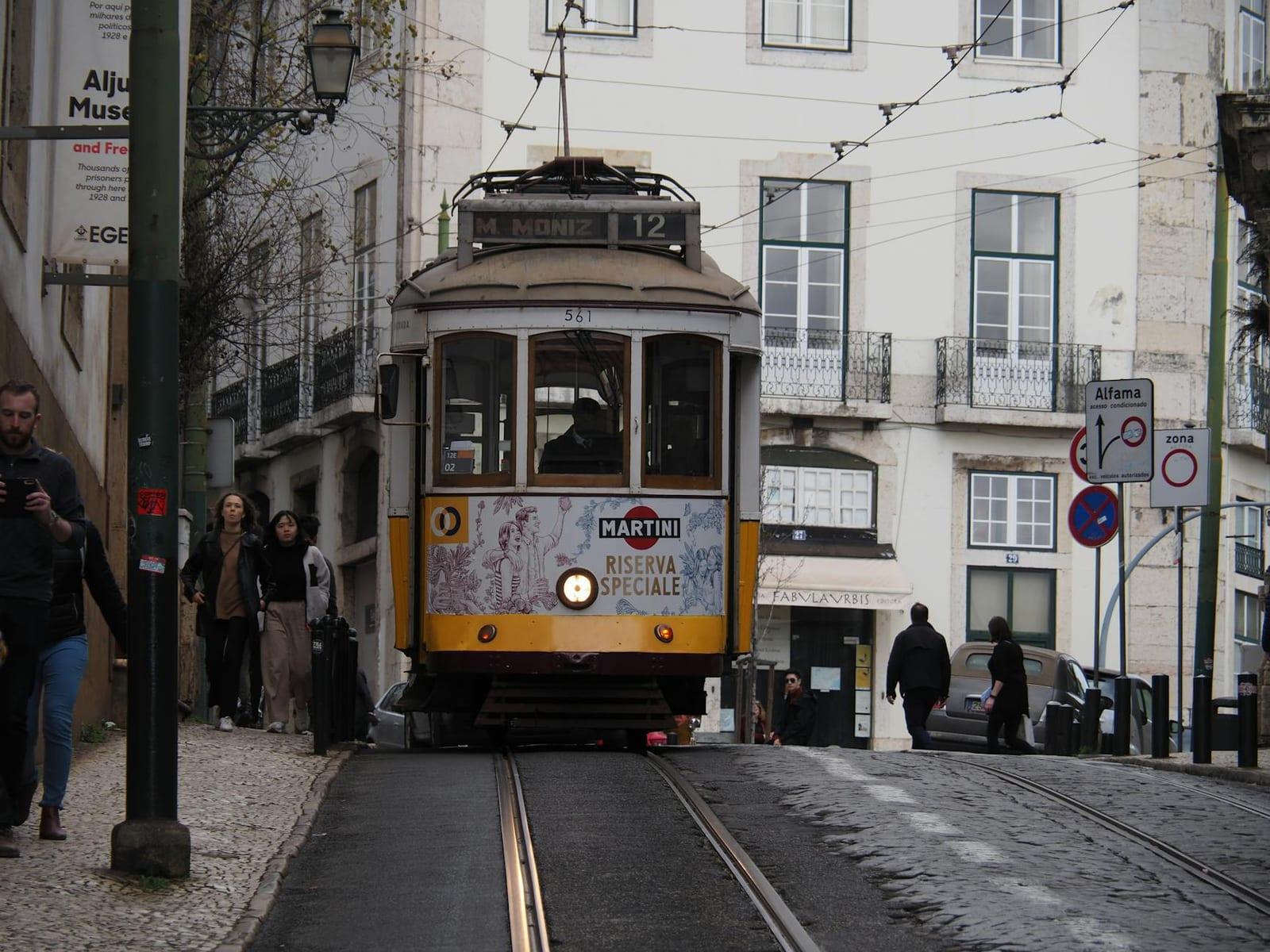
- Ride a Lisbon tram up to AlfamaRide a Lisbon tram up to Alfama
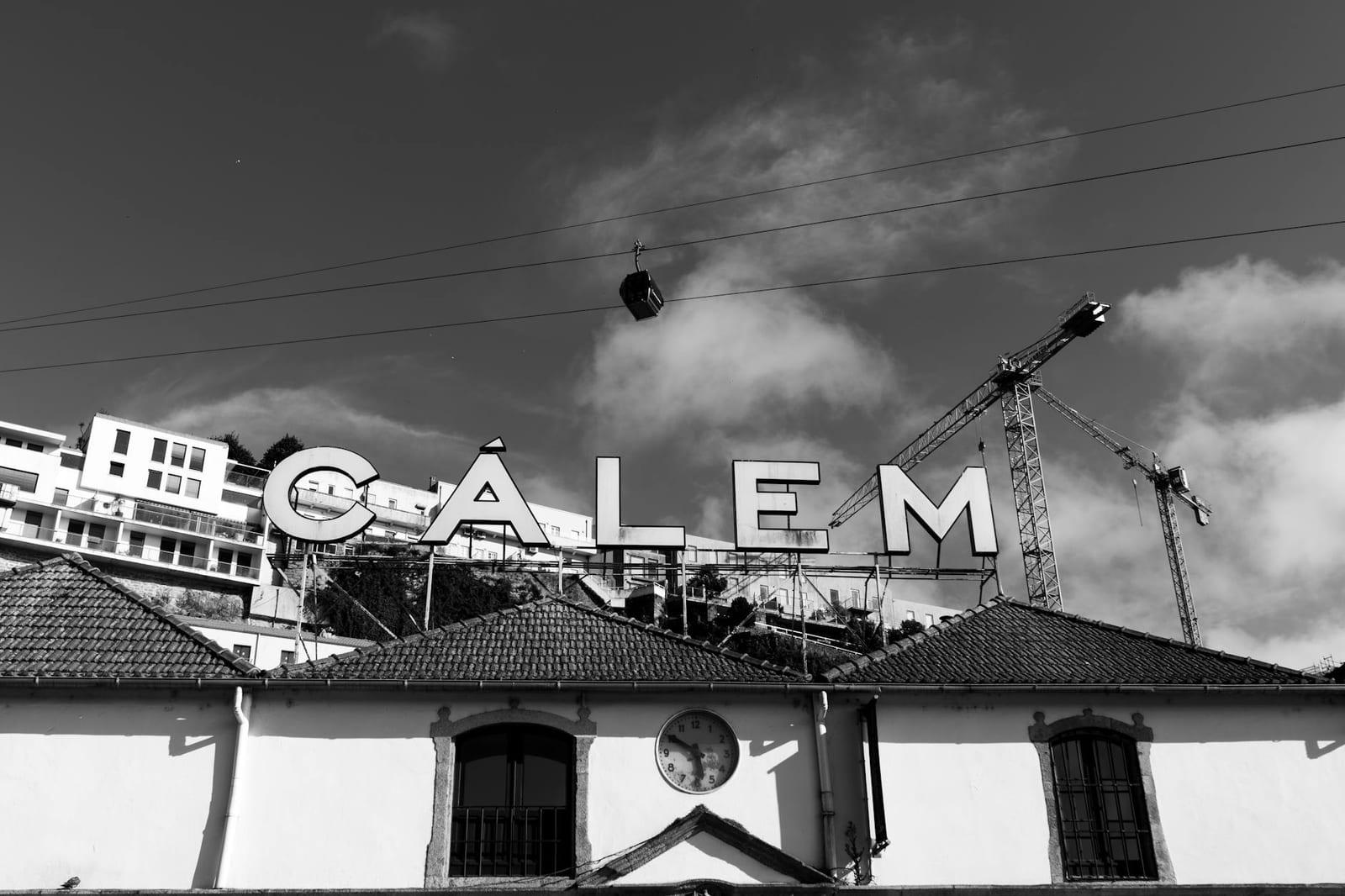
- port wine cellars in GaiaTour port wine cellars in Gaia
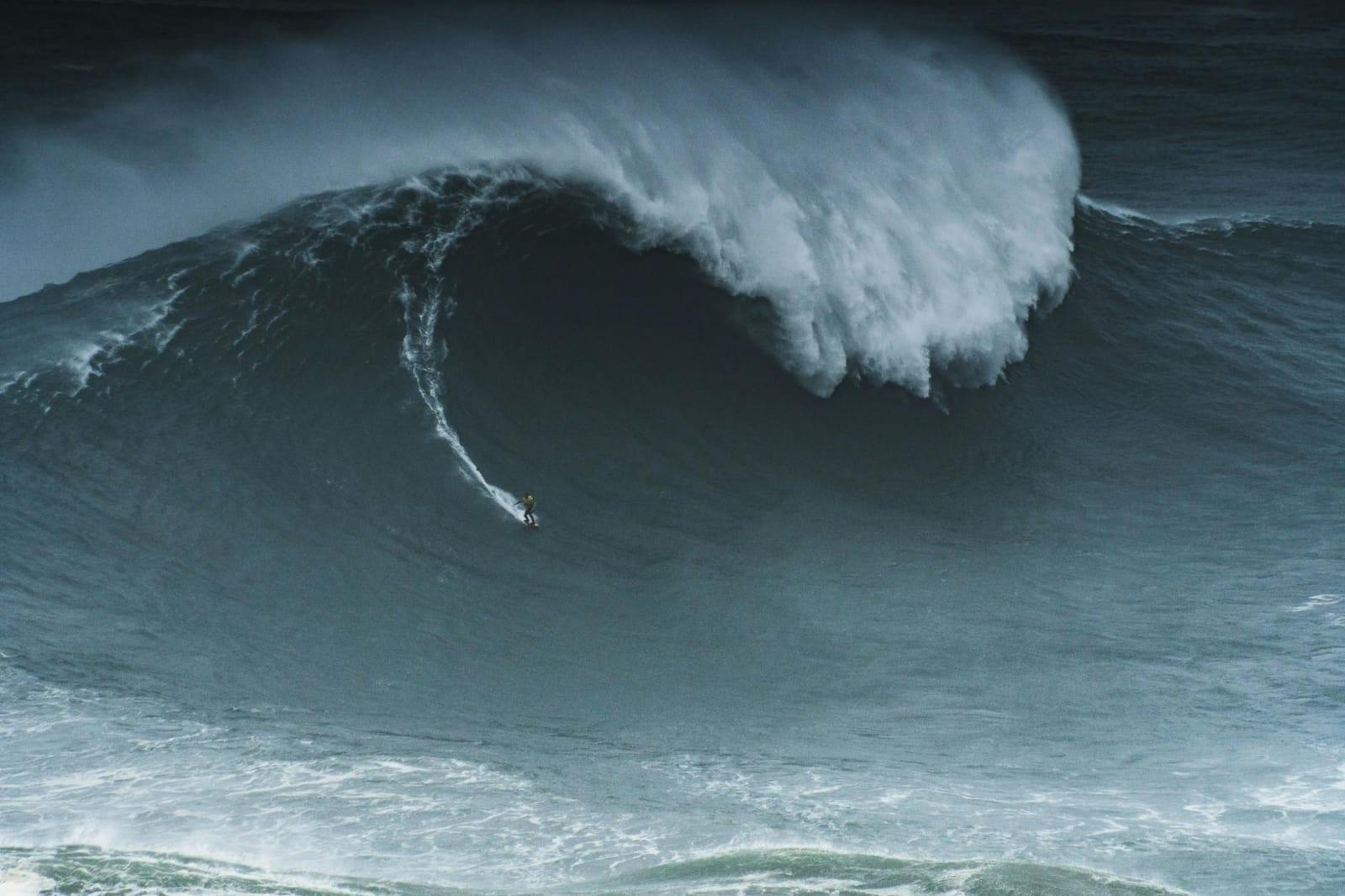
- Surf Nazaré's giants (or just watch)Surf Nazaré's giants (or just watch)
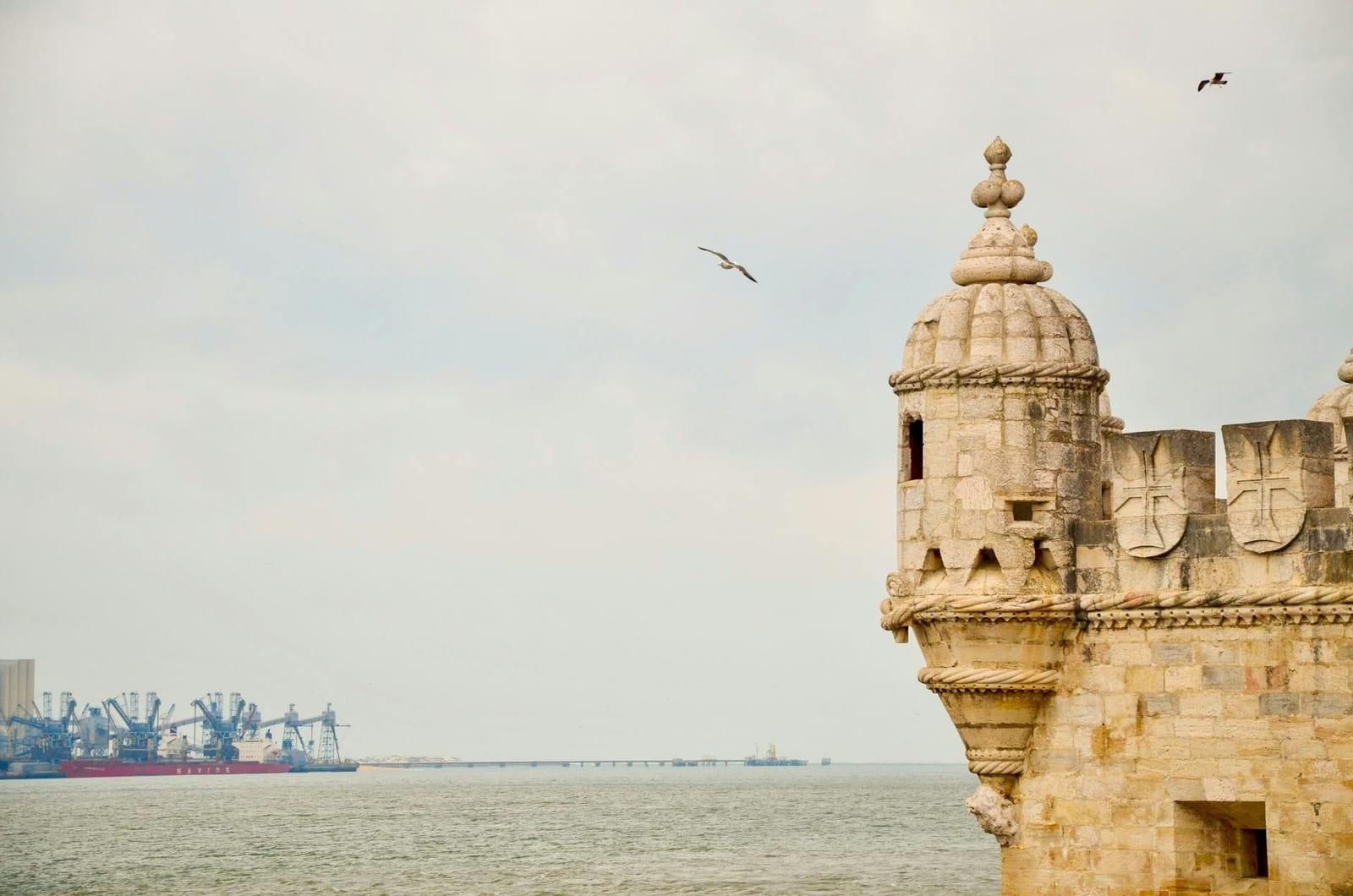
- Belem TowerBuilt in the early 1500s as part of Lisbon’s maritime fortifications, this tower is a showpiece of homegrown Manueline architecture.
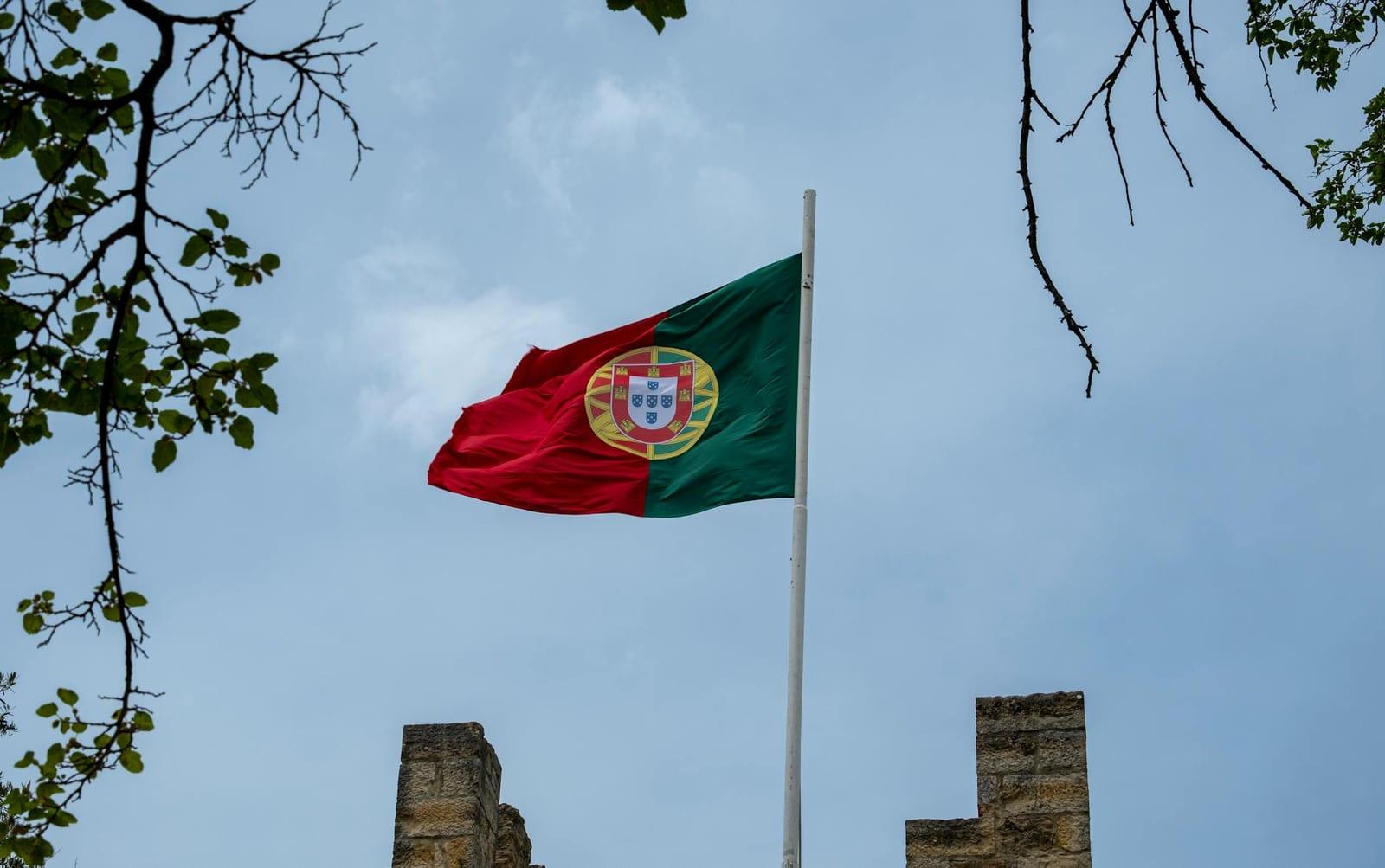
- Sao Jorge CastleThere have been many incarnations of this citadel (Phoenician, Roman, Moorish, etc.), whose storybook visage dominates Lisbon’s skyline.
- Jeronimos MonasteryThe gloriously intricate façade of this 16th-century Lisbon church includes classic stylings of Manueline architecture.
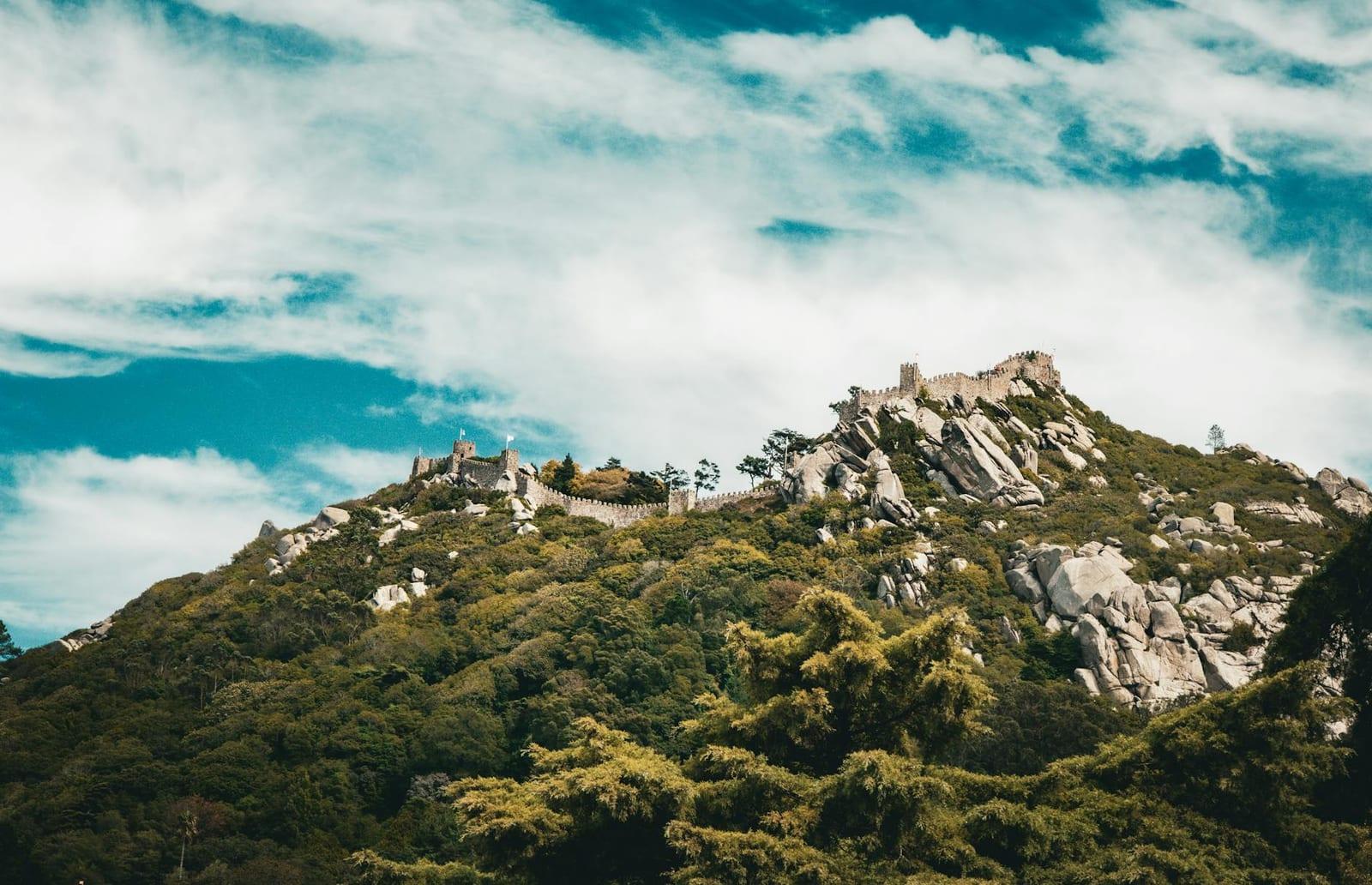
- Castle of the MoorsThis brooding fortress stands on its lofty hill as a relic of the Moorish occupation of the Iberian Peninsula.
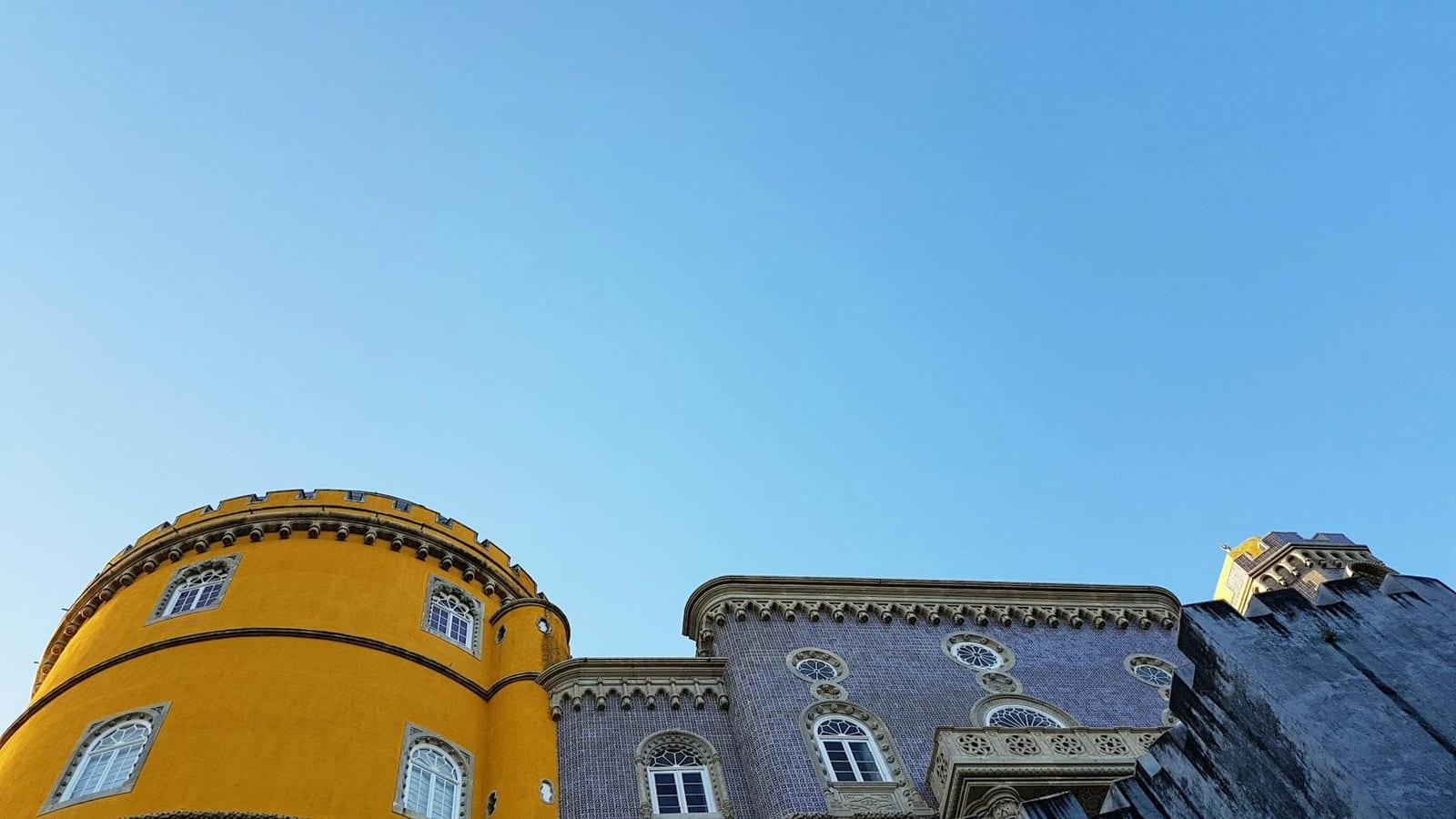
- Pena National PalaceVisible from Lisbon under clear conditions, this hilltop palace wonderfully intermarries Manueline, Moorish, Gothic, and Renaissance architecture.
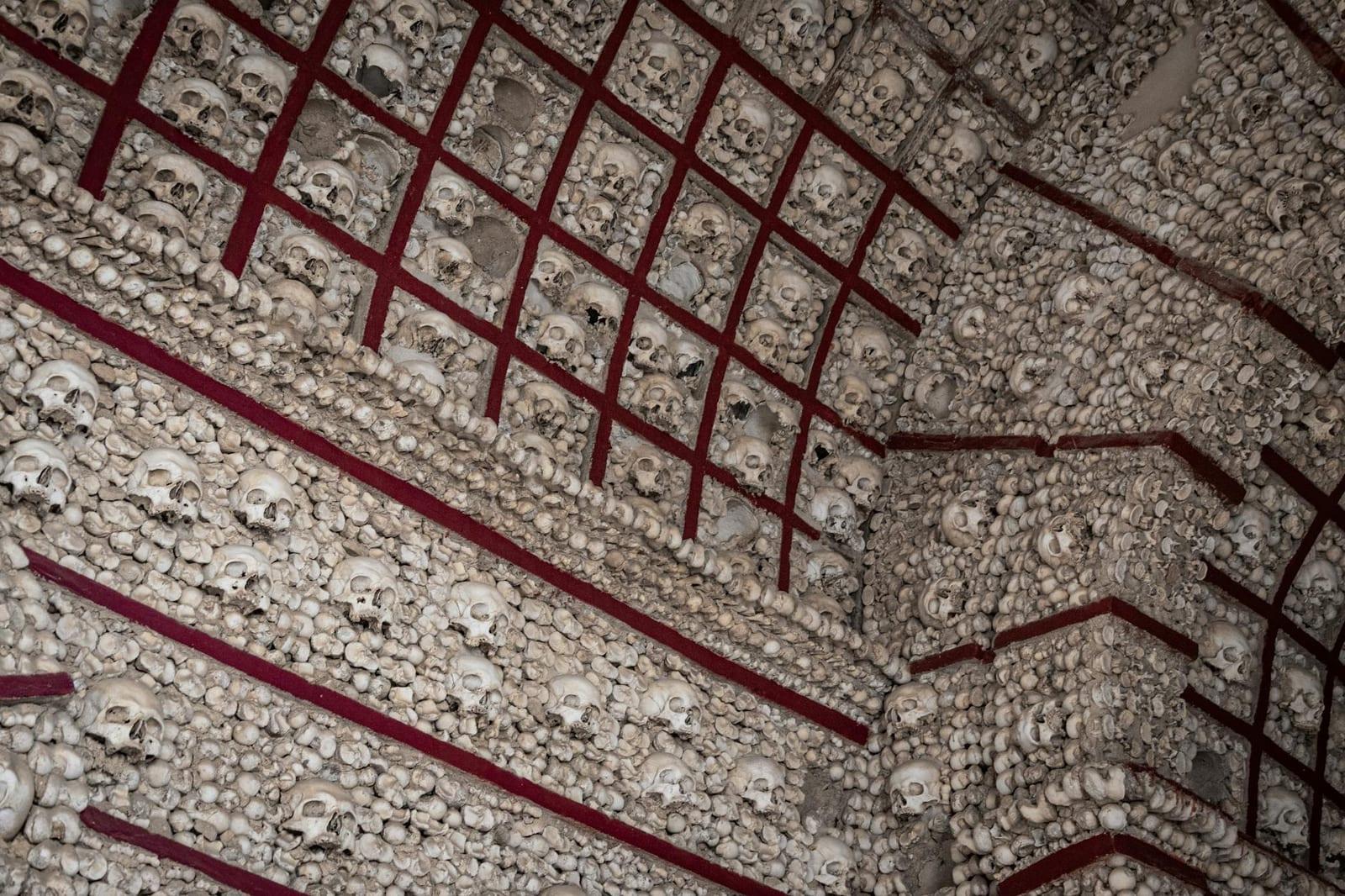
- Capela dos Ossos (Chapel of the Bones)“We bones that here are, for yours await,” says the sign at the entrance to the Church of St Francis’s skull-plastered chapel.
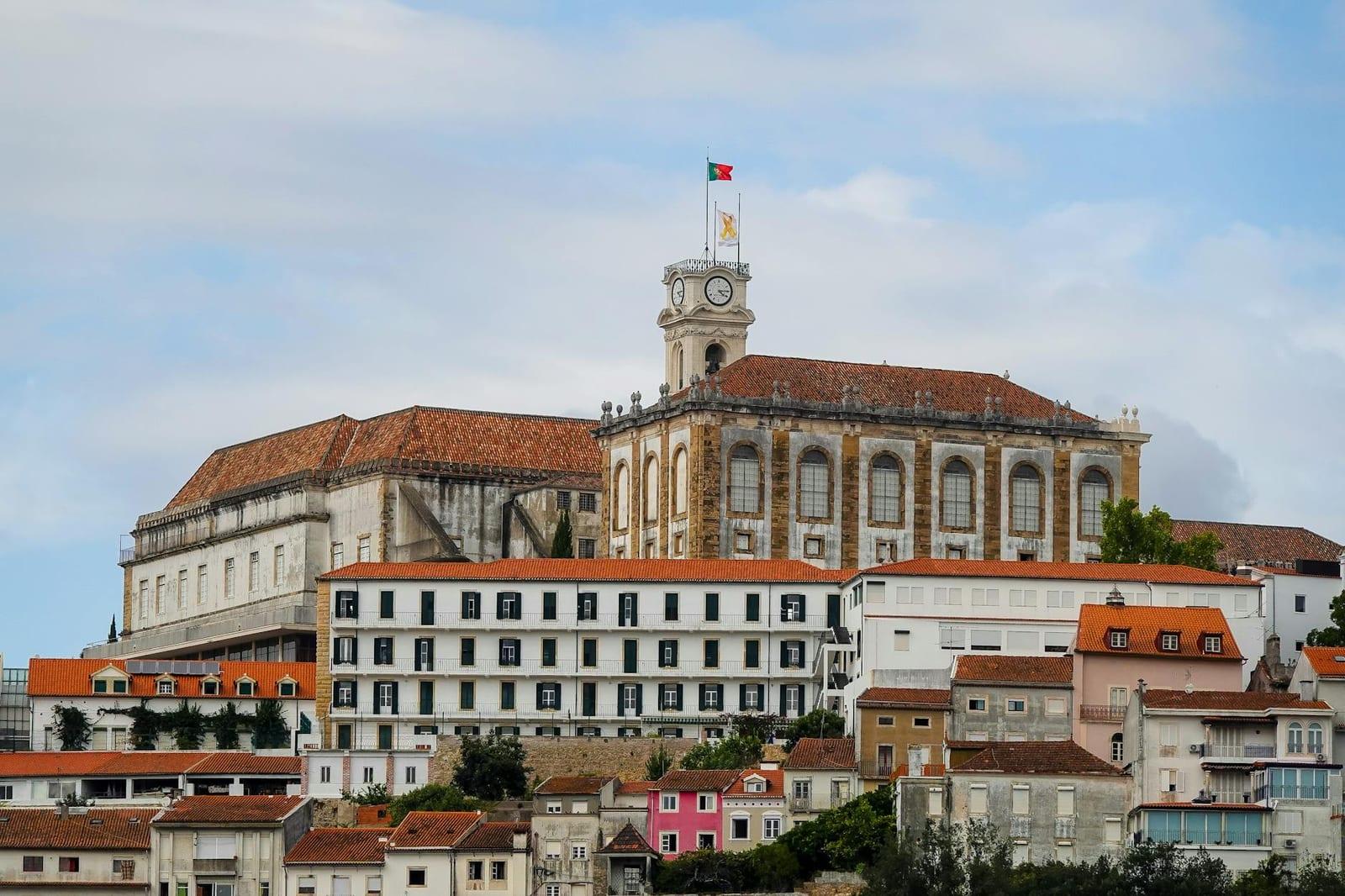
- University of CoimbraStudents have been attending this center for higher learning since 1290, making it one of the world’s oldest continually functioning universities.
- Coa ValleyA prodigious clutch of Paleolithic petroglyphs, heavy on animal imagery, makes this UNESCO World Heritage Site an archaeological treasure.
- Praia da Marinha (Navy Beach)Edged by cliffs and sea stacks, this beach along Portugal’s Algarve coast is one of the globe’s most gorgeous.