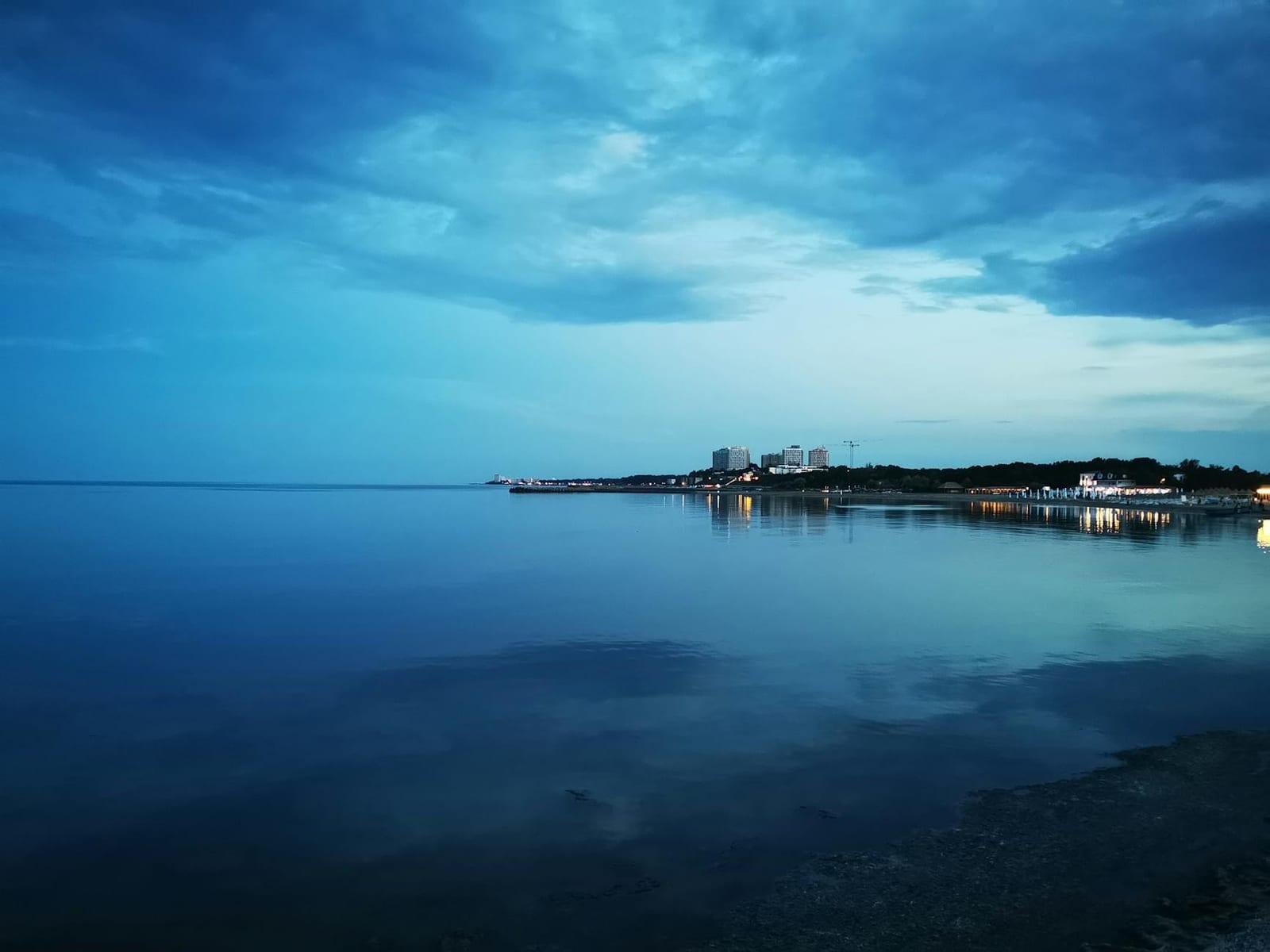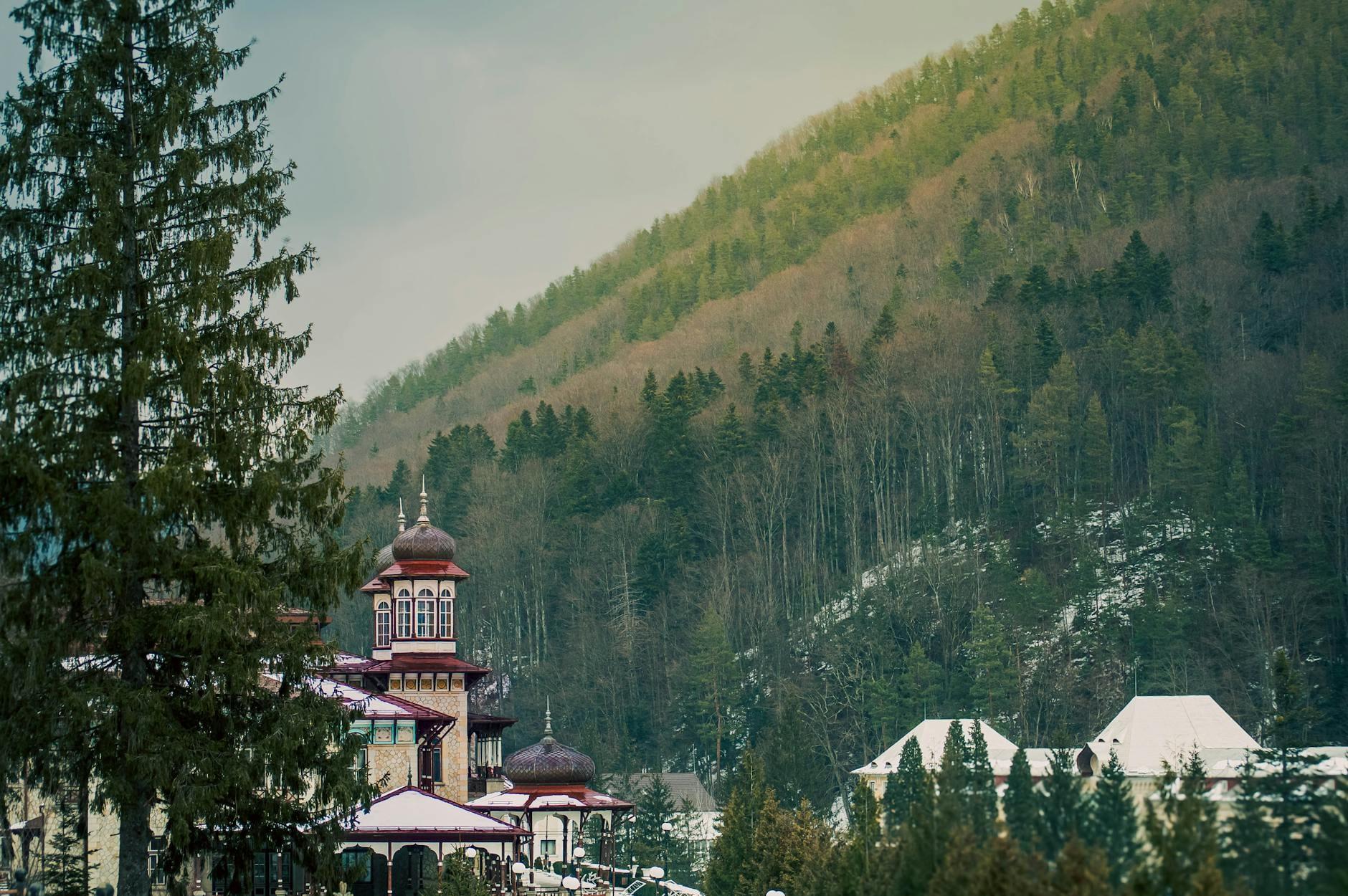
Gorgeous Romania unfurls from the Carpathian crest to the balmy shores of the Black Sea, a spread packed with enough history, culture, and scenery to fuel a lifetime of travels. Here amid the ancient geographies of Wallachia, Moldavia, Dobruja, and Transylvania, you’ll discover an epic national story—not to mention some of Europe’s most breathtaking landscapes.
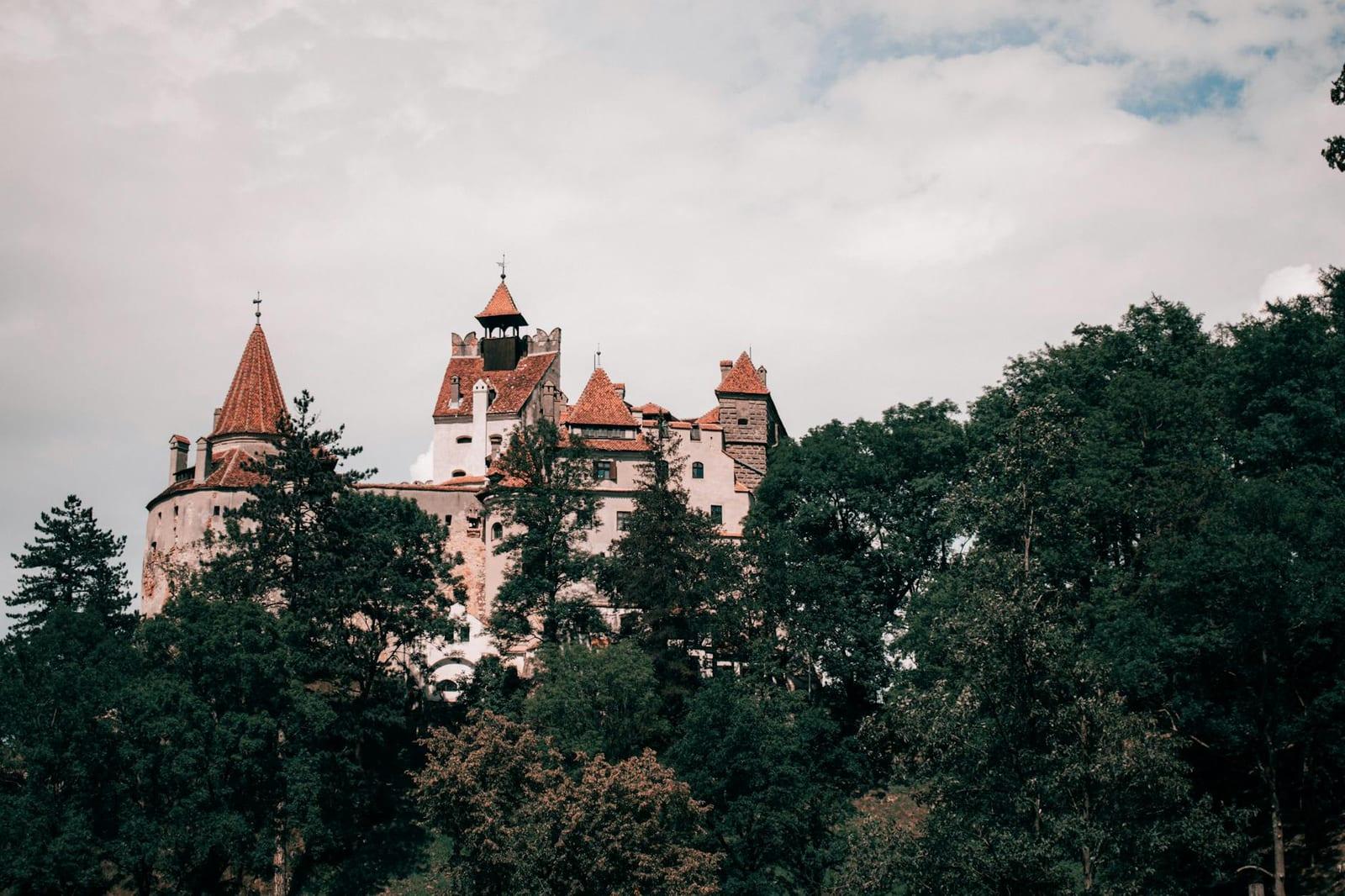
Your average Romanian is probably sick to death of Dracula references, but the Transylvania region has embraced the gothic caricatures with plenty of Vlad the Impaler-related tourism. And its share of medieval mountain-fortressed castles—including the 14th-century Bran Castle, really only tenuously connected to Vlad Dracula but indelibly associated with the Bram Stoker tale. But Romania’s splendid architectural heritage is by no means confined to gorgeously gloomy fortifications: Savor the famous wooden churches of Maramures, the frescoed monasteries of Bucovina, the titanic Palace of the Parliament in Bucharest (among the world’s biggest buildings), and the Greek ruins of Histria, Tomis, and Callatis.
Meantime, rural villages preserve time-honored traditions. Horse-drawn carts, shepherd dogs, fresh-baked bread, the grand clarion of the Dacian alphorn (the bucium)—wandering the hamlets of the Romanian hinterland is often likened to a bit of time travel. The effect is especially striking when you’ve also duly explored the other side of the spectrum: "Little Paris" nightlife in Bucharest, for instance, or the high-end spa tourism associated with plentiful hot springs, the beach resorts of the Black Sea, or the well-established wineries scattered across the country.
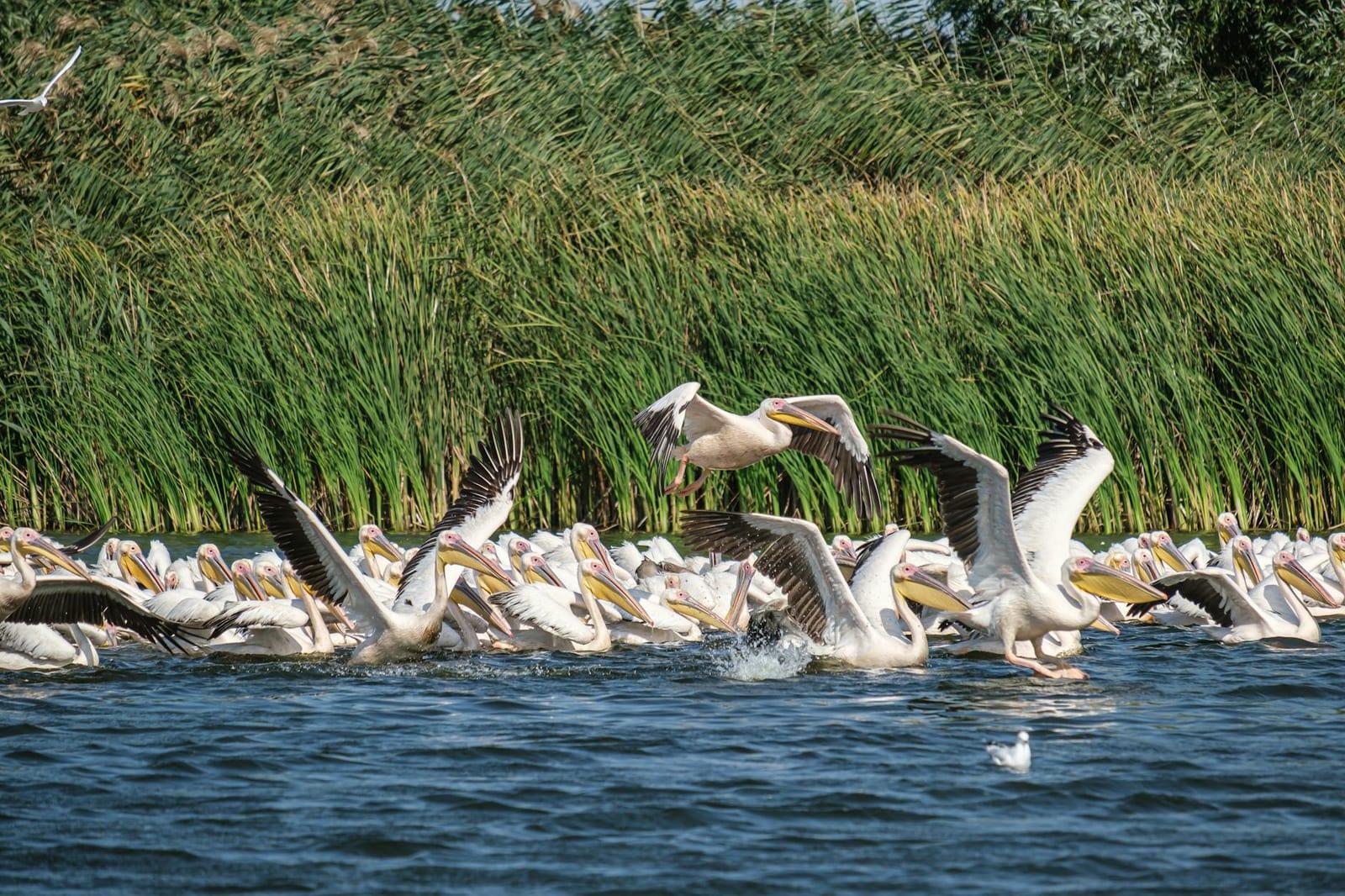
Defining natural landscapes include the vast delta of the Danube River—the biggest in Europe—and the many ranges of the Carpathian Mountains, which encircle the Transylvanian Basin in the heart of the country. The Southern Carpathians, also known as the Transylvanian Alps, account for the highest and most imposing peaks in the country; Mount Moldoveanu reaches 8,346 feet. Within the Alps, the country’s best-known national park, Retezat, is the haunt of gray wolves, brown bears, chamois, red deer, and other mighty beasts. On the Serbian border, the Danube confronts the Carpathian via a series of gorges long called the Iron Gates. In its World Heritage Site profile for the Danube Delta, UNESCO calls the great estuary the “best preserved of Europe’s deltas,” and indeed it’s an ecological treasure—home to hundreds of species of waterfowl and other birds. Cruises along the languid waterways offer some of the richest ecotourism opportunities in Romania.
Its heritage well preserved in historical structures and time-honored customs, Romania offers the opportunity to dive into all manner of different Eastern European eras—and cast your eyes upon monumental countryside that seems as timeless as any on the continent. Whatever fires your traveler's engines, you'll have 'em constantly stoked in this something-for-everyone country.
14 things not to miss.
- Bran Castle in TransylvaniaVisit Bran Castle in Transylvania
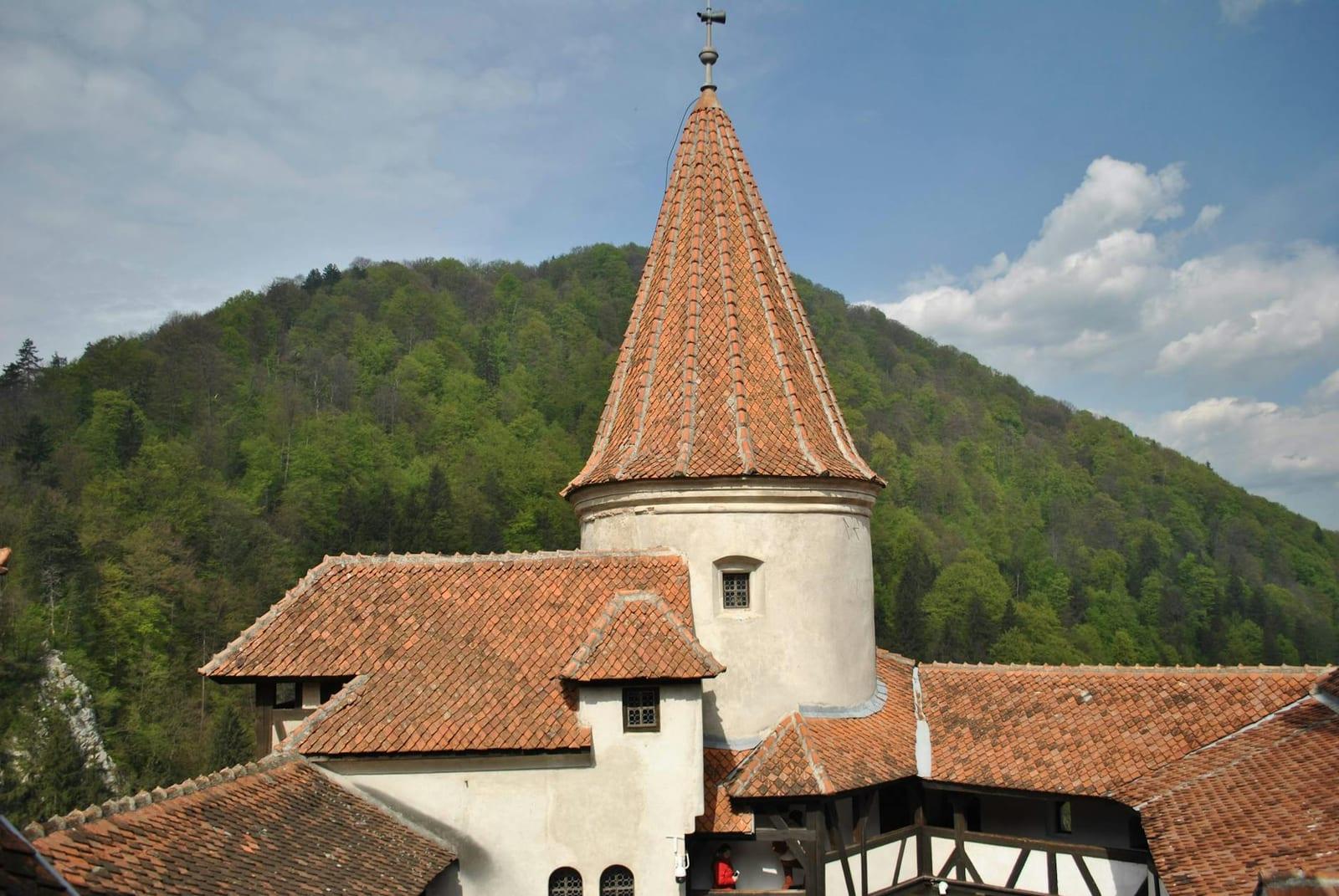
- painted monasteries of BucovinaSee the painted monasteries of Bucovina
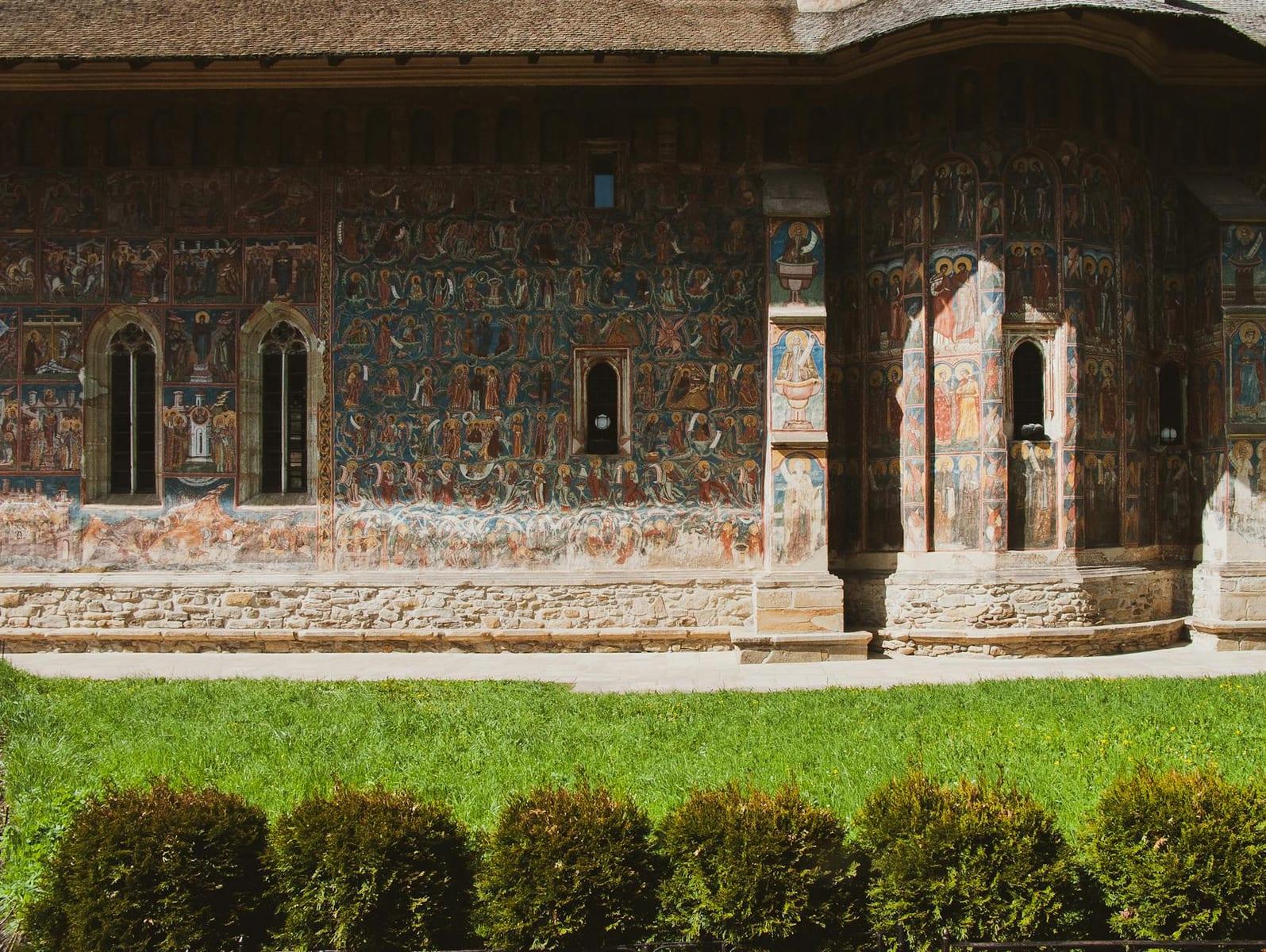
- Transfagarasan in summerDrive the Transfagarasan in summer
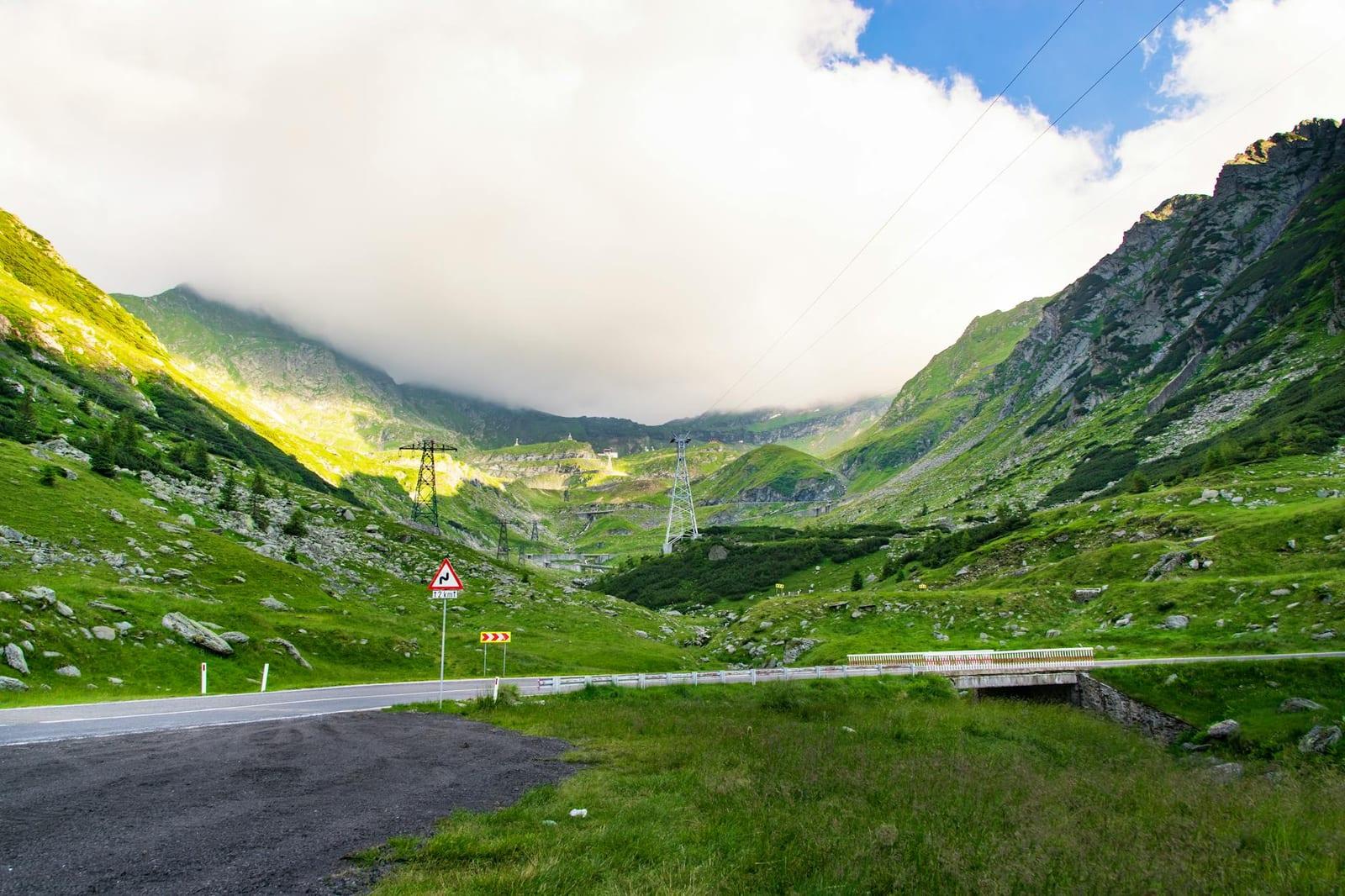
- Palace of the ParliamentIn terms of footprint and sheer tonnage, Romania’s house of parliament in Bucharest is one of the largest buildings on Earth.
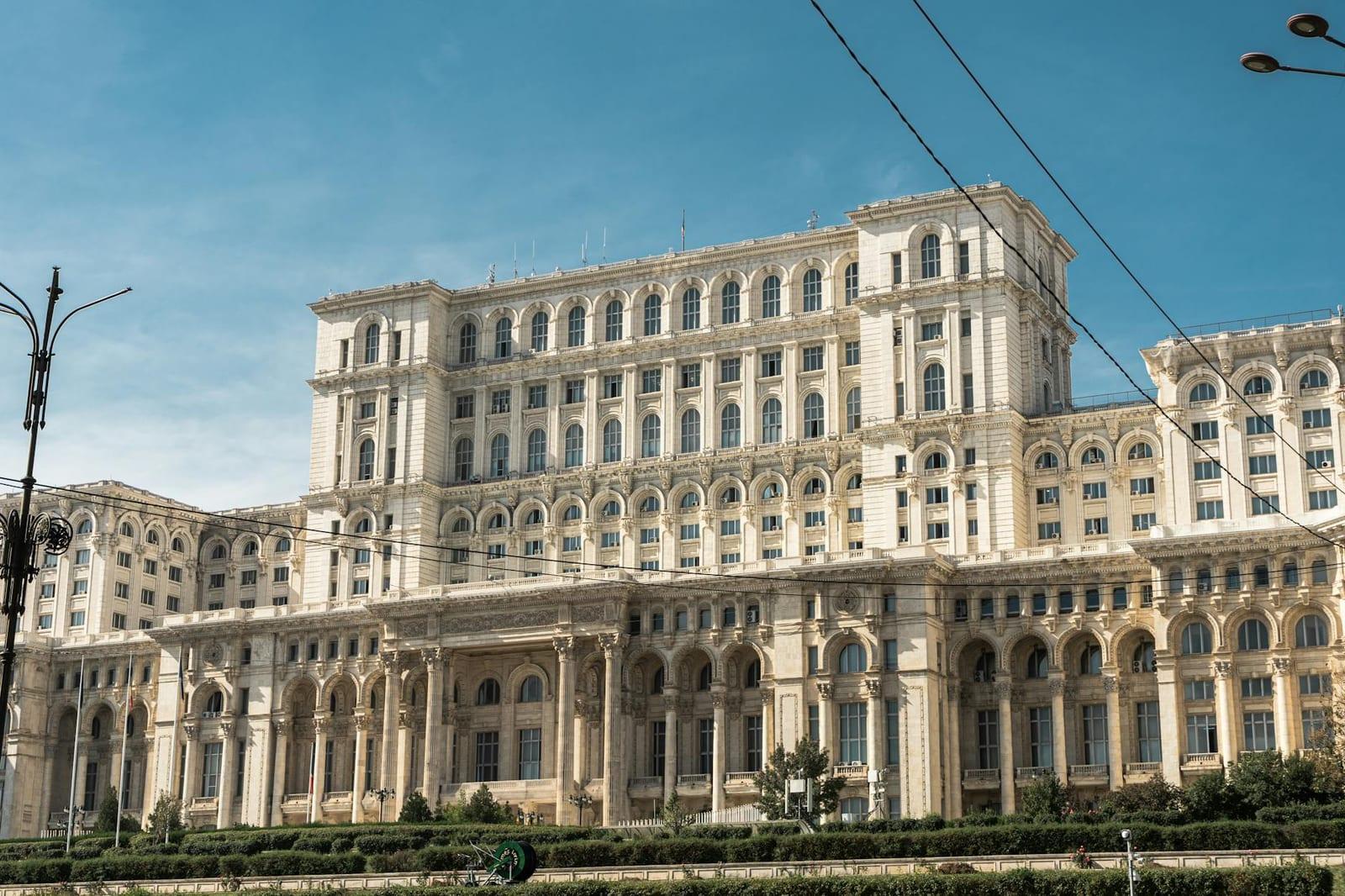
- Romanian AthenaeumThis domed Neoclassical concert hall, one of Bucharest’s most elegant buildings, is home to the George Enescu Philharmonic Orchestra.
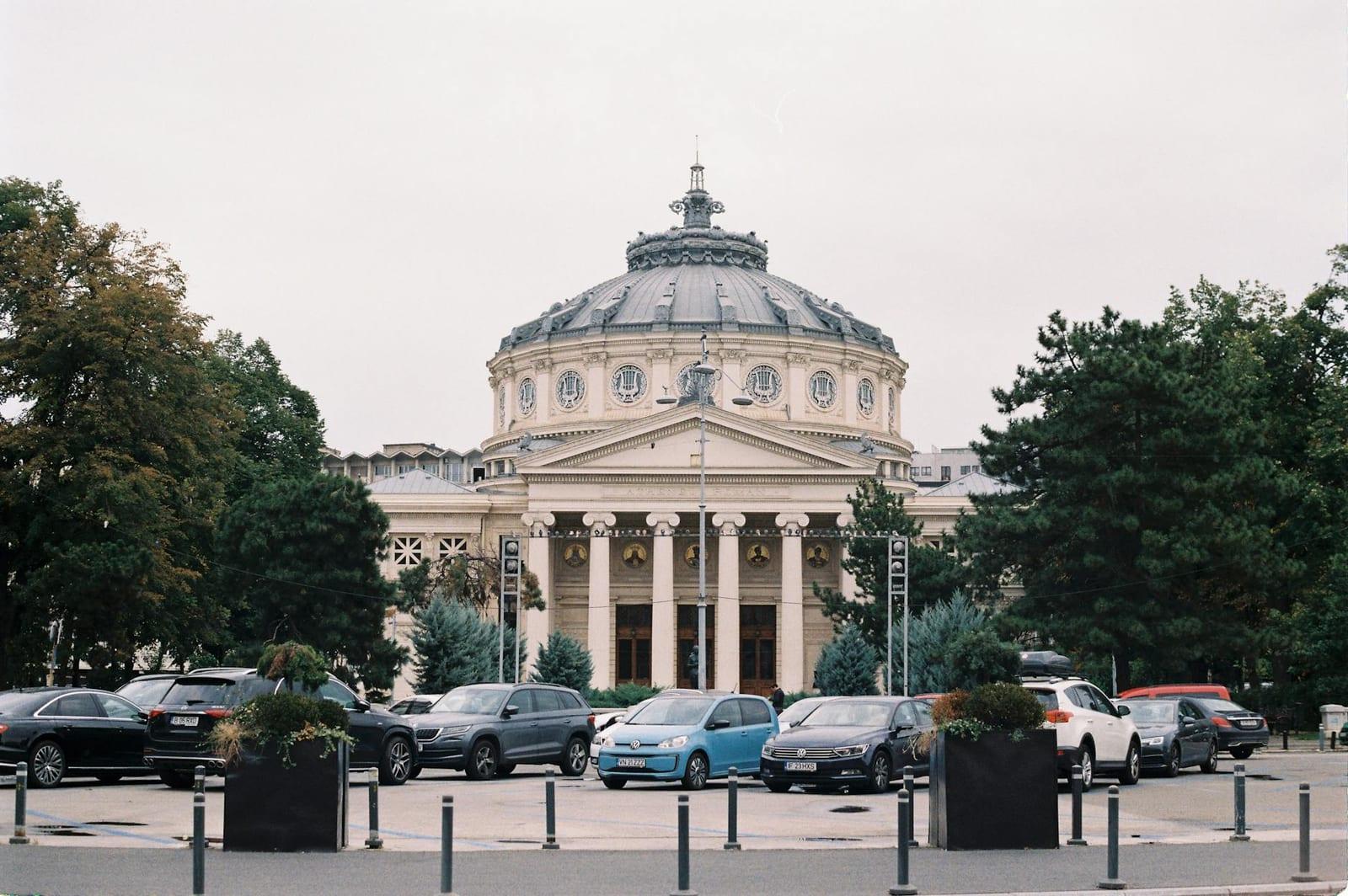
- Bran CastleTenuous link to Vlad the Impaler notwithstanding, this famed medieval fortress goes by Dracula’s Castle (and sure looks the part).
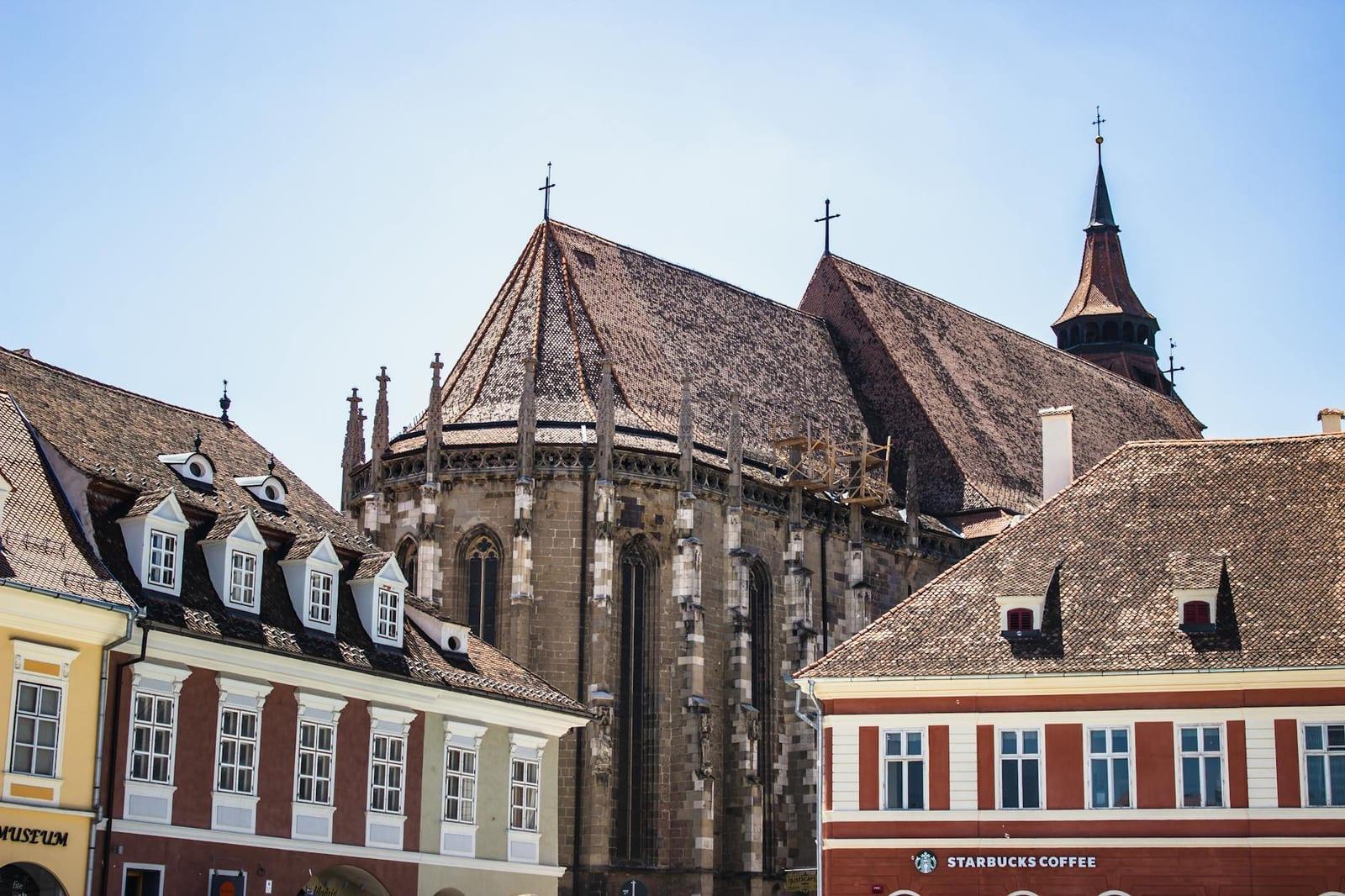
- The Black Church (Biserica Neagra)Brasov’s greatest Gothic structure gained its name after enduring a literal trial by fire during the Great Turkish War.
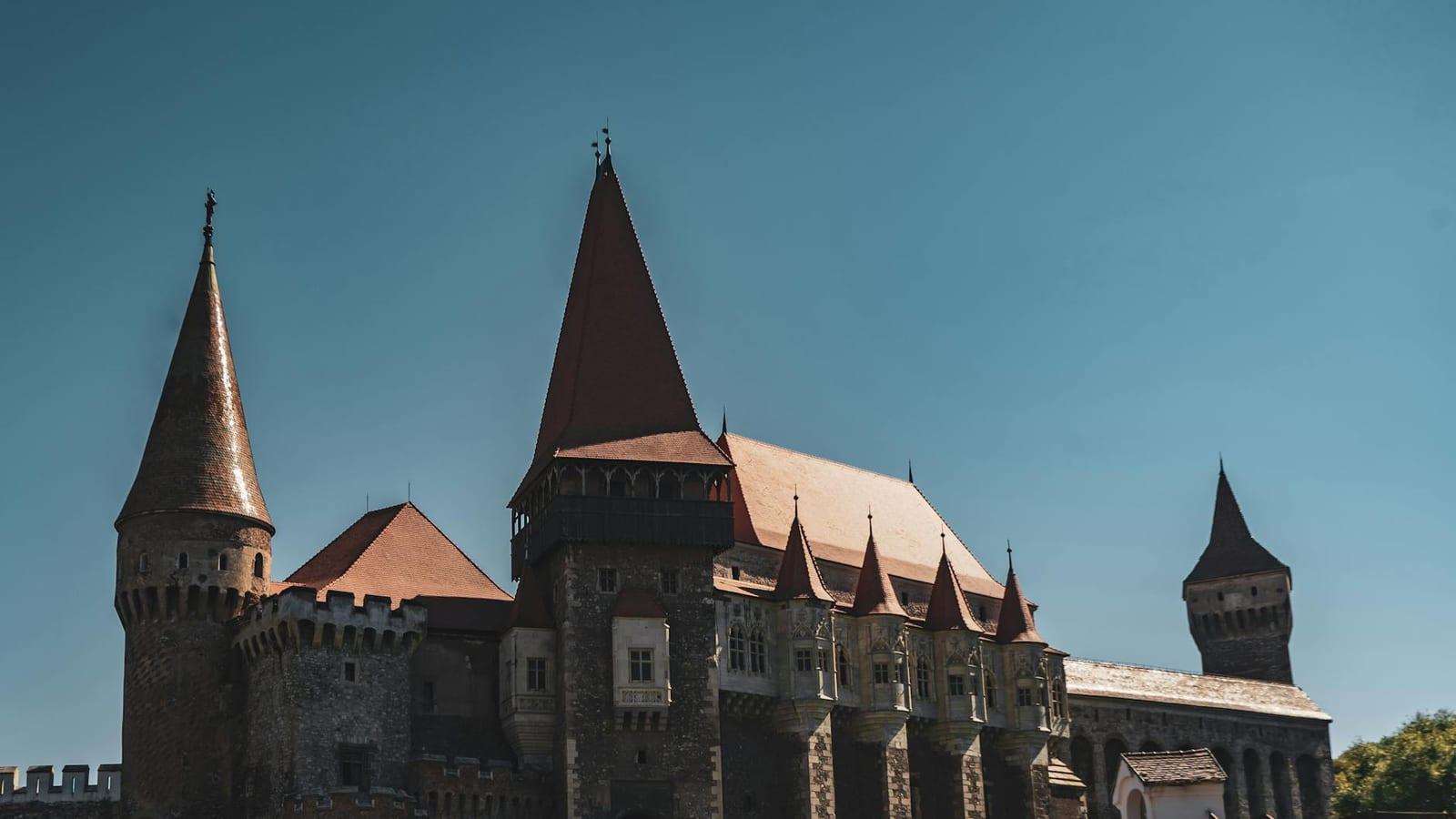
- Corvin CastleThe city of Hunedoara contains one of Europe’s biggest castles in the form of this 15th-century Gothic-Renaissance stronghold.
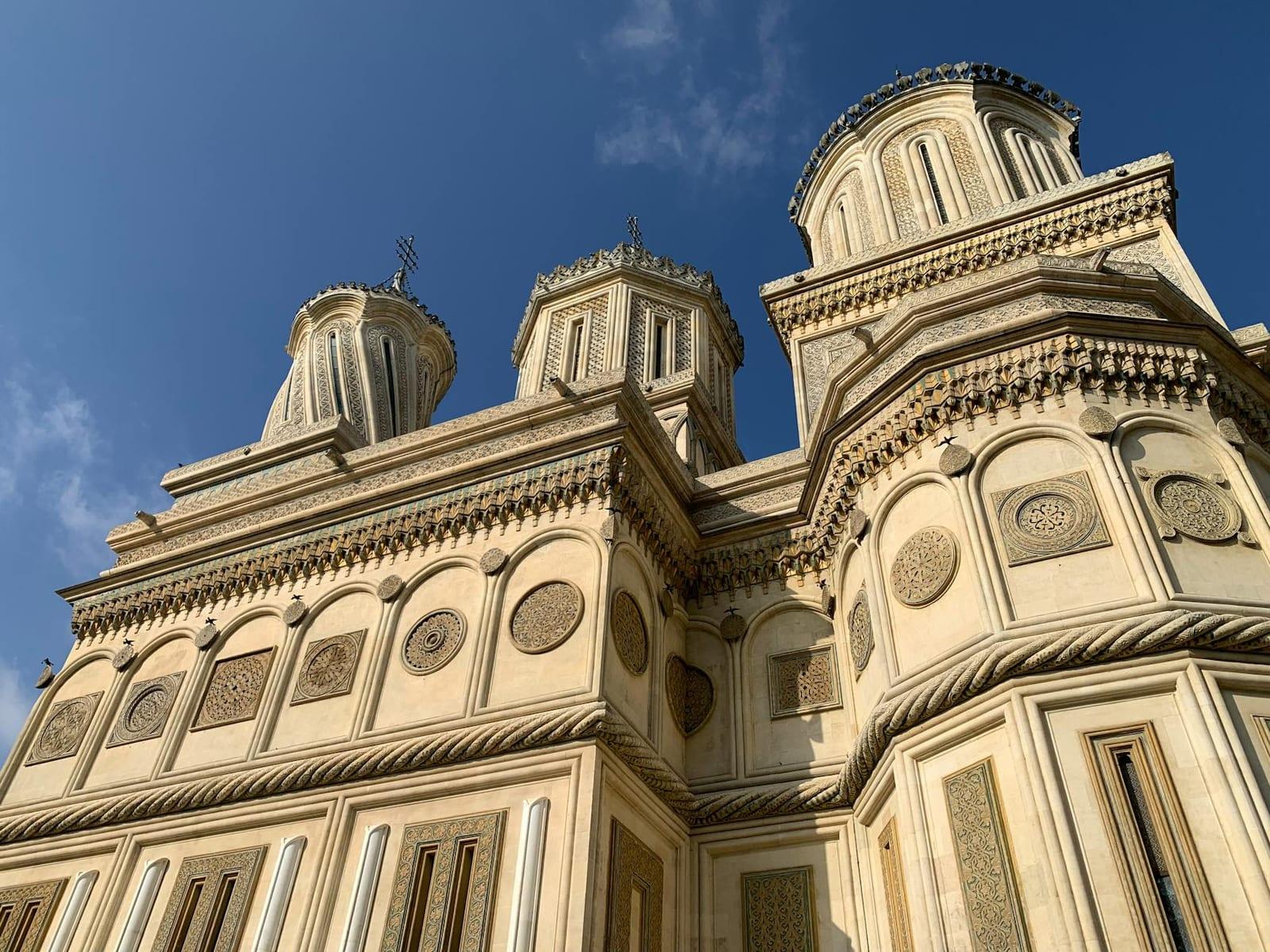
- Moldovita MonasteryThis is one of the prettiest of the eight painted Romanian Orthodox monasteries included together as a UNESCO World Heritage Site.
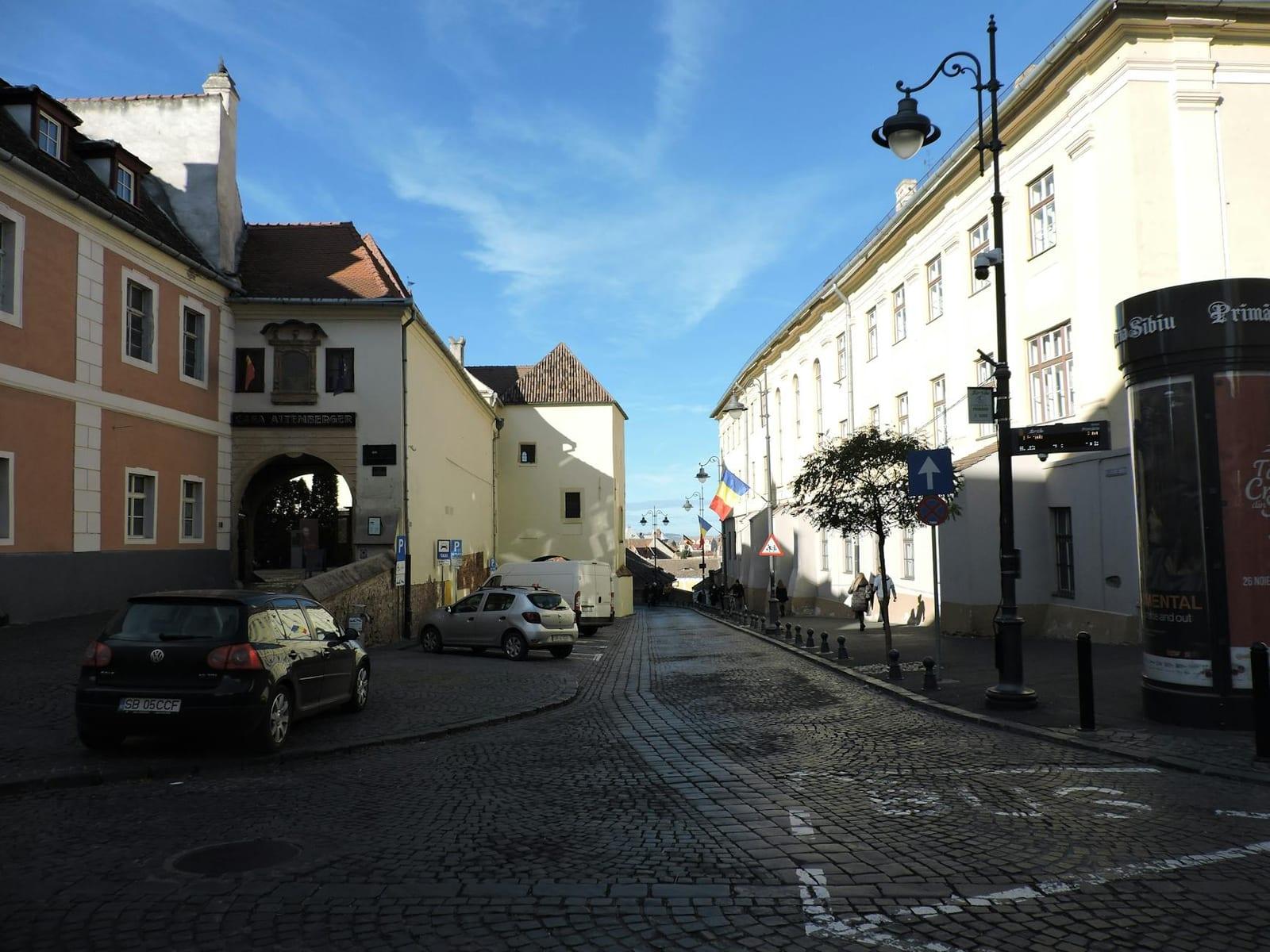
- SibiuAt the core of this Transylvanian city is one of Europe’s superb medieval layouts; there’s also spectacular Renaissance and Baroque architecture to be seen.
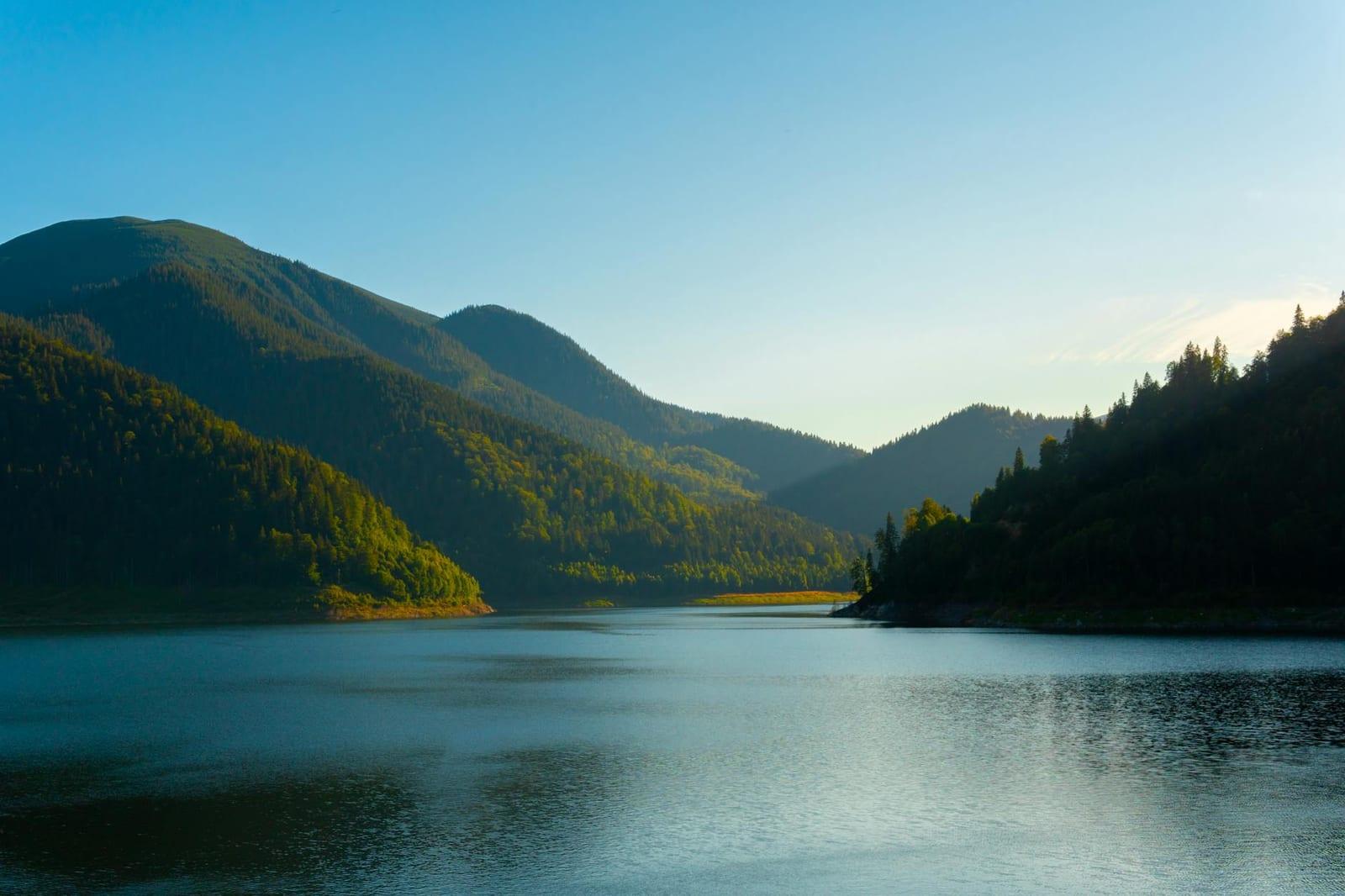
- Retezat National ParkRomania’s wild spirit still surges strong in this fairytale landscape of Transylvanian Alps peaks and virgin forests wandered by bears, wolves, and boar.
- Iron GatesOne of the Danube’s grandest landmarks, this gorge marks the borderline of Romania and Serbia, and of the Carpathian and Balkan ranges.
- Danube DeltaThe mouth of the Danube forms one of Europe’s largest and healthiest estuaries, home to its greatest bird rookeries.
- MangaliaWith lovely Black Sea resort hubs like Jupiter and Cap Aurora close at hand, this coastal city makes the perfect Romanian beachgoing idyll.