Russia is almost comically enormous—it is, by a healthy margin, the vastest country on Earth. Actually, everything about Russia seems huge: the span of its history, of its literary and artistic character, of its ethnic makeup, of its legendary taiga and steppes. There are a million Russias, really—the timeless integrity of indigenous Russia, the grandeur of Imperial Russia, the austerity and tragedy of Soviet Russia, the nightclubs and super-rich mansions of New Russia—and certainly an awful lot of questionable politics and diplomacy. Diving into the deep end of the country isn’t for the meek, but those oft murky depths are full of treasures.
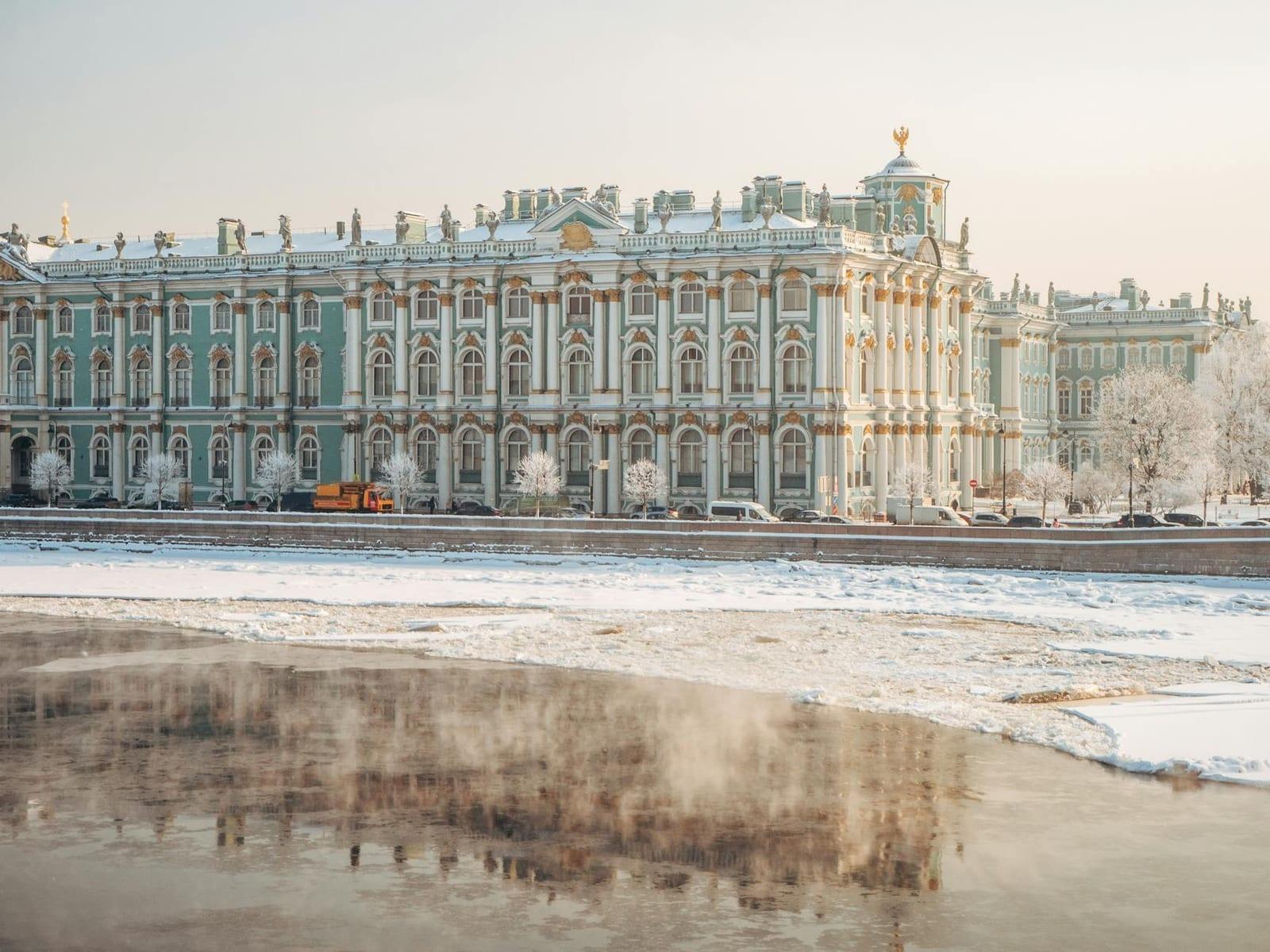
For the most wide-reaching and accessible explorations of the grand pageant of Russian history, you needn’t stray far from Moscow and Saint Petersburg—the current and old imperial capitals, respectively. Saint Basil’s Cathedral, the Moscow Kremlin, Red Square, Kazan Cathedral, the Catherine Palace—magisterial monuments are a dime a dozen in these stately, centuries-old cities. And in a country laying claim to so many master artists—Tolstoy, Dostoyevsky, Tchaikovsky, Stravinsky, Pushkin, Chekhov, and Eisenstein, to name a paltry few—the cultural institutions are as august as they come, from the capital’s Bolshoi and Moscow Art theaters to Saint Petersburg’s Hermitage Museum, which delivers an unbeatable primer on Russia’s immense artistic heritage.
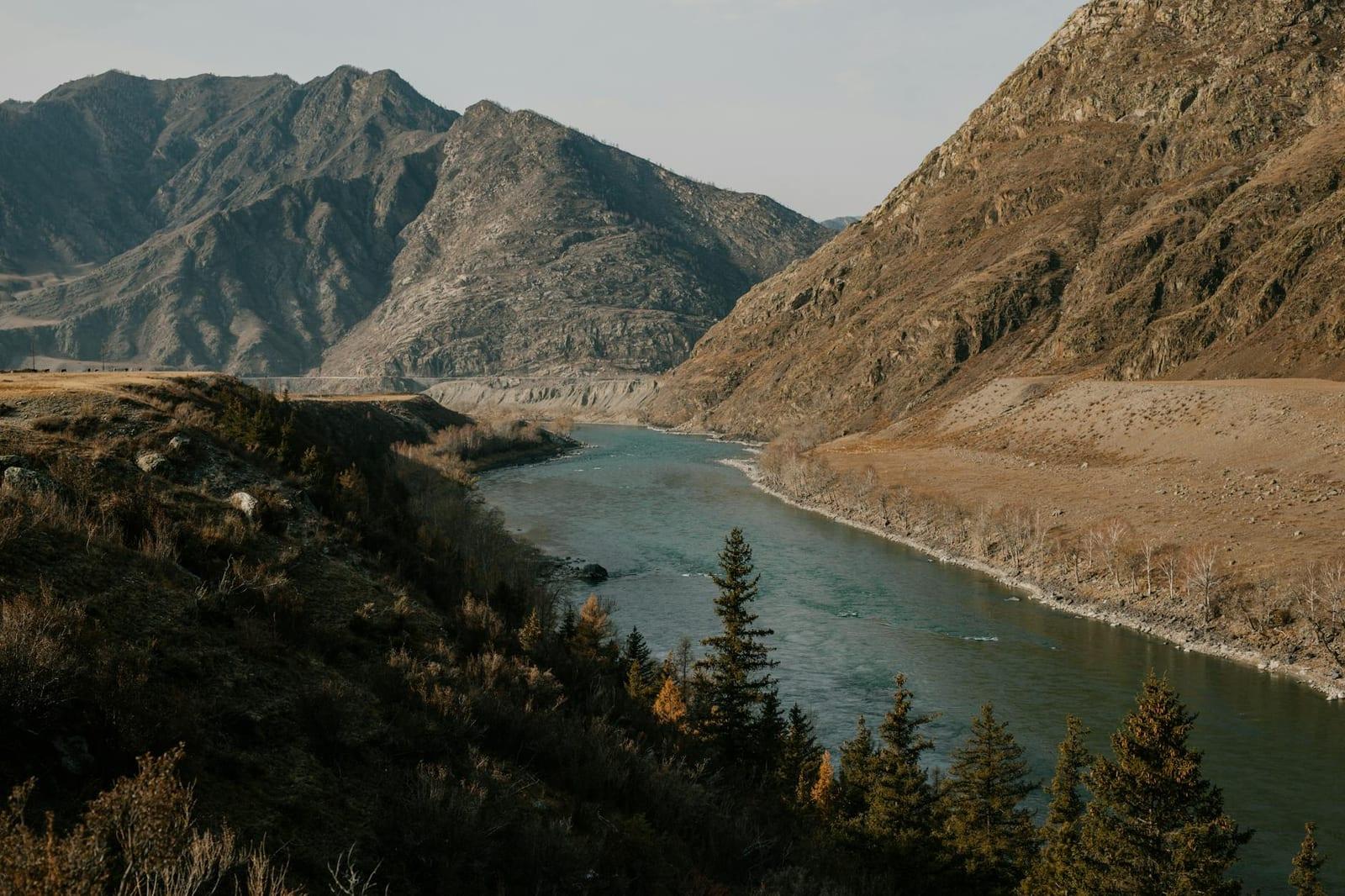
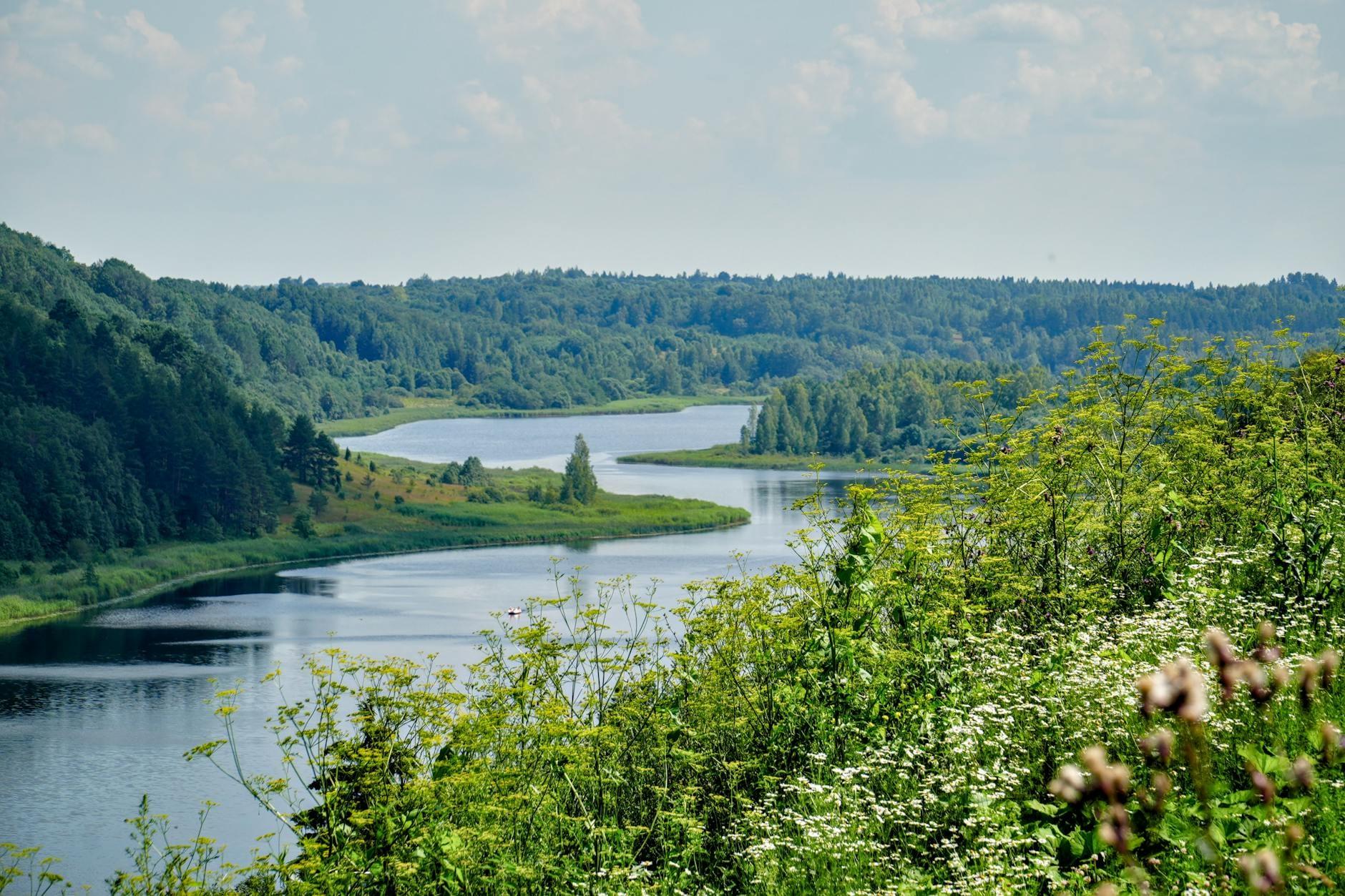
A visit to one of the great cities is one thing; getting a sense for the mythic reach of Russia—a geographic relentlessness that has offered one of the country’s most reliable defenses over many centuries of invasions and wars—is a worthy goal unto itself. From the howling tundra of the Arctic coast to the mighty birch and larch tracts that compose the world’s greatest forest, much of Russia remains stubbornly wild and remote. Riding the Trans-Siberian Railway from Moscow to the Sea of Japan—one of the planet’s grandest train journeys—gives you a taste (and links you with countless writers and other romantics). If rawer adventure suits you—and if you can surmount the language barriers and remain stalwart in the face of the physical ones—the opportunities are endless: communing with the enormous brown bears and geothermal wonders of Kamchatka, tracking the regal Amur tiger in the Sikhote Alin backcountry, investigating the lifeways of indigenous Russians—Yakut hunters, Komi and Chukchi reindeer-herders, Tuvan throat-singers, and dozens of others.
It’s not always easy getting in or around Russia; it’s not always easy reconciling the wealth of its culture with the oppression of its government, or the beauty of its wilderness with the rampant exploitation of its natural resources. But the scope of the country in all dimensions—and the dry, resilient Russian spirit—easily seep into the soul, and keep enthralled despite the many and varied roadblocks.
20 things not to miss.
- Hermitage in St PetersburgWalk the Hermitage in St Petersburg
- Take the Trans-Siberian RailwayTake the Trans-Siberian Railway
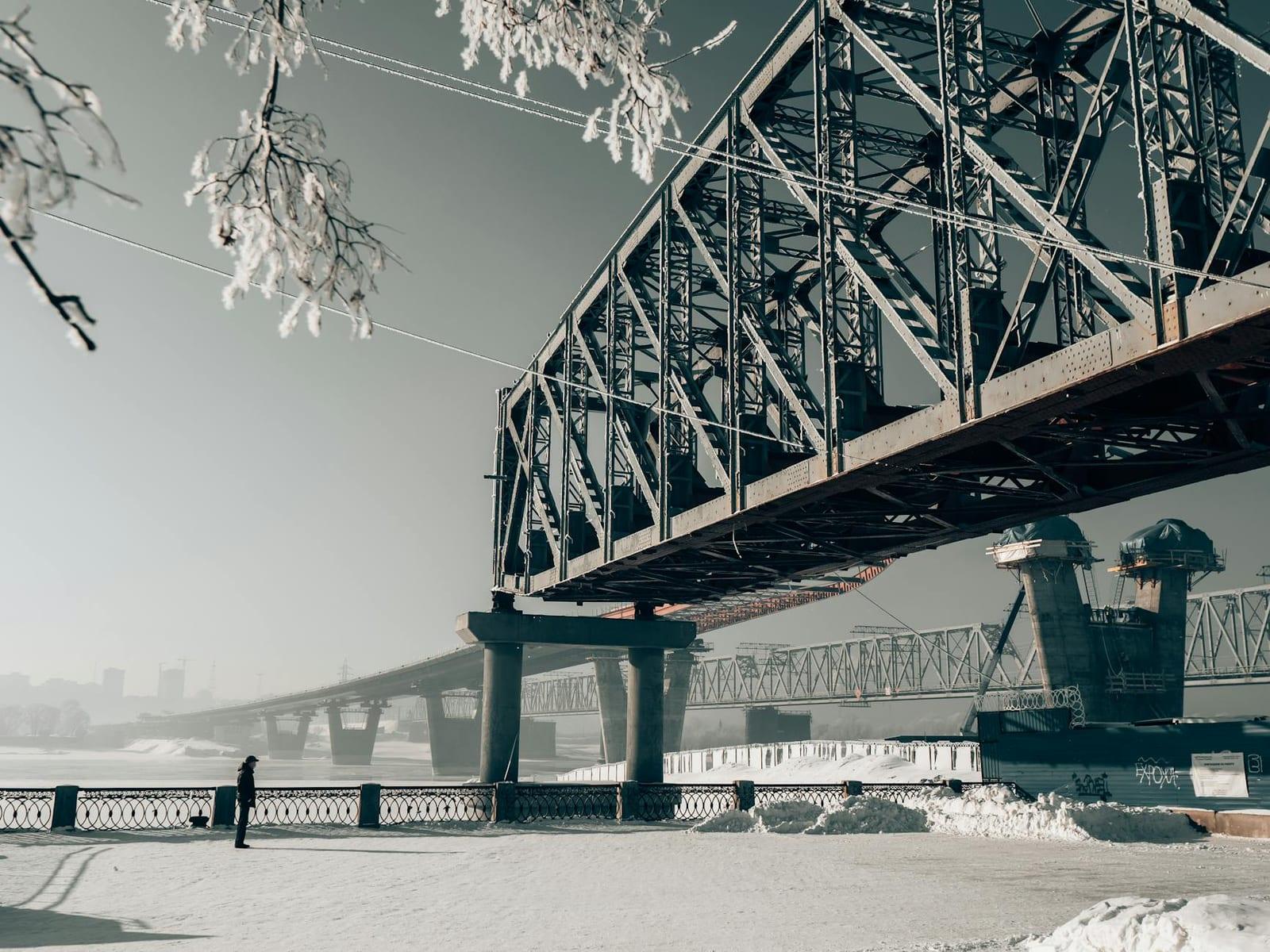
- Lake Baikal in winterVisit Lake Baikal in winter
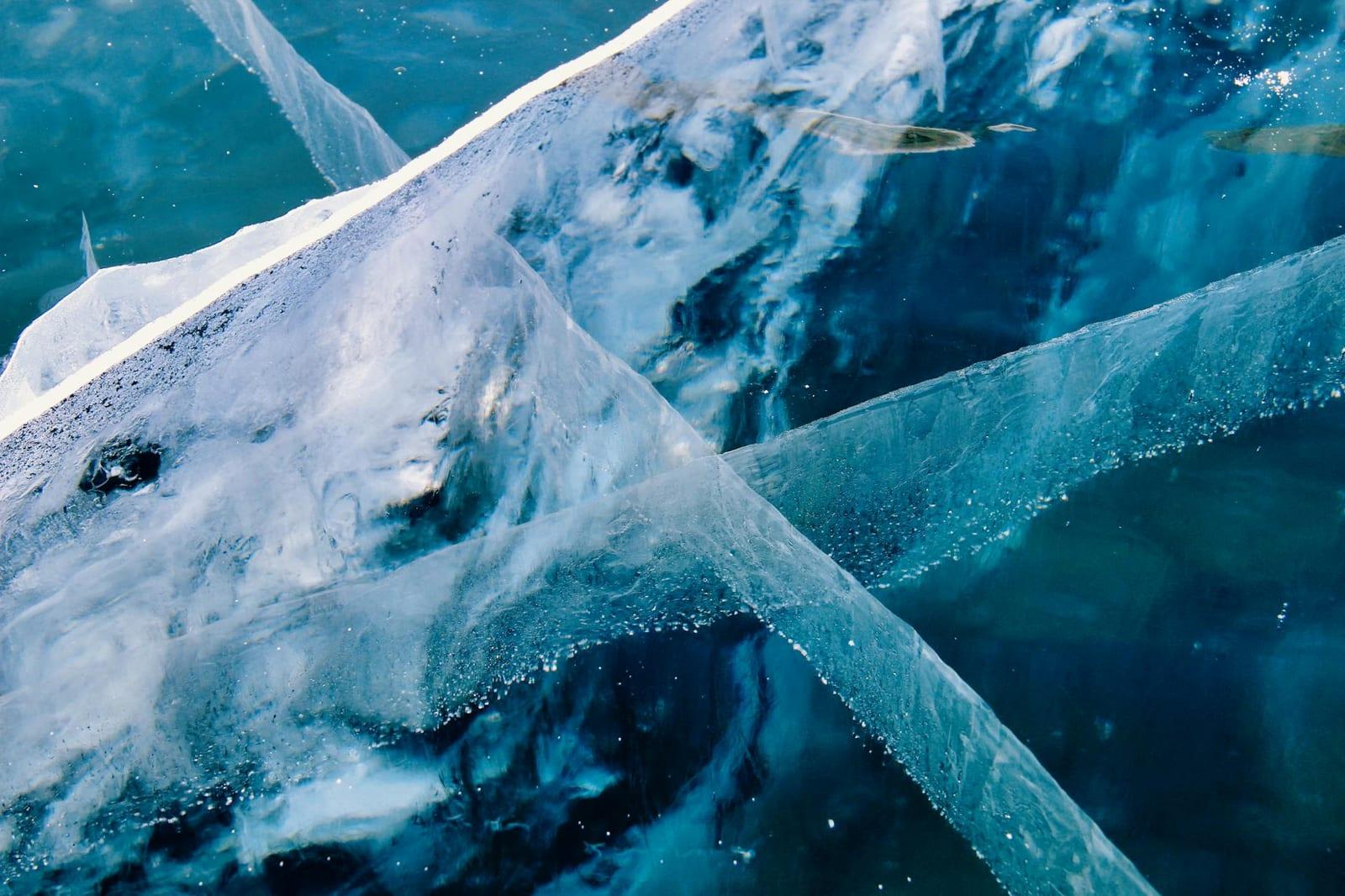
- Mount Elbrus
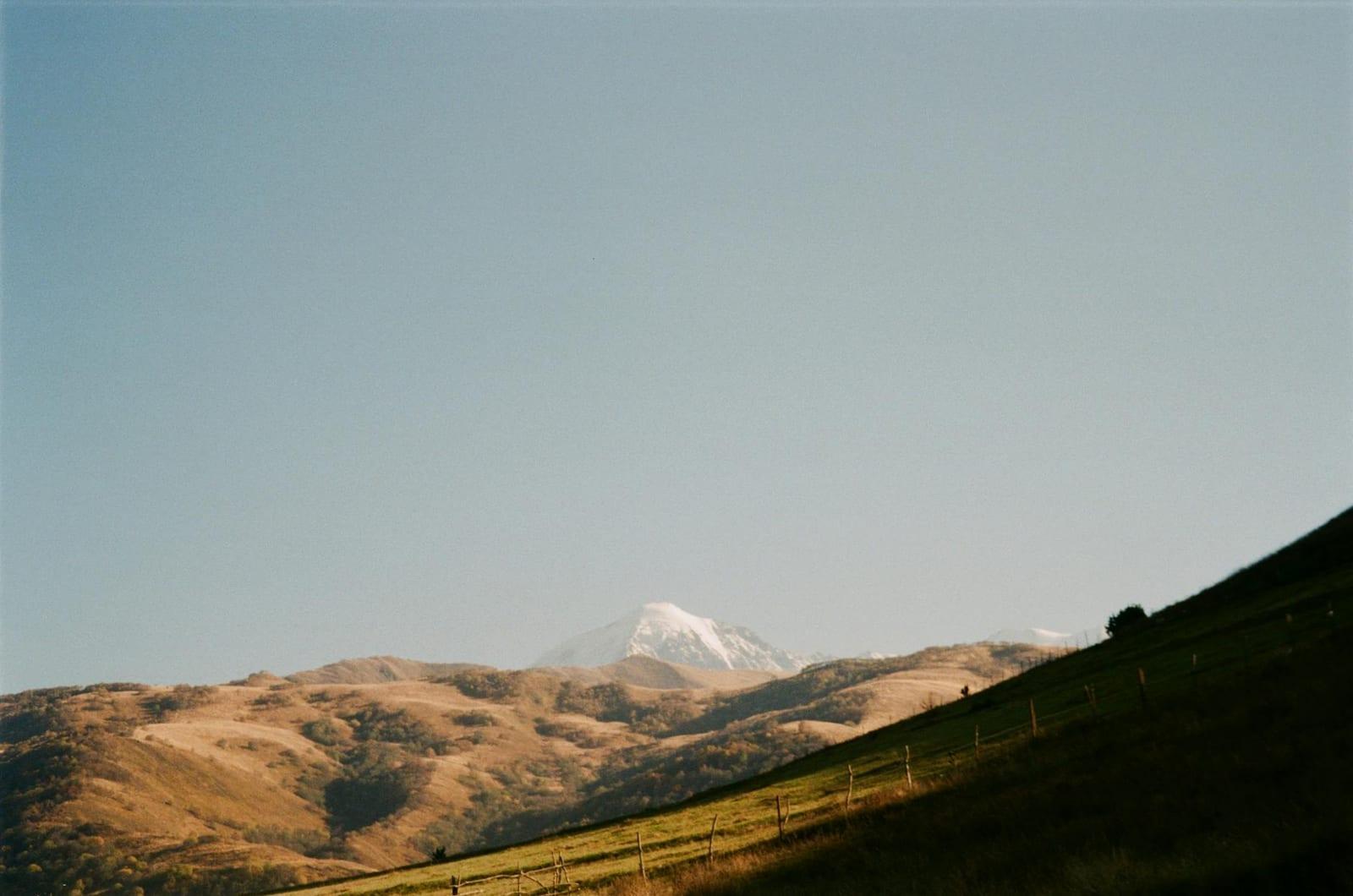
- Moscow to Vladivostok
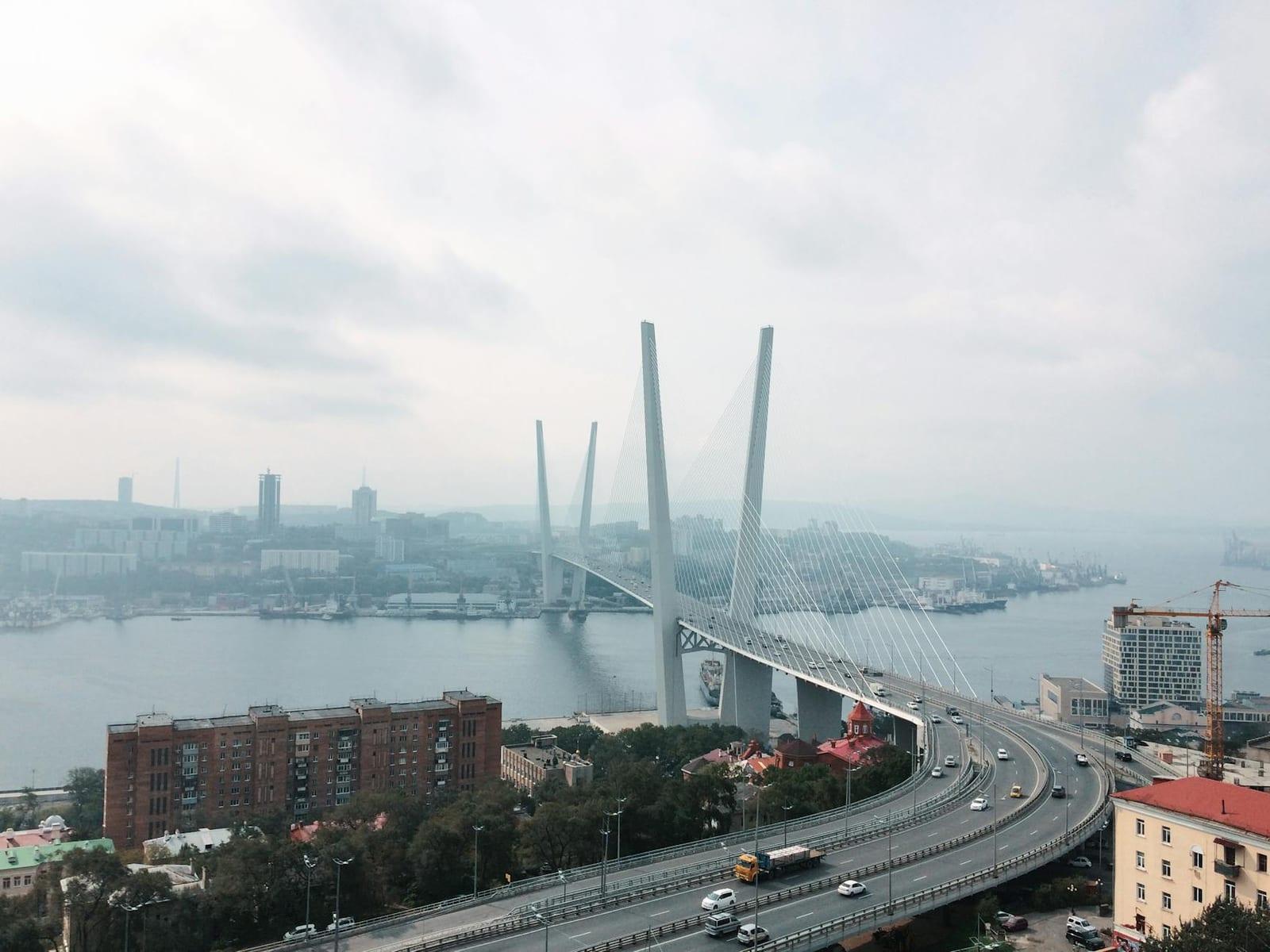
- Kamchatka Peninsula
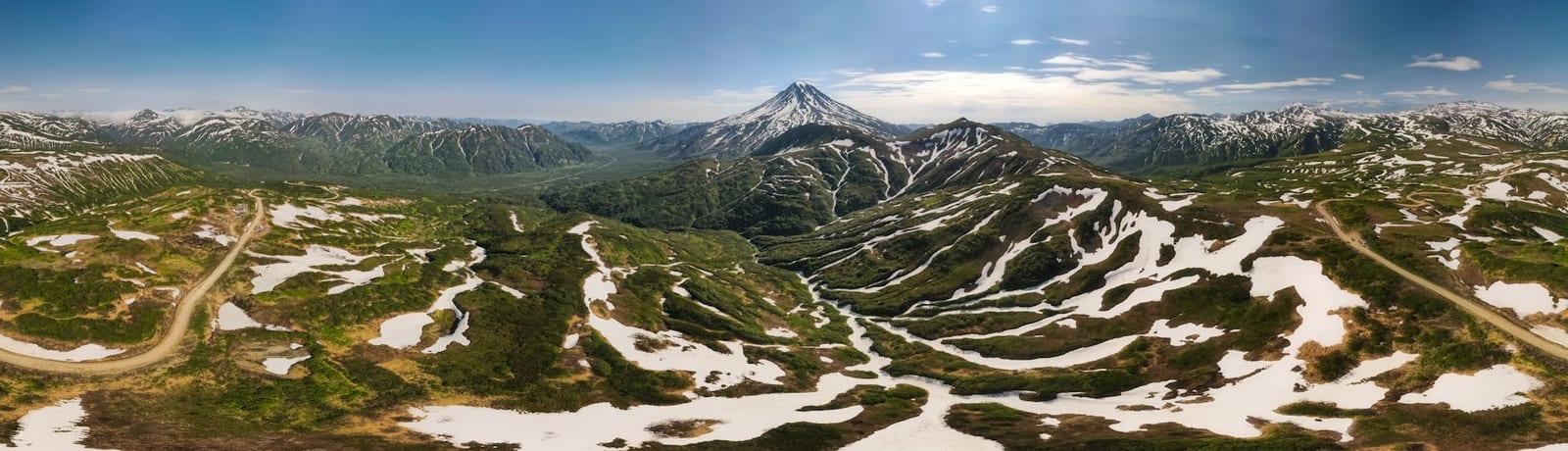
- Wrangel Island
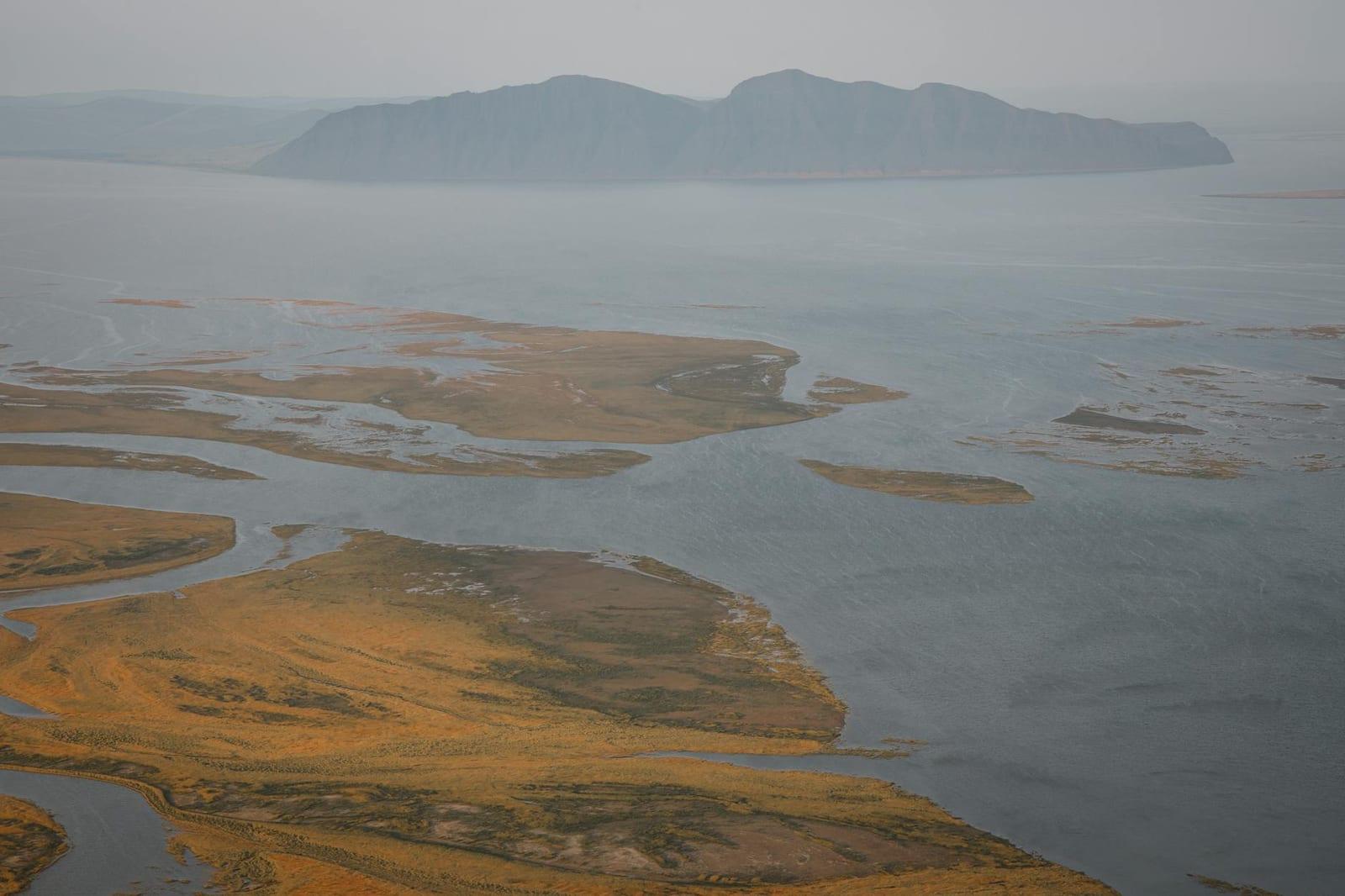
- Our Savior on Spilled Blood
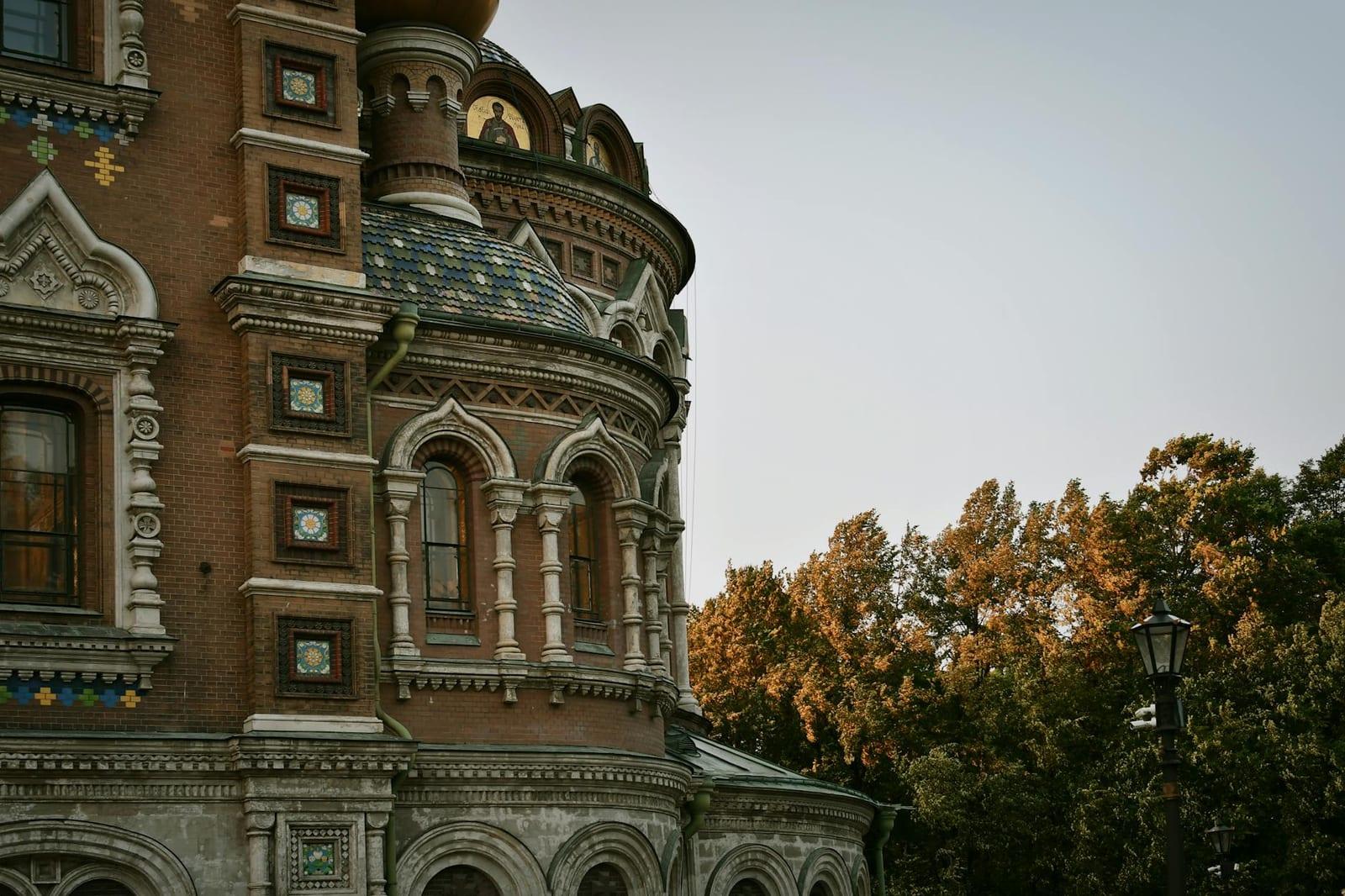
- Hermitage
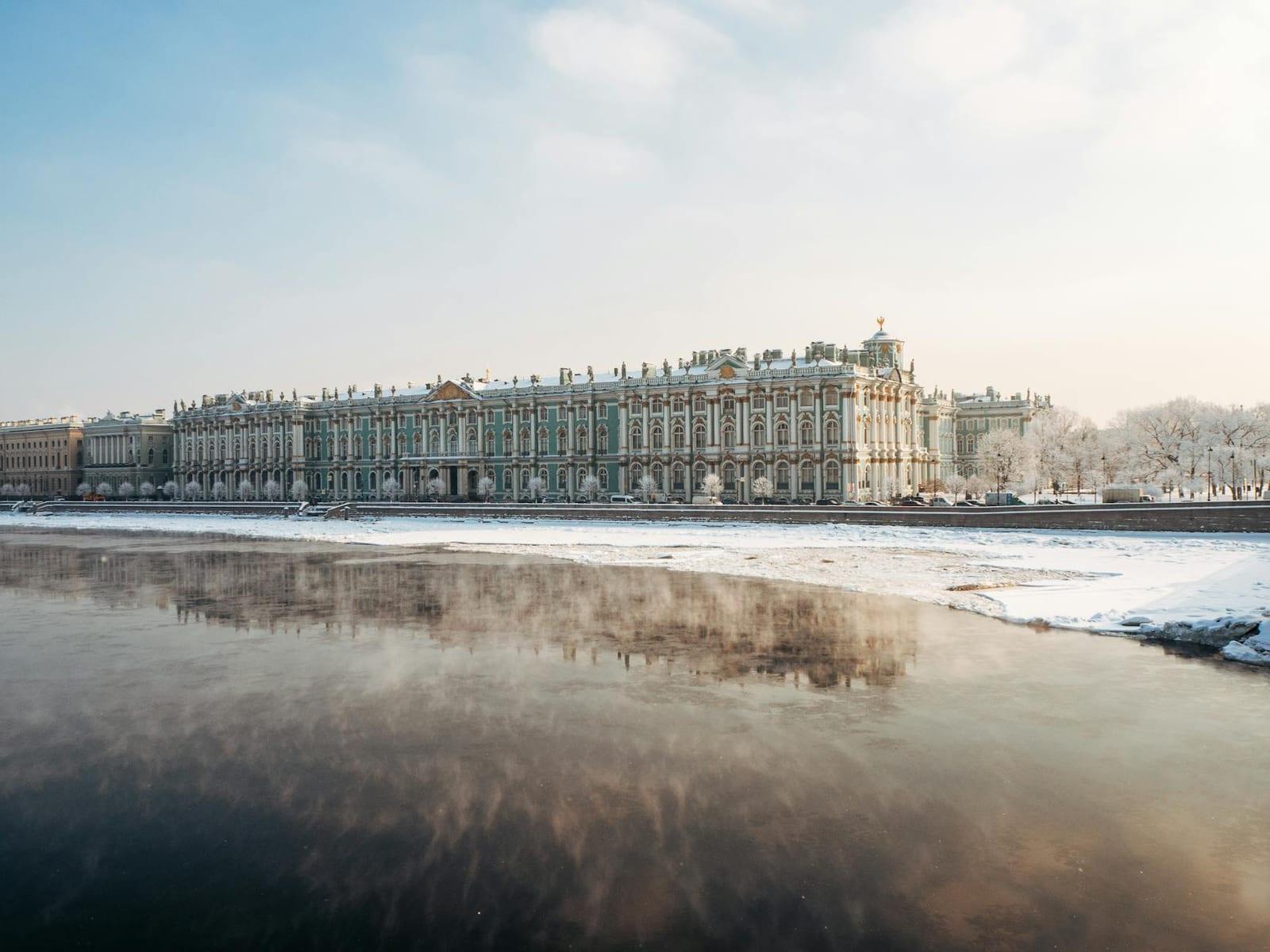
- St. Petersburg
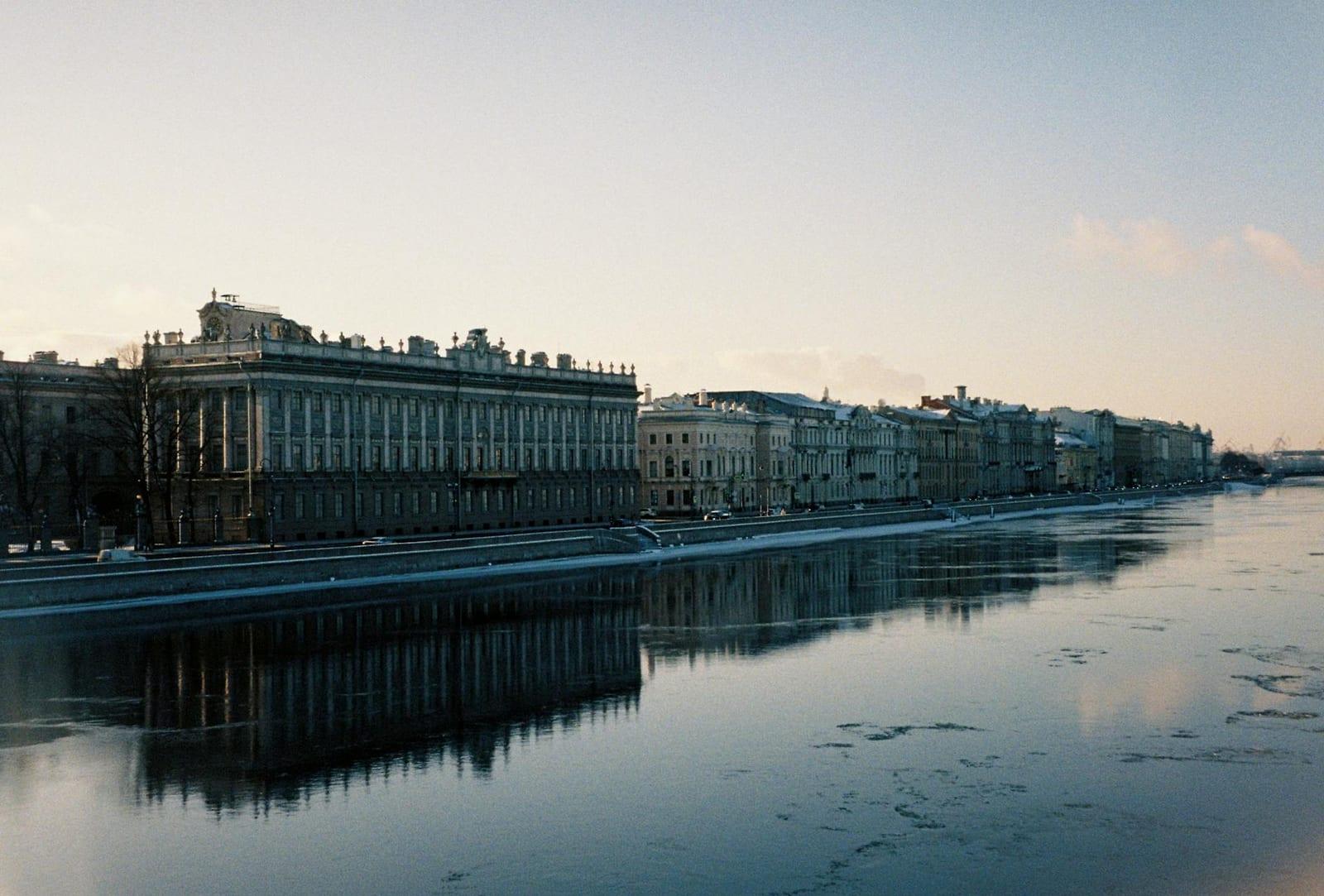
- Ride the Trans-Siberian Railway
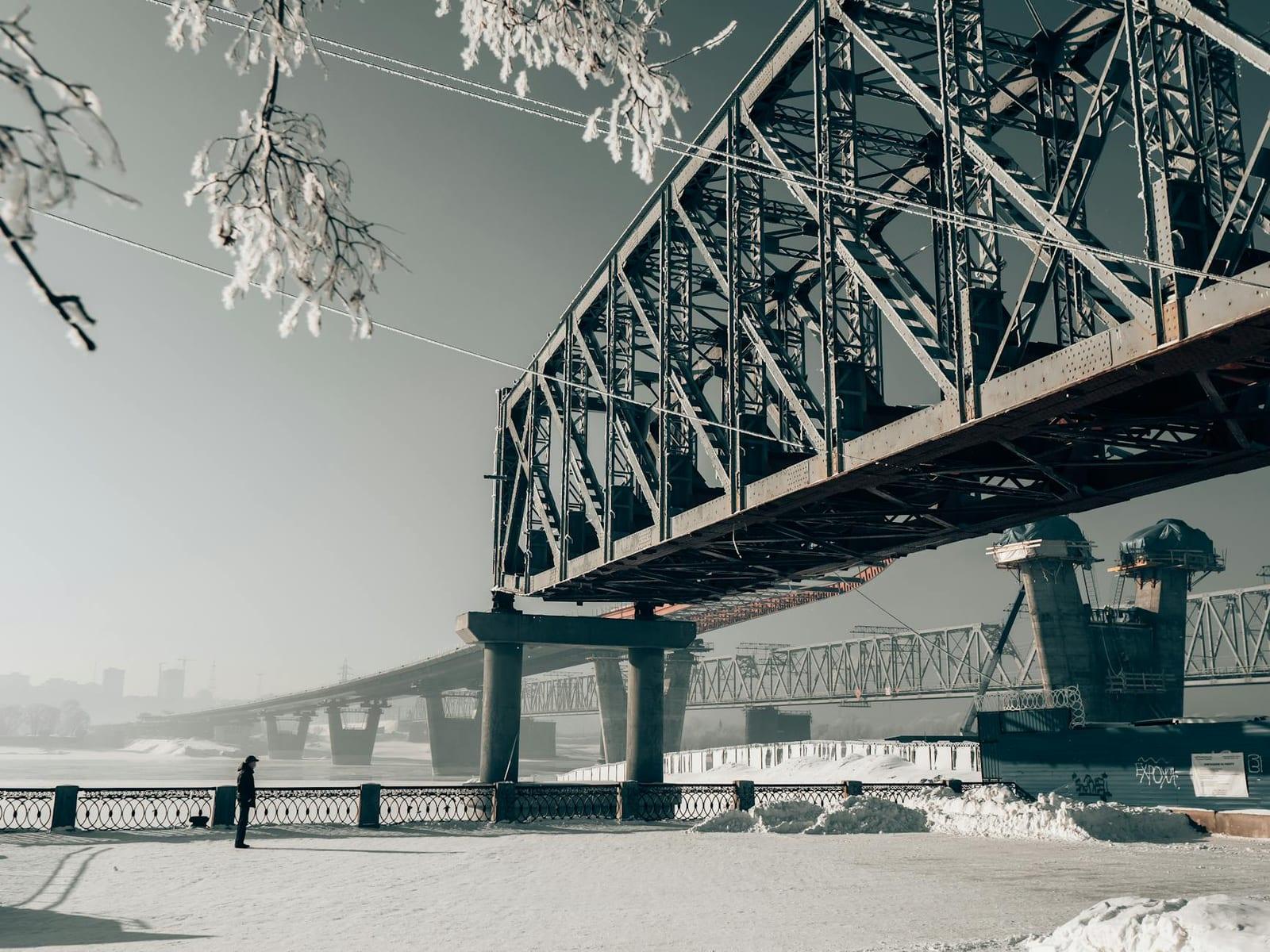
- St. Basils
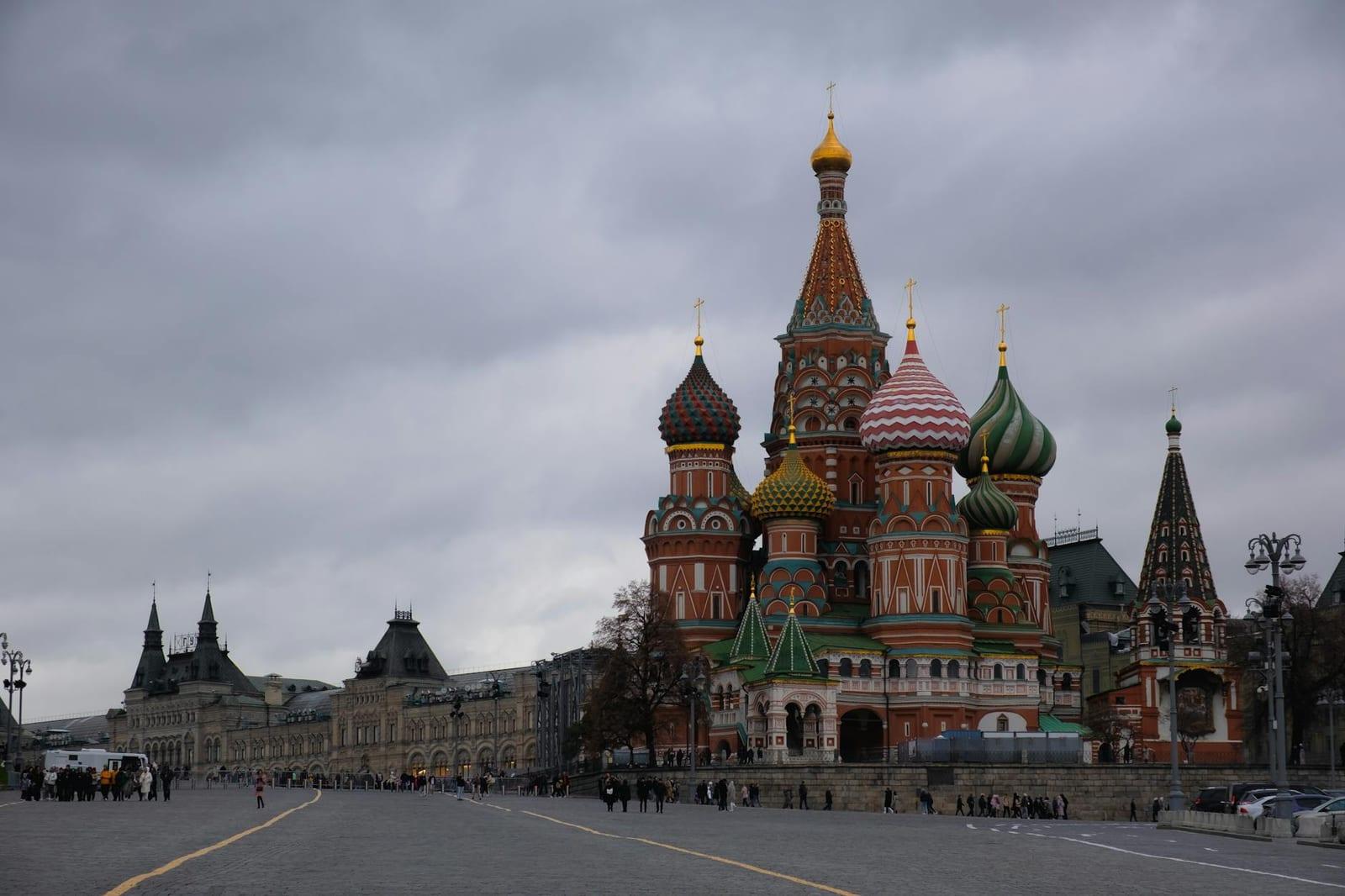
- MoscowThe capital ranks among the biggest and—with iconic landmarks like the Kremlin and Bolshoi Theatre—most visited cities in Europe.
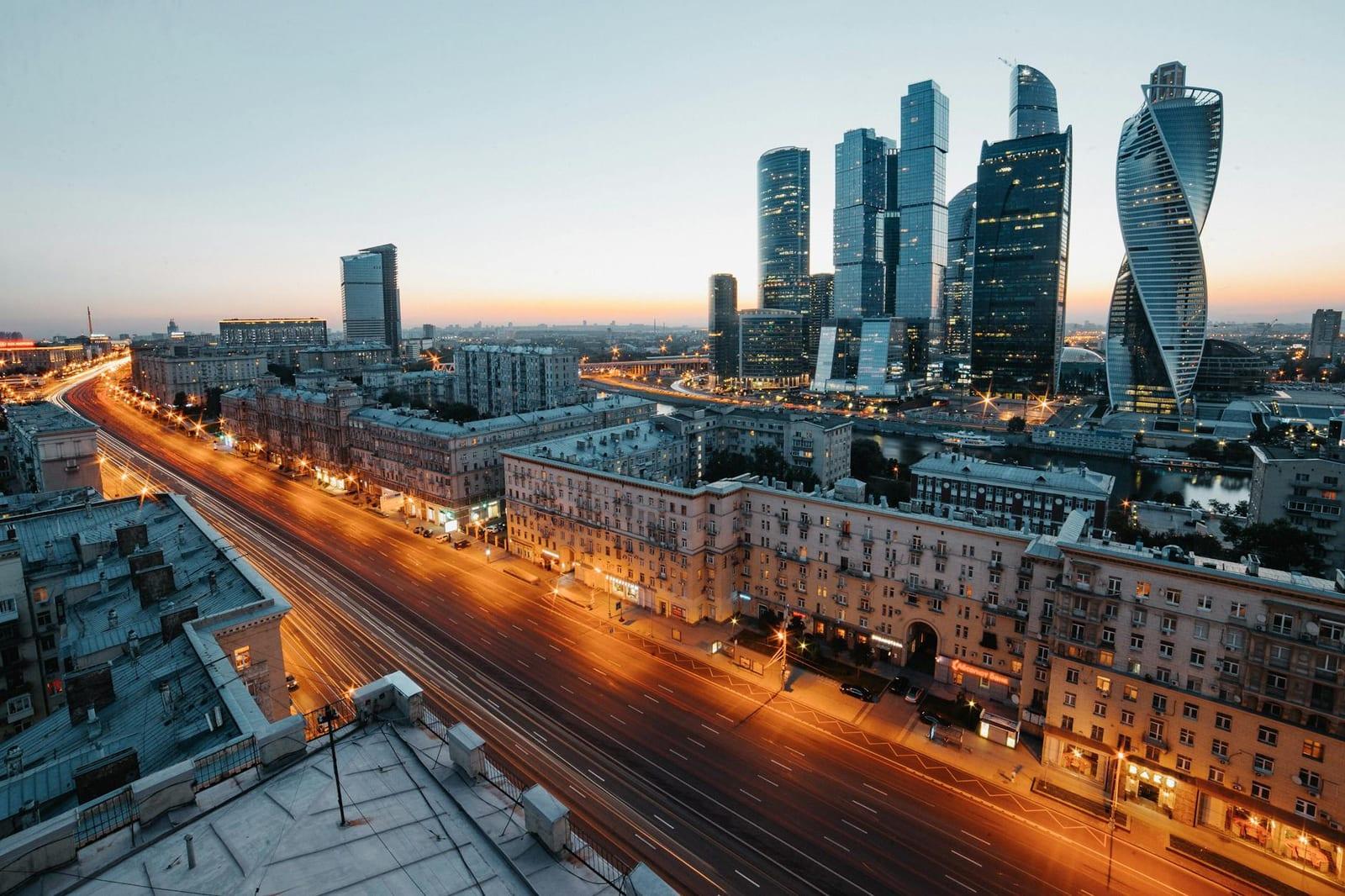
- Cathedral of Saint SophiaTopped with five noble domes, this 11th-century Russian Orthodox church is Novgorod’s best-known structure.
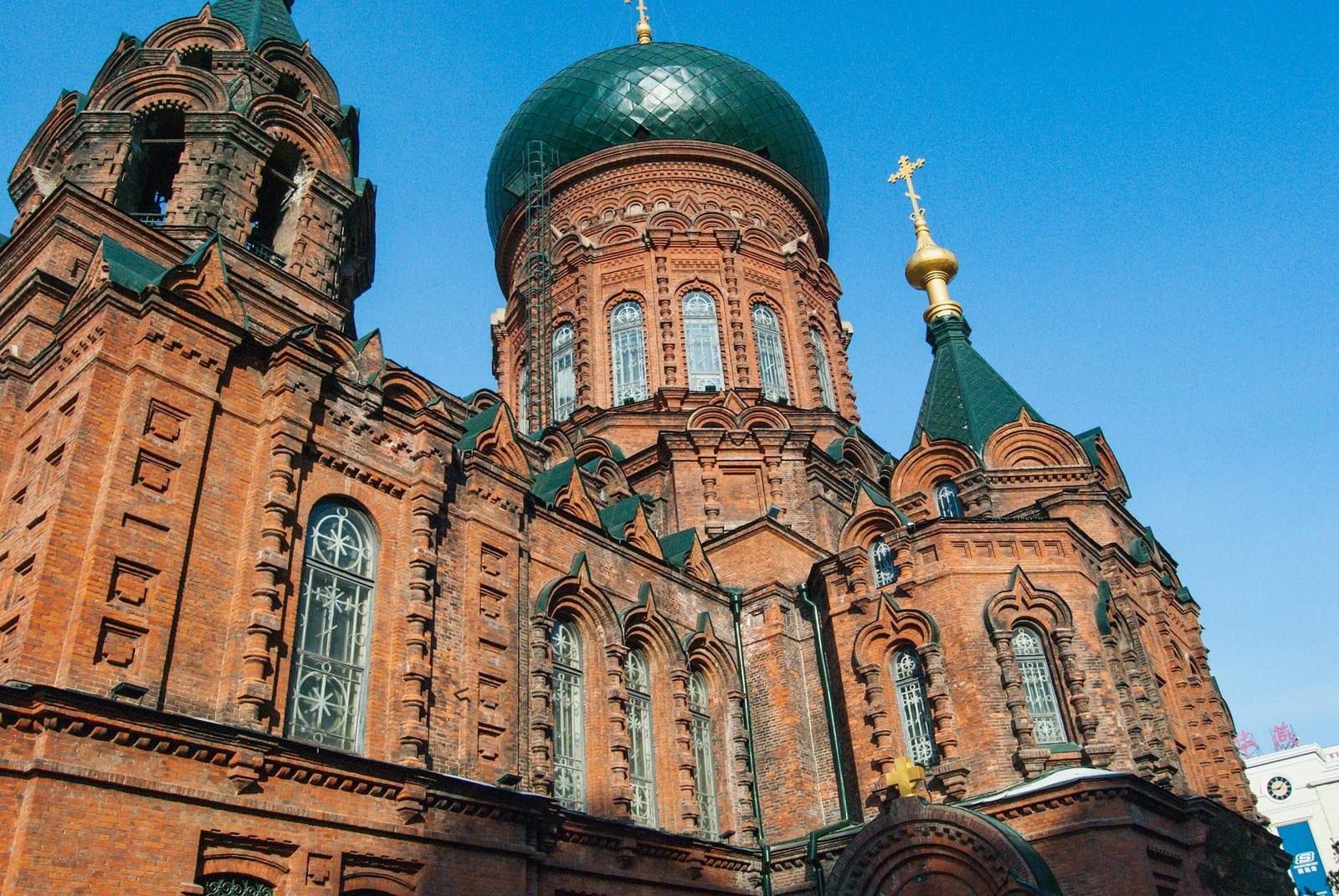
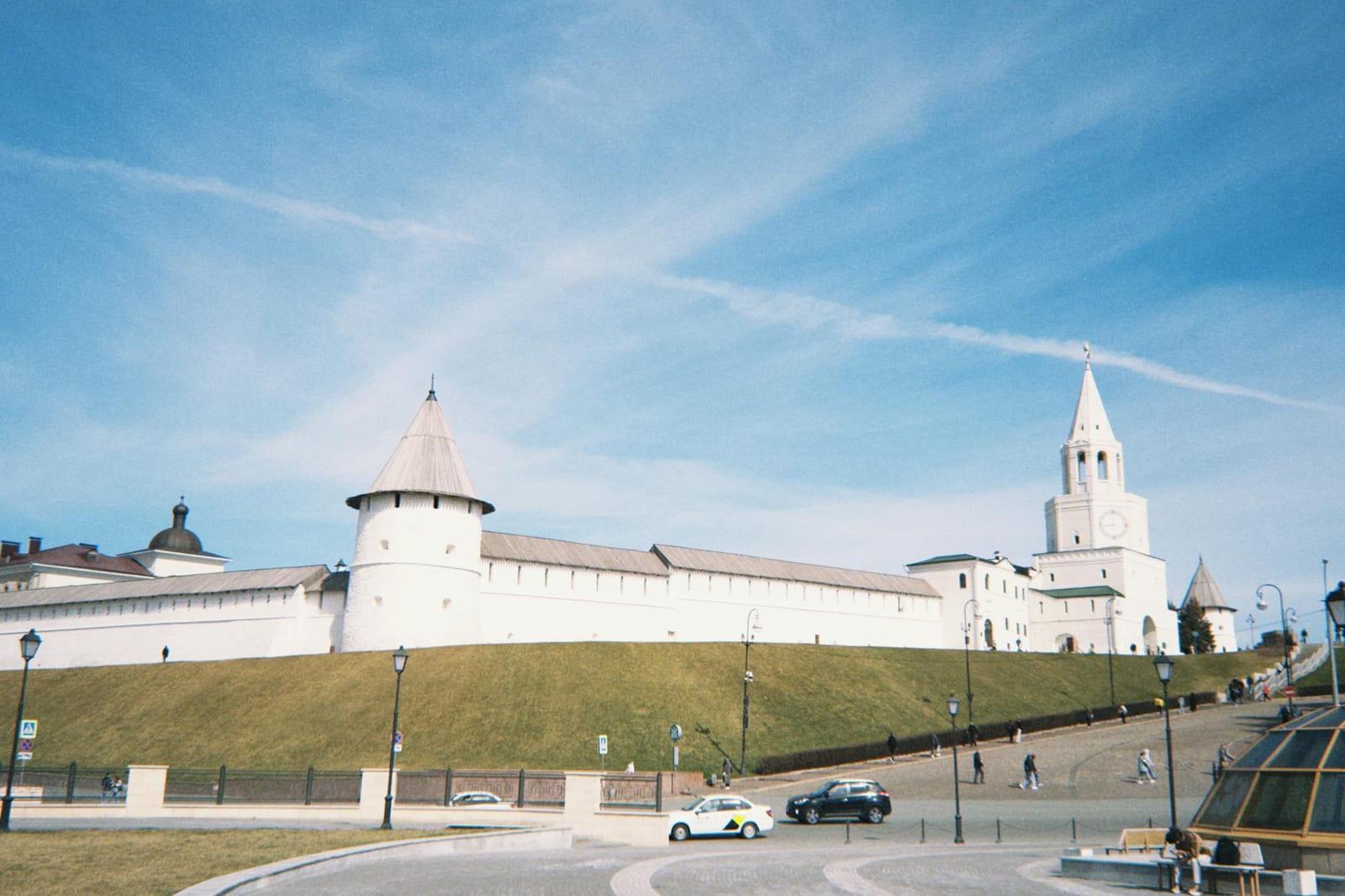
- Kazan KremlinIvan the Terrible originally commissioned this fortress complex, which includes the Annunciation Cathedral and Qolsharif Mosque.
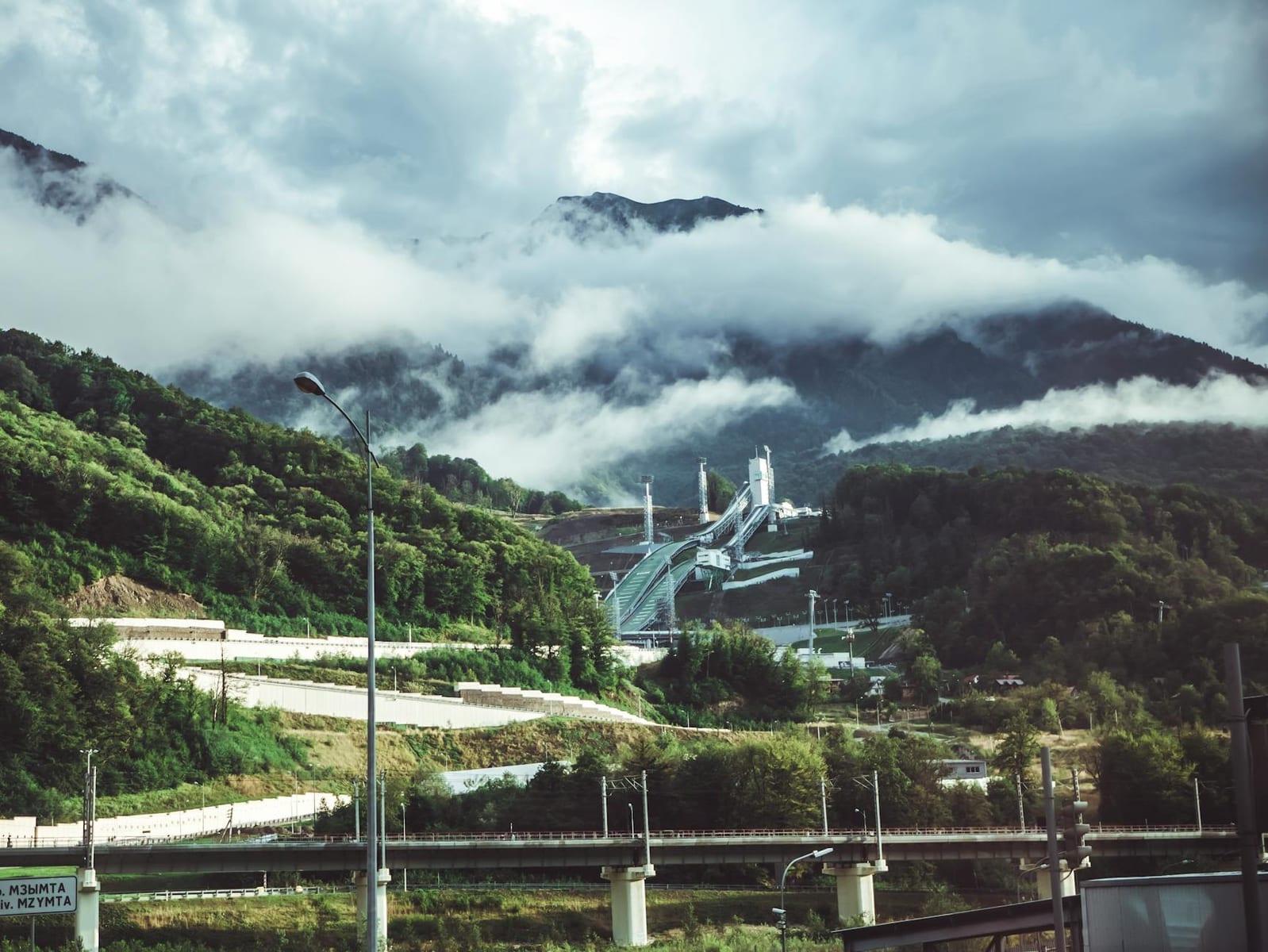
- SochiBesides Olympic infrastructure, this Black Sea resort city offers some of the balmiest weather in Russia.
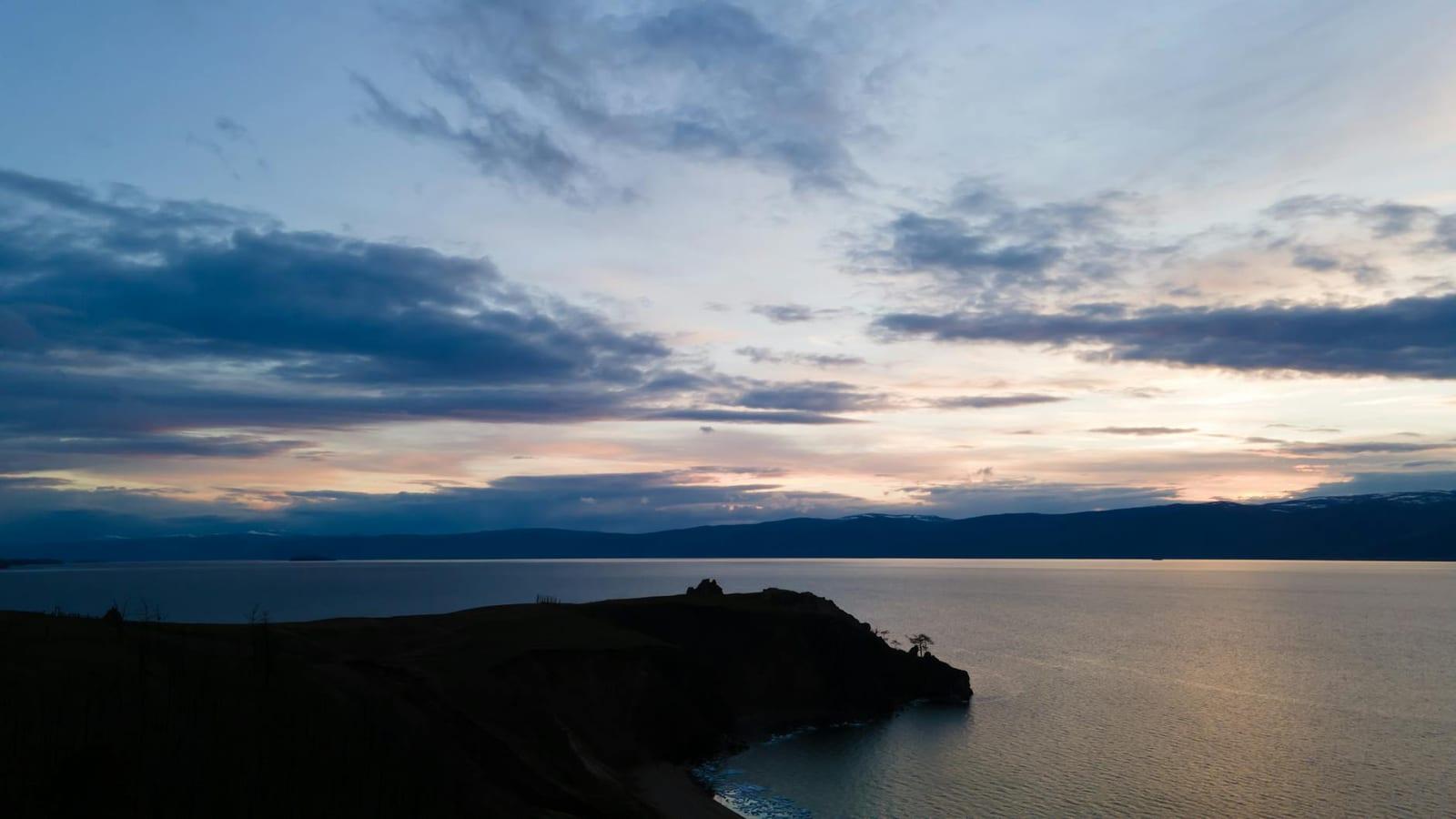
- Lake BaikalHuge, old, and dizzyingly deep, Siberia’s great rift lake—a popular getaway spot—harbors freshwater seals and other unique wildlife.
- Western CaucasusOne of Europe’s most pristine mountain tracts, the Western Caucasus includes old-growth forests, free-roaming wisent, and Persian leopards.
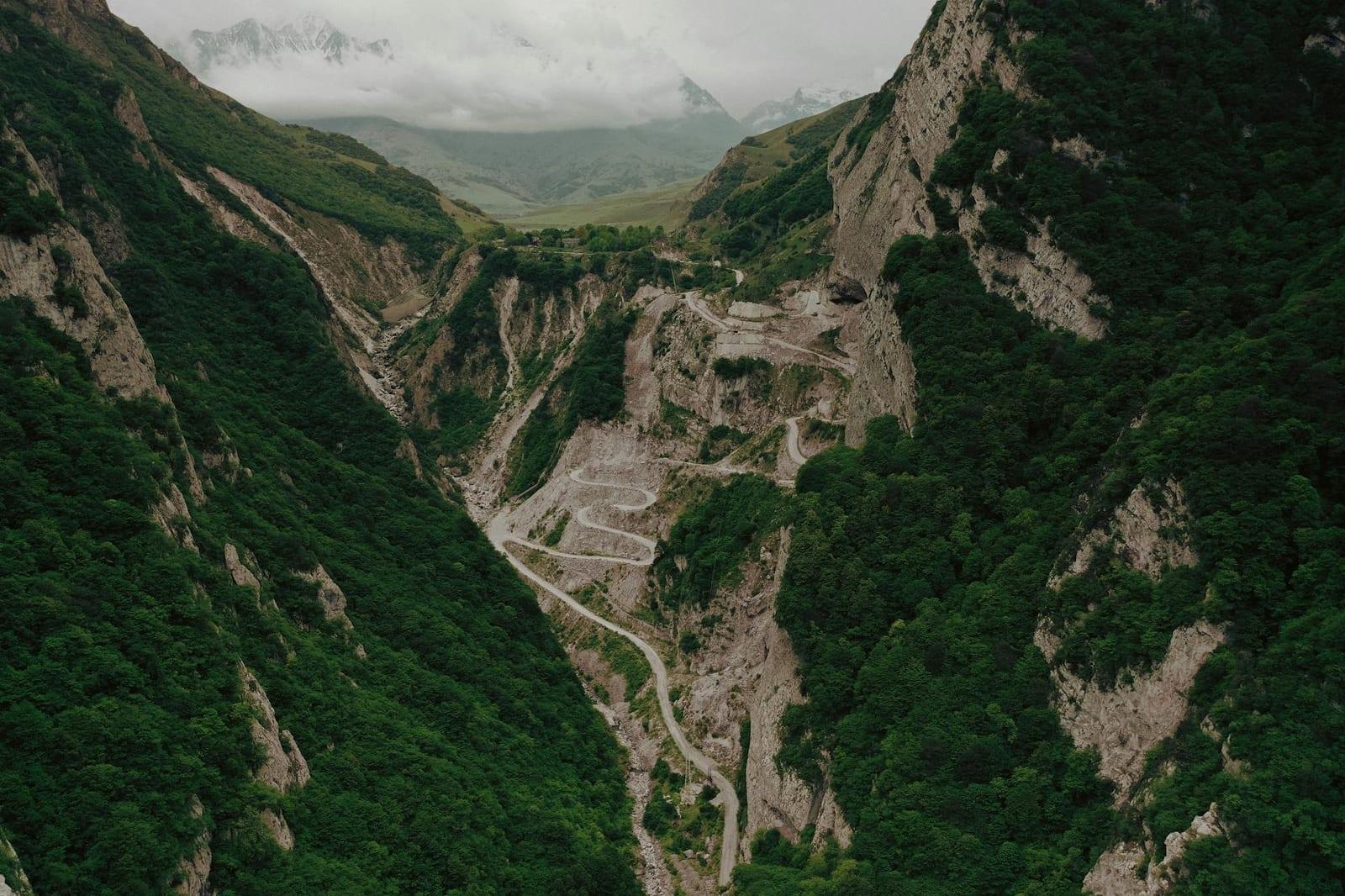
- Sikhote-Alin MountainsThese highlands’ diverse temperate forests are the last stand of the Amur (or Siberian) tiger, biggest of the big cats.
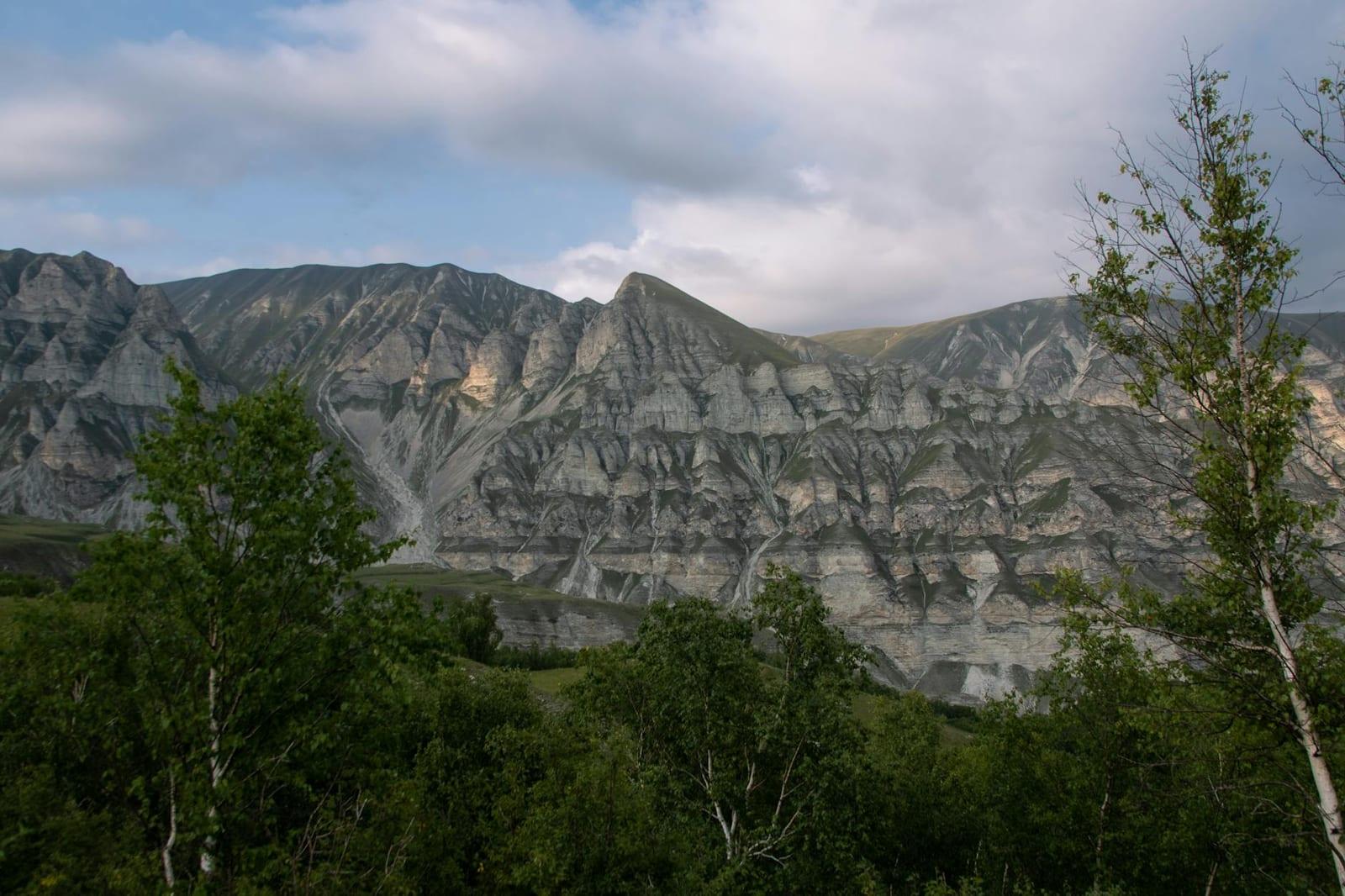
- Altai MountainsHome to some of Russia’s most sublime countryside, the Altai includes the farflung Ukok Plateau, where the “Ice Maiden” mummy was discovered.