For many around the world, Rwanda is still synonymous with tragedy: Memories of the horrors of the civil war and genocide that engulfed the country in the first half of the 1990s remain raw, and the shockwaves are still rattling not far over the border in Congo-Kinshasa. Rwanda, though, has made huge strides since those terrible years, and today beckons tourists with its revitalized ecotourism industry—much of it centered around the world-famous mountain gorillas of the Virunga Volcanoes. Today, visitors to Rwanda can pay their respects to the ghosts of the past while supporting the country’s rebirth.
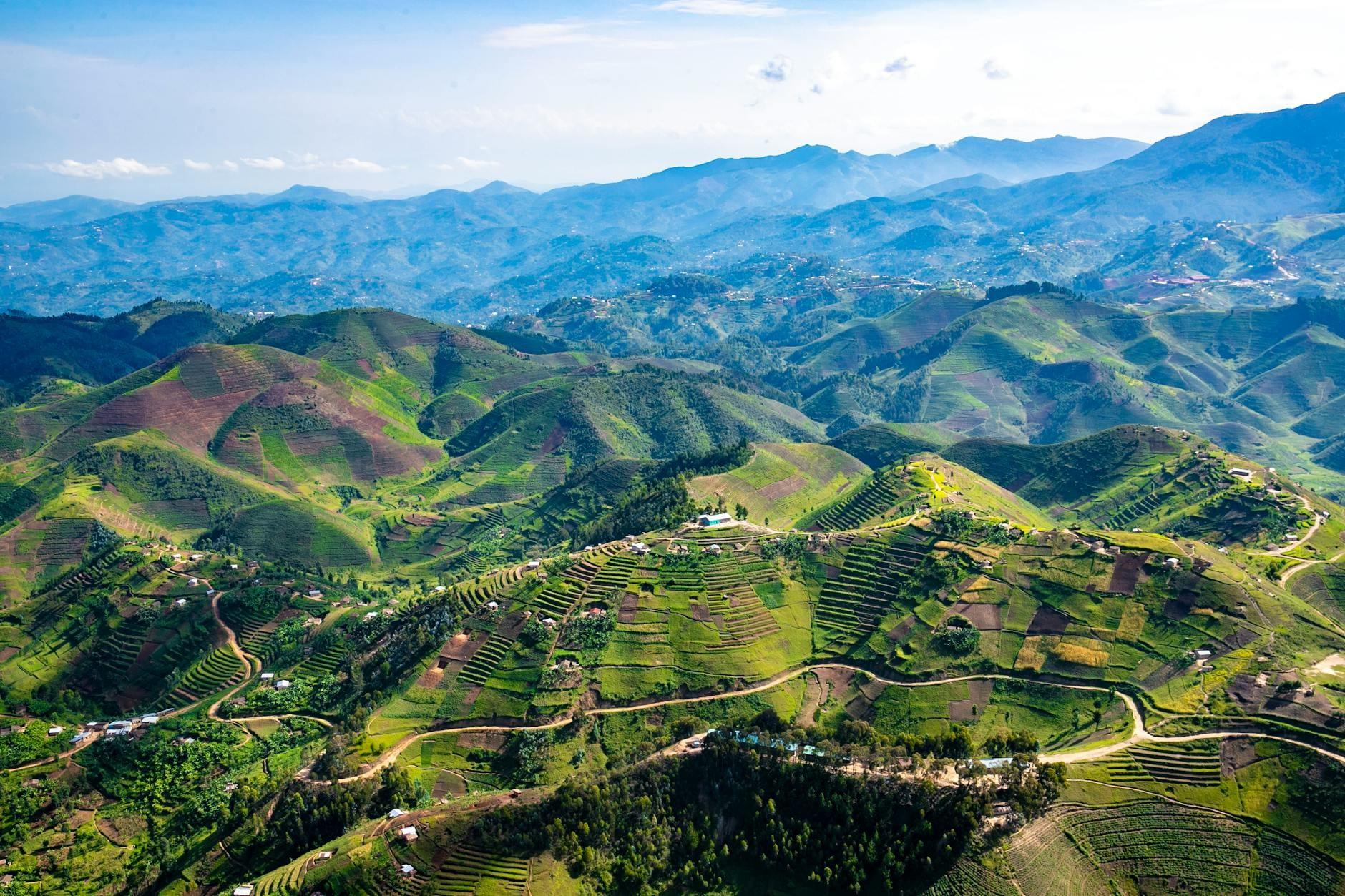
Rwanda’s a small (about Haiti-sized), densely populated, and ravishing country of the East/Central Africa frontier, bordered by Uganda, Tanzania, Burundi, and the Democratic Republic of Congo. Fast against the equator, it's much more temperate than its latitude would suggest on account of the topography: Highlands dominate the terrain—Rwanda is nicknamed the “land of a thousand hills”—which culminates in the cloud-socked Virunga Volcanoes (attaining about 14,800 feet in Mount Karisimbi).
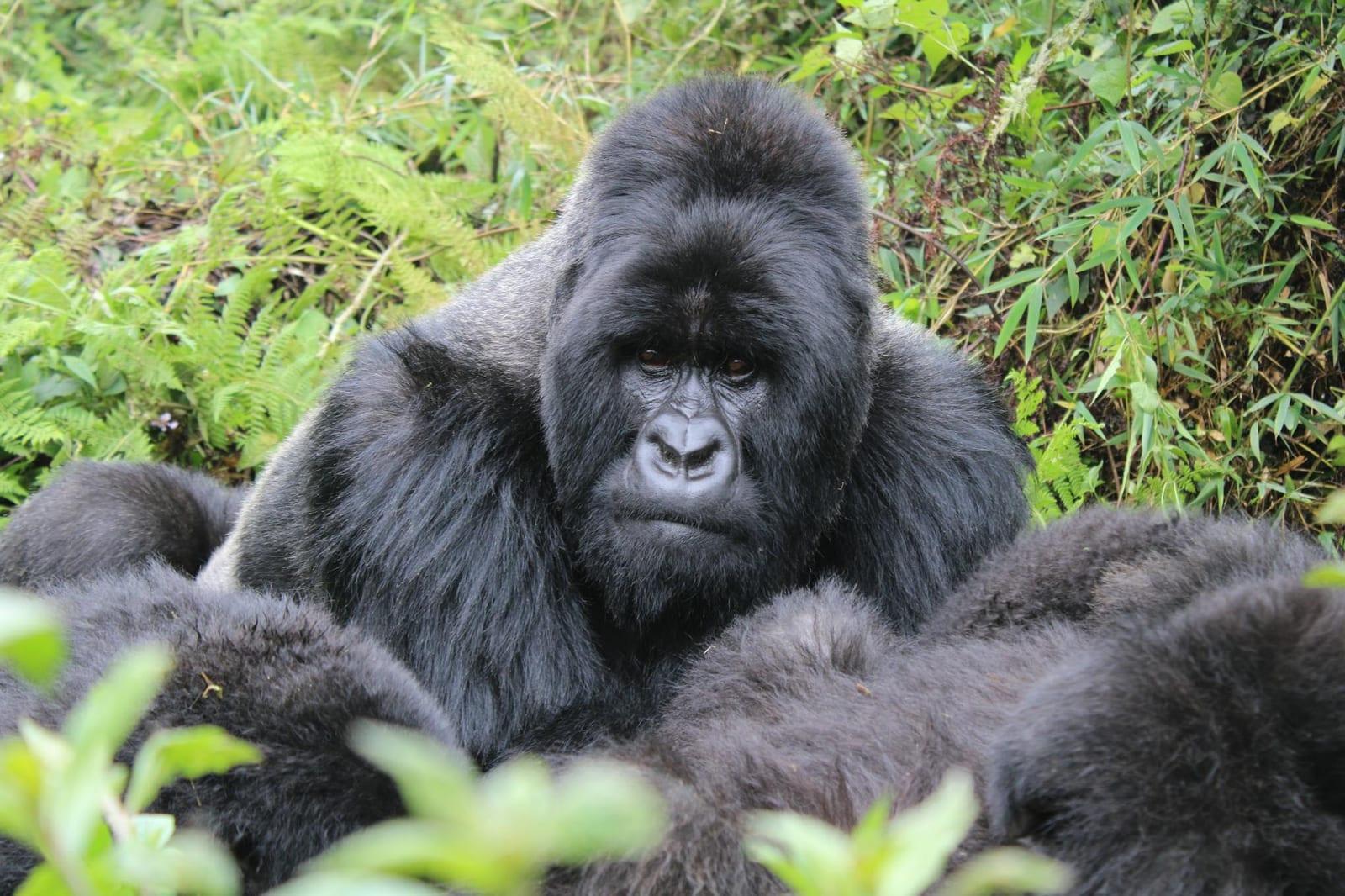
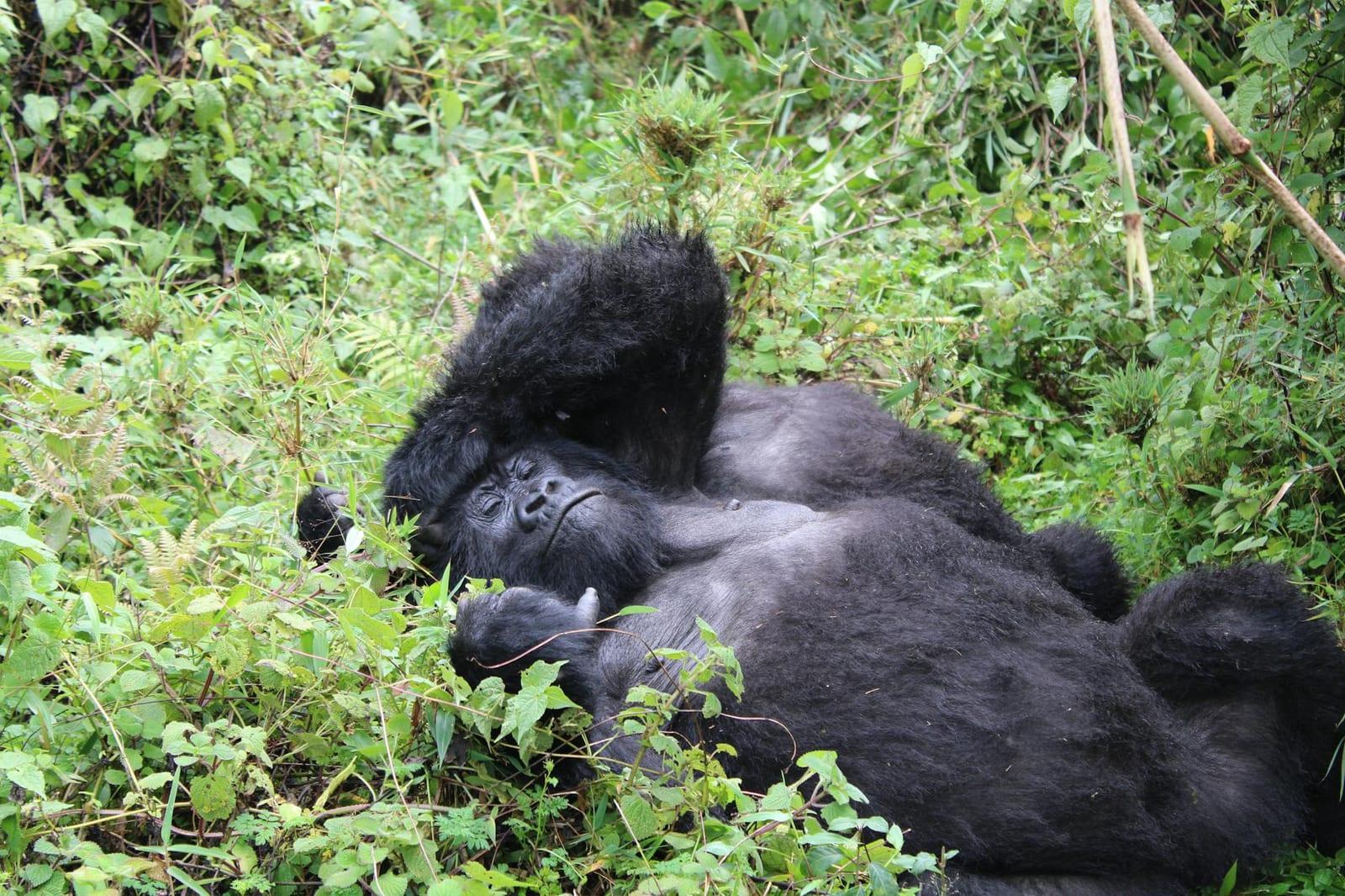
Volcanoes National Park in the Virungas is the focus of many a journey to Rwanda, for up in the high forests and bamboo groves are the shaggy, plant-eating mountain gorillas that rank among the world’s best-known and most beloved endangered species. These majestic great apes, direly threatened in the three countries they yet persist—by habitat destruction, poaching, and the tumult of human strife—may be seen on guided treks in the park (which encompasses the still-active research facility founded by primatologist Dian Fossey). Other important Rwandan national parks include Nyungwe on the Burundi line (featuring a montane rainforest inhabited by chimpanzees) and Akagera in eastern Rwanda, a savanna preserve that was greatly impacted by the Rwandan Civil War but which is actively being rehabilitated.
Whether you’re simply passing through the capital Kigali en route to the gorilla forests, or you’re making this important regional city a destination unto itself, consider visiting the Ethnographic Museum and the Kigali Genocide Memorial Centre. These institutions offer the opportunity to learn about Rwanda’s people—Hutu and Tutsi most prominently, but also the traditionally hunting-and-gathering Twa—and to reckon with the grim Rwandan Genocide head-on. As the Institute of National Museums of Rwanda puts it, “We can never forget our tragic past but we should not allow ourselves to be defined by it.”
If you visit Rwanda, keep that rallying cry in mind as you marvel at some of Africa’s most gorgeous landscapes—and most resilient people.
12 things not to miss.
- mountain gorillas in Volcanoes NPTrek mountain gorillas in Volcanoes NP
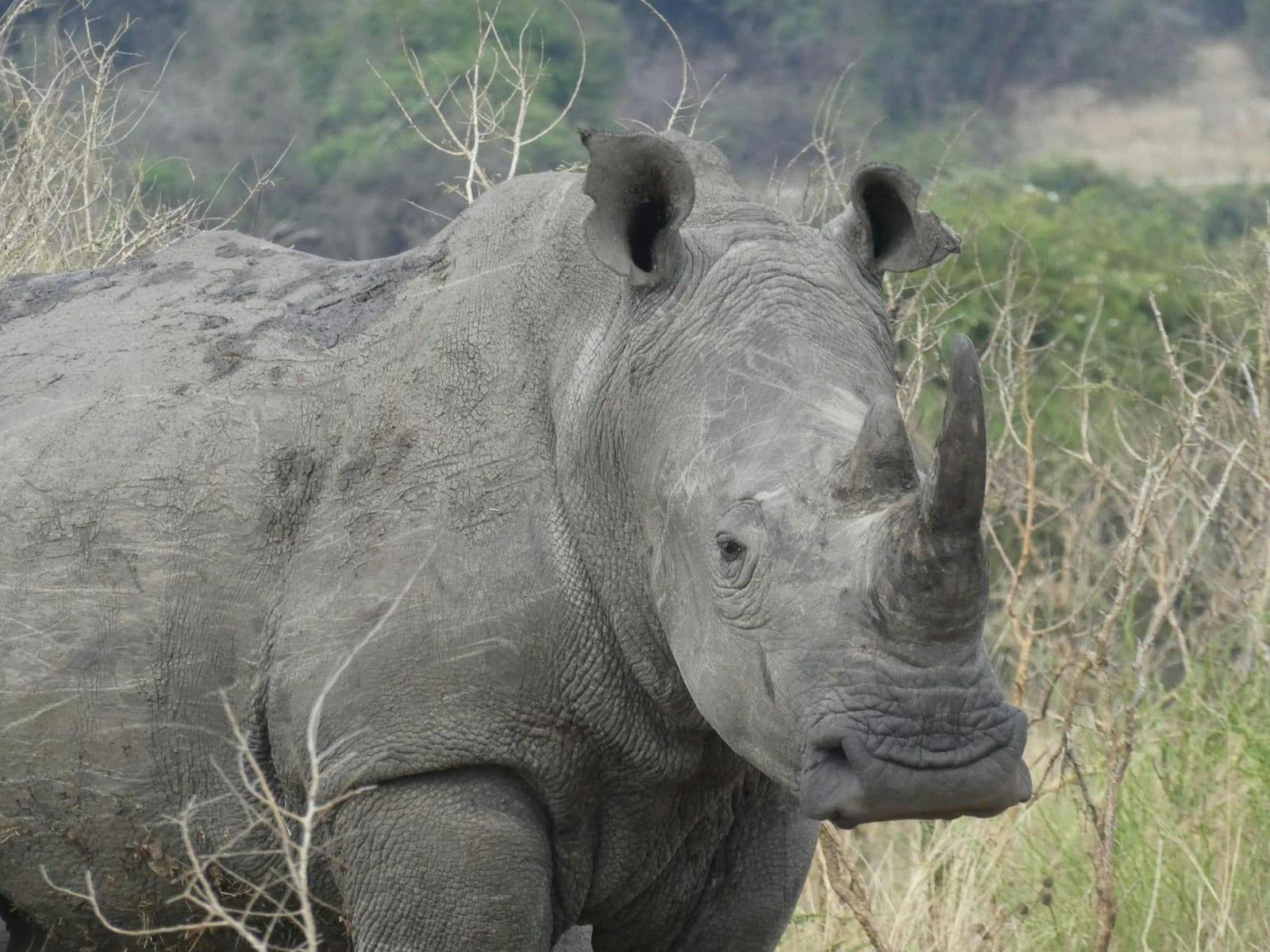
- Track Big Five at AkageraTrack Big Five at Akagera
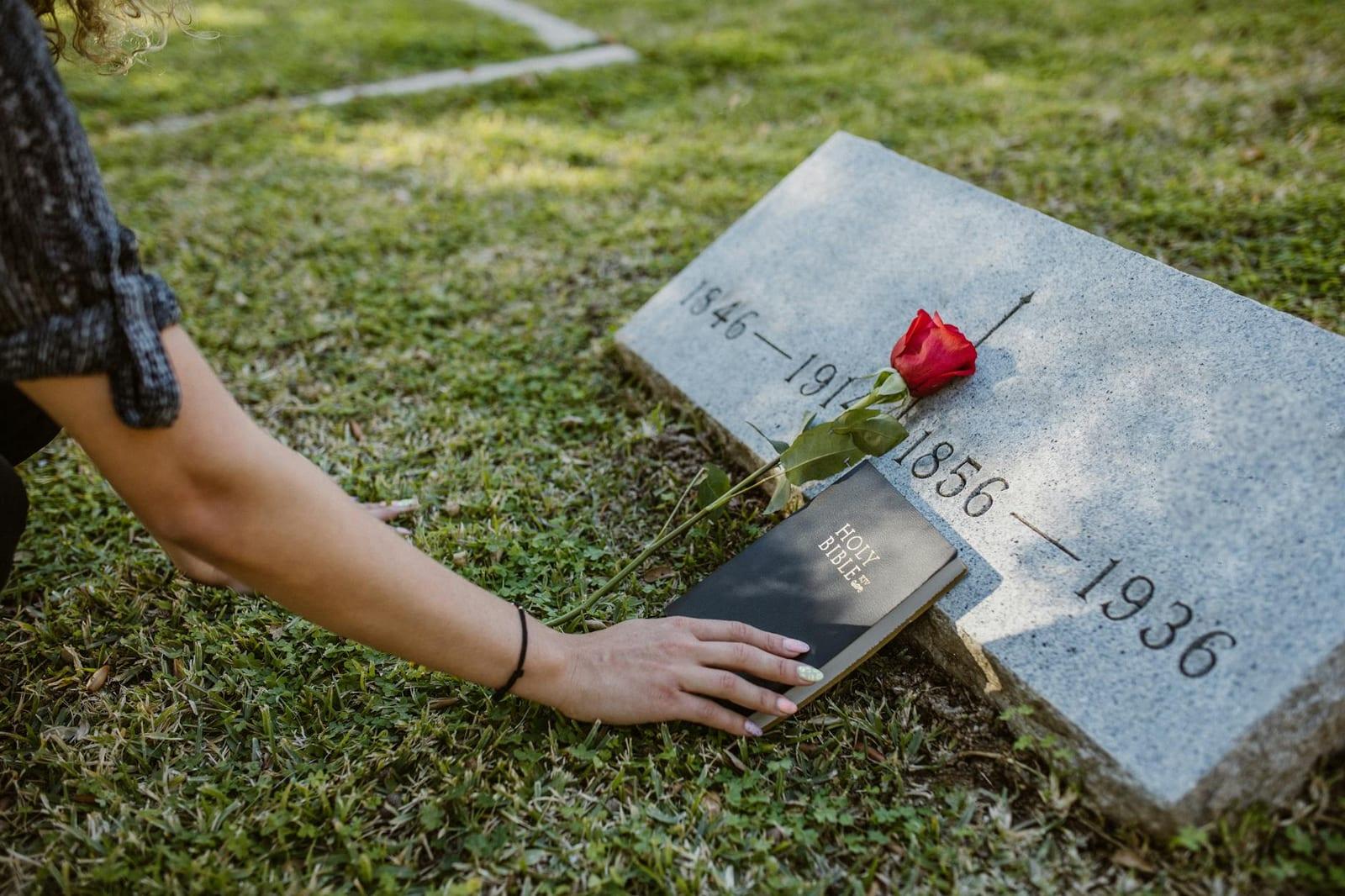
- Pay respects at the Kigali Genocide MemorialPay respects at the Kigali Genocide Memorial
- Nyungwe Forest
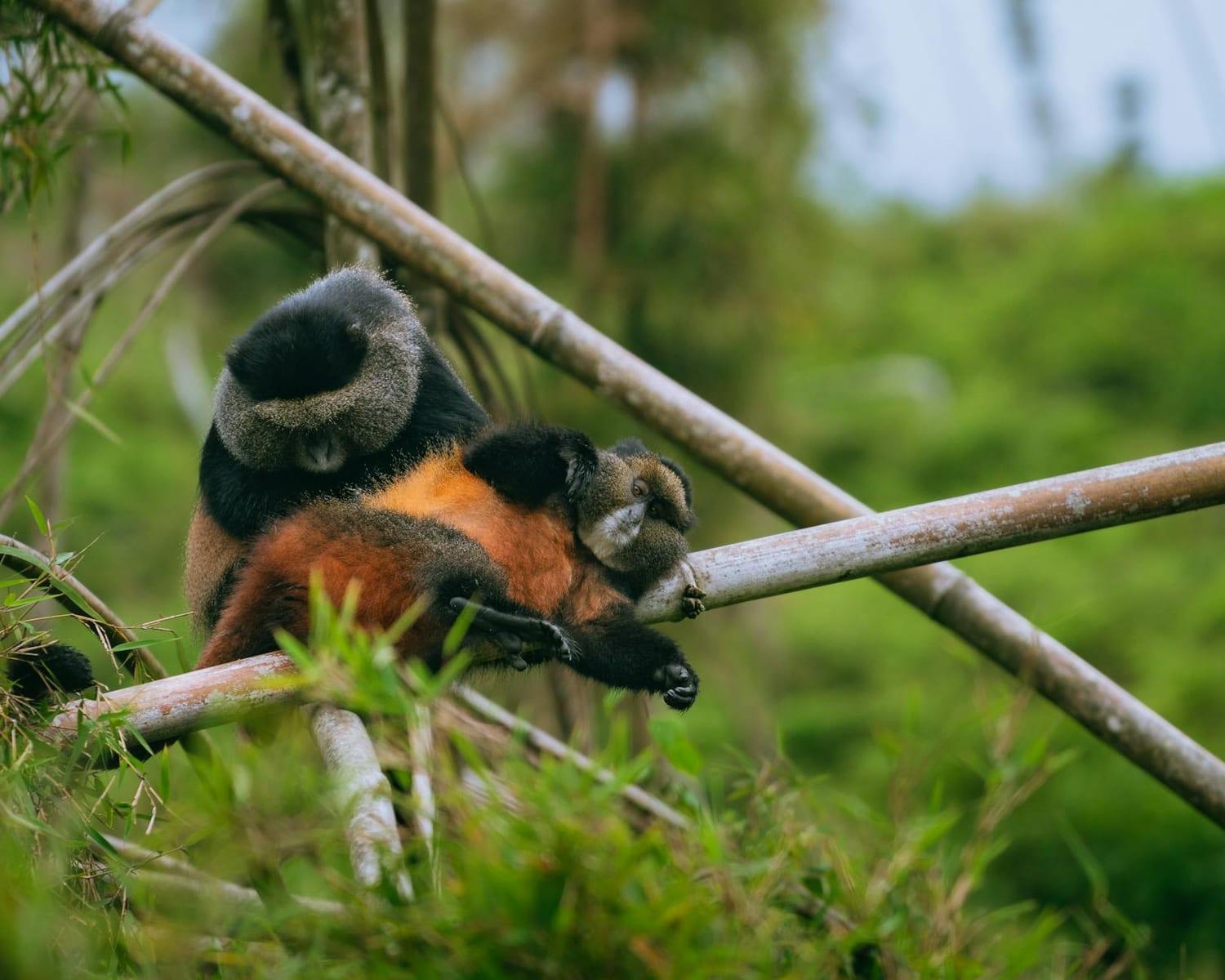
- Volcanoes National Park
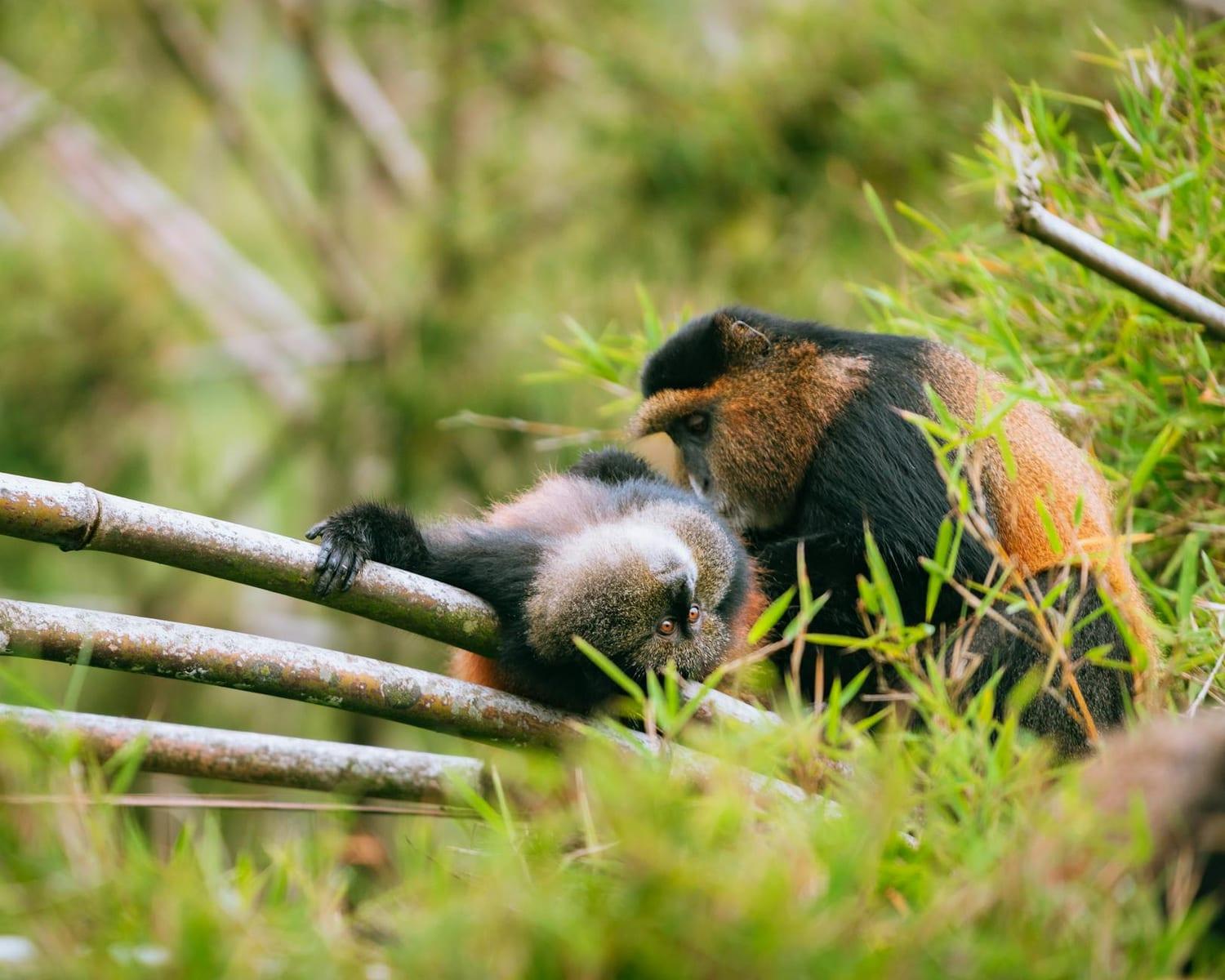
- Gorillas
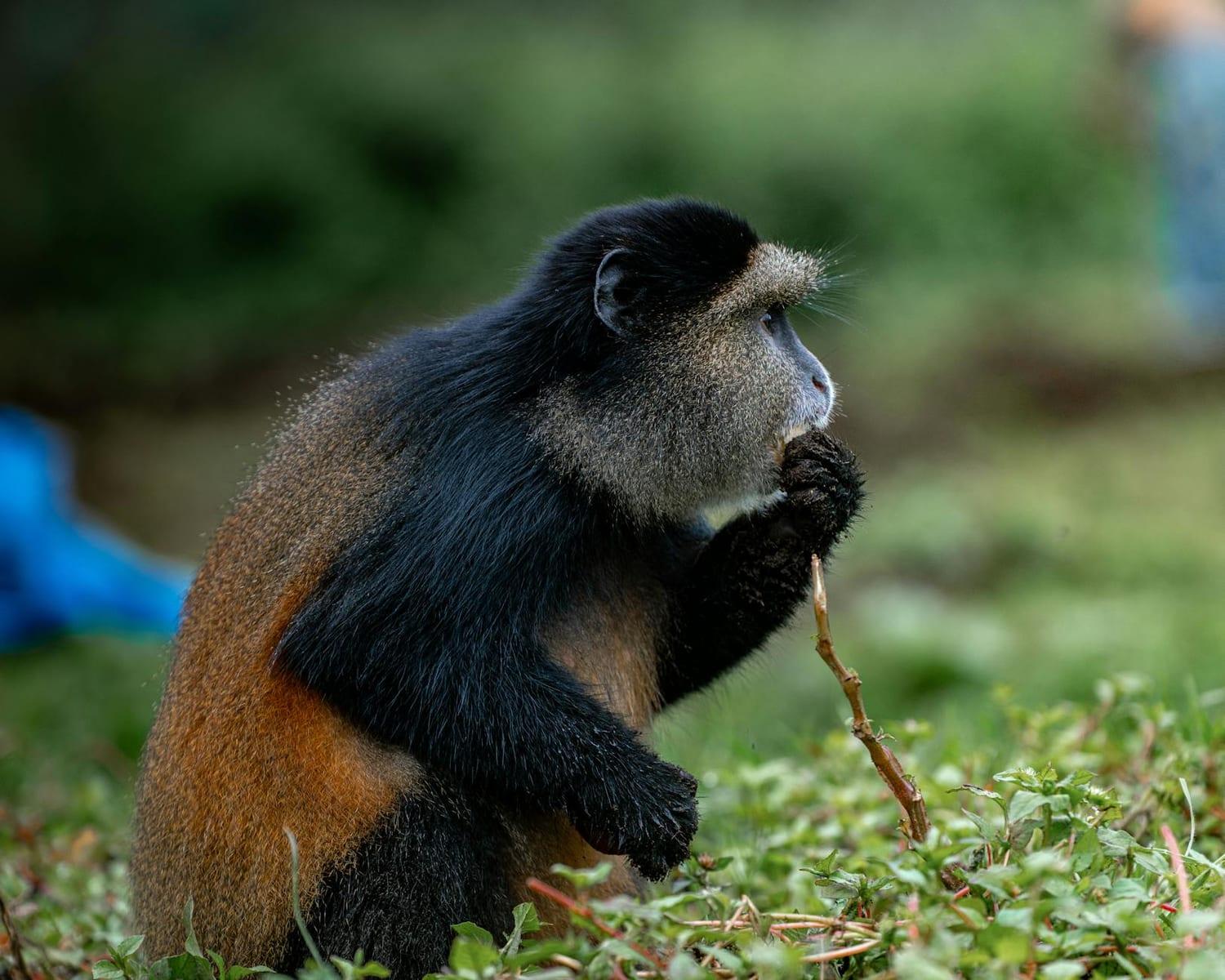
- Nyungwe National ParkExplore one of Africa’s most species-rich parks among Nyungwe’s fabulous high-elevation rainforest, also a vital fountainhead for the country.
- Akagera National ParkStretching from riverine forest to rolling savanna, this park’s being restored after decades of neglect; lions have recently been reintroduced.
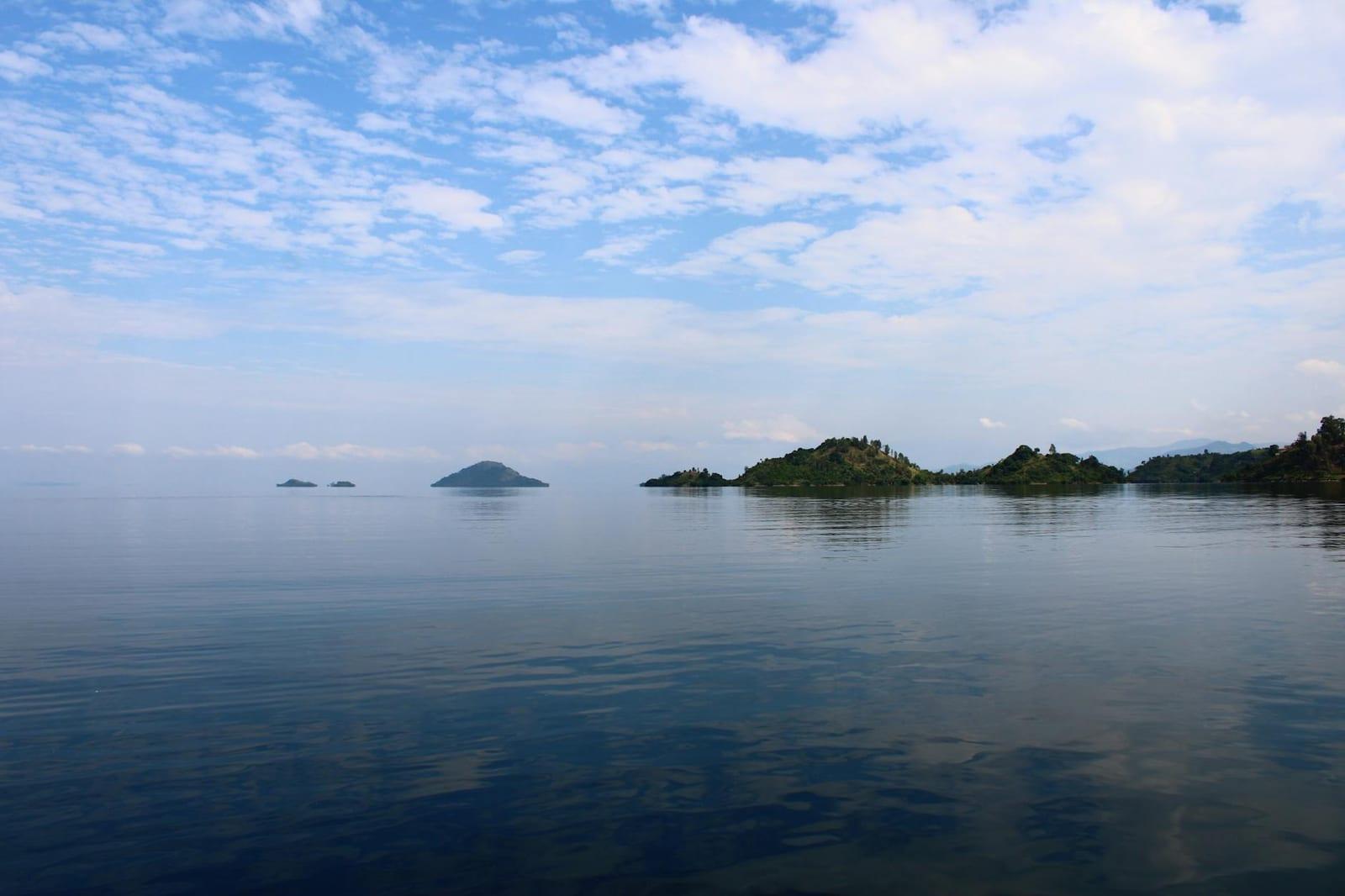
- Lake KivuThe great rift lake Kivu, cradled by green hills, is Rwanda’s largest body of freshwater; Gisenyi and Kibuye are resort hubs on its shores.
- Kigali Genocide Memorial CentreMull the sad legacy of the 1994 Rwandan genocide at this Aegis Trust-managed memorial.
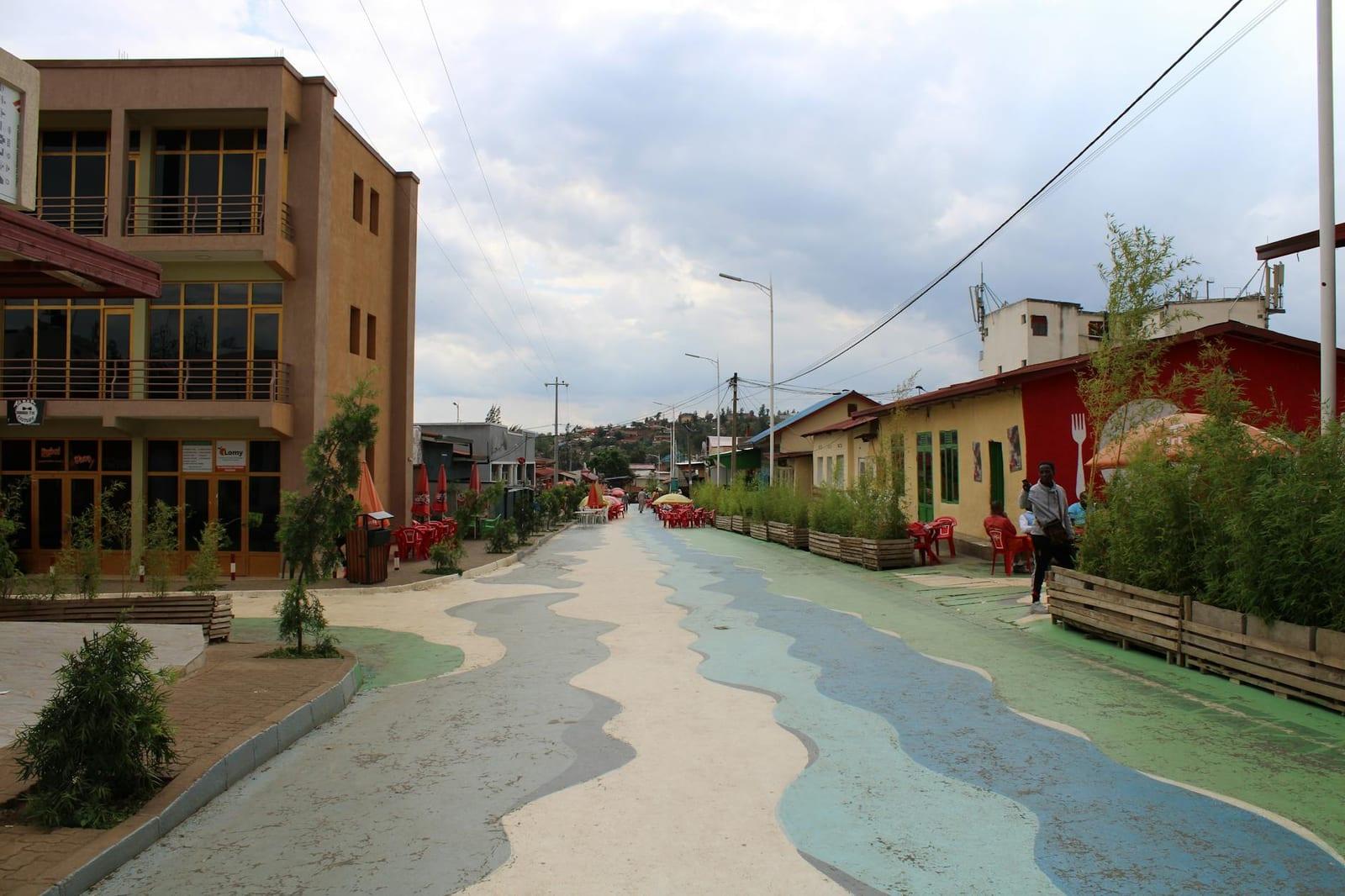
- Hotel des Mille CollinesAnother sobering landmark of the country’s darkest hour, this Kigaili hotel sheltered more than 1,000 refuges during the Genocide (the subject of Hotel Rwanda).
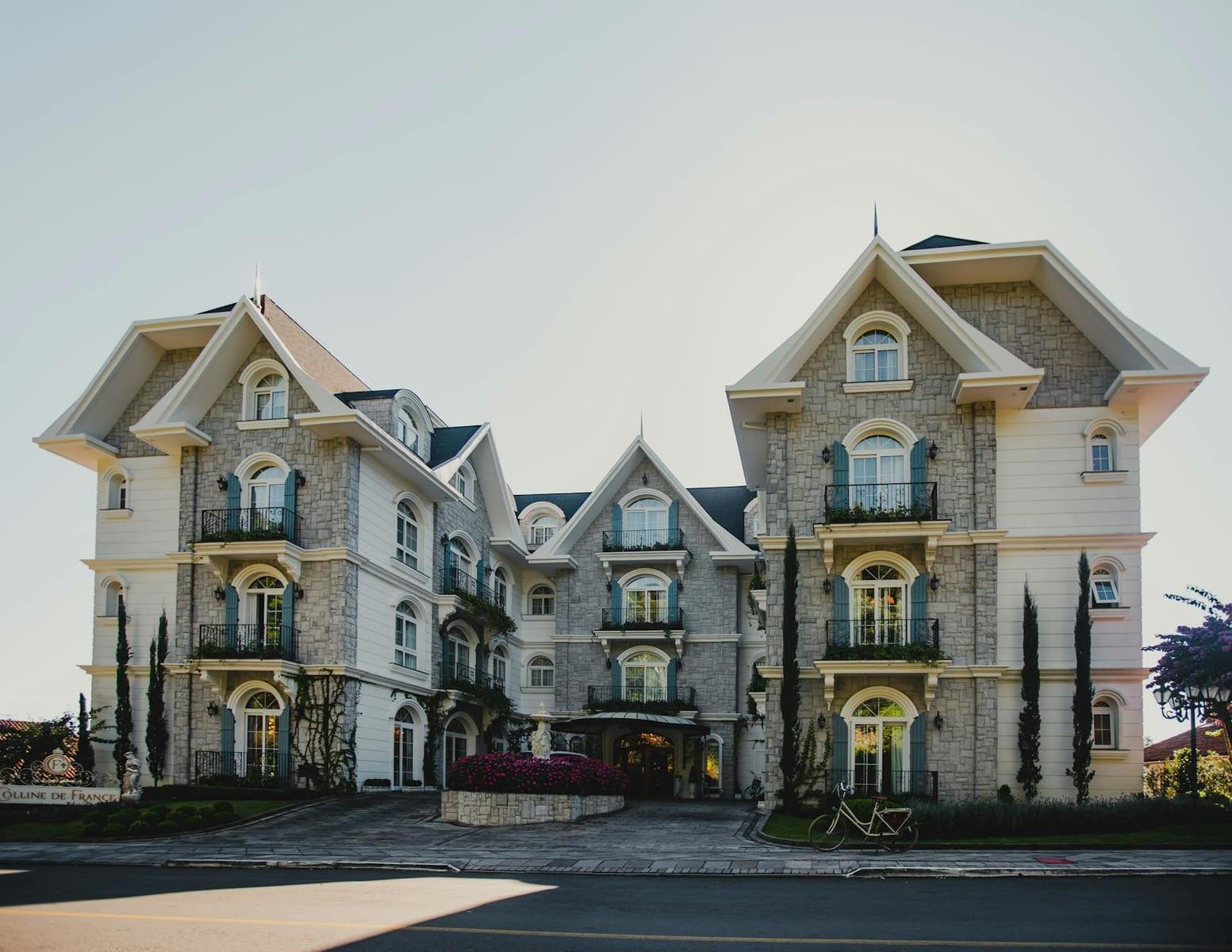
- Ethnographic MuseumThis Butare institution functions as Rwanda’s national museum and boasts some of the most impressive ethnographic displays on the continent.