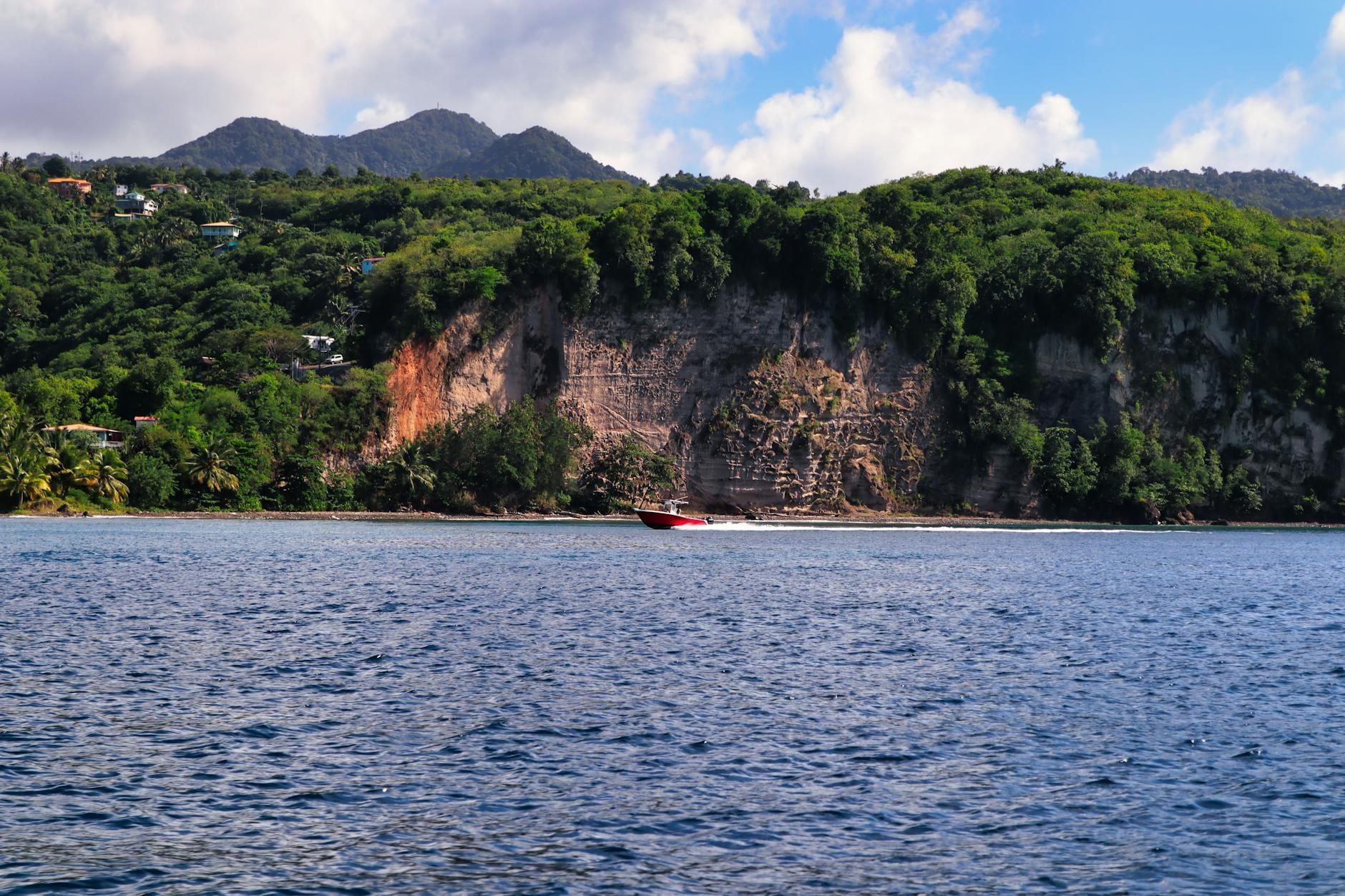
Work your way to the core of the Windward Islands of the Lesser Antilles, and you’ll find one pearl of an isle, Saint Lucia. There are dream vistas aplenty here: rainforest ridges, sharp-toothed mountains, and seashores so shiny that you’ll invariably squint at first glance.
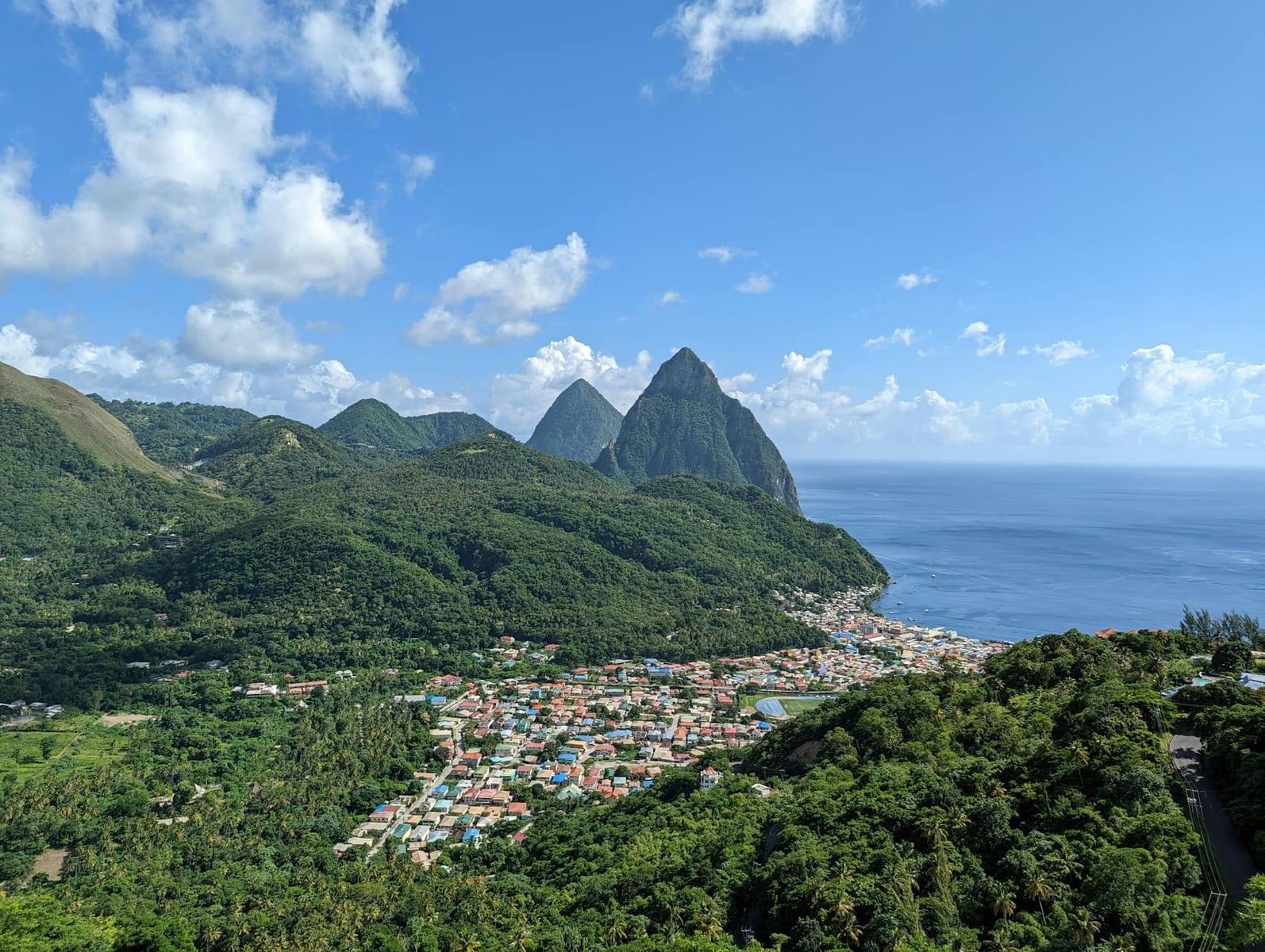
Both the Atlantic and Caribbean coastlines of Saint Lucia are breathtaking. And there’s no more photographed seashore than Soufriere’s in the southwest, shadowed by the island’s defining landmarks: the Pitons. These conical volcanic pinnacles loom straight out of the sea, composing one of the Caribbean’s most iconic and awe-inspiring sights.
The highland rainforests of Saint Lucia’s backbone ridge (the Barre de L’isle) are the island’s hidden treasure. Hiking and mountain-biking trails afford access to these lush, trade-wind-nourished stands of tropical hardwoods—all the way up to the summits of 1,446-foot Mount La Combe and 3,117-foot Mount Gimie (the Saint Lucian high point).
Situated between Martinique to the north and Saint Vincent and the Grenadines to the south, Saint Lucia was originally the domain of the Arawaks, who ultimately ceded the real estate to the Island Caribs. Spanish mariners knew of Saint Lucia by the early 1500s and the British tried unsuccessfully colonizing it at the start of the 17th century, but it wasn’t until 1660 that European settlement, French as it were, took hold. Britain and France proceeded to squabble over the island for decades, until it ultimately became a British colony in 1815. Independence, long in the works, officially came in 1979.
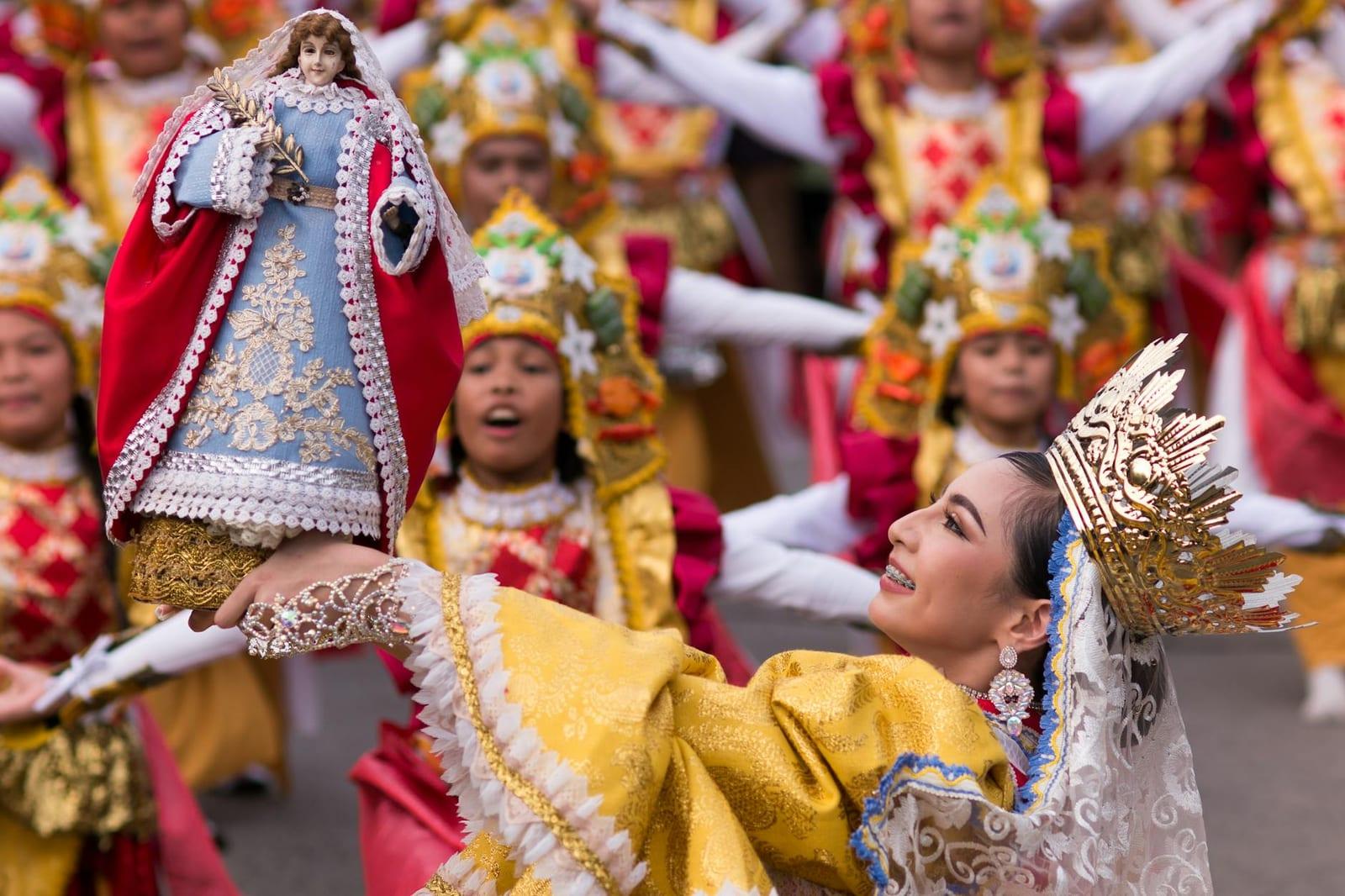
The population’s mostly of African descent, but Indian, European, and mixed-race Saint Lucians are important minorities. From the multicultural cookery to the Saint Lucian Carnival, the island’s a great place to explore all the jumbled-together strands of Afro-, Euro-, Indo-, and Amerindian-Caribbean heritage.
History and scenery unite on Pigeon Island off the northwestern coast, a national landmark containing the ruins of French and British military fortifications dating from the late-18th-century. Caribbean-side beaches such as Anse Chastanet are the most popular; the quieter, rougher Atlantic-side coast includes secluded sands and the windsurfing mecca of Cas en Bas.
From sunny sands to mountaintop rainforest, from falling-down forts to the electric energy of Carnival, Saint Lucia comes in many flavors. No matter what you end up doing here, though, you'll be basking in the Caribbean at its prettiest.
8 things not to miss.
- the PitonsHike the Pitons
- Marigot BaySail Marigot Bay
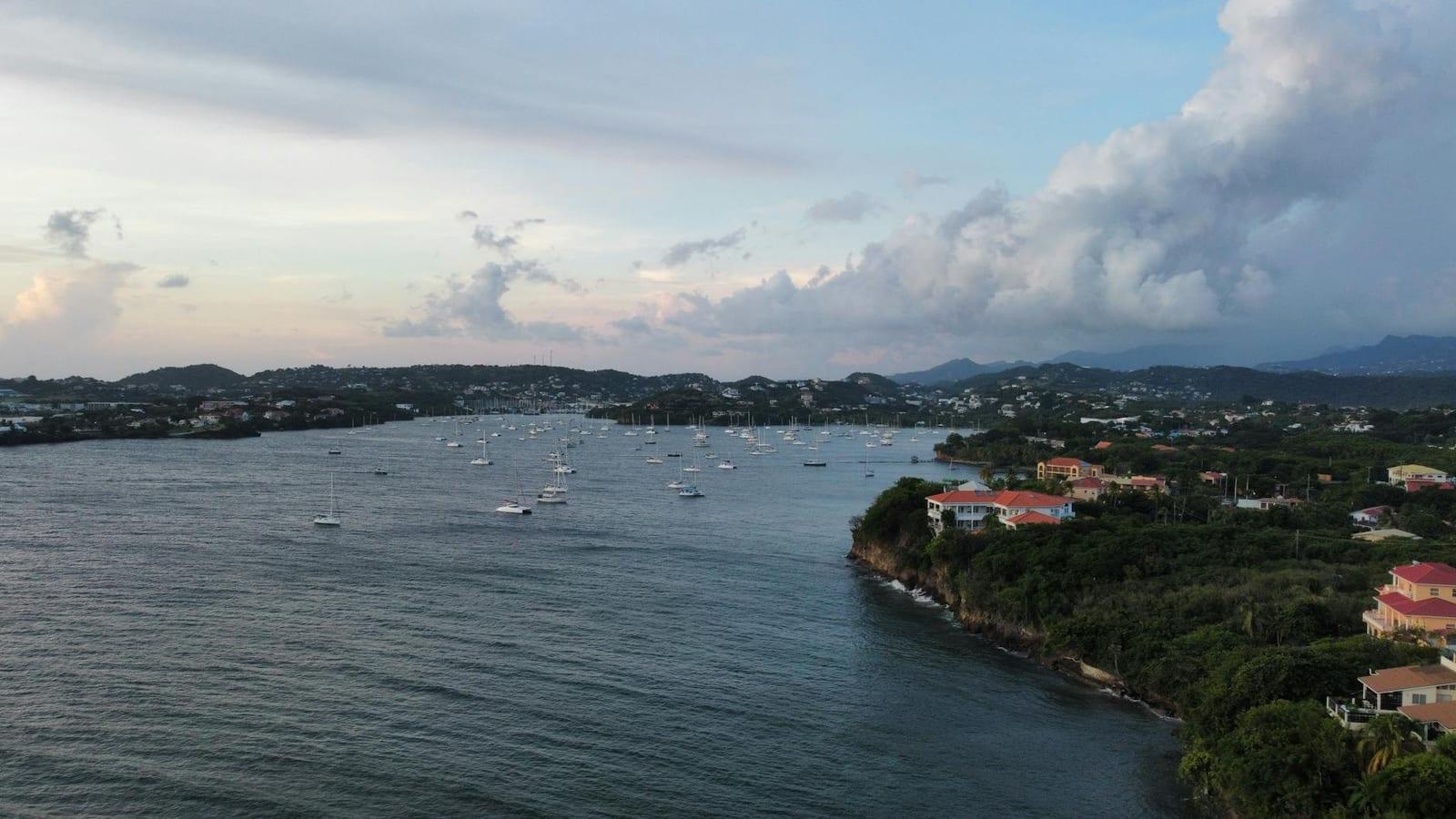
- Sulphur SpringsGeothermal sightseeing doesn’t get much easier than in this popular “drive-in volcano,” a caldera sizzling with steaming springs.
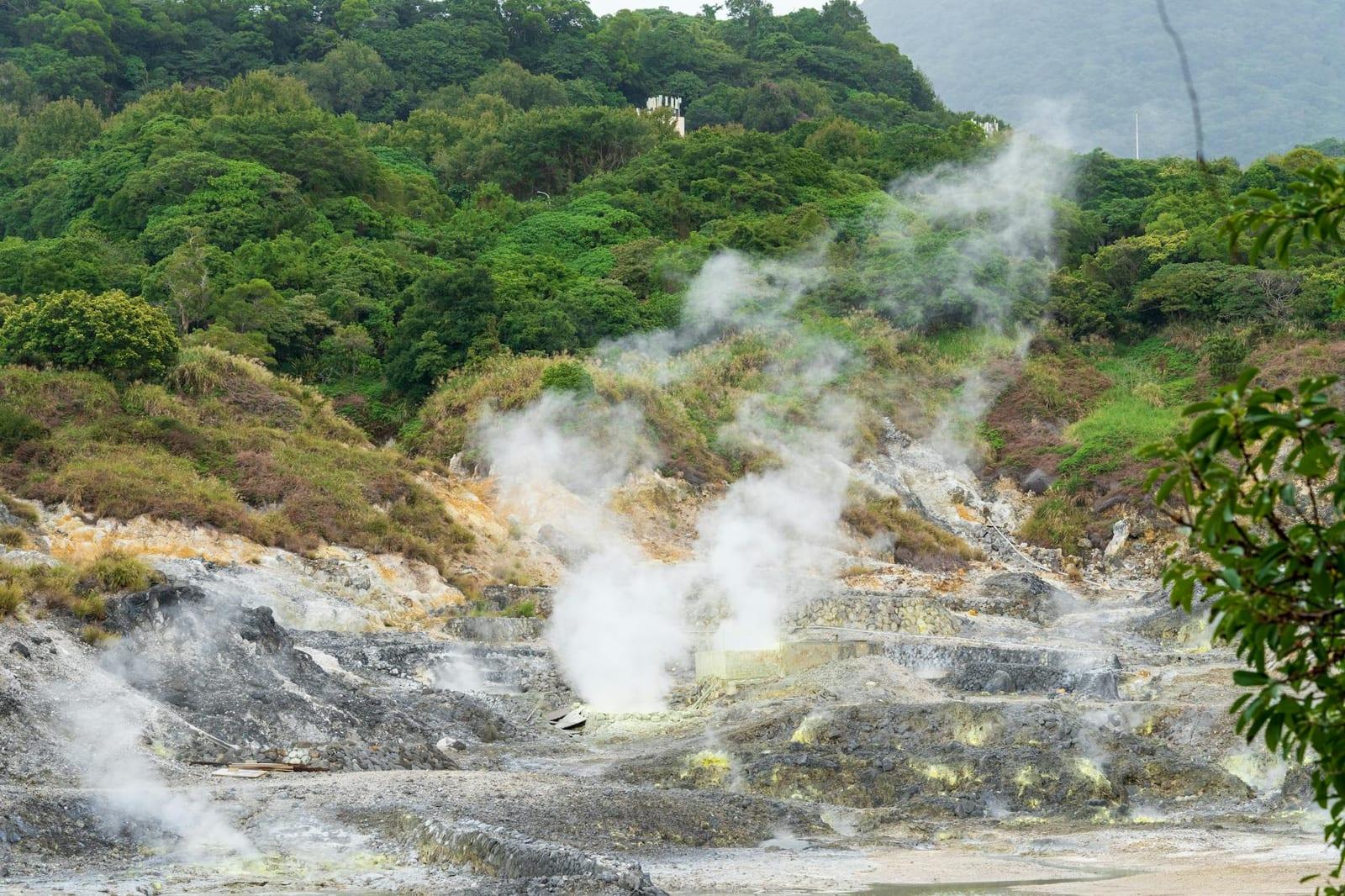
- Anse ChastanetThe fact that this stellar swath of Caribbean sands is just a stone’s throw from Soufriere only ups its appeal.
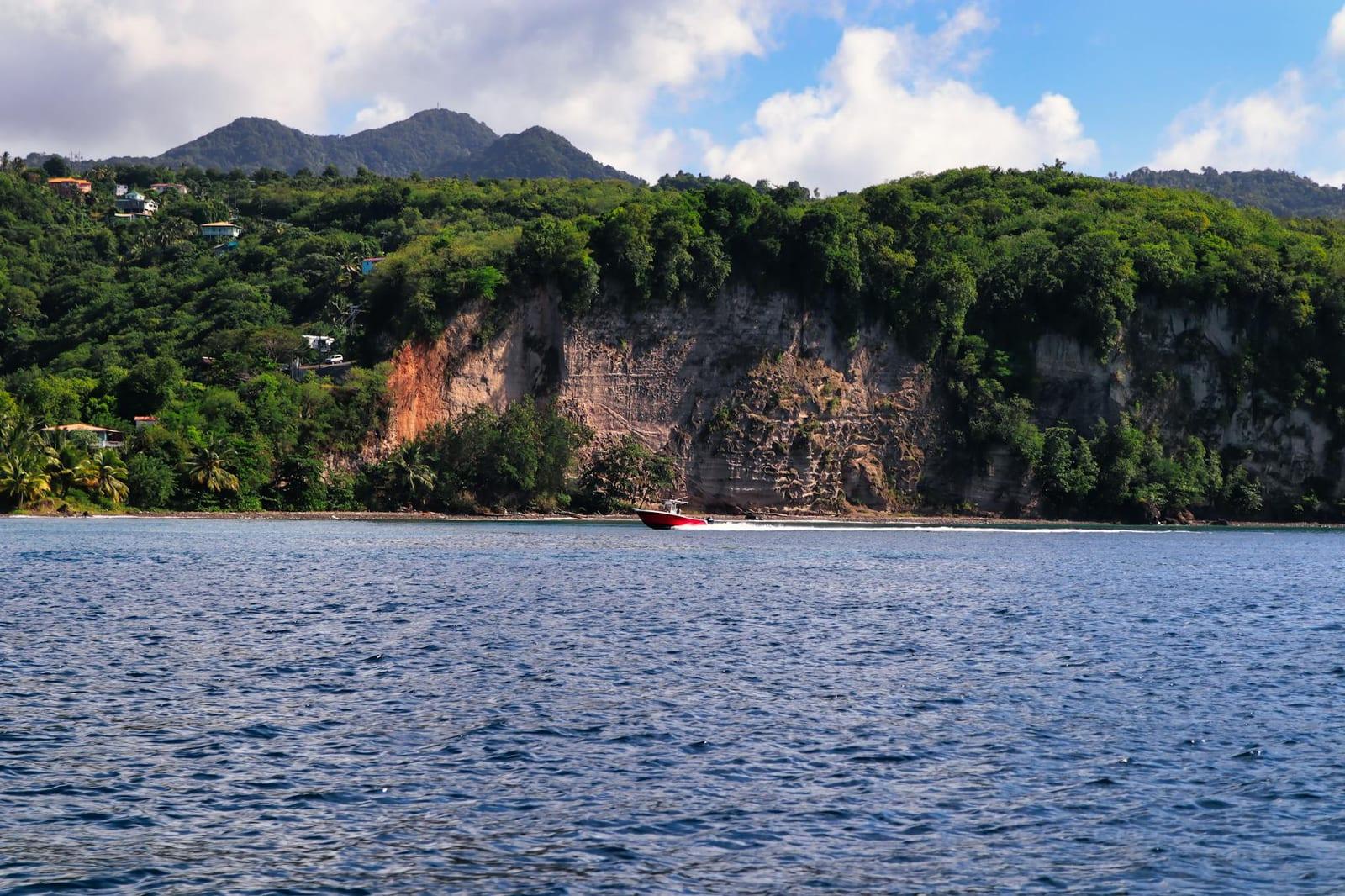
- Cas en BasThe steady trades make this northeastern beach a mecca for windsurfers.
- Barre de L’isleEscape to gorgeous trade-wind evergreen forest along the island’s central ridge (Barre de L’isle), which reaches past 3,000 feet on Mount Gimie.
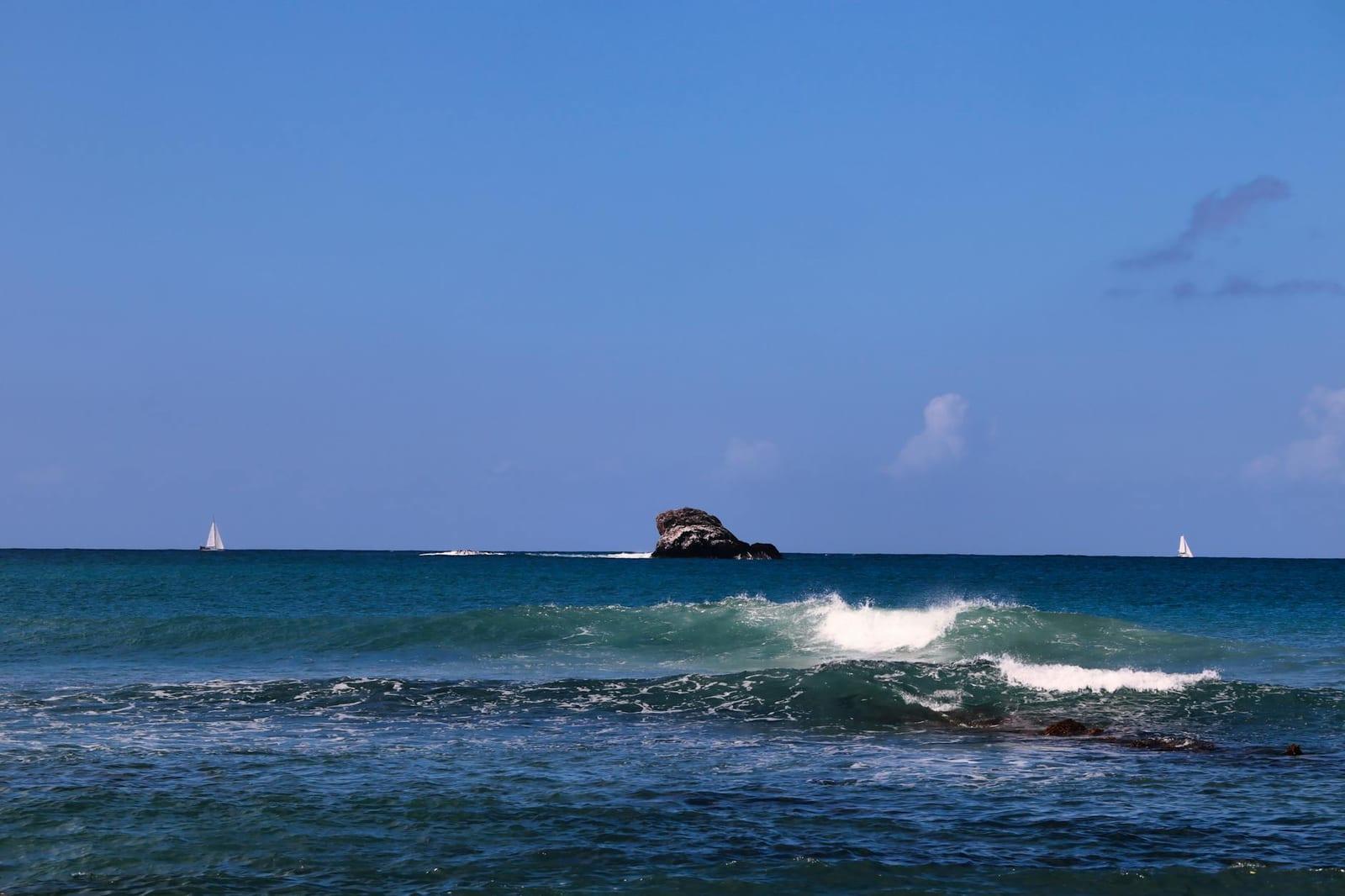
- Pigeon IslandThis isle witnessed some of the heaviest fighting between the British and French over Saint Lucia, and many military ruins remain.
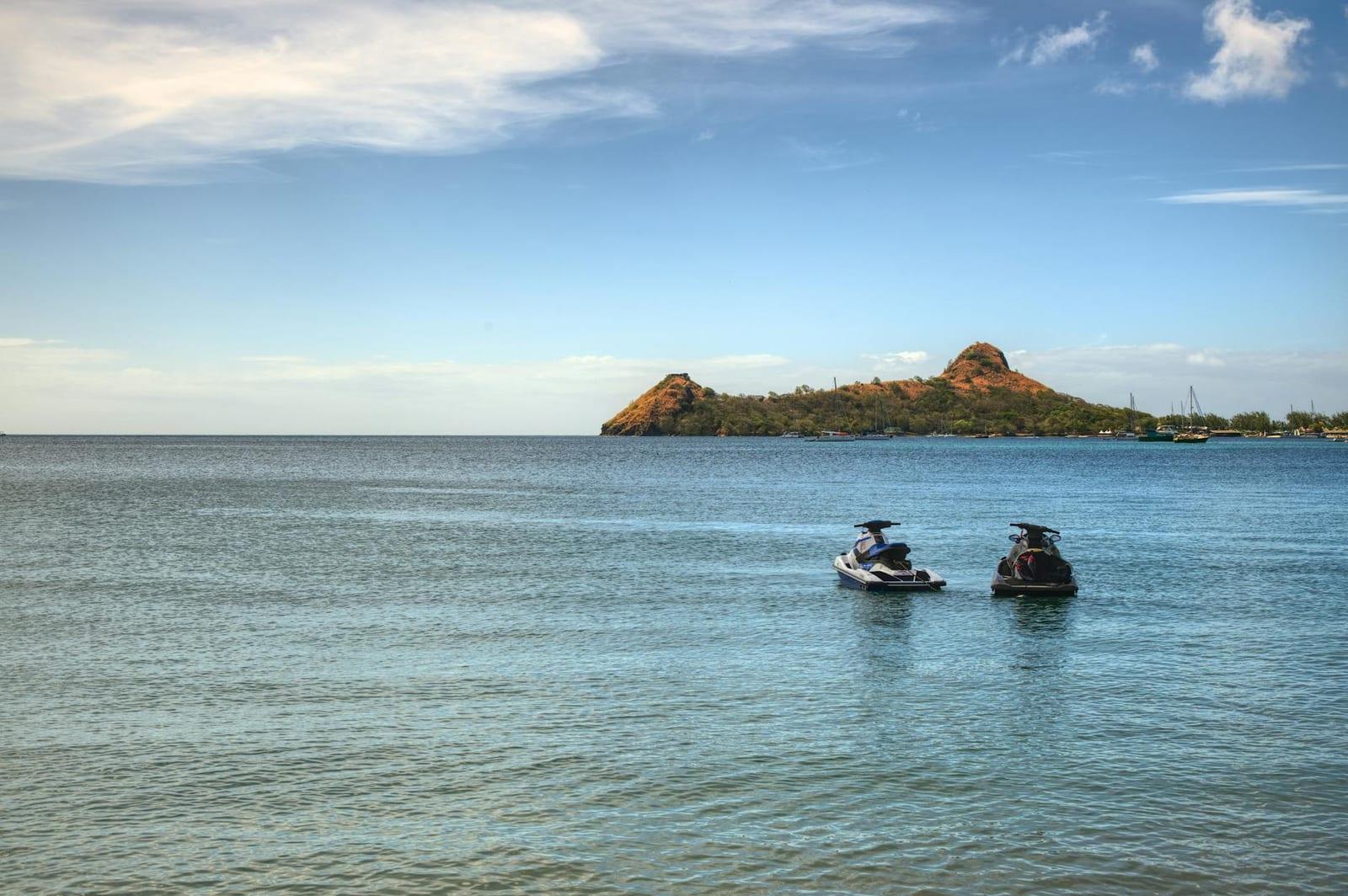
- Derek Walcott SquareEdged by the enormous Cathedral Basilica of the Immaculate Conception, this fetching plaza lies at the heart of Castries.