A history lesson from a xalam-strumming praise-singer or a rousing, politically charged hip-hop performance in a Dakar club; laidback palm-lined beaches or tawny bush; colonial avenues or megalithic stone circles—Senegal encapsulates an awful lot of West Africa’s natural and cultural essence.
You’ve got the mad urban crush of Dakar, the coastal capital that serves as mainland Africa’s westernmost hub. It’s always been a center of commerce and culture, a fascinating mashup of Senegalese society. The stouthearted can wade into the haggling of the street markets, while the IFAN Museum of African Arts offers some rich artistic and ethnographic context in its exhibits. Greater Dakar puts the spiritual diversity of Senegal on full display, from the tucked-away Keur Moussa Benedictine monastery to the imposing Dakar Cathedral and Grand Mosque. And there’s no finer place for appreciating the wealth and diversity of Senegalese music, long nourished by the venerable West African griot traditions.
Farther upcoast—at the mouth of the Senegal River—near the Mauritanian line, the regional capital of Saint-Louis offers a wealth of colonial architecture, a reminder of the long era of French rule. Besides the beauty of the cityscape and the many museums and cultural festivals, Saint-Louis is notable as a launchpad for visits to Djoudj National Bird Sanctuary, a mecca for ornithologists.
And speaking of nature sanctuaries, Senegal harbors one of Africa’s most significant: the World Heritage Site of Niokolo-Koba National Park in the southeast. Witness crocodiles and hippos rule the Gambia River, rare open-country chimpanzees wander the grasslands of Mount Assirik, and some highly threatened animals—the derby eland, the West African lion, and the painted hunting dog.
Whichever way you shake it, sun-kissed Senegal is one of Africa’s most engrossing destinations. From Dakar nightlife to the stately elephants of Niokolo-Koba, the country’s scenes imprint deeply, forging lasting memories.
11 things not to miss.
- Île de GoréeVisit Île de Gorée
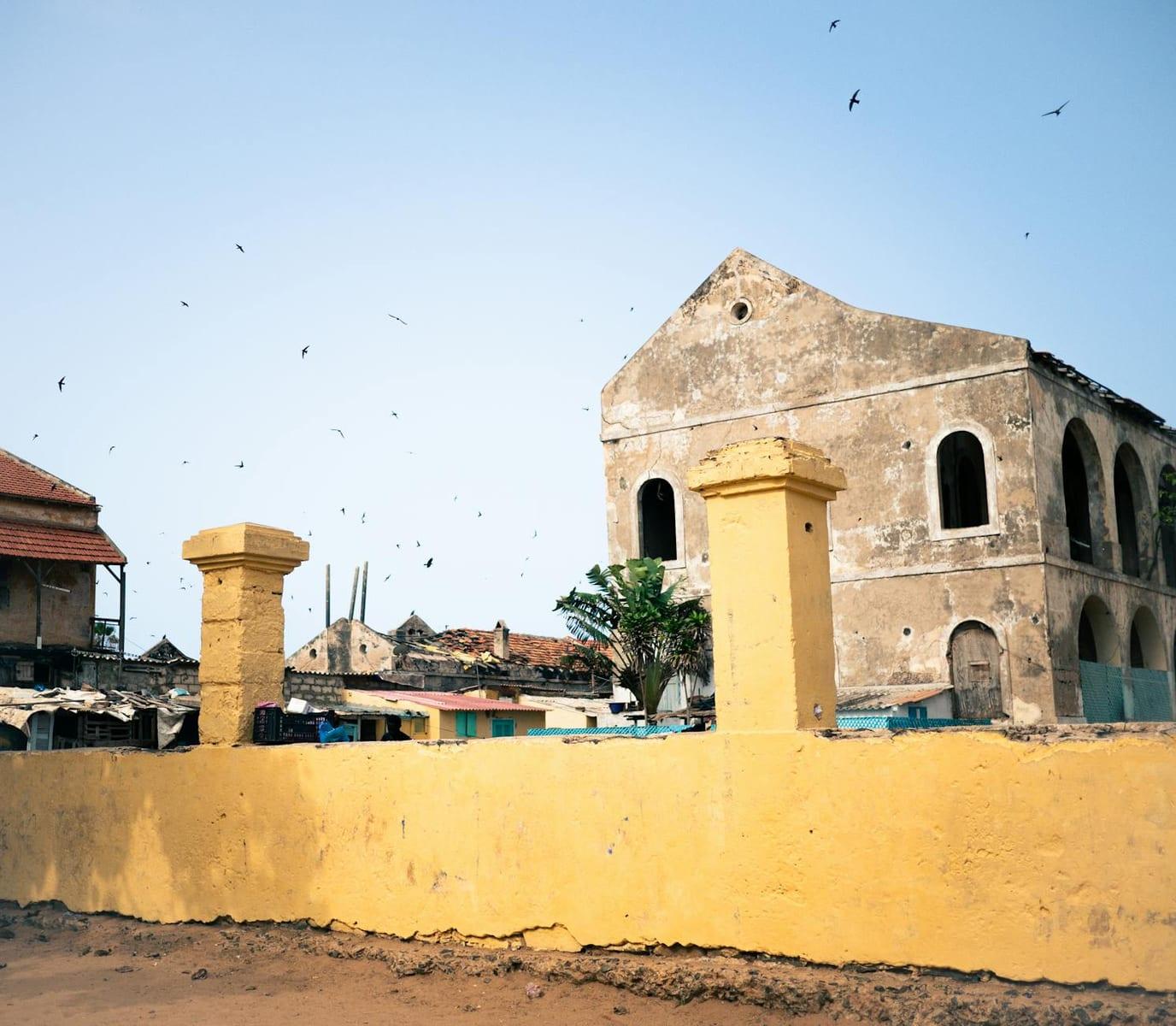
- birds of DjoudjSee the birds of Djoudj
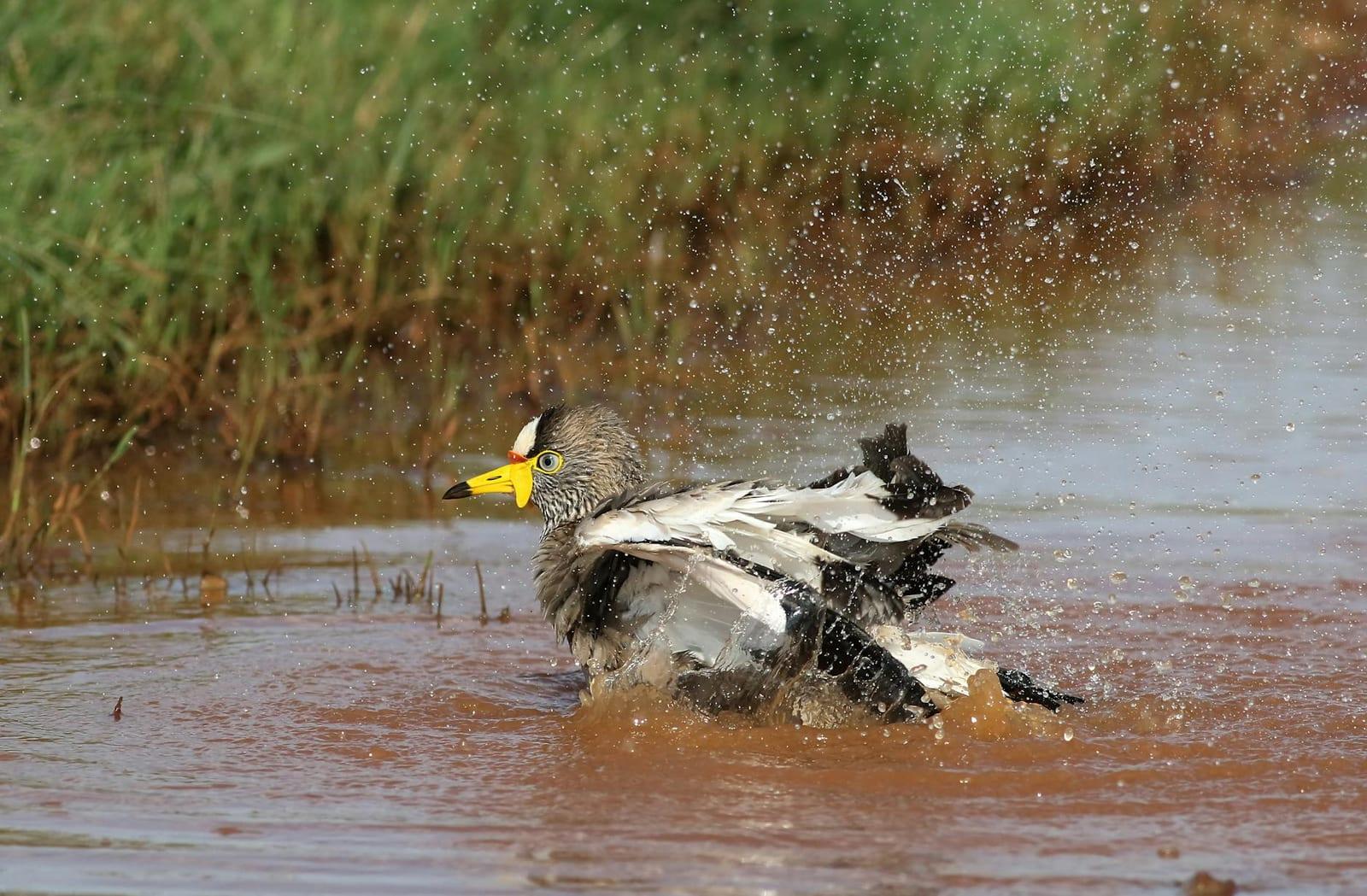
- Niokolo-Koba National ParkThe Gambia River’s bellowing hippos, the plunge of Dindefelo Falls, savanna-roaming chimps, West African lions and wild dogs—it’s no surprise this ultra-diverse park’s a World Heritage Site.
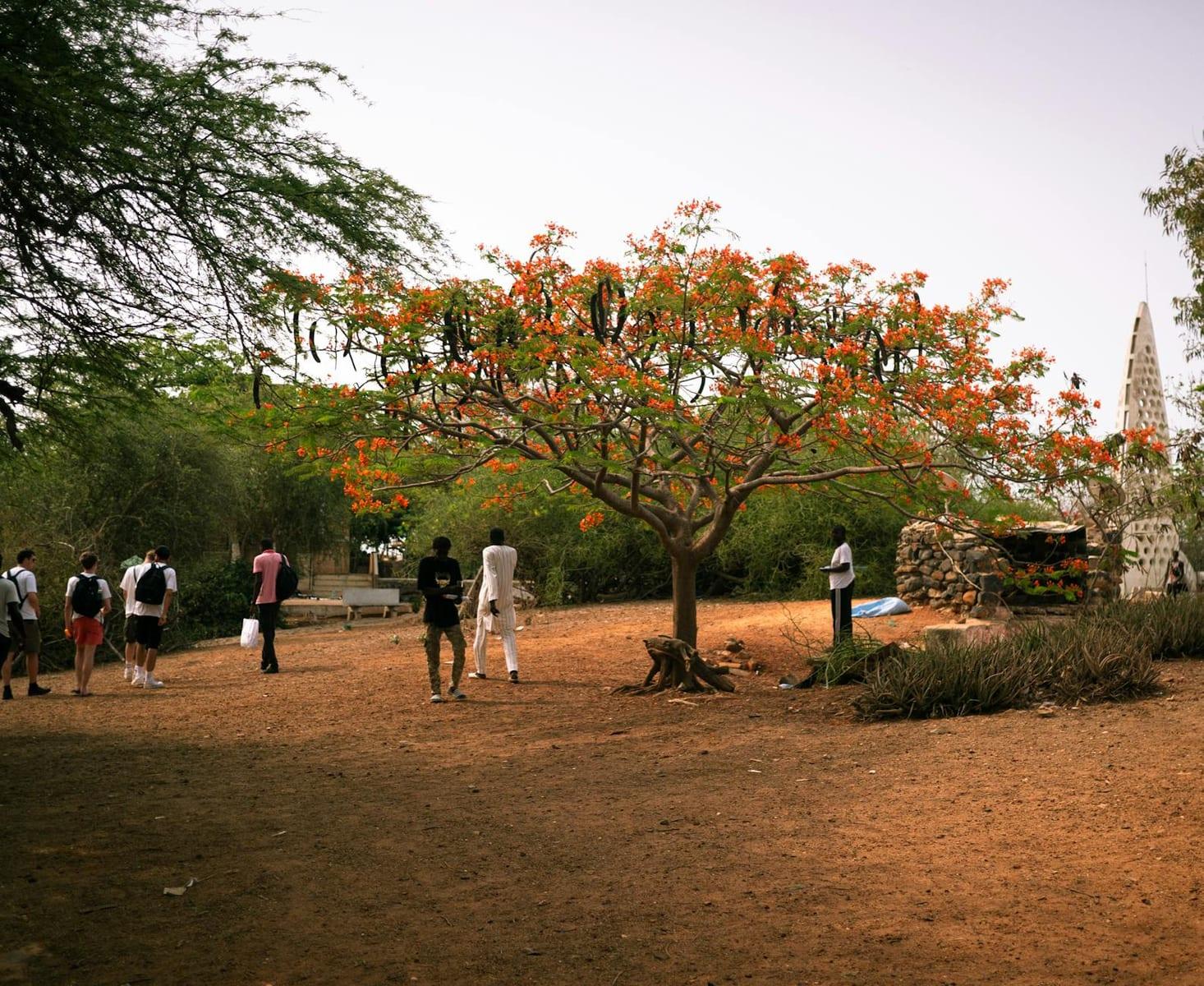
- Djoudj National Bird SanctuaryBirders covet the Senegal River bottomlands of this preserve near Saint-Louis, home to hundreds of species of avifauna—including great white pelicans.
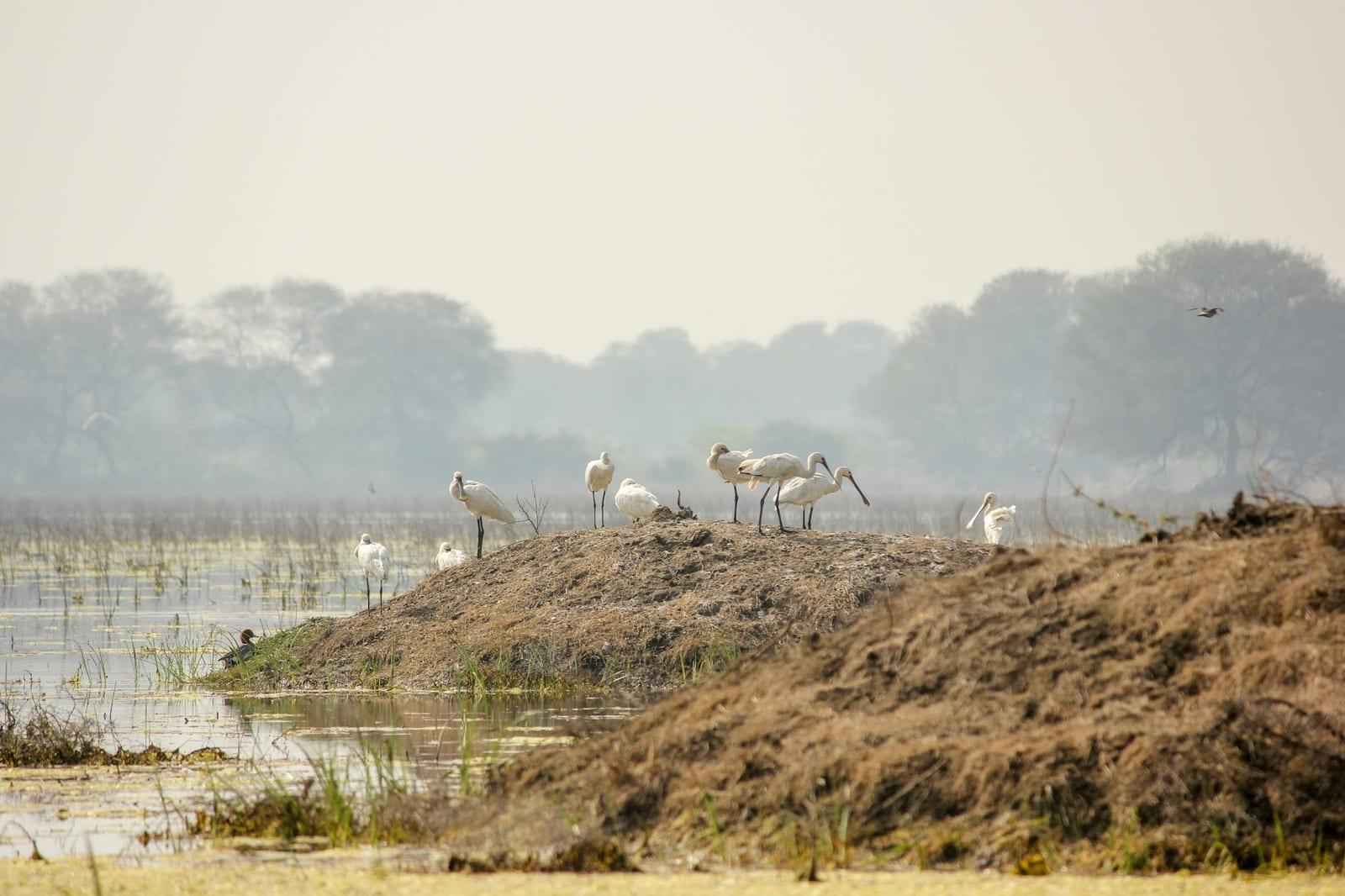
- Lac RoseOne of Senegal’s best-known natural landmarks, this sprawling, pink-tinged saline lake along the Atlantic coast is a striking sight.
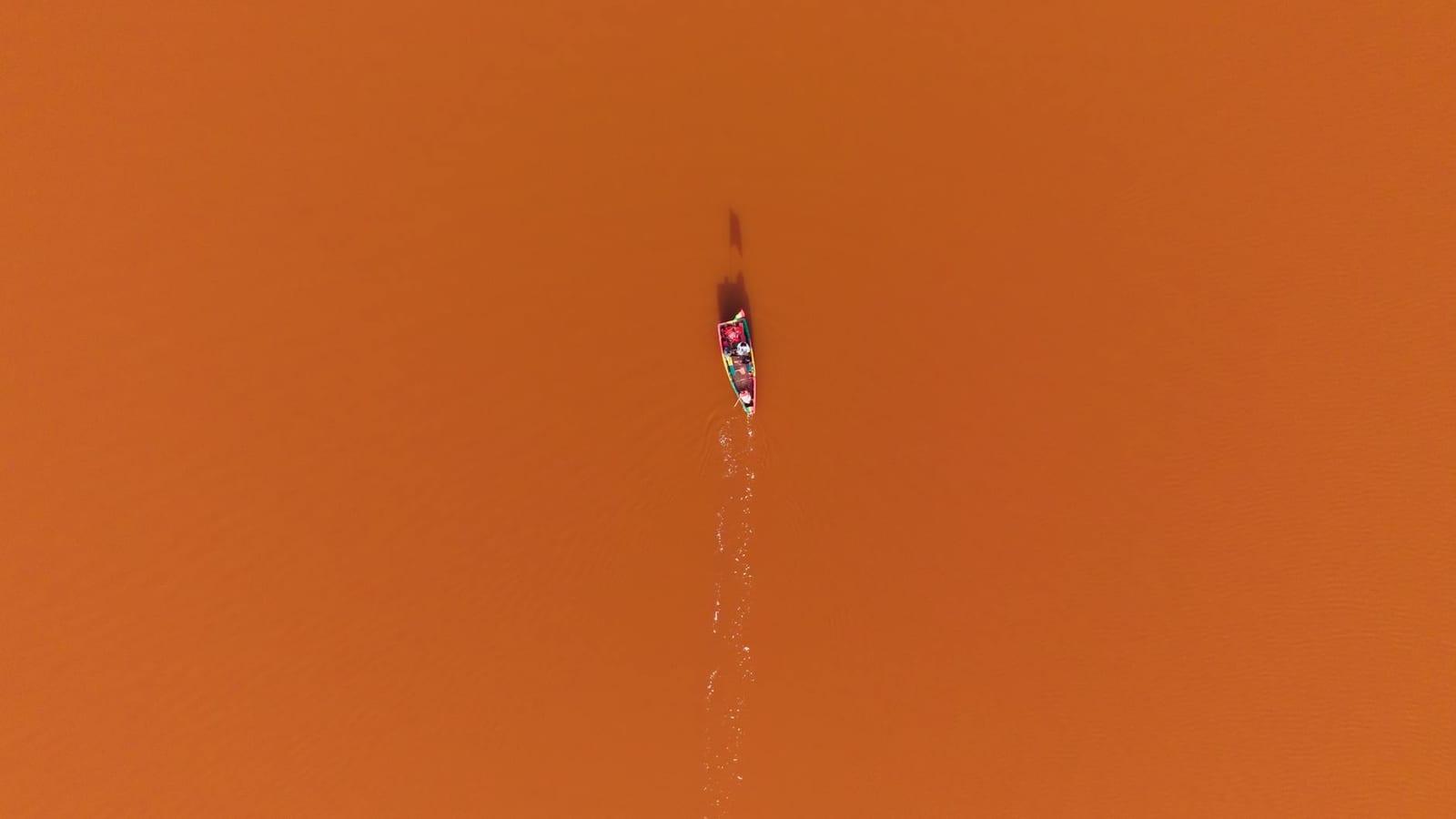
- Toubab DialawIt’s hard to beat this sought-out stretch of seacoast, where handsome beaches come framed with crimson cliffs.
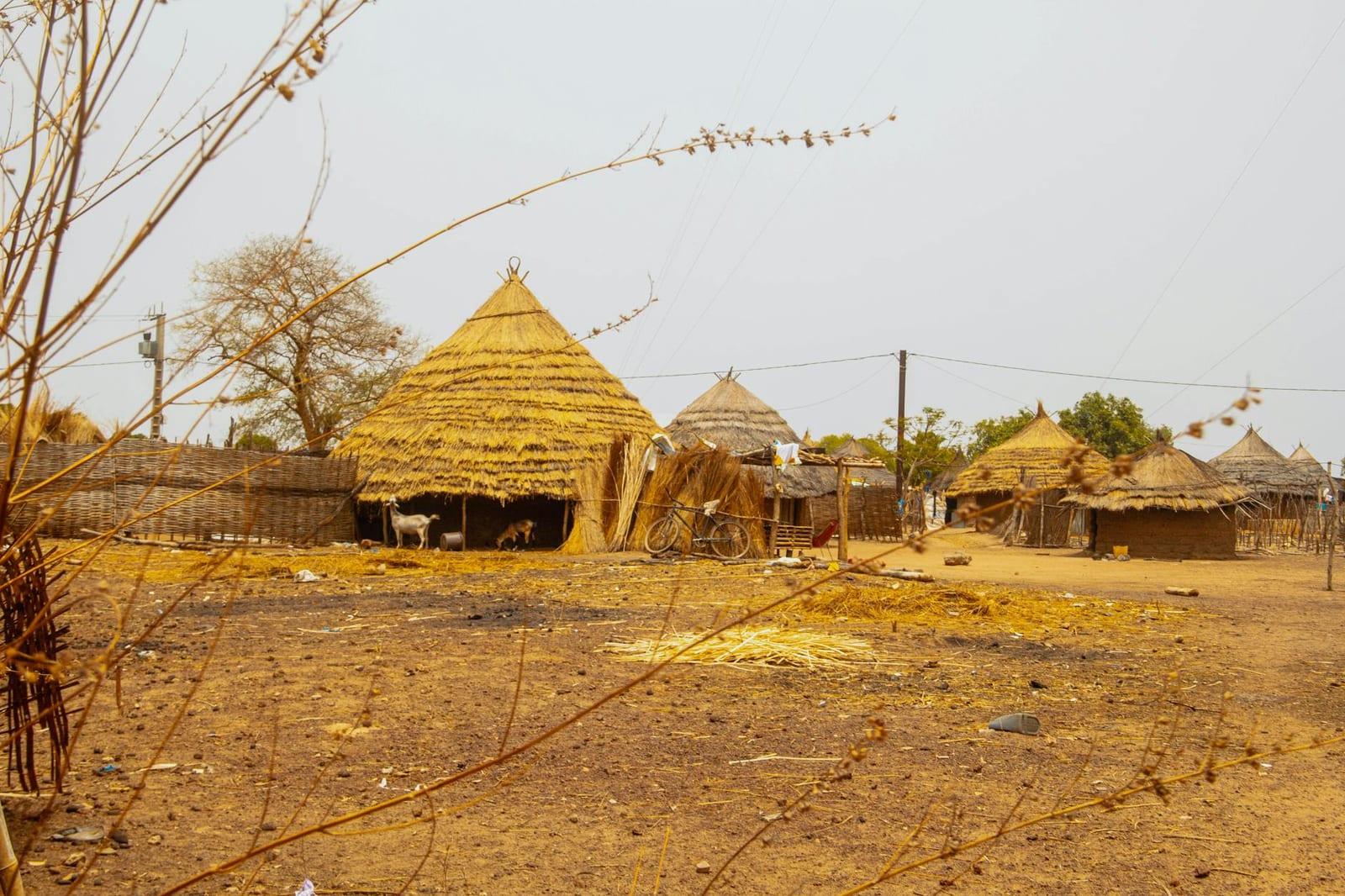
- SalyHere you’ll find one of the most well-developed and well-attended complexes of beach resorts in West Africa.
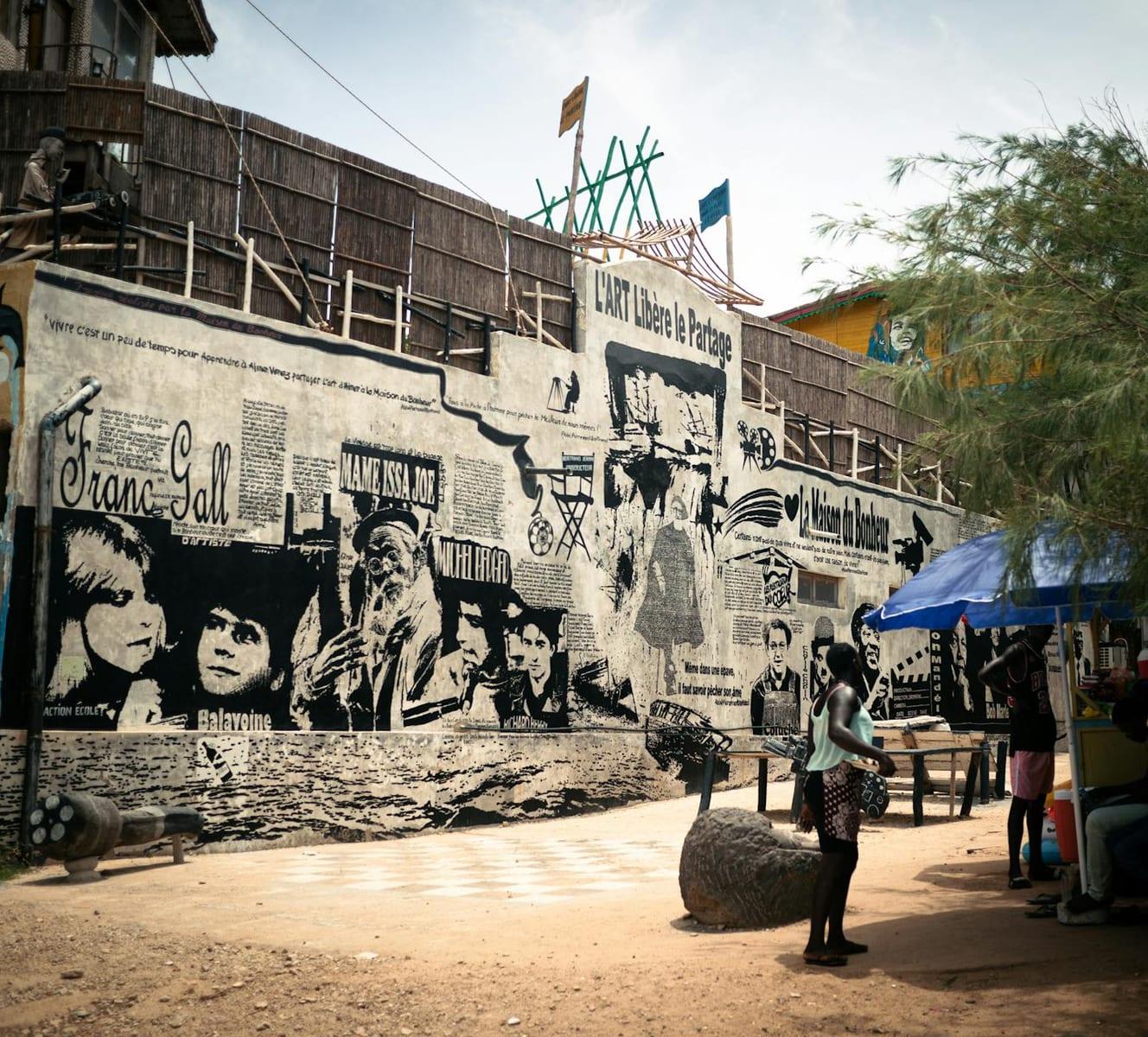
- Dakar Grand MosqueOne of the Senegalese capital’s defining landmarks, this mosque brandishes a minaret better than 200 feet tall.
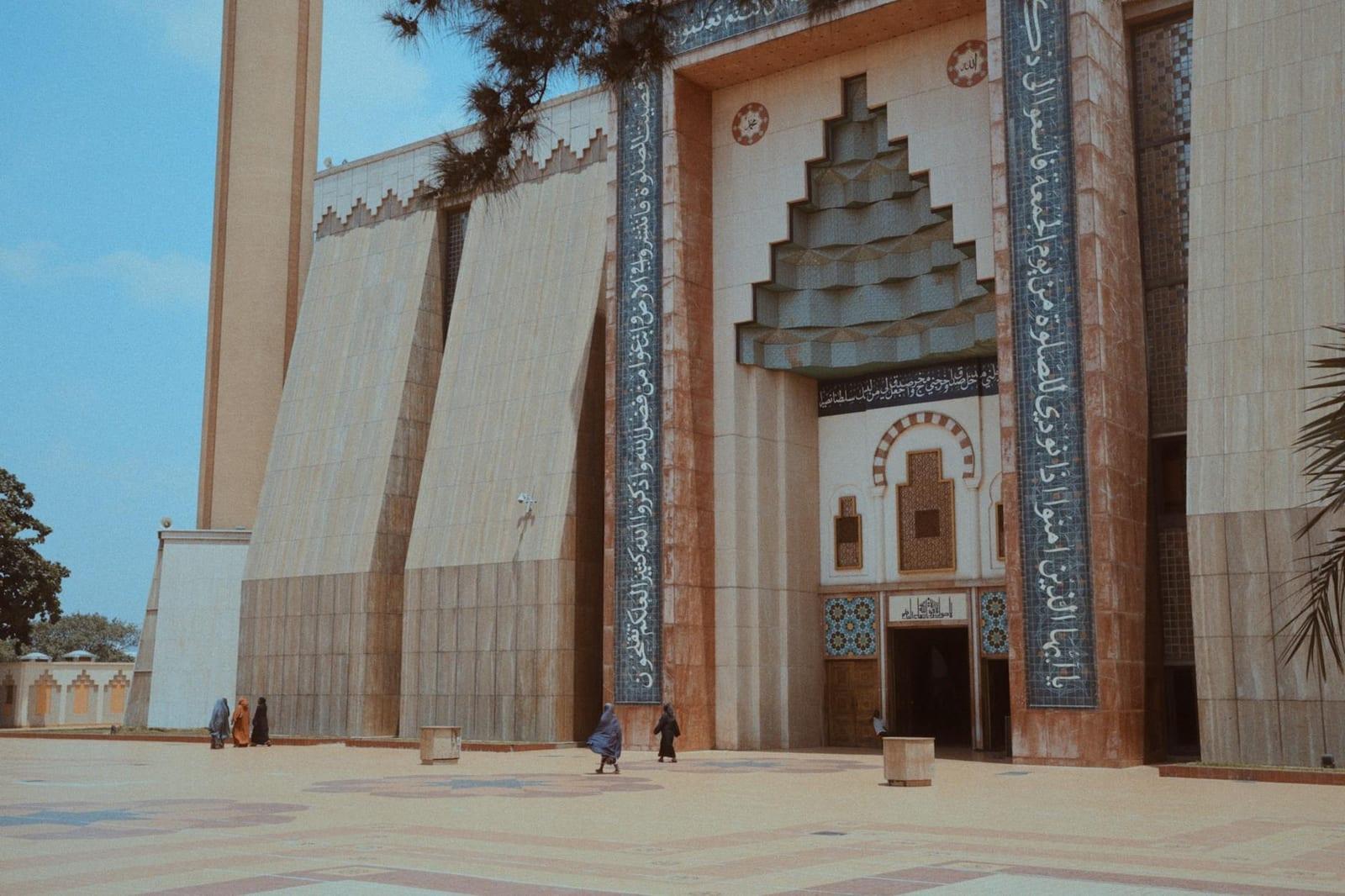
- African Renaissance MonumentEnjoying a fine view of the Atlantic, this 160-foot-tall bronze—forged in honor of the 50th anniversary of Senegal’s independence—is Africa’s loftiest statue.
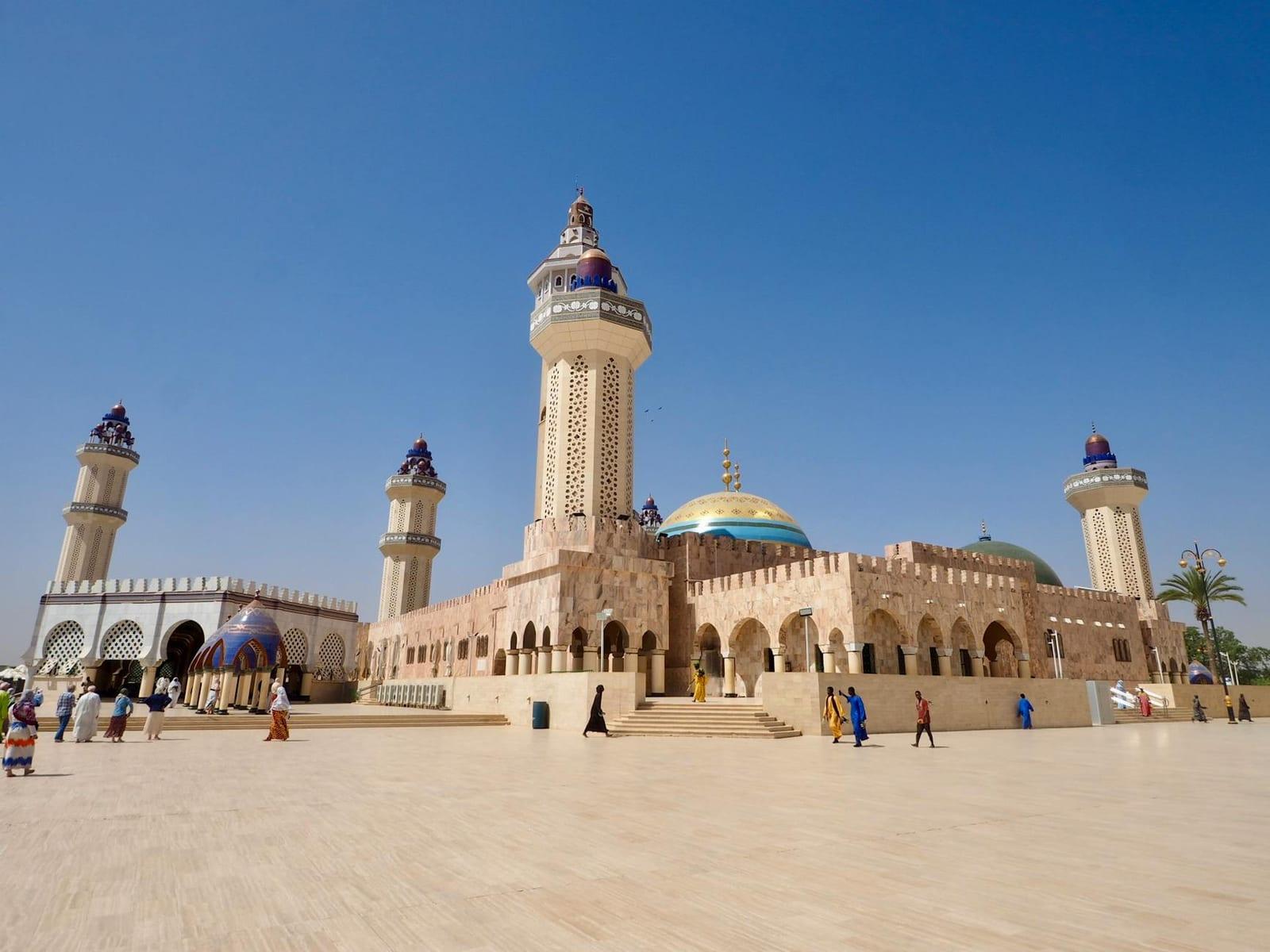
- IFAN Museum of African ArtsOne of the most venerable museums in West Africa, this imposing building houses both historical and contemporary artwork.
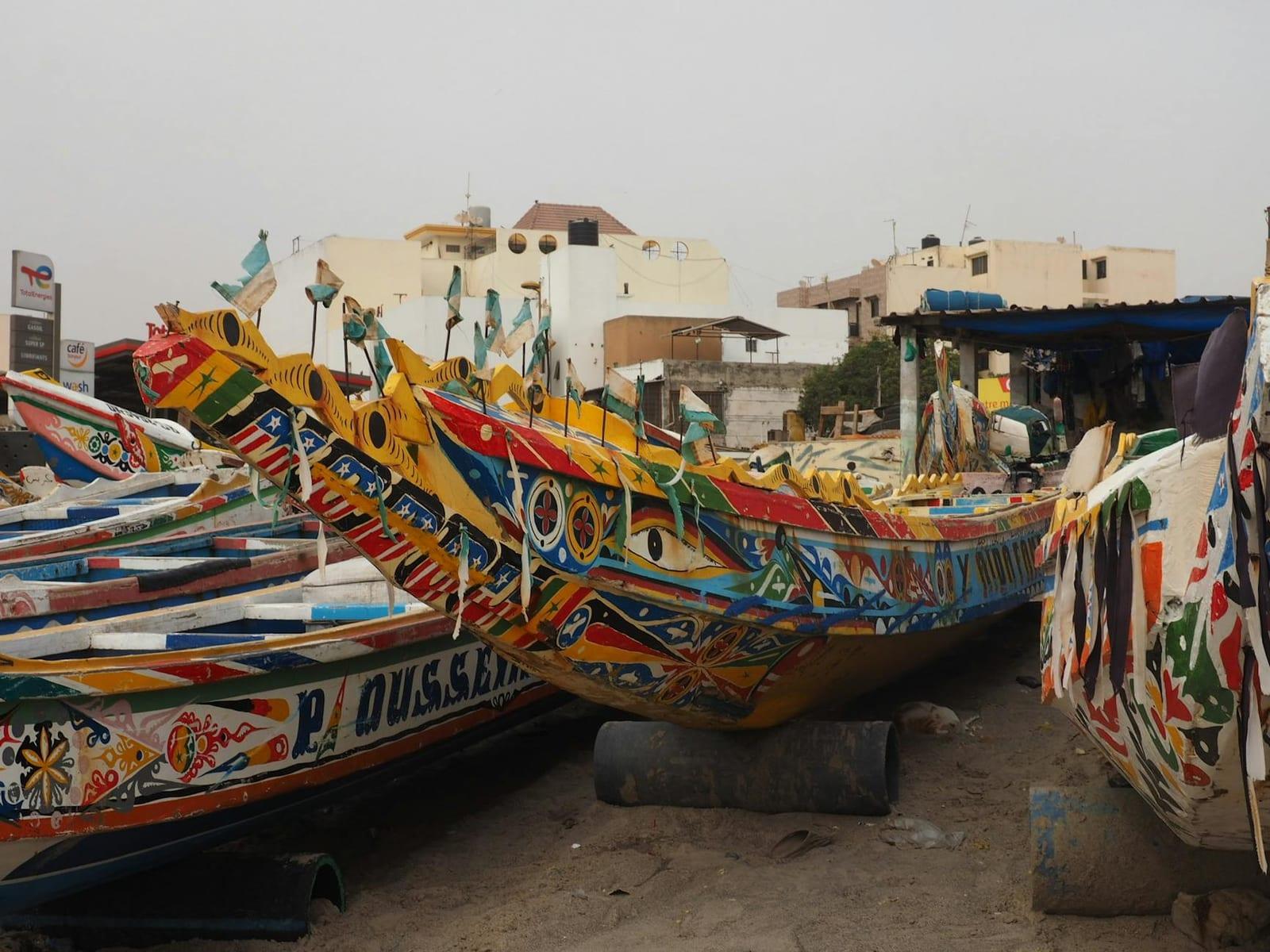
- Saint-LouisThe historical French capital of Senegal, this UNESCO World Heritage Site—perched on an island in the Senegal River estuary—has many colonial-era buildings.