If your image of Serbia is still dominated by the tragedies of the Kosovo War, you’re in for a surprise: Here’s one of southeastern Europe’s most stimulating destinations, from ancient monuments to ski resorts and nightclubs. And compared to many a European getaway, a Serbian idyll is remarkably affordable.
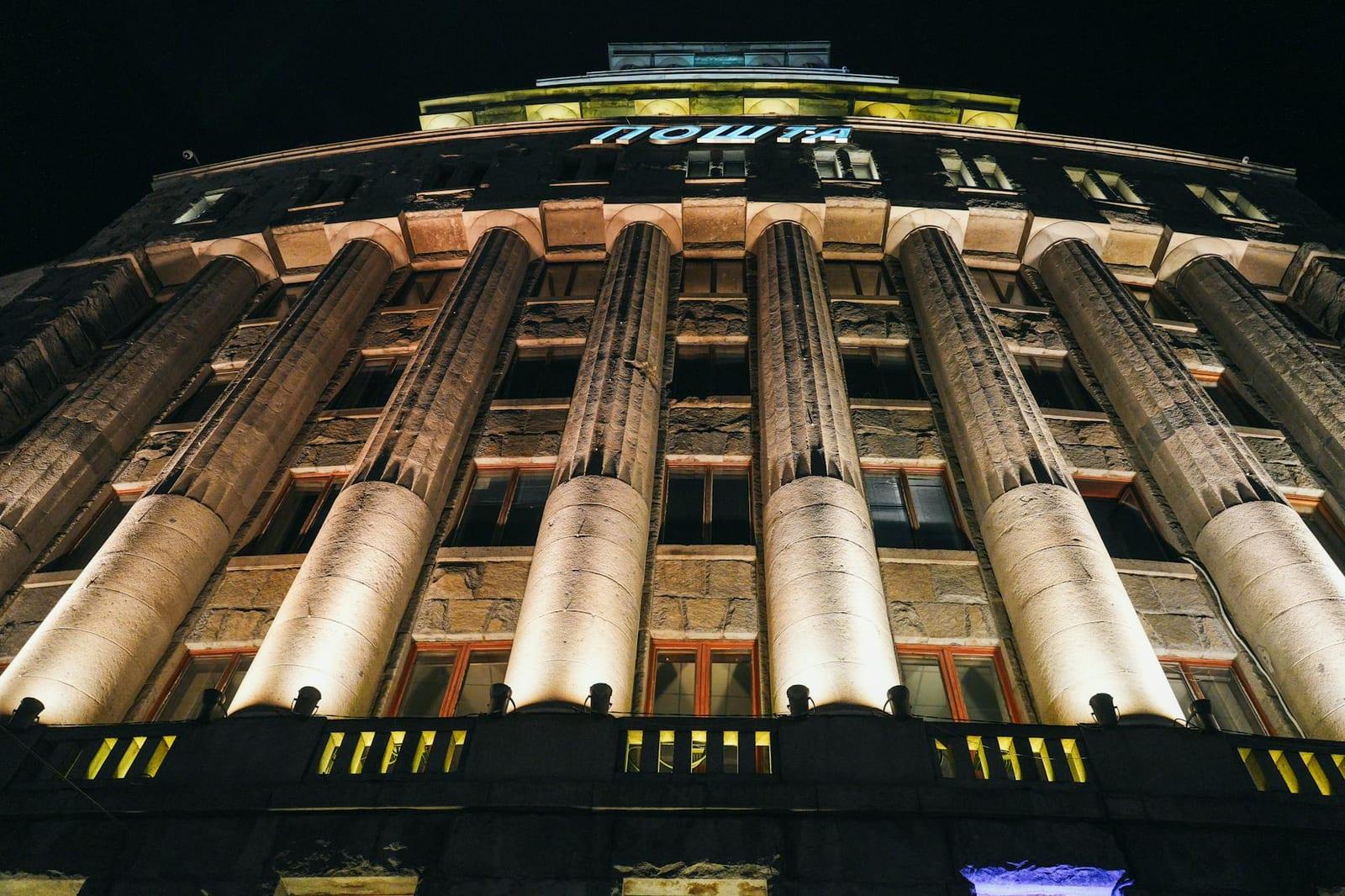
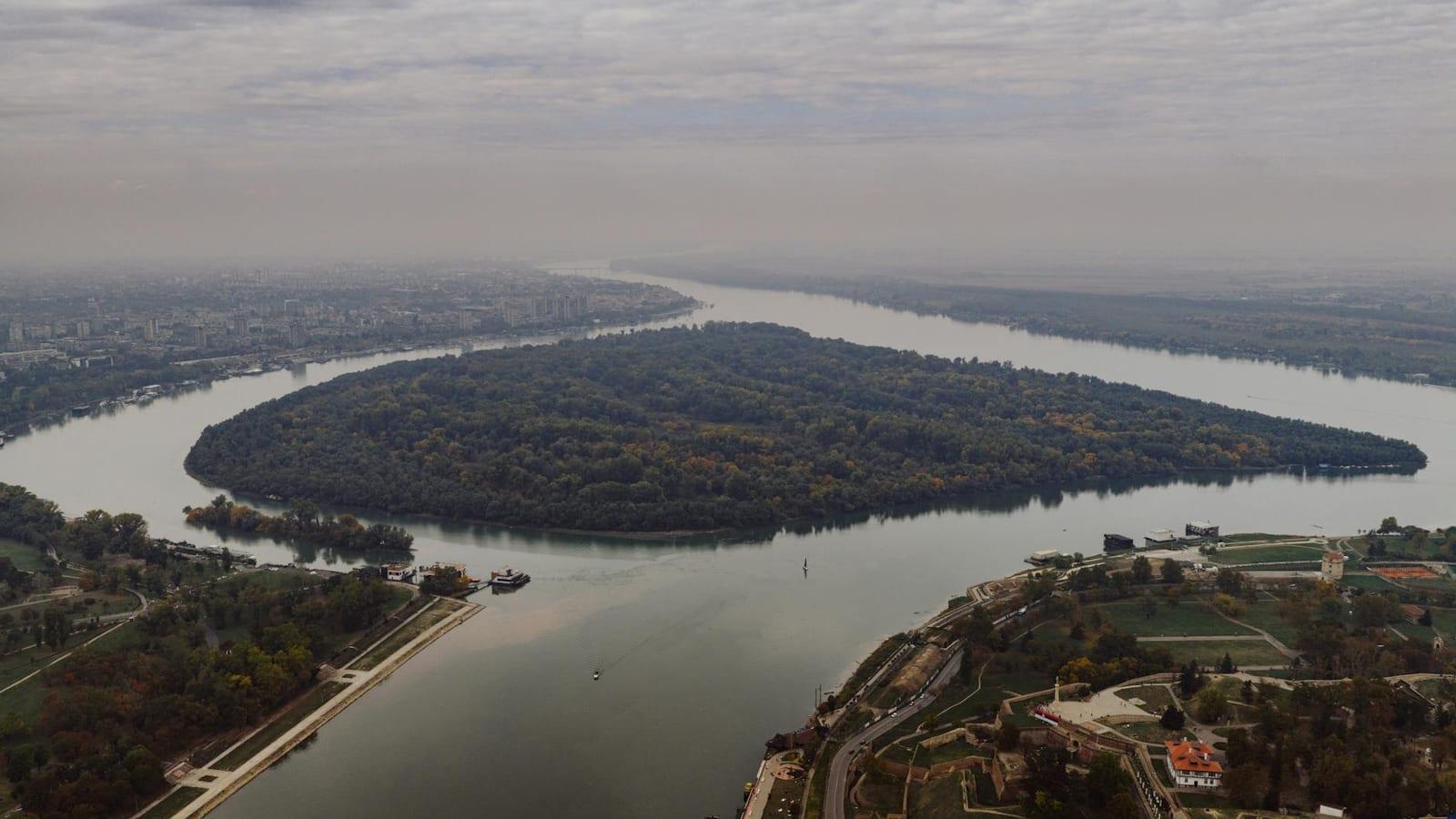
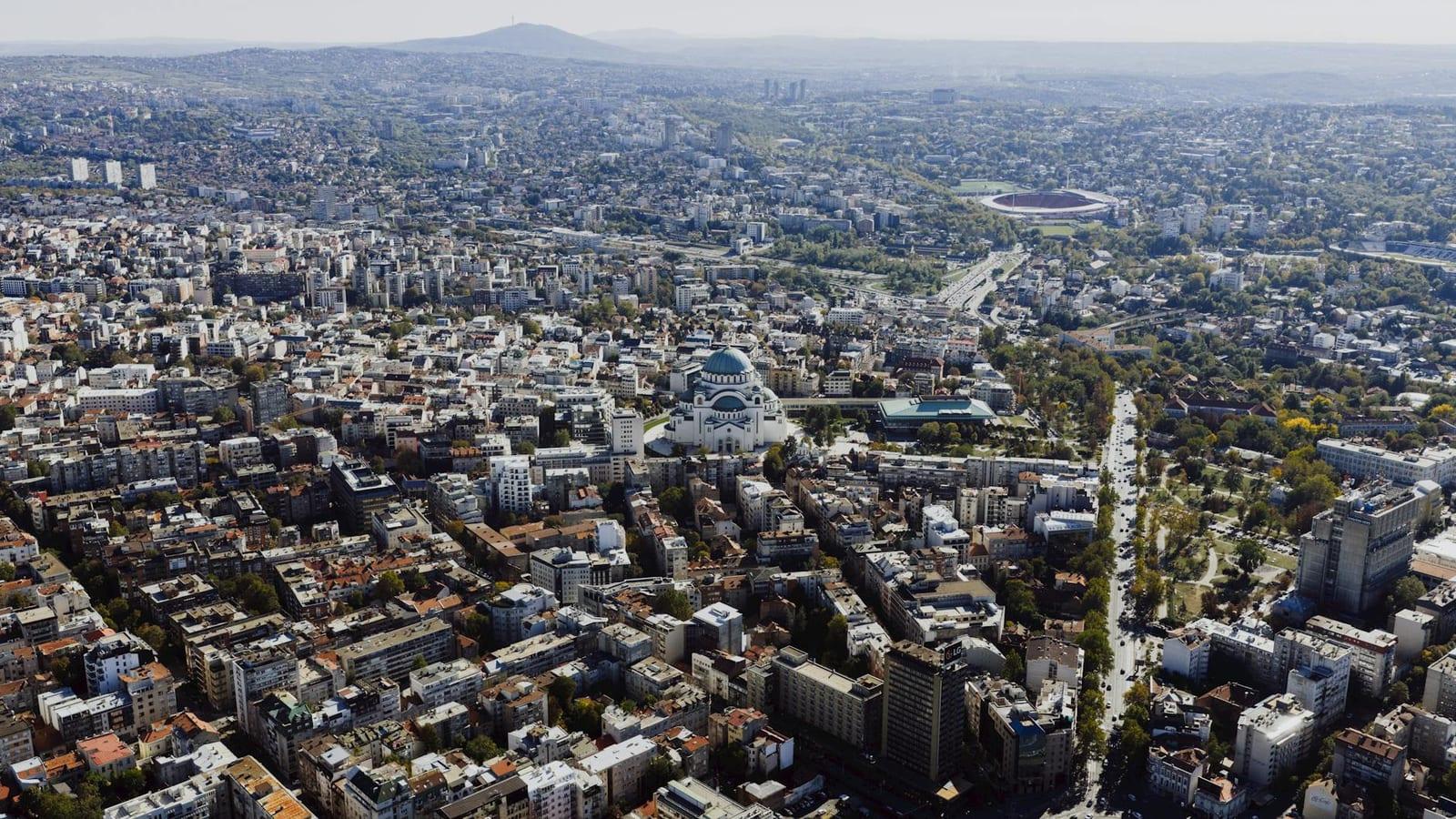
The capital of Belgrade, situated where the Sava River runs into the Danube, is a major cultural hub of the Balkans, with a lovely share of museums, art galleries, theaters, and restaurants alongside major architectural landmarks such as the enormous Church of Saint Sava. (That’s among the biggest religious buildings in the world, but it's only one of countless historic churches and monasteries scattered across in this deeply Orthodox Christian country.) Lately it’s also become well known for its full-bore and multifaceted nightlife, commonly ranked among the best on the continent.
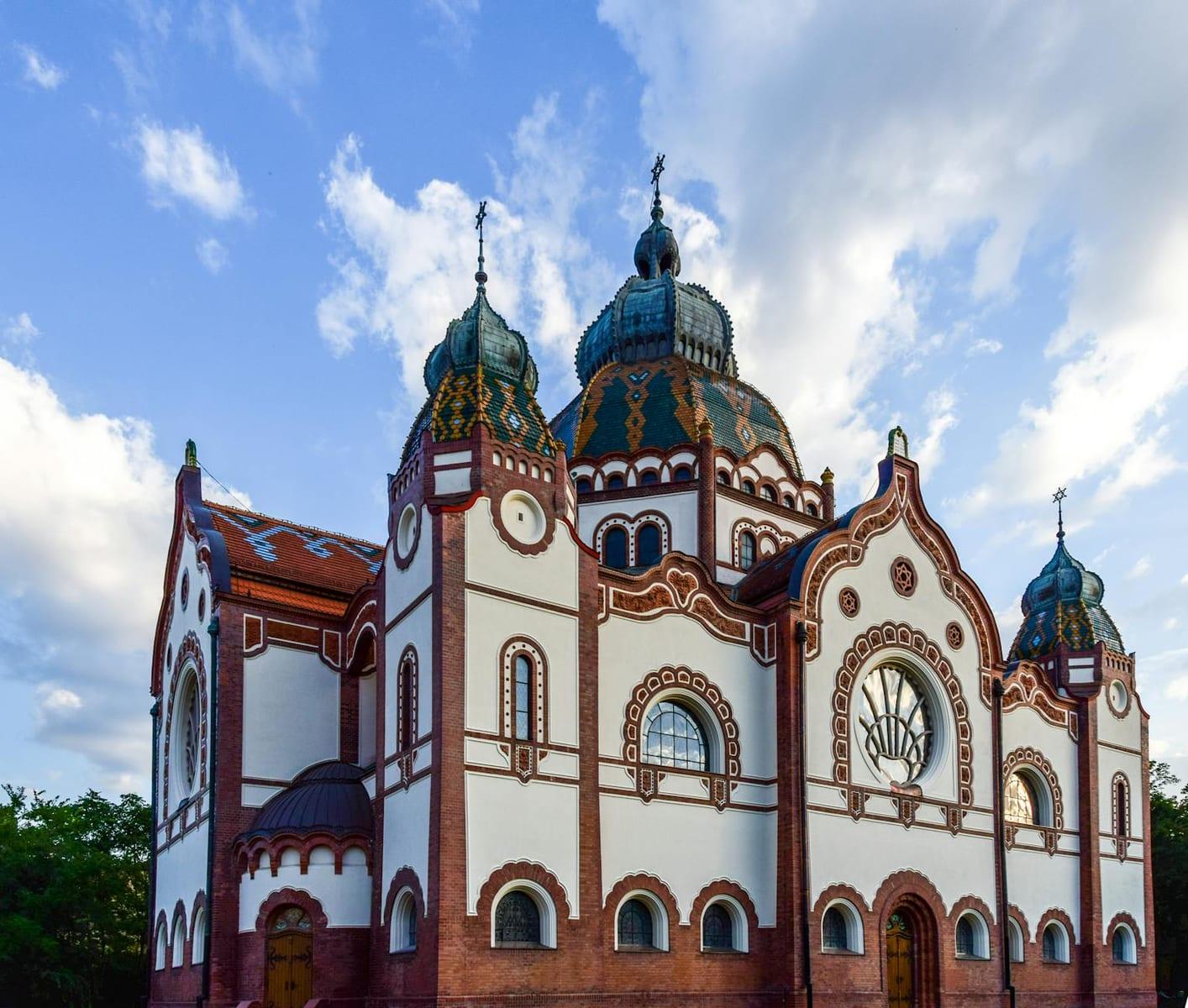
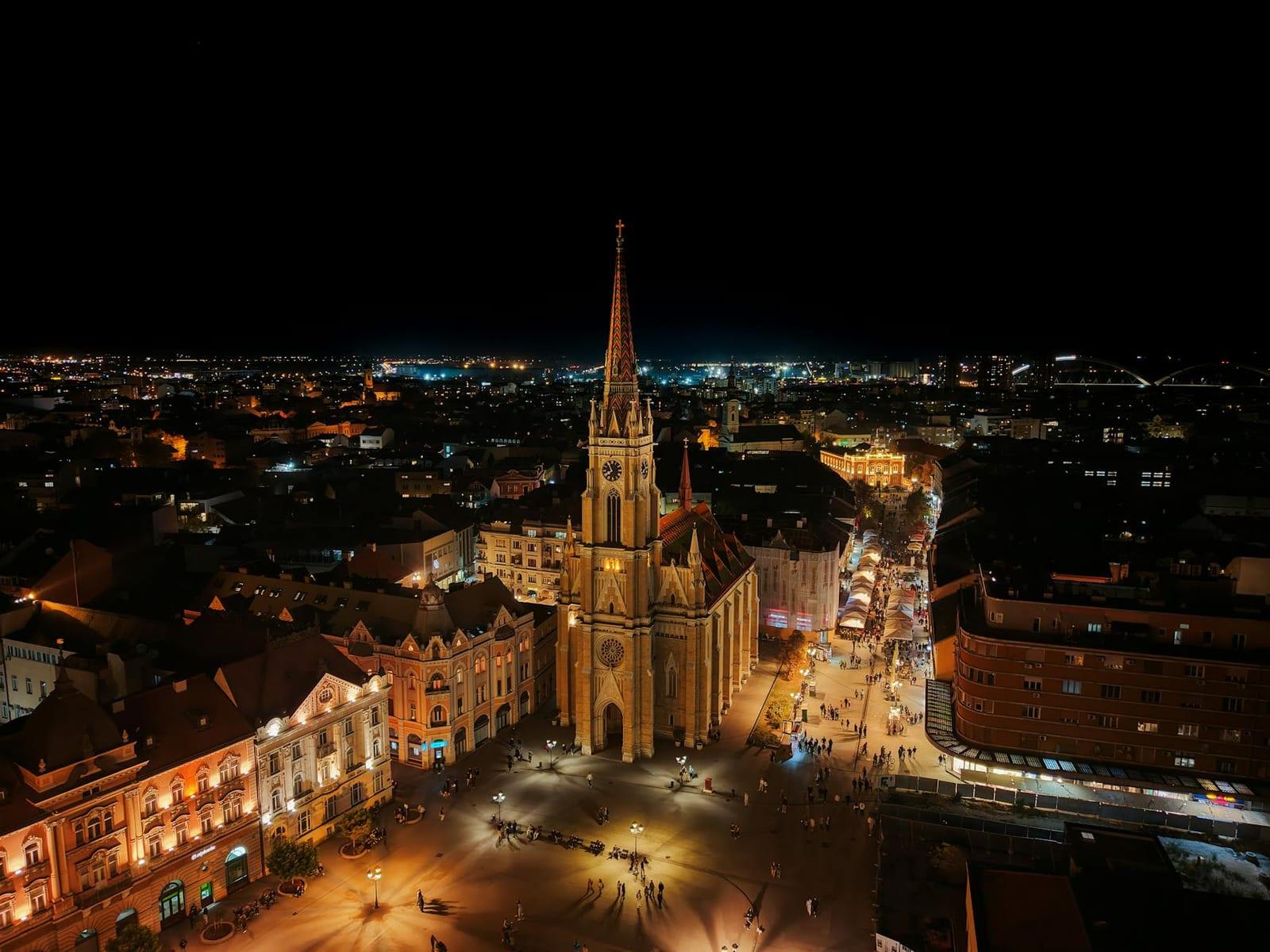
The Danube port of Novi Sad has fine riverfront beaches, a slew of vintage monuments, and the hugely popular Exit music festival. Art nouveau buildings pepper Hungarian-accented Subotica, while in Nis you can marvel at Mediana, the villa of Constantine the Great—one of more than a dozen Roman emperors hailing from modern-day Serbia (then called Illyricum). Indeed, you can make an Ancient Rome-themed visit to Serbia by following the “Cultural Route of the Roman Emperors” tourist circuit, among the highlights of which are the ruins of Emperor Galerius Maximianus’s imperial palace, Felix Romuliana.
Serbia claims a deep-rooted viticultural tradition, and numerous wine routes take the traveler through some mighty vineyard country. The Palic region of the far north, for instance, has been producing its “sand wines” for better than two millennia.
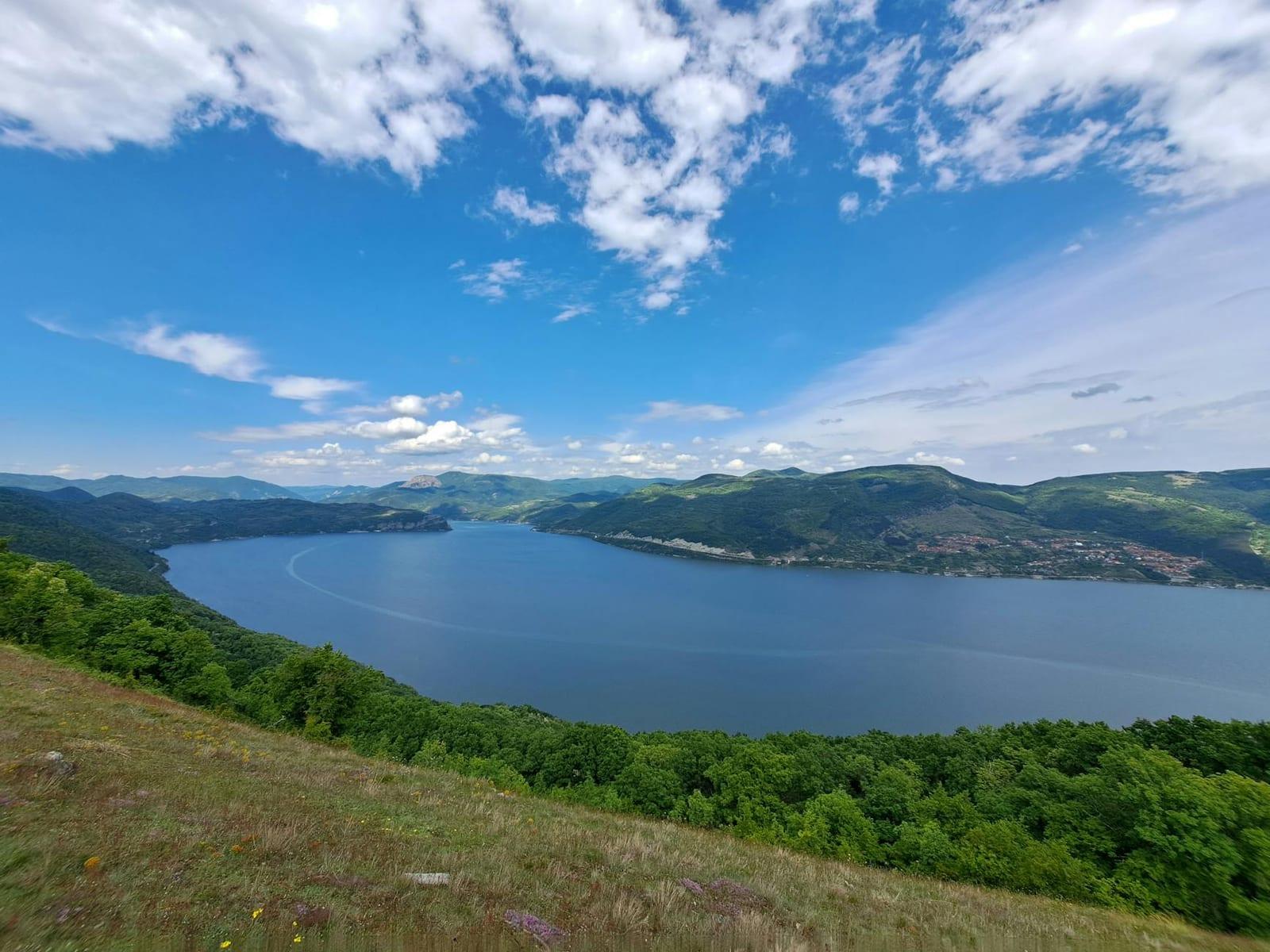
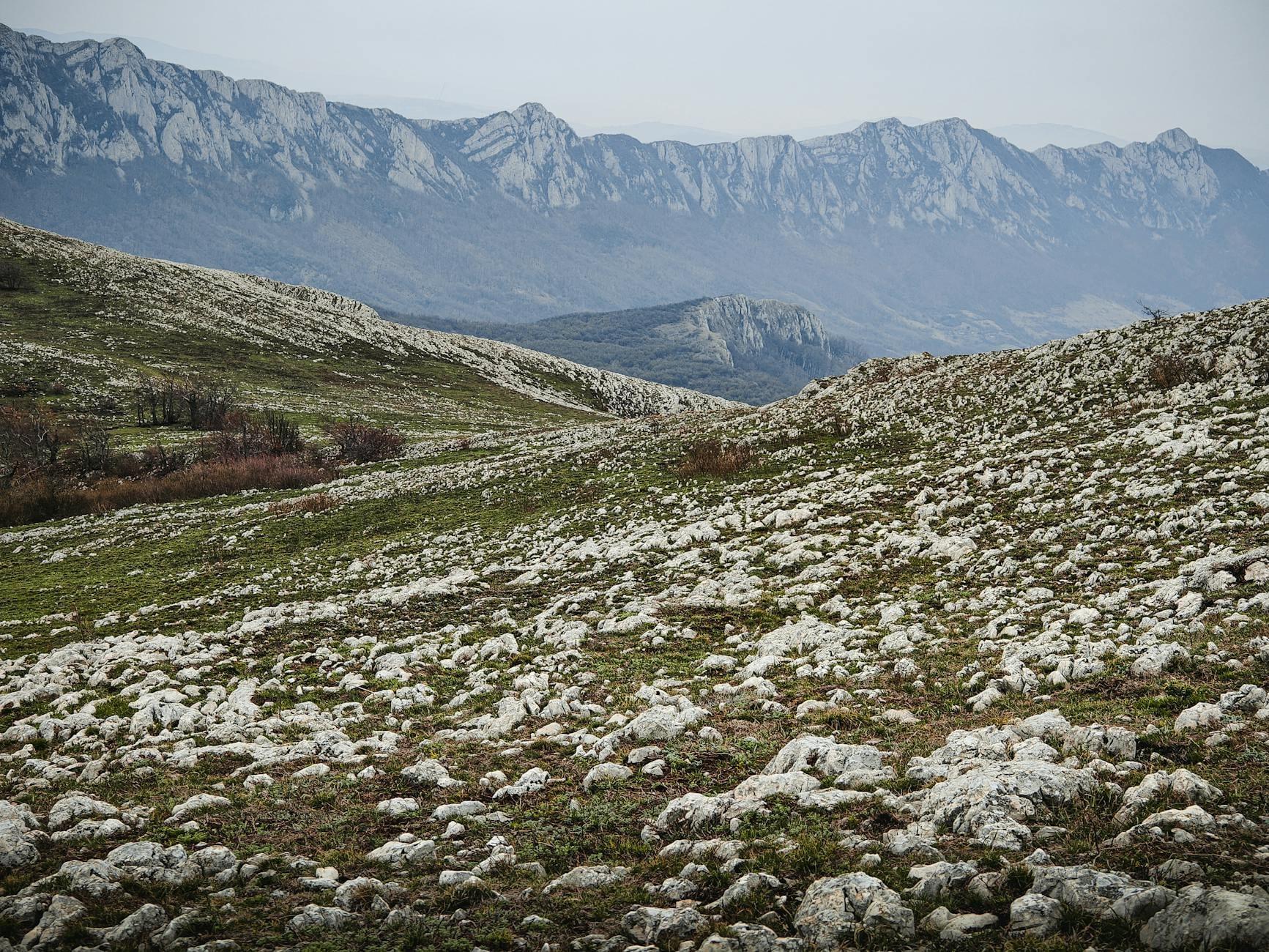
The country’s also a great playground for any lover of the outdoors. Between the Dinaric Alps, the Carpathians, and the Rhodope Mountains, Serbia boasts some beautiful alpine scenery—and some excellent ski resorts. Five national parks showcase the natural wonders of southeastern Europe, including the multiple canyons of the breathtaking Djerdap Gorge.
Kosovo, Yugoslavia, and certain other subjects of recent history can certainly be touchy ones, but a respectful and discrete traveler is likely to experience only warmth and welcome on a visit to today's Serbia. Discover for yourself the real nature of this oft-misunderstood corner of the world.
12 things not to miss.
- a night out in BelgradeCatch a night out in Belgrade
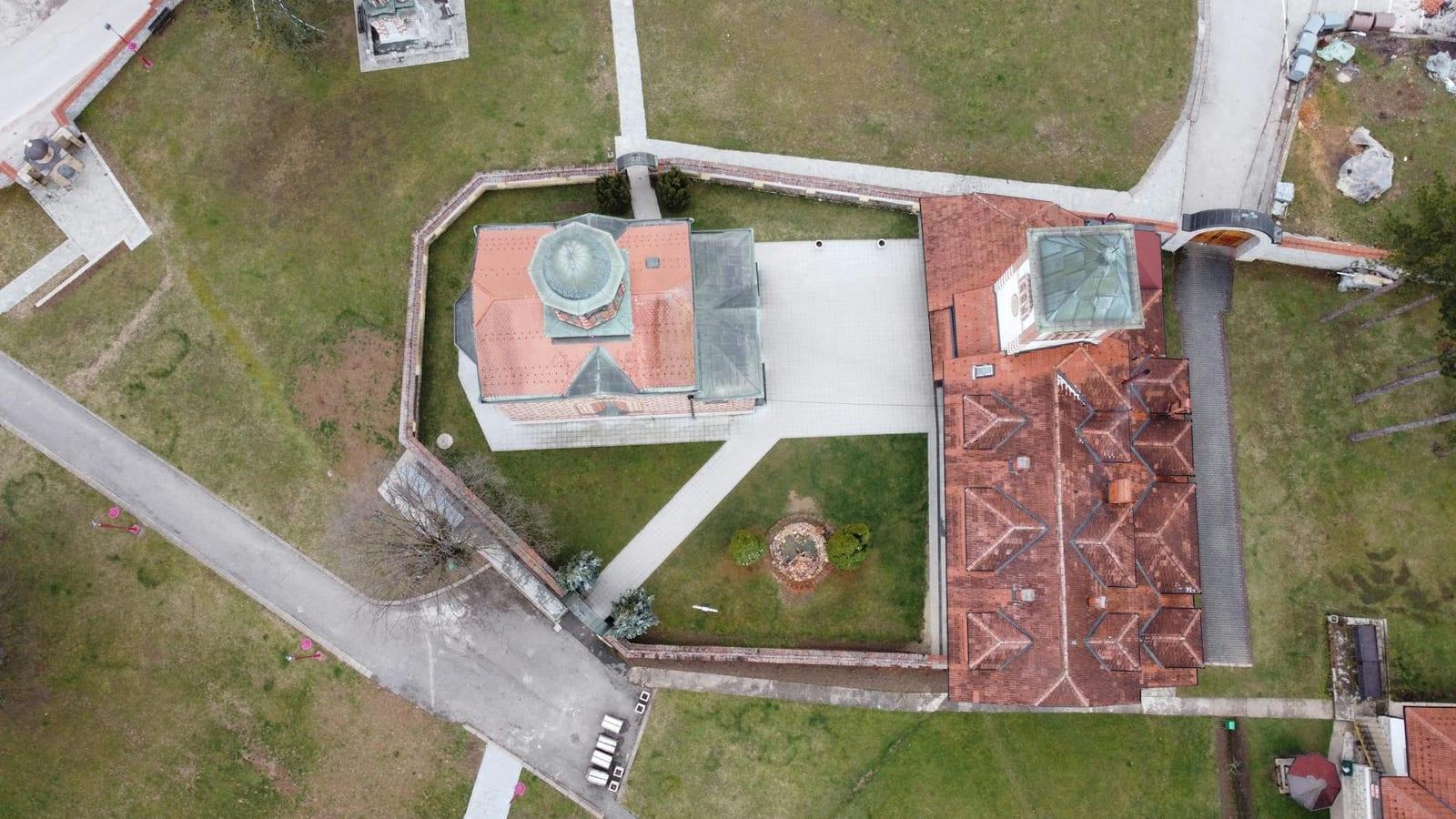
- Studenica monasteryVisit Studenica monastery
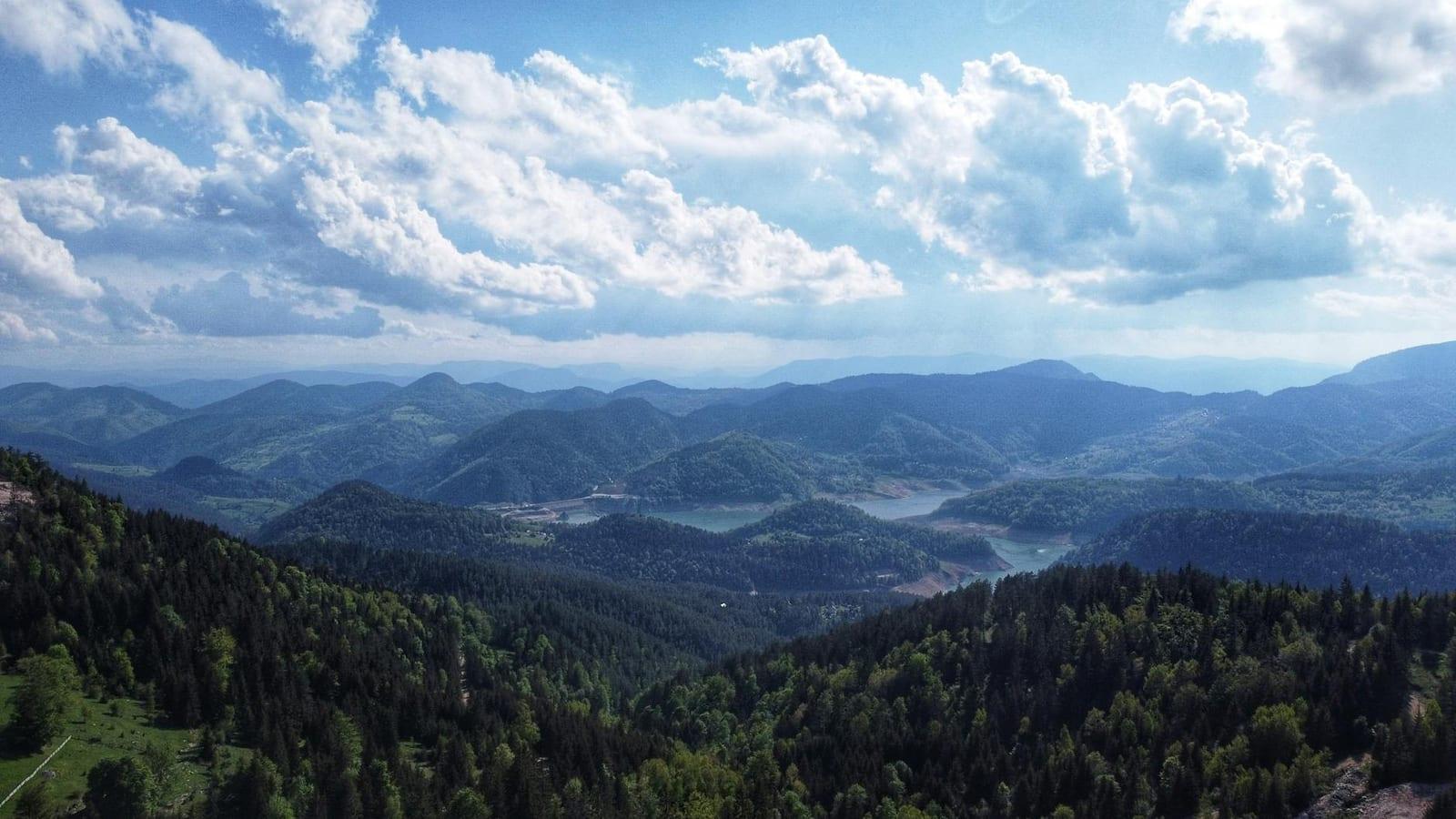
- Tara national parkHike Tara national park
- Exit
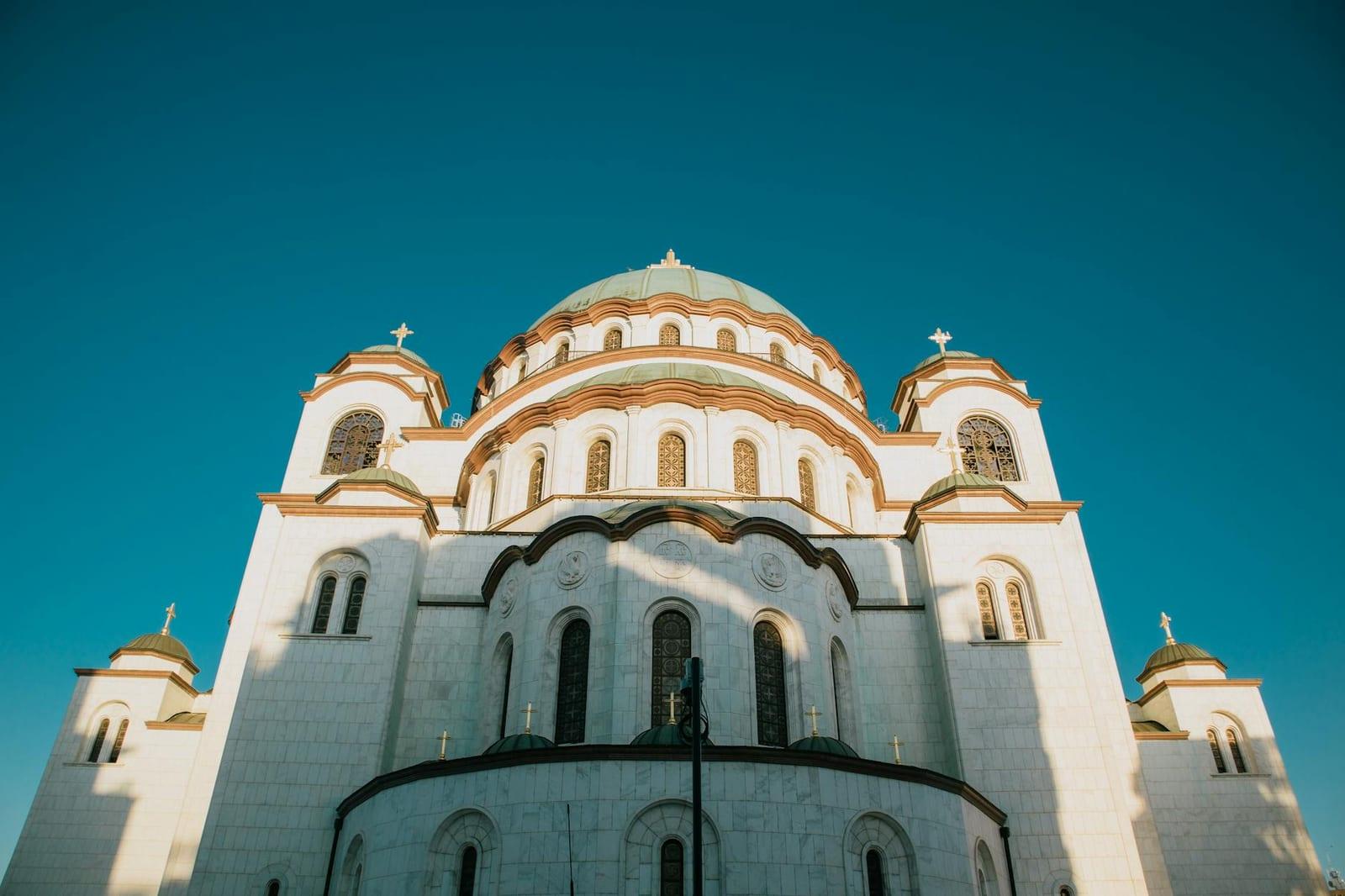
- Church of Saint SavaThis behemoth of a church, only decades old, commands the cityscape of Belgrade.
- Monastery of ZicaBetter than eight centuries old, this monastery, an example of homegrown Raska architecture, was long the coronation HQ for Serbian monarchs.
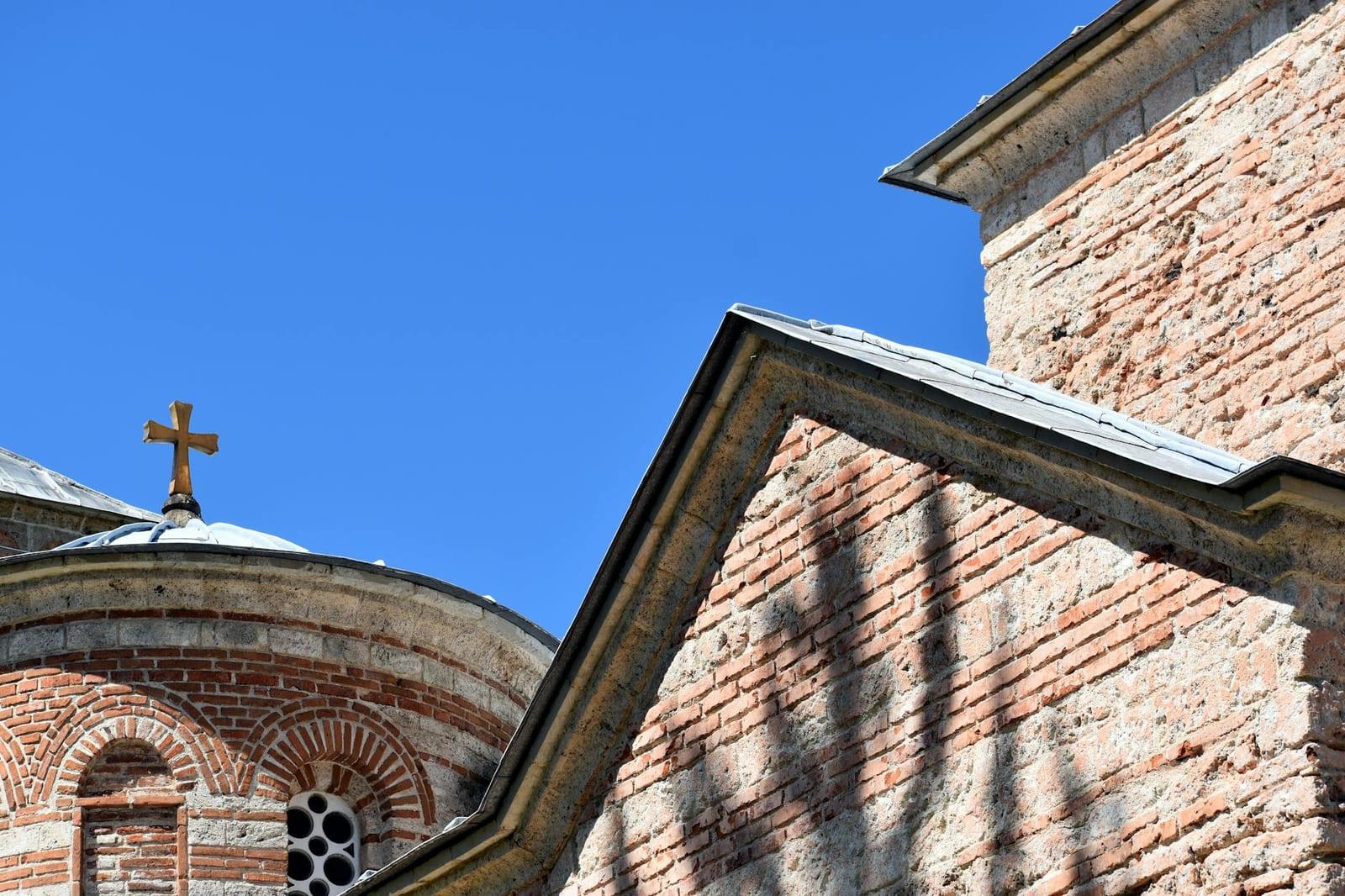
- SuboticaThis city harbors Serbia’s greatest collection of Art Nouveau architecture, including the beautiful Subotica Synagogue.
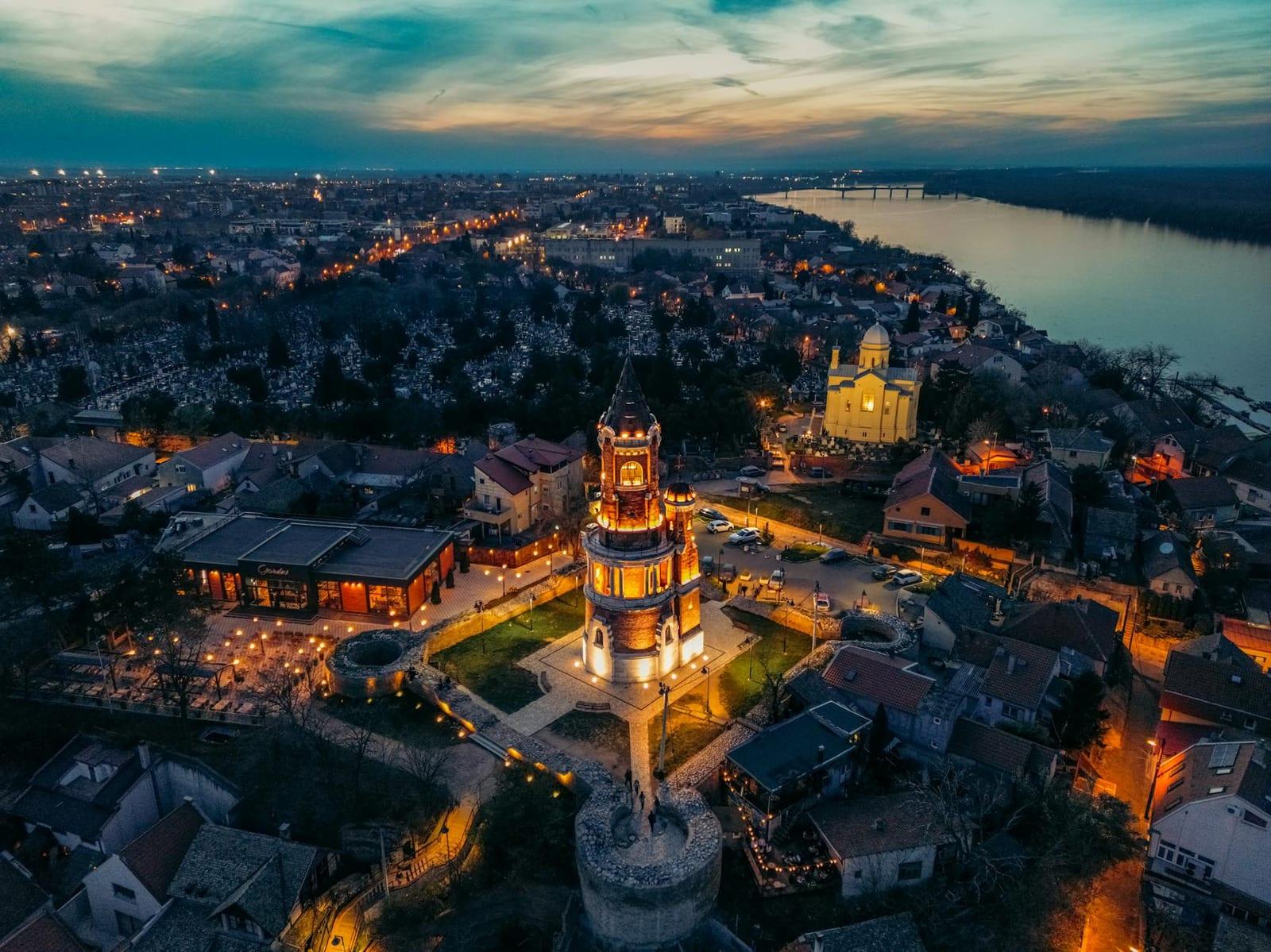
- The Skull Tower (Nis)An important national symbol, this tower contains hundreds of skulls of Serbs killed in 1809 during the uprising against the Ottomans.
- MedianaThis Nis archaeological complex comprises the ruins of Constantine the Great’s imperial villa, one of Serbia’s standout Roman sites.
- Felix RomulianaThe Roman Emperor Galerius had his palace at this location, now called Gamzigrad and a UNESCO World Heritage Site.
- Novi SadFrom the EXIT music festival to its handsome Danube riverfront, this second-biggest Serbian city is also among its leading tourist destinations.
- Djerdap GorgeAlso called the Iron Gate, this sublime Danube River gorge —the Carpathian-Balkan seam—is Derdap National Park’s best-known feature.