Slovenia’s one of Europe’s lesser-known gems, a place where the cultural spheres of the west and east mingle to wonderful effect.
The Slovenian countryside, nestled between the Italian Peninsula and the Balkans, has been inhabited since the days of the Paleolithic: The Celts, the Romans, the Slavs variously settled here, and for centuries Slovenia was part of the heartland—coveted by the Ottomans—of the Holy Roman, Austrian, and Austria-Hungary empires. The Venetians occupied the Slovenian coast for a spell, their legacy still magnificently displayed in the Adriatic town of Piran. For most of the 20th century, Slovenia was part of Yugoslavia; and it was terribly ravaged by Nazi and Italian occupations during World War II. Achieving independence in 1991, Slovenia was the first state of former Yugoslavia to join the European Union—less than a year later.
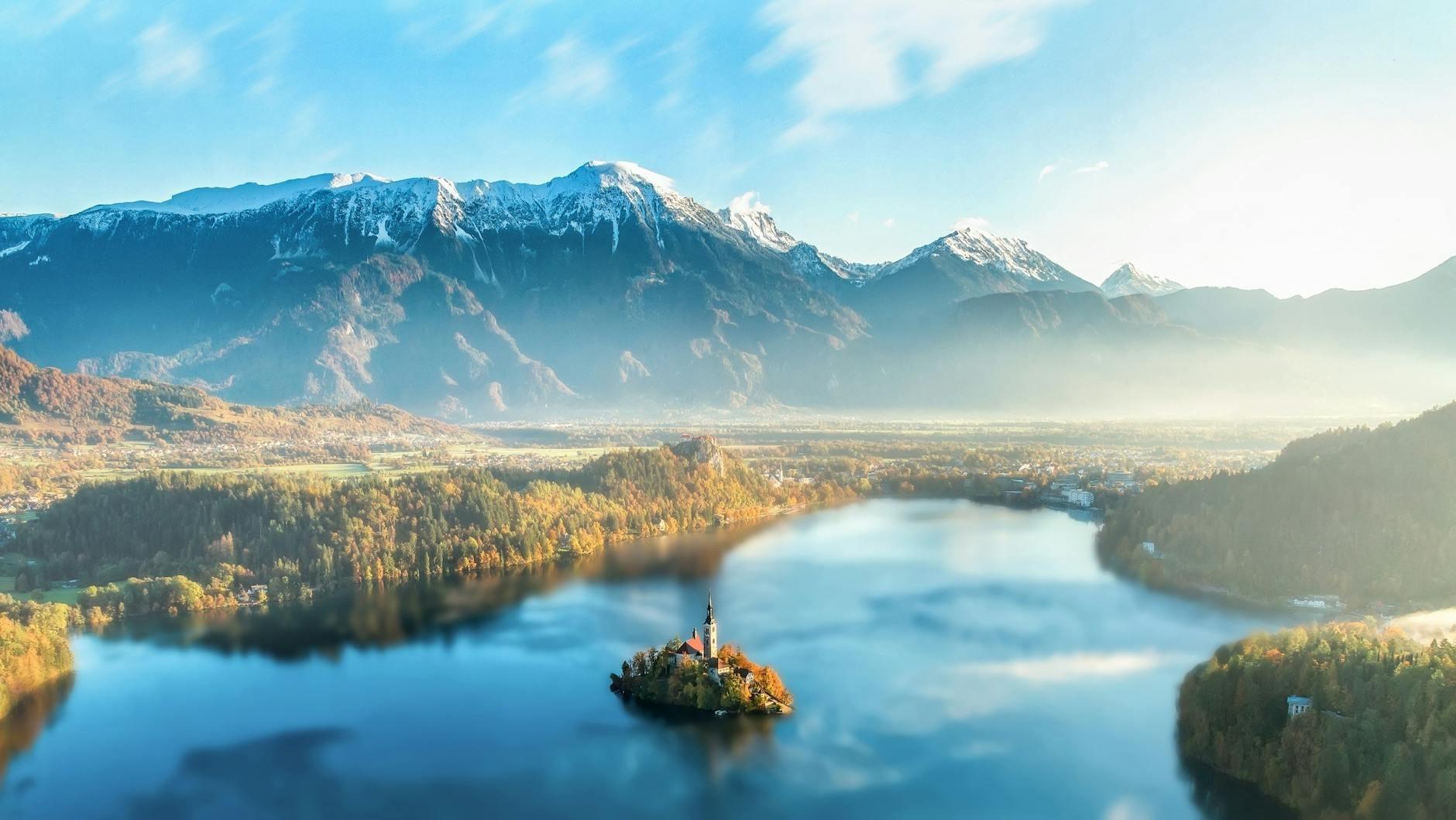
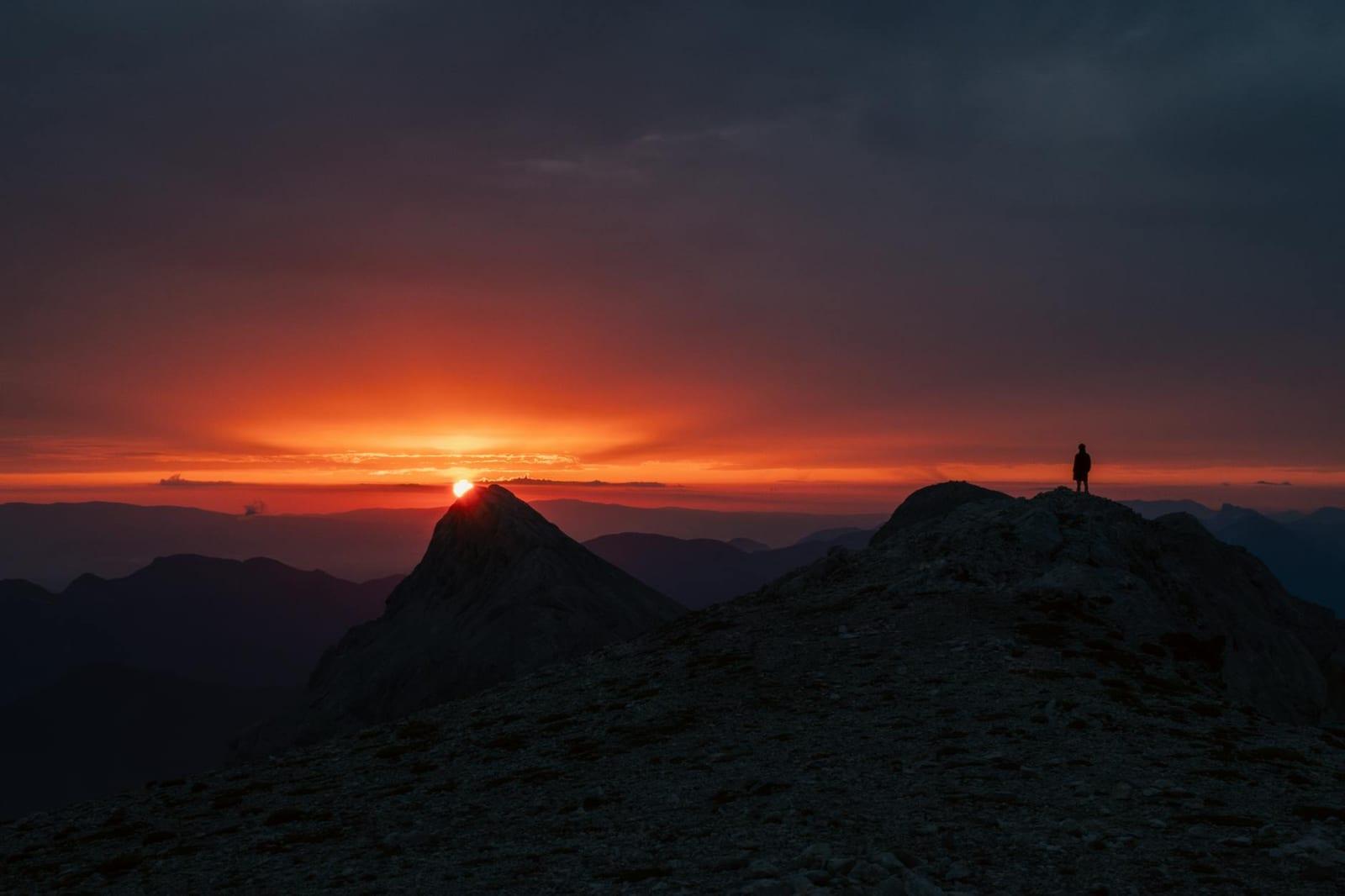
In the capital of Ljubljana, admire a striking panoply of historical landmarks—Ljubljana Castle, the Ljubljana Cathedral, and the Town Hall among them. Savor the postcard view of Lake Bled, with its own blufftop castle and church-topped island, against the crests of the Julian Alps. In those greatest of Slovenia’s mountain heights, hike the shoulders of the country’s highest peak, three-headed 9,396-foot Triglav, in sublime Triglav National Park. The short-but-sweet Adriatic seacoast is a sunbather’s paradise; and from the beach to the mountains, a slew of spa resorts can turn a Slovenian getaway into a blissful exercise in self-pampering.
You can taste the blend of Western and Eastern Europe that is Slovenia in dishes such as the obara meat stew, Goriska goulash and polenta, and Prekmurian layer cake. The country lays claim to an exceedingly venerable winemaking heritage—pioneered back in the 4th century BCE by the Celts—and, with better than 50 varieties of grapevine, an exceedingly diverse one, too.
Easily bypassed while tooling between Italy, Austria, and the Dalmatian Coast, Slovenia’s likely to entrance just about any visitor who gives it a chance.
10 things not to miss.
- Summit TriglavSummit Triglav
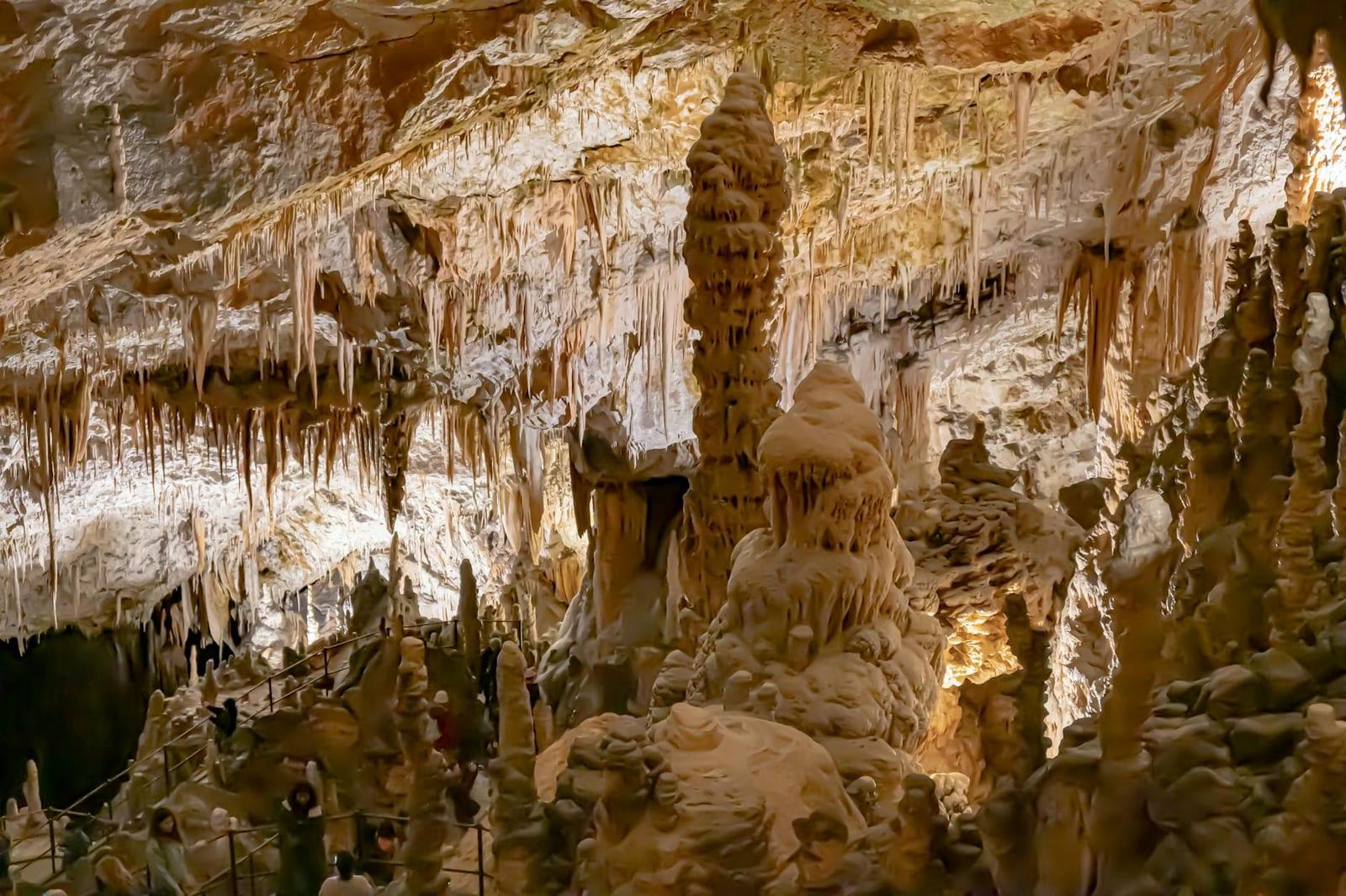
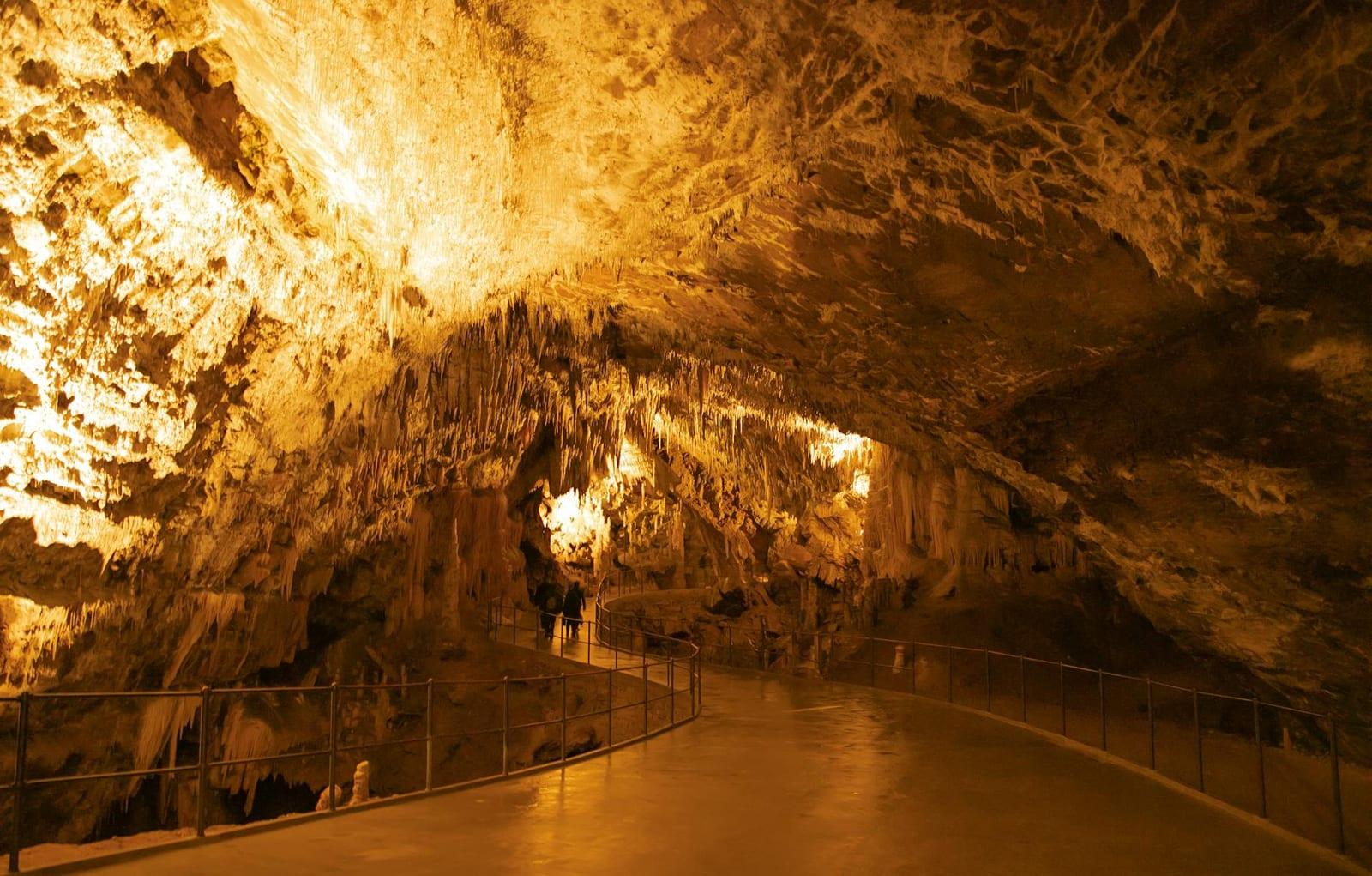
- Postojna cave systemTour the Postojna cave system
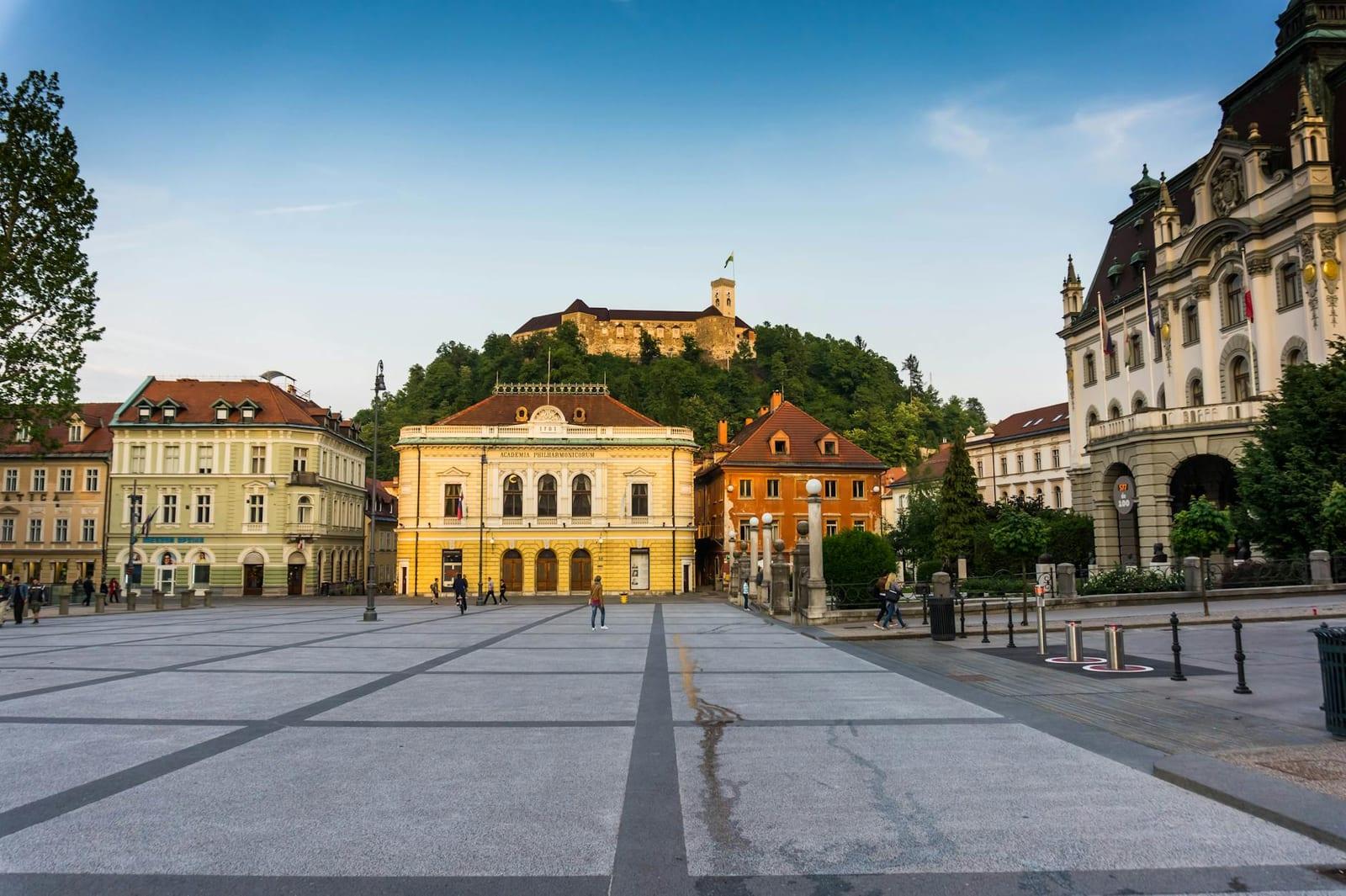
- Ljubljana CastleThe roots of this grand fortress are medieval, though much of the present-day structure dates to the 15th through 17th centuries.
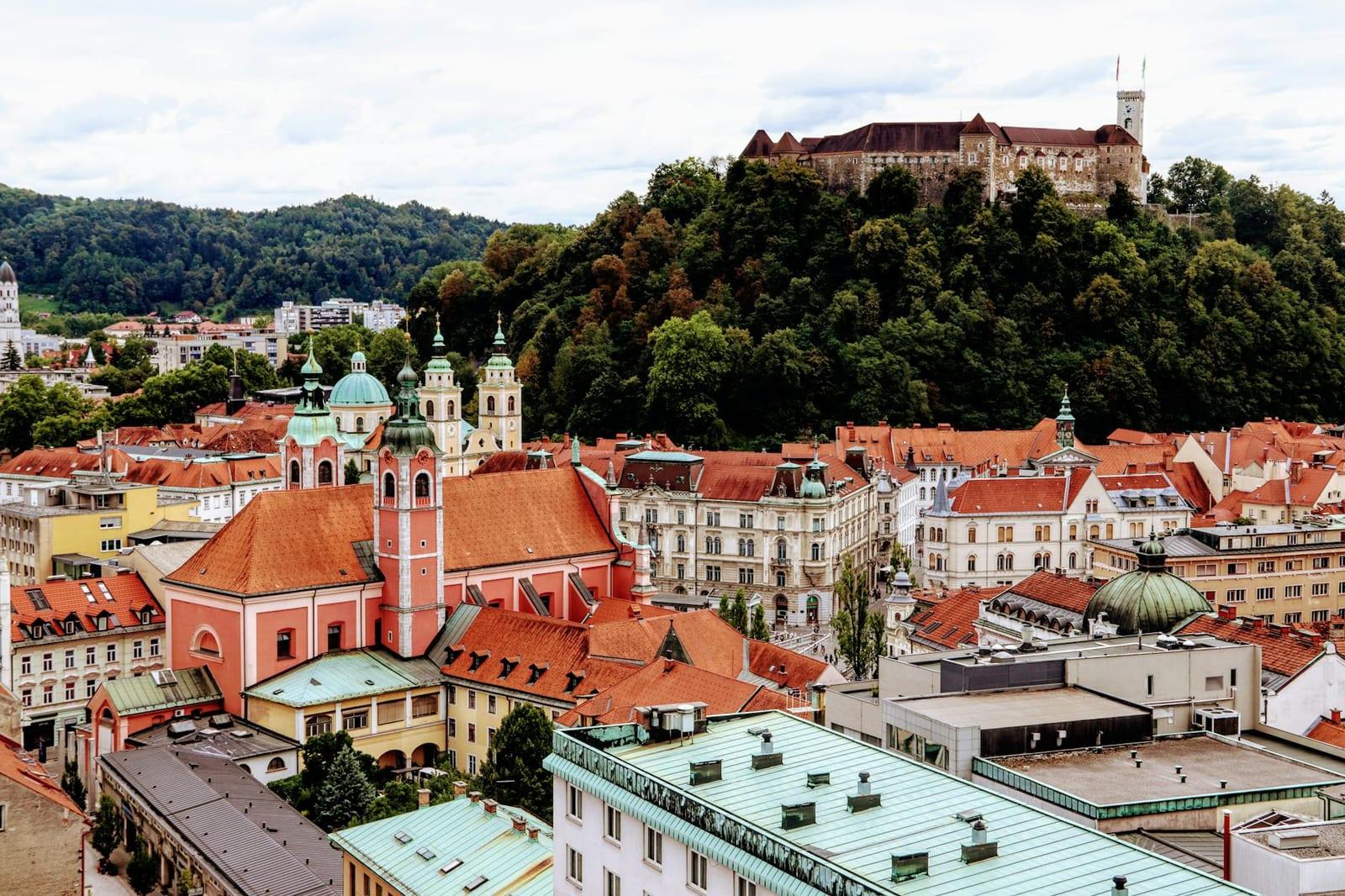
- Franciscan Church of the AnnunciationIt’s not hard to call out this red-roofed Baroque church, richly frescoed inside, from Ljubljana's cityscape.
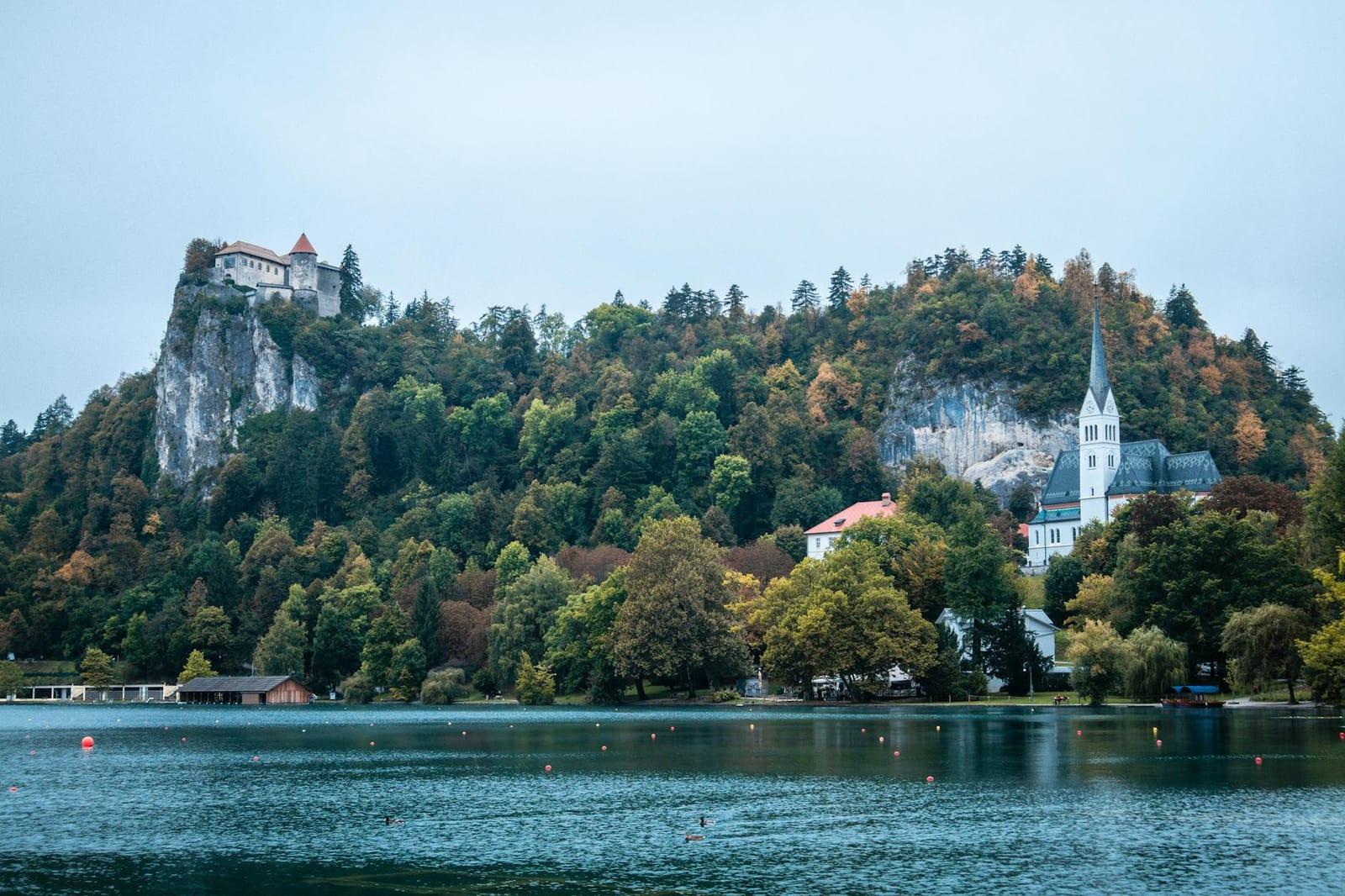
- Lake BledAmong Europe’s most beautiful, this lake in the Julian Alps includes Bled Castle on its shores and church-crowned Bled Island.
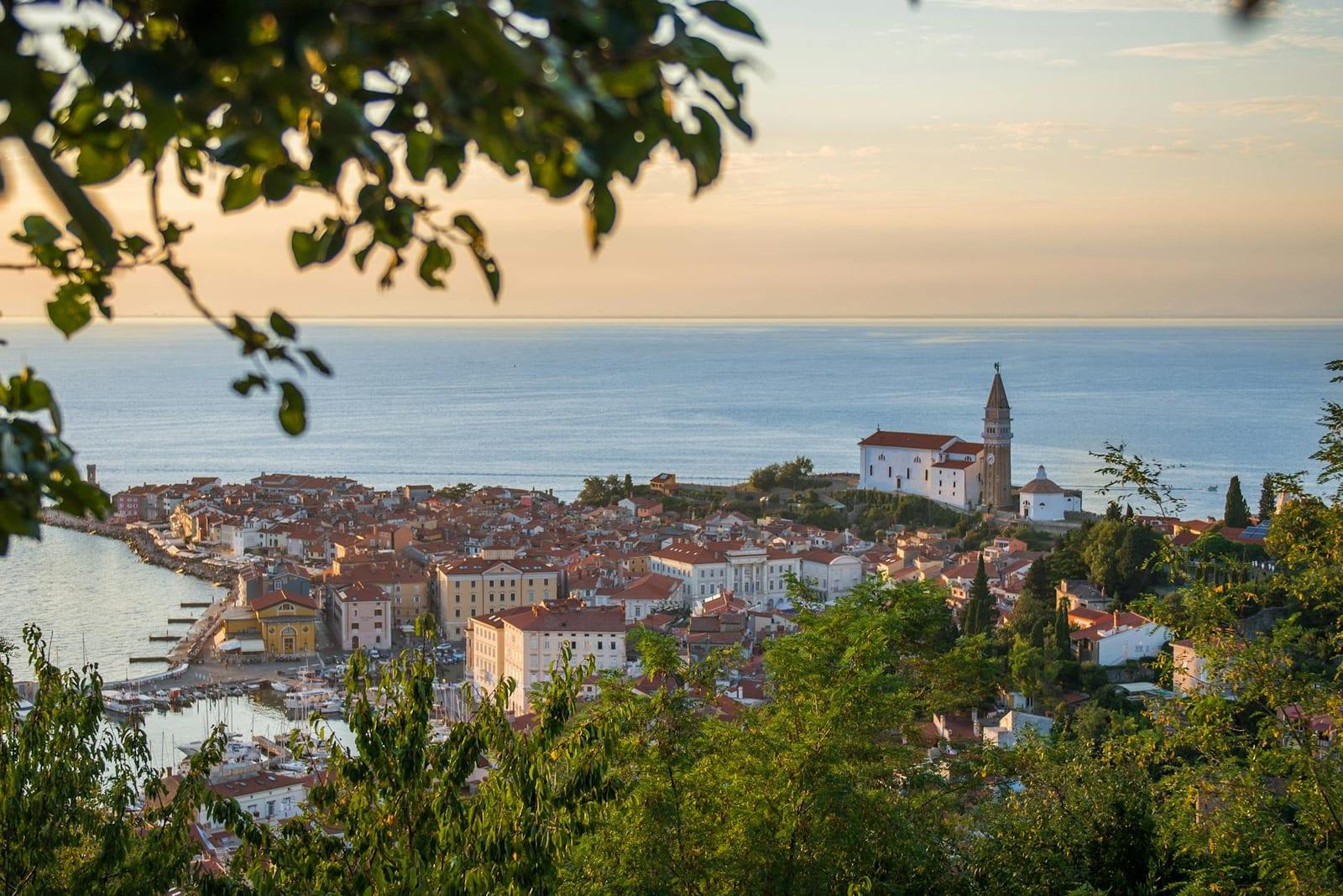
- PiranAppreciate medieval fortifications and buildings alongside views of the ravishing Slovene Adriatic from this Gulf of Piran port.
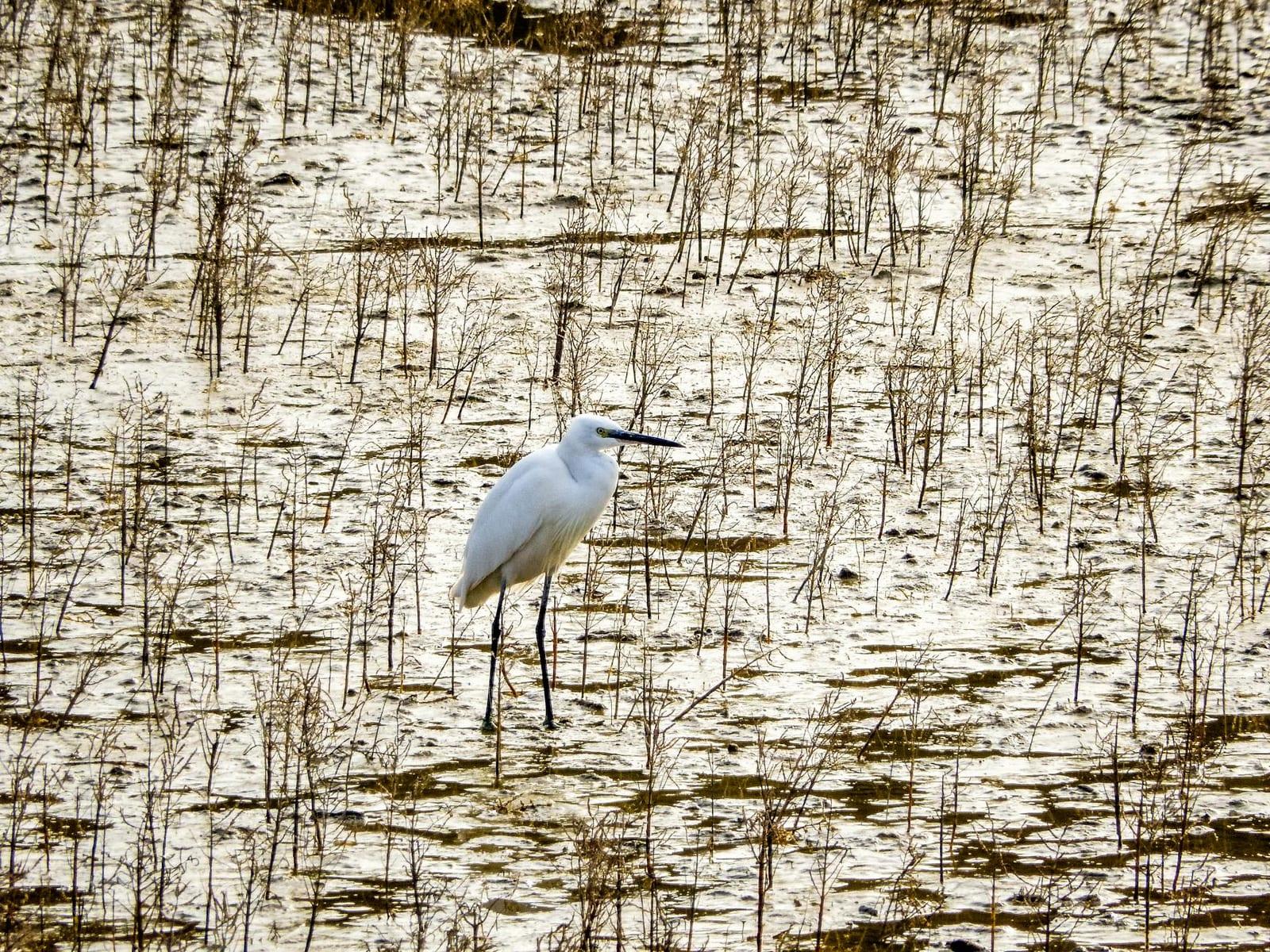
- Ljubljana MarshesThis peaty basin, home to a diversity of birdlife, is also renowned for its Mesolithic to Bronze Age pile-dwellings (crannogs).
- The Skocjan CavesA veritable fantasyland of subterranean karst formations, these gaping caves—drained by an underground river—are a World Heritage Site.
- Triglav National ParkThe drop-dead-gorgeous Julian Alps reach their pinnacle in Slovenia’s sole national park, which includes the 9,400-foot namesake summit.
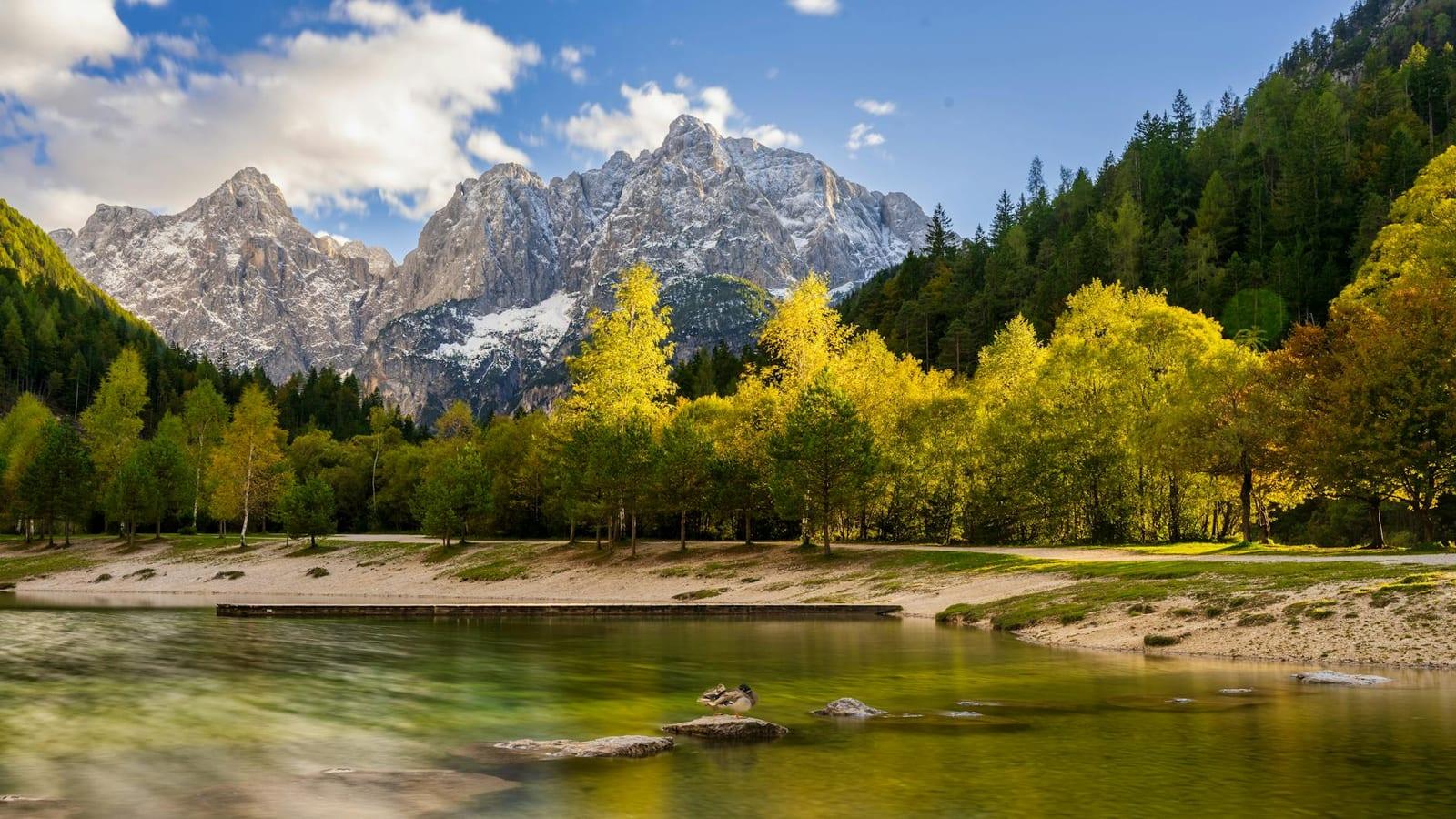
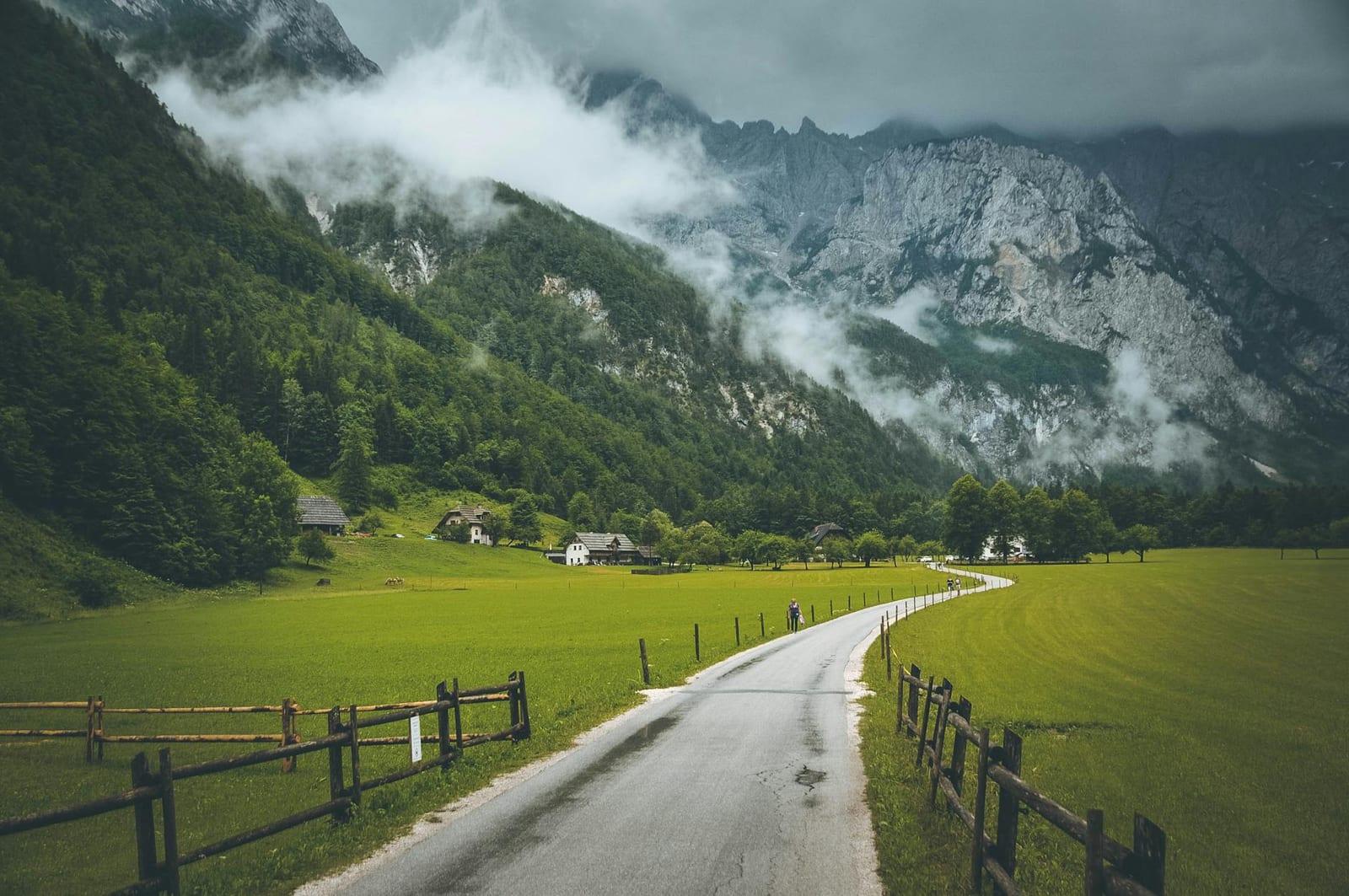
- Logar ValleyIdyllic farms dot this heavenly glen, fortressed by the great gray peaks of the Southern Limestone Alps.