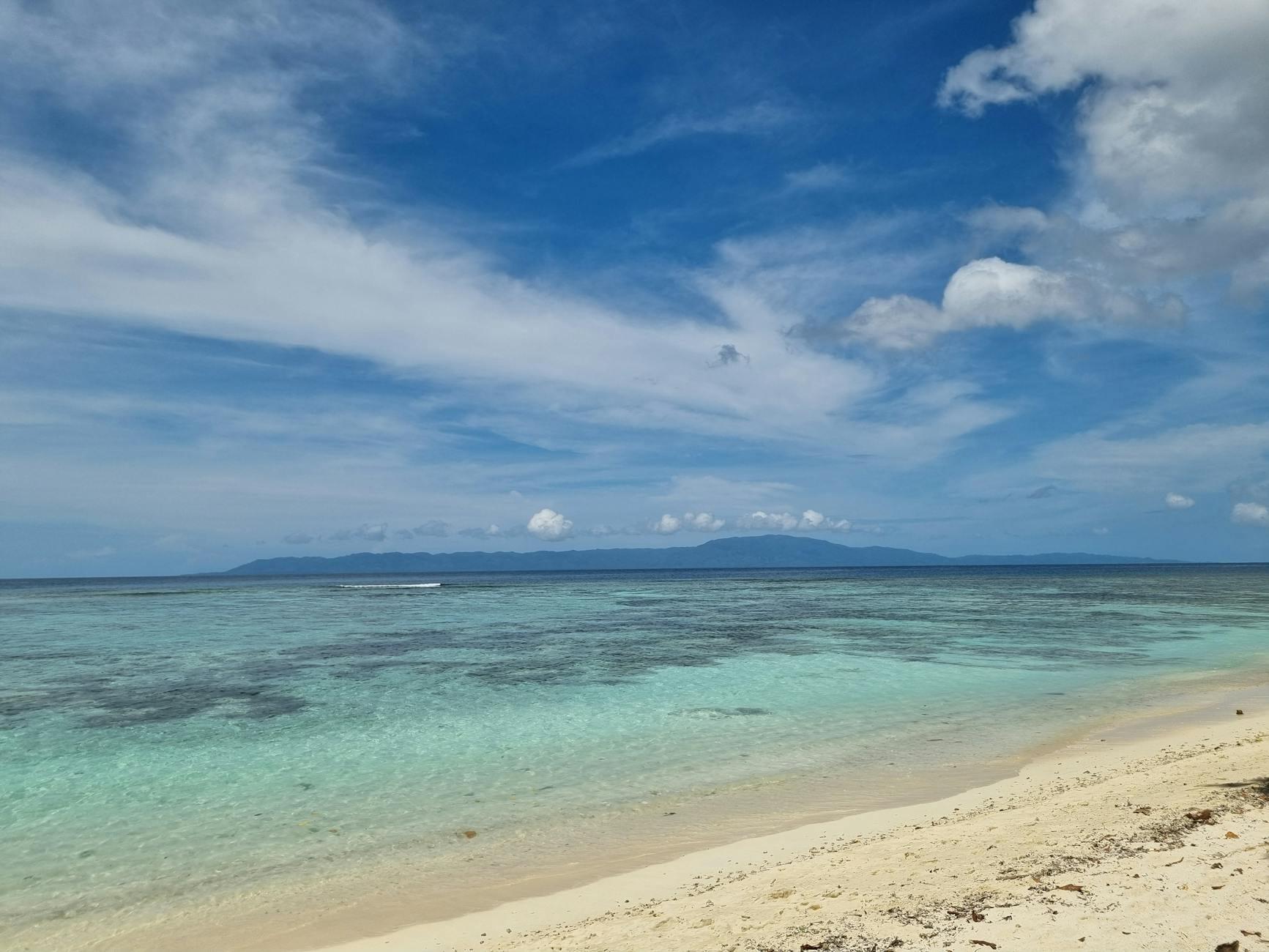
One of the great adventure destinations in the tropical Pacific, the Solomon Islands boast a thrilling diversity of tropical landscapes (and seascapes!), besides some strongly anchored Melanesian heritage.
Spanish explorers allegedly named the archipelago—inhabited for tens of thousands of years by Austronesian peoples—for King Solomon’s wealthy kingdom; and the mainly Melanesian society underwent decades of British colonial rule before achieving independence in 1978. The country’s composed of a parallel belt of main islands and other archipelagos (accounting for more than 900 islands in all) stretching between Papua New Guinea in the northwest to Vanuatu in the southeast. Guadalcanal in the southern chain of main islands is the biggest, and home to the capital, Honiara; as well as the loftiest mountain, 7,044-foot Mount Popomanaseu.
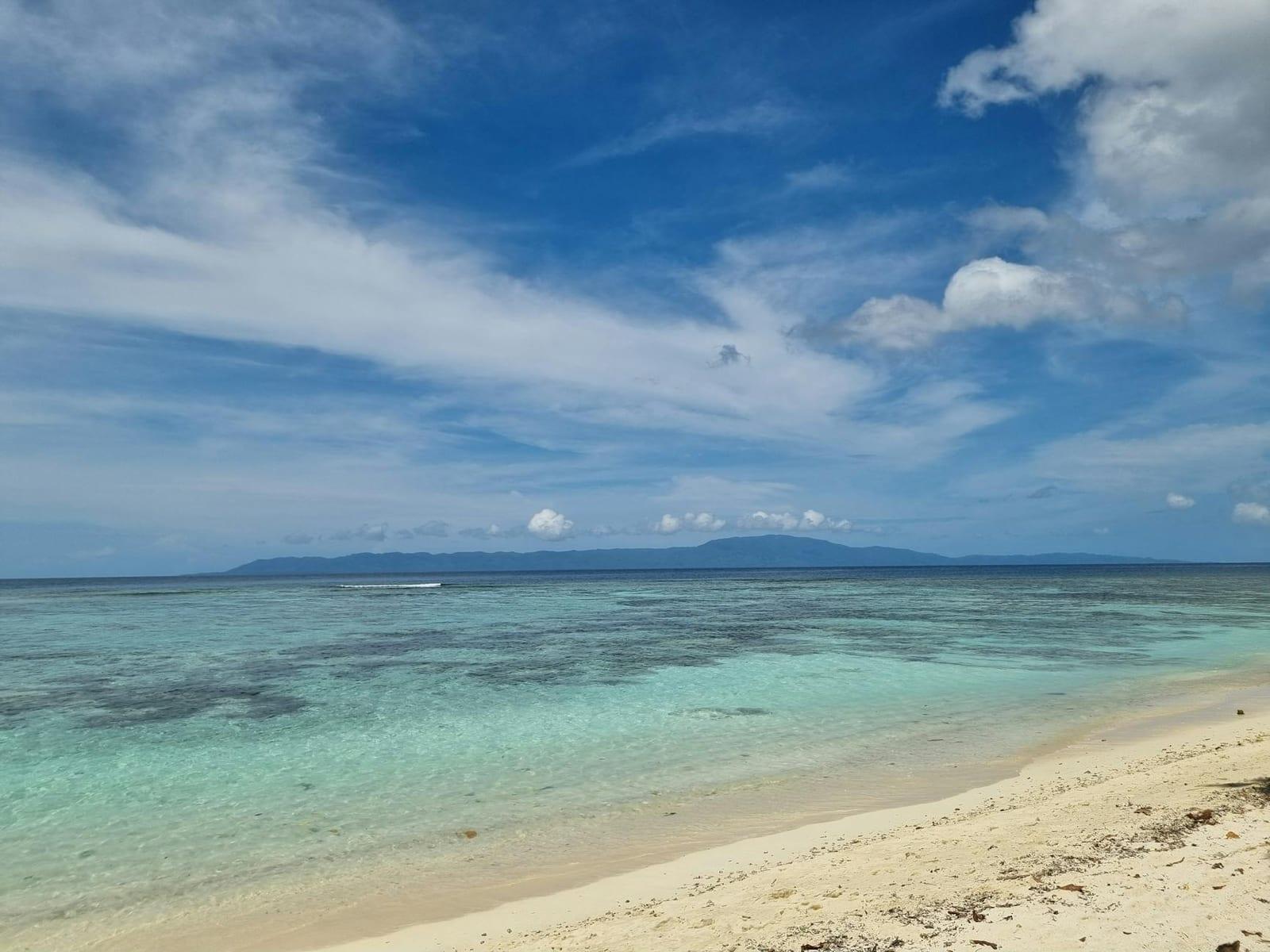
From coral reefs and mangrove swamps to interior jungle and cloud forest, the mostly undeveloped Solomons reveal a pristine slice of wild Melanesia. Within that spectrum are more than 4,000 varieties of plants—including many found nowhere else, like endemic palms and orchids—and some 200 kinds of birds.
Steaming volcanoes, verdant jungle, reefs pulsing with marine life, one of the very biggest coral atolls in the world (Rennell)—the well-preserved natural heritage of the Solomon Islands makes them one of the most promising ecotourism destinations in the South Pacific.
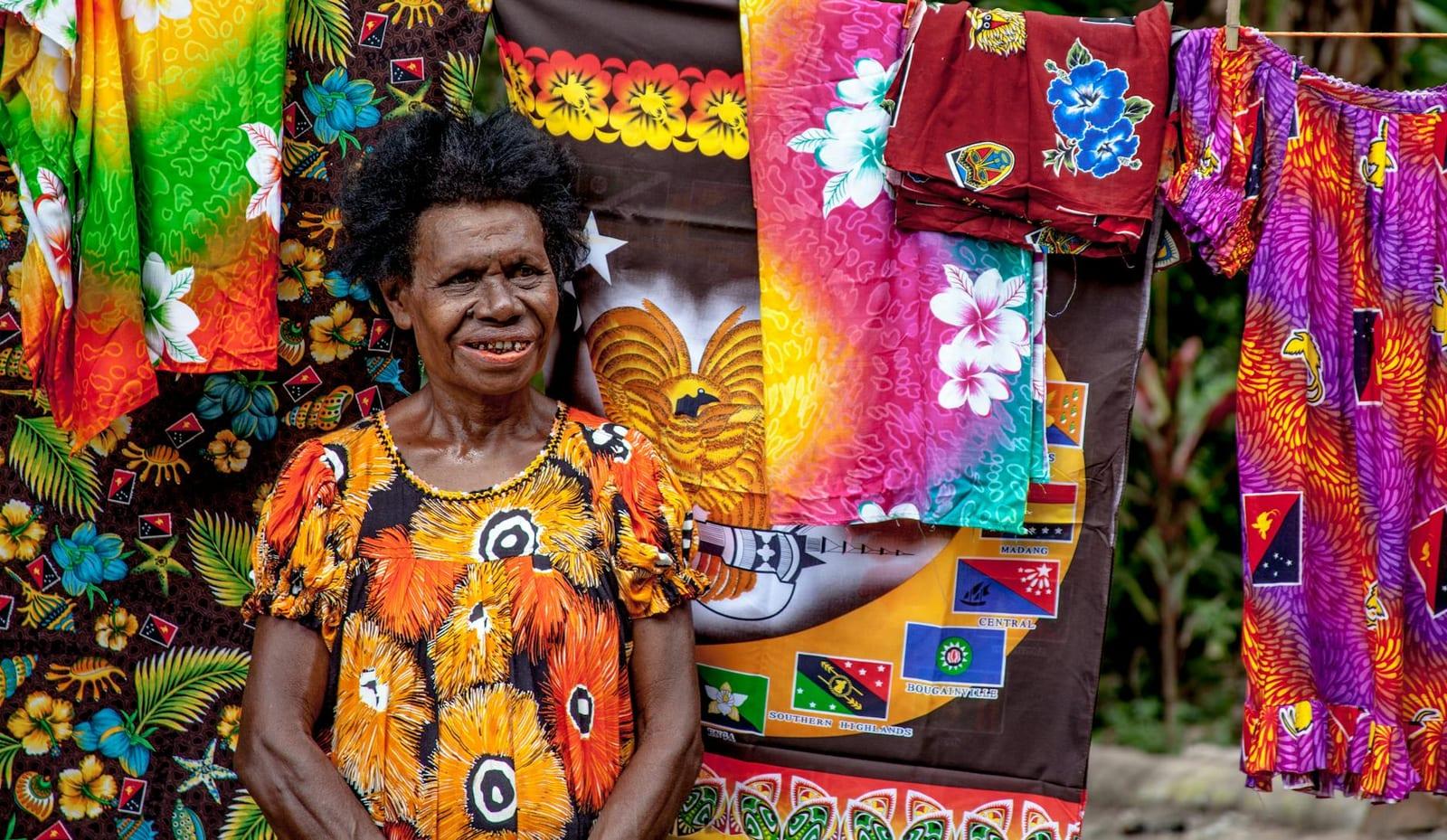
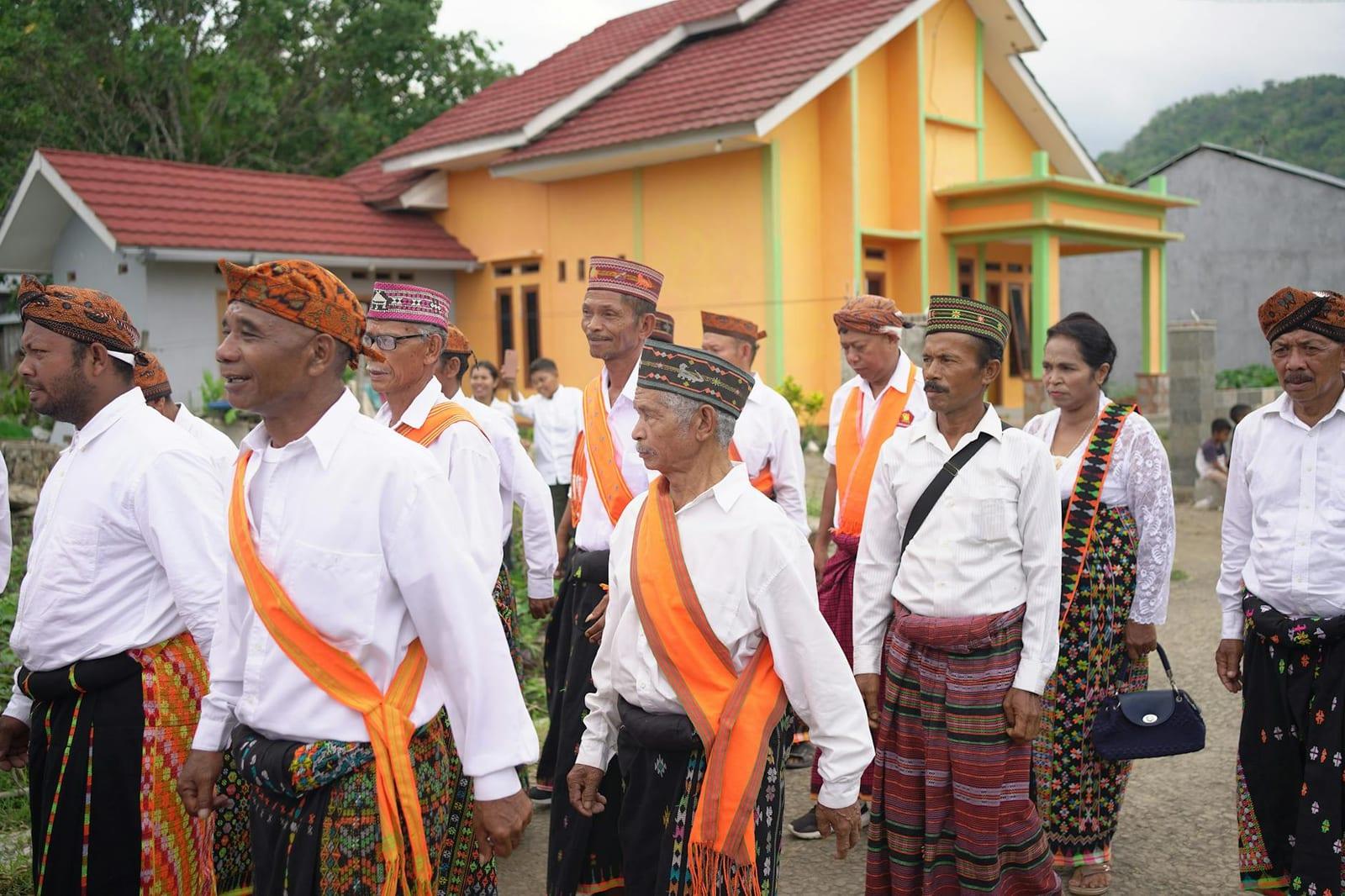
The cultural picture is no less intriguing. Melanesian people dominate the population, though there’s a notable Polynesian minority (and also some Micronesian, Chinese, and European residents). In Honiara, you can get a taste for this indigenous richness in the Central Market—a good place to survey traditional handicrafts, jewelry, and food, from fish and coconuts to sweet potatoes. Outside of the “big city,” rural villages—strengthened by a nationwide devotion to “kastom,” a sense of traditional culture—showcase stilt houses, age-old gardening and fishing practices, and the linguistic mashup of English and Melanesian called Pijin.
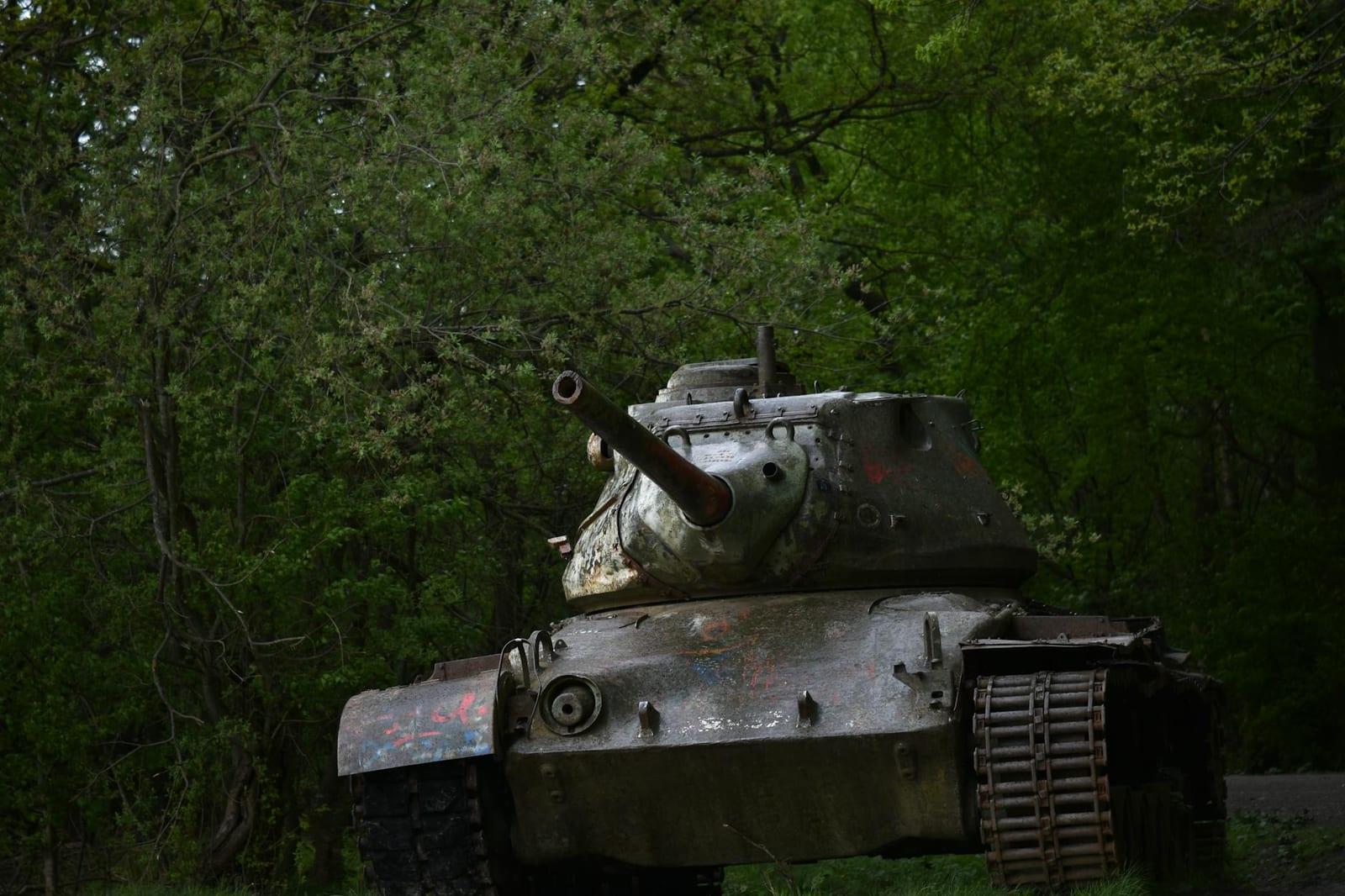
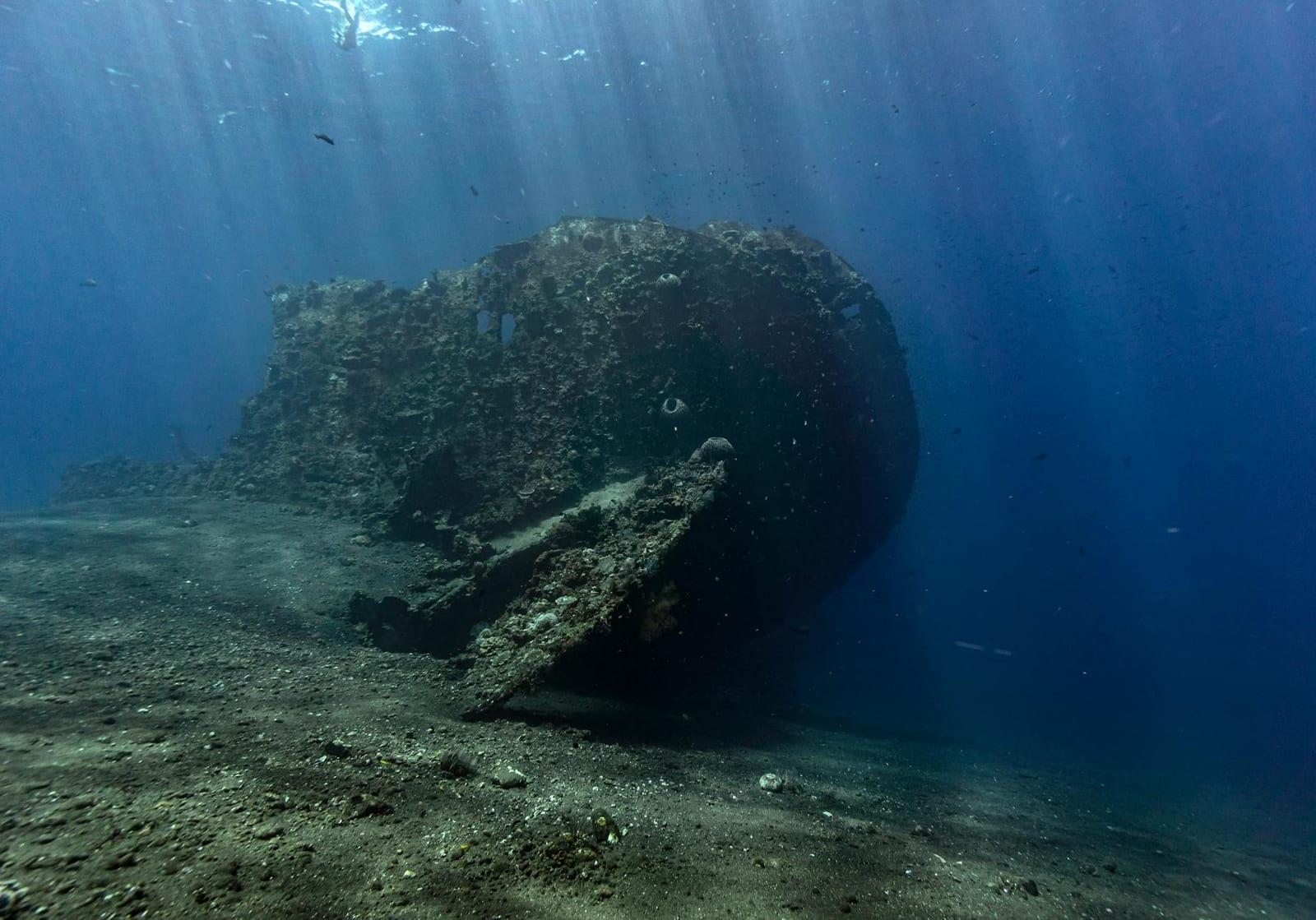
The Solomon Islands also come drenched in World War II history, as Japanese and Allied forces fiercely contested the archipelago: Close to 40,000 soldiers on both sides died here. You can explore this history at formal monuments and museums as well as through deep-jungle ruins and sunken hulls.
Venture to the Solomons and you won't find the most rigorously developed of tourism industries. Travel here demands a willingness to rough it, and to cast aside schedules for the electric rush of discovery.
9 things not to miss.
- Solomon Islands
- a WWII relic on GuadalcanalClimb a WWII relic on Guadalcanal
- Dive the Iron Bottom Sound wrecksDive the Iron Bottom Sound wrecks
- Malaita custom villageVisit a Malaita custom village
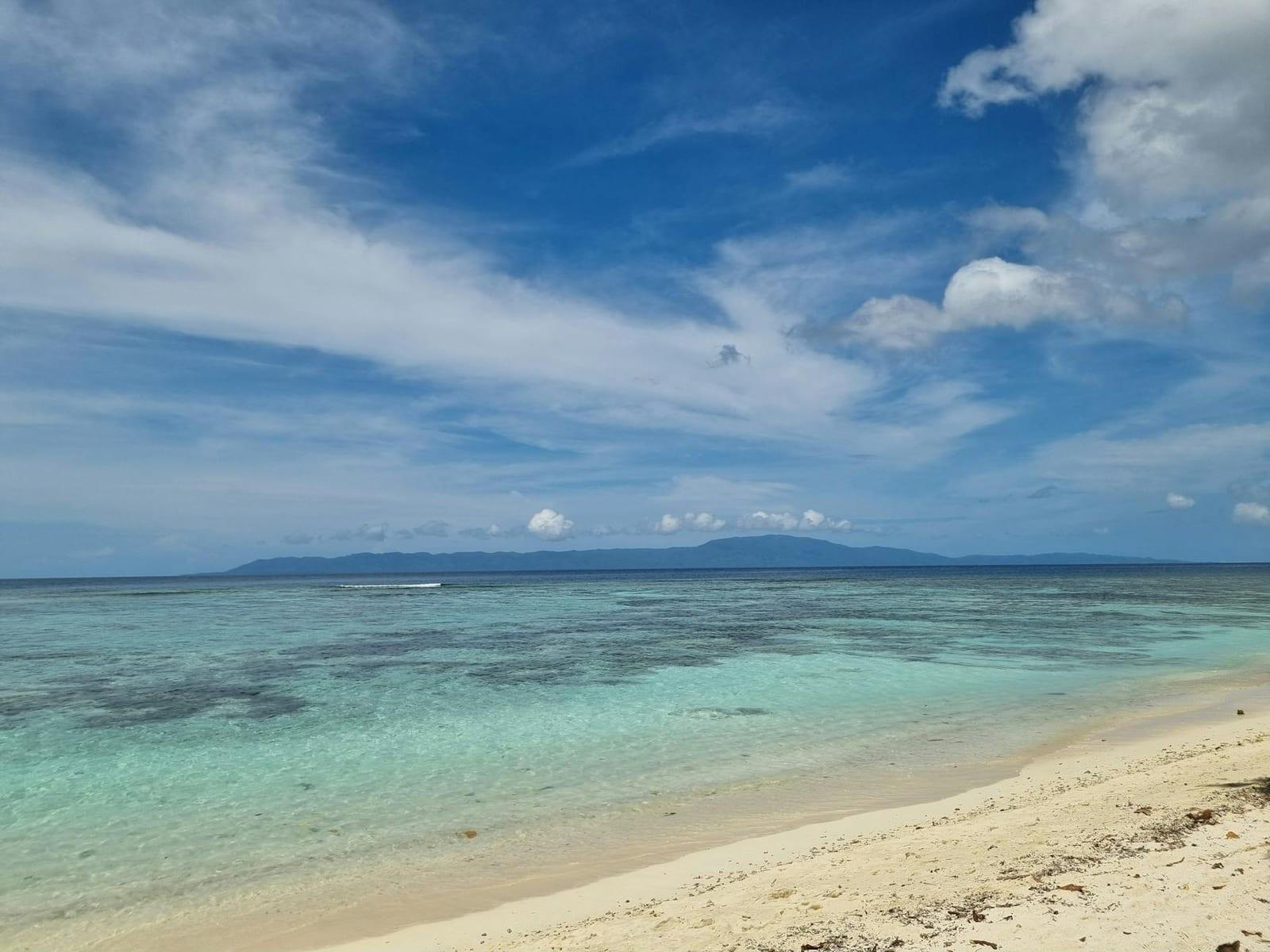
- Rennell IslandThe world’s largest raised coral atoll is a nature-lover’s dream, harboring a huge brackish lake and pristine tropical forest.
- Marovo Lagoon (New Georgie Islands)Diving, snorkeling, and kayaking are excellent ways to explore this islet-strewn lagoon.
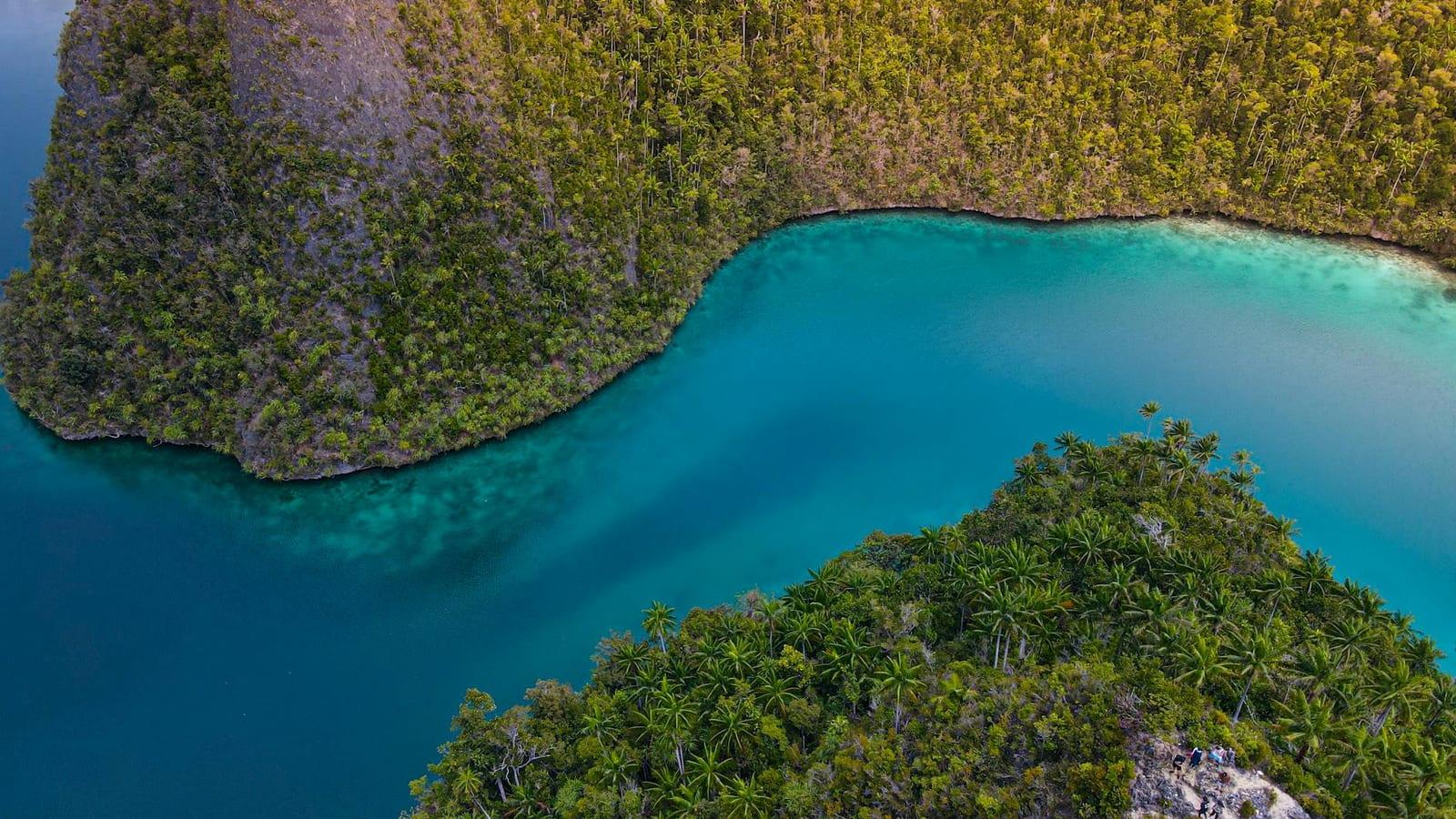
- TulagiWell-preserved World War II-vintage shipwrecks and the ray-swarmed Manta Passage make this little island one of the Solomons’ top dive sites.
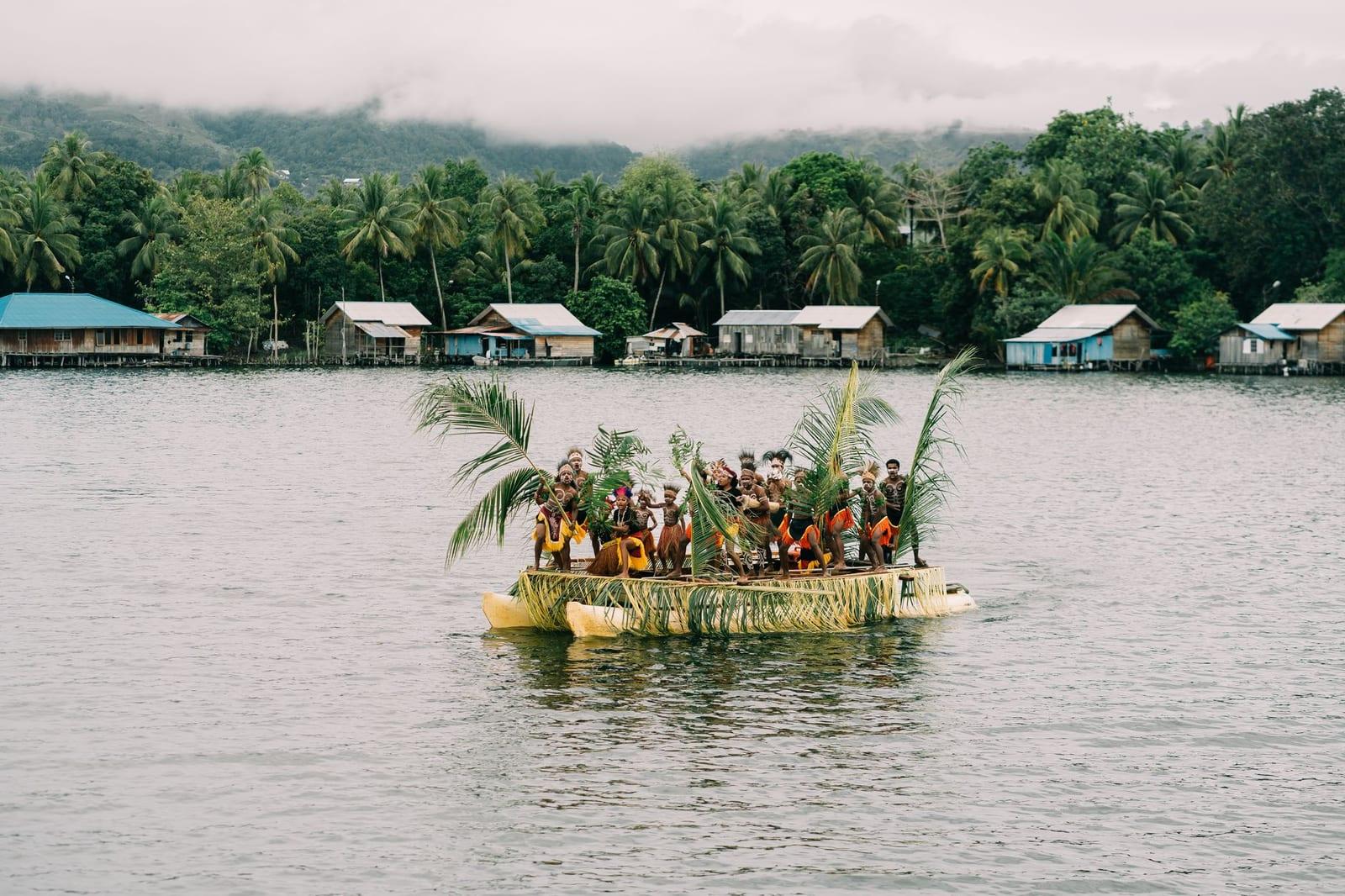
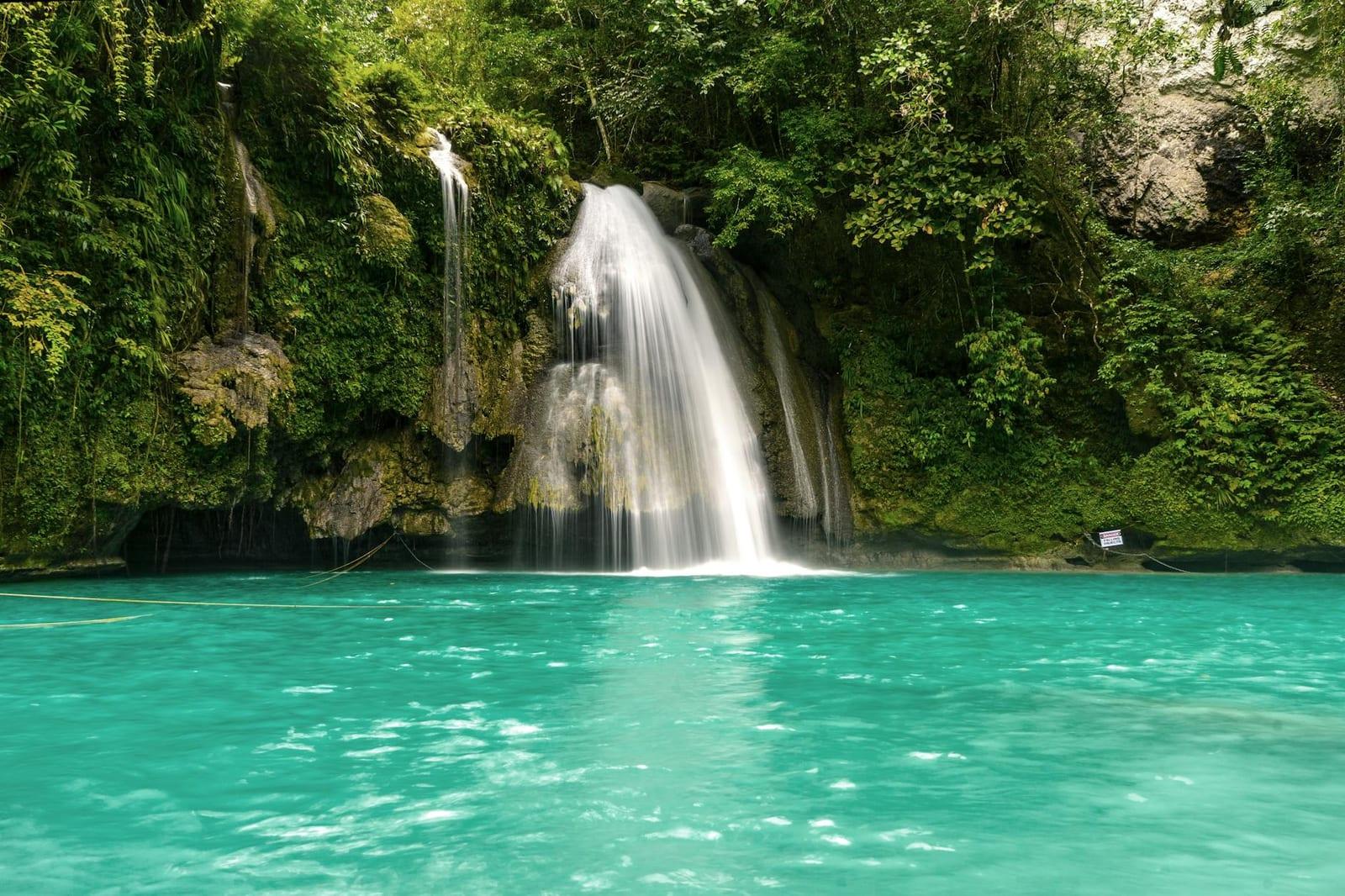
- Mataniko Falls (Guadalcanal)This waterfall billows down into an expansive and beautiful cave, used by Japanese soldiers as a hideout during World War II.
- HoniaraThe capital of the Solomon Islands is worth exploring for history buffs, given its Guadalcanal American Memorial and the National Museum.