Since its upending civil war, Somalia has been a byword for “failed state”: Images of starvation, disease, warfare, and piracy have painted a picture of despair, tragedy, and violence. There have been glimmers of though, including the establishment in 2012 of the Federal Government of Somalia, but the festering wounds of so many years of near-anarchy won’t heal quickly. At present, the militant extremist group al-Shabaab is waging outright war against the Somali government, with numerous terrorist attacks in the capital of Mogadishu in the past several years. In other words, Somalia is not open to tourists by any stretch of the imagination; travelers who wish to get a taste of the Somali Peninsula’s scenery and culture have a much better shot in Somaliland, the self-proclaimed state in Somalia’s northwest.
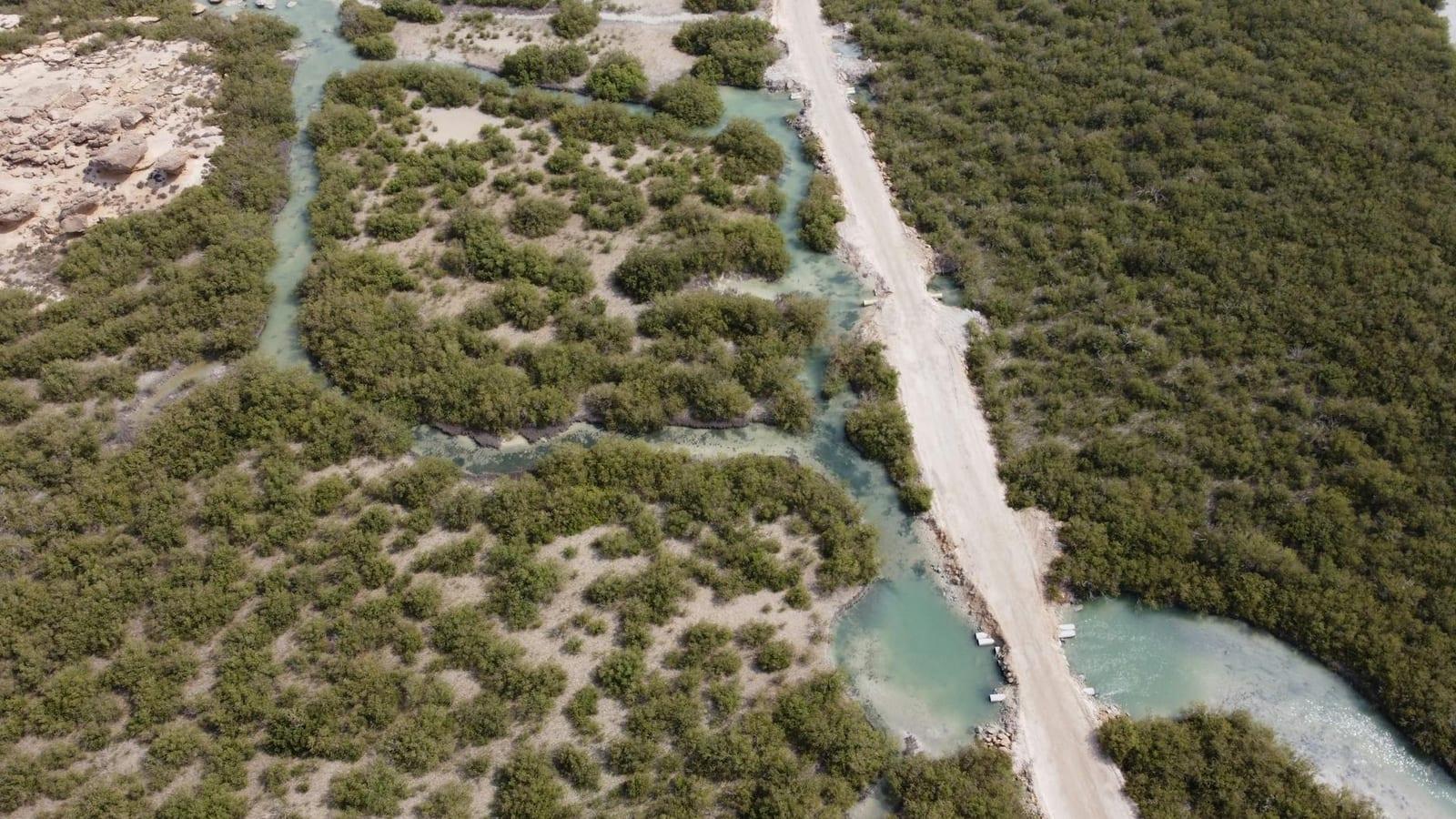
Effectively closed as it is to casual visitors, Somalia does have many destinations worthy of visit, not least one of Africa’s most pristine coastlines along the Gulf of Aden and the Indian Ocean. Pirate attacks on fishing vessels and cruise ships may be what Somali waters are best known for these days (though, it must be said, banditry on the high seas has lately declined), but they also nourish extensive coral reefs and mangrove swamps of major ecological importance. On the mainland, Somalia’s wilder side provides refuge for a unique spectrum of plants and animals bridging Mediterranean, Ethiopian Highland, and East African ecosystems. The arid woodlands and scrub that cover much of the country historically have supported a surprising number of large mammals, including oryx, dibatag, elephant, giraffe, kudu, lion, and cheetah, though the status of these beasts amid the chronic tumult is hard to ascertain.
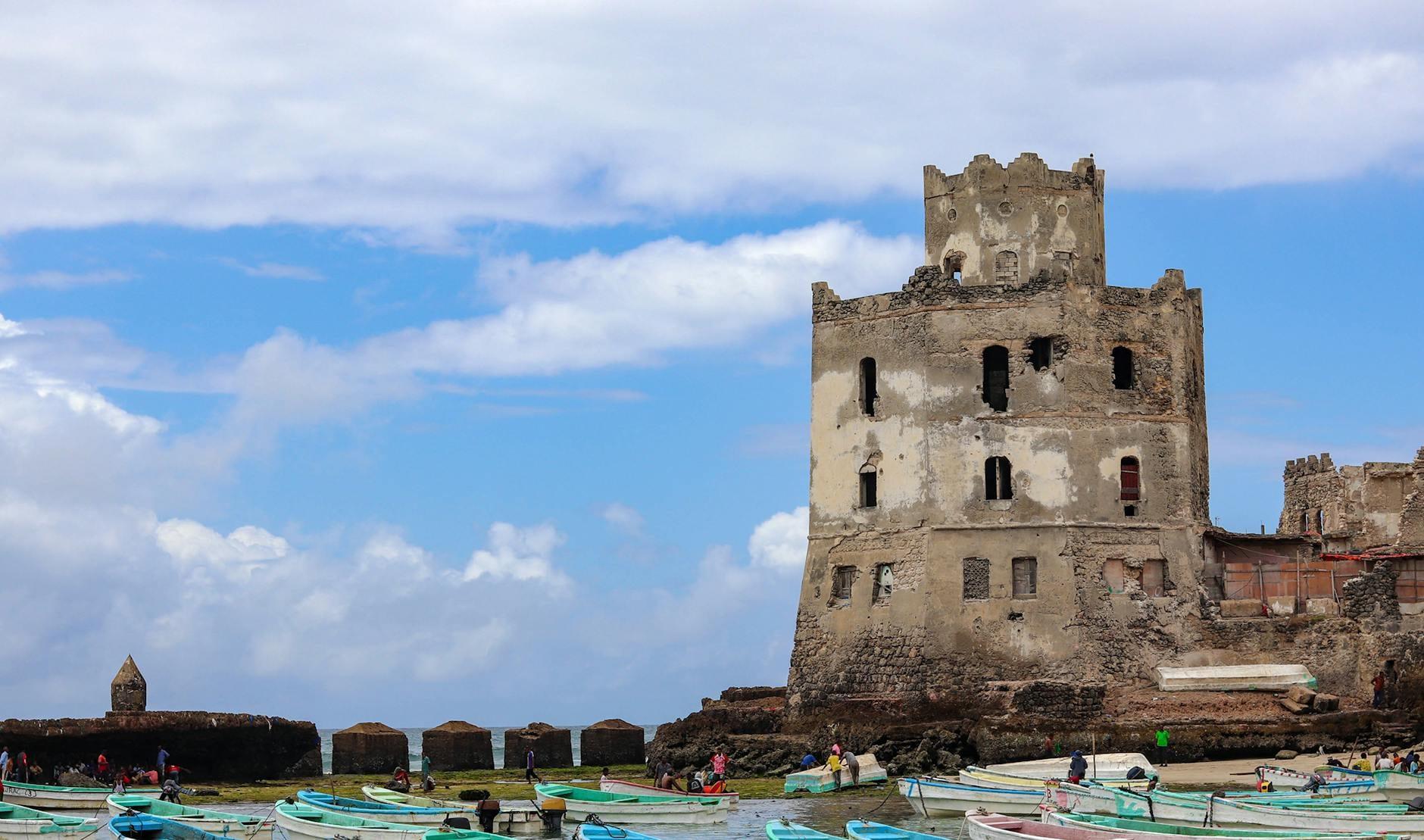
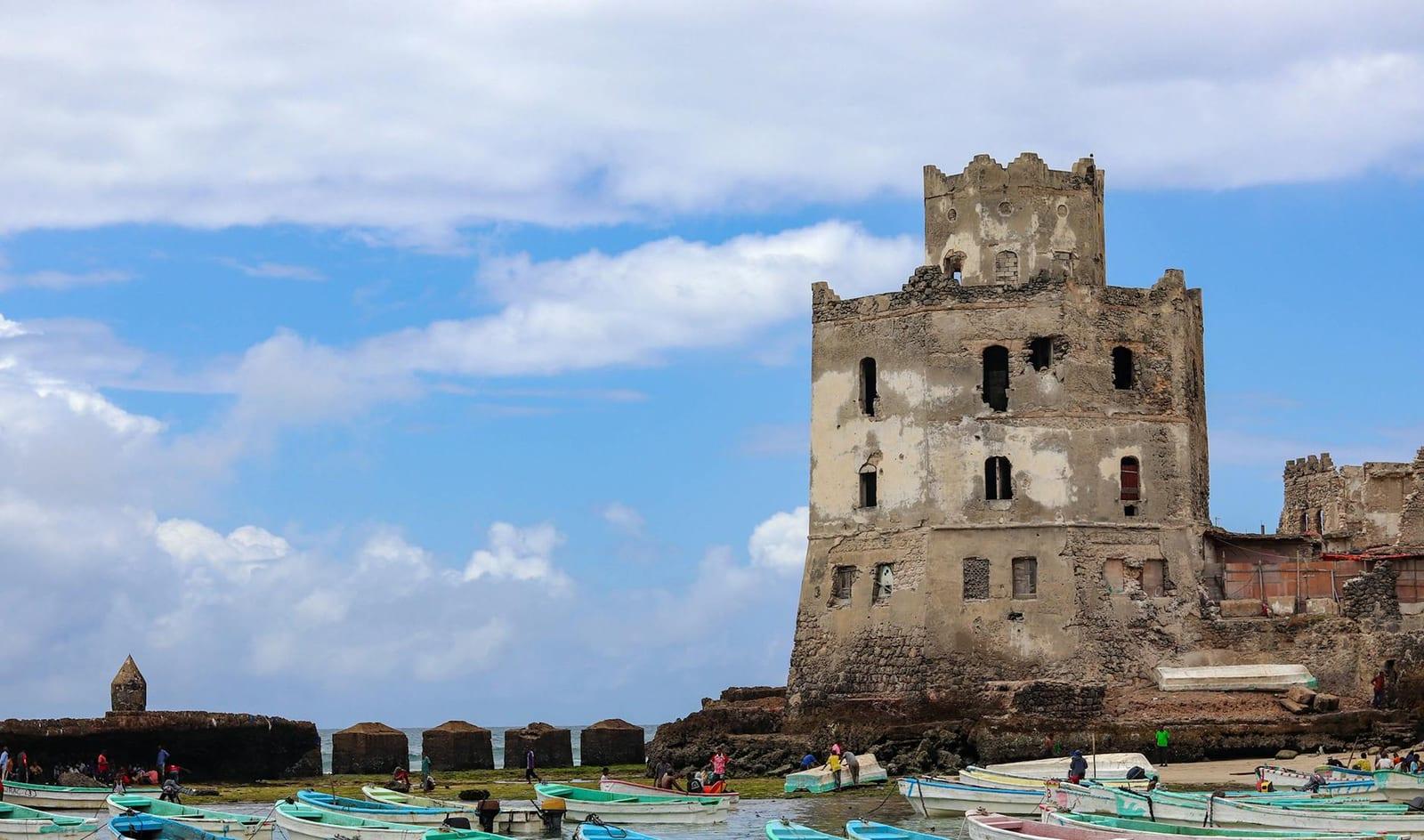
The multicultural history of Somalia is encoded in a broad array of vintage buildings and centuries-old settlements, including Gondershe, Hannassa, and Barawa. Mogadishu has its own significant share of historical landmarks, including the Arba’a Rukun Mosque and the Mogadishu Cathedral, as well as educational institutions, such as the National Museum. Many Somali heritage sites reflect more prosperous periods in the country’s past, when the homegrown kingdoms and sultanates commanded major trading hubs linking the Mediterranean and the Indian Ocean.
Today, Somalia remains well off the tourist circuit. But with the help of international support and strong national determination, there may be a time down the road—hard to imagine as it is—when this isn’t the case.
9 things not to miss.
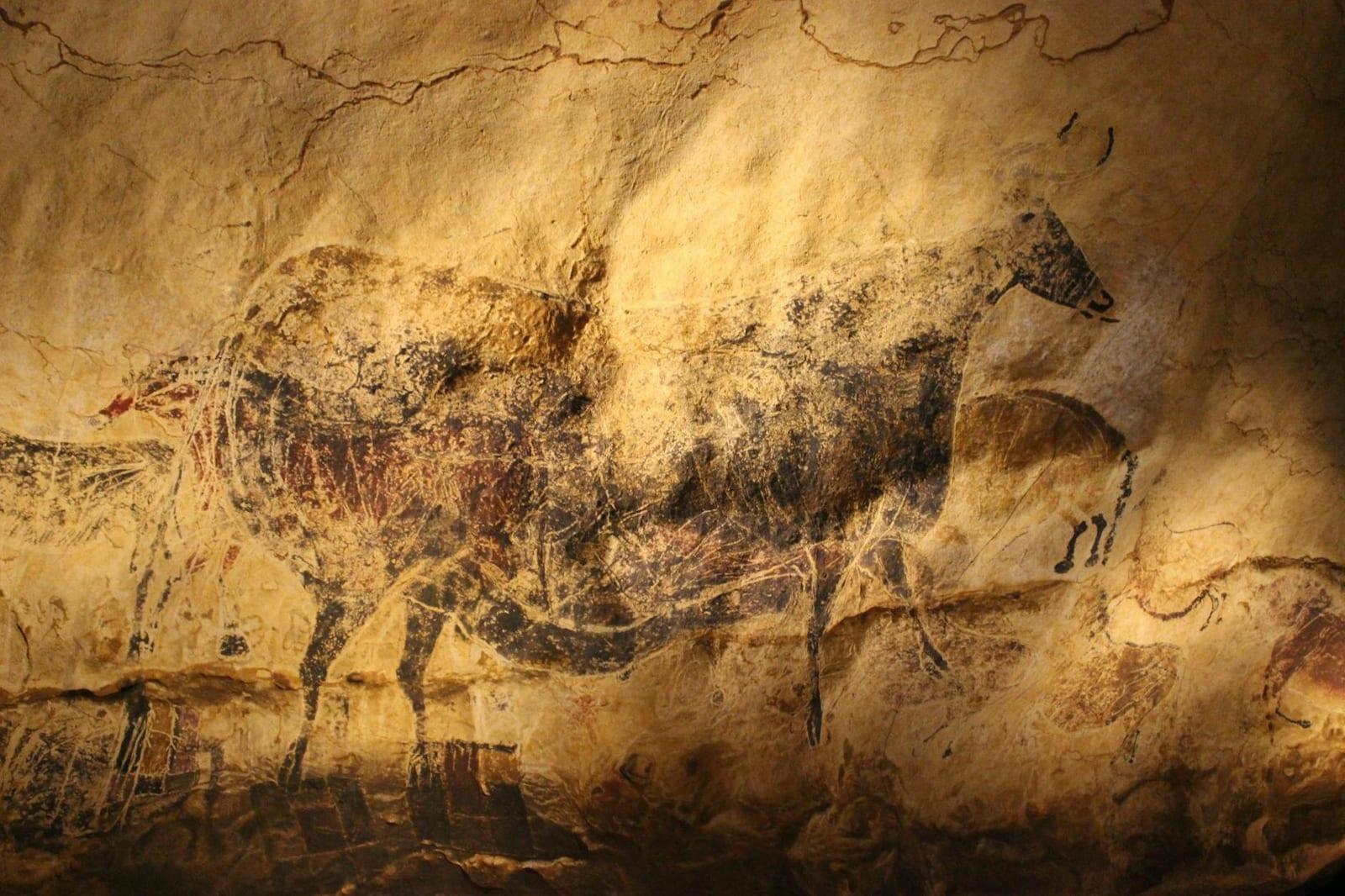
- Laas Geel rock paintingsSee Laas Geel rock paintings
- Berbera's coral coastWalk Berbera's coral coast
- dunes of HobyoClimb the dunes of Hobyo
- Bajuni ArchipelagoIslets inhabited by indigenous Bajuni, extensive coral reefs, and rare dugongs distinguish this archipelago, arching from Kismayo to the Kenyan line.
- Arba-a Rukun MosqueThis unmistakable Mogadishu house of worship dates back to the 7th century C.E.
- Mosque of Islamic SolidarityOf much more recent vintage, this is the Horn of Africa’s biggest mosque, commanding a fine view along Mogadishu’s Indian Ocean seafront.
- Mogadishu CathedralA striking relic of Italian Somaliland, this 1920s-era cathedral took a beating during the Somali Civil War and the chaotic years following, but remains a Mogadishu landmark.
- National Museum of Somalia (Mogadishu)Also hammered during the civil war, the national museum—first opened in 1933—still houses significant historical and ethnographic collections.
- Kismayo National ParkThis critical sanctuary of Horn of Africa scrub shelters such magnificent mammals as the Somali wild ass, looking something like a zebra/donkey hybrid.