
Touring South Korea is an exercise in time travel: Centuries seem to mingle and clash here at every turn. And while the densely populated country may be notable for its ethnic homogeneity, striking contrasts in culture and landscape make it an always-dynamic travel destination.
The richness of South Korea’s artistic and culinary traditions, which represent plenty of cross-pollination between the Korean Peninsula, China, and the West, is particularly striking compared with the country’s only neighbor. It’s amazing to consider how close the nonstop globalized thrum of Seoul lies to the ugly and fraught border with North Korea, itself something of a tourist beacon.
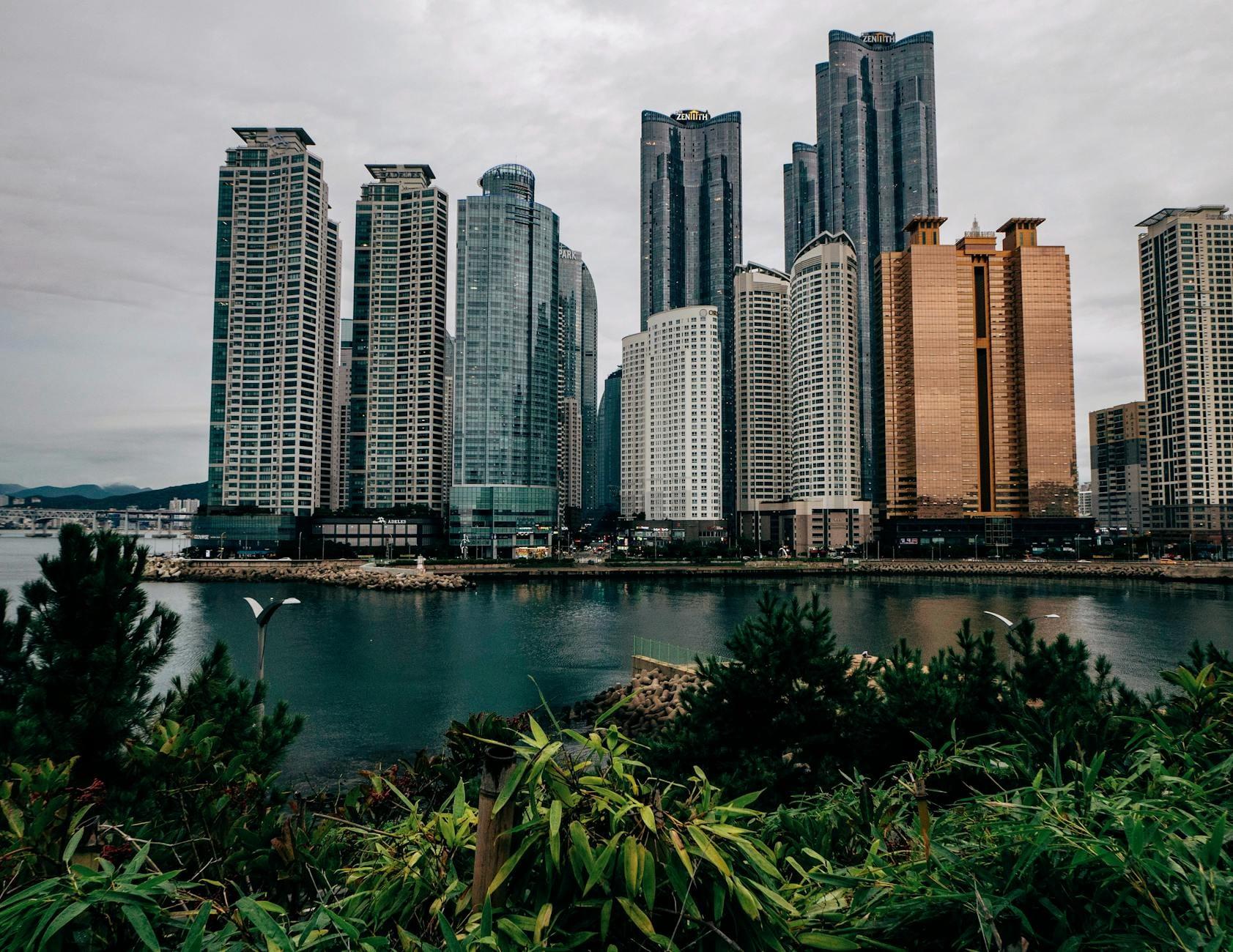
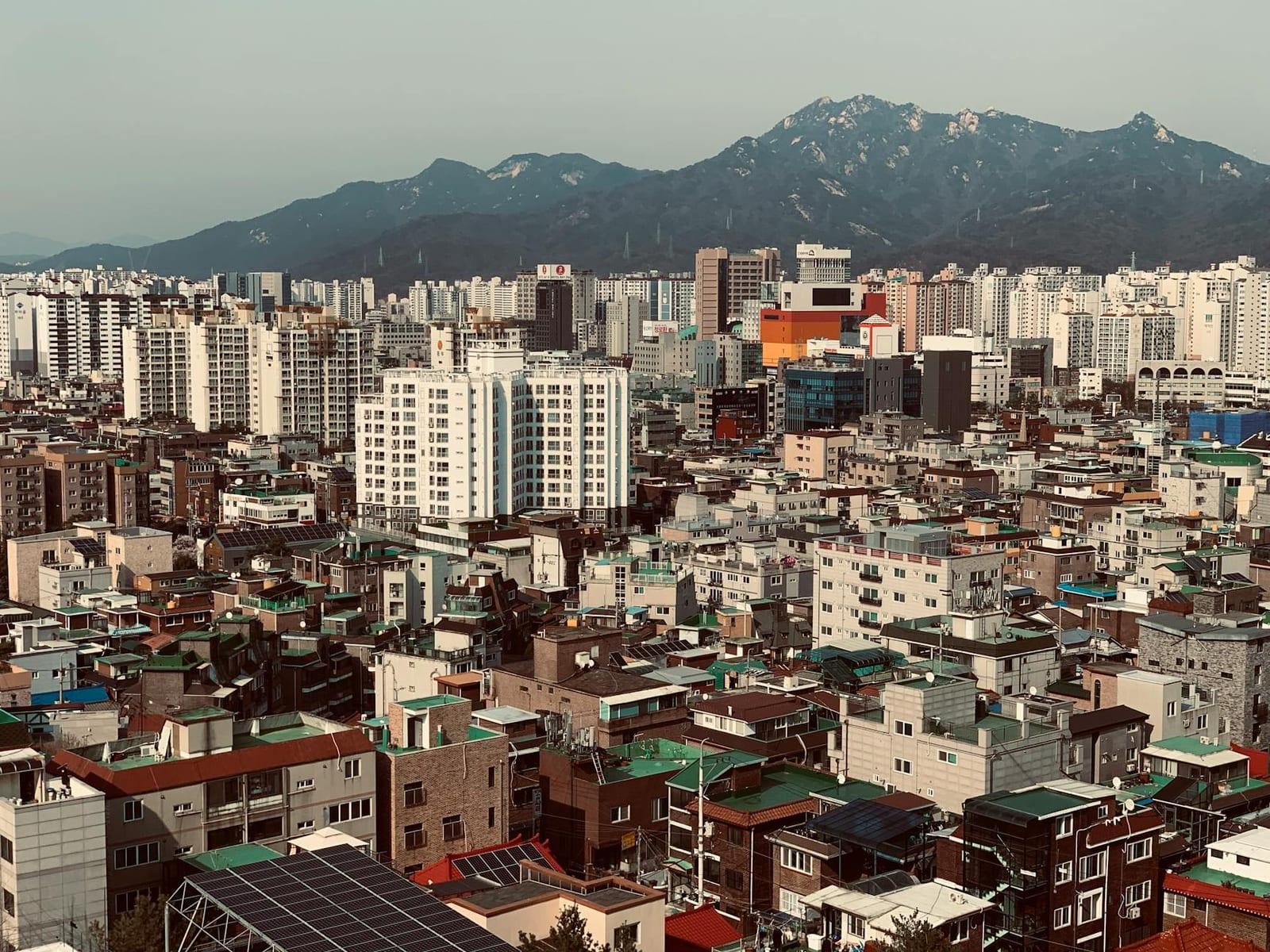
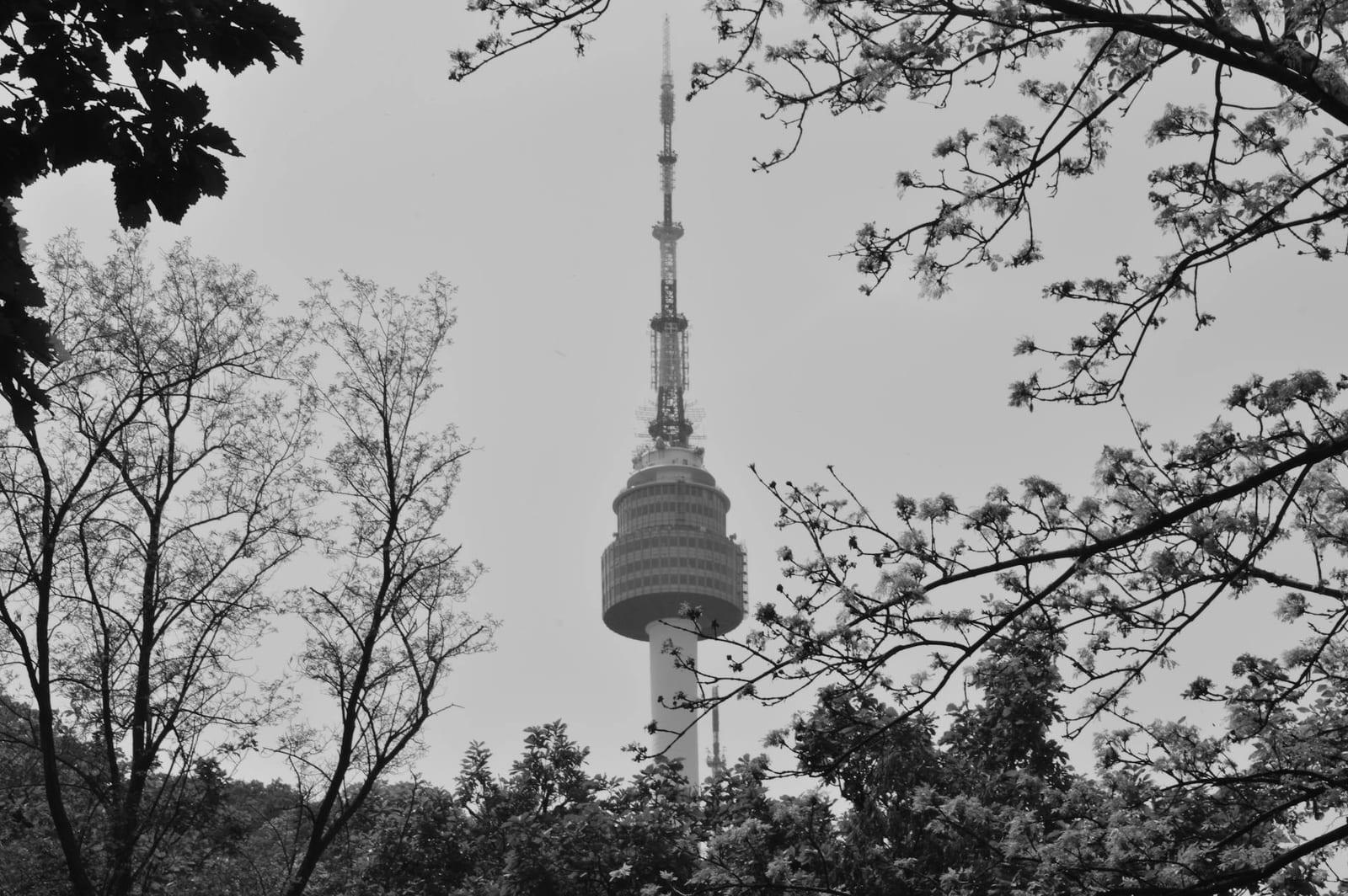
Seoul’s tapestry of skyscrapers, malls, cinemas, entertainment complexes, markets, teahouses, and temples sums up South Korea’s union of bone-deep tradition and 21st-century spectacle. Centuries-old palaces (Changdeokgung and Gyeongbokgung) and Confucian shrines (Jongmyo) vie with modern-day architectural showstoppers (N Seoul Tower, IFC Seoul, Lotte World Tower, and others) for your attention.
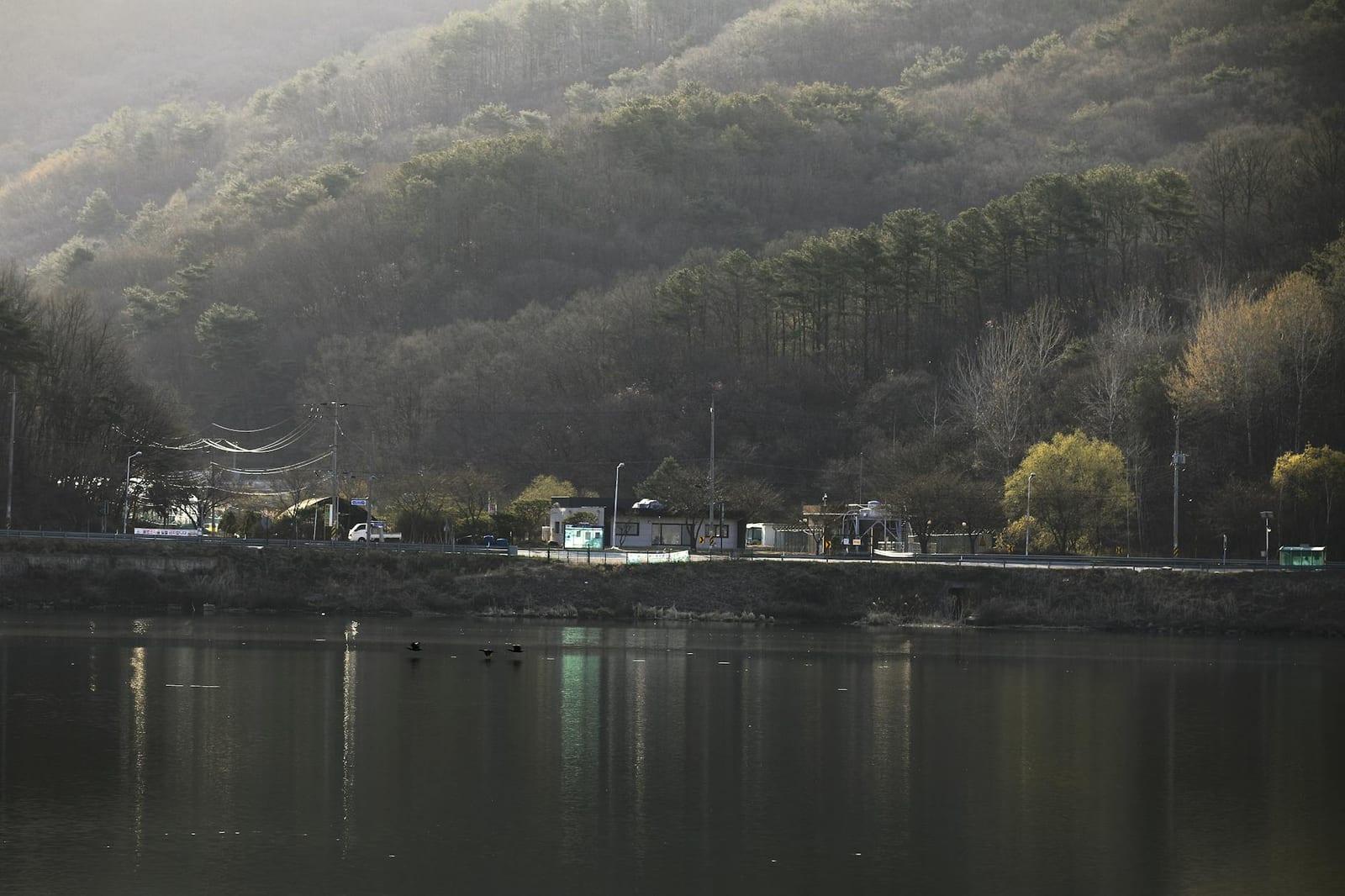
South Korea certainly has urbanity at an immense scale, but the country’s also a place of rugged mountains, plunging canyons, and raw sea stacks. This wild heritage takes center stage in 20-odd national parks, from the stony backcountry of Songnisan to the coastal evergreen forests and rich marine waters of Dadohaehaesang. There’s a frozen-in-time aspect to South Korea’s deepest countryside: sprawling cabbage fields, cove-bound fishing villages, and farflung Buddhist temples such Beopjusa.
Sifting through the many layers of South Korea can occupy multiple journeys. From secluded mountain valleys to dazzling nightlife, here’s a place to explore East Asia’s deep history—and put your finger on the pulse of its powerhouse future.
13 things not to miss.
- DMZ from SeoulTour the DMZ from Seoul
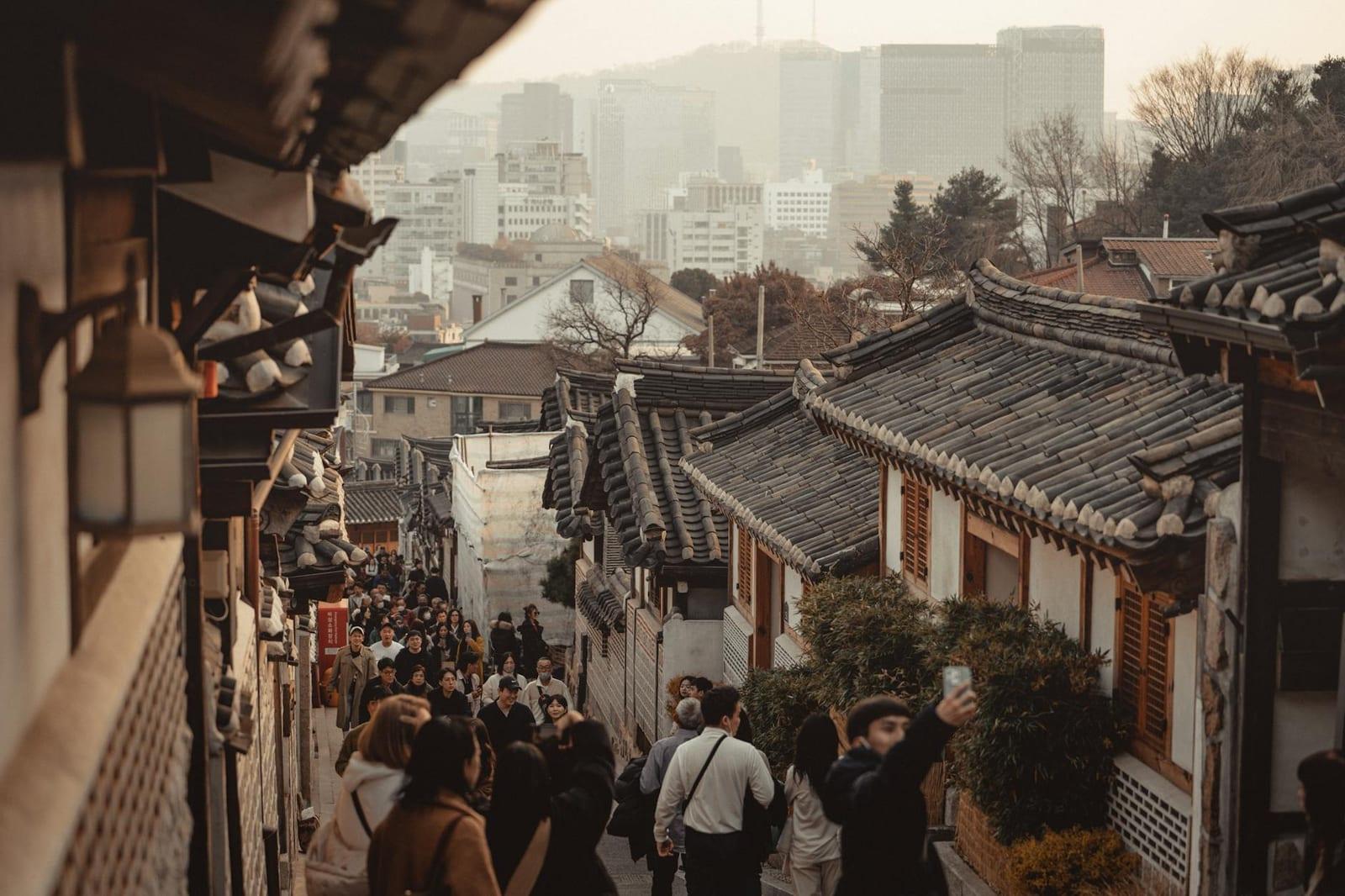
- Stay in a Bukchon hanokStay in a Bukchon hanok
- Jinju
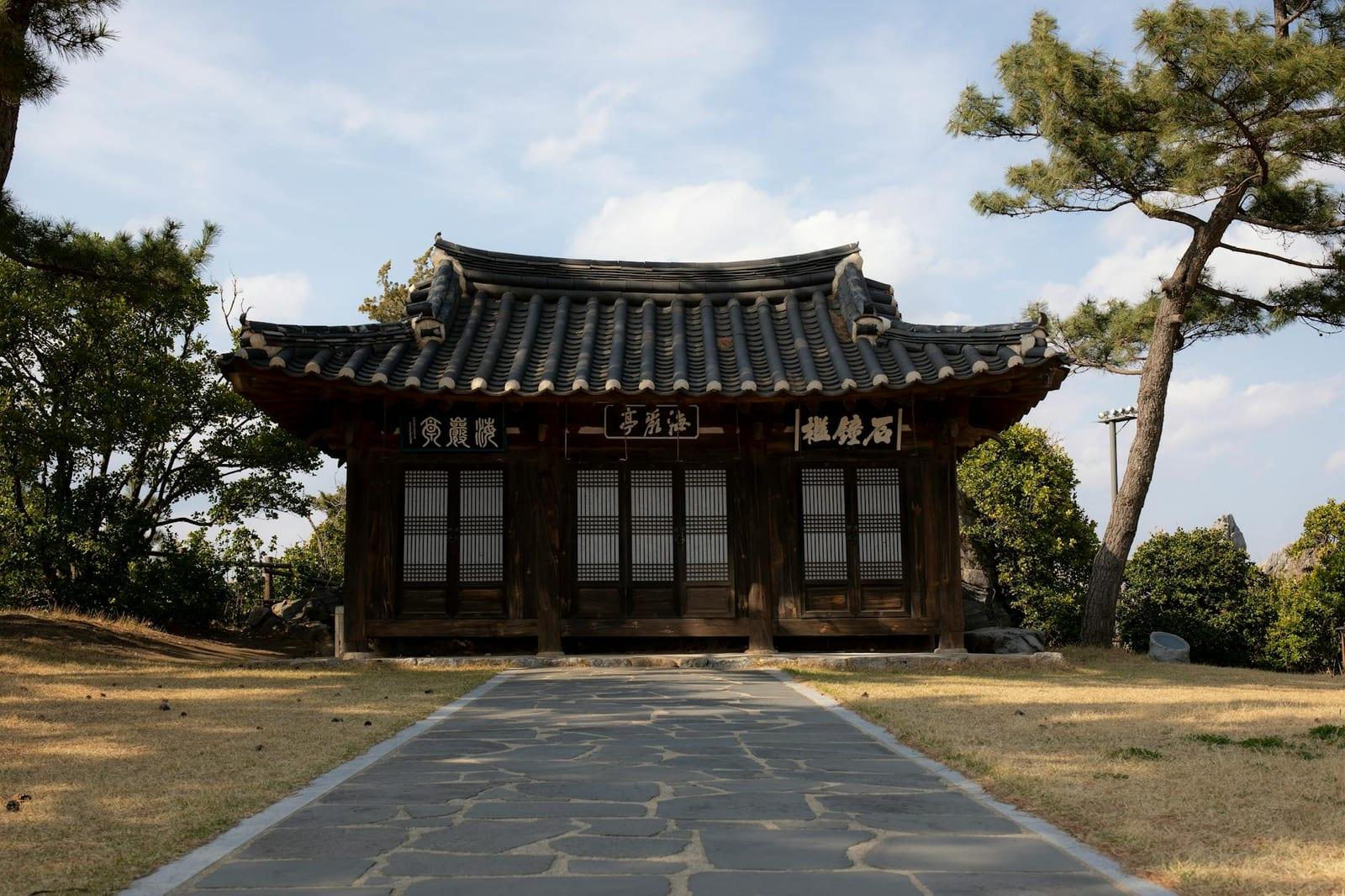
- Gyeongbokgung PalaceThis Seoul must-see is the largest and most notable of the royal palaces established by the long-running Joseon Kingdom.
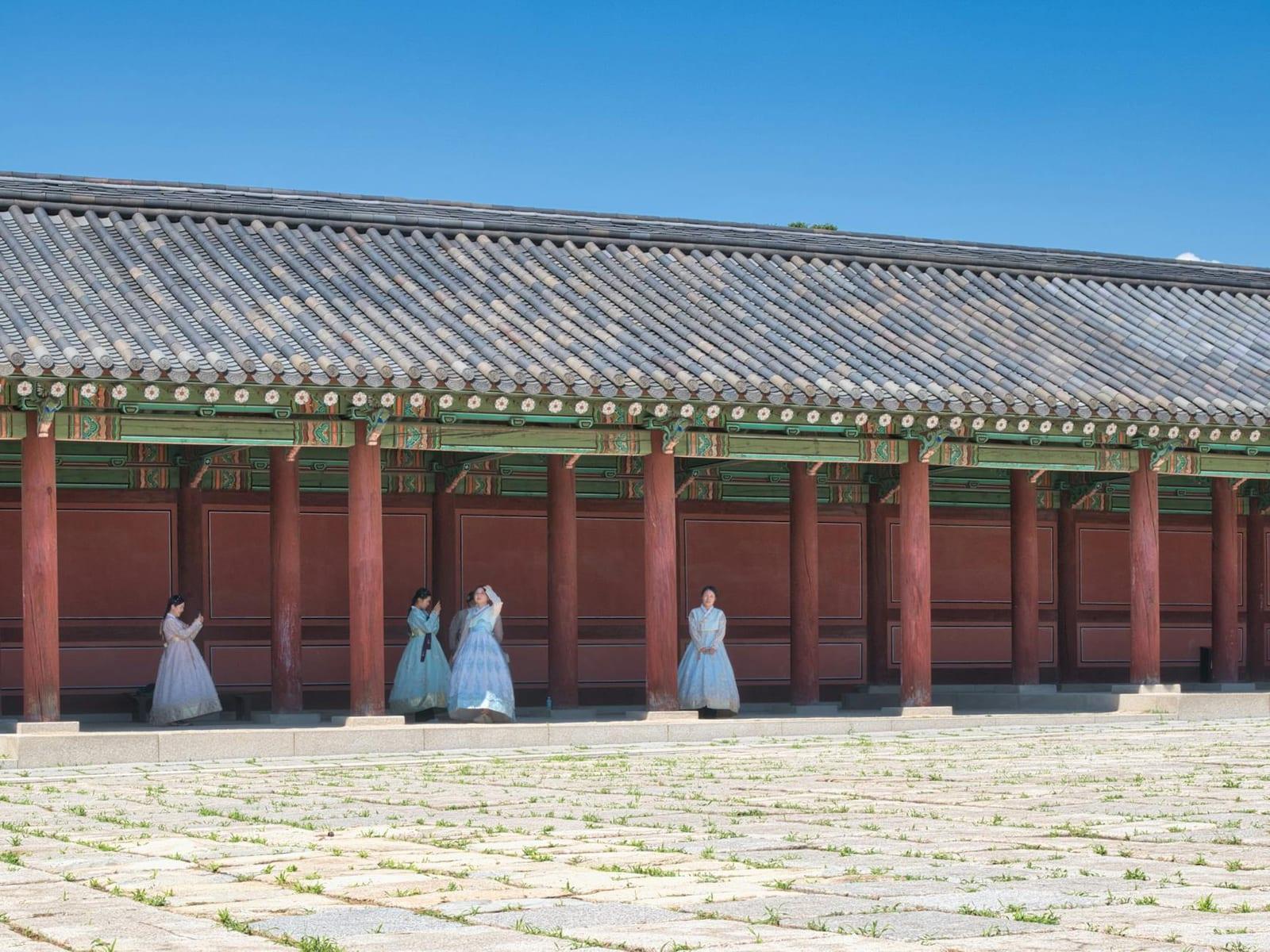
- Changdeokgung PalaceThis stunning building is the second-oldest of Seoul’s Joseon palaces.
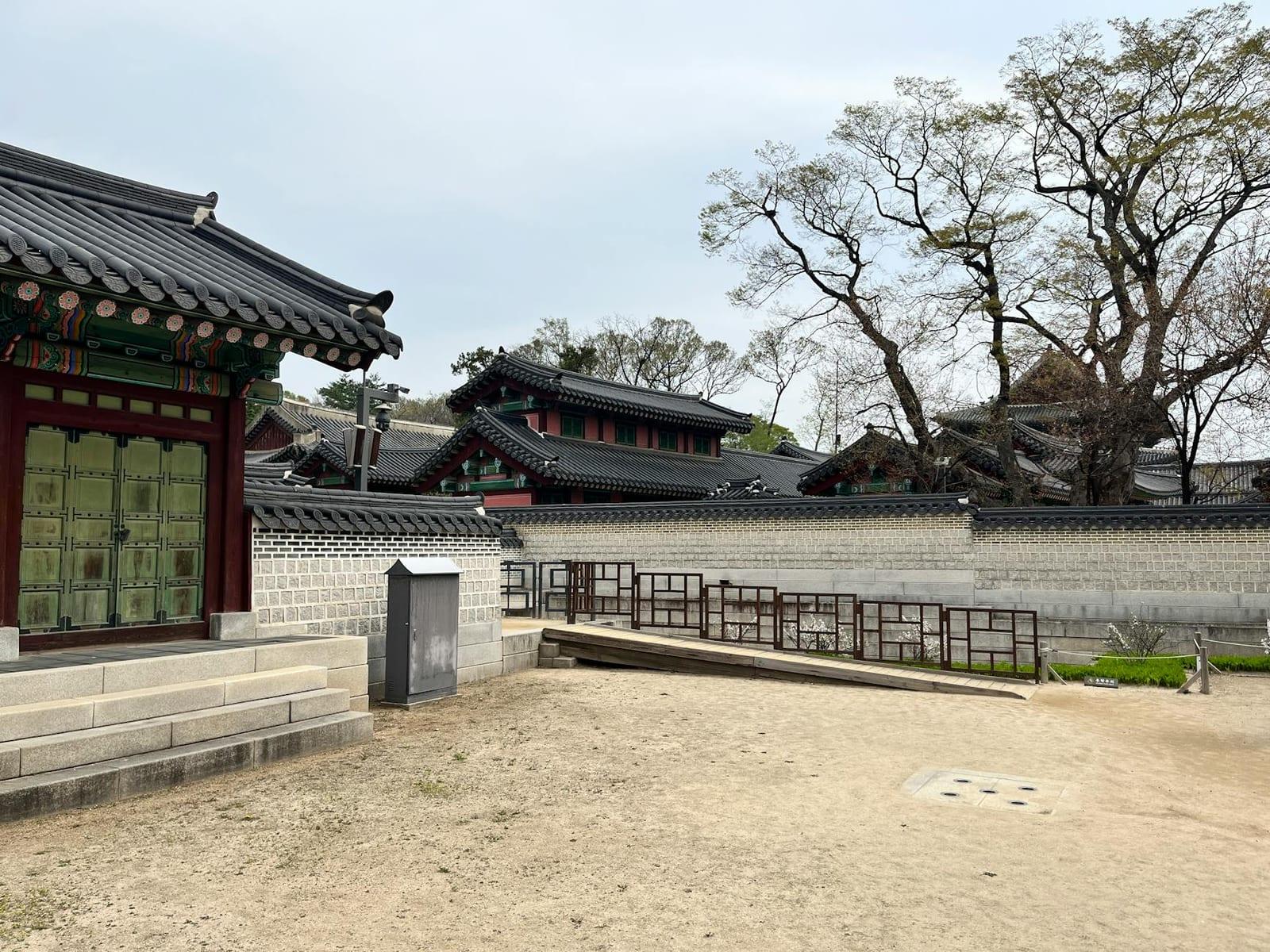
- Jongmyo (Seoul)A UNESCO World Heritage Site, this elegant Confucian shrine dates to the late 14th century.
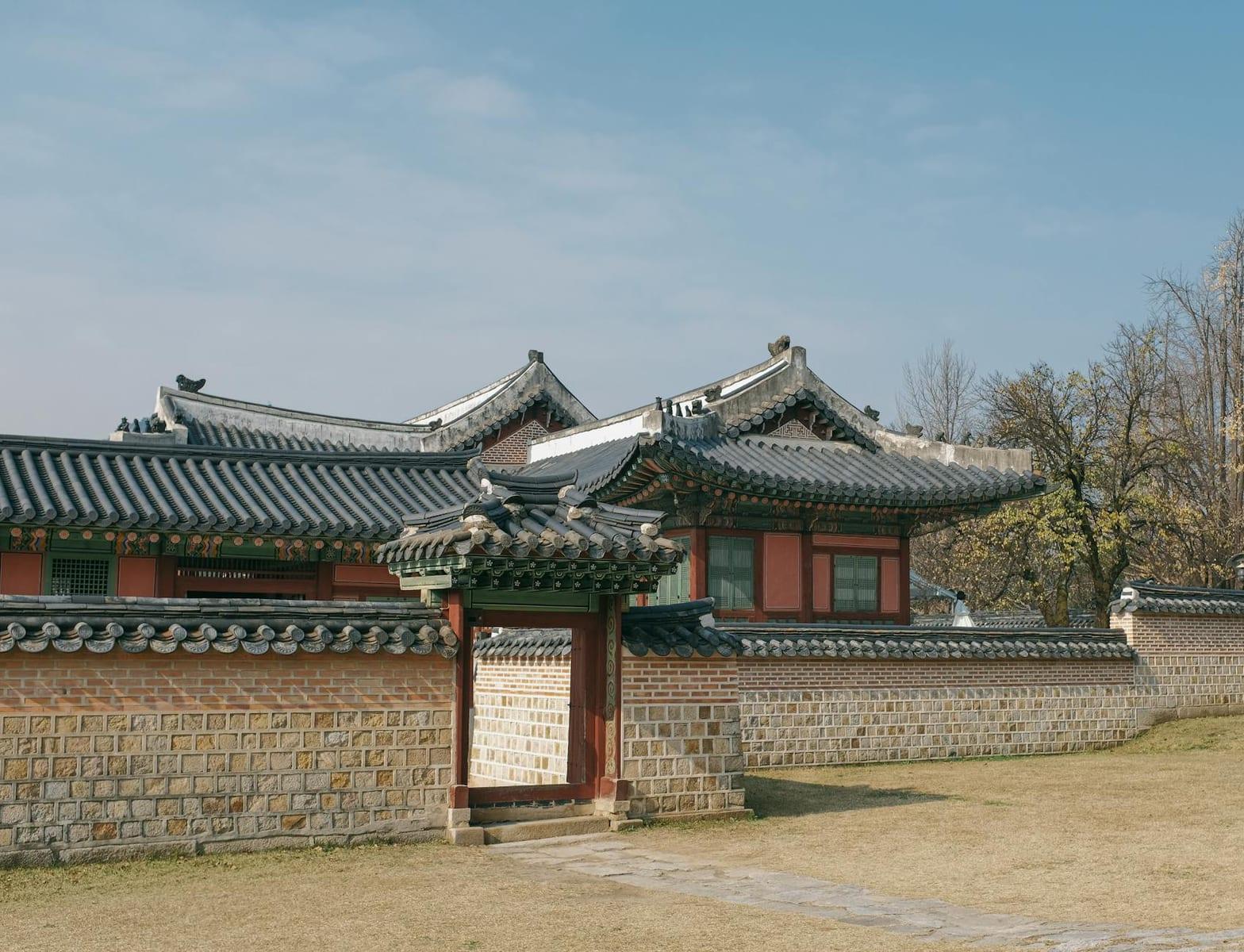
- N Seoul TowerThere’s no beating the views of South Korea’s giant capital available from this skyscraping tower.
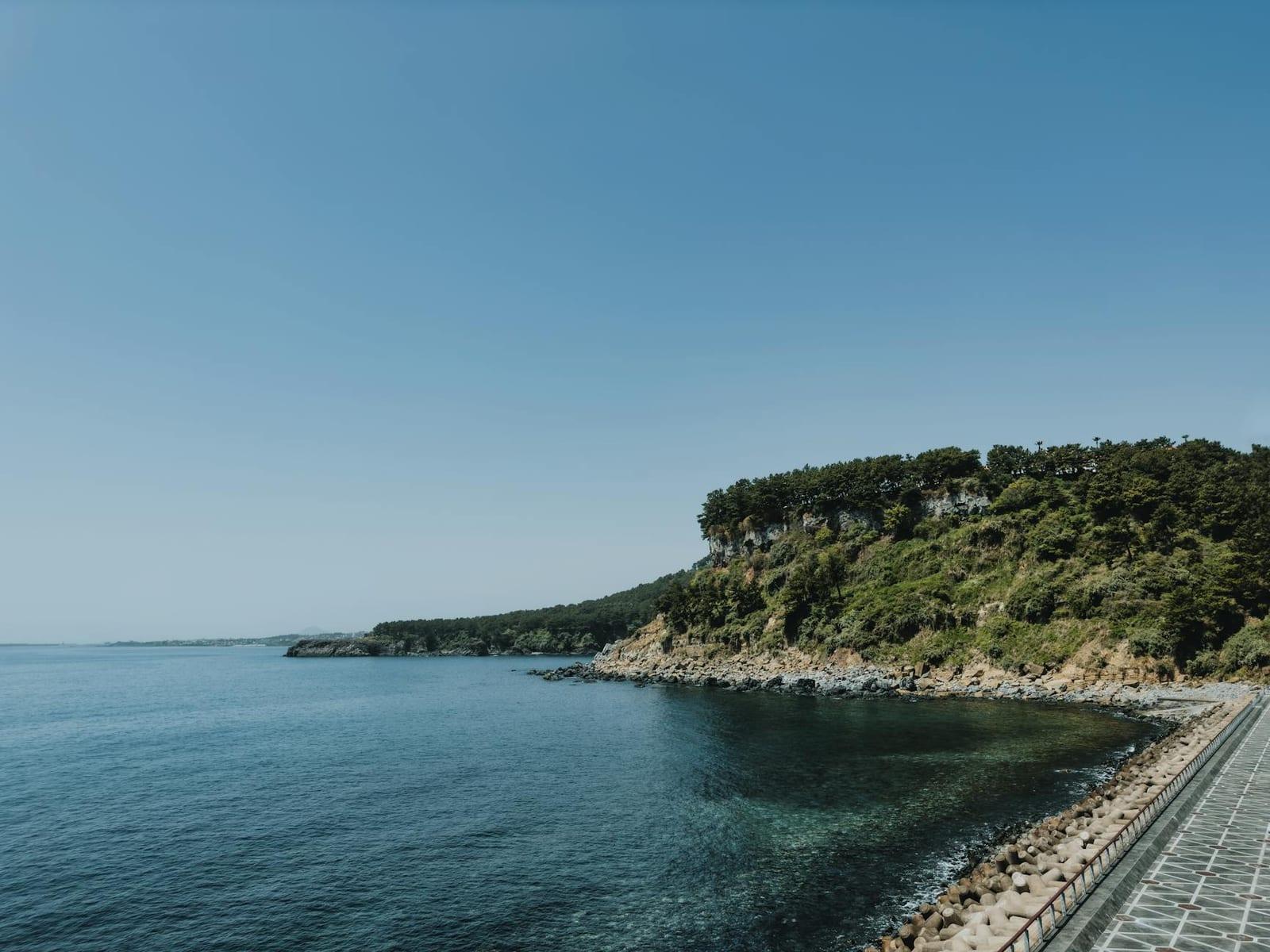
- Jeju IslandLeaping waterfalls, 6,400-foot Hallasan (South Korea’s highest peak), a teddy-bear museum Jeju is the country’s beloved subtropical playground.
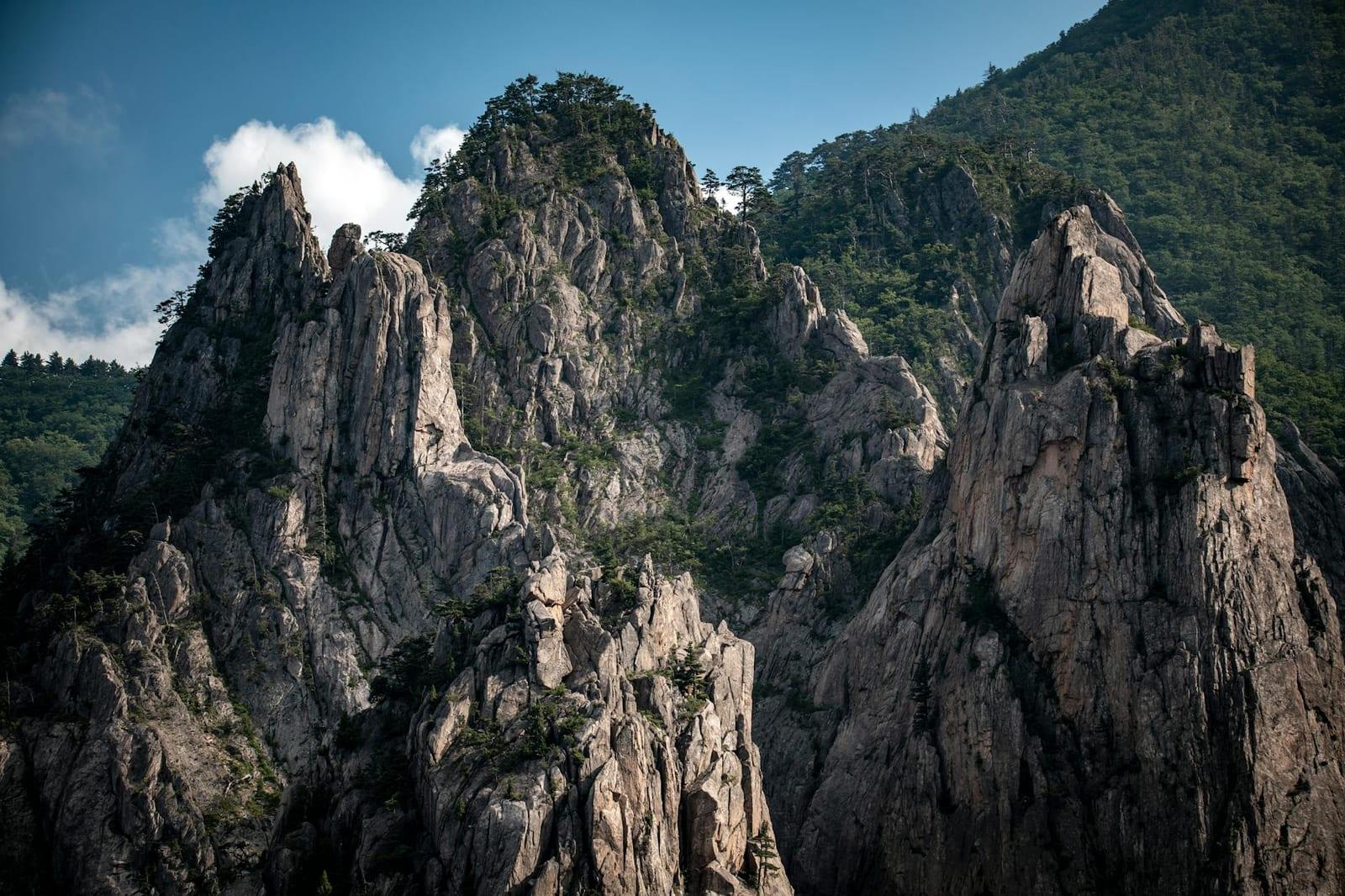
- Seoraksan National ParkThe jagged granitic crest of the Taebaek Mountains towers over lovely forests roamed by moon bears and musk deer.
- BukhansanseongThis 18th-century mountain fortress is a highlight of rugged Bukhansan National Park.
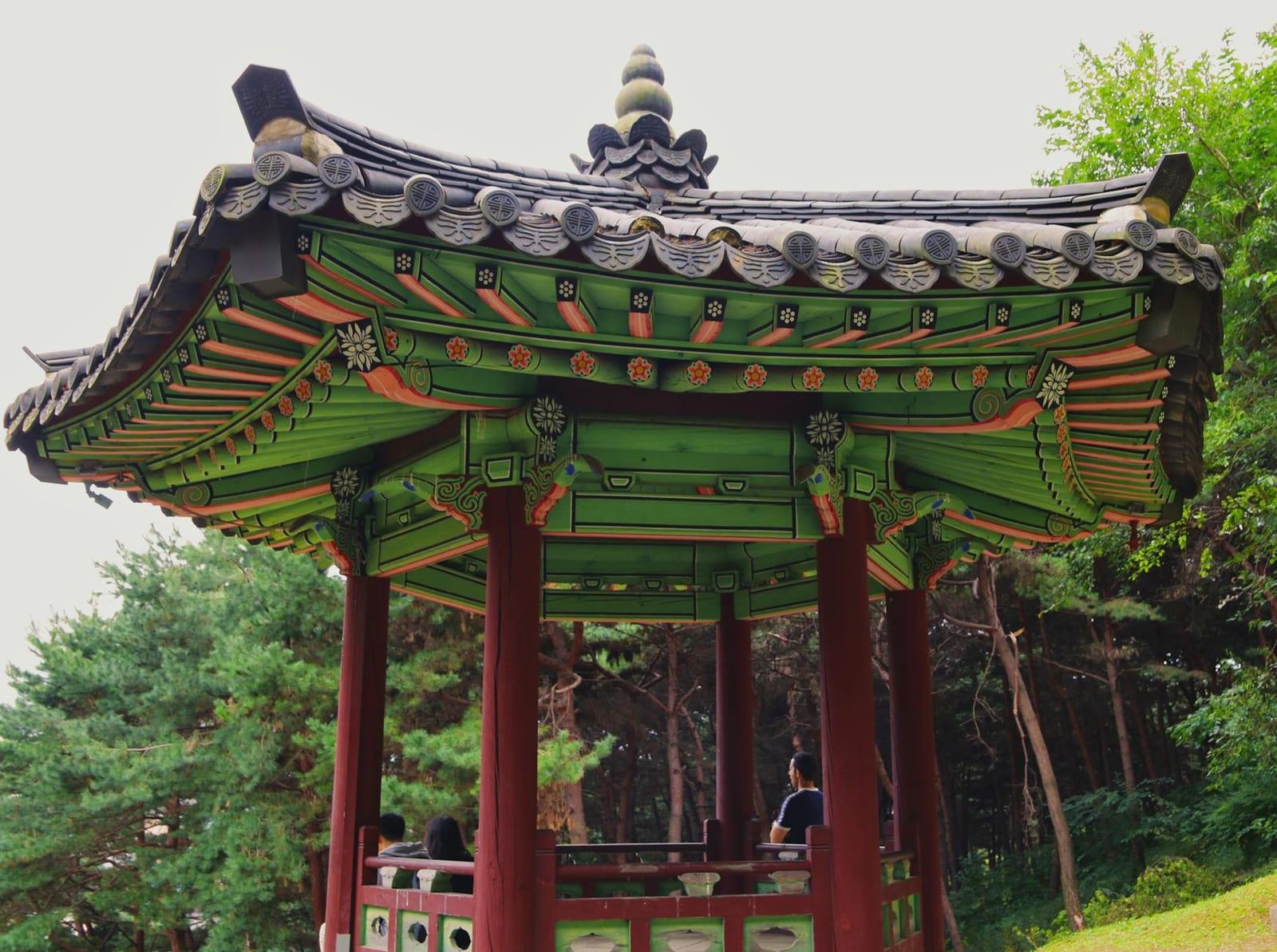
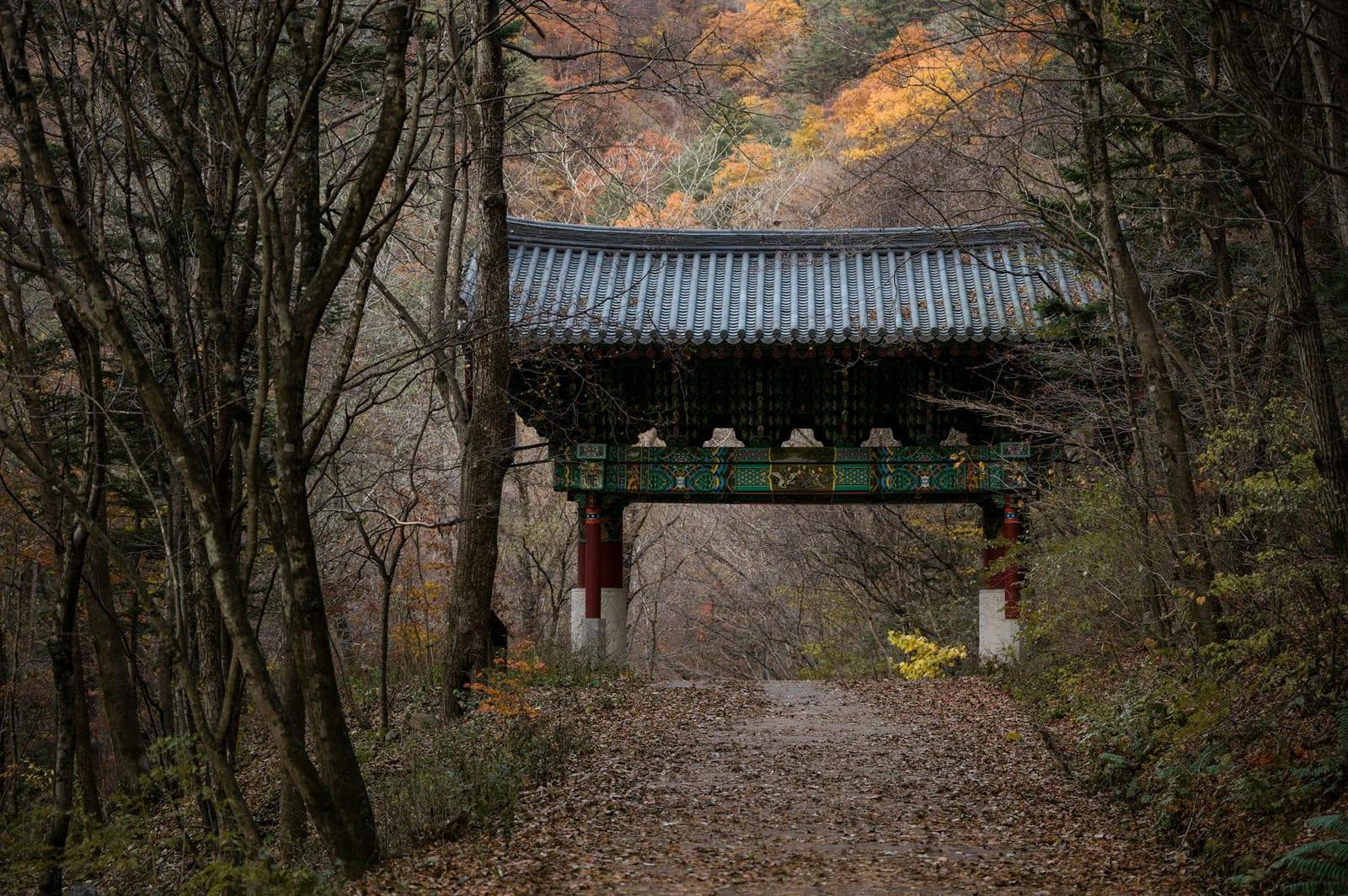
- BeopjusaKnown for its lofty wooden pagoda and golden Buddha, this ancient Buddhist temple enjoys a gorgeous setting below Songnisan peak.
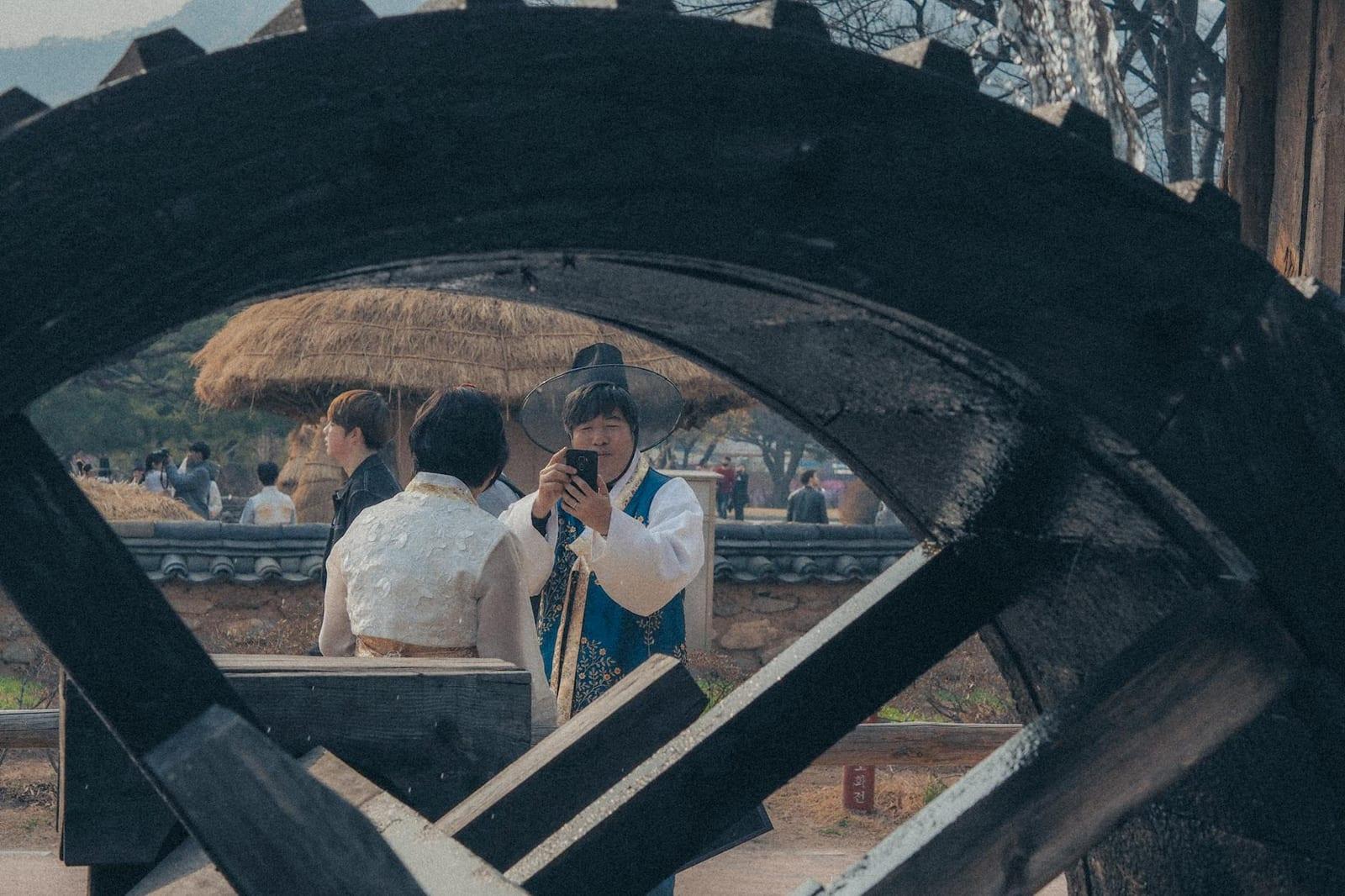
- Korean Folk VillageThis interpretive site offers engaging cultural performances—including dances and horseback displays—as well as amusement rides and eateries.
- DMZSteal a glimpse into the “other” Korea and mull the legacy of the Korean War—never officially concluded—at this surreal border.