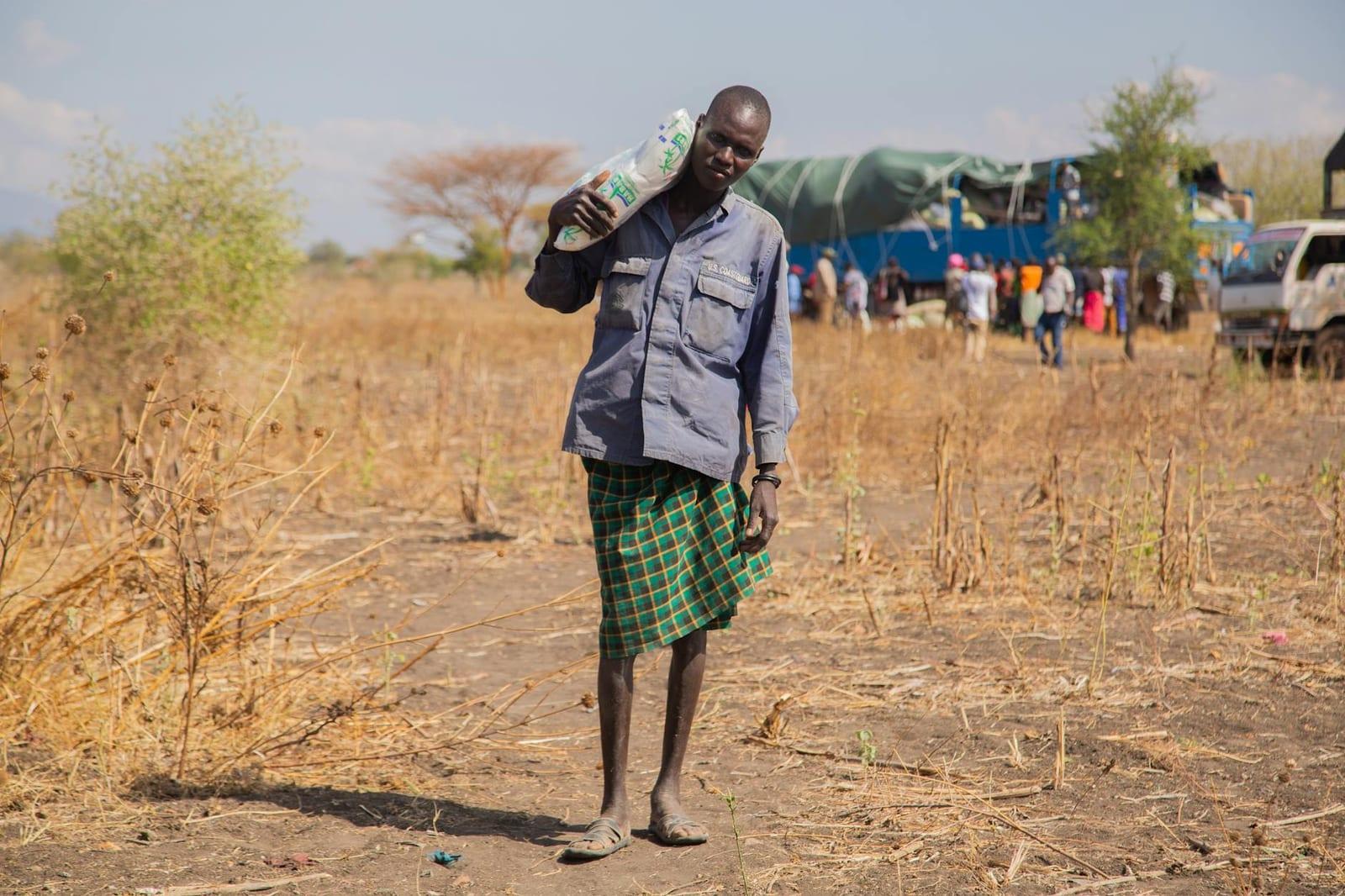
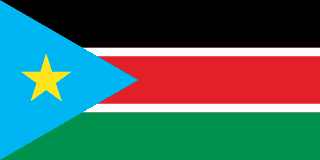
The freshly minted country of South Sudan—formed in 2011—has an uncertain future, beset as it is by terrible ethnic and political infighting. The South Sudanese Civil War makes the significant natural and cultural attractions of this state, which bridges North and Central Africa, off-limits to tourists.
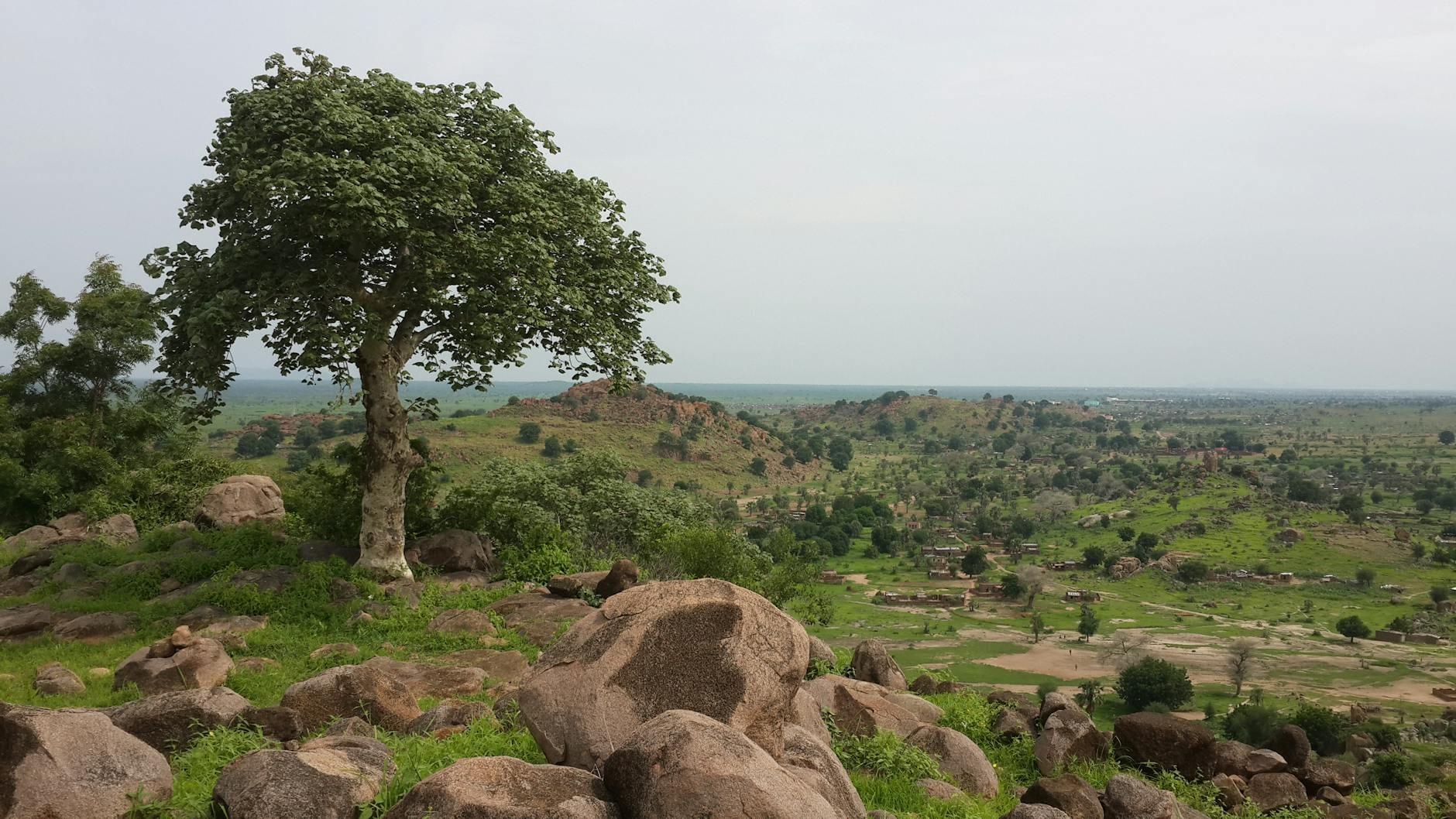
South Sudan includes some of the least-known natural wonders on the continent; and scientists are still documenting the status of the country's biodiversity following decades of warfare. One of the biggest wetlands in the world, the Sudd of the White Nile floodplain, long an obstacle to explorers on the hunt for the source of the Nile, also harbors huge concentrations of large mammals—kob, elephant, reedbuck, tiang, lechwe, and others—some of which undergo among the greatest terrestrial migrations left on the planet. Other migratory herds inhabit Boma National Park near the Ethopian line, which, as of the mid-1990s anyway, supported one of Africa’s richest faunal rosters. Savanna animals such as eland, Cape buffalo, lions, and white rhinos inhabit Southern National Park, founded back in 1939. In the tropical forests of the south, Bangangai Game Reserve protects such elusive creatures as the chimpanzee, the bongo, the giant forest hog, and the leopard.
Besides bloody conflict, South Sudan has a poorly developed network of infrastructure, and getting around is a challenge to say the least. Someday, the wildlife spectacles of the Sudd, the thick tropical forests of the Imatong Mountains, and the ethnic diversity of South Sudan may draw tourists excited to support a young country and explore heretofore unknown landscapes—but that day, alas, is not yet here.
9 things not to miss.
- Boma plainsWalk the Boma plains
- Sudd wetlandsBoat the Sudd wetlands
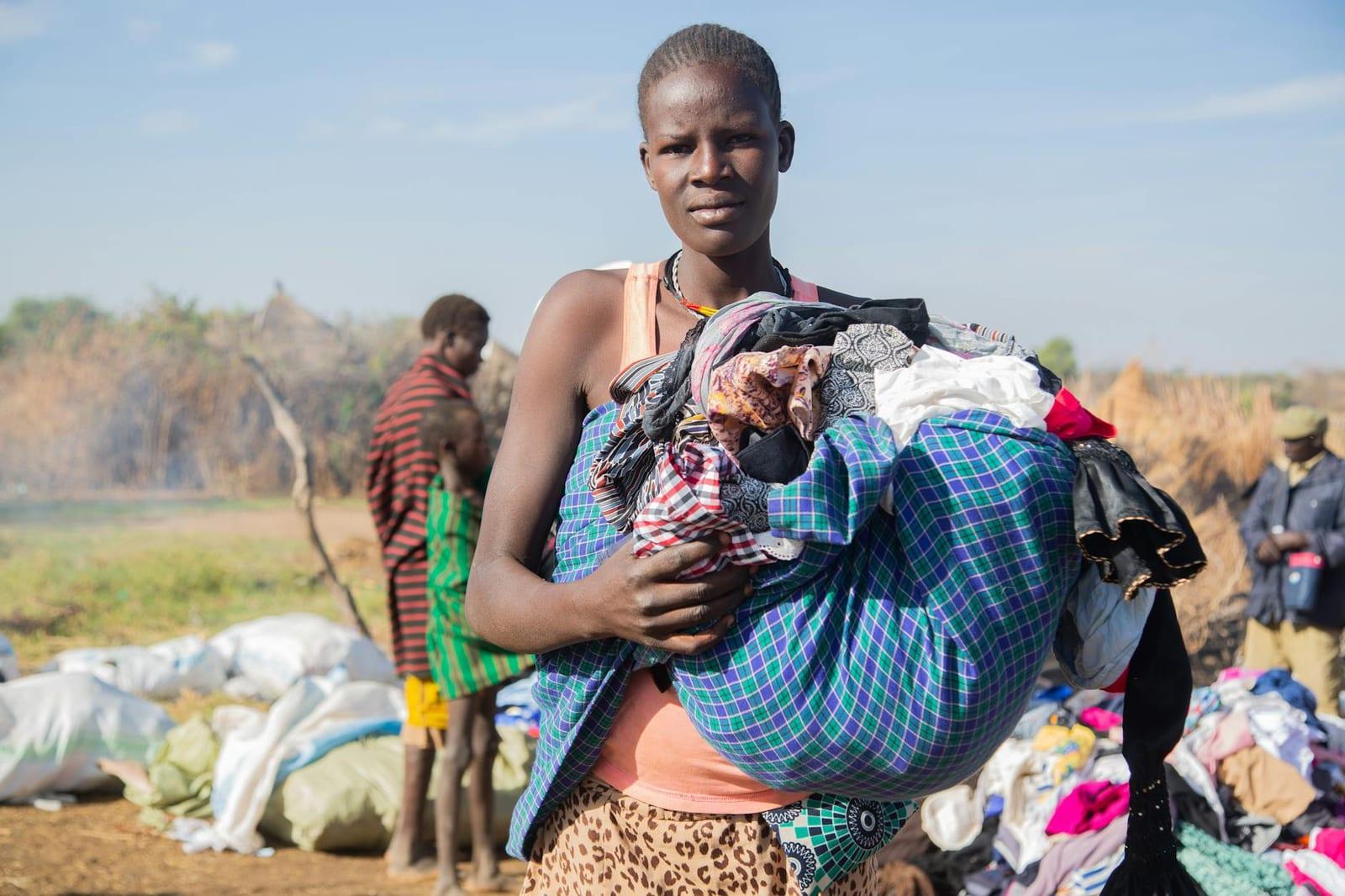
- Juba's market when it's safeVisit Juba's market when it's safe
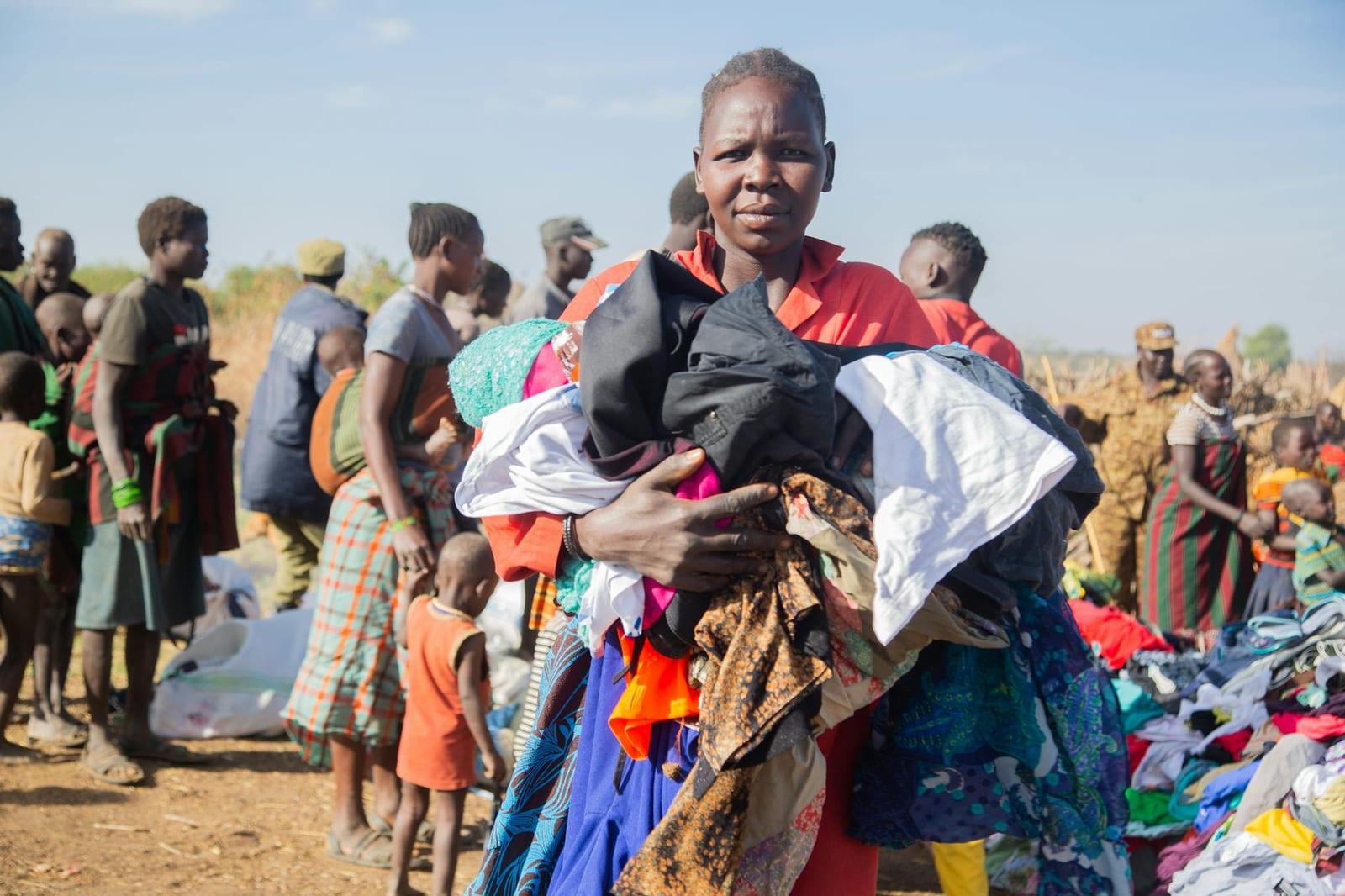
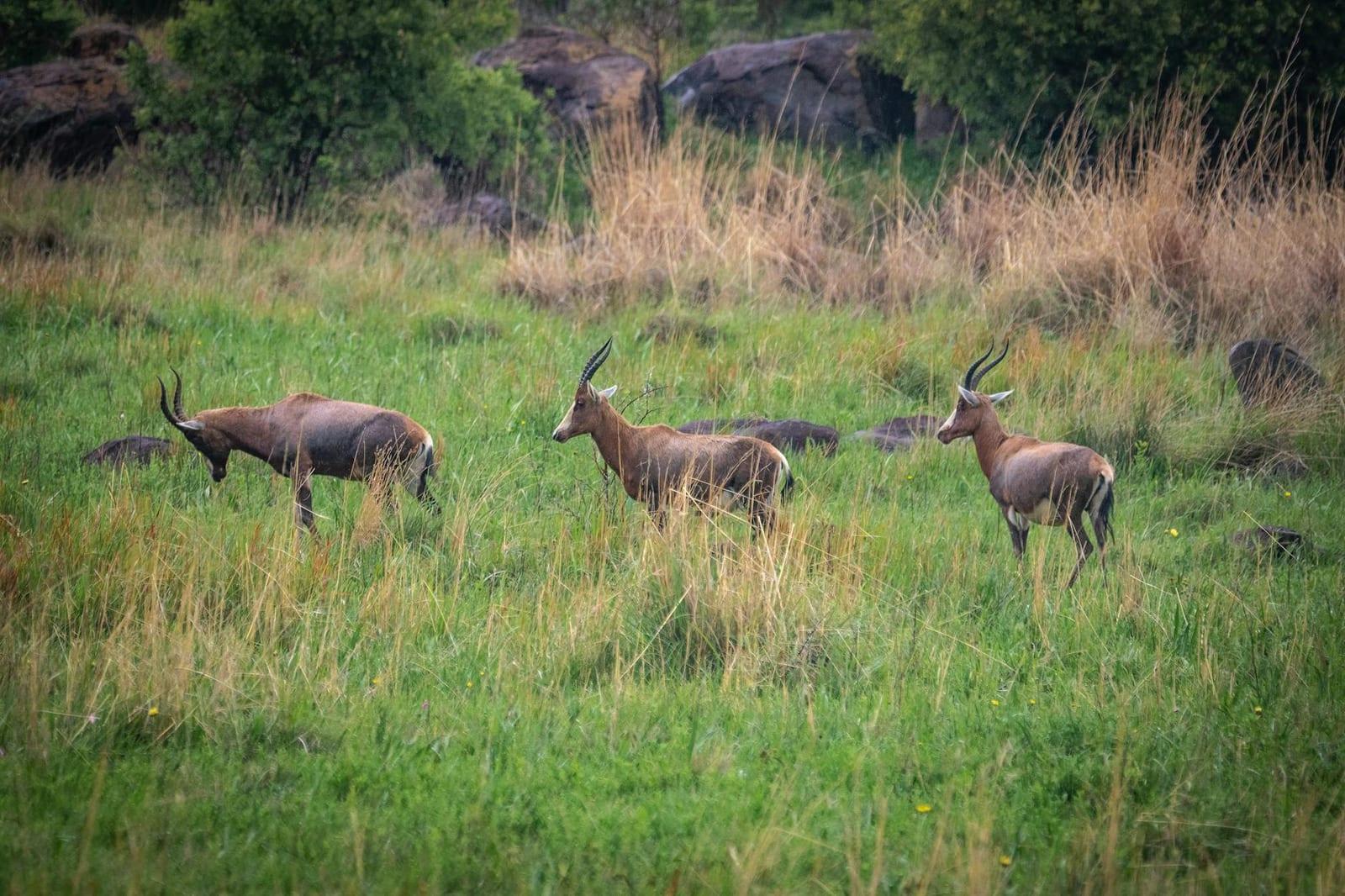
- Bandingilo National ParkThese savannas and marshlands don’t have the celebrity status of the Serengeti, but host their own epic migration: that of white-eared kob and tiang.
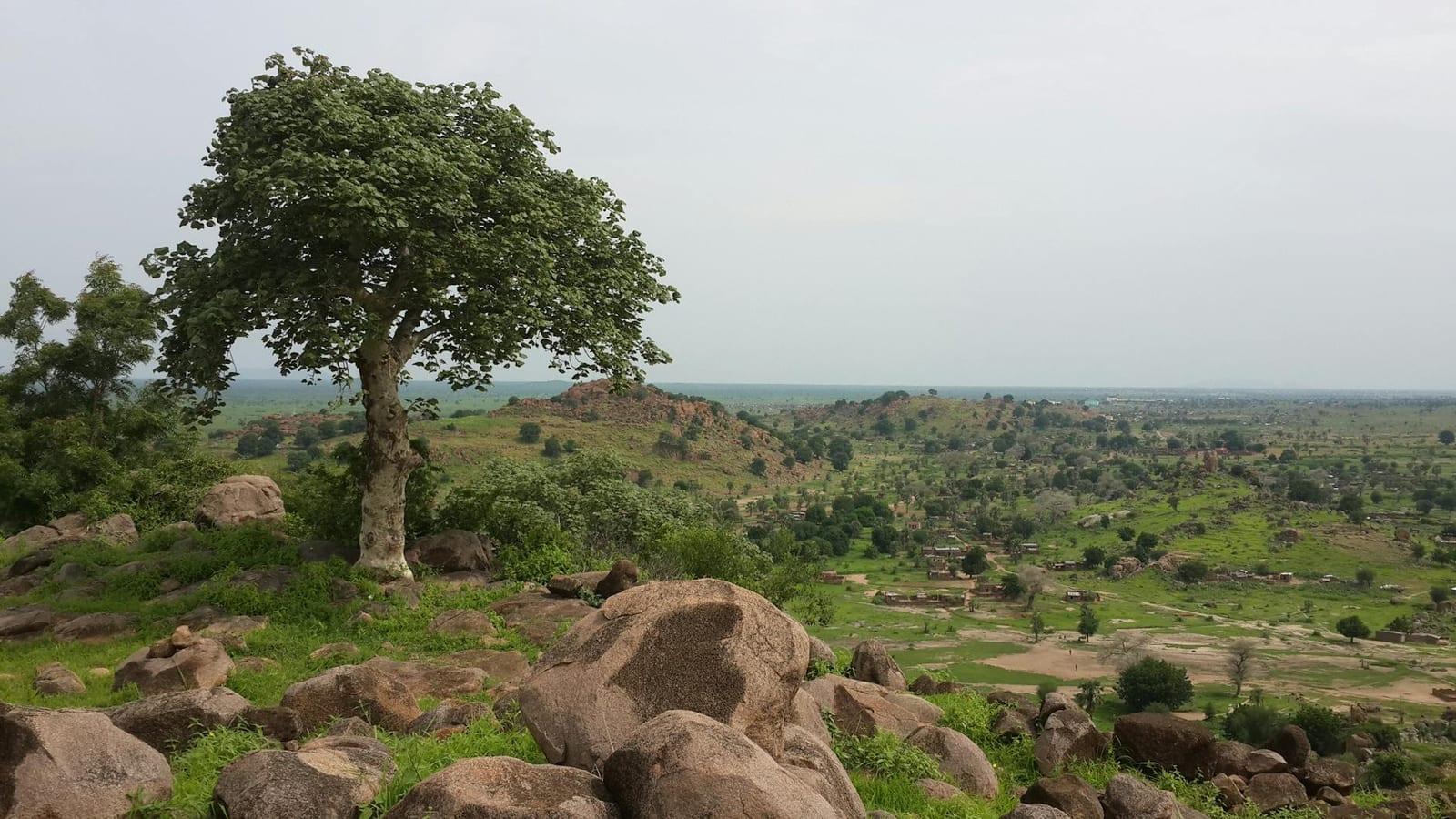
- Boma National ParkNortheast of Bandingilo near the Ethiopian line, this outstanding park also shelters kob and tiang as well as elephants, buffalo, zebra, lions, and cheetah.
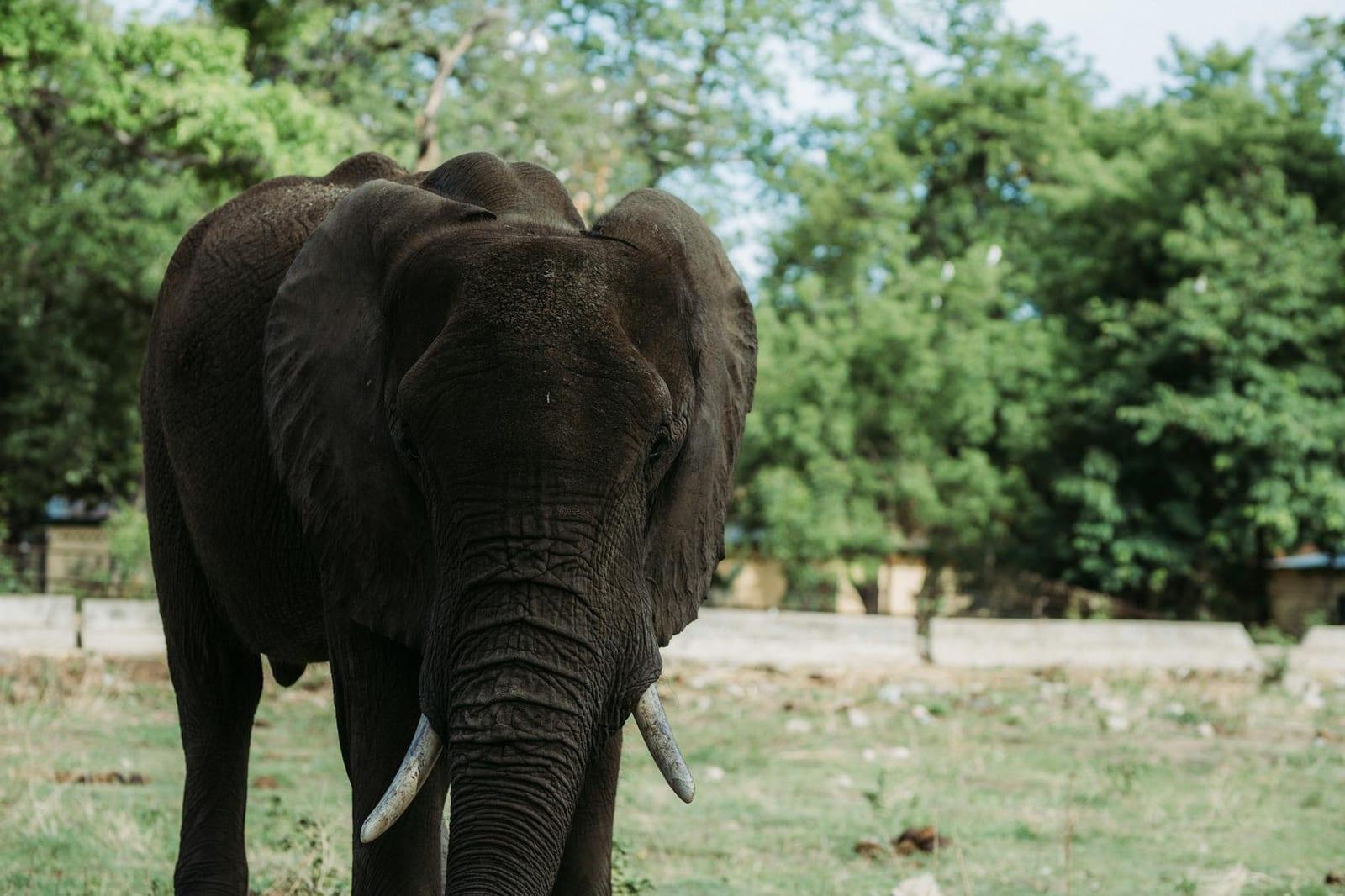
- The SuddThis vast mosaic of papyrus swamp and marshland along the White Nile floodplain, one of the world’s biggest wetlands, long stymied explorers seeking the Nile headwaters.
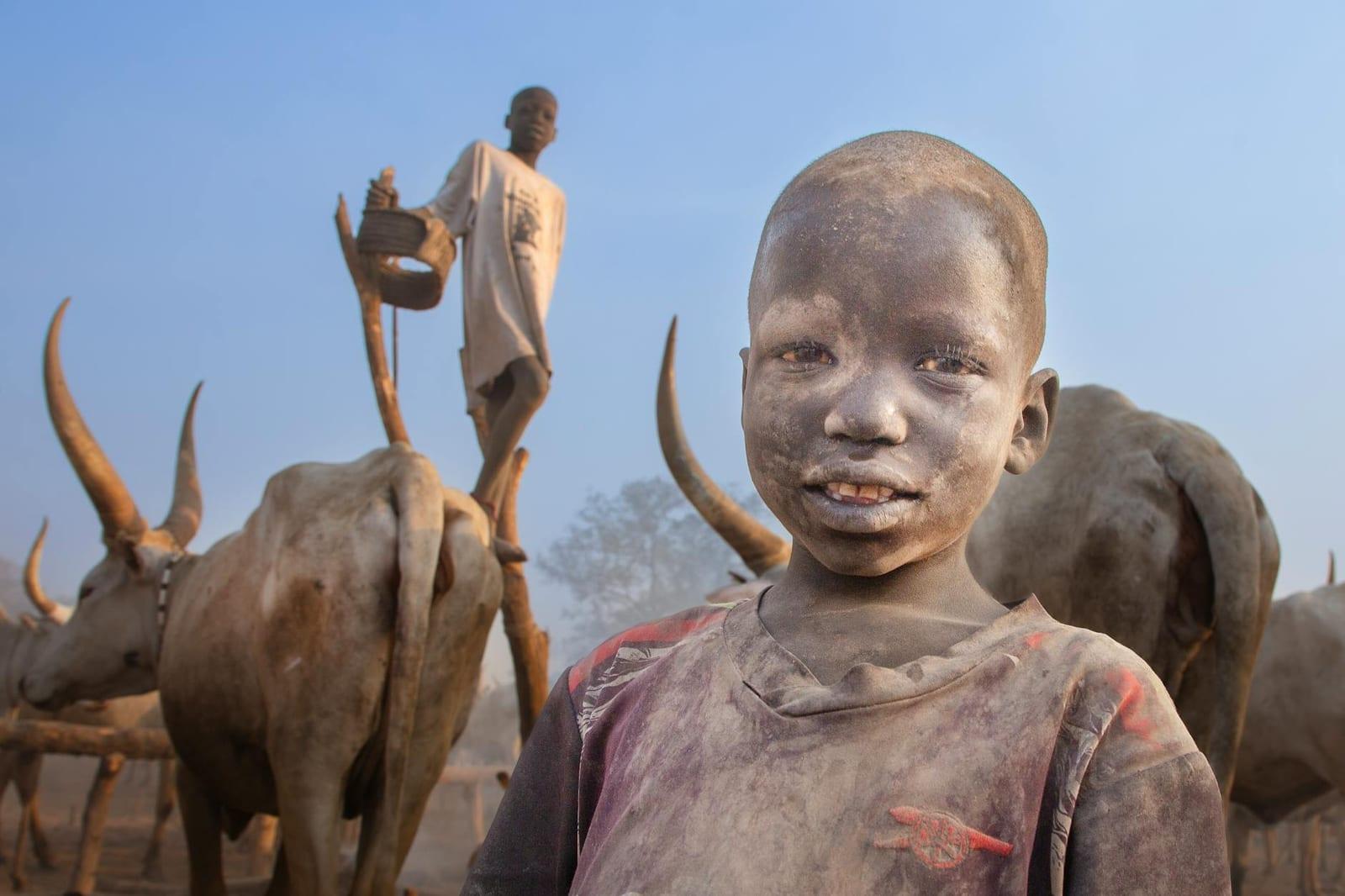
- Imatong MountainsThese substantial mountains in the far southeast, which include South Sudan’s highest peak in 10,456-foot Mount Kinyeti, harbor rich montane forest.
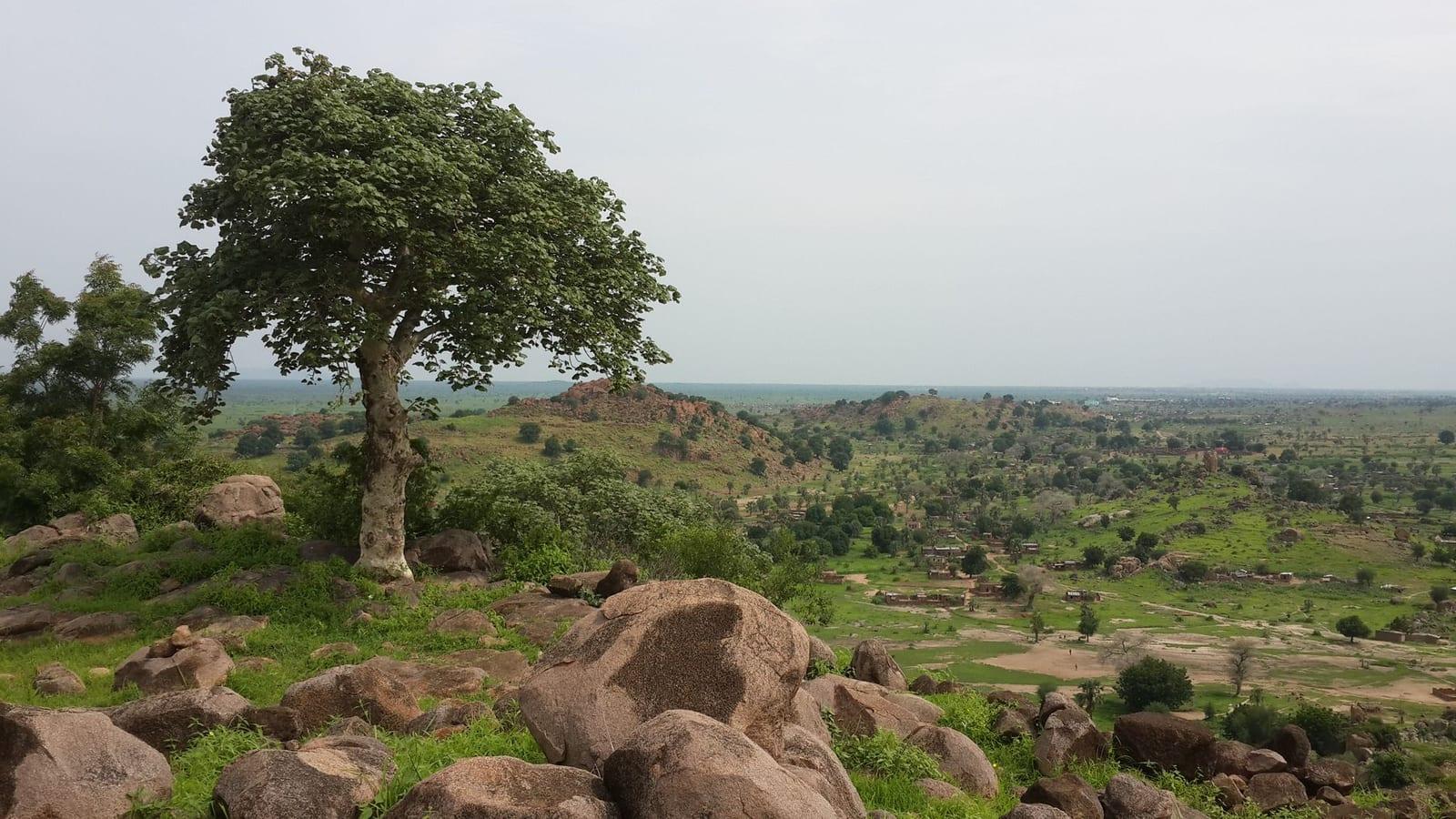
- Bangangai Game ReserveThis park in the far south protects equatorial rainforest home to elusive bongo antelope, leopards, and chimpanzees.
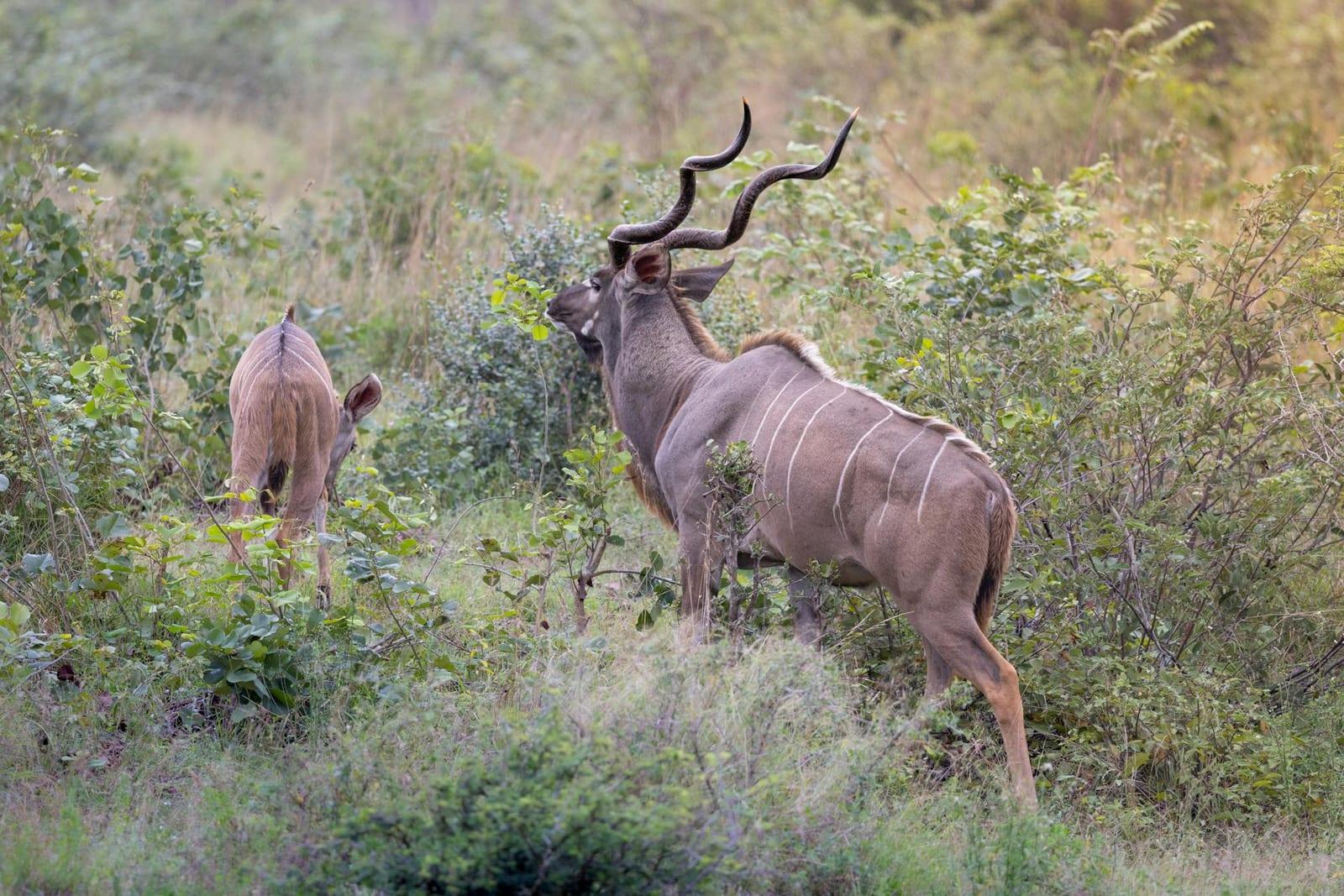
- John Garang MemorialOne of Juba’s most stirring landmarks, this statue honors the leader of the Sudan People’s Liberation Army who died shortly after South Sudan’s independence.